

As every year, in the very middle of August, the Locarno Film Festival comes back, bringing one of the most revolutionary selections of films and allowing audiences to discover some of the most radical and out-there voices in contemporary filmmaking. In fact, the Swiss festival manages to strike a really difficult balance by blending strong authorial voices with a selection that also winks at a more mainstream audience through Piazza Grande, ensuring its position as one of the most awaited film festivals of the year.
Continuing to prove that it is always able to connect with contemporary trends in cinema, this year’s selection of short films shows a really strong predominance of political themes. It may seem obvious, with the current ongoing wars and all the political turmoil we are facing, but we’re not talking about just a trend—we’re talking about the vast majority of the selection. It may seem inevitable that a festival like Locarno would be looking at these themes with special attention, but the sheer amount is striking. Goes without saying that a really high number of the shorts available at the festival (in this list, we count all sections, including those outside of competition) have very peculiar narrative and visual styles, so don’t look if you’re not ready to be taken into unforgettable rabbit holes of radical filmmaking.
Typhoon Mambo – Domenico Singha Pedroli
The age of AI is here, and everyone is aware of it. We are seeing all sorts of audiovisual works that either take sides for or against it, use it to tell a story, or simply turn it into part of the plot. What Typhoon Mambo does is approach AI through the experience of coping with grief and mourning after someone’s death. It also shows an elderly woman becoming dependent on a technological device for comfort following her husband’s death. The concept is nothing that Spike Jonze’s visionary (and cautionary) tale Her had not already predicted, but the film’s interesting approach to the intersection of old age, death and artificial ‘humanity’ makes it well worth watching. Is this the future waiting for us? After all, the protagonist admits that she cannot understand how people dealt with loss before technology. Domenico Singha Pedroli’s brainchild was selected for the Concorso Nazionale.
Elegy for the Forgotten, on an Endless War – Bani Khoshnoudi
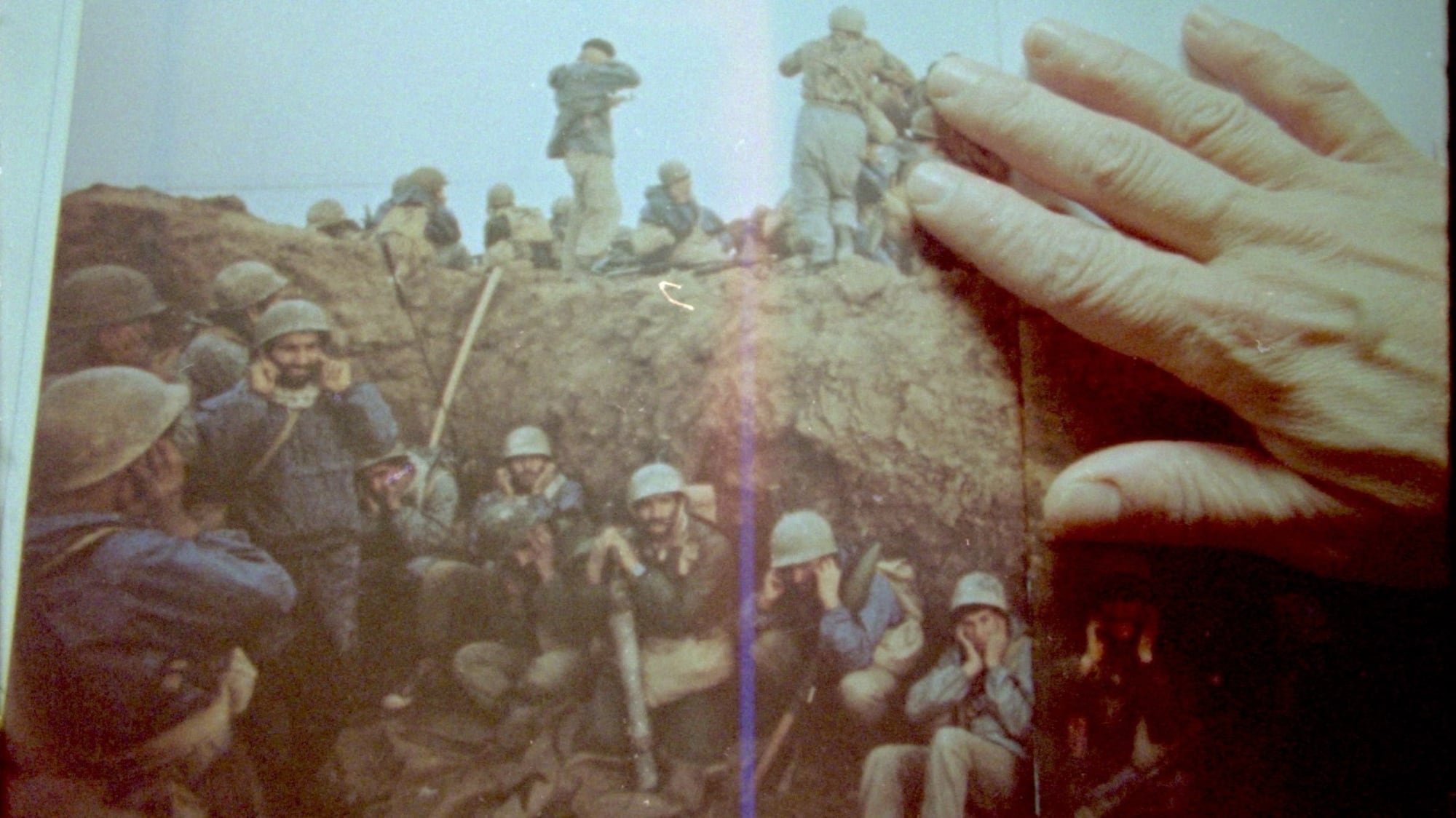
Bani Khoshnoudi’s short focuses on the return of war and destruction in Iran, after the revolt of January 2026, almost 40 years after the Iran-Iraq War. The images of Israeli and American bombs falling have been tightly controlled by the regime within the country, and, stemming from this concept, the film focuses on the interesting question: “Who produces and controls the images that we see, and how do those images impact the reality that we imagine?” Made as a patchwork of videos that speak for themselves, Elegy for the Forgotten, on an Endless War reflects the importance of an open discussion without forcing a narrative, simply letting the frames tell a story that perhaps would be better left untold. The short screened in the Concorso Corti d’Autore section.
Goat – Judy Kibinge
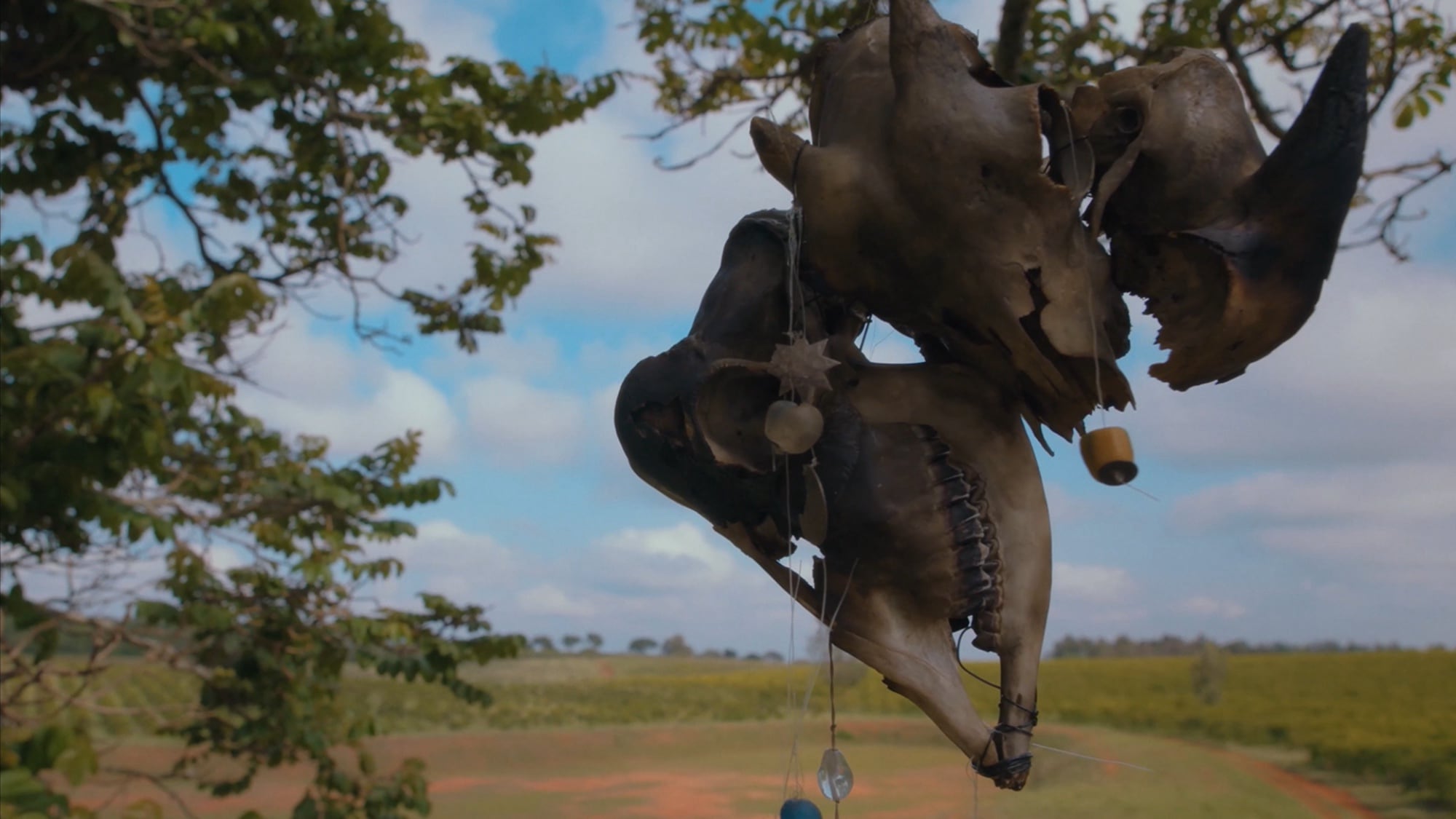
This 28-minute short film, directed by Kenya’s Judy Kibinge, encompasses multiple themes within its running time. First is the relationship between humans and nature, already hinted at in the title, which unfolds through the interconnectedness of plants, animals and people. The story itself develops in fact within a natural environment, when Suki’s fiancé takes her to an isolated farm to buy a goat. She is a vegetarian, she doesn’t feel comfortable there and immediately wishes to leave. However, when she realises that the ancient Mugumo tree is demanding that she repay a debt she didn’t even realise she was carrying, the young woman rethinks her whole view of the world, including her future marriage with her partner. This is where the other element of Goat kicks in, showing the impact of personal beliefs within love stories. A really interesting supernatural folk thriller presented in the Open Doors screenings.
Most Popular
Maids of Petroleum – Hans Baumann
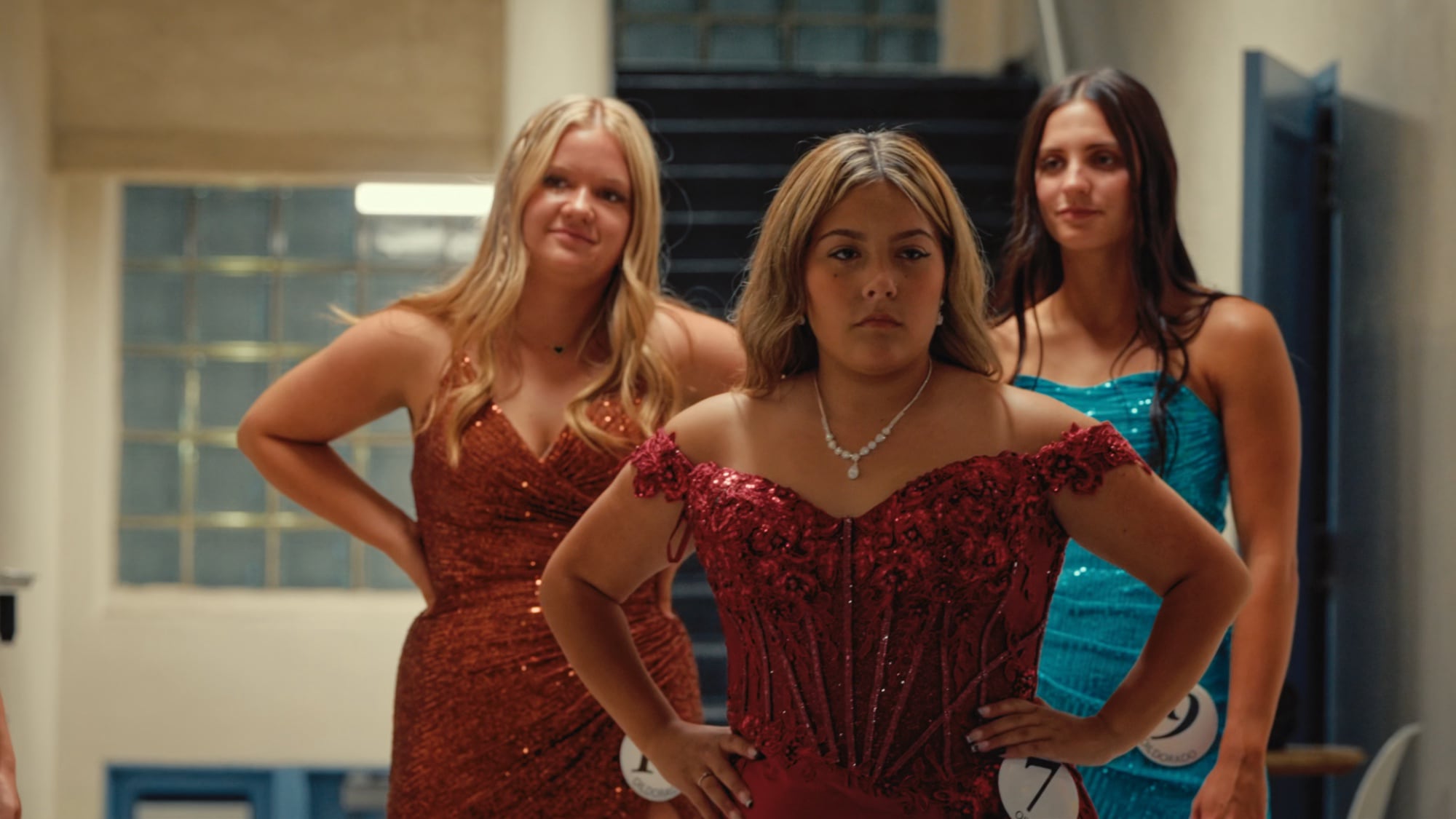
The only American short across the entire selection—and can you get more American than this? Even though it’s competing in the national competition of Pardi di Domani, director Hans Baumann is Swiss-American, Maids of Petroleum is as star-spangled as it gets. Every five years, for nearly a century, a California oil town has crowned its ‘Maids of Petroleum’. Teenage girls rehearse, parade and perform, asked to carry an inherited civic mythology into a future that can no longer be promised to them. A satire of overly performative American society, the film also focuses on the importance of the symbolism behind oil. Is a society built around it ready for its collapse? Are these Americana traditions simply laughable attempts to hold on to a world that no longer exists? A must-watch to spark these reflections.
The Architect Who Built His Own Collapse – Chun-Tien Chen
The first animated short in this list (the festival was quite abundant in this sense), and one that blends beautifully crafted visuals with a strong yet simple idea. The 20-minute The Architect Who Built His Own Collapse follows a former activist-turned-architect who joins an urban redevelopment project led by an old friend who is now the city mayor. Chun-Tien Chen’s story focuses on the loss of shared memories and ideals that disintegrate and change as things get demolished. A reflection on translation and on legacy, that boasts a masterful visual look. A true gem of animation, we hope to see more coming from the Taiwanese director in the future.
Gherking – Claudius Gentinetta
Screening in the Pardi di Domani’s Concorso Nazionale, this seven-minute, dialogue-free animated short is directed by Swiss filmmaker Claudius Gentinetta. Gherking’s story is simple, but it works thanks to beautiful visuals that are unsettling and yet comforting, as if the gestures of the old woman on screen were those of our own grandmother. In this politically charged and visionary tale, the voice of the hegemon growls from an old radio as propaganda plays the march of war and the people applaud. Meanwhile, a granny carries out her familiar autumn ritual: heating the stove, preparing herbs and spices, and arranging her preserving jars. Could these simple rituals be a form of resistance to dictatorship? Heart-wrenching and heart-warming at the same time.
The God that Destroys – Jyoti Mistry
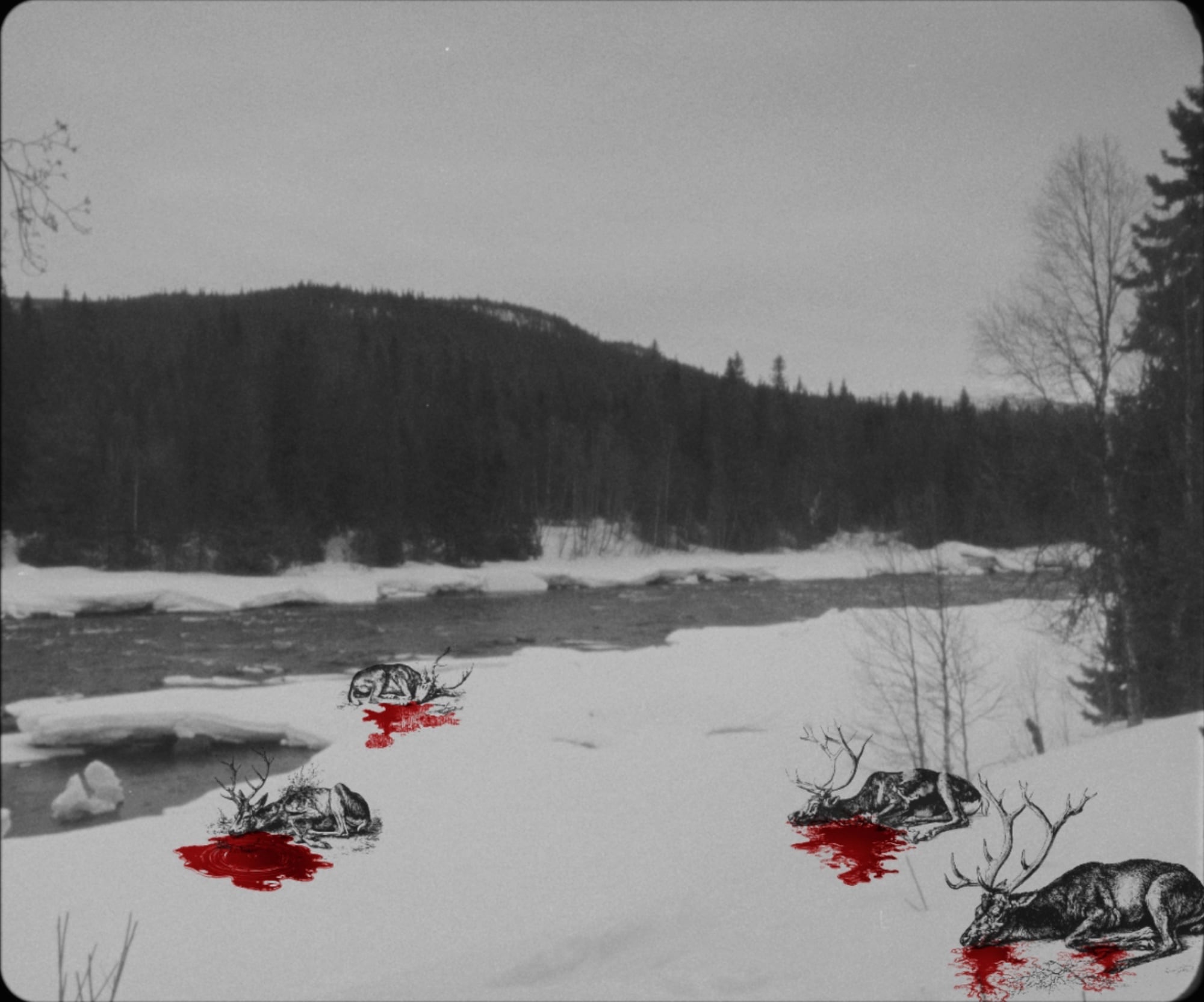
In the Concorso Corti d’Autore, we find this experimental co-production between Austria and Sweden, directed by Jyoti Mistry. Black and white images from the first half of the 20th century are woven together with newly shot 16mm footage that mimics the archive and animation to create a tapestry that intertwines Sámi cosmology with commentary on capitalist destruction. The Siren of the Future, performed by Sara Ajnnak through traditional Sámi yoik and voiceover tells the story, aided by original songs performed by the Gothenburg Opera’s Children’s Choir. This beautiful chanting as a soundtrack is by far the most enjoyable element of The God that Destroys, which might otherwise feel too cold or distant in its narration. Its focus on the legacy of Swedish colonialisation of the Sámi people offers a perspective on an ever-perpetuating cycle of forced assimilation and cultural oppression that is, unfortunately, not exclusive to the region.

Ãsheghetam – Filmsaaz
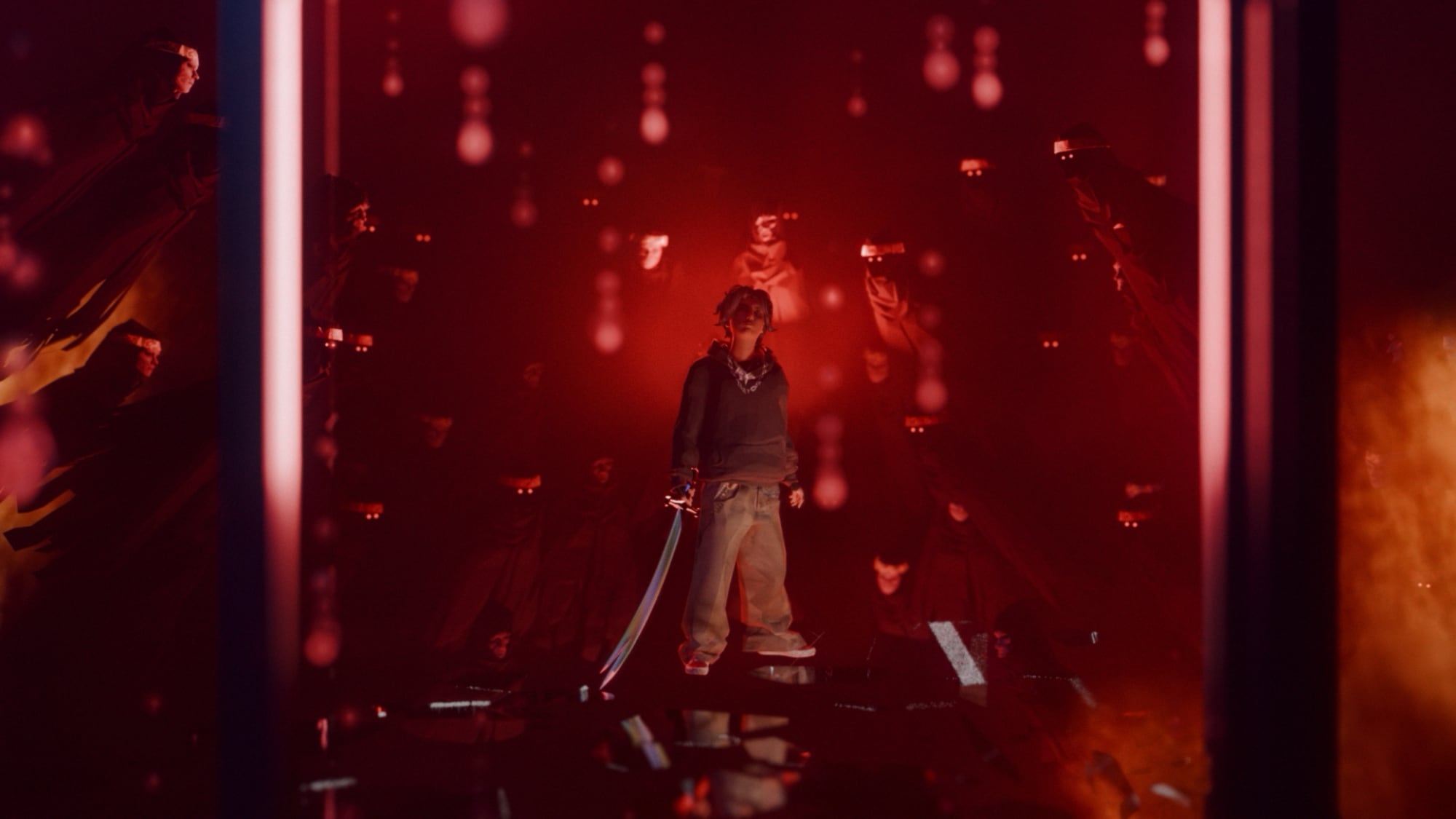
With a title derived from the Persian Ãsheghetam, meaning “I am in love with you”, Filmsaaz’s work screened in the Concorso Corti d’Autore. Stunning, original, absolutely unhinged in the best way possible. An unforgettable testament to the power of love and freedom in a world that is burning all around them (as they speed inside a car). The visuals of this film are very powerful and also extremely original: in some moments, it really feels like a blend between a funky videogame and a nightmare or lucid dream. The interesting point is that none of this is made just to be visually pleasing; instead, its main core lies in its protest and political engagement. Ultimately the power of the bond between the two young girls is the key to unlocking true freedom. Clearly, we are in front of one of the most visionary experiments of contemporary Iranian cinema.
Las damas – Camille Zéhenne
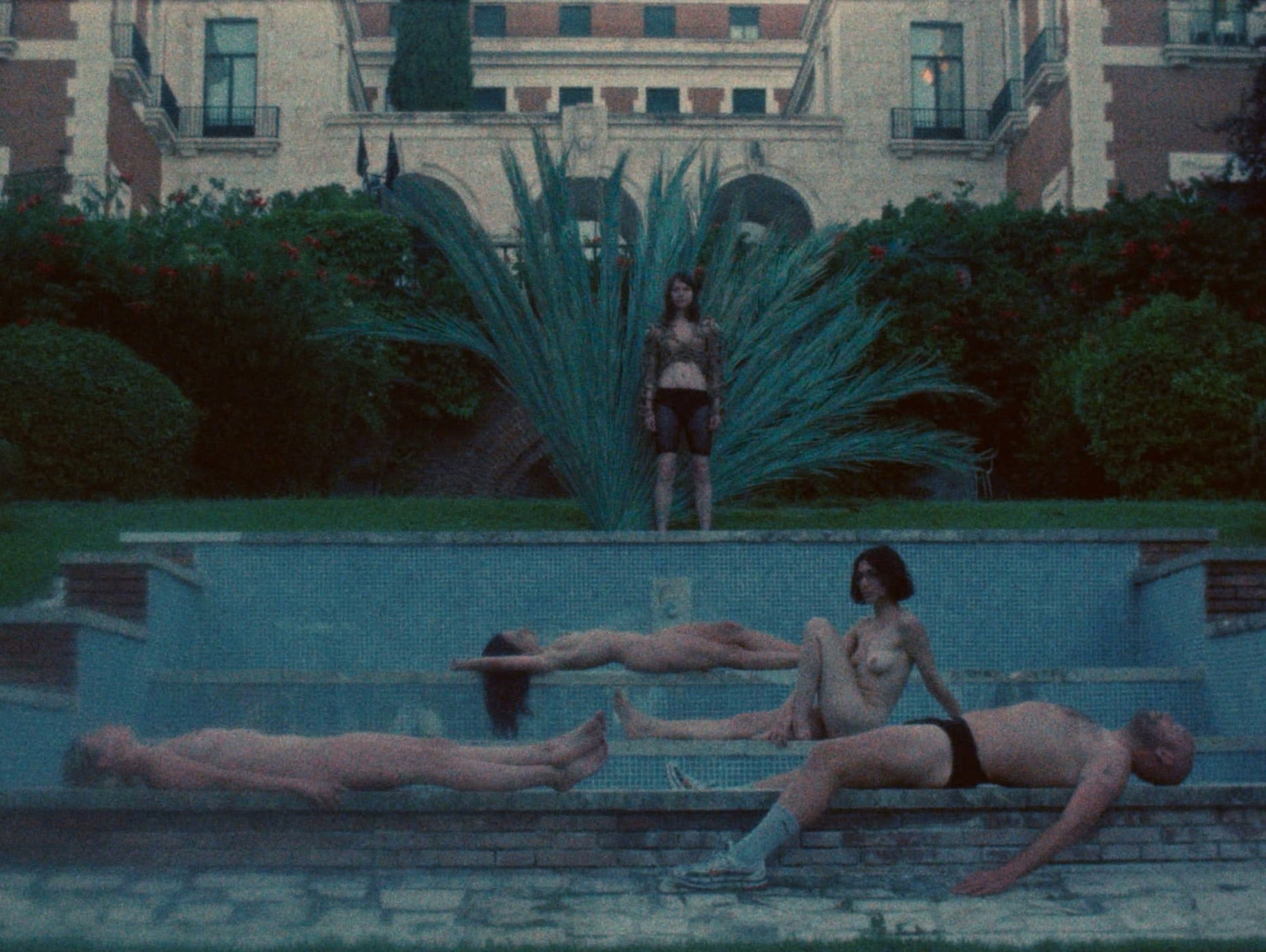
Visual, sensorial, sexual and experimental, Las damas does not rely on a clear plot, as is often the case with many of the other Locarno films, but much more on the sensations and atmosphere it builds. Alba, an artist-in-residence at the Casa de Velázquez, struggles to find her place in the world and in her own body. During her research, she discovers the Dama de Elche, a statue of mysterious origins that becomes an obsession for her. Most of its scenes are striking in their breathtaking simplicity and composition. None of them are particularly original in themselves, and the film is indeed part of a longer cinematic tradition. Nevertheless, there’s nothing better than getting lost in the images of a well-directed and edited short. Well done to French director Camille Zéhenne for telling a story made of women through the lenses and the sensibility of a woman.
Dans les rêves, quand on dort pas la nuit – Rachel Gutgarts
“15 years ago, I completed my military service in the Israeli army’s spokesperson unit. Today, based on real texts I found during my time there, I open up a dialogue with a young Israeli sniper.” This is the premise of Rachel Gutgarts’s brilliant short film. Using a heat map effect with false colours thanks to thermal imaging, it creates a sense of artificial distance, also allowing the director to mask the true facial features of the protagonist in dialogue with her. The distance in the way he talks about killing is chilling, and the visual style enhances the feeling that what we are watching is not real, but some sort of dystopia. Yet, that is the world we live in, and not just a story on a screen. Together with all the other selections of this 2026 Locarno edition, Dans les rêves, quand on dort pas la nuit reminds us of the atrocious conditions of the current world beyond the safe haven of cinema.
You can find more unmissable films like these in our Best of Fest collections.