
Like every August, the Sarajevo Film Festival returns as the largest and most important film festival in the Balkans. It brings powerful stories to the screen, often political and rooted in memory, exploring the recent history of the region where the festival takes place. At the same time, it offers a compelling and above all diverse selection of short films from all over the world. The competition programme is divided into three sections: Short Films, Student Films and Short Documentary Films. We also peeked at non-competitive sections such as Dealing with the Past. The selection includes films making their world premieres, as well as films coming from major festivals that take place earlier in the season. Several of the films selected here have already screened at festivals such as Annecy and Cannes, among others. In fact, Asparagus Bear, in the Documentary Competition, was part of our SXSW London Best of Fest selection and we also highlighted Cosmonauts in our Annecy Best of Fest.
Here is a selection of ten of the most interesting and groundbreaking shorts in this year’s Sarajevo Film Festival selection. The themes are as diverse as the genres, with animation given significant space in the festival’s programme. Overall, what stands out is that quality is not only about technique but, above all, about the stories and themes explored. These films offer fresh perspectives and confident voices. Most interestingly, some come from the student film selection, making the maturity of their direction all the more striking.
Holy Defiance – Karla Jelić
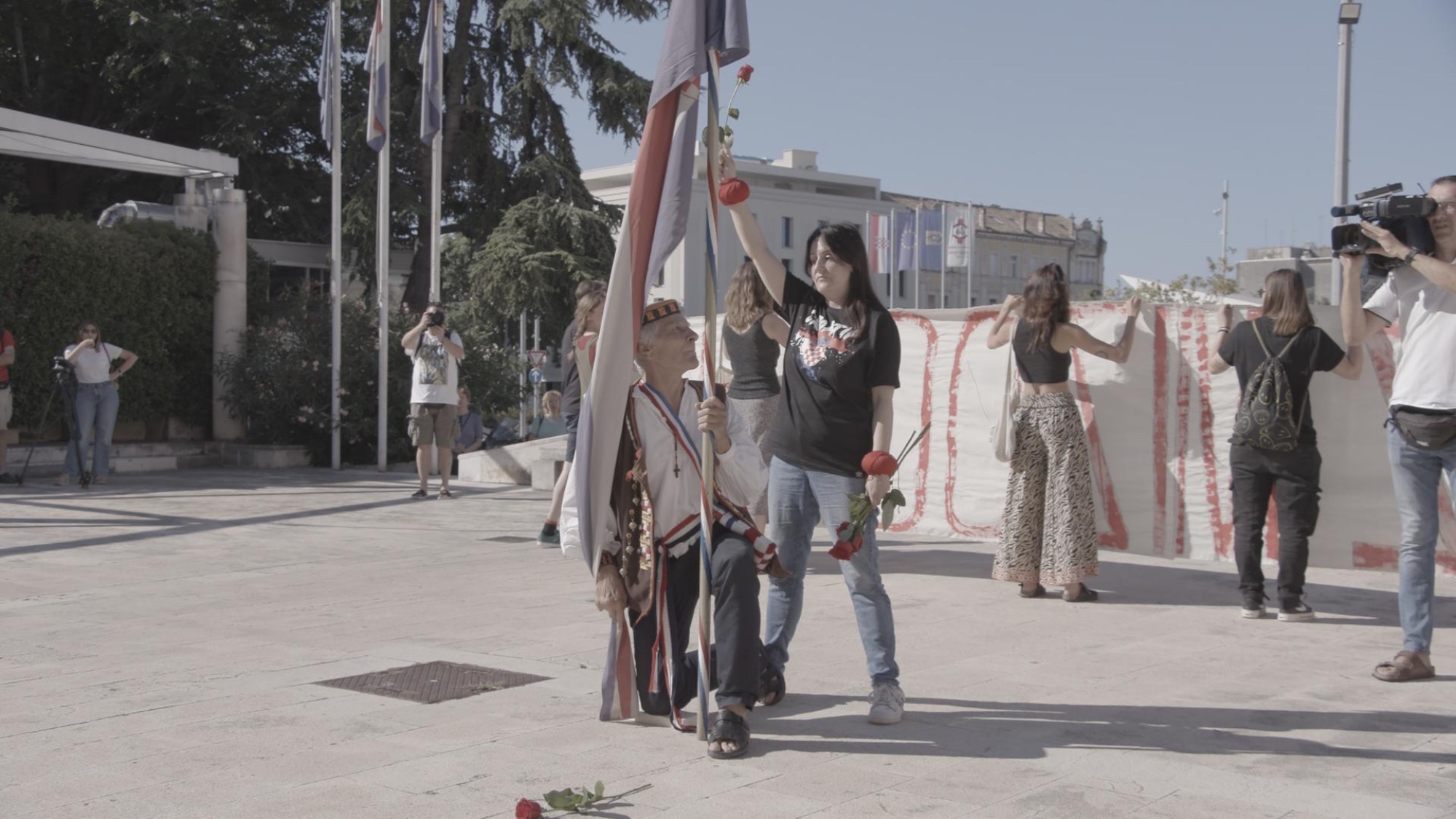
After its premiere at Sheffield DocFest, Karla Jelić’s short is one of a kind. On the first Saturday of every month, on the main squares of Croatian cities, hundreds of men kneel and pray together. Calling themselves The Knights of the Immaculate Heart of Mary, they prevent women from entering and, in their prayers, they advocate for re-traditionalization, patriarchy, and the restriction of women’s freedoms. Multimedia artist Arijana Lekić-Fridrih travels to a different city each time and performs her feminist piece ‘Silent Mass’ as the men pray. As you might predict, the group has tried in various ways to prevent her performances. In disclosing this absolutely anachronistic and almost unbelievable tradition, Holy Defiance focuses on an alternation of scenes between those dedicated to the protagonist and those focusing on hundreds of men who take part in this kind of performance. The film’s remarkable and brilliant direction allows us to discover this story—one that would otherwise remain confined to its own region—and encourages us to reflect on what it still means today, in Europe, to risk not having women’s rights on an equal footing with men’s.
Over the Threshold (Preko Praga) – Tara Gajović
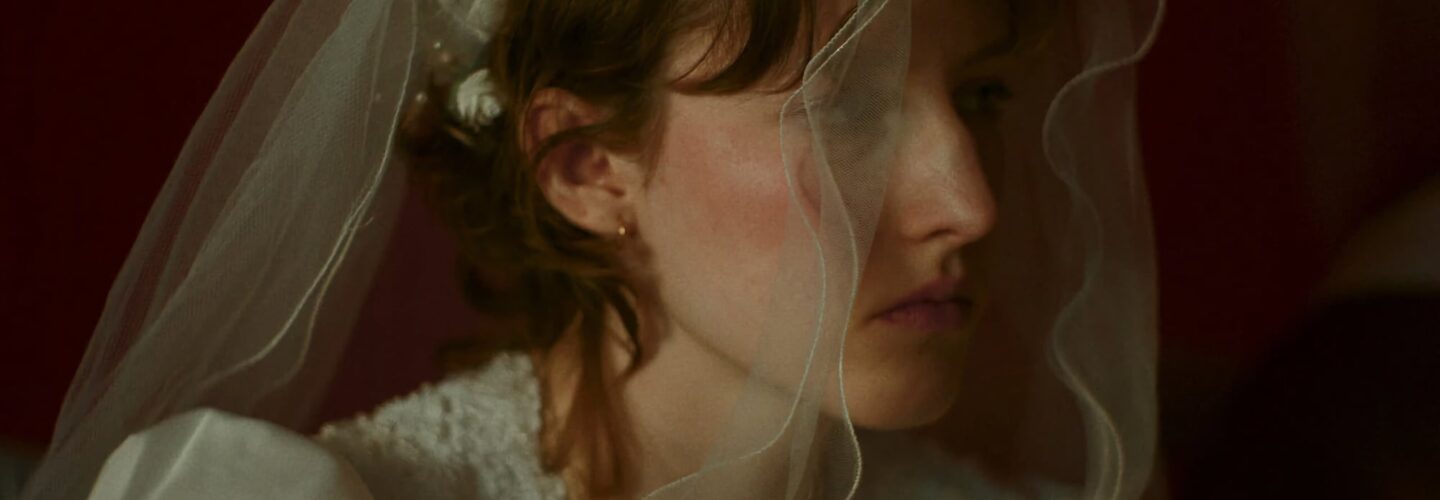
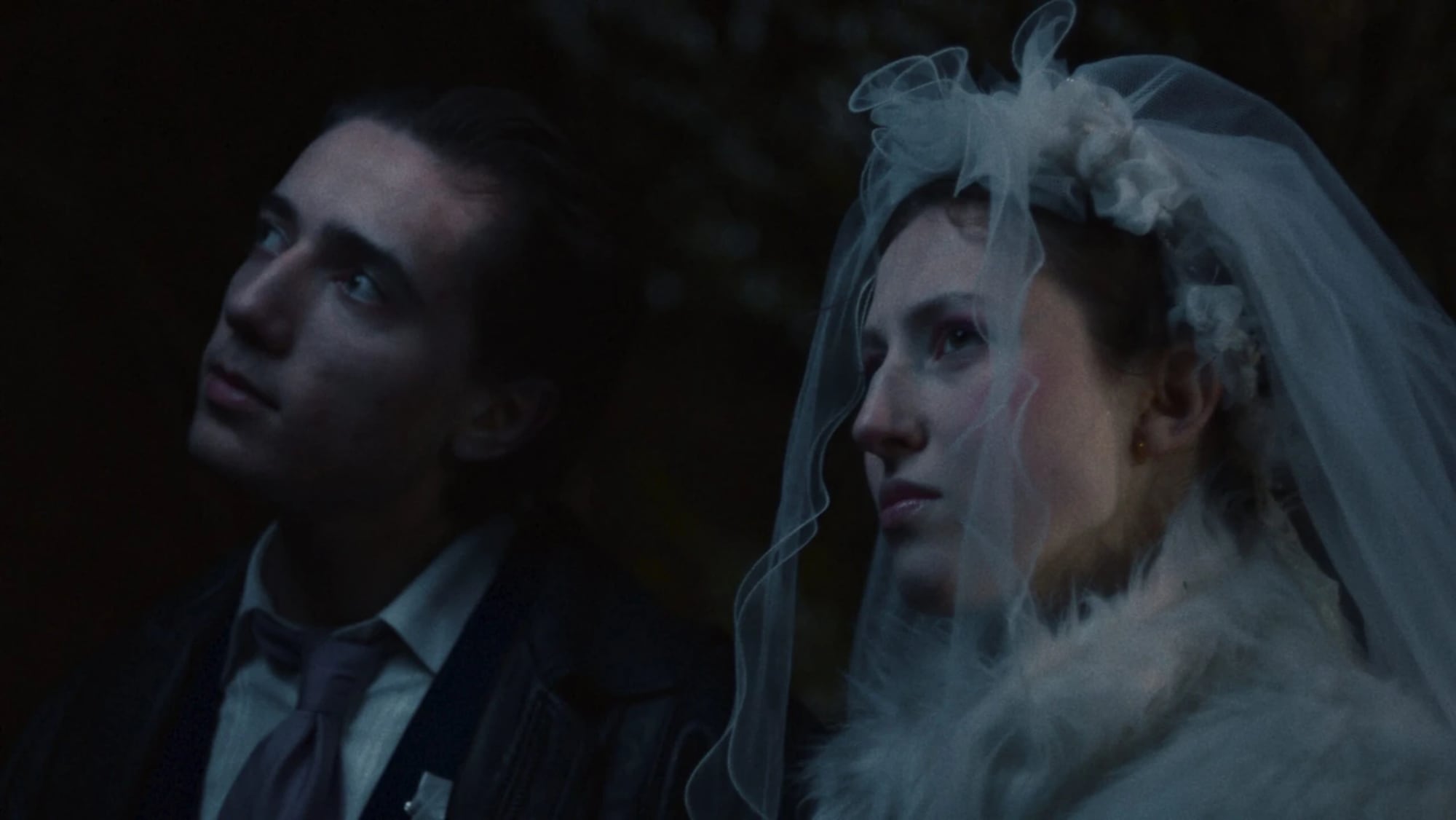
Presented at Cannes as part of the La Cinef competition, this is undoubtedly one of the films with the most striking cinematography in the programme. Serbian filmmaker Tara Gajović, only 26 years old, made Over the Threshold as her graduation short at the Faculty of Dramatic Arts in Belgrade, hence it screening in the Student Films section. The 15-minute short is impeccably flawless, also in terms of its set design. The story is relatively simple: it follows a newlywed couple who feel the need to escape the formal context of their wedding and spend the evening together discussing their future. It’s a situation many people will recognise, but the film places it firmly within the specific geographical and social context of Serbia. This creates a very interesting discussion around traditions and what they represent, whether they are religious traditions or simply traditions shaped by the history of a country.
Unwellness – Réka Pinczés
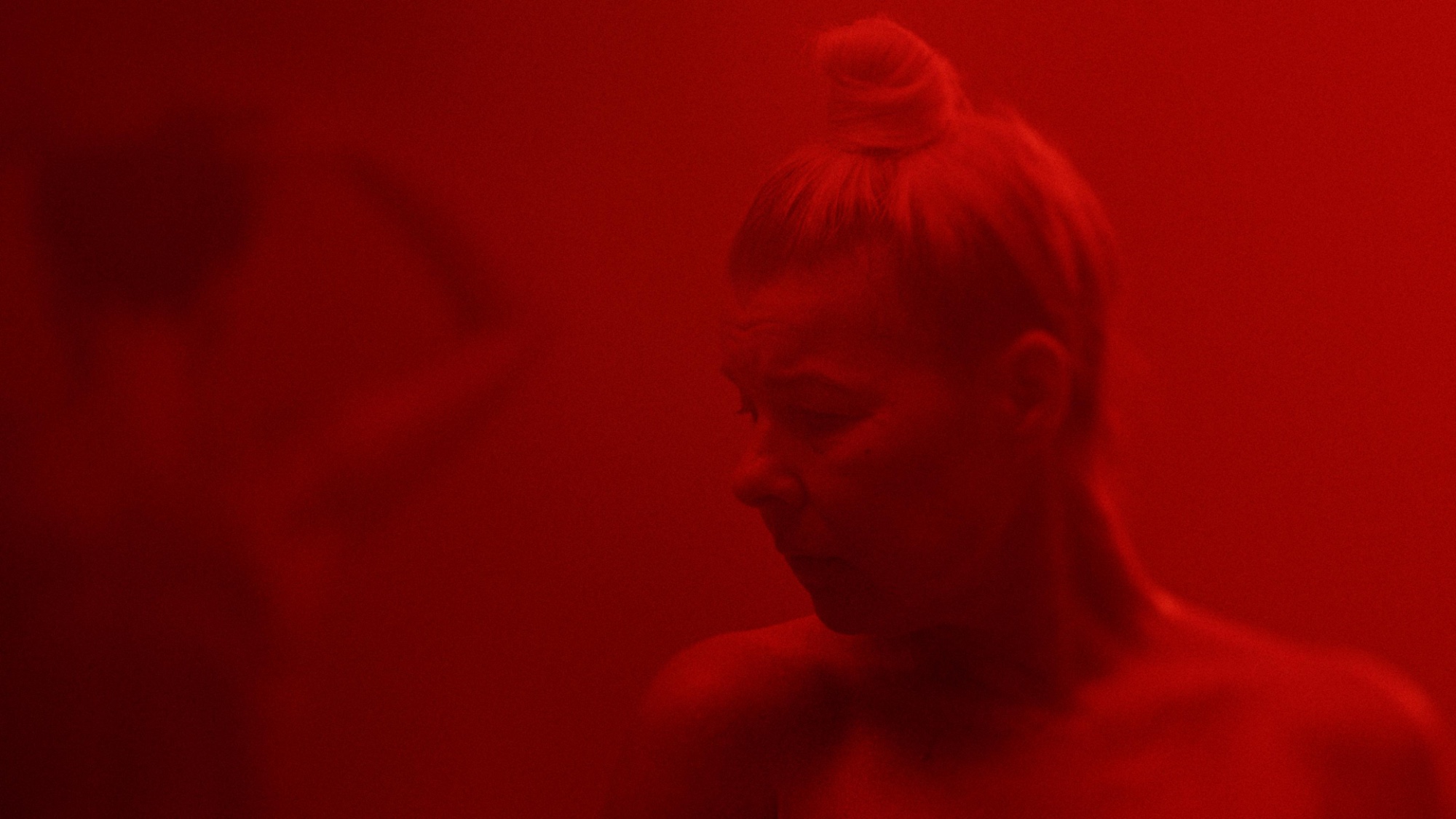
World-premiering in the Student Films competition, Réka Pinczés’ Unwellness follows an ordinary woman in the midst of menopause, attending an accountancy course at a spa hotel. When a hearing-impaired woman unexpectedly awakens her long-suppressed desire for physical intimacy, Ildikó is forced to confront a new phase of her life and come to terms with changes she can no longer ignore. The transition into a new stage of life, in this case menopause, which brings with it a different relationship to sexuality and one’s own body, is rarely explored in cinema. Too often, it is treated comedically, or at least without the sensitivity and nuance that characterise this film. Here, we have an incredible performance by lead actress Réka Pelsőczy, as well as an excellent screenplay that manages, within the short running time, to convey all the emotions this woman experiences, which are ultimately released toward the film’s climax through a spectacular editing sequence.
Most Popular
Paradaïz – Matea Radić
Chosen as part of the festival’s Dealing with the Past section, Paradaïz is a masterclass in short animation filmmaking. In less than ten minutes, and without any dialogue, Sarajevo-born artist Matea Radić explores a return to Sarajevo after the Bosnian War, where childhood memories of Yugoslavia collide with the trauma and violence of the past. Through haunting animation, nostalgia, and surreal imagery, the film reflects on displacement and the impossibility of returning to a lost paradise. Lost in a place where the houses have holes, tomatoes are ticking time bombs and snails wander the streets in search of a safe space, we find a haunting human reality: memory matters more than we realise.
Motherhood – Anca Damian
Anca Damian’s Annecy title Motherhood, here part of the Short Film Competition, tells a beautiful story of motherhood, seen through the eyes of a woman who, before being a mother, is obviously a daughter, and who, before being a mother, is also a partner. The animation spectacularly conveys this inner torment, mixed with the joy of motherhood. Without a doubt, Damian’s ability to tell an intimate, personal story that is, of course, also so universal, and to do so in such an original manner, is remarkable. As we know, motherhood is often explored within the cinematic medium, but here we are faced with a story that makes use of its necessity and urgency to tell a story that becomes unforgettable thanks to the way it’s told.
Porkatal – Sis Gürdal
World premiering in Sarajevo, Sis Gürdal’s film tells a heartbreaking story, but at the same time, it is striking for its hopeful style, which never allows itself to be overwhelmed by the darkness of the story. The fact that the short is centred on a child who knows no life outside the prison where he was confined with his mother is fundamentally an original idea, because it creates the impression that the child is, in a sense, being born again when he leaves the hospital, as if he were discovering life anew, emerging from the hospital as one emerges from a womb. Moreover, the concept is somewhat similar to Rousseau’s Émile, which tells the story of a child who is raised in a rural setting, in an environment where he grows up somewhat without constraints, restrictions, or preconceived ideas. Despite the enormous conceptual differences, in some respects, the context here can remind us of Émile. Furthermore, the interpretation of the child protagonist is extraordinary, as is the simplicity of the scenes and their composure. All in all, the different aspects of the Porkatal form an incisive, perfectly complete, and solid film.
The Future Is in Your Hands, But Why Not Lend It to the Specialists? – Alexandra Schinteie
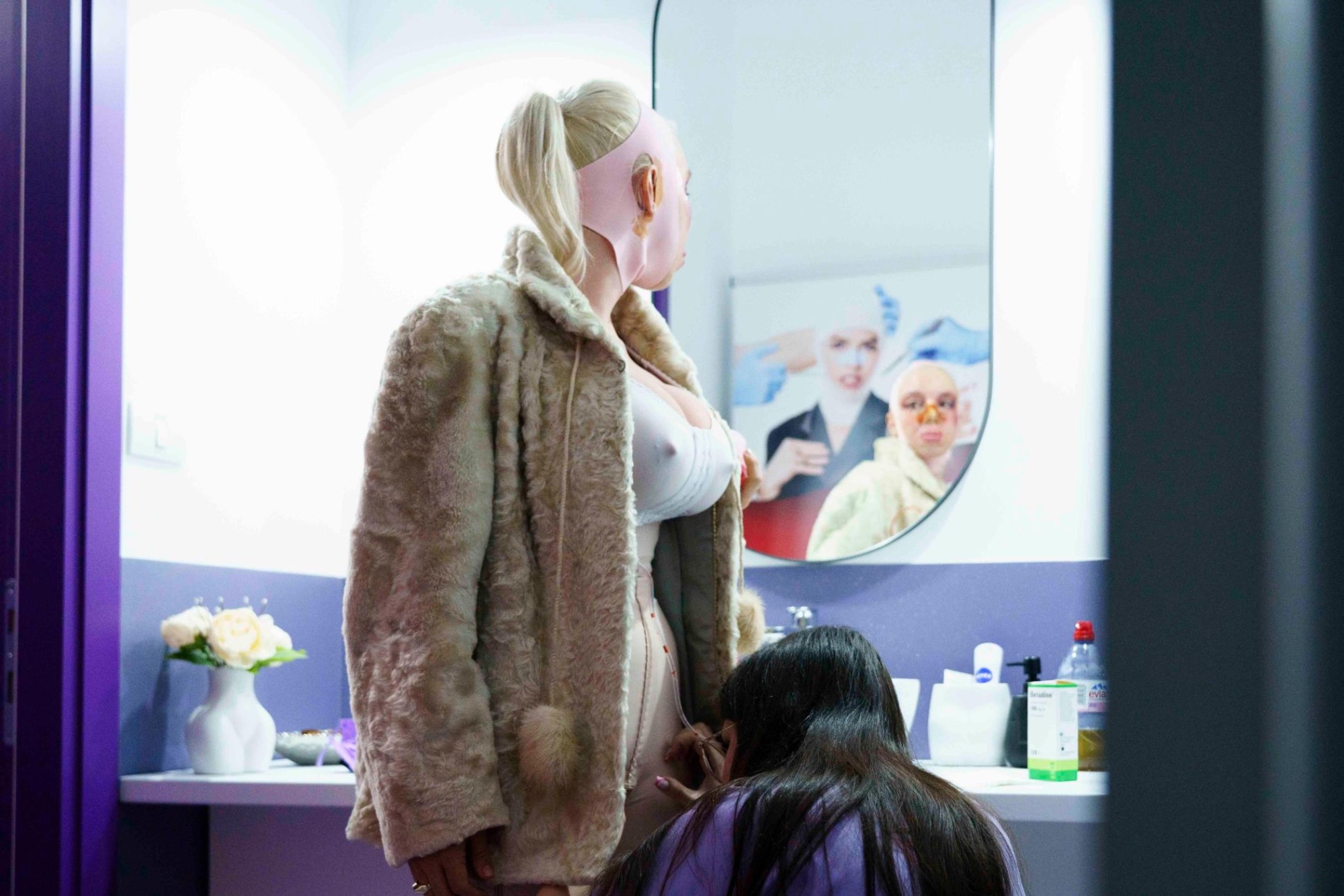
With The Future Is in Your Hands, But Why Not Lend It to the Specialists?, Alexandra Schinteie has built a film with an atmosphere that very easily recalls Radu Jude’s films, also thanks to the casting of Ilinca Manolache, one of the muses of the famous Romanian director. This unmissable satire gets to the heart of the issues surrounding plastic surgery, Botox, and cosmetic enhancements. The transformation of a woman pushed to alter her appearance by a man also plays cleverly with the perception of the female body through the male gaze. The film handles this transformation particularly well, both in terms of its production and performances. It maintains a distinctive atmosphere that may not appeal to everyone, but is instantly recognisable and feels promising within contemporary Romanian cinema. Rather than simply copying Radu Jude, it feels more like an homage, while offering a promising glimpse of a director with a distinctive voice in the making.
Adgwa-ata – Zsuzsanna Kreif
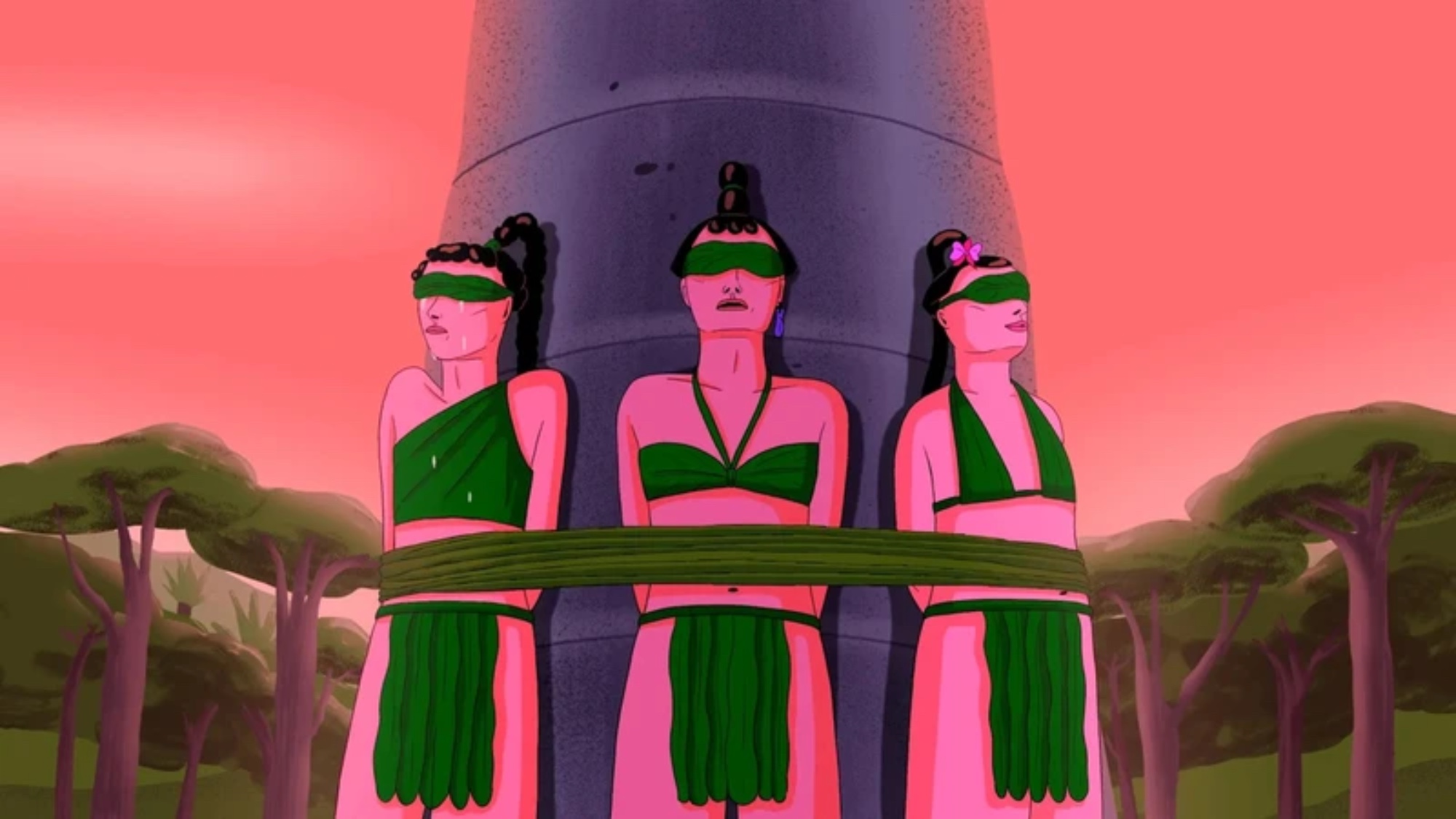
This striking piece of animation is unpredictable, richly colourful, and distinguished by a strong sense of originality, even if its visual language and heightened use of colour are not entirely unfamiliar. Following its screening in Cannes, Adgwa-ata feels like a film with a long future ahead of it. Zsuzsanna Kreif uses its colourful, almost hypnotic surface to tell a story of emancipation, female solidarity, and the discovery of one’s own body. The film is not always easy to decipher, but perhaps that is precisely what makes it so compelling. We are invited to lose ourselves in a succession of increasingly intense images that gradually become more immersive. Dominated by shades of green and pink, Adgwa-ata is a visually arresting short that lingers in the mind.
Of Light Ghosts – Isabella Fellinger
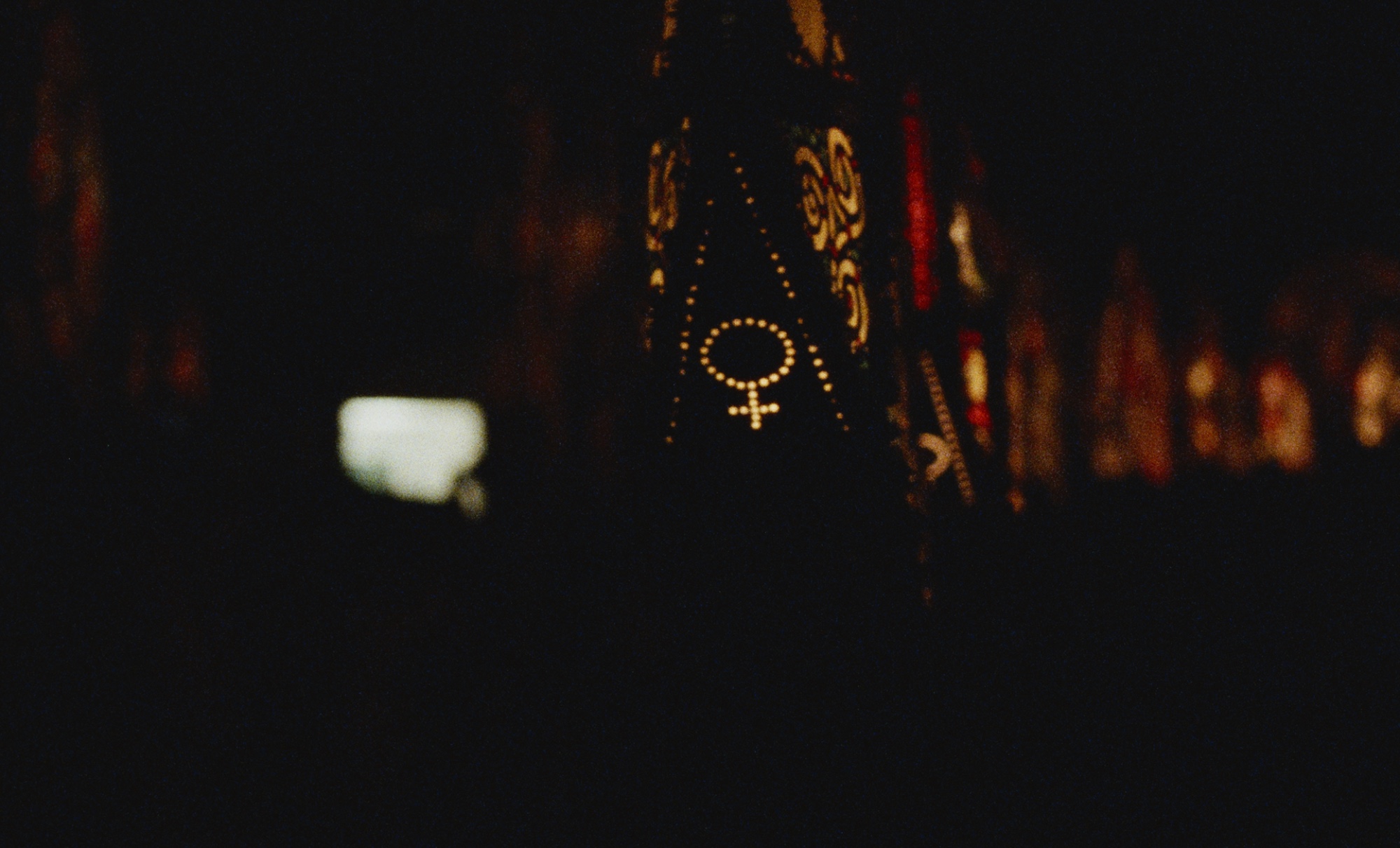
Of Light Ghosts, a 27-minute Austrian short, is a film that focuses entirely on atmosphere rather than chronological development or conventional narrative logic. Here, colour, cinematography, and, more broadly, the sensations the film evokes are its greatest strengths. Its extended runtime, which can often work against a short film, instead allows the viewer to become fully immersed in this world of light and, above all, darkness, with one existing in constant contrast to the other. Isabella Fellinger handles the film’s underlying narrative with restraint, allowing the images to carry much of its meaning. These evocative visions gradually take on greater weight, ultimately serving the film’s broader themes and leaving a lasting impression.
Fahrudin – Alen Drljević
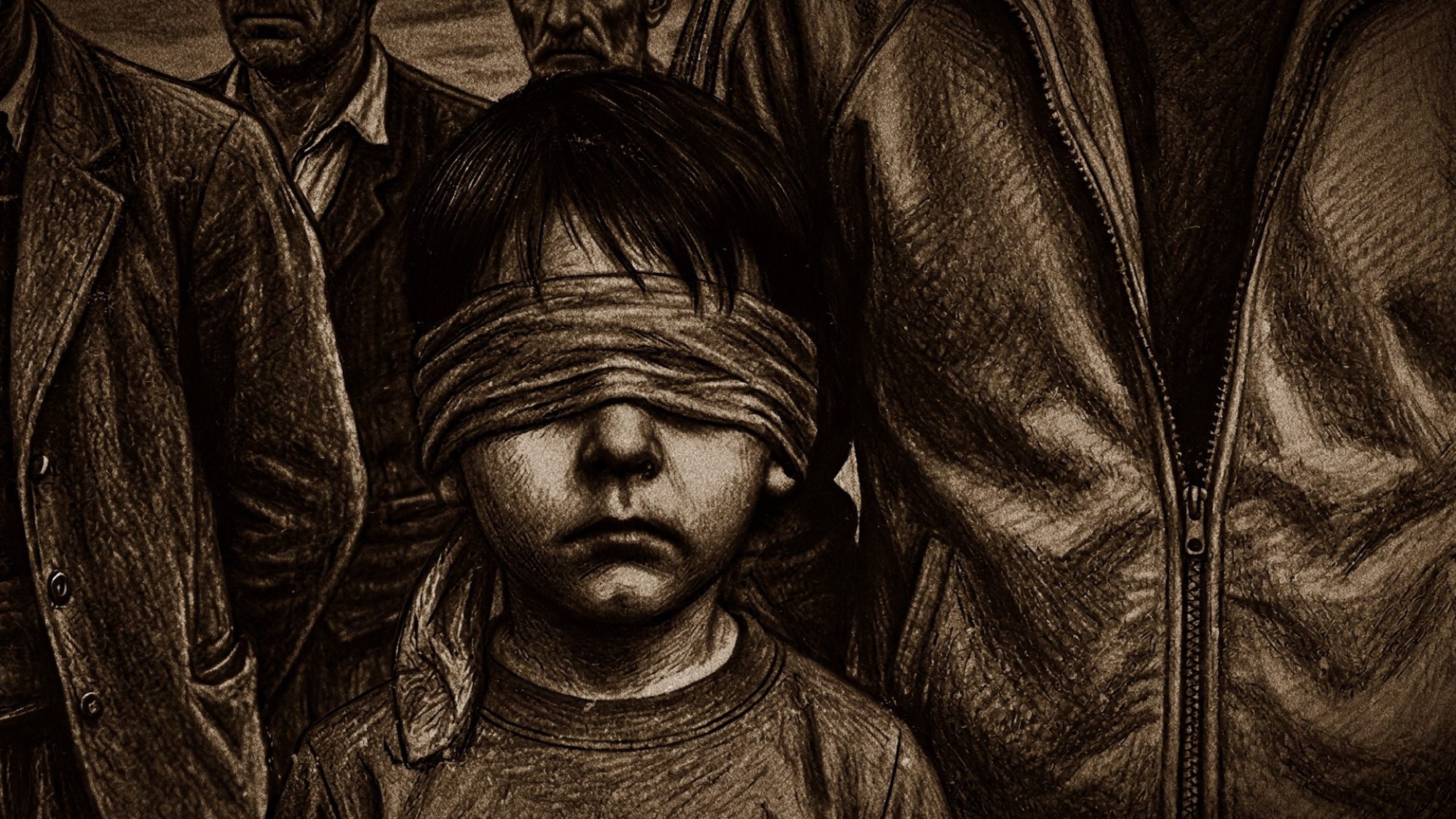
Animation gives the story a rawness that might have been difficult to achieve in live action. Told almost entirely through shades of brown and dark charcoal, Fahrudin creates a visual language of sadness, despair, and alienation. This approach allows the story to unfold without the limitations of a live-action production, even though animation itself is an incredibly time-consuming and costly process. Alen Drljević hits hard with a film that tells the survival story of Fahrudin Muminović, who miraculously escaped a mass execution during the Srebrenica genocide when he was only seven years old. Given the subject’s profound local significance, it is perhaps unsurprising that the Sarajevo Film Festival selected the film for its Documentary Competition. What makes that choice particularly interesting is that the film is animated, and yet, despite its form, it remains firmly rooted in documentary, using its form to reconstruct and convey a real-life story that might otherwise be difficult to represent.
You can find more unmissable films like these in our Best of Fest collections.