
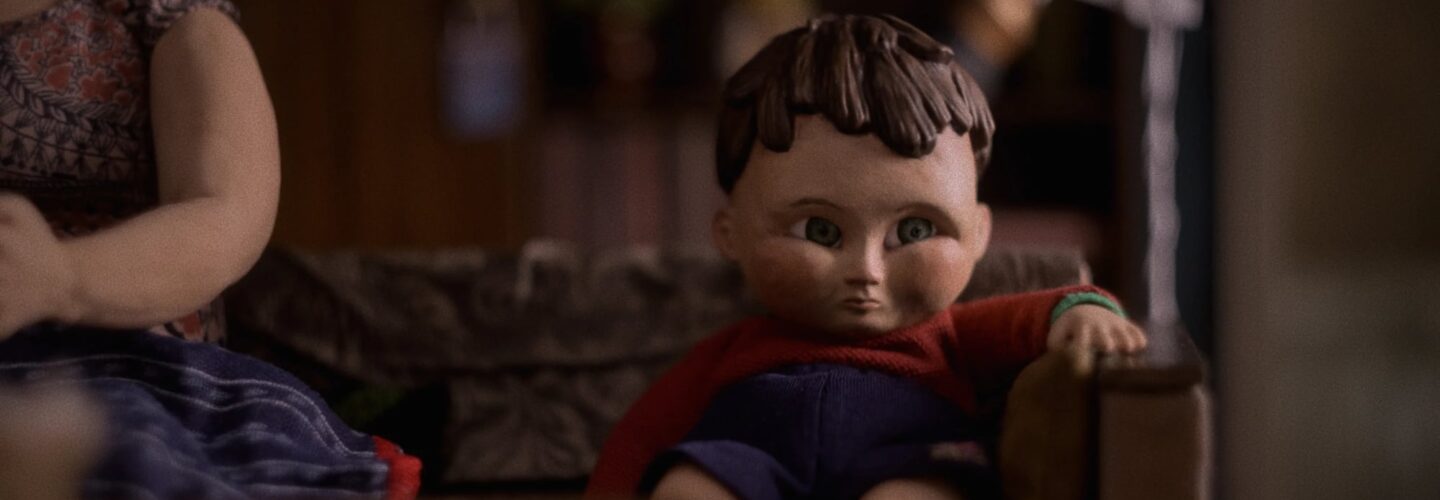

Every October, the Riga International Film Festival welcomes audiences into a diverse programme of films that span a wide range of styles and perspectives while placing a particular focus on the Baltic region. This is especially important, as film festivals can sometimes lose sight of the need to tell the stories of the places in which they are based, becoming overly internationalised in the process and allowing local gems to slip through the cracks. In this respect, the RIGA IFF stands out as an example of best practice.
Alongside its international selection of 24 short films, the festival presents seven Latvian shorts as part of its National Short Film Competition. Both sections feature a diverse range of works, although the overall direction of the 2026 edition seems to lean toward experimentation and animation. The programme includes numerous experimental films with documentary elements, as well as several distinctive animated works that push beyond more conventional, mainstream approaches. With that spirit of adventure in mind, here are ten shorts from this year’s line-up, each reflecting the festival’s appetite for taking creative risks.
Patronymic – Mariia Ponomarova
Mariia Ponomarova, director and protagonist of Patronymic, delves into and explores a fundamental element of Slavic tradition: the patronymic, a part of someone’s name derived from their father’s name. She reflects on its significance in Ukraine, particularly in the aftermath of the outbreak of war, and on how the disappearance of her own documents has made this aspect of her identity feel more important than ever. The film thus explores questions of identity and the importance of passing traditions down through generations, even when those traditions may seem somewhat outdated. Ponomarova, for instance, wonders why the equivalent of a matronymic, a middle name derived from one’s mother’s name rather than one’s father’s, is not used instead. More broadly, the short reflects on the need to reconsider and adapt traditions as society evolves. A witty chorus, reminiscent of those found in ancient Greek tragedy, challenges the young woman, asking why she is preoccupied with such questions when war is raging and there are far more pressing issues to consider. Yet this is precisely what makes Patronymic’s perspective so compelling: it gives space to a subject that might otherwise be overlooked, reminding us of the importance of questioning and preserving cultural identity even in the midst of greater crises.
Soulmate – Jens-Julius Gunderlund Dall
Soulmate dials into the importance of the divide between what is tangible, and therefore belongs to the conscious world, and what belongs to the virtual world, represented here by a VR headset. The film’s protagonist attempts to establish a relationship with a girl who does not exist, whom he creates according to his own desires. While doing so, Jens-Julius Gunderlund Dall’s work moves across different narrative styles, as it alternates between conventional live action footage and virtual reality sequences that allow viewers to fully immerse themselves in what they are watching, almost as if they were inside a virtual reality themselves. It thus explores the evolution of technology in the context of romantic relationships, taking Her by Spike Jonze as its starting point. Although the concept is not particularly original, as several short and feature length films have attempted—and continue to attempt—to do the same thing, what stands out as this particular project’s main strength is the remarkable believability of the whole experience. This is largely due to its documentary-like touch, which adds to the interest in the story.
Pacific Islands – Adas Burksaitis
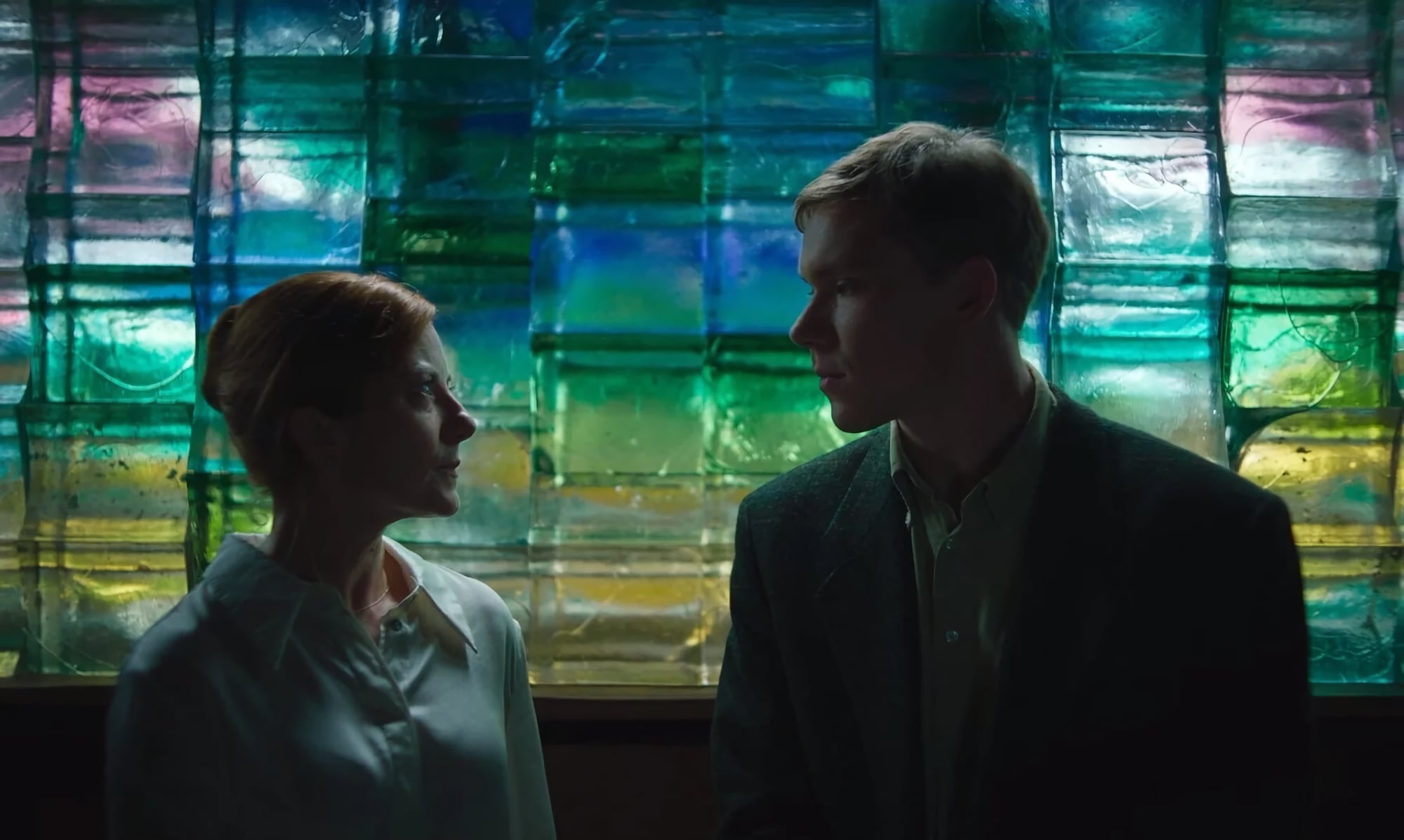
Pacific Islands is a cryptic short that is difficult to decipher, yet strangely familiar. We have all experienced an ambiguous situation with someone at some point in our lives, a situation that might have seemed strange or inexplicable to an outside observer. This is the premise at the heart of Adas Burksaitis’s film. A man and a woman meet each other in a hotel. Here, everything seems so familiar, yet strange, and past events seem to resurface. What is bound to happen?
Most Popular
2:Love – Ronni Shalev
As the RIGA IFF description of this short reads, if Italian director Luca Guadagnino had created his Challengers using the language of animation and had paid more attention to the more marginal characters of his love triangle, it would, most likely, look just like this short film by Ronni Shalev. 2:Love is indeed a love letter to tennis, but also to love itself. It’s a colourful and lovable call to let attraction run free and to make sure that no net gets in the way!
Whispers of a Burning Scent – Mo Harawe
The working day of a quiet wedding musician is over before it has even begun. Instead of playing music, he finds himself in a courtroom, where his terminally ill wife’s adult children accuse him of acting in bad faith, claiming that he may be exploiting her dementia to gain control of her property. They eventually agree to drop their accusations on one condition: he must divorce his wife. A gripping story that makes us wonder where the lines are drawn when it comes to personal relationships. Directed by Mo Harawe as part of the Displacement Film Fund, which we also discussed in our London Film Festival Best of Fest selection.
Uka-Uka – Henri Veermäe
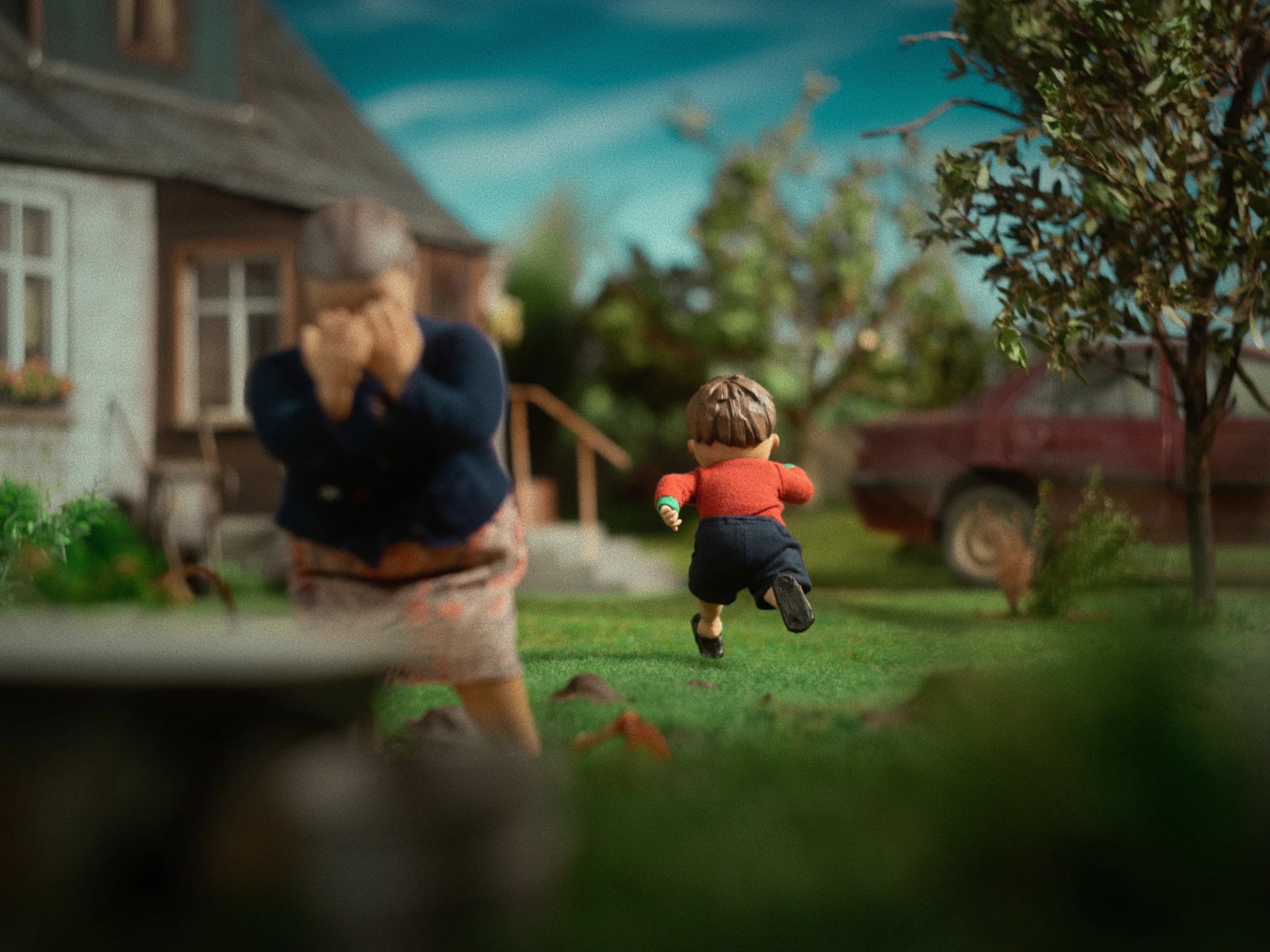
In adorable stop-motion short Uka-Uka, my unconditional love for the technique is once again richly rewarded. A little boy plays a rather unusual game of hide and seek, frightening his grandparents in the process, with some rather predictable, occasionally gory, consequences. Henri Veermäe’s animation is delightful, the story is tender and sweet, and the young protagonist’s cheeks are unforgettable. A nostalgic tribute to childhood and to the playful spirit we all shared when we were young, even when the adults around us were not exactly on board with our games.
The Truth Rejects You, Cornelius – Khris Cembe & Marc Torices
A psychedelic journey that feels almost like being in the middle of a drug-induced trip, this animated short blends different styles, from stop-motion to a cartoon aesthetic reminiscent of early Walt Disney. Marc Torices and Khris Cembe’s brainchild, The Truth Rejects You, Cornelius is an emotional roller coaster in which our protagonist, an adorable dog named Cornelius, attends therapy sessions with a psychologist who turns out to be a cigarette-smoking shrimp, immediately setting the tone for what follows. Alongside his friend Avalutsa the frog, he embarks on a series of incredible adventures, but they don’t necessarily make sense in his (and our) head. A journey through different animation styles, but also a surprisingly profound psychological exploration that leaves you wondering, in the best possible way, what on earth you are watching.
Portrait of Granny – Ieva Ozoliņa
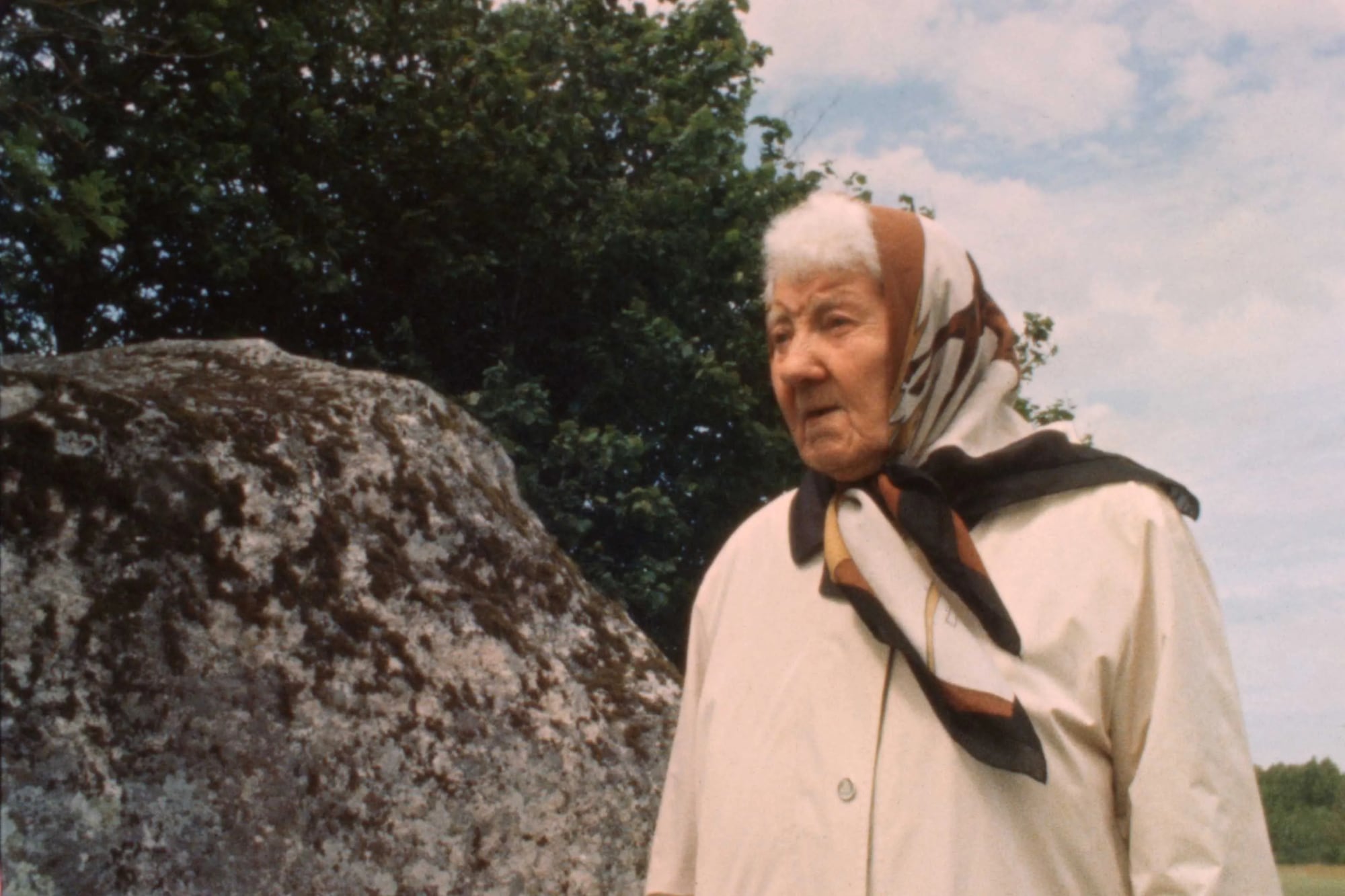
This very short film created by Ieva Ozoliņa, running at just six minutes, immerses viewers in the world of Baltic grandmothers, particularly those of Latvia, as befits a film which is part of the national competition. Drawing on the visual language of archival footage, Portrait of Granny makes us fall in love with its protagonist. Regardless of where we were born or raised, it is difficult not to feel the warmth and comfort associated with being cared for by our grandmothers, whether they are still with us or have passed away.
Lines of Riga – Andrejs Brīvulis
Through skilful animation, Lines of Riga captures the rhythm of urban life, following a food delivery worker, a tram driver, and a young girl as they make their way through the city on a summer day. Their journeys unfold through a series of small animated tableaux that piece together the many details of Riga, from gulls circling above the Central Market and sushi deliveries to the No. 7 tram, discarded cigarette butts and Soviet housing blocks, among other things. Together, these fragments form an affectionate portrait of a city shaped as much by its everyday rhythms as by the people who inhabit it. A love letter to Riga and its residents, to those who bring it to life, those who visit and fall in love with it, and those who leave or arrive in search of something new. Andrejs Brīvulis delivers an enchanting city symphony that finds poetry in the ordinary.
Tuesday or Thursday – Dušan Kasalica
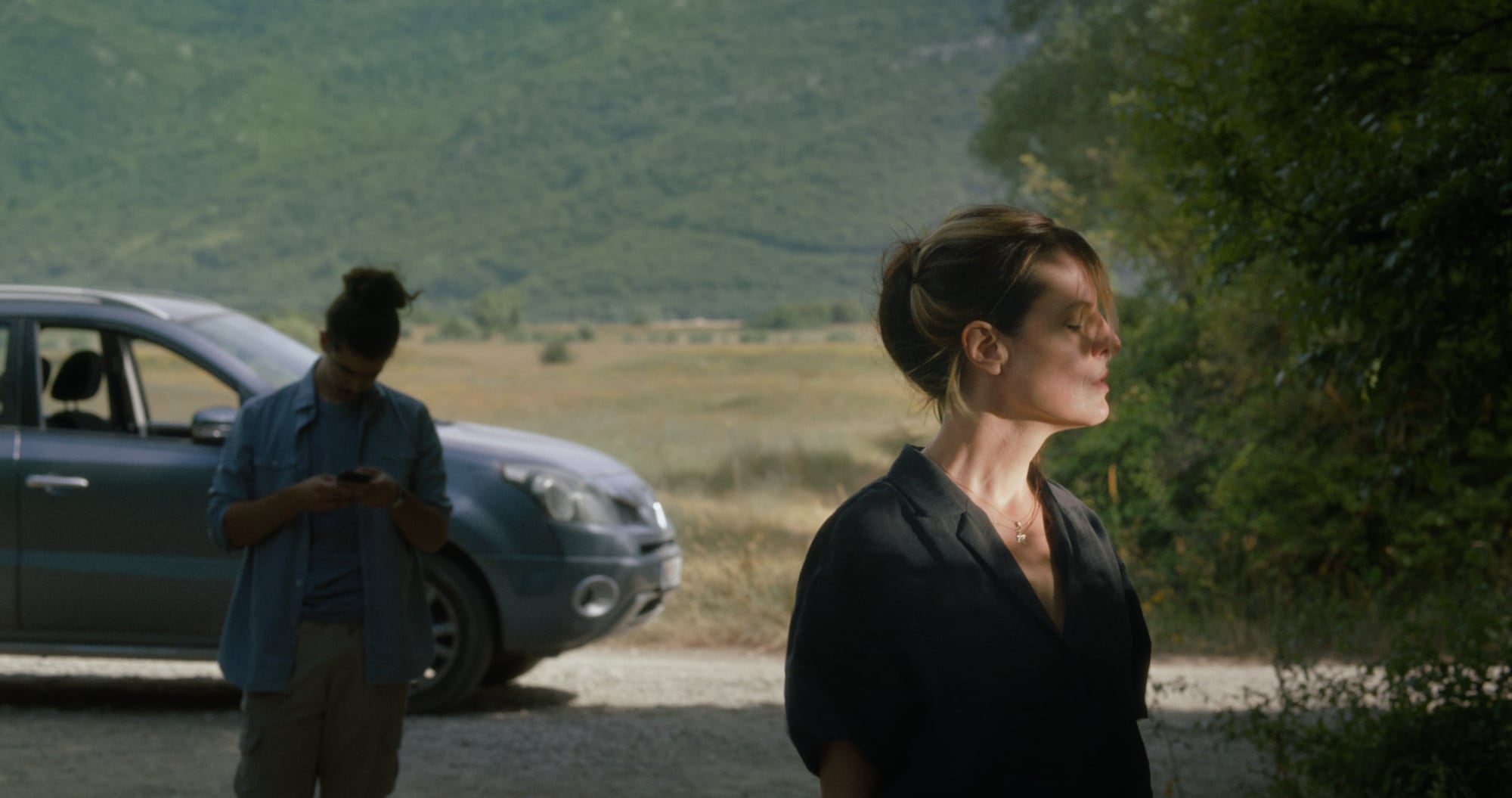
A delicate tribute to Olivier Assayas’ cult film Irma Vep, Tuesday or Thursday explores the themes of mirroring and illusion through a self-reflexive examination of filmmaking itself. Montenegrin director Dušan Kasalica offers a subtly critical portrait of the creative process, mixing elements of comedy, suspense, and absurdity. By letting us peer into the creative process behind a film, Kasalica demonstrates that the process of creation is a confused one. As we follow the director’s struggles, we cannot help but wonder whether the filmmaker himself experienced similar anxieties in bringing this very work to life.
You can find more unmissable films like these in our Best of Fest collections.