
Returning once more to BFI Flare, the UK’s largest LGBTQIA+ film festival, for its fortieth anniversary is nothing short of a delight. As always, Flare’s eclectic shorts programme bolsters a vast range of intersectional queer voices from around the globe, and after a difficult year for queer rights, it feels particularly vital to celebrate LGBTQIA+ art. It’s always a joy to see some spectacular shorts which drew me in previously highlighted by DN in our diverse Best of Fest coverage, such as ATTAGIRL!, Coyotes and Original Sin. Also not surprised to see an already sold-out screening of Harry Lighton’s Pillion. Following our interview with programmer Diana Cipriano last week, DN selects ten essential shorts screening in the edition of Flare that showcase some of LGBTQIA+ filmmaking’s most captivating voices.
The Dysphoria – Kylie Aoibheann
Dolls meet the Devil in Kylie Aoibheann’s jet-black tale of Gothic wish-fulfilment The Dysphoria, as a trans woman conducts a satanic ritual in exchange for a vagina. Horror has always been innately linked to queer identity, but through a bone-chilling atmosphere and gnarly gore, Aoibheann reinvents well-trodden genre tropes with a fresh and timely perspective: a personal tale of gender dysphoria and the destructive consequences of inaccessible healthcare.

Bottlecap – Kaytie Nielsen
Soundtracked by hypnotic techno, Kaytie Nielsen’s spirited love letter to Berlin clubbing, Bottlecap, essentially functions as a silent film. Free from dialogue, our attention is shifted to body language, reflecting the silent social microcosms of nightlife. As heady lesbian desire builds in protagonist SHYBOY, sharply edited montages of archival footage become a vessel for their inner monologue, delving into a complex relationship with body, sexuality and social anxiety as she works herself up to make a move on her crush. Though playful in tone, Bottlecap speaks to a familiar queer experience of introversion.
0004ngel – Eli Jean Tahchi
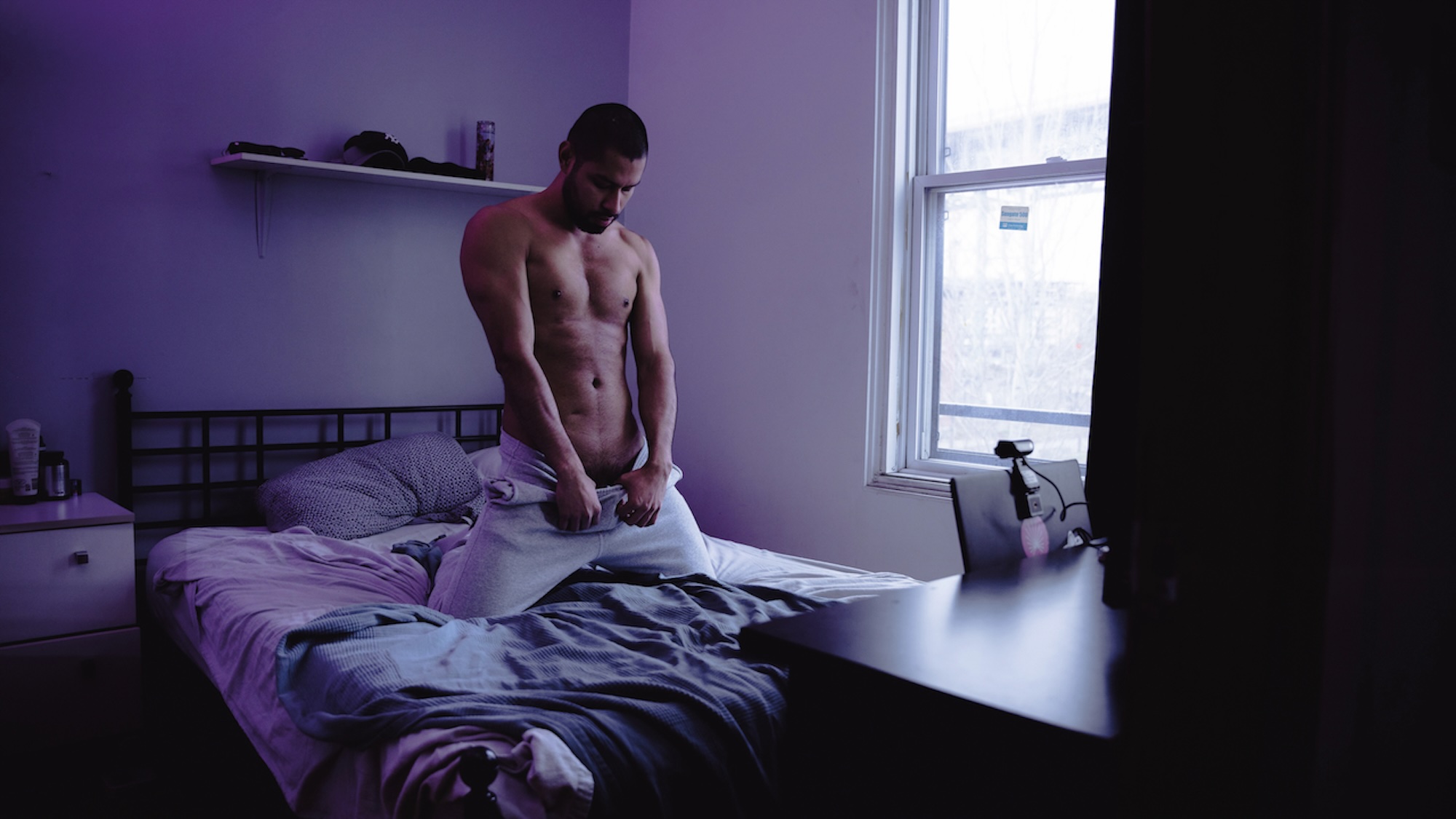
I’ve long been captivated with the webcam as a cinematic device, so I was pleased to see Eli Jean Tahchi’s 0004ngel using it to achieve raw observational intimacy in his Akerman-esque chronicle of Angel, a Mexican immigrant who works as a cam model and bar dancer to support his mother. An observational piece with little narrative, it’s refreshing to watch the intricacies of Angel’s life unravel through implication, forcing audiences to confront their voyeuristic instincts and draw their own narrative conclusions.

Newbies – Kimiko Matsuda-Lawrence & Megan Trufant Tillman
A few minutes into Newbies, Kimiko Matsuda-Lawrence and Megan Trufant Tillman’s dual portrait of queer life in New York, I entered a trance-like state. I suspect this was induced by Tillman and BLK ODYSSY’s irresistible jazz score, which accompanies two isolated strangers caught in a tempest of relationship struggles as they wander the city. Despite different sexualities, identities and backgrounds, Newbies finds common ground in the queer experience, leading to a fleeting moment of mutual connection. The narrative may be meandering, but the short’s hazy cinematography transported me all the way to the nocturnal streets of Bushwick. The city air, the ambient streets, the tumultuous throes of young, queer love… I felt it all.
Most Popular
Nest – Stefania Burla
The tentative relationship between religion and queer identity has been explored at great length throughout LGBTQIA+ cinema. In Nest, Stefania Burla revisits this theme with a distinctly feminine perspective, which she applies to the story with Selma, a young girl who begins to feel the pressure Catholicism places on young women. Shot in a suffocating 4:3 aspect ratio, the claustrophobia of societal expectation is rendered with great empathy, and I found myself caught up in the two distinct worlds Selma is torn between: the peaceful ambience of a Catholic community in the Swiss Alps, and the freeing haven of self-discovery she discovers within the confines of youthful friendship.
Kisses and Bullets – Faranak Sahafian
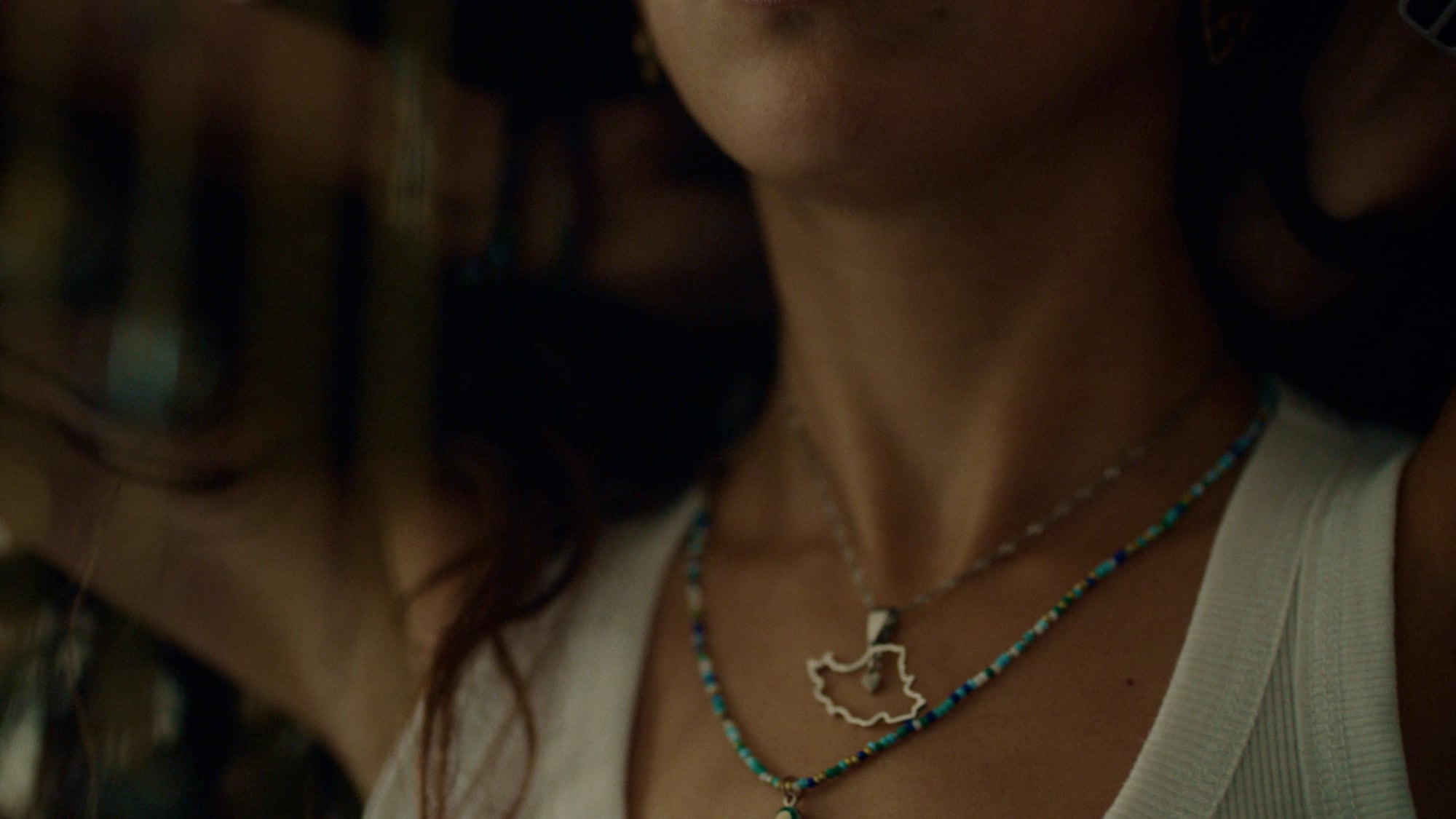
In a powerful testament to resilient love under an oppressive regime, Faranak Sahafian’s Kisses and Bullets feels at once intimate and inspiring. Taking place amidst 2022’s Women, Life and Freedom protests, Sahafian draws comparisons between parallel tales of connection blossoming against a backdrop of political unrest, one in Iran, one in New York. As conflicts rage on worldwide, Kisses and Bullets is a grounding reminder that, against oppression, love is our greatest weapon.
Rag Dolls – Amy Adler
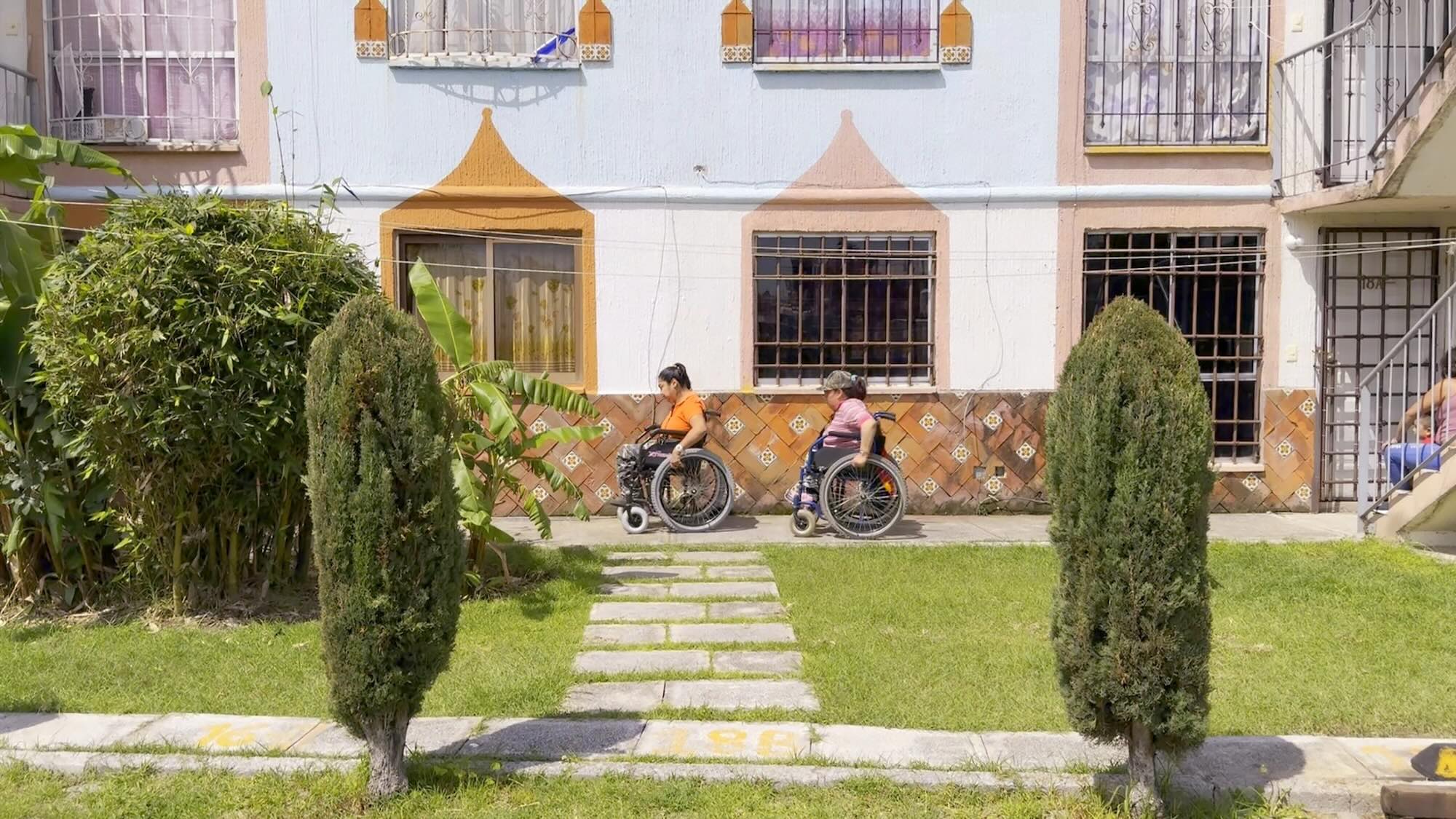
Amy Adler’s Rag Dolls is documentary filmmaking in its purest, most stripped-down form. Modest camerawork documents an unremarkable day in the life of Rosalinda and Diana, two wheelchair users living in Mexico. Such a lo-fi aesthetic provides us with a rare intimacy: when love is this poignant, fancy visuals or a grand narrative aren’t required. It’s a gorgeous portrait of everyday love in the face of hardship that made my heart sing, and my eyes water.
Rainbow Girls – Nana Duffuor
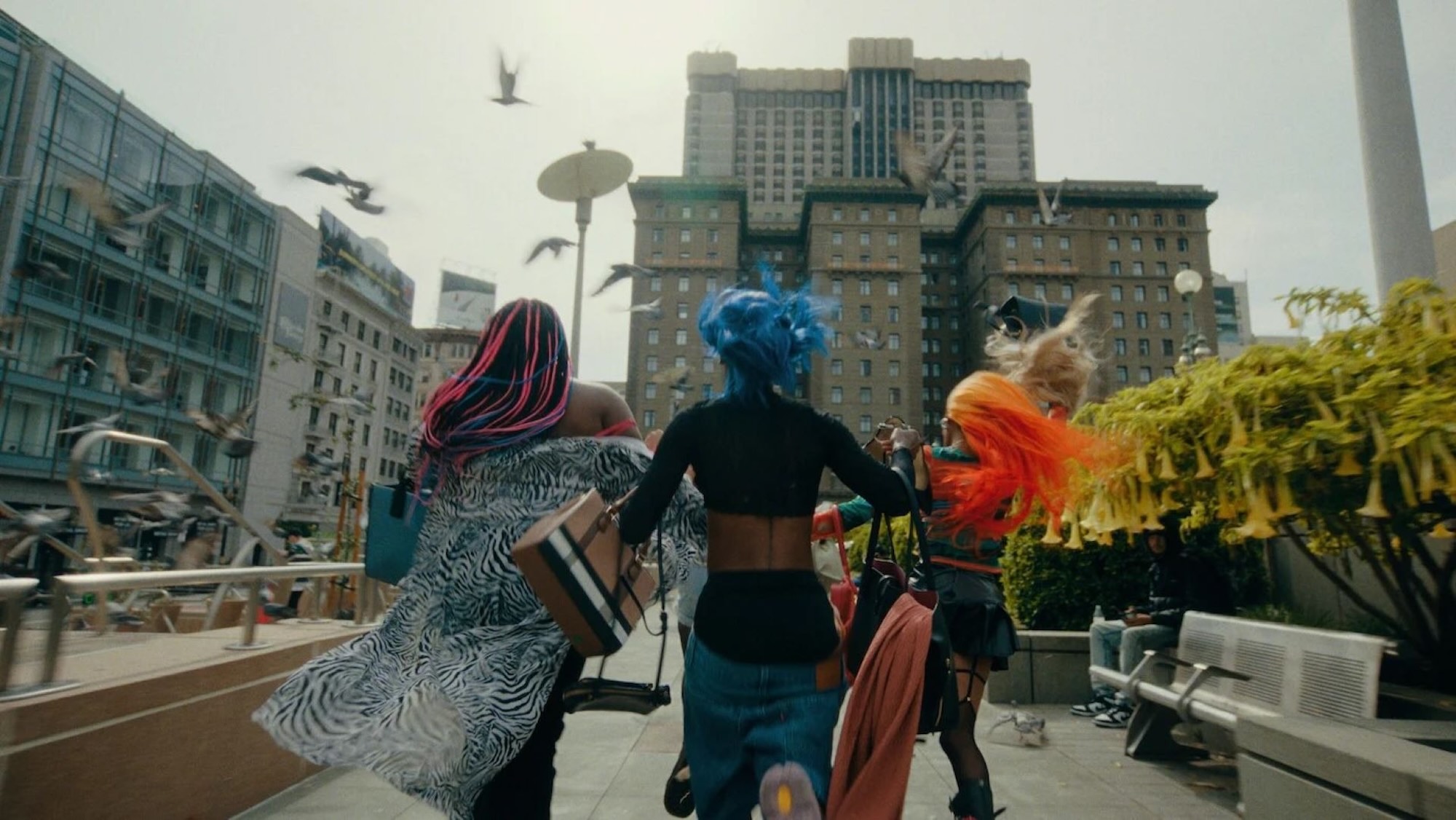
It’s a peculiar and aggravating experience identifying as queer as the world descends into late capitalism. This feeling is precisely what Nana Duffuor is tapping into with her joyous crime comedy Rainbow Girls, which sees a group of Black trans femme shoplifters revolting against an increasingly commercialised San Francisco, proudly declaring “We don’t steal… We shoplift”. Fronted by a charismatic ensemble and with a gleefully light tone, this triumphant middle finger to capitalist culture had me grinning from ear to ear.
The Motorcycle (La Moto) – Matteo Giampetruzzi
Perhaps the most erotic short of Flare 2026 is The Motorcycle, Matteo Giampetruzzi’s sweaty descent into a young man’s spiralling desire for an older motorcyclist. Distracted by cinematography so evocative of European heat that I could physically feel the warmth through the screen, I was taken off guard by a creeping, uncertain tone as this visceral interrogation of an intense dom/sub dynamic blurs the fine line between pleasure and danger. As lust turns to obsession, I couldn’t tell where the narrative was going to go next.
You Can Call Me Lou – Georgia Zeta Gkoka
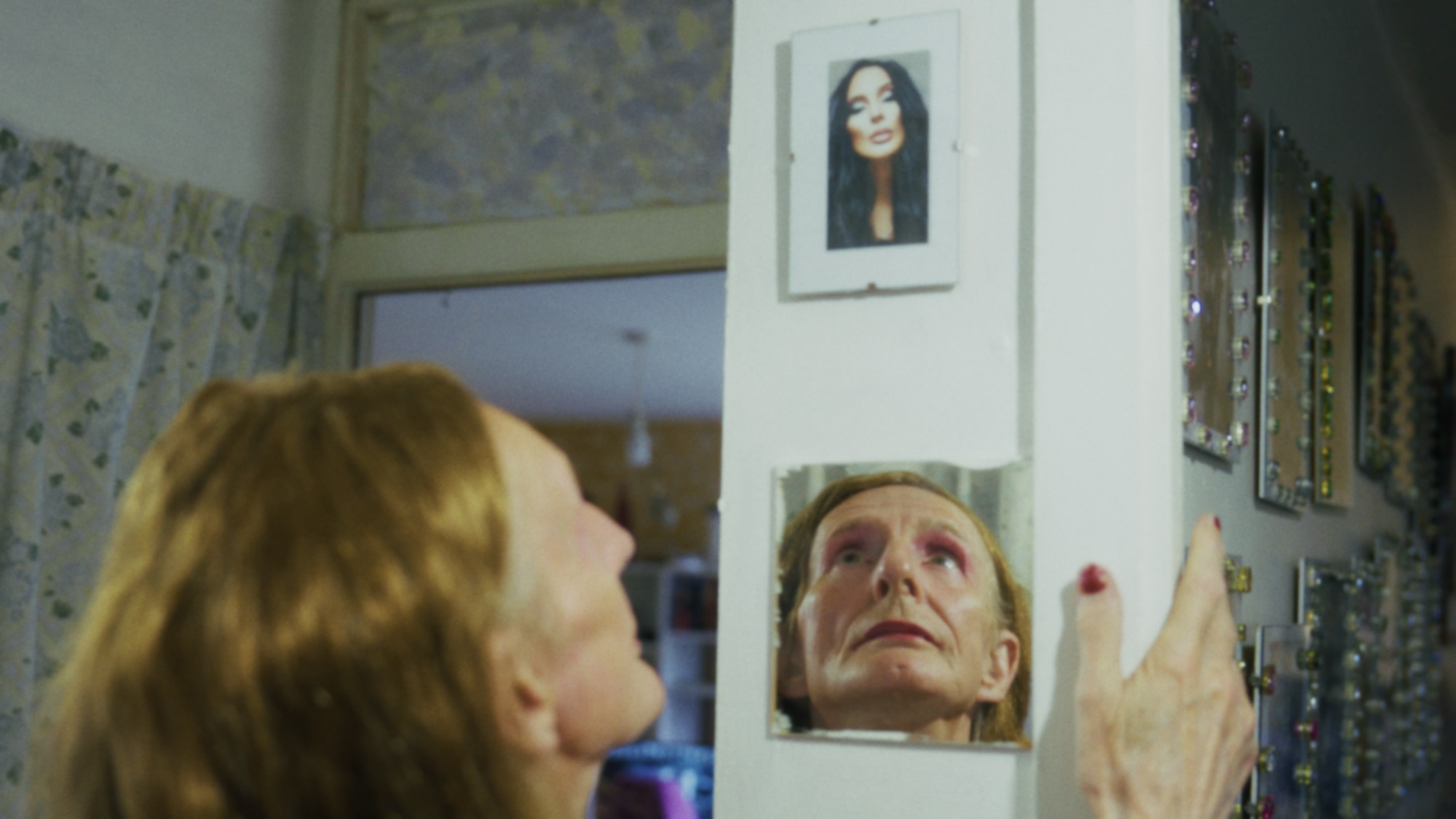
Combining textural Super 8mm cinematography with archive footage of London’s queer nightlife from the 80s and 90s, Georgia Zeta Gkoka’s You Can Call Me Lou feels like the epitome of all that Flare stands for, highlighting a voice not often heard while celebrating London’s rich queer history. The sheer power of seeing trans elder Louise Kramer on screen cannot be understated; her incandescent screen-presence warming every frame as she reflects on her transition and career as a dancer in the 1980s. In hostile times, it’s therapeutic to be reminded that we exist, we have always existed, and we always will exist.
You can find more unmissable films like these in our Best of Fest collections.