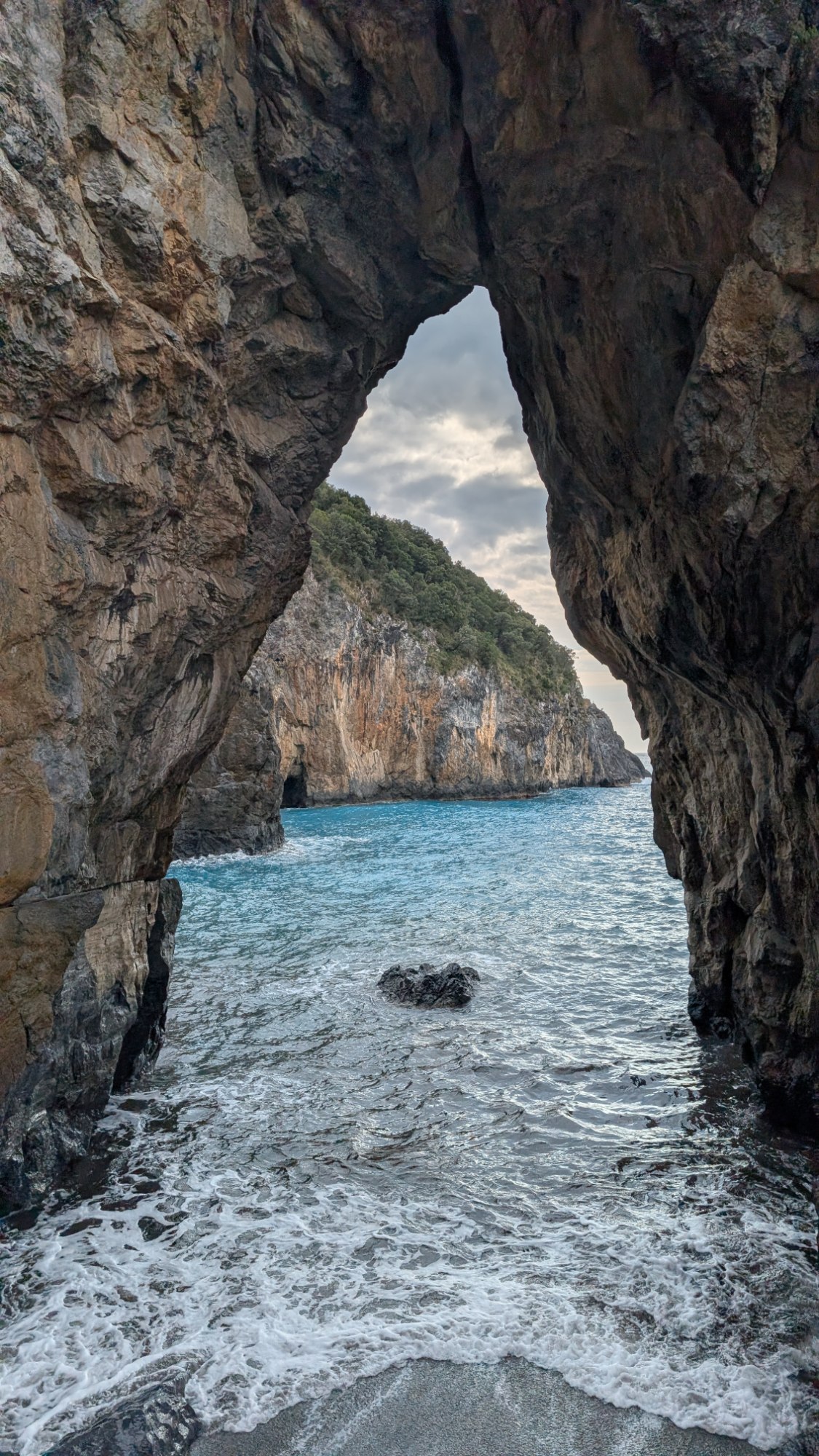
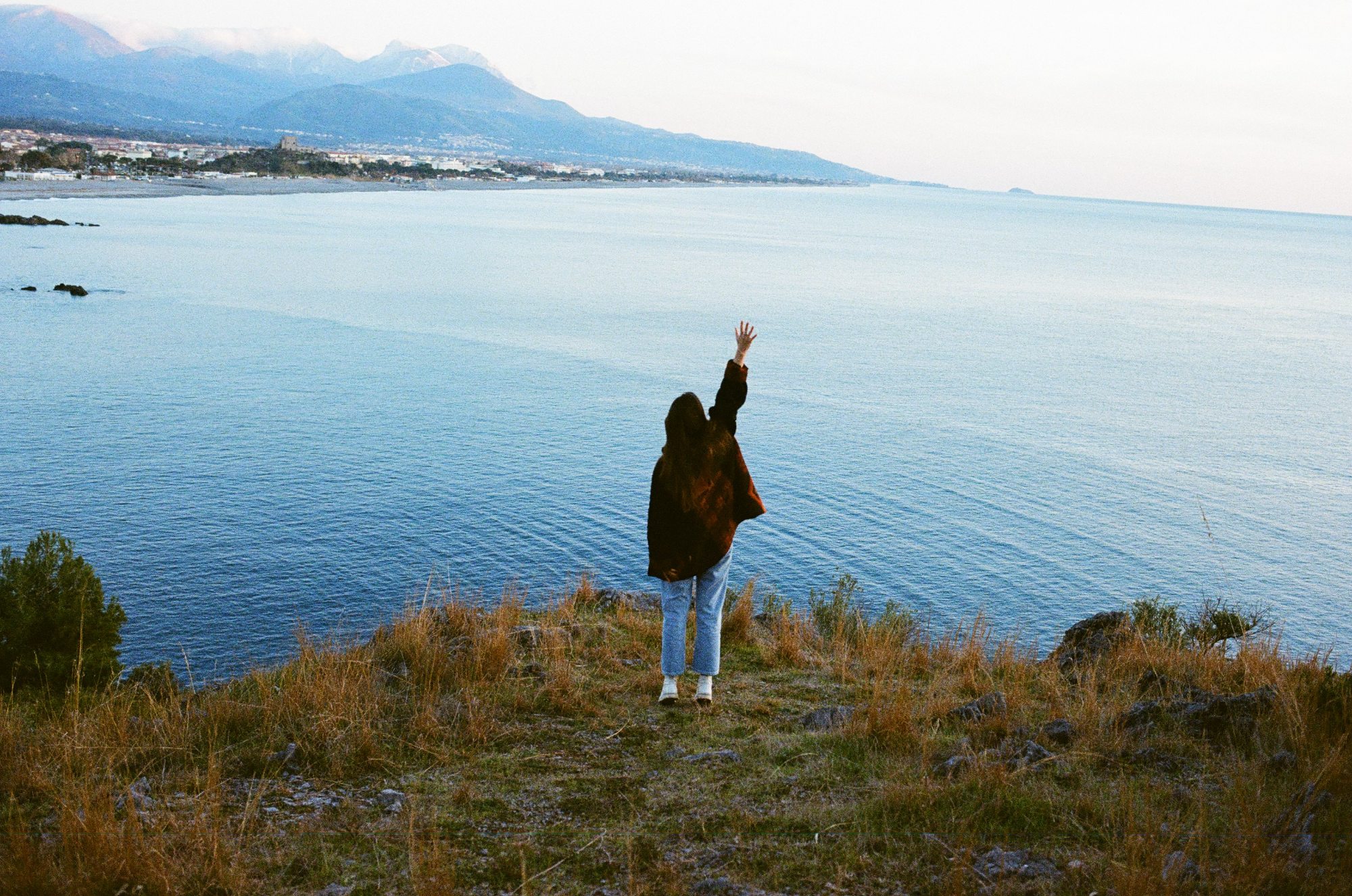
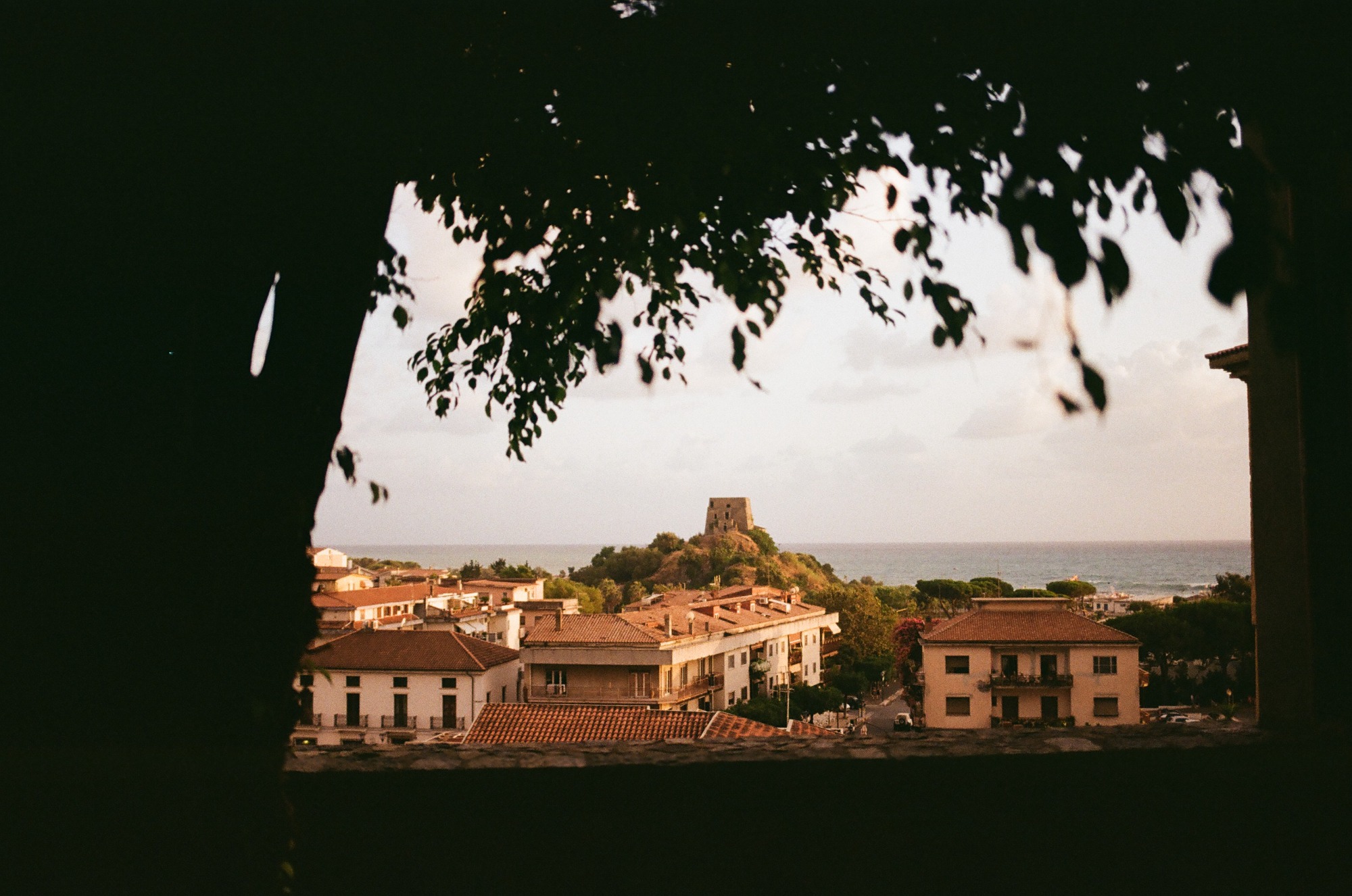
What happens when filmmakers are given five days to step away from the pressures of the industry to simply pause and reconnect? That’s the premise behind No Man’s Land, a new creative retreat bringing ten filmmakers to Calabria, Italy, for a week of workshops, reflection and what its organisers describe as “serious play” and “fresh perspectives”. Set among the Apennine Mountains and overlooking the Tyrrhenian Sea, the retreat is designed to offer something increasingly difficult to find within the film industry: time and space to “step away from the noise and slow down”.
Founded by Niccolò Montanari, with DN alum filmmaker Daria Geller and Yuval Orr as hosts and Rachel Leah Jones as mentor, the retreat promises a temporary escape from “deadlines, devices and the stress of the day-to-day”. In an industry defined by financial pressures, tight schedules and the constant expectation to be producing, the idea of stepping away from it all raises an obvious question: what can five days of disconnection actually achieve?
On paper, it sounds appealing – for the cynical among us, perhaps even a little too good to be true. With that in mind, we spoke to Niccolò, Daria, Yuval and Rachel to look beyond the idyllic setting and get a better understanding of what No Man’s Land is really trying to achieve. We discuss the thinking behind the retreat, what they hope filmmakers will take from the experience, and why creating space for genuine creative exchange might be more important to the future of filmmaking than ever.
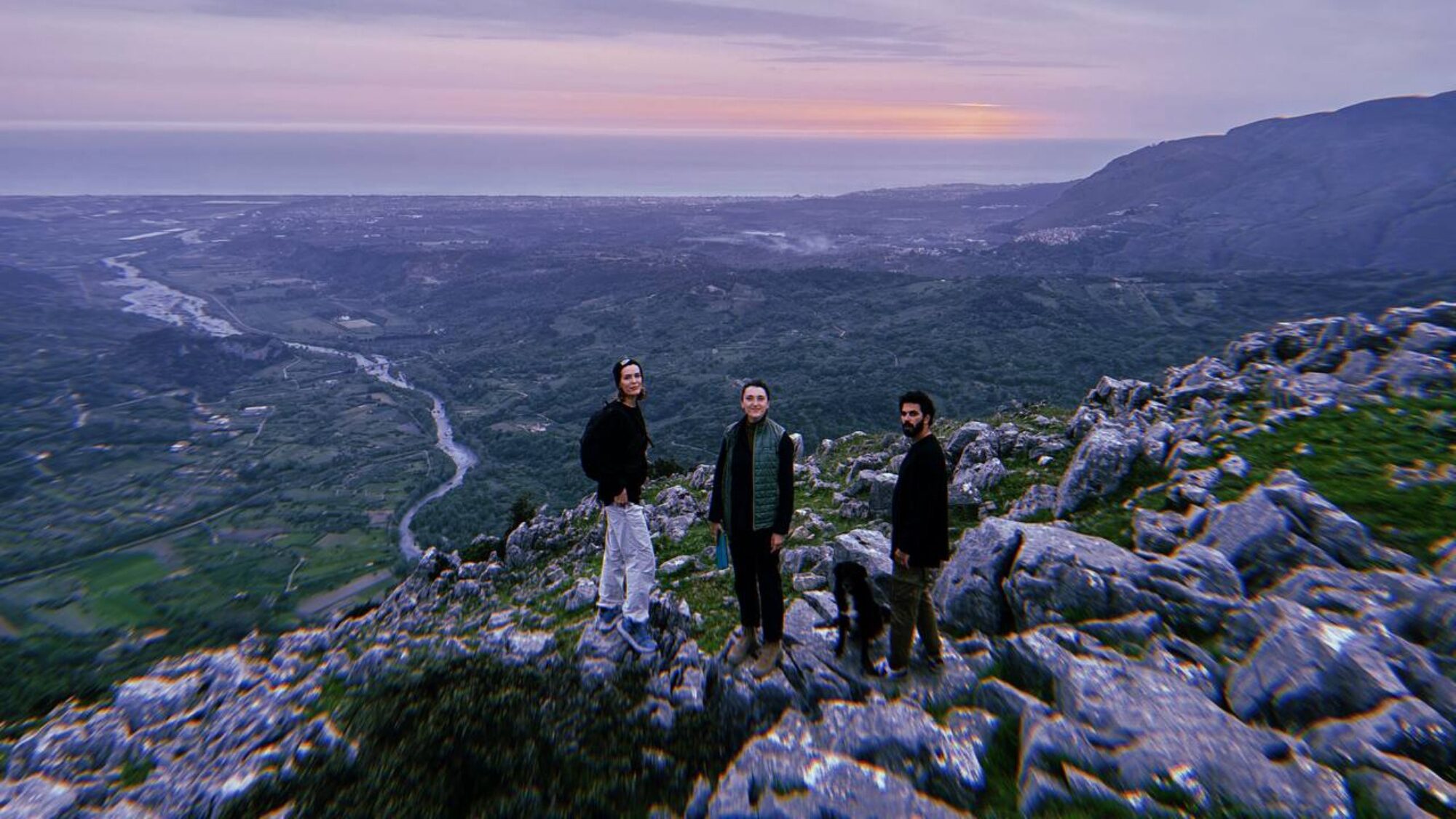
Hi Daria, Nico, Rachel and Yuval, thanks for joining us to talk about No Man’s Land, your new creative retreat taking place in Calabria this spring. I wanted to begin with the thinking behind the retreat itself. What was missing from your own experiences of working in film that made you want to create a space like this? And what do you feel is missing from the industry, in general, that a retreat like No Man’s Land can provide?
Yuval Orr & Daria Geller: Our industry can often feel like a hamster wheel, but in our experience, the best creative work is done through contemplation and stepping away from the busyness of our day-to-day. No Man’s Land began as a production company and then became the name of our art residency in the south of Italy, where the retreat will be held and where we have made our home for the last two years. We want to bring the same principles to the retreat that we began our residency with: a place out of space and time. We want the retreat to be friendly, safe and trigger insights.
Niccolò Montanari: I’ve been working in the film and advertising industries for over a decade. My role includes attending and participating in events, including film festivals and commercial awards. As an introverted publicist, which apparently is a thing, I realised my strength wasn’t talking to a whole room of people, but forming meaningful connections one-on-one, which got me thinking that I’m probably not the only one who feels this way. People are tired of having to fight for attention, we already do that online, so what if we created a space for people to connect intimately, without the pressure of having to talk to everyone and land a pitch?
That’s how I thought setting up a series of creative retreats through Curation Hour would make sense: places for people to disconnect and reconnect, with themselves and with one another. A curated room of filmmakers and creative professionals who know they’re all there for the same reason, and who, over several days, get to truly know each other.
A filmmaker’s work doesn’t need to be rushed. It needs time to breathe, grow and develop.
You describe the retreat as being built around “serious play” and “fresh perspectives”. These are intriguing ideas, particularly when filmmaking is so often associated with stress, deadlines and productivity. What do those terms mean to you in practice and why do you think filmmakers need permission to play?
YO & DG: Filmmaking, but documentary filmmaking in particular, is far too often a very serious affair. The topics we touch are serious, the way we speak about the work itself is serious, and the end result is often, well, very serious. But it’s very important to find joy in our work, and to protect our joy, too. The most incredible moments in filmmaking are when you enter a flow state, and a sense of play and lightness is necessary to reach that state. The retreat is a chance for all of us to get back there.
NM: Our society is built around productivity, having to deliver more, and more quickly. And we can see where that’s led us. It doesn’t look like things are slowing down either (hello AI!), and a filmmaker’s work (or any creative work, for that matter) doesn’t need to be rushed. It needs time to breathe, grow and develop, without the guilt of taking time off. We’ve selected our locations specifically because the pace there is slower, so you’re almost forced to slow down and be reminded that you don’t need to be on 24/7, and that your health, relationships and work will all benefit from taking a few days off.
There’s also a strong emphasis on stepping away from devices and the day-to-day noise of the industry. Why was creating genuine distance from the normal filmmaking environment so important to you? Do you think filmmakers need to physically remove themselves from their usual surroundings in order to think differently? And what role does the retreat’s location play in this?
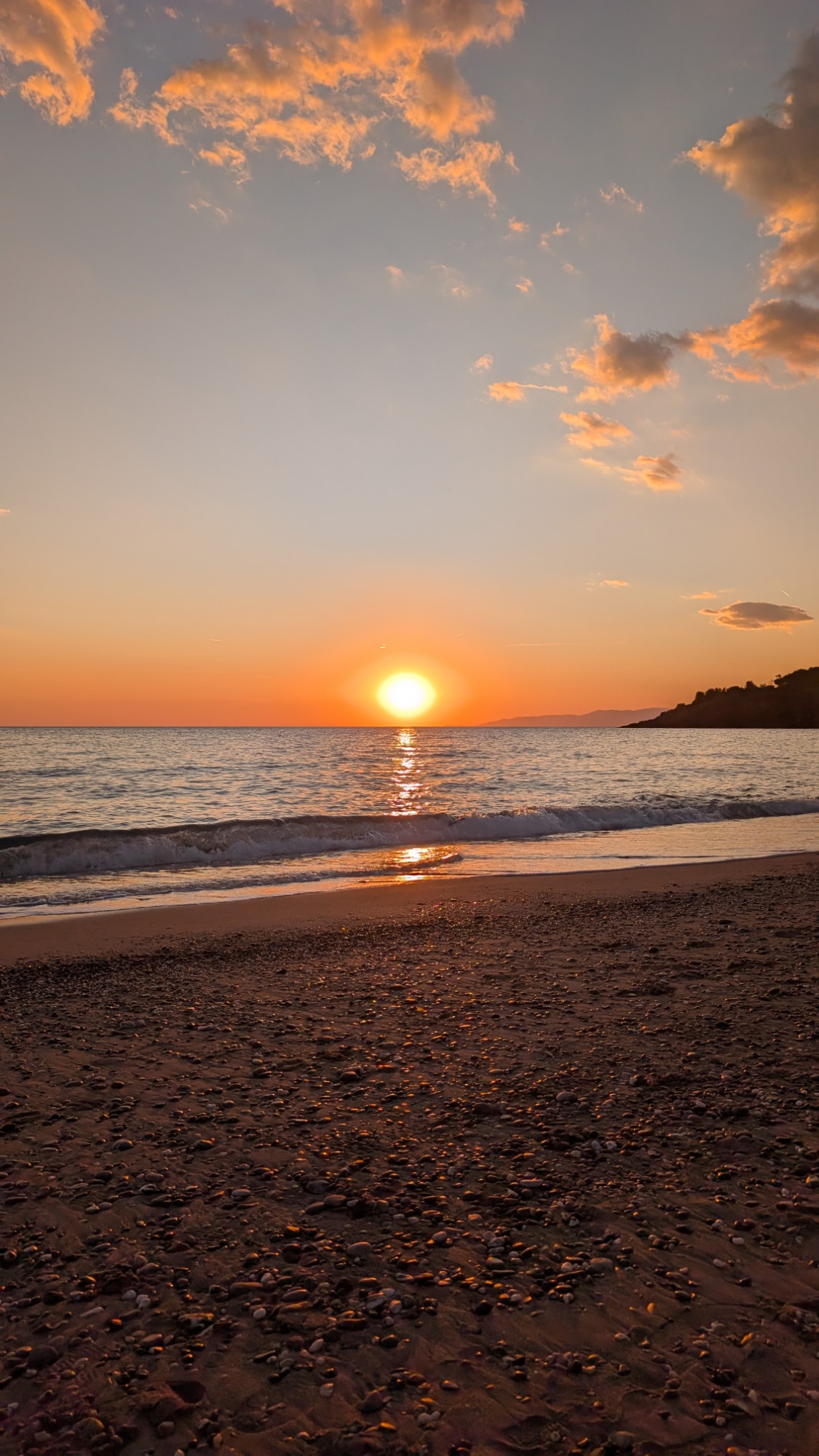
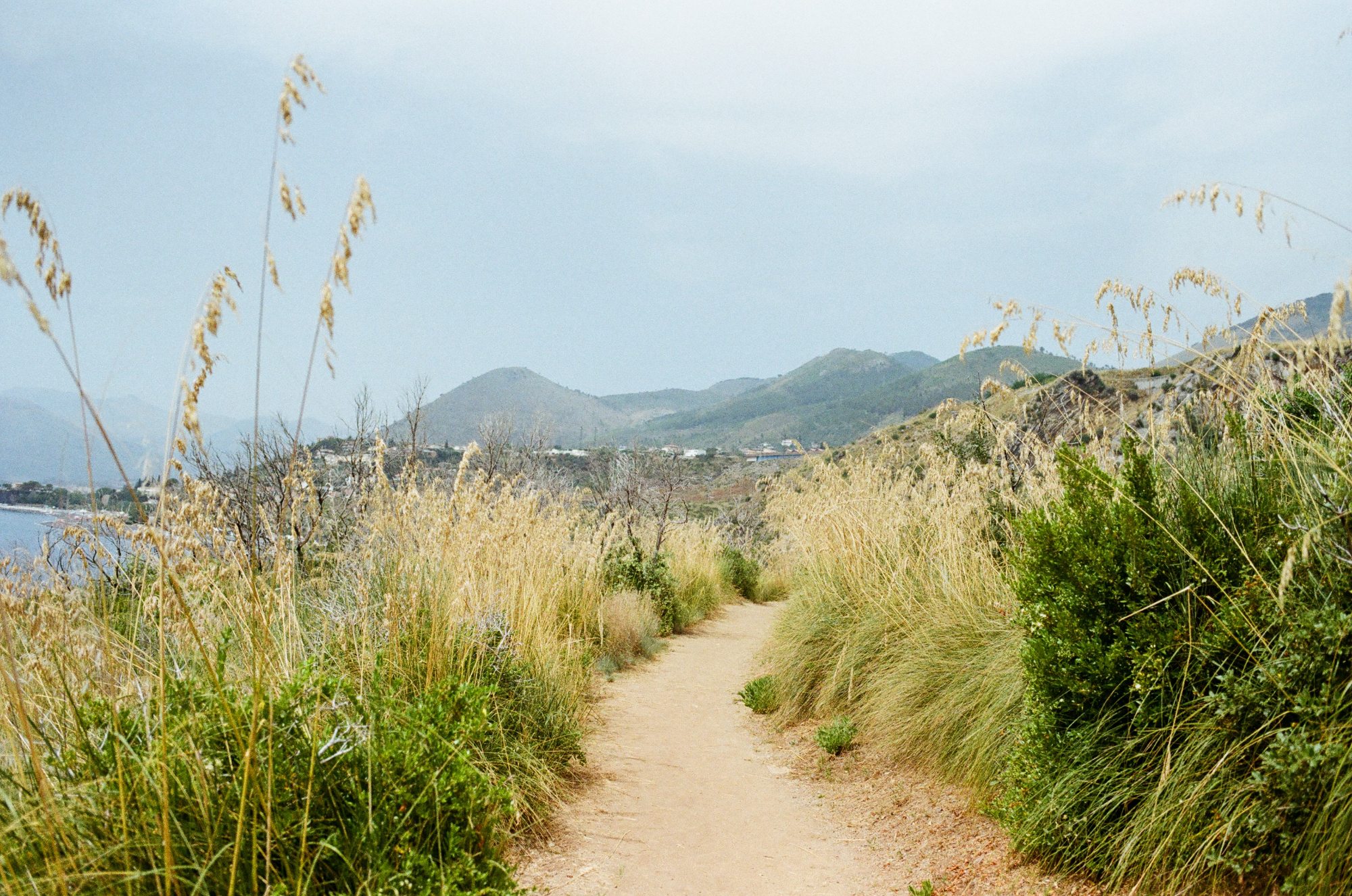
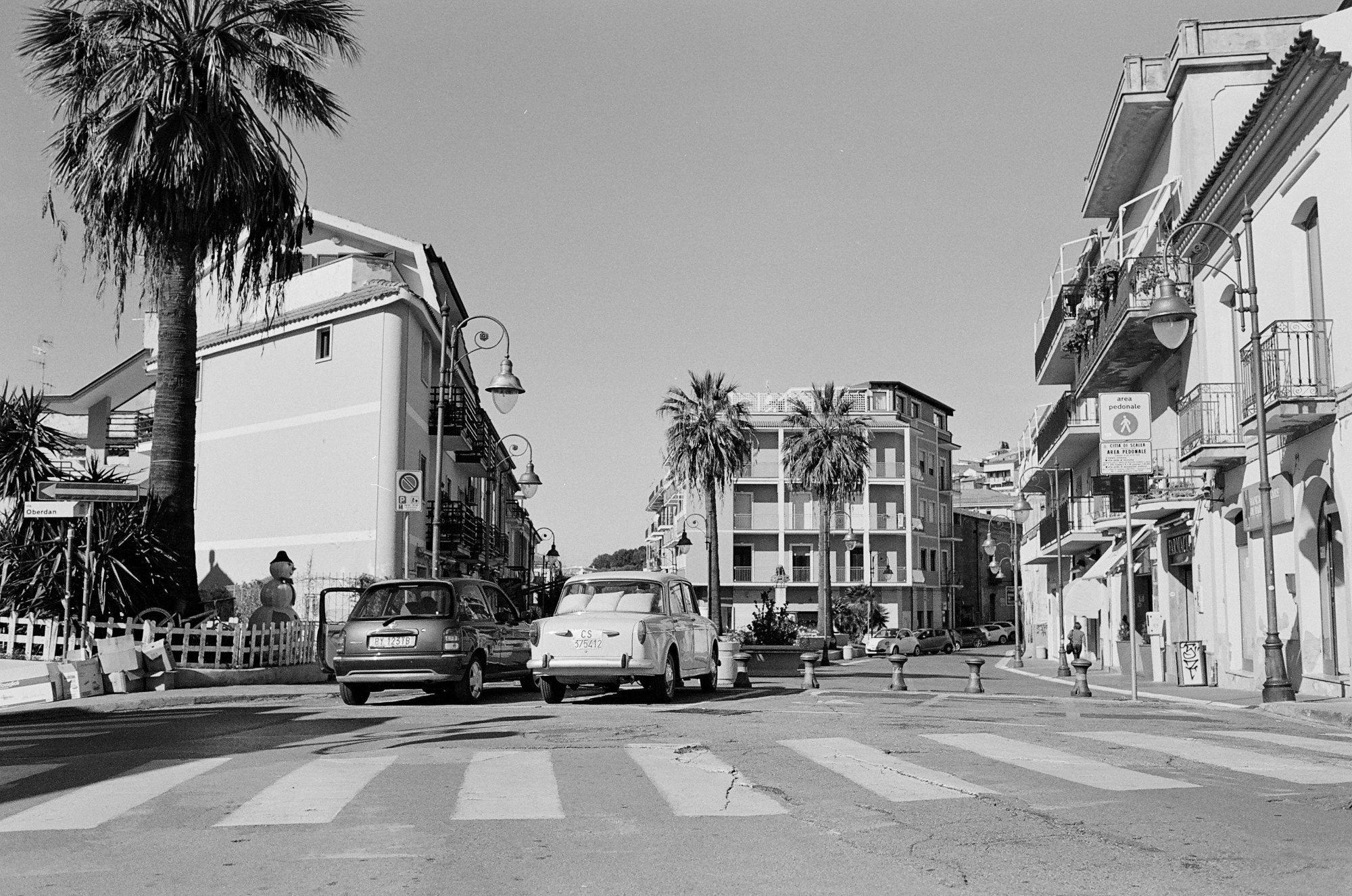
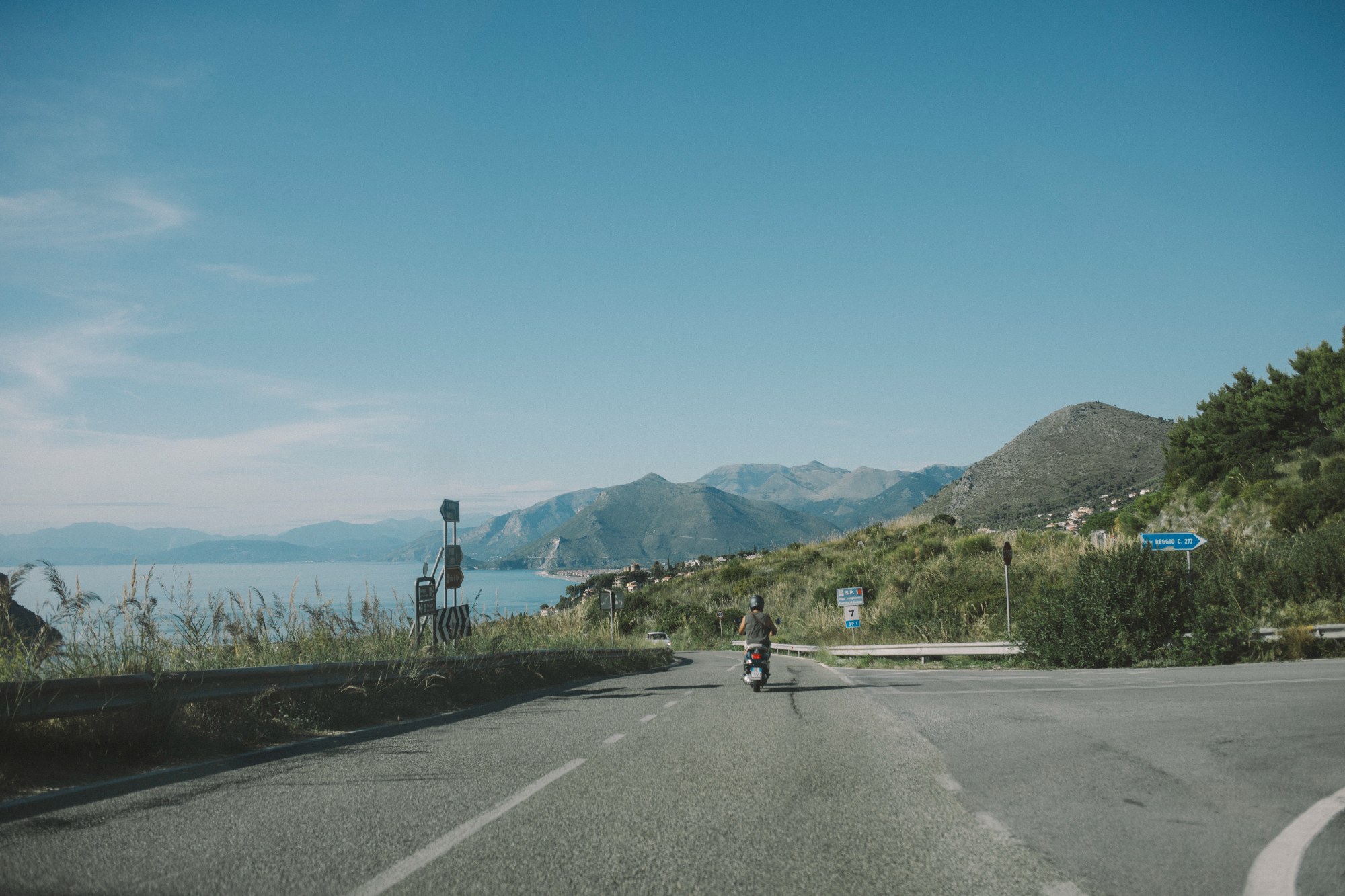
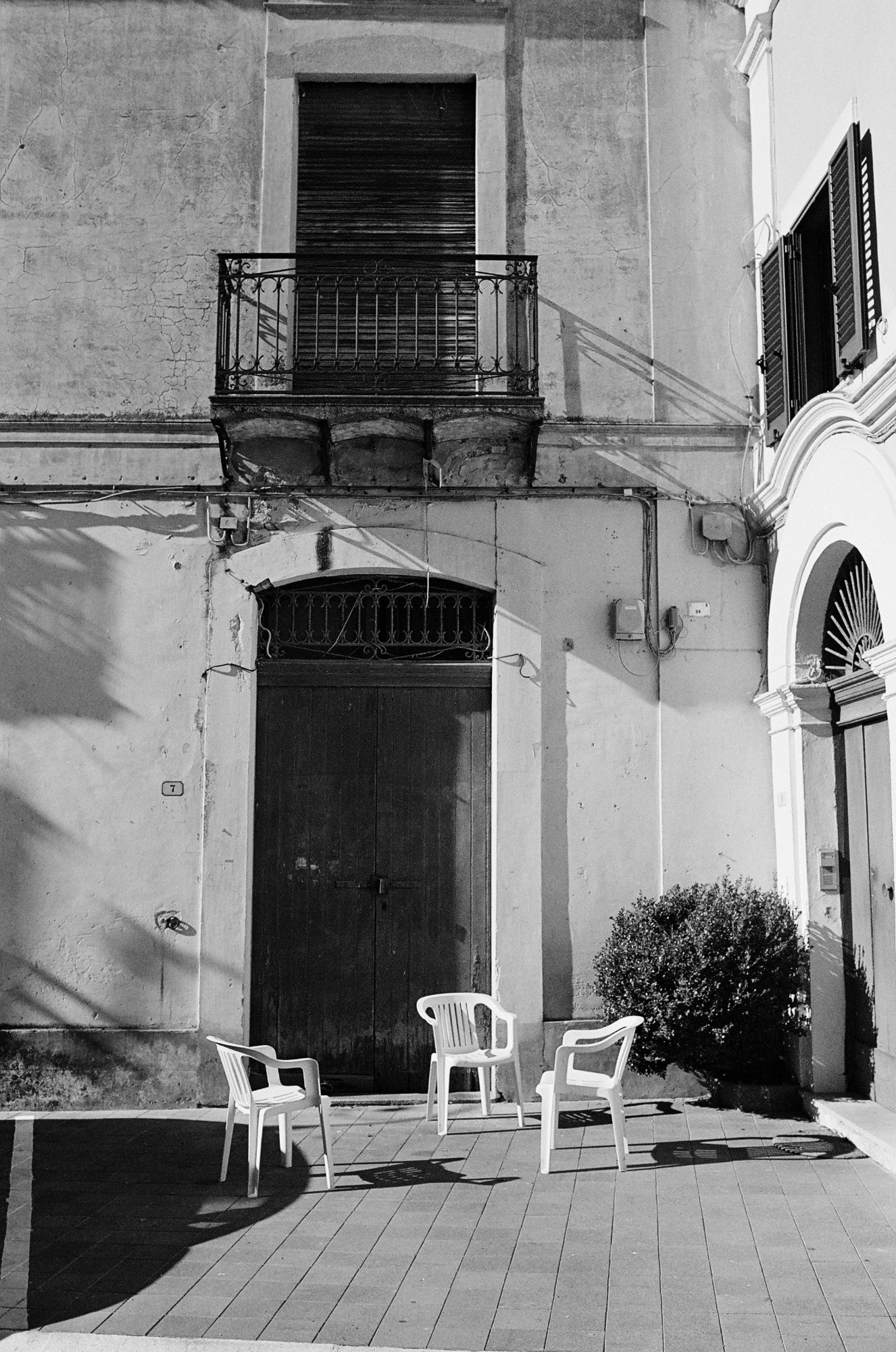
YO & DG: The noise of the industry and our screens can put tremendous pressure on artists, and the result is too often that we lose connection with ourselves. We cannot create meaningful work from such a place. A seaside village in the south of Italy is almost like an antidote to this state. The sound of the waves, the slow pace of life, the incredible food, the warmth of the people – these things can bring us back to ourselves, to our bodies and our motivations for doing this work.
NM: Any change of location gives you a change of perspective. Think about going on holiday: it takes you two or three days just to get into holiday mode, to actually slow down. So being placed in a gorgeous environment, with people specifically selected for their skills and portfolio, led by a mentor who can carefully look at your work, get to know you, and give you the time and confidence you need to develop it, is exactly what’s needed.
People aren’t coming to the retreat for a packed schedule. They’re coming for key moments, and to let the environment do most of the work.
Let’s talk about the people you’re bringing together. Who is No Man’s Land intended for and what are you looking for when selecting the filmmakers who attend?
NM: The focus is documentary, as the mentor for this edition is Emmy Award-winning director Rachel Leah Jones. We’ve tapped into the Curation Hour network of filmmakers, as well as our own contacts from festivals and awards we’ve participated in. The No Man’s Land creative retreat is designed specifically for filmmakers who want their work reviewed by someone with extensive experience, but who also want to come away with a fresh perspective and new ideas. Or simply any creative who wants to disconnect, as it’s important to move away from the idea of necessarily “having to deliver” something.
How much thought have you given to creating a balance – different experiences, disciplines and perspectives – within the group?
NM: A lot. I have plenty of experience running film festivals, awards and retreats, and one thing is certain: less is more. People aren’t coming to the retreat for a packed schedule. They’re coming for key moments, and to let the environment do most of the work. Somewhere like Calabria, one of Italy’s hidden gems, is a gorgeous setting between mountain and sea, with great food and great people. I could try to describe it, but you really have to experience it. I spent some time there myself and fell in love with it, to the point that I’ve thought about moving there.
Most Popular
Rachel Leah Jones is an important part of the retreat as a mentor. How did that collaboration come about and what was it about Rachel’s approach and experience that made her the right person to help shape this experience?
YO: I worked with Rachel on Advocate, the Emmy-award-winning documentary she co-directed with Philippe Bellaiche, over a decade ago. Since then, we have stayed close friends and both Rachel and Philippe have become mentors and role models for my own documentary practice. Besides being an incredible director, Rachel is first and foremost an incredible writer and storyteller, and she has the ability to read a filmmaker’s work-in-progress writing about their own work and put her finger on the beating pulse of the story that they hadn’t seen before. It’s a truly unique skill set that she can bring to her work as a mentor. Rachel also knows the importance of creating space for silliness and play and exploration, which are such crucial but overlooked skills to have when you’re trying to find your voice and your story.
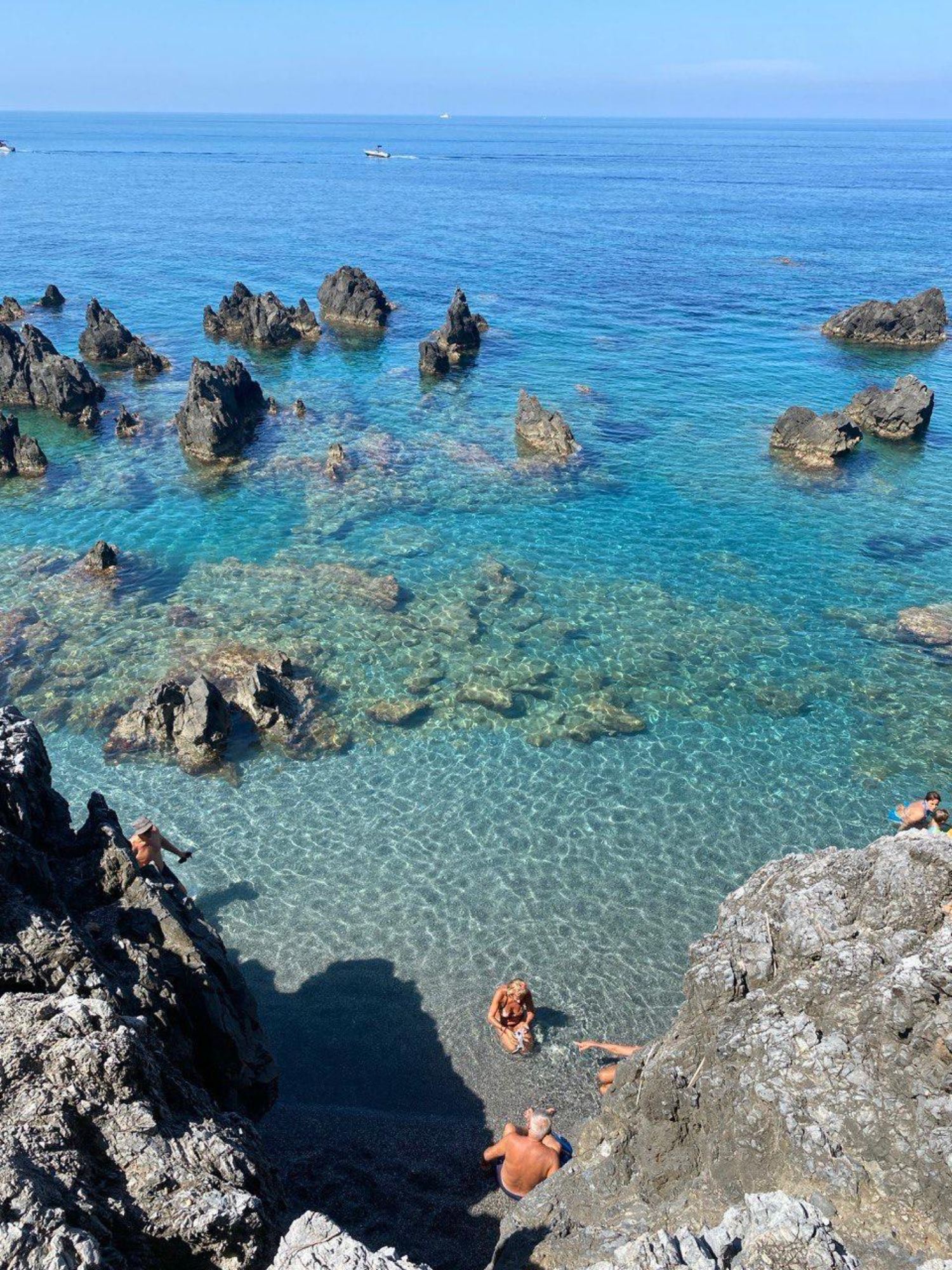
For filmmakers considering applying, what can they actually expect once they arrive? What might a typical day at No Man’s Land look like and how structured is the experience?
Rachel Leah Jones: The short answer is: we are not going to wake you up at 8:30 for a how-to workshop. There will be structure, but not an insane amount of it. Or at least it ought not feel like it. We want people to have a reason to be together, but also permission to reflect, experiment, get lost a bit.
There might be a convening in the morning, then a few hours when you work on your own or in duos. We might watch somebody’s material in a group in the afternoon, or have a one-on-one conversation about a problem they’re struggling with. We’ll eat together. We’ll watch films. People will talk, listen, suggest, share. Hopefully people will wander off and stare at the sea or a tree or a supermarket parking lot (we are, after all, documentarians). We’ll do some hands-on “ways of seeing/representing” exercises.
What we don’t want is for people to arrive and immediately start performing their professional selves for each other – pitching, networking, asking who your sales agent is before they’ve asked what your film is about.
YO & DG: At most industry events, time is neatly structured so that you are running from one workshop to another, one meeting to another, from early morning until late at night. We wanted to design an experience that is the exact opposite, that encourages deeper connections among participants but also with our mentor.
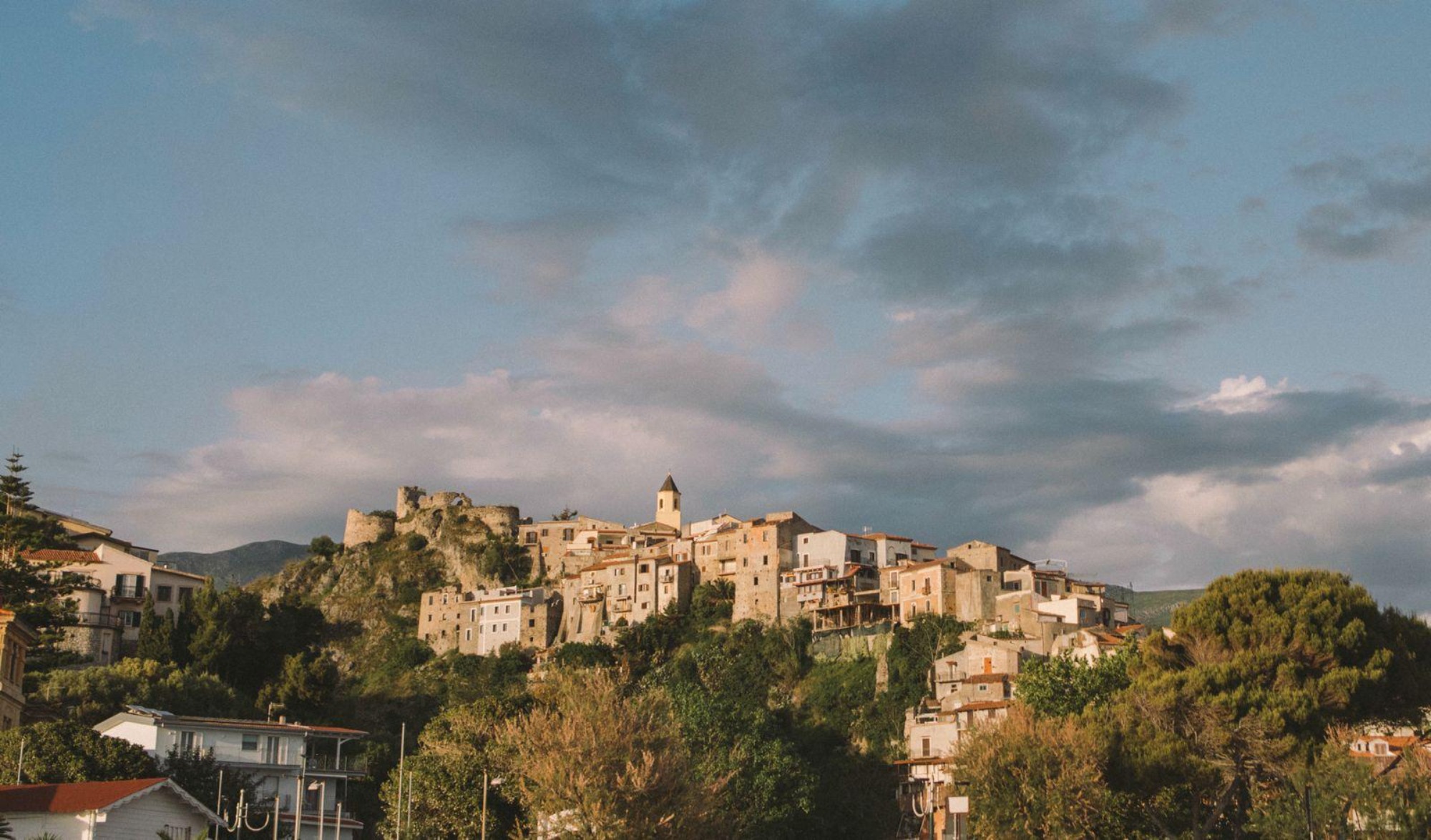
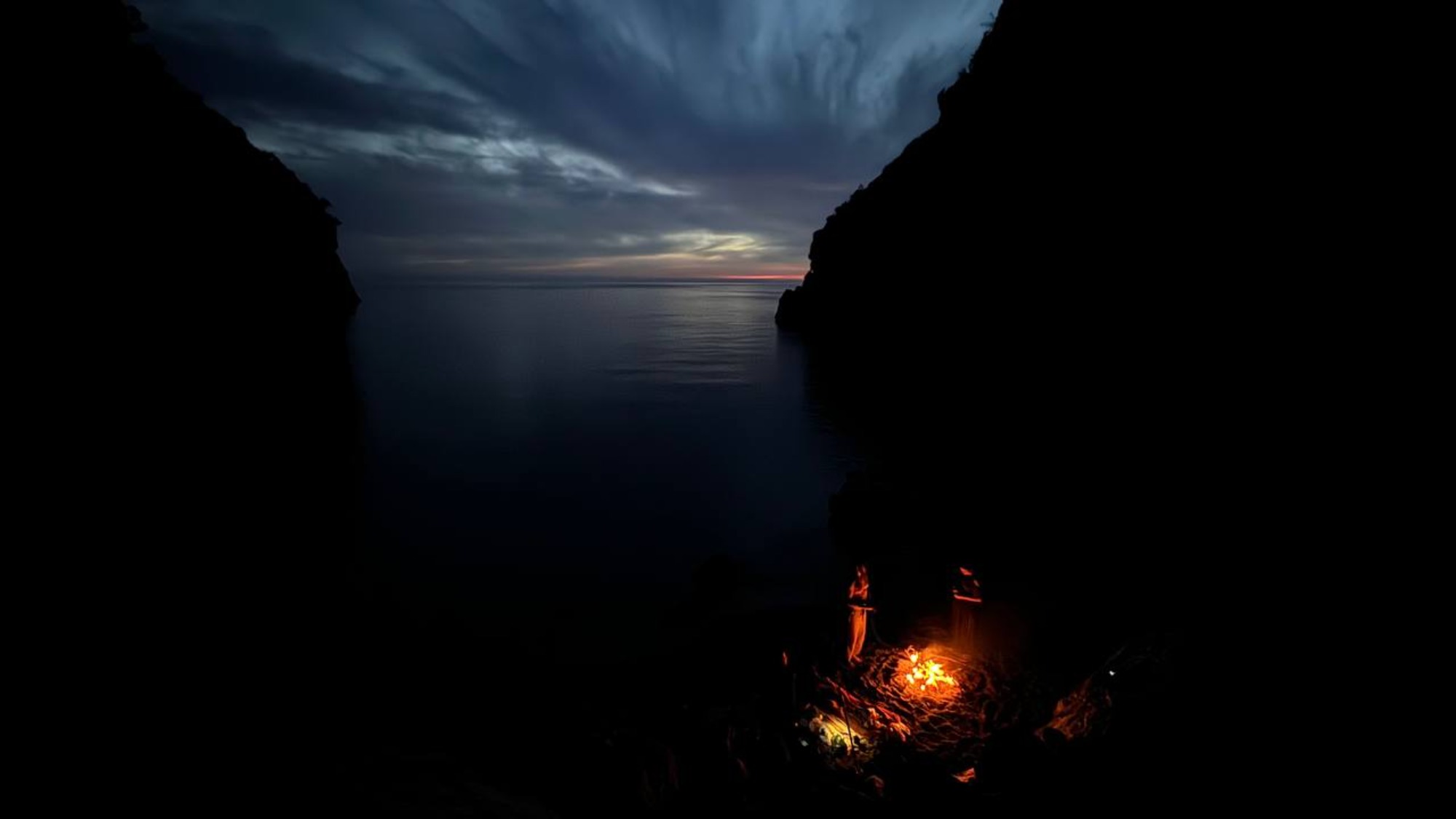
Days will start with coffee and pastries at the cafe, followed by workshops held in the No Man’s Land residency, an 18th century renovated house at the top of the old city, where we will focus on a specific element of craft. From there, we’ll keep the conversations that arise in the workshop going as we spend time sharing a home-cooked meal prepared by a local chef with fresh ingredients, and then have free time for writing or reflection, followed by a long sunset stroll on the wild, untouched beaches of the Tyrrhenian Sea where our group will be the only ones for miles in any direction.
Sometimes you leave with a better problem. A clearer question.
You’ve described No Man’s Land as a space for filmmakers to focus on “the important work you never have time for”. What kinds of creative problems or questions do you imagine filmmakers bringing with them? Are you expecting people to arrive with a specific project, or can they come with something much less defined?
RLJ: I think non-fiction filmmakers are very good at being busy. There is always something that absolutely has to happen: an application, a cut, a shoot, a finance plan, a pitch deck, a trailer. And meanwhile, there are these much bigger questions sitting there quietly, waiting for you to have time for them. Sometimes the question is very specific: Why is this film not working? Why do I suddenly hate my protagonist and/or subject? Why have I been editing the same twenty minutes for six months? Sometimes it’s more fundamental: What kind of film am I trying to make vs. want to make? What is my relationship to the story I’m telling? Do I still want to make films this way?
You can come with a film. You can come with footage. You can come with an idea that is nascent. You can come with an archive, a character, a formal problem, a political problem, a crisis of confidence, or something you’ve been circling around for years without knowing what to do with it. But it should be rooted in a project. Something tangible enough that we can sink our teeth into together. The idea is not that everybody arrives with a problem and leaves a few days later with a solution tied up in a bow. Sometimes you leave with a better problem. A clearer question.
YO & DG: A sad truth about filmmaking is that it’s often a very lonely affair, despite the fact that it is ultimately a collective process. Often, a director is working alone in the long slog of development for quite some time before the first real collaborators join a project. And so time for work sharing is important, no matter what stage a project or an idea is at, but so is time for sharing our struggles in creating art, which is a very real thing that too often gets brushed aside.
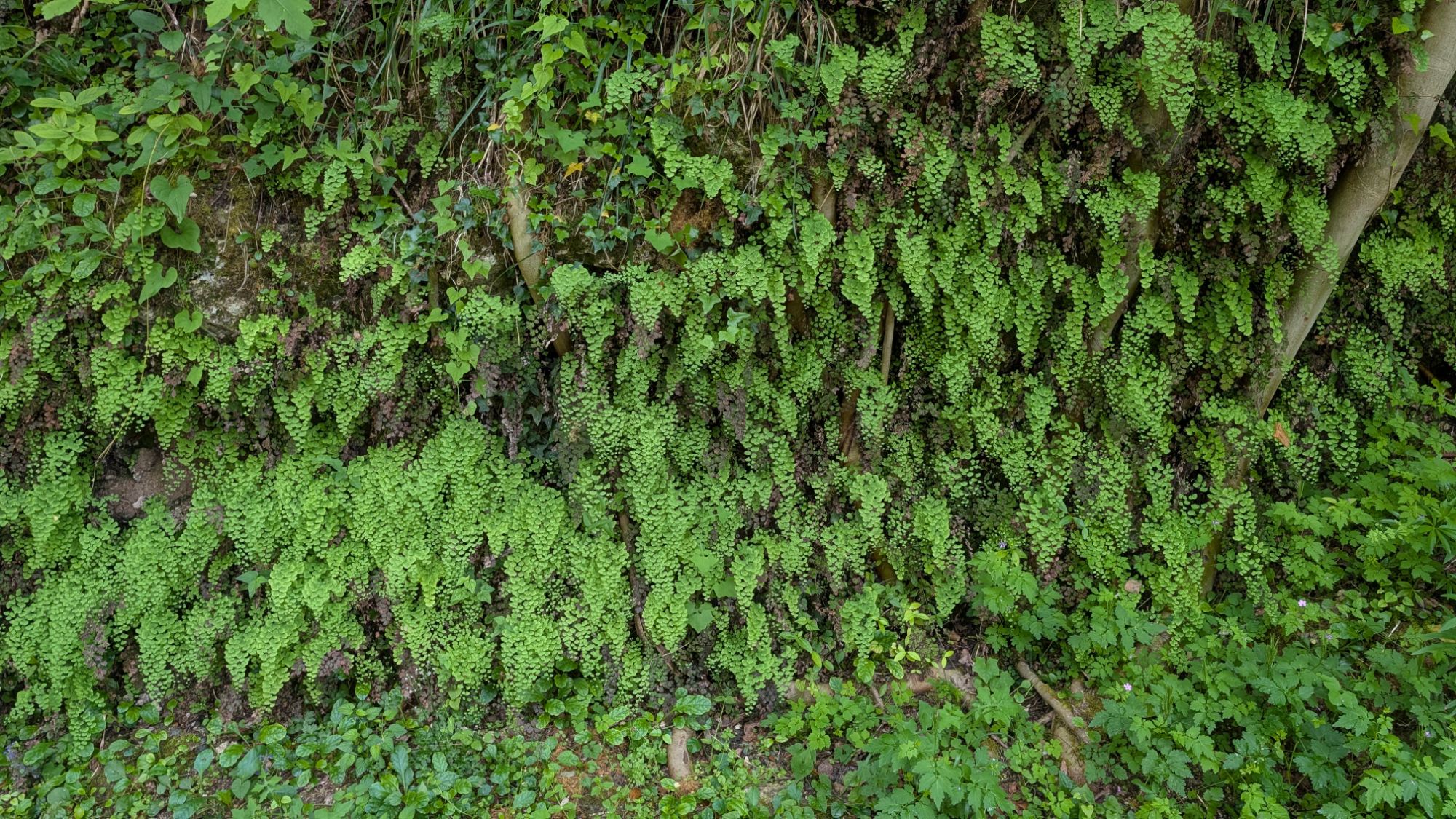
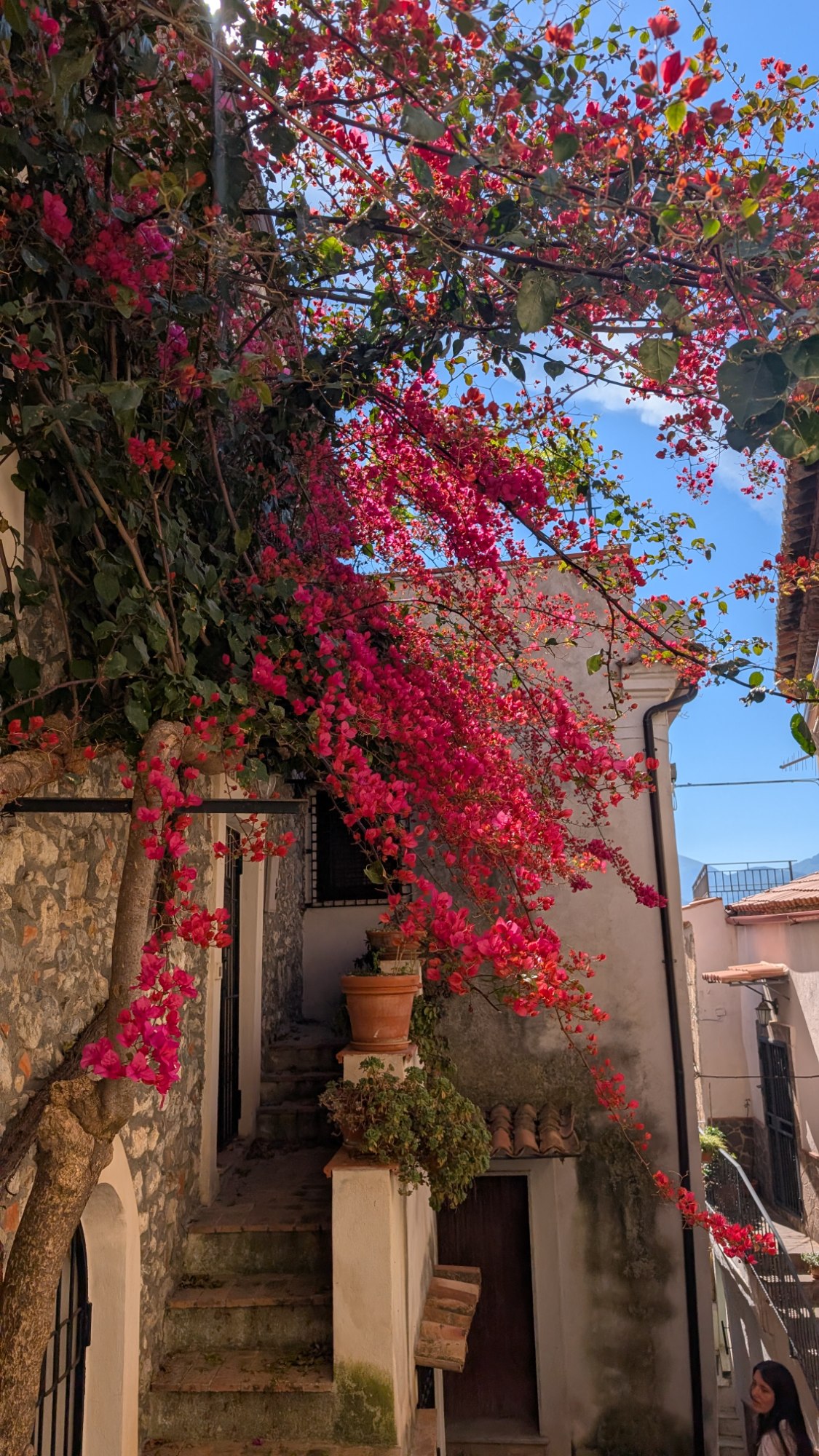
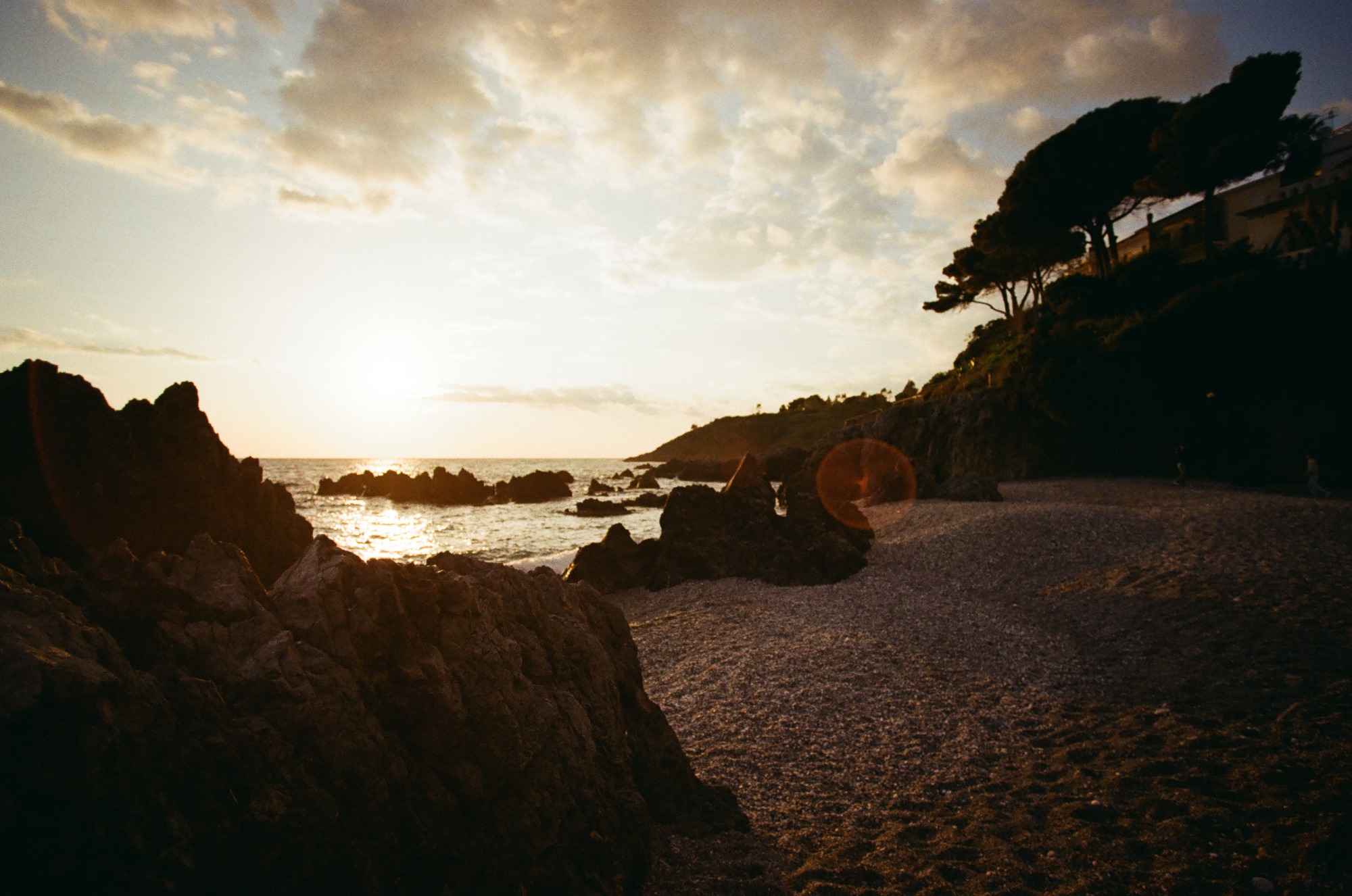
I personally attended a similar-sounding retreat earlier this year – the Ouray Film Sabbatical – and one of the questions I was asked most often afterwards was what the organisers themselves got from bringing a group of filmmakers together. So I’d like to turn that question back on you: As facilitators, what do you get from hosting No Man’s Land?
NM: Personally, the chance to change a system that doesn’t feel healthy or sustainable. I’ve run similar retreats before, and I’ve seen how genuinely shocked people are that you can have such a nice experience and meet such nice people working in this industry. Filmmaking is an art, but the way we’ve structured its industry feels like we have to step on top of each other to succeed. I think a little kindness can go a long way, and this is our contribution to doing something different.
YO & DG: The motivation for us has always been to provide a space for others that we as artists would want to be in. There’s a great joy and reward in creating community and in giving back.
The ideas themselves are the pride and property of the filmmakers.
There’s an interesting question around what happens to ideas that emerge during a retreat like this. If someone develops a new project while at No Man’s Land, how do you think about ownership and attribution? Do you have any expectations around crediting the retreat or its facilitators on work that originates there?
YO & DG: Our goal is to create a place and space that people will feel at home in, that they will want to come back to. And nobody can feel at home in a place where a question of ownership is hovering over them. To us it is very clear: we own nothing of what other artists create while they are here. We ask for a credit mostly as a way of widening awareness of our existence, and so widening the circle of community. We see our role in offering a playground where new ideas can take root. The ideas themselves are the pride and property of the filmmakers themselves.
NM: We’ve talked about this, whether we should expect people to create something. Ultimately, we wanted to move away from that expectation. We want the experience to feel bound-free, and to have faith that if a project does arise from it, people will naturally talk about how it comes about, through the experience they’ve had. It’s about having a bit of faith, rather than constantly guarding our resources out of fear that people will take from us. I genuinely believe people with a similar ethos find themselves and support one another.
Finally, this is the first iteration of No Man’s Land, so how are you thinking about its future? Do you already have future plans or do you want to allow the experience of this first gathering to determine what comes next?
YO & DG: Our artist residency is already open biannually, once in the fall and once in the spring, and our hope is to do the same with these retreats.
NM: This is the first edition of the No Man’s Land creative retreat, but also the first in the Curation Hour Creative Retreat programme. As Curation Hour, we’re simply facilitators of the experience, opening up our network to the retreats we feel are most aligned with us. We build each retreat together with the host, and that’s the beauty of it: each one is personalised and built in a very holistic way.