
The 70th edition of the BFI London Film Festival brings, as it does every year, a rich selection that showcases the best of contemporary filmmaking through twelve shorts programmes, spanning comedy, horror, drama and political themes. In addition to those sections, there’s also the inaugural Displacement Film Fund collection of films, which grew out of Cate Blanchett’s support. You may recognise some of the shorts presented at LFF 2026 from their screenings at other festivals earlier in the year, with some also having featured in previous DN Best of Fest selections such as Anna Mantzaris’ Please, which was part of our Encounters Best of Fest last month. There are also films like Remi R.M. Moses’ Hindsight that will be getting the full Directors Notes interview treatment in the near future and so aren’t included here. As always, we have consciously picked shorts from across the festival’s sections to give you an idea of the breadth of this year’s programme, but, needless to say, a lot of great films we loved have been left out of the following list. That caveat out of the way, dive into DN’s favourite short film picks of London Film Festival 2026 with us.
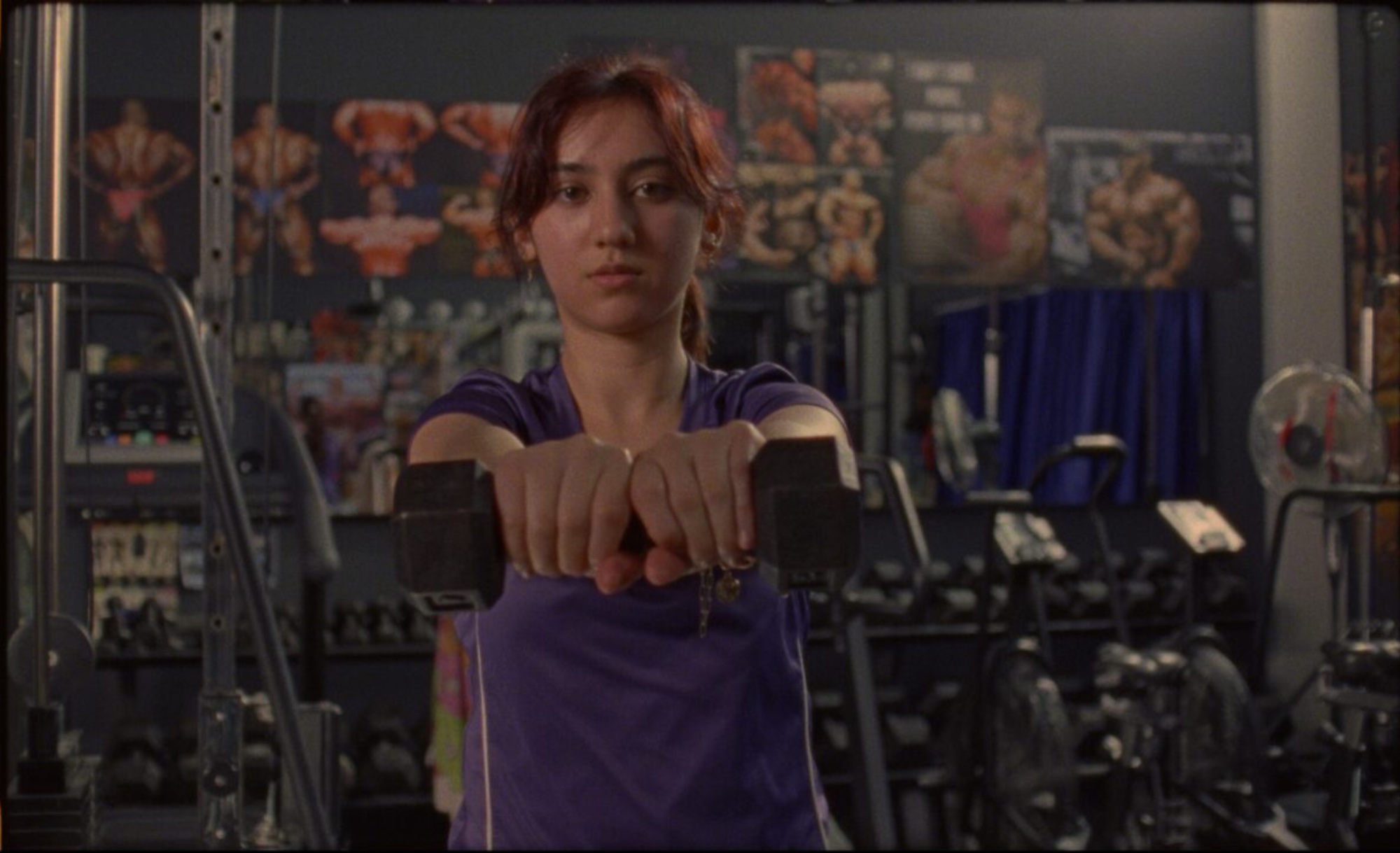
Super Afghan Gym – Shahrbanoo Sadat
Featured in the Displacement Film Fund section, this short helmed by Shahrbanoo Sadat brings together a group of women in a gym in Kabul and puts before the viewer the condition of women in the country. The concerns about appearance, and the expectations that come with them, are explored through a community of women of different ages, all of them adorable. The strength of Super Afghan Gym lies in the universality of its theme, despite its political implications. Its tone, which is almost entirely that of a comedy, makes this slice of humanity even more enjoyable.
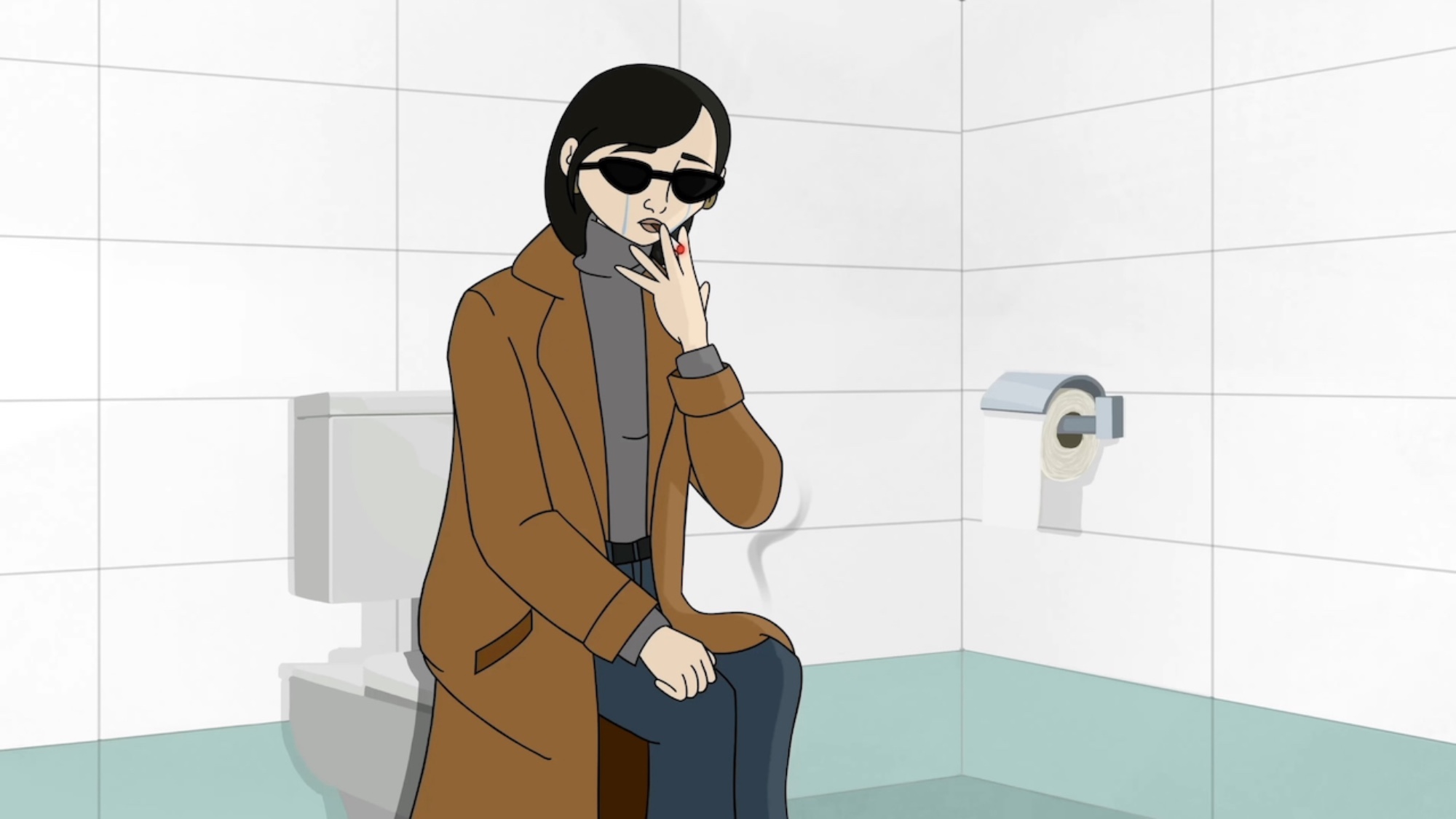
The Clouds of Odessa – Luca Arcangeli
Luca Arcangeli’s deeply moving mix of animation and documentary screens as part of LFF’s Life / Drawing strand. The Clouds of Odessa takes us inside one of the most intense conflicts of our time, the war in Ukraine, through a love story and aesthetics that make us forget, for a moment, the brutality of war. There are many ways to tell the story of a conflict: in this instance, it’s what we could almost call a childlike approach, in the best way possible, drawing on the instinctive way children express themselves to convey the film’s drama.
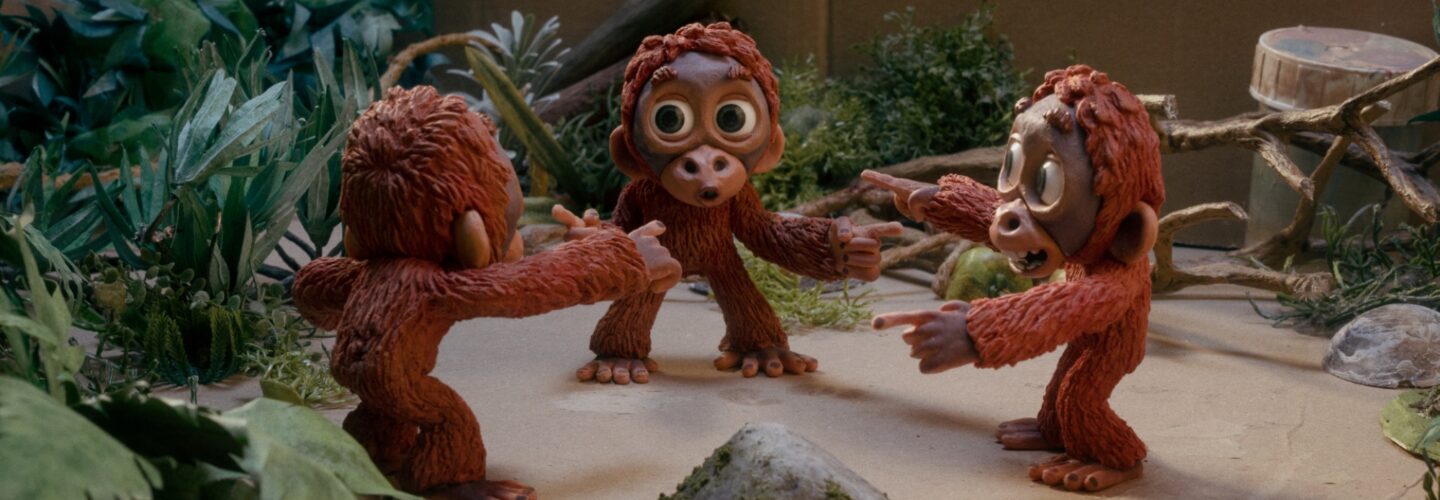
Into the Forest (Vers la forêt) – Antonin Niclass
My passion for stop motion shows in the fact that shorts like this appear in almost all of my Best of Fest collections, and Into the Forest—which, after touring several festivals, has now reached the competition here at the London Film Festival—is a striking example of how the cuteness of stop motion can also serve as social critique. Here, it shows how monkeys have to rethink the concept of nature once they live alongside humans. It’s impossible not to fall in love with their big eyes and their movements, which Antonin Niclass orchestrates adorably.
Most Popular
How to Hide it – Ramla Ali & Richard A.Moore
Ramla Ali and Richard A.Moore’s short, presented within the Call Your Bluff programme, is a very intelligent comedy, where the comic elements still prompt reflection on broader themes and give the story a breadth that goes beyond funny situations. The young protagonist (played by Ali herself) finds herself in limbo: she wins the lottery, but gambling is forbidden for her as a respectful Muslim, and the fear of someone finding out (especially her family) about her good fortune terrifies her. At the same time, that win would change her life for the better and save her from a supermarket job that doesn’t seem to contain her explosive character. Set in an ultra-pop world and boosted by a great soundtrack and editing, this is a short you shouldn’t miss. Don’t hide from How to Hide It!
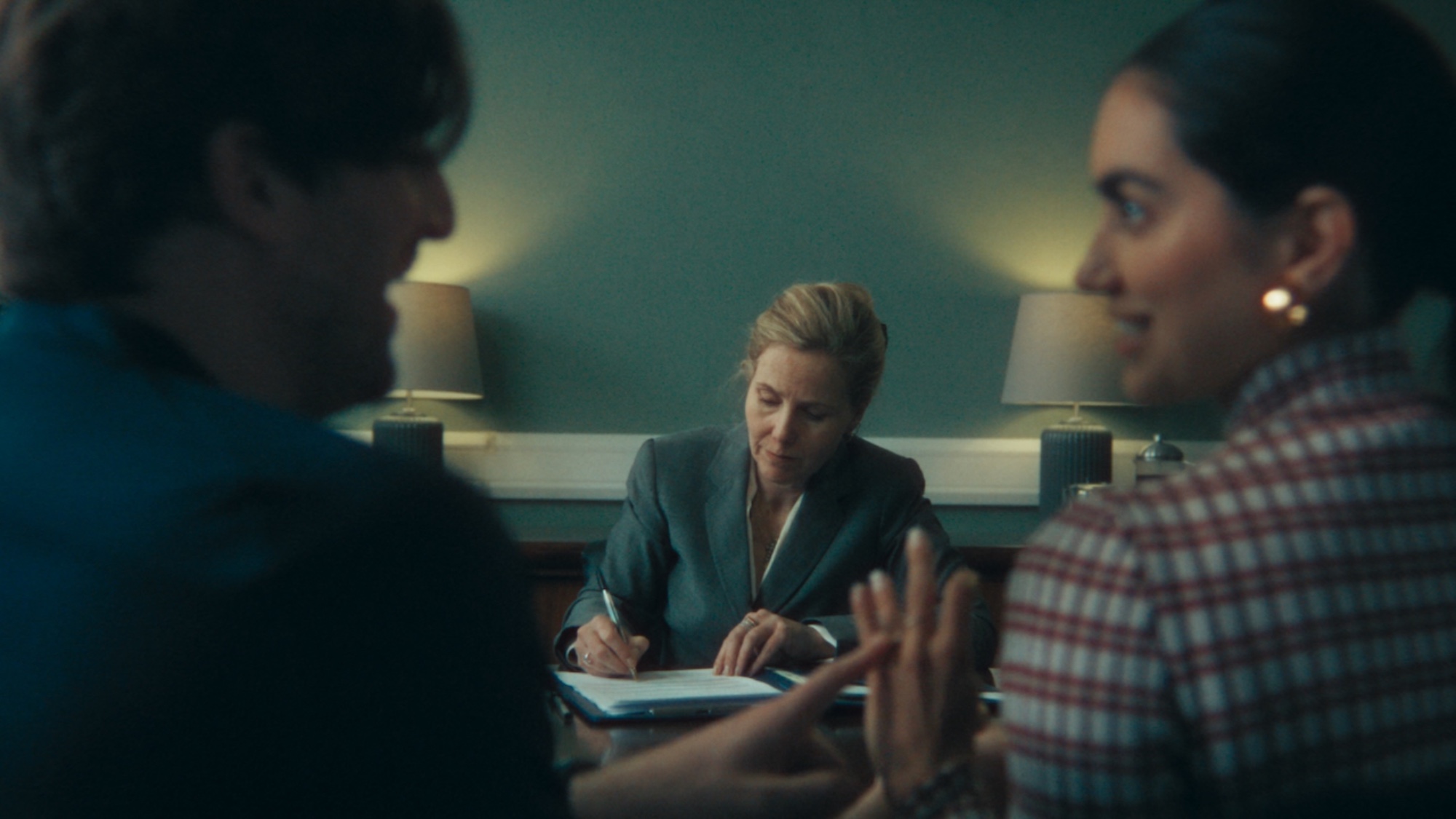
A Twist of Hate – Maddy Shenai
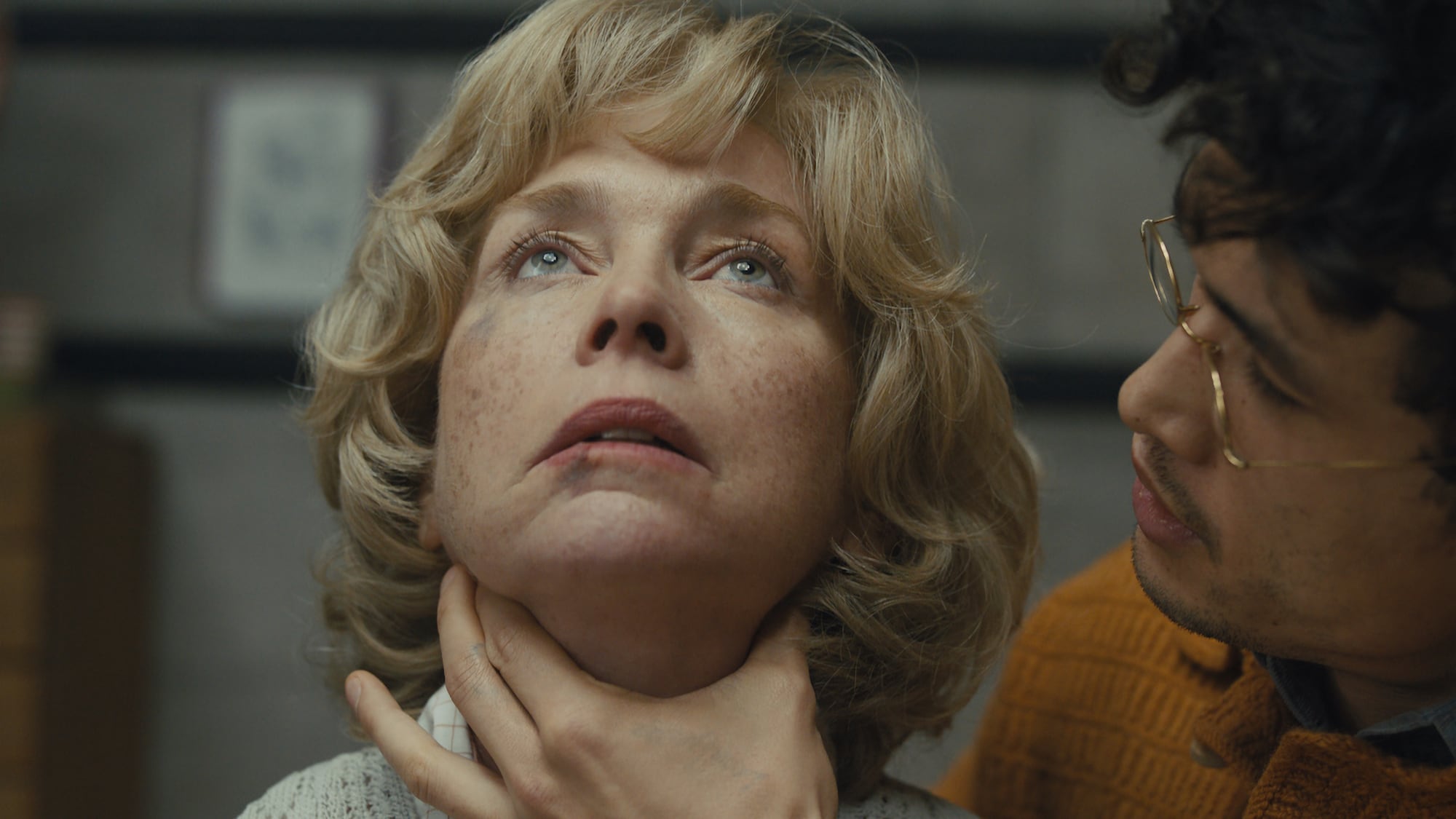
One of the most remarkable aspects of Maddy Shenai’s A Twist of Hate is the quality of the acting from all three of its performers, and Sally Phillips in particular. The story and setting are very simple: a room where a lawyer gets a young couple, expecting a child, to think about how to divide their assets, and how catastrophic events that can happen in life could completely change the outlook of their relationship. Cynical, irreverent, simple but very effective, A Twist of Hate is here to stay.
Sphinx Alberta’s Smile (Sfinksas Albertas Smaids) – Dace Rīdūze
In all this adult madness, it felt right to include a short from the Animated Shorts for Younger Audiences programme, too. Sphinx Alberta’s Smile’s surreal, incredible story weaves together the cold Baltic landscapes of Latvia with the exoticism of Egypt, and with it the visual warmth of Africa, making this children’s short unmissable for adults as well. Indeed, its meticulous aesthetic, which feels almost lifted from a wild piece of contemporary art, lets Dace Rīdūze’s crazy story win over the hearts of young and old alike.
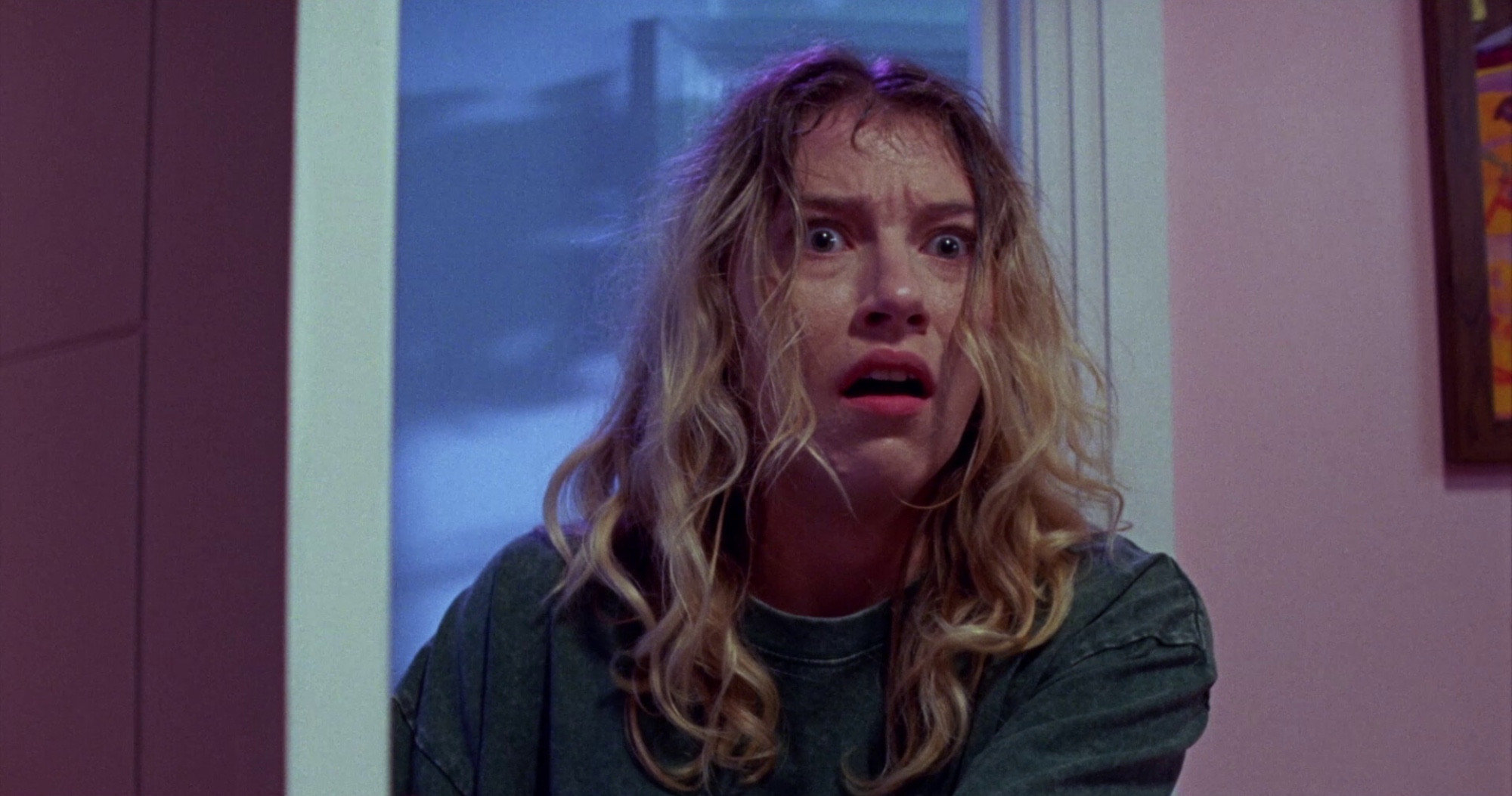
The Sorrows of Young Charlotte – Shir Ariya
Land Of Hope and Gory, a collection for bold voices who are not worried about shocking their audiences, which very much speaks to us here at DN. The Sorrows of Young Charlotte is the perfect representative: it sits halfway between comedy and horror, telling a story about how hard it is to get back into the dating game after an important relationship has ended. All done in an absolutely irreverent, hyperbolic and distinguished grotesque style. What happens when you decide to take a sexual performance pill which belonged to the ex of the girl you’ve always liked? We’re not going to tell you. You’ll have to buckle up and experience Shir Ariya’s short for yourself.
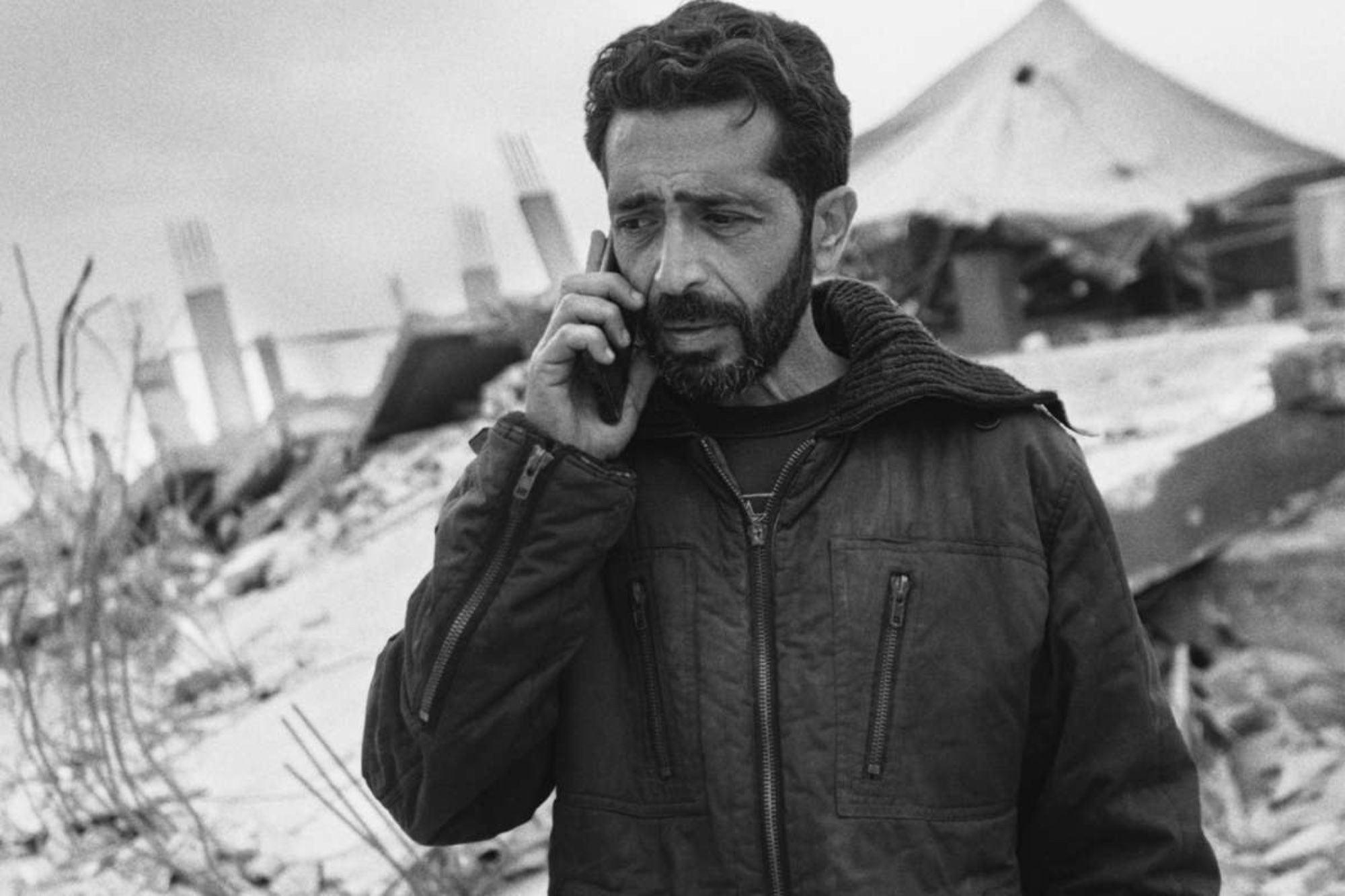
To The North – Amer Nasser
Sadly, in these fraught times it seems hard not to talk about politics and the current state of the world, and that is true of Amer Nasser’s Altered States programmed film To The North. Shorts of just a few minutes often risk not being able to hold everything they could say because the story can end up too compressed, making it hard to enter its world. Yet, as is the case with Nasser’s short, the best ones can get deeply under your skin, especially with this film when years of viewing the rubble of Gaza on our screens brings instant knowledge of the depth of suffering and loss endured there. An extremely effective use of black and white cinematography coupled with the charisma of a great up-and-coming actor Feras Almasri—recently seen in the masterpiece feature Thirteen in Gaza—makes To The North particularly memorable.
Untitled Woman – Camille Summers-Valli
Camille Summers-Valli’s Untitled Woman is one of the best examples of LFF’s As the Years Roll By—a programme that celebrates adulthood and old age—looking as it does at what it means to grow older in a society where the tendency is to swim against nature’s current and try to look as young as possible. Here, Julianne Nicholson’s extraordinary performance allows a story with a relatively straightforward core to express itself with a rare delicacy and beauty. Indeed, the strength of this short lies precisely in its ability to be deeply human and reflect a pressure shared by all women, across generations too, since women go through many different feelings over the course of their lives in relation to their bodies, but in an original context. In fact, the art gallery setting allows for a very distinct aesthetic and Krzysztof Trojnar’s impressive cinematography reflects that accordingly.
Aman – Rahul Roye
Part of the most intimate programme of all, I See Myself, Aman shares its premise with a feature recently presented in Toronto, Soy Mario, and deals with the delicate concept of a trans man falling pregnant. Rahul Roye’s concept is wrapped in a well-told, powerful story that hits you straight in the gut. In this sense, the short uses very dense, very dark cinematography to convey, flawlessly, all the emotions present in the narrative.
You can find more unmissable DN film festival favourites in our Best of Fest collections.