
While much of the film industry’s attention will soon turn towards the BFI London Film Festival, for those of us more deeply embedded in the short film world, it’s festivals like Encounters that hold the strongest appeal. This year’s programme brings together 142 films from 39 countries in competition, spanning live action, animation and documentary, once again offering plenty to get excited about—especially the Sirāt Live soundsystem set, which we’re looking on with particular longing—at the Bristol-based festival. As has become something of an annual ritual for us, we’ve scoured the programme, watched the shorts and picked out eleven films we think are worth seeking out if you’re heading to Bristol or keeping an eye on if, like us, you’re not lucky enough to be there in person this year.
There are, of course, a number of films in the programme that will already be familiar to regular DN readers. Sacha Beeley’s Babyface, Laurence Thérien’s Ball Face, Amrou Al-Kadhi’s Original Sin, Fanny Capu’s Pickled and Chris Lavis & Maciek Szczerbowski’s The Girl Who Cried Pearls have all been discussed in depth in interviews on Directors Notes. Meanwhile, Jenny Jokela’s Dollhouse Elephant, Ariel Zengotita’s Imago, Aneil Karia’s Vote Gavin Lyle, Rory Waudby-Tolley’s i have a, Zsuzsanna Kreif’s Adgwa-Ata and AJ Jefferies’ Ducks have already featured in our festival best-of selections elsewhere this year.
While we’re delighted to see all of these films represented in the Encounters programme, we’ll be focusing here on eleven shorts that are, hopefully, new discoveries for our audience.
A Pint of Bitter – Conor Kehelly
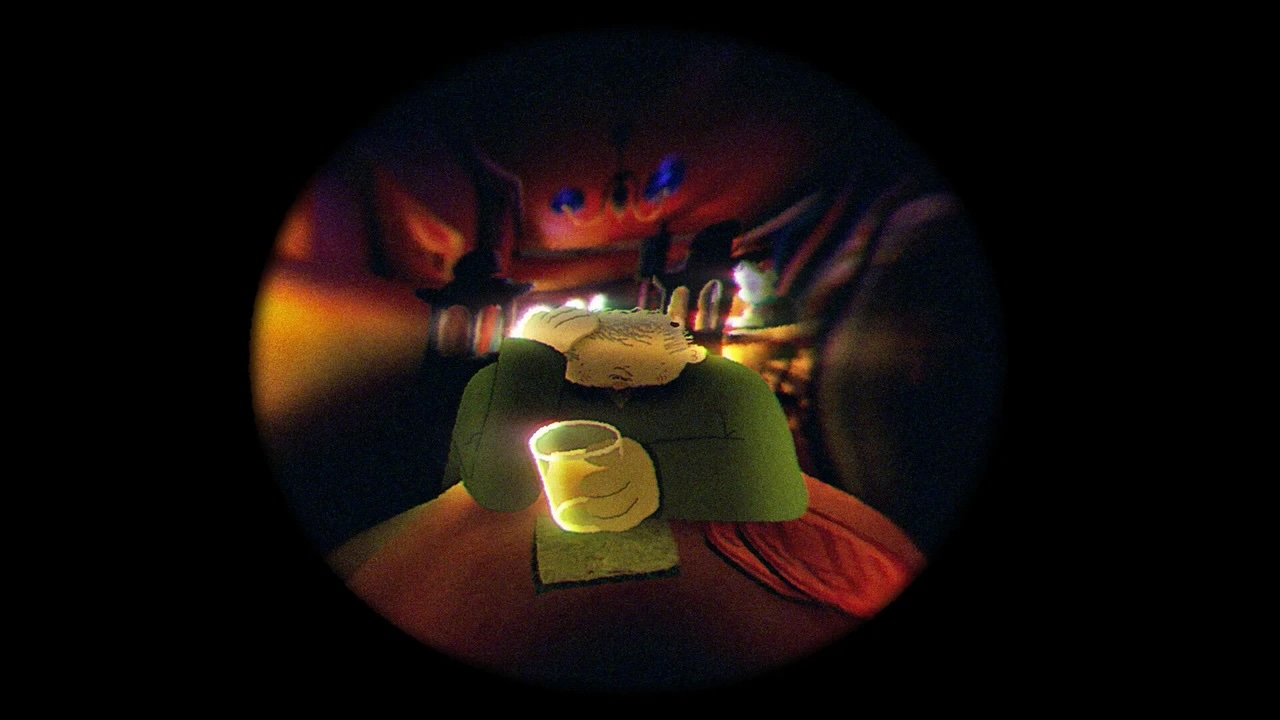
A misunderstanding in a pub, a fatal mistake by a father and a surreal journey into the unknown – Conor Kehelly’s animated short A Pint of Bitter thrusts you into a situation that feels strangely relatable, even as it becomes increasingly difficult to understand. It’s a visual and thematic headfuck of a watch – in the best possible way – using a skewed perspective to immerse us in the grounded confines of a quiet bar before catapulting us into much more cosmic and existential territory, via an exploded head.
A Shot at Art – Ilke Paddenburg
A short I regretted not including in my SXSW article earlier this year, Ilke Paddenburg’s A Shot at Art initially makes an impact through the ‘controversial’ art exhibition at the centre of its story, but ultimately lingers because of its exploration of gender and power. Driven by the commanding presence of its two leads, Juul Vrijdag and Bo Bojoh, as the tension of Paddenburg’s film intensifies, it’s a strong reminder that compelling storytelling and performance can be just as powerful as any elaborate visual approach. I also don’t think you’re going to see a better end scene all year!
Hag – Anna Ginsburg
A celebration of self-love told through a purposefully off-kilter aesthetic, Anna Ginsburg’s Hag takes a hugely relatable subject and transforms it into something distinctly individual through the introduction of a touch of magical realism. Brimming with both humour and emotion, Ginsburg’s story captures the tension between societal expectations and the desire to remain true to oneself, finding a unique expression of this conflict through both its narrative approach and visual language. It’s the balance between the surreal and the everyday that makes Hag such an affecting and memorable exploration of self-acceptance.
Most Popular
Hyena – Altay Ulan Yang
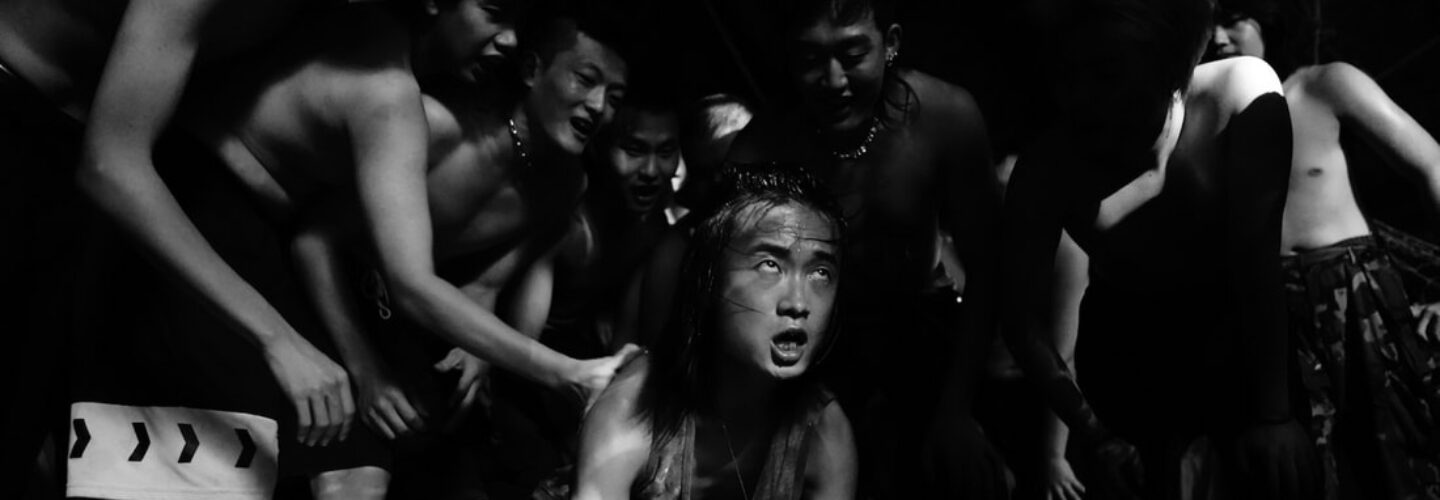
Combining stark black-and-white photography with a strict art school setting, Altay Ulan Yang’s Hyena occupies an unusual space between experimental filmmaking and narrative drama. While this combination could easily have become a pretentious mess, Yang instead uses a heightened aesthetic to reinforce the film’s unusual premise, resulting in a work that feels both ambitious and assured. Apparently marking Yang’s directorial debut, Hyena showcases a remarkably confident approach to visual storytelling, suggesting a filmmaker with a distinctive voice that will be worth following as his career develops.
Klonter – Levi Stoops
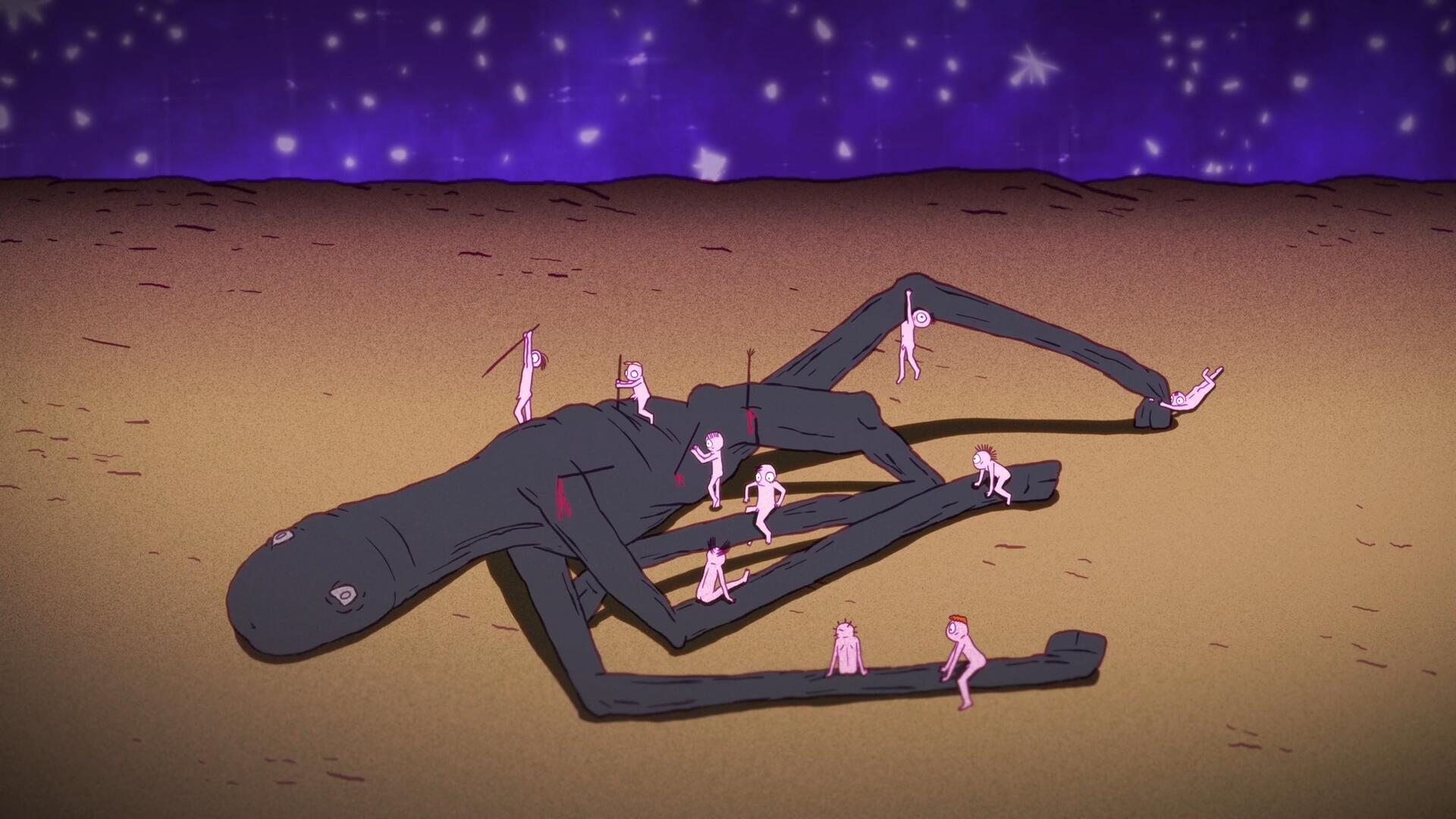
No one makes films quite like Levi Stoops. While his previous film, Drijf, stranded a couple at sea to explore relationship problems from an utterly unique perspective, his latest, Klonter, is another fine example of the unpredictable filmmaking that has become a trademark of the Belgian animator. Beginning as the story of a man struggling to see the point of life after believing he’s about to die from kidney stones, Klonter soon takes an unexpected turn. Inadvertently transforming into a planet and spawning an entirely new race of beings, the film expands its narrative from one man’s health crisis to something far grander, exploring broader questions of existence and the meaning of life.
Life on the Line – Vadim Vandenven
Taking its audience on an extraordinary journey from the waters of Alaska to a plate in front of hungry diners, Life on the Line employs animation, photography and GoPro footage to immerse us in the world of industrial fishing. An experimental documentary piece driven by an evolving soundtrack, Vadim Vandenven’s short can feel overwhelming at times—but in an exhilarating way, as its constantly shifting visual and sonic language mirrors the scale and intensity of the industry it explores. It’s also an important watch for anyone who has ever taken the food on their plate for granted, offering a visceral reminder of the vast amount of effort that goes into putting food on the table.
Once in a Body (Una vez en un cuerpo) – María Cristina Pérez
Animation features heavily in these recommendations, but the more I watched from the Encounters programme, the more films I found myself wanting to include. María Cristina Pérez’s incredible Once in a Body is one that proved impossible to ignore. Its breathtaking aesthetic is a testament to the possibilities of hand-drawn animation, while González pairs this visual beauty with a poetically haunting exploration of the human body and the ways it shapes our experiences. The result is achingly beautiful, thematically rich and utterly unforgettable—a singular short from a singular voice.
Please – Anna Mantzaris
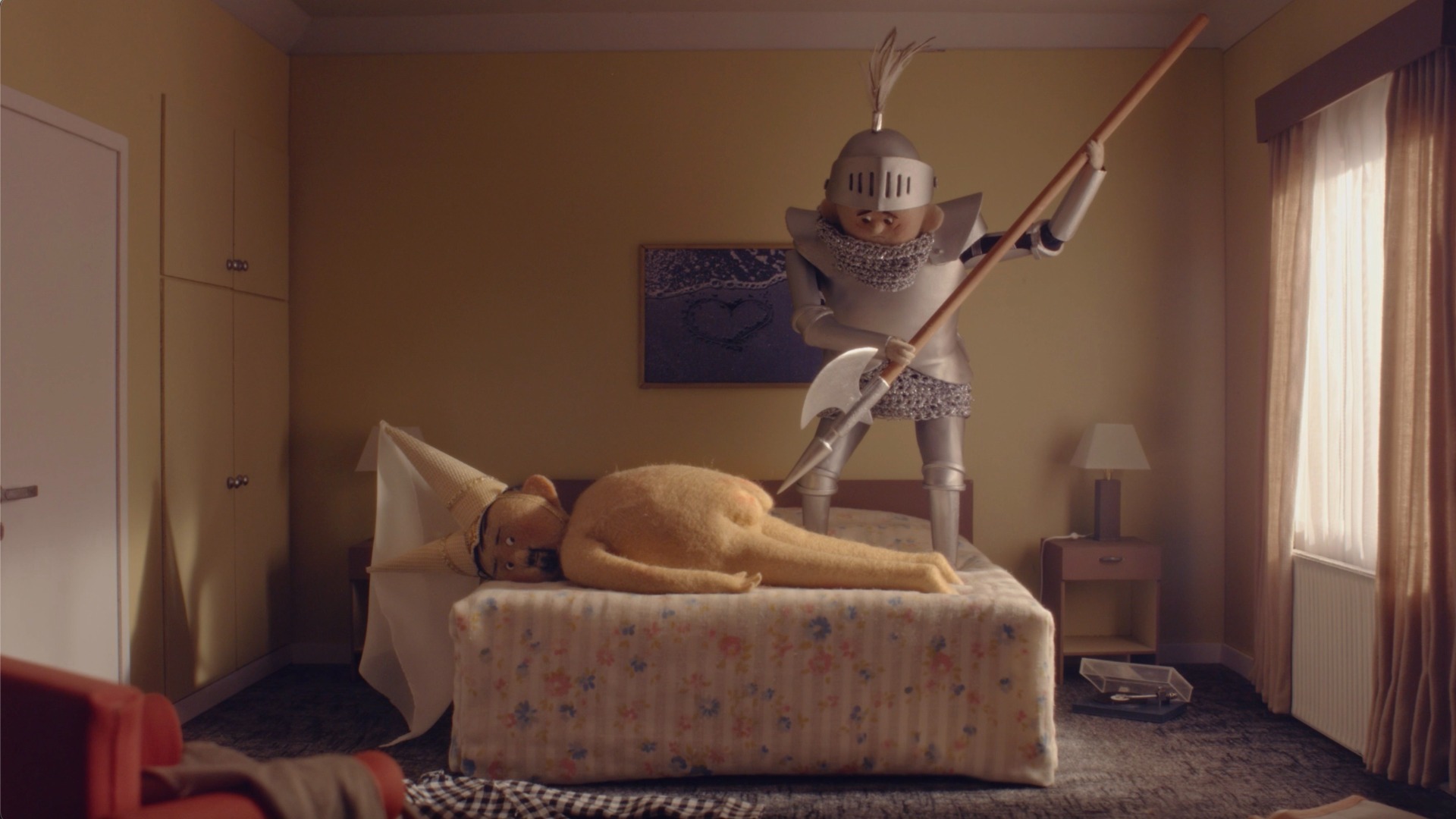
Returning to the vignette style of her earlier film, Enough, which actualised the catharsis of explosive impulses, Anna Mantzaris’ latest short, Please, follows an ensemble of characters searching for human connection in an increasingly isolating world. Sporting her unmistakable felt-animation style, the film’s dark humour gradually builds to a crescendo as these individual stories converge to form a harmonious ode to longing and acceptance. Already making an impression on the festival circuit, Please feels like another standout addition to Mantzaris’ distinctive body of work and one that could well find itself in the conversation when awards season rolls around again.
The Death of the Fish – Eva Lusbaronian
An animated dance film exploring grief and depression—excuse the hyperbole, but Eva Lusbaronian’s The Death of the Fish might be the most beautiful piece of filmmaking I’ve seen in some time. From its intricately rendered backgrounds and hypnotic animated choreography to its pulsating score, every element feels carefully composed, making it somewhat surprising that, among the thousands of short films I’ve watched over the years, animated dance films remain such a rarity. Lusbaronian has spent much of her career animating the work of other filmmakers since graduating from Gobelins in 2015, but with The Death of the Fish, she more than proves herself ready to step into the role of director.
Trio – Morten Borgestad & Fridtjof Stensæth Josefsen
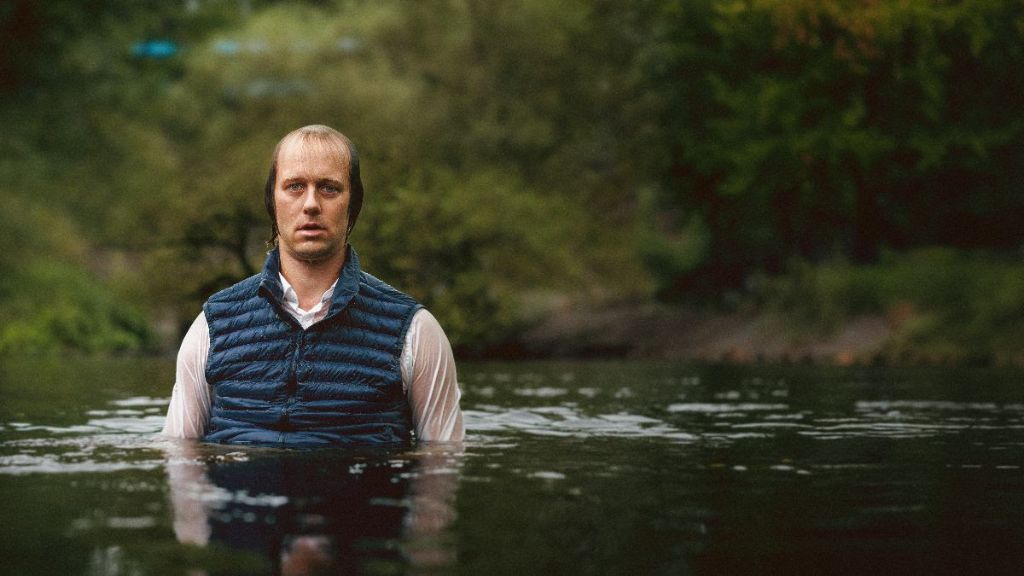
A film for anyone who has ever experienced being the third wheel, Trio, by Morten Borgestad and Fridtjof Stensæth Josefsen, takes a distinctly physical approach to exploring the difficulties of finding your place within a friendship. As we follow the short’s titular threesome as they walk and talk, the restrictions of their environment repeatedly conspire to leave one person—always the same person—out, behind, or even in the road. At under four minutes, Trio makes a strong case for the ‘short short’, using its brief runtime to deliver a simple but remarkably effective idea without ever overstaying its welcome. In fact, it might just end up being your favourite film in the block.
Uncle Filmi – Nazgol Kashani
If you’re expecting a short centred on the Iranian Revolution and the censorship that followed to be a dour and sobering watch, Nazgol Kashani’s mixed-media film Uncle Filmi sets out to subvert those expectations. Presented as a light-hearted anecdote shared between friends, Kashani combines conversational voiceover with a playful, kinetic visual aesthetic, creating a film that is immediately welcoming while retaining considerable emotional and political weight. Featuring Islamic Revolutionary Guards, body-hair removal parties and bootleg VHS tapes, it’s an extraordinary story brought to the screen with an infectious sense of love, warmth and humour.