
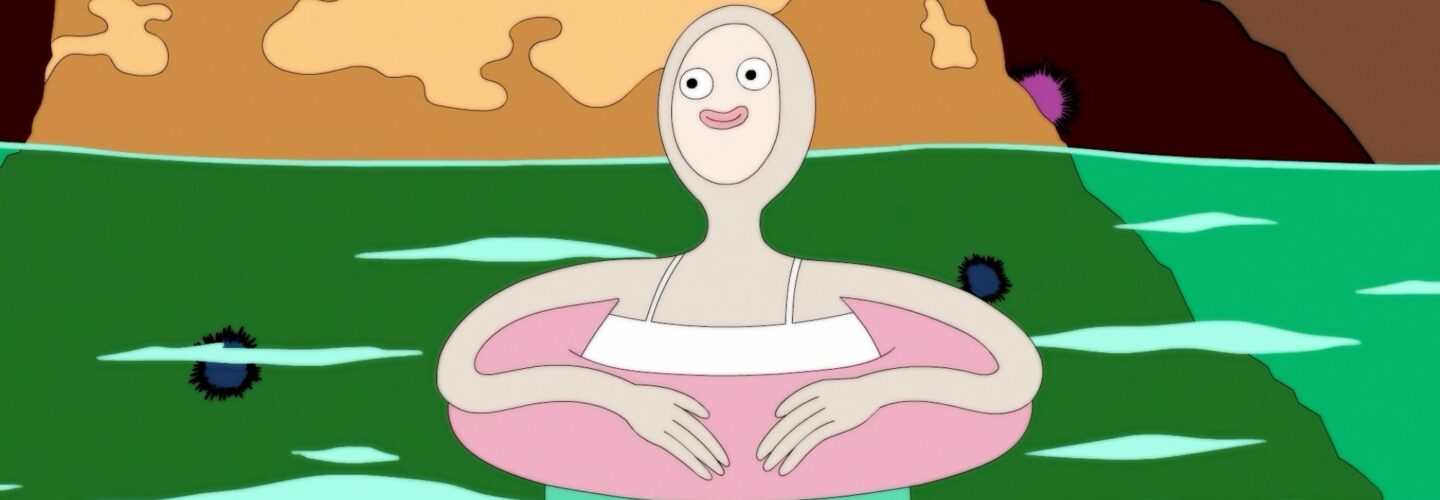
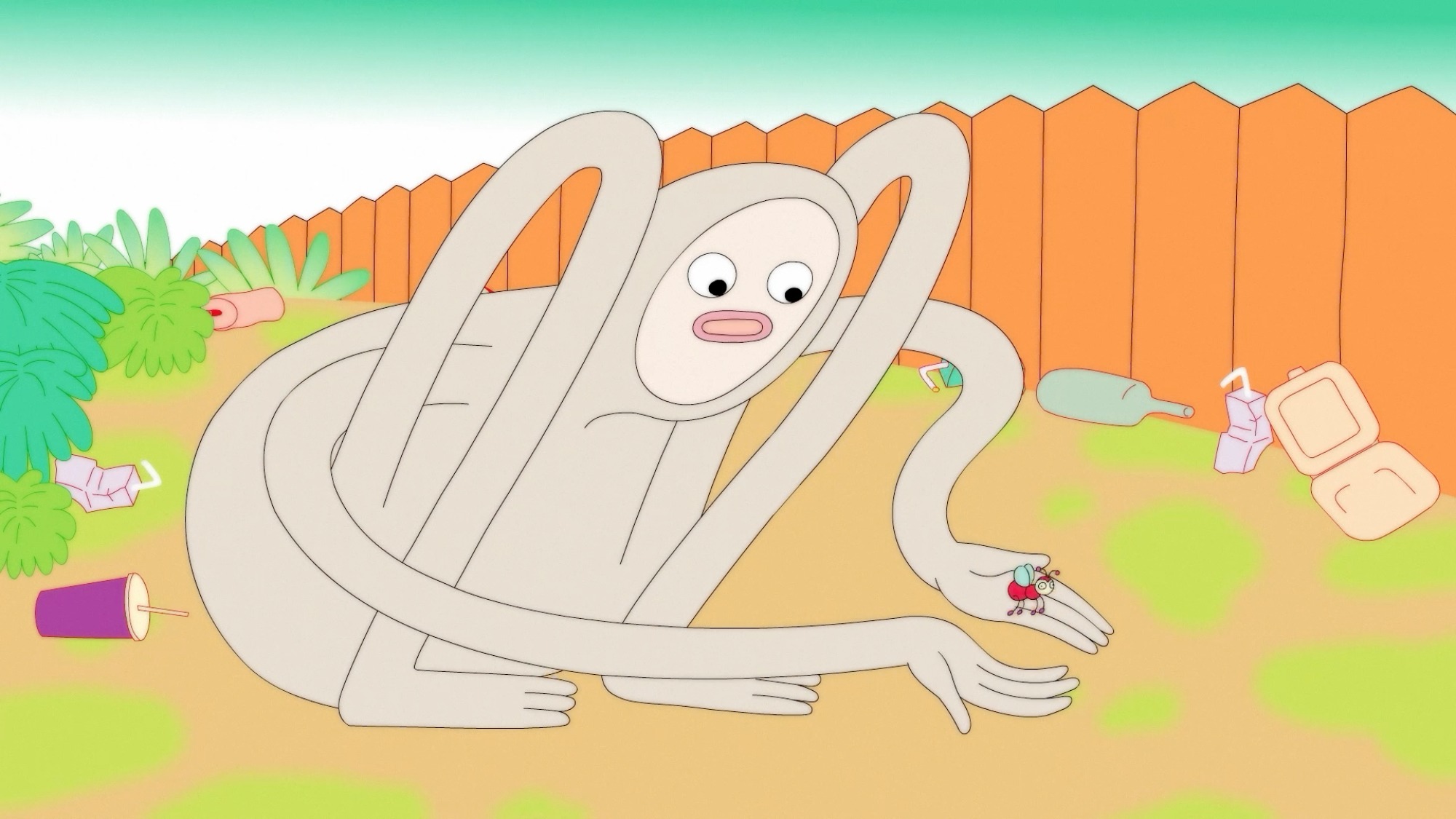
Surreal, abstract, experimental – however you choose to describe the animation of Sacha Beeley, one thing is undeniable: they’re a unique voice. I first encountered Beeley’s work in 2019, when their wonderfully bizarre Central Saint Martins graduation film, Big Toast, screened at the BFI London Film Festival. It was the kind of film that lodged itself firmly in my memory, so when Beeley’s name appeared in our submissions queue earlier this year, I immediately knew I had to hit play.
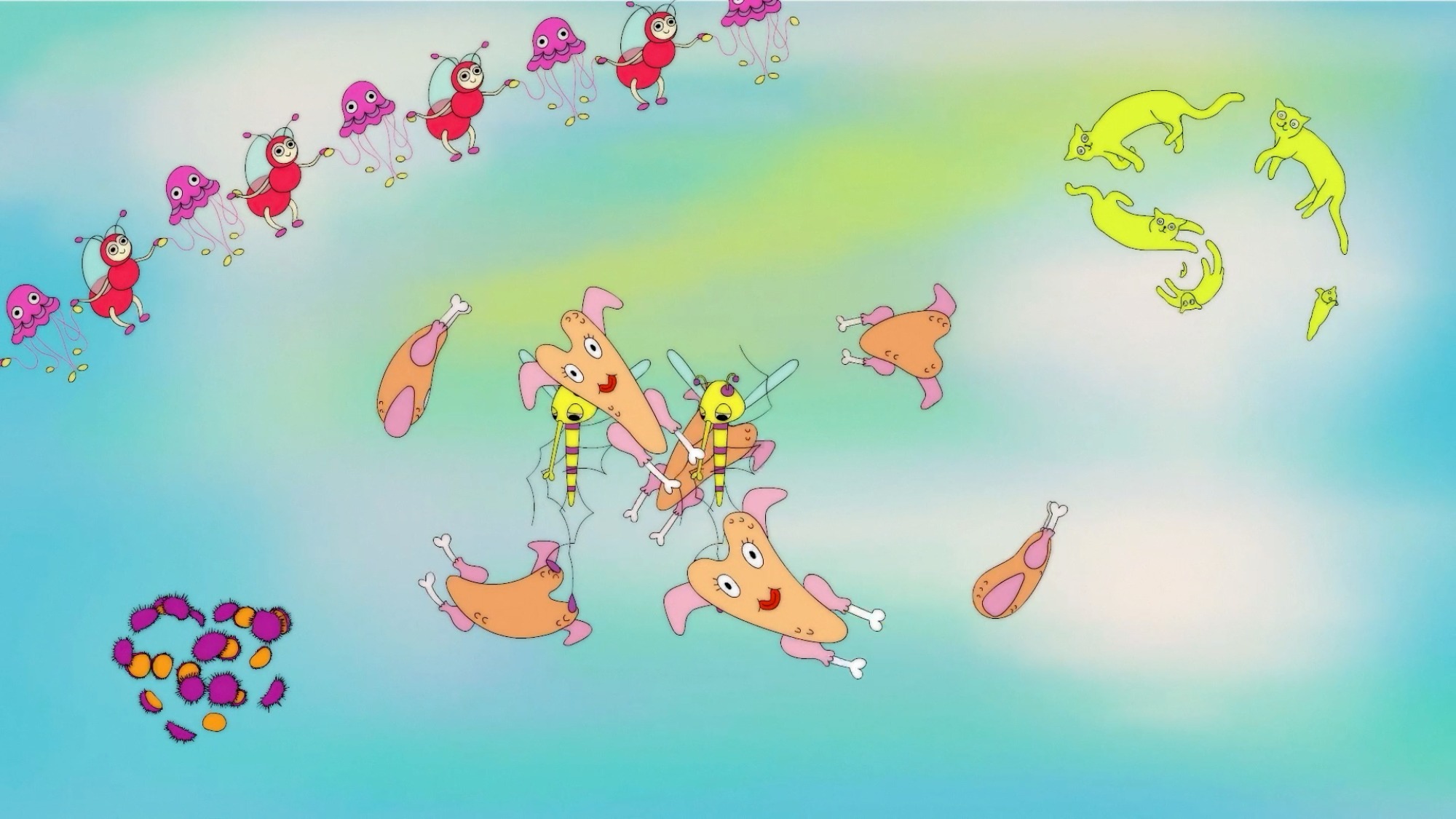
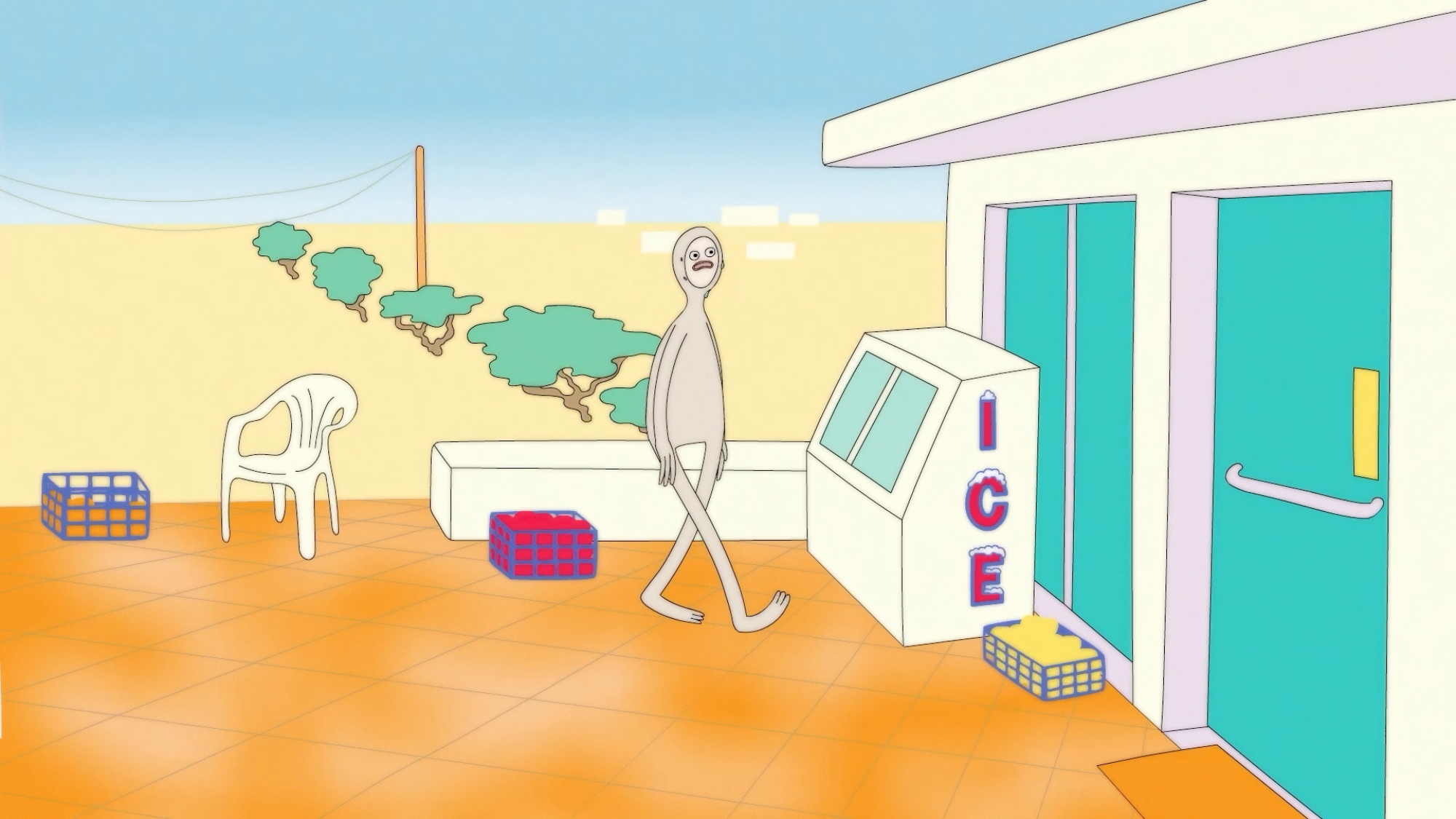
Those instincts were rewarded with Babyface, another delightfully eccentric creation that introduces Spoon – an endlessly optimistic, walking, talking utensil who calls a roundabout home. It’s the latest in Beeley’s growing gallery of unforgettable oddballs, characters that are as emotionally resonant as they are visually unconventional. To explore where these wonderfully strange creations come from, we caught up with Beeley to discuss the inspirations behind Babyface, their creative process, and how being affectionately described as a “little freak” by fellow animator Sophie Koko Gate became an unexpected affirmation of their artistic identity.
Hi Sacha, thanks for joining us on Directors Notes. Babyface is such a unique piece, and I’m really excited to dive into the process of making it with you. Usually, when watching submissions, I avoid reading longlines or synopses beforehand so that each film remains a complete surprise. In the case of Babyface, the accompanying description was brief and vague, but I’m still glad I skipped it, as I don’t think anything could have prepared me for the surreal journey the film was about to take me on.
With that in mind, I’d like to start with a more general filmmaking question: what motivates you to make films, and how would you describe your filmmaking approach?
First up, thank you for saying those things – it feels great to hear positive things about a personal film that no one saw for years while I was making it. Usually, I start off making films based off of a very deep feeling that has been brewing inside me for a long time. The feeling comes first, and then flashes of visuals, more like scenarios or vignettes, which I weave into more of a narrative. I’ve noticed a lot of my work features a strange character in solitude in nature, which definitely reflects my childhood, where I was brought up in a beautiful and tiny isolated village.
What motivates me to make films is to somehow try to show people my inner world, bring the fantasy onto a screen so that it’s not so isolated and other people might relate to it. I’m an extreme daydreamer and the animations I make are just an extension of my thoughts, I suppose. It’s hard to put into words, but I like a playful aesthetic and surreal performance, but with undertones of something a bit more melancholy.
I remember seeing one of your previous shorts, Big Toast, and being really struck by the character design. Once again, that was one of the aspects of your filmmaking that stood out to me in Babyface. I’m particularly interested in Spoon – how and why did this “big freak of steel” become the central character of the film?
Yes usually the character design comes first, in a subconscious way. I’ll be drawing the same character for a while, over a year maybe, and then decide it still hasn’t run its course so it works its way into these scenarios and vignettes until maybe I make a film about it. For Spoon, I remember very vividly when she first popped into my brain. I was having a coffee when I suddenly imagined a spoon laughing maniacally round and round in an ice cream tub, because they were having so much fun.
I liked this idea of following an impulse so wholeheartedly that you uncover something you never set out to find.
However, each time they rolled around, they accidentally scooped more and more ice cream until suddenly they’d dug their way all the way down and clunk – they’d hit the bottom. What was at the bottom? A golden nugget, instead of a chocolate chip I guess. I liked this idea of following an impulse so wholeheartedly that you uncover something you never set out to find. Pursuing something with abandon is right up my street.
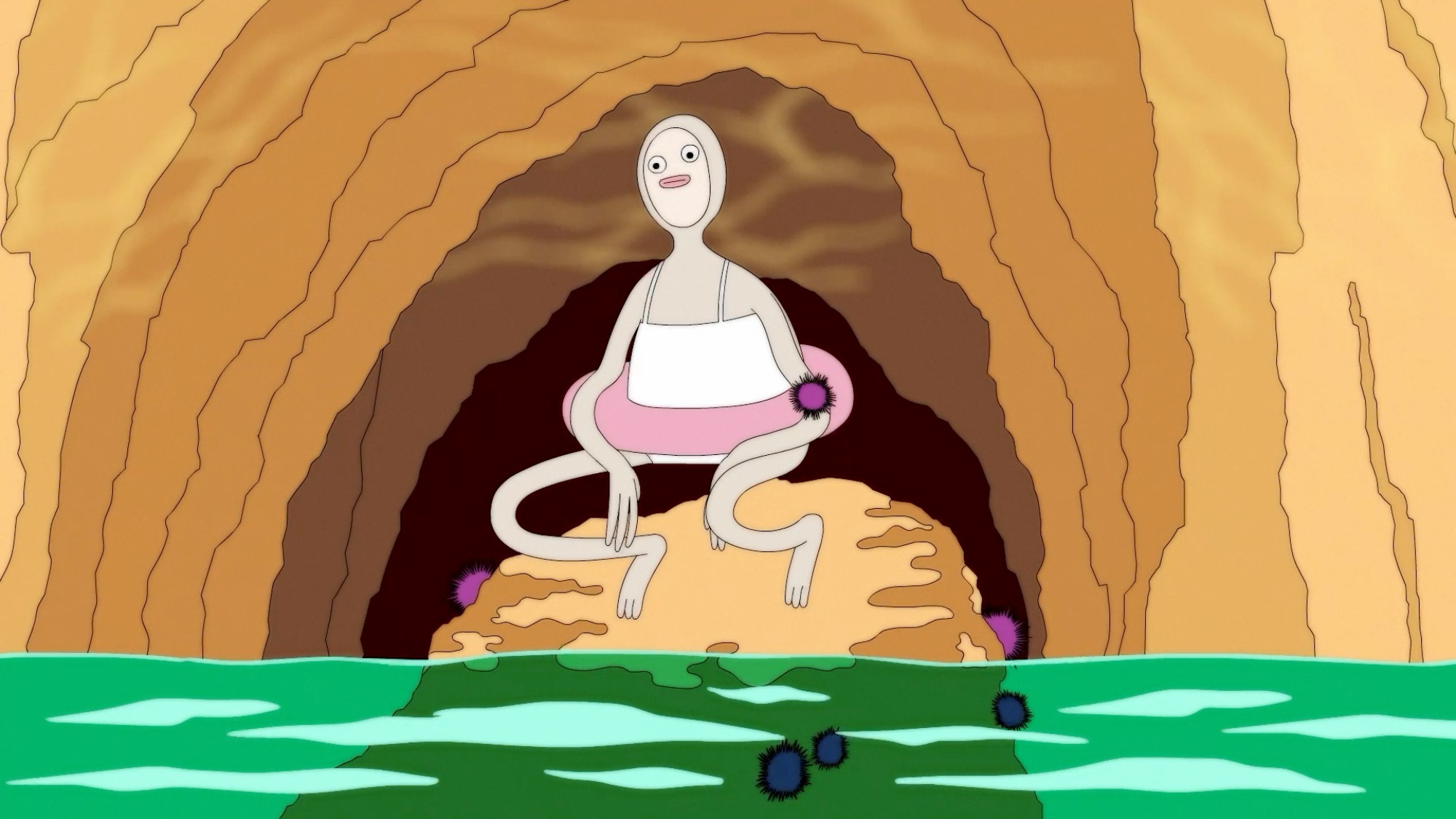
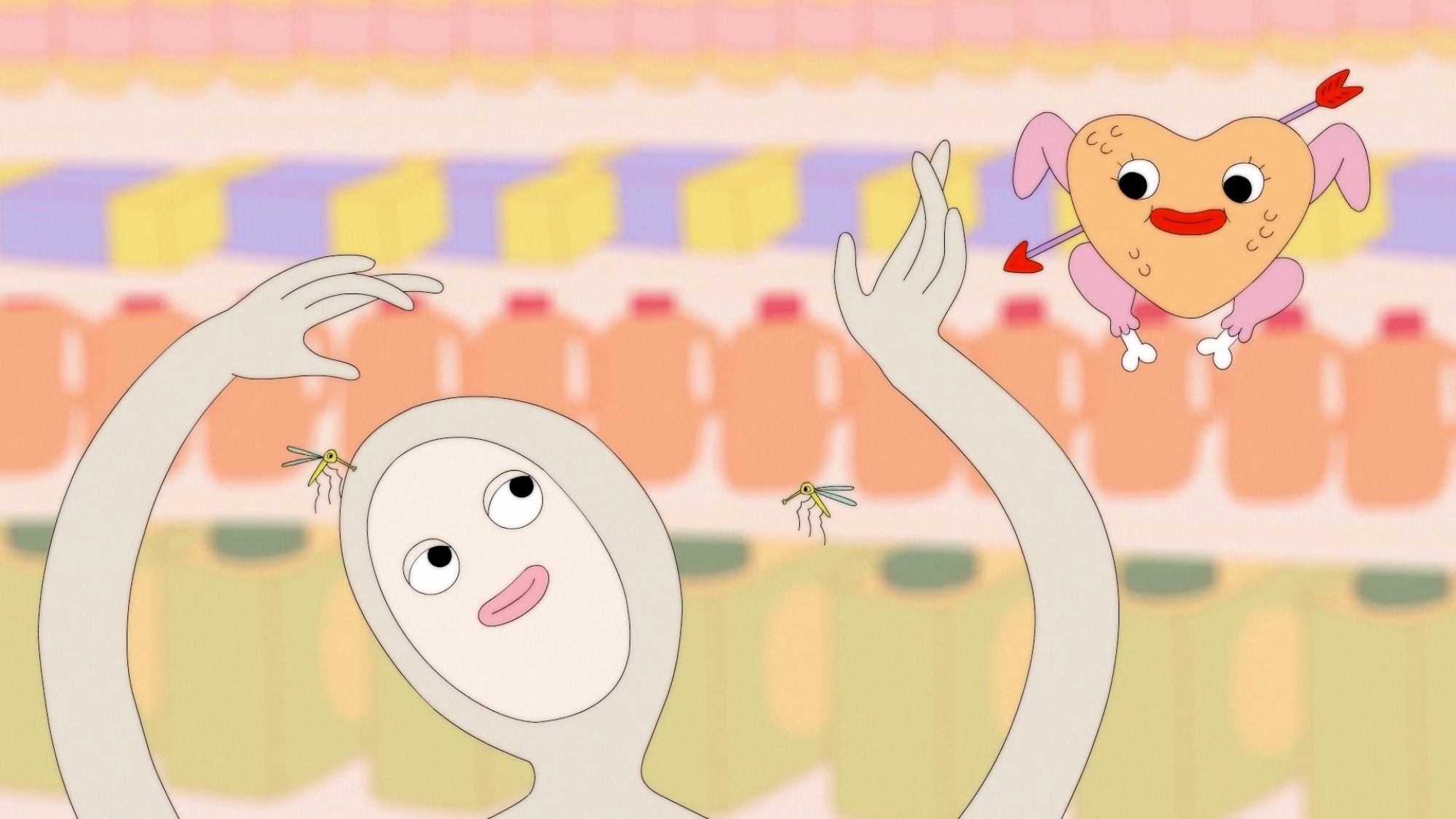
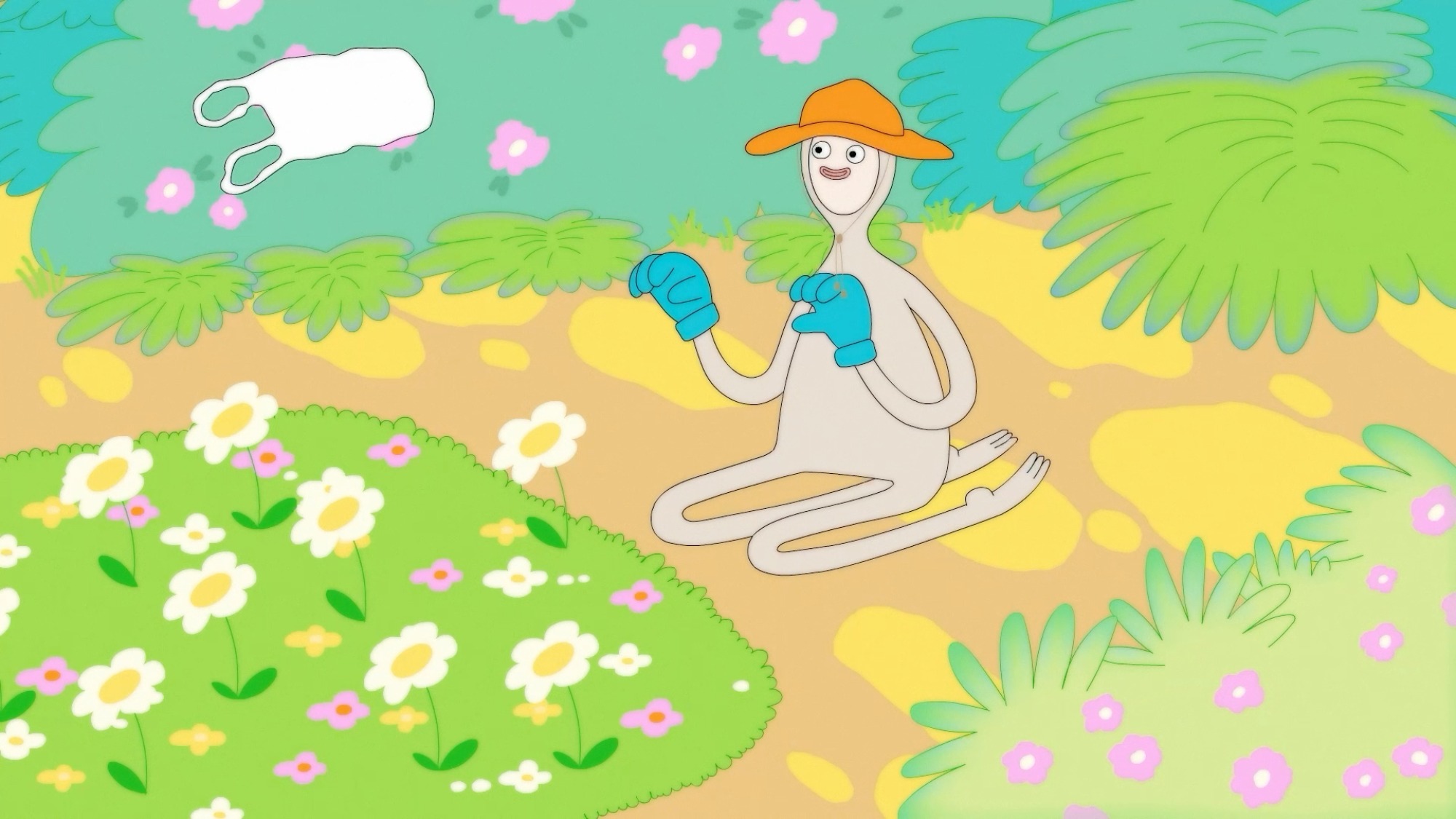
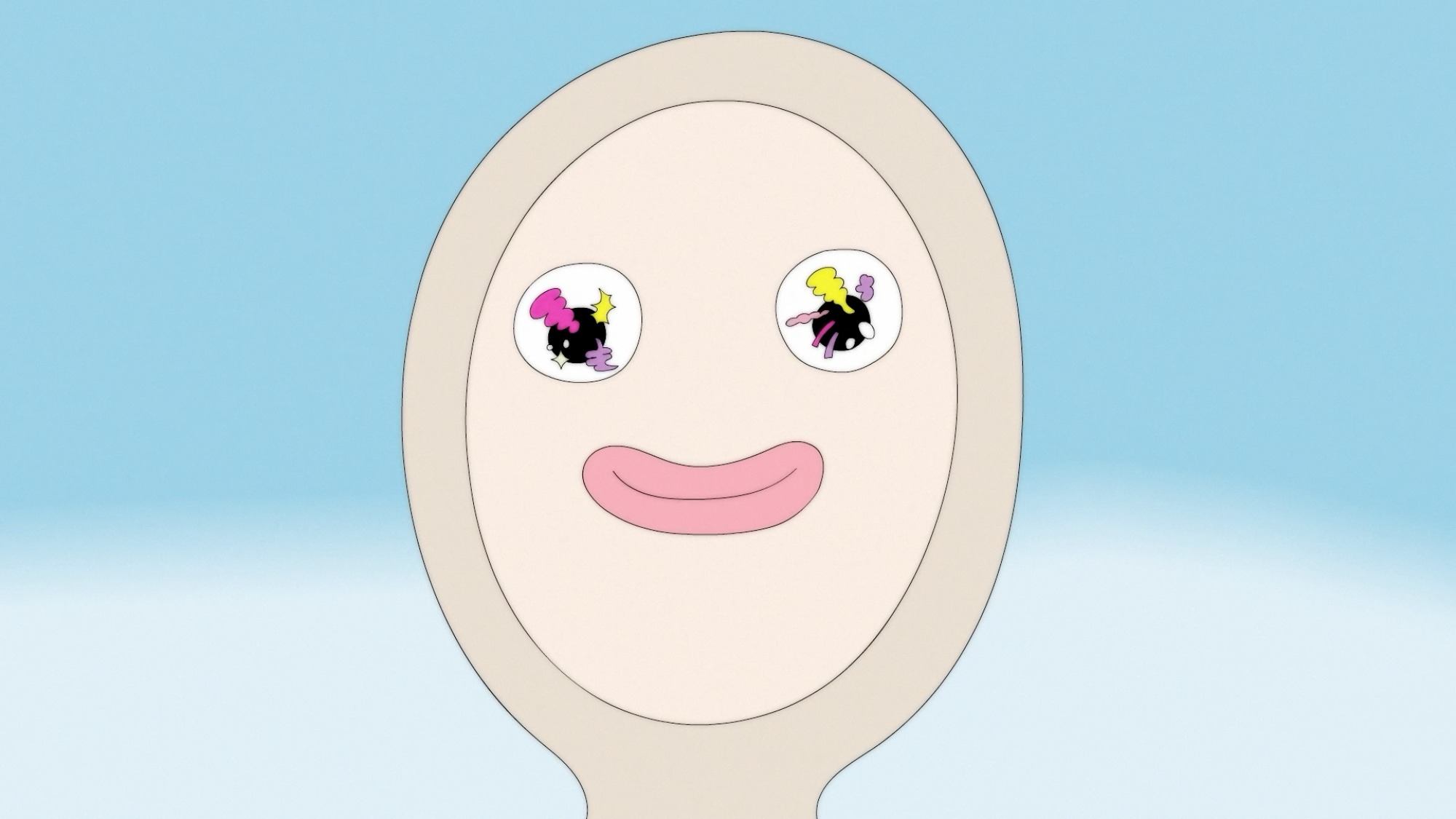
I’m also fascinated by Spoon’s journey throughout the film. As I mentioned, the narrative takes them down a wonderfully unexpected path, giving the storytelling an almost freeform quality. Can you talk a little about your writing process and how you developed this particular narrative for Babyface?
Sure! I had originally written a script with the help of my friend Maria Pullicino featuring the spoon character, to try and get some funding. Alas, no funding. It was 2021, a strange year for sure, and I’d had a rough few months. I’d decided to go and stay with family on a beautiful Greek island and work remotely from there.
Most Popular
At the time I was actually trying to make a completely different film, alongside a commercial project. My friend and filmmaking hero Sophie Koko Gate came to stay for a week and gave me some great advice. She told me I was weirder than the film I was trying to make. She’d been watching me in the sea (or from the sea, like a crocodile, I’m still not sure), and had observed what a little freak I was. It was incredibly validating.
I love seeing the absurdity in everything we do.
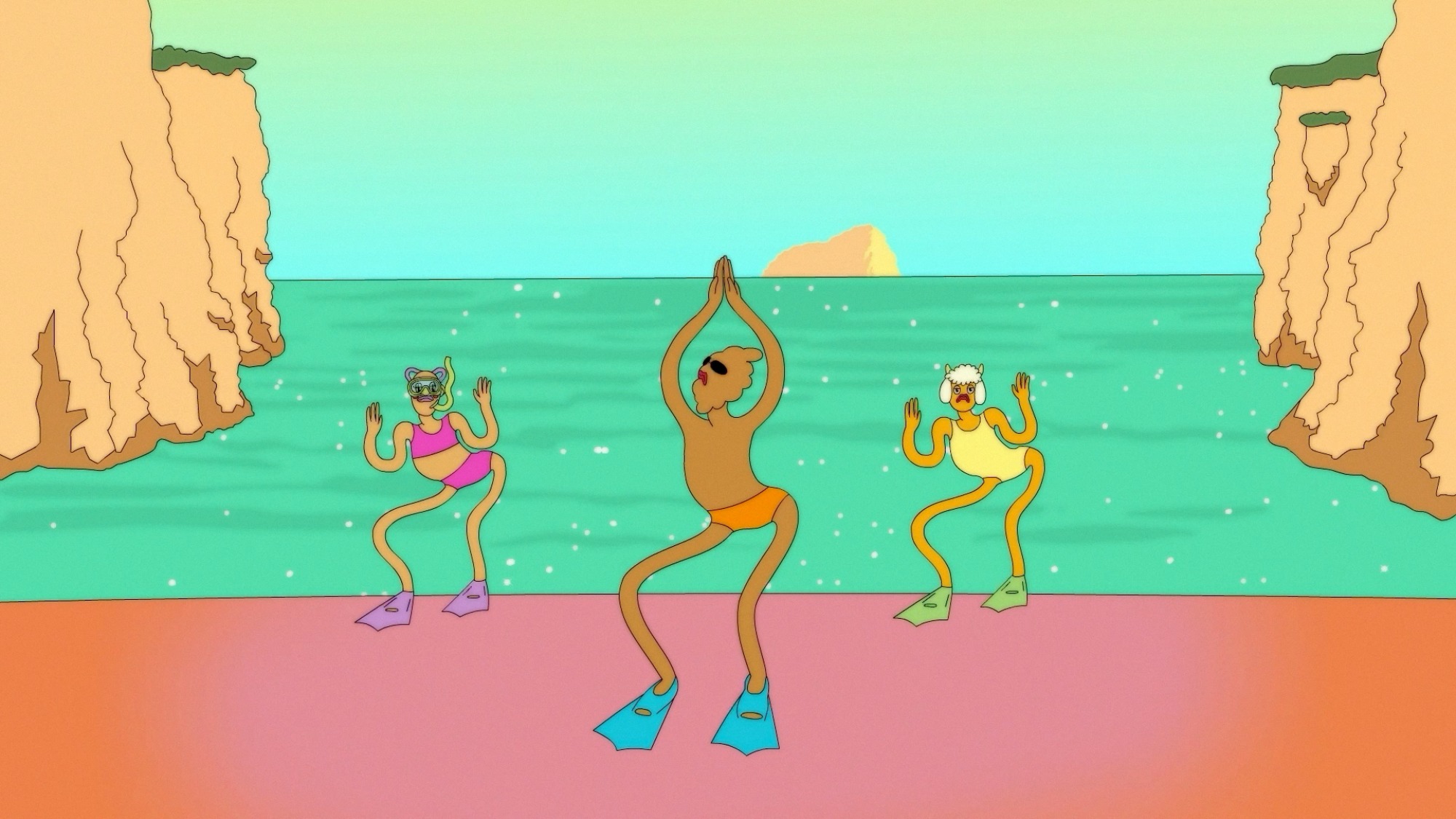
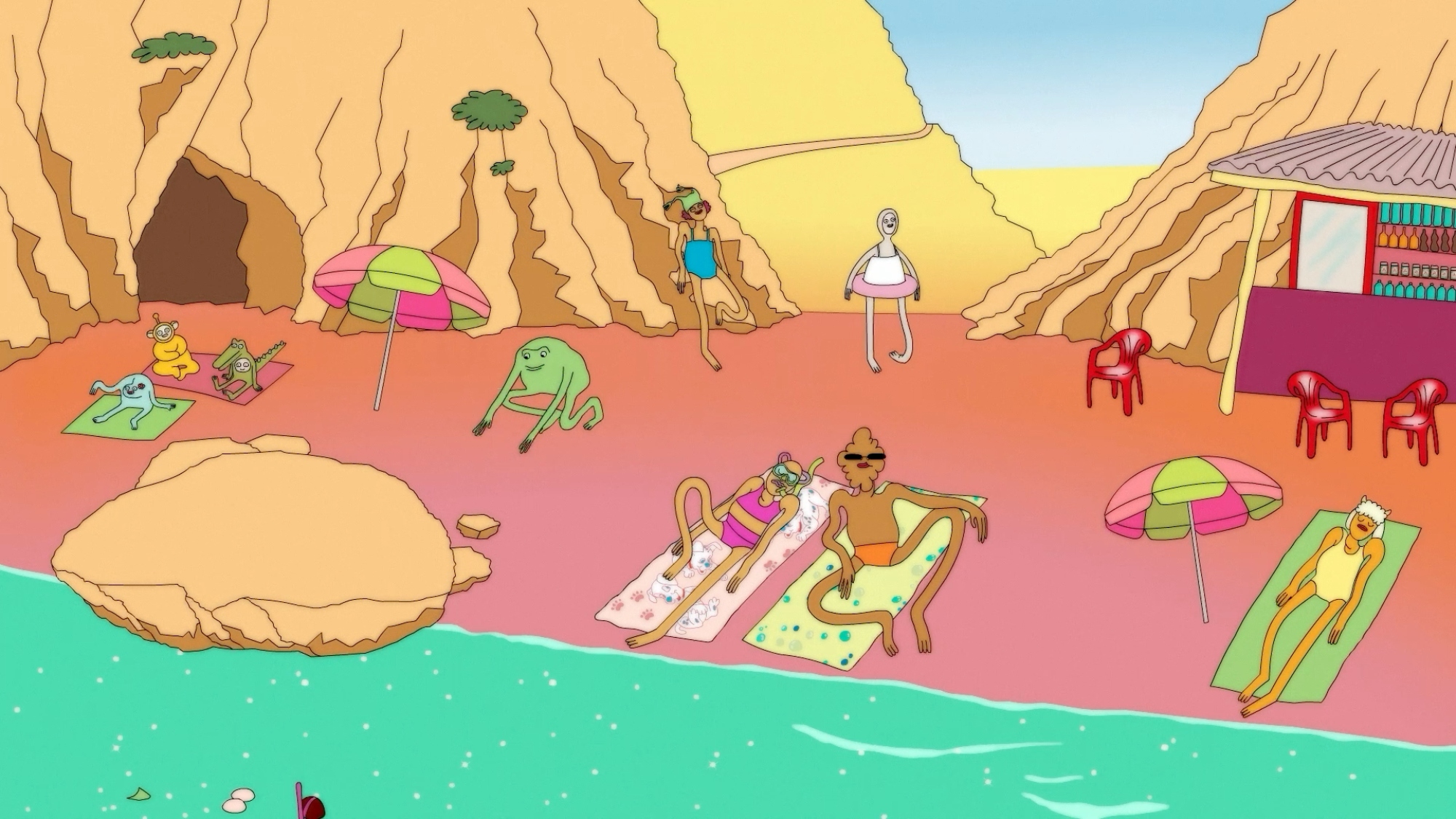
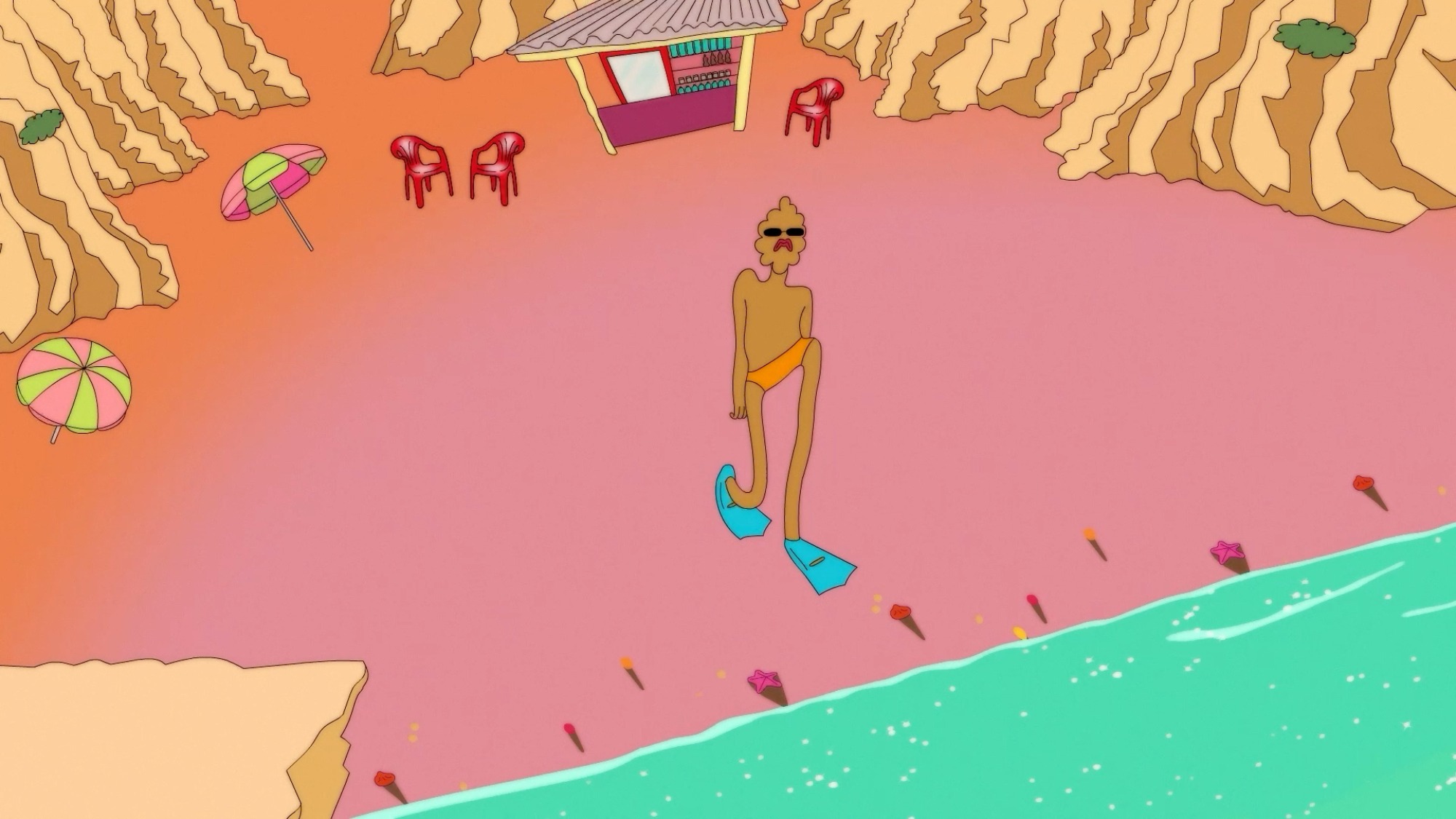
So I scrapped that film idea and just started from scratch, writing on the beach. At the best of times I struggle to stay tethered to reality so leaning into that obliviousness is where the film came from. I love seeing the absurdity in everything we do. It’s been helpful to translate this slight disconnect into my films because I think it’s given them a bittersweet quality that feels much more authentic to me.
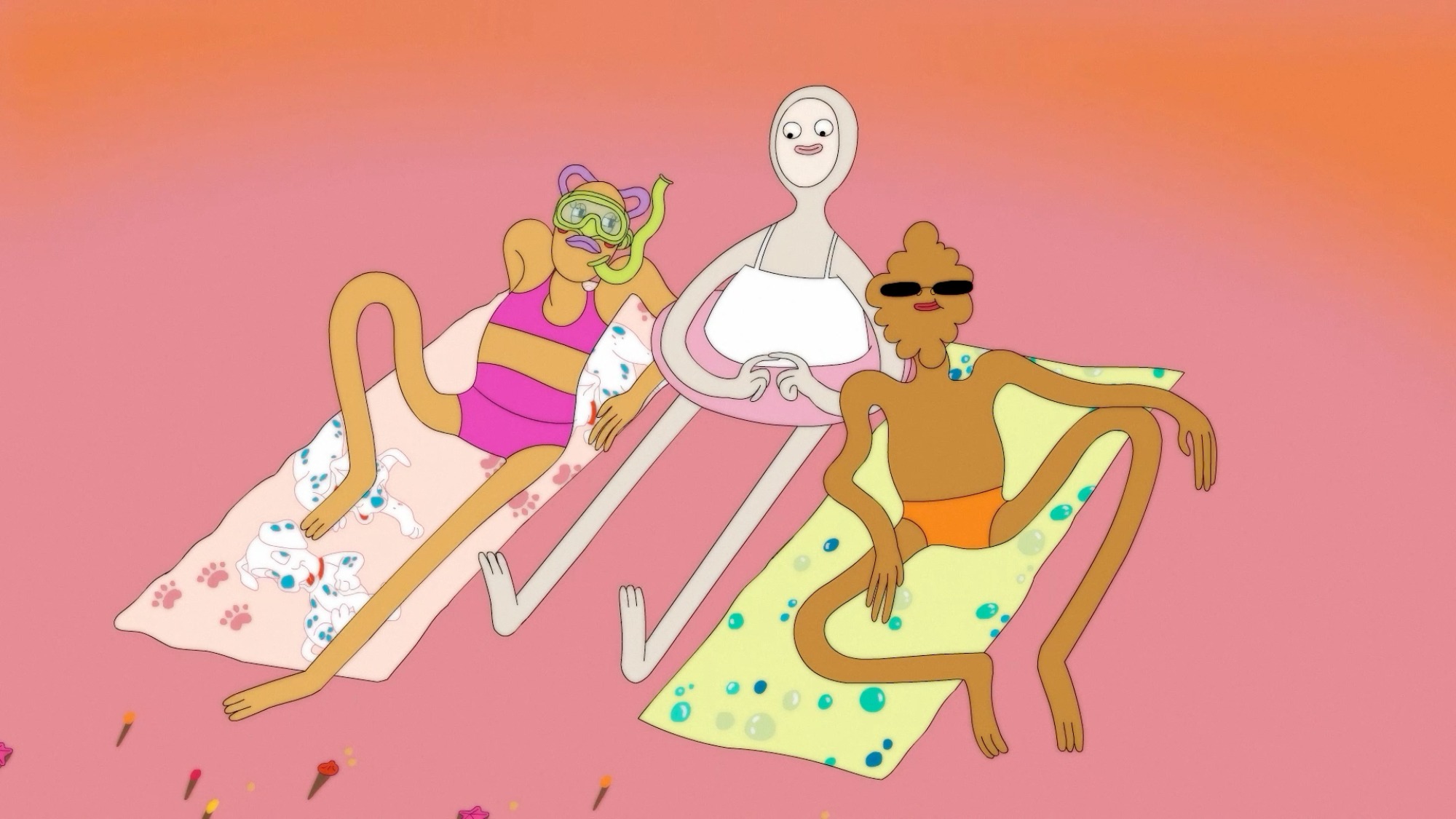
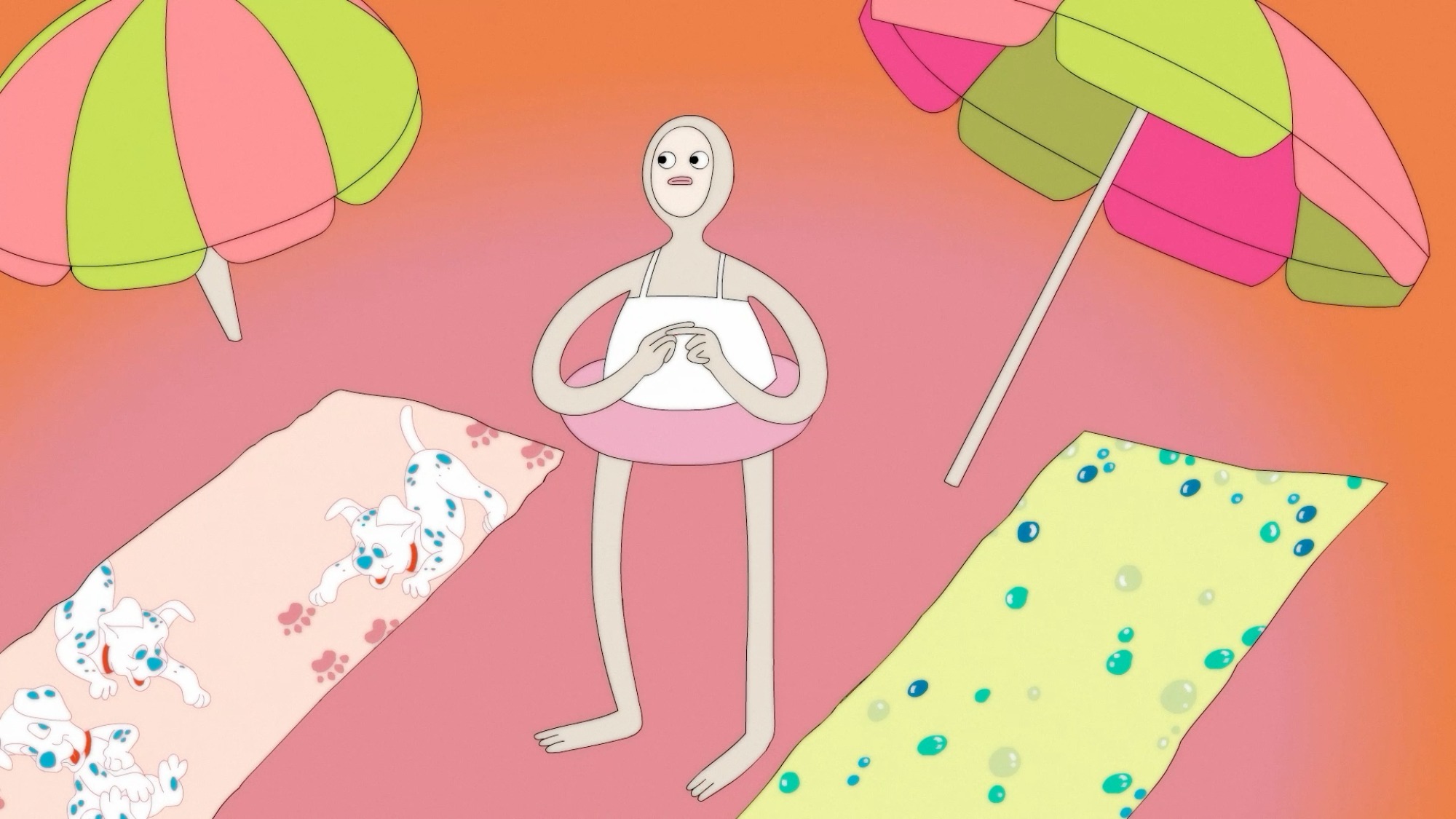
The phrase “start living life” feels like the film’s central motto. It first appears on the coupon that begins Spoon’s journey and then returns as the film’s final line of dialogue. What did that phrase mean to you, and what were you hoping audiences would take away from it?
Yes! This reminds me that, originally, I was really focused on this idea of a coupon. Firstly, as a British person, I love how Americans pronounce the word coupon. I could listen to it all day, so I knew I had to factor that in. I think it was a tongue-in-cheek observation of how quite lonely a coupon-for-one can be, and I could so imagine Spoon very carefully snipping out a single coupon from a magazine.
We’re all just doing things in our own weird little way.
I love it when people – especially adults – are so unbelievably pure, like so sweet and sincere it almost makes me want to cry a bit. Those moments like that hit me every now and then, like my friend’s Dad suddenly announcing he needs to go and buy raspberries for his breakfast. Or discovering years later that my Dad had not only kept this weird homemade rice fridge magnet I’d made him, but had dated and labelled it on the back and stored it safely. I dunno, we’re all just doing things in our own weird little way that we know how.
Looking through the credits, it seems Babyface was very much an independent production, with you taking on the roles of writer, director and animator. Can you tell us a little about your production process – how long the film took to make, your animation workflow, and what it was like wearing so many creative hats?
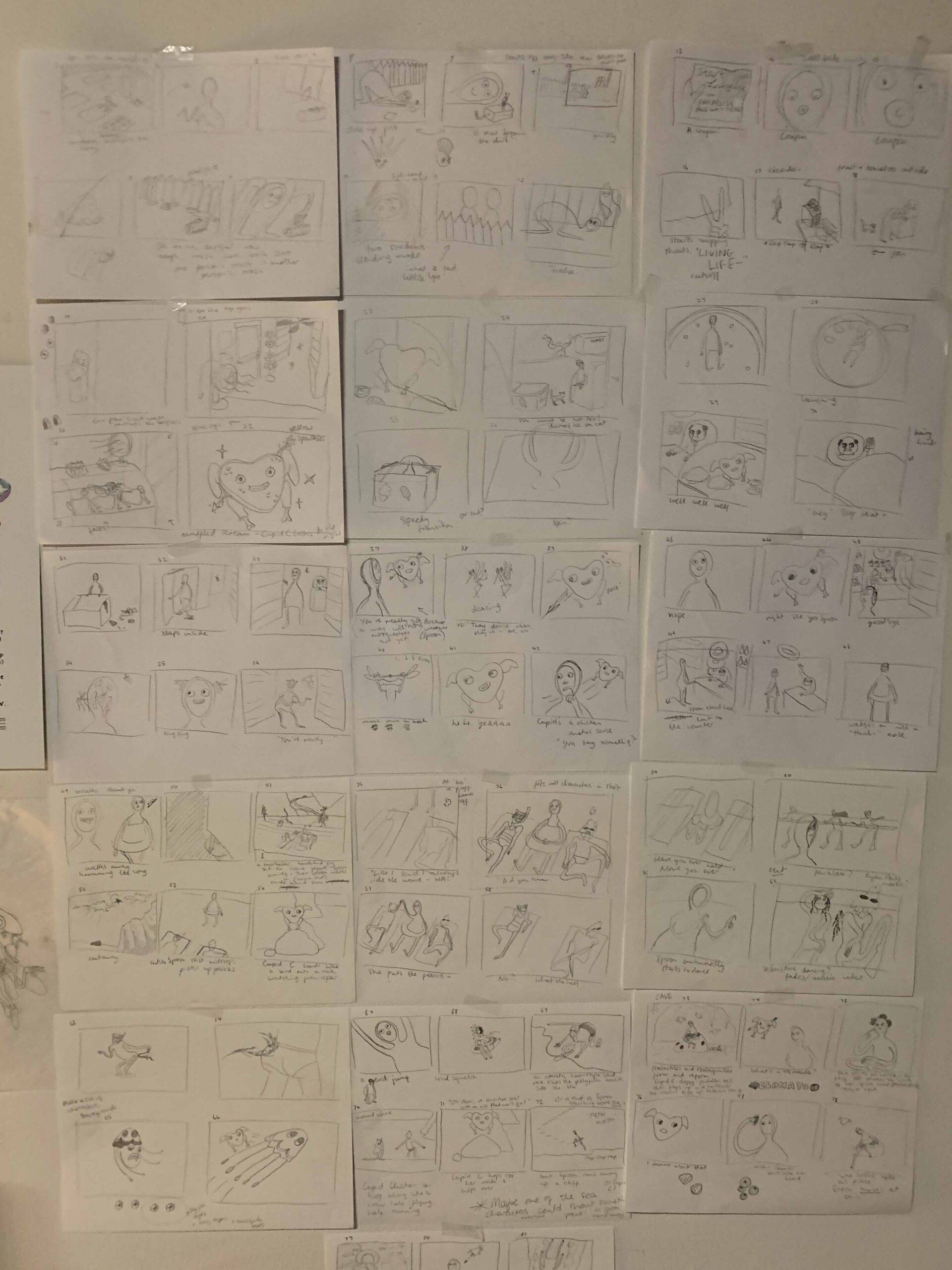
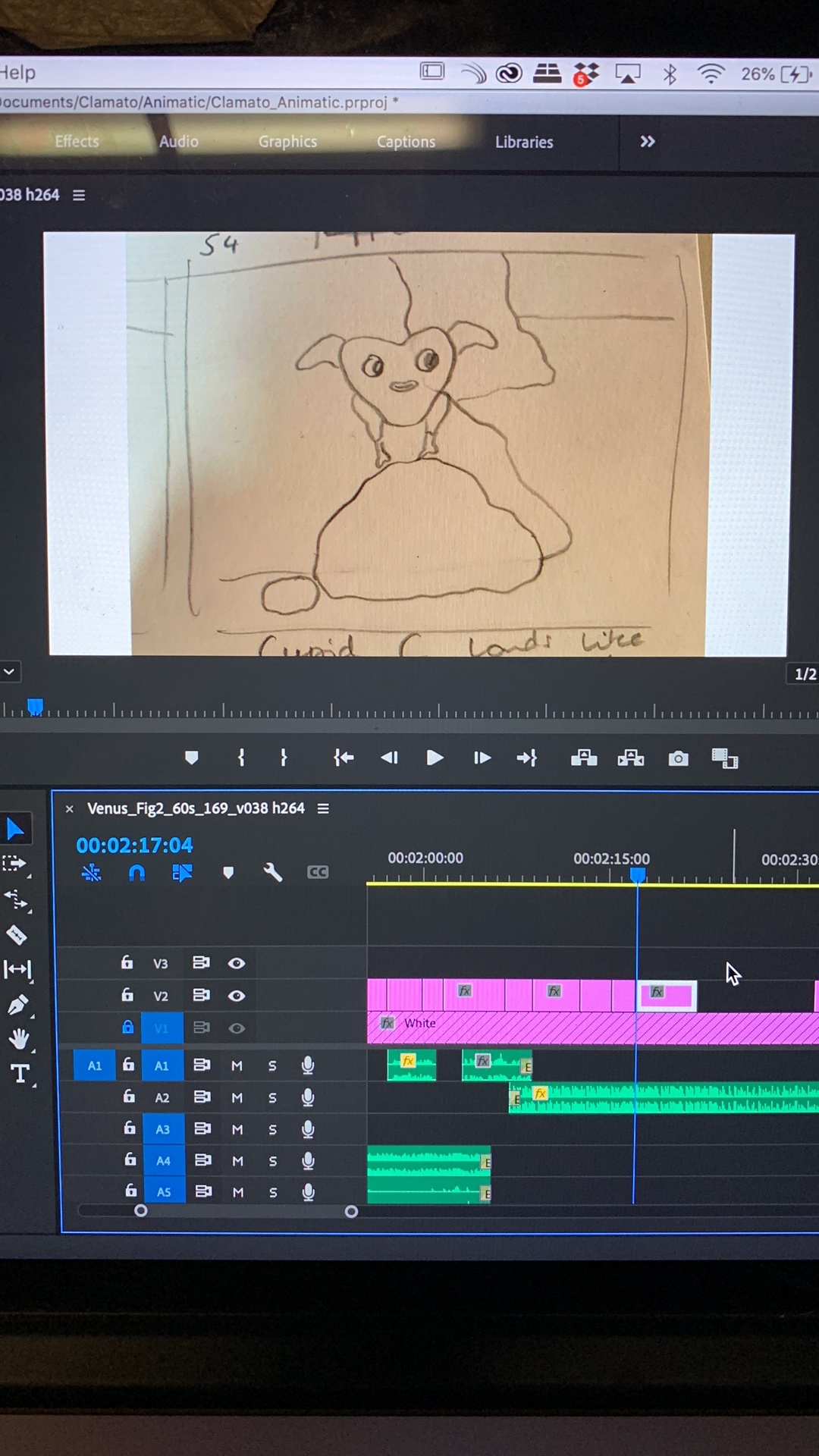
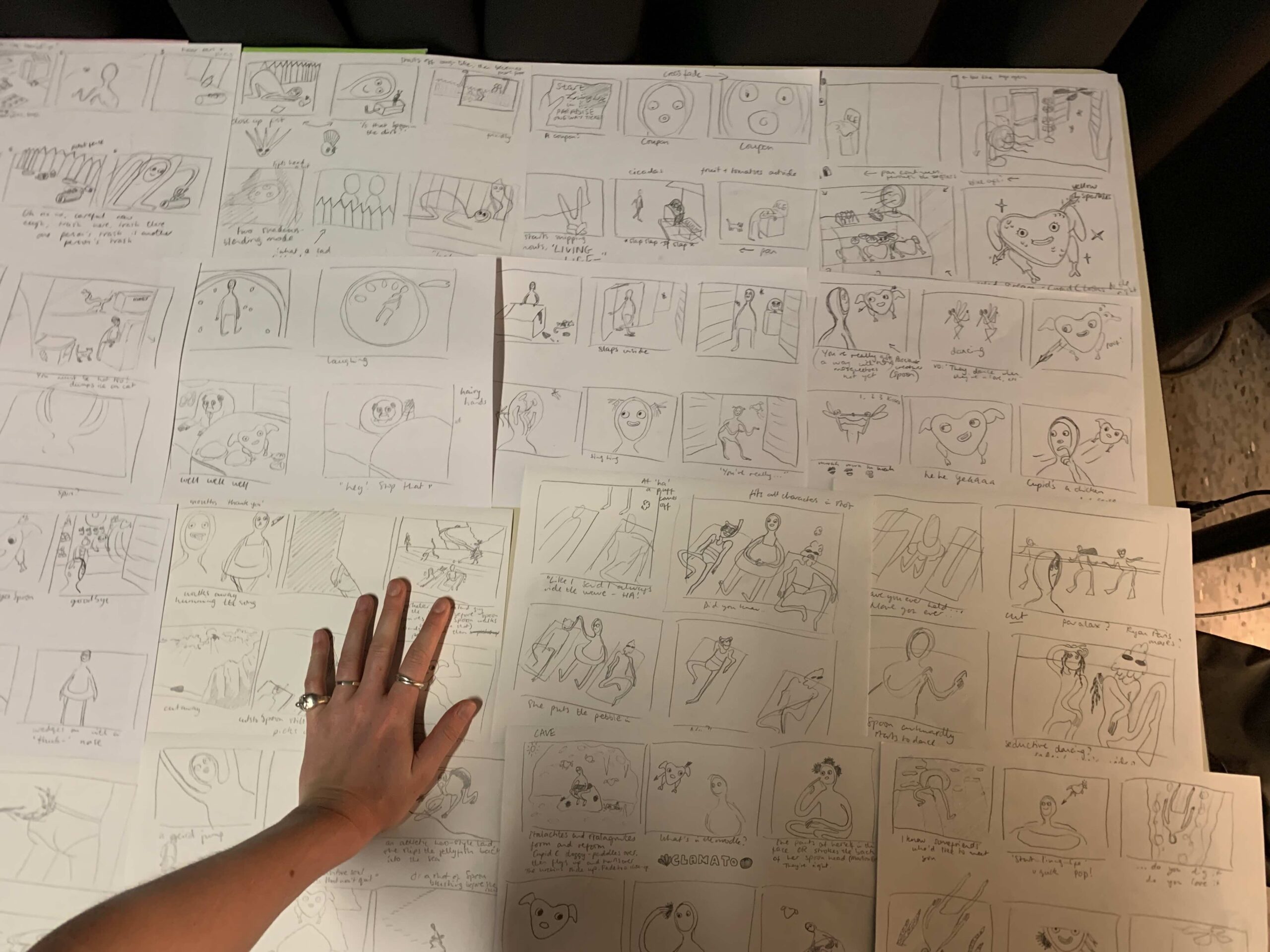
Following my trip to Greece, I had my script ready, which Maria Pullicino then helped me fine-tune. I used it to apply for an animation residency in Canada called Toronto Animated Image Society. Thankfully, I was accepted and went off to Toronto for about six weeks, where they gave me a studio space and I developed the storyboard and a rough edit.
I would love to get some funding and work with a team so that the process isn’t so isolating.
After that, it was back to working freelance jobs and chipping away at the film for another three years – sometimes I didn’t have time to look at it for six months at a time. Not the most ideal workflow but once I’d put in a certain number of hours the only way was out. For my next film I would love to get some funding and work with a team so that the process isn’t so isolating and I have people holding me accountable to speed it up, you know. I don’t want to go into making another film completely unfunded.
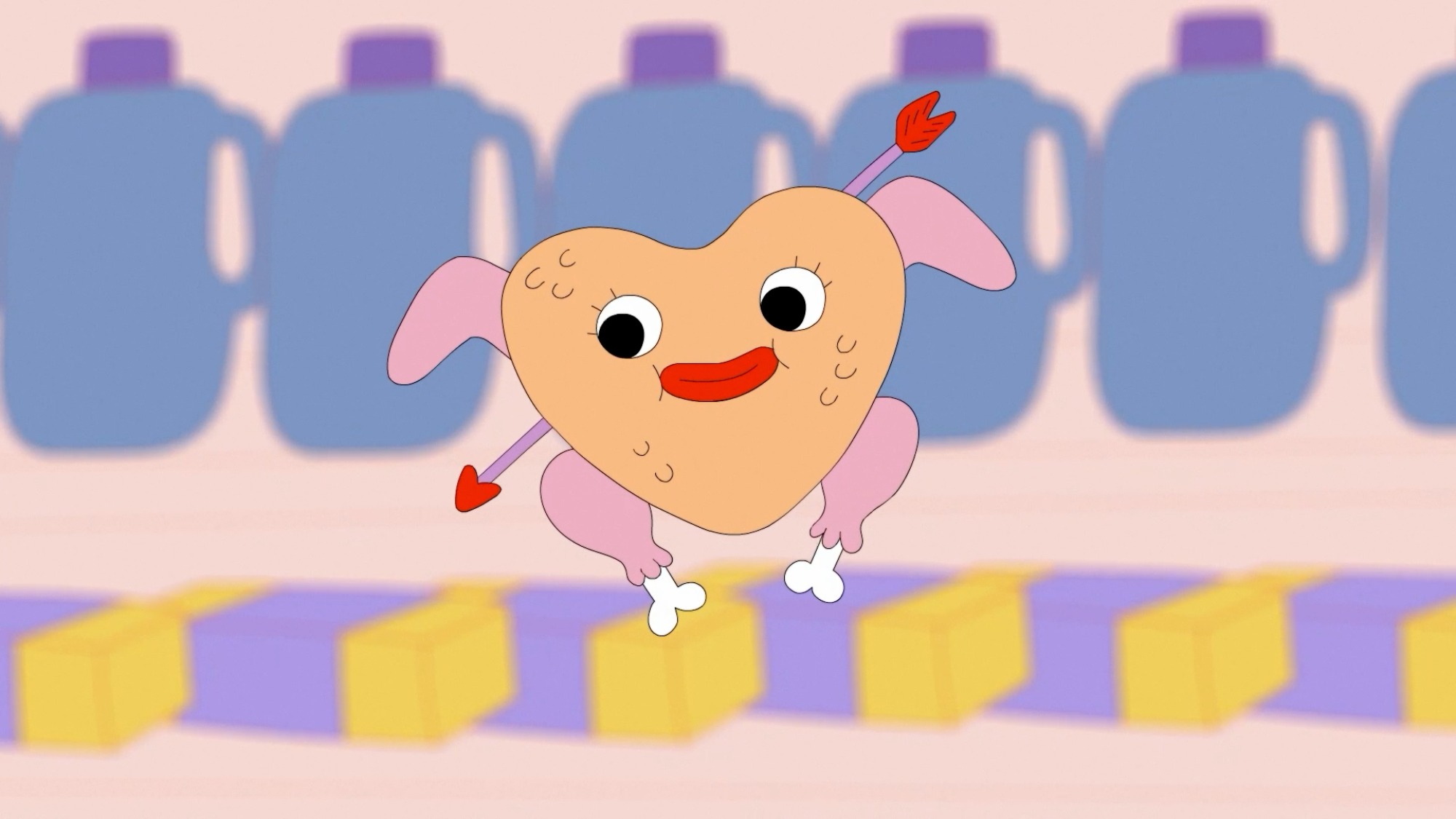
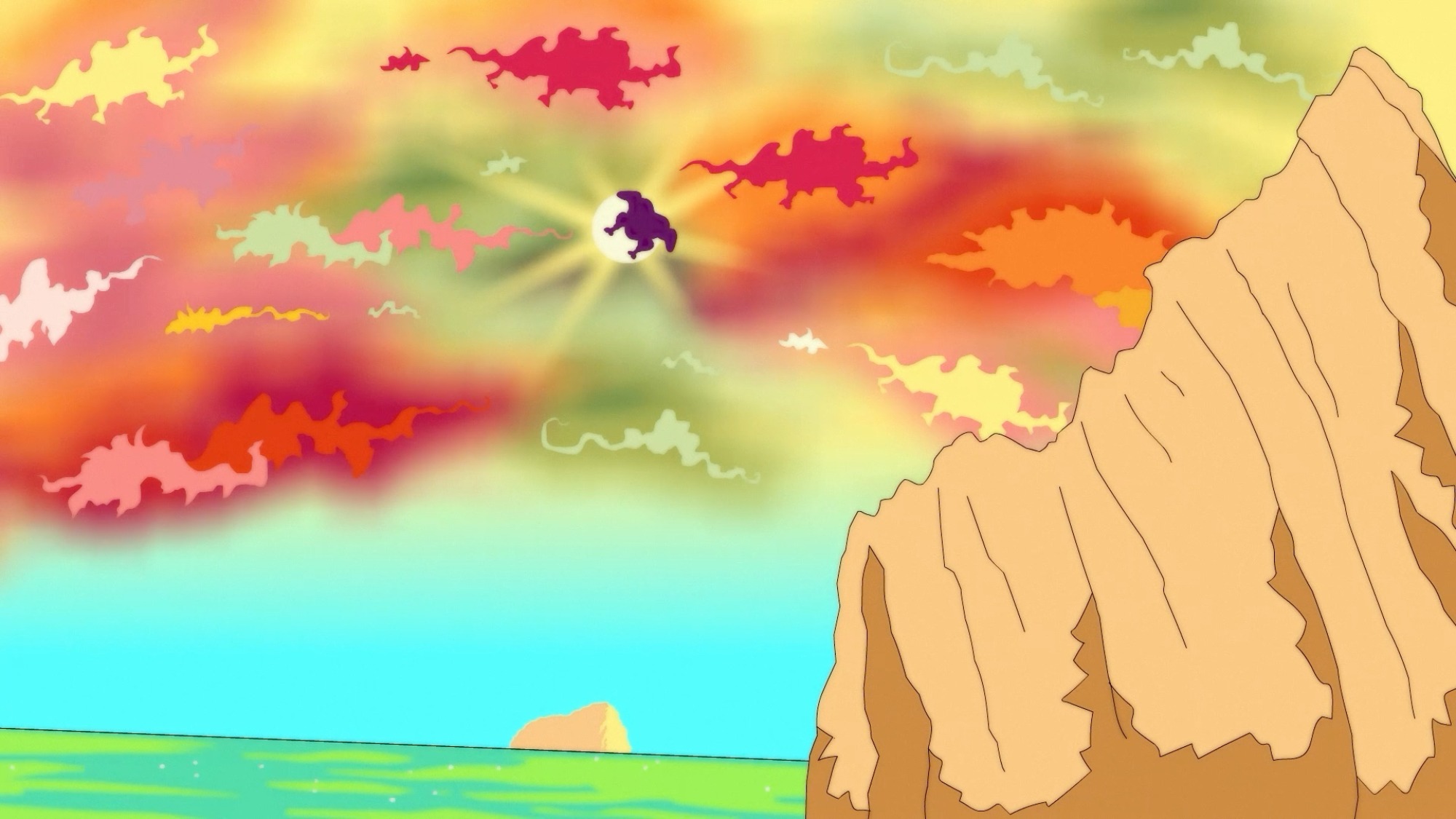
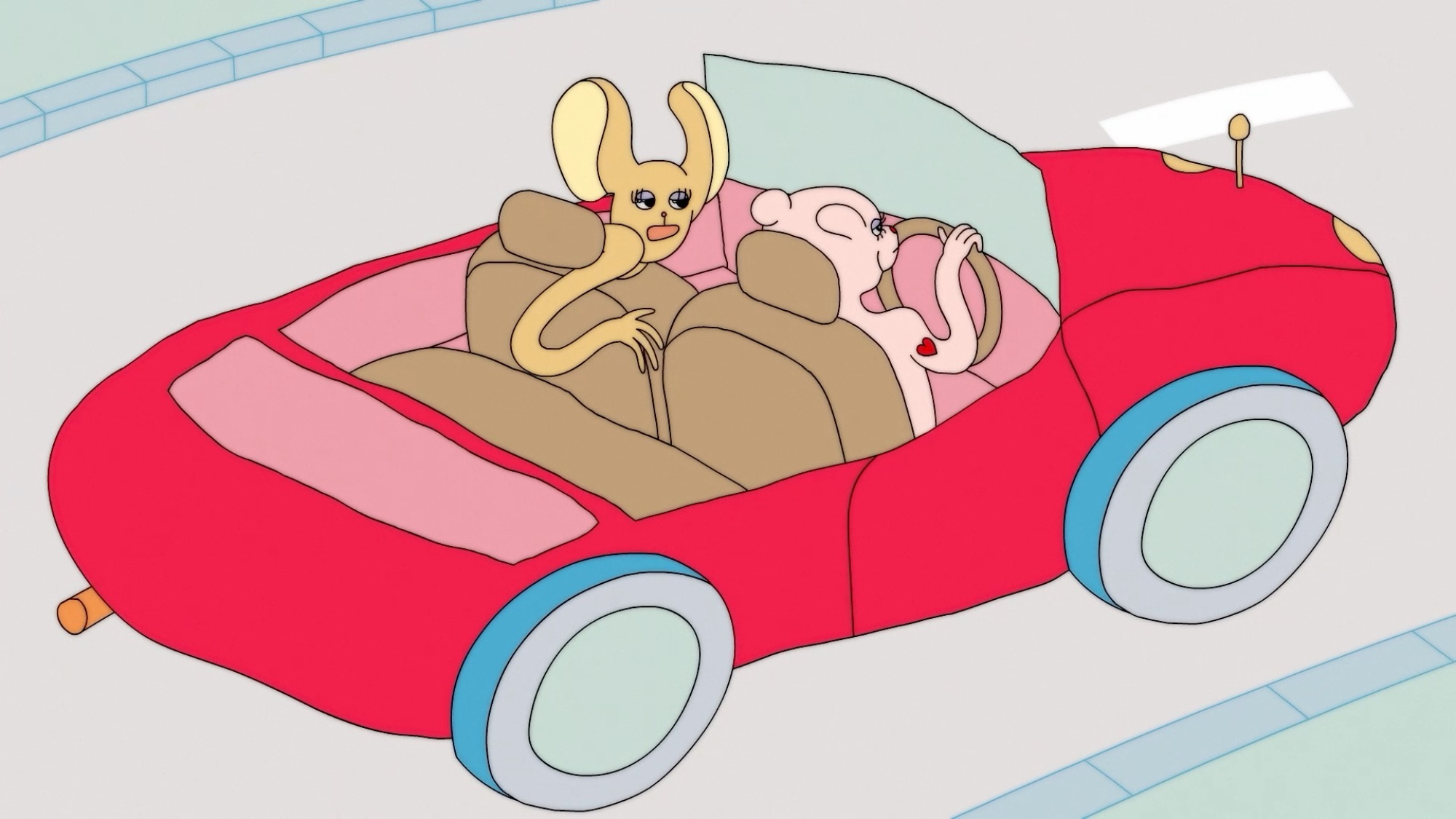
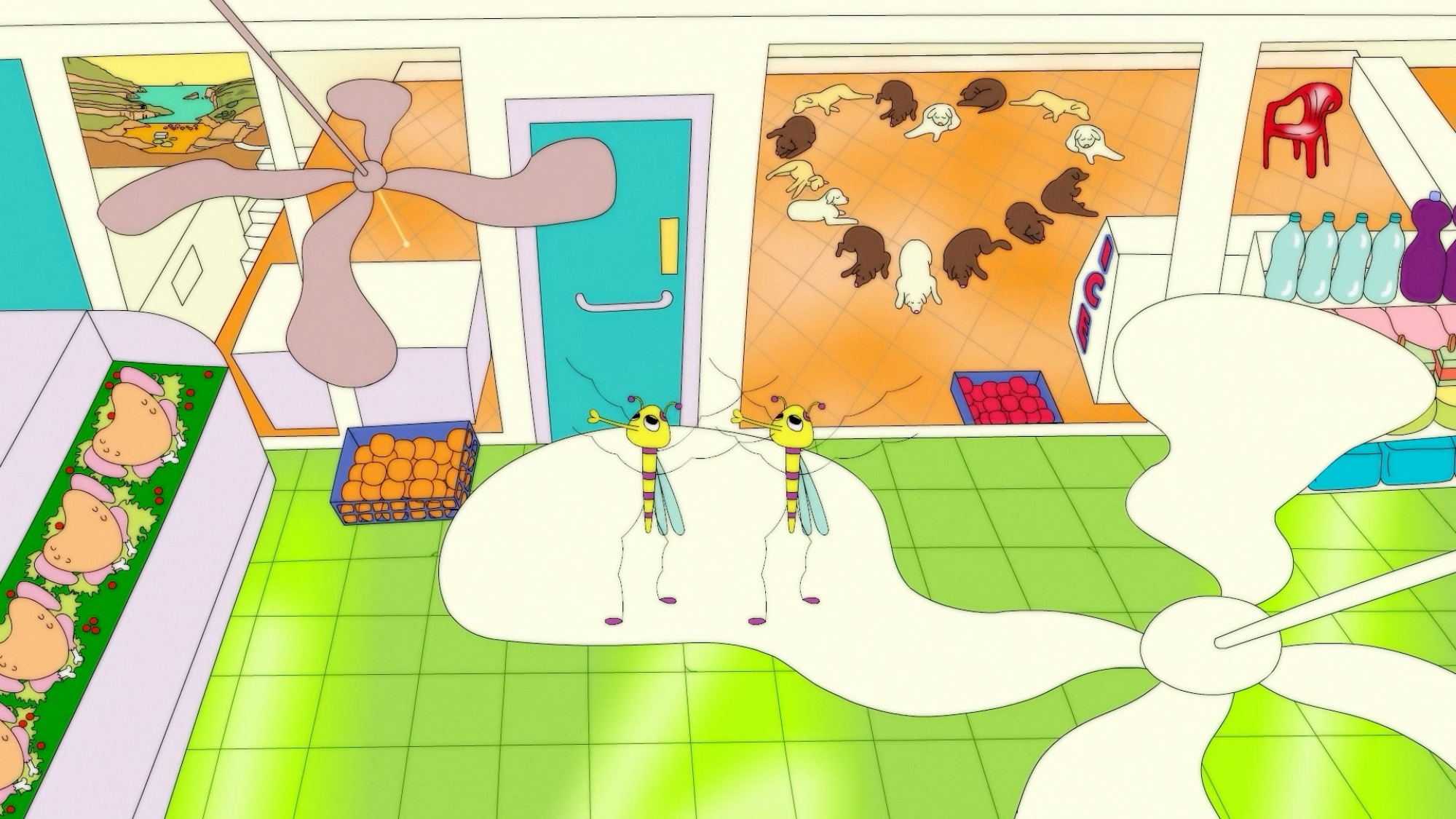
One collaborator who does appear in the credits–and who will be a familiar name to many fans of independent animation–is Skillbard, who created the film’s sound and music. How did that collaboration come about, and what do you think their work brings to Babyface?
Skillbard were and are my dream sound design and music composition collaborators. I’d seen animations they’d done music for and I loved their fresh, surreal sound. They were very kind and patient with me, considering I had no producer or a proper schedule in place. When I heard their first pass on the music and sound design I was blown away.
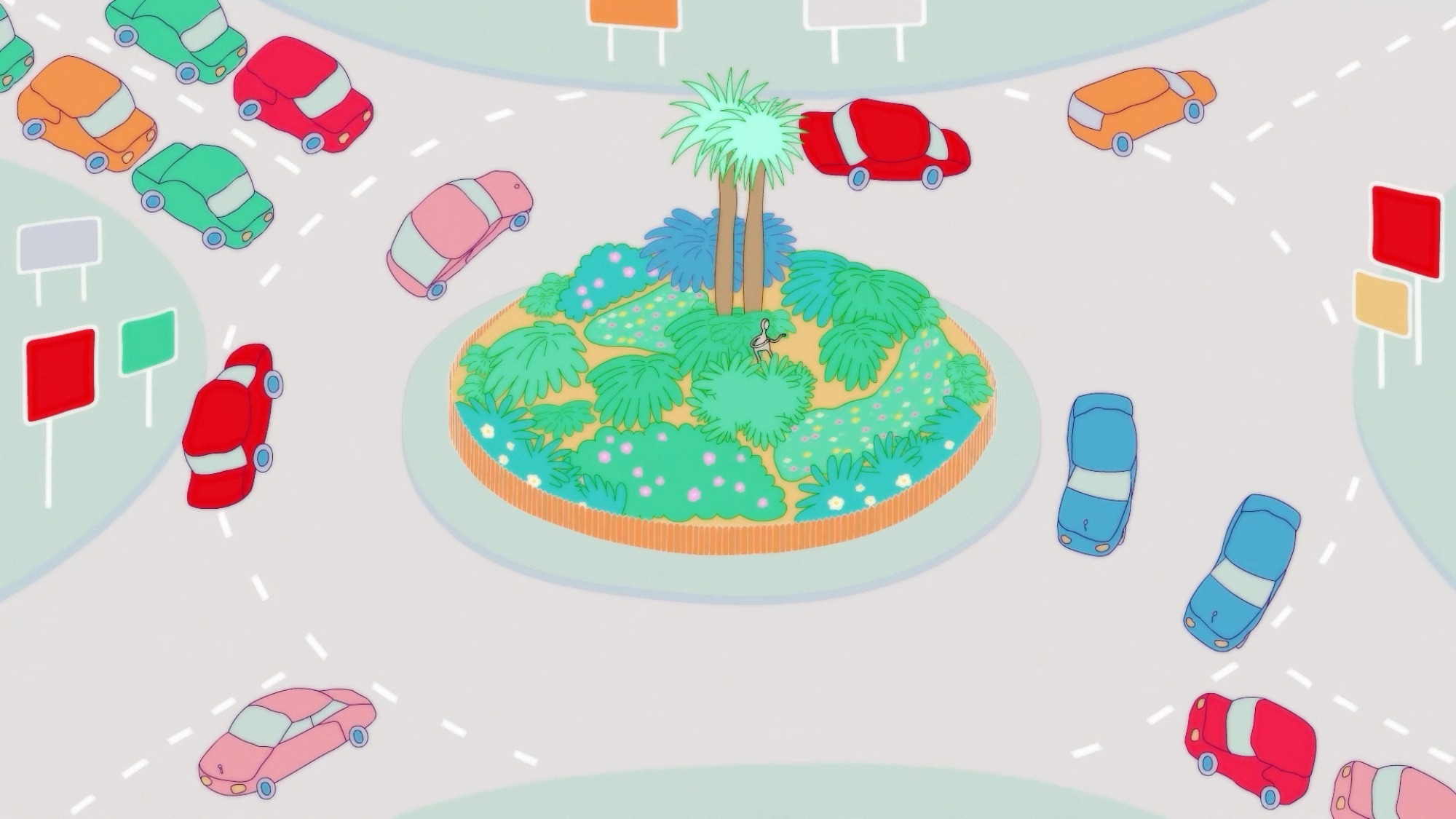
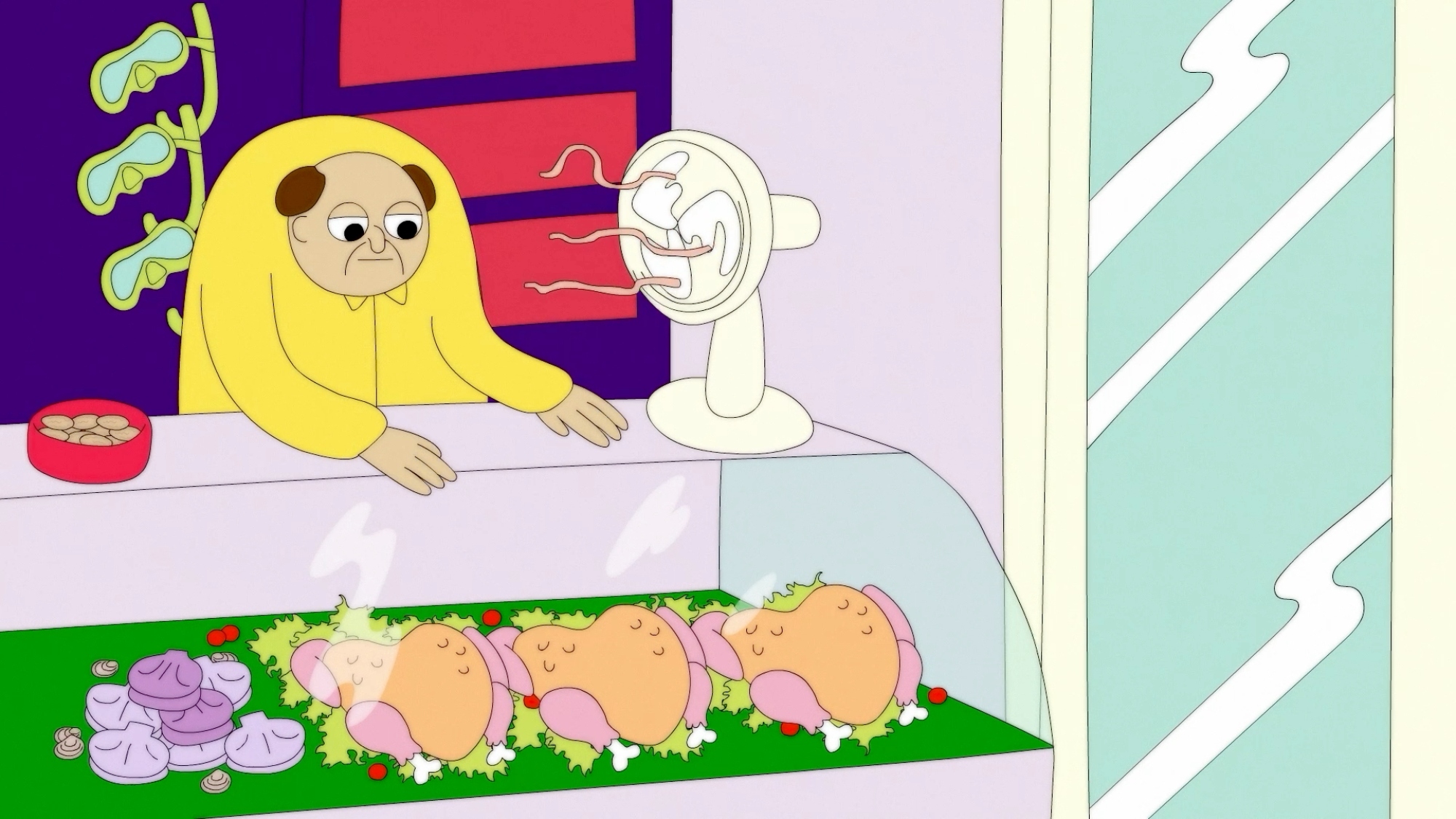
They’re really talented and immediately understood the world I was trying to create- this dreamlike, sun-bleached island. They managed to get across this feeling of the sun being so bright and the heat almost unbearable. I gave them very little direction, I totally trusted they’d just do their thing and it would be incredible. There is one moment, where the mosquitoes start trying to bite Spoon’s metal head, where I knew I wanted the metallic bites to transition into a song that Spoon starts dancing to. That was a nice moment of collaboration between music and animation as the reality shifts to this slight fantasy surreal moment.
What’s next for you after Babyface? Are there any upcoming projects you’re particularly excited about? And where can our audience go to find out more about your work?
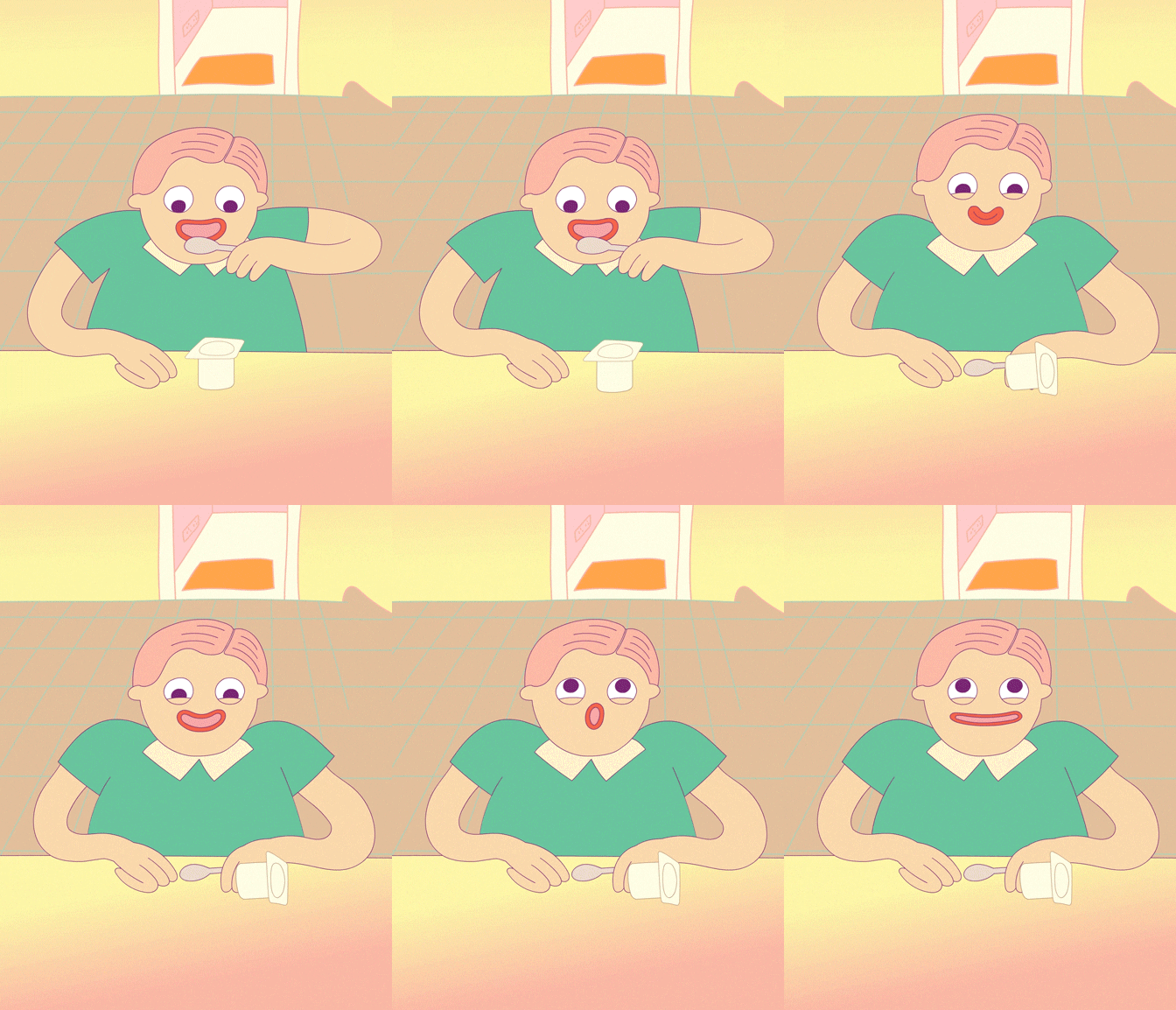
YES! The ideas have been snowballing ever since we switched into the year of the Firehorse. My fortune cookie told me I was due a promotion and it hasn’t disappointed. I’m working on a longer Robert Yoghurt short currently (a recurring creepy character I make with A Studio, he’s obsessed with his mum and with yoghurt), and also making 3 episodes with Adult Swim Smalls. Two very fun commissions.
I also have the concept ready to go for a new short film, and I’m currently hunting for funding while pitching a Babyface universe series and an experimental video game idea. I also want to mention my incredible artist studio I share with friends: F.A.T Studio in South East London. Between us, we’re running DIY artist workshops, putting on events, and always making things. It’s a special place, run by Rachel Sale and Sophie Koko Gate, and I’d love for people to keep an eye on what we’re up to!
Aside from Babyface, which is currently doing the festival circuit, all my animations are available online. If you’d like to see more of my work, I think you should watch La Bee de Beeley (1 min 20 secs) and Lucky Penny (30 seconds), which are my favourites.

Finally, this is a question we’re asking all the filmmakers we interview: if you could recommend one short film by another filmmaker, what would it be, and why?
There are too many answers I’d like to give for this one, but I’m going to talk about a classic that I always come back to: Yuri Norstein’s Hedgehog in the Fog. I watch it a lot; it’s a film that always makes me feel good. I find it uplifting, even though I know some people interpret it as being a little haunting. For me, it never fails to make me feel really relaxed. It’s so beautiful and mesmerising, the music is brilliant, and the environment feels very cosy. Personally, I like how it sums up the funny little journeys we go on when we’re not being witnessed. What is everyone else doing? What do my friends do when we’re not hanging out, like, where do they go?