
For me, 2025 was a year of colossal ups, and unfortunate downs. On one hand it has brought immense artistic satisfaction: my relationship with cinema has deepened even further, and with it has blossomed many cherished creative friendships. However, I’d be lying if I said I hadn’t felt the effects of a particularly turbulent year politically, as marginalised communities have become increasingly pressured. Still, there’s a silver lining to this cloud – hard times cultivate great art, and 2025 was no exception.
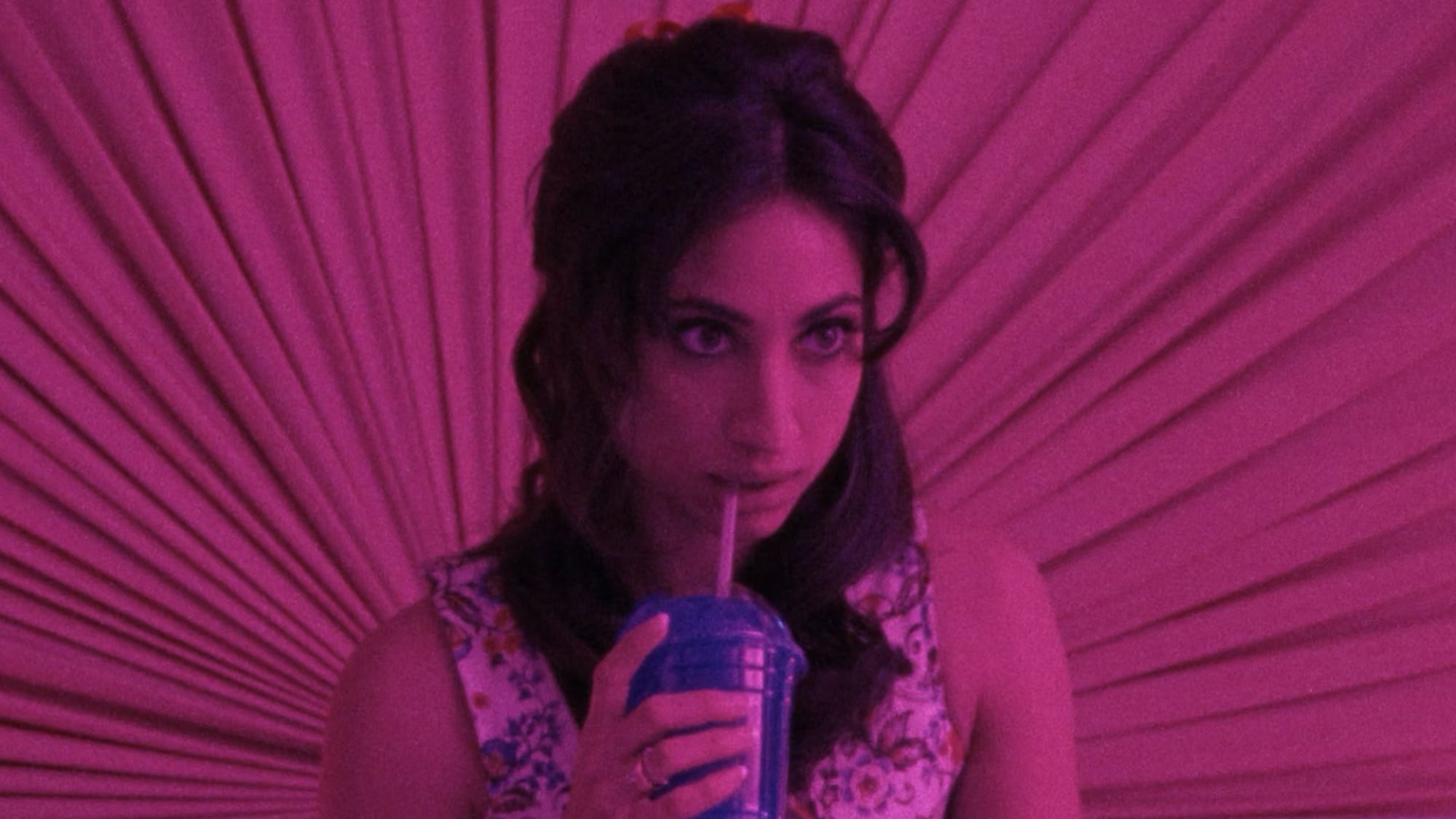
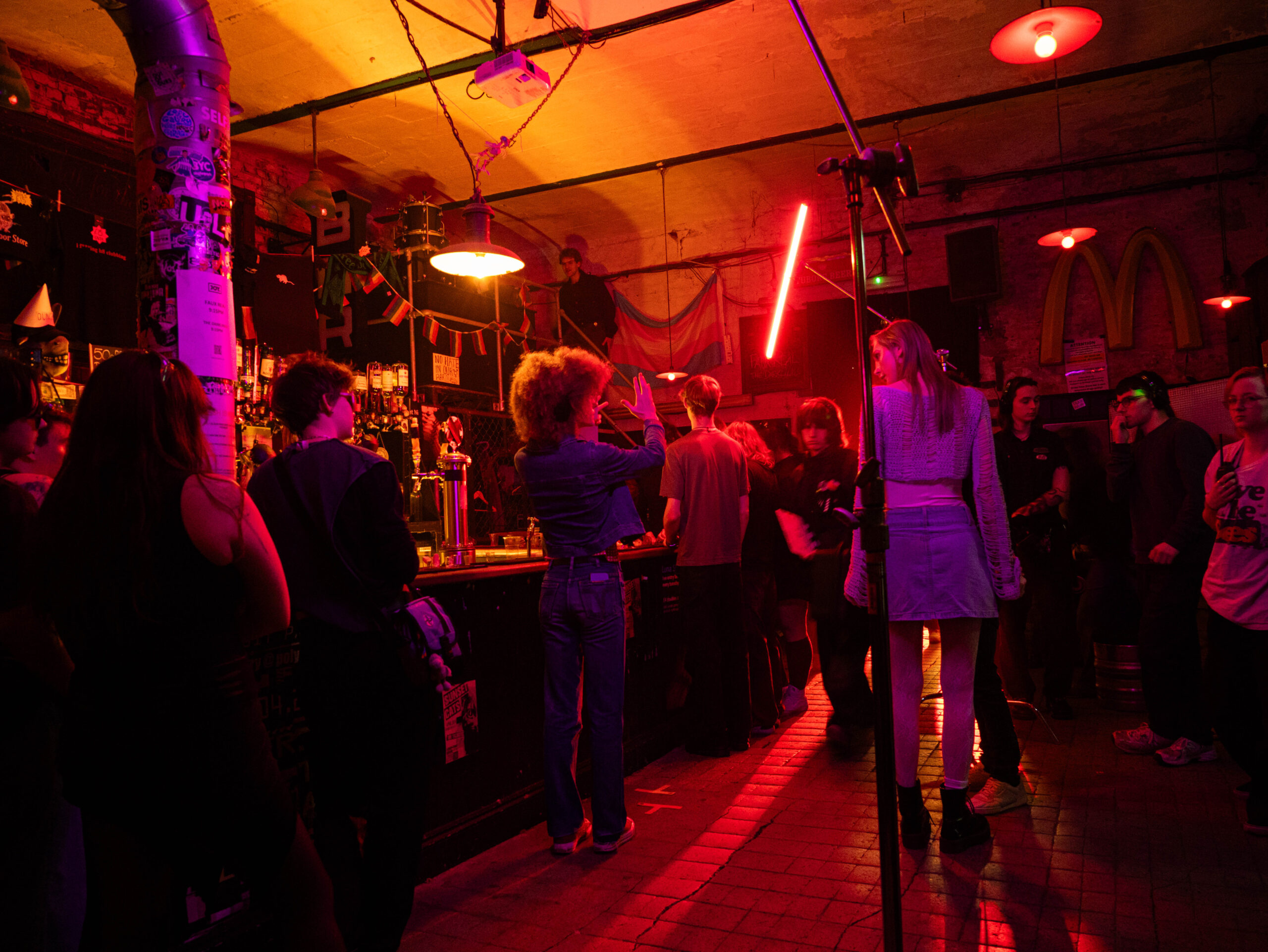
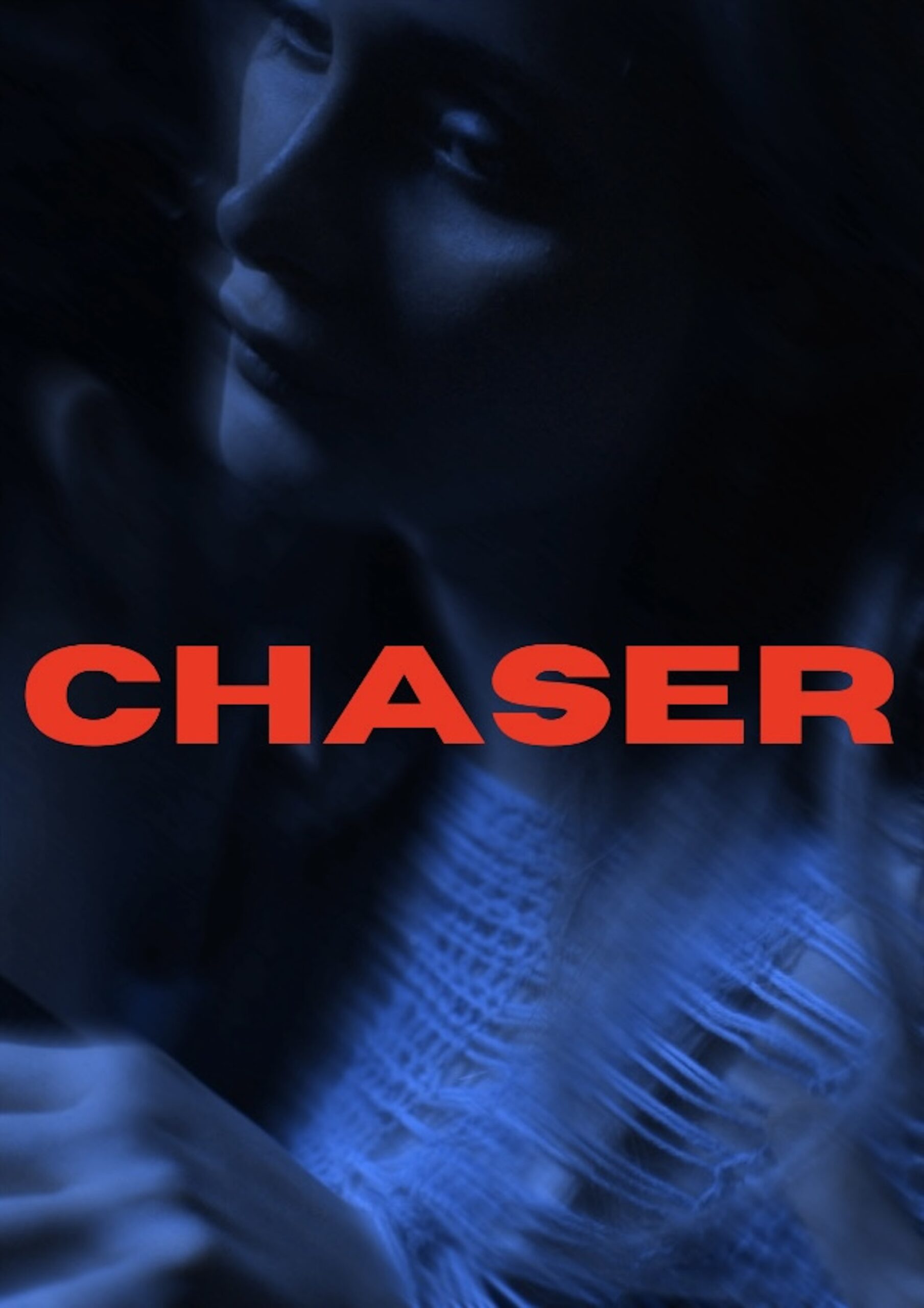
I found refuge in writing, directing and composing for my latest short film, Chaser, an immersive drama about the perils of dating as a trans woman, set within a sweaty, claustrophobic techno club. As the government attempts to drive a wedge between cis and trans femininity, it felt vital to me to attempt to build a bridge between our experiences, finding common ground in a world built to oppress us while not ignoring the intersectional differences in our oppression. Perhaps my highlight of the year was collaborating with our phenomenal cast and crew, particularly the endlessly talented Reece Lyons, who absolutely gave her all to the lead role of Sophia. We found shared catharsis in placing our experiences with subtle micro aggressions on screen together. To be so vulnerable with a collaborator, and for her to contribute with her own vulnerability, filled me with hope. Even in dire times, art brings us together. Outside of Chaser, I also contributed to two feature films, and five short films, as a script supervisor.

When not working on films, I spent much of my time musing on them, writing about a diverse range of cinema. In March I covered BFI Future Film Festival for DN, bonding with countless incredible filmmakers and immersing myself in a gorgeous range of short films. My annual tradition of squeezing as many screenings as possible in at both the BFI London Film Festival and Brighton’s own film festival Cinecity continued, where I was lucky enough to see some of the films that appear on this list. I also hosted my first ever introduction for a screening of Jane Schoenbrun’s I Saw The TV Glow, and created an informative handout zine to introduce a charity screening of Alice Maio Mackay’s Carnage For Christmas.
Finally, I graduated MetFilm School with a first class honours in Filmmaking, a grade awarded to me for a combination of Chaser and my dissertation: a study on the aesthetics and influences of contemporary ‘trans cinema’. Looking into 2026, I’m eager to begin Chaser’s festival journey, reunite with some of my favourite collaborators on a new short film, and hopefully complete a few more drafts of my first feature screenplay.
As cinema adapts to the modern world, the vast range of voices, genres and styles celebrated within the following list was a much-needed reminder that independent filmmaking is alive and well, and in the face of threat, artists will not be silenced. Before delving into my top ten list, I wish to dedicate thought to the films I am yet to see, perhaps due to clashing festival schedules, slow distribution, or simply me being too busy! Such films include Ira Sachs’ Peter Hujar’s Day, Park Chan Wook’s No Other Choice and Avalon Fast’s highly anticipated Camp, alongside countless others.
Honourable Mentions: The Serpent’s Skin (Alice Maio Mackay), Dog Movie (Henry Hanson),Zodiac Killer Project (Charlie Shackleton), She’s The He (Siobhan McCarthy), 28 Years Later (Danny Boyle), Die My Love (Lynne Ramsay), Rose of Nevada (Mark Jenkin), Pillion (Harry Lighton), If I Had Legs I’d Kick You (Mary Bronstein).
10. THE SHROUDS | David Cronenberg
I was unsurprised to hear Cronenberg’s latest work opened to frosty reception. On the surface it’s an unwelcoming affair, containing stiff performances, dry dialogue and meandering plots of political conspiracy. But look deeper and this is some of 2025’s most vulnerable filmmaking, almost to a fault. Cronenberg audaciously places himself on screen in the form of Vincent Cassel, exposing his unconventional grieving process in the form of uncanny science fiction thriller. Depressed, sexually frustrated and often dryly comic, this is the ugly side of grief, entirely stripped of Hollywood romanticism. It’s one of cinema’s most beguiling artists at his most exposed, mourning the loss of a body, reckoning with what it means to lose in the digital age. Almost fifty years into his career, Cronenberg is still proving to be uniquely in tune with the primal instincts of the human body and psyche.
9. IT WAS JUST AN ACCIDENT | Jafar Panahi
Jafar Panahi completely submerges audiences in a whirlpool of interpersonal conflict and moral crisis, spurred on by inescapable systemic oppression. The premise might sound bleak, but It Was Just An Accident surprises with a dry sense of humour, breathtaking long takes, and an ending that made my blood run cold.
8. SORRY BABY | Eva Victor
Cinema is often guilty of missing the mark when it comes to depictions of trauma, but not in Eva Victor’s life-affirming indie darling Sorry Baby. Twisting conventional narrative structure, audiences are immersed in the disorienting aftermath of a traumatic event. Eva Victor displays that trauma isn’t the end with deft tonal control, scenes quickly shift from heartbreaking to hilarious, painful to sentimental. People keep laughing. People keep crying. The world keeps spinning. Things will get better.
Most Popular
7. THE STIMMING POOL | Georgia Kumari Bradburn, Robin Elliot-Knowles, Benjamin Brown, Sam Chown Ahern, Lucy Walker & Steven Eastwood
The most inspiring thing I saw this year was a remarkable piece of docufiction from The Neurocultures Collective. A total reimagining of film form and the way filmmaking interacts with neurodiverse artists, I found myself sinking deep into its rich, unique atmosphere. As a neurodivergent filmmaker myself, The Stimming Pool was a warming reminder that my peculiar processes are what makes my work unique.
6. ONE BATTLE AFTER ANOTHER | Paul Thomas Anderson
During a time of political uncertainty, Paul Thomas Anderson’s One Battle After Another seems to have perfectly captured the public zeitgeist with his incredibly entertaining tale of an ex-revolutionist spurred back into action to protect his daughter. It’s refreshing to see a film by an older auteur be so in touch with younger generations, promising a better tomorrow if we just listen to the hopeful youth. Compelling, timely, thrilling, innovative, and just so fun, it’s got just about everything going for it.
5. ON FALLING | Laura Carreira
Every few years a filmmaker seems to reinvent social realism for modern times. Targeting the dire work conditions suffered by warehouse pickers, Laura Carreira’s quiet, anticapitalist drama treats a Portuguese migrant worker with an abundance of tender empathy. Surrounded by tall oppressive shelves of plastic products, the phenomenal Joana Santos becomes miniatured by great walls of overconsumption, as her low pay and work rota atrophies any chance of social satisfaction. A gradual sense of pain builds, like a muted cry for help. On Falling understands isolation for what it really is. Not a dramatic event, but a slow, silent killer. It completely broke my heart. [Watch our On Falling interview with Laura Carreira]
4. HAPPYEND | Neo Sora
There’s something poignant about watching life go on whilst the world falls apart. Neo Sora’s gorgeously scored coming of age tale observes the modern day disenfranchised youth, caught in a tense battle against their high school’s authoritarian surveillance system. Playful in tone, even when dealing with cutting subject matter, teenage innocence becomes an escape from the horrors of late-stage capitalism. The youth play in the rubble as pivotal moments of adolescence unfold. The world may be ending, but the kids go on, in a teenage wasteland.
3. FUCKTOYS | Annapurna Sriram
Seemingly a favourite at every festival it’s played at, Fucktoys has proven to be an irresistible treat. Touching on the universal experience of feeling cursed, Writer/Director/Actor Annapurna Sriram leads with a performance full of life and charm. There’s something of Pedro Almodóvar, or John Waters, to the debauch mayhem of Sriram’s world, a queer odyssey in touch with its trashy, sultry grindhouse roots. With a luscious 16mm aesthetic and spectacular production design, Fucktoys is an instant cult classic that wears its tender heart on its sleeve.
2. SENTIMENTAL VALUE | Joachim Trier
Joachim Trier follows up The Worst Person In The World with a sublime family drama, using a grand inherited house as a perfect metaphor for familial conflict. There is so much confidence behind Trier’s fluid style, evolving the groundwork he laid out in his Oslo Trilogy by strongly evoking the gentle humanist dramas of Ingmar Bergman. Shooting with textural tactility, allowing the cast room to shine, Sentimental Value is a subtle, poignant picture that makes filmmaking look effortless.
1. CASTRATION MOVIE ANTHOLOGY II: THE BEST OF BOTH WORLDS | Louise Weard
Earlier this year, I spoke to Louise Weard about the first part of her Castration Movie Anthology, an unflinching drama about infertility, sex work and trans community that I utterly fell in love with. Now, Weard has returned with an ambitious second instalment: A completely petrifying horror film about a vulnerable trans woman escaping a basement-dwelling transgender sex cult. Come for the deranged premise, stay for an empathetic depiction of what it feels like to be a trans woman in 2025 – the desperation for stability, the desire for peace, the need for safety. Anarchic and brutal, it’s not for the faint of heart, but a profoundly moving debut performance from Alex Walton will break your heart and leave you speechless.
I began this list by stating that hard times cultivate great art. Nowhere is this clearer than Castration Movie Anthology ii: The Best of Both Worlds.
You can check out the rest of team DN’s Top Ten picks here.