Twenty-five years ago, in the raw aftermath of 9/11, Robert De Niro and Jane Rosenthal built a film festival out of a simple, stubborn conviction: that a wounded city and neighbourhood could be drawn back together around stories. A quarter-century on, that founding faith feels less like history than a live instruction—and Tribeca’s 2026 shorts programme, 86 films from across more than 40 countries, takes it to heart. The festival has long given shorts the royal treatment, and this year was no exception: narrative strands gathered under headings like Care Package, Love Fictionally and Think Fast; documentary blocks tracing those who fight to belong and seize power for their communities; a sci-fi-tinged Dark Web corner; Sharon Badal’s music videos; and, as ever, Whoopi Goldberg’s wonderfully eclectic animation showcase. It’s a sprawl designed to make discovery feel like the whole point.
That’s the thread I kept pulling at across these ten picks: a quiet, stubborn hopefulness. A Syrian man’s actions in a club in Vienna, a foster kid finding family in a Copenhagen barbershop, a mother and daughter laid bare on a Norwegian beach, two sisters trading hard-won wisdom before dawn—these films circle belonging, identity and home, and insist that connection is still worth the risk. Several of the filmmakers are debutants; many are women; and we see alumni whom we here at DN are proud to have championed on these pages before. In a festival that, tellingly, also platformed the first AI-generated feature to be accepted at a major festival, there was something quietly moving about how many of these stories drew their power from lives genuinely lived. As the festival closes its doors on this edition, we bring you ten shorts most definitely worth checking out.
Found&Lost – Reza Rasouli
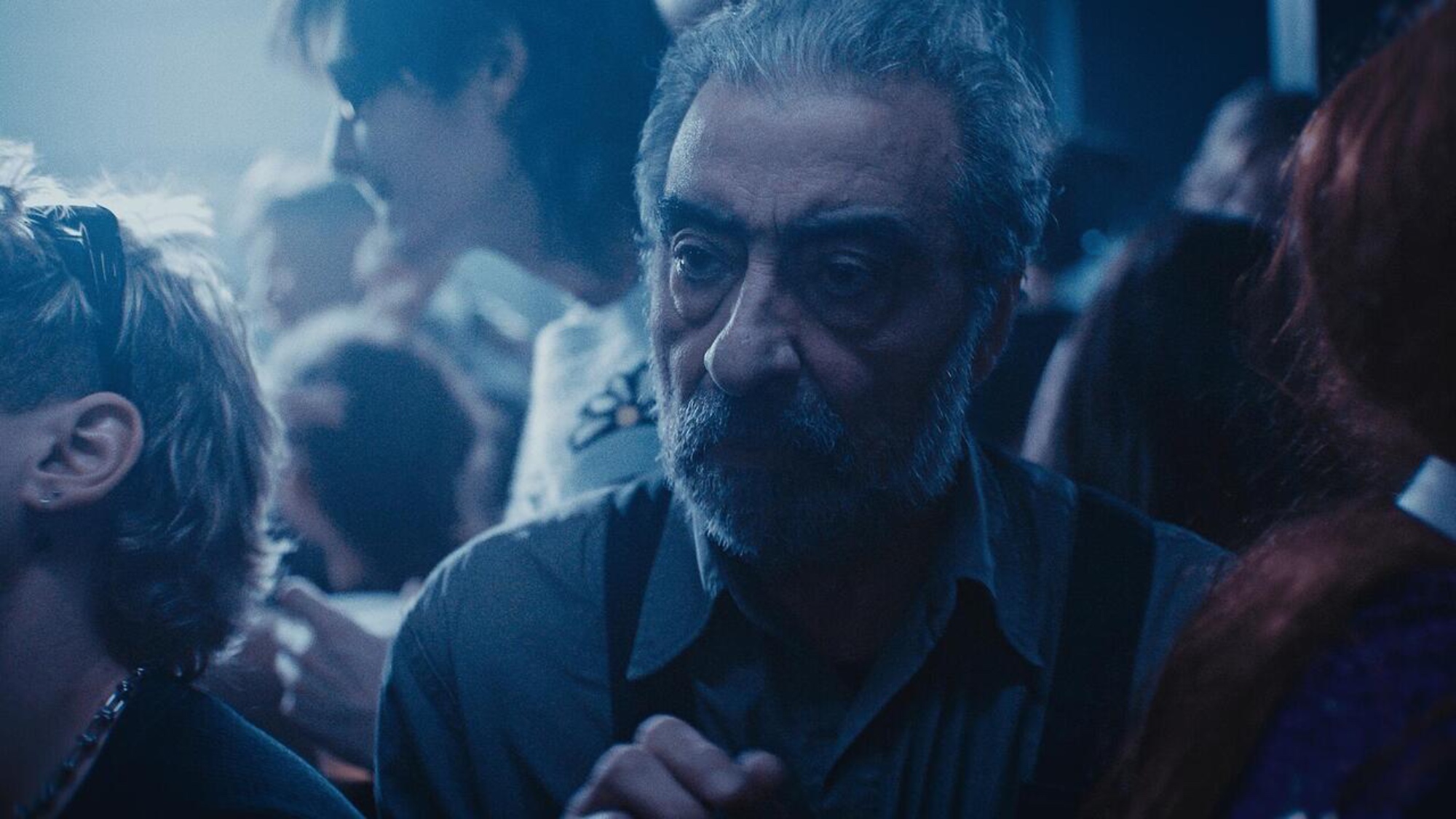
I can wholeheartedly see why this took the Student Visionary Award. As we find ourselves in a world raging against immigration, Reza Rasouli’s Filmakademie Wien graduation short Found&Lost broke my heart and made me smile all at once—and I rather hope that was the point. When Tamim, a Syrian father trying to make a life in Vienna, picks up a wallet someone’s dropped on a club floor, doing the decent thing should be the easy part. Instead, that small act of honesty tips him into a night where every good intention is read the wrong way and nothing stays simple for long. Rasouli sets this mounting unease against a bouncy, almost playful soundtrack, refusing to let the film curdle into bleakness even as the ground shifts beneath his protagonist. And then there’s that wallet—I’m still wondering where it ended up.
Me, Myself, and Mary – John Michell
I’ll admit a flicker of doubt as to whether I was being won over by the familiar comfort of Chris O’Dowd and Aisling Bea’s voices and a director already highlighted in our 2021 British Shorts Best of Fest, but Me, Myself, and Mary quickly proved itself far more than its charming casting. Adapted from a true story by writer Séamas O’Reilly—an unfortunate, drug-addled brush with the President of Ireland during a day on the job—John Michell’s world-premiering short is the Irish love of a good yarn distilled into vibrant, riotously funny animation, and so much more besides. What lingered for me, beyond the laughs, is the making of it: seven years of work from a crew spread across the UK, Ireland and Brazil, and, as Michell pointedly notes, a film made entirely by human hands at a moment when that’s become anything but a given. Screening in the same festival as Tribeca’s AI-generated shorts, its handcrafted warmth feels quietly like a statement.
Rare Birds – Lily Weisberg
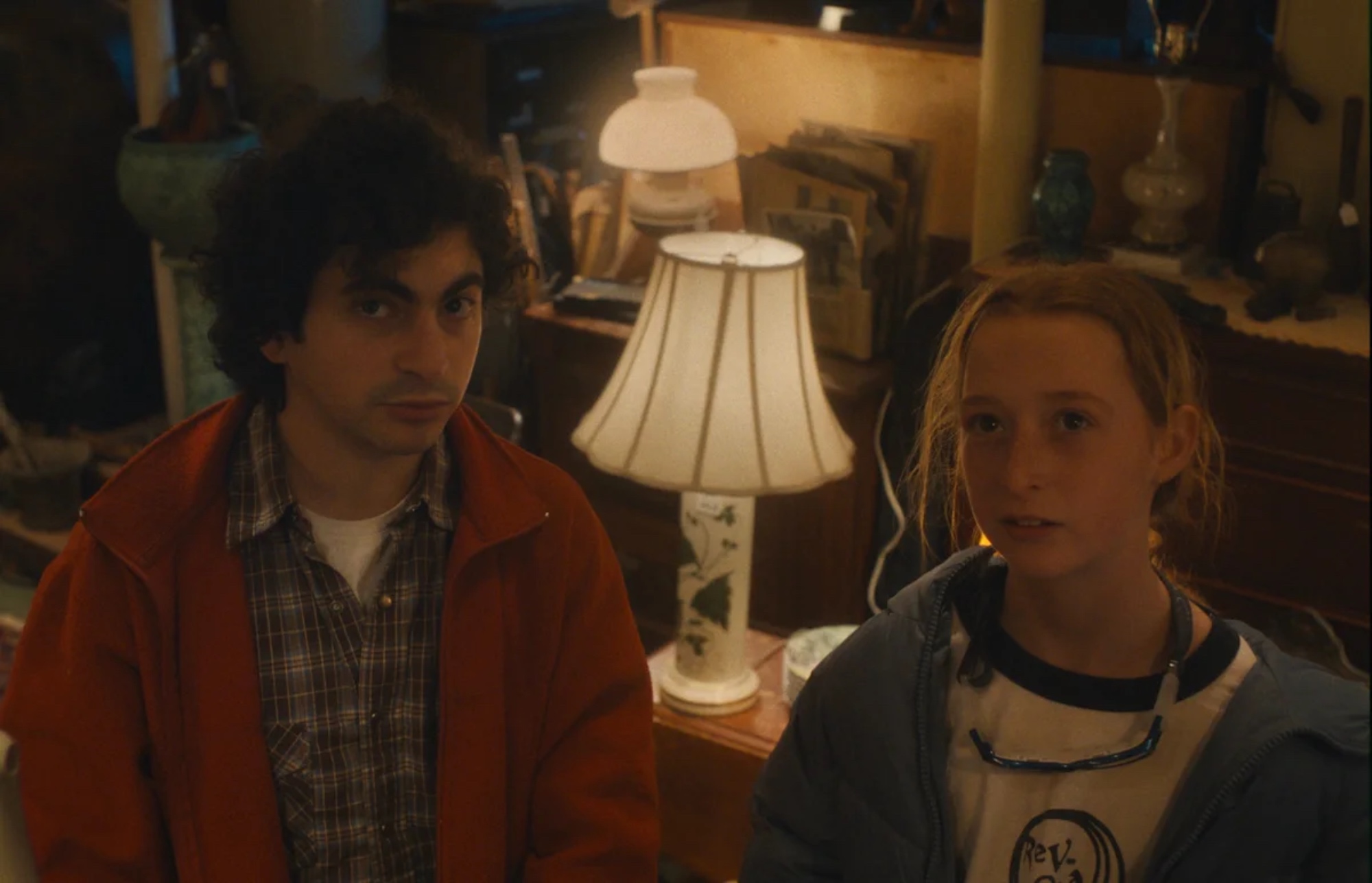
There are few nicer feelings than falling for a film and then discovering its maker is already one of ours. Lily Weisberg graced DN’s pages back in 2024 with her tender mother-daughter drama Working Summer, and her latest, the New York-set Rare Birds, finds her once again mining the quiet ache of people trying to reach one another across a gulf. An oddball 12-year-old becomes hellbent on getting her deluded and ambitious former camp counsellor fired from his dead-end antique-store job, all so he’ll have more time to shoot hoops with her. The film positively oozes socially awkward, heartwarming moments, every one of them feeling so right and so masterfully handled, as three characters from different generations circle their shared loneliness and slowly, tentatively, find each other.
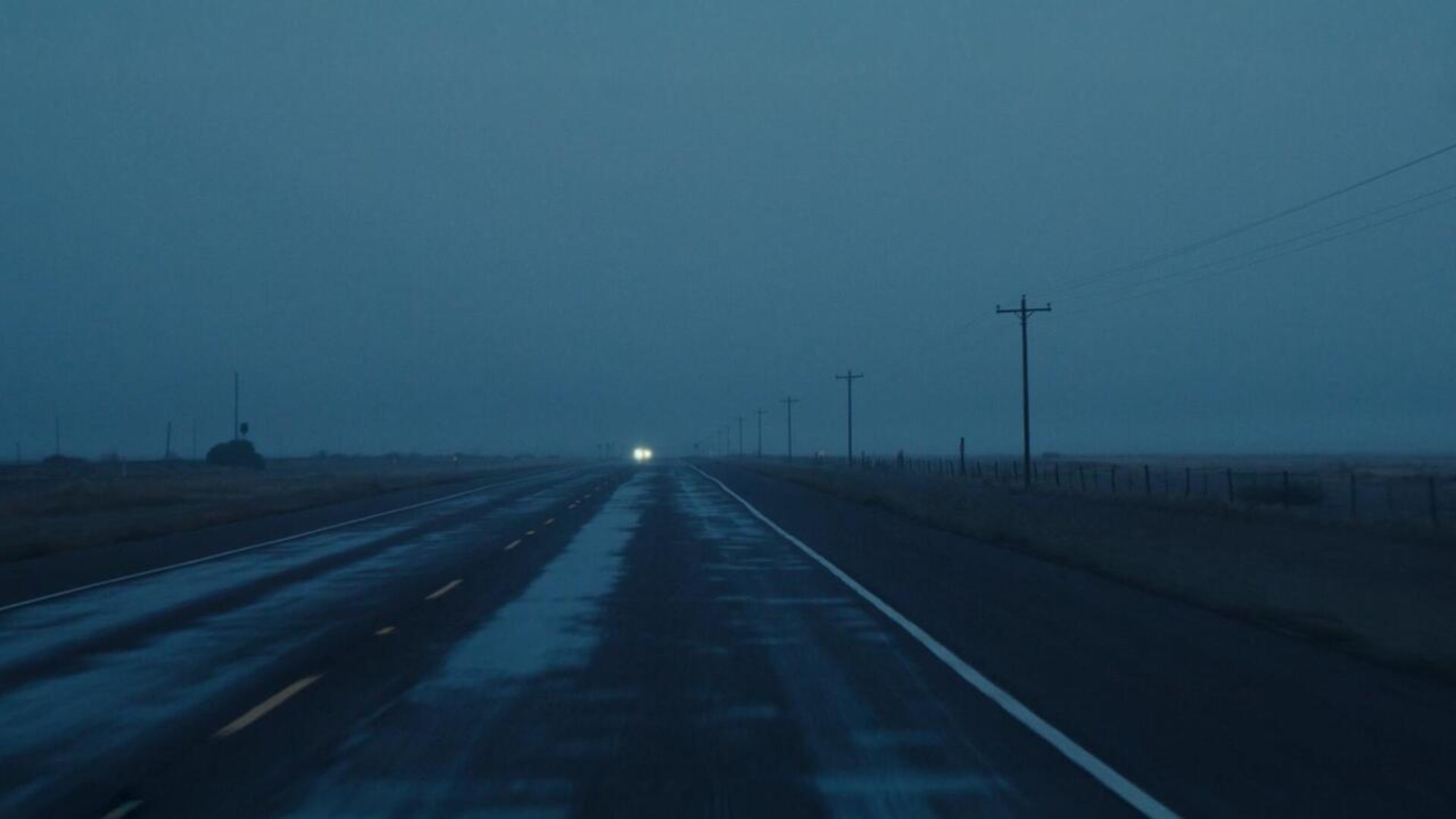
The Dark Knot at the Center – Inês Pedrosa e Melo
I watch films loudly, headphones on, and letting these stories wash over me—voices drawn from letters women wrote in the 1960s, travelling across the US to Mexican border towns for the underground abortion care denied to them—I found myself slipping into something close to a waking nightmare. That’s the quiet power of Inês Pedrosa e Melo’s hybrid documentary The Dark Knot at the Center: ostensibly dispatched from the past, they land with uncomfortable force in a post-Dobbs present. Retracing those hidden journeys through the sun-bleached landscapes of Texas, Arizona and California, the Stanford-trained filmmaker resists polemic entirely, staying instead with lived experience and the texture of the archive itself. It led me straight down a rabbit hole into the rest of her work—the surest sign, for me, of a filmmaker whose voice I want to follow.
Most Popular
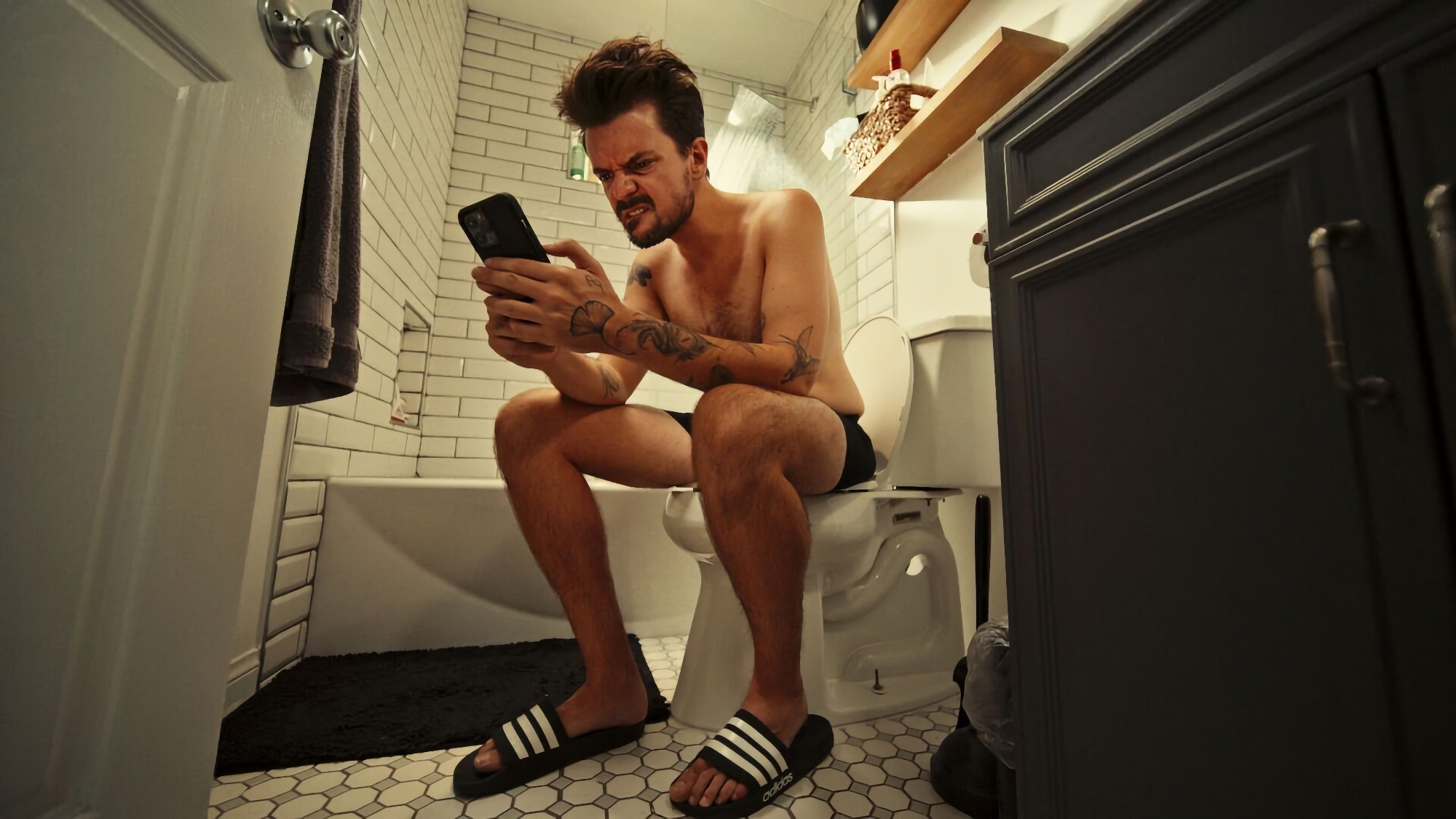
Buckets – Drew Van Steenbergen
There’s something wonderfully cathartic about watching real-life anxiety play out, well, in real life. Drew Van Steenbergen writes, directs, edits and stars in Buckets, casting himself as a man who spends 48 increasingly manic hours unravelling after a late-night dating app match, waiting on a follow-up text that may never come. Shot in his own home, and, deliciously, co-starring the real match who inspired it, the film turns the spiral of overthinking, paranoia and self-sabotage into something fast-paced, frantic and painfully funny. There’s a part of me that is sure we’d all feel a good deal lighter if we let it out loud like this rather than letting it fester in our heads, but that world might be too insane.
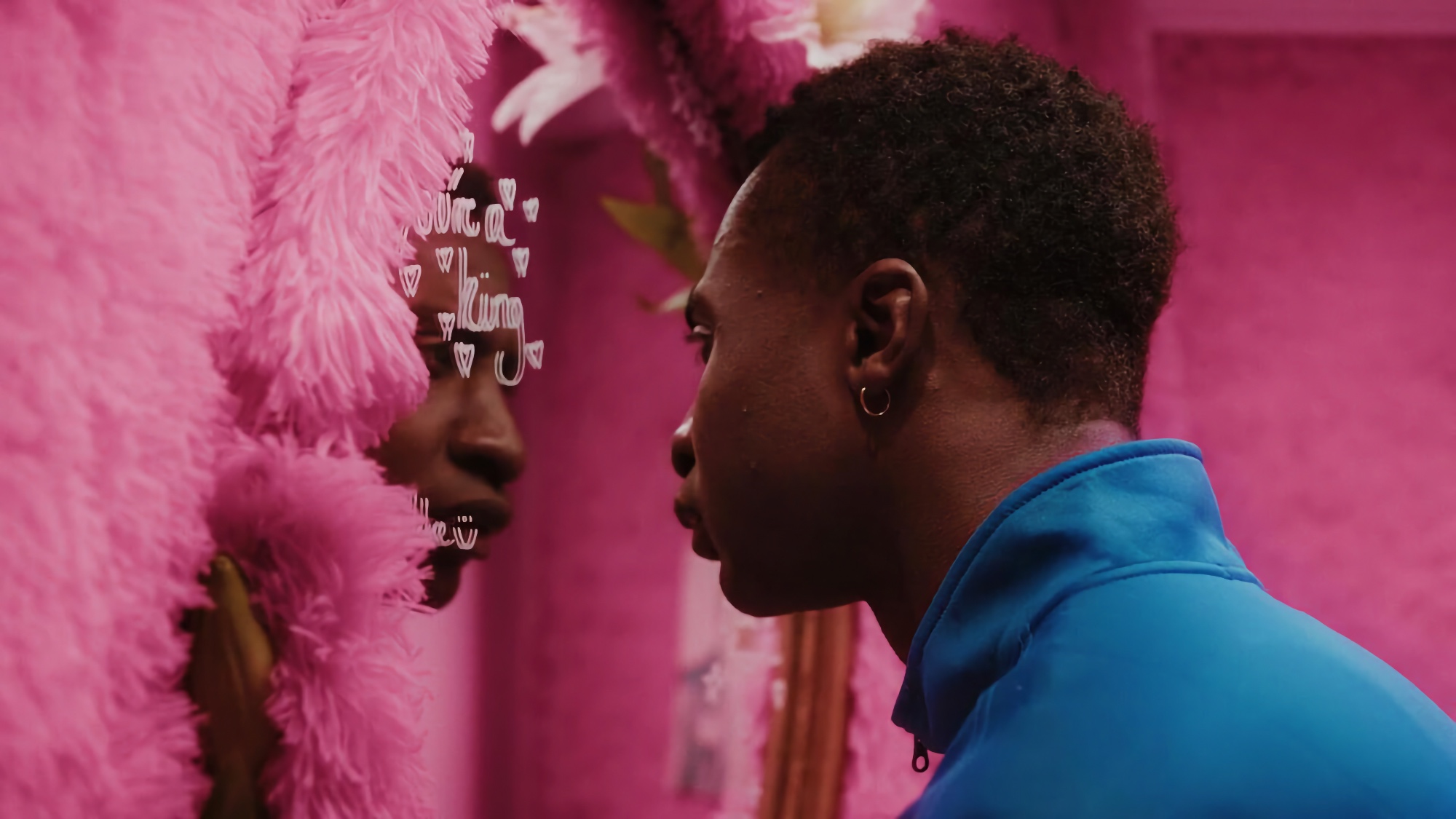
The Barbershop – Diêm Camille
Sometimes a film wins you over precisely because it isn’t afraid to be a little bit too much. Diêm Camille’s The Barbershop leans into a warm, odd, occasionally kitsch register to tell a deceptively tender tale of the universal hunt for belonging. A foster child gravitates toward a Black barbershop in Copenhagen—a place that should feel like home but doesn’t. It’s a deceptively big question staged in one of the richest locations a short could ask for, where two worlds meet and, against the odds, fit together seamlessly. Camille never lets the humour undercut the longing beneath it, and after a programme of harder-edged stories, I found this one a balm—funny, sincere and quietly generous about what it really takes to feel at home somewhere.
Vultures – Dian Weys
A title I’d circled at Clermont-Ferrand earlier this year, yet frustratingly missed and heard buzz about from Cannes, so catching Dian Weys’ Vultures had built up in my mind and more than rewarded the wait. In the volatile minutes after a car crash—before the authorities arrive, before anyone has decided what kind of person they’re going to be—a hot-headed, desperate tow-truck driver moves to protect his claim. That’s all you need to know going in, and all I’ll say, because the pleasure of this short lies in watching the situation slip its leash, each decision darker and more irreversible than the last. Weys holds the screws impossibly tight, trading in moral murk rather than easy answers, and lets the dread do the talking. A lean, unnerving piece of work that lingers.
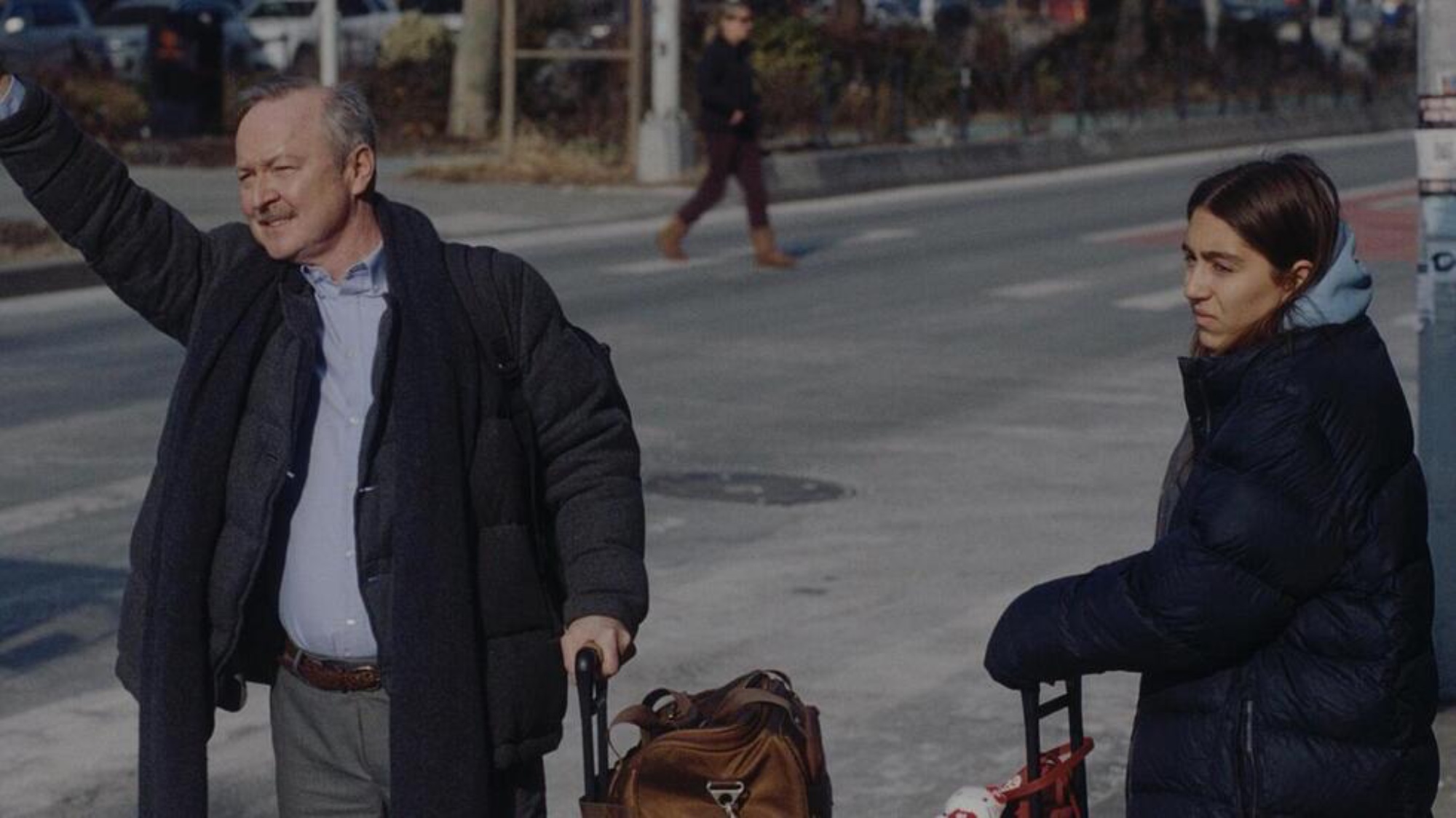
Daddy’s Little Meatball – Yael Grunseit
An Australian period-underwear salesman takes his teenage daughter to New York in Daddy’s Little Meatball. Yael Grunseit’s wonderfully disruptive short where a forward-thinking, Mooncup-adjacent sensibility collides with beige corporate drones and a daughter primed to blurt out the worst thing imaginable at any given moment. The laughs are big and the period talk refreshingly frank. But what stayed with me is where Grunseit lands it: that final stretch where the noise drops away and all the mess simply settles, father and daughter left in the quiet to actually see one another. It’s quietly devastating without ever tipping into bleakness—a film that earns its stillness, and one whose closing calm I’m still sitting with.
Sandy Fannies (Sand i Tissen)– Ingrid Runde Saxegaard
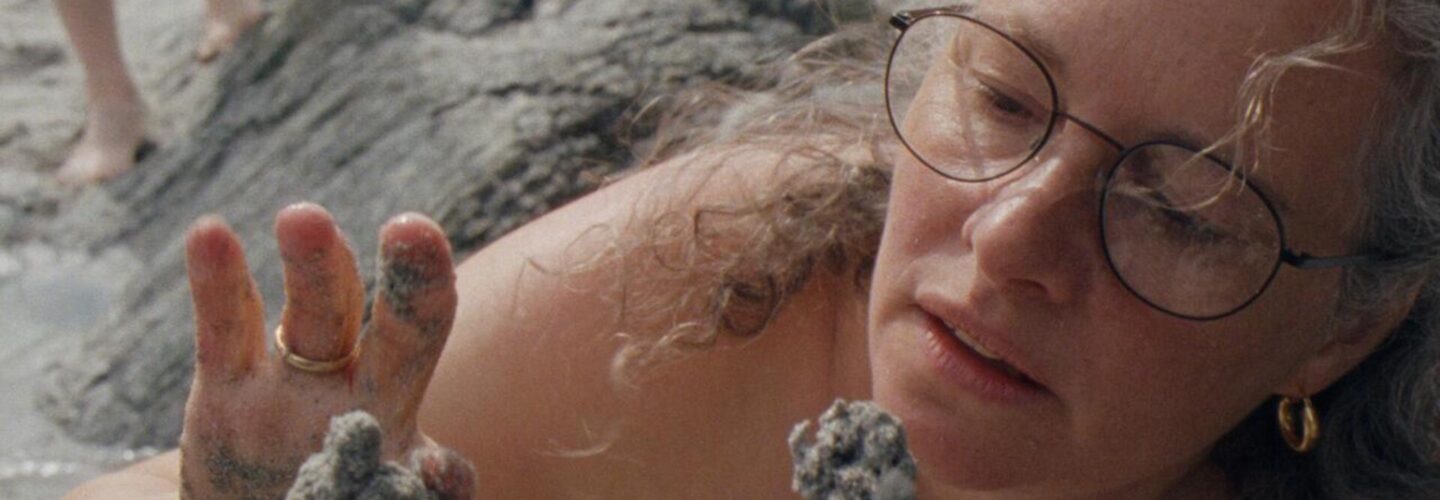
As my last selection circled fathers and daughters, Ingrid Runde Saxegaard’s Sandy Fannies turns instead to mothers and daughters and womanhood—and does so with an almost quietly experimental touch. A mother and daughter spend a day naked together at the beach, and across thirteen sun-soft minutes, the two slowly uncover one another’s intimate secrets. What’s remarkable is how much Saxegaard draws from so little: a single spectacular location, two women, and a story that nonetheless never feels hemmed in or hurried. She lets it breathe, trusting warm skin and shifting light to carry as much as any dialogue, so that the literal nakedness becomes the perfect register for an emotional one. Stripped of everything they’d normally hide behind, mother and daughter are left simply to see each other and their roles—tender, formally daring and beautifully held.
So, Boom – Abby Pierce
To close, proof of something I hold to be true: the best stories come from lived experience. Before her younger sister turns herself in at dawn, Sweet Tea has one night to deliver a ‘how to jail’ crash course drawn from her own time inside—who to trust, how to whip up bootleg makeup, how to cook—until the only question left is whether the kid takes the lesson or runs. Abby Pierce’s So, Boom spins this into a 14-minute burst of magical realism, and here’s the trick of it: a film about incarceration that never once tips into the dutiful, issue-movie worthiness you’d brace for. It’s funny, fierce and properly alive. That authenticity is earned—Pierce co-wrote it with Tiny Cruz, both improv teachers inside Rikers and Cook County, and Cruz draws on her own years locked up as a teenager in a first-ever performance that floors you. Nothing here is borrowed or imagined; it’s all been lived. A brilliantly alive note to end on.
You can find more unmissable films like these in our Best of Fest collections