There is a resplendence in nature wherever we choose to look. Sometimes it’s striking, like a dazzling sunset or a snow-covered forest. Other times it’s subtle, harder to spot, like a cicada pushing its way out of the earth for the first time after gestating for years, a life cycle at work underfoot, almost unnoticed. The beauty in nature, scene-stealing or otherwise, also distracts from some of its uglier elements. Foxhole, written and directed by Nick Dugan, is a stunning example of this oftentimes violent contradiction. As people, we have the capacity to convince ourselves of anything. That a change of scenery will bring us happiness, that quiet time alone will guarantee us peace, that with just a little time we will get over that painful experience or memory. For the lucky ones, this is entirely true. For others, it’s just a matter of time before the façade we’ve created for ourselves, however beautiful or convincing it may be, will succumb to the reality lying beneath it. And it’s then that our lives – and the lives of those around us – will really take a turn as nature inevitably takes its course. Joining us today, Dugan takes us inside the unique filmmaking triumvirate he formed with DOP James Arterberry and editor Dylan Gansen, detailing how they developed visual motifs like the recurring cicada, how Gansen’s willingness to “try anything” shaped the final cut, and how their efforts made the film’s poignant change-of-seasons sequence possible.
The genesis for the story of Foxhole came from a long drive you were taking. How did the narrative evolve from that initial inspiration?
As I was driving down the Californian coast, I was reminded of all the times I had been a traveller passing through quaint towns with pastoral backdrops, admiring the ostensible ‘simple life’. It’s in the exact same vein as going abroad and observing the comings and goings of a foreign city, and thinking to yourself: “I could live here”. It’s a warm and fuzzy feeling, but with escapist roots and total idealism.
On this particular trip, I found myself watching a groundskeeper at a bed and breakfast. I found myself envious of him. Getting his hands dirty, working outside, connected with plants and flowers. As a self-sabotaging writer and filmmaker who chronically second guesses himself, I often fantasize about an exit strategy from this line of work. The fantasy usually involves wandering into the countryside and taking up a life similar to that of the groundskeeper I had been admiring. And then it would invariably dawn on me how narrow-minded I was to assume that this guy’s life was by any means simpler than my own. I wanted to design a narrative around this notion, which would also give me an excuse to shoot a film in the very environments I found myself magnetized by at the time: Tranquil, secluded, and bucolic landscapes. I got hooked on the idea of going back to my hometown, DC, and shooting among the countryside around there.
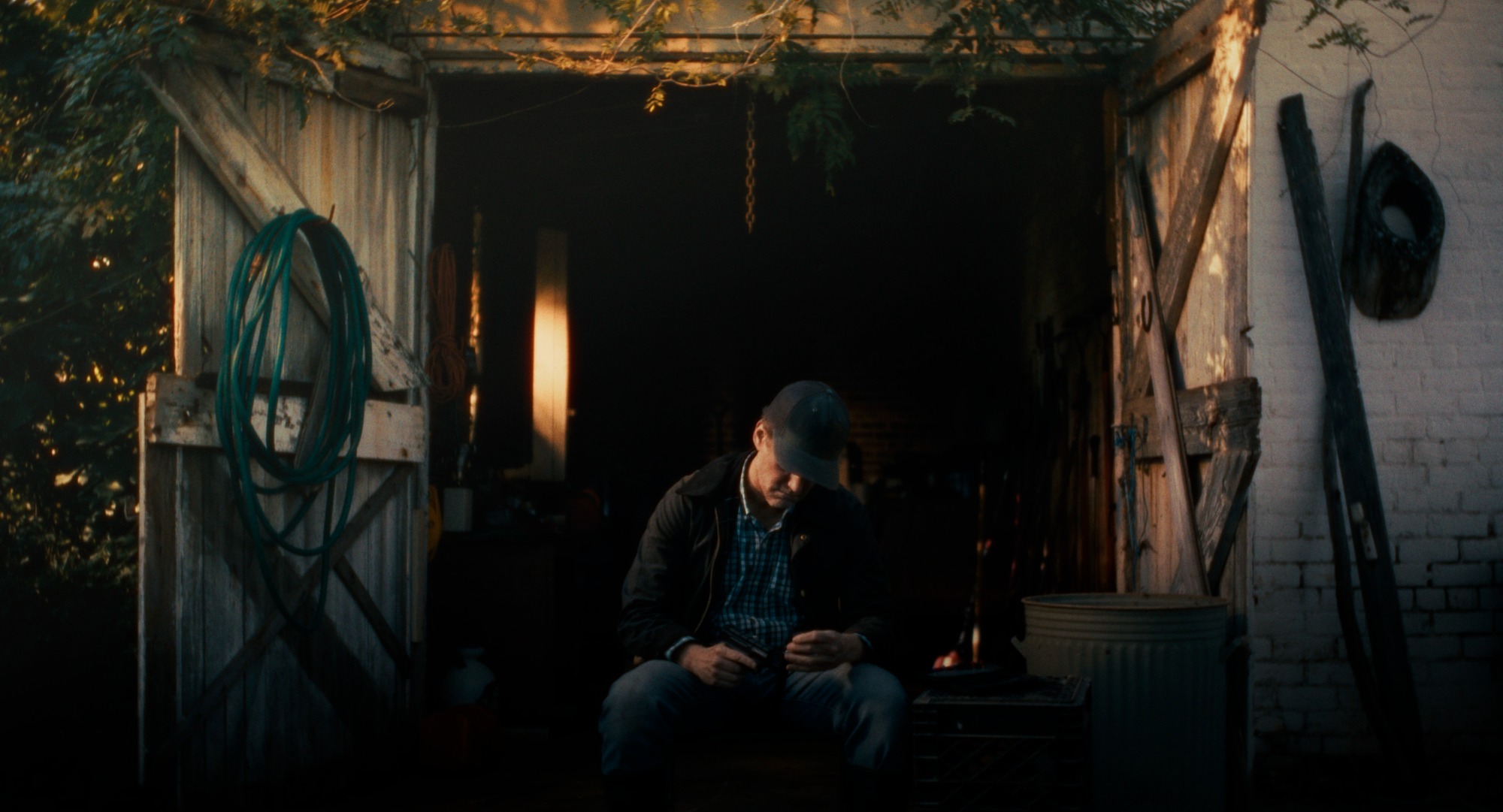
While he’s not speaking on camera for most of the film, he employs a very broad range of hyper-subtle looks and facial expressions that do a ton of the talking on their own.
Armando Riesco offers an understated yet compelling performance throughout. How did you cast and collaborate with him, with so much of his story heard rather than seen?
Armando colliding with this production was a thing of cosmic fortune. We had another actor lined up. Someone we jumped through hoops to accommodate. They bailed at the eleventh hour, and our fantastic casting directors (Ashley Dunsing and Anna Mayworm) had Armando in mind earlier on. We tossed up a Hail Mary and he was down in DC within 48 hours.
As it turned out, he was always ‘the’ guy for the job. I had always imagined the groundskeeper had an Argentinian or Chilean accent, and lo and behold, Armando (who is Puerto Rican) can do an impeccable Argentinian accent. And the man just has a golden voice. He’s done a ton of voice acting work as well throughout his career, so his narration was absolutely seamless. It was a real gift. And while he’s not speaking on camera for most of the film, he employs a very broad range of hyper-subtle looks and facial expressions that do a ton of the talking on their own. He was an absolute gift to this film.
Most Popular
With his co-star Jere Burns’ character pleading his innocence right until the end, how did his character evolve in your mind and that of Jere?
Jere has an irresistible charm. In real life, on screen, wherever. He’s magnetic. And, in a roundabout, that really gave some texture to the kind of duplicity that would enable and protect a character like the one he played in this film. We know we shouldn’t believe him, but he makes just a little bit harder not to. Jere was instrumental in making sure the character’s potential wickedness wasn’t ham-fisted. The insights from his vast acting experience also revealed themselves through the more granular details of blocking out scenes, particularly the most critical moments. He challenged me in all the right ways and I learned a lot from him.


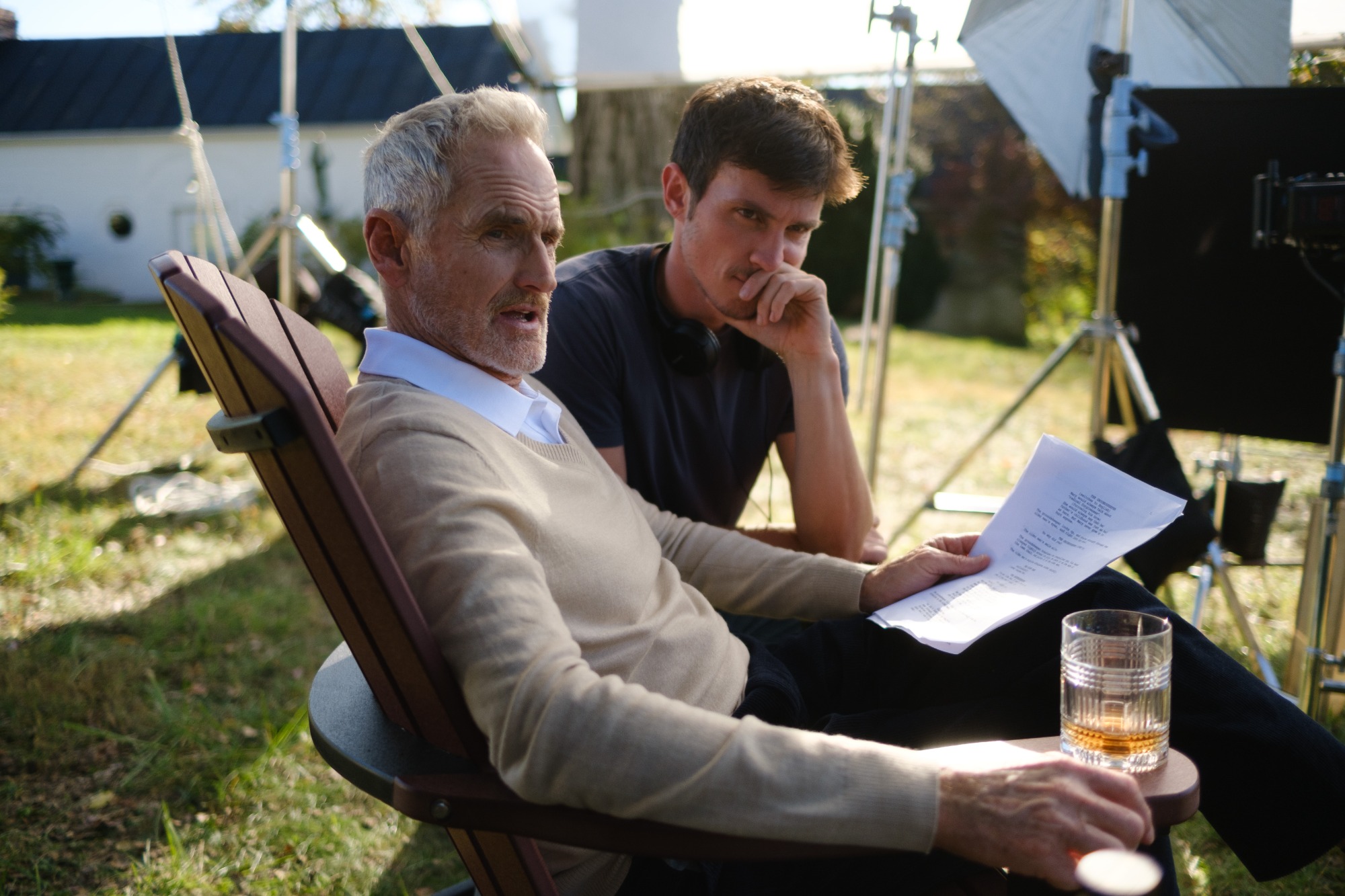
The film was shot over four days, two days in Locust Dale, Virginia, and two days in Beallsville, Maryland. I’d like to know more about finding and shooting at each location and how you utilised both.
I’m pretty obsessive compulsive with location scouting. To a fault. I think I probably waste a lot of time doing it. Need to make sure no stone is left unturned. That sort of thing. But it did lead us to The Inn at Meander, in Locust Dale, Virginia. I went out there a bunch and got to know a man by the name of Daniel Bushey, who is the general manager there. He is an incredibly kind supporter of the arts, and he really gave us maximum flexibility. Got a lot of great test footage, a ton of b-roll, and a lot of time and space to shoot in exactly the right places on that property. It also, very conveniently, doubled as our lodging. It’s a special place and we had a lot of fun there.
We also shot in Bealsville, Maryland. On the farm that belongs to our incredibly generous producer, Henry Montalbano. He gave us carte blanche as well and it really afforded us a lot of room to breathe and take our time.
The cinematography and the capturing of natural landscapes are stunning. Can you tell us about your approach and collaboration with DOP James Arterberry?
James and I go way back. We actually went to the same school growing up. And then by pure coincidence found ourselves at film school together some 13 years later. James is more of a complete creative partner than just our director of photography. He was intimately involved with the conception and development of this project. And we were both equally determined to pay some visual tribute to our neck of the woods.
We went out there so many times. Spent so much time scouting and collecting test footage and b-roll. Much of which made it into the film. Those ventures into the countryside with him are some of the fondest memories I have of filmmaking. For both of us, the photography throughout involved a perfect marriage of precision and nostalgia. He did incredible work and I’m forever indebted to him.


From the onset, James and I created two fundamental guiding visual principles:
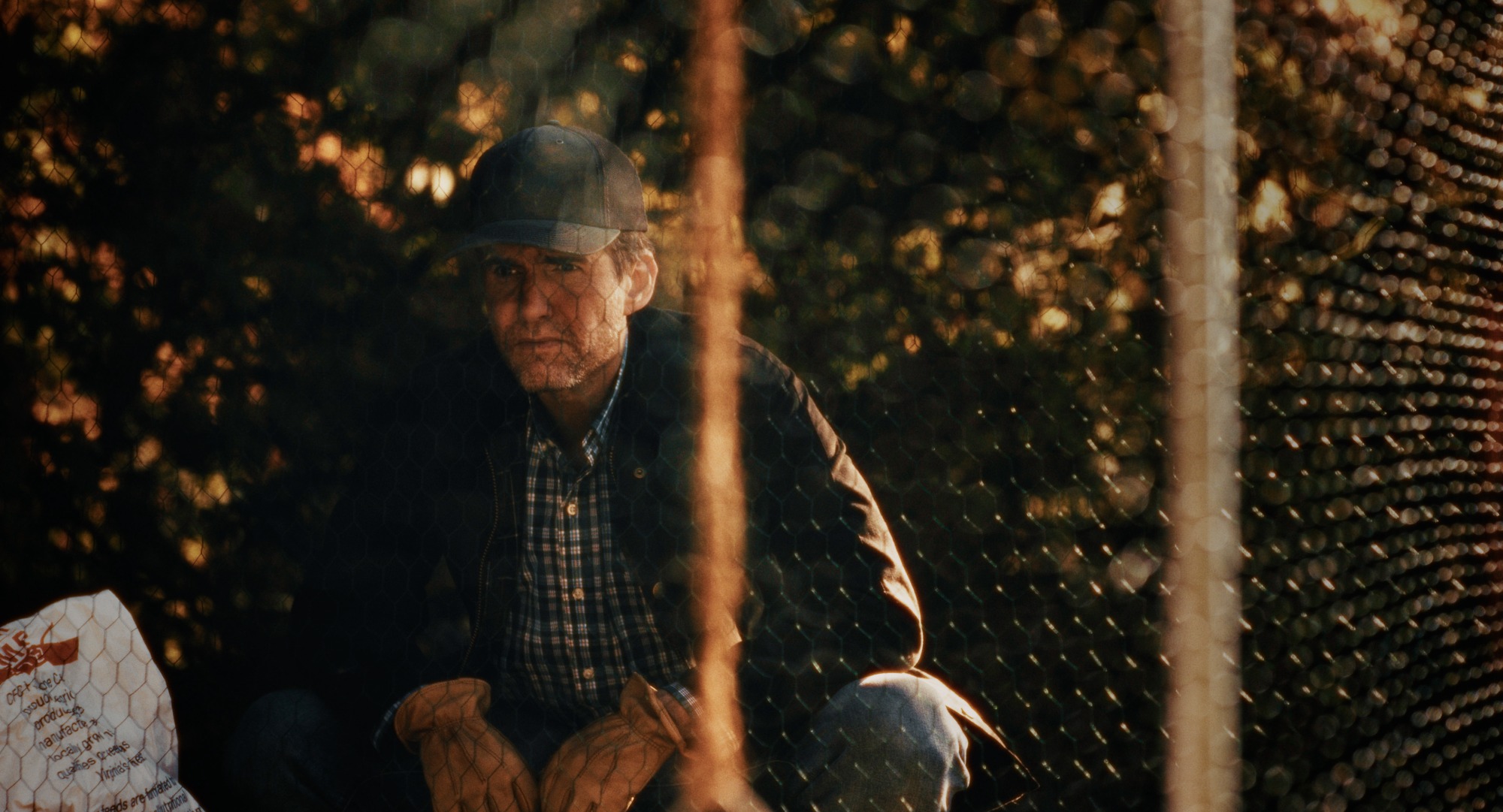
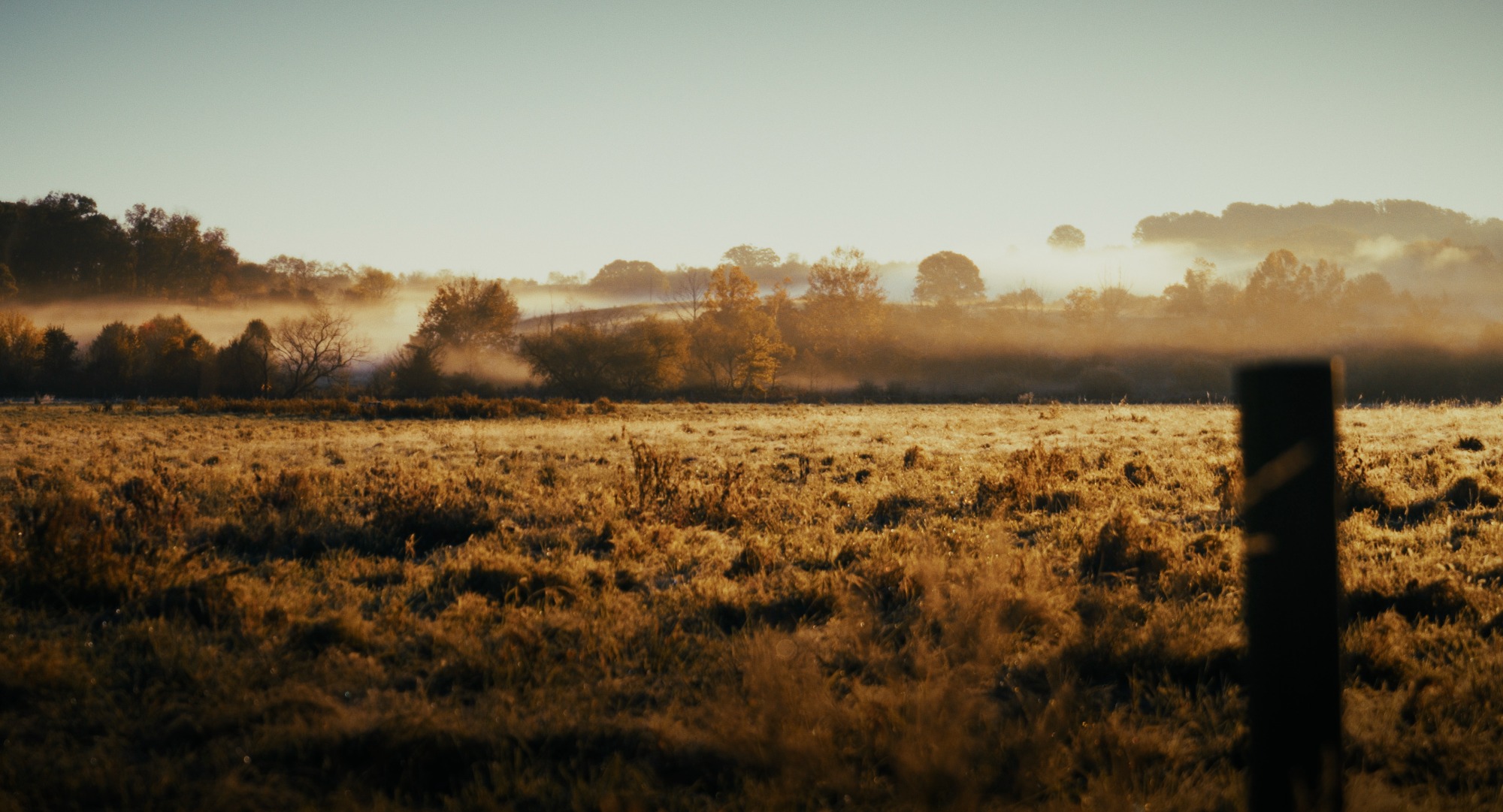
The first was to allow the frame to breathe, both spatially and temporally. This meant less coverage with very deliberate wide compositions and sparring close ups for our scenes. While riskier, we knew this would pay dividends in establishing the meditative, somber, ballad-like tone we were striving for and would take full advantage of these beautiful bucolic backdrops that James and I have shared admiration for.
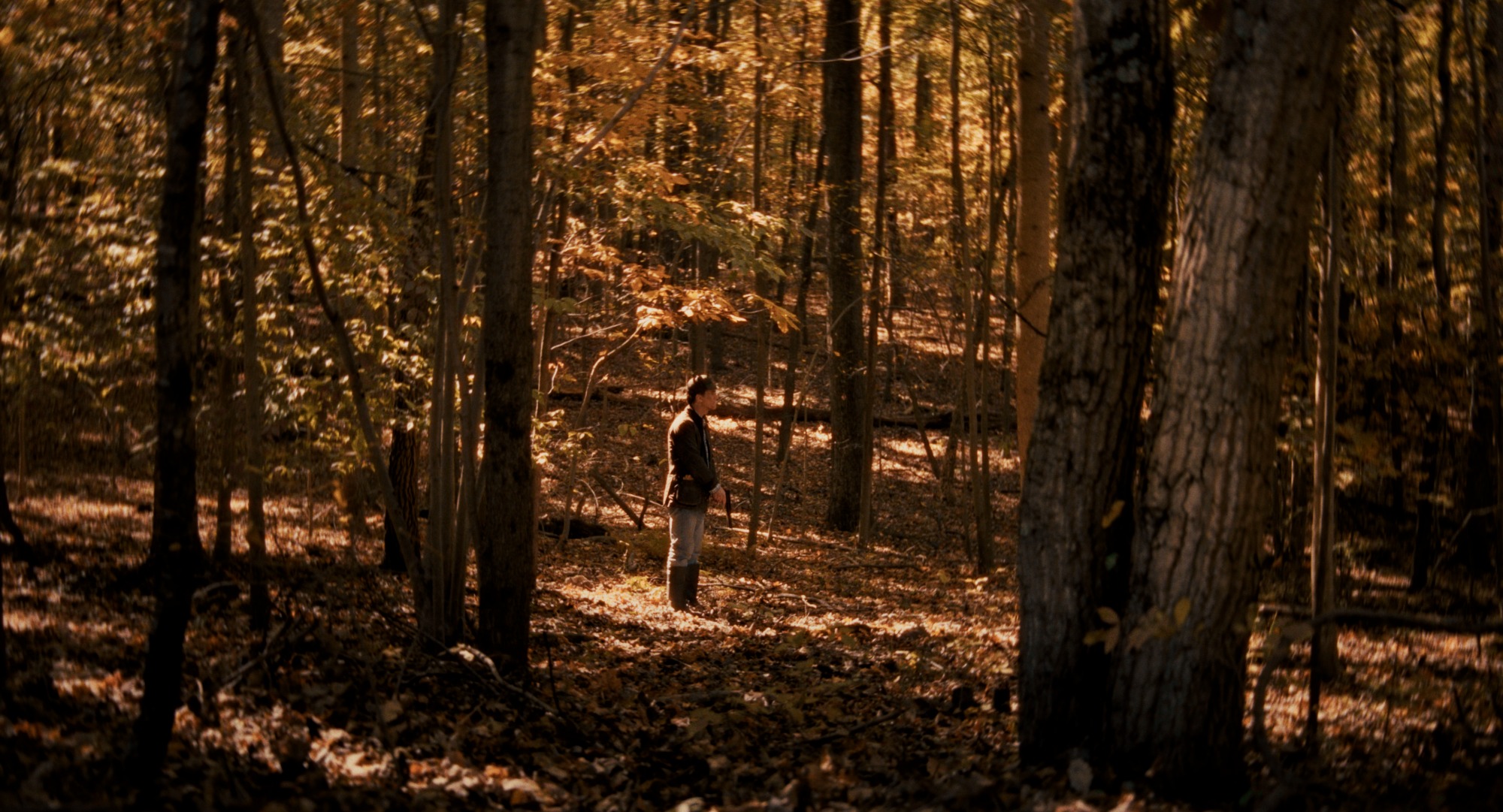
The second was to reserve camera movements for true moments of emotional emphasis. To mimic the slow, tranquil rhythms of the Shenandoah autumnal landscapes, we moved as far away from handheld as possible – keeping the frame still unless a move was absolutely necessary. When we wanted to add emotional weight to the frame, we would play around with some nearly imperceptible zooms (James calls them glacial zooms), particularly at more crucial junctures of the narration.
As for equipment, we went with Alexa Mini LF. The large format sensor of the Arri camera allowed the vistas to be captured in stunning wide detail, and the impressive dynamic range of the sensor came through in a big way while contending with the deep shadows and high highlights under the dense tree cover of the woods. Optically, James chose the Cooke Speed Panchros – lenses known for their characteristic bokeh and subtle warmth, which complemented the October foliage of rural Maryland and Virginia very nicely. And finally, for the glacial zooms, we went with Angeniex, which matched well with the Cookes in the frame.
To mimic the slow, tranquil rhythms of the Shenandoah autumnal landscapes, we moved as far away from handheld as possible – keeping the frame still unless a move was absolutely necessary.
For our pick up shoots, James and I relied upon the trusty Sony FX6, the full frame workhorse, which Dylan matched beautifully with the Arri footage. And for our ATV car rig, we went with the nimble Panasonic LUMIX GH7 – with its new added feature of shooting in ARRI-LOG C, which allowed for seamless color match in the grade.

The opening shots of the cicada coming up from the ground are a joy. How did you go about capturing that sequence? Likewise, the change of seasons from summer to fall?
I must credit James for much of the cicada motif. We had talked about our deep, mutual connection to the sound of cicadas in the summer. And how, perhaps, that hadn’t been explored enough in film. He collected some experimental footage of cicadas a while ago, and he pushed me to somehow incorporate it into our narrative. Then, I came across a passage by Henry Allard in a 1919 edition of The American Naturalist. It snowballed from there.
The change of the seasons was really tough. We literally went out there in the dead of summer, found a spot, and rolled camera. Finding that same spot again a few months later was a challenge. We basically just had to eyeball as best we could. Our magician of an editor and third creative partner, Dylan Gansen, was able to massage that cut into looking something far more seamless than our approach deserved.
The beauty captured during filming is wonderfully complemented by the edit and colour grade.
Dylan and I are dear friends. Throughout the years, we have spent countless hours in the cutting room together. I’ve never laughed harder than in that room. We have a real bond and editing with him is something I invariably don’t want to end. I was moving out of my apartment at the time and so I slept on his daybed for a while. We just hacked away at the thing, day in and day out. He allowed me to make sure no stone was left unturned, and that we had explored every possible permutation before making a decision. But his initial instincts were always right.
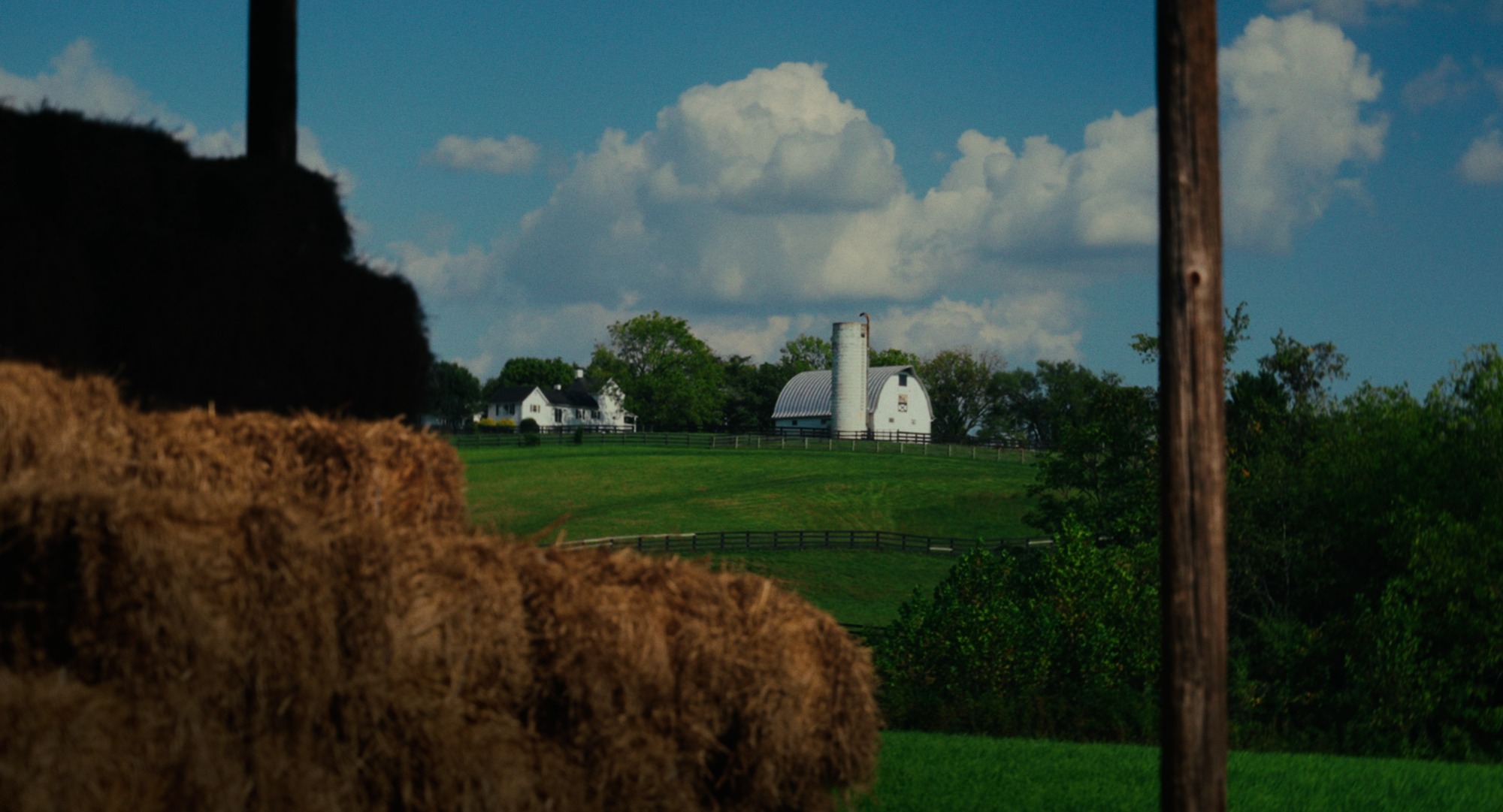
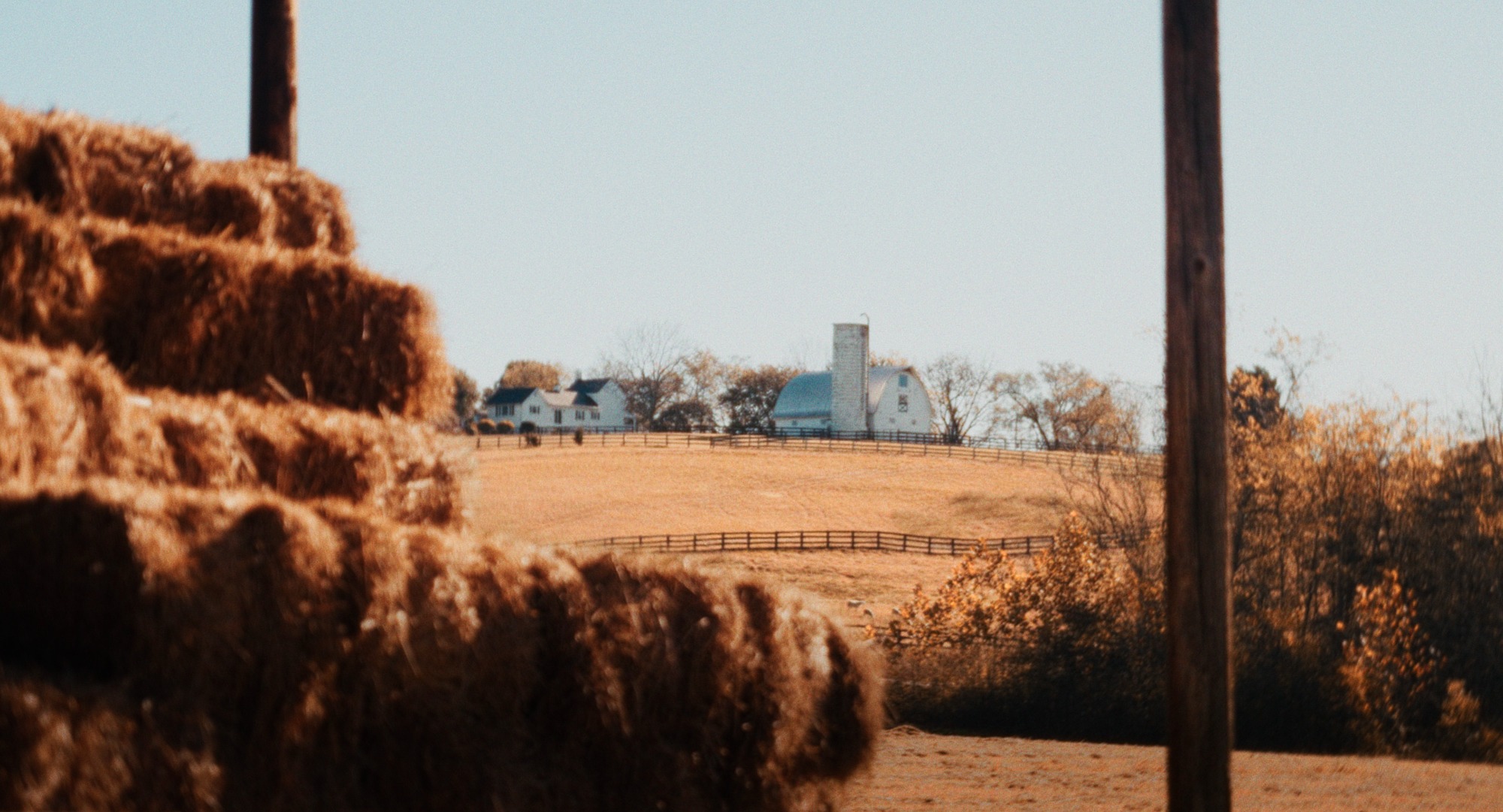
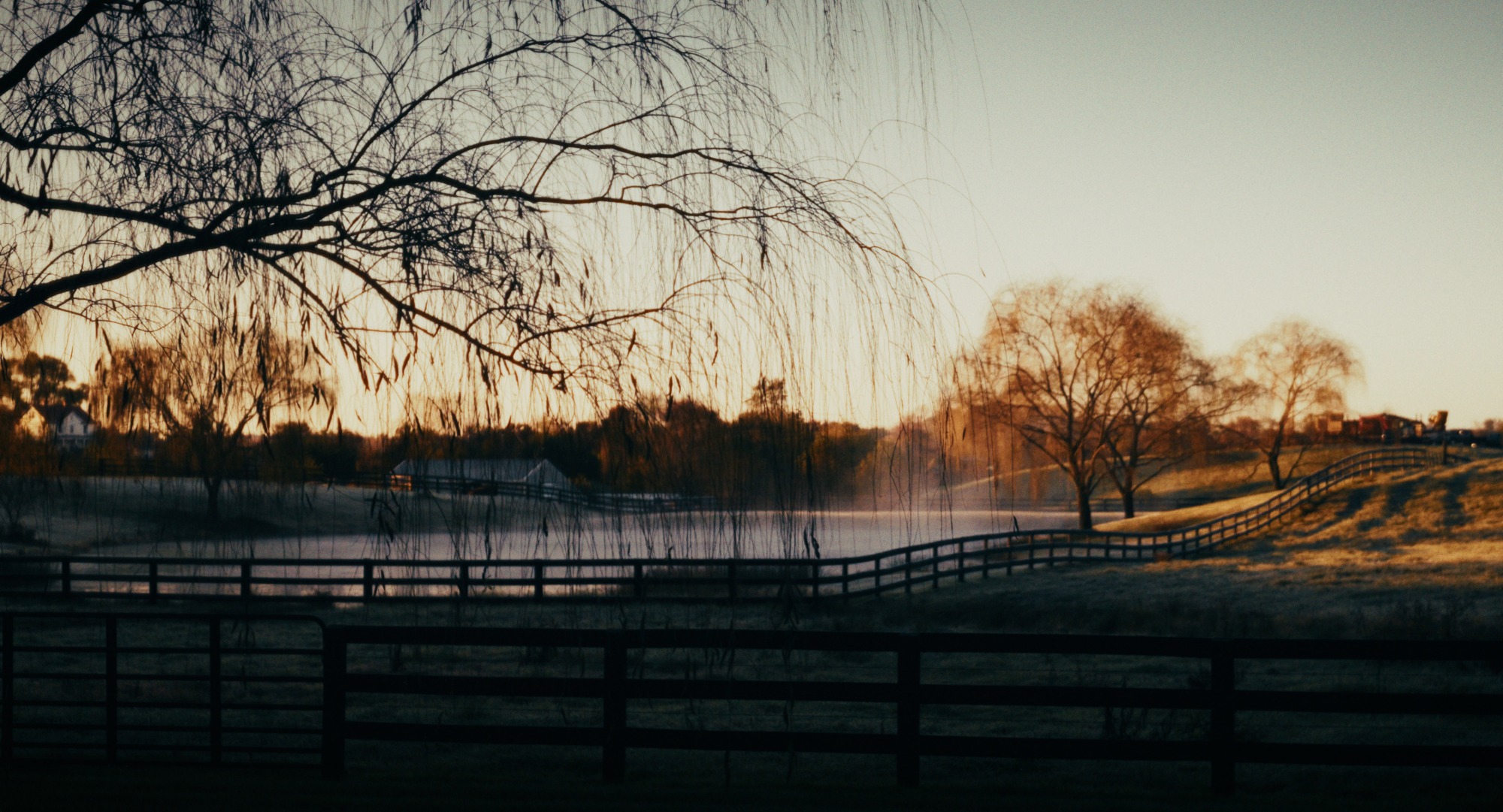
The great thing about working with Dylan is that we start our editing process as the script is being written. We talk about visual design and tone well before cameras roll. Unlike a conventional relationship with an editor, Dylan is instrumental in the process of designing shots and creating cinematic beats. We’ll spend weeks scrutinizing every line of the script, where we’ll bounce ideas off each other with James. He’s there from day 1.The cohesiveness of our trio during pre-production really lent itself to a smooth transition between production and post.
Dylan cuts on Avid. We’re never hesitant to share our wildest ideas with each other and Dylan is always willing to try anything. His M.O. is always needing to see it before the idea can be shot down, and that has helped make Foxhole what it is. Dylan knew from the get-go that we were going for a dreamlike tone for the majority of the film, so we dialled it down to the exact frame during the edit, and poured over each and every line to perfectly honor that vision. When it came time to color grade, and you can see this for yourself, Dylan built a look on DaVinci Resolve that perfectly complemented the beautiful footage that James captured, again, honoring that tone we agreed upon as the film was in the writing process. It is really a joy to see him at work. Any crazy idea I come up with, including visual effects, Dylan can deliver on with master precision.
Unlike a conventional relationship with an editor, Dylan is instrumental in the process of designing shots and creating cinematic beats. We’ll spend weeks scrutinizing every line of the script, where we’ll bounce ideas off each other with James.
So much of the atmosphere of the film comes from the soundscape, letting the sound of nature build in the background. How integral was it for you right from the get-go to explore that in your sound design?
Chaim Rubenstein and Ivan Basauri totally understood the assignment. They knew exactly how important the chorus of cicadas was in the opening, and they really helped with that point of emphasis. Chaim was at the helm during post, and he really brought it home. I learned a lot from him.
Ivan, who lives in DC, actually had collected a sound library of his own throughout the years. In fact, he had a massive folder of cicada sounds specifically. Which is incredibly serendipitous. Ivan and Chaim go way back. Both of them were on set during production which really allowed for an effortless transition into sound design with Chaim. He’s got a great setup at his place in Los Feliz. We spent a lot of time there getting the atmospheric tone just right.
What’s next for you?
What’s next for me is that all important first feature. I’ve got a script that’s ready to go, Rear Naked Chokehold. It’s the third I’ve written, but it’s the first I’ve loved. And the cheapest. So now it’s just about time to start looking for some wealthy patrons of the arts who have a vested interest in independent film! I’m half-kidding, but we are in fact gearing up to get financing.
And finally, what’s a favourite short film you’ve seen, new or old, that you’d recommend to the DN community and why?
I have two, if that’s alright. Sad Indie White Boy, written and directed by Courtney Coker, a straight up genius takedown of the performative male. And Jeff, written and directed by Julia Hebner, a super radical film that expertly navigates some very choppy waters. Those are the two I’ve seen on the circuit this year that I think about regularly. They’re both incredible (and I don’t think they’ve gotten the recognition they deserve).