
A British-Iraqi drag film steeped in faith and family trauma. A pitch-black satire of the far right, dropped days before the UK’s local elections. A South Asian family torn from their home by masked gunmen in a near-future Britain. Included in WePresent’s commissions are the fabulously diverse and brave narratives of Original Sin by Amrou Al-Kadhi, Vote Gavin Lyle by Aneil Karia and the Oscar-winning The Long Goodbye by Karia and Riz Ahmed, and so many more — wildly different films bound by a single instinct: nerve over safety, every time.
WePresent is the editorial and arts arm of WeTransfer, and that same appetite runs through everything it touches — photography, exhibitions, music, literature, an annual guest-curator handover (Russell Tovey in 2023, Riz Ahmed this year) — reaching millions of readers each month. But film is where DN wanted to connect with WePresent. Under the stewardship of editor-in-chief Holly Fraser — who took over in 2019, bringing a journalist’s and documentary-maker’s instincts with her — it develops, finances and shepherds a number of shorts into being, working with directors from the very first “I have an idea for…” conversation, long before there’s a script or a pitch deck. The brief is refreshingly simple: make the work you want to make. No notes by committee, no product in sight — just the resources to realise a vision, and an audience of millions on the other side.
The next commission is already shooting — Wild Bird, directed by Andrew Haigh, written by and starring Russell Tovey as Alexander McQueen opposite Olivia Colman’s Isabella Blow, a British story we cannot wait to watch. To get into the heart of what they do, we sat down with Holly to talk through how WePresent commissions from the first spark of an idea, what real support looks like across a film’s whole life, its commitment to short film as an art form in its own right, the care taken when pairing filmmakers with the right collaborators, and why she’s convinced the best work still comes from the most unexpected places.
[The following interview is also available to watch in full at the end of this article.]
There’s been a lot of exciting news from WePresent recently, but before we dig in, please introduce yourself.
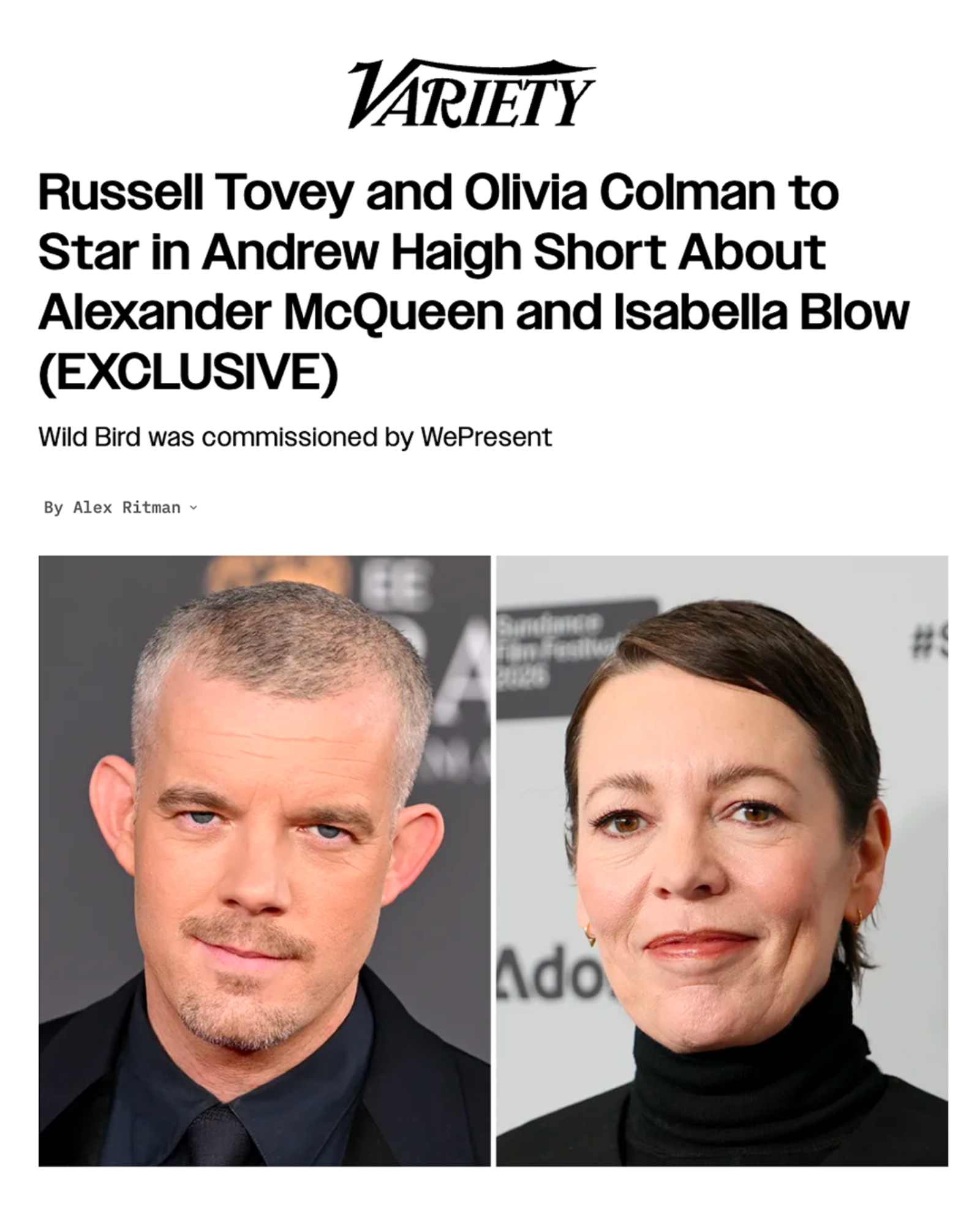
I’m Holly Fraser, editor-in-chief of WePresent, WeTransfer’s arts platform. We work with artists from all over the world, so far, over a thousand different artists from about 130 countries, and we collaborate with them on one-off projects and commissions, ranging from photography series to events and exhibitions to publications and short films.
Everyone is, understandably, excited about your latest commission, Wild Bird.
It’s very exciting, and a really nice testament to how we work with artists. We’ve known Russell Tovey for a long time. He was our guest curator in our annual series, in which one artist essentially takes over the entire platform and does several different projects over the course of about a year. This year, it’s Riz Ahmed, with whom we also have a long-running relationship.
We first worked with Russell in 2023, on a short documentary Life is Excellent about searching for his icon, David Robilliard, who tragically died of AIDS in 1988. It shone a light on the incredible artists we’ve lost to the AIDS crisis. Russell’s a fantastic collaborator — one of my favourite people to work with. The producer on that documentary was Susie Hall, who approached us at the end of last year, and we had a chat with Russell, who said, “Look, I’m writing this short film, I’d love to work with you guys.” And we were immediately in. It’s a small team — Russell, Susie, me, and our senior producer Alex Mattinson from WeTransfer — coming together to make the short. Then Andrew Haigh got on board, which was fantastic news. I found it quite funny that in all the press and social comments, people were saying, “Give that casting director a raise.” There’s no casting director—that was Russell and Susie.
We shoot in three weeks, so I’m very excited to see the outcome. It’s an incredible team. But it’s also a nice way to continue the trajectory of how we collaborate with artists — nothing ever feels transactional. It becomes almost like a friendship, which is a lovely way to work. We’re very lucky.
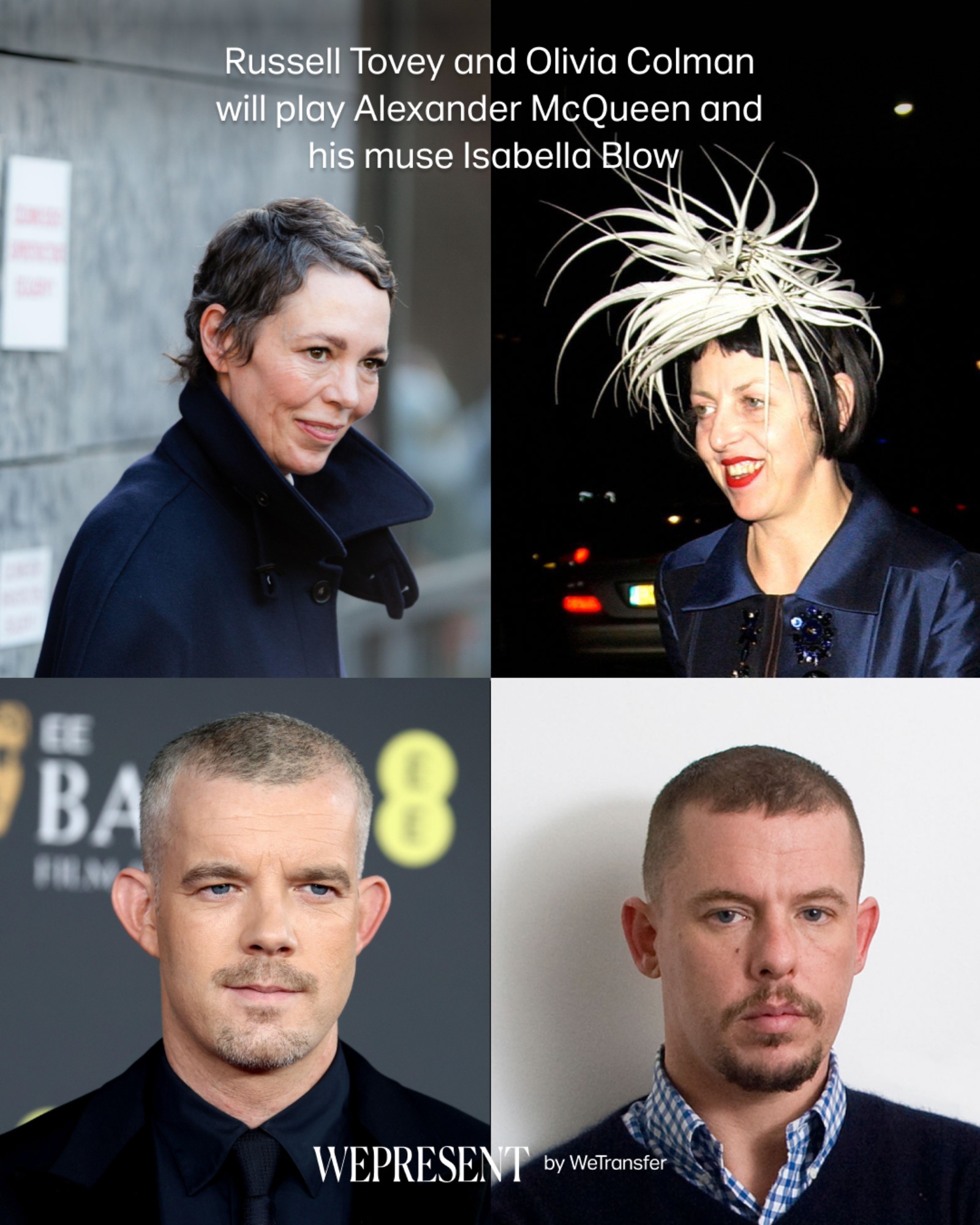
The casting is incredible, Olivia Colman is iconic, and I think Andrew Haigh is incredible. I’m so excited to see what he brings.
I won’t say too much about the film or the script because I want it to be a surprise — but it’s not going to be what you think, which is really exciting. This is the first short film script Russell has written, so it’s very personal to him, and it’s very beautiful. It’s about a road trip of redemption, and Andrew is bringing his very specific director’s lens to that. That’s all I’ll say for now. But we have some incredible people, such as Sandy Powell, doing the costume design; she’s a friend of Russell’s, and it was all kind of mad and serendipitous.
Susie rang to say Sandy was able to take some time away from the new Martin Scorsese film she’s doing to do our costumes. We knew her through Amrou Al-Kadhi, with whom we’d done another short film, Original Sin. So it’s all felt very serendipitous — and nice, because a lot of people don’t know that WePresent and WeTransfer have been commissioning short films for about eight years now. We’ve been very behind the scenes, and none of the films have overt product placement or anything like that — it’s more about creating artist-driven work. But it’s nice, when we’re a small team doing this, that people are finally going, “Oh yeah, they do some cool stuff sometimes,” which has been very validating.
Most Popular
On the brand placement point — we’re in a beautiful era where films are being made by people audiences have no idea about, like Emilia Pérez with Yves Saint Laurent behind it. There are so many cool people doing great creative things within the brand world.
It’s true, and really nice, to see more brands approach it that way. A few years ago, this was branded entertainment, and it was basically a glorified ad. People would say, “Oh, we’re making a film,” and I’d think, no you’re not — you’re making an ad with a celebrity in it. Now there’s more understanding that audiences don’t want ads, they want actual entertainment, something with an emotional connection that means something to them. We’ve always fought for that, in our own small way at WePresent. There have been many fights over the years with CFOs going, “What’s the value of this?” But it’s nice to see other people doing the same now, like YSL with Emilia Pérez and the other short films they do. Gap recently hired a chief entertainment officer because they want to move into entertainment. Even Starbucks now have a film production studio.
Whenever people ask what our hopes are at WeTransfer and WePresent, with all the creative work we do — and it sounds a bit worthy, but it’s true — we all come from artistic backgrounds; none of us come from tech or marketing. If artists are able to get their work made and be paid properly for it, and that’s coming from a brand who appreciates their artistic integrity and vision, great — that means more work can get made. So I’m really happy to see other brands step into the space and do it with integrity. That’s the key thing: let the artists make what they want to make, and don’t get in their way. The more the better.
I want to focus in on your commissioning and address the misconception that you’re just sponsors and not actually instrumental in getting the work made.
It’s been interesting. We’re a small team — there are seven of us at WePresent, working across all areas, not just film. It’s essentially myself and one producer who work on film specifically, which is busy. A little bit of background: WePresent started as a platform highlighting artists’ stories, with WeTransfer as a product that’s used in pretty much every country in the world. The idea was to celebrate creativity everywhere, feature artists, tell their stories. After a year or so, that transformed into original commissions. My background is in journalism and documentary-making, and when I took over the platform from the founding editor in 2019, it was the world I was in anyway, and we started doing more original commissioning.
We don’t want to work with artists who are too safe, too media-trained, not on the right side of history.
We were very lucky to work with Riz Ahmed and Aneil Karia and commission The Long Goodbye quite early on in 2020, which ended up doing incredibly well and getting a lot of attention. People started looking at us, going, “Oh, you’re doing some interesting things.” We commission about four or five short films a year — not a huge amount — and that sits alongside the photography, events and exhibition work. It’s really about looking for interesting, brave stories, stories that are sometimes a bit provocative. We don’t want to work with artists who are too safe, too media-trained, not on the right side of history. There’s only so much of a market for short films in the world—we want to create work that’s going to stand out, and we want to give artists and directors the space to express what they want to express.
We run the commissioning ourselves; we get hundreds of pitches. The key thing for WePresent across all our genres is curation. We have a fantastic team who are very good at curating work, and for us, it’s about building a slate that all speak to each other, that fits, that has narrative and bravery and a provocative nature where necessary. That’s what we’ve been quietly doing for the last eight years. In the last few years, it’s got more attention, and people are starting to understand a bit more what we do.
When an artist works with us, they’ll often turn around afterwards and go, “That was weird — you didn’t force me to put a product in or give me hundreds of notes. Is everything okay?” But that’s the point. When any brand collaborates with an artist, you have to respect them and their vision — that’s why you’re working with them. You have to let them do what they’re going to do, and the work will always be better for it. That’s what we stand by here at WePresent, and so far it’s working out quite well for us.
Going through the films on your platform, the curation really stands out — I love the writers you pair with each piece. It feels so well considered.
Thank you. We’ve always been very intentional at WePresent, and a lot of that comes from the fact that all seven of us come from creative backgrounds — journalism, working with artists, museum curating, music management. Everyone’s in that world in some way. We’ve all been in rooms — brands, magazines, newspapers — that have been pretty performative, where it’s all about optics and what it’s going to say about us, not about who’s actually making the work. With every journalist we commission, we make sure they understand their subject matter, that they can dig into the nuances and complexities of a story. It’s very important to us that the story being told is understood by everyone — the cast, the crew, the director, the DOP, the press team, the social team. It should be second nature, but unfortunately, it’s not, so we try to make sure of that as much as possible.
It makes for better reading, too. I read endless interviews, and so often it’s the same quotes rinsed and repeated — a genuinely different take is rare.
I agree, and unfortunately, it’s something that’s happening across journalism — that’s probably a whole separate topic. As it becomes a more squeezed industry, with less money, fewer jobs, people using AI in newsrooms, it loses the human touch, the nuance, the complexity of stories. I’m very puritanical about all this, but I think that’s the essence of humanity, and if we lose it, we’re sliding down the slope to doom in many ways. We need to retain our understanding of each other, our empathy and compassion. Artwork, film, creativity and being able to express that is one of the key ways we connect as people. Squeezing that into something created by a computer in 20 seconds isn’t being human.
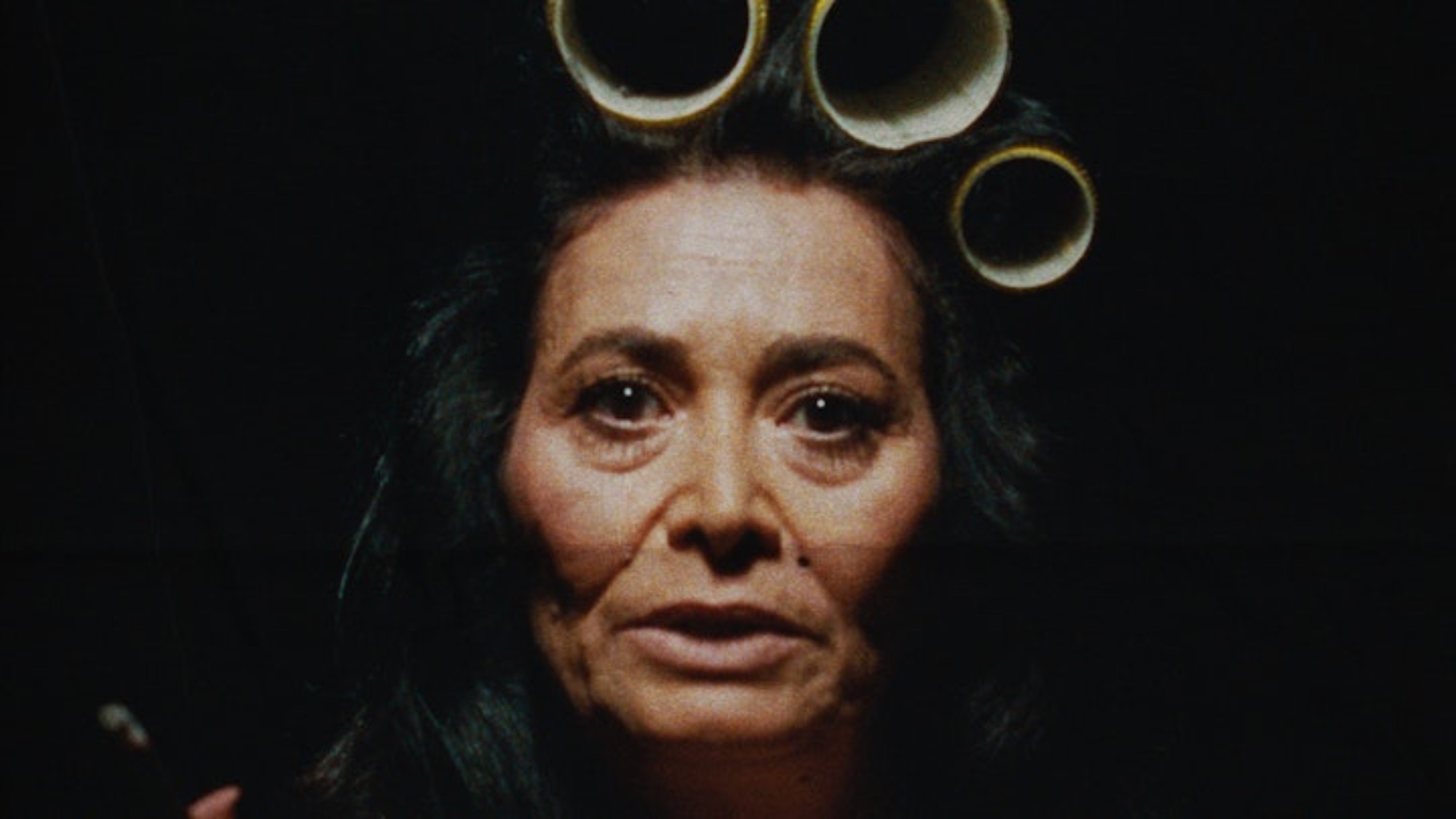
I caught Original Sin at London Film Festival last year and was thrilled to feature it on Directors Notes. I’ve had so many great conversations with Amrou. Talk me through how it started, so filmmakers can get a sense of what the process looks like with you.
For sure. This one felt very intrinsic to how we work. I actually commissioned Amrou in my previous job, when I was a journalist. They were working more on the drag side then as Glamrou, and Amrou is obviously a fantastic writer as well, so they wrote a few pieces for the magazine I worked at. Then I became aware they were moving into filmmaking — I’d seen a lot of their short films, and obviously Layla, which is fantastic. And it was Russell Tovey who said to Amrou, “Oh, you should speak to the team at WePresent, they do some commissioning.” So Amrou and I met up for a coffee, and we were talking. I explained how we work, and Amrou talked about the type of films they wanted to make, and basically said, “I’ve always wanted to explore my relationship with my mother on screen, it’s very nuanced and complex.”
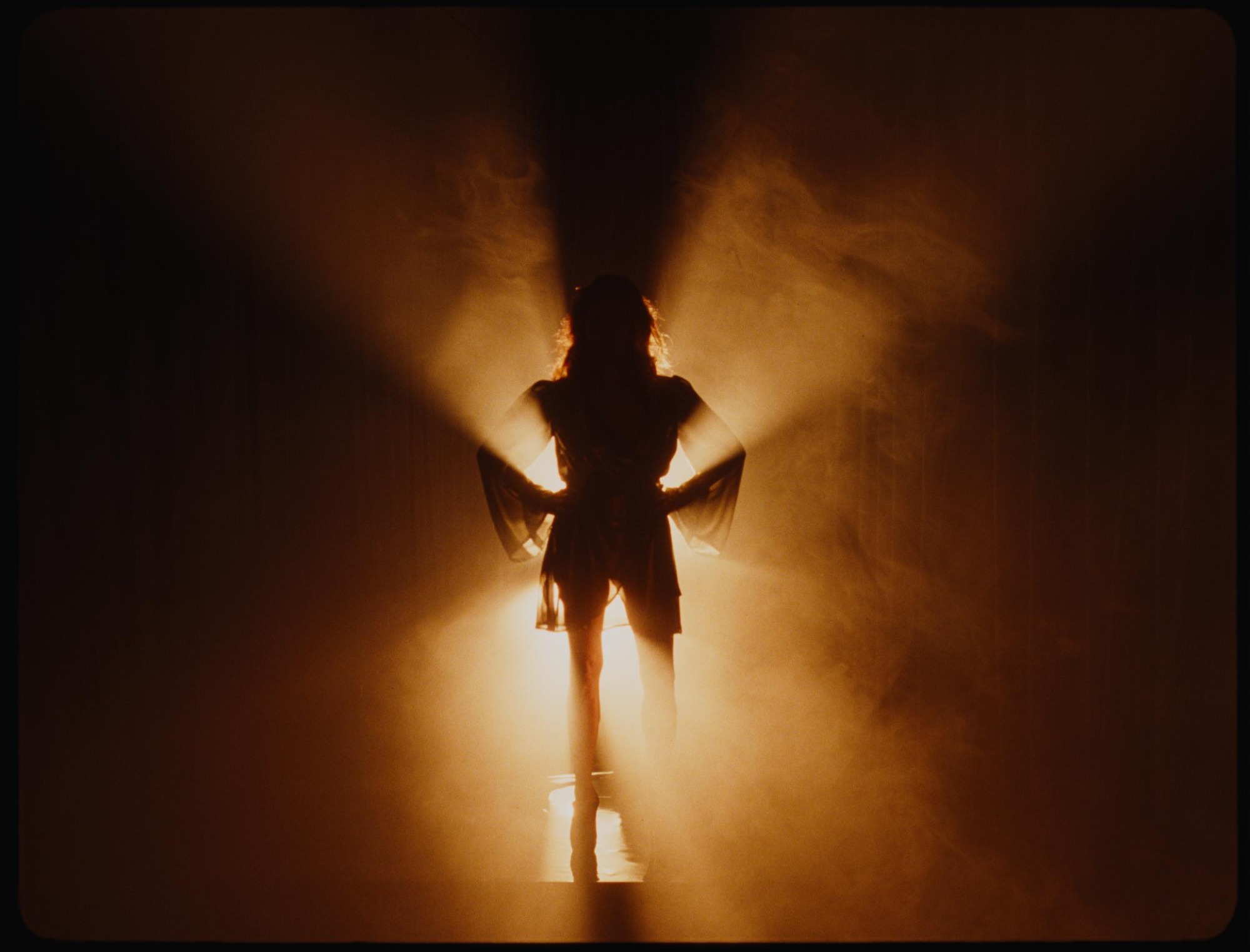
What I found so interesting is that there’s trauma there from homophobia, but in the context of Original Sin, it’s also very linked to Islam. I didn’t realise, and Amrou explained this to me, that in Islam, if the child goes to hell, so does the mother. That became the crux of the film. I thought it was a fascinating way of looking at different cultures and different approaches to drag, and obviously, Amrou’s very personal connection to it. One of the things we always try to do in commissioning is ask directors (as much as they’re comfortable with) to dig into something personal that they have lived experience of, because it creates the best work — work that can’t be told by anyone other than that person. Those have been our most successful films, because there’s such a depth of emotion. Amrou went away and wrote up a script and a pitch, and sent it over a few weeks later. I loved it – it was great, I knew it would be — and we greenlit the film and went into production.
A lot is going on in the film, it’s provocative and brave — it’s not the type of film you see all the time, but that’s what was really exciting to us, and to Amrou. For us, that sums up the type of commissioning we want to do: allowing filmmakers to be themselves and create something that hopefully hasn’t really been seen before. That’s the best way a process can work. It always starts with a conversation with the filmmaker, when there isn’t even necessarily a script or a pitch deck — it’s more, “I’ve got this idea, I don’t know about it, what do you think? Let’s talk it out,” and by the end we’re both really jazzed up!
It’s how we worked with Aneil Karia as well, on the short film Vote Gavin Lyle, which started in a similar way. We work with directors from essentially the inception stage. It’s rare that someone sends me a finished script and deck and says, “I’m ready to go.” We try to be involved in the discussion points as much as necessary, although some directors are complete geniuses, like Amrou and Aneil, and know exactly what they want to do and go off and make it. We often have those discussions early because, as much as it’s about the film, it’s also about the world the film’s being released into. We talk about campaigning, about whether there are ways an audience will relate to it better, about how it’s going to be seen — is this a festival film? A community film? What does the press and social launch look like? It’s thinking about the film and the world-building around it, which is really exciting.

That’s exactly why I wanted to use this as an example — it speaks to the heart of what you’re doing. Amrou has described it as a protest film and talked about wanting to critique white liberals. Giving artists that freedom is what we need; people are intelligent, and they can sense it. So with a film that might put some people’s backs up, what do you have to take into account — how it sits at scale, the promotion, all of it?
I suppose it started with The Long Goodbye. That was made in 2019, and it was Riz and Aneil’s personal feelings about hate crimes rising, particularly in Muslim communities, post-Brexit. Essentially, it was about Britain being racist — and that’s not the type of thing you’d always see from a brand. Some people saw it and went, “Oh, it’s a bit risky, a bit violent, someone gets shot.” But for us, that was the pivotal moment where we went, “No, this is the type of commissioner we want to be. These are the stories we want to tell. They’re important.” I did think to myself, “Well, if I get fired for this, at least a really great piece of work exists in the world.” Thankfully, the company agreed it was necessary and important, and it went the other way — once there was an Oscar involved, people shut up a bit!
That’s when we get excited about filmmaking — when we see something that can poke under the skin of what people think and start interesting conversations and debates. That’s when you know you’re making interesting work.
We’re a small team, it’s very obvious where our politics lie from the work we do. We’re all of the opinion that while we’re in a privileged position to commission filmmakers, looking at the state of the world, we want to make work that feels — as much as it can, from our small place — important and necessary, that can perhaps change conversations or people’s points of view. Whatever side of the political spectrum you sit on, we’re all guilty of being in our own echo chambers, and film and art are a great way to change your perception — not necessarily swing you from one side to the other, but make you look at things differently, or empathise with people in a different way. With Amrou saying this is a film critiquing white liberals — it is. Because people love to say, “Oh yes, I’m on this side, I support everything.” But do you actually? How much of an ally are you really? Is this going to make you uncomfortable? We found that a bit. When the film was going through the festival run, people were privately texting, going, “Oh my god, this is amazing, it’s the best thing I’ve ever seen — but we can’t show it.” So, you’re completely standing on the point Amrou made about the film then. If this work is incredible and amazing — which we agree it is — it should be seen. So that’s part of the conversation for us, too.
Some people won’t get it. Original Sin, in parts, is very funny — a lot of people don’t see that because they’re scared to talk about it. I understand it; no one wants to say the wrong thing and be called out or cancelled. But great art should start conversations and provoke reaction and emotion. Original Sin does that. That’s when we get excited about filmmaking — when we see something that can poke under the skin of what people think and start interesting conversations and debates. That’s when you know you’re making interesting work.
I sit as a programmer too for DN and beyond, so the festival struggle didn’t surprise me. It’s something Amrou and I spoke about a lot — it’s so frustrating. Festivals often play the same block of films that appeal to the same people, and that tightens the noose so quickly around where work can go.
I think so. One of the things Amrou and I talked about a lot with Original Sin which I thought was such an interesting point — and another reason I wanted to commission it — is that minority filmmakers are often peddled the same narratives, ones that feel acceptable to people outside those minorities, because they can give themselves a pat on the back and go, “We’ve told this story, good for us.” Whereas Amrou said no, they wanted characters to be monsters and to show that Arab people can have the exact same emotional responses as everyone else, and they can be horrible. And that’s fine, because we’re all people. I think that’s such a great way of looking at Original Sin, and film generally. If we want to create stories that are equal but also diverse and representative, people need to be able to express the exact same emotions and be given the space to do so, which Original Sin did brilliantly.


On the production side, Original Sin was ambitious: partly shot on 35mm, with the incredible production design of those built sets. What does your support look like behind the scenes?
Usually, we start working with the director, who’ll have their preferred production company or producer they want to bring on, which is fine — we’ve worked with everyone across the board. We have a discussion with them, the less-fun money conversation, but we really try to give the film what it needs. With Original Sin we didn’t originally have the budget to shoot on 35mm. But after speaking with Amrou, who made such a case for how the cinematography is another character in the film — giving it that sumptuous 35mm feel really added to the narrative and the characters — we completely agreed. So we did some creative accounting to free up some money.
No sugarcoating it, money is a big thing. We’re lucky. We don’t have millions and millions of pounds, but we have budgets to support these short films fully, so we covered the production budget. Amrou already had a really great team in place. But with other directors, especially more first-time directors, we’re happy to help with casting or set them up with a production designer. We always hire a behind-the-scenes photographer who understands the nuance of the film. We’ve designed the movie posters for some films if the director doesn’t have a preferred person. We’ve found musicians to do the score. We’re there as much as possible and needed.
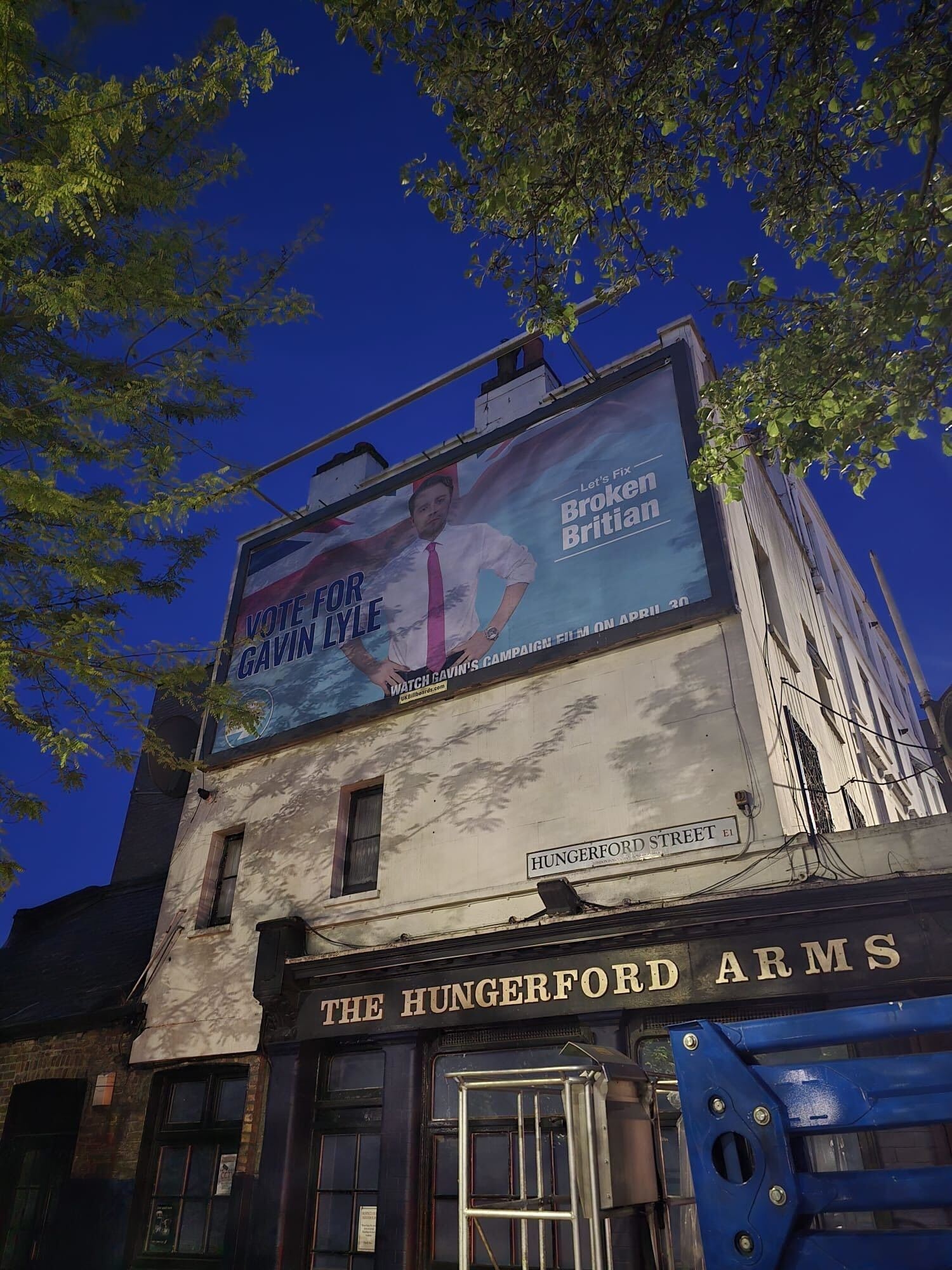
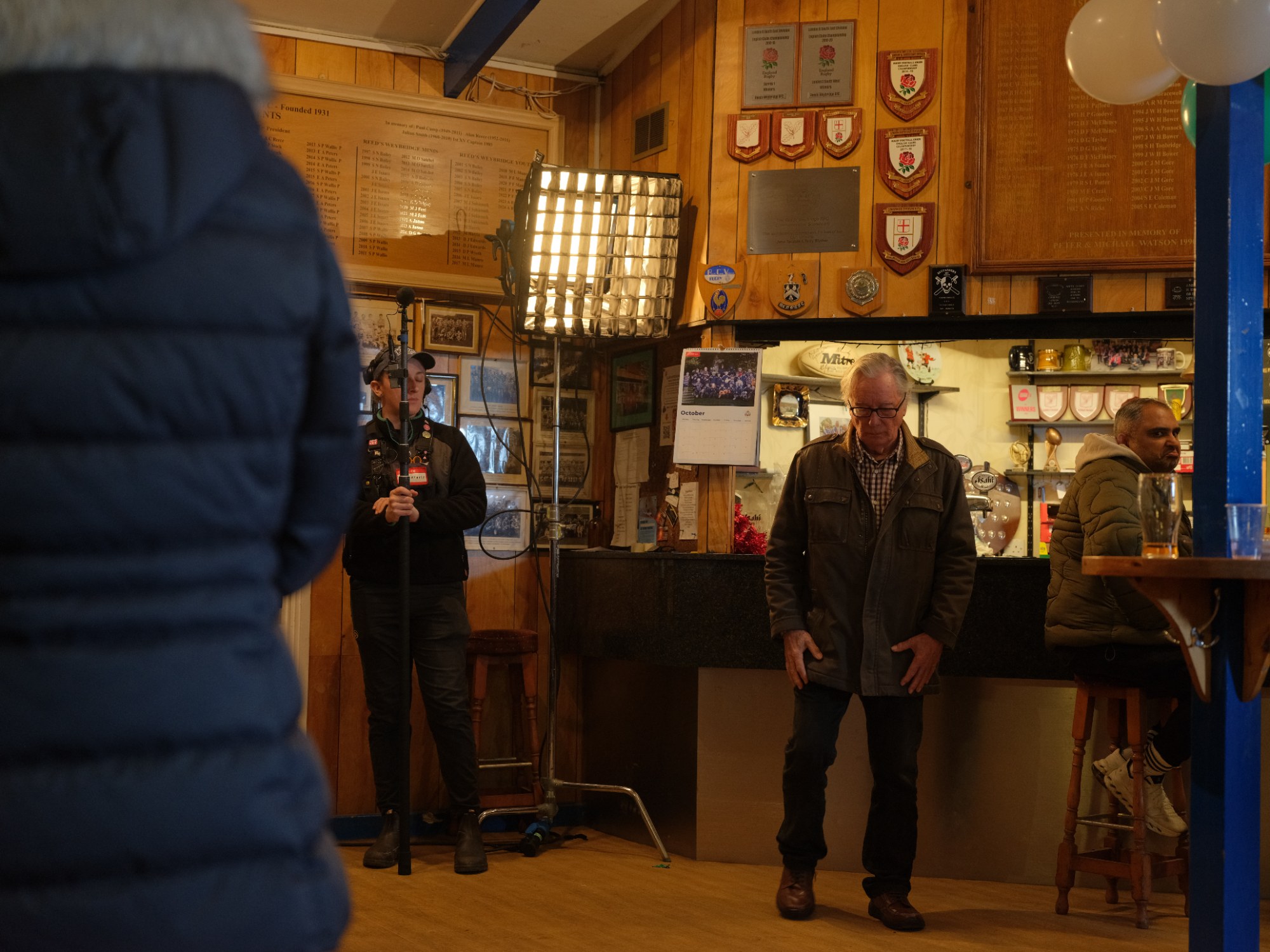
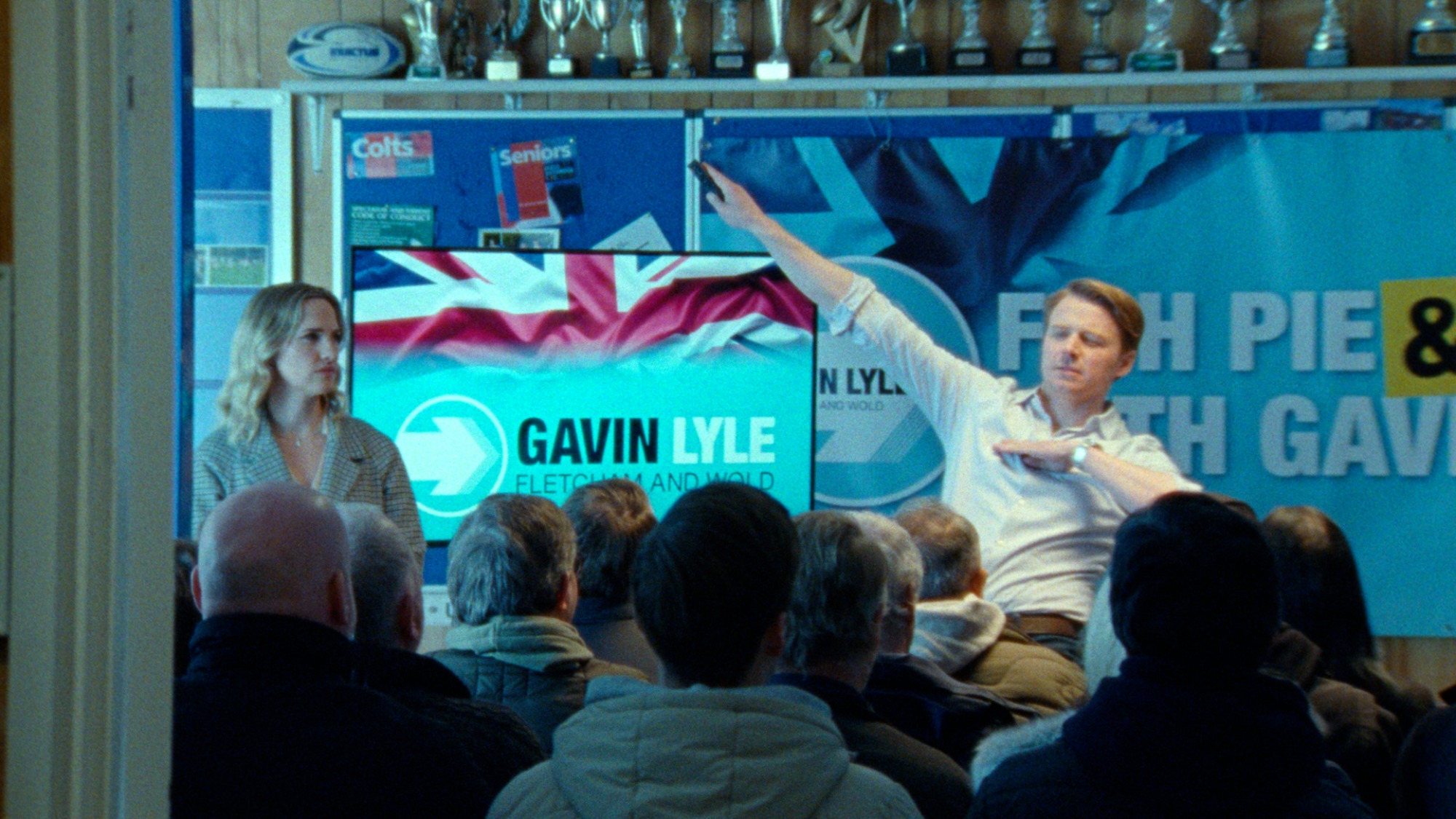
A film came out the other day where the song hadn’t been licensed, and we quickly got in touch with people we know at the record label and turned it around quite quickly. We work on the campaign — with Vote Gavin Lyle, which recently came out, we did a mock billboard campaign around London. That was our producer Alex, making sure the posters aligned with the ASA guidelines, which was all a bit dodgy, so we were tweaking things to make sure everything worked. So yes, we get involved wherever the director and team need us, and we’re involved in every stage of the conversations.
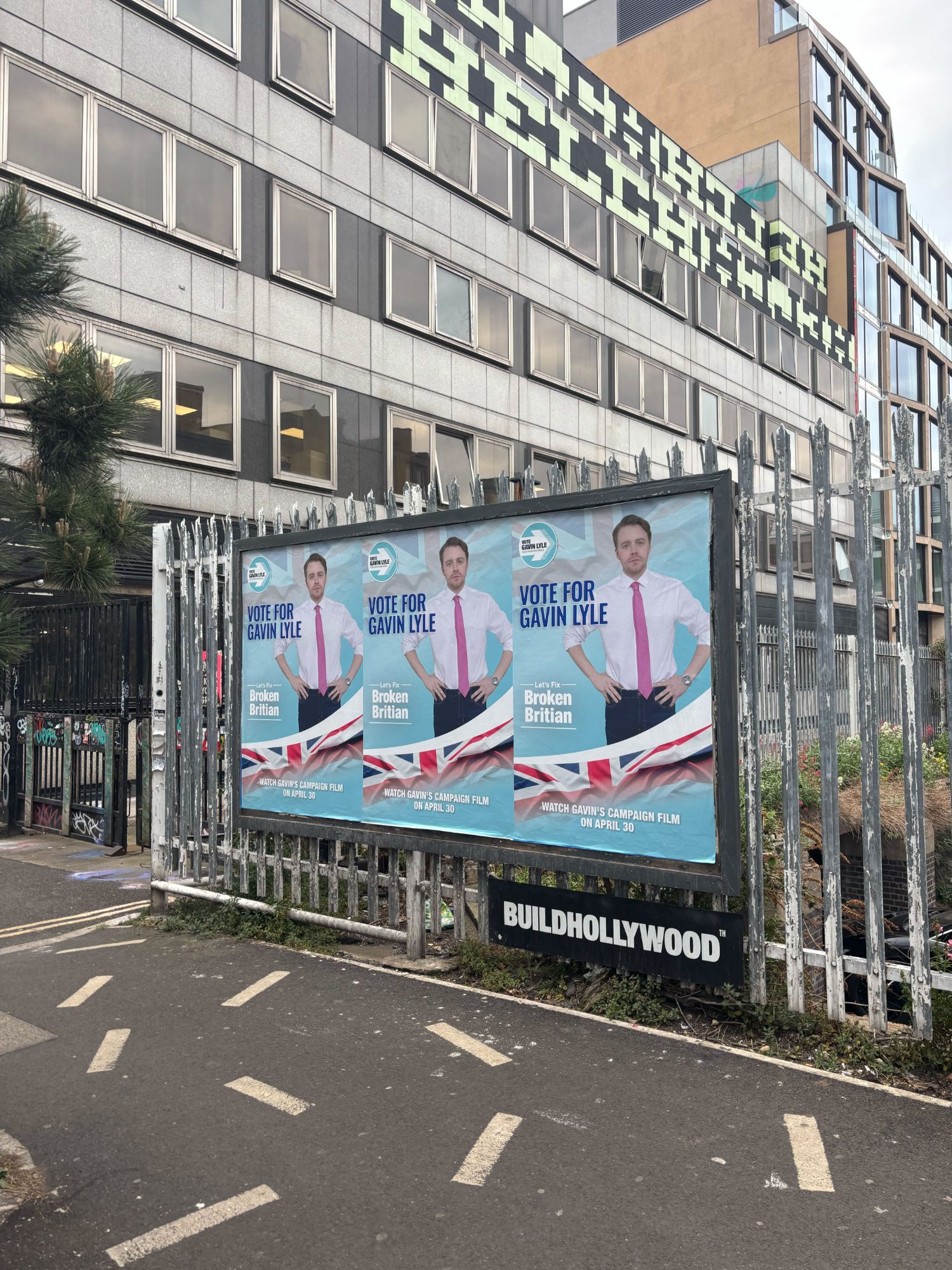
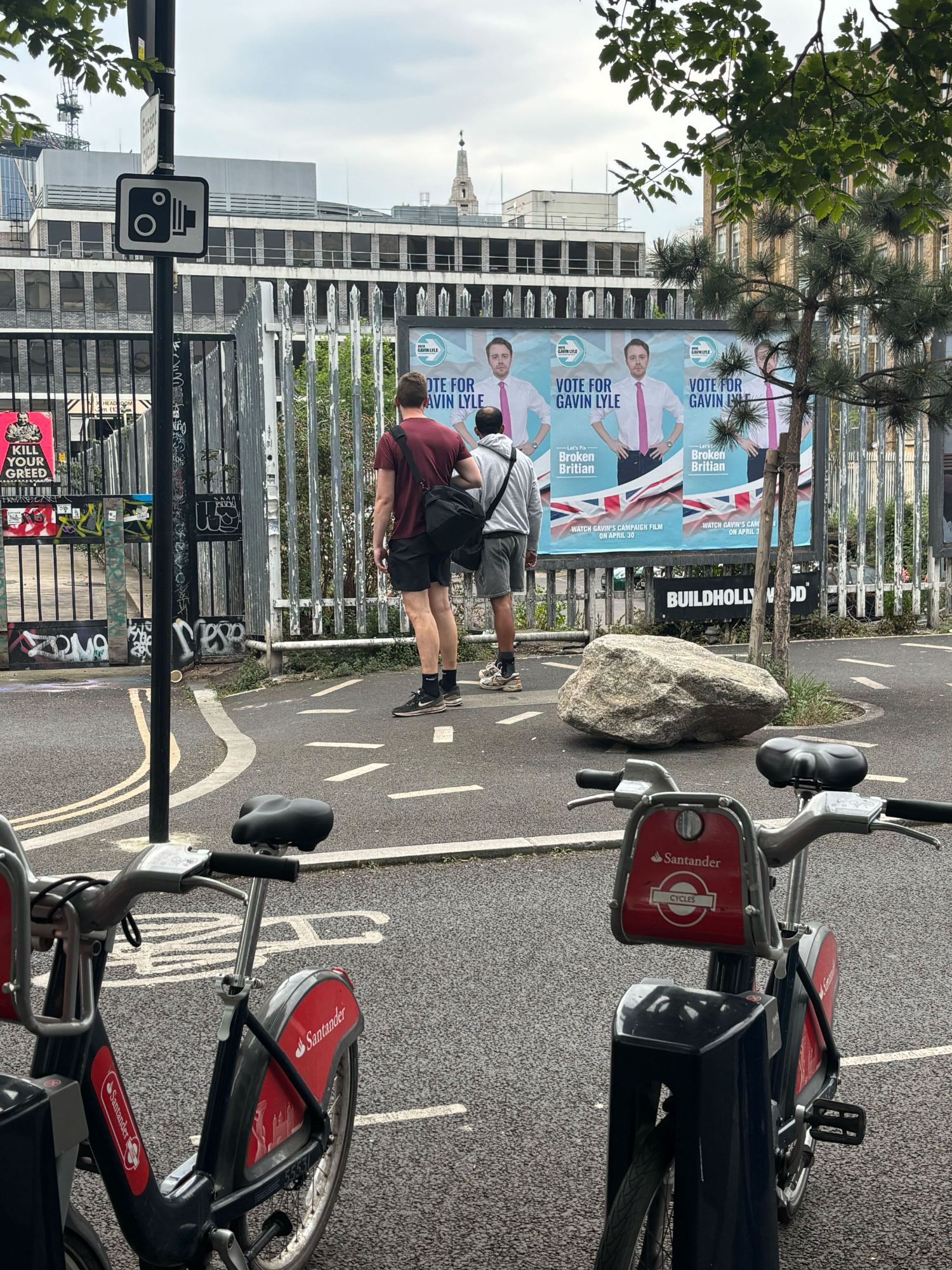
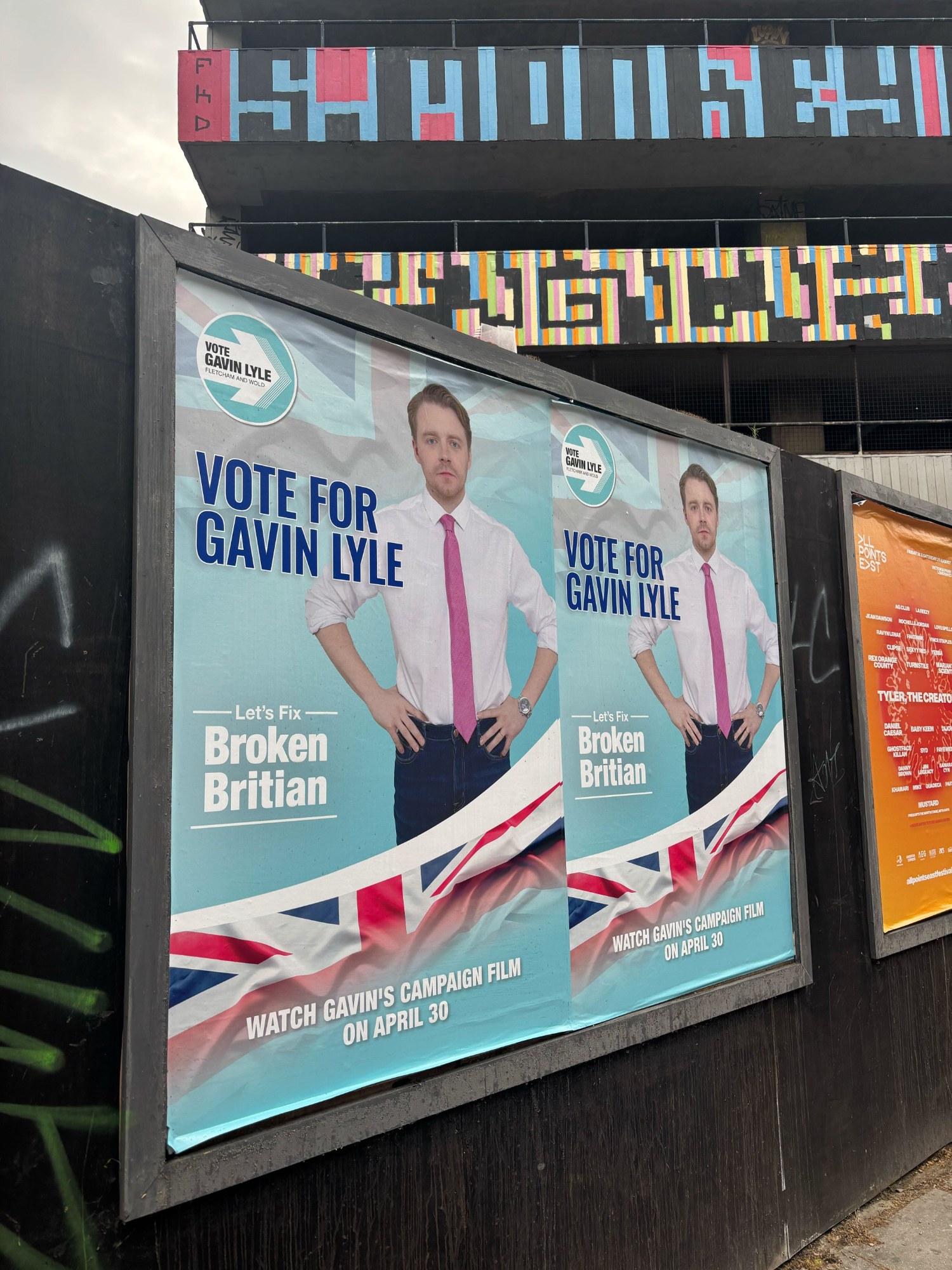
And that freedom matters, whatever the scale, the director needs creative control and someone they can trust to take control of other aspects for them. Directors can be control freaks, so that trust has to be total.
That’s really important. We have a varied slate and work with lots of first-time directors and give them their breaks but it is nice working with people a few times, because you build up that trust. You give them a ring or a text, and there’s more of a relationship, more rapport — people know you a bit better. We’ve worked with the production company Somesuch a lot over the past seven or so years, so we’re all friends now, which is lovely. The director knows we’re not trying to screw them over, that we’re not going to do anything against the integrity of their film. And we know they’re going to create something they feel really proud of, not just churn out. There’s mutual trust and mutual benefit. It’s me and Alex, our producer, on the calls — not 30 execs all with different feedback, which is an absolute nightmare for directors. So it’s a more chilled way of working, which is nice.
Let’s talk about Vote Gavin Lyle, another film you made with Aneil Karia. As soon as I watched it, I pinged it out to everyone I know, going, “Watch it, watch it!” It’s come out at the worst possible time for the country and, in a strange way, the best possible time for the film — its subject is exactly where Britain is right now. I know that’s an odd thing to say. I’d love to know about the challenges, and how you’ve approached it — because it’s a piece you’re putting everything behind, and it says so much about WePresent’s commissioning
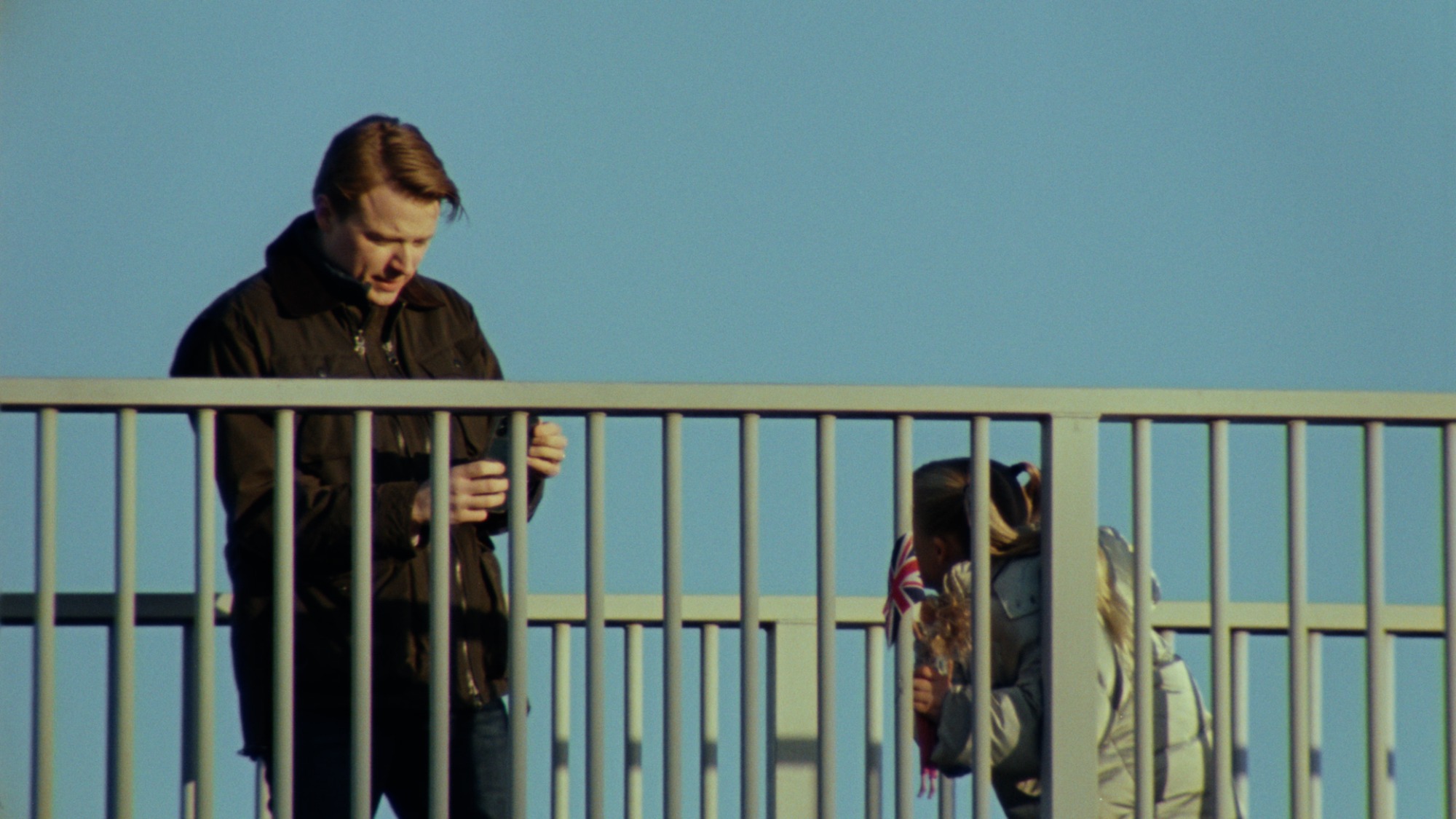
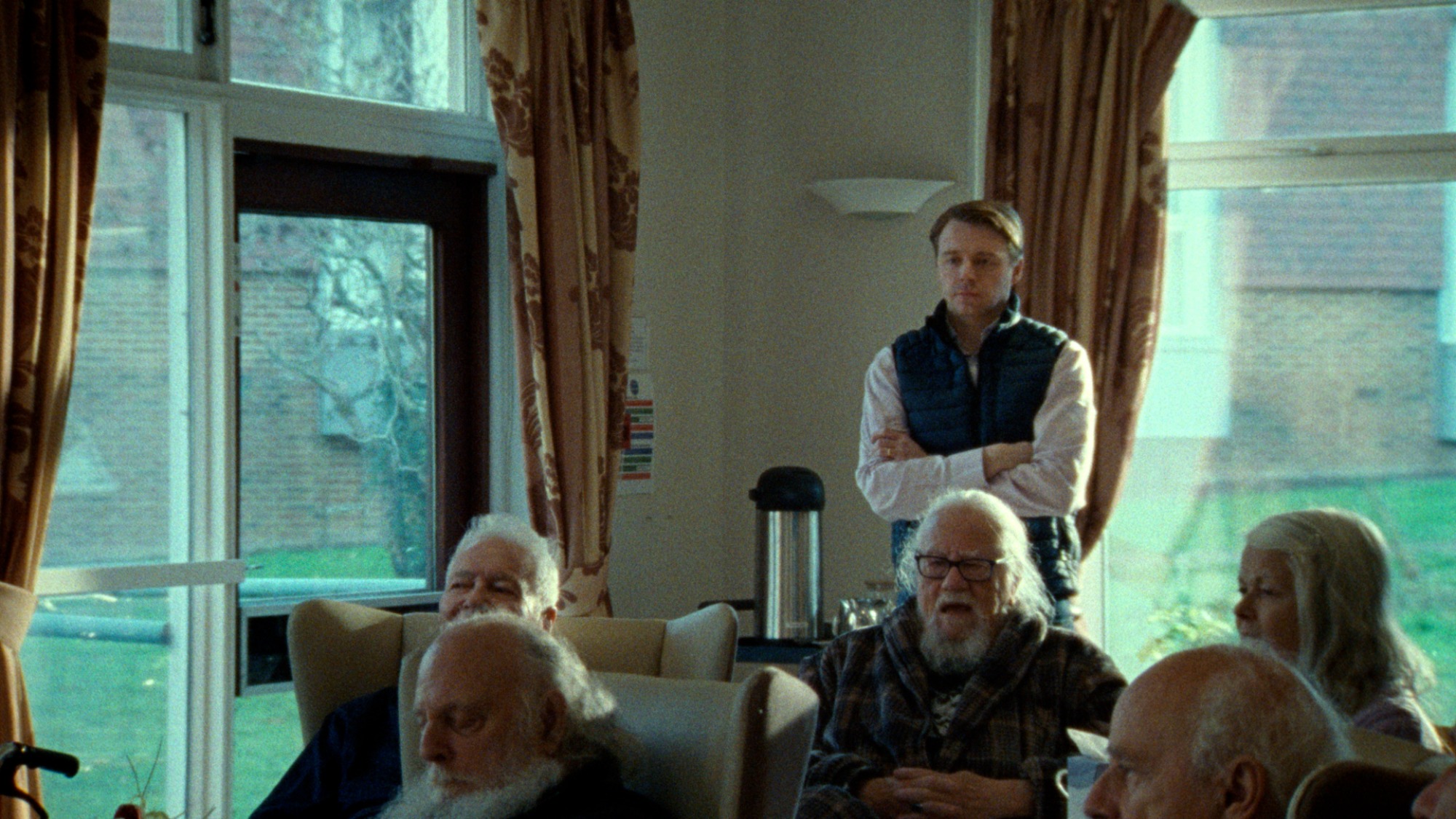
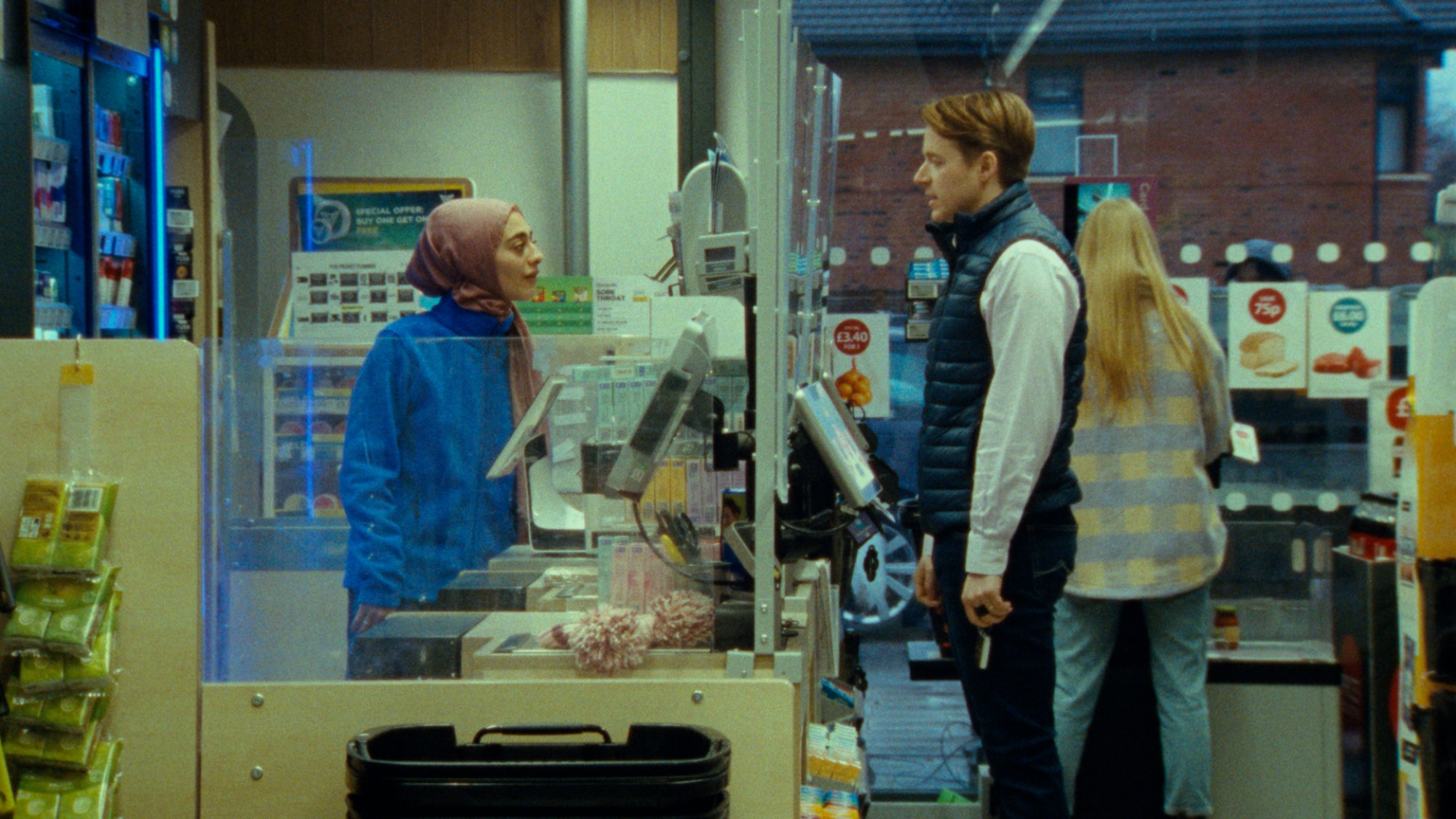
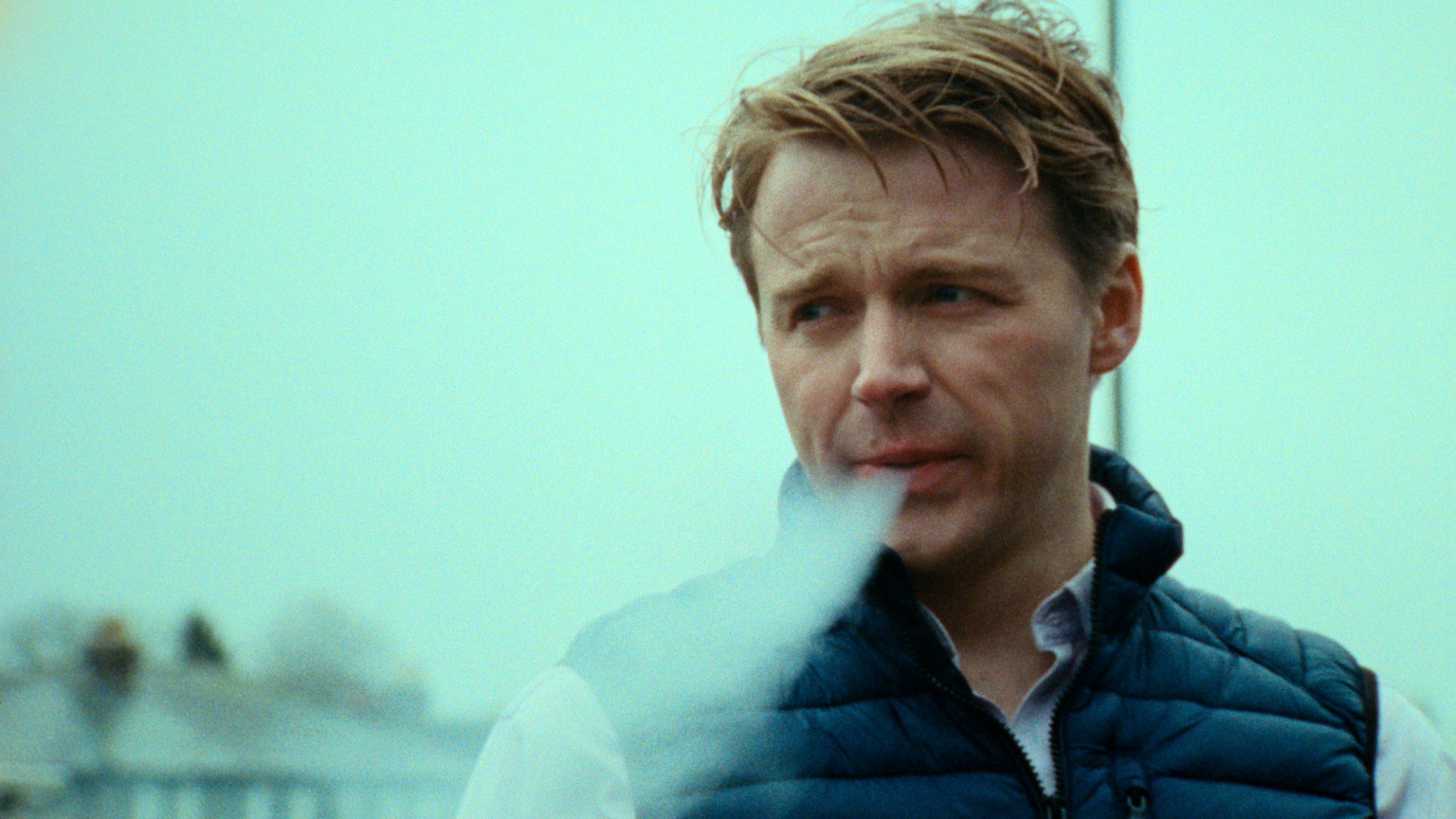
I agree, it’s a weird one to talk about, because it’s objectively a brilliant film and it’s so funny — there are so many beats that are hilarious but also based in awfulness, because the bedrock of the film is that Britain is becoming an increasingly racist and fractured country with a massive far right, and that’s not good for anybody. But the way Aneil approached it is really genius. He’s so humble, but he’s a genius director and writer, and so specific about everything. That came across in Vote Gavin Lyle: it’s not overt, it’s all pretty subtle — the jokes, the tone. He’s not punching down to anyone, which he didn’t want to do. It showcases the hypocrisy of the men, often in charge of these parties, who are doing it for self-interest and power and don’t care about the narrative they’re peddling or the community. There’s a line where Gavin says to his wife, “Oh, shut up, Amy — it’s all about creating a narrative, don’t you realise that?” That speaks to the heart of the issue. So many people are being hoodwinked by people like this, because of fear, because of not understanding the systemic issues, the governments, the structures, the white supremacy keeping these things in place. Getting all of that into a 15-minute film that’s also funny, that’s also watchable, and that people respond to is an incredible feat. Aneil put it well: he said Jack Lowden was worryingly good in this role.
As I was saying earlier, we want to be brave with the work we do, for however long we’re able to do this. The response has been incredible because people do understand it. If you look at the YouTube comments, some people are absolutely outraged.
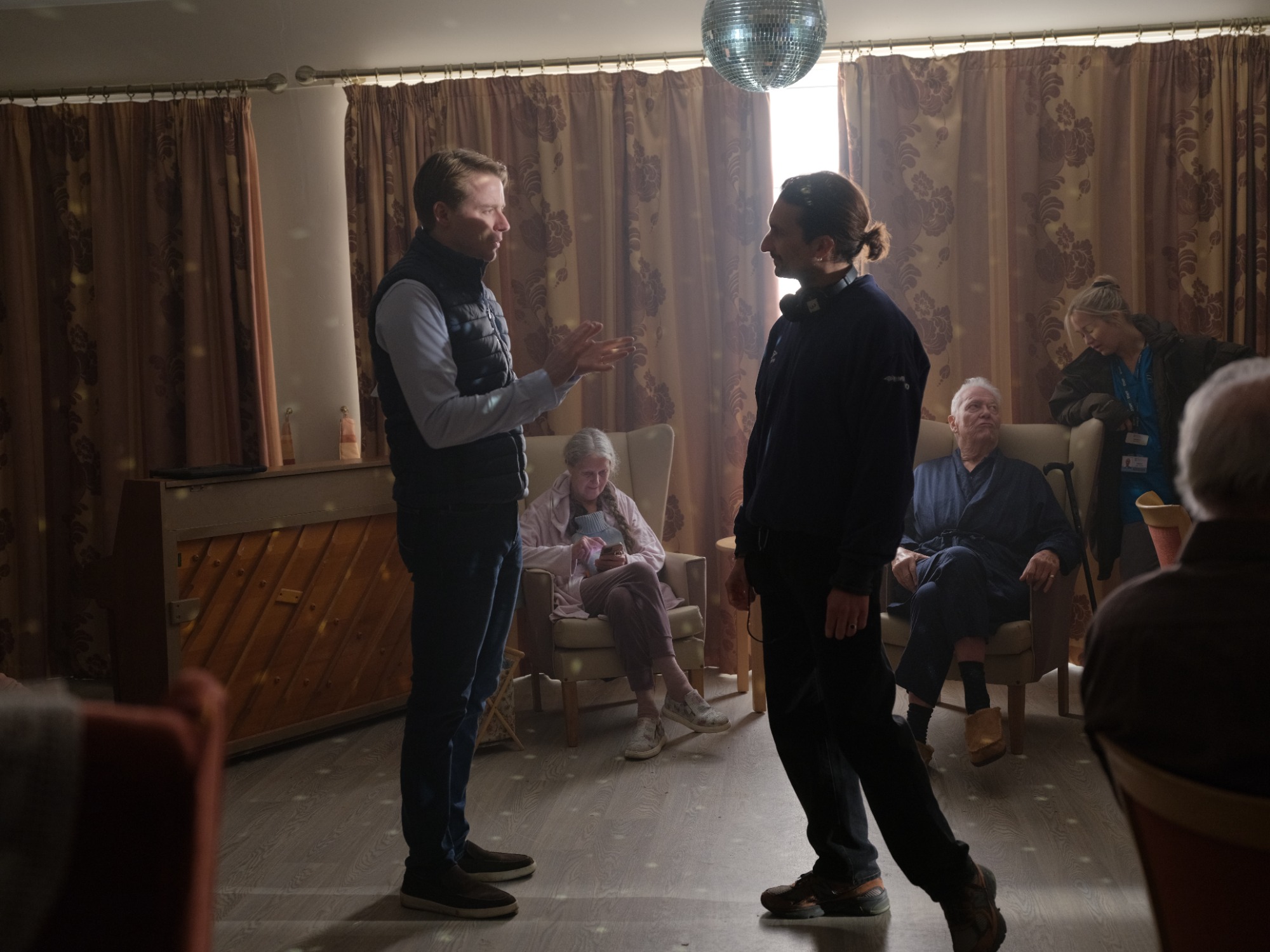
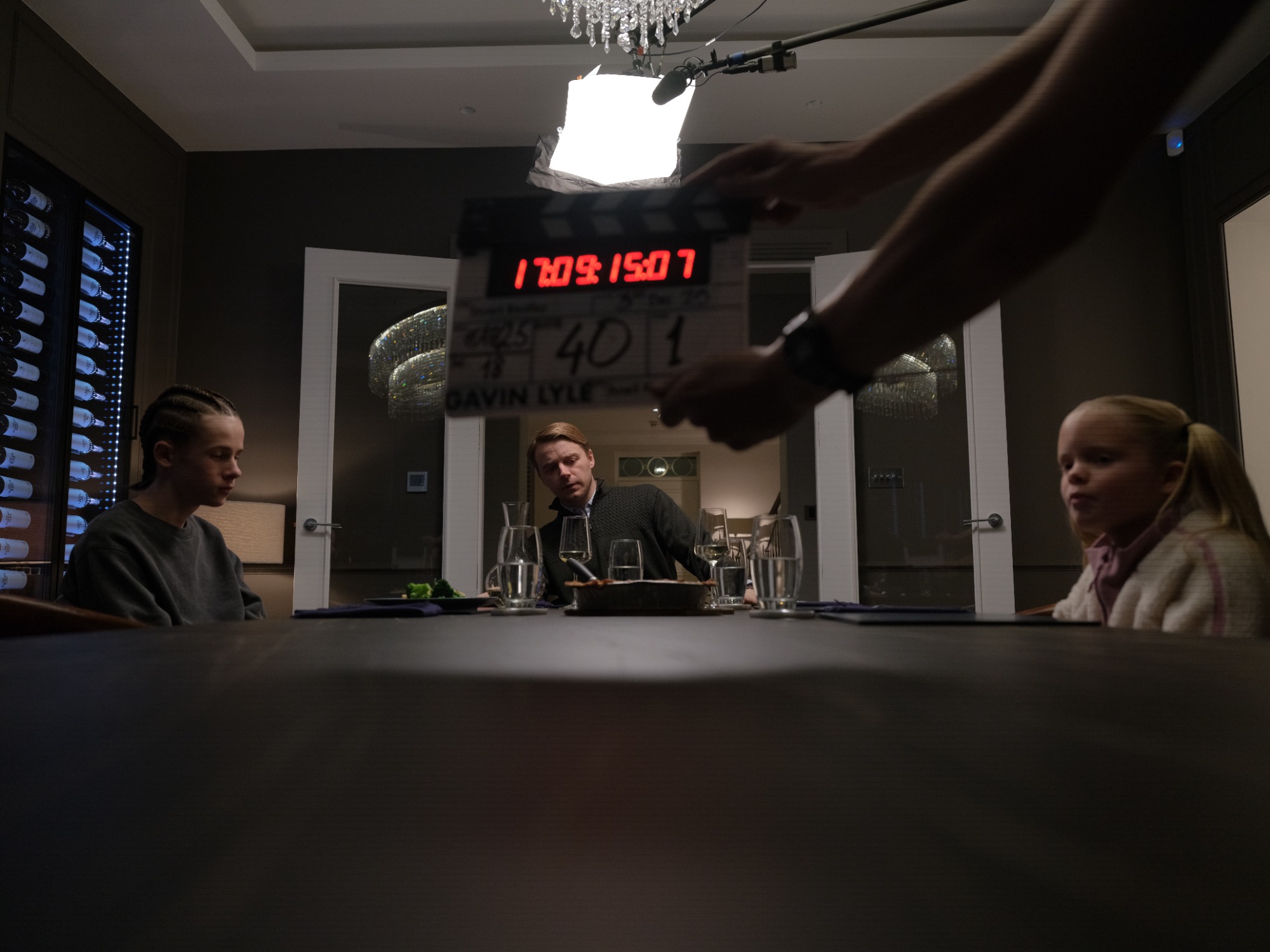
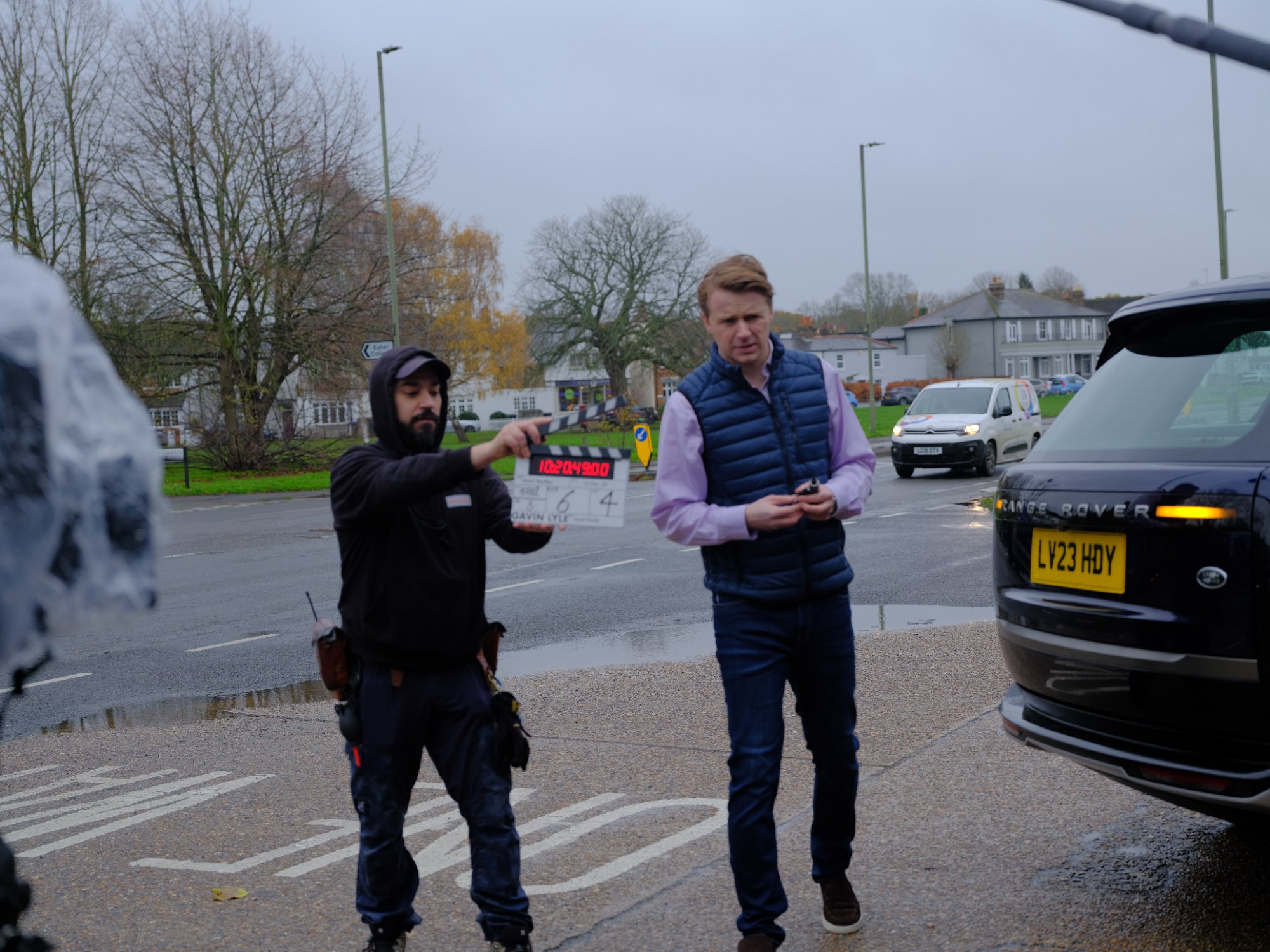
I have a big love for reading YouTube comments, and I knew these would be brilliant.
One of my favourites was something about WeTransfer, similar to “I don’t know why they’re choosing to die on this hill of creating propaganda films for the liberal government, we’ll never use their file-sharing service again.” I was like, fine, good riddance — off you go to Dropbox, we don’t care. And to give WeTransfer some props as a company: we’ve always been allowed to create art that provokes a reaction and speaks to what’s happening in our times and is braver. If some people don’t like it, whatever. With Vote Gavin Lyle, speaking with Aneil and Scott O’Donnell at Somesuch, we chose not to go down the festival route to start, because the local elections were happening.
We chose to release it right before the local elections because we wanted to provoke a reaction. We wanted people to see it. None of us were under any illusion that it would change results, but it felt like the right time for the conversation. A lot of people watched it and loved it; some watched it and were scared, going, “Should I say this is funny or not?” Similar responses to Original Sin. But it’s filmmaking that, in our small pocket of what we’re able to do, will hopefully stand the test of time, working with fantastic directors who have a real vision and aren’t afraid. So many people now, sadly and I get it, are afraid to speak up or stand up for what they believe in. In certain industries, you lose your job for protesting. As much as there’s integrity in standing up, a lot of people can’t; they have families, things they have to support. We have these conversations as a team: with our annual budget, how can we use it in the best way to create great work, start conversations, and back what we believe in? That’s really important to us. We’re not under any illusion that we’re changing the world. But in a small way that’s supporting directors and being brave with something like Vote Gavin Lyle, going, “Whatever you want to do with it, Aneil, this is your vision, and we back you.” He’s a total genius.
I think it will do festivals later, in the UK specifically, because it’ll continue to get attention. It had an explosion when it started, and it’ll be a slow burn over the next few months — people coming to it across YouTube, or from a piece in the Guardian. It was a conversation we had with Aneil and the team when deciding between festivals and releasing publicly first. Unfortunately, this isn’t a narrative that’s going to disappear in six months — it’s only going to become more potent, so the film will live on.
We want to support short filmmaking as an art form, not just as a proof of concept or a way to get to a feature. Celebrating short filmmaking as an art in itself.
I commend you for putting it out online first, because there’s a lot of fear among filmmakers we speak to about doing it in that order. They think, “My film’s online, it can’t be in a festival.” While that’s true for a few, it’s not the case for most festivals. It’s great for filmmakers to know the traditional festivals first route isn’t the only way.
I agree. The Long Goodbye was online before, and it went on to win an Oscar. There are the top-tier ones that need their world premiere. WeTransfer is used by 80 million people a month — it’s massive in pretty much every country. Whenever anything goes live on our channel, it gets a huge amount of what we call wallpapers — the background image you see — so it generates traffic just by being on the site.
But there’s such a lack of distribution for short films generally. Sundance last year got something like 12,000 entries for their short-film section; a handful get picked, and the rest fall by the wayside — some end up on YouTube, some on a showreel. We want to support short filmmaking as an art form, not just as a proof of concept or a way to get to a feature. Celebrating short filmmaking as an art in itself. Personally, I think making a great short film is harder than making a great feature, and it’s something Aneil talked about — he wanted Vote Gavin Lyle to be a short, to celebrate that art form. Putting things out online, giving them space and traction via WeTransfer and our social platforms, is just a way for great work to be seen.
When we don’t commission a film ourselves, we still premiere short films as part of our monthly curation series, WePresent Selects. That’s when we haven’t been involved in making the film, but a filmmaker would have done the festival circuit and goes, “I’ve got nowhere for this to live now.” We premiere it online, interview them about the process, and it goes out across WeTransfer. It’s a way of getting the film seen, because there’s just not enough of that for shorts. So in our own little way, we’re glad to be helpful to filmmakers there too.
When you’re working with filmmakers on a festival strategy, as I know you’re doing with Amrou, how do you approach it?
We start by asking the director the big question: what’s the dream scenario, where do you want this to go? From there it’s the practical layer — production timelines, deadlines — and then we build a wish list together, weighting it towards the Academy, BAFTA and BIFA-qualifying festivals so we can be in those conversations early. Because we’re a small team and film isn’t the only thing we do, we bring in a festival consultant, Brian Newman, who joins those discussions; we’ll sit down with the director, map out where they want the film to go, and factor in any changes to festival rules. Then it all goes into one big spreadsheet — every festival, every deadline, every submission status. The production company usually handles the submissions themselves, since they hold the bios and headshots, and we cover the costs. The process can take months, so we stay flexible on when the film goes live, led by the festival run.
We’re also, unusually, a company that doesn’t take the rights to any of the films — those stay with the directors. So if a streamer or TV network wants to acquire and host the film during its run, they can, provided we keep our credits. For us, it was never about the money; it’s about brand awareness and aligning with our audience. The market for shorts is small, so it doesn’t happen often, but the option’s there. Once we know the trajectory — where it’s going to screen — we work with the director on an activation: it might be as simple as an industry dinner for the cast and crew, a billboard campaign like the one for Vote Gavin Lyle‘, or a small run of merch tied to the film. Little things that help it stand out in a crowded marketplace. And then, honestly, it’s a hope and a prayer that people like it.
Importantly, how do people find you? Do filmmakers reach out, or do you find the work?
It’s about 50/50. People are semi-confused about WePresent. Once they get it, they get it, and they quite often love it. But some are still like, “Oh yeah, it’s that weird thing WeTransfer does.” We probably need to do a better job of saying, “This is exactly what we do”, but we’re all a bit humble. But the more we got known within the industry, the more people started pitching and reaching out. Quite often it’s a referral — with Amrou, that was the case, referred by Russell. An artist will say to a friend, “You should speak to these guys. I worked with them, they were great. Send some ideas.”
But we’re also always looking — we send out cold emails occasionally, we go to a lot of film festivals, watch all the shorts — watch everything — and find directors who could be great to work with, make big lists. As a whole team, we have monthly curation meetings where everyone brings ideas, not just film but across the board. We’ve had them since we started, and it’s a great way of looking outside yourself. In the beginning, we had quite strict rules — you couldn’t bring white men, you had to bring people from different countries we hadn’t featured before. Now we’ve featured people from about 130 countries, so it’s broader: bring people who are culturally interesting, doing interesting things.
Other times we get an absolutely random but joyous email from someone we’re a mega-fan of, going, “I saw you on this thing, and I’d love to chat.” So it’s all ends of the spectrum, but we’re always looking. We’re constantly curious — we’re not just behind a laptop 24/7, which is nice. We’re out, looking, meeting people, loads of chats. In film specifically, we get a lot more pitches than we can make. The worst part of the job is having a great film and going, “Oh, we can’t afford it, I’m really sorry.” But we keep those relationships going — “If not this time, stay in touch, we’ll start commissioning again, keep talking to us” — so there’s a constant flow of conversations, which is really nice. There are so many amazing ideas floating around; it’s very heartening to be part of that.
A key thing for us has always been building relationships. WeTransfer as a brand, and WePresent as the arts platform — I think because none of us come from marketing backgrounds — there was a terrible time when we had to start learning all this marketing jargon, and I had no idea what any of these acronyms meant. So it’s always been more about being on a level with the artists and creatives we work with. We have more in common that way, and we naturally become friends with a lot of people we work with, which is lovely. There’s a level of trust that develops over time. We’ve been doing this for nearly a decade, quietly, and over time, we’ve garnered a lot of trust, which has been really nice. It’s a lucky way of working, but it’s been a long time fostering it.
I don’t think anyone a few years ago would have wanted to watch a short political film from a file-sharing company.
If there’s one thing you’d want people to take away from the WePresent commissioning film side of things, what is it?
Good question. I’d say: constantly stay curious. Constantly look outside yourself for ideas, inspiration, people, and thoughts you might not otherwise know. And specifically from a WePresent commissioning side — look for artwork in unexpected places. I don’t think anyone a few years ago would have wanted to watch a short political film from a file-sharing company. But given the landscape we’re in, given how fragmented and fractured the state of the world is, the state of the entertainment industry, the state of art — good work is coming from unexpected places. So keep your eyes out, stay curious, keep looking for it and stay inspired. As we said earlier, I’m not a fan of the conversations saying creativity is dead and we’re all going to lose our jobs to robots. Creativity is the core tenet of being human, and the more we can celebrate that, the better.