
These festival round-ups have become a key part of our editorial on Directors Notes. They give us a chance not only to build strong relationships with some of the industry’s most important festivals, but also to spotlight emerging filmmakers who feel destined for exciting careers. This year we’ve already looked at the event that truly kicks off festival season, Sundance, as well as the world’s largest short film festival, Clermont-Ferrand International Short Film Festival. Now our focus shifts to SXSW in Austin, Texas, where filmmakers from around the globe will gather from March 12–18.
Last year, this article gave us the chance to champion some genuinely outstanding shorts – films that went on to win awards at SXSW and beyond, including The Singers, which is still in contention for the Best Live Action Short Film Oscar this coming Sunday. But the goal wasn’t just to highlight a single standout film; it was about drawing attention to filmmakers we believe are worth following in the years ahead.
Once again, that’s our aim this year, as we highlight 14 filmmakers with bright futures ahead of them:
A New Inferno – Nita Blum-Reddick & Jonathan Pickett
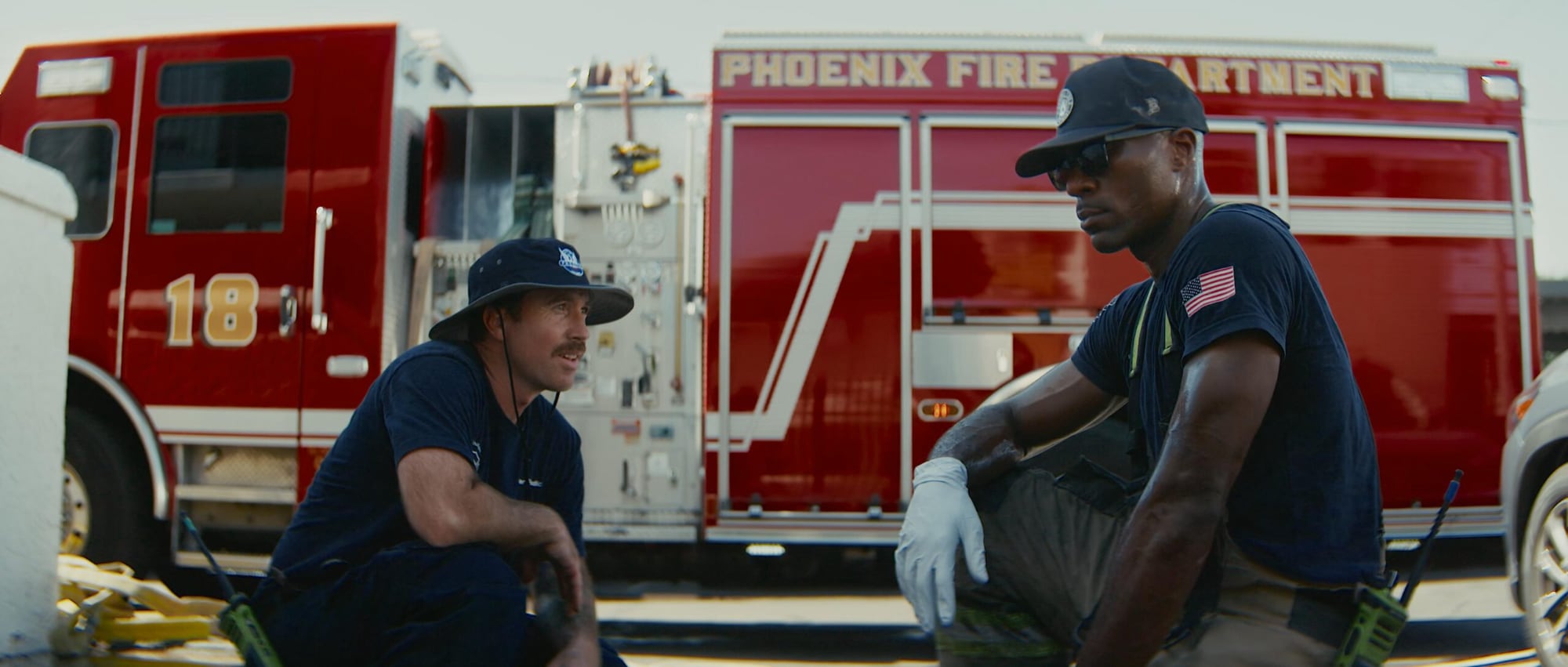
As a programmer, I’m often thinking about the responsibility that comes with curating films which engage with urgent, topical issues. I don’t necessarily have the kind of job where I feel like I’m changing the world in a big, tangible way, but occasionally it feels possible to contribute in a smaller sense – simply by helping bring certain stories to an audience. With that in mind, I’ve developed a particular appreciation for films dealing with climate change, and A New Inferno by Nita Blum-Reddick and Jonathan Pickett is one of the most striking examples I’ve encountered in quite some time. Set on the frontlines in Phoenix, the film places viewers alongside paramedics as they race across the city responding to heatstroke emergencies during an extreme summer heatwave. At first, it feels like the filmmaking approach could easily be seen as relatively conventional for a documentary, but Blum-Reddick and Pickett elevate it through pacing and structure. The film unfolds almost like a thriller, moving us from training sessions to the dispatcher centre and then out onto the streets, where the scale and urgency of the situation become increasingly palpable. What makes the short so effective is its immersive quality. By the end, the experience is so visceral that you almost feel physically affected by it – wiping sweat from your brow as the credits roll.
Best Friends with the Devil – Hugo De Sousa
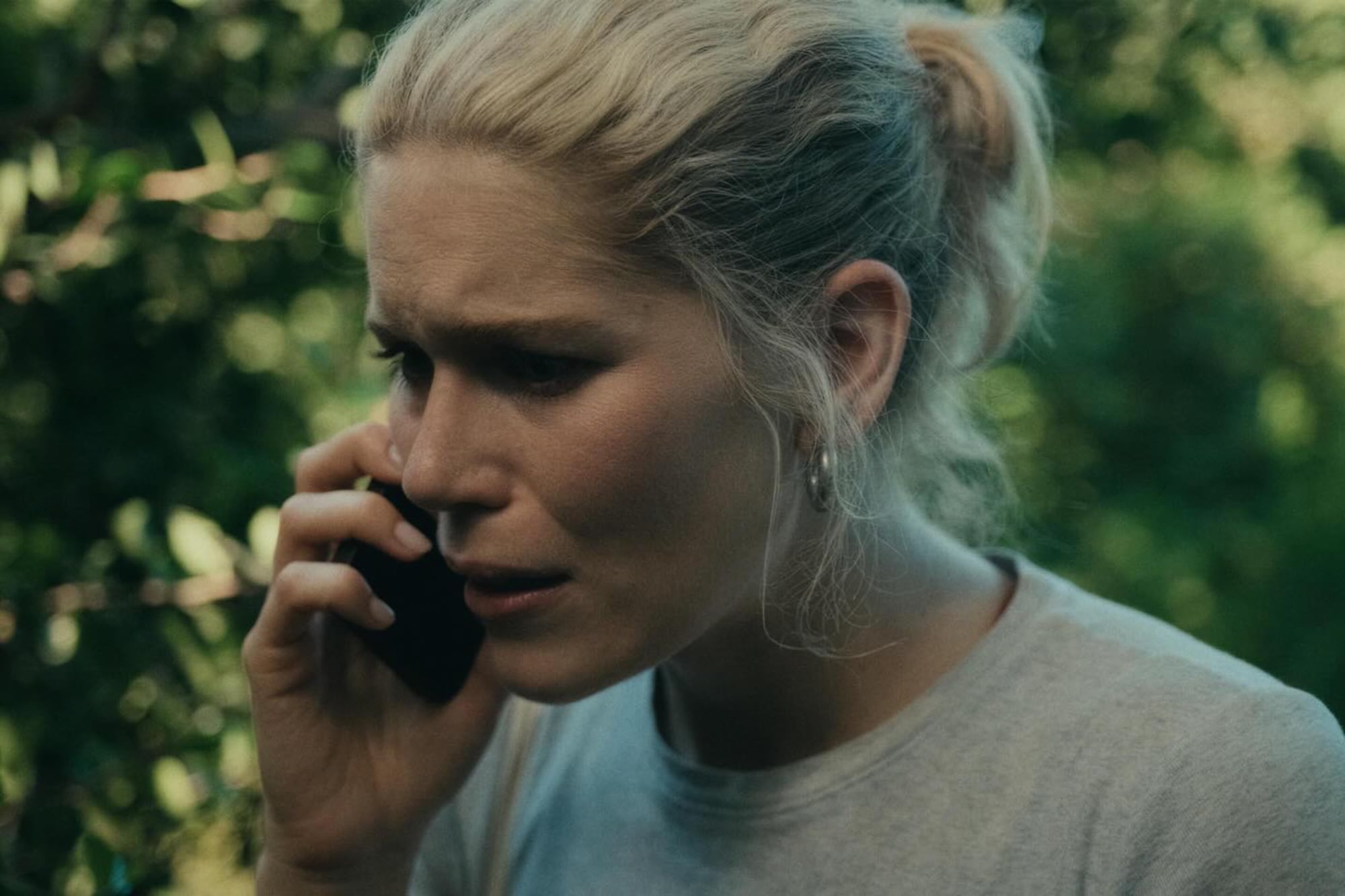
“Every short film I make is an exercise in simplicity,” Hugo De Sousa told us when we spoke with him about his previous short, Je Ne Suis Pas Une Star De Cinéma – and that philosophy is very much evident in Best Friends with the Devil. On the surface, the film is a modest two-hander about a young woman searching for her ‘missing’ friend. In practical terms, it embraces restraint, but the emotional journey it takes you on is far more complex. Straddling the line between thriller and dark comedy, the film has a rare tonal fluidity: one moment you’re genuinely on edge, the next you’re caught off guard by laughter. Best Friends with the Devil also marks the latest entry in an impressively productive run for the filmmaker – his fourth short in as many years – suggesting his commitment to pared-back, emotionally impactful storytelling is only gaining momentum. We suspect it won’t be long before we see what he does next.
Copy, Save – Alyssa Loh
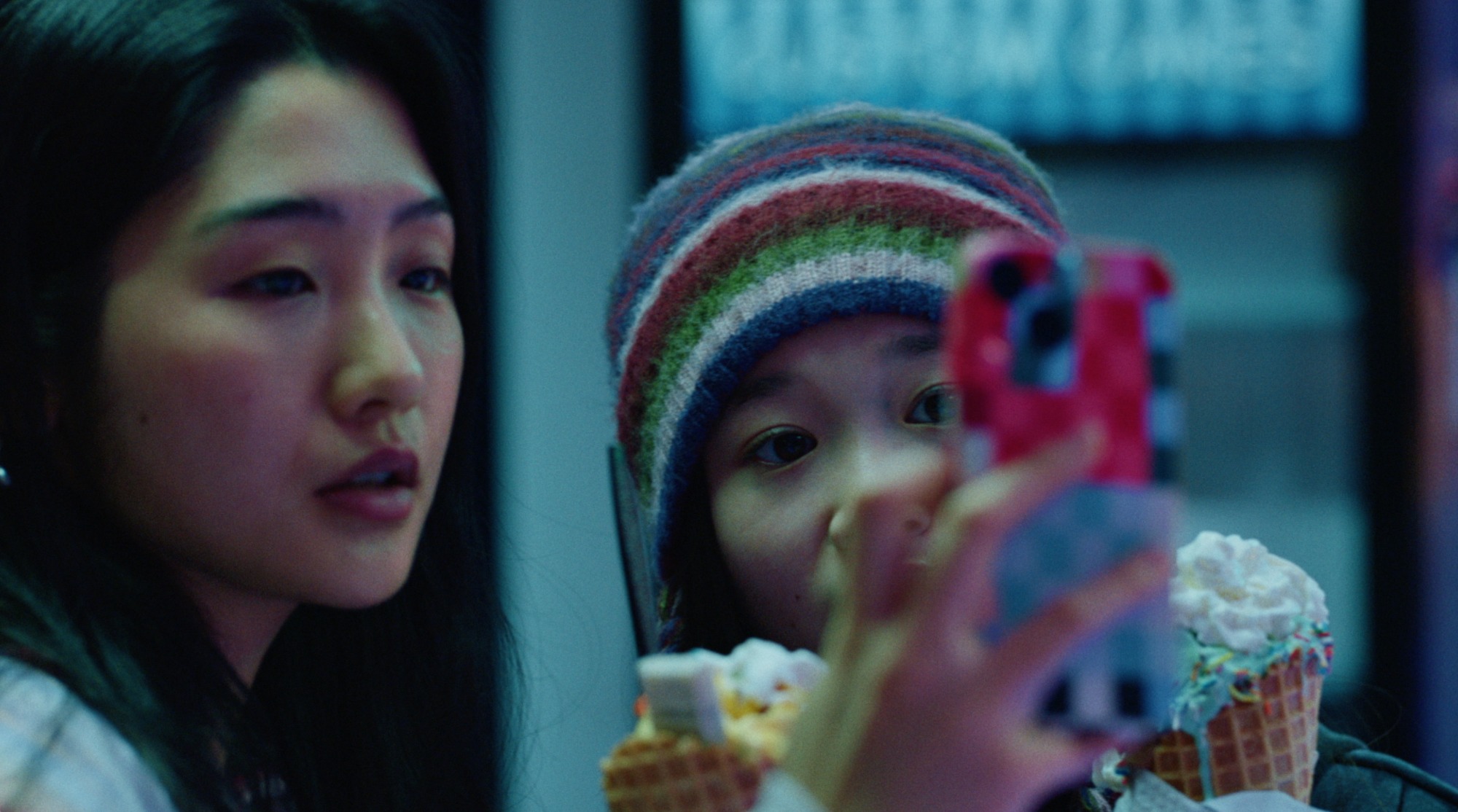
For much of its runtime, Alyssa Loh’s short Copy, Save initially plays like a fairly conventional story about two sisters – the shifting nature of their relationship and how it’s shaped by growing up online. On the surface, it’s already impressive filmmaking: the production feels assured, the performances are natural and convincing, and there’s a clear sense of control in how the story unfolds. Where the film really distinguishes itself, though, is in its final third. It’s here that Loh suddenly pushes the film into far more experimental territory. As a series of images of young white women begin morphing into one another, we hear the voice of a food podcaster while the sisters discuss how Asian women are treated online. The juxtaposition is striking, and from that moment onward, the film seems to loosen its grip on traditional narrative form. The contrast between the more conventional moments and those more surreal sequences is striking, with the film feeling like it deliberately lulls you into a sense of familiarity before confronting you with imagery and ideas that are far more thought-provoking. It’s that contrast – between the grounded and the abstract – that lingers. I’ve found it surprisingly difficult to shake Copy, Save from my thoughts since watching it, and it’s exactly the kind of short that leaves you wanting to dig deeper into how and why it was made.
Most Popular
He’s Out There – Sam Davis & Kurt Schneider
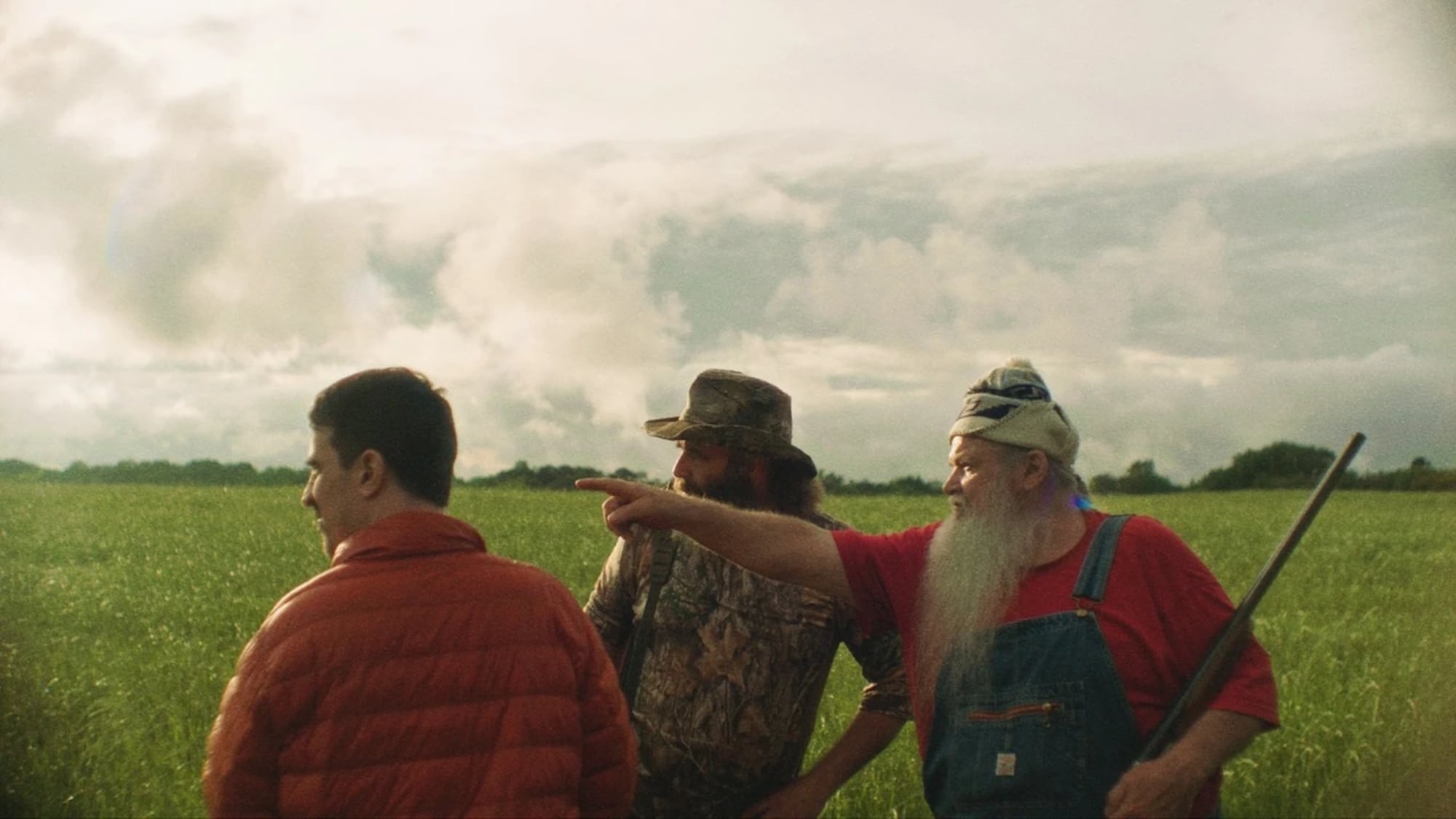
A film centred on one of America’s most enduring mythical creatures might sound like the setup for a cult horror story, but He’s Out There turns out to be something quite different. Directed by Sam Davis and Kurt Schneider (fellow DN alums [Sam] [Kurt] in their own rights), the short follows a young man with special needs and his ongoing hunt for Sasquatch. A gentle, moving, and at times magical portrait – one that ultimately feels like a quiet tribute to the dedication of parents – the film takes us deep into the woods as we begin to see just how far this long-standing fascination has developed and how it shapes the rhythms of everyday life around it. Stories about unusual or niche passions can sometimes drift into condescension, often relying on irony or comedy to make their point. What’s refreshing here is that the humour that does appear never comes at anyone’s expense. That respect subtly reframes the film: the people at its centre aren’t treated as oddities or punchlines, but as the true focus of the story. In doing so, the short shifts our attention away from the mythical creature being hunted and towards the humanity, patience, and devotion behind the search itself.
Imago – Ariel Zengotita
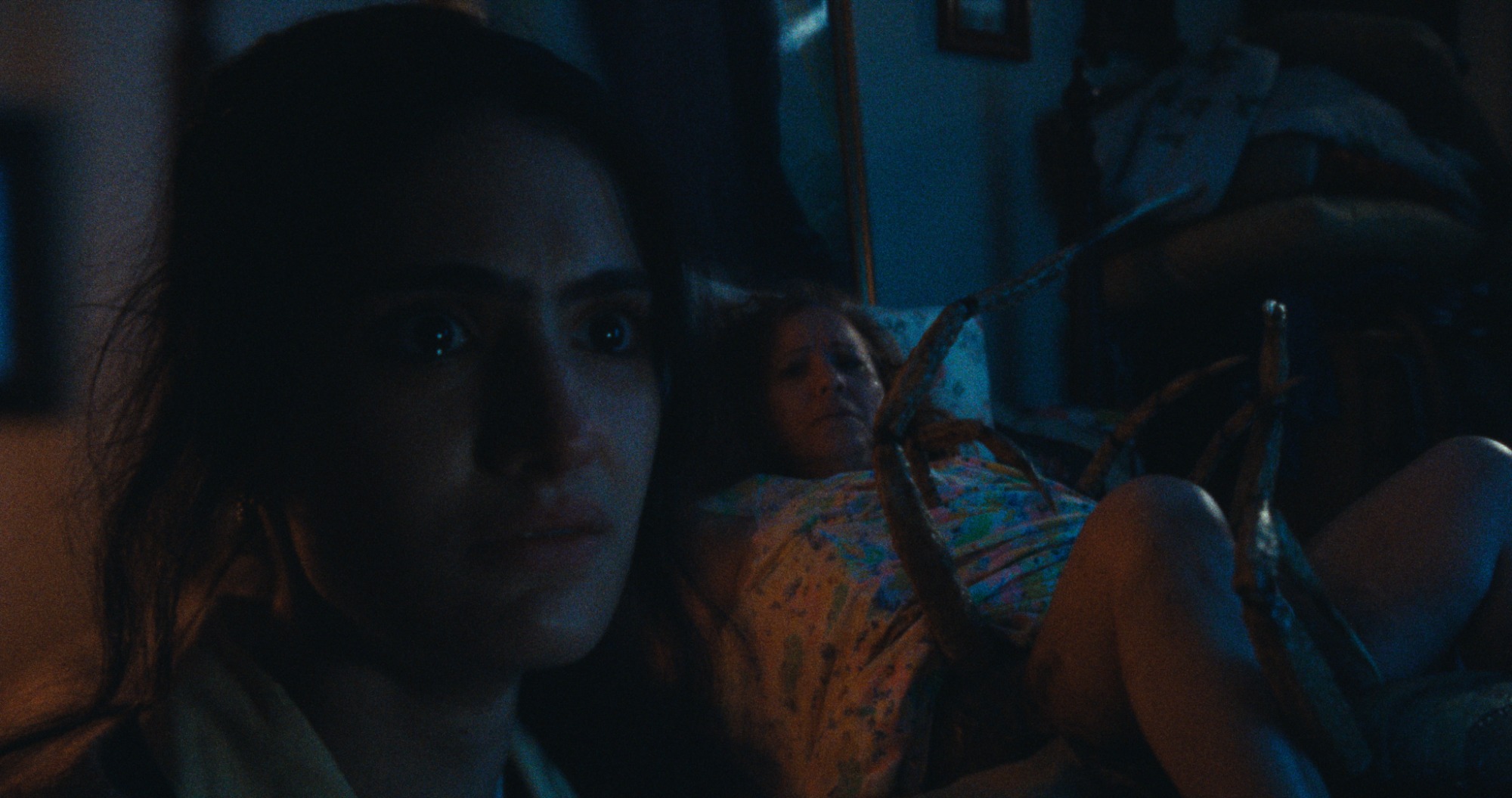
If you’re a fan of genre filmmaking, Ariel Zengotita is a name you’ll want to keep an eye on. When we spoke to him back in 2021 about Flick, we were struck by his ability to take a deceptively simple – if gleefully grotesque – premise and shape it into something thematically richer. With his latest short, Imago, he once again leans into body horror – this time through the transformation of a Mother character into a giant insect – but, as before, this surreal situation is merely the entry point. Beneath the unsettling surface, Zengotita uses the absurd framework to examine co-dependent relationships and the suffocating dynamics of parental control – themes anyone who has navigated life with an overbearing parent will relate to.
In the Beginning – Ala Nunu
A striking animation, Ala Nunu’s short In the Beginning draws on three real-life examples of humanity’s relationship with animals to examine our urge to protect ourselves by shaping – and controlling – the narratives we construct about who we are. It’s an ambitious piece of storytelling, with its separate threads ultimately unified through thoughtful visual design and a carefully curated colour palette that makes each frame feel rich with meaning and worthy of closer attention.
I Saw You in the Flood – Kevin Xian Ming Yu
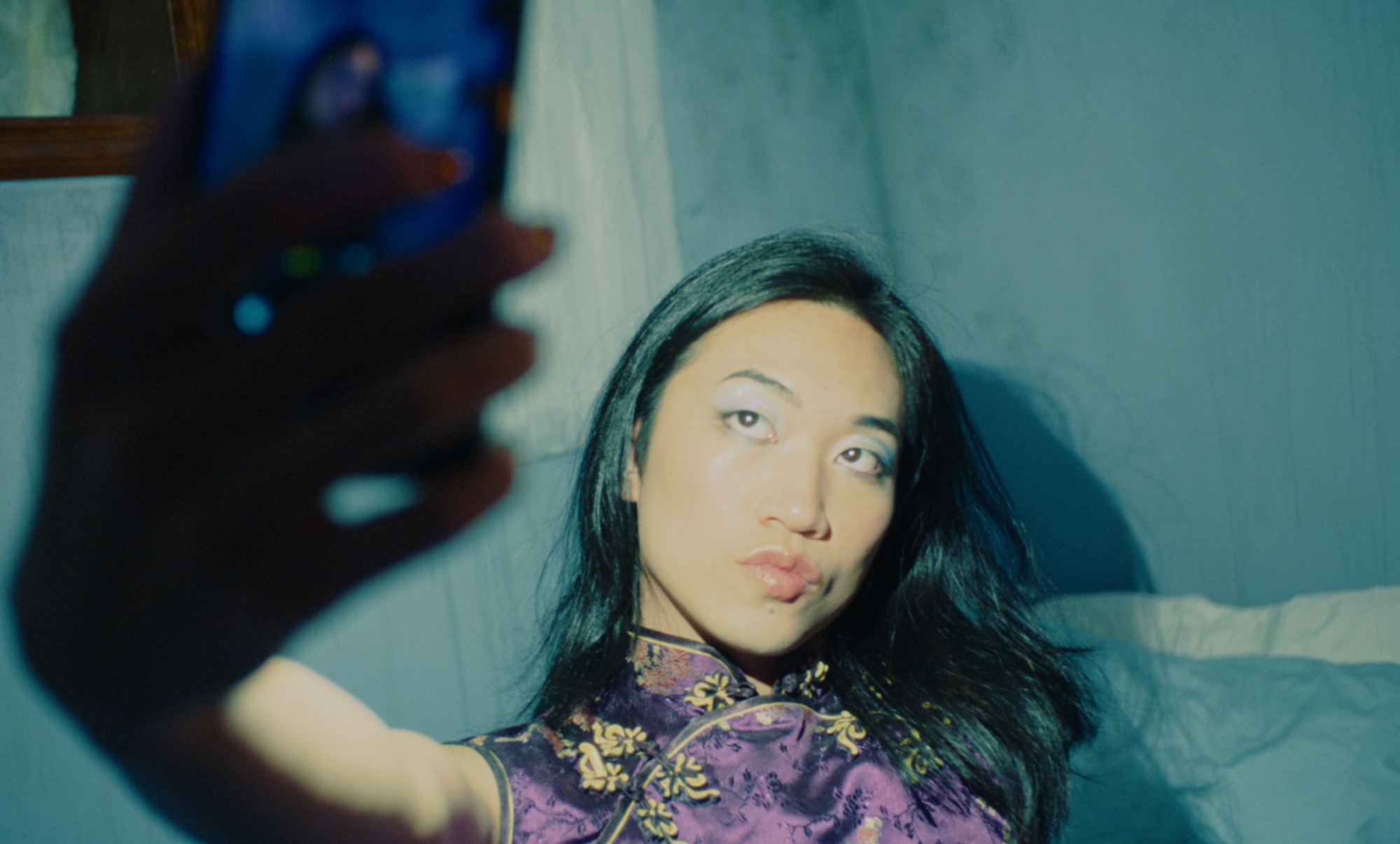
Having first made a name as a cinematographer on a number of impressive short films, Kevin Xian Ming Yu has increasingly turned their attention to directing in recent years. Their latest work, I Saw You in the Flood, marks their second film to screen at SXSW in as many years – an impressive run that signals a filmmaker whose career is steadily on the rise. A deeply affecting drama, the film follows Kai, a genderqueer Chinese-American navigating both a literal storm and the emotional turmoil of their grandfather’s impending death. The storytelling is intentionally quiet and measured, yet it carries a remarkable emotional weight. Across its sub-14-minute runtime, the film weaves together themes of grief, identity, family, and belonging, gradually building toward a closing moment that feels both powerful and restrained. It’s a strong reminder that sometimes the most resonant films are the ones that speak softly, but say a great deal.
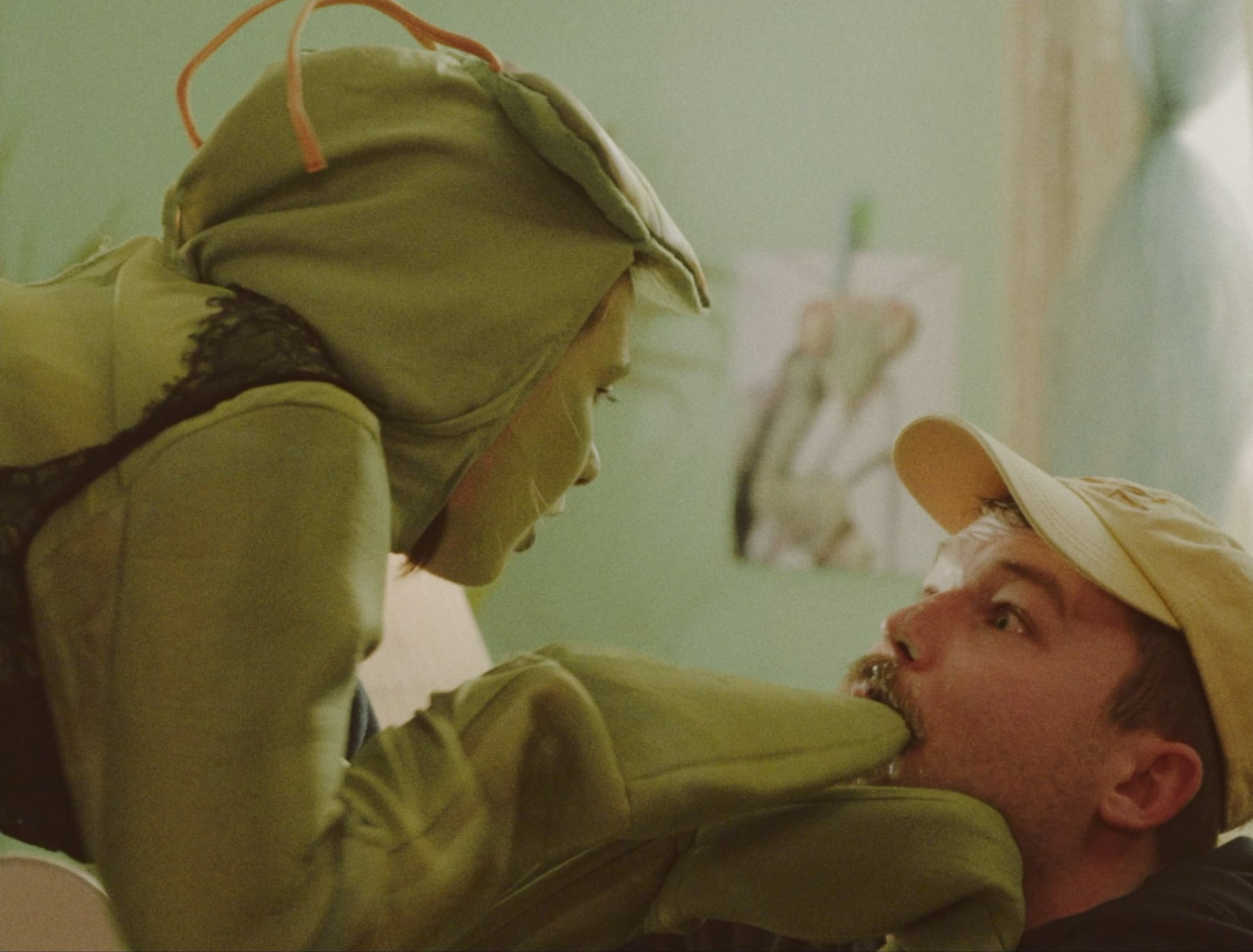
Mantis Stream! Like & Subscribe – Sarah Maerten & Lincoln Robisch
With an instantly attention-grabbing premise – a young man named Craig gets engaged and then, mid-celebration, chokes to death on an egg live on the internet – it becomes clear very quickly that Mantis Stream! Like & Subscribe is going to be an unusual experience. As Craig fights for his life, directors Sarah Maerten and Lincoln Robisch gradually push the film into the territory of digital video art, blurring the boundaries between real-life and the ever-expanding online world. The underlying message – that the internet has a corrosive, all-consuming presence in modern life – isn’t entirely new. However, what makes the film stand out is the way it communicates that idea. Through its glitchy aesthetics, escalating surrealism, and willingness to embrace the bizarre, the short transforms a familiar critique into something inventive and memorable. The result is a film that feels genuinely distinctive – one of the more original and hard-to-forget shorts we’ve encountered in quite some time.
Souvenir – Renée Marie Petropoulos
New relationships can be complicated terrain. Depending on past experiences – or a lack of them – it can be difficult to embrace vulnerability and trust, particularly when one person appears to hold more ‘power’ within the dynamic. In Souvenir, Renée Marie Petropoulos (who left us reeling with the transgressive mother-daughter relationship of Tangles and Knots) explores these tensions through a gripping, coming-of-age narrative. With its story of crossed lines captured through intimate, carefully observed cinematography, Petropoulos draws us deep into her protagonist’s perspective. We feel her unease build, her confidence falter, and her trust begin to waver as the emotional stakes quietly intensify.
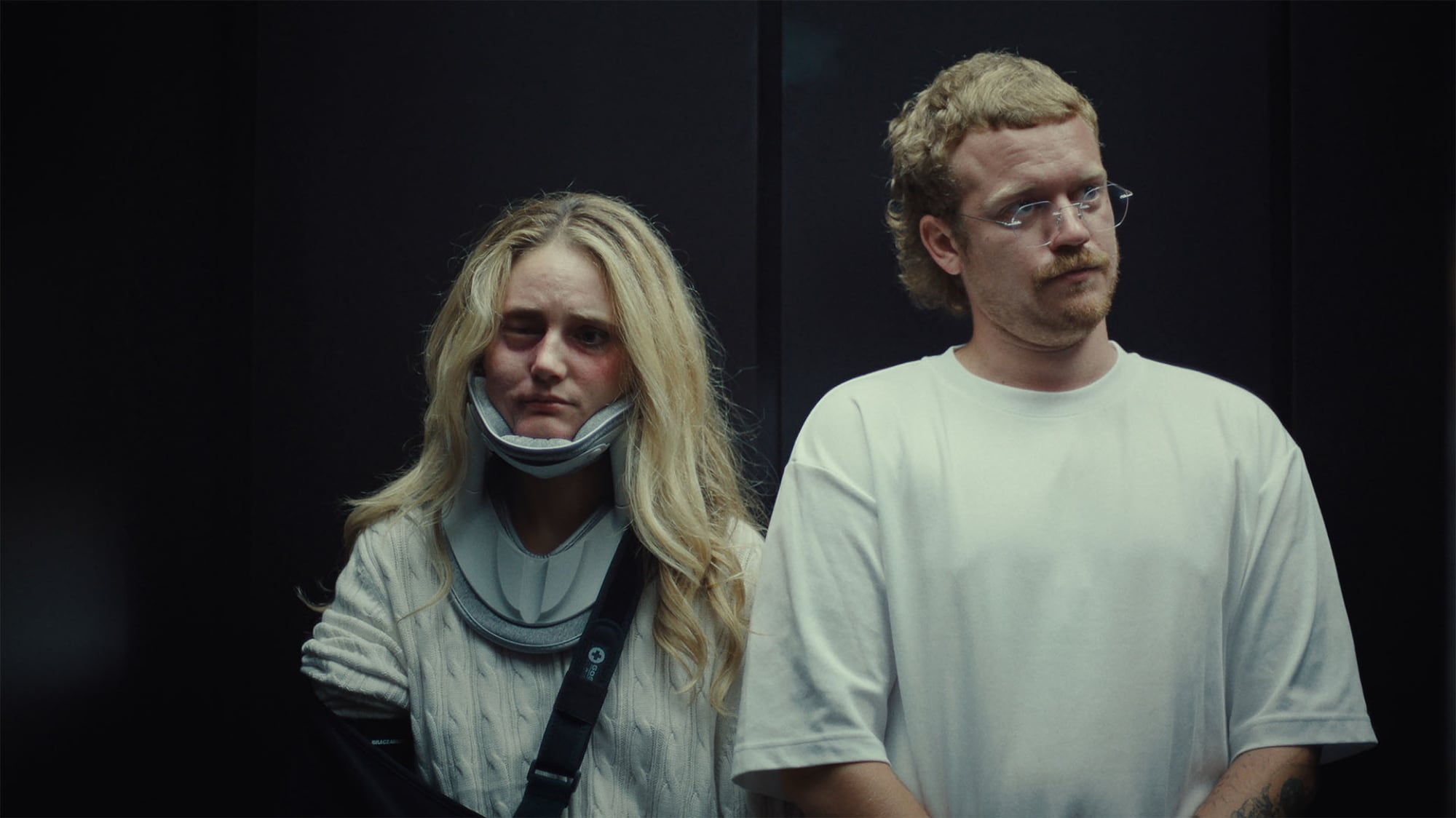
Stairs – Riley Donigan
While there’s often overlap between the short film selections at Sundance and SXSW, I usually try to avoid writing about the same titles in both festival roundups. That said, there are always exceptions – and this year, DN alum filmmaker Riley Donigan’s film Stairs is such a standout piece that leaving it out simply didn’t feel right. Anchored by a remarkable central performance from Betsey Brown, Donigan’s story of a woman who develops an addiction to throwing herself down staircases is absurd, hypnotic, strangely relatable, and ultimately unforgettable. I’m not sure if March is too early to have a favourite film of the year, but Stairs is going to take some beating.
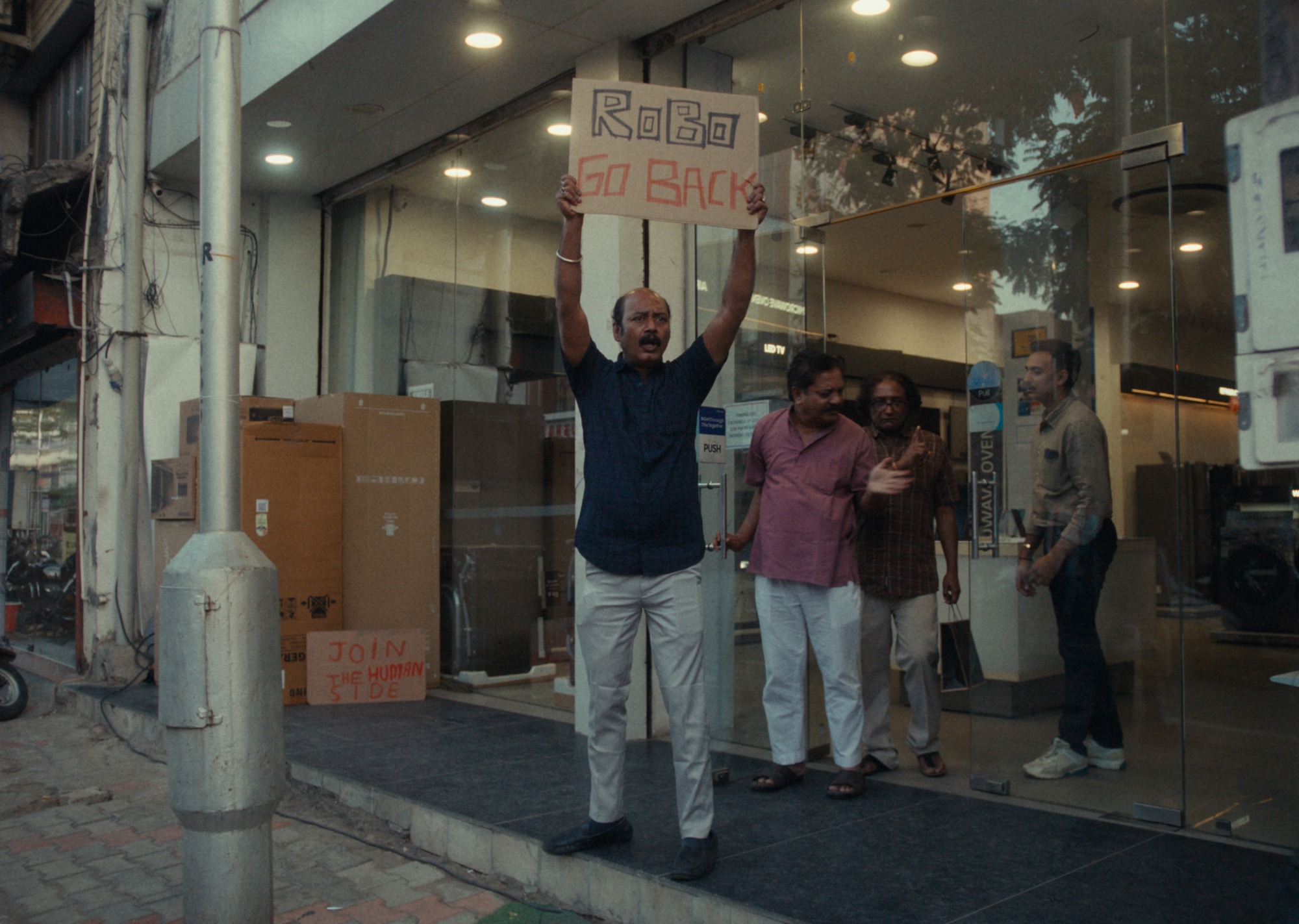
We Were Here – Pranav Bhasin
If I told you that Pranav Bhasin’s comedic short We Were Here is a mockumentary about AI, I wouldn’t blame you if that description didn’t immediately spark much excitement. After all, the mockumentary format is notoriously challenging to revitalise, while artificial intelligence is a very common topic at the moment. What makes Bhasin’s film so impressive, then, is how confidently it breathes new life into both. Not only does the film playfully rework a format that can easily feel overfamiliar, it also approaches a well-worn subject with a sense of humour, warmth and genuine originality. Framed around the story of three retired men convinced they’re fighting back against a looming robot uprising, We Were Here takes what initially feels like a deliberately absurd premise and gradually reshapes it into something surprisingly affecting. Beneath the jokes and mock-serious interviews lies a quietly resonant reflection on ageing, relevance, and the uneasy feeling of being left behind by a rapidly changing world.