
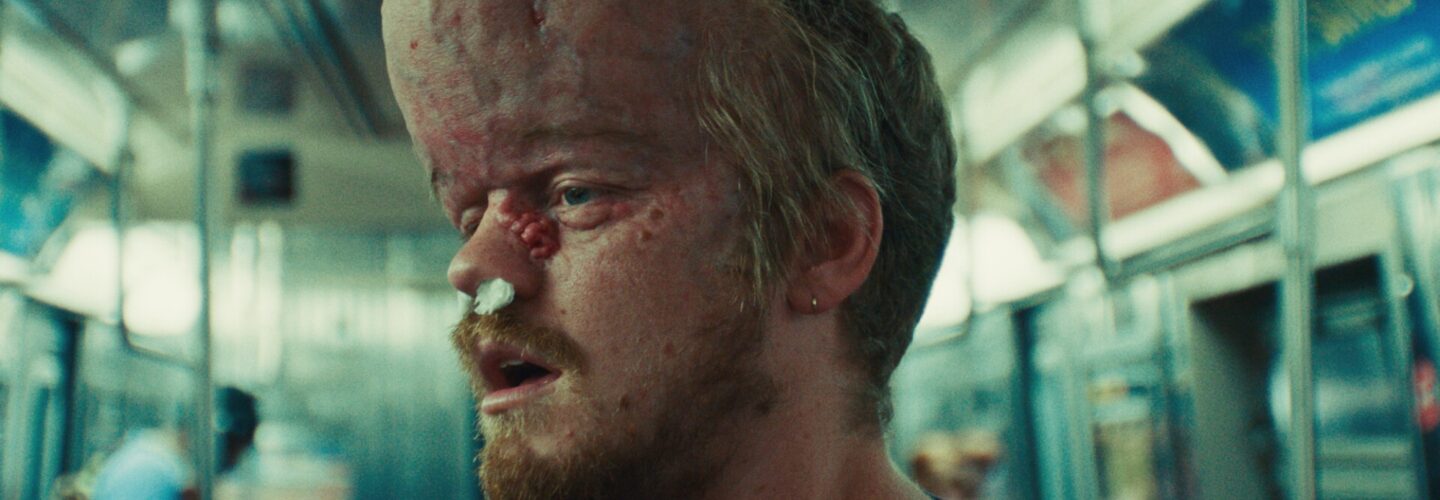

Riley Donigan’s latest short, Shithead, opens with an audacious, unapologetic voice from its very first, unforgettable frame. It is a work of confidence that wields its absurdist, body-horror premise not as a mere gag, but as a precise and startlingly empathetic tool for dissecting the visceral reality of mental anguish. Donigan, unable to move forward with a film unless he connects with the central premise also found himself drawn to experimenting with grotesque prosthetics and a modern monster was born. Shithead is fearless in commitment to its central metaphor, and Donigan articulates a directorial philosophy where extreme, even ridiculous, concepts are the most honest vehicles for conveying extreme internal states. The film’s intentional repulsiveness is not an end in itself but a carefully calibrated strategy to mirror the isolating disgust of depression, forcing the audience to first recoil, before ultimately being blindsided by a moment of raw, human connection. Shithead first grabbed our attention as a highlight of Hollyshorts 2025 and is now a very welcome part of DN’s official curation. And so, we caught up with Donigan to learn about the collaborative alchemy of prosthetic design and performance, his methodology for navigating a tonal tightrope from absurdity to sincerity, and how deliberate camerawork and editing were harnessed to manifest a descent into madness.
We’ve all had that feeling of having shit for brains, but you’ve made it literal here.
I had the premise of a guy with literal shit for brains pretty early on and messed around with a script for a while because it was something that made me laugh. I ultimately shelved the film because I thought it was something that would never see the light of day or get into any festivals, and that no one would ever agree to make it. Eventually, I started experiencing some medical issues and the world seemed to be getting worse and worse and I couldn’t stop thinking about this script I had—it just seemed like a good demonstration of my voice as a filmmaker and something I could use as an outlet.
Your work sits at an intersection of absurdist comedy, drama and body horror. How do you use these genres not just for shock value, but as a precise tool to dissect and reflect authentic modern anxieties and traumas?
To me, it’s far more interesting to convey something in extreme, or even ridiculous, ways because things often feel far more extreme than reality gives them credit for. Also, my primary objective is to make something compelling and to challenge an audience by showing them something they’ve never seen before, rather than preach a particular message to them. That being said, I always have something personal that I am trying to examine about my own life via the premise and that is ultimately how I decide to move forward with a film. I have a long list of extreme and absurd movie ideas but if a premise doesn’t connect with something I am struggling with in my own life, then I will never make it.
My primary objective is to make something compelling and to challenge an audience by showing them something they’ve never seen before, rather than preach a particular message to them.
The goal here was to reflect the feeling of depression. How did the literal metaphor of shit for brains allow you to capture the visceral, physical reality of your experience in a way a more realistic drama could not?
Depression causes you to bottle things up until they just explode so it’s much more accurate to depict that feeling on a literal level than to be coy about it in my opinion. I also think it’s difficult for people to express the intensity of it because it never manifests physically so it’s this abstract thing that you can’t ever precisely explain in conversation and it leads to a lot of misunderstandings. So, I thought it would be interesting to actually make it physical and see how far I can push it.
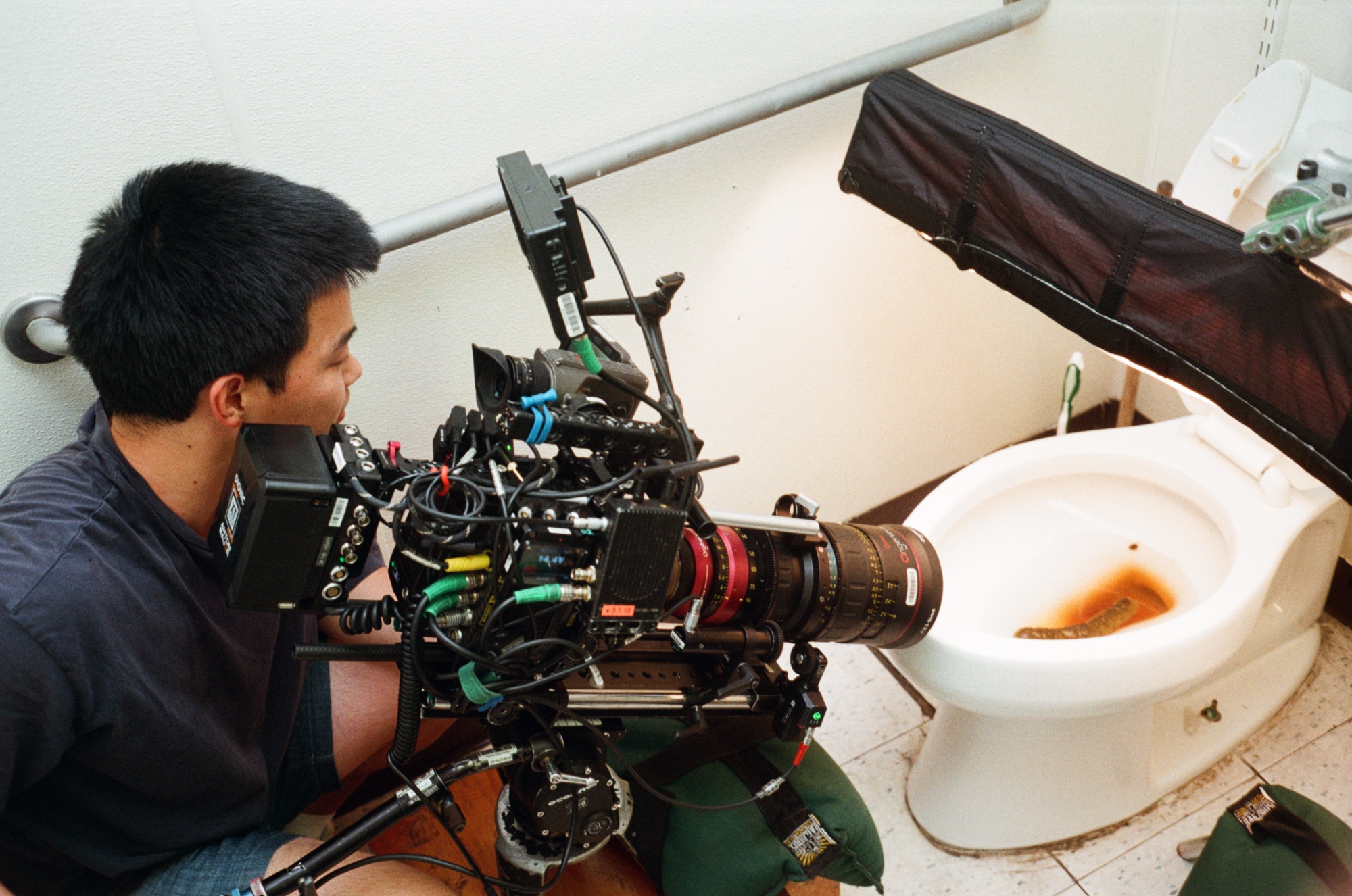
We all know the importance of an opening scene, and with Shithead’s I was disgusted, intrigued and immediately wanted to know more.
I love a good opening shot. I wanted to shock with that for sure and I wanted the film to state what it was upfront. I have not seen a film open with a piece of shit before and I really wanted that on my resume. It’s real too. Shout out to Will Duncan’s colon.
Most Popular
The film is meant to be alienating and disgusting because that’s how depression feels. Was there a concern that the intentional repulsiveness might prevent an audience from connecting with the underlying pain?
I honestly did not want them to fully connect with the character until the end of the film. To me, that was the whole point of it and it makes the ending hit that much harder. In pre-production, I was initially concerned about just getting people to join in on the making of it, but thankfully, I received a lot of reassurance and support from the people around me, and specifically the producer of the film, Anton Vicente-Kliot. When he read the script he said, “You have to make this” and as our crew started growing and people were responding positively to the script, I figured this meant that the film was relatable enough to justify its existence.
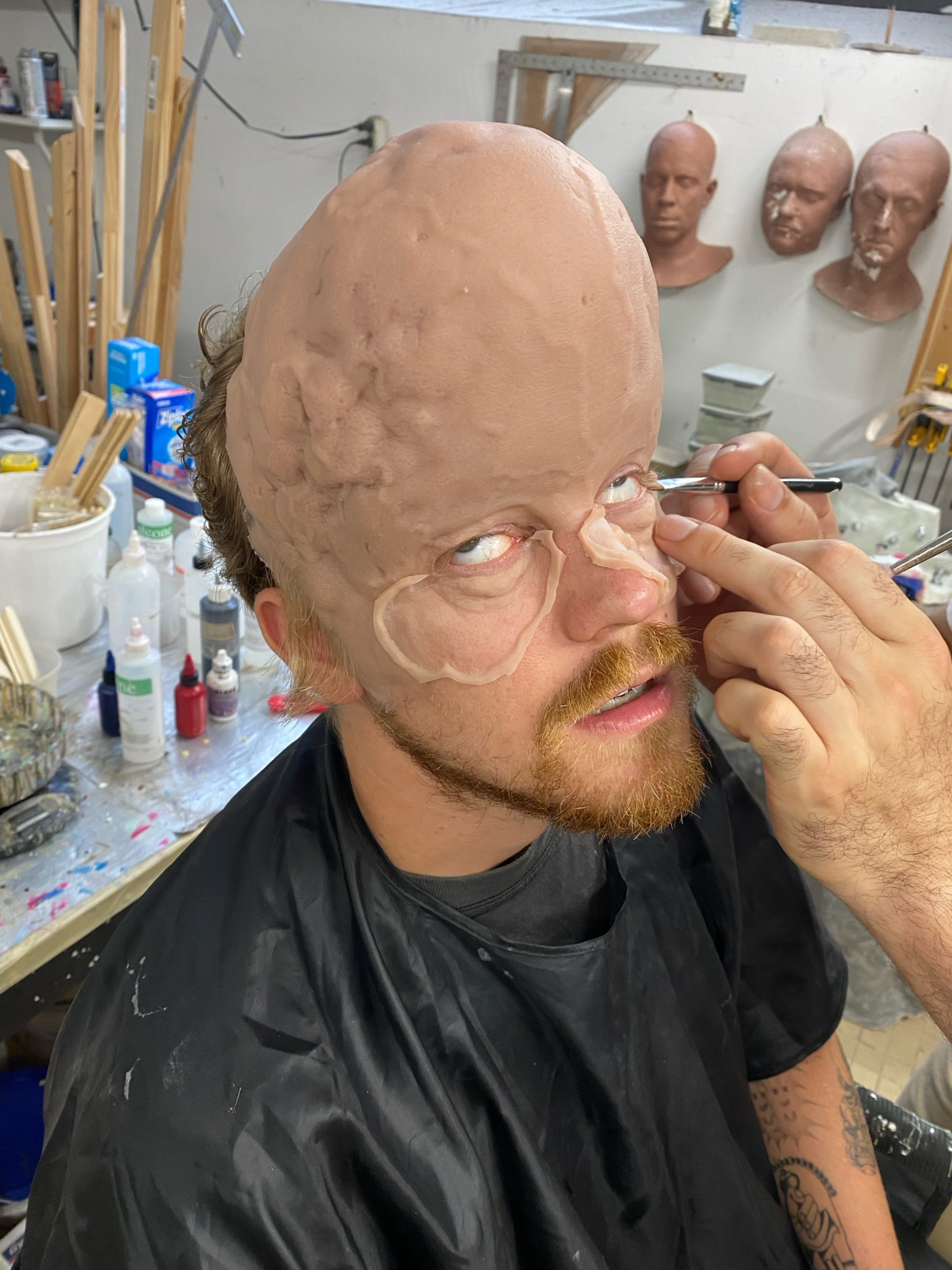
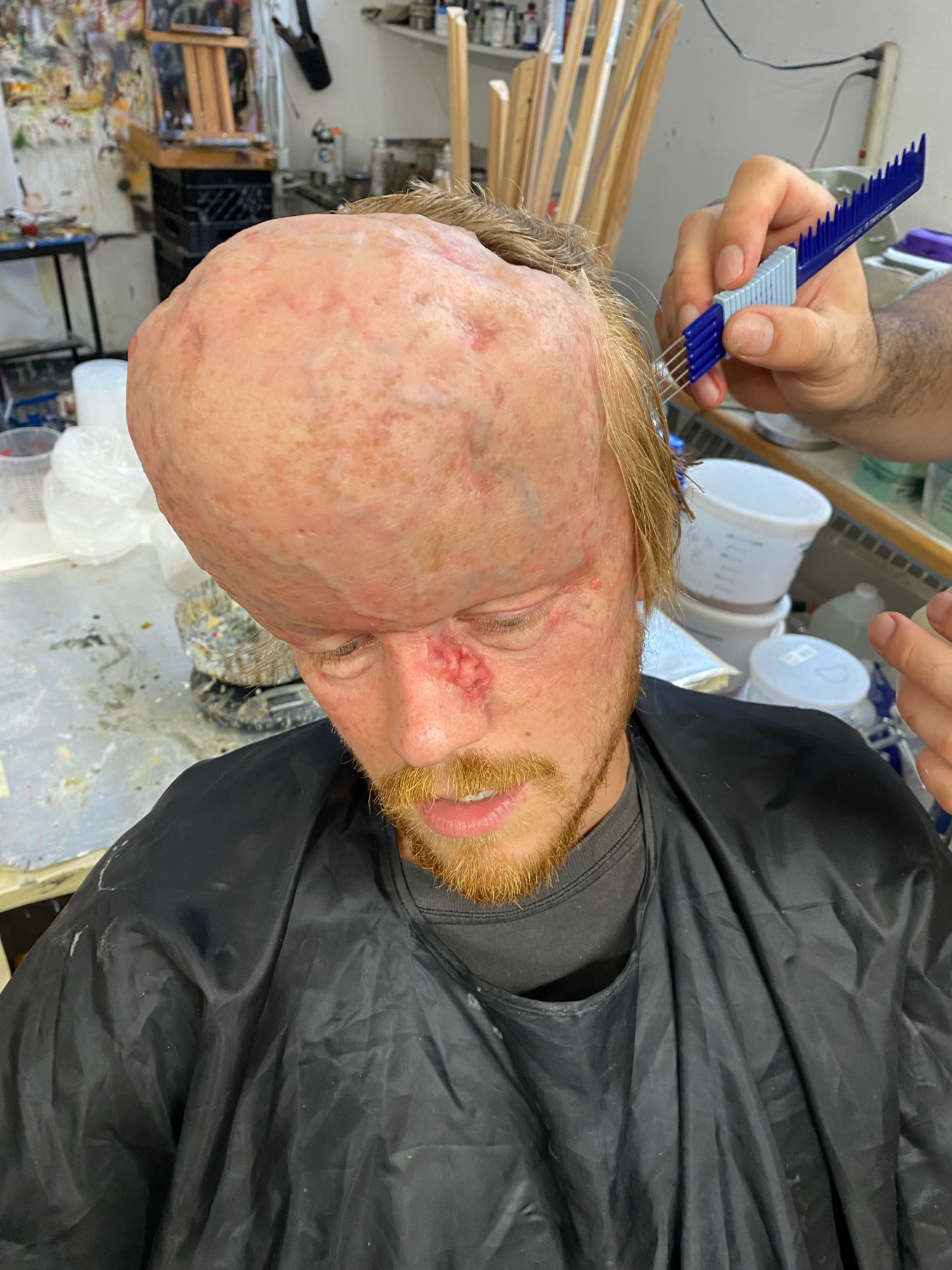
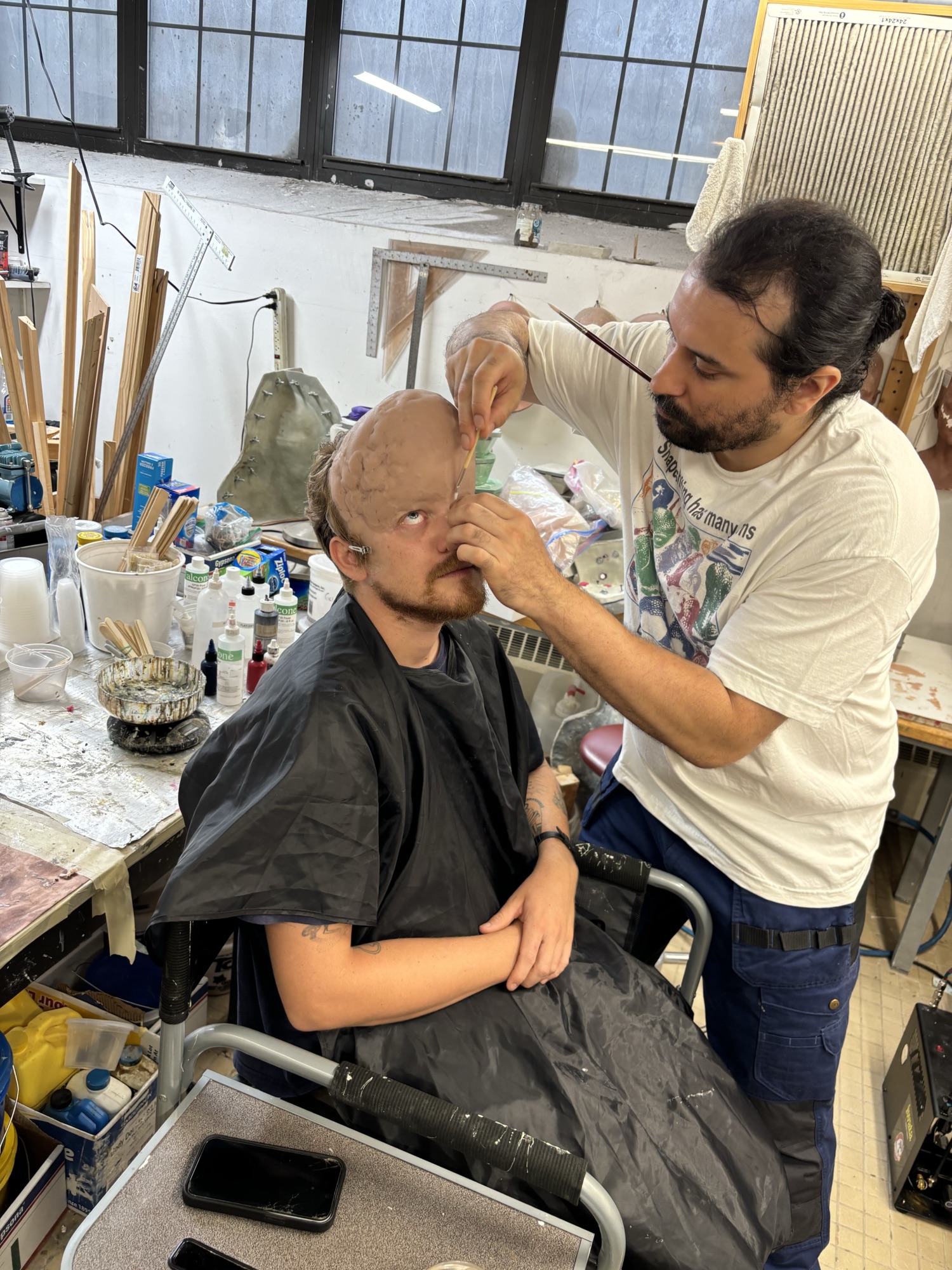
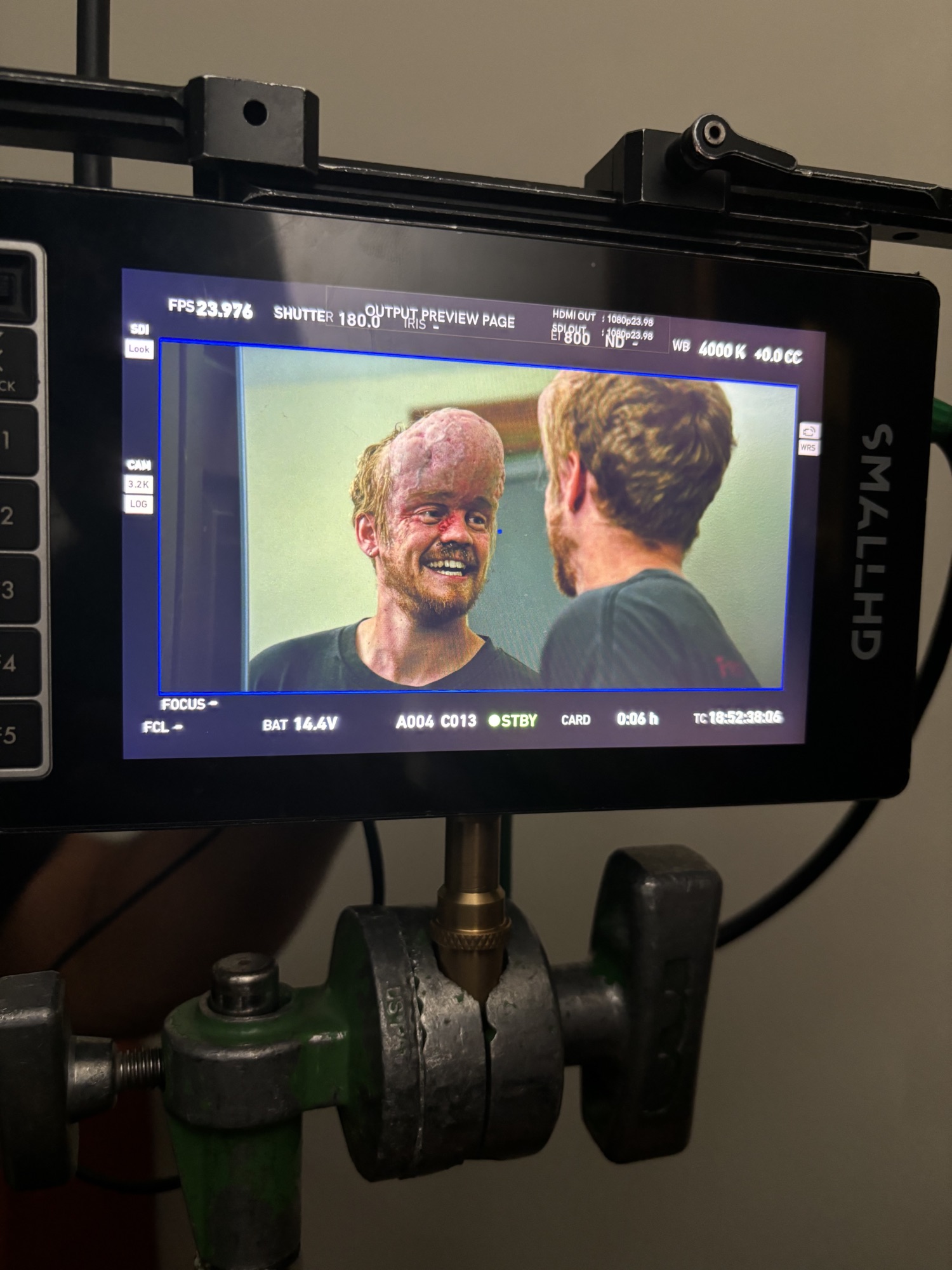
Since we were filming in public a lot, Will received a lot of attention and disgust from people so I am sure that helped him feel alienated.
The prosthetic work is central to the film’s visceral impact.
Izzi Galindo is the mastermind behind that design and he really killed it, I mean, he’s the prosthetics master. The film doesn’t work if the head doesn’t look good so I was incredibly relieved to have him. We sent each other some crazy reference pictures and then he took it from there and made something truly special. Since we were filming in public a lot, Will received a lot of attention and disgust from people so I am sure that helped him feel alienated. I offered to buy him a neck massage once we wrapped since the prosthetic had to be on him the whole time. Can’t remember if he ever took me up on it.
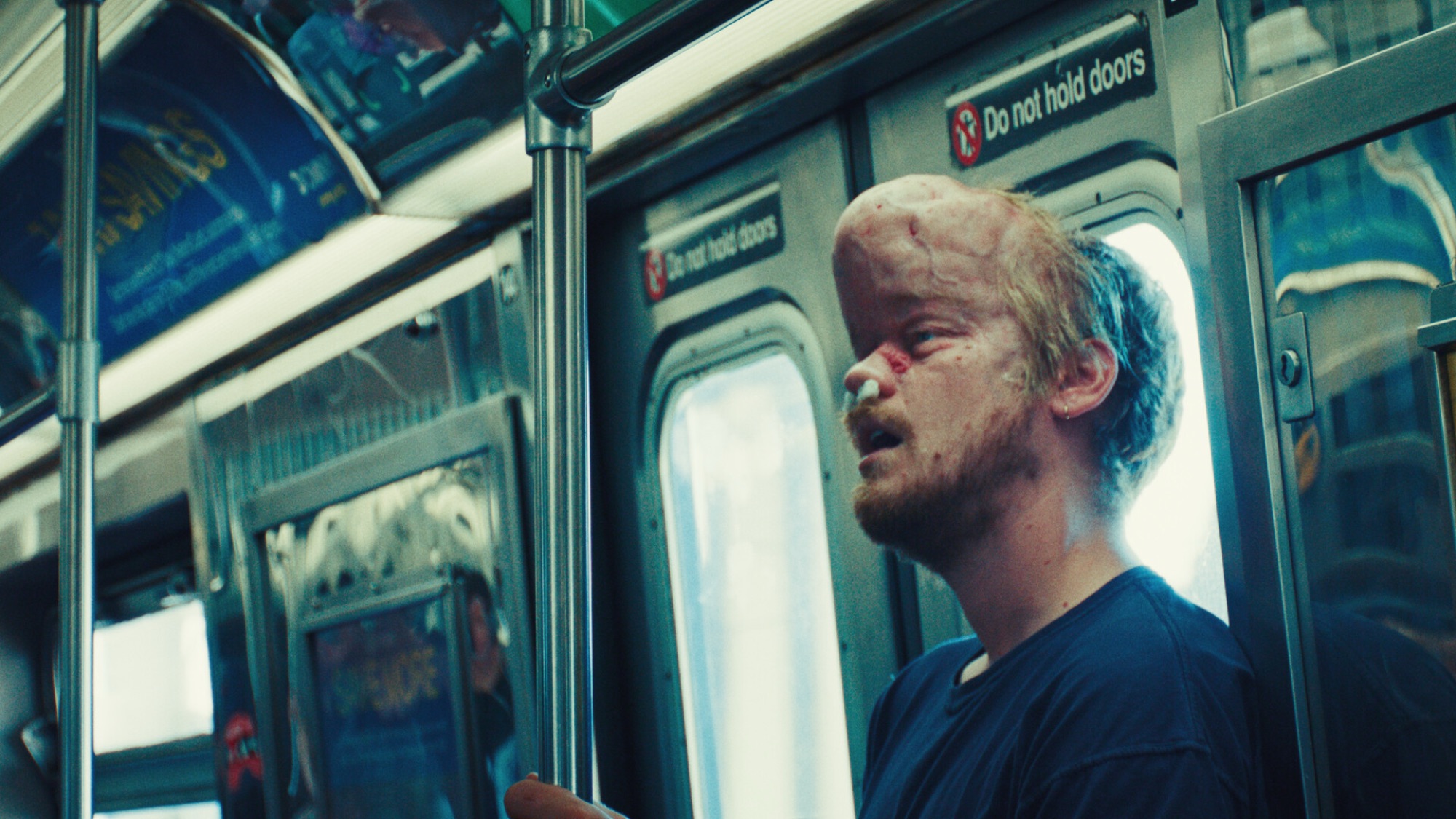

What did you ask of Will Duncan to ensure the performance conveyed everything going on beneath the grotesque makeup?
Will gave such an amazing performance and I was very honored. We had a few discussions about character and I sent him some loose references but I didn’t want him to think about that too much. He is such a talented actor and comedian and I cast him because of that, so it was more about letting him go wild and trusting him to the fullest extent. The movie always works better that way.
Whenever you are dealing with an absurd premise, it’s always best to play it more earnestly, and I think Will understood what I was going for immediately, and there was an implicit understanding between us that this guy was sincere. When you play into the sincerity of it all, the more interesting it becomes.

It was our goal to make the film beautiful in a way that offset its grotesque content.
The film never stops moving. How did you use the camera to make the audience feel your protagonist’s alienation?
Taylor Lee is an incredibly talented cinematographer and really helped shape the visual style of the film. It was our goal to make the film beautiful in a way that offset its grotesque content and Taylor was really able to take the film to the next level in that regard. I am a huge fan of slow zooms also, like you can never have too many zooms in my opinion and especially in this film, it really underscores that descent into madness.
Shithead is so focused on the feeling of disgust. How did you ensure he wasn’t just a gross-out punchline?
I think the ending is where I wanted to subvert everything and truly show that this guy we’ve been laughing at for the whole film is genuinely struggling. It’s not a joke to him. He had hopes and dreams and peace at one point in his life but it’s been wrung out of him. That’s where the home videos came from and those are real videos of Will as a kid which he was gracious enough to let me use.

I want to know about delivering your intense pacing.
I make a living as an editor so I edited this thing furiously. I had a first pass of the film within a week of wrapping, but then I proceeded to make a billion versions over the next 6 months. I think my friends were probably upset with me because I kept sending them versions to watch over and over again. There were a lot of iterations because I was trying to nail the tone. I also wanted to make the build-up to the end as frenetic as possible, and I think a lot of directors are afraid to cut up their footage or shorten scenes but I really enjoy the process of making the film as simple and clean as possible. John Waters has a lot to say about that and I agree with him.
Are we going to see more body horror from you?
Yes! I just shot two films this past year, and both have elements of body horror, albeit not quite as much as Shithead. One is more of a sketch but I also shot a bigger film this summer called Stairs which I can’t wait to show everyone, I think it’s my best work. After that, it’s time for me to make a feature I think. I have something in the vault that I really love and think would be a great first feature so hopefully we can make it happen!!