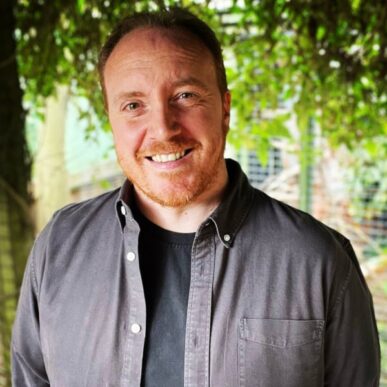

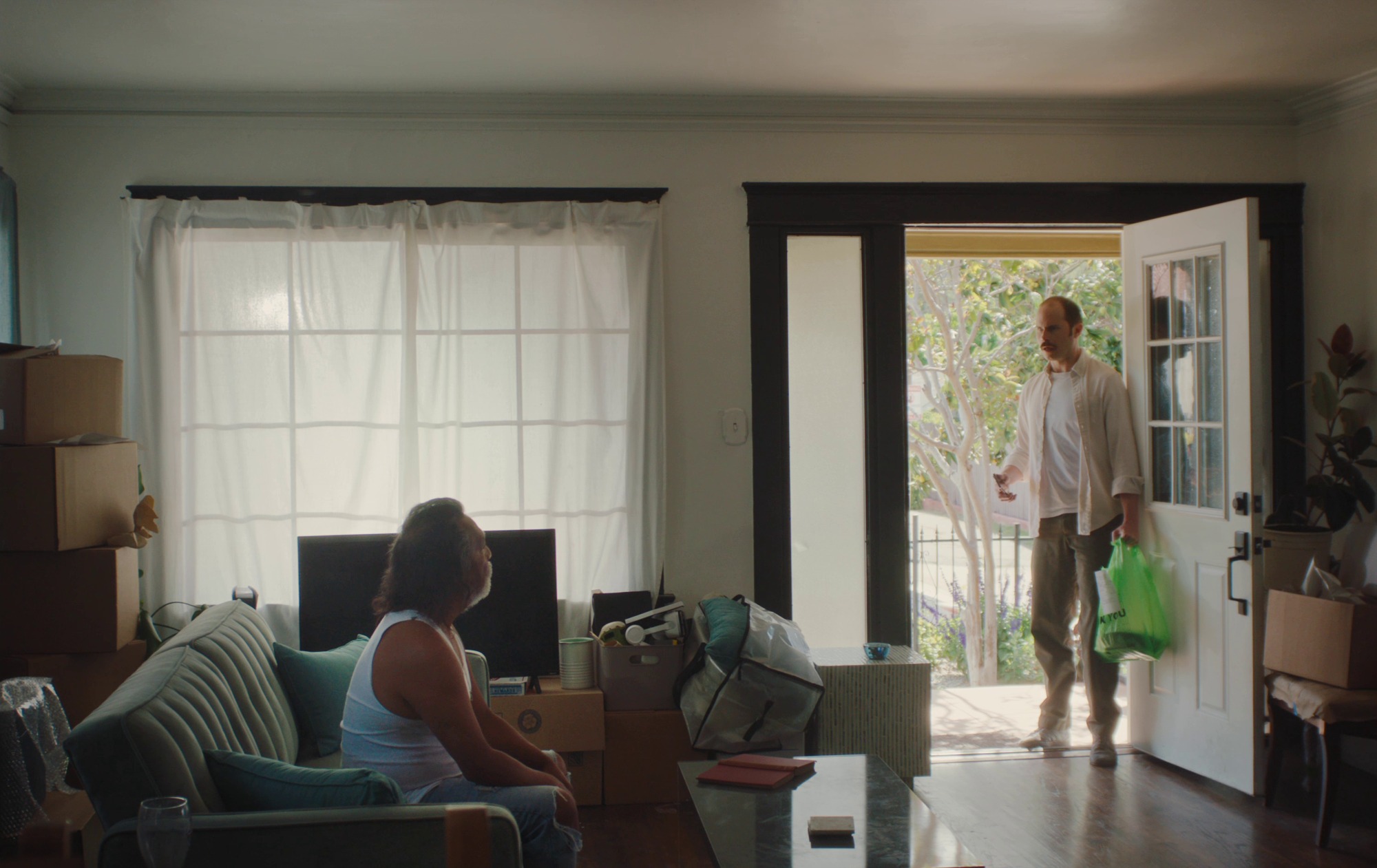
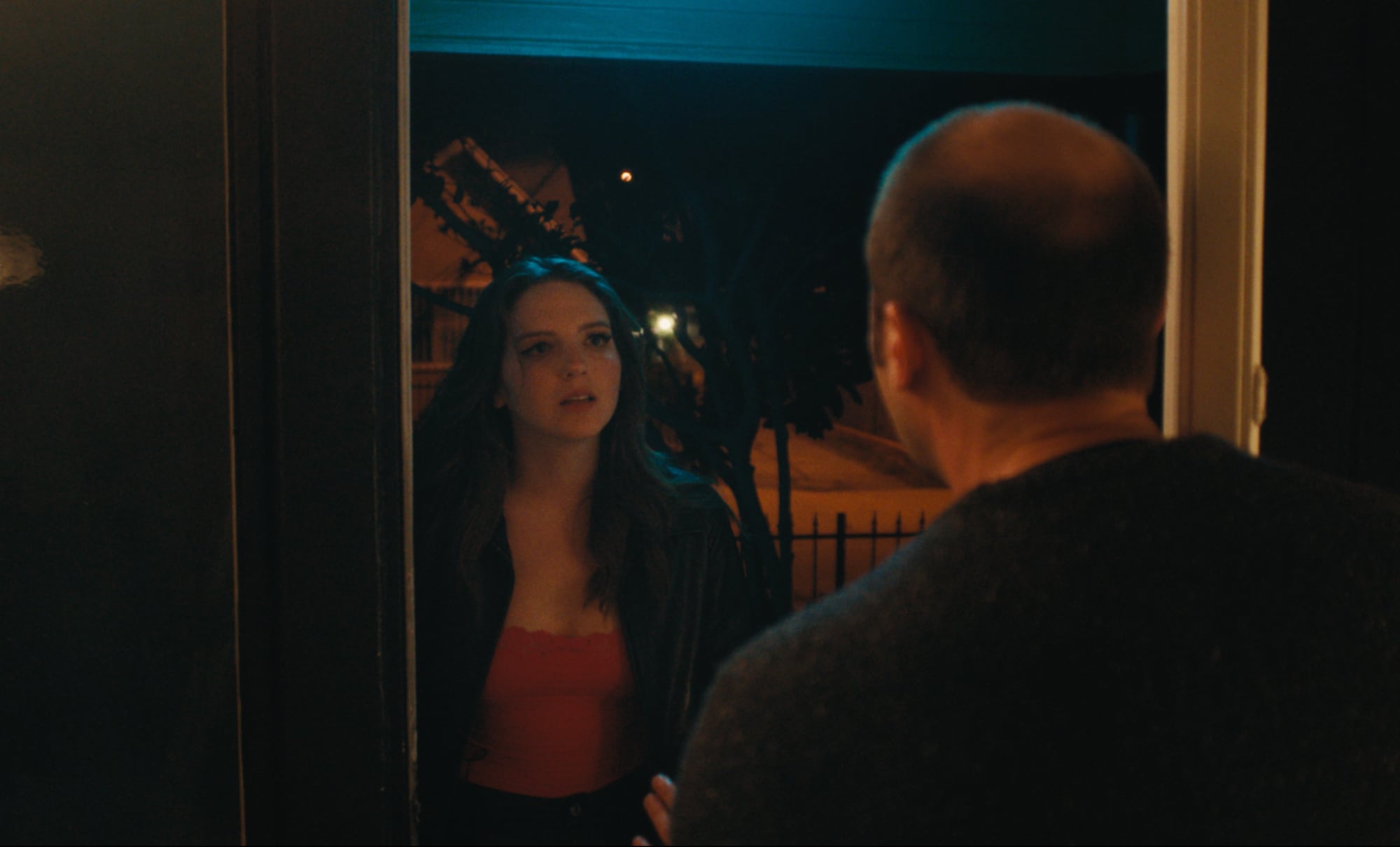
Daymares are such a fascinating concept. A nightmarish, sometimes irrational fear that seeps into our waking lives. For a long time, my own daymare was being in the shower, closing my eyes for shampooing/rinsing, then imagining a ghoulish face right up next to mine when I opened them again. There’s something about the vulnerability of an everyday situation that lends itself to the thought of ‘what if?’ It’s similar thinking that led to Lucas Murphy’s comedy horror You Can’t Talk to the Dude, which shows a man living alone slowly unravelling when a stranger appears to keep letting himself into his home, sitting silently on the sofa, with no explanation as to why. What does this man want? What does he need? Who is he? These are the questions that filled Murphy’s mind before he passed that curiosity on to his man character, and indeed, everyone who would go on to watch this brilliantly crafted short film. The first-time director talks to DN about filming his fears, facing them on the festival circuit, and how his actors helped shape the short into its final form.
The central premise of the film is so simple yet explored to its fullest. Where did the inspiration for the story come from?
This was an idea I had nearly a decade ago while living in Queens in New York. I had moved into a newly gentrifying neighbourhood, Ridgewood, and into an apartment building where you had to manually open the front doors for any visitors. I lived on the first floor just a few feet from the door, so whenever a friend was coming over, or I had a delivery, I’d leave my door cracked open and run to the front door, swing it open, then rush back to my unit. And it became a recurring daymare that every single time I would be walking back to my apartment and just have this thought, “What if there was a man sitting on my couch?” At first it was a joke, but it started to become more and more real. What would I do? Where would that person have come from? Would I help them? Would I be scared? Would I have courage and stand up to them?
This image just stuck with me for years and years until I knew I had to make it into a film.
This, combined with my feelings about living in the neighbourhood itself, which was mainly Central American immigrants and old school Polish folk. I was keenly aware that I was the first wave of gentrifiers, that I was heralding the end of this neighbourhood and the beginning of its future, where upscale restaurants, boutique chocolatiers and fancy baby stores would move in (which is exactly what has happened a decade later). I felt like a phantom in my own home, living my life but not a part of the larger community I was embedded in.
This all combined into the image of the ‘Dude’, this figure who represented all my inherent anxiety about myself, really, and about what I represented in the city. Unmoving, unspeaking, just eyes watching me. It’s kind of a core image of my own anxiety in the world, the fear of being watched. And with my own fears about my ‘goodness’, would I help if a homeless person needed it? Or would I walk away, just as I walk by tragedy, living in a big city, dozens of times a day? This image just stuck with me for years and years until I knew I had to make it into a film.
There are two great central performances from Sonny Valicenti and Jano Andre. How did you go about casting and collaborating with each one, and what did they bring to the role you were looking for?
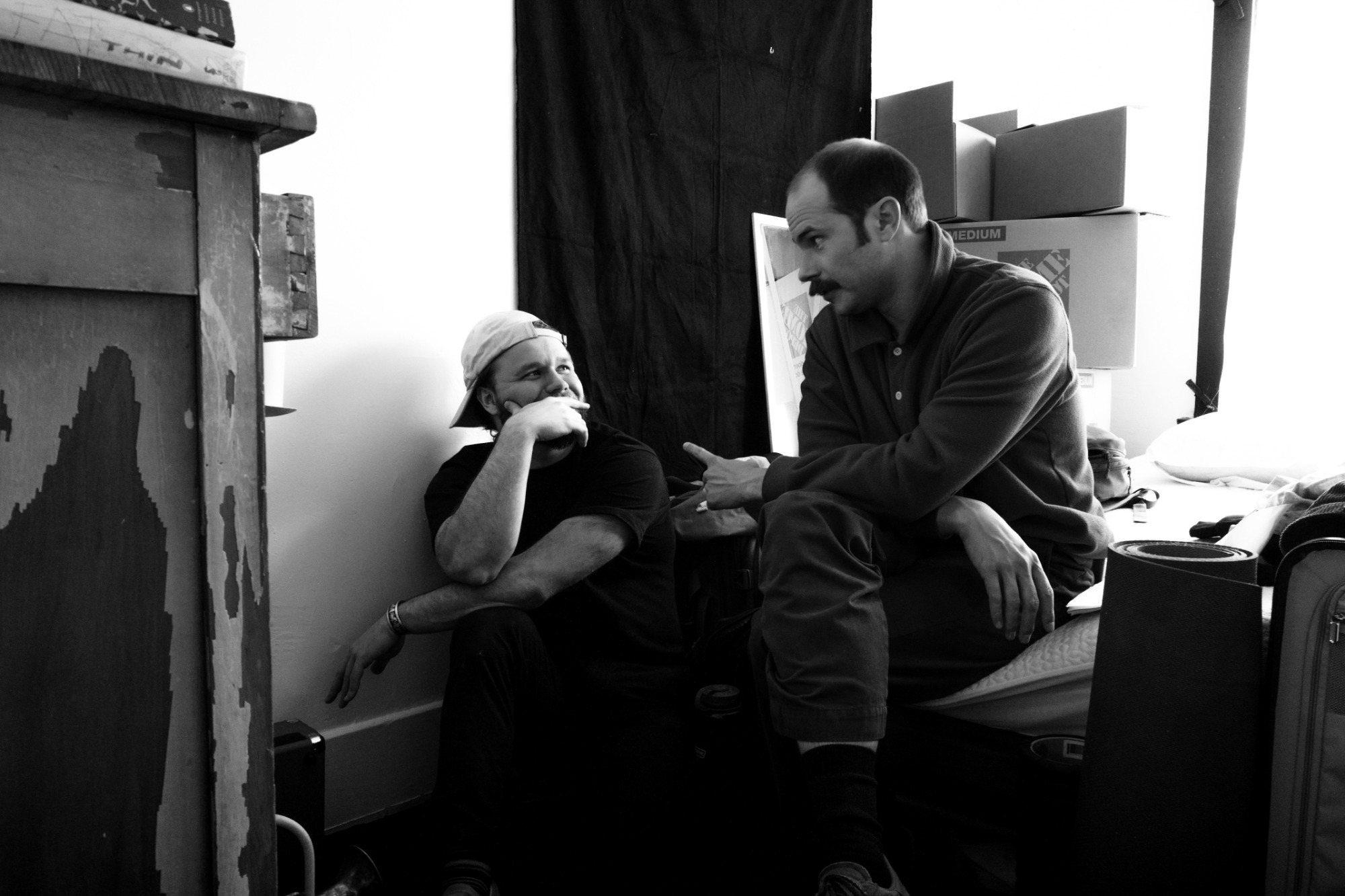
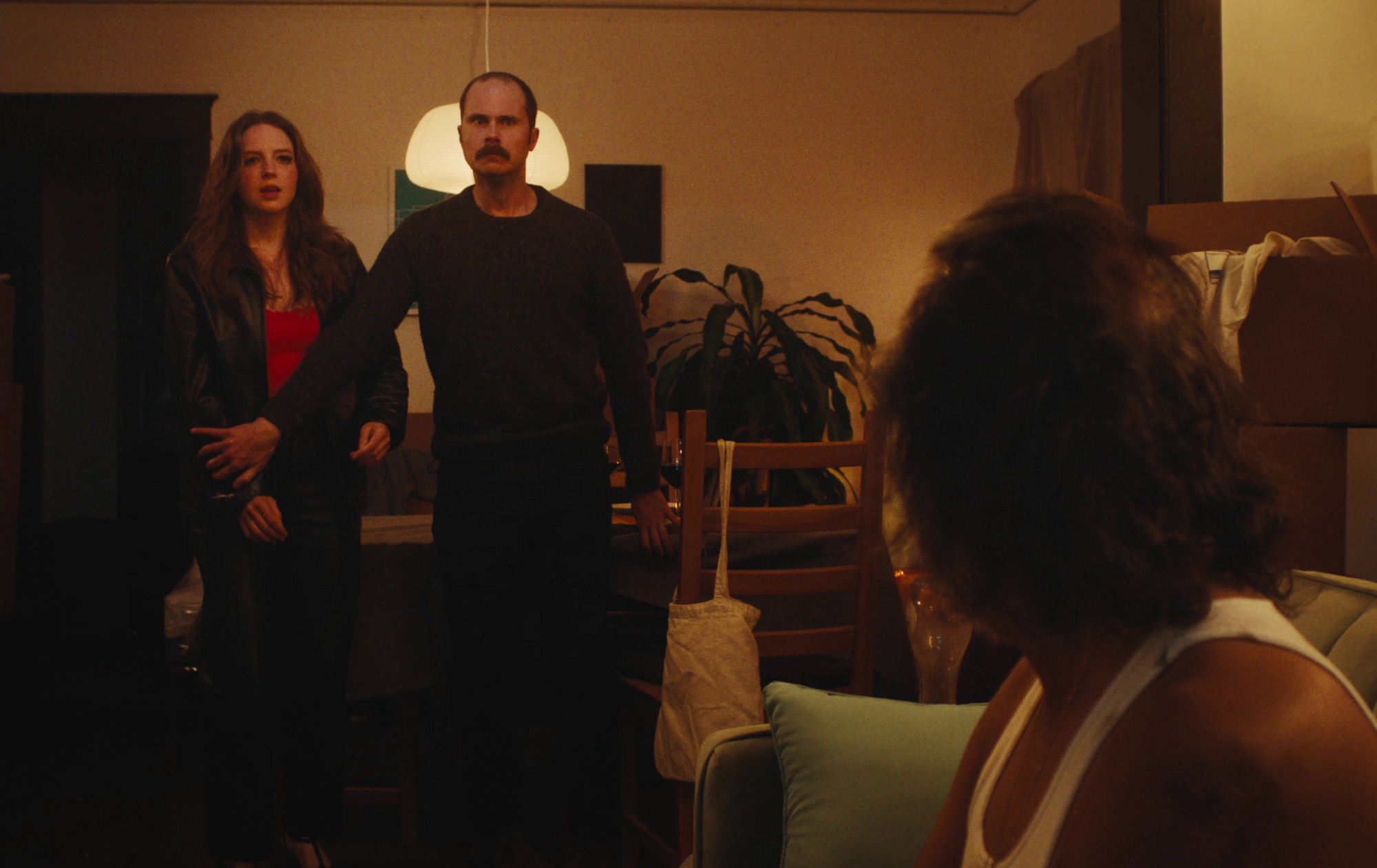
The actors are really the highlight of the short to me and finding them was a miracle. Sonny was a friend of my brother Nic (who also produced the short) through a theatre company he was involved in in LA. So I knew Sonny a bit socially but always admired him as an actor. When we started prep on the project, Sonny read the script and, if I may speak for him, really fell in love with the project. Even though I was just ecstatic that an actor of his caliber wanted to be involved, he still insisted on recording a self-tape to prove he could be Rory. And man, could he be Rory. He brought so much precision and humor to the role that I wasn’t envisioning, and I think the project really came to be morphed by his interpretation of the role. Particularly, I think the movie is far funnier than it may have been otherwise. I always knew there were comedic elements but Sonny was just so impeccable in his comedic timing and facial expressions it was hard not to laugh.
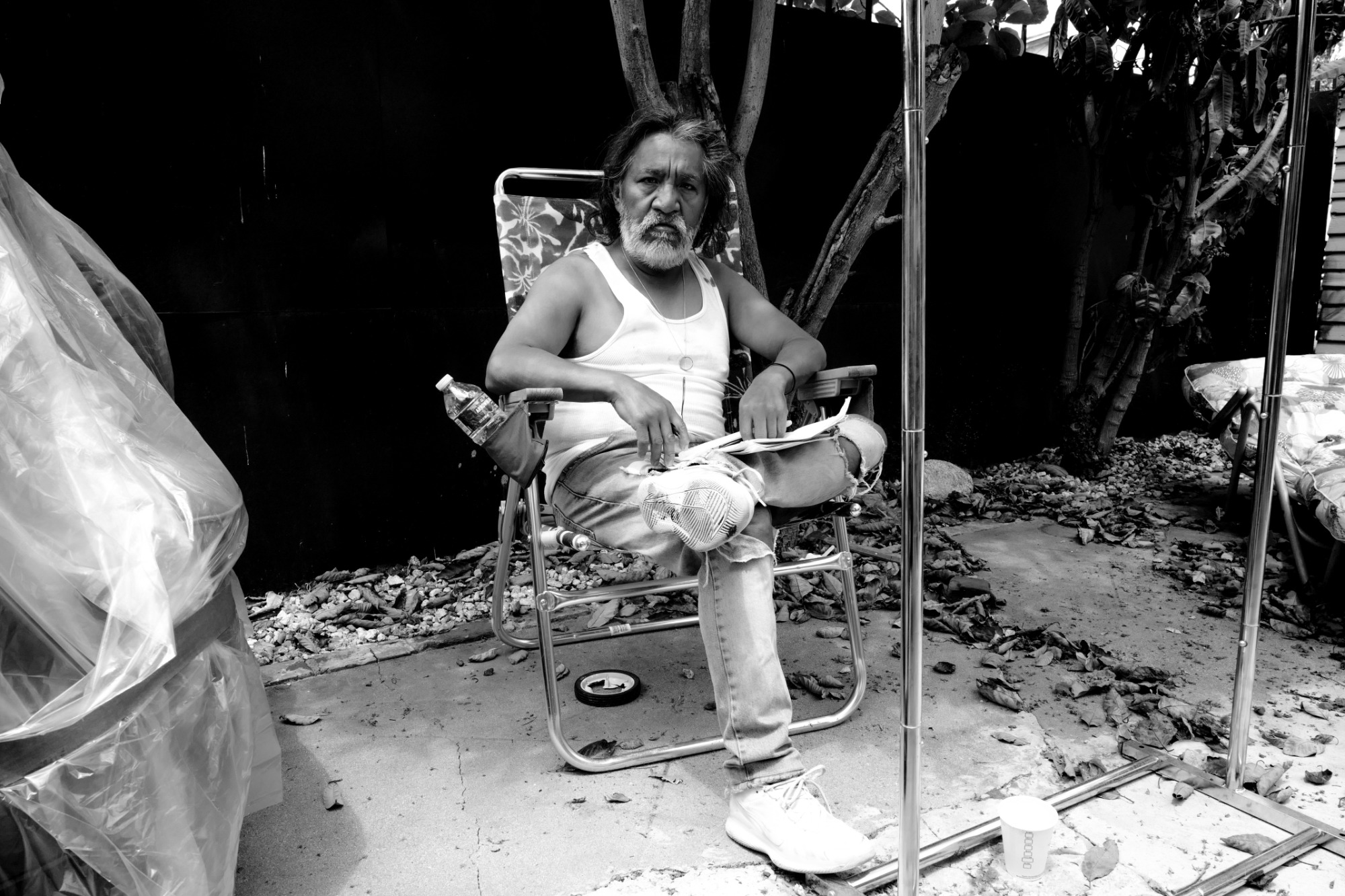
Jano was a kind of miracle find. I knew we needed someone really specific and special to play the ‘Dude’ but I didn’t have any leads and cast a really wide net on Backstage and online websites. We auditioned a bunch of people but none felt quite right, neither in look or affect. So when Jano applied, there was just something so specific about his features and his distinct look, I knew I had to meet him. And I had kind of naively thought that, since he has no lines, whoever played the Dude just has to look the part, but boy, did Jano show I was wrong.
I showed up to our first meeting and he had a whole notebook of scribbled notes about the character, his interpretation, how he wanted to play him physically, and I knew we had our man. Jano was such a committed actor and brought so much to the character. Particularly, he came up with the idea that the Dude is a Venus flytrap, a kind of plant that sits and waits for its prey. That rigidity and plant-like attitude really informed his image and how we shot him. Jano was also just an incredibly positive actor who was so committed to this project that I think it elevated the whole cast and crew.
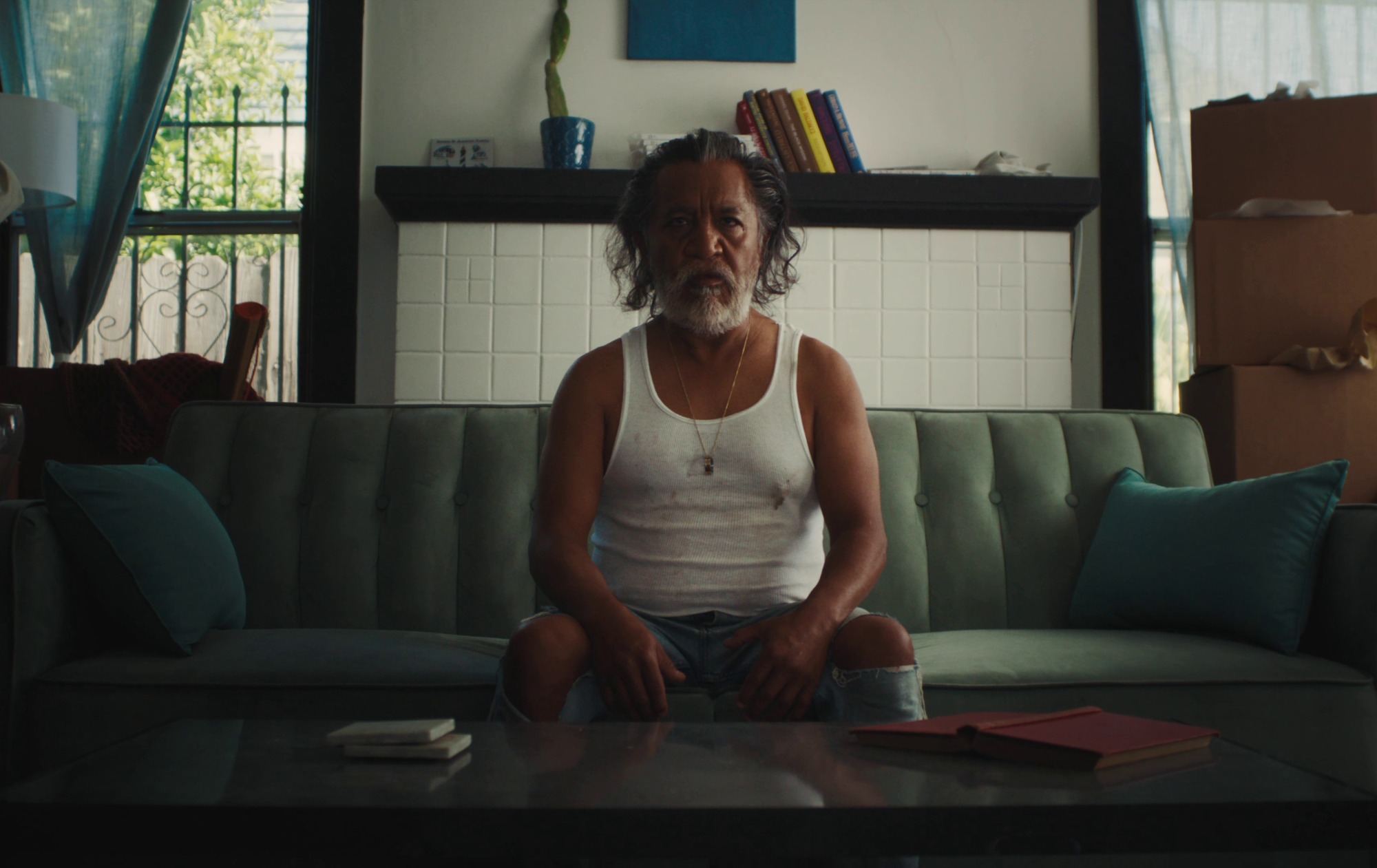
In your mind, who or what is the ‘Dude’ and what happens to Rory at the end?
Well, I would like to leave this mostly to the viewer’s interpretation. All I will say is that the Dude is a physical entity, not a ghost, and that, if someone walked into the apartment at the end, they would find no physical sign of Rory or where he has gone. There is no trace of him. But mainly, the whole point of the short to me was to create an image that exists outside of my interpretation of it, and I’d be far more interested in hearing what others think of it than prescribing meaning.
Most Popular
Having worked mainly as a writer at this point, how did you go about collaborating with your DOP to tell the visual story in your script?
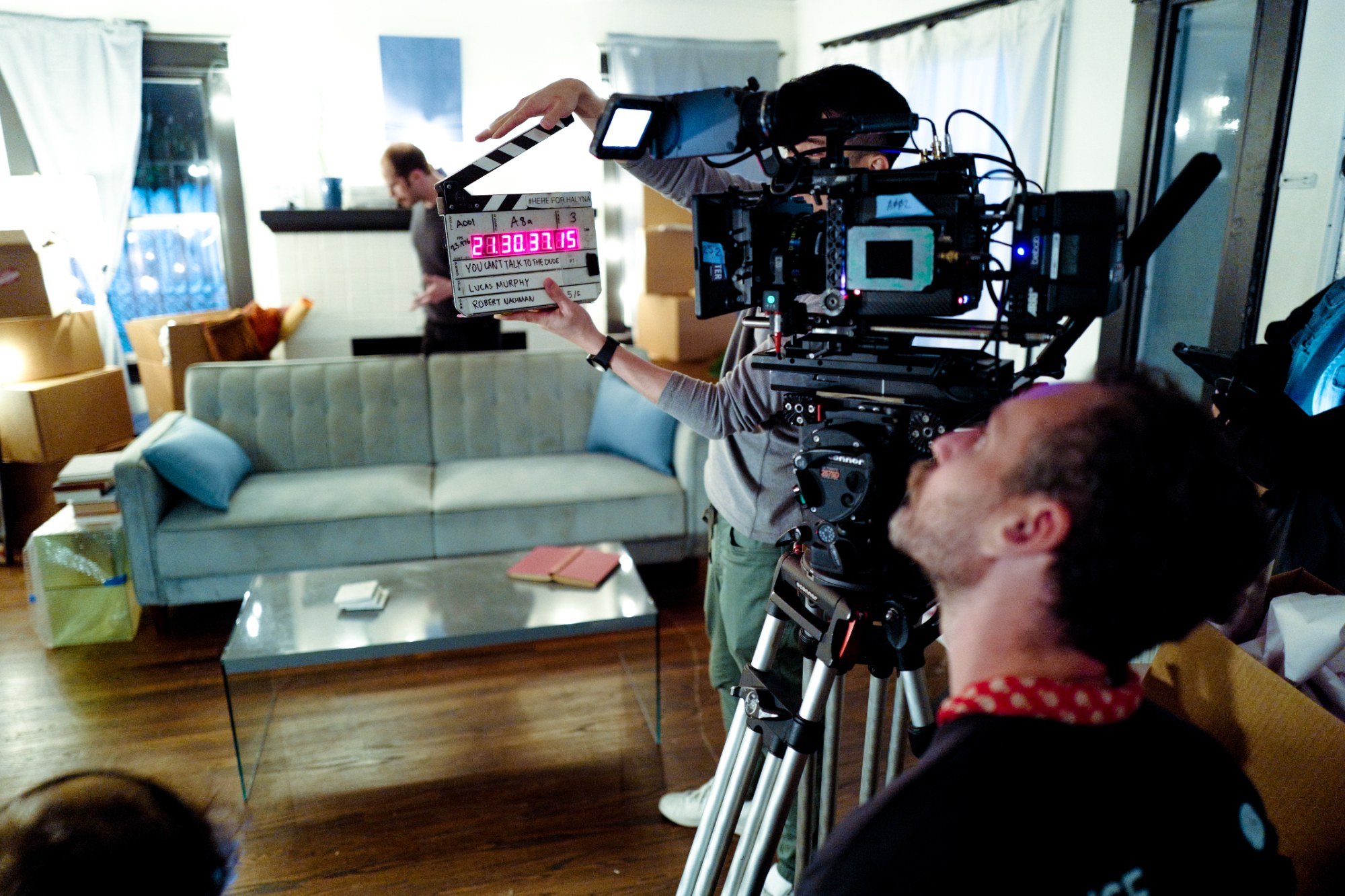
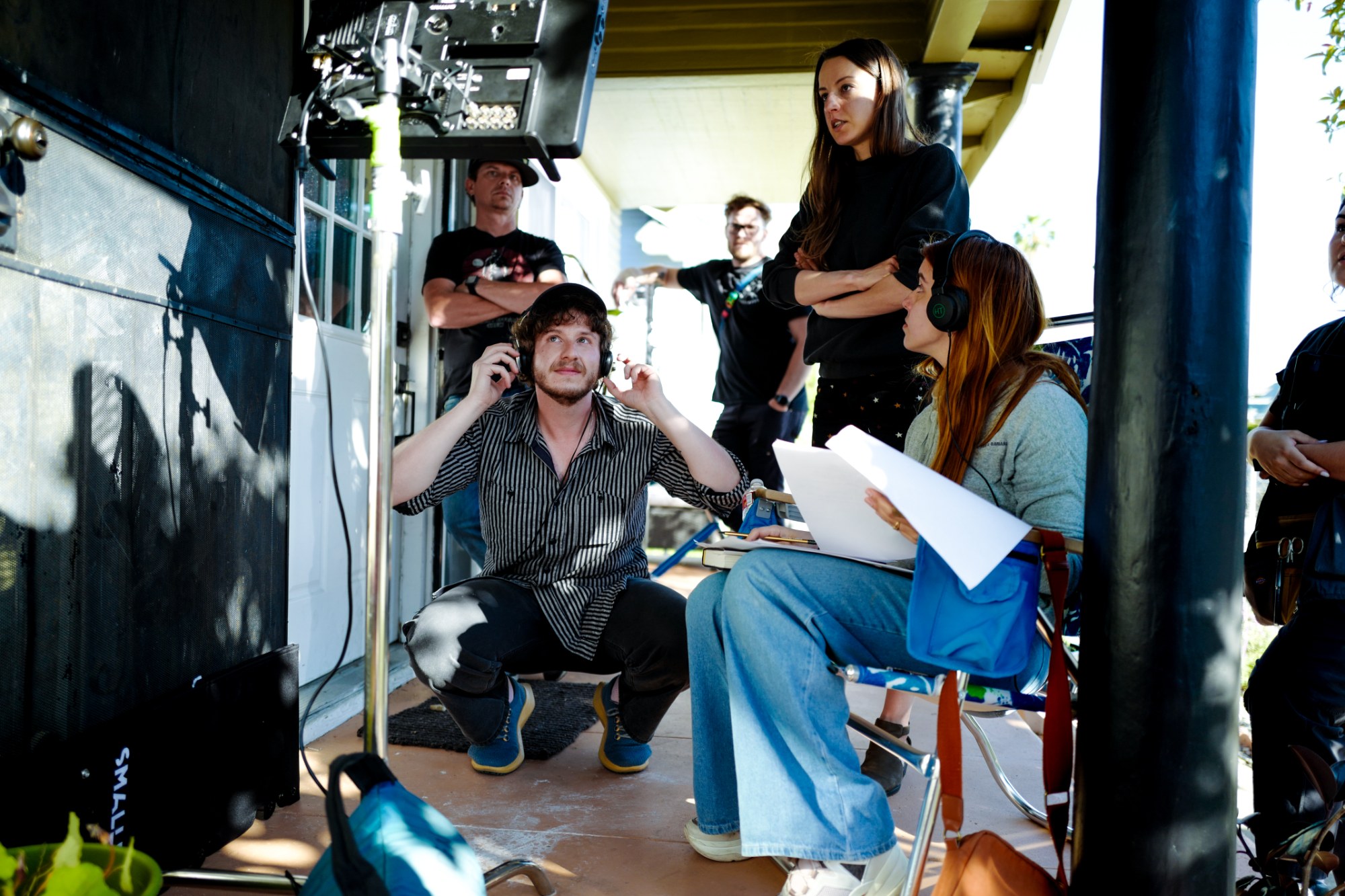
Mainly credit to our brilliant DOP Robert Nachman, who elevated the project with their precise eye and technical acumen. I knew what look I wanted and had reference shots from projects I loved, but Robert really believed in the project and sat with me for half a dozen meetings to walk me through all the technical aspects of what would be required to make the film work. We storyboarded and planned together, and Rob took the references I had and translated them into actionable plans.
I think my main advice to someone starting out as a director would be to surround yourself with veterans that you trust; I couldn’t have done any of this without putting my ego aside and relying on the crew I hired to do their jobs as they’ve been doing it for years.
Somehow, the memory card had hit a snag and when our DIT had gone to offload the footage, it wasn’t playing correctly.
You’ve said the 3-day shoot went largely to plan except for a slight disaster during a night shoot. What happened there and how did you resolve it?
Oh god, so essentially we had three split days scheduled, but the bulk of the really complicated action happened at night, so every day was a similar structure where we had a lot of time to shoot the daylight sequences, then rush, rush, rush to shoot the night. On the second night we were shooting the emotional climax of the movie, where Sonny/Rory had to go to a really intense emotional space and deliver a sobbing monologue to the Dude. We shot the scene on a closed set for about an hour and it was the most draining part of the shoot, emotionally speaking, and then we had to go straight into the stunts. After we wrapped the scene, I felt like, ‘we finally have the movie’ and Sonny went outside to cool off, and Rob, our DP, came to me and whispered, “the footage isn’t loading”. Somehow, the memory card had hit a snag and when our DIT had gone to offload the footage, it wasn’t playing correctly.
In a panic, I thought we had lost the film. Our stunt coordinator showed up and we were plunged into a highly technical sequence and I had no idea how we would recover the emotions of the film. Eventually, we cut a scene and pushed another and I had to go tell Sonny that he had to go back to that emotional place again. It put a lot of pressure on our final day and definitely made the final scenes of the film more rushed and clumsier than I wanted. But, in the end, we got all the footage we needed and then our Key Grip extraordinaire Trey Betts managed to recover the footage using DaVinci, so we got everything back! So it all worked out but meant we essentially had zero time for coverage in the entire back half of the film, and had to be incredibly precise in the shots. The irony of this entire situation is that I ended up cutting the scene entirely in the edit! So all of that drama was for nothing.
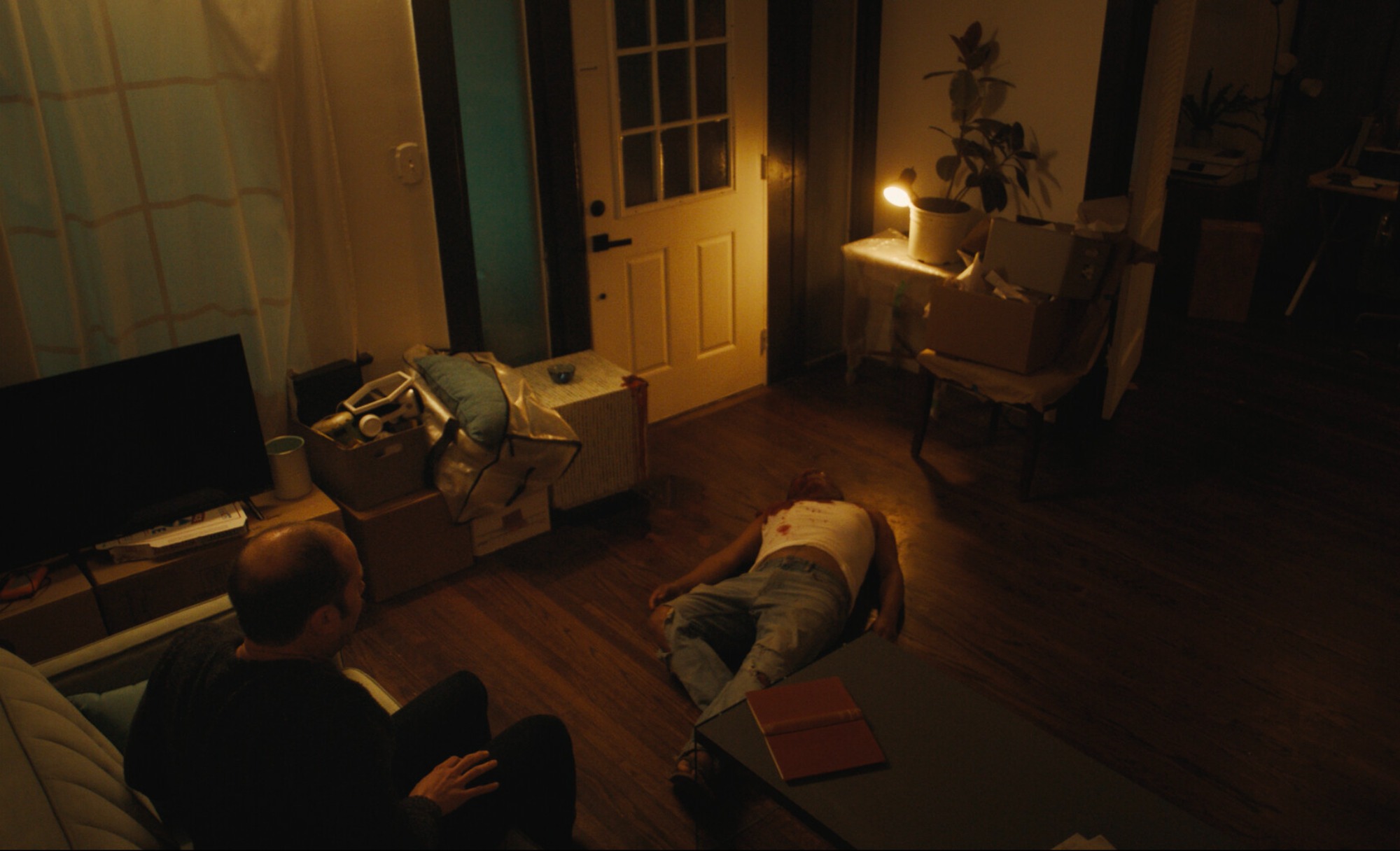
Tonally, You Can’t Talk to the Dude effortlessly drifts between humour and horror, something you’ve said you explored in both directions in the edit. How much did what was originally written/envisioned change during filming vs post-production?
Well, in some ways the film is exactly as it was originally envisioned, and the overall direction of the project was clear and stayed the same from day one. But in the details, it changed countless times, to the point where, a la Theseus’s ship, one could argue it’s barely the same film, the footage was changed so much. The biggest changes were mainly in that, by hiring great comedic actors like Sonny and Eleanor Epstein (who played Claire), the movie’s tone was shifted. There was always humour in the original script but it was always more subtle and secondary to the horror moments. But when you get great comedic actors in a film, you want to let them do their thing! And I think once I started showing footage to friends, I saw that the humour was what got the audience invested and wanting to watch more.
The other big change was just how much was trimmed down. The original cut of the film was 26 minutes long and had multiple scenes that were completely redacted and others that were severely shortened. There was a lot more context with Claire taken out, as well as a few more attempts by Rory to communicate with the Dude. And everything was shaved down considerably to make the film palatable to festivals and online audiences. That cut was far scarier and relied on discomfort and anxiety to really land its tone. I really enjoyed it but I think it was a bit too out there and arthouse for the audience I really wanted to reach, so I shaved it down to make it snappier, more commercial, and more fun.
There was always humour in the original script but it was always more subtle and secondary to the horror moments. But when you get great comedic actors in a film, you want to let them do their thing!
What I always say is that a short film has to be about 25% better for every minute over 7 minutes long it is to justify the length, so any movie over 15 minutes has to be like 150% better. But, even shaved down, the story is essentially the same as it always was, and the core concept was just so strong that it never wavered and acted as our north star throughout.
One of the hardest parts of the entire process was the VFX shots that aren’t even that essential to the final product. We had stupidly used greenscreen for all of the phone/computer shots, in a rush and deciding to ‘fix it in post’. These shots were by far the trickiest things to produce, and took way more time and money than we had anticipated, just so you don’t notice them in the final product. Big lesson learned!
Being your debut short film with a full production team, how did you find the creative process working on the score and sound design?
The sound was an incredibly difficult part of the experience, just because it is the part we are least prepared for. I think anyone involved in film or who has made anything has had to deal with cameras, knows a bit about frames and what makes an image ‘good’, but we have so little training in how sound should function and what makes it work. So, sound designing and editing stretched into a far longer process than I expected, and taught me an incredible amount, and forced me to rely heavily on the experts I brought in to advise me, Ben Steiner, Dylan Grossman and Isaac Eiger.
With sound, there is just so much invisible work needed to be done; dialogue levelled and mixed properly, sonic landscapes to be built, problems to be solved, all to make it so sound is essentially ‘invisible’. We rarely hear great sound, but we certainly know when we hear bad sound, and bad sound is the main problem with half the shorts that get made. Also, with a horror project, particularly as abstract as this one, you need to create a lot of sounds that don’t exist in nature. That is credit to Isaac, our composer, who made some amazing songs using crazy instrumentation that really added to the surreal, otherworldly nature.
The film was produced by your brother, Nic Murphy. How was that working relationship?
It was such a meaningful and joyful experience to get to make something with my own flesh and blood. Nic is an amazing producer and filmmaker on his own accord, and has been doing physical production a lot longer than I, so his expertise and crew he brought on were essential for this project. Filmmaking is such a difficult, anxious and insecure process that finding people you can trust is of the utmost importance, and having family only means you know they have your best interest at heart. I can barely imagine making a film without at least one person you trust intimately onboard, especially with independent short films, where it really is just you vs the world, with no executive or studio to tell you what to do.
You’ve said the festival run was hard going until Raindance championed the film and the floodgates opened. Can you tell us about that experience as a whole?
I mean, the main takeaway I’d love to leave any other filmmakers reading this with would be that this short is such a symbol of resilience. Every step of this process was so difficult and I had to stand alone with a unique and strange project, one that wasn’t easily digestible or commercial, with so many people saying, “Huh” along the way. And I stuck to my guns and kept persevering even when the odds were stacked against us. Finishing the film took a long time and required so much change in tone, length and style that by the end I wasn’t even sure if I loved what I had made. It wasn’t as scary as I wanted, it wasn’t as impactful, I knew people liked what they saw but it’s hard when you are making something that is supposed to be discomforting and untraditional to know when you’ve hit your mark or not.
I had enough good feedback from people I trusted to know the film worked and was good, but it was over a full calendar year of rejections and insecurity before we got our first acceptance. We applied and were rejected from probably 45 festivals, and it shook me to my core. As a first time filmmaker, it made me question my own aesthetics and my decisions; was I proud of a movie that was bad? Had I failed? All of these thoughts were very corrosive and threw me into such a funk for a full year. And then, it’s so silly but all it took was one acceptance to change the whole narrative and teach me to trust my instincts. I think this film was just a little too untraditional or strange for programmers to take a punt on, but once we had one ‘stamp of approval’, we suddenly leapt from a 1/50 acceptance rate to a 1/5.
As a first time filmmaker, it made me question my own aesthetics and my decisions; was I proud of a movie that was bad? Had I failed?
I am both proud of our festival run but also want to keep it as a reminder for myself and other filmmakers of how easy it would have been to give up at any point, accept defeat and move on, or of how many wonderful films never find that brave programmer to take a shot with them. What I’ve now realized is that getting into any festival is truly a miracle, given how many thousands of amazing shorts are produced every year, and it really is not a marker of quality to get in or not. And, the pressures of how these festivals are programmed forces everyone to reject many films they love. Huge shoutout to Raindance and their programmer Danny Moltrasi, for championing our film and bringing us here. It took someone courageous enough to play this film to open the floodgates to our amazing festival run! Danny runs an amazing short programme there and I was so honored to be included.

With You Can’t Talk to the Dude now online for the world to see, what’s next for you?
Whew, what a whirlwind! I am working on a few new projects, mainly a feature that I hopefully will be able to produce on a micro budget in the near future, as well as a feature version of this short! I have a few short film ideas I’d love to make as well, but after making this film by scraping together resources, I’d love to find a smarter and more economical way to film in the future.
But mainly, what I learned traveling the world and going to festivals is that the main thing holding any of us back from making a feature is our own fears. There are a million ways to make a film and some of the best movies being made are being made in non-traditional (and cheap!) ways, and making a feature like that is the next hill to climb. We’re entering a new, strange age of filmmaking but it is one that I do believe will be a great opportunity for anyone willing and able to forgo traditional systems and make great stories and find their audience anyway they can.
And finally, what’s another short film you’ve seen you would recommend to the DN community and why?
Well, the short I always come back to, and which was the main inspiration for this short, is the Duplass Brothers’ first short, This is John. It’s such an amazing concept executed brilliantly, and shows how little we need to make a good story work. It should be a north star for any filmmaker trying to make shorts without money or traditional support. All it takes is a great concept, a great actor and a strong script to stand out, even if your short looks and sounds amateur. Easy!