To argue that men have a slightly easier time in life than women would be a massive understatement. Menstruation, pregnancy, childbirth, and even a casual glance at the many options for female contraception go a long way toward shutting down that argument before it even begins. Laughably so. And it’s laughs that writer-director Ben S. Hyland uses to great effect in The Snip, schooling ignorant men while entertaining everyone with a sharp look at what it really means for a man’s masculinity—and his manhood—when he decides to have the chop. In The Snip, his latest short to feature on Directors Notes (following Bleep, written with yours truly), Hyland introduces us to a father of three who must choose between the mild inconvenience of wearing condoms from now on or the nightmarish, to him, prospect of a vasectomy to keep his brood from growing any further. Premiering online today following The Snip’s busy festival run, Hyland talks to us about the firsthand inspiration behind his latest short, the importance of letting creators create, bringing an animated character to life, and finding a canine performer with impressively large testicles.
The Snip is a comedy that has an important central message as well as being very funny. What sparked the inspiration for this story of fragile masculinity?
I came to a point in my life where I knew that I didn’t want any more kids. When this happens, the question of vasectomy comes into the conversation and the thought made me feel a little uneasy. I spoke to male friends and it appeared that I wasn’t alone in feeling unsettled by the conversation. It made me dig a little deeper and ask why. The ability to procreate felt primal. It was somehow an attack on my masculinity to even consider such a procedure. Of course, these are very emotive overreactions to what is a logical, sensible and completely normal thing to do. So in summary, the film’s starting point was exploring why a vasectomy felt like such an uncomfortable issue directly tied to masculinity.
Once I understood that the issues in the film would be very relatable, I didn’t hang around in the writing process. It was a problem already leaning into comedic moments and it wasn’t a massive stretch from my own personal perspective to write a male protagonist who was a complete idiot. In my opinion, the best comedy always starts from a place of truth. It gives the writer (me) something to latch onto and conversely, it’s that truth that will ultimately allow audiences to empathise with the character and situation. I feel as long as that is the lynchpin then it gives me the artistic license to explore.
The truth in The Snip is that a large percentage of men feel threatened and uncomfortable with the idea of a vasectomy, and it gives me the opportunity to make fun of that, push the comedy into the absurd and expose how ludicrous that threat on masculinity actually is. As for the comedy elements, for me, it doesn’t matter if anyone else finds it funny. If I personally find it funny, then there’ll be people who it connects with. That’s my mantra when writing. I’m trying to make myself laugh.
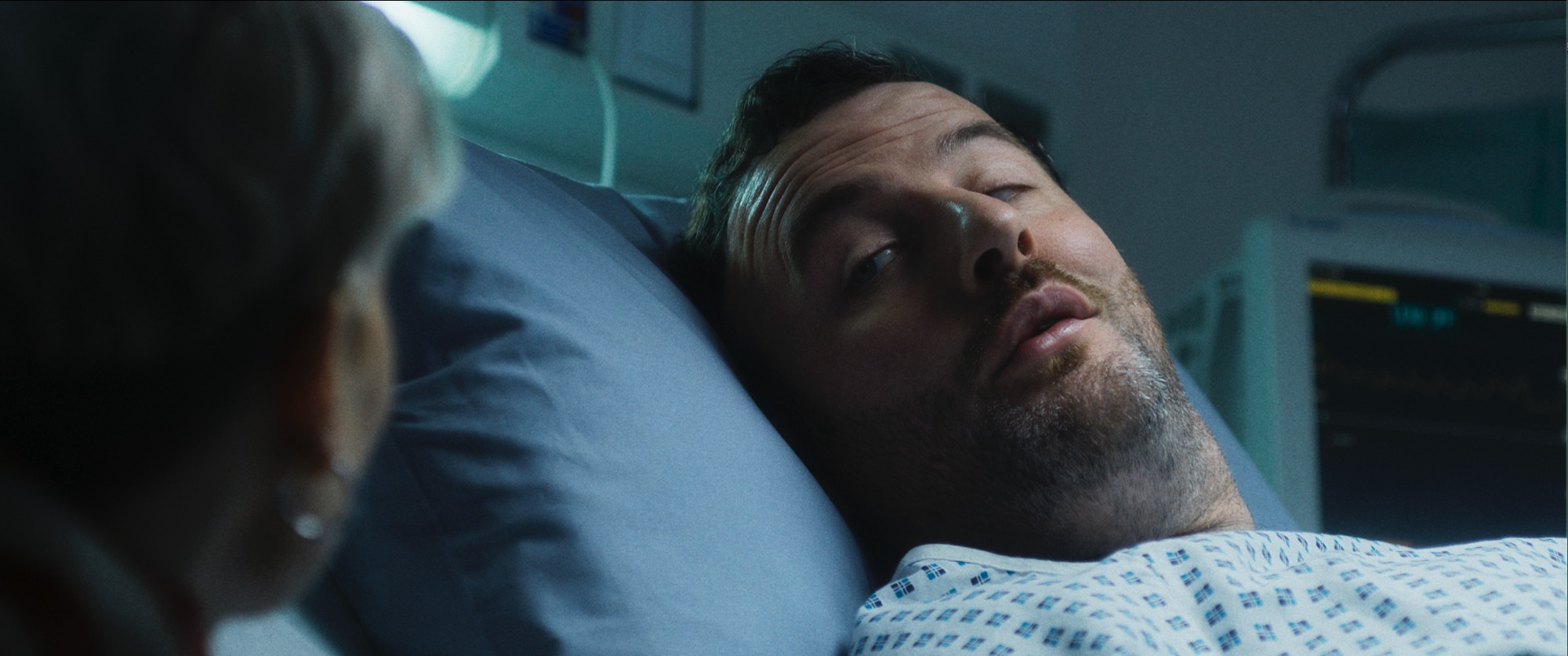

The film is anchored with great performances from Ciaran Dowd, Rebecca Shorrocks and Sunil Patel. What’s your approach to casting and what did this trio of actors bring to the project?
I am a great believer that the majority of directing is done both at script level and also when casting. For me they are the two most important stages of production. It really is about getting the cast that will fit the roles and just ensuring that everyone is on the same page. I won’t do line readings, nor do I overdirect. I cast people who are talented and funny and will naturally elevate the words on the page. The ideal scenario for me is to throw an actor the ball and watch them run with it. I’m on set watching the monitors as an audience member and I’d really only step in if something is majorly off. In this instance, I just let funny people be funny.
I cast people that are talented and funny and will naturally elevate the words on the page. The ideal scenario for me is to throw an actor the ball and watch them run with it.
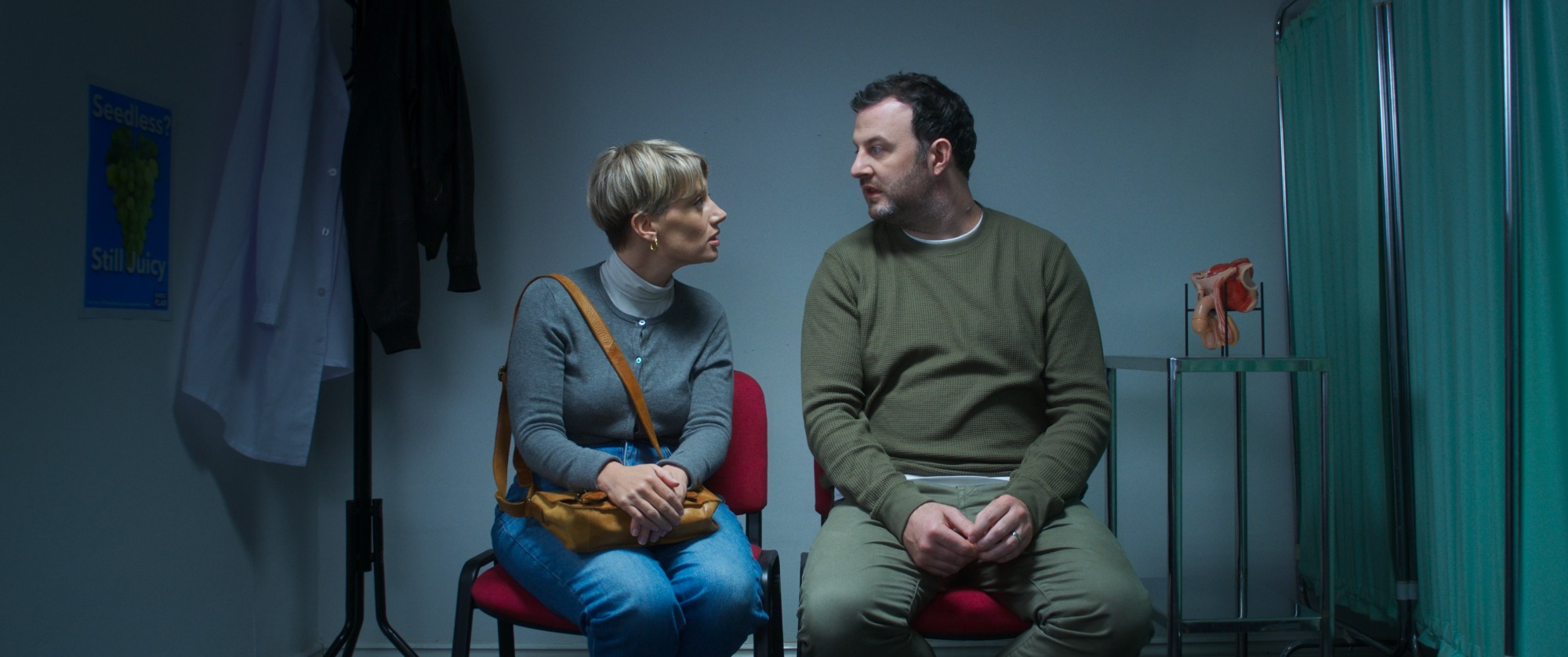
Ciaran Dowd is just a brilliantly funny performer. He’s an Edinburgh Fringe winner, his timing is impeccable and he’s great with improv. Honestly, the best performers don’t need direction. They just need to be let off leash. Rebecca Shorrocks is a long time collaborator and again, like Ciaran, she just knows what’s funny. She’s a proper actor as well. She was playing the straight role next to Ciaran’s buffoonery, which I think is a skill in itself. Sunil Patel is just the most deadpan performer working in comedy. He plays everything straight as a button and it’s always hilarious. He was a pleasure to watch on set.
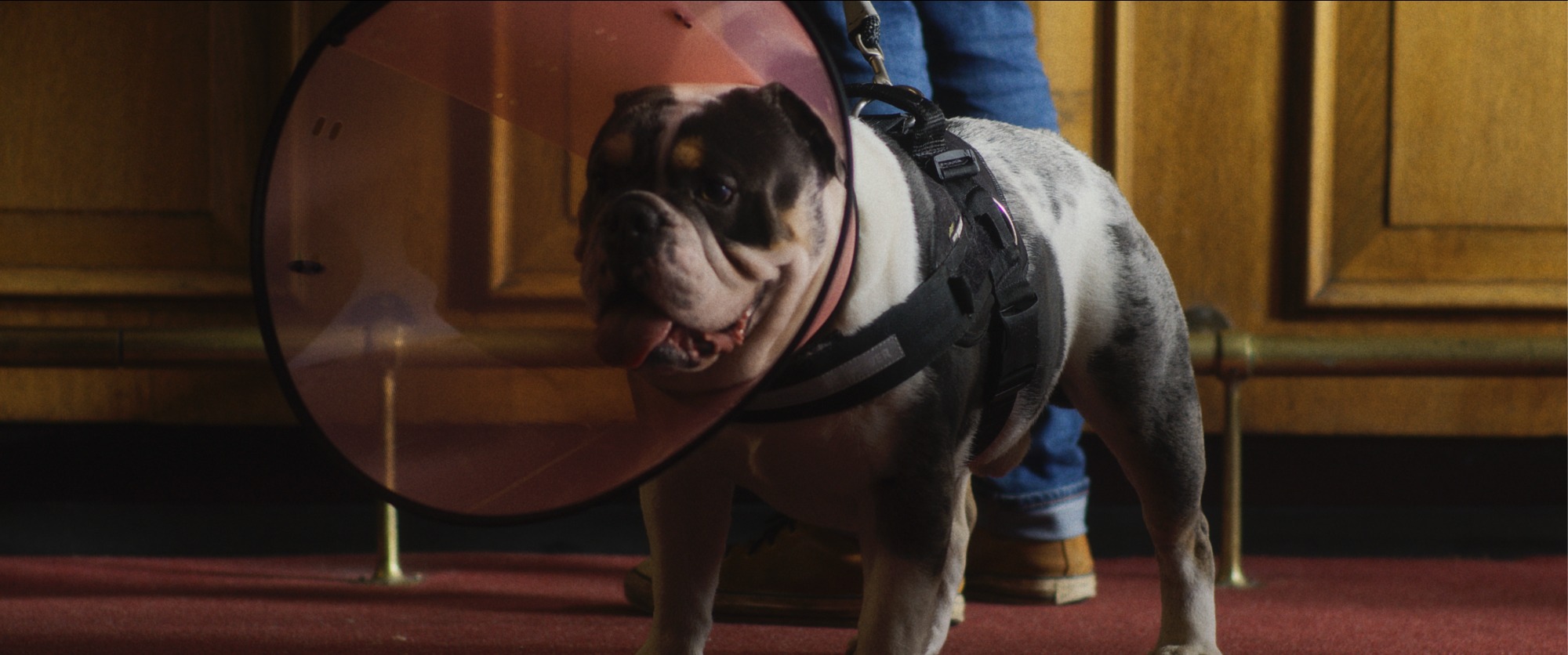
Another star of the show is the very well-endowed Winston. How did you go about finding a pup with just the right ‘credentials’?
The initial plan was to find two identical dogs. One with testicles and one without. Turns out it was an impossible task, so we ended up being selective with our framing for the ‘post op’ version. Honestly, I think Winston’s owner might have been the only one who applied. It’s quite a difficult sell. “Can we use your dog to get close ups of their testicles?” Not a usual ad for Spotlight. It was one of those situations that just ended up working out well. I couldn’t imagine another dog’s testicles in my film.
Most Popular
“You fucked up, Cowboy!” My personal favourite moment in the film. Who did you work with to bring Snippy Steve to animated life?
We hired animator Claire Winter. She’s super talented and up for the challenge. I always had a cross between Microsoft’s Mr Clippy and Jurassic Park’s Mr DNA in mind. That was Claire’s brief and I just let her crack on with it. She did a fantastic job.
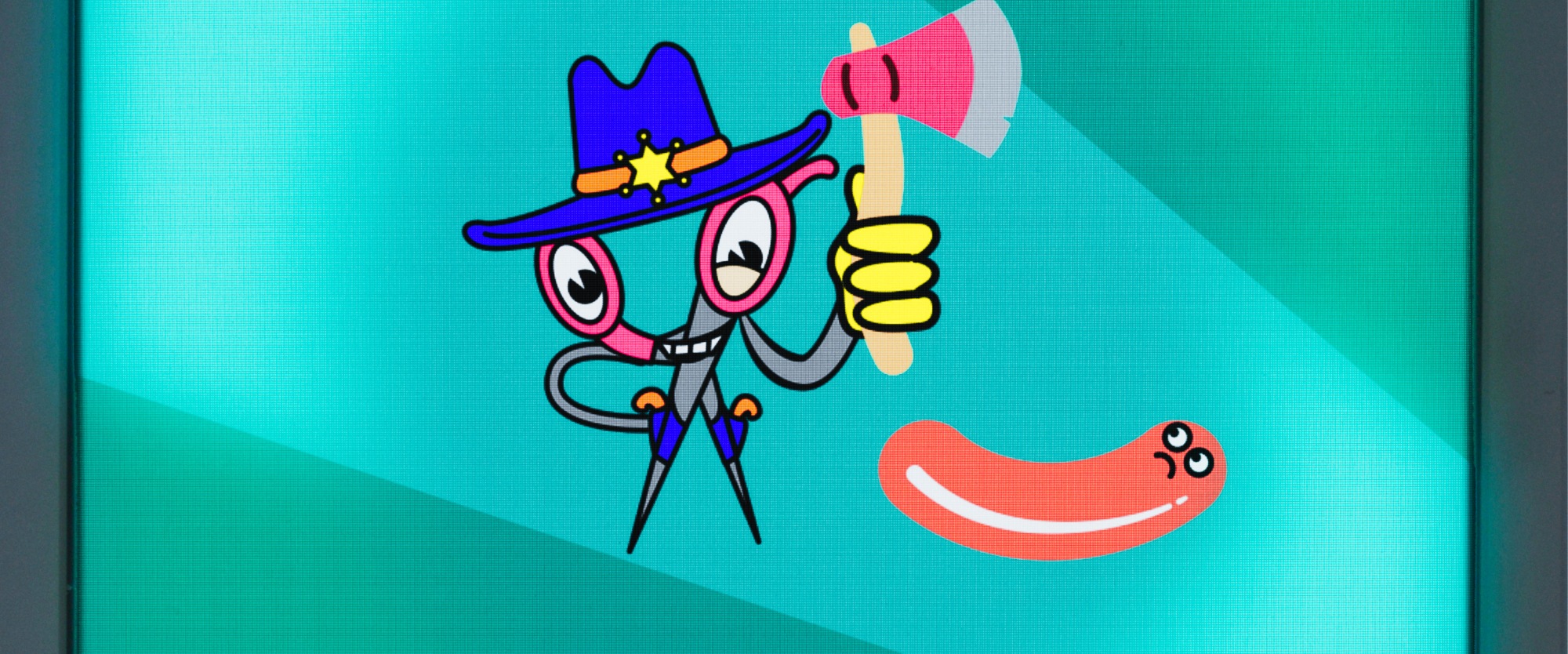
The voice was slightly different. We went to great lengths to find (and pay) an American actor to give the character some gravitas. I wanted a Sam Elliot type. Gravelly and stoic. It came to the edit, and it just didn’t work at all. The actor did a fantastic job, but it just wasn’t working for the moment. Adam Smith (producer) and I discussed going back to find another actor, but I did a temp recording, which we ultimately thought worked really well, so the voice acting for Snippy Steve is me. It turns out to be a little less Sam Elliot and more Mr Hanky the Christmas Poo, but it worked well, so we stuck with it.
I have little interest in tech. I know enough to have conversations around it, but the main focus is always story.
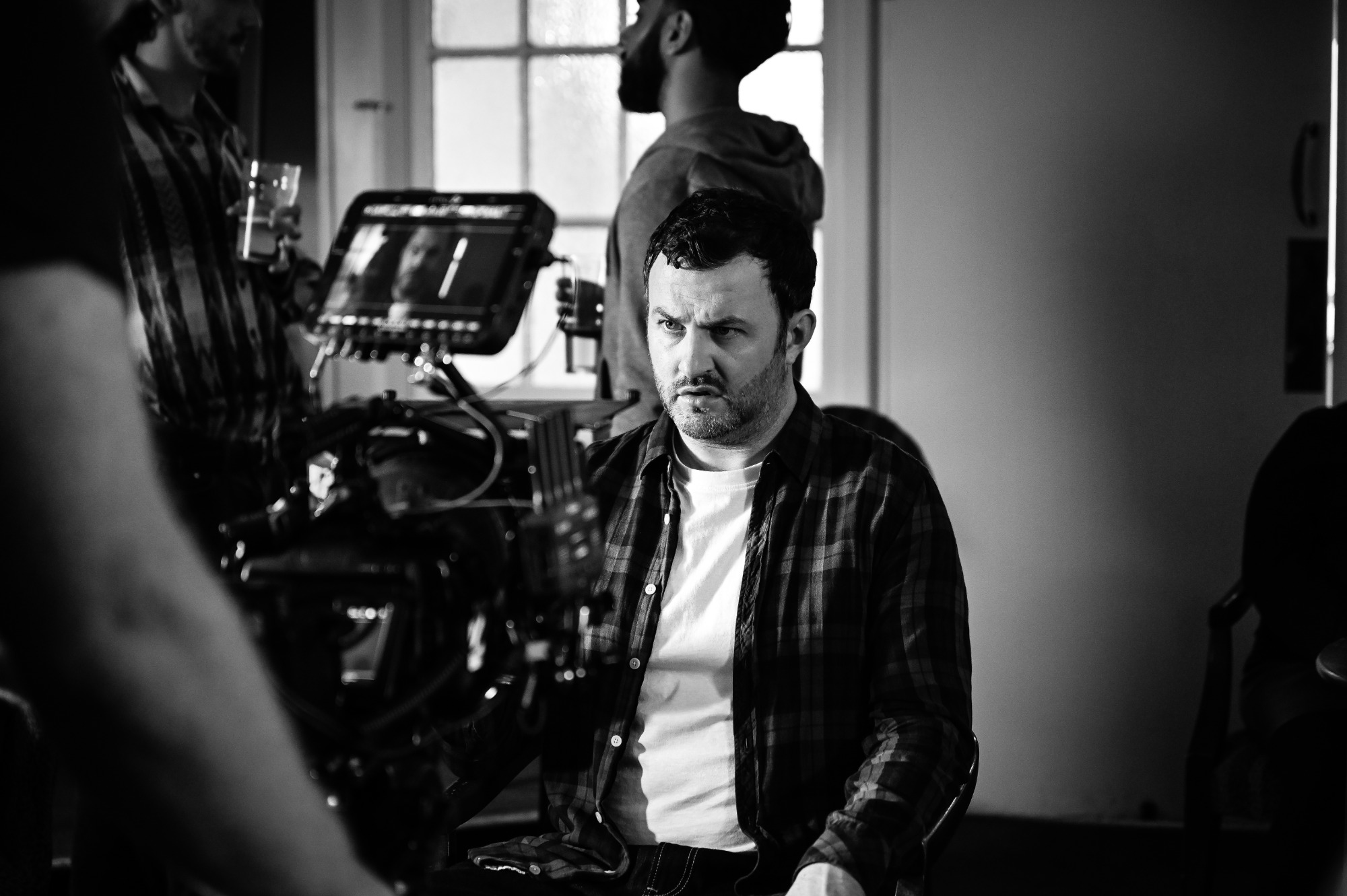
It was your first time collaborating with David Cawley, your Director of Photography. What guided your approach for visually capturing the tone of the script?
We worked on the overall look of the film during preproduction. David is a talented DP and he questions everything in frame. It isn’t about making it look nice. It’s what is enhancing the story and/or character in every specific moment. He’s a storyteller and so that’s how we framed all of our conversations. I have little interest in tech. I know enough to have conversations around it, but the main focus is always story and that was our shared language. Every decision that we made was driven by story.
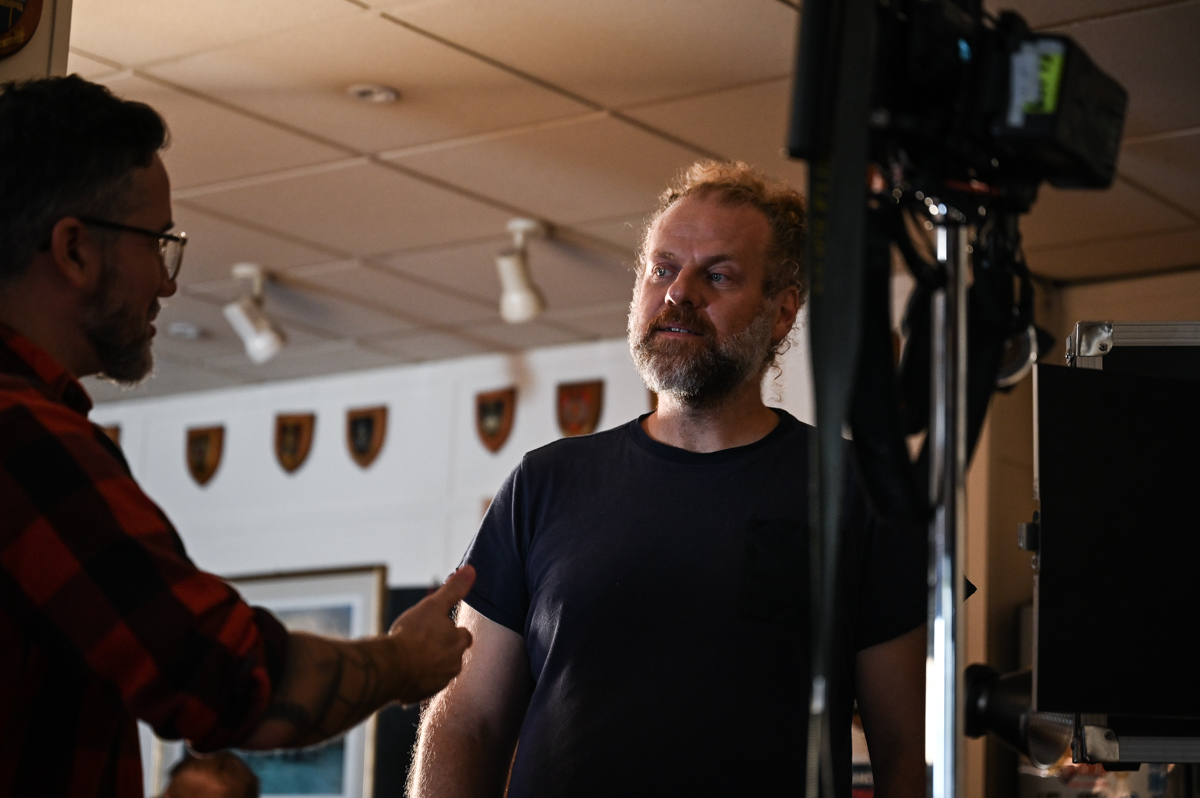
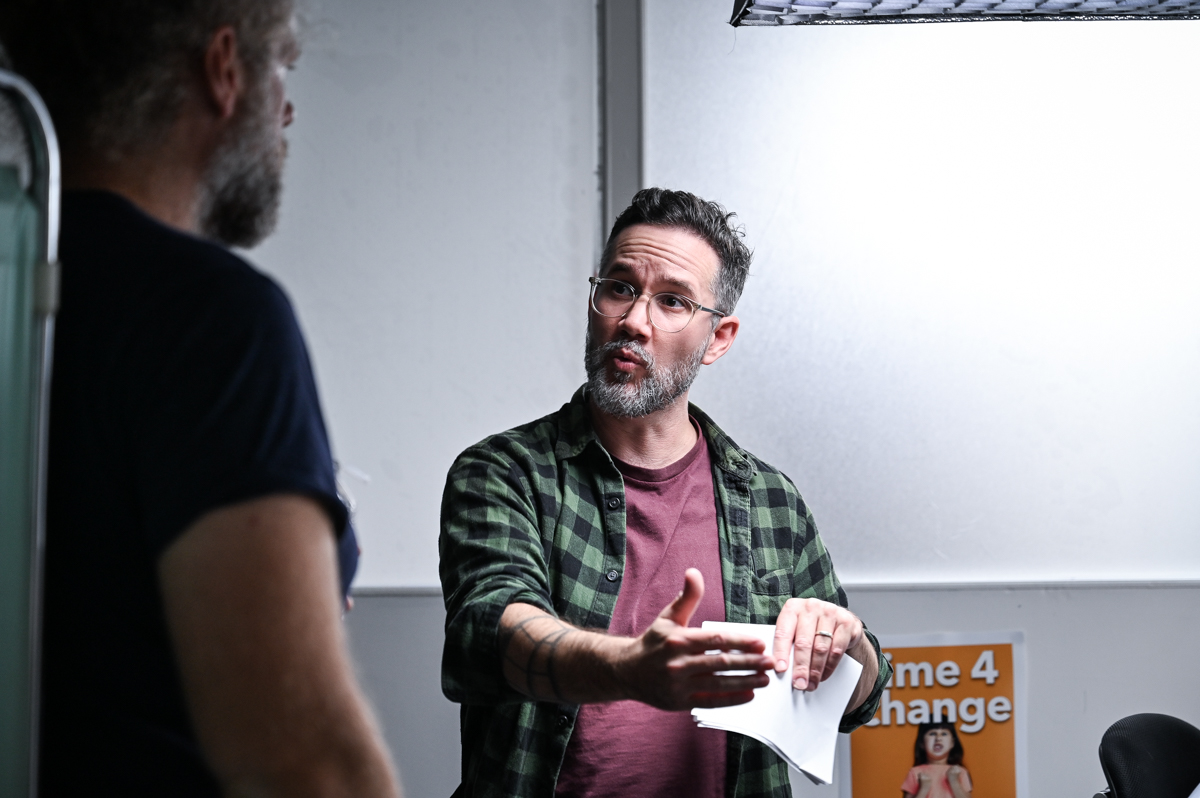
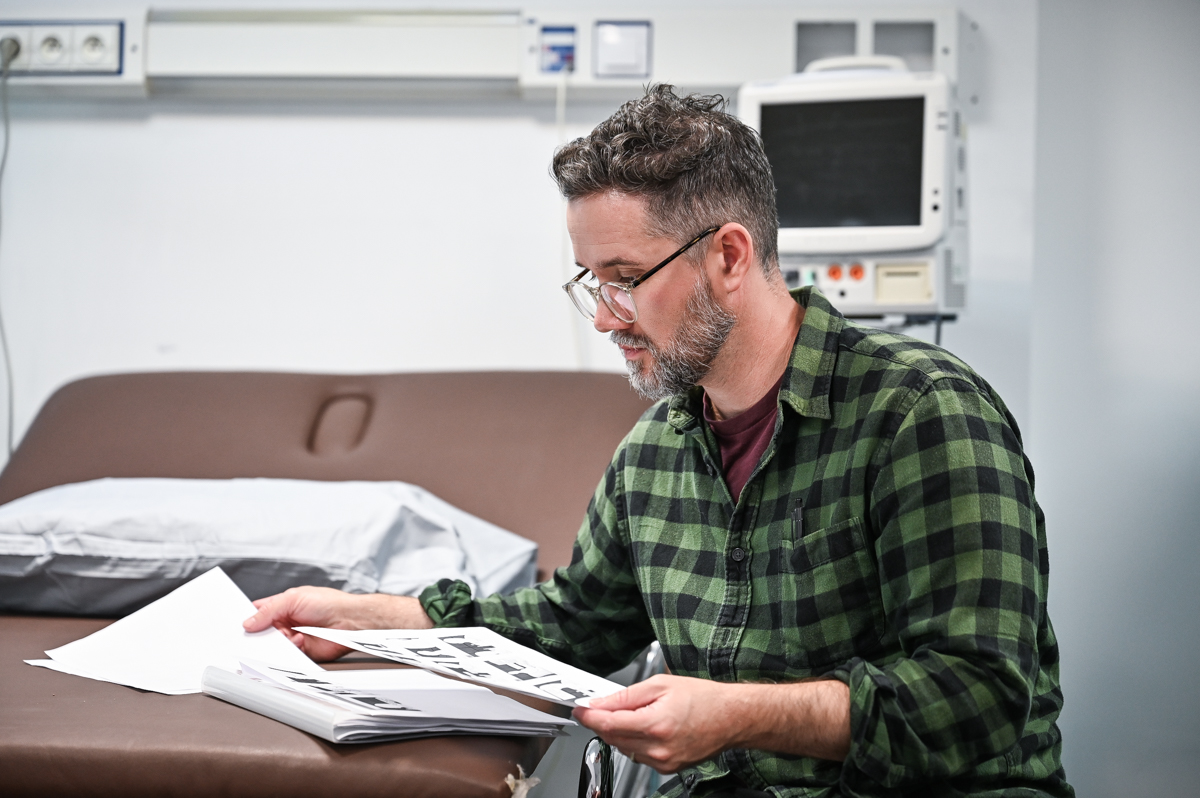
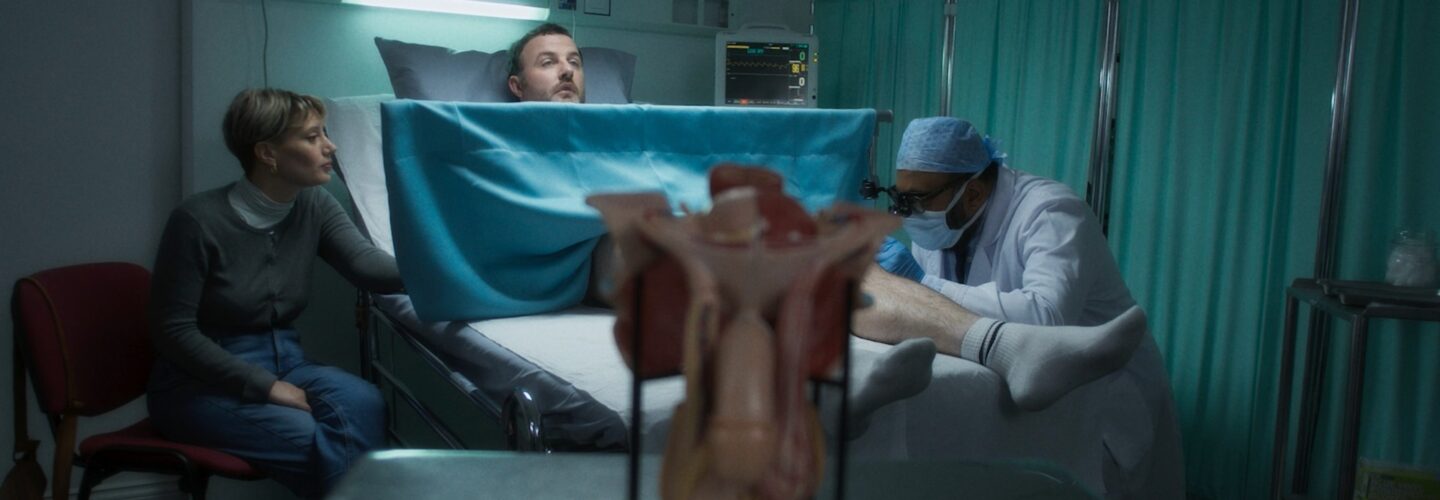
The Snip boasts some lovely production design, particularly in the clinic where posters, props and set dressing perfectly complement the story, as do the ‘chin balls’.
Production Designer Alessandra De Palmer is a frequent collaborator. I think similar to actors, you hire crew that ‘get’ the project and fully understand what film we’re making. At which point you discuss production design and allow people to get on with their jobs. Film is collaborative and I don’t want anyone to feel creatively restricted. I don’t expect anyone to simply buy things that I want. My expectation is that they will improve on my ideas and elevate what’s on the page.
Oh and as for getting the chin testicles, thank God for stag dos, hen parties and the internet. I think when making a comedy from a male perspective about a vasectomy there can never be enough testicle gags. From memory I think everything was in the script. Possibly the addition of earlobe testicles may have come in post.
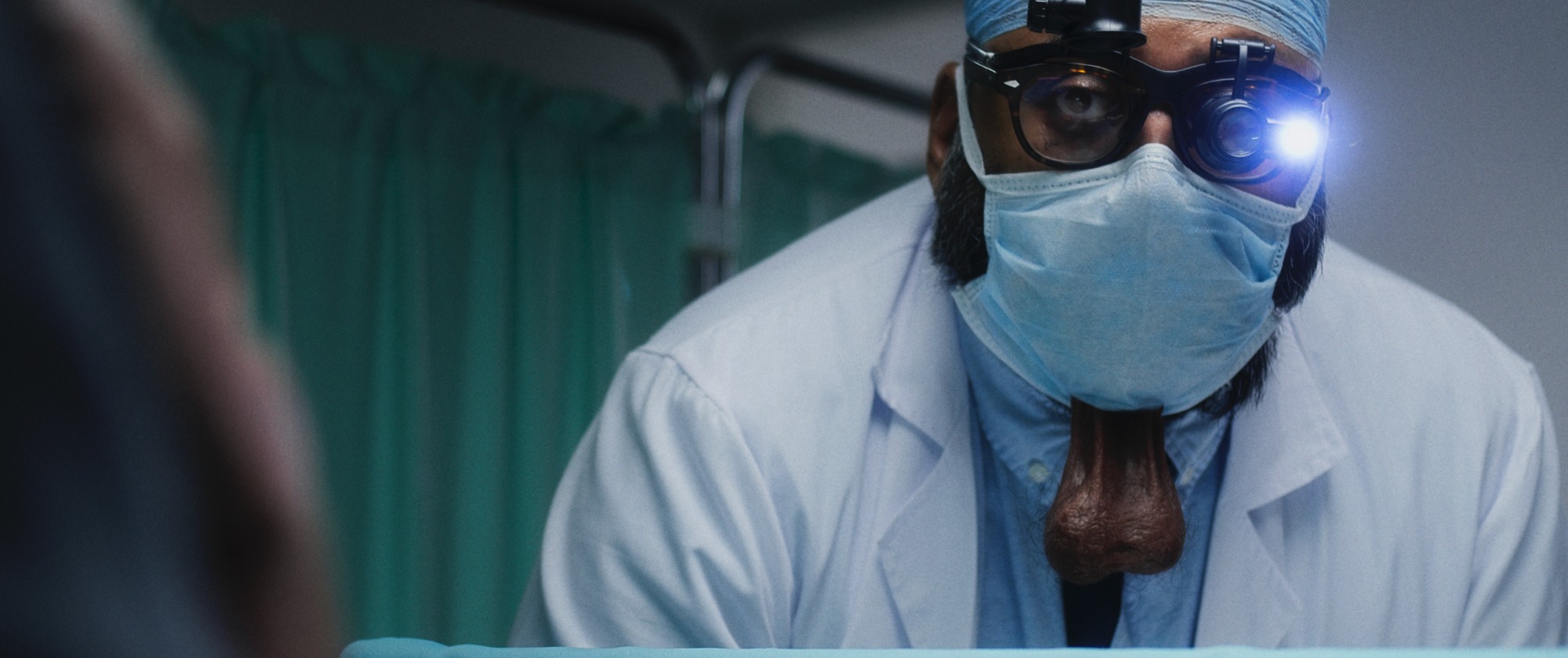
I think when making a comedy from a male perspective about a vasectomy there can never be enough testicle gags.
You’re a very experienced comedy director, and in comedy timing is everything, which makes the edit particularly key in determining how jokes land or not. When working with an editor do you have a tried and tested approach for bringing out the best in what was in the script and finding other unexpected moments?
It comes back (as it always does) to hiring talented people. And I can say that Jim is a fantastic comedy editor. Jim Page had my storyboards, script and rushes. I tend to step away from those early stages of the edit. I will get one chance and one chance alone to watch my film for the first time. That’s important to me. When the edit is locked, graded and sound designed, you’ve seen it hundreds of times so watching it initially when it’s 95% there is great to get an initial gut reaction. Again, this is all about allowing creative people that freedom to work, experiment and deliver their best version of the film.
All these elements are capped off beautifully with a soundscape, which includes a gothic choir. Was this something you and your composer Hollie Buhagiar [a DN favourite] originally envisioned?
Hollie Buhagiar is a genius. She constantly surprises me in the best possible way. A film’s score, especially in comedy, can help narrate those emotional arcs and comedic beats. We spoke at script stage about me wanting something overly dramatic and orchestral. Again, I didn’t want to give her anything too limiting. I cannot place strict parameters on other creatives who are much better than me in their areas of expertise. When Hollie sends me her score, I don’t want to feel like it’s exactly what I was expecting. I want to feel surprised and excited by the direction she has taken. I really think she outdid herself.

What short films would you like to add to the Directors Notes recommendation list?
It’s an oldie, but I always think about Norteños by Grandmas. It’s such a weird and dark comedy. I also like the oddity that is The Diamond by Vedran Rupic. Both films lean into strange characters and stand out from other comedy shorts.
Now that The Snip is out in the world, what’s next for you?
Lots of writing at the moment. Trying to avoid the lure of falling into another short (but never say never). I’m focusing on writing features and TV pilots and taking advantage of other opportunities. Also enjoying a current festival run for a short I shot last year called The Man That I Wave At.