
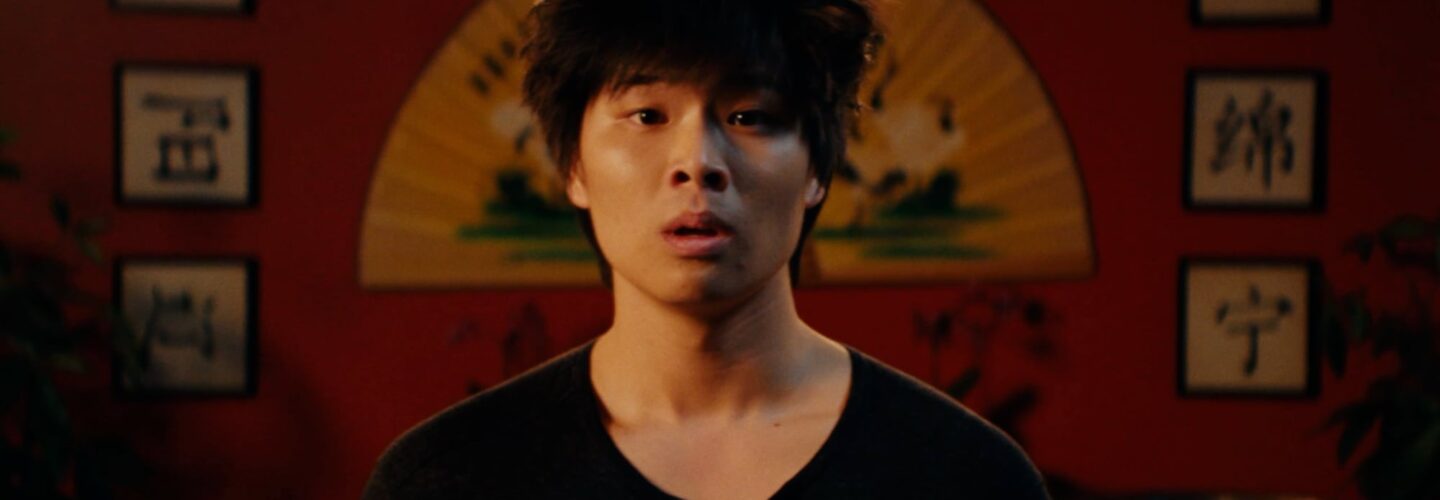
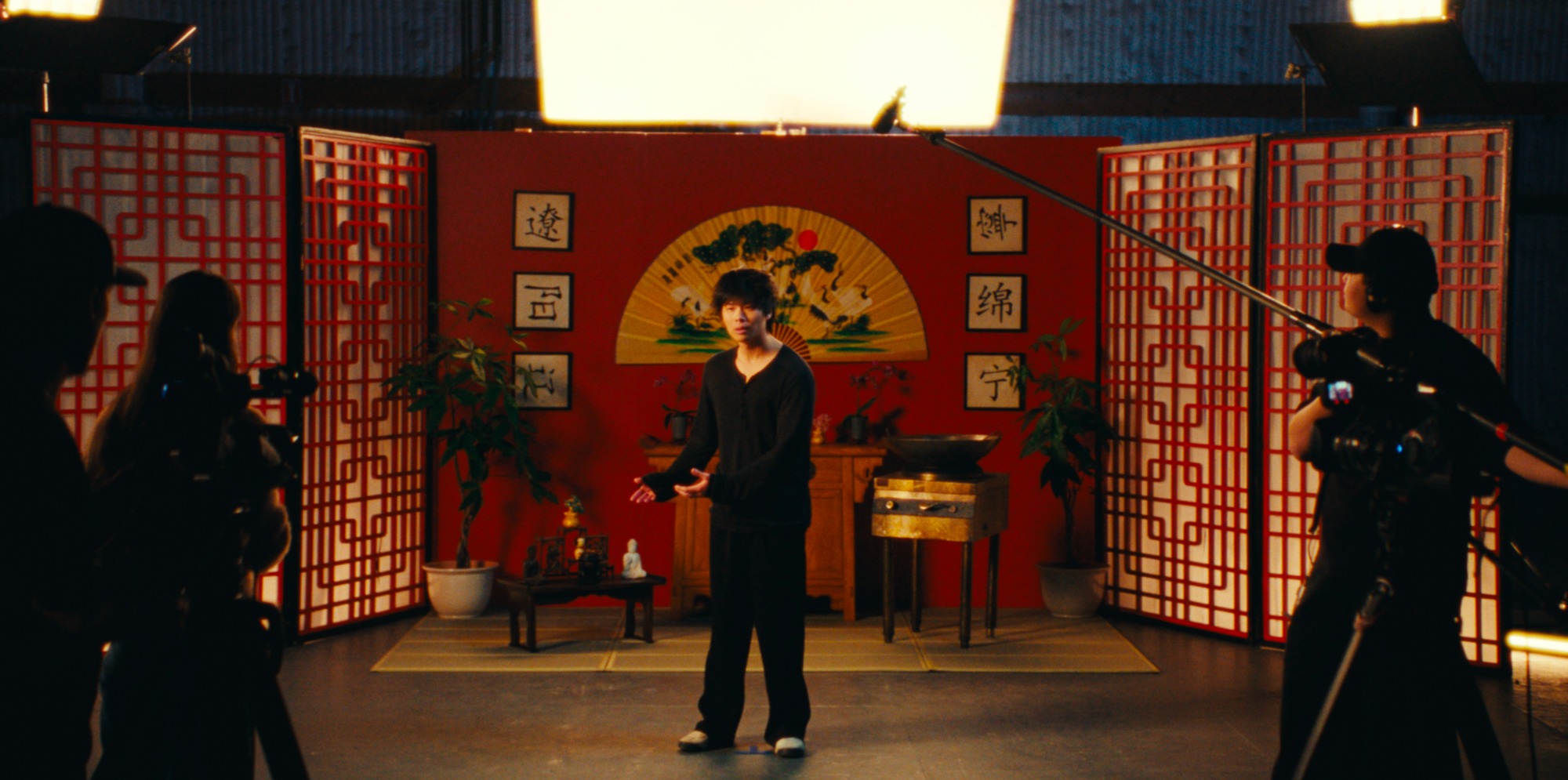
Conducting interviews for Directors Notes, it’s easy to fall into the rhythm of asking the same questions over and over again. Anyone who’s attended a few filmmaker Q&As at festivals will probably know exactly what I mean. While a certain degree of laziness can undoubtedly creep in, it’s also true that there are simply some questions you instinctively want to ask. In the case of Nathan Xia’s Flavor of the Month – a sharp, darkly comic satire of representation politics in the film industry – it was immediately apparent that the story was rooted in lived experience and that was something I was eager to explore.
It was therefore difficult not to make one of my opening questions about the inspiration behind the film. When the answer begins with Xia revealing that he had “screen-tested to be the lead in a major Hollywood blockbuster film”, I think that instinct is more than justified. Yet Flavor of the Month is far more than the product of an extraordinary backstory. As our conversation unfolded, Xia spoke candidly about the challenge of simultaneously directing and starring in the film, developing its “hyperspecific visual vocabulary”, and why creating an atmosphere with the “freedom to play” was essential to both the performances and the filmmaking process.
Hi Nathan, welcome to Directors Notes. We’re really excited to talk to you about Flavor of the Month today. Before we dive into the specifics of the film, though, I wanted to talk a little about your filmmaking career. You’ve been incredibly prolific over the past eight years, directing 13 films in that time. What first made you want to become a filmmaker, and where does that drive to keep creating come from?
My ‘filmmaking career’ began in 6th grade when I discovered a passion for creating highly unserious YouTube videos to entertain my friends and make my peers laugh. Growing up, I had always felt like a bit of an outsider, but these videos helped me cultivate a sense of community and find my voice as a human being. With every project, my love for creating snowballed, and I quickly discovered a strong sense of purpose.
There is no lonelier feeling than feeling misunderstood, and to me, filmmaking was the antidote. Every film I have ever made was born out of a deeply impactful experience that required a vessel to help me process. Their creations have not only relinquished a part of my burdens, but also miraculously transformed the loneliest parts of myself into a way to connect with others.
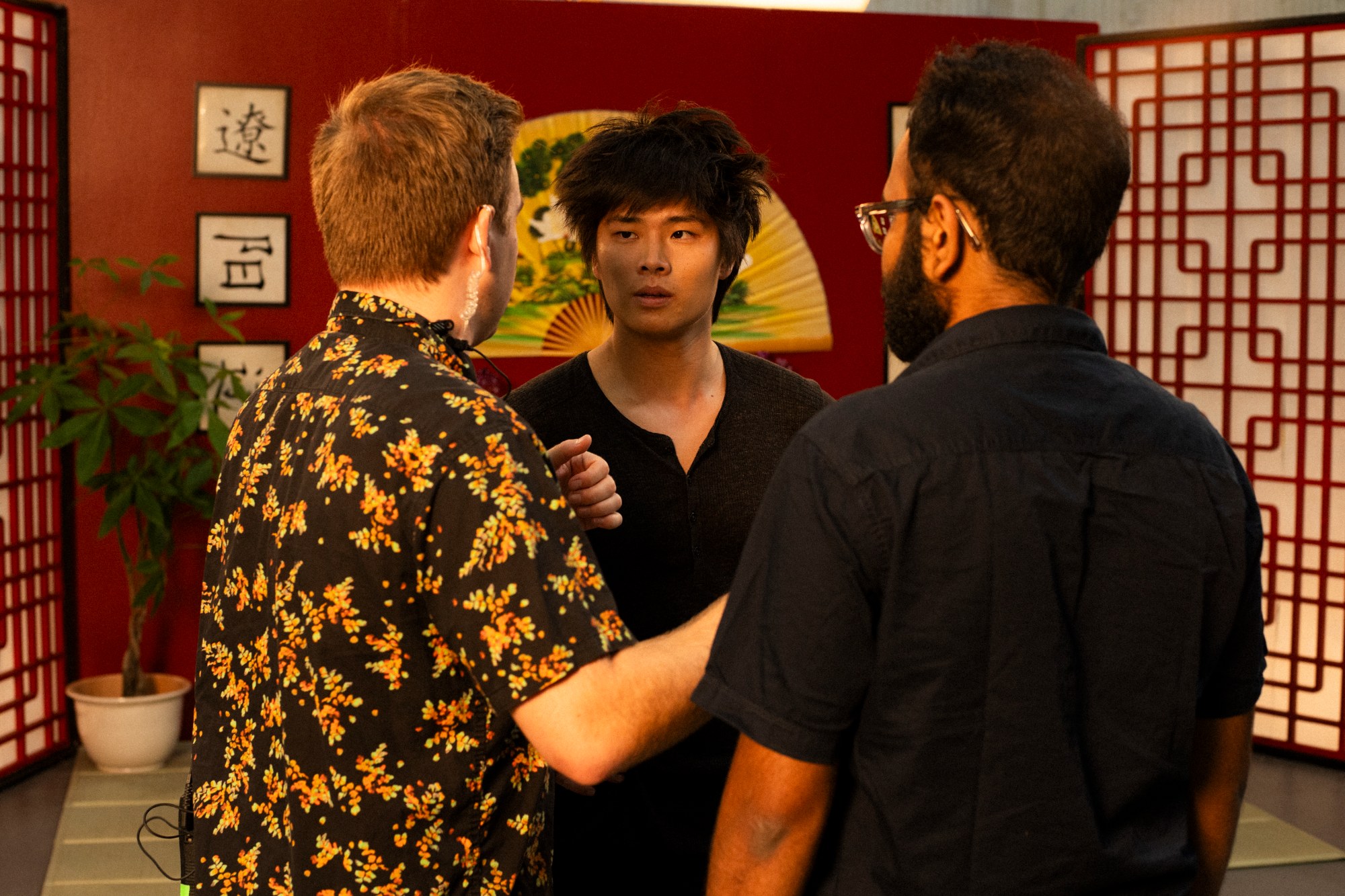
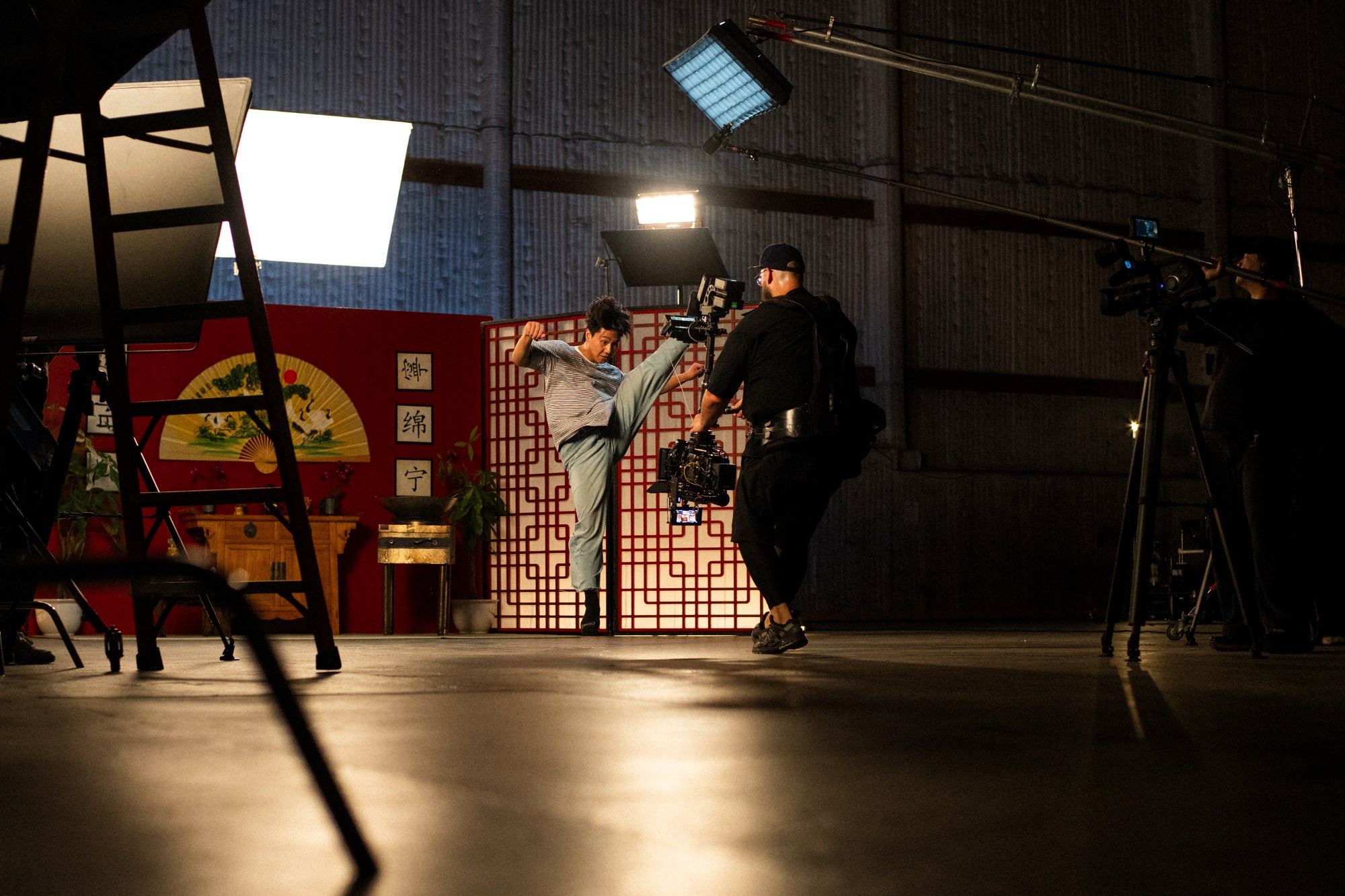
For Asian American cinema to truly progress, we must set aside our egos.
Sticking with the idea of inspiration, I know Flavor of the Month has a pretty unusual real-world starting point. Can you take us back to that experience and explain how it evolved into the narrative of your film?
Flavor of the Month was loosely inspired by an experience I had screen-testing to be the lead in a major Hollywood blockbuster film. While the short pokes fun at the way modern-day Hollywood navigates Asian American representation, the core of the story ultimately stems from my own insecurities.
Most Popular
For years, I have spoken on panels, done Q&As at film festivals, and preached the importance of representation in the film industry. However, when I found myself competing against other Asian American actors for a life-changing opportunity, I noticed my attitude subtly shift to “fuck these other guys, I’m the best Asian.” Reflecting upon my own hypocrisy inspired a question – what do you do when your values are at odds with your own ambitions? I believe that for Asian American cinema to truly progress, we must set aside our egos and have the maturity to come together, even and especially when we have nothing to gain.
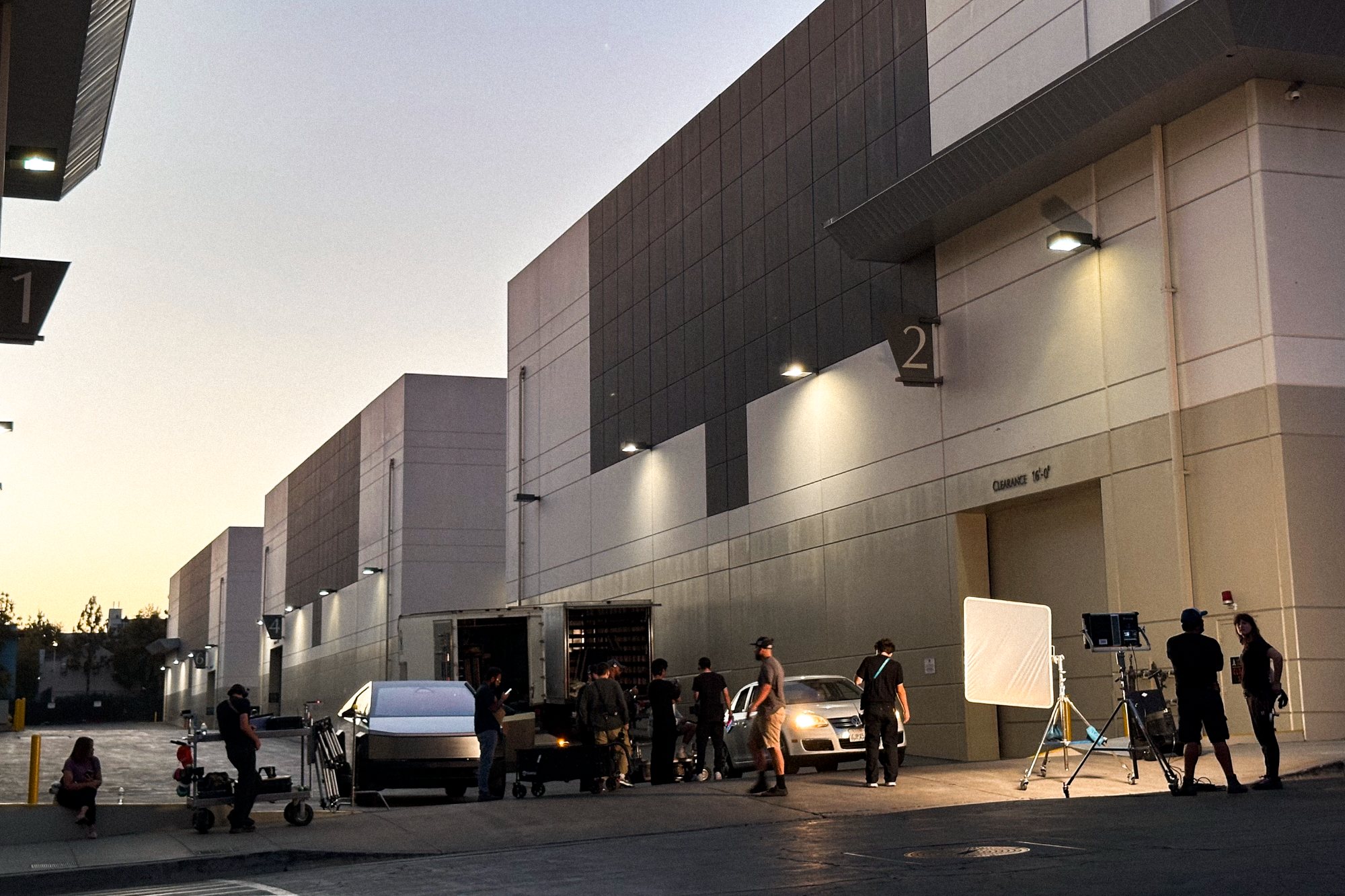

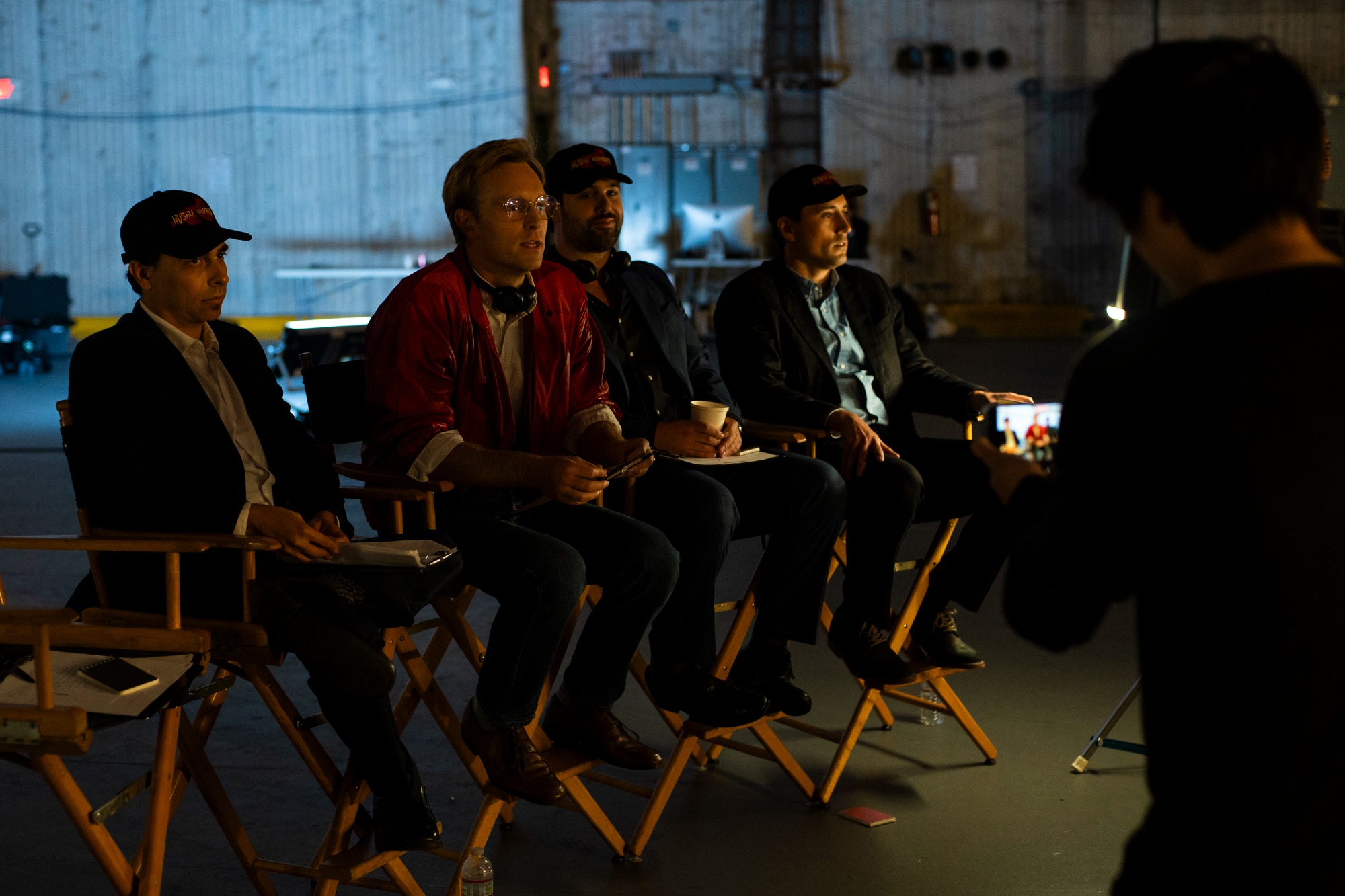
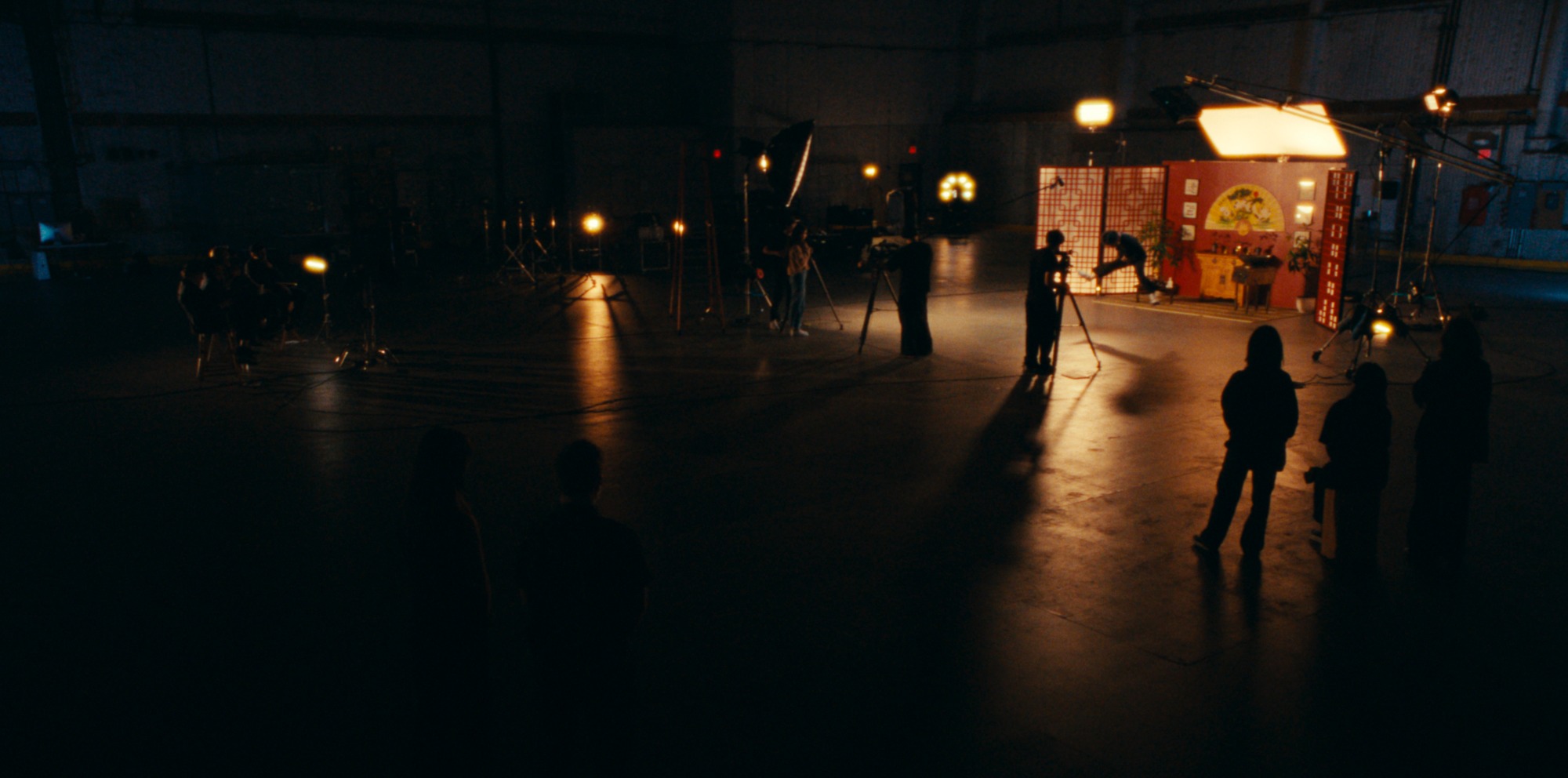
One of the things I love about the film is the balance it strikes between humour and topicality. It’s hugely entertaining, but it also leaves you with something important to think about once it ends. How did you work to get that balance right and what do you hope audiences take away from Flavor of the Month?
I never deliberately try to be funny when writing a film, but somehow, the brain-rotted, Gen-Z, child-of-the-internet always finds a way to trickle in during the production process. Inspired by the works of Joachim Trier, Abbas Kiarostami, and Richard Linklater, I spend the majority of my time in development, crafting a strong philosophical understanding of my themes.
My favorite kind of humor isn’t forced, but rather birthed organically from conflict.
Once I believe I have found a unique and nuanced perspective, I reward myself with the freedom to play, improvise, and fuck around on set — discovering the humanity in the absurd. My favorite kind of humor isn’t forced, but rather birthed organically from conflict. In my films, the drama inspires the comedy, and the comedy inspires the drama — forging a complex yet unique tone that leaves you unsure how exactly to feel, but feel a lot nonetheless.
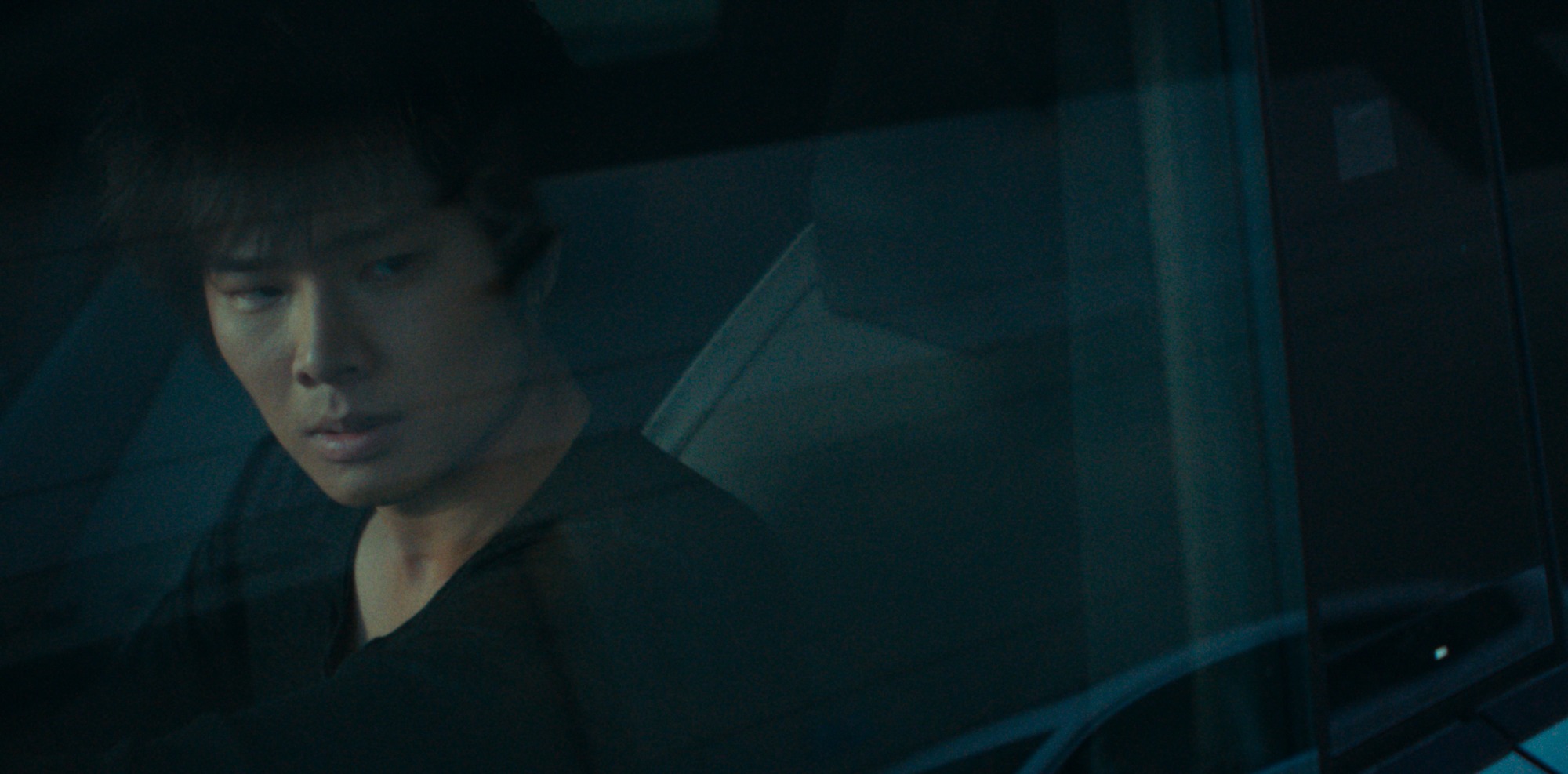
Staying with that idea of balance, we see two very different sides of Harrison Huang throughout the film: the private moments in his car or staring into the restroom mirror, and the more performative version of himself on set or in interviews. Why was it important for you to present that duality?
I think it’s ironic that the best acting Harrison does in the film isn’t when he’s performing at the screen test, but rather when he’s virtue signaling during the press interview. Emphasizing the contrast between who Harrison is and who he feels he has to be helps the audience empathize with such a flawed character and creates accessibility for the themes I explore. It is the duality of Harrison Huang that forces us to look within and confront our own hypocrisies.
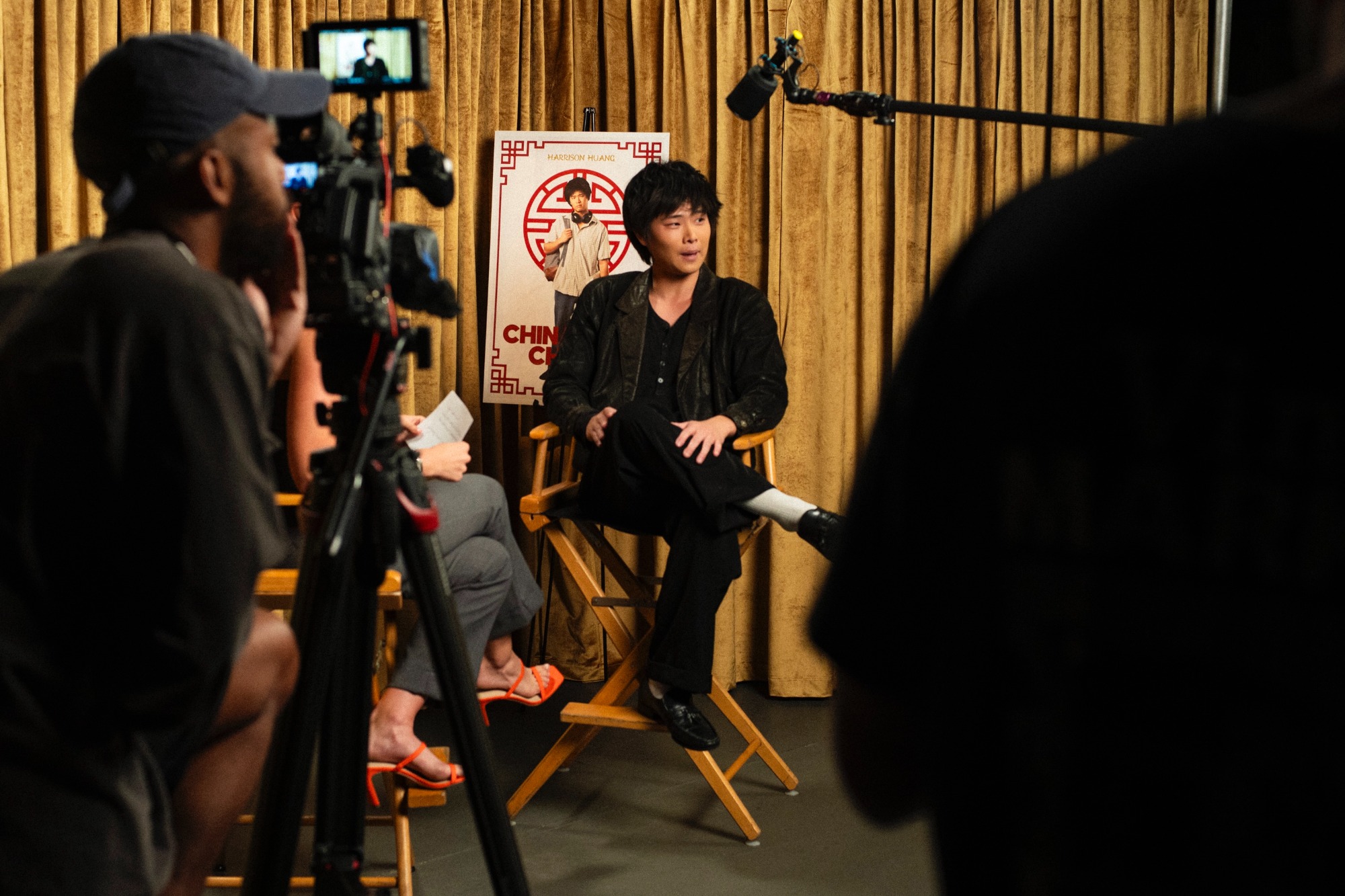
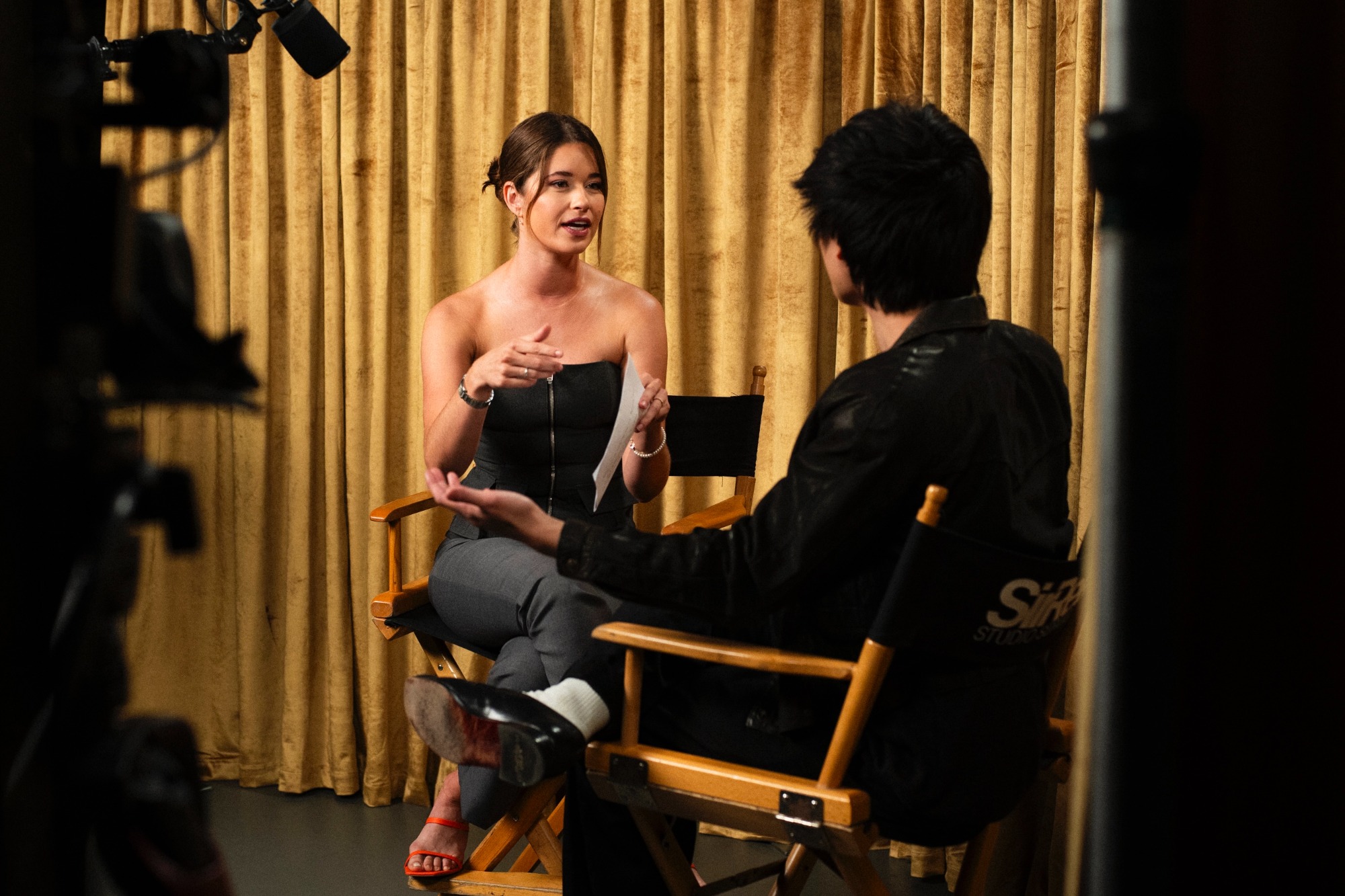
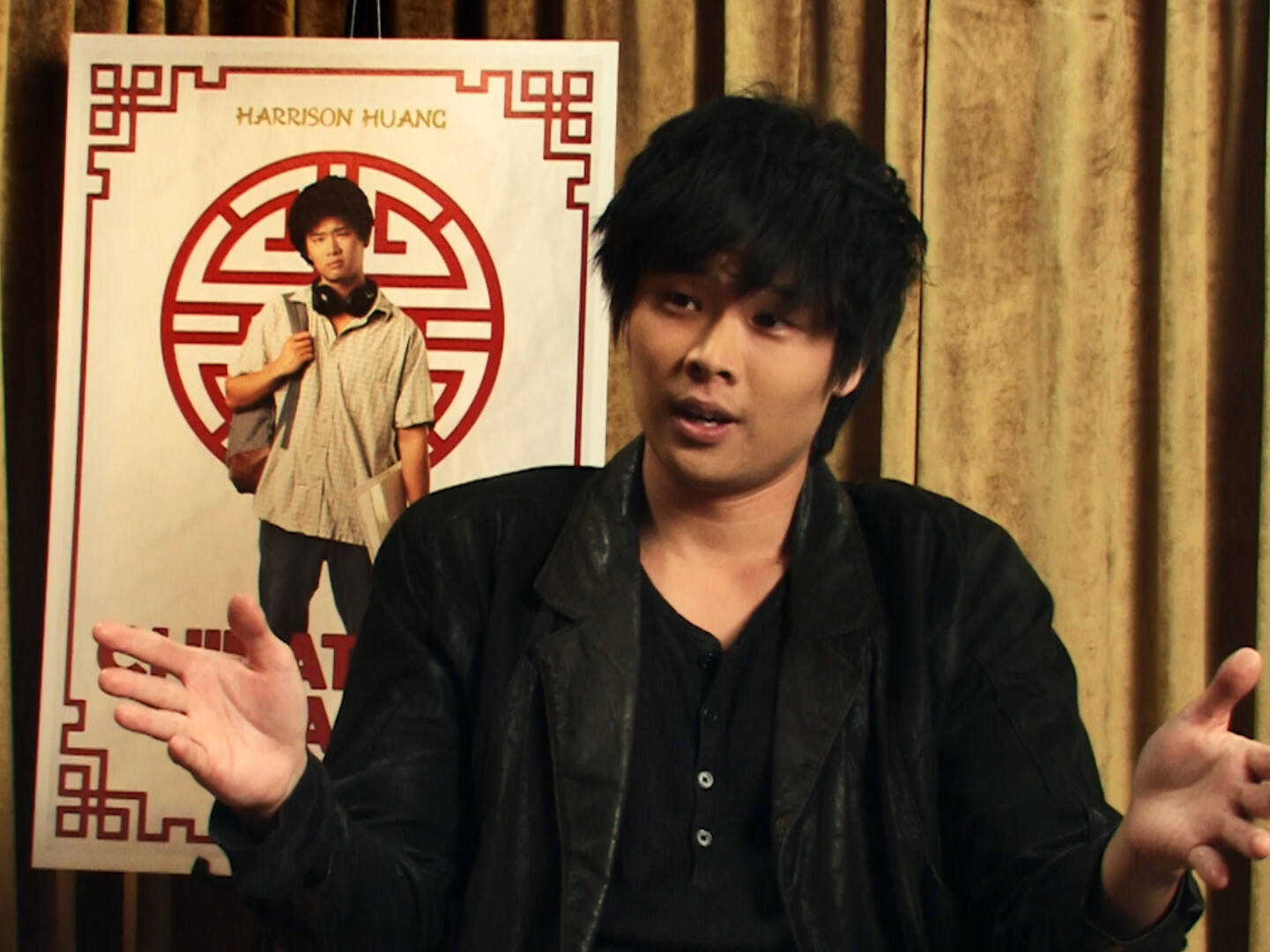
Speaking of Harrison, alongside directing the film, you also play the lead role. What made you decide to cast yourself and how did you balance the demands of directing while also performing?
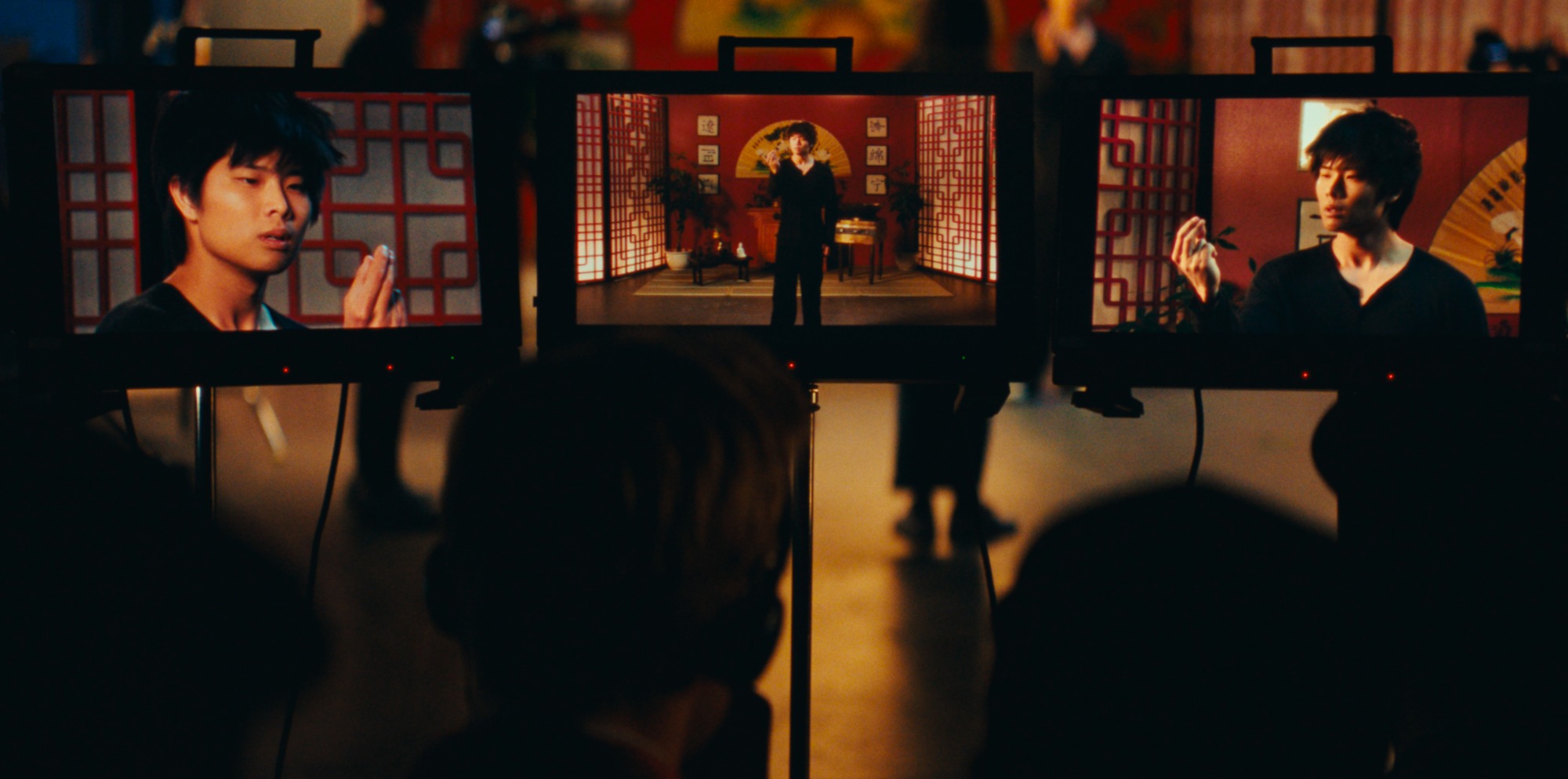
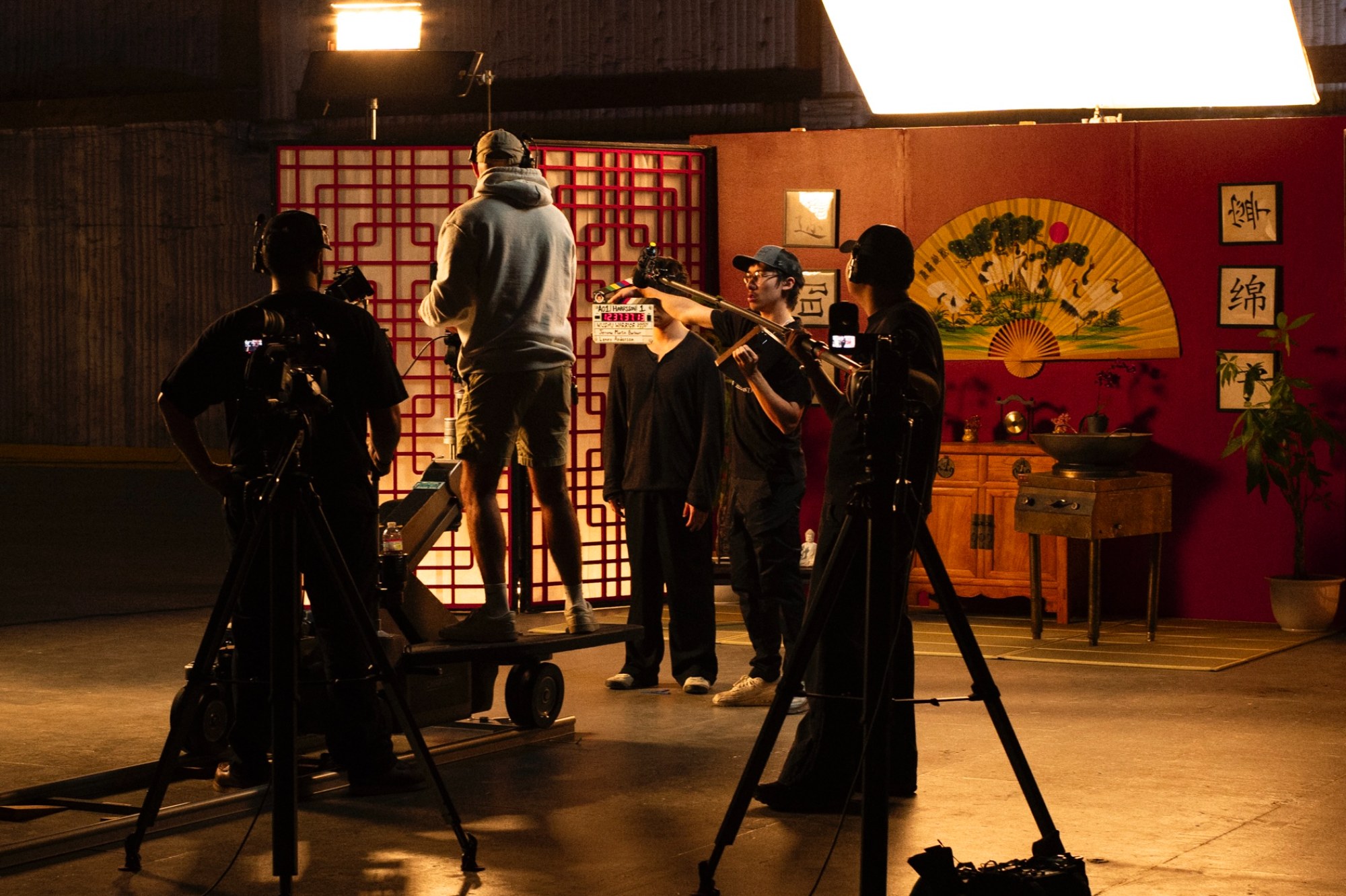
Directing a film while simultaneously acting is no easy feat, but with the right team around you, it can actually be an advantage. On Flavor of the Month, most of my department heads were artists I have worked with for years on short films, music videos, and commercials, which established an innate shorthand and trust going into the project. That chemistry, paired with meticulous pre-production, allowed me to shift focus to my performance on set.
In the prep, my collaborators and I spent most of our time discussing the intent (rather than content) behind every creative decision. This opened up the floor for more inventive ideas and a smoother workflow in the production. I often joke to my department heads that if I were to die in a car accident on the way to set, they would be able to direct the film themselves. They don’t like that joke very much.
Sharing the stage with brilliant actors like Kevin Changaris, Jade Kaiser, Jack Wang, Dustin Hahn, and Iunia Dinu made life infinitely easier. I had been a fan of their individual work for a while now, so collaborating with this ensemble felt like a dream come true. With this group, it was very difficult not to break mid-take in any given scene, and I found myself laughing more than I have on any other set. Their natural ability and openness to improvisation led to many beautiful discoveries and lightning-in-a-bottle moments that made this film a stronger one.
Sometimes I’ll watch playback, but generally, you can tell when you’re “in it” or not.
When it comes to tracking my own performance, I often lean on my department heads – people who have a strong understanding of who I am as an artist and a human and, because of that, can call me out when I’m ‘bullshitting’. In this case, I had Nishanth Ramasubramanian, our script supervisor, and Jacob Staudenmaier, one of the assistant directors, to help me with this. Sometimes I’ll watch playback, but generally, you can tell when you’re “in it” or not.
To simultaneously act and direct requires setting aside your own ego and having relentless faith in your team. You don’t have to be the most brilliant person in the room, nor should you ever be. You just have to recognize who has the most brilliant idea. I believe that is how you make a truly exciting film that not only surprises your audience, but yourself as well.
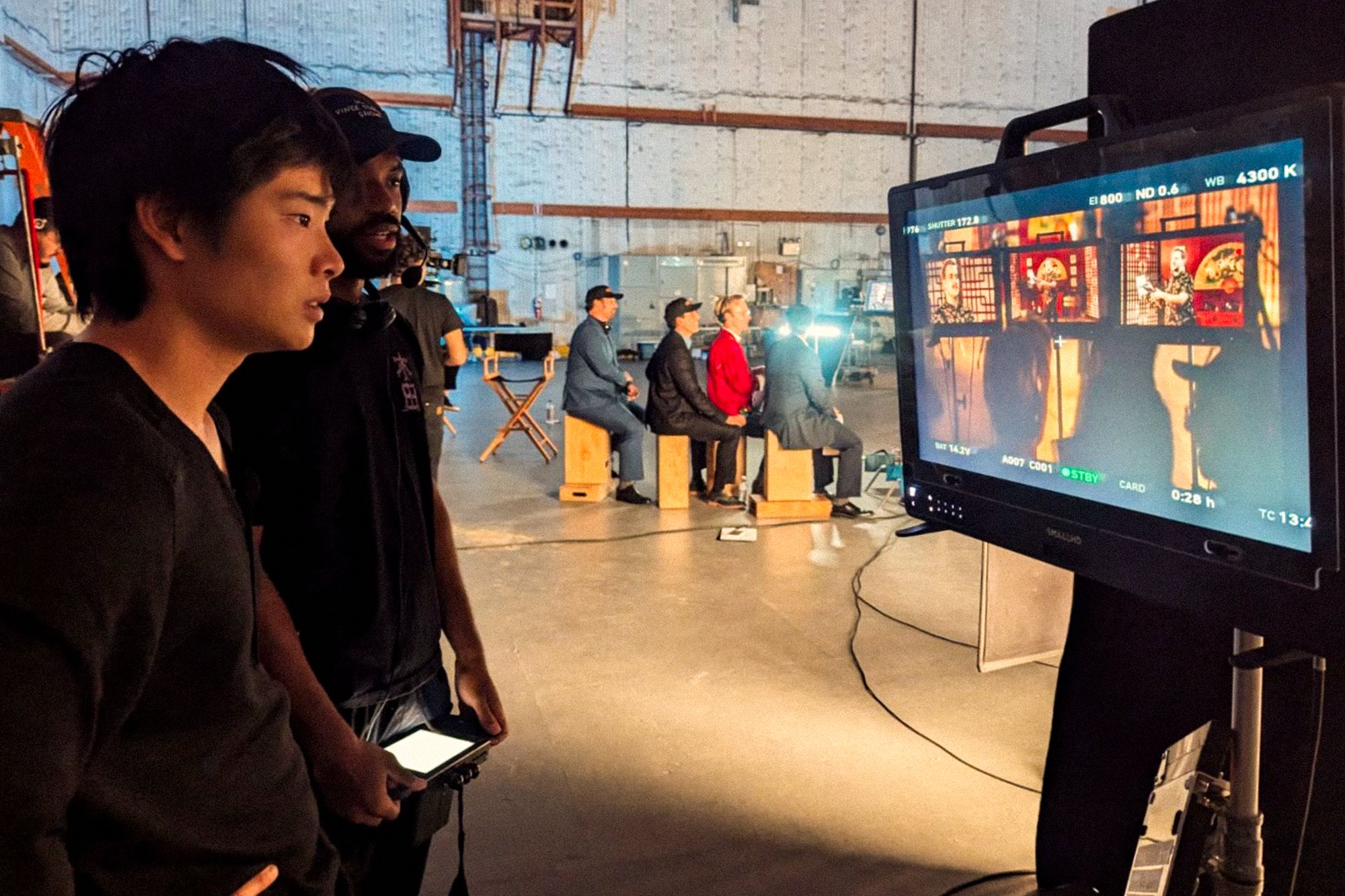
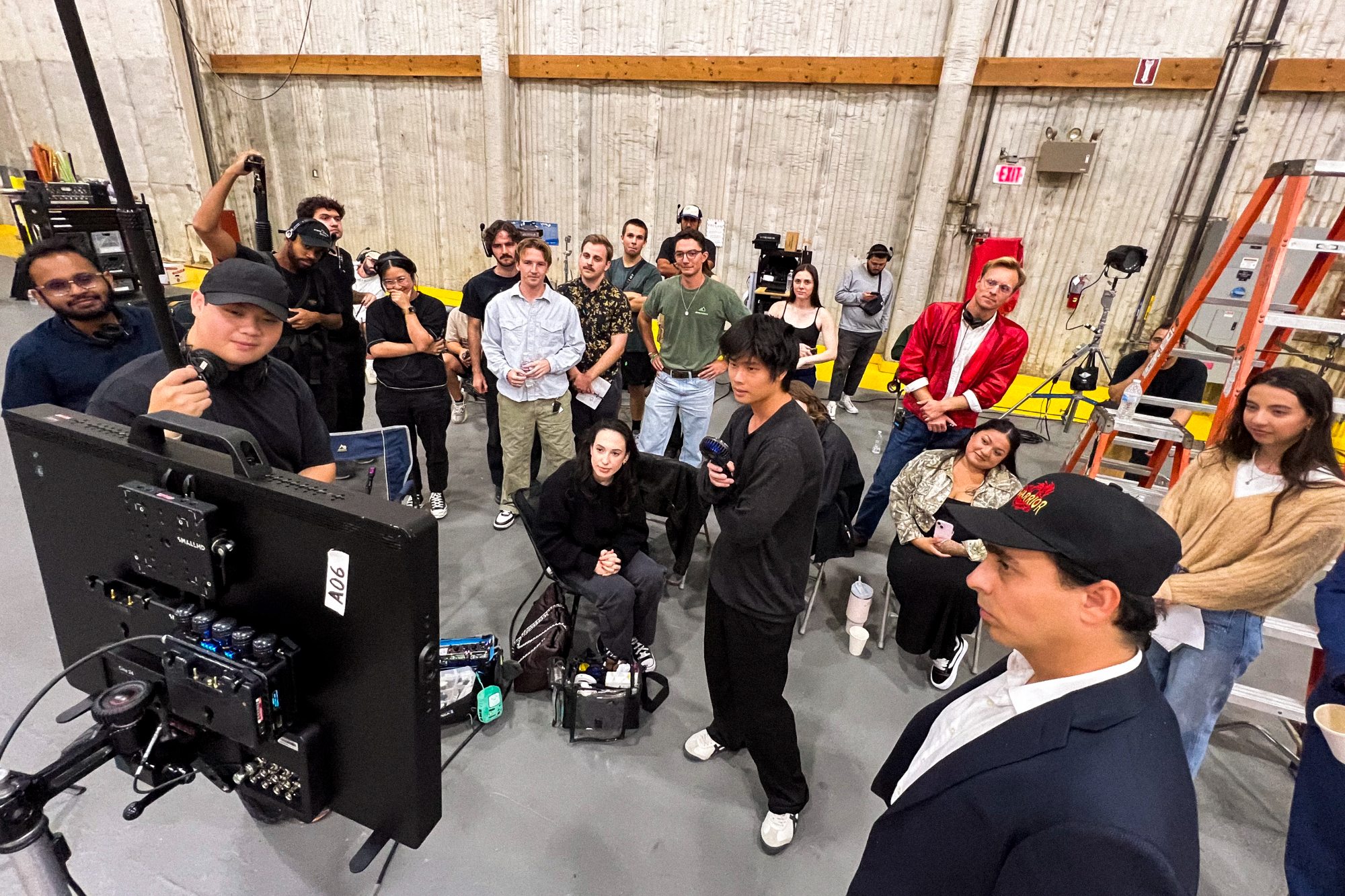
Visually, the cinematography does a wonderful job of reinforcing that duality, shifting between Harrison’s private and public worlds. How did you work with cinematographer Ayinde Anderson to develop the film’s visual language?
Ayinde Anderson has the eye of a cinematographer, the mind of a storyteller, and the soul of a mystic. It’s no secret that Ayinde has an eye for crafting powerful visuals, but I believe his superpowers lie within his sensitivity to the emotions of the film. Ayinde and I were introduced three weeks before production (after another DP dropped due to a scheduling conflict), and immediately clicked. We spent the majority of our time in pre-production dissecting the story and finding the intention behind every beat.
Quickly after, a hyperspecific visual vocabulary naturally spawned and the film began to take shape; shooting the opening scene on DV cameras to make the scene feel like a press junket ripped off YouTube, using anamorphic lenses to convey Harrison’s self-indulgent heroism, and holding on only two uninterrupted shots covering four pages of dialogue to make the audience feel like they were a part of the screen-test.
Alongside the cinematography, the production design, led by longtime collaborator Annie Becker, was a critical part of the film’s success. By building a vibrant and chaotic playground for Harrison to thrive (and suffer) within, Annie crafted a powerful visual irony that allowed the themes and humor of Flavor of the Month to effectively land on screen.
We’ve already talked about how productive your filmmaking career has been so far, so what’s next? What projects are you currently working on, and what excites you most about them?
I am currently in pre-production on my debut feature film, Adam’s Song, a story inspired by my complex relationship with my Chinese immigrant father. The cultural barriers between my father and me have always made it difficult to empathize and emotionally communicate with one another. Years of misunderstanding created rifts and inflicted pain upon both of us, much like the characters in my film.
Since this story comes from such a deeply personal place, its creation has helped build a bridge in our relationship – an experience I hope to share with other children of immigrants facing similar struggles. I have been working with Benjamin Wiessner of Vanishing Angle to produce the film, and we hope to enter production later this fall.
Finally, this is a question we’re asking all the filmmakers we interview: if you could recommend one short film by another filmmaker to our audience, what would it be, and why?
Alexandra Qin’s Thirstygirl immediately comes to mind, an unapologetically bold and layered film that serves as a much-needed breath of fresh air for Asian American cinema. The short overflows with empathy, achieving the perfect balance of being simultaneously hilarious yet heartbreaking. It takes great courage and humanity to create art like this, which is why I am constantly inspired by Alexandra and her work, and can’t wait to see how it culminates in the Thirstygirl feature film.