In the theatre, every performance is an illusion. But what happens when the most dangerous drama unfolds beyond the audience’s view? In Backstage, director Émile V. Schlesser draws on personal experience to take us into the unsettling world behind the curtain, where artistic ambition, attraction and authority become entangled in a perilous psychological game. When a young actor finds his future resting in the hands of a demanding director, the boundaries between mentorship and manipulation begin to dissolve. The result is a gripping exploration of the abuse of power, vulnerability and the invisible forces that can make saying no feel impossible. Returning to Directors Notes for his third appearance on our pages, Schlesser talks to us about the tight shooting schedule in one of Luxembourg’s prestigious theatres, the crew’s belief in the project and generosity in making the most of the location, and the trust he built with his actors to capture scenes of both intimacy and abuse. He also reflects on the catharsis of co-writing and sharing his story, and offers advice to anyone facing a similar situation.
Welcome back to Directors Notes! Your latest film, Backstage, is a sobering depiction of power play that is based on your real-life experience. How did you work with your co-writer to adapt that story for the screen?
We’ve all heard, witnessed, or experienced stories of powerful people taking advantage of their authority to manipulate people in vulnerable positions into emotional, psychological, or even sexual abuse. Unfortunately, abuse of power continues to be a problem, particularly in the entertainment industry. I myself experienced an unpleasant episode of that nature in my past. It took me a very long time to unpack what had really happened and how things had evolved, one subtle step at a time, into something that was almost impossible to escape. It’s not easy to come forward and talk about these things – perhaps even more so for men, I suspect, as they may be more prone to feeling shame and fear of being seen as ‘a victim’ – but making this film has been quite therapeutic for me. I owe it all to my co-writer, Jonas Brand, who encouraged me to finally tackle this topic and dare to turn a trauma into an entertaining piece of film.
For me personally, the most interesting and eye-opening part was trying to understand both perspectives – that of the victim as well as that of the predator.
Working on the screenplay with Jonas was a cleansing experience. It came together quicker than any of our other projects. It just flowed. We came up with the whole story and the first draft in only a few days. For me personally, the most interesting and eye-opening part was trying to understand both perspectives – that of the victim as well as that of the predator. Putting myself in Cosima’s shoes helped me process some things from my own past. Adding a pinch of humor here and there also helped approach this topic without making the film too dark or heavy-handed.
The film relies heavily on the chemistry between all the cast, but especially that between Lukas and Cosima. How did you go about casting these roles and what was it like for you directing them given your own experience?
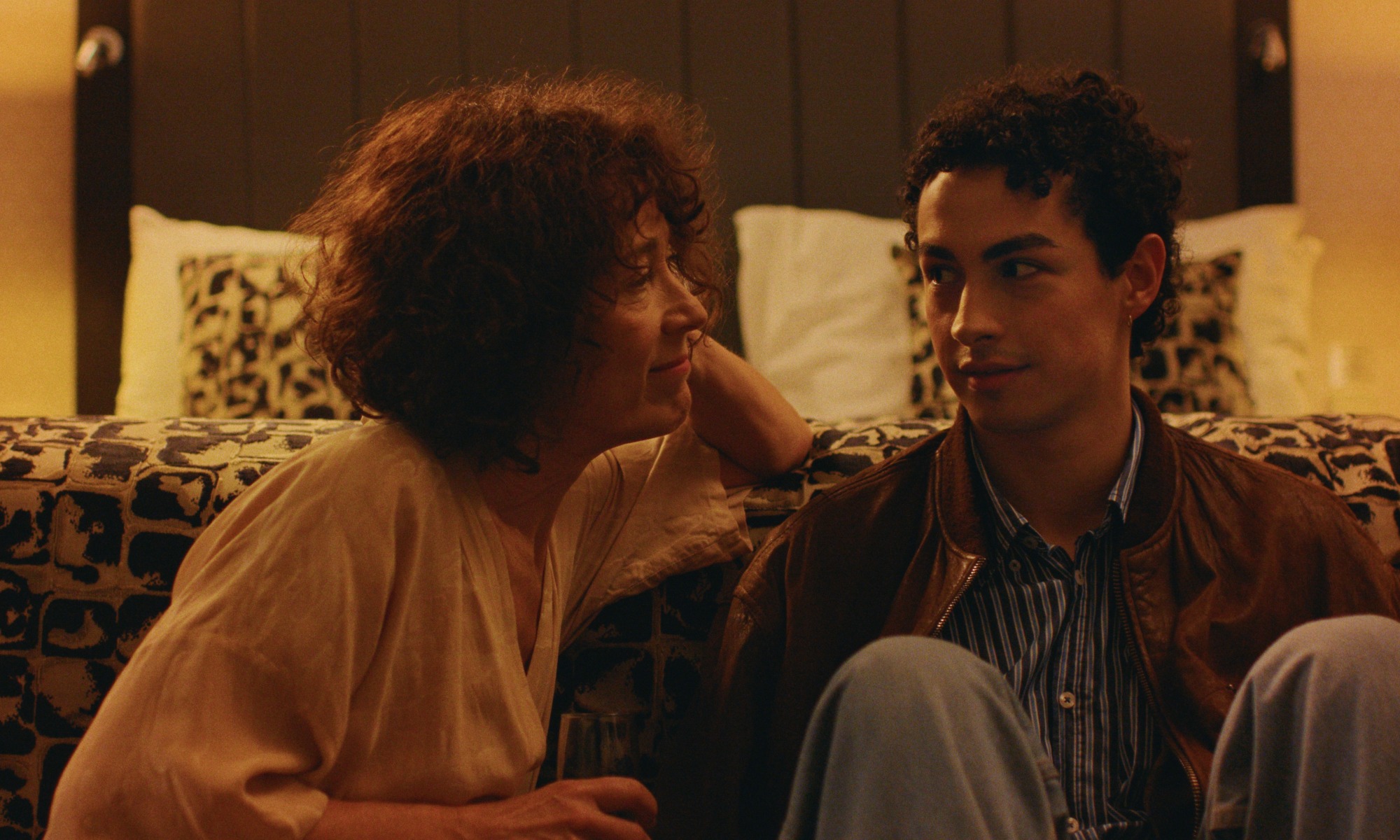
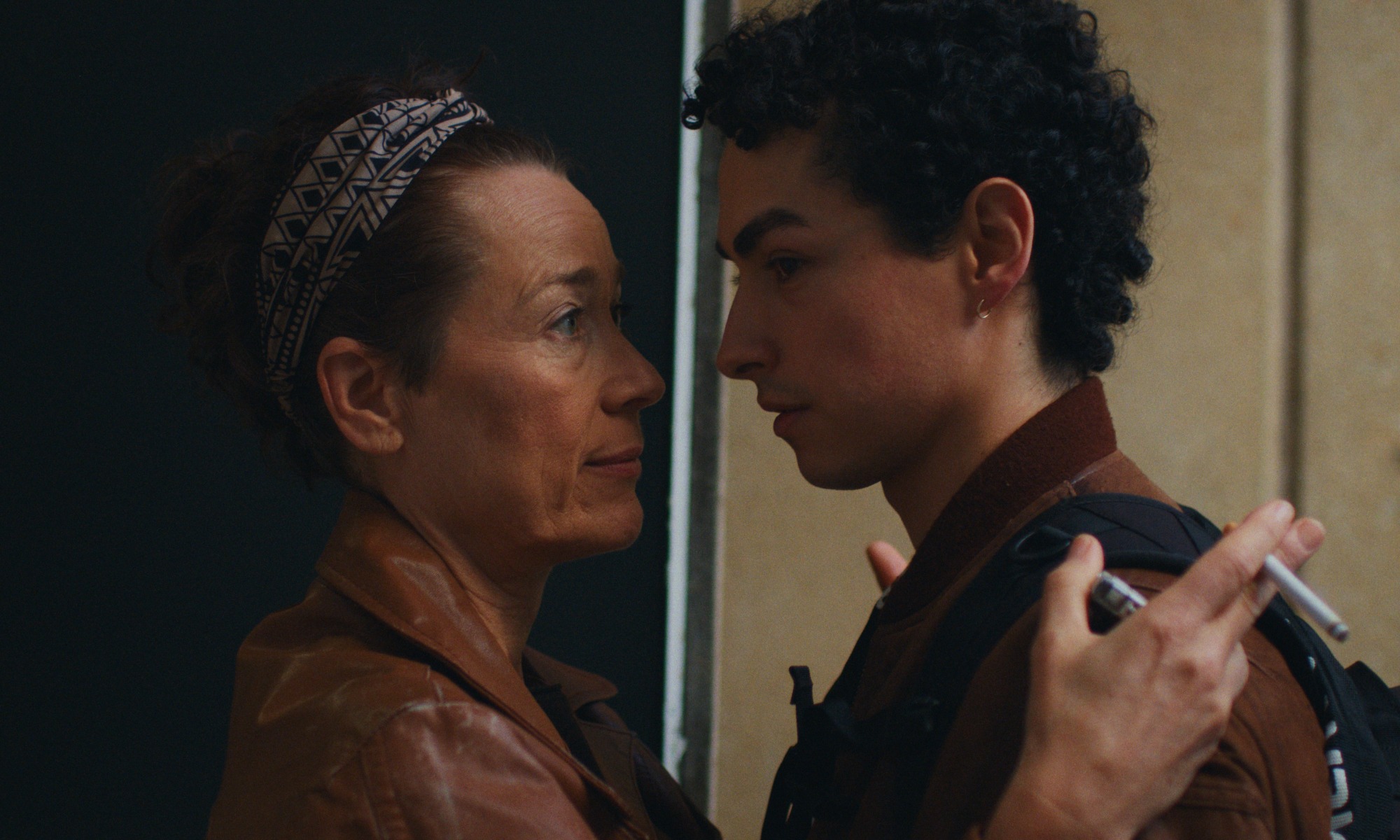
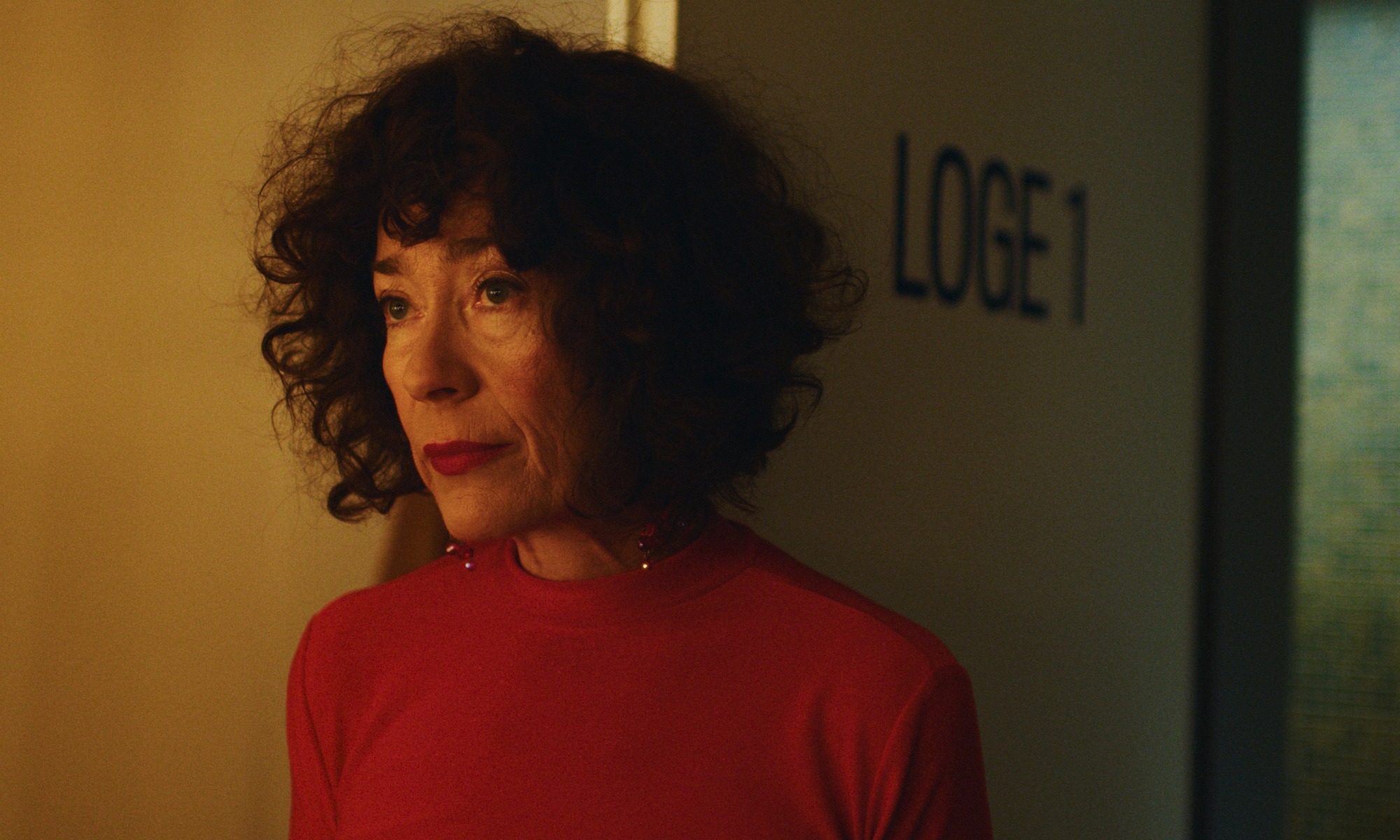
From the very start, I knew I wanted Sascha Ley to take on the role of the seductive, manipulative director, Cosima. We wrote the part specifically for Sascha. I’ve known her for quite a long time and knew she had everything such a complex character required: demanding, seductive, fearless, yet vulnerable – all of these contradictory attributes that make up Cosima’s personality. I admire Sascha’s courage and willingness to unflinchingly dive into the shady areas that, to a certain extent, exist within us all. She loved the challenge and took the part head-on.
We all had wonderful chemistry, made each other feel safe and protected, and we encouraged each other to openly discuss the film’s subject matter, including our own experiences with abuse.
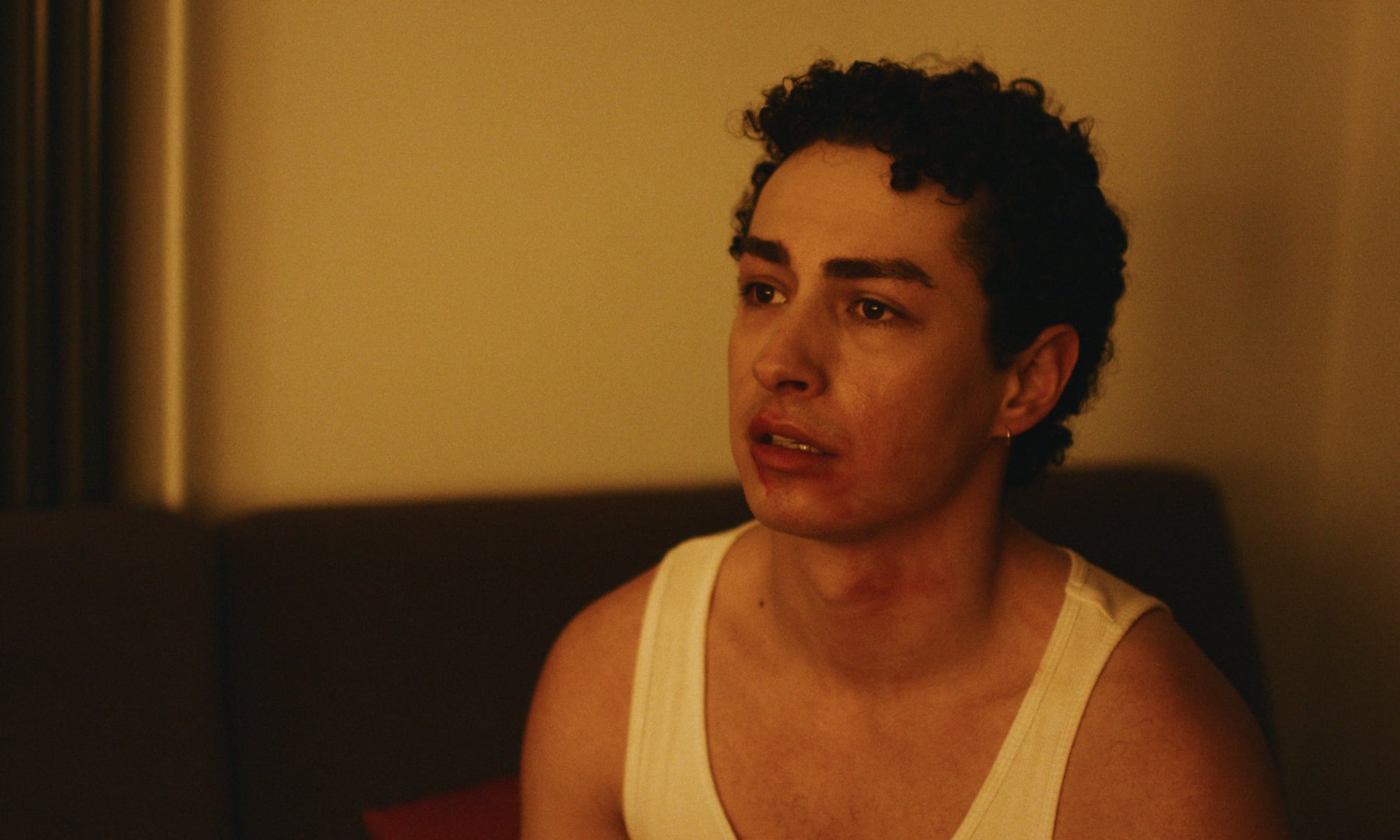
I’d seen Jonathan Joèl Albrecht in another short film (see my recommendation below) and was amazed by his raw, honest, and vulnerable aura. He’s an incredibly authentic actor with an amazing sense of truthfulness and an astonishing ability to dig deep into his own emotional self. I can’t see anyone else pulling off what he did in the role of Lukas. He totally made it his own.
It was pure bliss working with these two actors. There was a lot of trust between us. We all had wonderful chemistry, made each other feel safe and protected, and we encouraged each other to openly discuss the film’s subject matter, including our own experiences with abuse.
Most Popular
Intimacy coordinators now play a huge role when capturing intimate scenes. Did you work with an intimacy coordinator on Backstage or rehearse directly with the actors for those scenes?
The single most important thing on this production was trust. We did not have an intimacy coordinator on set – which, I know, might seem strange on a project with a topic like this. I talked a lot with my cast members, and together we realized that we had built so much trust between us that the actors didn’t feel the need for an intimacy coordinator. They actually felt more comfortable without an outside third party intervening. For me, it’s all about what my actors want and need to feel safe, so I respected their wishes. In any case, as a director, I believe it is vital to create a positive and creative working environment in which everyone feels safe, respected, and supported.
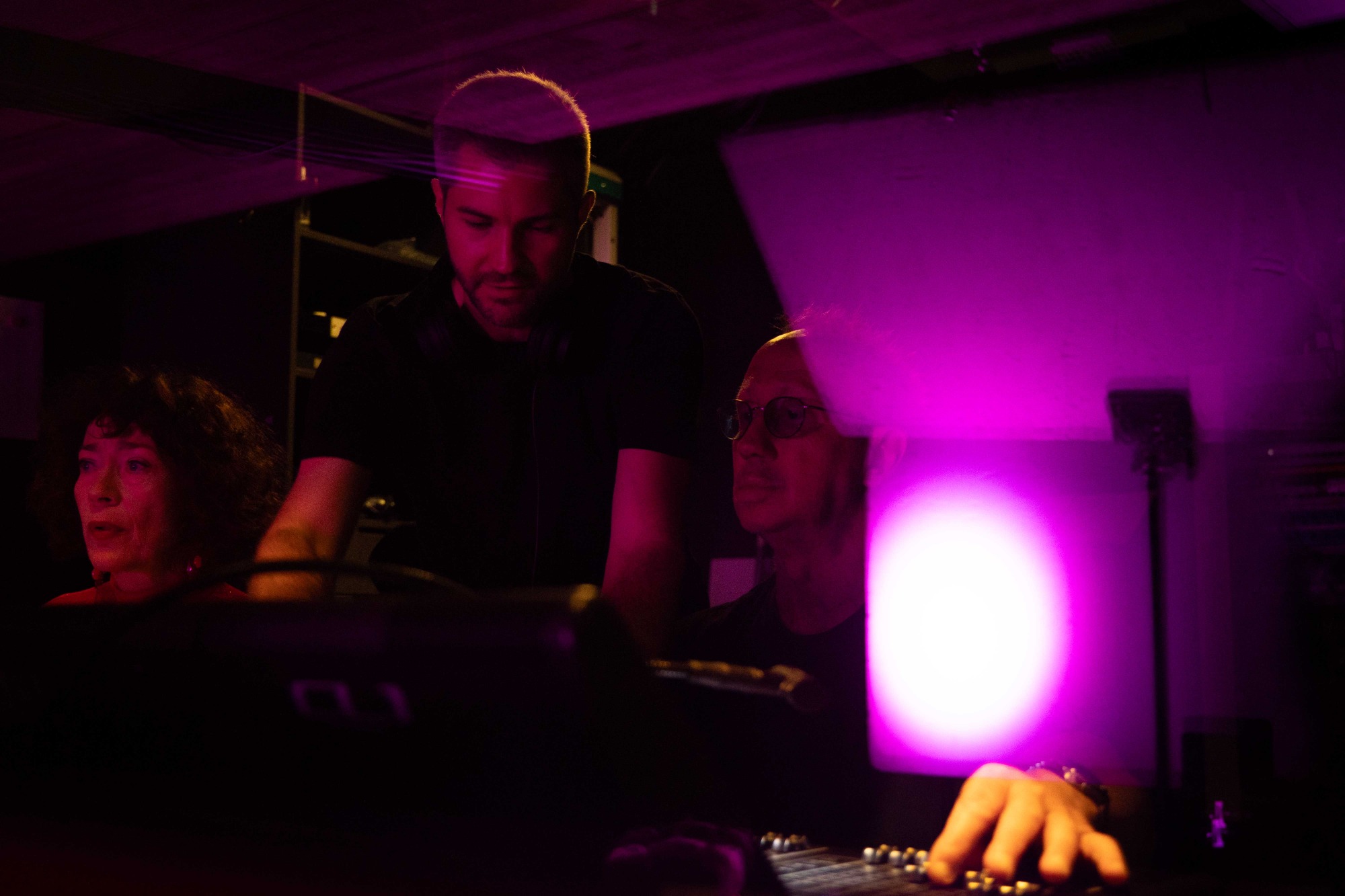
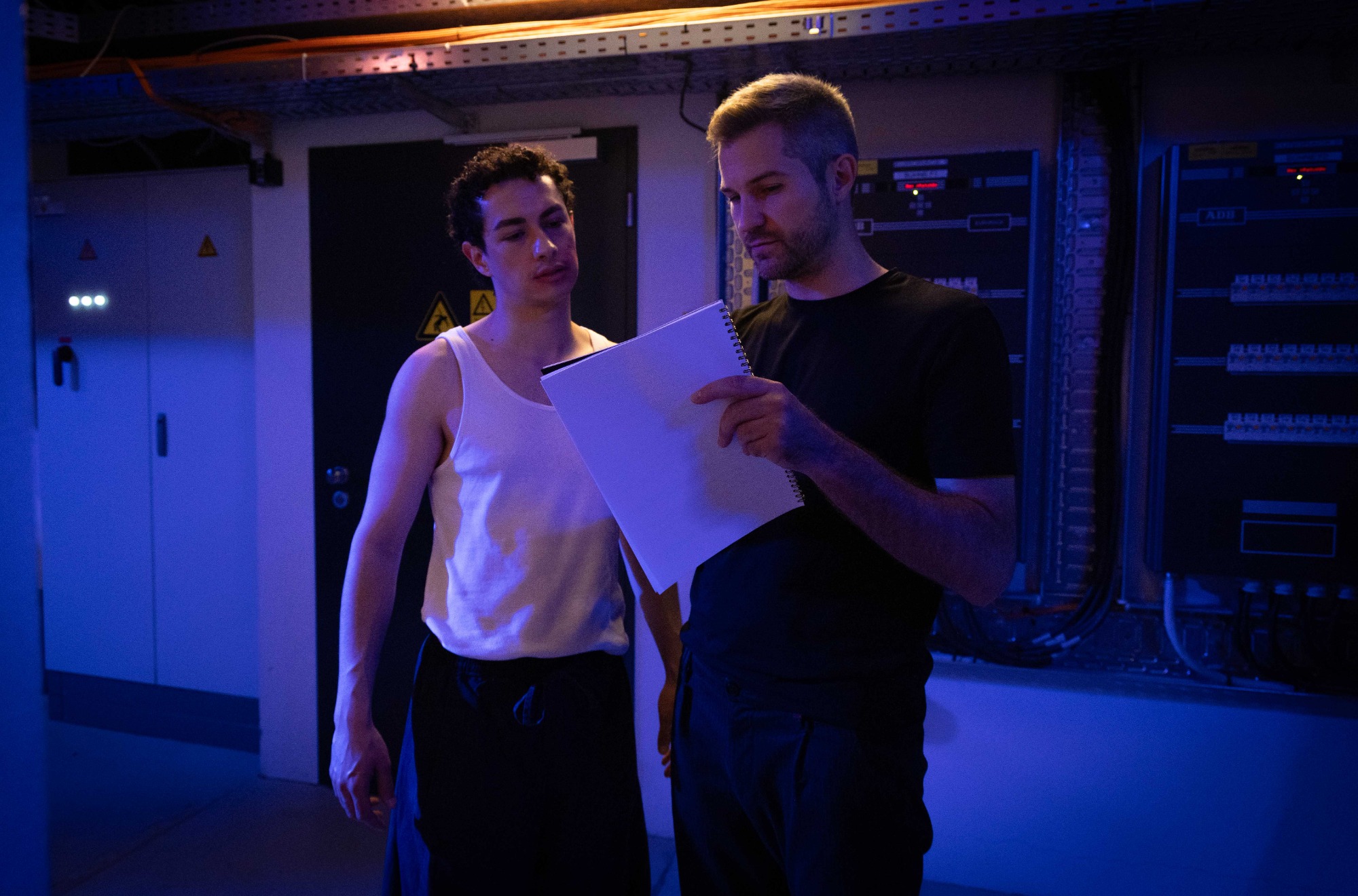
There are interesting parallels between the play being rehearsed on stage and the story being played off it. How did you use those in your story and what was it like directing someone directing?
What makes the theater the perfect setting for a story about power abuse is multifaceted. On one hand, it’s a world that’s defined by a very clear-cut hierarchical structure, confined to a closed, intimate environment where tapping into your emotions and vulnerabilities is part of the job. On the other hand, it offers the possibility of exploring the grey zones where fiction and reality blur into one another. Over the course of the film, it becomes increasingly difficult to discern where unorthodox professional methods end and actual abuse, fueled by personal desire, begins. Narratively, it all serves to further complicate Lukas’ assessment of the situation, making it difficult for him to see clearly what’s happening to him.
Having actors play actors who are themselves acting on stage proved to be quite a mind-bending meta-experience. Python, the play the actors are performing on stage, already portrays an abusive relationship between a man and a woman. So, things quickly become disorienting, as it gets harder to differentiate between play and real life.
Directing someone who is directing others also proved interesting, to say the least. I encouraged Sascha to direct the play herself, but in character, as Cosima. I think she really enjoyed that. At times, while shooting the rehearsal scene, for instance, I myself felt like I was losing sight of who was directing whom – so it was all a big, weird meta-experience. Fun, but somewhat mind-boggling.
The scale of the production, including the impressive theatre location, belies the small budget you had to work with. How were you able to achieve the scope of this production with the resources you had?
Trying to finance a rather ambitious project like this – especially one that required shooting in an actual working theater of renown – proved to be extremely challenging. We did not receive any funding from official film institutions. The daunting topic probably scared a few people off. However, we were tied to a specific window of a week and a half during which we were allowed to shoot in one of Luxembourg’s main theaters – a small miracle in itself! I therefore had to find alternative ways to raise the minimum amount we needed, and I had to act quickly, as we had only about a month before the theater’s proposed shooting dates.
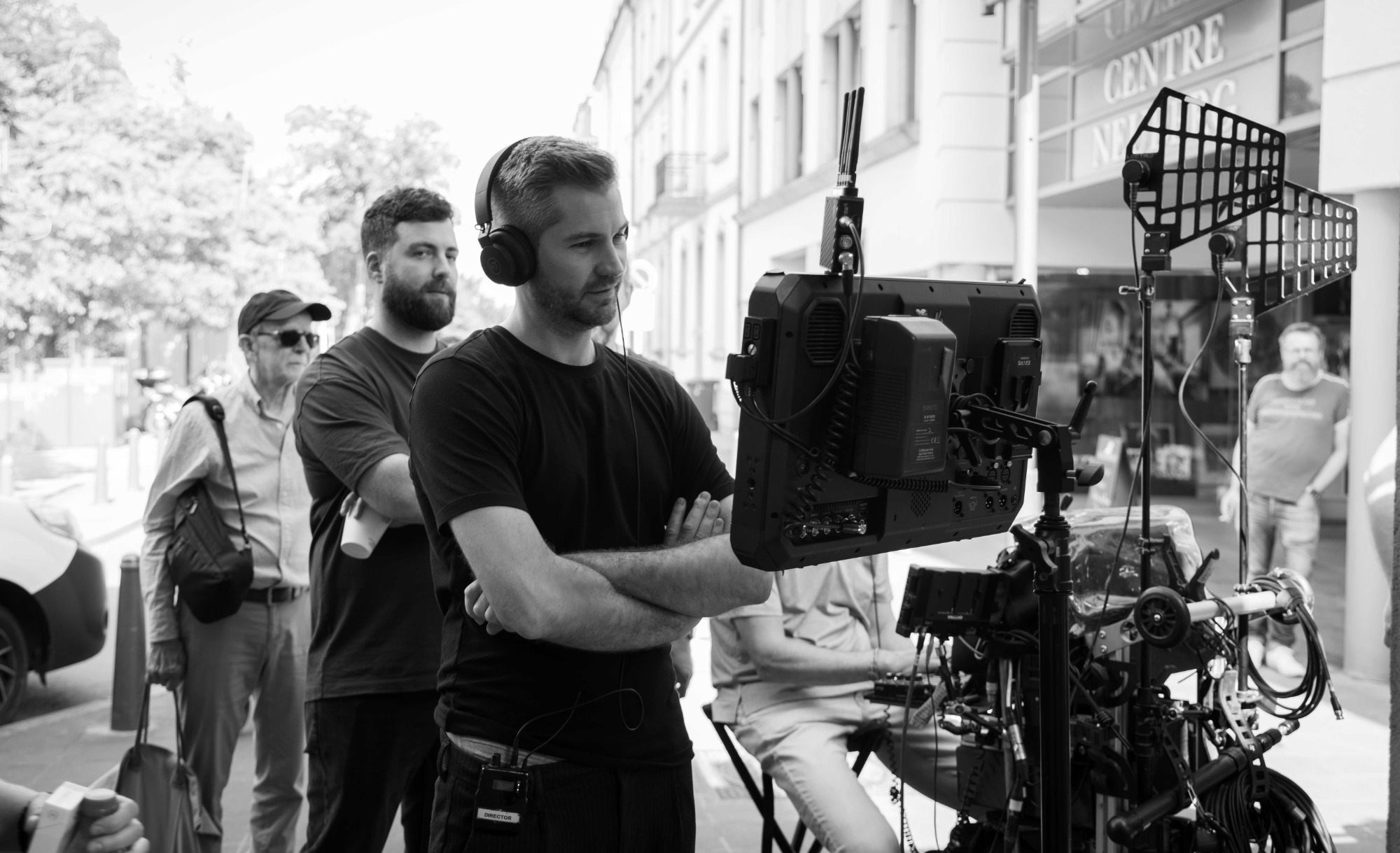
We shot the film on a very tight budget, but were adamant about not compromising on production value. I reached out to a lot of people, asking for support of any kind, and I even went as far as selling paintings I had left from my time as an artist (I studied fine arts at the academy in Düsseldorf, Germany). What ultimately made the film possible was the persistence, dedication, and belief in its themes shared by the entire crew. Instead of renting expensive camera equipment, we shot the film on our DP Thorsten Harms’s own Blackmagic 6K. Our gaffer, Stepan Novotny, brought all the lighting equipment he owned himself. As for me, I tried to wear as many hats as I could.
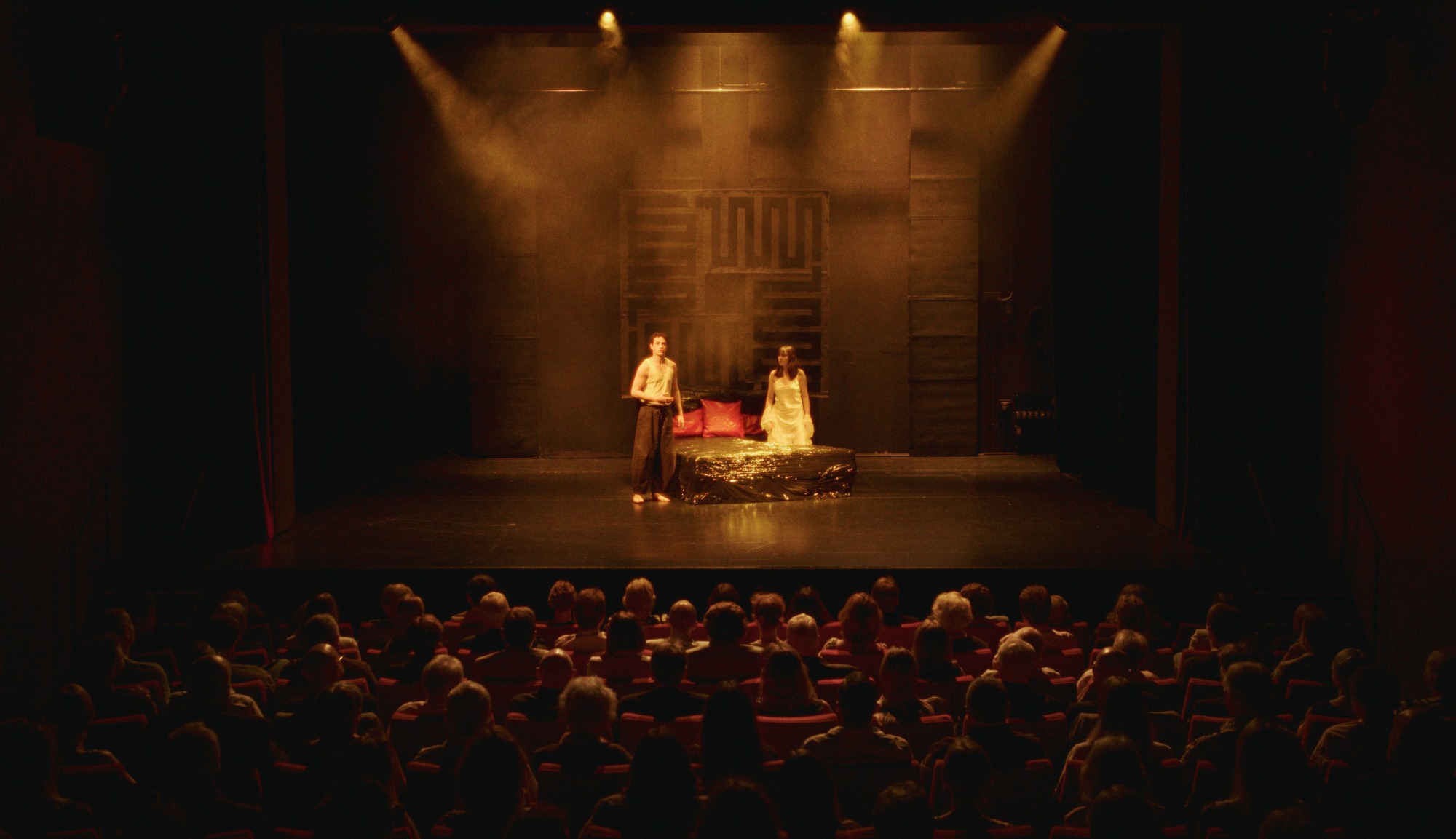
How did you work with your cinematographer to make the most of the locations in the short shooting schedule you had and decide on the visual language you wanted to capture this story?
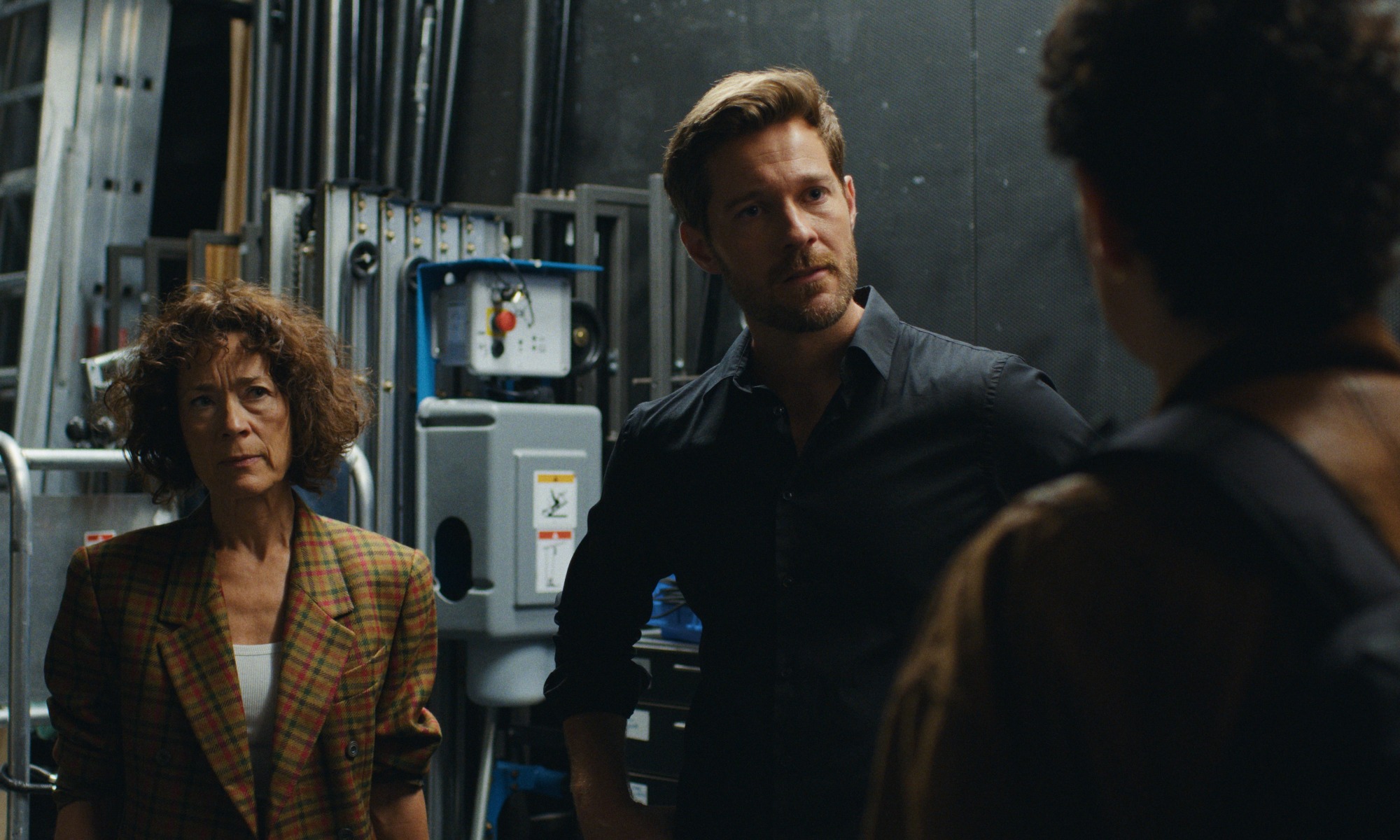
I had a wonderful collaboration with my amazing DP, Thorsten Harms, who intuitively understood what the story needed in terms of visual language. Thankfully, the locations themselves – especially the theatre and its backstage area – were so visually appealing that it naturally gave the film extra production value oomph. We pretty quickly came up with a palette and structure to not only make the various sets have their own distinctive look, but to also reflect the power balance and inner workings of their complex relationship.
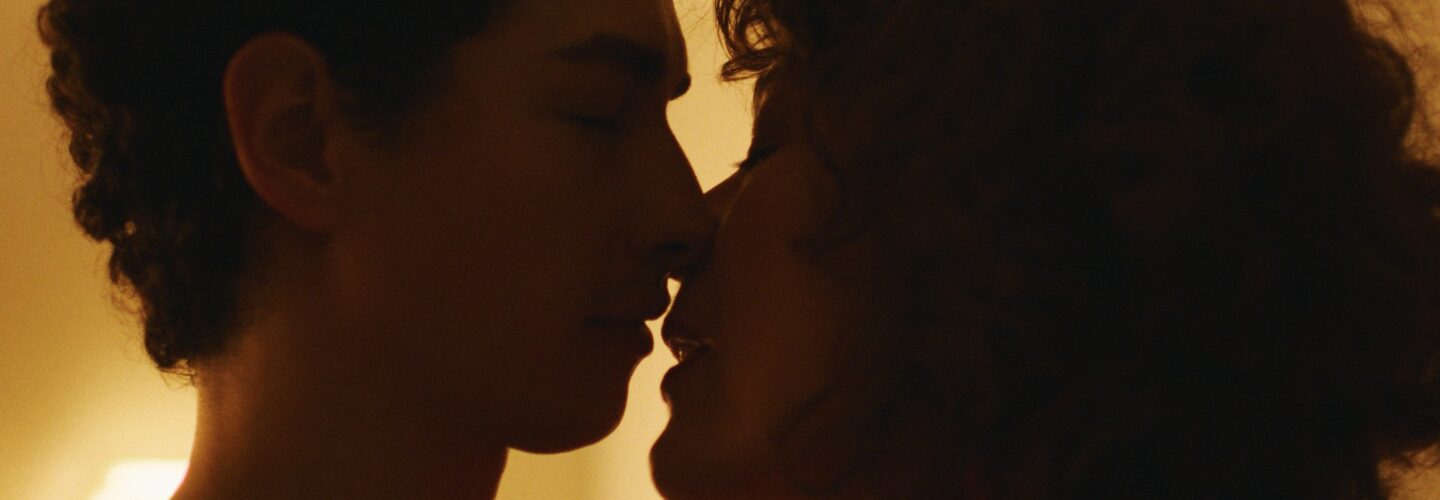
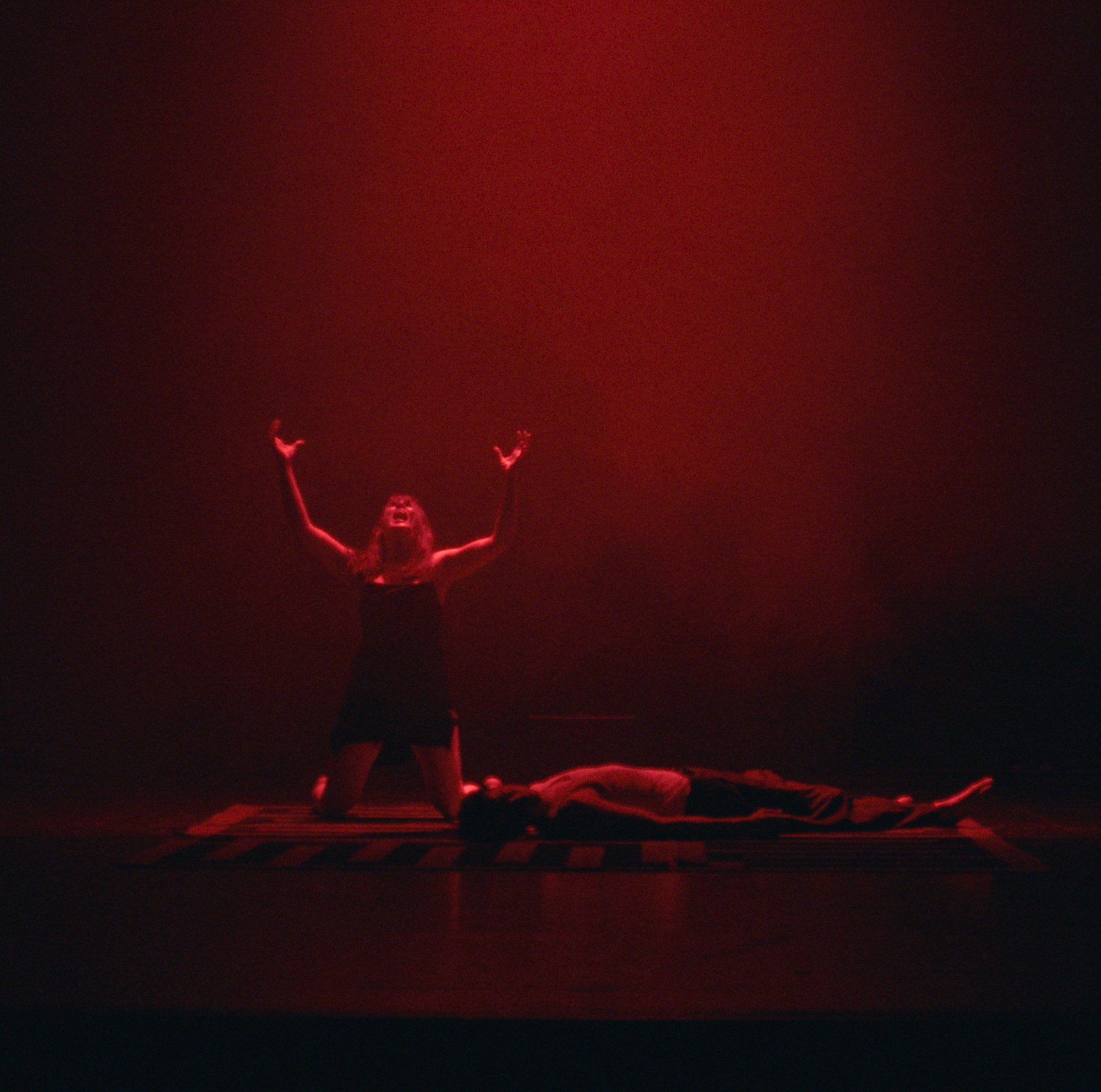
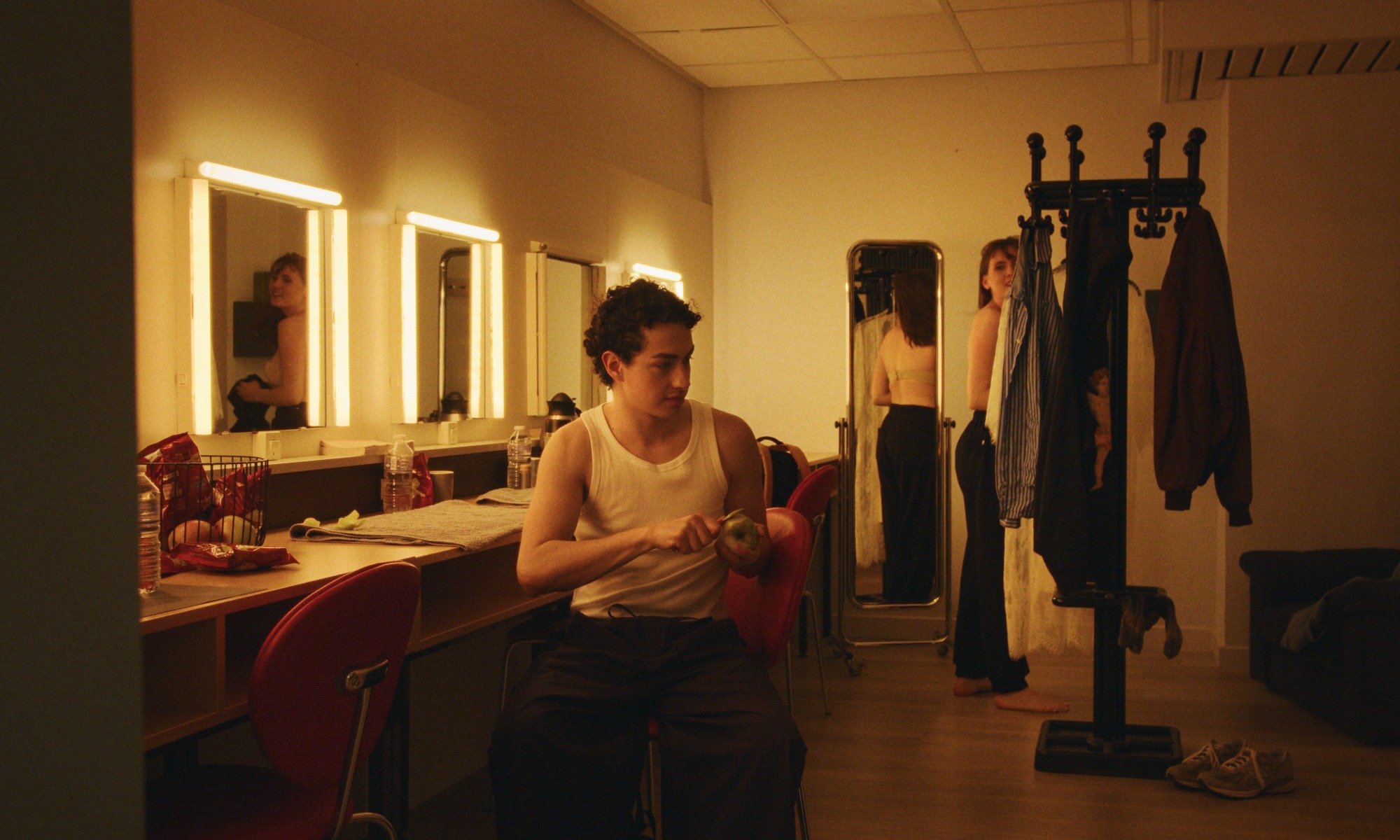
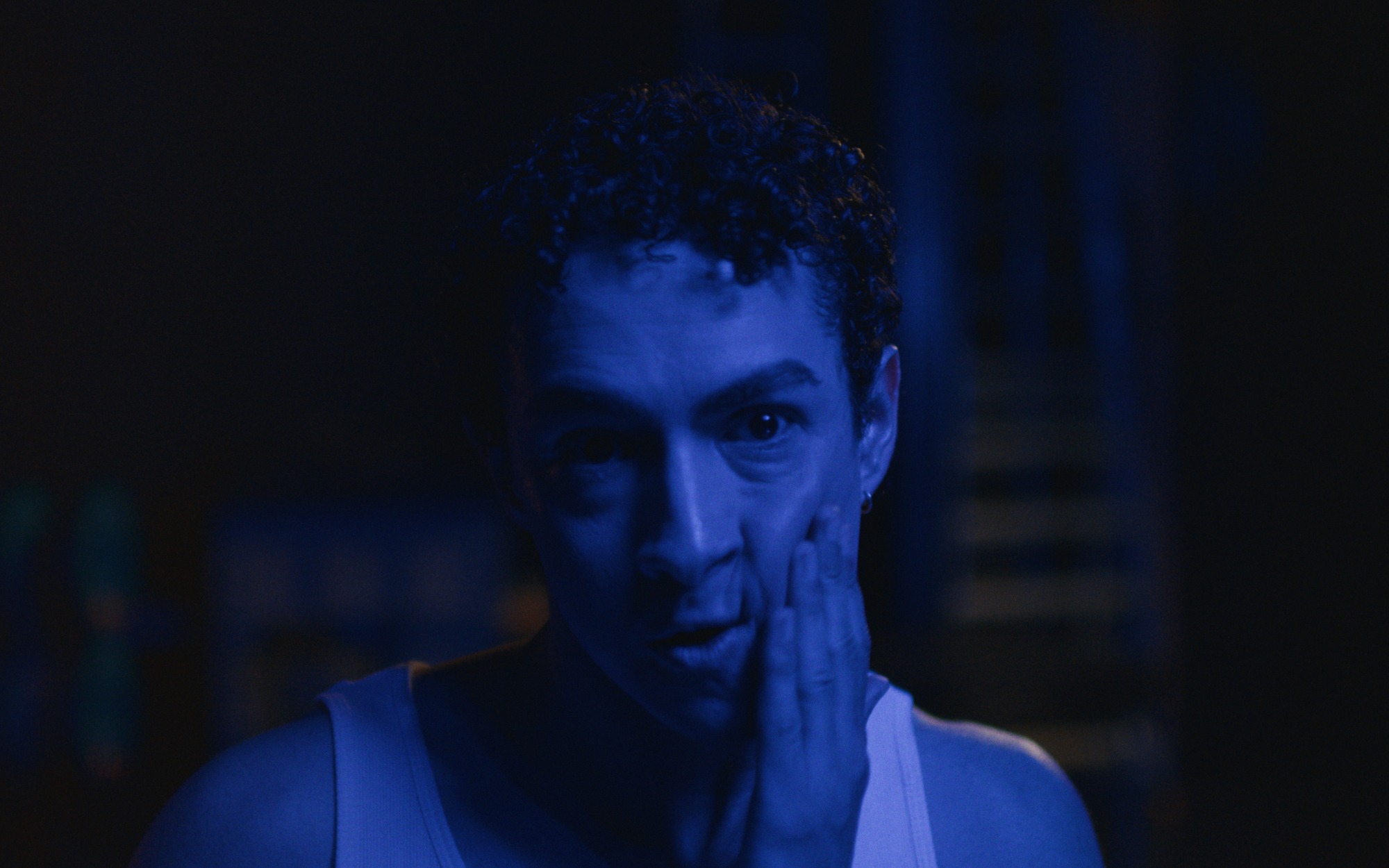
For instance, we chose three colors – red, blue, and gold – and gave each a specific meaning, using them very consciously throughout the film. Red symbolizes abuse and gradually appears more and more as the story unfolds. Blue, by contrast, represents liberation. The two colors are in constant dialogue with one another throughout the entire film. Lighting was another important part of our visual grammar. Whenever Lukas is being seduced, for example, we used a cozy, golden light to make the atmosphere feel warm and inviting.
The two colors are in constant dialogue with one another throughout the entire film.
There is a stillness to the soundscape at times, allowing the tension of the scenes to play out with sparse musical inference. What was the intention behind this creative choice?
I realized early on that there was no need for score or any extra non-diegetic sound. In fact, the soundscape’s subliminal power lies in the moments of awkward silence, when you get a real sense of unwanted intimacy. When you strip away unnecessary music and sounds, the characters become alone, vulnerable, and helpless, and all these small yet transgressive subtleties start to feel uncomfortably close. You can sense the other person’s presence closing in, invading your space, as the sound of their breath, their whispers, and the rustling of their clothes almost turn into something threatening. A tiny, intimate gesture suddenly becomes intrusive and unsettling.
What advice would you have for anyone who might find themselves in a similar situation to Lukas, and indeed the one you experienced?
If you haven’t lived through a similar situation, it’s easy to look at it from the outside and judge the victims, thinking, “That would never happen to me.” But it really isn’t that simple. So many factors can make it difficult to even recognize that you’re being manipulated or taken advantage of. And once you do realize what’s going on, it can feel like it’s already too late to speak up. On one hand, what’s paralyzing you is fear – the fear of losing career opportunities, being punished, or provoking the abuser’s temper. On the other hand, it can also be love, admiration, or friendship. You may feel close to the person, or believe you’ve had a good collaboration, and simply don‘t want to hurt their feelings. And the longer you avoid taking action, seeking help, or clearly communicating how you feel, the messier it gets.
It’s important to understand that anyone can be abused – and anyone can be an abuser. Men and women alike. If you’re living through a situation like the one portrayed in this film, chances are you’re probably not even fully aware that it’s actually happening to you. It’s important to confide in people you trust and feel safe around, who might be able to help you work out whether there are misunderstandings or misinterpretations, or whether there’s real abuse gradually developing. Sometimes it’s hard to notice the tricks and mechanisms clearly, despite the fact that something feels very wrong. Don’t be afraid to share your experiences, feelings, thoughts, and doubts with people you trust. An outside perspective can open your eyes and give you the strength to stand up for yourself.
It’s important to confide in people you trust and feel safe around, who might be able to help you work out whether there are misunderstandings or misinterpretations, or whether there’s real abuse gradually developing.
Now that Backstage has been completed and released, what has it been like for you to screen such a personal story?
Contrary to what I initially expected, the experience of making Backstage was a true blessing and an overwhelmingly warm and positive one. I’m really proud we pushed through and made this film against all odds. Not only was the making of it therapeutic for me personally, giving me some sort of closure, but I’m particularly happy to see the film connecting with audience members – especially female audience members, unsurprisingly – who might have lived through something similar. Seeing your situation fictionalized and portrayed on the screen can make you feel understood and not alone, and that in itself can already be very helpful.
What’s next for you?
I’m currently in post-production of my first feature film that we just shot during summer in Luxembourg and Belgium. I’ve been working on it for five years – writing, directing, and right now, I’m deep into editing. It’s called Mortal Beings. It’s a dark comedy anthology of five stories that each explore different crises around growing older and having to deal with unavoidable life changes. It’s a film about us Millennials in today’s angst-ridden world. As you might guess – it’s absolutely nothing personal this time. Not in the least. Nope.
What short film would you recommend to the Directors Notes community and why?
I’d like to give some love to the German short that made me want to cast Jonathan Joèl Albrecht as my lead in Backstage. It’s a funny, sexy little film called Cowboy by Munich-based director Artur Althen. Funnily enough, it also shows a young man in a sexual relationship with a mature woman. You can find it online in the ARD Mediathek. It’s 14 minutes well spent. And Jonathan, of course, is superb in it.