When is a vampire film not strictly a vampire film? And no, I’m not talking about the heinous mockery of pretty sparkling, day walking blood suckers who are decades older than their naive brooding love interests. Rather, the remarkably visceral experience of witnessing one form of life being violently transformed into another within a desolate, crumbling industrial locale, as experienced in Jason Bock’s primal music video for Australian trio Movement’s Lace. The synergistic kismet of a long pondered on concept, the availability of an admired performer, a track whose underlying meaning gelled thematically, and a Halloween shoot day in the ancestral home of the vampire undertaken in a setting reflecting the roiling internal state of metamorphosis, all combine in this delicious brutal ballet of change. While it would have been easy for Bock to adhere to the well-trodden cliches of predefined vampiric lore, that was never his aim. Instead, the writer/director drills down to the core of transformation and what it means to be overtaken, journeying through the liminal space of an abandoned factory as we behold the disturbing contortions of a man who has fallen prey to a remorseless ancient hunger. In our interview, Bock discusses the intricate process of weaving layered sound design into the very fabric of the music, his rejection of a rigid shot list in favour of capturing fleeting moments, and the challenging iterative low-fi VFX work that brings the film’s devastating final moments to life.
What was the genesis behind this depiction of a contorted metamorphosis into a vampiric mayfly existence?
The idea didn’t come directly from the lyrics, but more from how the music created feelings that were haunting, seductive, and strange in a way that lingered. This project came together in a way that felt like pure alignment. From the first day of pre-production to shooting was just a week. I’d been following a dancer named Strauss Serpent for a while, and something about his presence felt magnetic and he became the heartbeat of this piece. With only a tiny window of a few days, I pulled the trigger—flying Strauss to Romania, pulling together a small team of friends and locals, and setting out to make something raw and beautiful together.
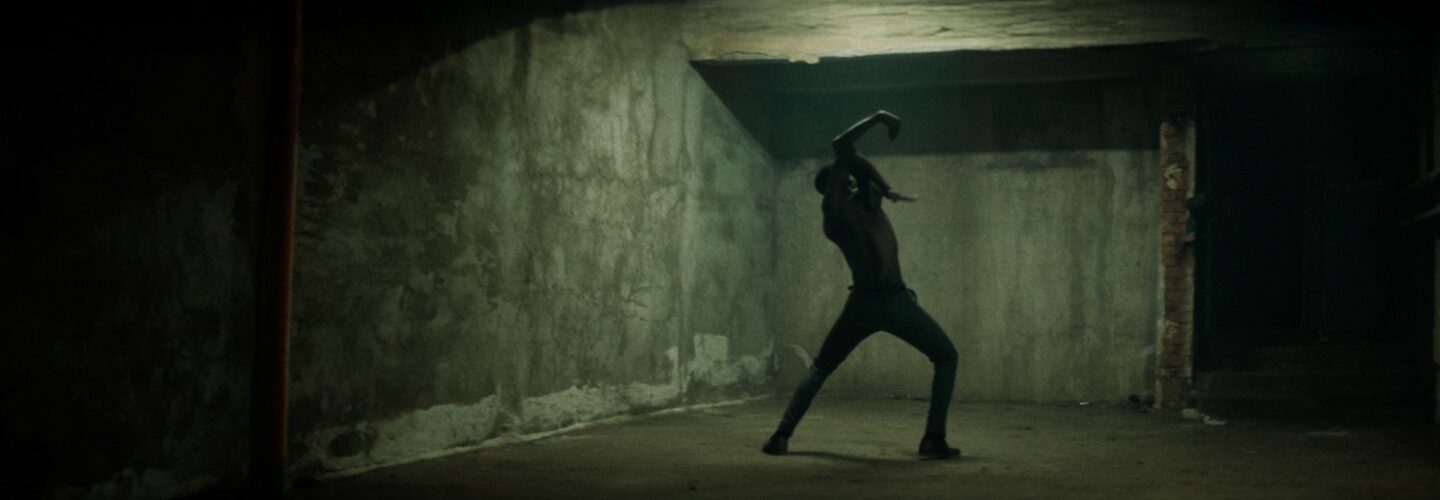
We filmed Lace in Romania on Halloween day, which felt like the right kind of coincidence. Being in the home of vampires, I started thinking about how to reimagine that cliché and what if the transformation, the ‘turning’, wasn’t something grotesque or theatrical, but instead unfolded through dance? The concept became a physical journey through music and movement intertwining to tell a story that’s dark, beautiful, and quietly surreal. We used the segments of the track almost like scene markers, plotting the choreography around the shifts in sound. It’s a strange pairing with this music and this world but somehow it all made sense.
As you went into this project with the express desire to reimagine the overworn cliches of vampirism, what were the parts of the lore that you immediately rejected for this film vs those you embraced?
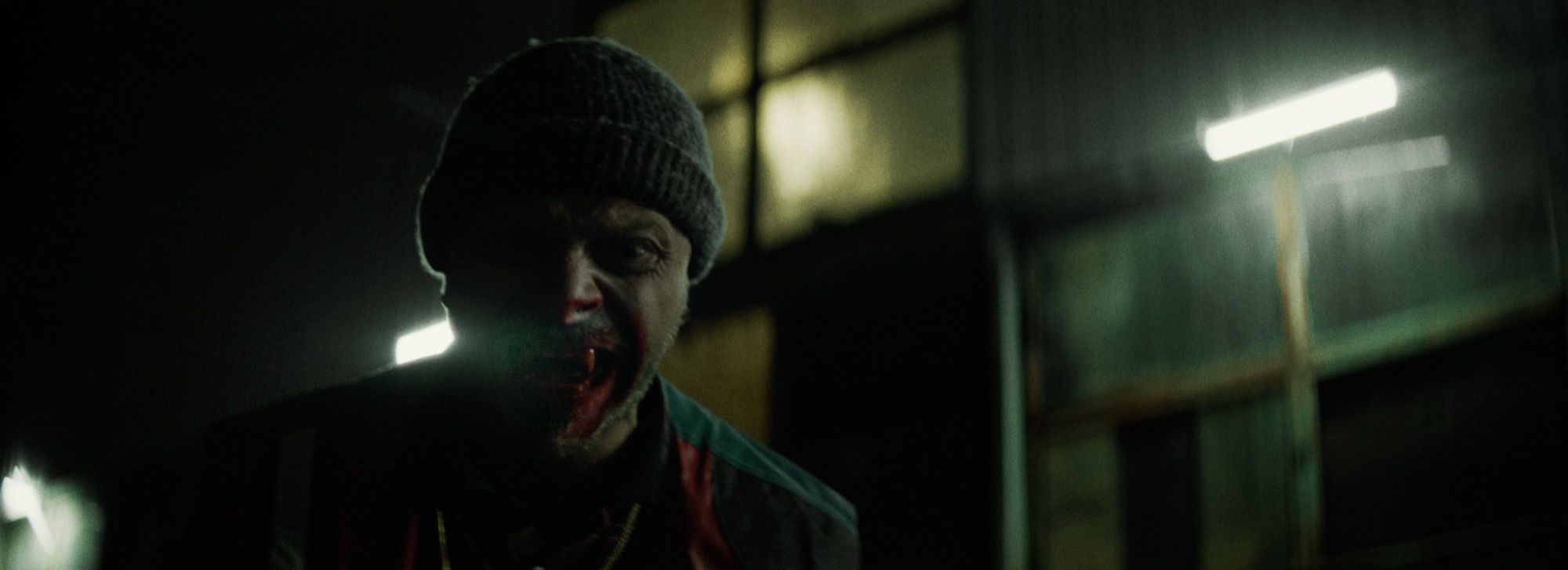
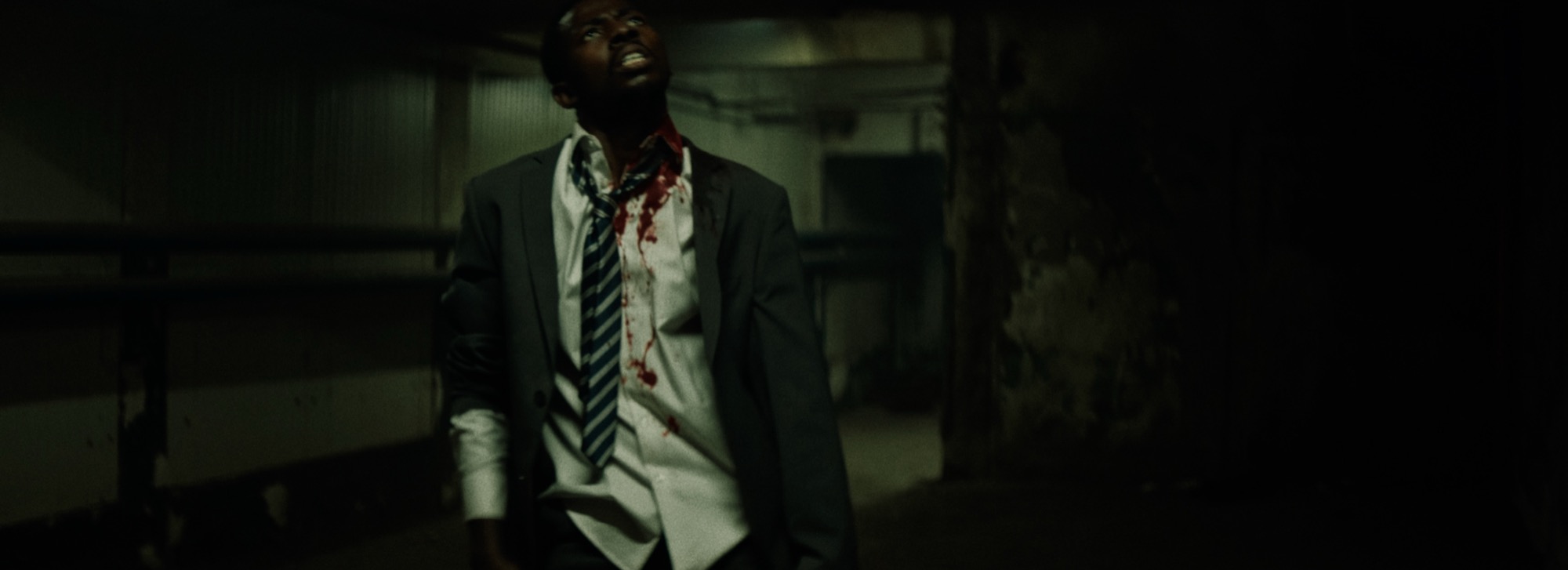
When I approached this project, I wasn’t so much interested in the literal mechanics of vampire lore, whether it’s reflections, crucifixes, or instant death from sunlight. Instead, I was drawn to the feeling behind those myths, the emotional weight they carry, and how those ancient ideas could be translated through sound, movement, and image rather than exposition. I used the classical themes as a foundation, but my focus was on how transformation feels. The pulsating, grotesque beauty of it moving through the body of a dancer.
I was drawn to the feeling behind those myths, the emotional weight they carry, and how those ancient ideas could be translated through sound, movement, and image rather than exposition.
Rather than showing gore in a literal sense, I wanted to embrace the darkness in a more artistic and beautiful way, allowing the horror to exist in fluidity, in confusion, in the twisting of the mind and body. The locations became metaphors for this disorientation and the mental states expressed through space—while the colours of dark light and red melted together to immerse the viewer in the emotional landscape of transformation.
Most Popular
The part of the lore I loved and held onto was the historical arc of infection, the journey of becoming something other, and ultimately the use of light as the destroyer at the end. That gave me a shape to work with. A beginning, middle, and end rooted in tradition. But within that arc, I allowed myself to reject the clichés of coffins, crucifixes, and mirrors. For me, the story was never about those symbols. It was about creating an experience that brings the audience into the emotion of what it means to be overtaken, transformed, and finally burned away by light.
That ties closely to the meaning of the song Lace by Movement, which speaks to slipping away, feeling disconnected, whether from a relationship, from oneself, or from inner struggles. It carries this weight of loneliness, of being caught in an endless cycle of falling and waiting for change. The video builds on that, taking the song’s themes of emotional and psychological disconnection and giving them a physical form through transformation. Infection becomes a metaphor for loss of control, transformation for the chaos of inner struggle, and light for the inevitable breaking point.
So in the end, I embraced the lore not as rules, but as emotional archetypes.


The whole point was for him to feel the music and let those emotions move through his body in a raw, instinctual way.
Strauss Serpent’s contorting transformation is beautifully horrifying and absolutely transfixing. Were there specific references that the two of you shared which informed the choreography?
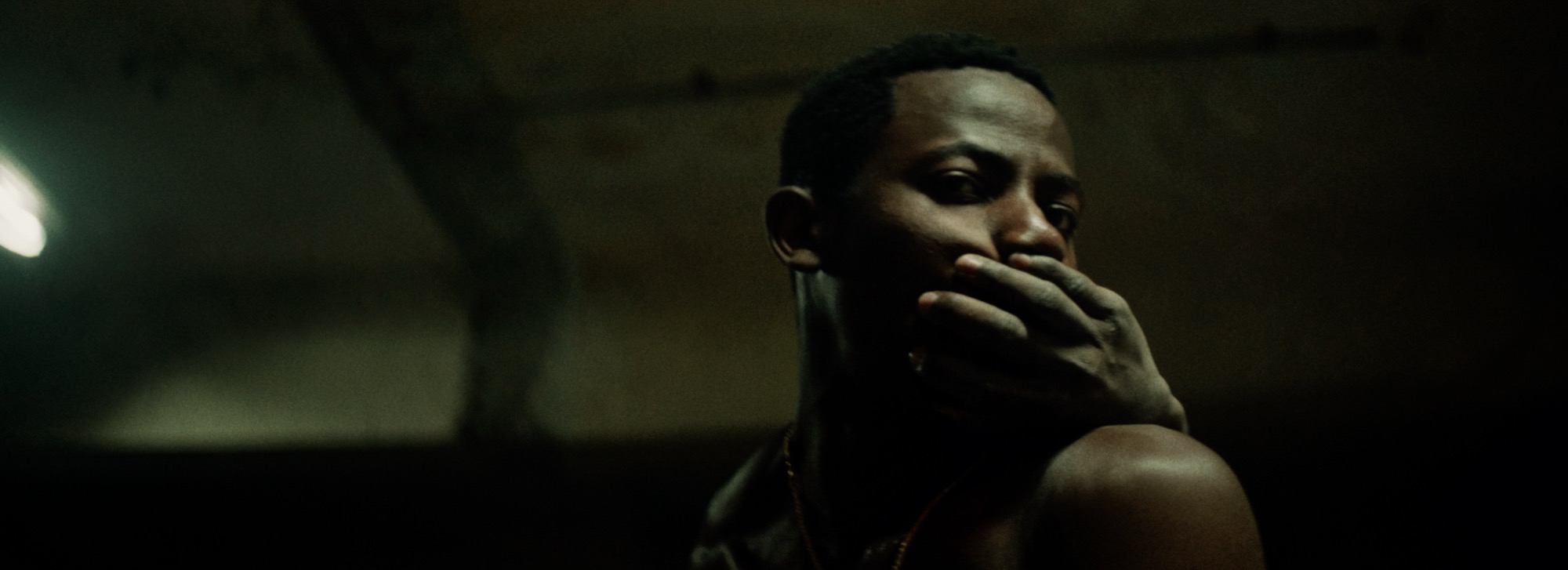
I never wanted Strauss to be influenced by outside references or to mimic anything that had been done before. The whole point was for him to feel the music and let those emotions move through his body in a raw, instinctual way. I didn’t give him references or choreography to copy. Instead, I pointed out moments in the song where I wanted shifts in emotion, places where the transformation needed to intensify or collapse.
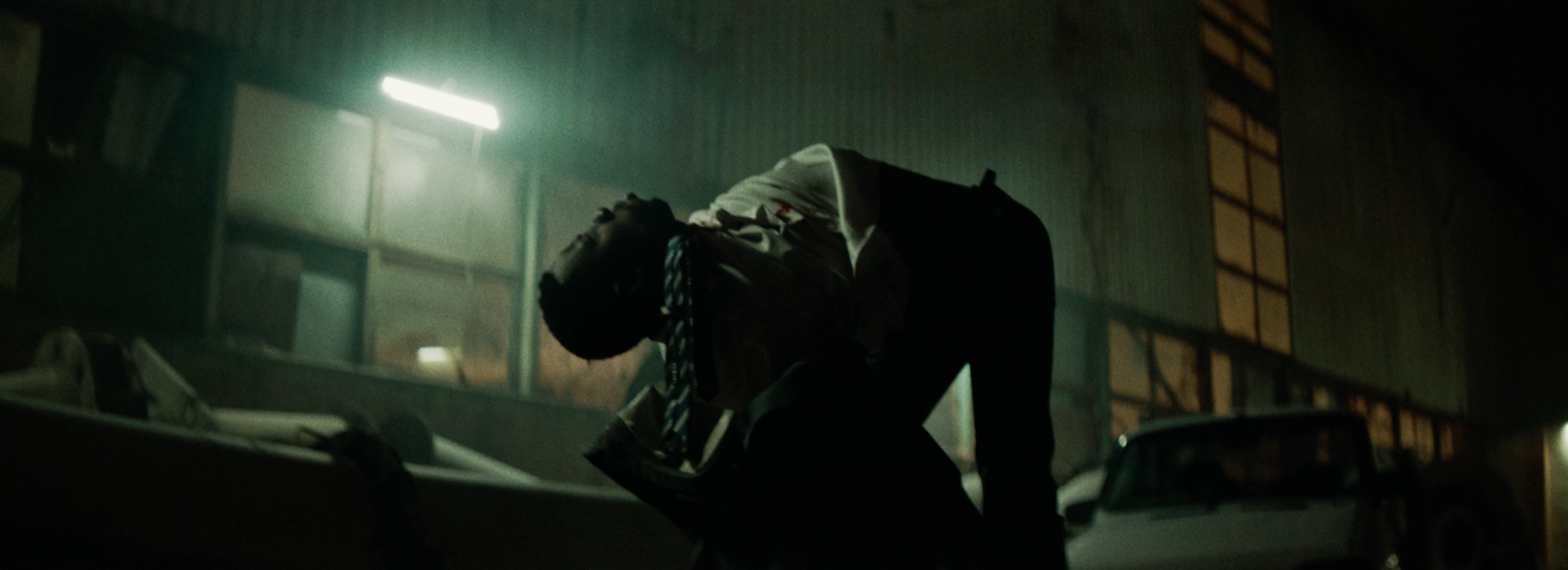
From there, it was all him and his body responding to sound, his instincts carrying the metamorphosis forward. What fascinated me was how his movements took on the quality of possession, as if different parts of his body were under separate control, fighting between two minds. At times it felt like one part of him was resisting while another was already consumed, and that tension made the performance both horrifying and beautiful.
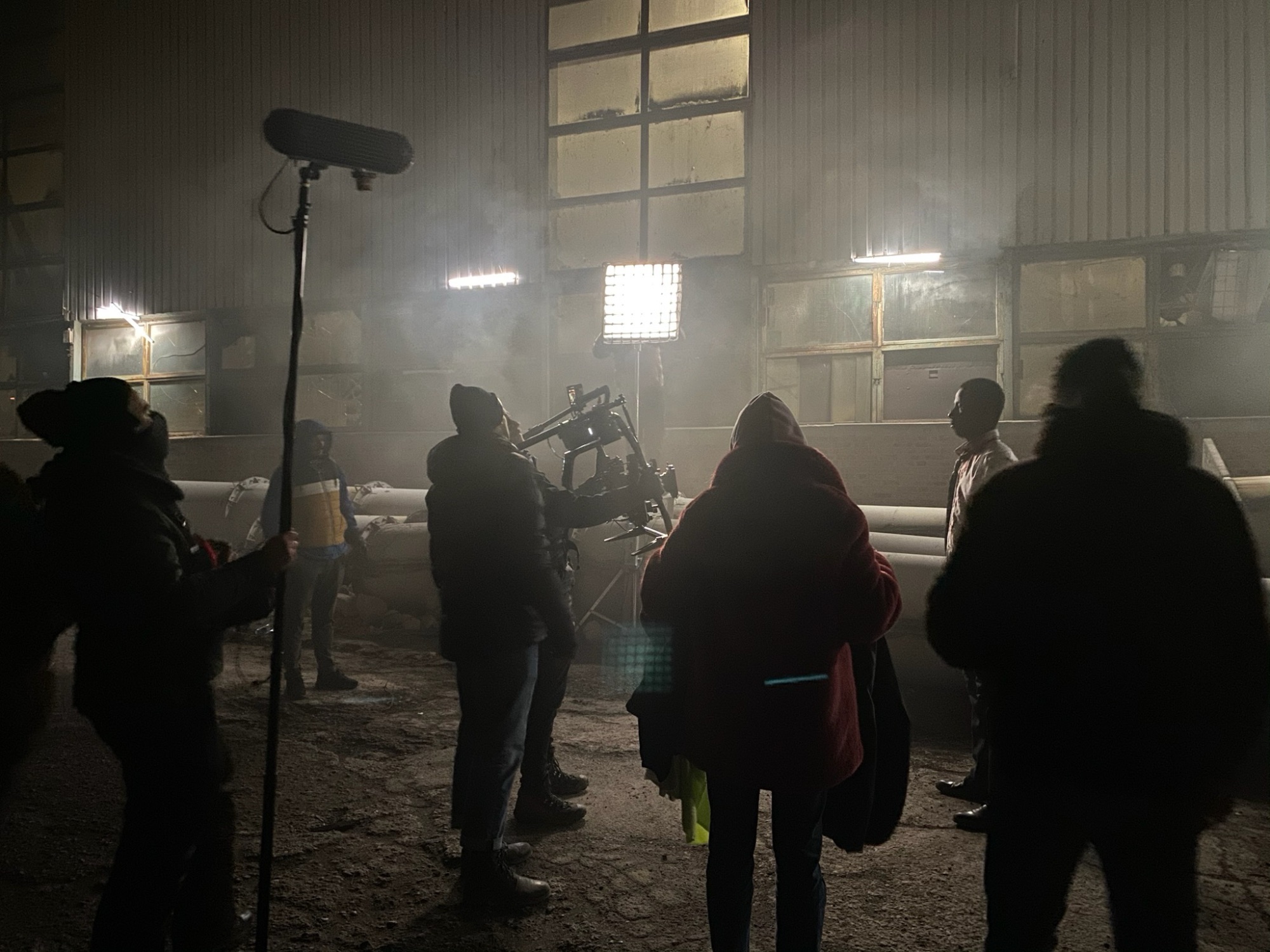
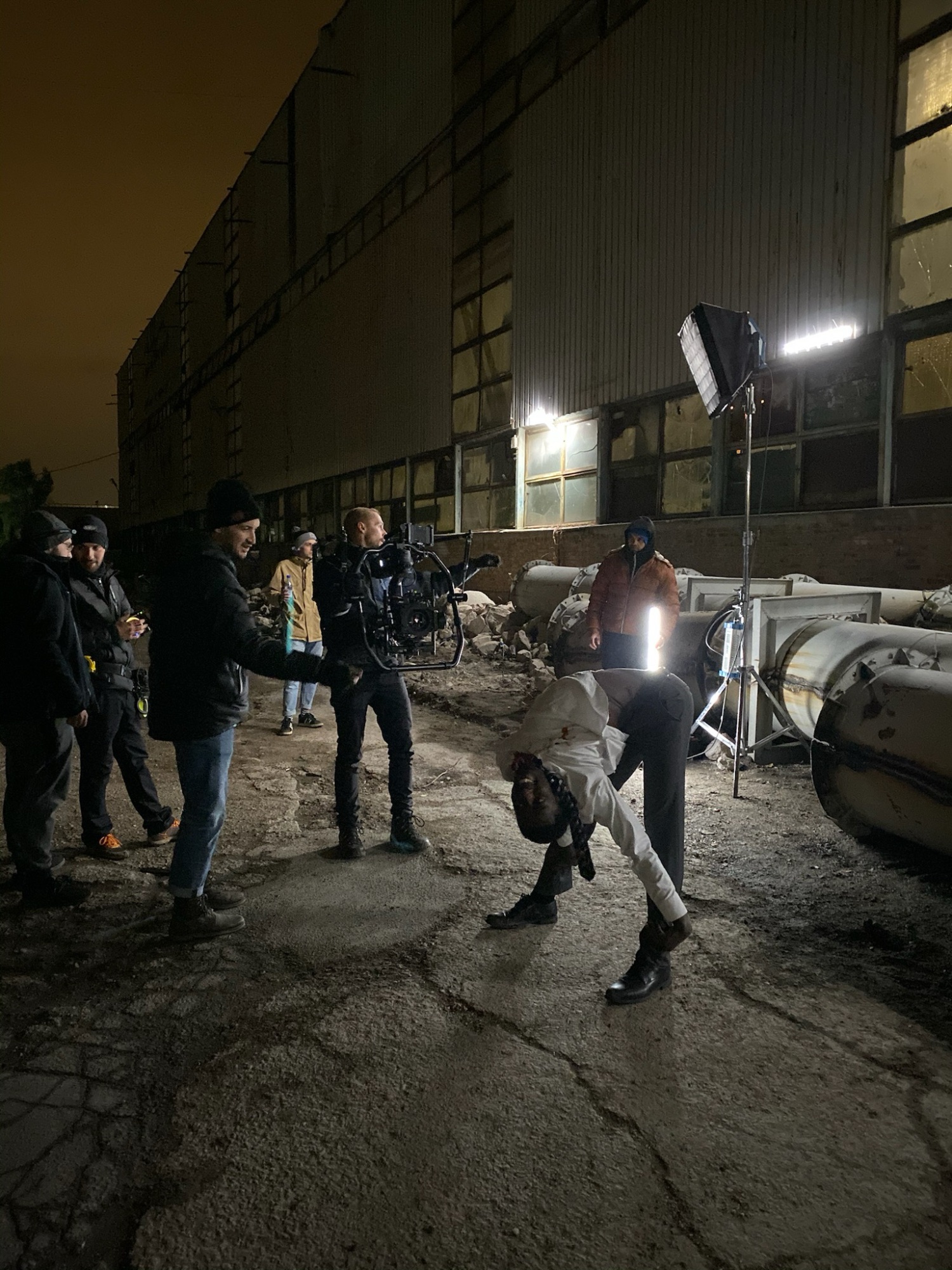
We choreographed the piece with Strauss the night before the shoot, breaking the track into segments and mapping each section to a different space so the dance could evolve through the locations. All the lighting was practical, which gave us freedom to adapt and follow instinct. Each take was slightly different—Strauss would find new nuances in the movement—but always hit the key beats we’d mapped to the music.
I didn’t approach the shoot with a rigid shot list—it was more about following instinct, catching moments as they revealed themselves. Some moments were carefully staged, others were discovered on the fly. And all of it was captured in a single night, racing against the clock before the sun came up. By some miracle, the very last scene—the dancer caught by daylight—was filmed just as the real sunrise broke through.

Closely coupled with Strauss’s movement is the visceral sound design. Could you take us inside the process of working on that and knowing just how far to push things?
I was very fortunate to work with an incredible sound designer, Abby Sie. From the very beginning, I knew I didn’t want the sound design to sit behind the music as background, but to breathe with it and to weave into the track and create a deeper, more layered experience. We spent a lot of time experimenting, building layers of sound that felt primal and unsettling with animalistic roars, fragments of wolves, screams, fire and abstract textures that pushed the transformation into something beyond the literal. By layering these non-diegetic sounds, we could heighten the surreal, almost subconscious atmosphere of the film.
We spent a lot of time experimenting, building layers of sound that felt primal and unsettling.
The challenge was always about balance. There were moments where the song needed to stand alone and carry the emotion in its raw form. And then there were places where we wanted to plunge the audience fully into the sound world—letting the design consume them, almost like being inside the transformation itself. That push and pull, knowing when to hold back and when to dive in, became the heartbeat of both the sound design and the edit.


Which model of Alexa and lenses did you shoot on and what informed those choices, especially as you knew you’d be working with practical lighting?
We shot on the Alexa Mini paired with Kowa Anamorphics with cranes and Steadicam, balancing precision with improvisation. The process felt alive, urgent, and fleeting—like the music itself. I was drawn to the Kowas because they carry such a raw, grungy quality that felt perfectly in tune with the emotional world of the film. Some of the lenses were so imperfect, dirty, textured, almost unruly and those flaws became strengths. They added character, unpredictability, and a tactile quality that echoed the instability and unease of the transformation.
For me, it was never about pristine sharpness but about embracing lenses that breathe, that distort, that almost feel alive. With practical lighting, those imperfections came to life even more, bending highlights, blooming flares, and giving the imagery a haunted, visceral texture that felt less manufactured.
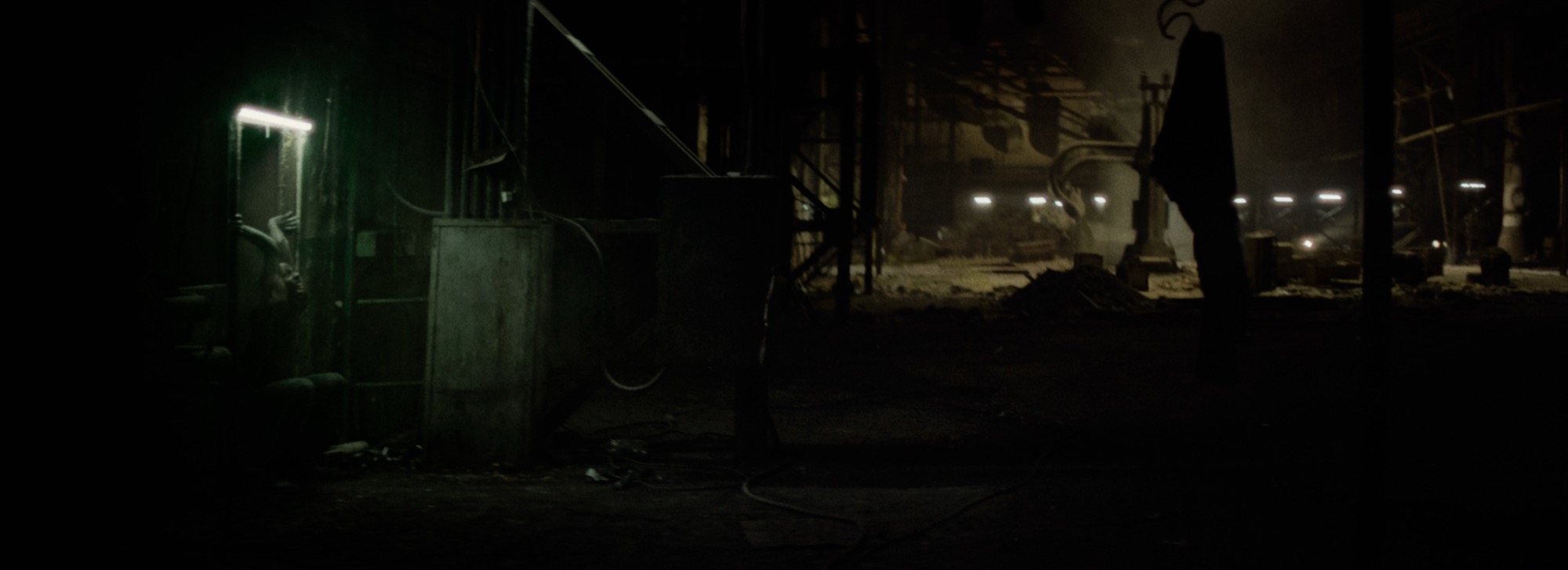
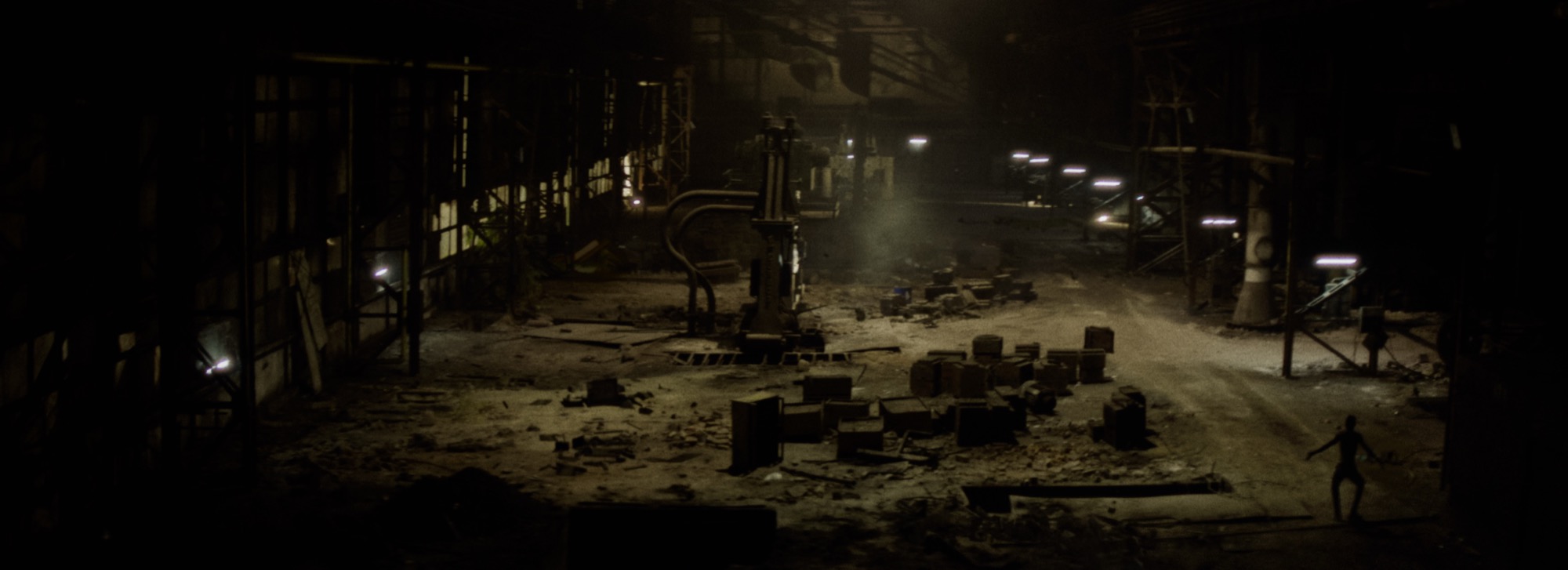
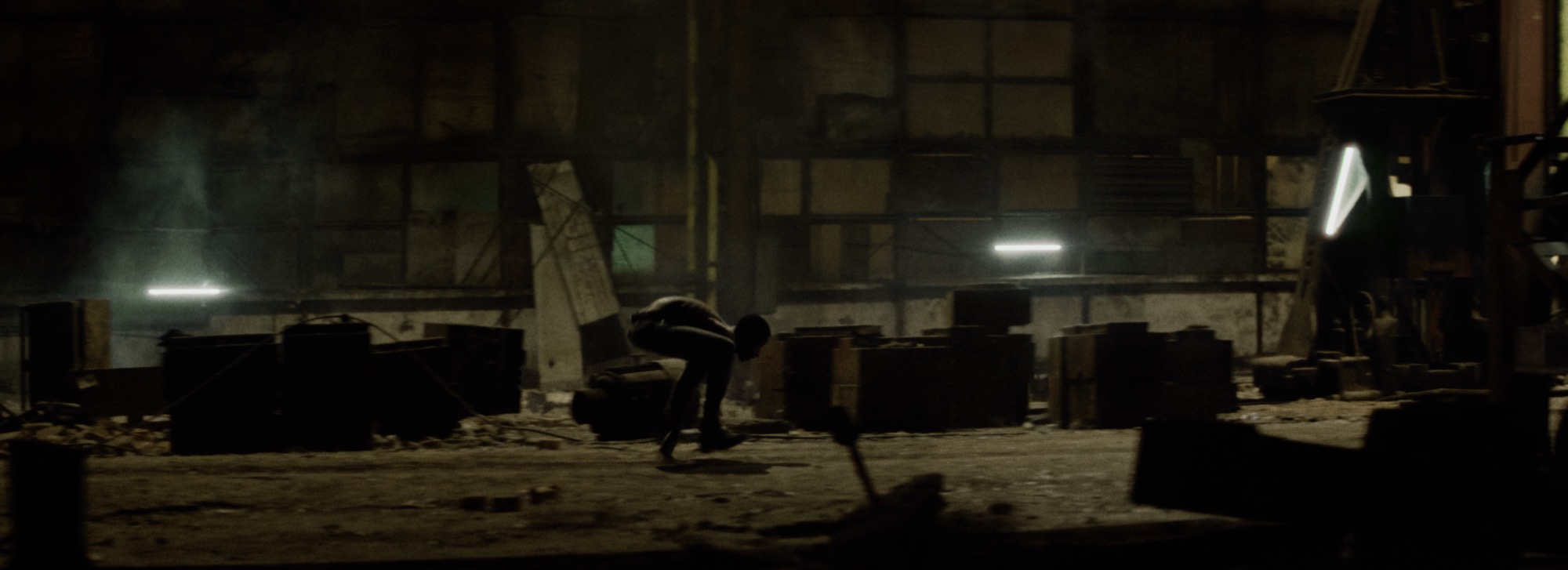
I always knew it needed a setting that carried its own weight, something raw and weathered that could mirror the internal decay and transformation of the character.
What appealed to you about shooting the story within this crumbling industrial setting? Was that the plan going in or a decision born out of happenstance?
This idea had been living with me for years, but I never had the right combination of performer, music and space for it to truly come alive. I always knew it needed a setting that carried its own weight, something raw and weathered that could mirror the internal decay and transformation of the character. Then, through a mix of destiny and luck, I stumbled upon this crumbling industrial location. At the same time, Strauss who I had admired and followed for years, was suddenly available, and the track aligned perfectly with the vision I had been carrying. It felt less like a plan and more like a series of forces converging at the right moment. Everything just clicked into place.
How challenging was it to pull off that final effects shot? Did it require much onset prep or was it fully realised in post?
The final effects shot was by far the most challenging part of the film. We were working on a scale that demanded realism, but with a very limited budget, so every decision had to be incredibly precise. A lot of preparation went in beforehand and we didn’t have the luxury of all the proper tools, so we leaned into more low-fi tactics, capturing reference images of the set and working closely with the VFX artists to plan how it could be achieved.

From there, it became an enormous process of refining layer upon layer of work, with many people pouring hours into making sure it felt believable and seamless. It wasn’t about flashy effects but about grounding the moment in the same raw, textured reality as the rest of the film. That level of patience and iteration was the only way we could pull it off, and in the end, it became one of the most rewarding aspects because it pushed everyone to be inventive and resourceful.
And finally, what will we see from you next?
I’ve just finished filming a documentary that is connected to my Māori heritage back home in New Zealand. The project has been a way of exploring identity, tradition, and memory. I’m looking forward to letting it out into the wild.