

As is the case each year, the announcement of the Sundance Film Festival lineup functions as an early indicator of the creative and thematic directions that may come to define the wider festival circuit in the months ahead. For those of us who programme short films, it also represents the first chance of the year to engage with an external curation – offering an opportunity for comparison, reflection, and critical self-assessment, all of which are essential to the ongoing evaluation of our own programming practices. With this in mind, the Sundance lineup is consistently one we anticipate with particular interest. Once again – viewed from a Directors Notes perspective – it is especially pleasing to see a number of filmmakers we’ve previously featured returning with new work. As such, this article serves a dual purpose: it offers an update on the evolving careers of several DN favourites while also presenting our recommendations for short films to seek out at this year’s festival.
With most of us not lucky enough to be at Park City in person, Sundance is embracing the online audience by offering access to all the short films for $45. Here are the 13 short films we’re most excited about in this year’s Sundance line-up:

Buah (Fruit) – Jen Nee Lim
I often say that, as a programmer, what I seek most is to be surprised, and Jen Nee Lim’s Buah certainly delivers on this front. An unpredictable short that elicits both laughter and discomfort, it is as unforgettable as it is distinctive, and stands out as one of the most notable shorts in this year’s Sundance lineup.

Balloon Animals – Anna Baumgarten
I don’t typically gravitate toward short films that feel part of a larger story, but Anna Baumgarten’s Balloon Animals is so immediately enjoyable that it was impossible not to include it on this list. Inviting viewers to linger in a grocery store as two employees work a late shift, passing the time with games of “fuck, marry, kill” and forging an unexpected connection with a random customer. The film may be light on narrative complexity, but, like an ideal hangout session, its charm lies precisely in its ease and intimacy, leaving you reluctant for it to end. We wouldn’t be surprised to see a feature version of this one at some point.
Going Sane: The Rise And Fall of the Center For Feeling Therapy – Joey Izzo
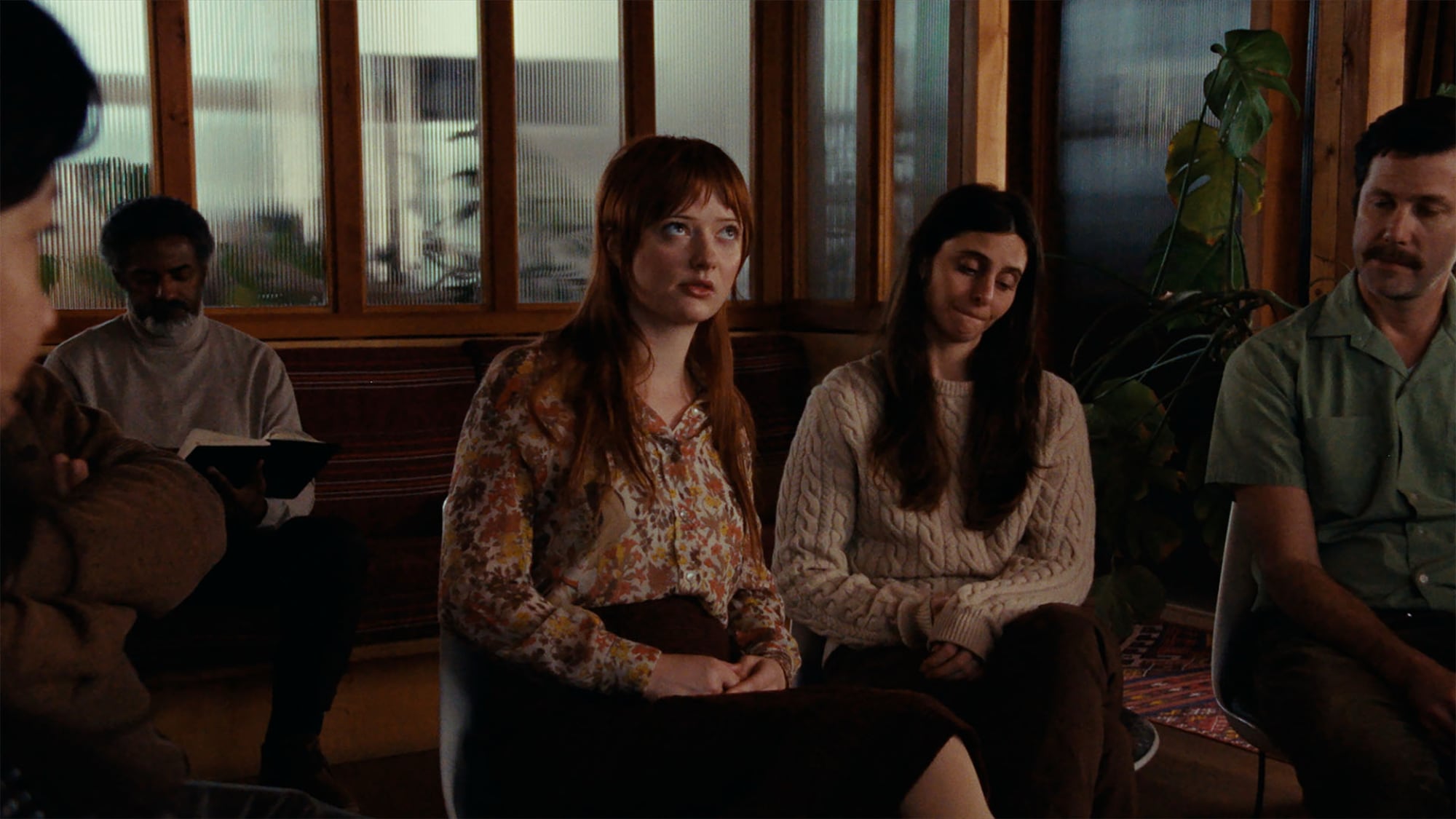
The dynamics of cults have been explored extensively by filmmakers, making it challenging to present the story of a devoted following with renewed relevance and originality. In Going Sane: The Rise and Fall of the Center for Feeling Therapy, Joey Izzo (Editor of previous DN pick Walk Out Nice and Smooth) rises to this challenge by uncovering a compelling story from the 1970s and recounting it with notable insight and inventiveness. Rather than relying on the conventional documentary framework of talking heads and archival footage, Izzo employs a more engaging and unconventional approach that lends the film a distinct freshness.
Most Popular

Homemade Gatorade – Carter Amelia Davis
Initially, the sheer absurdity of Carter Amelia Davis’ bizarre tale – centred on a woman embarking on a road trip to sell her creamy homemade sports drink – created uncertainty as to whether the film would ultimately resonate. However, as you become immersed in its world and acclimatise to its unorthodox aesthetic, the inventiveness and entertainment value of the short become increasingly apparent. The visuals serve as a perfect complement to the strange and unsettling narrative, and the final line, “GET IN THE HOLE,” will linger long after the film’s disquieting conclusion.
Homemade Gatorade is available to watch online

Hugs – Nicolas Fong
Sometimes a complex narrative is not necessary to create a meaningful impact; instead, a film can resonate simply by reminding us of what matters most in life. In the case of Nicolas Fong’s abstract animated short Hugs, the film serves as a tribute to its titular form of physical connection. Over its brief six-minute runtime, Fong guides viewers on a journey through the many different types of hugs that exist in the world, emphasising their emotional and social significance. While the film can verge on the saccharine at times, it ultimately delivers the same stress—and anxiety—reducing effects associated with real-life embraces, leaving viewers with a renewed appreciation of—and desire for—physical connection.

Luigi – Liza Mandelup
One of my favourite documentary filmmakers, Liza Mandelup, has a distinct ability to capture the emotional and psychological core of the individuals at the centre of her work. With devotion and fandom as recurring themes throughout her films, Mandelup’s latest short, Luigi, sees the New York–based filmmaker turn her attention to members of the public who have become fixated on “the most debated and polarizing murder suspect in recent history” – Luigi Mangione. A revealing watch, once again Mandelup’s focus avoids judgment or condescension towards those she interviews, but instead uses her unobtrusive approach to invite viewers to engage critically with the material and arrive at their own conclusions.

Marga en el DF – Gabriela Ortega
Driven by a captivating performance from Camila Santana, Gabriela Ortega’s 20-minute short Marga en el DF transports viewers to the bustling streets of Mexico City and into the life of Marga, an expectant mother on the cusp of profound change. With the city functioning almost as a third character, Ortega guides her audience through an emotional spectrum that encompasses devastation, freedom, and optimism, among other states, as the film’s narrative unfolds. The cinematography is striking, the performances are powerful, and the direction is assured – marking this as the work of a filmmaker with a bright future ahead.
¡PIKA! – Alex Fischman Cárdenas
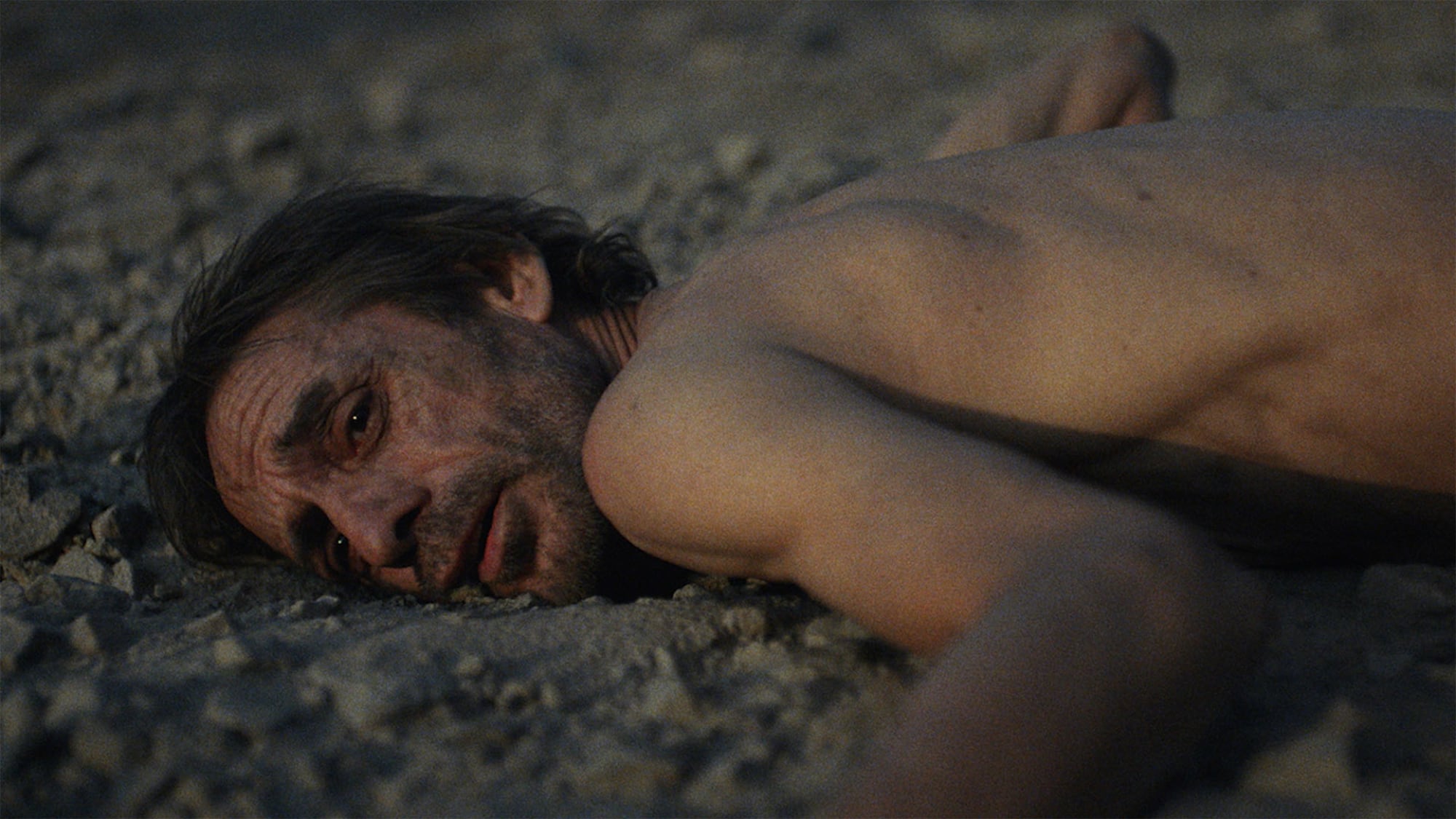
An infuriating rash, a desperate search for treatment, and a reverse birth propel Alex Fischman Cárdenas’ (Neptune’s Dreams) short film into one of the most unexpected journeys in recent memory – what the filmmaker describes as, “A nightmarish odyssey in search of relief.” Framed with the dark, foreboding visual language of genre filmmaking, ¡PIKA! primes its audience for an experience that is bleak and unforgiving. While the film does, to an extent, fulfil these expectations, its final and unforgettable scene ultimately offers tenderness and compassion – an emotional turn that feels both surprising and deeply welcome.
Stairs – Riley Donigan
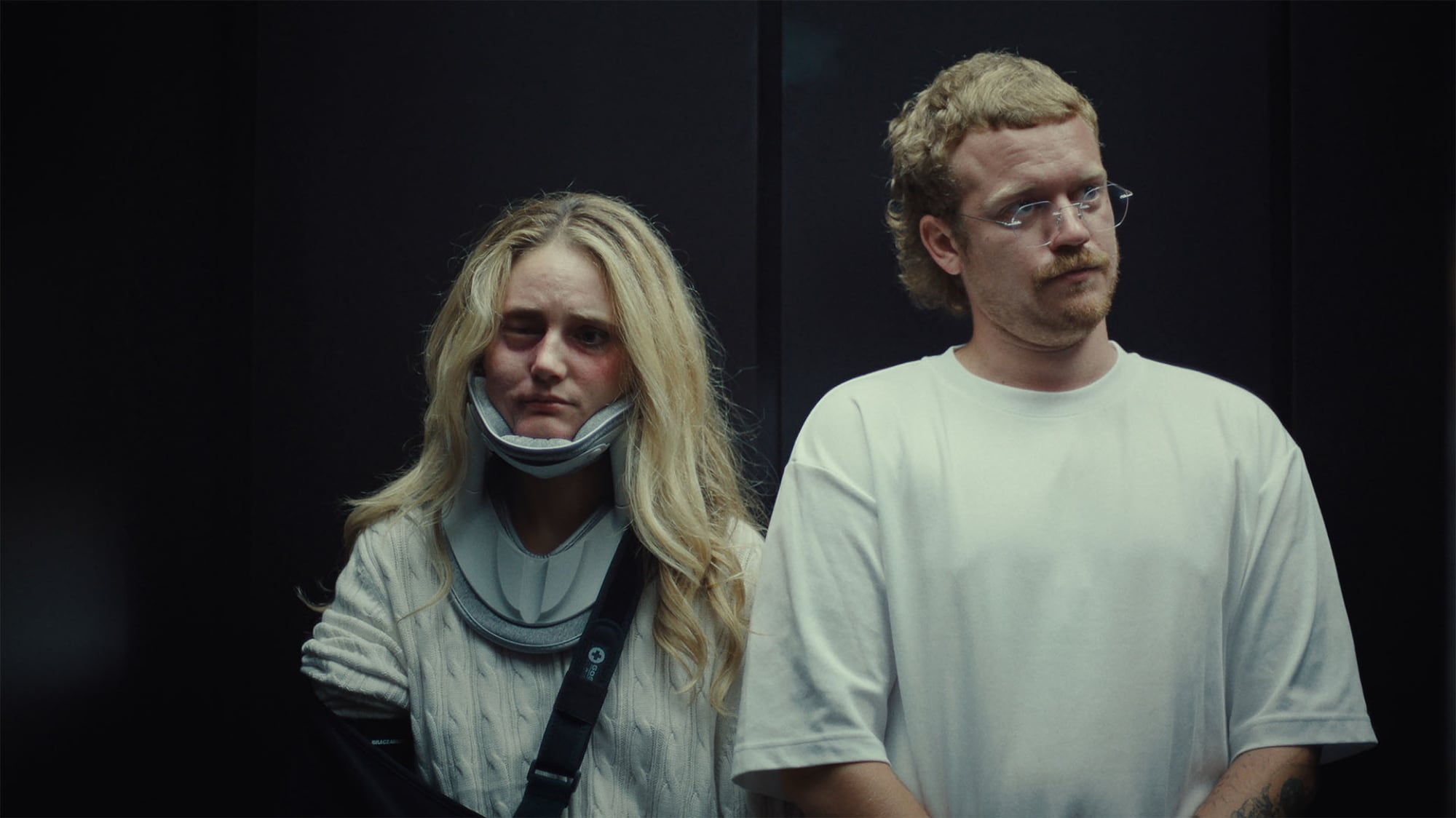
Described by Riley Donigan as his “best work” when we spoke to him a few months ago (in Sept 2025) about his previous short film Shithead, Stairs more than lives up to this claim. Centred on a woman – brilliantly portrayed by short film regular Betsey Brown (Empath) – who unexpectedly develops an addiction to throwing herself down staircases, the film once again demonstrates Donigan’s ability to create work that is raw, unforgiving, and unexpectedly relatable. In that earlier interview, the director spoke about his ambition to transition into feature filmmaking and if Stairs is indicative of what lies ahead, we’re truly hyped to see him take that next step.

The Chimney Sweeper – Jack Raese
As a short film programmer, you’re constantly searching for originality, and the profile documentary – short films focused on an individual and their specific craft, hobby, or interest – is a form in which it is often hardest to find. Jack Raese’s short, which centres on a man who continues his family tradition of making nutcrackers for a living, adheres to this familiar format and, by all expectations, should feel tired or clichéd. However, the film’s energy and rhythm are perfectly balanced: it is playful and engaging, yet possesses an unexpected depth. As these types of documentaries show no signs of disappearing from the short film landscape, works such as Raese’s are essential in reminding us just how effective the form can be.

The Worm – Tom Noakes
Created as part of Screen NSW’s Short to Feature Fast Track Initiative, you might be forgiven for assuming this is just another proof-of-concept short, existing solely to pave the way for a feature adaptation. However, Tom Noakes’ (Fight Dirty) unusual film takes a high-concept premise – a young man believes a telepathic worm has taken control of his life – and transforms it into a sharp metaphor for coping with grief. The fantasy elements blend seamlessly with the production’s gritty Australian texture, keeping the viewer uncertain of the short’s direction – a sense perfectly captured in its final, unexpected shot.
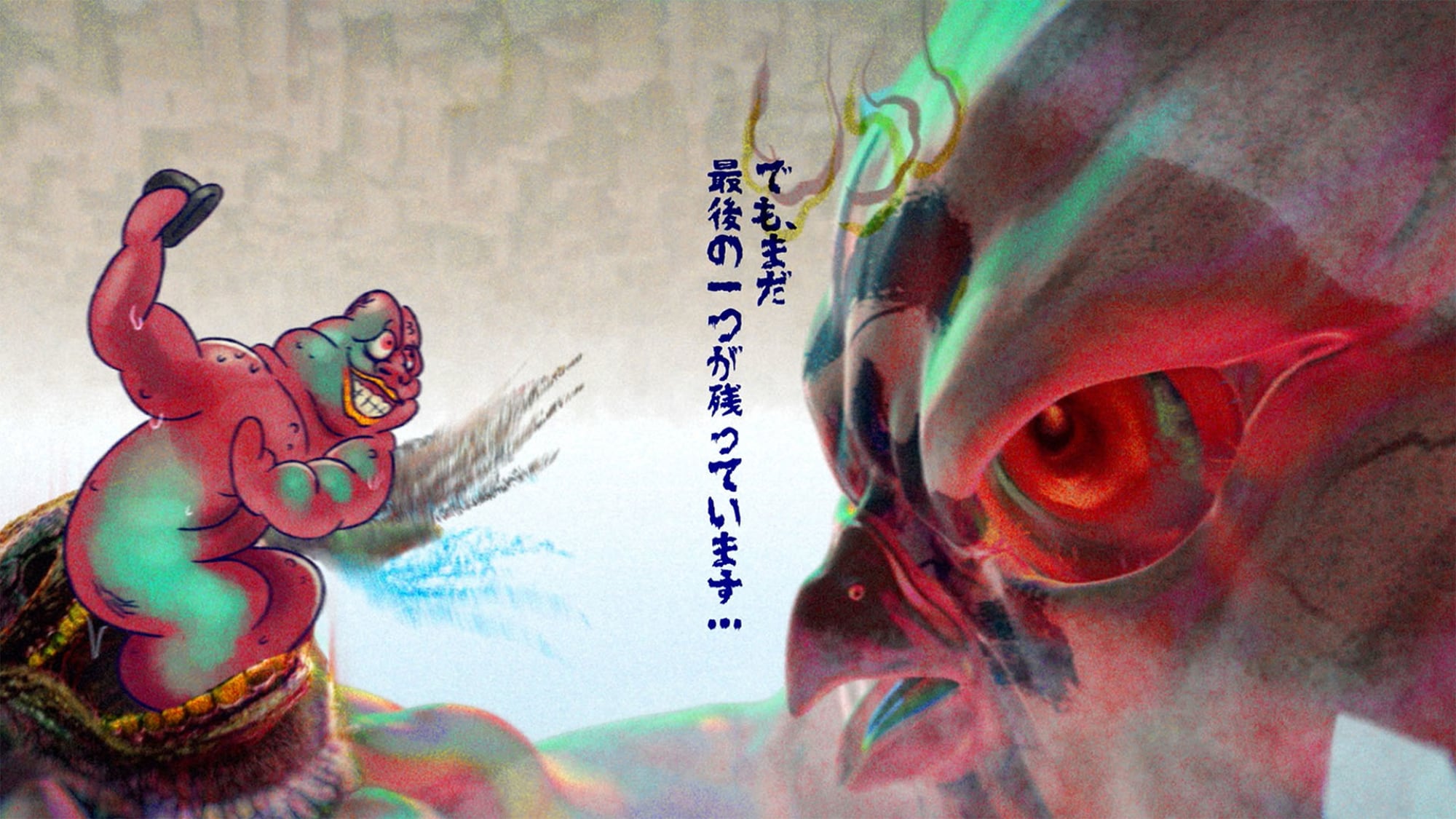
UM – Nieto
Much like the other animations recommended in this article, Nieto’s short seeks to push boundaries and experiment with form through its tale of bird deities returning to Earth to restore a balance disrupted by humanity. Consistently surprising and inventive, the film places greater emphasis on the mythology of the extraordinary world Nieto brings to the screen than on conventional narrative development, making it difficult to view UM without a sense of awe and wonder. While it may not resonate as strongly as his previous film, Swallow the Universe – to which it bears notable similarities – it nonetheless stands as another distinctive and singular work from the animator.

Without Kelly (Utan Kelly) – Lovisa Sirén
A deeply immersive and visceral examination of young motherhood, Lovisa Sirén’s Without Kelly (Utan Kelly) initially presents itself as a film about a lost child, prompting the viewer to emotionally brace for that possibility. However, what unfolds over the subsequent 15-minutes is far more complex. The film instead observes a young mother attempting to fill the emotional void left when her child goes to stay with her father for a week. At times raw and uncomfortable, yet also sweet and tender, the resulting interplay of emotions is remarkably effective, particularly given the film’s brief runtime.
You can find more unmissable DN film festival favourites in our Best of Fest collections.