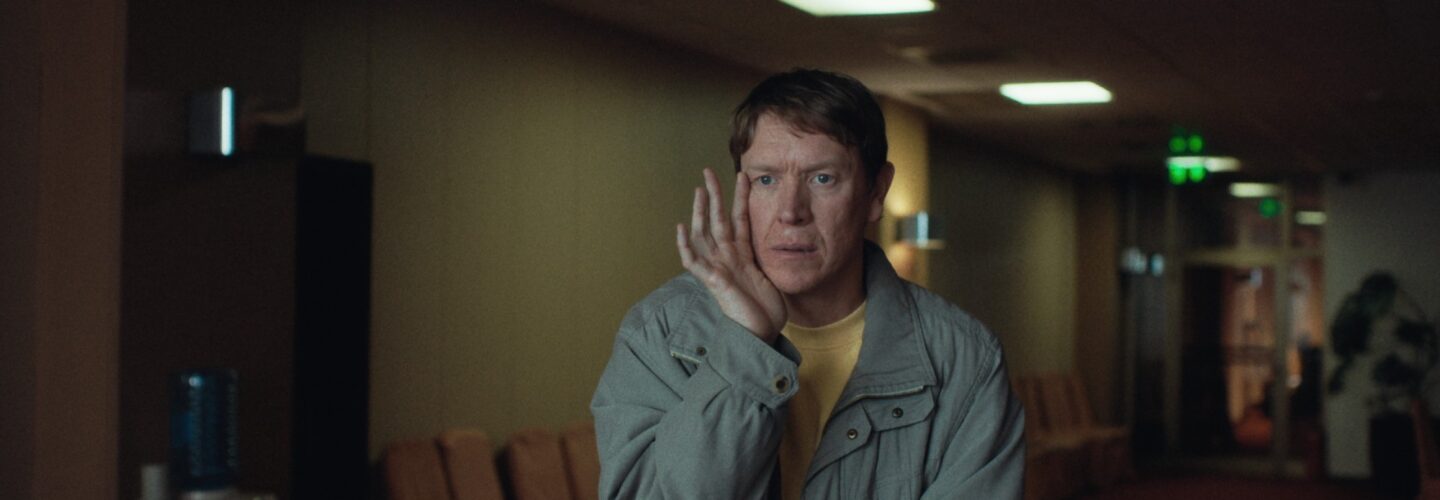
Sharif Abd el Mawla’s In Search of Yang unfolds as a surreal, movement-driven journey into the cyclical quest for connection and longing. Inspired by a conversation with the band Yīn Yīn and an evocative sample from Alan Watts’ Myth of Myself, Abd el Mawla crafts a narrative that blurs the lines between retro and sci-fi, set in a melancholic, bizarre, and dystopic world. In this space, movement emerges as a connecting visual language, a thread that intertwines with the protagonist’s obsessive pursuit. Perpetually falling from the sky, the anti-hero, alien-like yet quirky, spirals through a relentless longing for a soulmate, a quest that makes him strangely human.
In this universe, movement manifests as a catalyst, a visceral layer of connection—an anchor for our antihero and the driving force for his quest—at once awkward and liberating. A primal mating dance stands as the distillation of this kinetic pulse, an encounter that captures the characters’ quirks and desires while mirroring the genre-bending rhythms of Yīn Yīn. Drawing inspiration from films ranging from Fight Club and Napoleon Dynamite to Kieślowski, Abd el Mawla joins DN to discuss how he crafted this surreal retro world, exploring a story loop grounded in movement that reflects the continuous cycle of falling and respawning in search of connection.
You’ve mentioned that the initial concept came from a conversation with the band Yīn Yīn, and that a sample in the intro—touching on a rather strange philosophy or theory—sparked the idea. What was it about this sample that stood out to you and set the narrative in motion?
The track begins with an excerpt of Alan Watts’ Myth of Myself, a sample which shaped the idea about a hidden mystery. We felt like that could be the driver of our hero’s quest. Essentially, it talks about the Yin Yang theory and how one could only be fulfilled when finding this inner part of happiness. The song builds up in suspense and mystery. When the chorus hits, the whole mood changes. I felt like maybe our hero is so fed up with solving ‘the puzzle’ that he uses dance as a catalyst and stress relief.
The blend of disco, funk, psychedelia, and Southeast Asian influences in the track creates such a vibrant and eclectic soundscape. How did this mix of genres shape your creative vision for the concept and realisation of the video?
The band is known for their genre-bending sound. I love that, and I think it really helped shape the idea. I like to mix genres in my work. Because the song’s intro is completely different from the rest of the song, we managed to blend mystery, satire, and surrealism together. This contrast worked really well. We wanted to create an antihero you would root for, even though you don’t get his mission exactly. One that is engaging to watch.
Starting with Fight Club and Napoleon Dynamite as key inspirations, you blend the surreal and sci-fi all in an unhinged world. How did you imagine and create the look and feel of this vintage world?
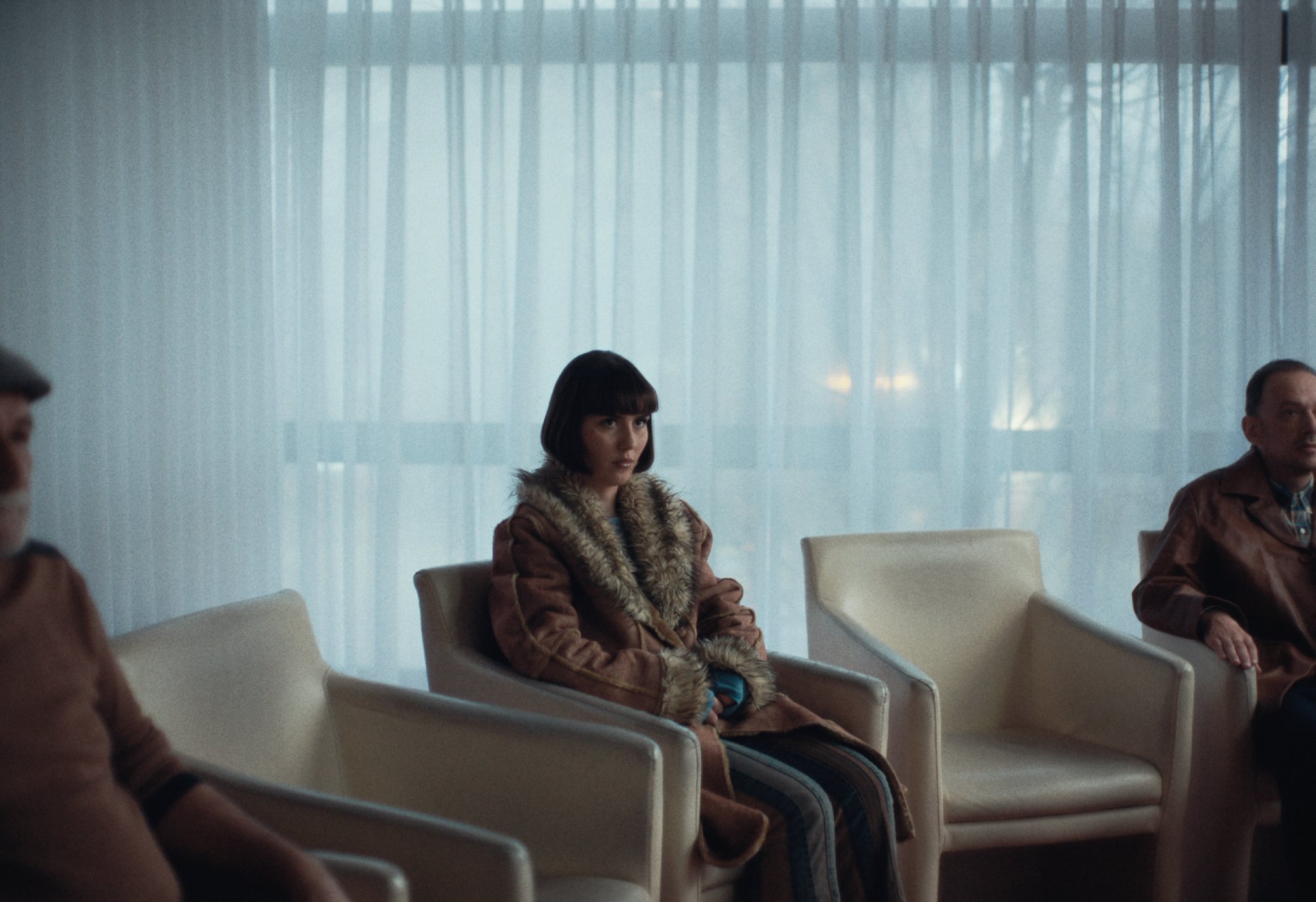
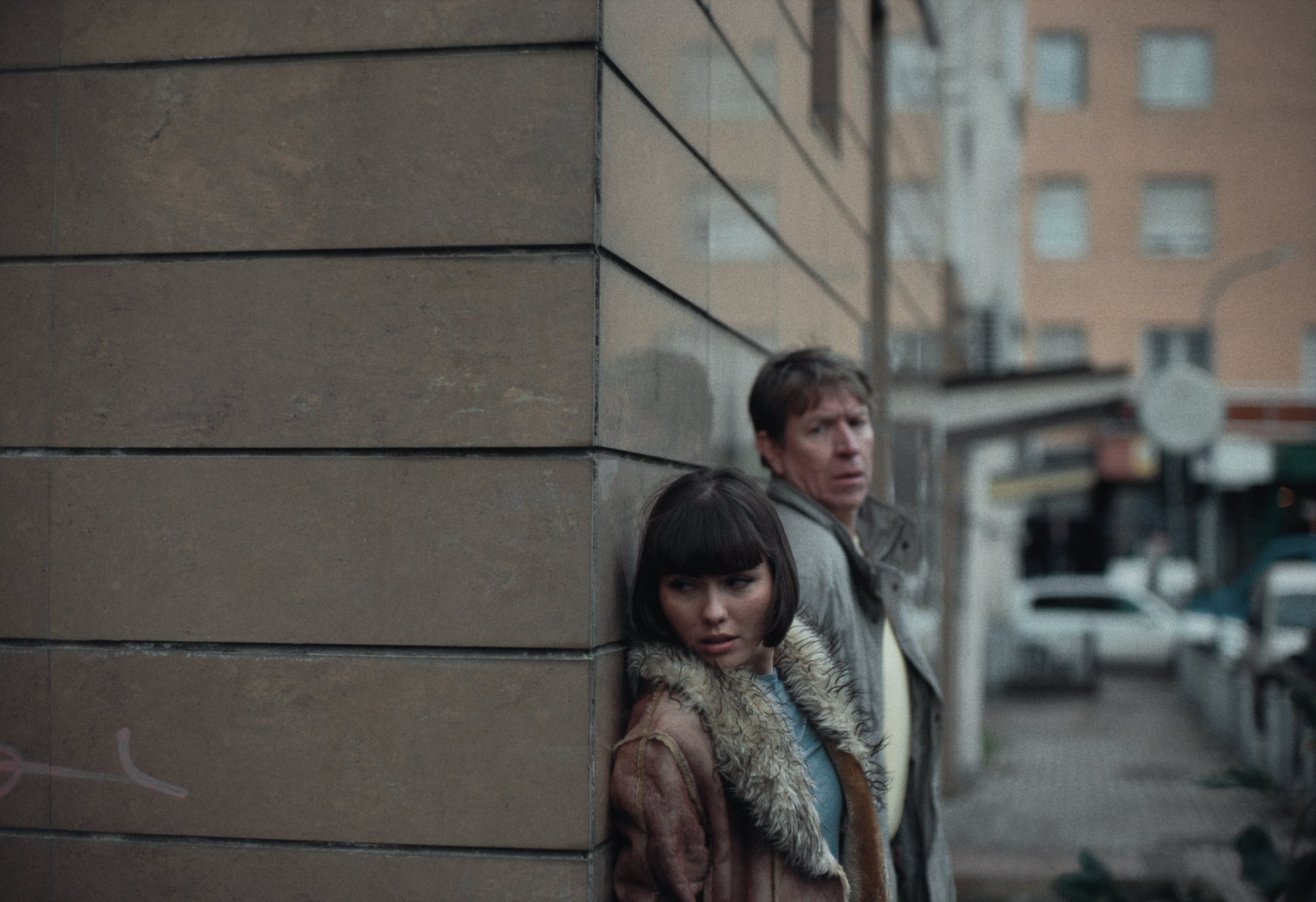
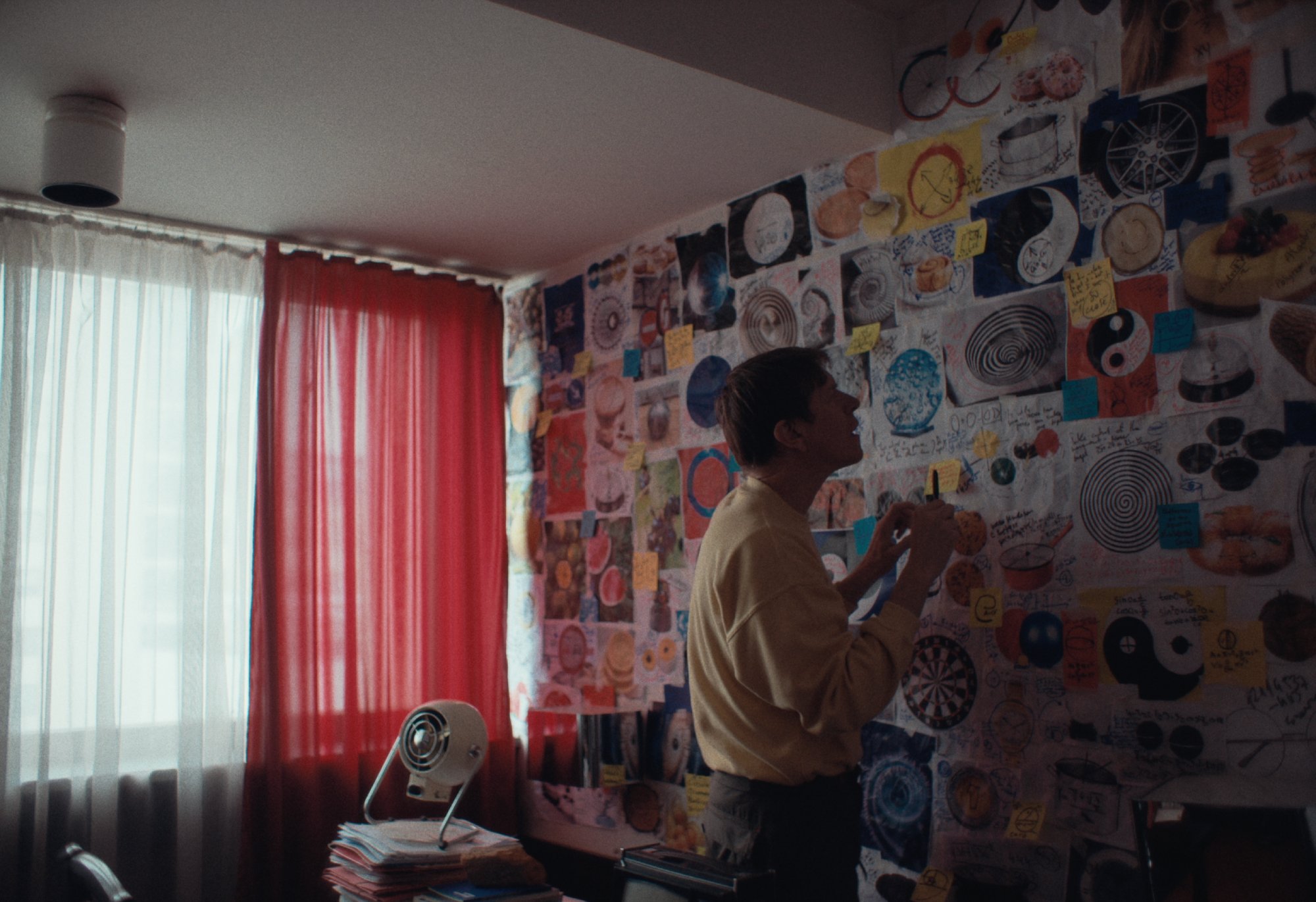
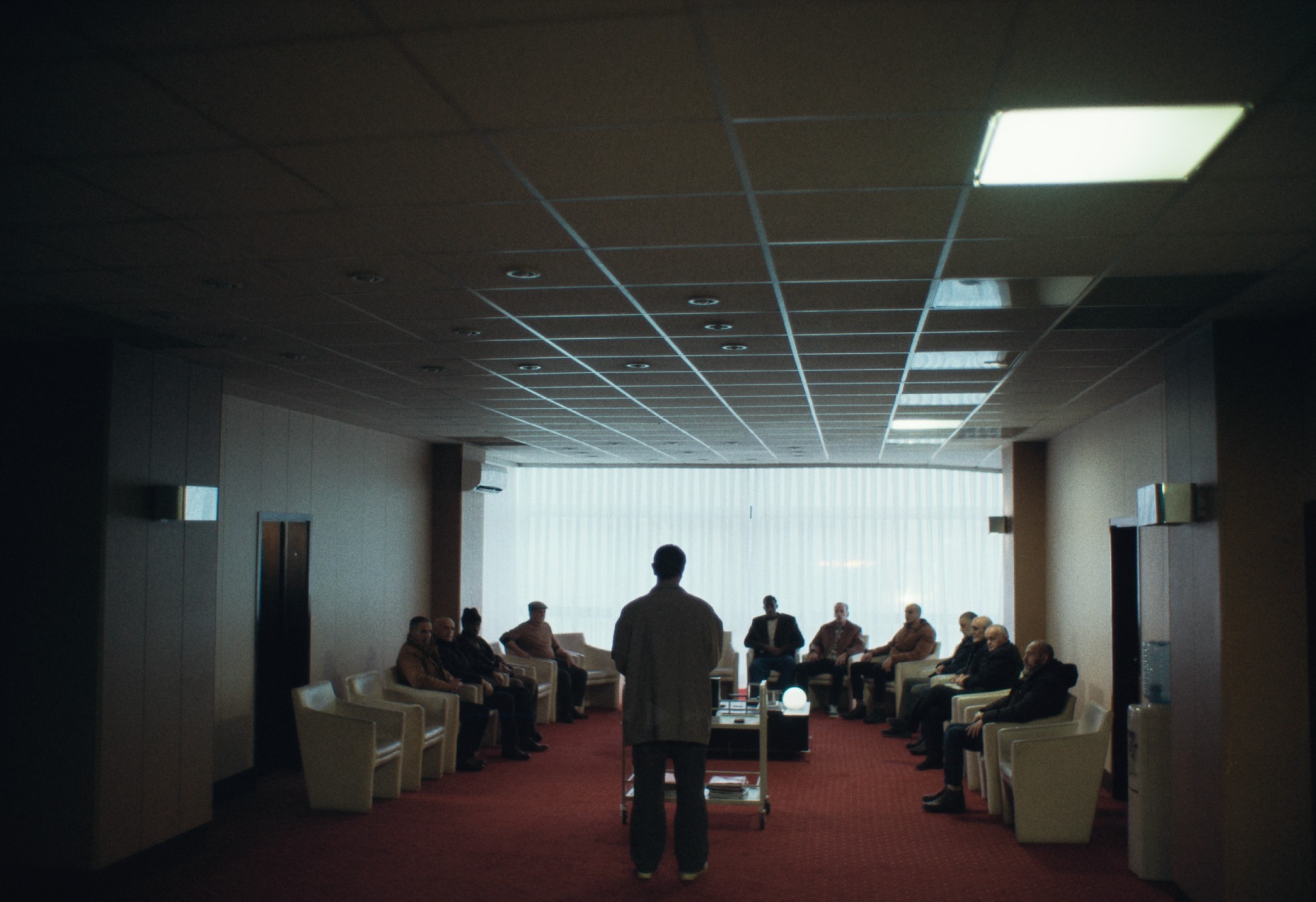
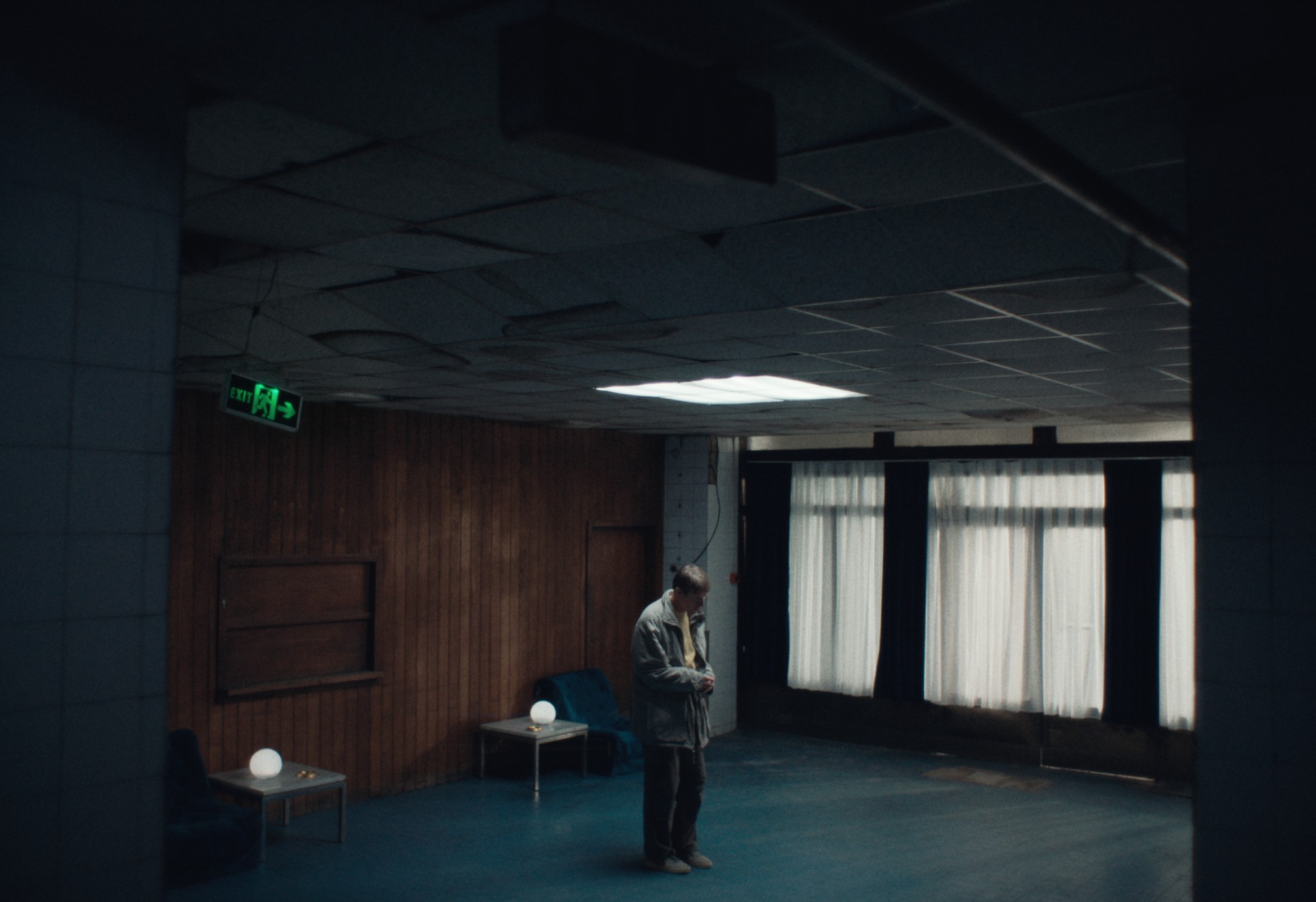
Together with my DP Daan Bukman and production designer Jose Tirado, we laid out a visual world that draws inspiration from Kieslowski’s work. I wanted to create a tragic, comedic visual arena. One that is melancholic, absurd and timeless at the same time. We went looking for an anonymous dystopic place that could turn a person crazy, especially when they are already somehow weird. In Kosovo, we found the perfect place. At times sci-fi, modernistic and at times very retro, raw and stuck in time.
Most Popular
The music video centres on an antihero who falls from the sky and respawns in search of his soulmate. How did you approach the creation of this key character, his narrative, and the development of his visual language through movement to make him seem so otherworldly?
Sam Spruell and I chatted about his character prior to the shoot and decided that we wanted to create an ambiguous antihero. Alien-like. Obsessed but emotionally layered enough to be human. At the same time, we decided that everything is happening inside his mind. We are witnessing the video from his point of view. What is real and what is not? I wanted to leave room for the viewer’s interpretation. I love films that challenge the viewer instead of explaining everything perfectly. I don’t think it matters what’s real and what’s not. At the end, you have to be emotionally connected to our hero. A lost obsessive soul who feels like he’s living in a simulation. I think we managed. Being thrown to the earth is how he might emotionally experience his life. Stuck in a constant loop until he finds his light and happiness.
I like to mix genres in my work. Because the song’s intro is completely different from the rest of the song, we managed to blend mystery, satire, and surrealism together. This contrast worked really well.
I was really captivated by Sam Spruell’s performance—his presence and the quality of his movement. What made you choose him for this role? How did you collaborate with him to bring out that specific energy and quirkiness in the character?
Sam and I had worked together before on a commercial and got along. I knew casting had to be really strong to make a concept like this work. I was looking for UK actors. My EP Saskia Kok suggested to shoot Sam a message. I didn’t expect him to say yes to this low budget music video, but he loved the idea. He liked the dance choreography and the fact that I wanted to create a quirky character. It was something he hadn’t done before—he usually plays the bad guy—so he wanted to explore this offbeat character. He killed the performance in my opinion.
I was also struck by the originality and vibrancy with which movement was integrated into the narrative—it immediately made me think of a mating dance in the first encounter between Sam and Erza Sejdiu. Why did you develop a coherent dance concept and specific repeated movements as a visual language in In Search of Yang? How did you bring this concept to life through movement with choreographer Mès Lesne?
I had some calls with choreographer Mes Lesne and expressed my desire for a primal mating dance. In my head, I was like what happens if two oddballs on the same spectrum find each other. How would they connect? What would be their visual language? How would they move? How would they approach each other if they don’t abide by the social code? I wanted the dance to be clunky, imperfect, but genuine. We rehearsed the dance a day before the shoot and on the shoot day itself, we let the camera roll to get some moments. That really worked well.
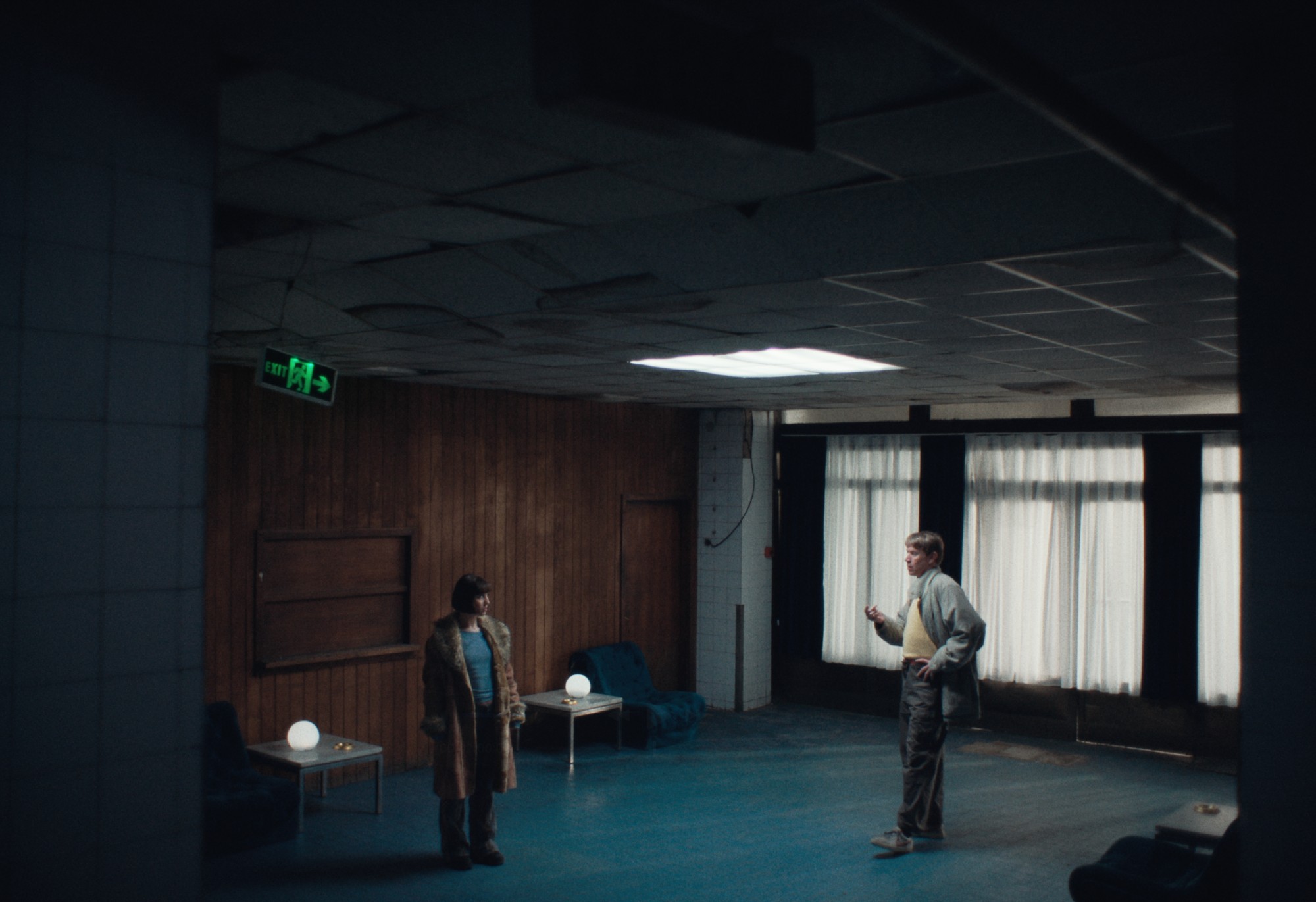
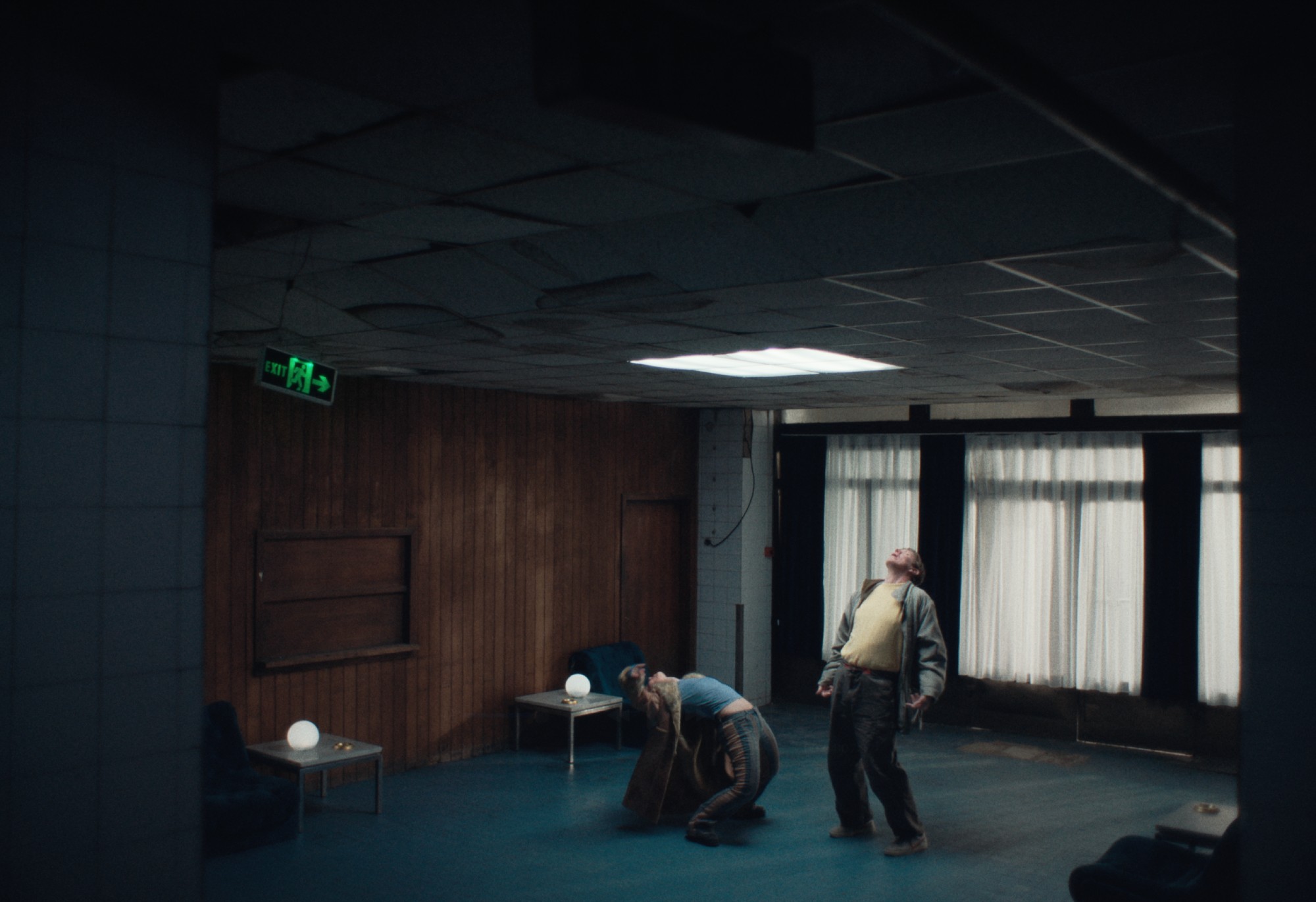
I wanted the dance to be clunky, imperfect, but genuine.
The scene where they dance after their first encounter is bursting with energy—chaotic, ironic, but still maintaining a stylish flair. I’m curious, did this movement-focused sequence come from improvisation and mirroring, and was it strongly inspired by the music? Overall, how did you balance improvisation with choreography?
During the tech-recce, I had an idea about this specific encounter. My DP shot me dancing and then I showed the deadpan dance idea to Mes. This particular part wasn’t inspired by improv, but later on in the music video, we used some improvisation. When editing, we had an important rule for the dance sequences; whenever it felt too good or skilled, we would not use it, because it would break with their character.
In such a chaotic, sci-fi, and surreal world, I can see a strong stylistic coherence—from set design to costumes to colour palette. Can you tell us more about how you developed the concept and worked with the set design, costumes, and makeup teams to create such a cohesive and stylish universe?
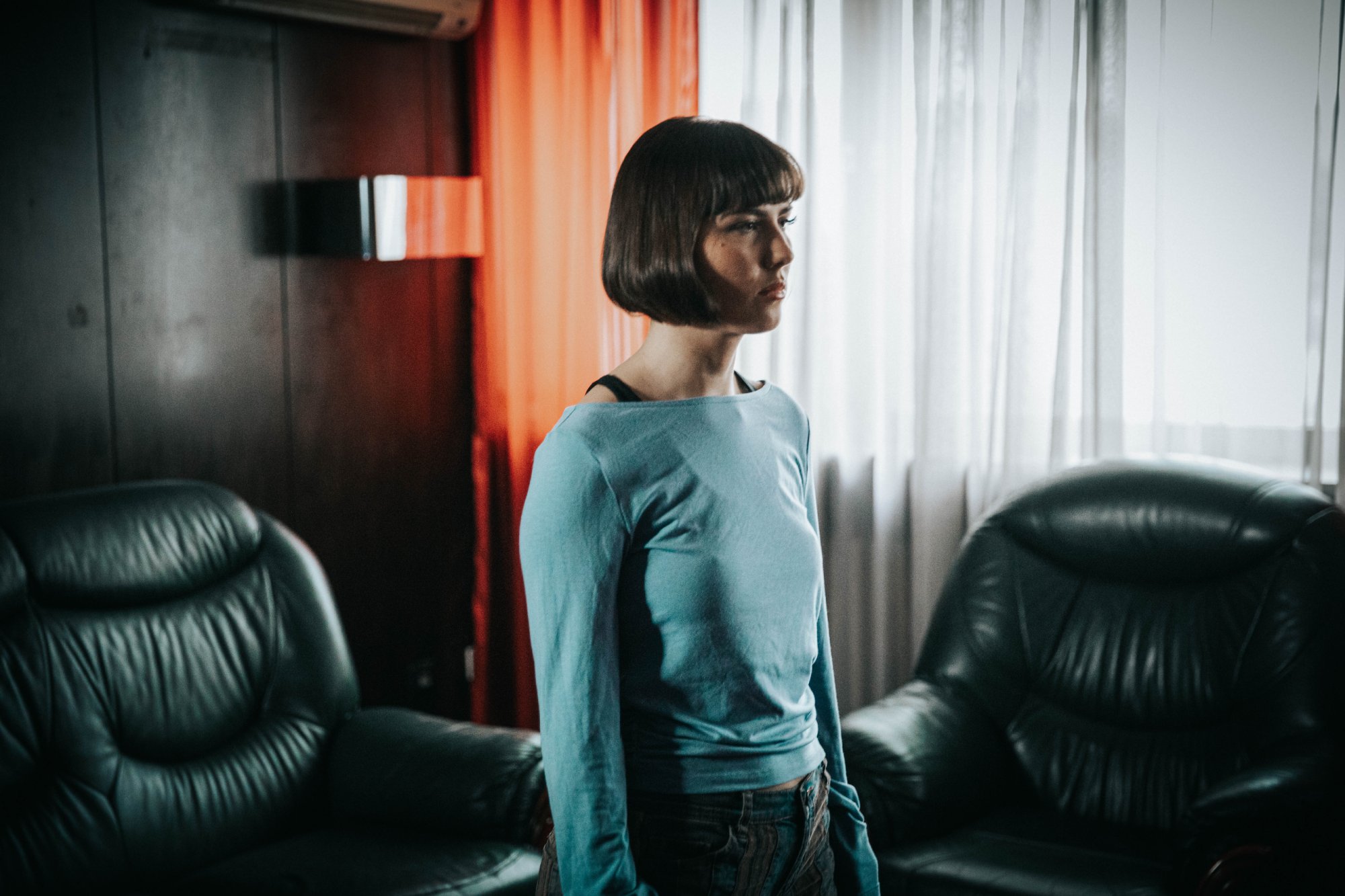
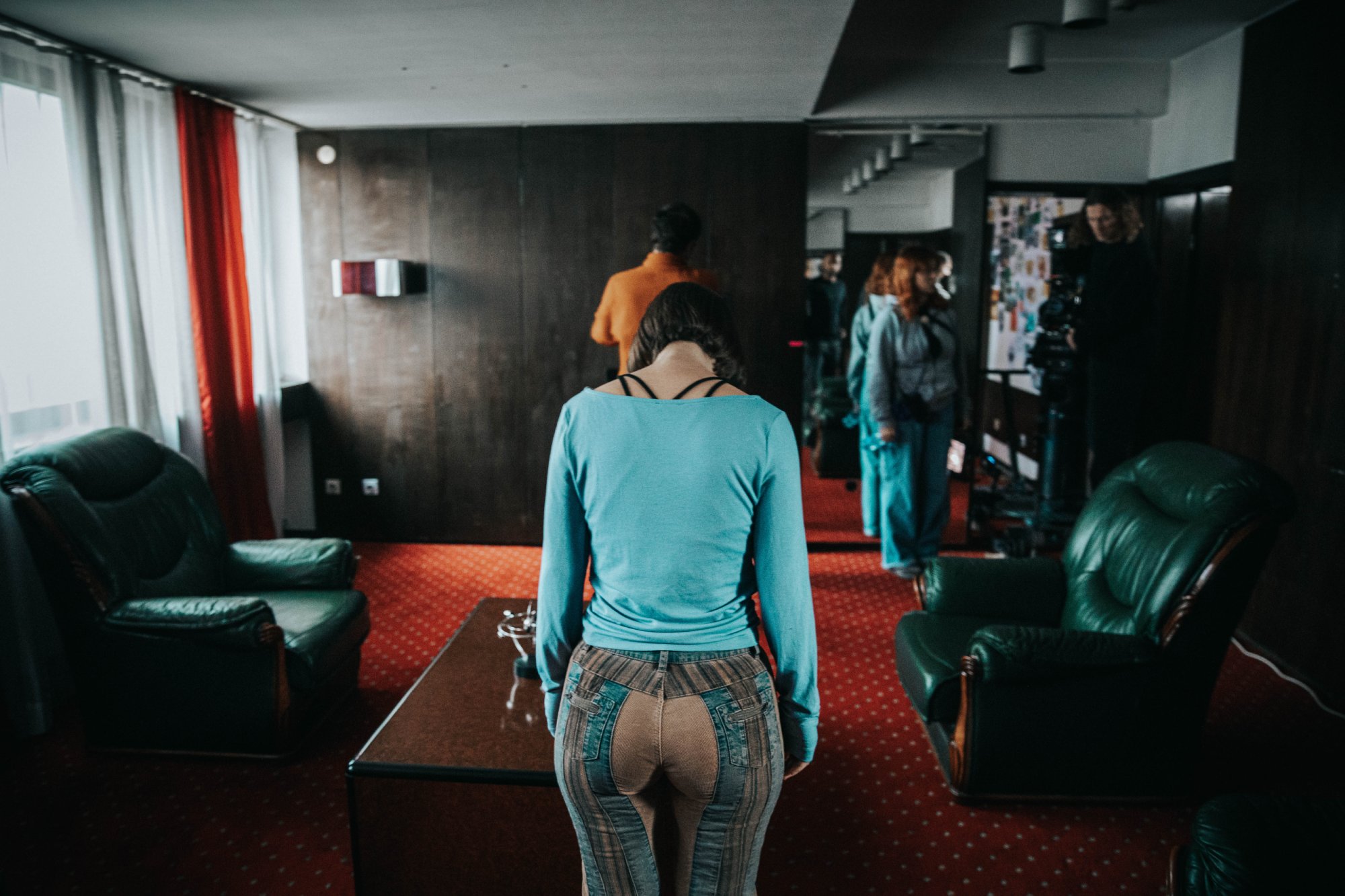
I’m a big fan of dystopic sci-fi. We gathered a lot of moods. Under the Skin (Jonathan Glazer) was an important ref. I wanted to create a stylistic muted world. Timeless, something that could go for the past and future. Keeping it limited to some color tones, but besides that, leaning in to a grey anonymous world so we can feel the isolation of our hero.
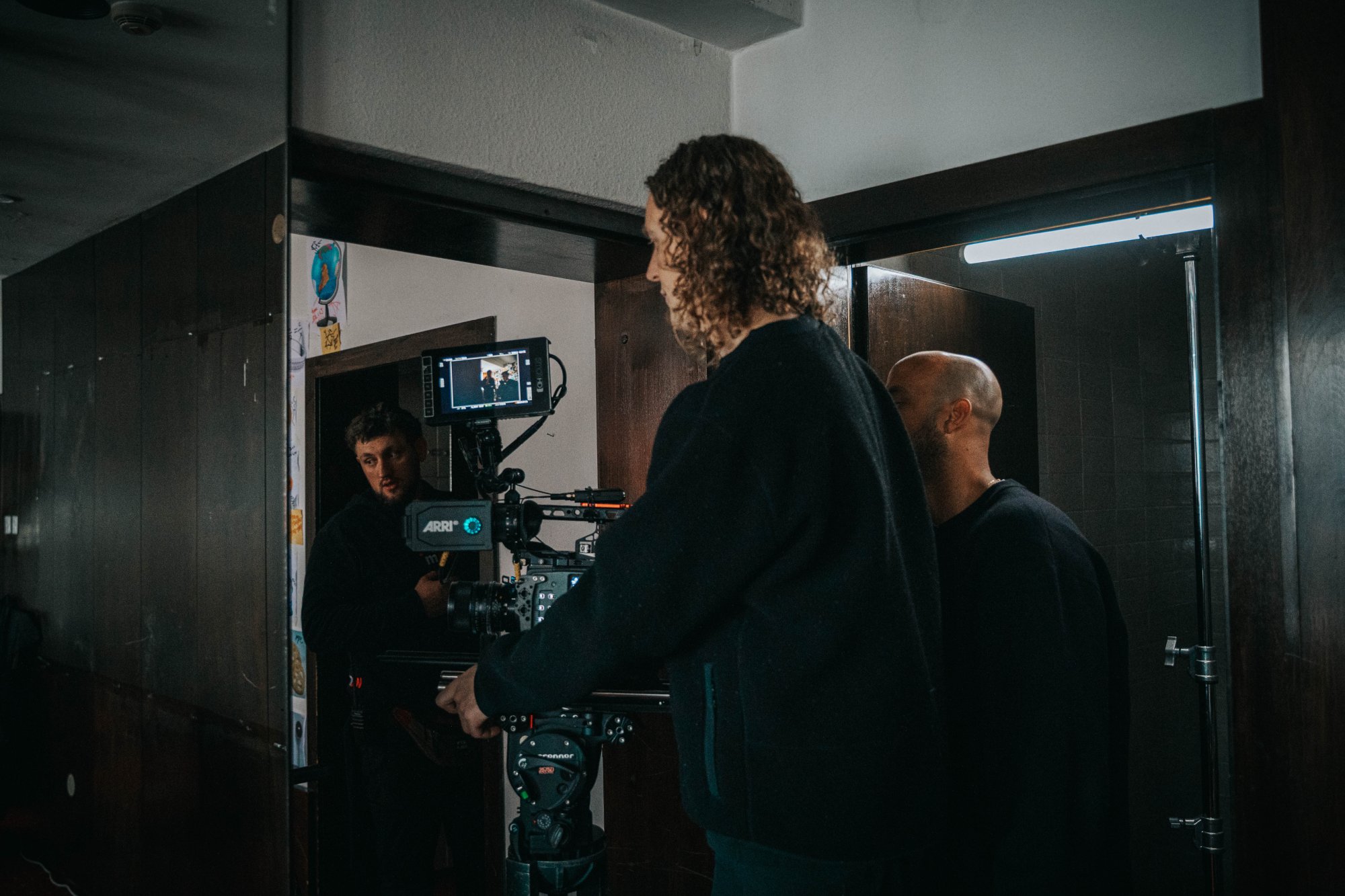
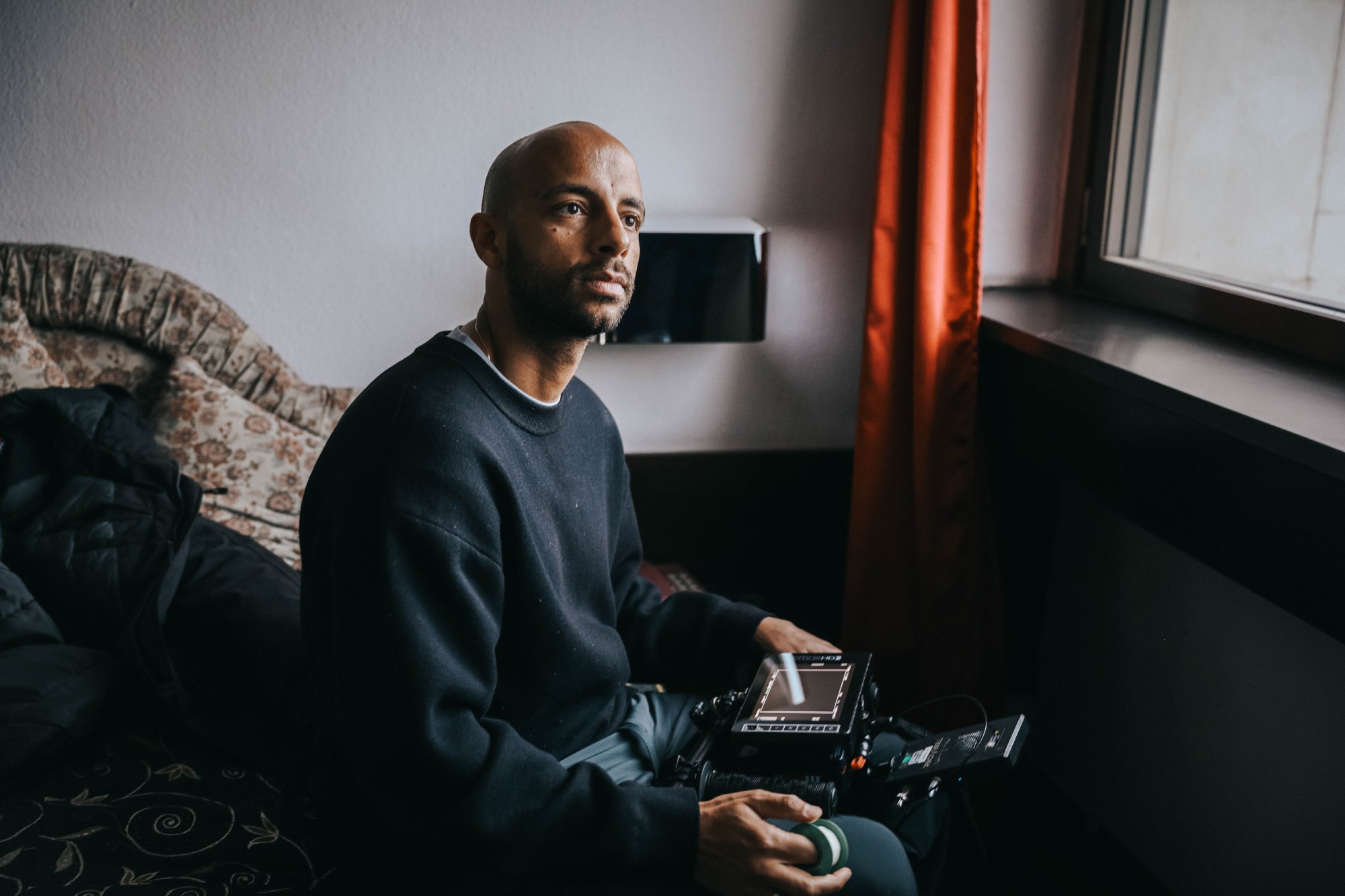
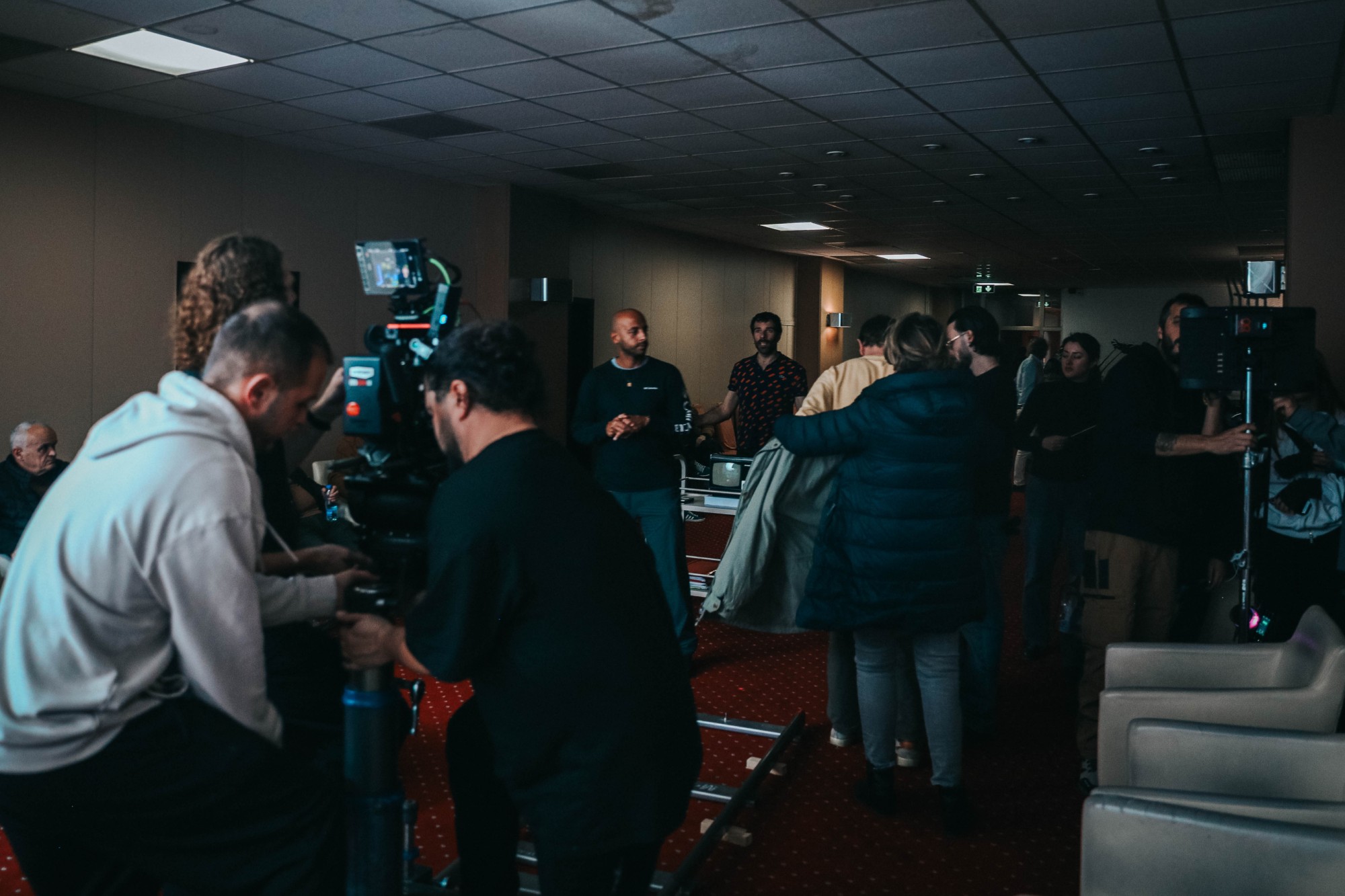
The camera work has a very dynamic, fluid quality, especially in moments where there seems to be an internal montage within the shots. How did you approach the overall cinematographic style?
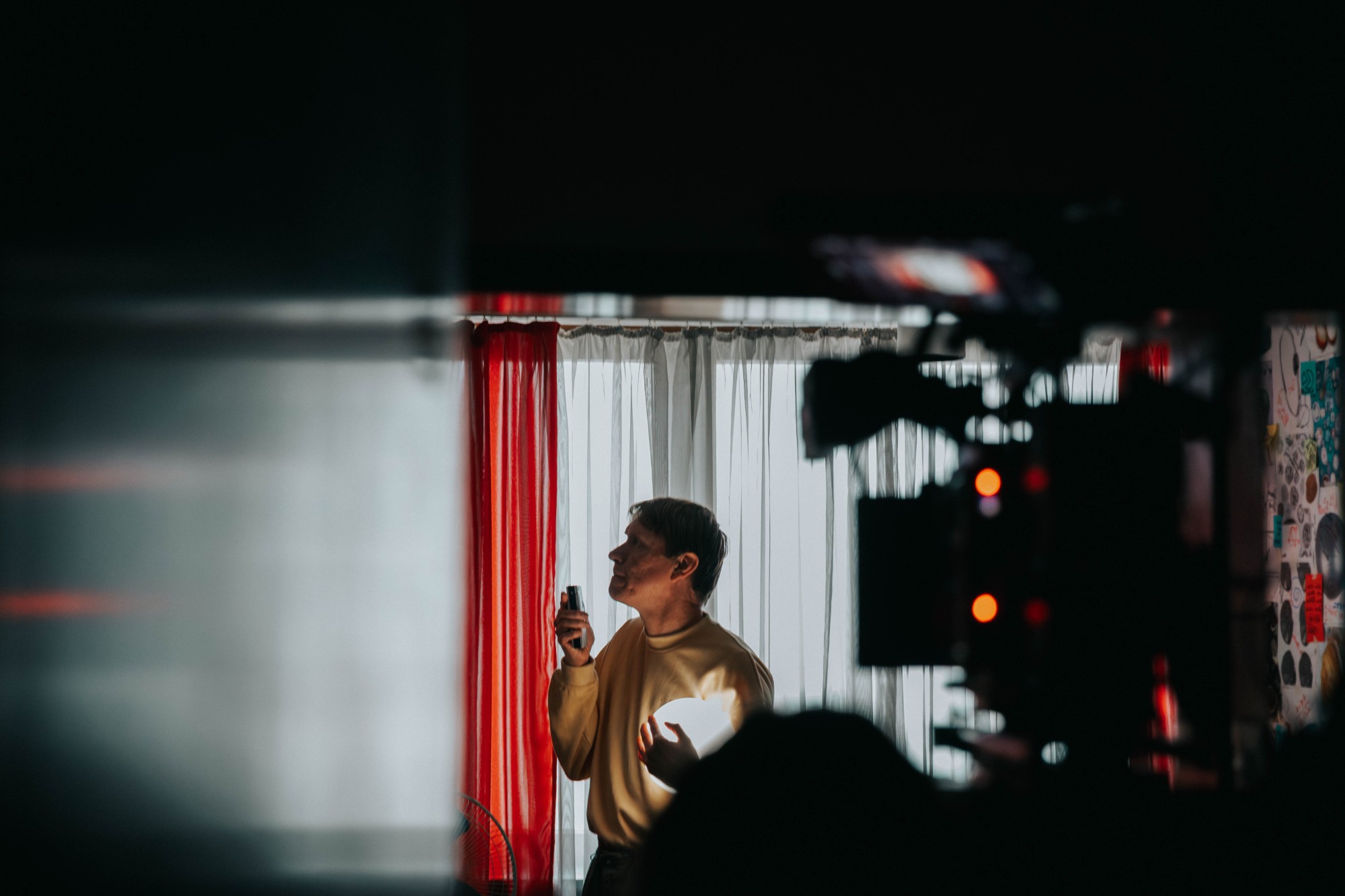
We didn’t want to lock ourselves into one rigid style. For instance, the street shots were meant to feel chaotic and voyeuristic. I wanted it to be messy. We shot guerrilla on a long lens, hard zooms, and hid behind a bush. I wanted to capture real reactions and an undisturbed performance to feel our hero’s craze. The dance scenes started out very static until the symbiotic energy started to climax, that’s when I wanted to go handheld to feel their proximity.
With the frames and music of In Search of Yang still fresh in our minds, can you share a bit about your upcoming film projects?
I’m developing my feature film at the moment. A surreal story about a crappy wellness hotel where guests and asylum seekers are forced to coexist because of a migration crisis. When a summer storm cuts them off from the outside world, an uneasy battle for space unfolds. Raising the question: whose land is it and who belongs here? I guess it has some overlap with the stylistic tone of voice that the Yīn Yīn video carries. Next to that I’m busy with a new idea for a music video. I’m hoping to shoot it in Egypt. Hopefully, we can make it work.