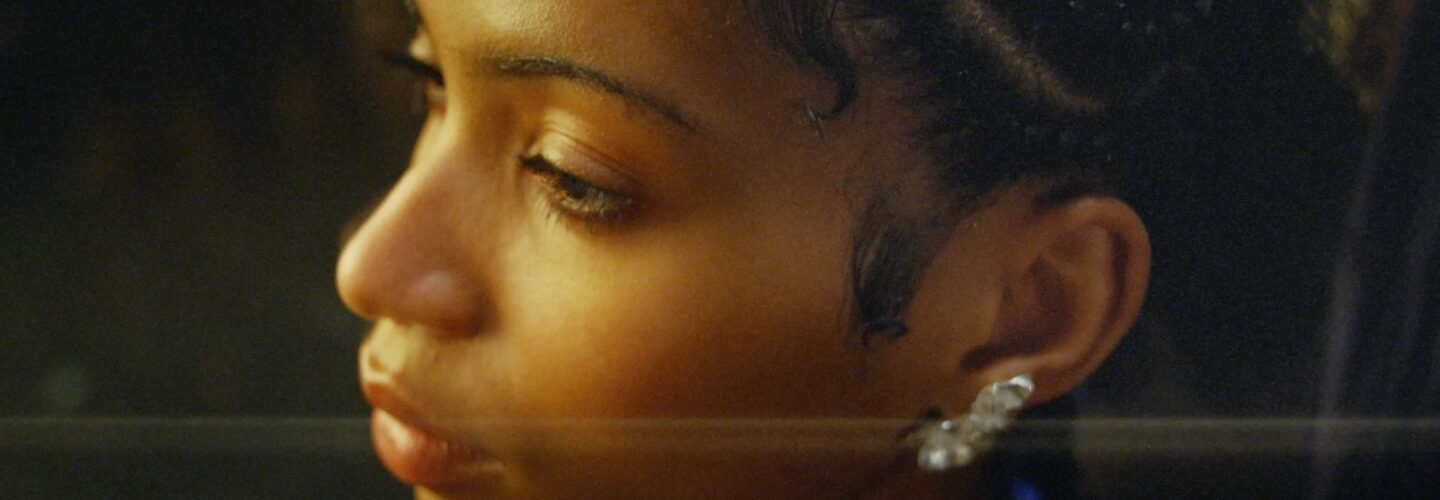
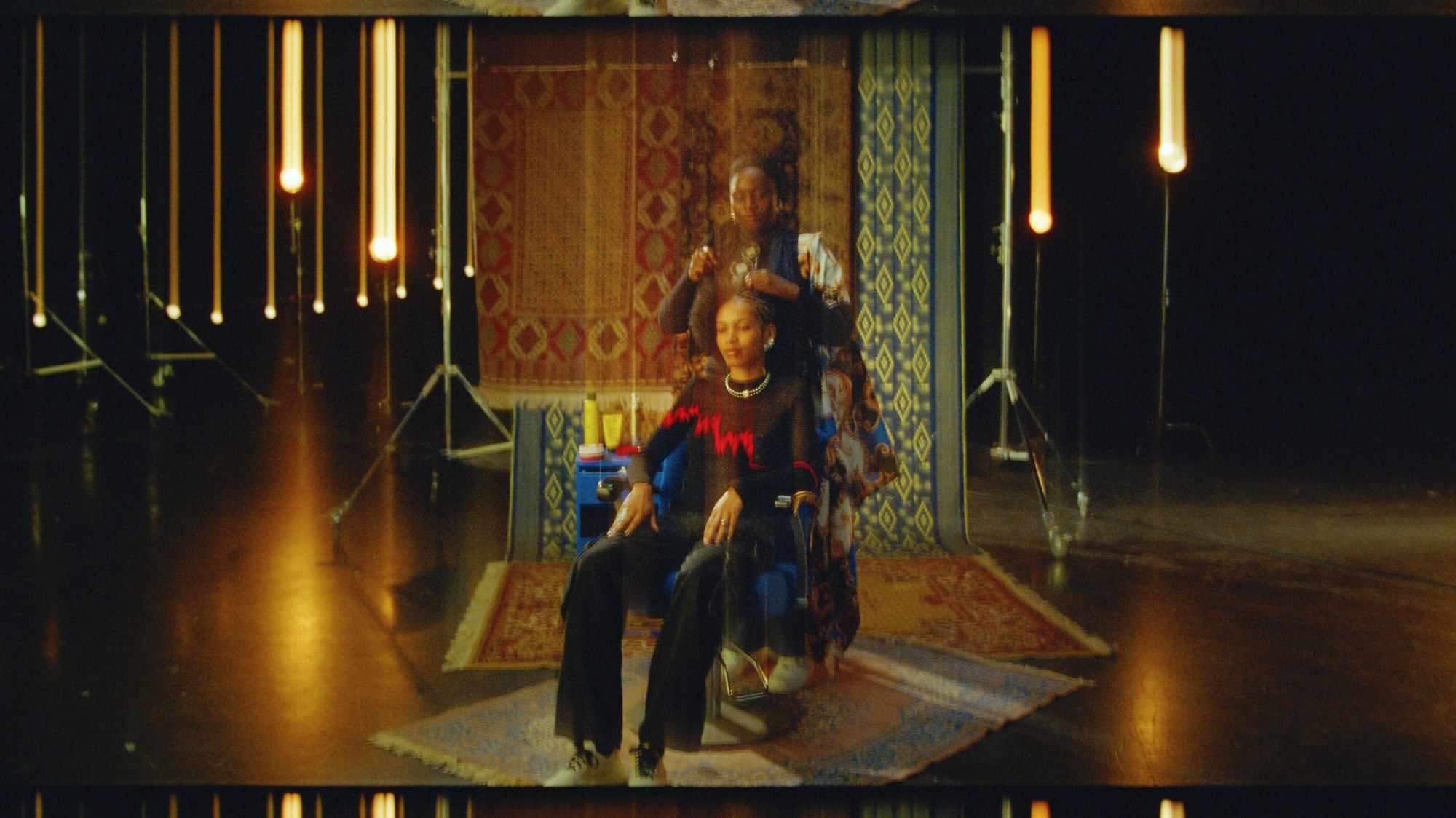
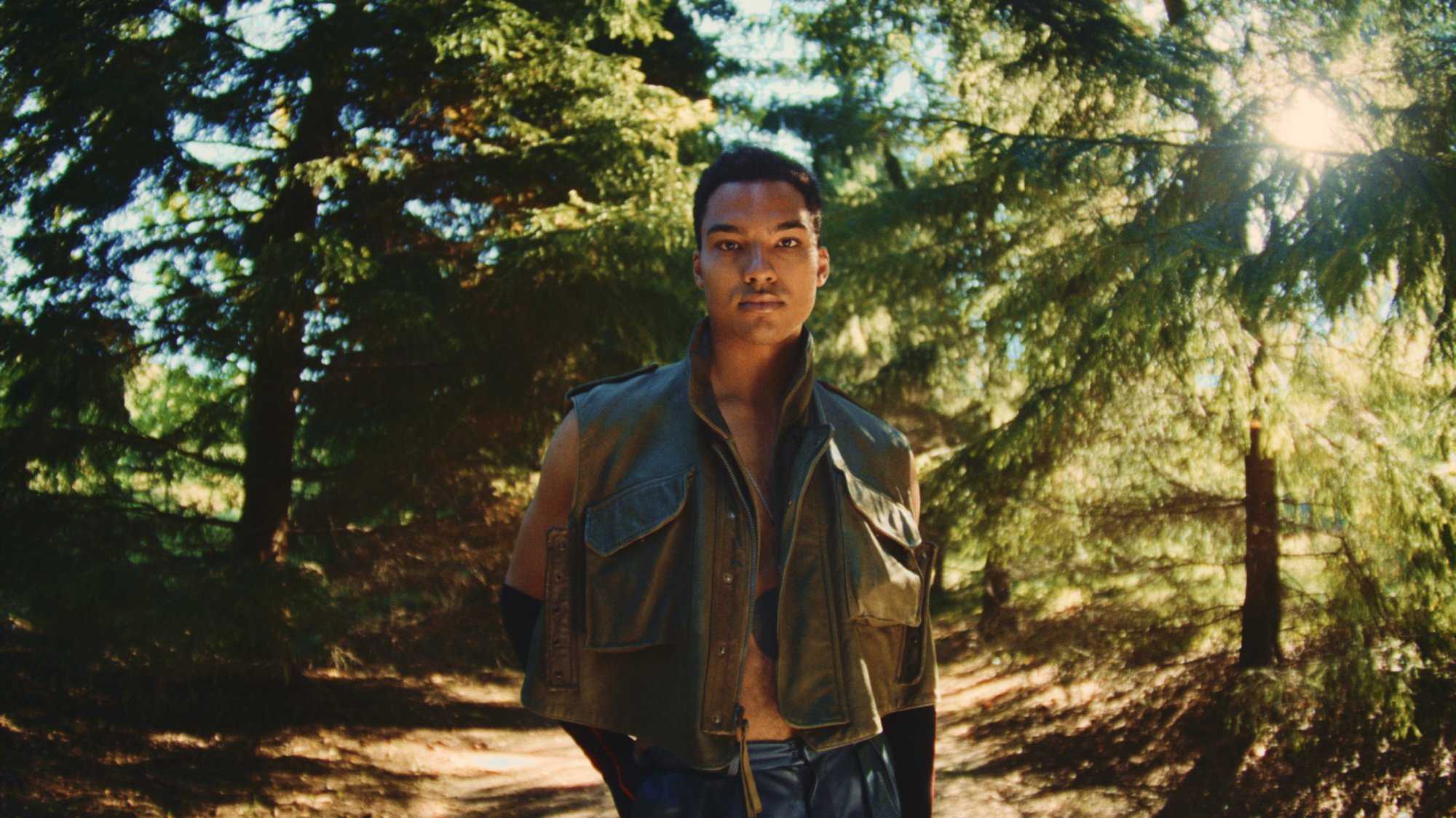
In his luminous experimental documentary short Crown, filmmaker Ima Iduozee weaves a dreamscape around a central symbol of power and identity for the African Diaspora: hair. This is a narrative told not only in words and visuals, but built through texture and light—immersing audiences in a world refined in its message yet unpredictable in its telling, where hair becomes a symbol of intimacy and unspoken connection. Abandoning a traditional narrative, the film drifts on the whispered, personal recollections of its subjects, their voices painting testimonials in the air. These are paired with bold, vibrant frames that feel less like filmed images and more like magical snapshots, plucked from a collective memory. Bathed in an ethereal glow, where costume and light dance upon the rich texture of 65mm film, Crown feels like a fable remembered upon waking. It is a world both intimately familiar and wonderfully strange, inviting the audience to lose themselves in a message that is crystal clear, yet unfolds with the beautiful unpredictability of a dream. We sit down with Iduozee to unravel the threads of his vision, exploring his personal connection to Afro hair, the delicate artistry required to transform the everyday into the extraordinary, and Crown’s place as the third chapter in his ongoing Diaspora Mixtapes series.
Where did this particular exploration of connection stem from?
The film is part of my ongoing series, Diaspora Mixtapes, which highlights stories across the African Diaspora and celebrates its past-present-future. Crown began when Jussi Myllyniemi from Whitepoint Digital told me they were flying in a Magellan 65mm camera from Denmark for just two days of testing. He asked if I’d be interested in directing and mentioned that Peter Flinckenberg might also join as DP.
I decided to use this rare opportunity to write and direct a film centered on hair traditions and barbershop culture. Within a week I wrote the treatment and pulled together friends and longtime collaborators. The next month we shot the film in two days—using both the Magellan 65mm and the Red Monstro after some technical issues with the Magellan.
How did shooting on the Magellan influence your vision?
The camera itself is actually very heavy, which immediately affected what we could shoot and what kind of camera movements were possible. This naturally pushed us toward a more static approach to framing. As cliché as it might sound, this limitation actually gave us more freedom to focus on other ways of making the storytelling more lively.
The voice overs provide earnest recollections on and around Afro hair. How did you approach casting to find these personal accounts?
From the very beginning, I envisioned both Alice Mutoni and Justin Wells as narrators. I sent Alice a short list of questions about her personal relationship with hair and asked her to respond to one or two via voice message. For Justin, who has been my barber for over five years, I recorded an interview in my car, asking him about why he and his colleague Gregory opened the barbershop and what it means to him within our community. Their responses aligned naturally with the themes I wanted to explore. They were both very generous and sincere with what they shared.
Most Popular
What did you and your DP focus on to best visualise the hair traditions and barbershop culture?
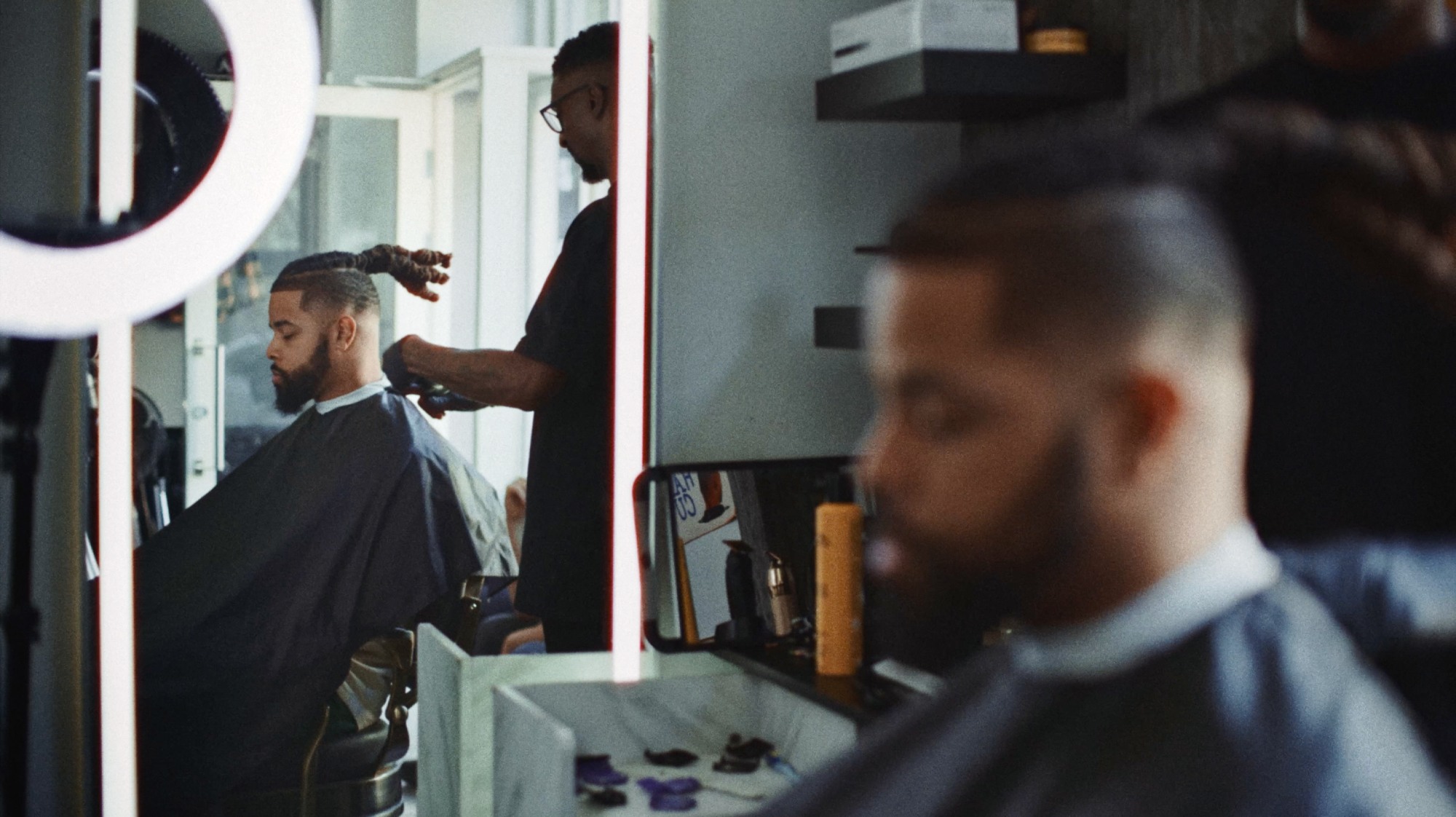
There’s something intimate about the relationship we share with our barber or hair braider. Over time, they become a familiar presence in our lives—someone we trust, someone who knows us. This sense of intimacy was something we wanted to capture on screen.
As for our collaboration with Peter Flinckenberg, I was genuinely grateful for the opportunity to work with such an extraordinary DP, whose experience spans some of the biggest international productions in the industry. Even though we had a shot list (except for the barbershop location), we stayed very intuitive and spontaneous on set.
There’s something intimate about the relationship we share with our barber or hair braider. Over time, they become a familiar presence in our lives.
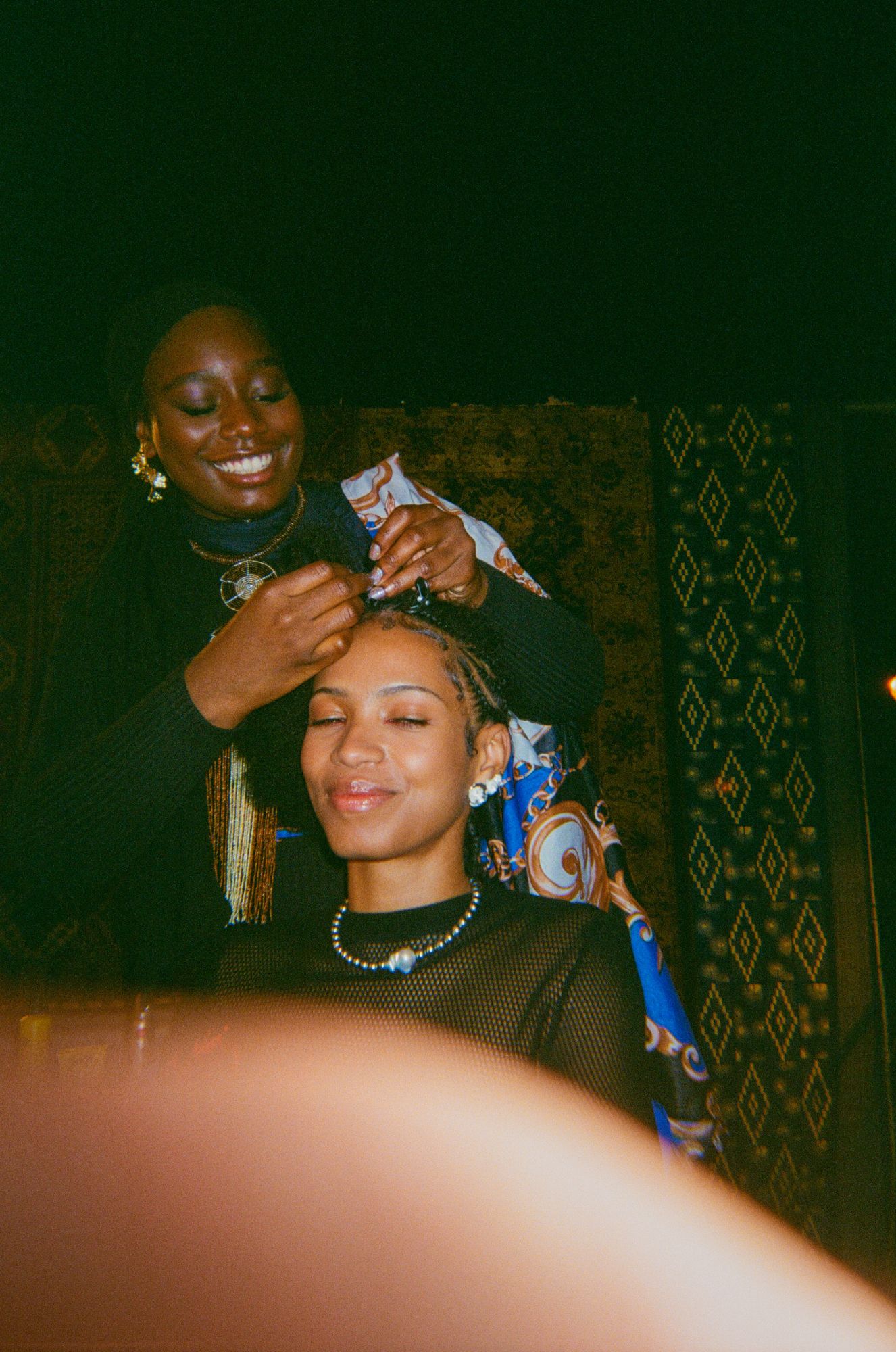
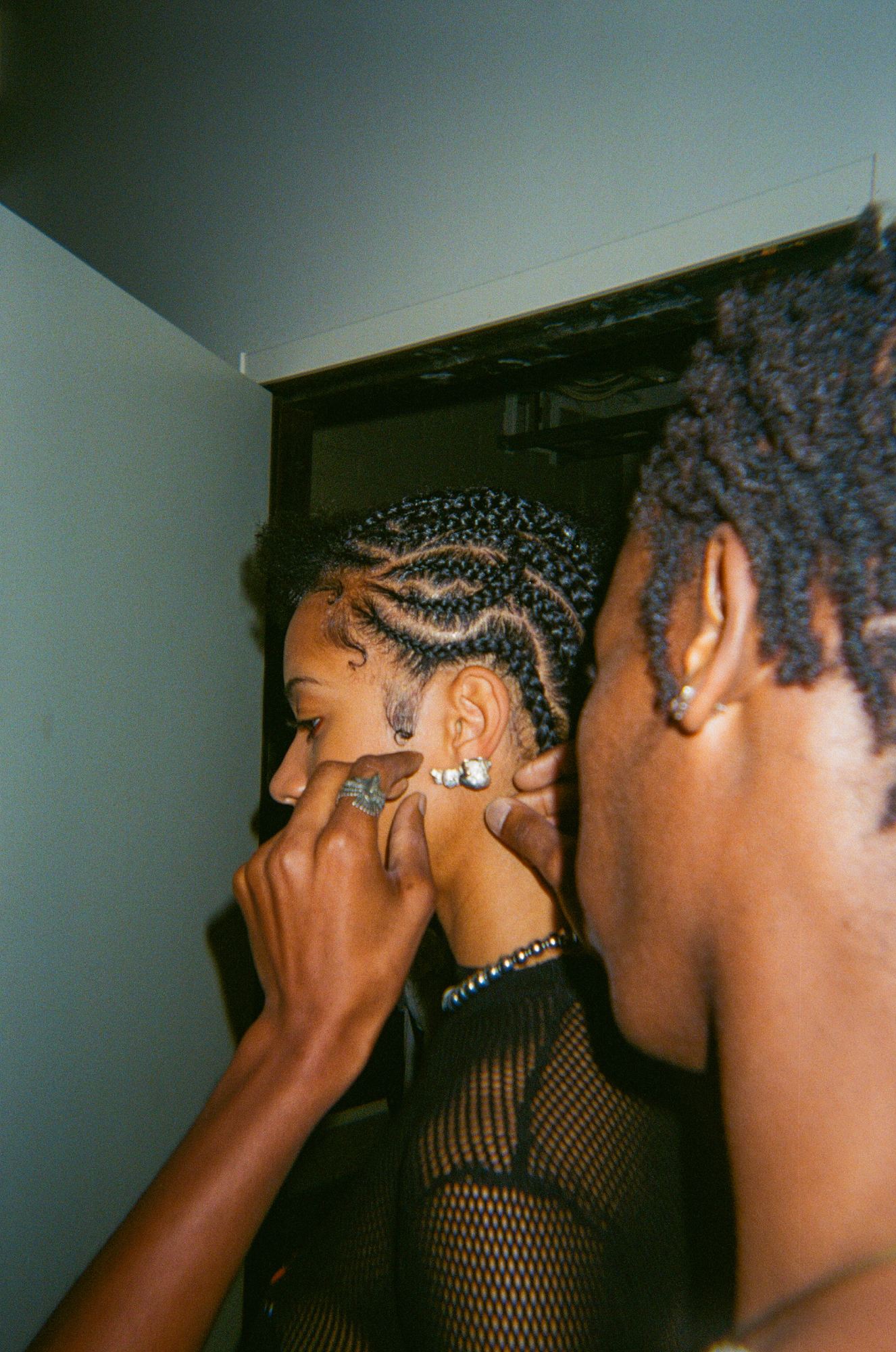
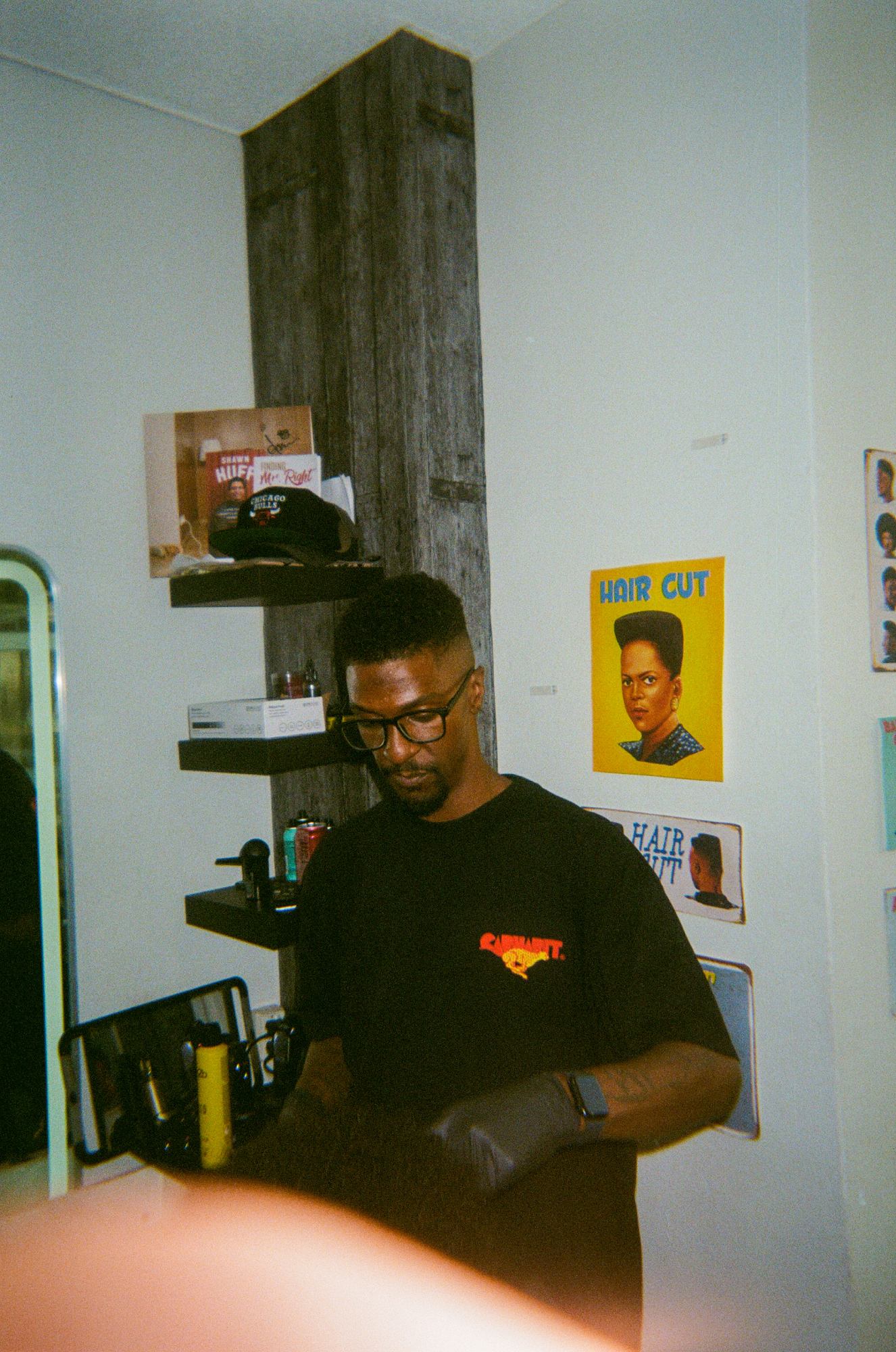
Why did you choose to adopt a more experimental approach?
The barbershop was the only location where we adopted a more traditional documentary approach. This, in turn, gave us more space to explore with costume, lighting, set design and location choices for the rest of the film. In the edit, as well as through music and sound design, I wanted to move beyond a linear mode of storytelling and tap into a whimsical space where anything could happen at any given moment.
Did you always plan to immerse us in a dreamlike atmosphere?
I wanted to find a tone that felt transcendent, yet grounded in the presence of real people and real stories. There is beauty in taking the mundane and infusing it with magical realism, allowing the ordinary to feel luminous. This approach shaped the choices we made—from lighting to color grading to costume design to edit. I think it adds a sense of wonder and playfulness to the process, and, hopefully, to the viewer’s experience as well.

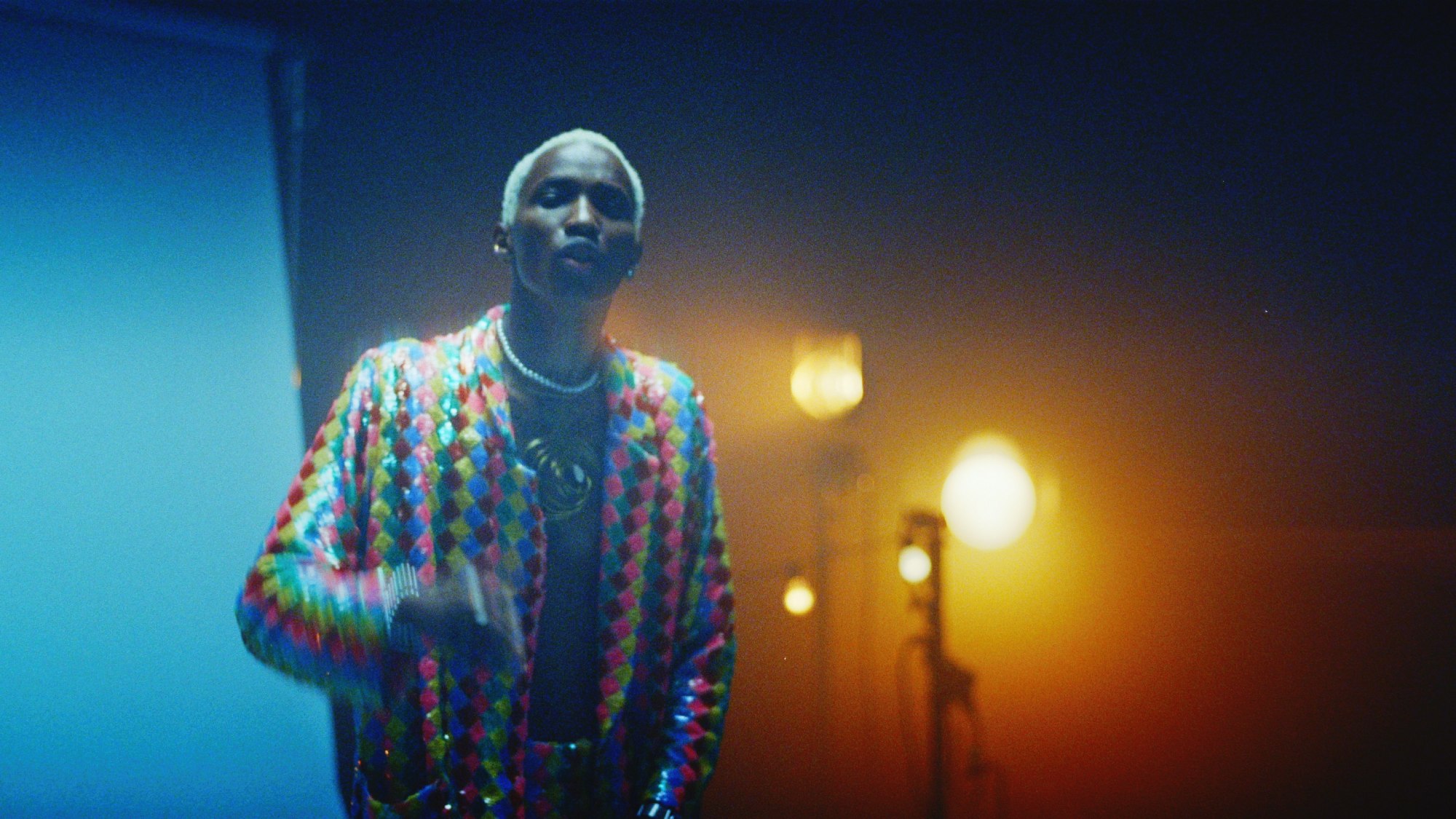
With such a strong and focused approach, did much change in the edit?
The original vision was guided by a desire to let the process lead, rather than imposing a rigid narration or structure on the film. I intentionally avoided watching the footage for a year, allowing a sense of discovery to guide me when I finally began editing.
I wanted to look at what it means to exist between multiple histories and places. For people of African descent living in the West, there is no single experience.
You’ve mentioned Diaspora Mixtapes and its goal to highlight stories across the African Diaspora. What drives you in wanting to depict these stories?
Diaspora Mixtapes is a series of works that I began in 2018. I wanted to look at what it means to exist between multiple histories and places. For people of African descent living in the West, there is no single experience. This opens up endless possibilities for different themes in each film. With Crown, I wanted to look at the role barbershops play in our communities and the personal relationships we have with our hair.
What can we next expect from Diaspora Mixtapes? Are there any alternative projects you’re working on?
I’m currently in post-production on Sneakermania, a drama-comedy TV series commissioned by the Finnish National Broadcaster and produced by Helsinki Film. Diaspora Mixtapes remains a passion project for me — one I have no clear plans for, but will most likely return to again and again.