
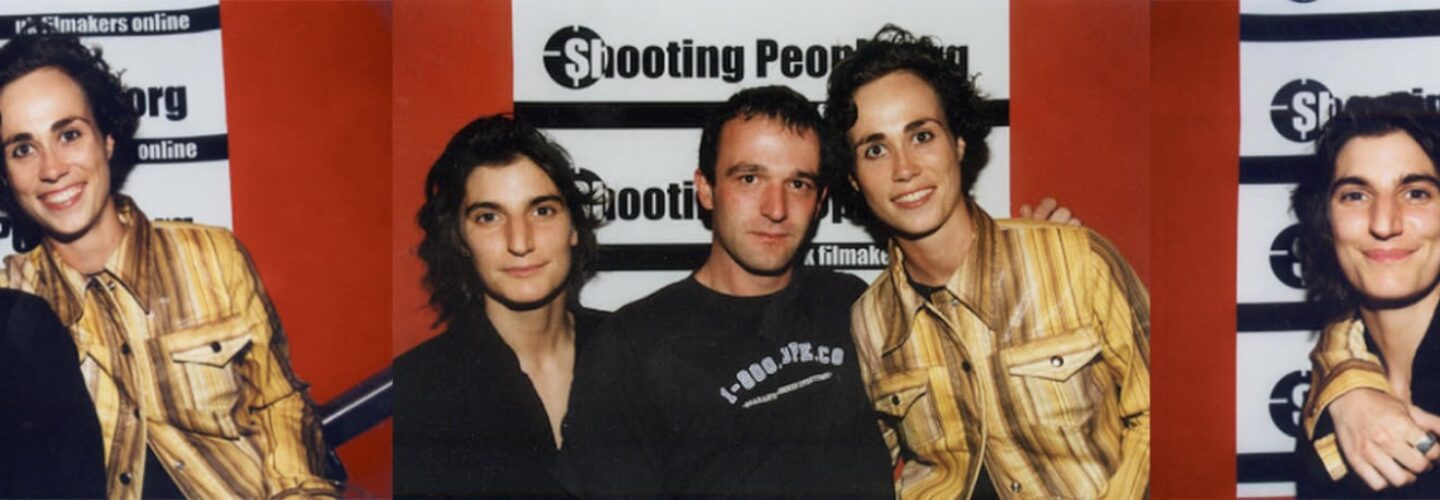
There are some special organisations which seem to have always been. That you’ve come to rely on, have never let you or their thriving community down, and you therefore assume they will ALWAYS be there. For me and countless others working within the independent film industry, Shooting People has, for the past 27 years, been that in spades, and the news that SP will be closing its doors at the end of this month was a shock akin to being told that gravity would no longer apply. I’m going to get a lot more personally indulgent than we typically do in our ultra-professional Industry Insights interviews, because Cath Le Couteur and Jess Search, Shooting People’s beating, inviting, nurturing heart, sit on a very short list of the foundational reasons you’re reading DN right now and that we’ll have thrived for 20 years come next June. I don’t just mean the fact that Cath and Jess took a chance on me, a Luton University Media graduate with zero experience in the film industry, and let me loose as the Editor of Shooting People’s Filmmakers Bulletin. Or that by example, they demonstrated that without institutional support or high-level industry contacts, it was possible to build something unequivocally great and fiercely independent, which remained true to its founding mission for almost three decades. It was ultimately the daily lesson that putting the community at the centre of everything you do is what helps you and them flourish over the long term!
It’s ridiculous that we haven’t run a Shooting People interview in all these years. My only excuse is that I just assumed SP would always be there, so we’d get around to it eventually. Well eventually is now and as you’ll read in my long overdue chat with Cath, the shuttering of Shooting People isn’t a mournful occasion, but rather an opportunity for us to look back and celebrate the many years of wins, careers supported, institutions and collectives launched, films made, enduring collaborations formed and perhaps most importantly, the arrival of what Cath promises to be some pretty sweet SP merch at long last!
[The following interview is also available to watch at the end of this article.]
So, Shooting People has been on our must-interview list for years. The reason we’re finally talking today is the huge news that after 27 years, Shooting People is closing down. That’s an unbelievable run, but also unbelievable that it’s ending.
Yeah, I see it as a fundamentally massive success story. We’ve managed to do it for 27 years, and I believe that’s because filmmakers believed in the idea that you can get films made if you help each other. So in a way, the actual closing of it just feels like the time is right. 27 years is a really good period of time, and it feels right for us and there are new projects we would like to do. But I also think there are some fantastic new grassroots organisations and collectives springing up. It’s going to be really exciting to see where creatives go next.
So I want to go back to the beginning of those 27 years, to 1998. You founded Shooting People with the late, great Jess Search. How did the two of you come together in the first place and then go on to found Shooting People?
It was extraordinarily lucky really. I landed in London on a one-way ticket in 1995, not really knowing what I wanted to do. Within a month of landing, I got a job in a place called Cyberia, which was the world’s first internet cafe. I met Jess there; she was working in TV and was doing a piece on Cyberia. In that meeting, we just connected instantly and very quickly became really close friends, best friends.
We’ve managed to do it for 27 years, and I believe that’s because filmmakers believed in the idea that you can get films made if you help each other.
We made a short together with Sally Phillips called 174, based on the number of people in London who are perfect for you—we’d worked it out that it was 174. It was a fantastic experience, and we made tons of mistakes. But what we fundamentally realised was that we found out everything—how to shoot on the tube without a license, how to find a sound recorder—from other filmmaker friends.
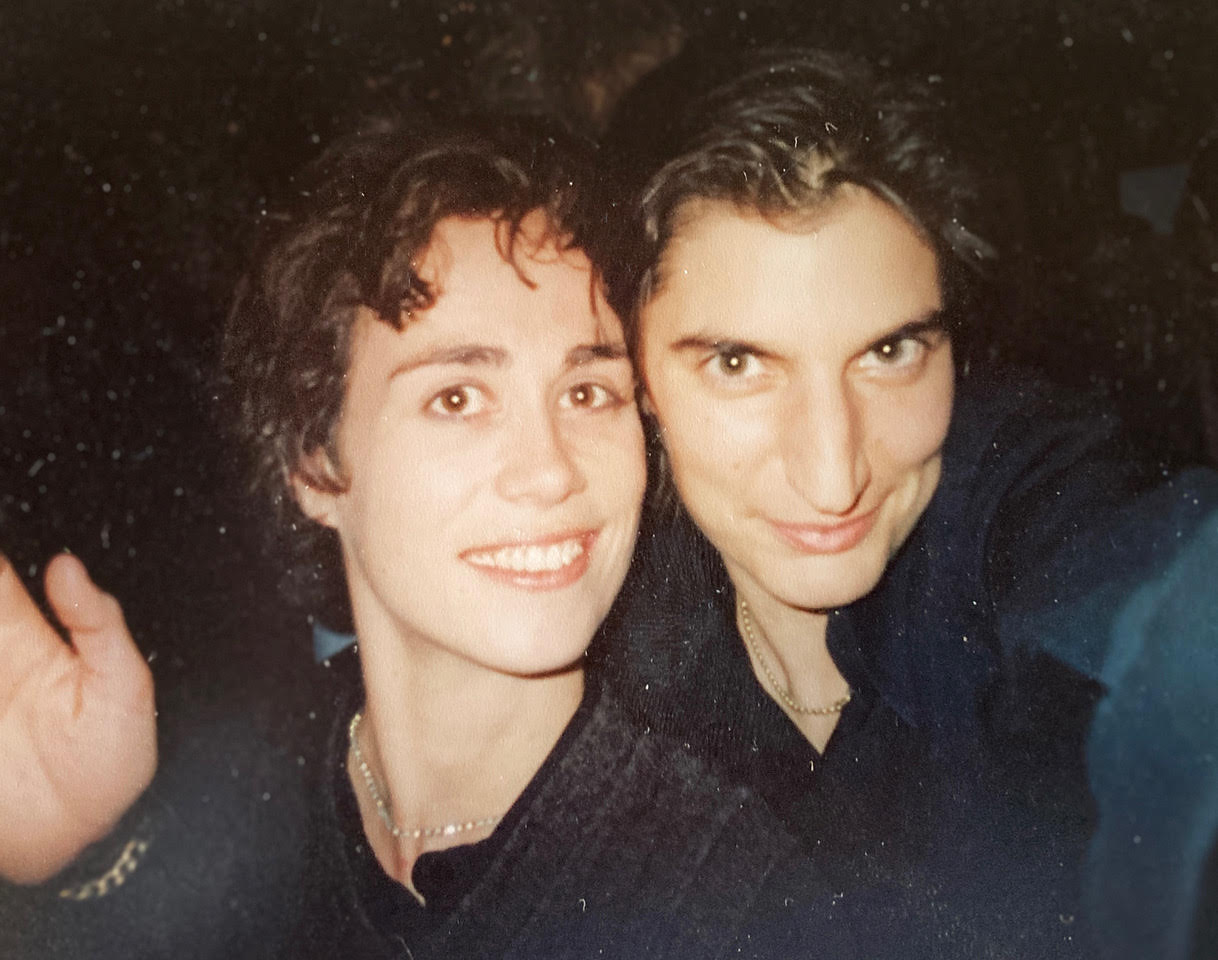
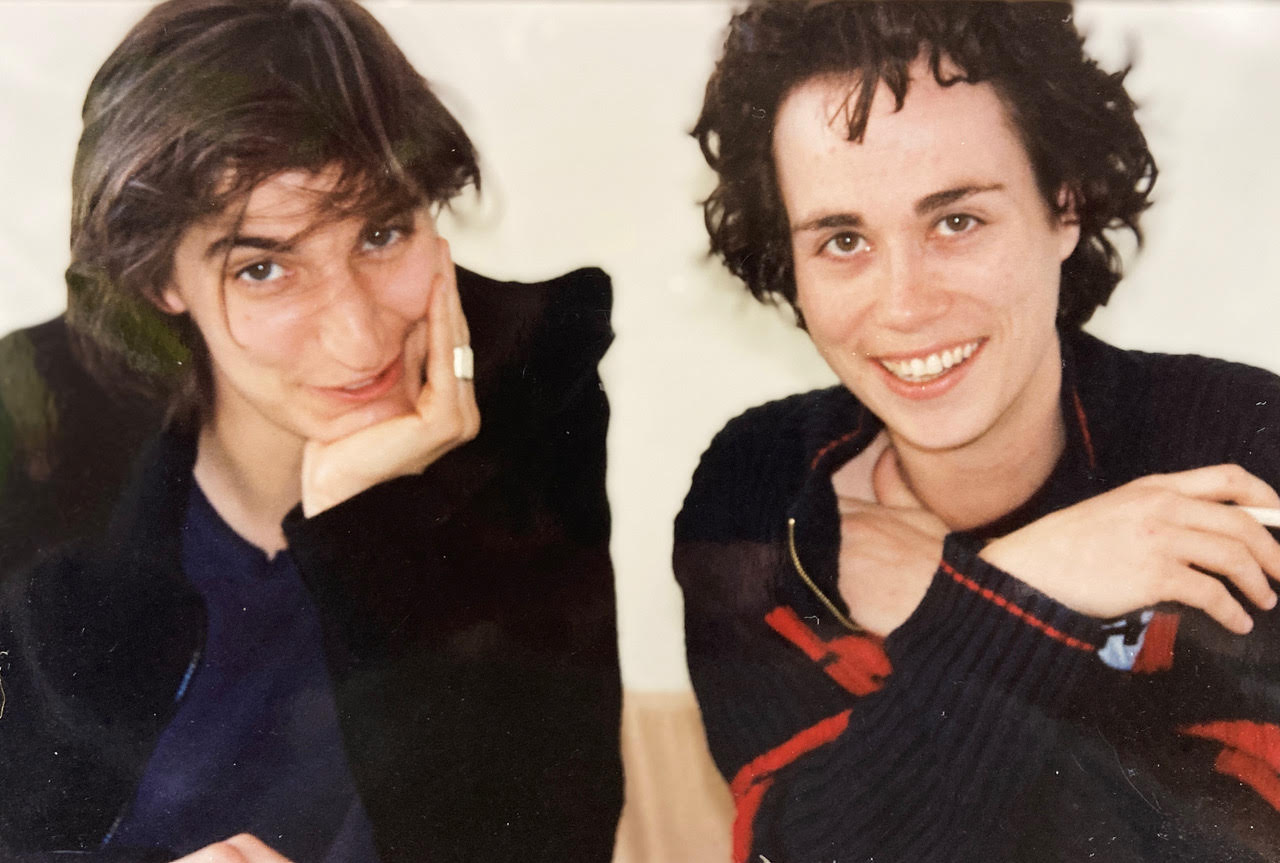
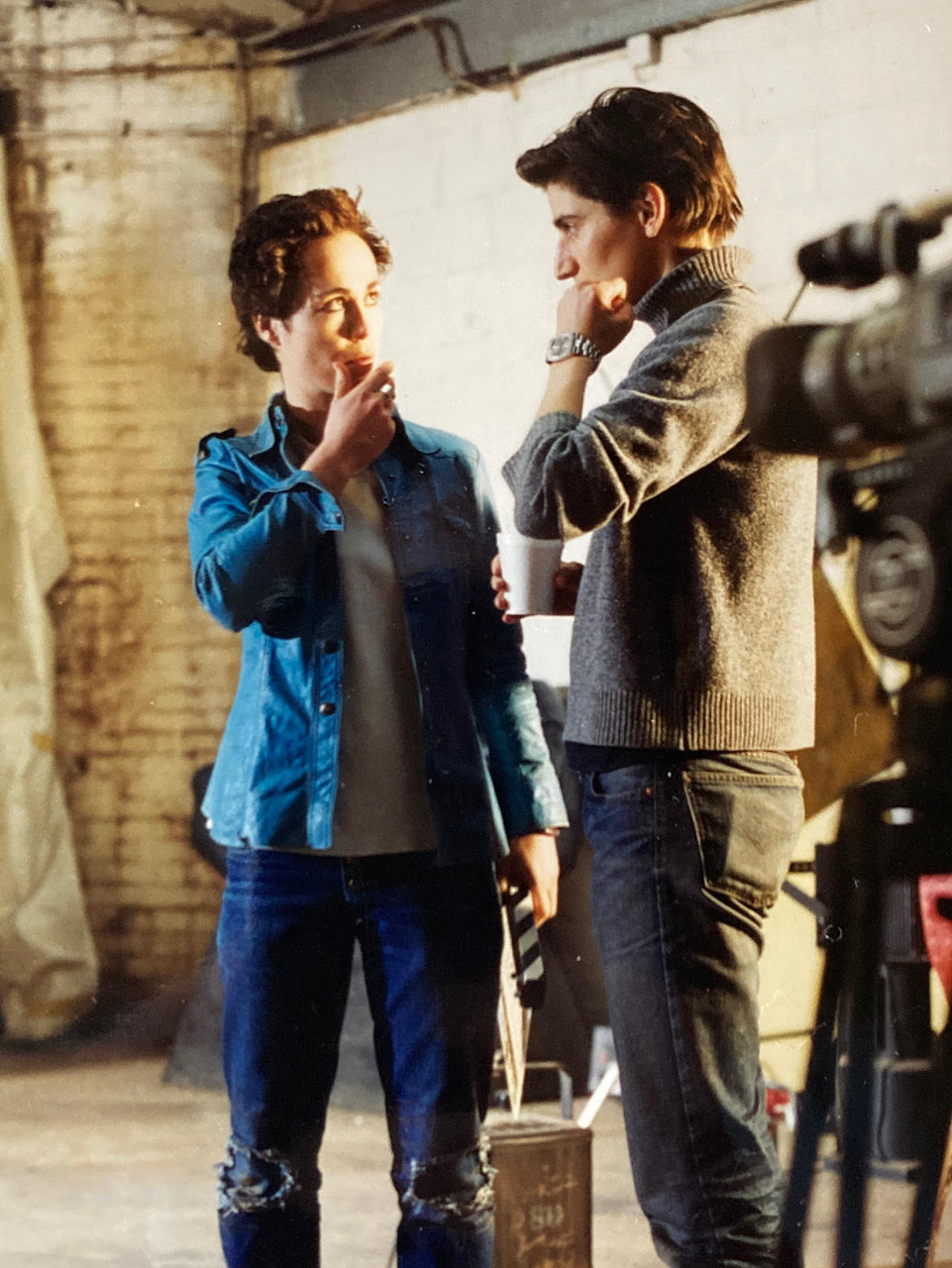
With my experience at the time at Cyberia, I was a bit tech-savvy. I convinced some of the guys working there to host a setup where we could get all our filmmaker friends onto an email list together and just share info. It burst out in that way; it was literally just a thing that we wanted for ourselves and our friends. We ended up running it for free out of our bedrooms—as we both had jobs—for about three years. In that period, it just exploded through word of mouth.
At the end of that three-year period, we thought, it’s a bit do or die. There were 10,000 people, it was stuck together with sticky tape, we had one server over there, a server under a kitchen table…it felt fragile. We knew we needed a proper infrastructure to keep it going. We loved that other people wanted a space where they could ask for help from other people who are doing it themselves. Ask for advice. Ask if anyone knew if they had a great cinematographer or sound recorders. Ask how we could get particular props in more cheaply.
At that point, we tried to get public funding. And of course, like everybody else who’s ever started a collective and tried to get public funding, we were turned down. I don’t think the Film Council even knew what an online community was back then. So we ended up going to the bank for a loan and also borrowing five grand each from our grannies. Bless the grannies! That amazing generosity meant we could pay to get a proper database set up.

Is that around the time that Stu Tily joined you?
Stu came on slightly after we’d done the initial database build. I’d moved from Cyberia to the BBC online and met Stu and just thought he was amazing. By the time we got the database built, we knew we needed somebody to oversee the tech side of things so we begged Stu. He was running a lot of other interesting political online communities back when the internet was this new nirvana of hope. He came on, importantly when we started the 20 quid low-cost subscription, because that was the only way we could fund it.
Fundamentally, that core of solidarity and filmmakers helping each other has just remained exactly the same all the way through.
When you went from the fragile email newsletter setup to a database-style platform, were there specific things you knew you wanted to do that weren’t possible before?
Actually, it was never a newsletter. It was always interactive. It was always a daily bulletin. People would email in their questions and answers, and we would fit them into a bulletin and send that out. Shooters has never, ever actually been from us to people. It’s always been whatever it is that we do, we collect what other people need, want, or can advise on, and throw that out.
One of the wonderful things for me 27 years later, is that principle of wanting to get information, and wanting to exchange ideas, skills, advice, and knowledge with other creatives hasn’t changed. It’s been the core spine of Shooters literally from the day we did the very first bulletin right through to now. So fundamentally, that core of solidarity and filmmakers helping each other has just remained exactly the same all the way through.
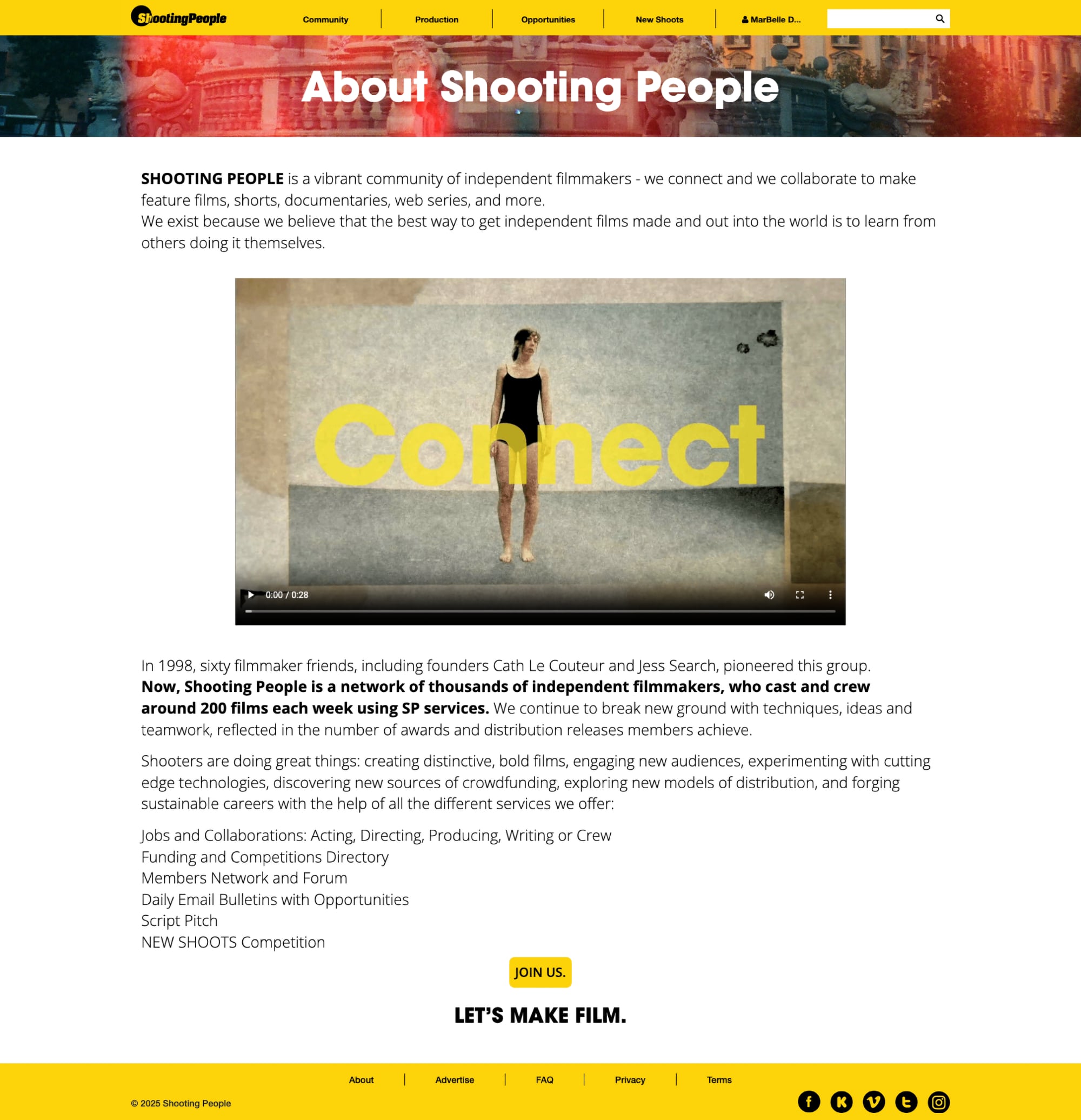
Shooting People has always been an online community, way before the majority of people were doing anything with online communities. How have you been able to keep the community so nice and so helpful, and not have it descend into a pit of hell with trolls?
I think maybe we’ve been lucky. The community at the very outset just hasn’t had many problems. We facilitated it being a good space, we moderated everything that came in the night before it went out. That wasn’t about censoring criticism, but if we thought something might start a flame war, or if people weren’t thinking about best practice in film.
Nothing would make cinematographers more irate than when people would say, “We’ve got £10,000 worth of amazing kit, and now we want a DOP to work for free.” And it’s like, maybe you could drop the crane and you know, pay a nominal fee to a cinematographer. Not that we would ever tell people what to do, but we would often feed back and say, “You might want to just think about that one because It can be upsetting for people if they see that you’re asking for free labour and yet you’re spending a lot of money on this really high-end kit.”
Most Popular
Moderating really helped and we were always very mindful of how to do that in a really positive way. I think possibly the subscription helped because it just meant that you got people who are really committed to wanting to be involved in making independent film. Twenty quid a year might not be a massive amount of money, but it’s still money. So I think we were lucky on that. We went through various kinds of ways of looking at free membership or part membership, and in the end, we just thought, no, it’ll just be low cost, as low as we can. We only ever increased the price twice over those 27 years, but I think at the same time, that really helped the quality of conversations because everyone was in it and committed.
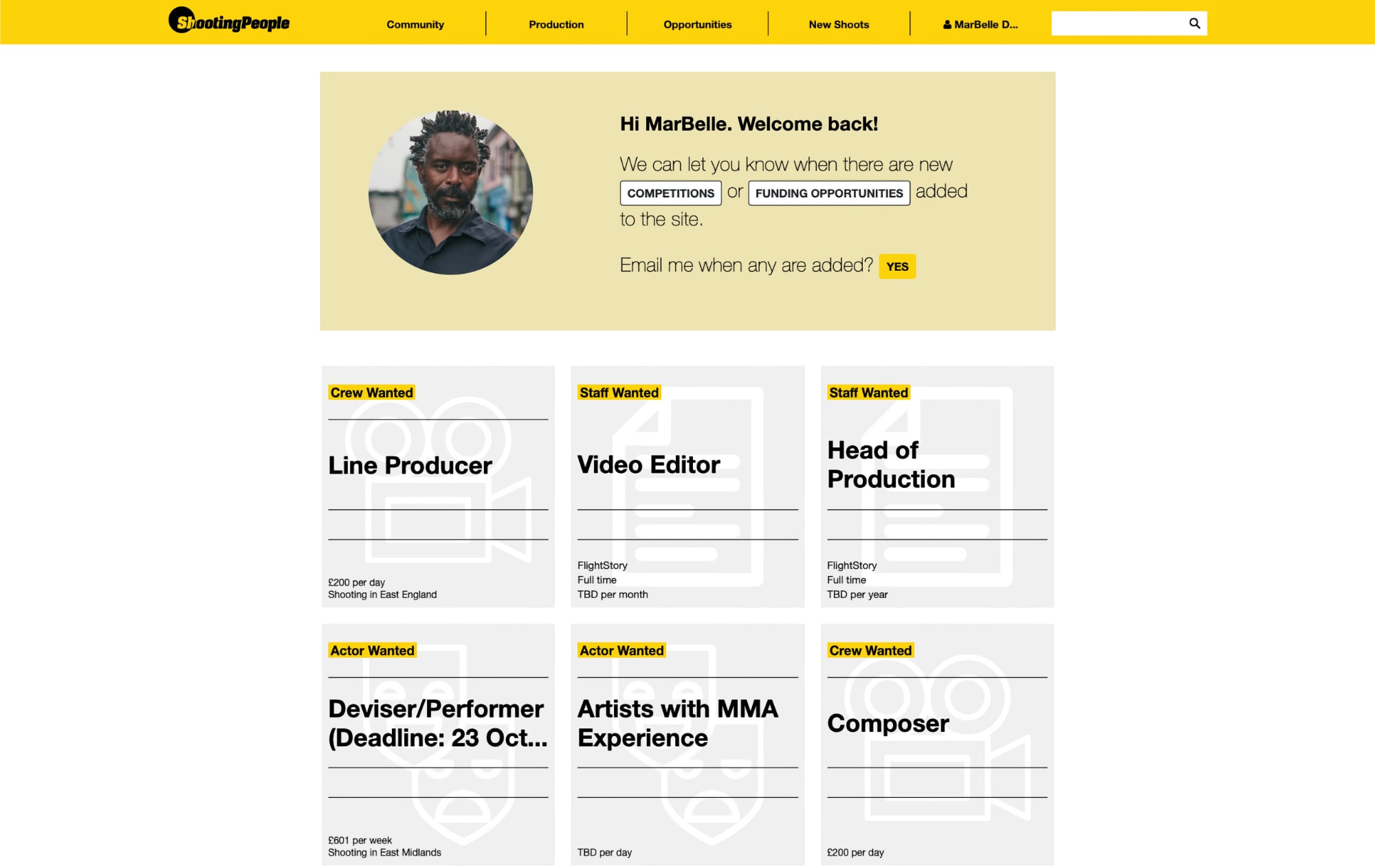
Obviously, a key part is the various staff members you brought in to run the bulletins. I had the pleasure of running the Filmmakers Bulletin for a time back in 2005. How did you go about choosing who these extra people were that you’d bring in to interface with this community you had so carefully nurtured?
We talk about luck a lot. We have been absolutely extraordinarily lucky with the people who came in and worked for Shooters. I think in terms of how we chose, we would often just choose people based on their passion, their love for film, whether they had a good sense of humour—that was always key for us. What was also wonderful about bringing in people like yourself to edit the bulletins over particular periods of time is that we were always big believers in the more that people were also doing themselves in their own lives, in their own film projects, the more that they had to bring to Shooters. So we’re always keen for people who are active and doing lots of different things, because we knew that would generate more activity and more interesting content for people to read about.
It was wonderful that we could find an animator to be the editor of the animation bulletin. That we could find filmmakers to be editors of the filmmakers’ bulletins, or actors who could edit the casting bulletins. I think, in a way, perhaps—back to your earlier question about how it stayed such a great and giving community—is that the people who were editing understood the challenges for those people. Xenia Glenn, who edited the Casting Bulletin for many, many years, and who was an actress and is now a producer/writer/actress, really understood how hard it is to be an actor in the world in general. You’re faced with constant rejection, and it’s really tough. She would also, in the moderation, be able to look at any castings that might have come in from very new directors that maybe weren’t that thoughtful about people reading it. We were absolutely so lucky in the amazing people who came on to edit the bulletins over the years, and I think it really worked that people also had specific and different skills that they could bring to each of the bulletins.

I remember when I was editing the Filmmakers Bulletin, I got a gig writing a book and was scared to tell you I needed to leave. You guys were like, “Yeah, no, go, it’s fantastic.” That’s an ethos I’ve tried to bring to Directors Notes.
It’s always odd to me that you wouldn’t support other people’s passion projects. I learned that from my first boss at Cyberia, Eva Pascoe. She was so big on if you’re doing other things, that’s fantastic, do them, because I know that you’ll bring that back into the culture of what we’re doing here. I learned from her and I think it’s a wonderful thing to embrace. The more passions and things that people are doing, they will bring that back into the organisations that you’re running. It’s win-win for everyone.
Filmmakers have come in, got their first jobs on Shooters, then gone on to make a feature, do really well and then come back into the system and help us by running masterclasses or talks for other filmmakers.
I don’t even know if there’s any way for you to quantify this, but do you have any idea of how many productions have come into being because of the connections on Shooting People?
Oh, I don’t have hard stats. A lot, lot, lot. At one point, we could roughly figure out that there were about a thousand productions going through it a year. But then, of course, every production might have five crew that people need or one person. It might have two actors or four or five. But yeah, I would say hundreds of thousands of roles have gone through Shooters over 27 years.
Going back to the SP staff, the jobs that those people have gone on to, like for instance, Jess founding Doc Society. The footprint Shooting People has had across not just the UK film industry, but the independent film industry as a whole, is unfathomable.
Again, lucky us, right? Really fantastic, brilliant, passionate people who wanted to come and join us, came for periods of time and then left to then start their own ecosystems. In a way, that kind of staff cycle of people being able to come into Shooters and maybe learn some things, get some new skills and bring what they’ve got to the community, and then to go out, launch their own things and develop their own businesses and own communities—it’s one of the best things about Shooters.
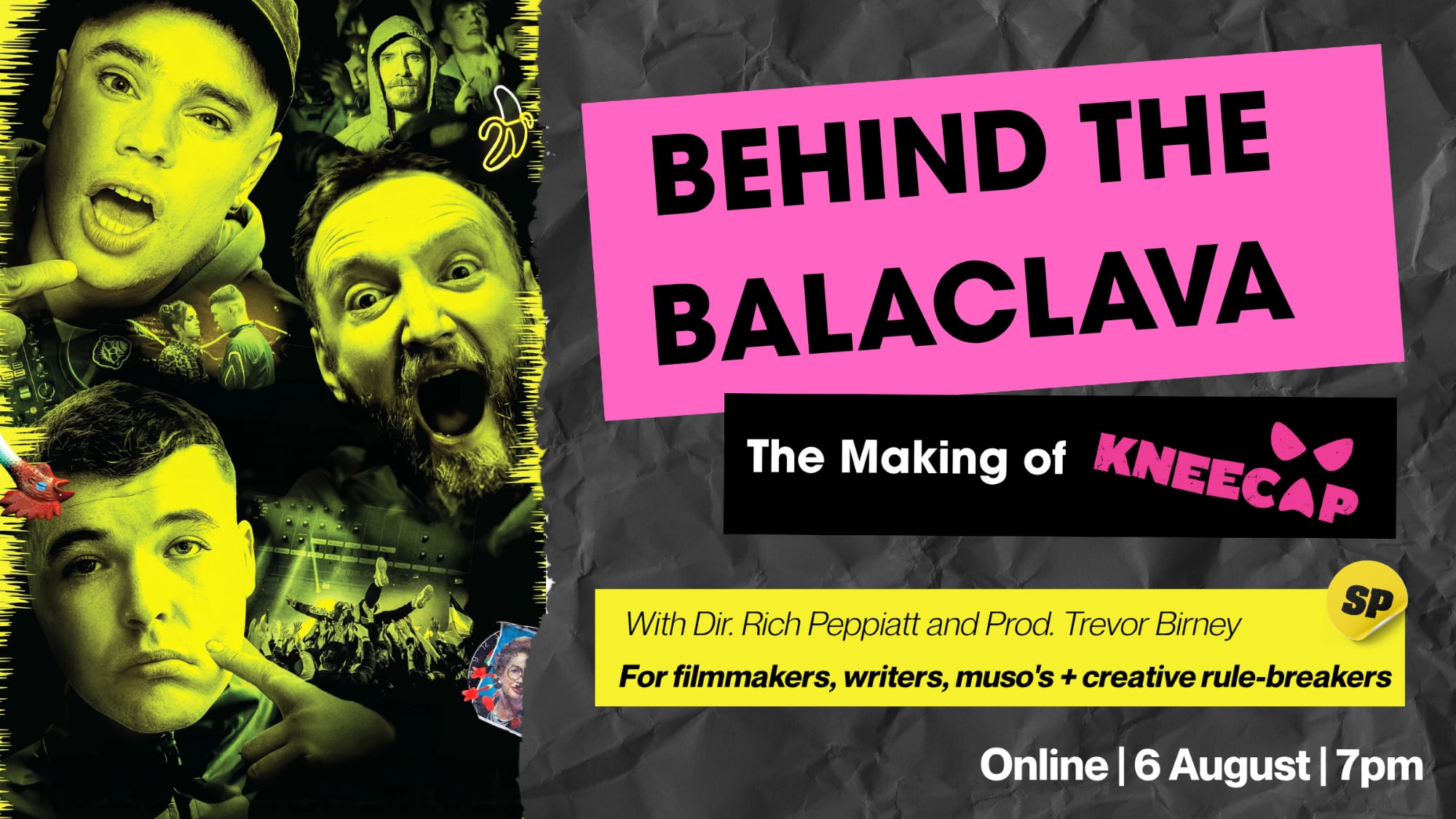
It’s also reflected in the way that filmmakers have come in, got their first jobs on Shooters, then gone on to make a feature, do really well and then come back into the system and help us by running masterclasses or talks for other filmmakers. That’s happened a lot too, most recently with Rich Peppiatt with Kneecap, but also Suzie Davies—who’s now probably the best production designer in all of the UK—also got her first job on Shooters. That kind of the ecosystem of filmmakers coming through, starting, learning, and then becoming really successful and saying, “Hey, I’d love to come back and talk to other filmmakers coming through.” And the same for the staff. Again, it’s so wonderful that Directors Notes is out there and that there are more spaces and places for people to learn and love film.
Are there any of the Shooting People initiatives that you’re particularly proud of? For me, the Mobile Cinema immediately comes to mind!
Yeah, the Mobile Cinema, so great that you remember that! We loved that Mobile Cinema. Driven by the truly brilliant Ben Blaine and his brother Chris, and Lee Kern and Adam Loveday-Brown. It was wonderful because it was again, another Shooter’s scrapbook idea where we were hanging out in the office thinking, “God, it’s so annoying. We see so many fantastic films, and then people can’t see them.” And then thinking, “Wait, what if we drove the films to people? What if we had a van we could turn into a Mobile Cinema?” All people had to do was text and say “I’m here,” and we would screen it for them. It wouldn’t matter if they were an elderly couple in Rochester or if they were a rave party of a hundred people. Let’s take the films to the people! It was fun, it was a random idea, and then the passion of people like Ben and Chris to follow through…it was fantastic, touring films around the UK. Always DIY, always low budget—as of course, we never had any money to do anything—but full of genuine desire to allow others to see some of the fantastic independent films that were made.
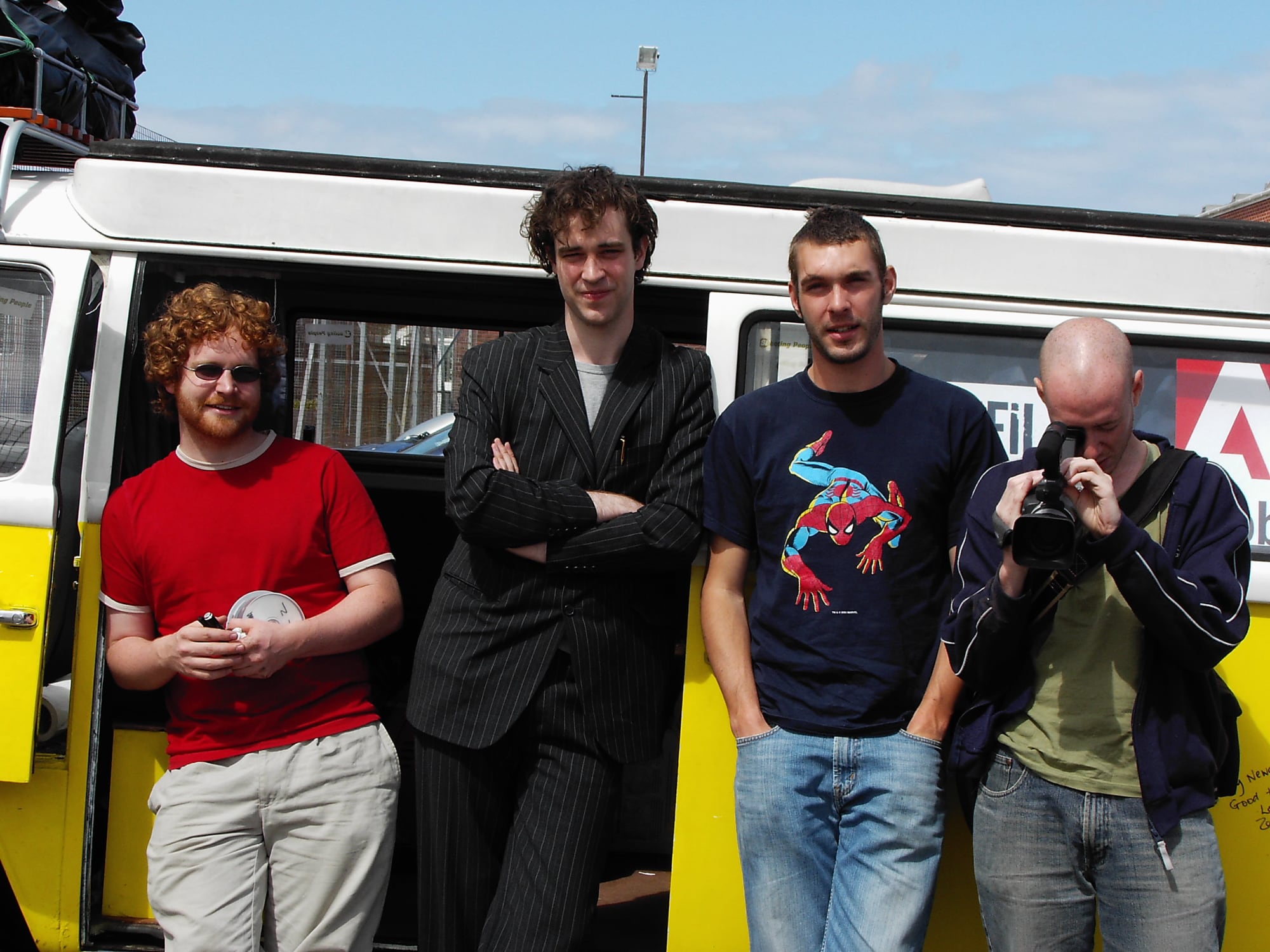
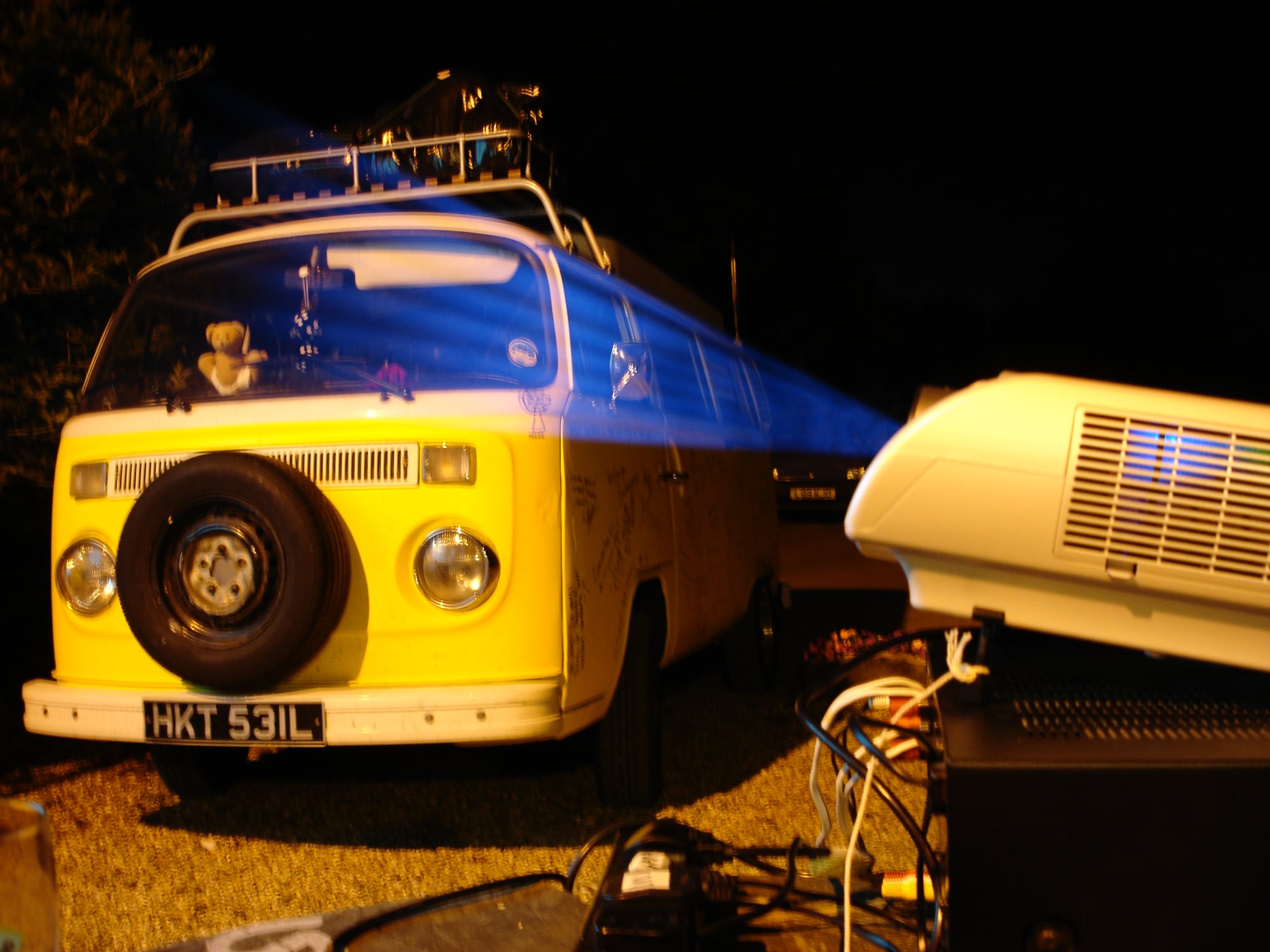
Wait, what if we drove the films to people? What if we had a van we could turn into a Mobile Cinema?
Shooters also had its own awards, the New Shoots: Filmmakers Awards. What prompted you to launch those?
There were two parts to it. People were always able to upload their films at Shooters and we would see fantastic stuff. We thought, is there a way that we can somehow show the best of the best, voted by the community, which would get people engaging with the films that were out there? So, in part it was, let’s build something that allows people more opportunity to promote their own work, more opportunity to watch work, comment on work, and to actually vote on work, because in the early days it was all voted on.
The second part was financial. I’m a little bit awards-schmawards; I think there’s no such thing ultimately as the ‘best’ short film because, as we know, it’s always subjective. But it gave us a way to find a little bit more income. We could attach sponsors to events, which we couldn’t do for an online community because again, they weren’t really sure what that meant. But if we were able to say, “We’re going to put on an event and there’ll be people coming and speaking about films, and also there are some amazing films that will be screened on the night,” then we could get a little bit more money in to be able to do more things. So it was both about promoting work and a bit of financial support for us.
It’s been sad to see that Shooters is ending but the graceful way you’re winding down is commendable – unlike some platforms we’ve seen recently that have abruptly left their users in the lurch. What are the plans for these final weeks, and what will be left of Shooters once the doors close?
Part of the message, very much from me and all the Shooters Team, is that yes we are closing, but boy are there some fantastic resources, collectives, and indie organisations out there, and you need to know about them. It was always really, really important that we told the community first, and to give a huge amount of notice so that people had time to make sure that they could get access to the script databases or the funding databases. But primarily, we really wanted this year to also be about signposting some of the fantastic new organisations out there and we regard that as a really important piece of work for us to do, which is why we set up a resources database as well. We’ll leave that online permanently so if people come across Shooting People, they’ll be able to see some of the amazing collectives that are out there. We’ll also leave some of the New Shoots films up there for people.
Yes, we are closing but boy are there some fantastic resources, collectives, and indie organisations out there, and you need to know about them.
Fundamentally, as we close down it’s really important that we signpost new organisations springing up and the next wave. Most people didn’t even have an email address when we first started and the concept of online community was very new. It’s still the case that nobody really does daily bulletins in the way that we still send them out, but I also think now the technology is changing. People are connecting on WhatsApp groups. People are running film festivals on Discord servers. People are doing podcasts like yourself that are reaching people in lots and lots of different ways. I think our job is to make sure that we’re signposting that because there’s so much more to come. There are so many people already carrying the spirit of Shooters through and long may it continue.

So, there’s The Big Wrap Party on the 11th of November at Rich Mix. What can people expect from this going out with an amazing bang send off?
A lot of joy is the first thing because we, as a team and as an organisation, absolutely know that Shooters would never have existed without the people who also believed in the core idea of filmmakers helping each other. Part of the night is us thanking everyone for building it with us. Shooters was never top-down. We built technology that facilitated everything, but it was only built by the questions and answers and advice and people. There is no Shooters without the bigger community. So expect on the night a lot of grateful thanks, a lot of signposting of new organisations that are out there doing amazing things, and then just a lot of bonkers fun. We have an amazing raffle and there’s bingo happening. We’ve invited a lot of Shooter supporters and people from across the decades to come and reflect on the importance of community and how we can continue to build ecosystems that work for all of us so that we can keep making bold work. So yeah, fun, mayhem, community voices and for the first time, swag!
Shooters was never top-down. We built technology that facilitated everything, but it was only built by the questions and answers and advice and people. There is no Shooters without the bigger community.
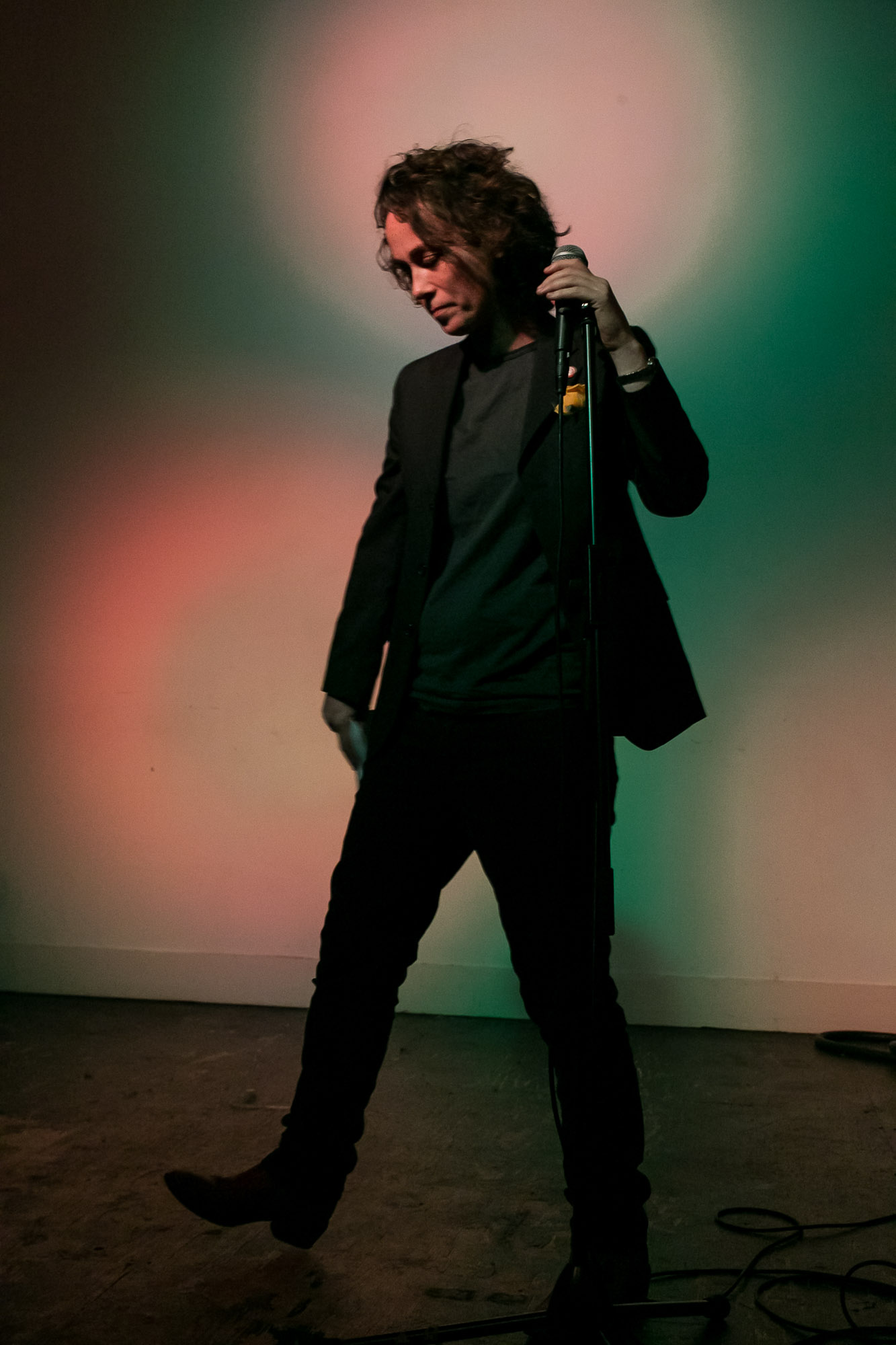
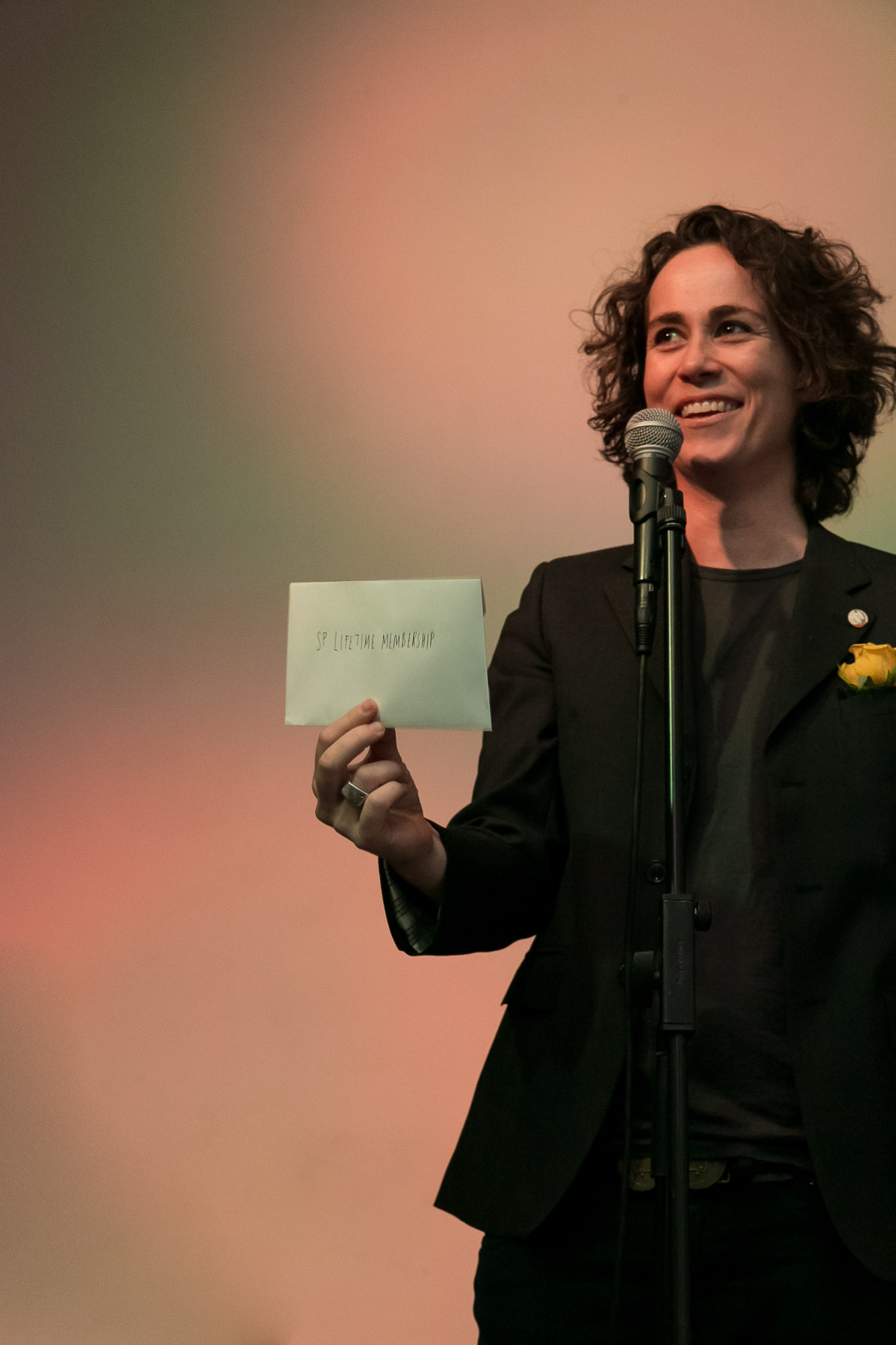
Cath, what are you going to be doing next?
I’m going to take a brain break! There are absolutely some personal projects that I would love to get involved in. As you know, I’m sure with Directors Notes, it’s quite difficult to focus on personal projects as well as running an organisation. It can be too much. So I would love to actually pick up some of the projects that have been sitting in my own drawer for a really long time and see if I can get those up and out.
Just small cash support can actually grow ecosystems so much wider.
Well, I look forward to speaking to you about those. I promise I won’t wait 27 years before inviting you back! And I want to thank you guys for basically showing me the road map of what was possible. I grew up as a northern estate lad where nobody had ever set up a business, so seeing what you, Jess and Stu were doing put a light bulb in my head.
We haven’t touched on the politics in any shape or form in this interview, and I’m very proud that we ran for 27 years without institutional support. Often it wasn’t easy—and one has to work pretty hard to keep things sustainable—but I really do wish there were more mechanisms for support for the grassroots. You know, public money can’t be given out at the moment unless you’re a limited company, and I just think, why can’t there be other ways where small collectives can get a boost to help start things? Because where you started, look at where you are now, and the same for other collectives. Just small cash support can actually grow ecosystems so much wider. Small levies on the streamers, give back. We’re talking fractions, 0.0000% on the streamers to go into a collective pot to help the grassroots, which is where new content and voices of the future will come from. Feels like a no-brainer!