


Audiences have grown sophisticated, their detection systems tuned to anything that smacks of commercial manipulation. Yet the appetite for meaningful brand engagement hasn’t diminished; it’s simply evolved. What’s emerging is something more ambitious: a model where brands function not as commissioners of glorified advertisements, but as equity partners in genuine entertainment. This shift requires infrastructure that can speak fluently in both languages—the strategic imperatives of brands and the uncompromising demands of auteur filmmaking. It requires producers who understand that a brand’s involvement should be invisible to the audience, not because it’s surreptitiously hidden, but because the work itself is so compelling that its provenance becomes irrelevant. Enter LIEF Entertainment, launched this October and founded by Margo Mars and veteran film producer Raymond van der Kaaij, the company represents a carefully calibrated response to this moment. Mars, founder and CEO of LIEF—a studio whose work already lives on the pages of DN with Lily Baldwin’s Ecstasie and WeAreDN Awards 2025 nominee Adi Halfin’s There’s Beauty in the Burn—has spent her career cultivating relationships between auteur filmmakers and progressive brands, and has now formalised her instinctive practice into a dedicated studio model. The distinction is critical. This isn’t branded content dressed up with festival ambitions; instead, LIEF Entertainment proposes that brands join filmmakers as private financiers, contributing to projects that merit creation regardless of commercial involvement. As Mars says herself, the litmus test is simple: would this story be told without the brand? If yes, then what follows is partnership, not product placement. As traditional financing models strain and streamers recalibrate their strategies, alternative funding sources have become vital. LIEF Entertainment’s model offers both sides what they need: brands gain association with quality storytelling; filmmakers secure funding that doesn’t compromise their vision. By maintaining clear separation between advertising and entertainment, the company attempts to solve the fundamental tension that has plagued branded content for decades—enabling brands to facilitate stories rather than dictate them. As we eagerly await a new generation of work to emerge, we sat down with Mars and spoke about her philosophy of true brand entertainment, demand for genuine partnerships between brands and filmmakers and bridging the cultural and linguistic divide between those worlds.
[The following interview is also available to watch at the end of this article.]

Margo, tell us about you and the genesis of LIEF?
I am Margo Mars, the Dutch founder of LIEF and, as of this week, co-founder of the new LIEF Entertainment Company. For over twenty years, my career has been rooted in traditional advertising production, working with incredible directors and championing diverse voices from my base in London. My mission, and indeed my passion, has always been about creating meaningful work for brands.
I founded LIEF eight years ago as a traditional production company with a roster of filmmakers, producing everything from commercials to short and long-form documentary and narrative. My taste has naturally gravitated towards auteur filmmakers, which has carved a clear pathway for creating a distinct impact within advertising. The briefs we tend to work on are a bit longer and, after reams of pages of marketing directives, would hint at creating something for festivals. My response was always, “Perhaps we should start with that.” Establishing LIEF Entertainment is the formalisation of that idea, making the entertainment conversation the starting point.
It’s fascinating to see these worlds merge, and there’s clearly a growing space for this convergence and the works that come out of this.
The worlds have certainly collided, but until now, it’s often been advertising disguised as entertainment—content based on brand IP, like Barbie or Lego. Whilst we obviously still love the branded work we do, with true brand entertainment, however, the brand becomes an equity partner, similar to a private financier, streamer, or distributor. We integrate them into the partnership. Their reasons for involvement can vary, and crucially, we’re not looking for them to be the sole funder, which differentiates this from most short-form branded content.
My fundamental question when evaluating a project is always: “Would this piece be made if the brand did not commission it?” If the answer is yes, then it’s true entertainment. It’s a story that needs to be told, it is true entertainment, and it simply aligns with the brand’s desired audience or ethos.
When a brief inherently suggests a story that needs to be made, you can then build a pathway for the brand to share in that success.


Is that a question that can unsettle people when you pose it?
It’s more of an internal benchmark for me and a question I ask myself. The measure of success in entertainment is an organic audience—people choosing to watch it. When a brief inherently suggests a story that needs to be made, you can then build a pathway for the brand to share in that success. Of course, you can’t guarantee festival selection or a streamer acquisition, but you can create roadmaps. Many advertising briefs lack the necessary drama or storytelling depth to ever achieve that; it requires a different kind of development.
You mentioned working with auteurs, a term often used and maybe not always understood. What does it mean to you and your work at LIEF?
It has taken me a long time to define, and part of it remains instinctive. When I see work, I can identify a filmmaker with a distinct point of view and vision—a thread that runs through their career, how they approach work and are telling a story regardless of its length. That is auteurship.
If a brand has clearly dictated the creative, the audience will know, and the entertainment industry will reject it.
A brand becoming an auteur brand is very attractive; every brand needs to become that if they want the audiences to fall in love with them and have brand fame and affinity and longevity. But to achieve that, they must work with auteur filmmakers and, critically, let go. You cannot sell a piece to Netflix if the auteur filmmaker isn’t the true writer of the piece. If a brand has clearly dictated the creative, the audience will know, and the entertainment industry will reject it. While many agencies express a desire to work with specific auteurs, the structures of advertising often prevent those filmmakers from fully realising their vision. Everyone says they want to work with Yorgos Lanthimos or Coralie Fargeat but they often don’t let that auteur work in their way because, at the end of the day, it is advertising and selling a product.


Most Popular
Advertising has certainly evolved from the blunt, message-bombarding medium many of us still associate it with.
Both forms need to exist. Global brands, in particular, have marketing budgets for product-led advertisements, which we still produce at LIEF with heart and passion. However, a crucial point of difference is that you must draw a line between advertising and entertainment; they are different disciplines requiring different approaches. This is why LIEF Entertainment is a separate entity. Partnering with Raymond—a veteran international film producer—was essential. His contact book, knowledge of packaging, and relationships with festivals are completely different from those in the advertising world. We are blending by bringing brands into entertainment, but the way of doing it is very different.

How did your partnership with Raymond come about?
Being fellow Dutch professionals in the industry, we’ve been in touch throughout our careers. After I founded LIEF, he would occasionally suggest exploring collaborations. For a long time, I was adamant about forging LIEF’s vision independently. However, about a year ago, while developing a feature film with a luxury brand, I reached out to him for advice. Our conversations revealed a perfect complement of knowledge and skills. We decided to make it official, creating a clear destination for this new kind of work. It was a carefully considered partnership, and one I am incredibly proud and excited about.
The languages of advertising and entertainment are different.
Venturing into this new side of the industry must be a stimulating learning experience.
It is. I was recently at MIPCOM, where there were some keynotes from major companies like Dentsu and McCann discussing brand entertainment. The room was filled with entertainment executives, particularly from streaming channels, hungry for new financing models. After the talk, I spoke with people from the pure entertainment side, and they admitted they didn’t understand a word of what was said. That was a pivotal moment. That talk was for them, and it was great, but so many didn’t understand. The languages of advertising and entertainment are different. My experience in both worlds, combined with Raymond’s deep film expertise, allows us to bridge that gap and ensure everyone understands what is needed.


For the filmmakers who read Directors Notes—many of whom already work across advertising and narrative—how is LIEF Entertainment different for them?
The key difference is that the entertainment company is not roster-led; it’s a studio that develops, produces, and distributes. Projects may come to us with a filmmaker attached, and we then work to match them with a brand for a portion of the funding and those tricky conversations. Alternatively, we might develop a story with a brand and then seek out the right filmmaker.
For filmmakers, the requirement remains the same: make incredible work with a strong point of view. If we are aware of a project they are passionate about, we can keep it in mind for potential brand alignment. My advice to all filmmakers is to ensure they are talking to the right people and to view brand entertainment not as branded content where you give something up, but as an opportunity to double down on your auteurship.
That’s the crucial mindset shift, isn’t it? Overcoming the fear that a brand partnership dilutes the creative vision.
There is a need to ensure the brand’s objectives are met within a framework of trust, but we are not talking about brand storytelling. We are talking about brands facilitating a story being told. As long as you work with the right partners, there is no need for fear.
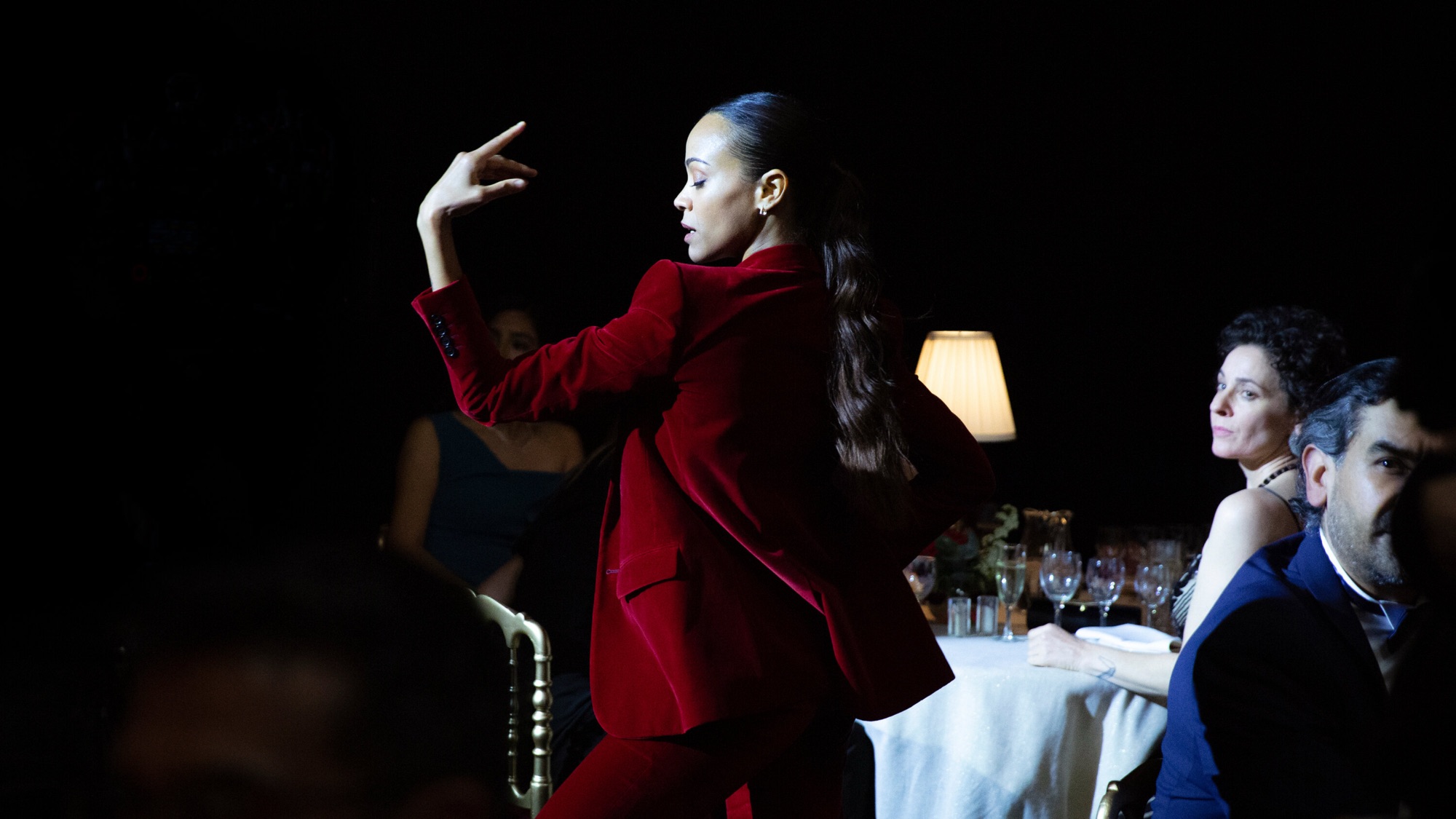
What about festival reception? Tribeca X or Cannes Lions are obvious ones which come to mind, but they’re more brand-focused festivals. Do you anticipate any snobbery towards projects with brand involvement entering mainstream festivals?
Look at Emilia Pérez, which won twice at Cannes. A significant portion of its funding came from a fashion brand, but the audience and the festival primarily saw a Jacques Audiard film with stellar performances. If you make a good piece of work, a festival will want to programme it. The brand is attaching itself to the halo effect of the piece; they are not putting a logo on it. The programmer may not even be aware of the brand’s involvement, and that’s the point. We are talking about a new segment of the industry, so there aren’t many examples yet, but the work will speak for itself.
The brand is attaching itself to the halo effect of the piece; they are not putting a logo on it.
As you launch LIEF Entertainment, who are you looking to connect with to build this new slate of work?
Our primary focus is on conversations with brands. Every brand wants to be part of culture and entertainment, and we want to consult with them on how to do that effectively beyond traditional sponsorship. We are also building partnerships with sales agents and distributors, and of course, we are in dialogue with filmmakers who are curious about this model. The initial focus is on guiding brands and perfecting our matchmaking ability. It’s about education and revealing new possibilities, not just for filmmakers facing funding hurdles, but for streamers and studios who are also finding it increasingly difficult to fully finance projects.
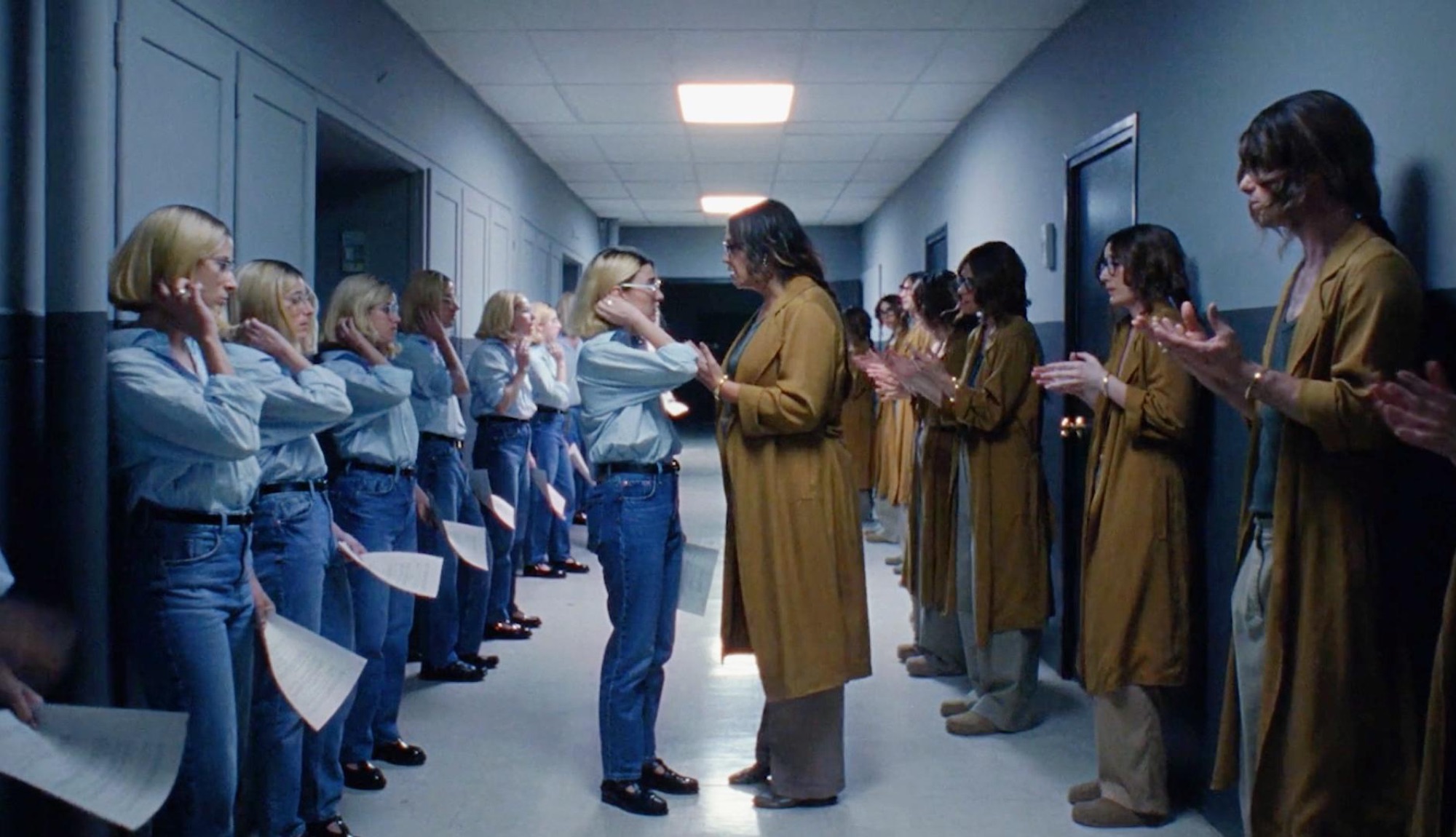
Margo, thank you. We are incredibly excited to see the work that emerges from this new venture.
Thank you. The work is already here. I was just judging a piece made to showcase the Spanish film industry’s talent, The Cause Of The Accident That Started The Fire—a brand entertainment piece that is simply phenomenal and could easily become a feature. It was a huge success.
That’s a wonderful example to end on, as we are featuring an interview with director Lope Serrano for that film on Directors Notes next month. It’s the perfect case study.
Exactly. When people watch it, they should ask themselves: “Did I feel like I was watching entertainment, or an ad?” The answer to that question is the very essence of what we do.