
Diving back into the NFFTY programme, a long time favourite of ours here at Directors Notes, as the festival prepares to open its doors in Seattle from 26-29 March, was a true breath of fresh air. For nearly two decades, the National Film Festival for Talented Youth has operated on the premise that age is no barrier to cinematic vision and has demonstrated that the most urgent, formally adventurous filmmaking often comes from those with the least to lose and the most to say. Now in its 19th edition, the world’s largest youth film festival has lost none of its appetite for discovery, programming 235 short films from 41 countries and continuing to make the case, year after year, that the directors on its screens are not filmmakers in waiting but rather vital, vibrant voices heralding the future of cinema. This year’s programme is striking in its thematic coherence. Across narrative, documentary, animation, experimental and music video, with concurrent student programmes in the same categories, a recurring preoccupation emerges with identity, belonging, displacement and the particular weight of being young in a world that moves faster than any of us can process. There is a restlessness to the work on show: films that sit with loneliness and grief, that find formal languages for anxiety and desire, that look unflinchingly at tradition and modernisation, at family and its failures, at the strange, vertiginous experience of standing at the threshold of adulthood and not being entirely sure you want to cross it.
What is equally impressive is the calibre of the filmmakers behind the work. Some already carrying significant industry recognition, festival premieres, major fellowships, prestigious awards and streaming credits that would fit comfortably on any filmmaker’s resume regardless of age. Others are fresh arrivals, announced here with striking confidence. What unites them is a commitment to innovative, original storytelling that resists formula and trusts its audience completely. NFFTY has always known that the most exciting cinema doesn’t announce itself politely, and this year’s selection is proof positive, once again, that they are very good at finding it. DN alums such as MAGID / ZAFAR continue to impress, but we were delighted to see a vast array of filmmakers yet to hit the pages of DN. As part of our continuing Best of Fest series, in partnership with NFFTY, we bring you the 10 titles which most grabbed our attention and deserve yours from this upcoming edition.
The 12 Inch Pianist – Lucas Ansel
There is something quietly radical about a film that opens as a penis joke and arrives, with total conviction, at a genuinely moving meditation on queer identity and self-acceptance. Lucas Ansel’s Silver award winner at the 52nd Student Academy Awards is exactly that, and the genius is in how completely it earns the journey. Working across stop-motion, green screen, Blender-built environments and After Effects compositing, Ansel deploys a technically dazzling hybrid toolkit in service of something warm, hilarious and purposeful. The surreal unravelling of a bar joke becomes a vehicle for men being tender, emotionally present and unguarded with one another—sadly still rare enough on screen to feel like a genuine salve. That The 12 Inch Pianist holds the comedy and sincerity in perfect equilibrium throughout, never sacrificing one for the other, speaks to a storytelling instinct well beyond his years. A film that makes you laugh, then catches you completely off guard by making you feel something real.

Sick Bird – Gabriella Rigakos
Gabriella Rigakos announces herself with real force in this formally experimental short, shot on 16mm in Toronto and Parry Sound. Working closely with cinematographer Wynne Kwok, Sick Bird uses grain, texture and experimental visual processes not as aesthetic embellishment but as emotional language—the restless instability of the image doing the psychological work from the inside out. Rather than containing her protagonist’s inner crisis, the filmmaking externalises it entirely, so that everything usually kept hidden in moments of collapse and self-reckoning is worn visibly on the surface. It is a bold and bracingly physical approach to interiority. Ontario’s vast, contradictory landscape becomes a mirror for the film’s central preoccupations—identity, geography and expectation without ever tipping into heavy-handed metaphor. The fusion of movement-based and visual art throughout gives the film a restless, searching quality that feels entirely intentional. It felt fitting learning that Rigakos completed the film independently after withdrawing it from her university thesis, as this only sharpens the sense of a filmmaker who knows exactly what she wants to say, and is willing to fight for the space to say it properly.
The Thrilling Adventure of Amos Waters – Ella Janes
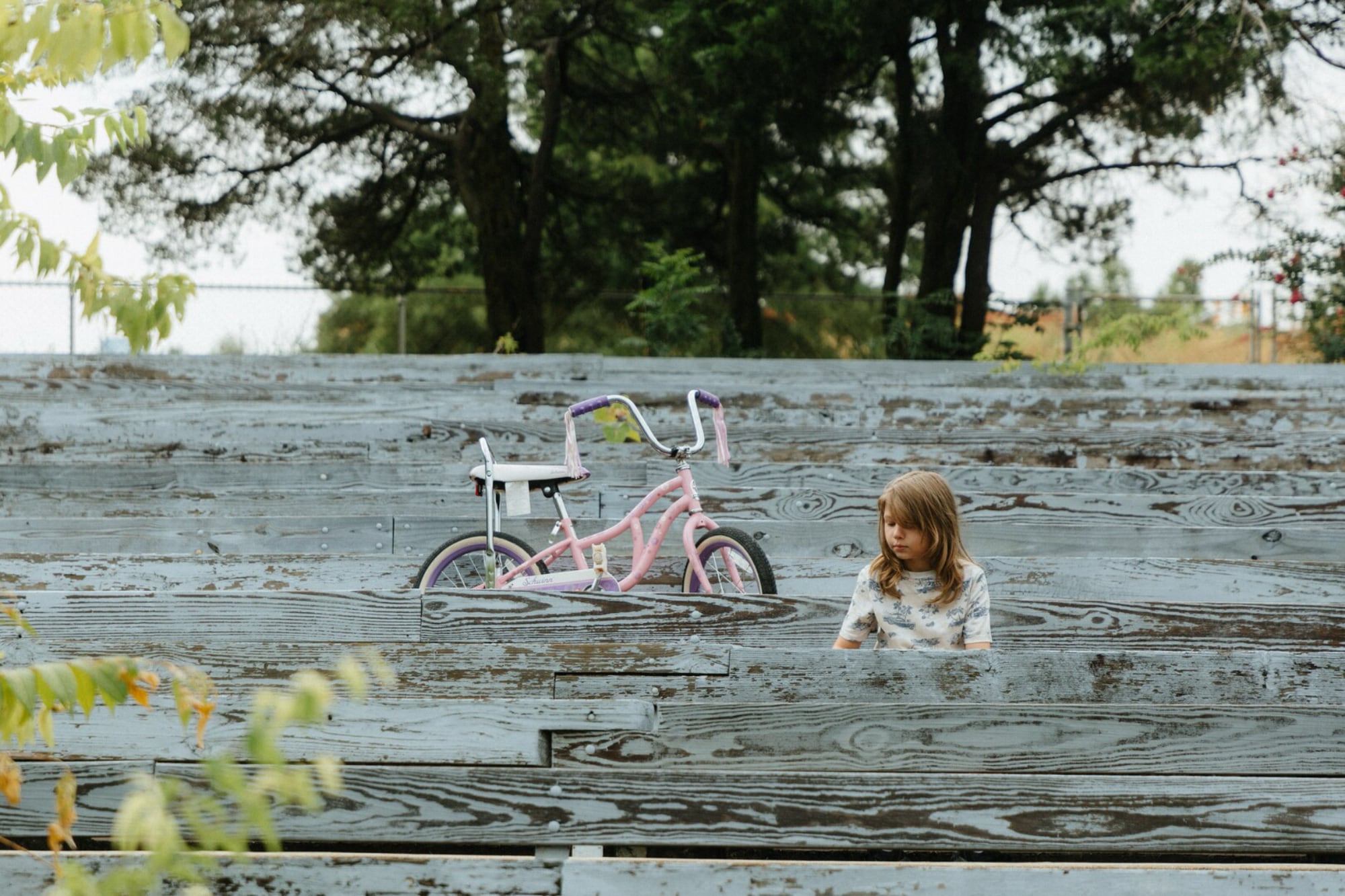
Fusing the picaresque spirit of Huckleberry Finn with the raw, street-level grit of Harmony Korine, director Ella Janes’s short is a startlingly tactile portrait of childhood on the fringes. The Thrilling Adventure of Amos Waters grounds what could easily tip into bleakness in the stubborn, irrepressible perspective of ten-year-old Amos—a boy whose determination to understand his alcoholic father sends him on an odyssey—into something that is as genuinely funny as it is quietly devastating. The rabbit hole logic of his adventures gives the film a propulsive, freewheeling energy, but Janes never loses sight of the gravity underneath, handling the weight of addiction and inherited confusion with real sensitivity and craft. The film traces its origins to a midnight Christmas Eve mass—attended, by her own admission, considerably less sober than Amos—sharpens the sense of a filmmaker drawing on lived instinct. Profound, POV-driven, and impossible not to fall for.
Most Popular
Inside My Worn Out Drawer, is an Ocean – Siwoo Kim
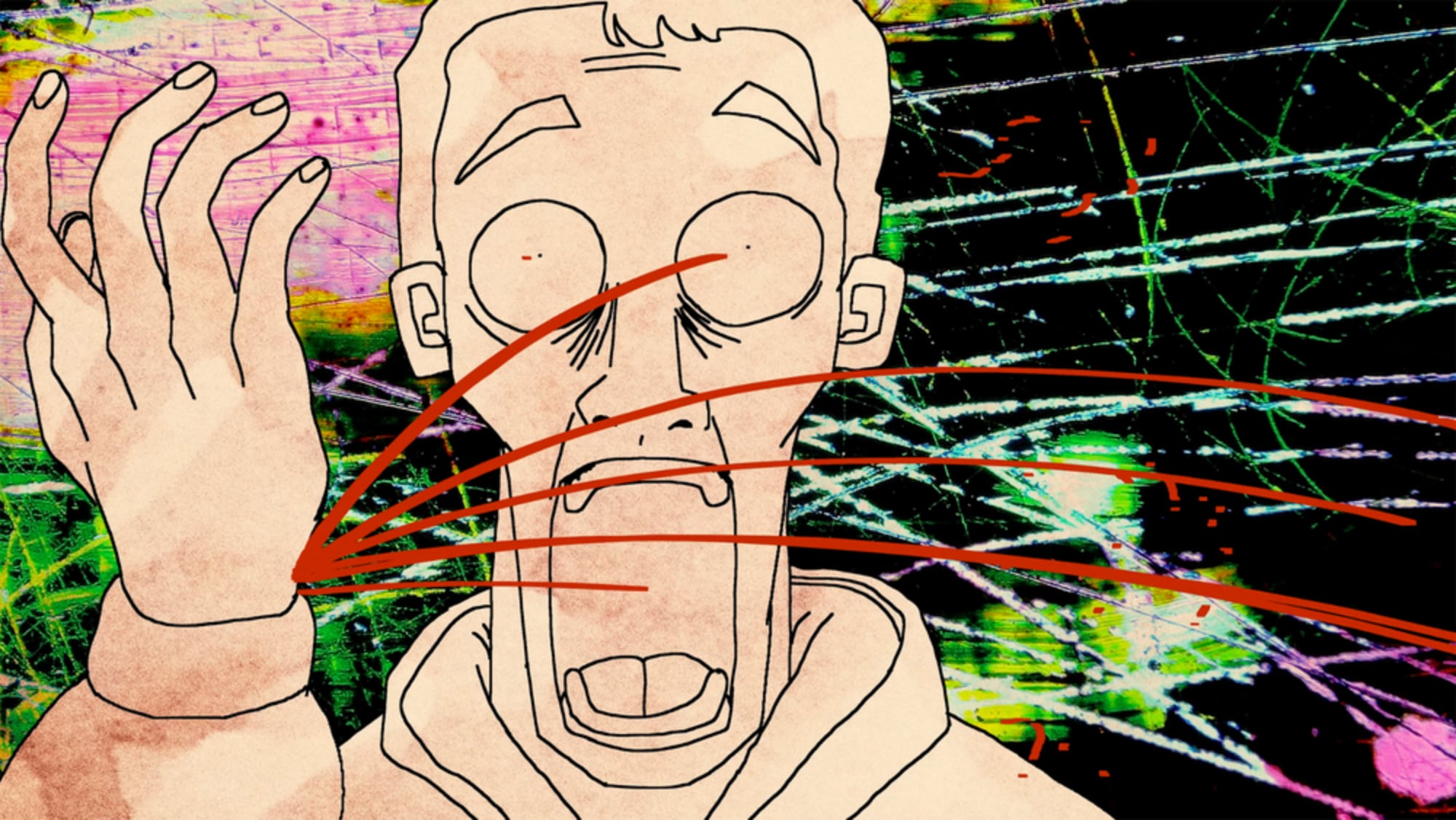
A NFFTY premiere, Siwoo Kim’s animated short is a film of quiet, devastating precision. Set in Seoul and rooted in the aftermath of a suicide pact made online, it moves through the existential void with real assurance—desire, sex, hope, dreams, life and death all orbiting a single centre of loneliness. Housing contrasting animation styles to map the distance between interior and exterior worlds, the story before you slowly fractures, giving way to something raw, chaotic and viscerally alive. The result is a film that breaks your heart gradually, almost without you noticing, before offering something that feels remarkably like comfort. For a 23-year-old Pratt graduate and current Sundance Ignite Fellow, the emotional and formal sophistication on display here, unflinching in subject matter, deeply considered in craft, is genuinely impressive.
Honey, My Love, So Sweet – JT Trinidad
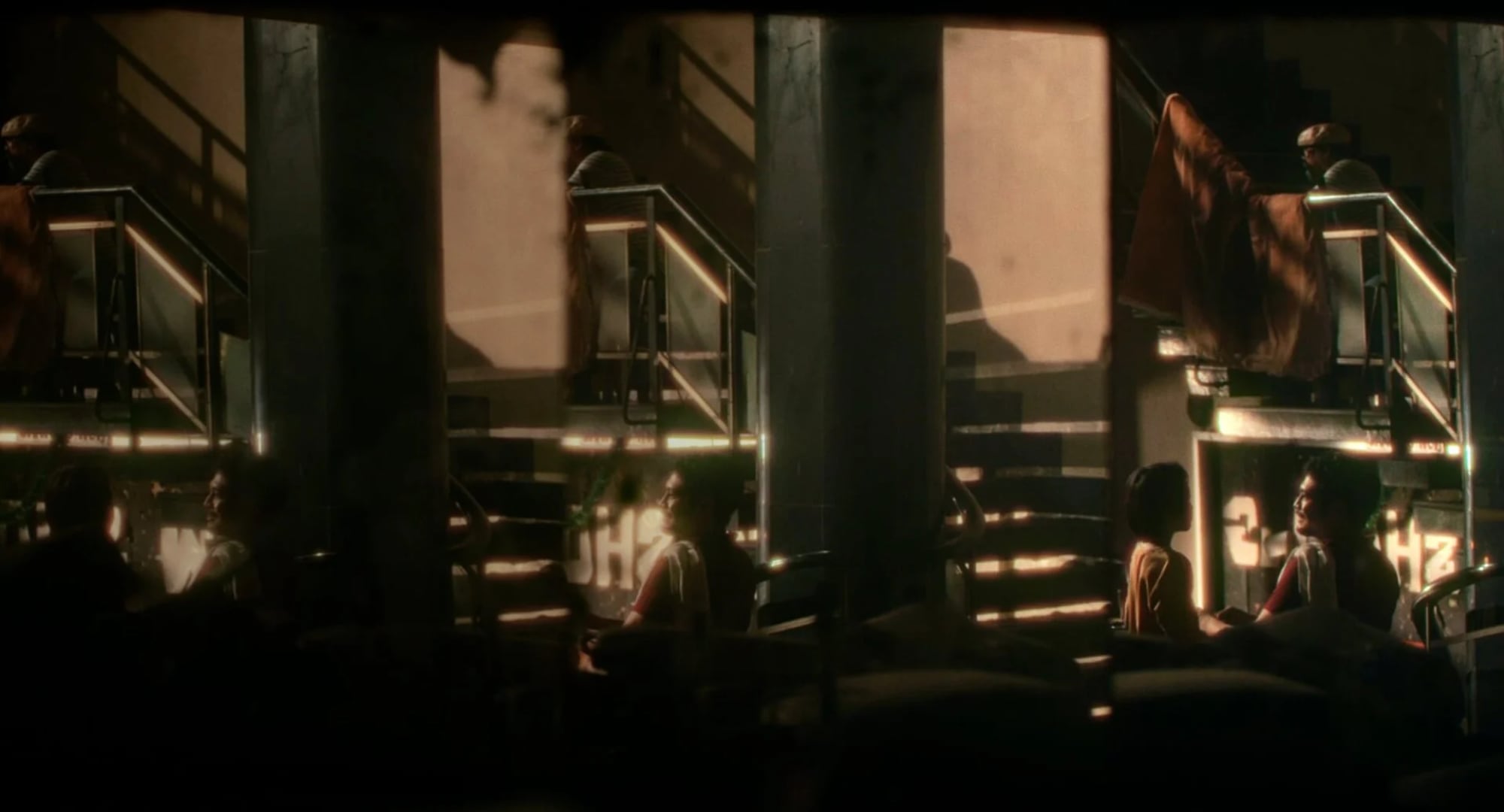
Following a world premiere at Locarno, JT Trinidad’s tender drama makes a pre-war Manila cinema its moral and emotional centre, a sanctuary where the noise and chaos of the city bleeds through the walls, scoring a young boy’s swirling search for love, identity and belonging. Honey, My Love, So Sweet handles questions of queerness, visibility and desire with a poet’s restraint, trusting atmosphere and architecture to carry what dialogue leaves unspoken. It is a quietly assured piece of filmmaking from a Cebu-based director which shows a filmmaker already building a body of work that moves with real narrative fluency and promise.
Karnama (Well of Death) – Pranav Dawar
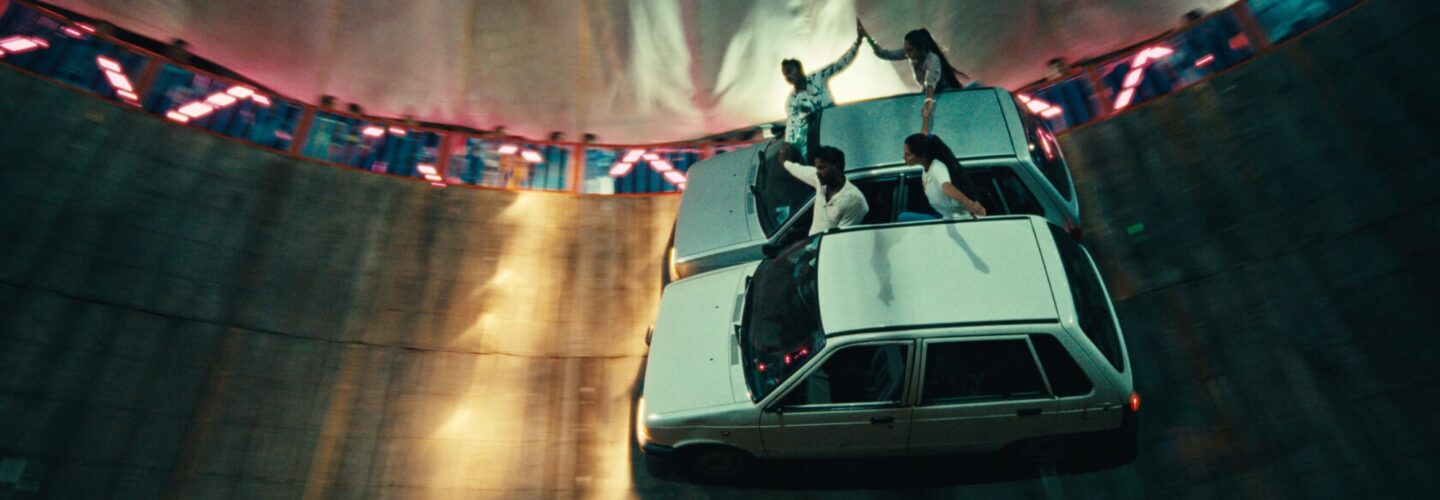
Only around fifty people in a nation of 1.4 billion make their living as a Maut Ka Kuan rider, and Pranav Dawar’s documentary short makes an immediately compelling case for why that world deserves more than a fleeting viral moment. The Well of Death is inherently cinematic—motorcycles and cars defying gravity on vertical wooden walls—but the filmmaking challenge is just as extraordinary as the spectacle itself, and Dawar meets it with real craft, capturing the action with a visceral, high-octane energy that you could happily watch on repeat. What elevates the film beyond the stunt footage, though, is its tenderness—a patient, humanising attention to the men who have chosen this life, the families shaped around it, and the quiet bonds between riders who share something almost impossible to explain to the outside world. A textbook example of documentary filmmaking doing what the form does best: opening a door into a world you never knew existed and making you genuinely reluctant to leave.

What Are Grandchildren Made Of? – Lindsey Susor
There is something deeply satisfying about a filmmaker who takes the soft, biscuit-tin warmth of grandparents and replaces it wholesale with greed, cruelty and organ harvesting. What Are Grandchildren Made Of? by Lindsey Susor is a gleefully unhinged horror short that takes that premise and runs with it straight past good taste and into something wickedly, deliberately detestable. When a grandfather discovers his granddaughter can respawn after death, he doesn’t weep with relief; he opens an underground organ-harvesting business. The premise is absurdist, the execution is precise, and the gore is genuinely shocking in the best possible way. I truly felt the attention to detail that underpins the chaos—from the framing of a perfectly ordinary suburban house to the specific credit card debt of its characters—grounding the horror in a recognisable domestic reality that makes it land harder. The director’s statement cuts to the heart of it: “Nobody escapes childhood without trauma”, and Susor has found a brilliantly uncompromising formal language to say so.

Cherry Cola – Jooystin & Eliot Lee
A music video that feels like a love letter to the form itself—the kind that used to keep you glued to MTV for hours, waiting for it to come round again. Co-directed by Jooystin and Eliot Lee and shot entirely on an iPhone 17 over five days, Cherry Cola is high-energy, narratively sharp and gleefully chaotic, colliding Devon Again’s cast of characters into a single, joyful jumble of grief, first love and the particular ache of selling your first car. Cinematographer Zayd Ezzeldine—whose credits span Selena Gomez to Yungblud—brings a chaotic precision to the visuals that belies the lo-fi shooting conditions. That the entire production was driven by passion rather than payment gives it an infectious, collaborative energy that comes through in every frame, a reminder of exactly why music videos, at their best, are a legitimate and vital filmmaking form.
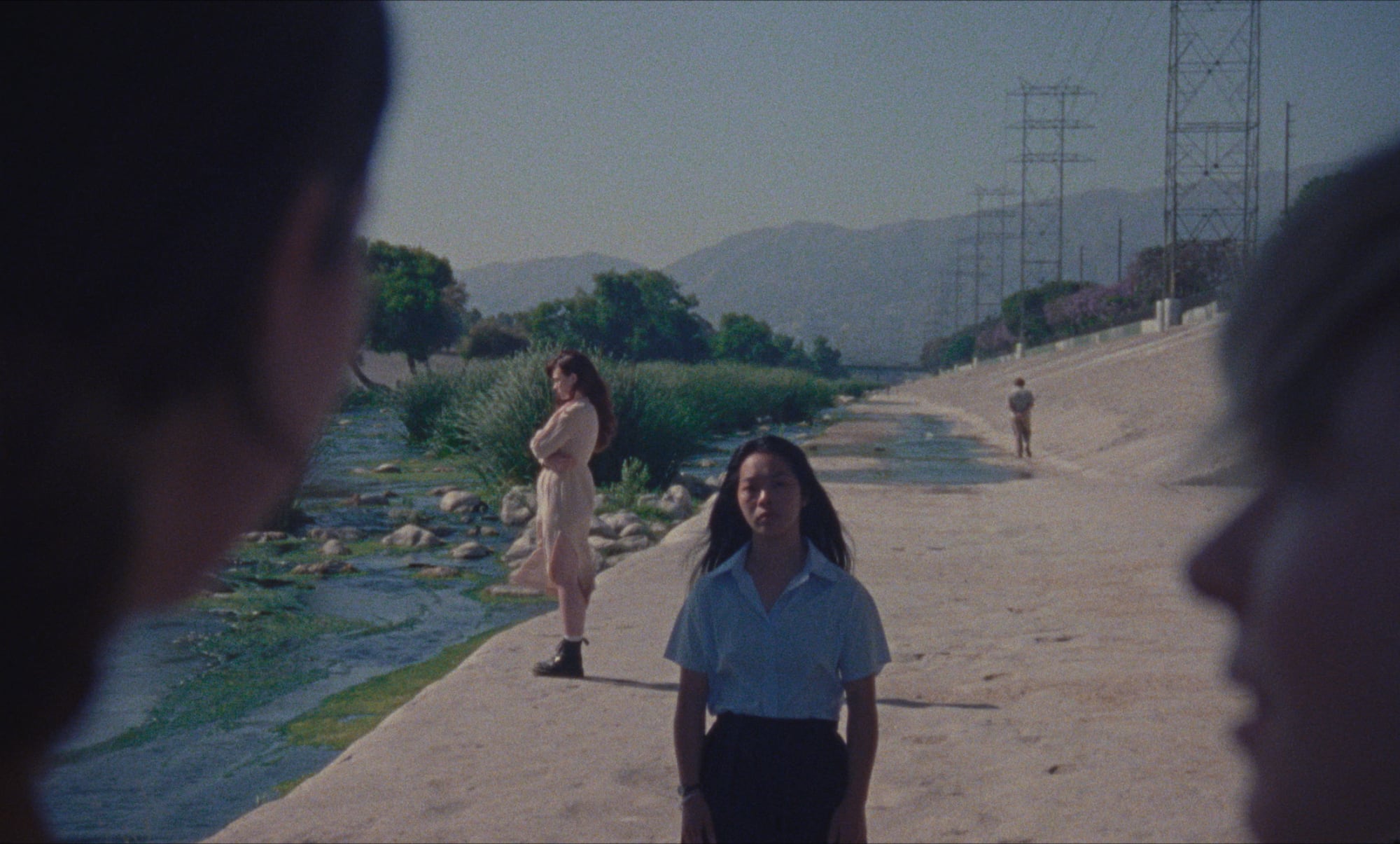
glide (all the people i’ll never be) – Li Anne Liew
Li Anne Liew offers a startlingly original externalisation of anxiety and that pervasive outsider feeling by framing her protagonist not as a participant in life but as a ghost moving through its edges, a spectator of all the people she might have been. By placing us firmly outside our own bodies, Liew forces a particular kind of loneliness into focus: not dramatic or declarative, but quiet, cumulative and achingly recognisable. The film is held together by beautifully observed mundane vignettes—daily life buzzing just out of reach—and a hauntingly gentle score with a lilting female vocal that underscores the protagonist’s spectral displacement. Liew, a Kuala Lumpur-born Chapman University graduate whose previous work has screened at Cannes Lions and beyond, manages to convey the emotional quality of familiar and unfamiliar places fluidly to the screen and glide (all the people i’ll never be) is a work of profound atmospheric sensitivity, haunting and ethereal, and quietly impossible to shake.
Fjallferð – Jesse Smolan, Josh Fairmont & Ollie Smith
In a festival programme full of films interrogating the anxieties of modern life, Fjallferð arrives as something genuinely rare and feels apt to close our 2026 collection. An immersive, unhurried window into a world where the rhythms of land, weather and community still take precedence over everything else. Featuring arctic photographer Ragnar Axelsson, who has been following these Icelandic farmers across mountains and valleys for decades during the annual sheep round-up, Jesse Smolan, Josh Fairmont and Ollie Smith have made a film of quiet, stunning assurance. The cinematography earns every frame of Iceland’s highland landscape, but it is the human detail that lingers: the grit, the ritual, the particular care of people who tend land across generations. Modernisation hovers at the edges, but Fjallferð resists the urge to make it the whole point, wisely trusting the tradition itself to carry the weight. That the trio have since founded Caution Media, a production company rooted in outdoor culture and authentic human storytelling, feels like a natural extension of everything this film already is.
You can find more unmissable films like these in our Best of Fest collections.