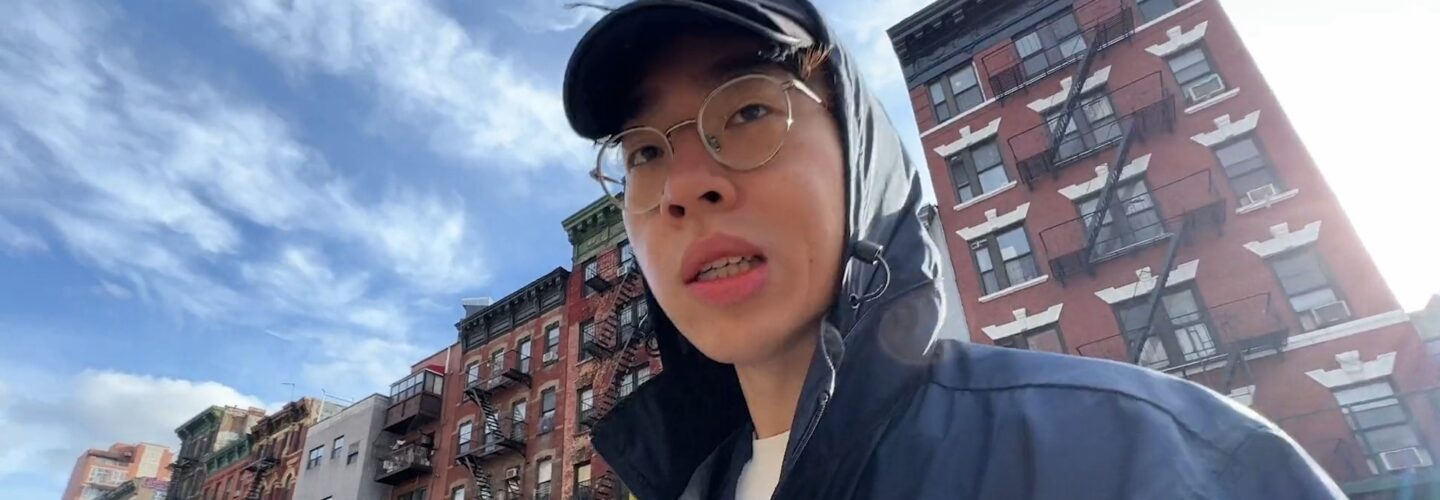
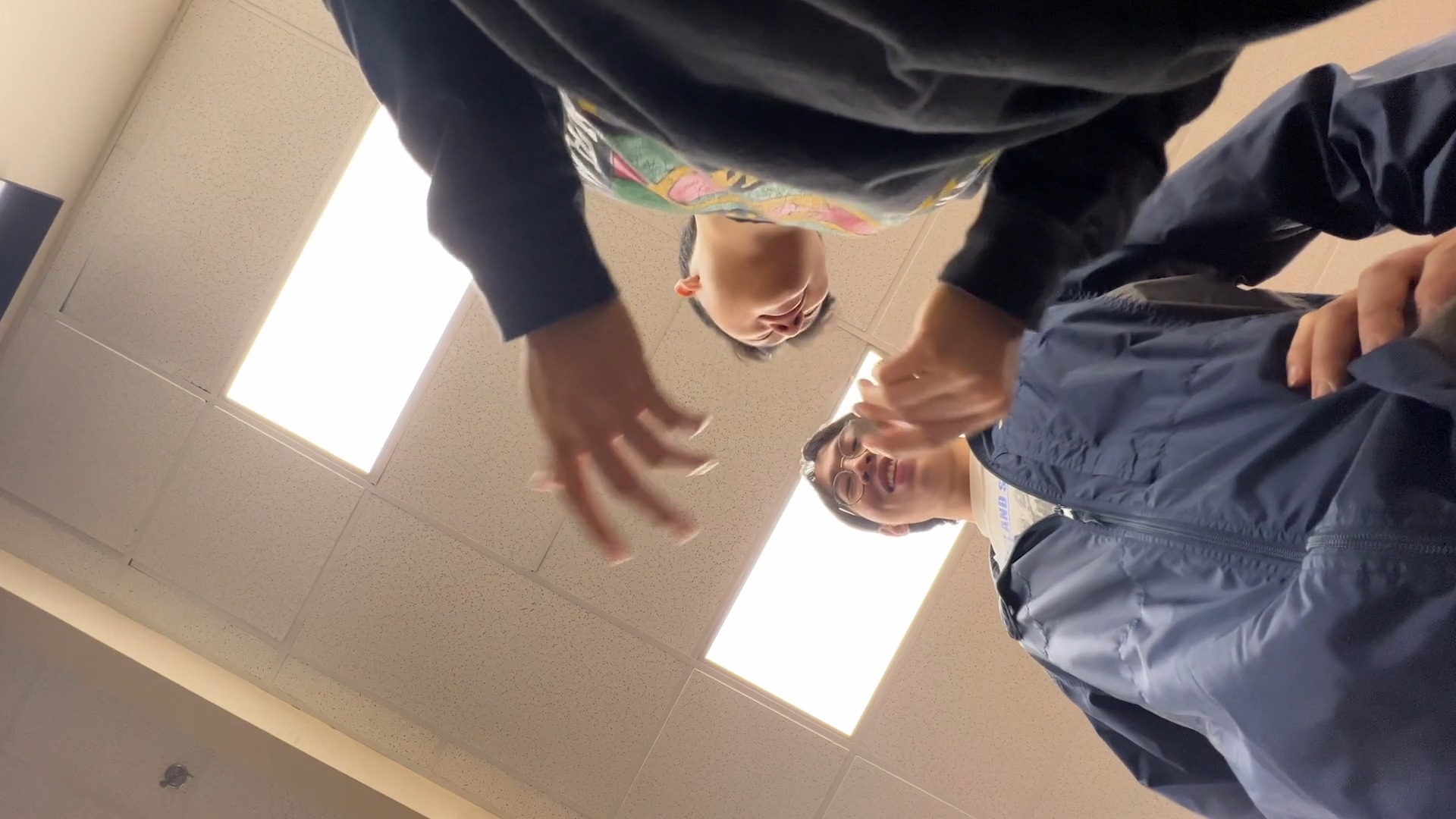
With Directors Notes dedicated to independent cinema, it’s often not the slickest productions that capture our attention, but the films that feel genuinely fresh, distinctive and alive. One such discovery this year was WE BUY GOLD by David Huang and Albie Smith-Chang. A scrappy, high-energy short about coin dealers in New York City, shot guerrilla-style on an iPhone, it’s the kind of film that leaves you feeling genuinely exhilarated after watching it.
Perfectly embodying the DIY ethos we champion at DN, WE BUY GOLD combines non-professional performers, real locations and a heavily improvisational approach to create something that feels immediate, authentic and wonderfully unpredictable. More than just an exhilarating short film, it also announces the arrival of two exciting new voices in independent cinema. Keen to learn more about how they achieved such a distinctive result with limited resources, we invited Huang and Smith-Chang to Directors Notes to discuss their collaborative directing process, filming in “real, active” locations and why shooting on an iPhone ultimately proved to be the perfect creative choice.
Welcome to Directors Notes, David and Albie. As you know, I’m a big fan of your film and I remember first watching WE BUY GOLD and being struck by how grounded it feels. We know it’s a work of fiction, but there’s a real authenticity to it. How important was it to make something that felt genuinely ‘real’ throughout the production?
David Huang: Keeping things genuinely ‘real’ throughout the production was such a key aspect to a film like this working at all. It was also definitely our main focus in terms of the visual language of the short. Even filming the characters in certain angles that were a little too ‘head on’ made us cringe a bit – then our wonderful editor Suzie Bhojwani reminded the both of us that the film probably wouldn’t work if the entire time the only thing the audience was seeing were the main character’s chins.
We both love the concept of ‘tricking’ the audience and dancing on the line between real and fictional.
We wanted everything we shot – and why we shot it, and how we shot it (on an iPhone, with actors working in real locations, sometimes with real people) – to be in service of our goal to trick the audience into thinking they were watching a shoddily done vlog shot by our two main characters. Creating this kind of veneer really allows the audience to experience (what we are hoping will be) quite a pleasant shock when they get to the point in the film where a lot happens that couldn’t possibly be real – and they have to ask themselves if someone really put this much effort into something that’s so (hopefully face level) sloppy and lowbrow.
Albie Smith-Chang: We both love the concept of ‘tricking’ the audience and dancing on the line between real and fictional – and our choices were always informed by this. Another piece of the trickery puzzle was getting plenty of takes where our actors were allowed to improvise as much as they wanted. We wrote a ton of dialogue and guided each scene in a very specific narrative direction, but so much of the really funny (and really real) moments came from improv between our very talented actors.
Following on from that, you just mentioned that you shot in real, active locations, so I’m assuming that much of the background action wasn’t controlled? How did you navigate the balance between capturing scenes organically and creating the on-screen world of WE BUY GOLD?
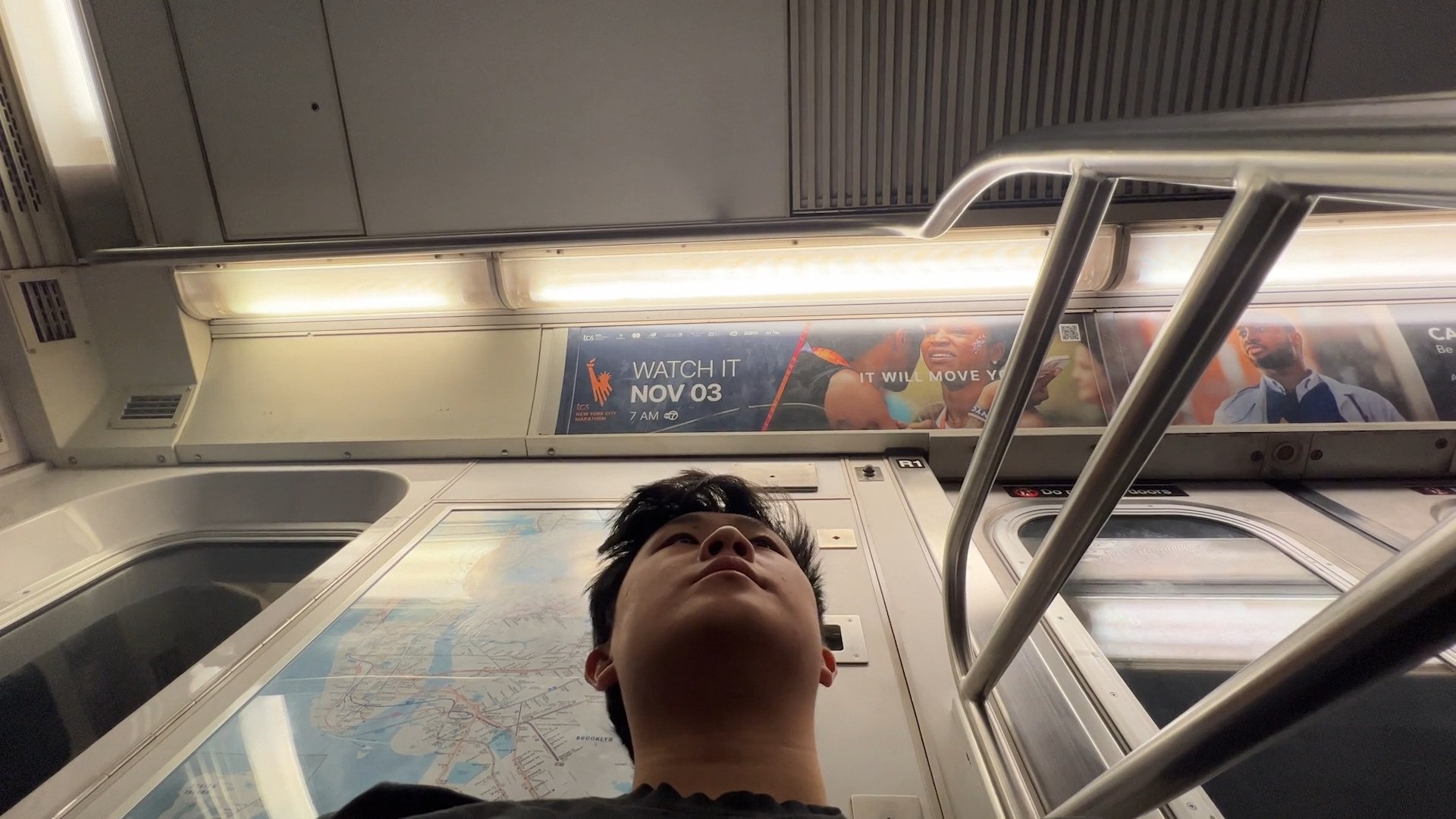
DH: It was really a gift to be able to shoot environments in real, active locations, and when you shoot in public you just naturally add a lot of life and production quality to your film (although it comes for us at a bit of an aesthetic cost). I’ve been a coin collector since I was a kid, so I had a good idea of a few locations that would add a lot of realness to the film. It definitely took some work to become comfortable with performing while filming publicly, but we all got used to it pretty quickly. The biggest challenge was just getting over all the odd looks when we would have to repeat the same conversations, arguments, and movements over and over again in front of real people in public. Maybe they thought we had dementia, or some kind of tandem memory loss problems.
ASC: Another huge help in balancing the organic world with the fictional on-screen one was the very unobtrusive iPhone camera we used to film everything. It let us film in a lot of public locations that we wouldn’t have been able to otherwise, and capture certain angles in a way that really wouldn’t have been possible with a traditional film crew and rig.
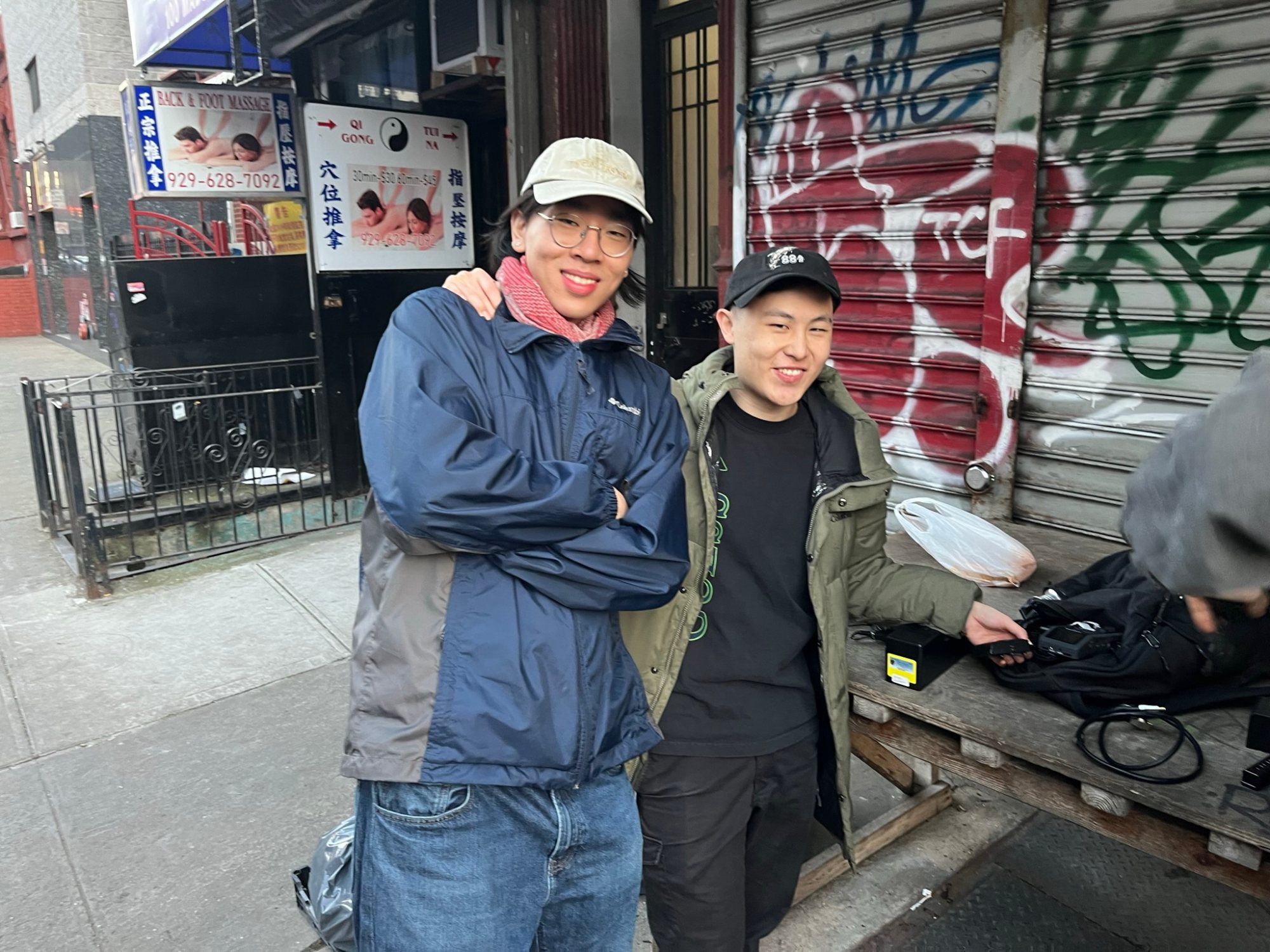
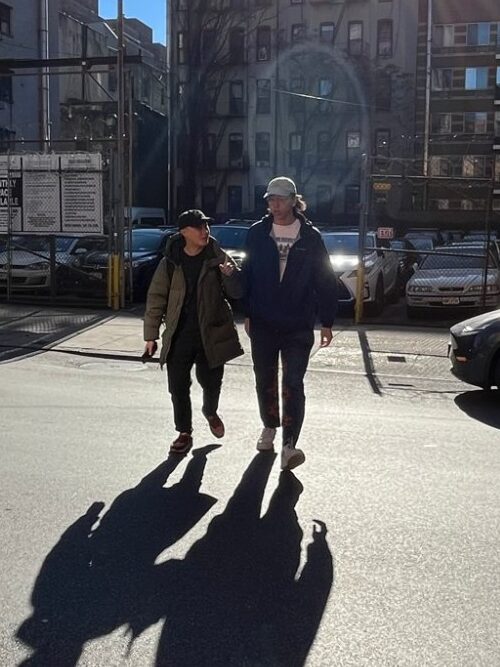
Your main characters, the two Davids, have incredible chemistry and they genuinely feel like lifelong friends. How much of that relationship existed naturally, and how much was developed specifically for the film?
DH: We were good friends before the film started, although sadly not lifelong – we met in 2019, our sophomore year in college – five years before we started shooting the film. I can’t remember exactly how we met, but I think it might have been at a school-sponsored poker night where you’d gamble for tickets (or maybe dining dollars?) instead of actual money. It sounds really stupid, but I remember us having a lot of fun.
The biggest challenge was just getting over all the odd looks when we would have to repeat the same conversations, arguments, and movements over and over again in front of real people in public.
We had been on the same crew for a few film projects before, but we had never acted together. I knew that even though David Ma wasn’t an actor by trade (though he’s a very talented painter/visual artist/production designer!), he has such a unique charisma and energy that was necessary to the film. And because he was acting across from me, he’d be all the more comfortable in the part – and I think I made the right decision, as he completely carries the film.
Most Popular
ASC: I met David Ma through David Huang just before we started filming. We all sat down to eat dim sum at Golden Lake Pavilion in Queens. As I remember, David Huang was a little nervous to have me meet him because we hadn’t shot anything and we didn’t know if this relationship would work on screen. But the instant I met David Ma I understood why it was so important to David Huang that he be in this film. Ma has a very wry, reactionary, and commentative kind of humor about him. It’s something you can’t teach or coax out of someone. So instantly, I was on board. Their chemistry existed well before the inception of the film.
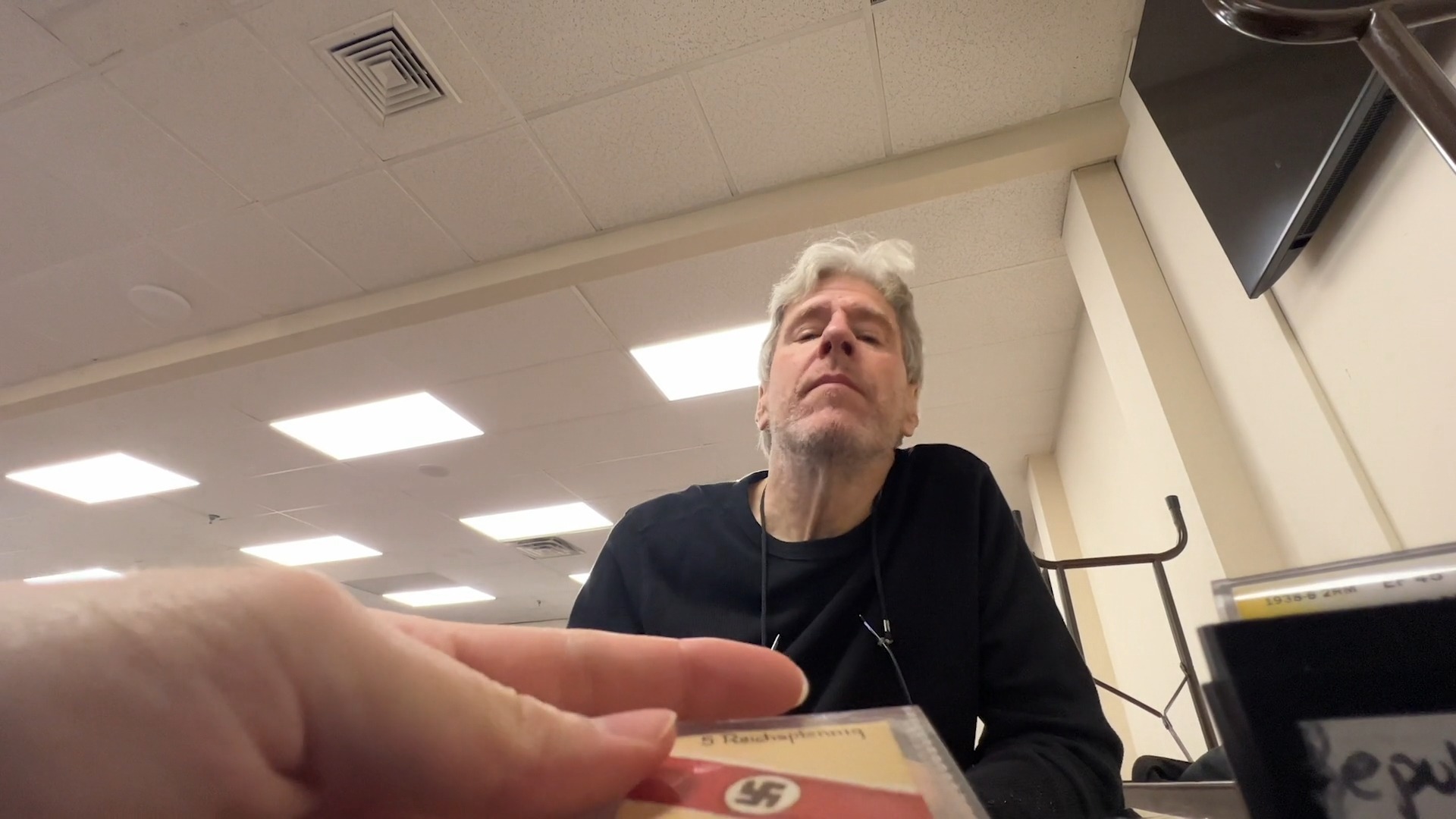
While the relationship of the two Davids is key to the success of the film, it’s impossible to talk about the characters without mentioning ‘Kenny the Nazi’. Where did the idea for this character come from and how did you work with your actor to develop such a memorable persona?
DH: We definitely stole a lot of Kenny the Nazi (among other material) from Daryl the Nazi in Peep Show, as well as Mark Ravenhead in Succession, but he’s also kind of an amalgamation of a bunch of coin collectors I personally know. Some of his lines are verbatim dialogue from these collectors, but honestly we cut the worst stuff out of the script before we even started to film – even though it was word-for-word lines I’ve actually heard in real life, I think it was just too unbelievable for an audience that anyone would say those things. It’s surprising to hear this kind of sentiment from anyone who lives in New York City, one of the most diverse cities in the world, so it really throws people off guard when he first pops up in the film. But these guys really do exist here, trust me.
He’s so sharp with his comedic timing, and he’s perfect in this role
DH & ASC: The actor behind Kenny the Nazi, Tennyson Bardwell, is a genius. He’s a very accomplished independent filmmaker (currently in the midst of directing his third narrative feature!) who is an incredible talent in front of the camera as well. We gave him a script with some very specific lines scripted out, and then gave him plenty of takes on set to ad-lib whatever he wanted as well – and he crushed it. He for sure came up with some of his best lines (“Morality mountain”, “normal is subjective”, “I’m not K-Mart, you know”). He’s so sharp with his comedic timing, and he’s perfect in this role, in large part because in real life he’s so much so the polar opposite of Kenny that he knows exactly how to play him in the most outrageous (but realistic) way possible. We rehearsed a few times over Zoom before the actual shoot at the coin show, but our first time for all of us ever meeting in person was actually at the shoot!
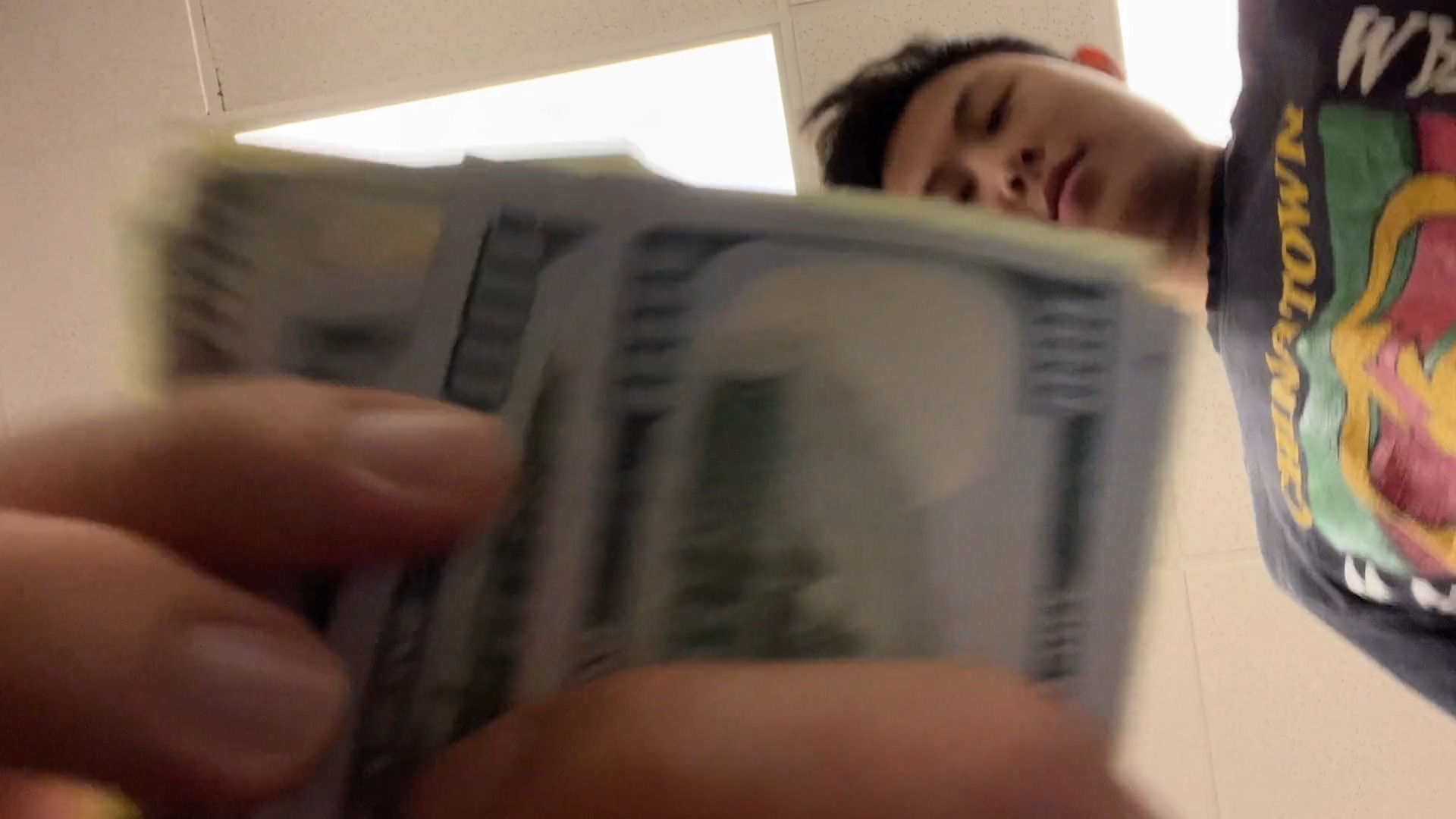
This covert style of photography feels like the perfect companion to the story, reinforcing the film’s sense of authenticity. Was it always the plan to shoot in this way, and what were the biggest advantages of embracing this production approach?
It wasn’t always the plan to shoot this way – originally, we had planned out a very maximalist, Daniels-style polished action adventure film that was 100% scripted. We even shot a little footage in this style early on. At some point, however, we shot an ‘opening’ to the film on the iPhone that was heavily inspired by the short film Pocket, and we totally fell in love with the shooting style.
It opened up so much to us in terms of locations, characters, and just production quality of the film aside from fancy lighting/camera. We were able to edit the second we were done shooting, and reshoot anything we wanted because we were ourselves the main cast, we owned all the production equipment, and we shot with a tiny, tiny crew.
One thing I personally love about the film is the energy it captures and I think a huge part of that comes from the edit. How challenging was it to bring all this footage together, not only to shape the narrative but also to create the frantic, almost nervous energy that gives the film so much momentum?
Suzie Bhojwani (editor): Even though the short is narrative, it really felt like a documentary-fiction hybrid. David and Albie were filming so much content over so many days that it really felt like putting a doc together – especially with the montage sequences. David put together an assembly/first cut so I had a strong idea of what he and Albie envisioned. From there, I tried to tighten as much as possible.
If the angle or sentiment wasn’t right, they could just film again – that is a huge luxury.
David and I would also pass the edit back and forth. I think we have different editing rhythms that are synthesized in the short and add an unexpectedness to the cuts. Personally, I wanted to capture how people scroll on social media. There’s a rhythm and energy of scrolling that felt right for a film shot on an iPhone. Using an iPhone also allowed for David and Albie to reshoot scenes that we felt weren’t working in the film. If the angle or sentiment wasn’t right, they could just film again – that is a huge luxury.
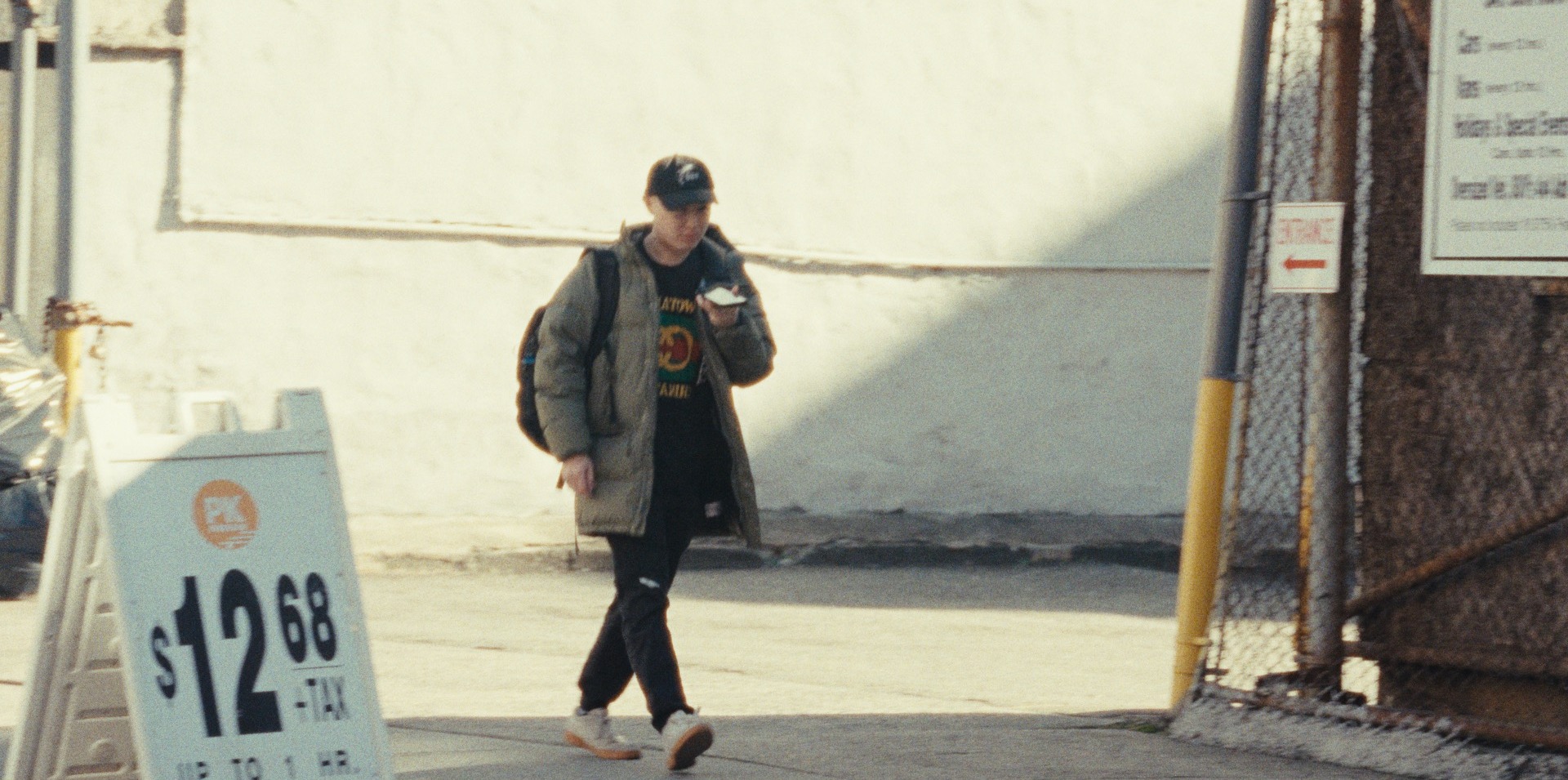
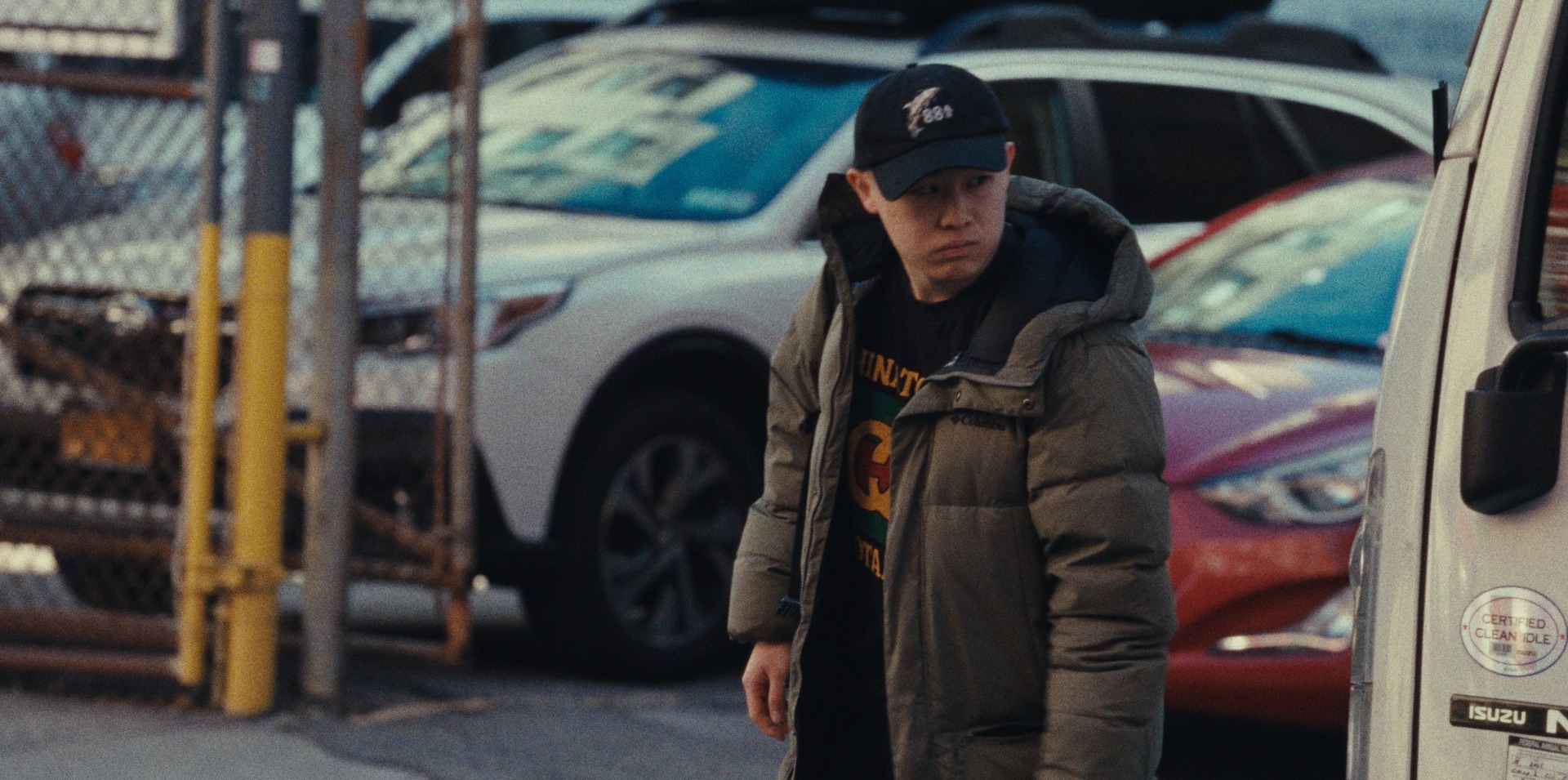
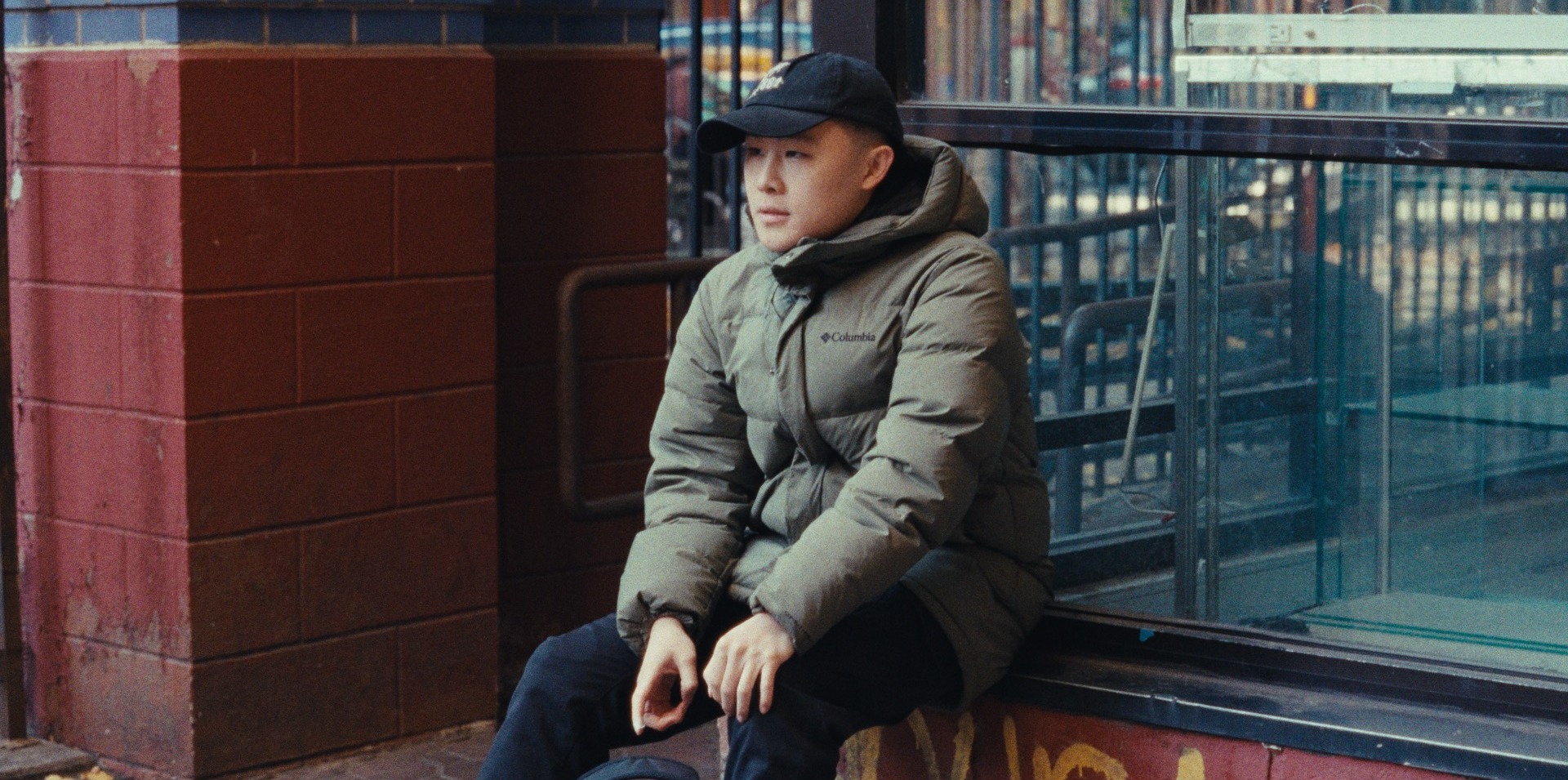
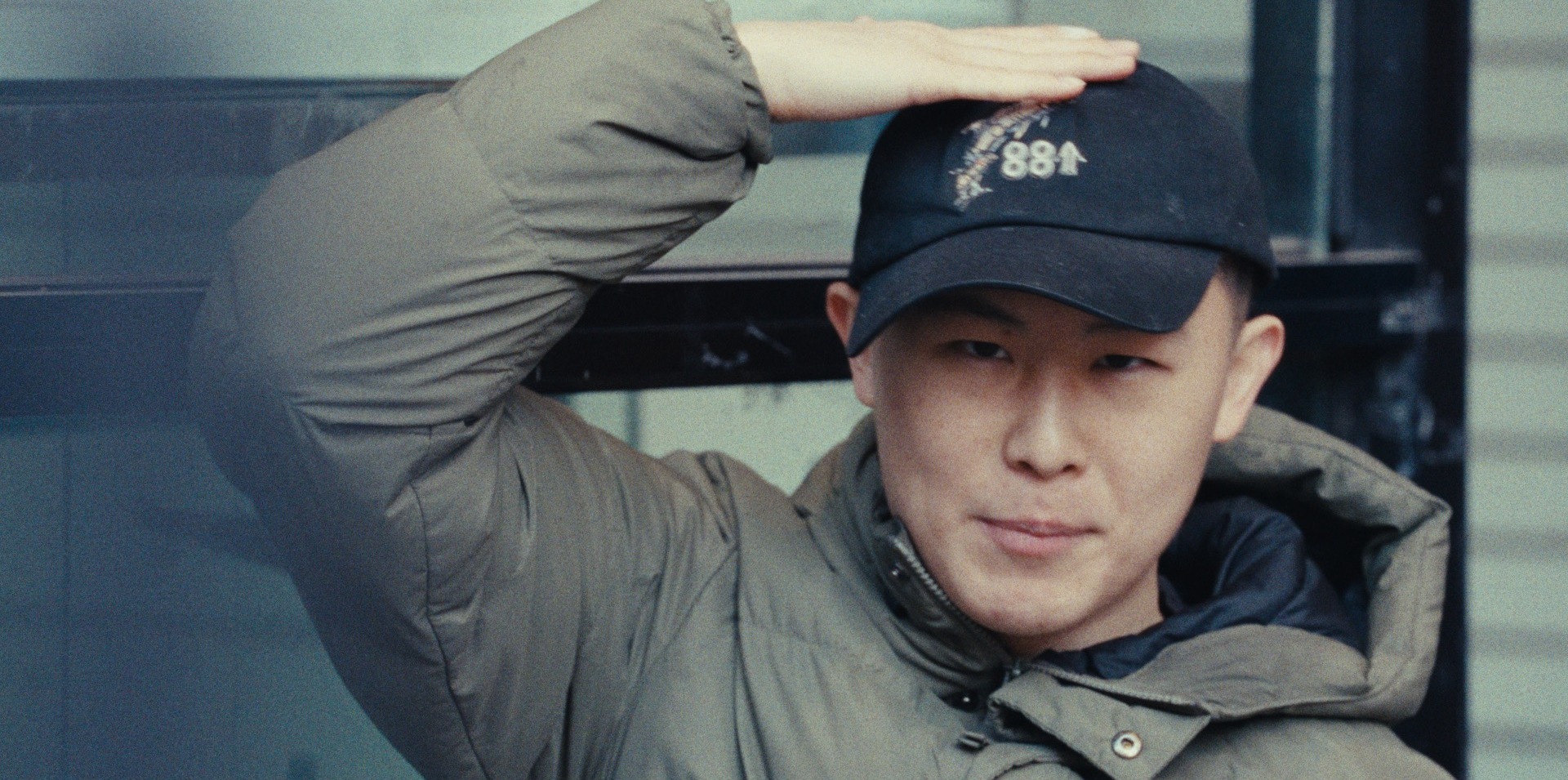
I’m always interested to learn more about how co-directors work together, and in this case, David is also starring in the film. How did you divide responsibilities throughout production and why did this feel like a project that benefited from having two directors?
DH & ASC: We don’t really divide responsibilities – but we both work as hard as we can to put as much effort and time as possible into each and every aspect of directing together, and pick up the slack/give each other a helping hand when either of us gets lost or burnt out. Overall, we just try to be as collaborative and understanding as possible with each other.
DH: I brought Albie onto this project because he is an incredibly kind, generous, and talented collaborator, who is also someone that loves the same films that influence the project that I do. I think this sort of shared base of taste is really important because said taste really informs all the decisions we make, and is the reason why even though we run into a creative problem, even if we might have different paths in mind to get there, it’s always the same destination. If that makes any sense.
We have an honesty that allows us to really push ideas further than if there were only one of us.
ASC: It’s an honor to work with David on this because this story extends past the film, and it’s been a part of David’s life for a long time. So to share creative work on a subject very close to his heart is a wonderful and special thing. Like David said, we share the same base of taste, which really helps. And I would add that we both end up giggling or groaning together about the ideas that we suggest to each other, so we have an honesty that allows us to really push ideas further than if there were only one of us. If there’s a bad idea, one of us will cut it out quickly, so we can more efficiently move forward to find the best idea.
While we love short films that stand on their own, there’s something about WE BUY GOLD that leaves us wanting to spend more time in this world. Are there any plans to return to these characters or this filmmaking approach? And if not, are there any other projects that you’re particularly excited about at the moment?
We are currently in the process of shooting the WE BUY GOLD feature! It’s shot in a very similar style (although possibly even more frantically edited and shot) but with quite a different story. That being said, we definitely will plagiarize ourselves and use plenty of elements from the short film as well. We want to spend more time in this world as well, to the point where there’s so much available material and possible directions we could take the film that it’s actually quite a challenge deciding on where we should land. There’s so much that we want to shoot that we can’t, and so much of what we actually will shoot that we will inevitably cut. We may potentially just deliver a ten hour film.
Finally, this is a question we ask every filmmaker we feature on the site: what’s one short film by another filmmaker that you’d recommend to our audience, and why?
We would like to recommend Homemade Gatorade, by Carter Amelia Davis. It’s an incredible animated comedy-horror short film about a woman trying to sell her homemade creamy Gatorade, which also played at Ouray International Film Festival. In a similar vein to WE BUY GOLD, it deals with social issues in America in a very serious, straightforward manner with no funny business whatsoever. On a serious note, the animation is unbelievable and like nothing we have ever seen before, and the voice acting is perfect on every level (as well as seriously (and strangely) very moving in certain scenes of the film, in a kind of lonely and pitiful sort of way). Additionally, the director herself voices the primary antagonist/villainous mastermind of the film, “Susie Gjhjjfjh”, and gives a genuinely award-worthy performance.
If you allow us to recommend two (since we’re co-directors), we’d also like to say: We know we’re only supposed to plug one, and this hasn’t come out yet – but I’m Sorry, directed and written by William Lancaster, is another genius film born from the culture of the internet, and also played (premiered!) at Ouray Film Festival. The editing and direction are so sharp it’s unbelievable – it takes a lot to make an interesting short film in an essentially empty room with just one actor talking into a camera, and we were completely on the edge of our seats. There’s no discussing I’m Sorry without talking about the ending either – without giving too much away, it’s a reveal that’s at the same time the most traumatic and most hilarious moment of the film – and similarly to much other media that we love, it really begs the audience to ask questions about how exactly they pulled the whole thing off.