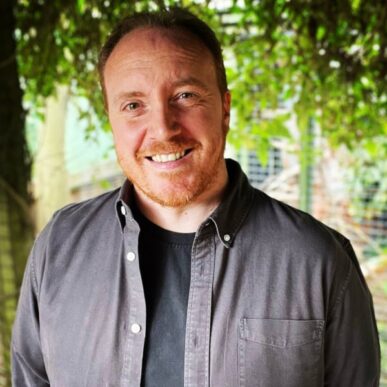
It’s no easy thing feeling like a passenger in your own life. When one day blurs into the next, people see through you, and it feels like nothing will ever change – that this is simply your lot in life. Now imagine being able to change all that in an instant. Sami Abusamra’s comedy, Tank takes this notion to an absurd level, as one put-upon sad sack is gifted a piece of military hardware that will change his life explosively. It’s also an exploration of how power is perceived and treated by those who don’t have it, whatever form that power may take, and how it changes the people within its orbit. As part of Tank’s premiere on Directors Notes, Abusamra talks to us about his experience filming with a working tank, collaborating with the author of the original short story to adapt it into short film form, shooting in Bulgaria to recreate a Soviet-era setting for this period comedy, and using outdated camera equipment to creative and practical effect.
Tank is actually based on a short story. Can you tell us about that and how it came to your attention?
The story itself was literally a gift. I’m British-Sudanese and a few Christmases ago I was given a book of Sudanese short stories called The Book of Khartoum. The first story in that anthology is called The Tank by Ahmad al-Malik. It’s only a few pages long but it really resonated with me and its potential for adaptation to screen was very apparent. First and foremost, as a comedy director, I found The Tank really funny. It’s very visual and I loved its absurdity. But the most powerful thing about reading it was how portentous Ahmad’s writing had proven to be. The Tank was written almost 30 years ago as Omar al-Bashir’s authoritarian regime was taking hold of Sudan. Anyone reading this already knows that the al-Bashir regime did not end well for the people there. Coups and civil war have followed.
Weak men masquerading as strong men, misplaced power and misused power – these things are now everyone’s problem.
Almost all of my aunts, uncles, cousins and their families are now displaced from their homes and scattered across the region. By writing against authoritarianism three decades ago, I felt Ahmad had written the perfect warning for today. You only need to glance at the UK, at Europe and the wider Western World to see similar stories repeating. Weak men masquerading as strong men, misplaced power and misused power – these things are now everyone’s problem. So the story’s relevance seemed very apparent. I was very motivated by how personal it was to me. I knew it contained lots of opportunities for potent, absurd imagery and, on a creative level, I had a strong, clear sense of how to adapt Ahmad’s story into a script.
Ahmad is now based in Amsterdam so I met him there in 2023. We discussed adapting his short story and he was generous enough to allow me a free run at making changes for reasons of structure and cost, etc. From there it was a question of working out how to put the pieces of the production together. The challenge of doing so was part of the appeal, to be honest. I knew it wouldn’t be easy but I knew I wanted to try.
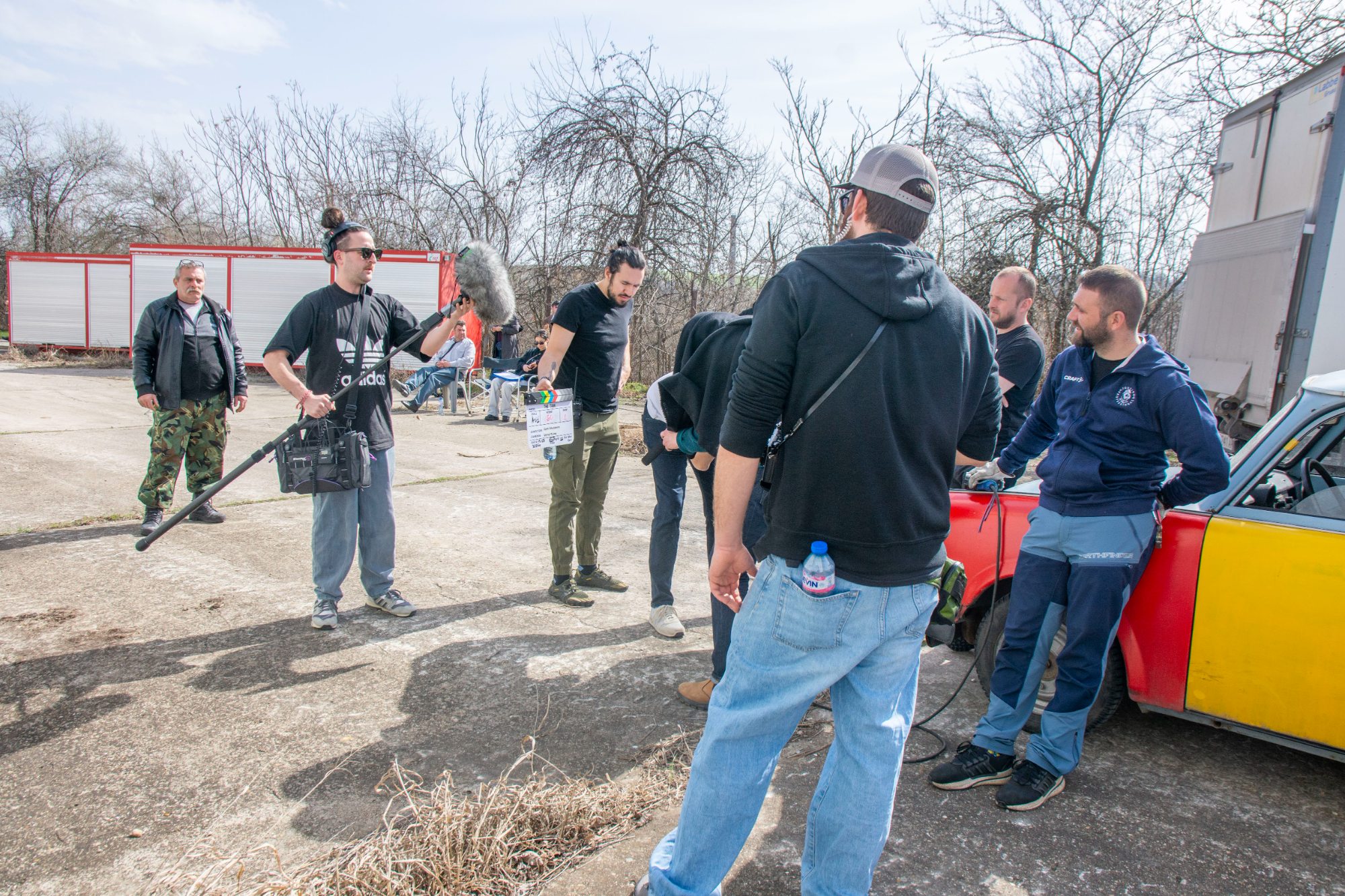
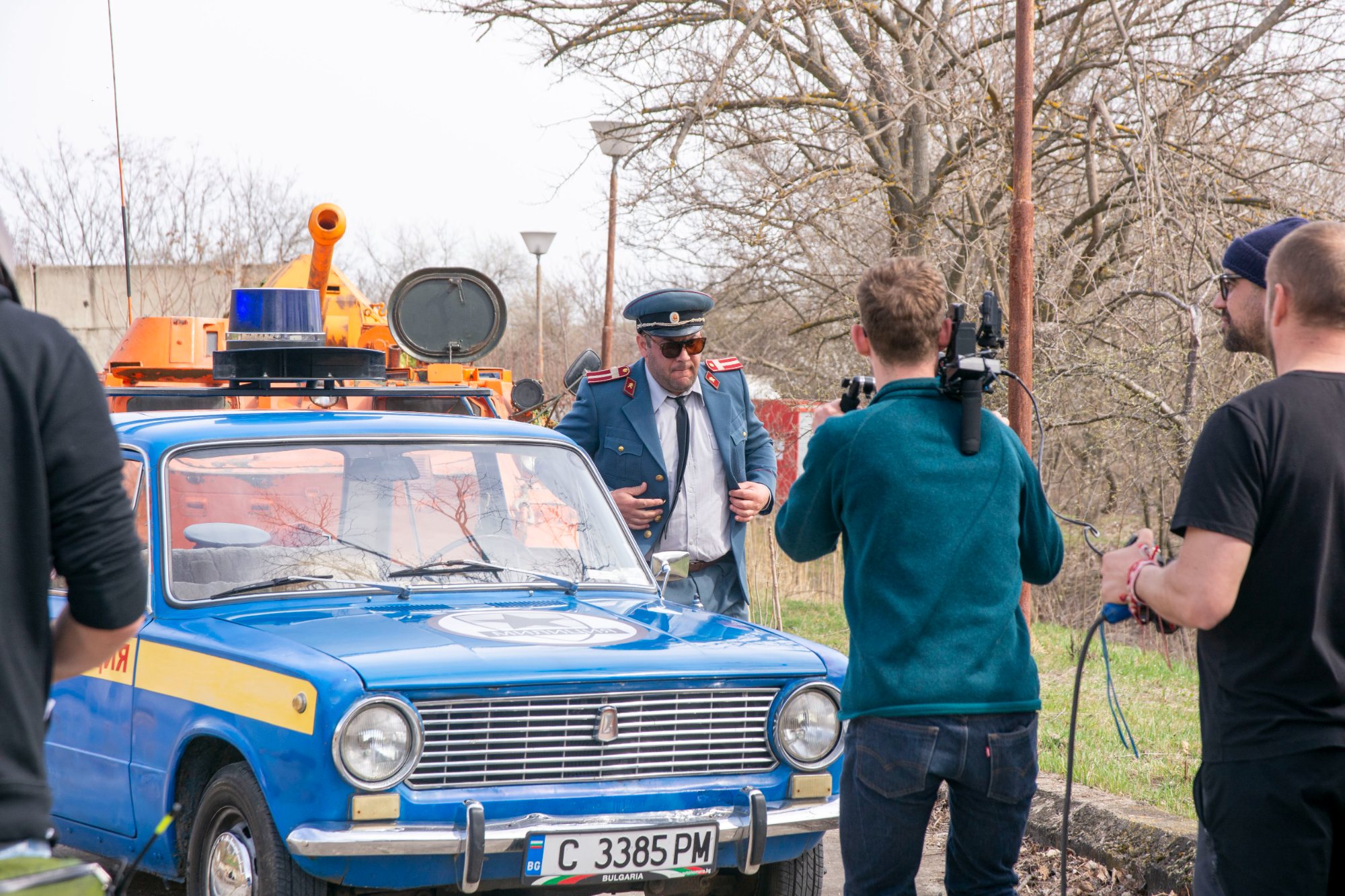
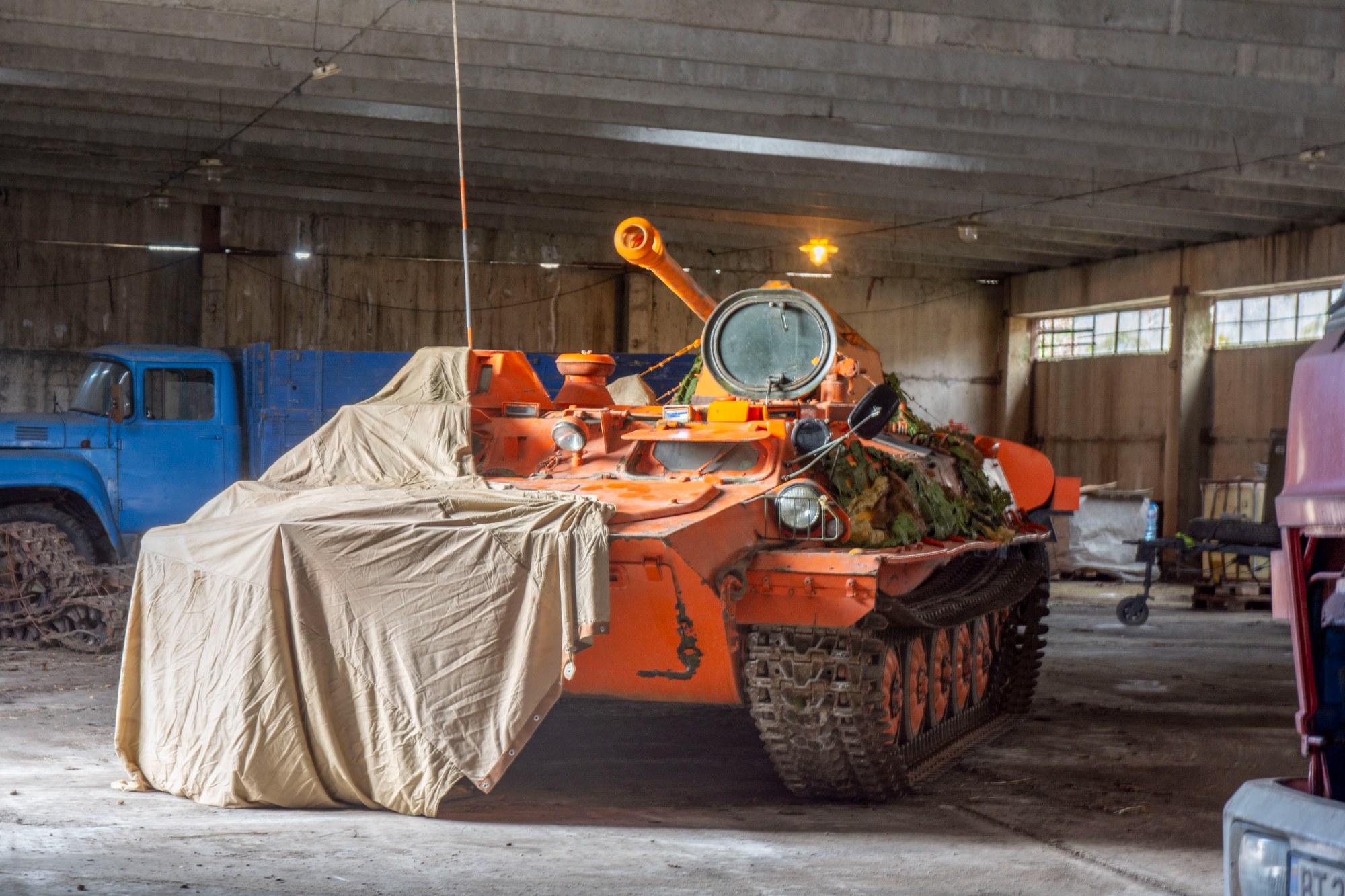
Our tank couldn’t travel on concrete streets because the metal tracks would chew up the tarmac and when it’s loaded on to its massive transport lorry the vehicle is so long, wide and heavy that it can’t get down certain roads or over certain bridges.
The film was shot in Bulgaria with a real, working tank. How did all of that come about?
I’ve shot commercials in Bulgaria before so was friends with a few production people there. I knew that relocating the story would be more cost-effective but I also had a sense that the post-Soviet setting would give the film teeth in a way that shooting in, say, an English village, just never would. I met with a few potential producing partners and ultimately linked up with Bazuka Productions because they asked all the right questions. The way “The Eddies” (producers Eddy Schwartz and Edward Michongwe) engaged with the project in our first conversations convinced me that they genuinely wanted to do it and that they also believed we could pull it off.
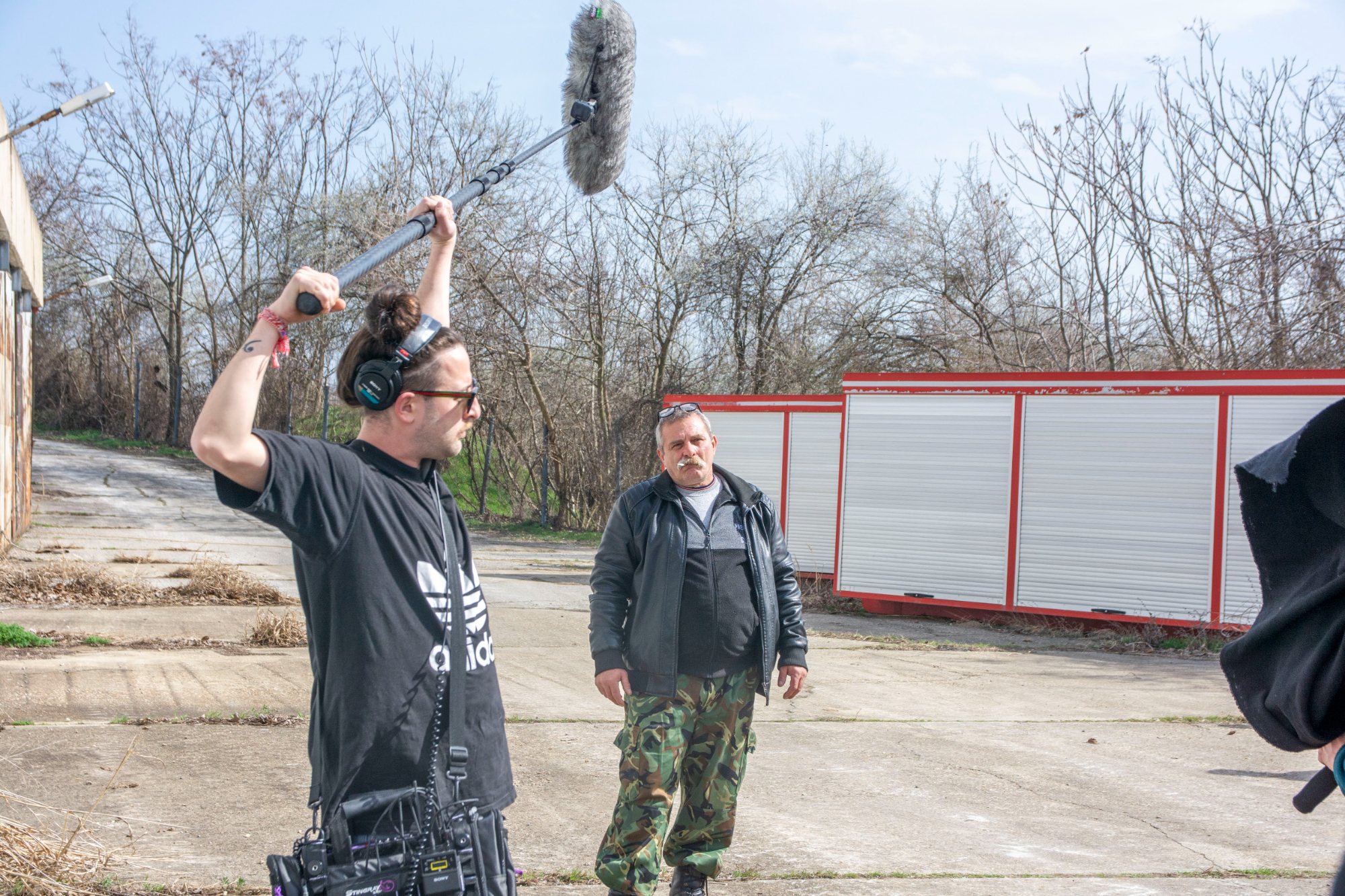
Sourcing the tank itself was obviously the biggest piece of the production puzzle so we started with that. After running down many dead ends, we found some great people at Bulgarian Civil Defence (kind of like an arm of the Fire Department) in a town called Veliko Turnovo who were open to helping us out. Peter Yamakov, the guy with a moustache who plays the Tank Dealer in our film, is actually just one of the blokes who works at the Civil Defence base. We simply had to put his big moustache on camera.
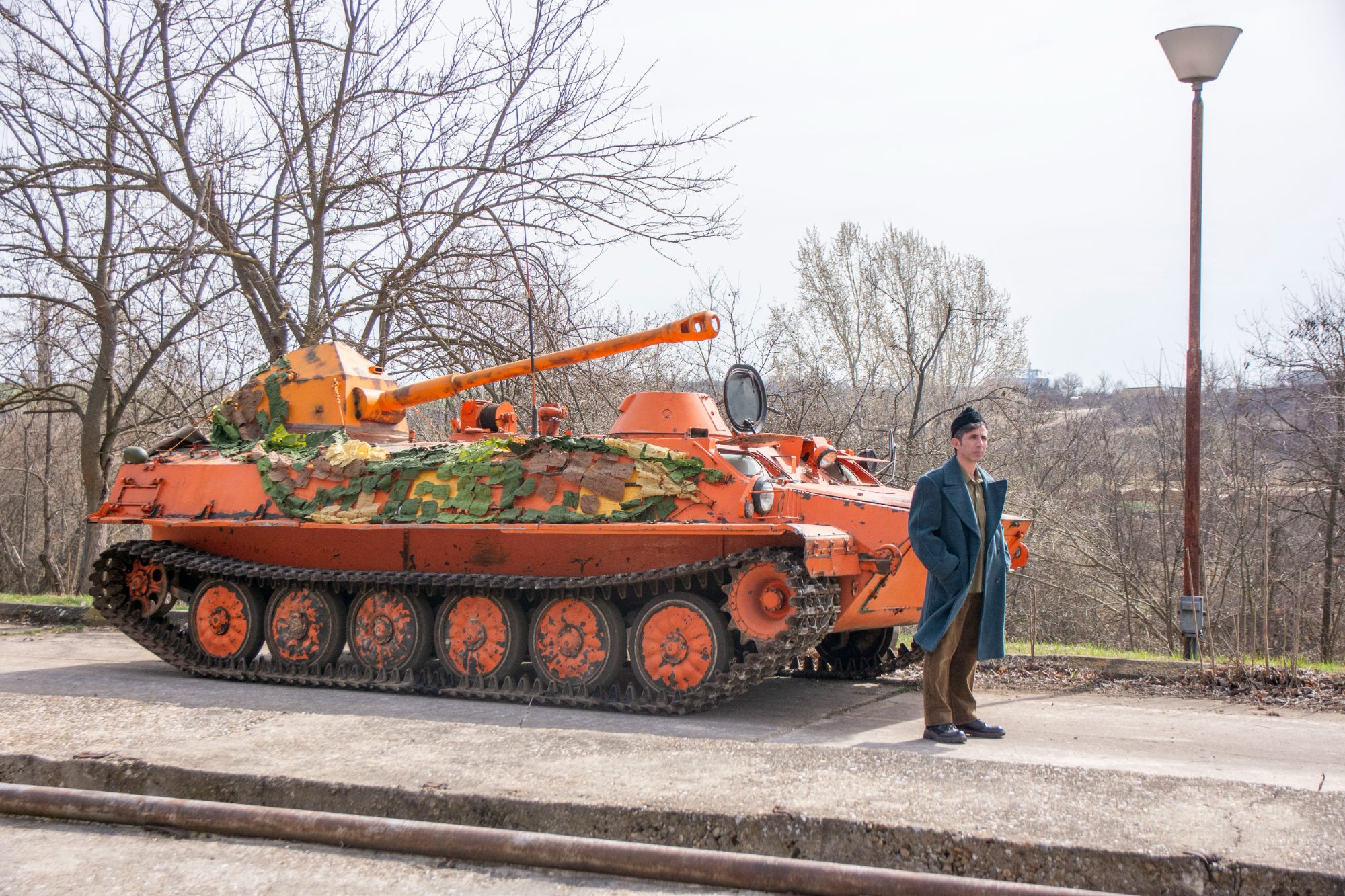
Shooting with a tank, you won’t be surprised to hear, is complicated. It’s expensive and dangerous to move a tank around. Our tank couldn’t travel on concrete streets because the metal tracks would chew up the tarmac and when it’s loaded onto its massive transport lorry, the vehicle is so long, wide and heavy that it can’t get down certain roads or over certain bridges. So we had to recce locations with tank access very firmly in mind. Once we’d agreed on what worked for the story, budget, schedule, etc., then the Civil Defence guys had to approve our locations for tank-access purposes.
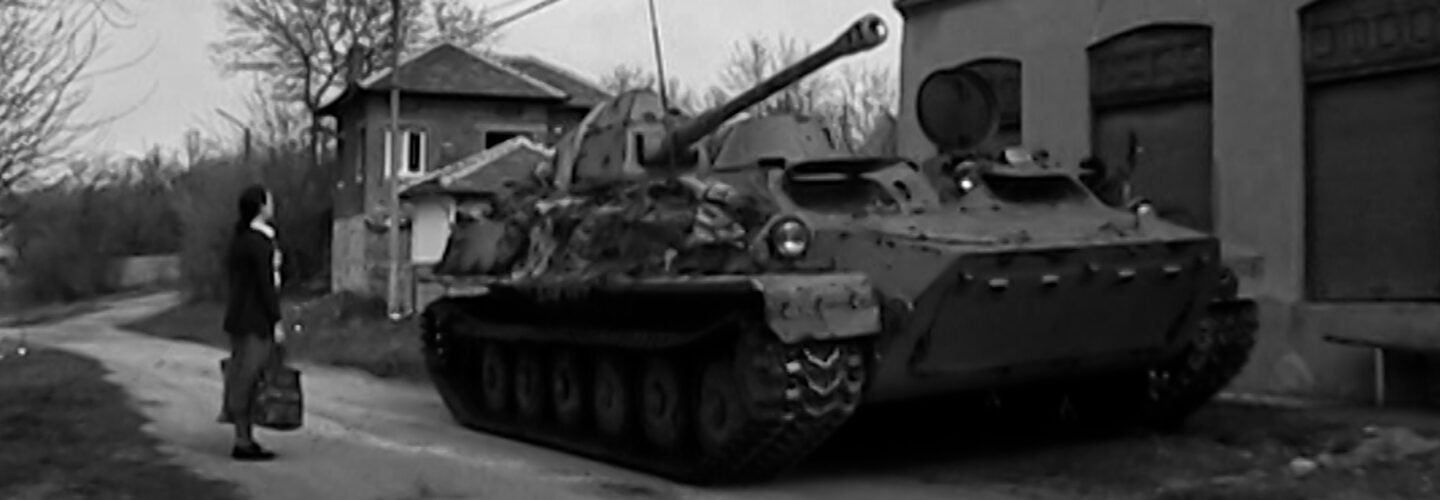
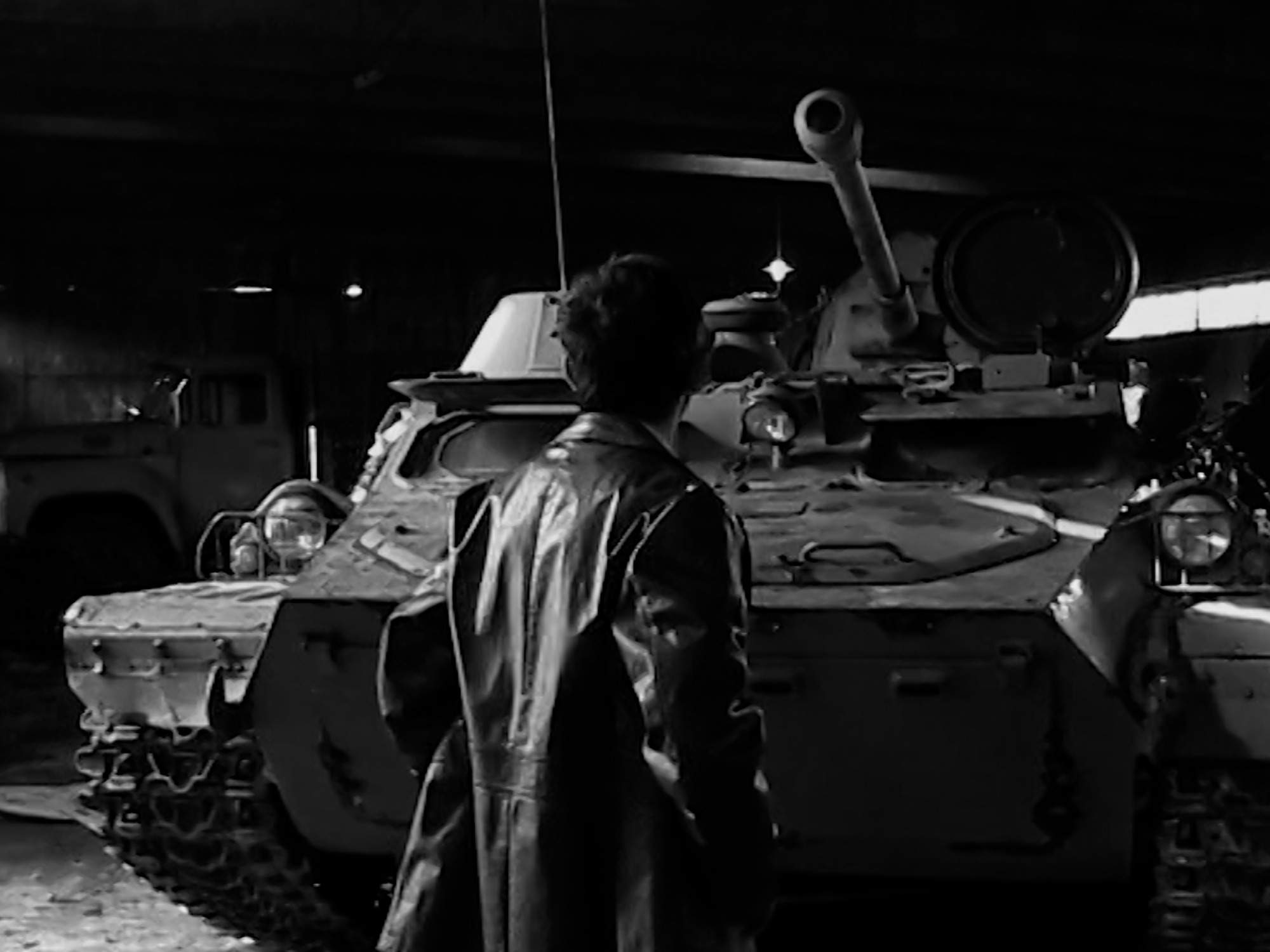
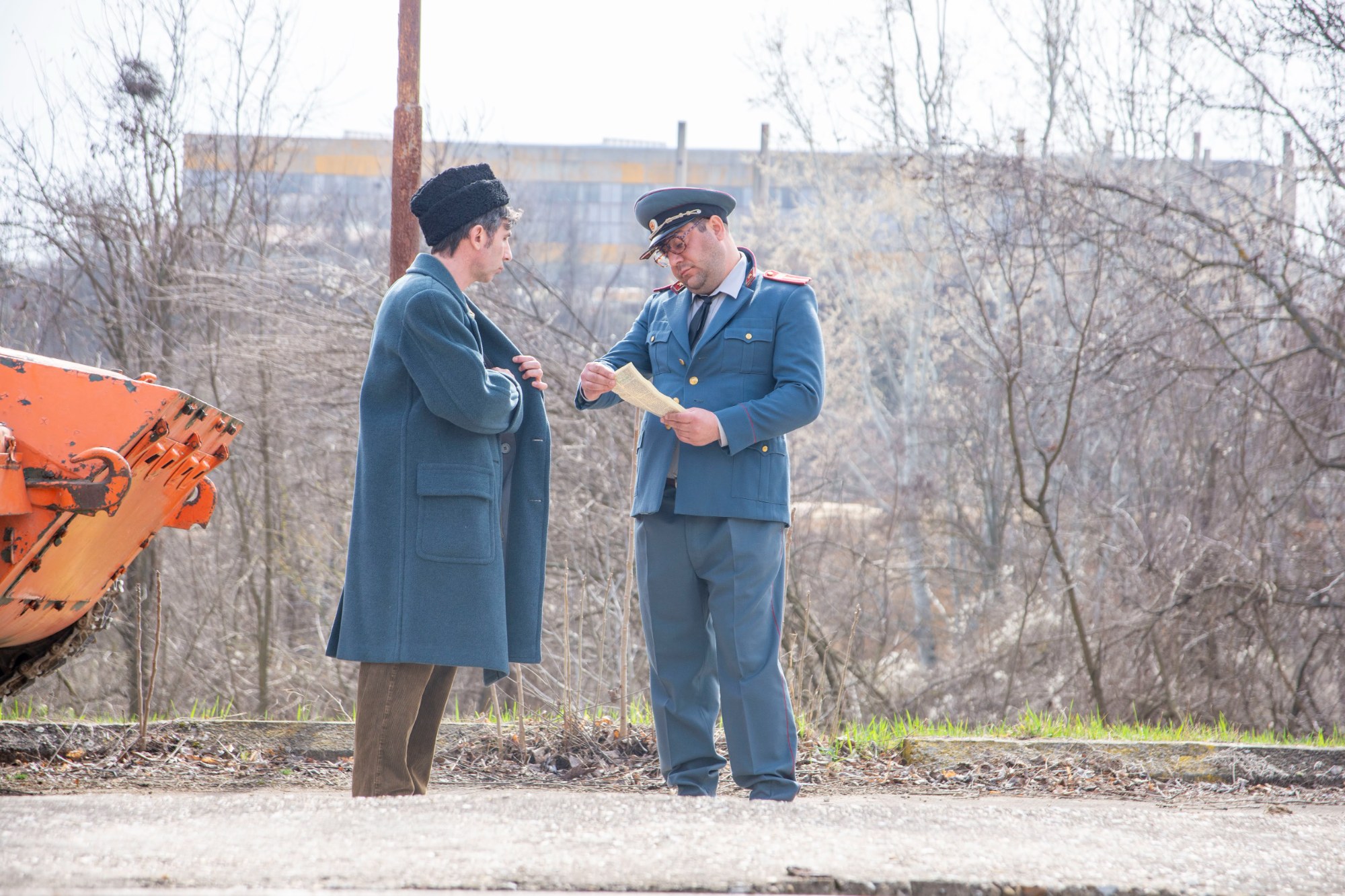
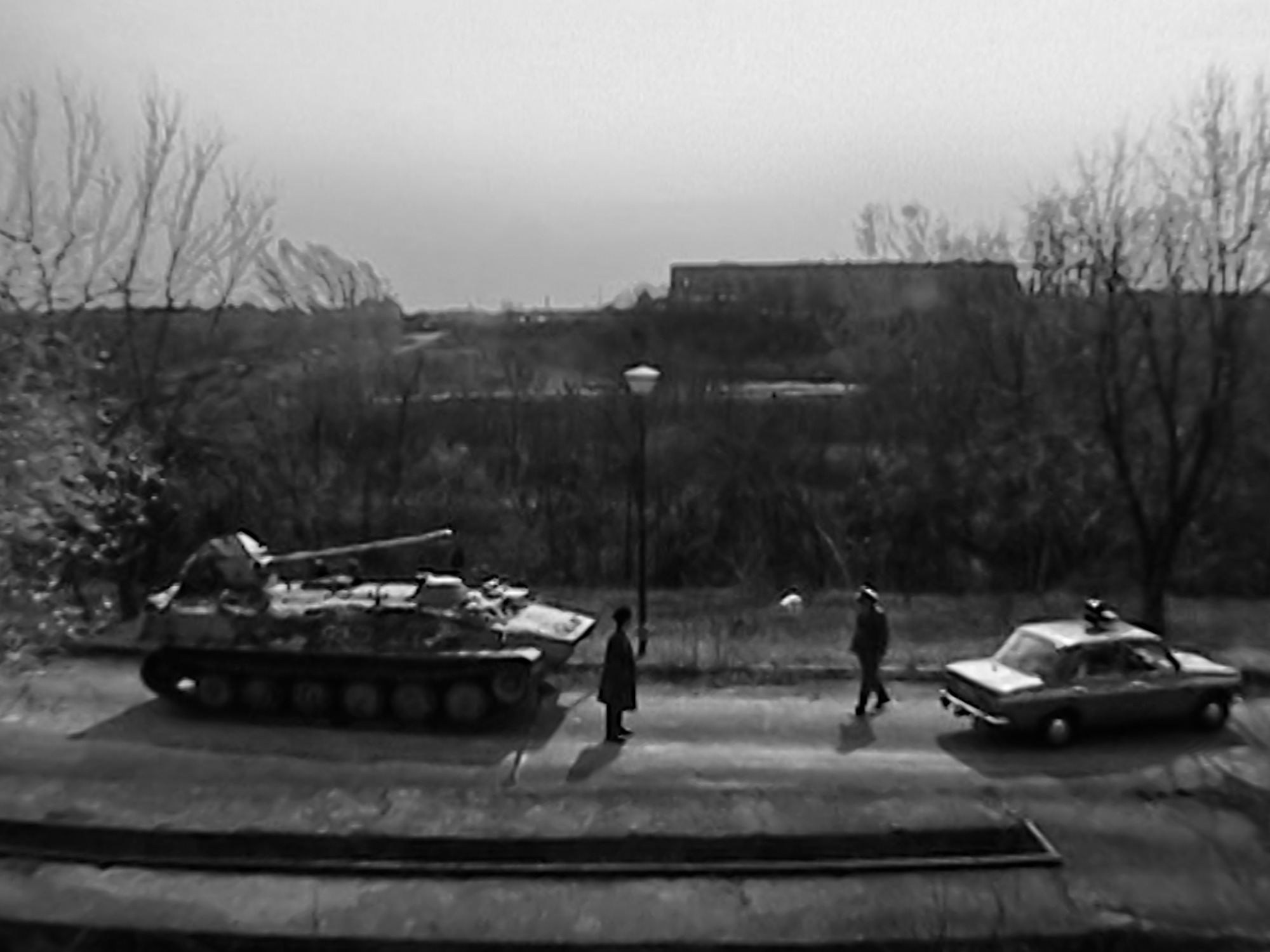
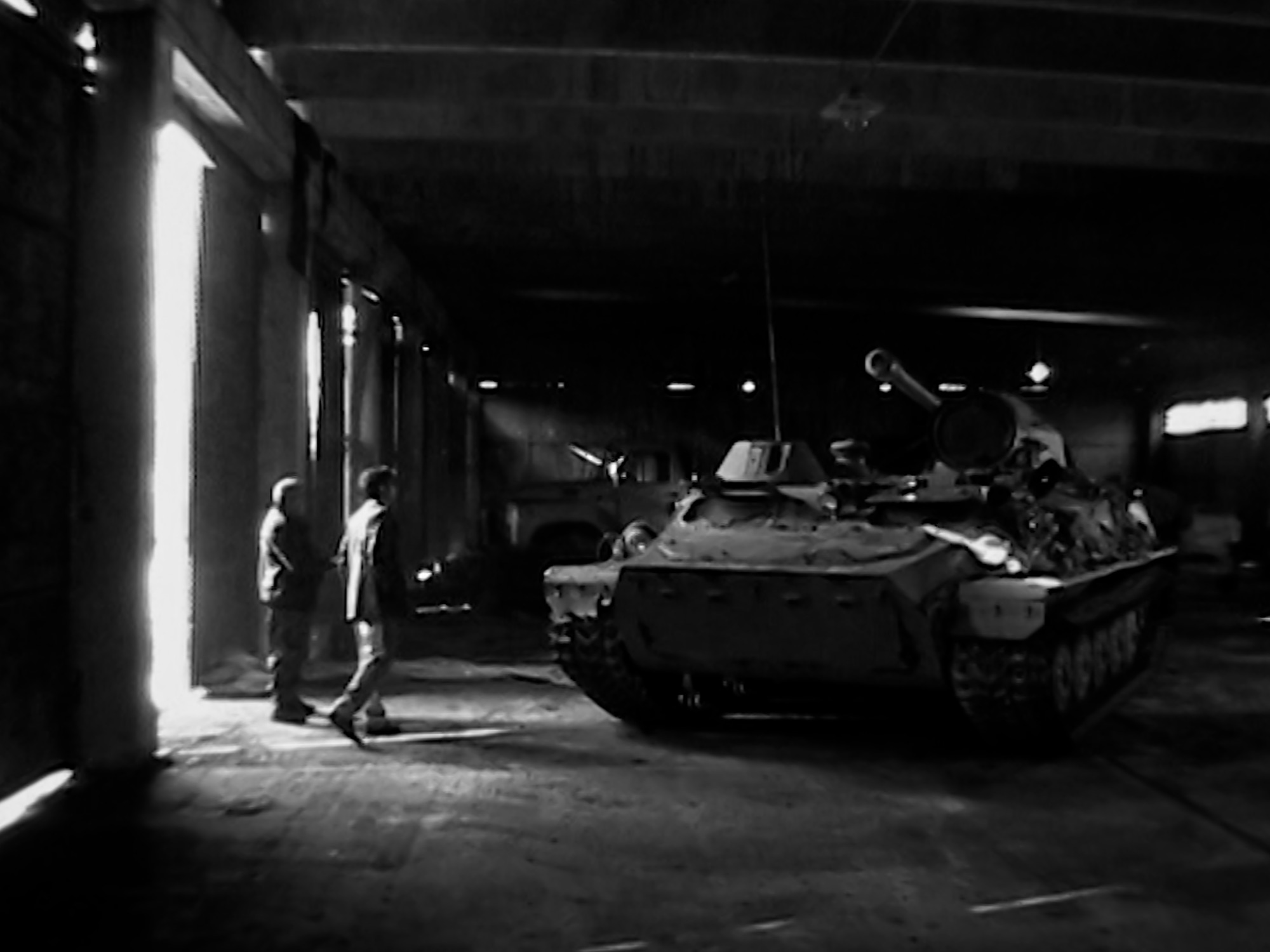
Ultimately, we shot the film in two days. On day one we shot in and around the Tank’s actual base in Gorna Oryahovitsa. On day two the Tank came out to a nearby village called Hotnitsa. The fact that the Tank was a rescue service vehicle did present some issues. In reality it’s bright orange and it doesn’t have a gun. So we made a big plastic gun and turret to place on top of the tank and we decided to make the film black and white so that the tank would appear more like a piece of authentic military kit.
What was your experience in shooting in another country?
I really like Bulgaria. Between Tank and some commercial jobs, I’ve probably been there 15 or more times over the years. As someone more familiar with trying to get stuff made in the UK, I find Bulgaria’s tight-knit filmmaking community, general atmosphere of creative ambition, and its ‘can do’ energy genuinely refreshing. I did make some accommodations in the writing to ensure things were as manageable as possible for myself on location. The script itself was deliberately very light on dialogue, which helped with directing because I don’t speak Bulgarian.
There’s actually only one scene, the ladder scene, which is driven by Bulgarian dialogue so I just made sure I had good translators around me through the shooting and cutting of that one. Which wasn’t hard because the crews there speak English to a standard that truly exposes how appalling my “Hi, thanks, bye” Bulgarian is.
Most Popular
We obviously have to ask, did you get to drive the tank?
I did not. Devastatingly, one of the main rules of hiring a tank is that it’s not a toy. Not even our actor Yuriy Rahnev drove the tank actually. He’s basically straddling the real driver, who is sitting down in the cockpit bit. I presume it’s called the cockpit bit.
Yuriy Rahnev is wonderful as the put-upon man reborn after the tank changes his life. How did you cast his role and what was the collaboration like?
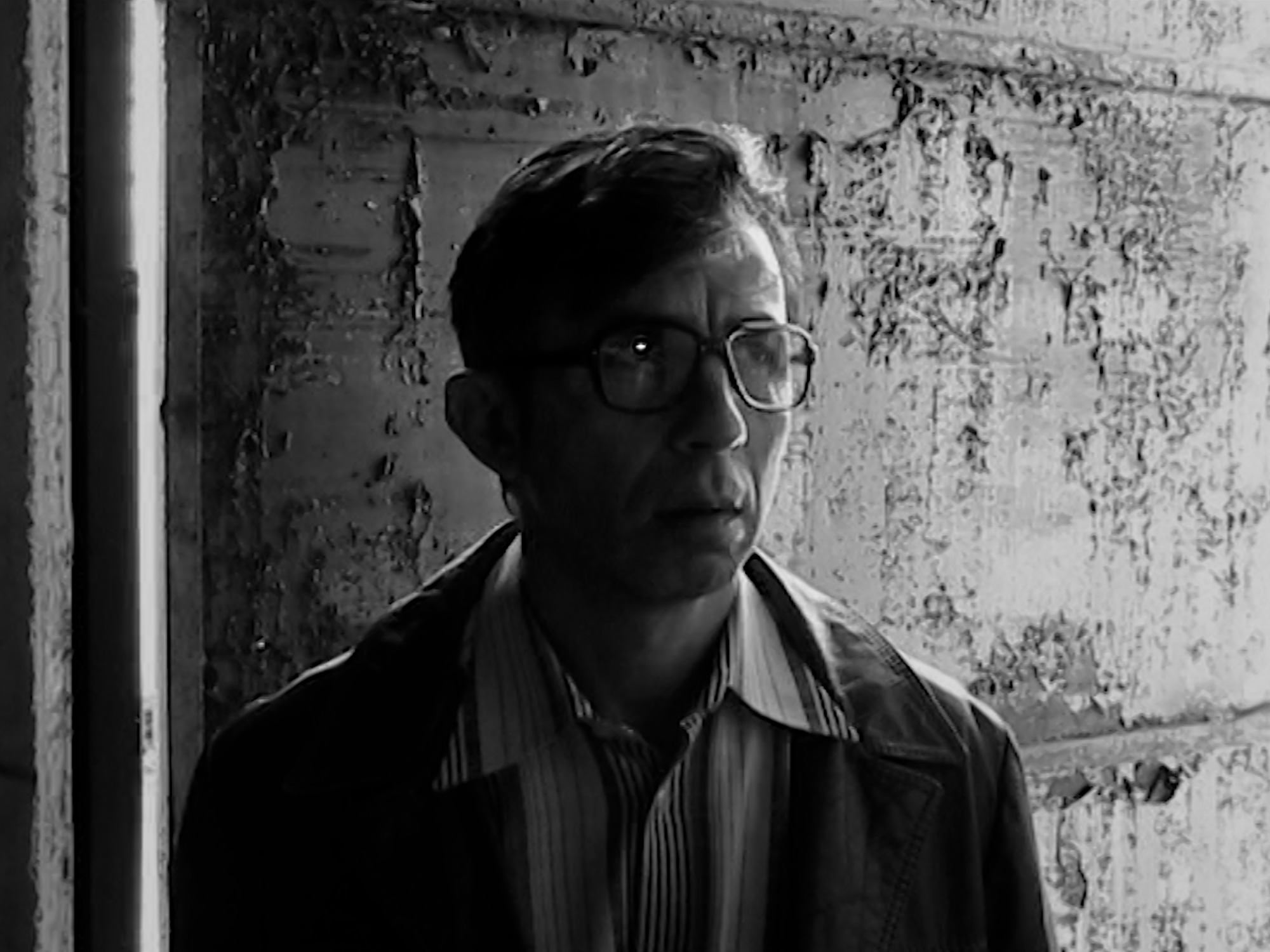
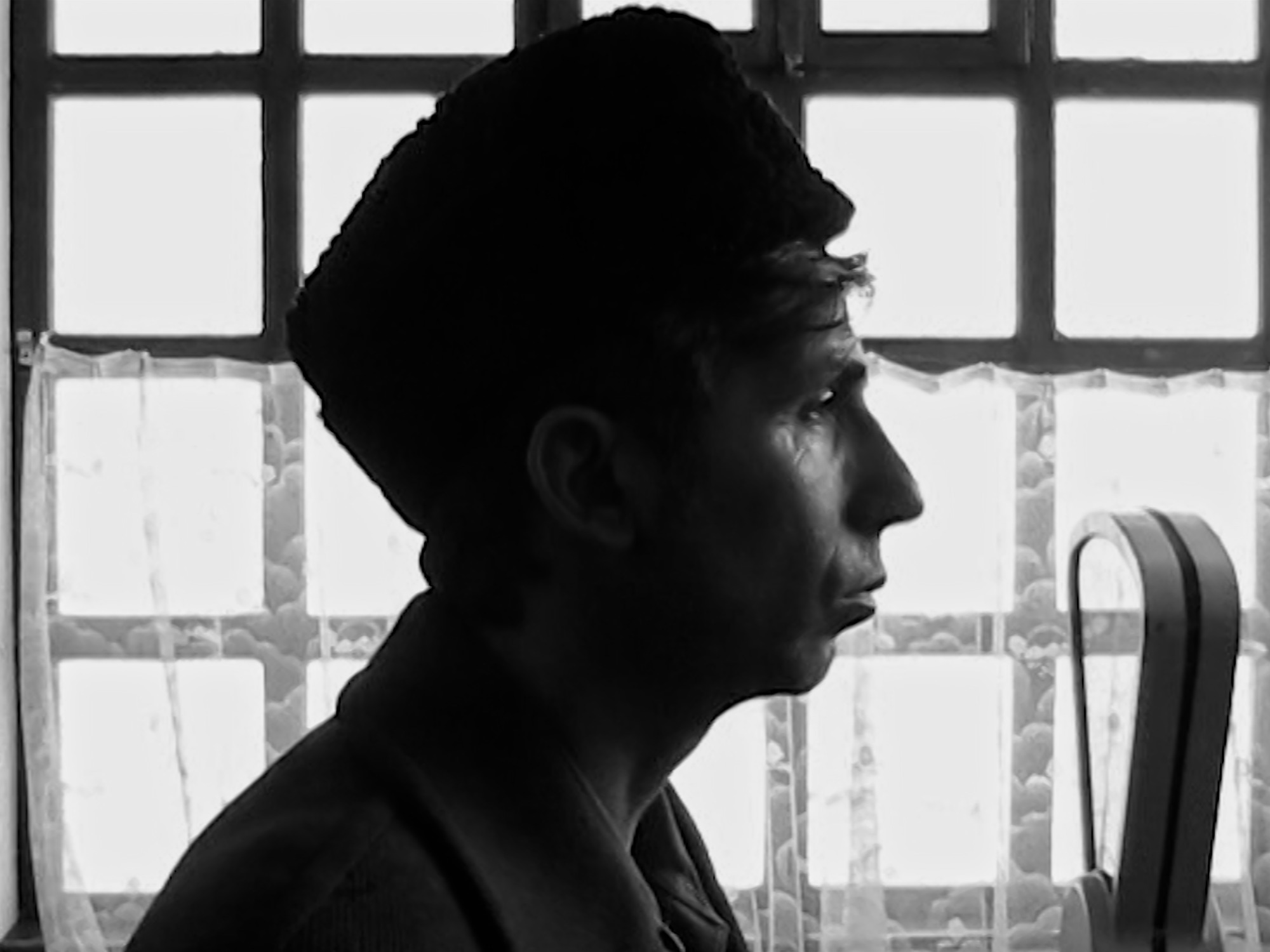
Yuriy’s performance is so good. He genuinely feels like he transforms across 16 minutes of screen time. The most amazing thing is that he doesn’t even consider himself an actor. In Bulgaria he’s better known as a writer. Collaborating with Yuri was a pleasure. As a writer he had lots of smart questions and brought a few notes on the script too. For example, there was no sex scene until Yuriy made the suggestion that it might help add some colour to his character’s journey.
The way he got involved was the same way everyone else did: our casting director Ana-Maria Lakova got him in. I’ve worked with Ana multiple times over the years and she was the first person I called when thinking about trying to make this film in Bulgaria. We share very similar taste when it comes to film generally and to acting performances especially. For us the humour has to be dry. Very, very, ‘very’ dry. Ana was a huge part of this project because she introduced me to The Eddies at Bazuka in the first place and was closely involved throughout the production process. It’s no exaggeration to say that Tank wouldn’t have happened without her. She made sure I met with Yuriy on one of my early location scouting trips because she knew that he would want to know me before agreeing to audition. Thankfully, he was up for it. So, on a later trip to Bulgaria, Yuriy came in and read some sides along with other actors as normal.
Ana arranged auditions with three actors per role. I honestly wasn’t expecting the number to be that low but it indicates how confident she was in her vision for the ensemble. And I think she absolutely nailed it. The whole cast is brilliant, best I’ve ever worked with. The only change I made was to swap Evgeny Budinov (who plays the police officer – hilariously) with Bogdan Kazandzhiev (who plays the neighbour returning a ladder – hilariously) because initially Ana had them the other way around. Ultimately, all five actors were our first choices, which almost never happens, so we were very lucky.
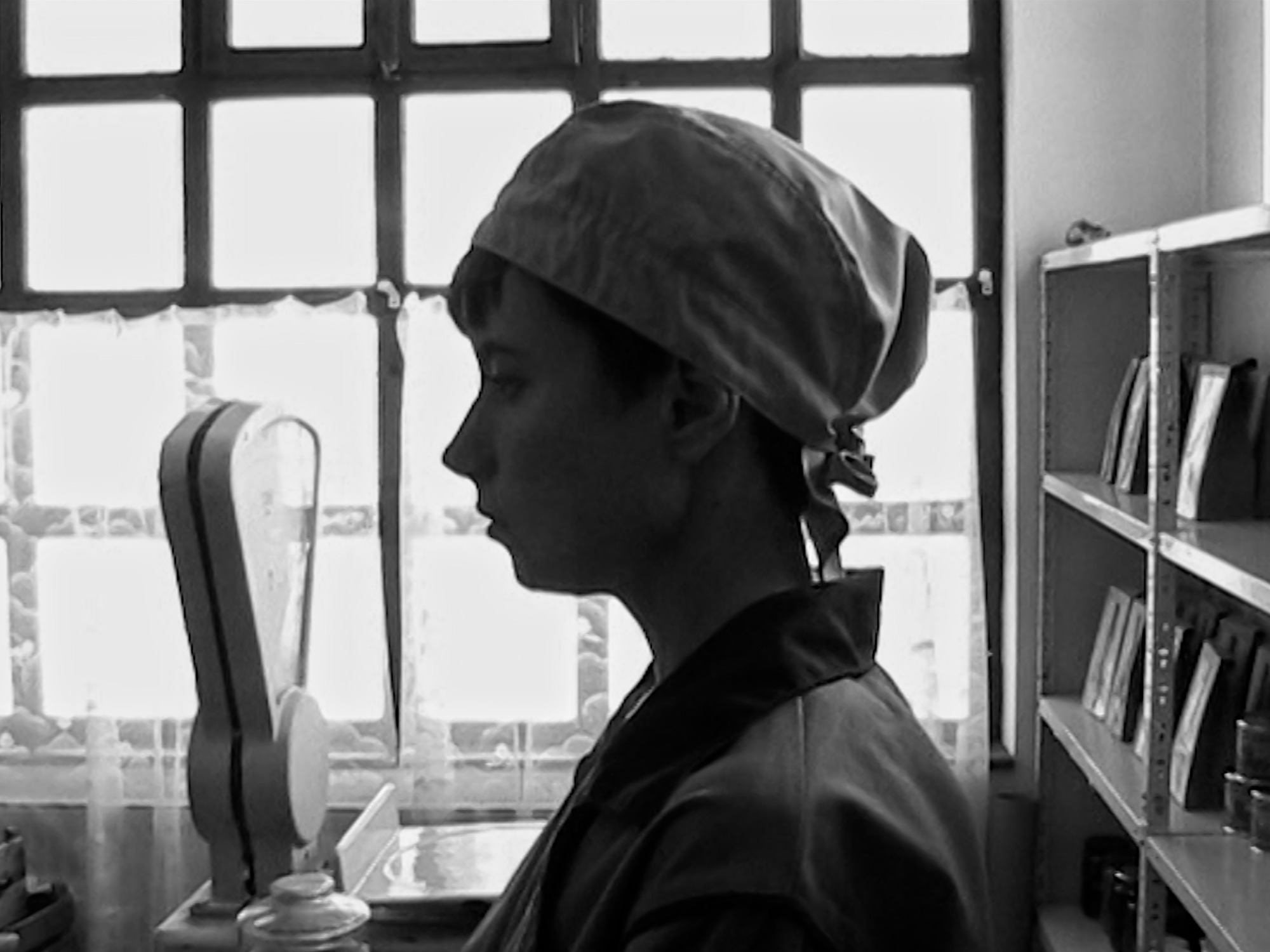
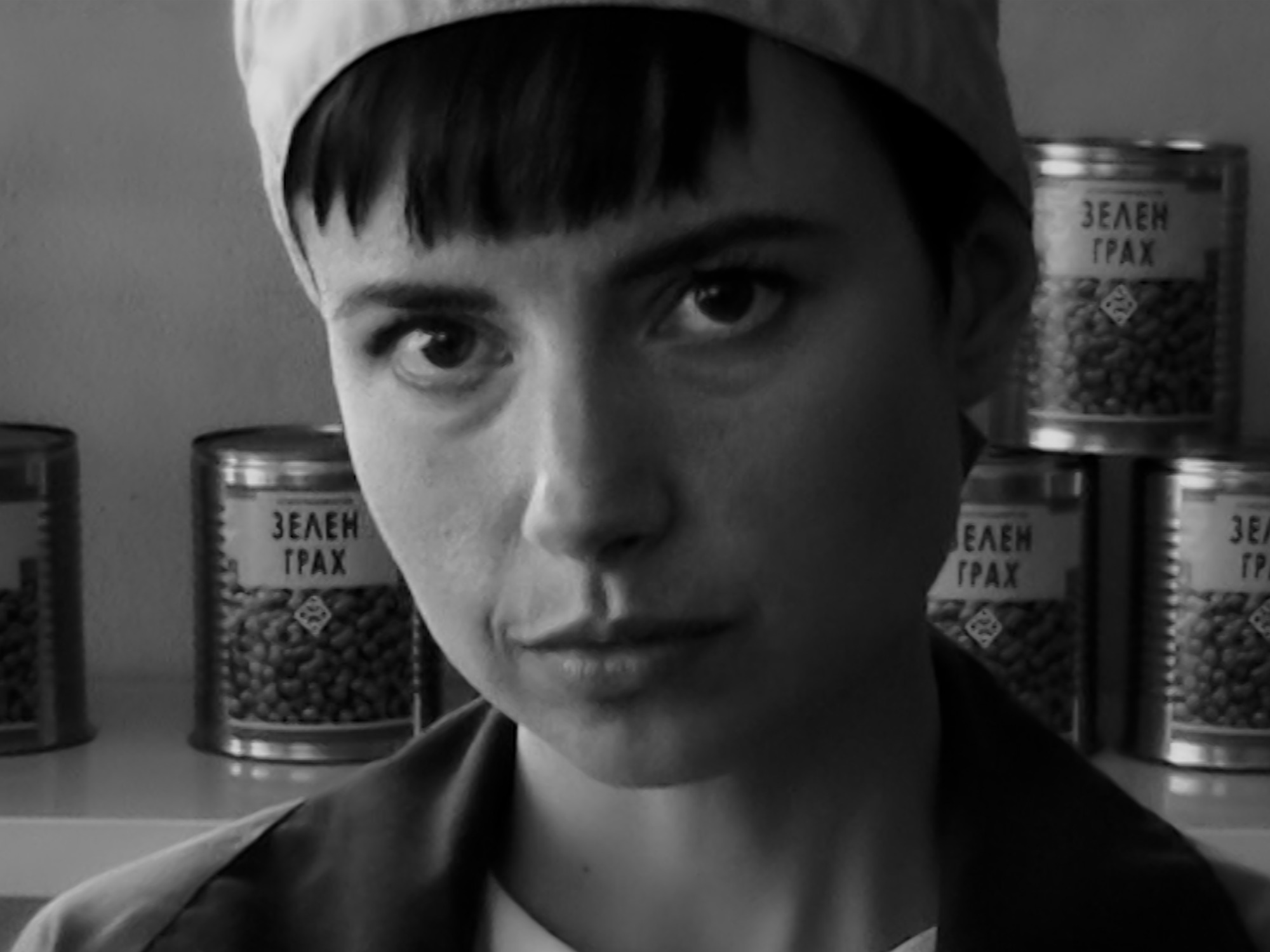
Violina Dotseva played the Butcher and brought an amazing amount of texture and depth to her scenes. Her career is really taking off in Bulgaria at the moment. The only other actor we cast was Gergana Galabova, who played Yuriy’s wife, and again, she brought great detail and commitment to her work on the film.
Everyone else you see onscreen is either a crew member or someone from the nearby towns – it was that sort of job. Eddy Schwartz, one of the producers, is the guy ordering sausages in the first scene. Edward Michongwe, also a producer, got his Mum to play the bar lady. Casting director Ana is even an extra herself in the first scene.
There’s a mysteriously British voice at the end of the phone who first offers up the tank, and then expects some help in return by the end. Who is the voice at the end of the phone to you and what is it they want?
If anyone has 500,000 spare Euros we can shoot the feature version of Tank. Based on my current plan for that story, you would definitely see more of the Caller character and that would answer your question. So check down the back of the sofa for loose change and then let’s chat again.
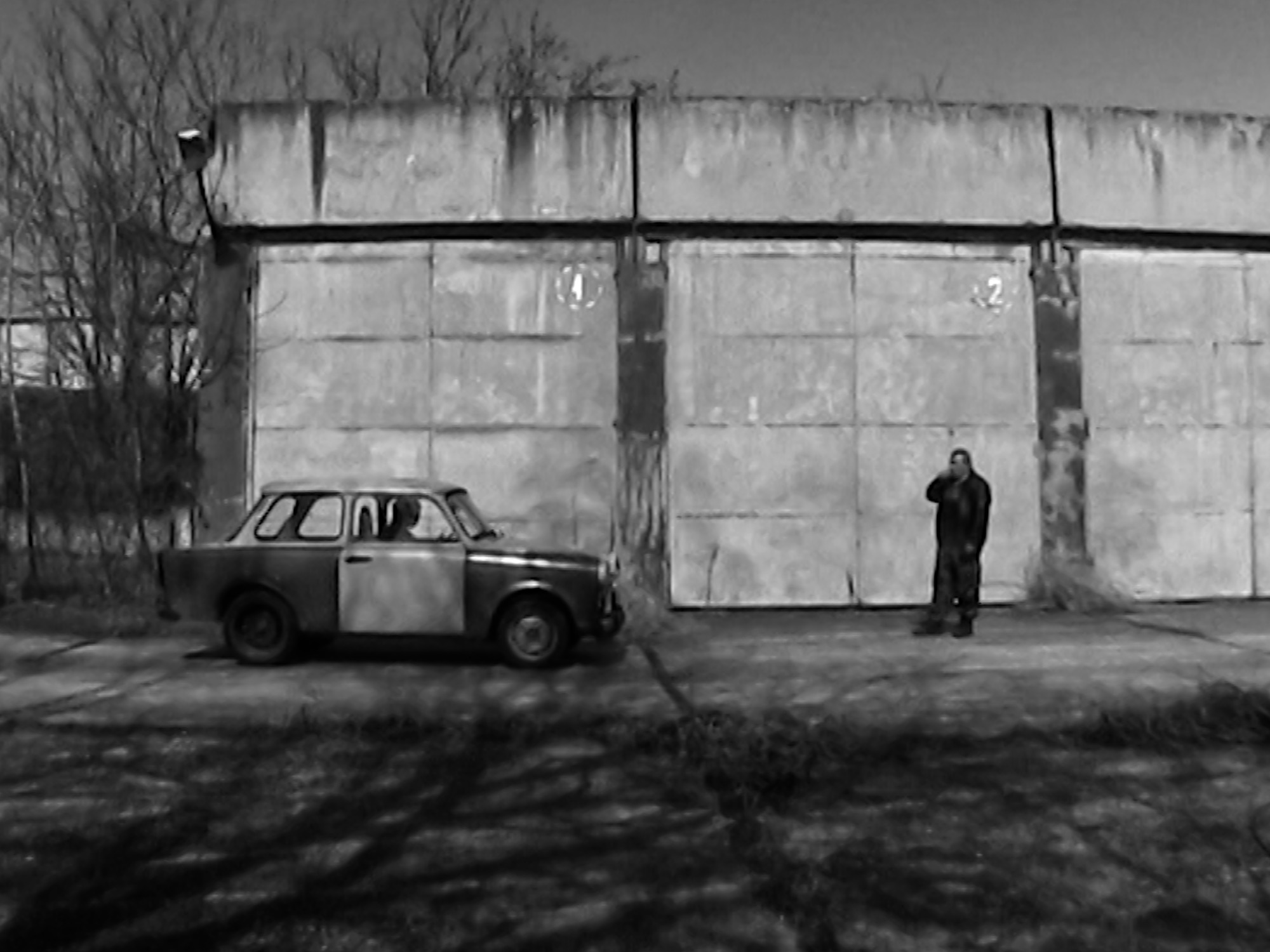
Tank has an unmistakable early 2000s look to it with the cinematography and camera used. What was the creative choice behind this aesthetic for the film and the equipment used?
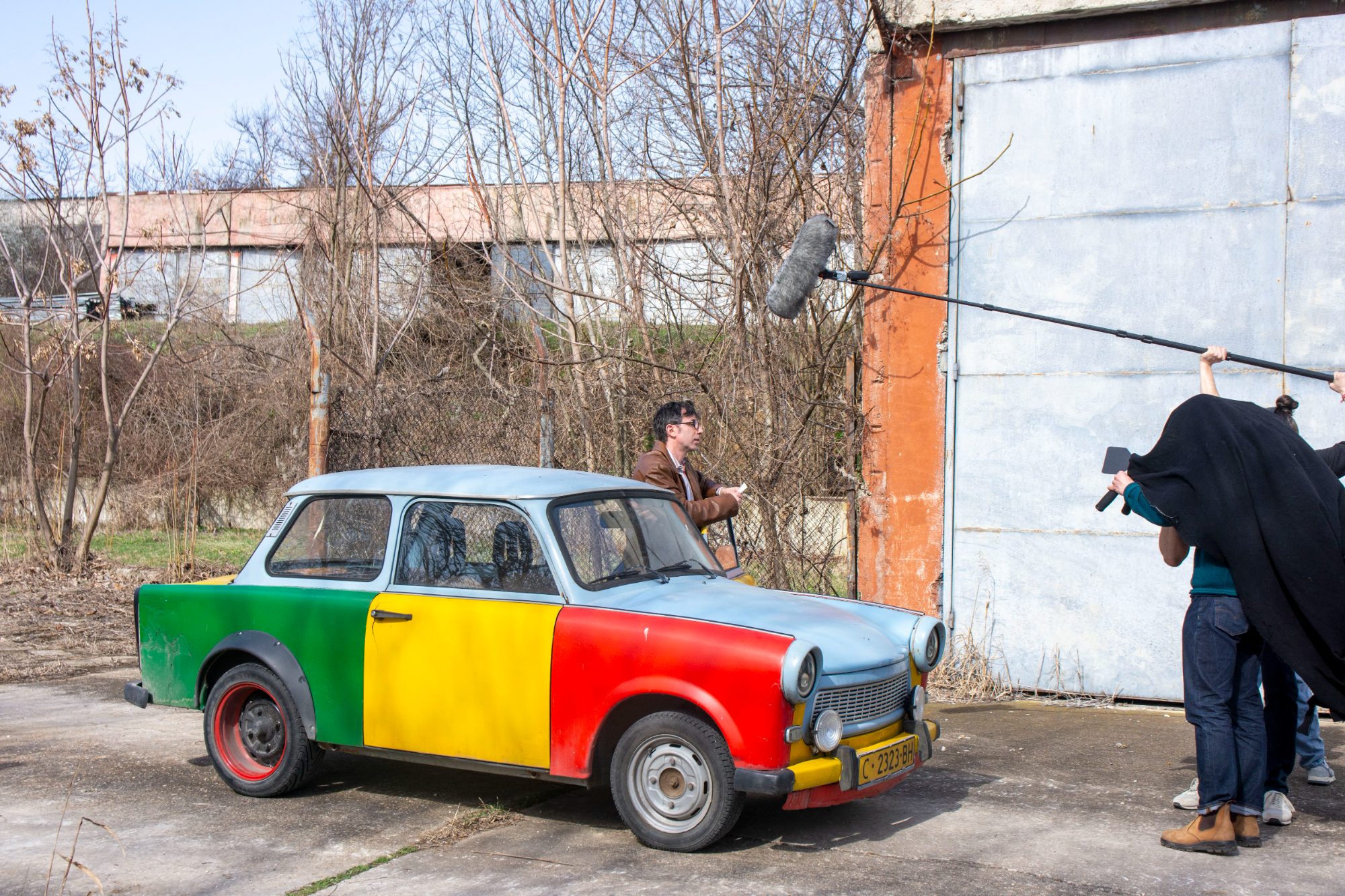
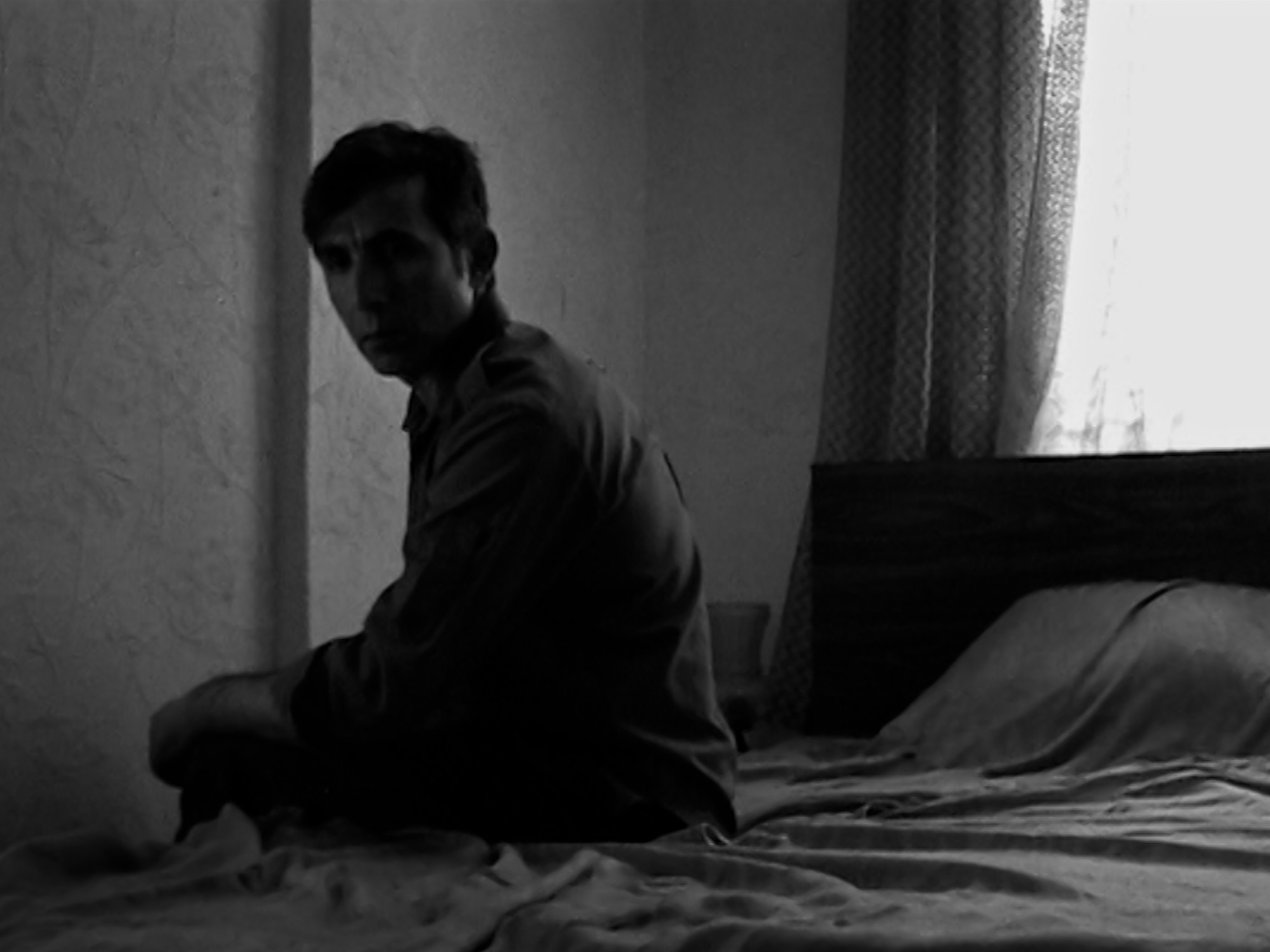
The director of photography, Daniel Purse, looked absolutely nuts shooting this to be honest. Despite having a regular-sized shoulder mount, the camera itself is a palm-sized handicam from the mid-noughts called a Canon FS2000. The choice was both creative and practical. We didn’t have much money so we didn’t have much time and I knew we’d move faster with a camera team of one person than a camera team of lots of people. By choosing to lean into that limitation, it was important to find a camera format that fed the story as well as speeding up the shoot.
The way Ahmad’s writing from the 1990s spoke with such clarity to the 2020s made me want to build that sense of ‘history repeating’ into our aesthetic choice. The imperfections and limited resolution of the old, SD, digital format felt right because we wanted the film to feel like we’d observed genuine events on available equipment some decades ago. We wanted to suggest that all this actually happened and therefore imply it can all happen again.
The imperfections and limited resolution of the old, SD, digital format felt right because we wanted the film to feel like we’d observed genuine events on available equipment some decades ago.
We also knew we’d be shooting in a reasonably remote part of Bulgaria. Veliko Turnovo is a decent sized town but we were out in the villages which orbit it. That meant we were almost four hours from the capital, Sofia, which was where we’d need to source any technical support if it was required. So we didn’t want to shoot on tape and tie ourselves in knots with the process of digitising analogue rushes, etc. Our team just wasn’t big enough for that to be a sensible choice. Which meant we could only really go as far back in the camera catalogue as the beginning of SD cards.
I think Dan bagged a couple of Canon FS2000s off eBay and tested them at home in the UK. We both felt it really hit the mark. It was quick and easy to shoot with, small and light to travel with, it evoked a previous era but was also fairly straightforward in terms of post-production workflow. Again, there were limitations to accommodate. We couldn’t control the focus at all and the speed of the zoom was a bit hit-and-miss. But we leaned into all that with the way we chose to stage and shoot the film.
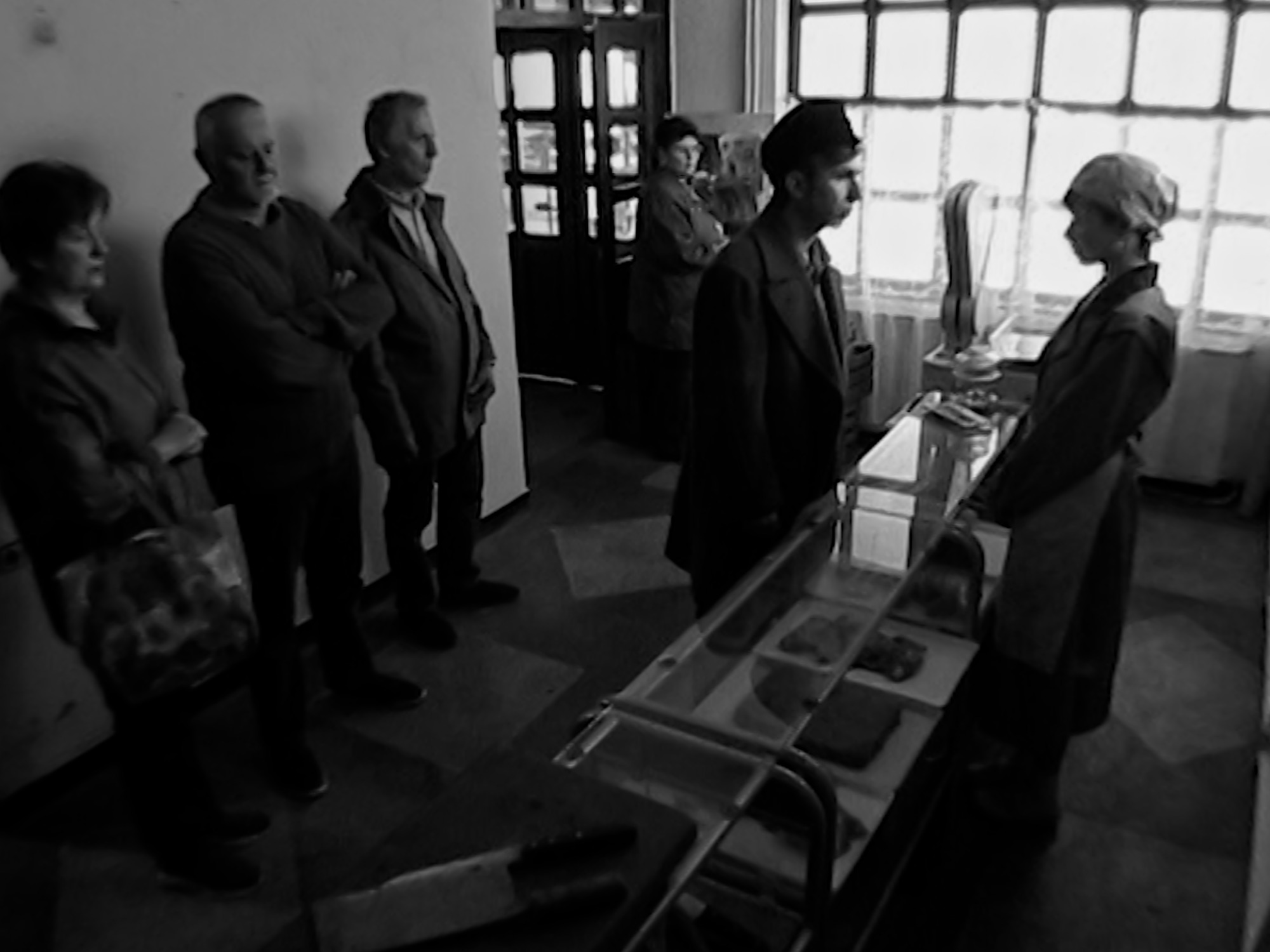
The production design really sells the period of the film, particularly in the butchers. With that period setting in mind, how did you go about showing that on screen?
Yes, it was always going to be a period setting. That was one of the reasons to travel so far from Sofia when scouting. The towns and villages closer to the capital basically looked too new. The further we went, the older it felt and ultimately a lot of the locations we shot in haven’t changed much over the last few decades. A benefit of shooting close to Veliko Turnovo is that it’s where producer Edward Michongwe grew up. In the end his Mum, Iskra Petrova (who played the bar lady), was a really useful fixer for us because not only is she an ex-commercials producer herself but she knows absolutely ‘everyone’ for miles around. She helped us open doors we never could have managed without her.
The staff knew nothing about what we’d agreed with their landlord who, and I swear this is 100% true, turned out to be an actual, bonafide Nazi.
Ivelina Mineva, the production designer, did an incredible job on the whole film – which isn’t surprising because she’s one of the best there is in Bulgaria. But I agree, the butcher shop looks especially good. And that’s doubly amazing because our preferred location for those scenes actually fell through two days before the shoot. We’d agreed to use a long-disused shop but when we turned up with our crew to do a final tech recce, the place had been rented out and was a fully stocked and operational newsagent instead. The staff knew nothing about what we’d agreed with their landlord who, and I swear this is 100% true, turned out to be an actual, bona fide Nazi. Seems you can still find them. So, I’m very glad we didn’t use his place in the end. ANYWAY, what you see in the film is a very quickly cobbled together Plan B in a contingency location that we’d initially scouted only because it shares an entrance hall with the bar location.
So, I’m really glad you’ve singled out Ivelina’s work in that space because it was so impressive what she managed to do in there. All of the extras who came in for those butcher shop scenes were blown away by Ivelina’s work and I think over the afternoon’s shooting every single one of them commented (according to what the A.D. told me) something along the lines of “this is exactly how it used to be in Soviet times.” So yeah, Ivelina absolutely smashed it. And she was also doing wardrobe, which is another element that I think turned out brilliantly.
There is a wonderful metallic quality to the music which chimes perfectly with the mechanical centrepiece of the film. Can you tell us how the score came together?
I love the music too. While we were on location I started chatting with Petar Parmakov who was recording location sound. The producers had already mentioned that he made music but, to be honest, I was sceptical about bringing it up with him because I knew the requirements on this film were very particular. Firstly, I wanted the score to sound like it was literally played on the metal surfaces of a tank. Secondly, we also needed to make the disco tunes in Yuriy’s car from scratch. We didn’t have money for two composers so I was bravely hoping to find one person who could do both. In the end, I did loosely describe what I thought was needed to Petar and it transpired that he and his partner Yoanna Robova release experimental music under the moniker Trohi – I’d loosely describe their work as sitting somewhere between electronic and noise art. Also, it turned out, they sometimes make retro-sounding pastiche disco tunes for fun. The fact that their skills and interests mapped so perfectly onto what the film needed was simply too improbable to say no to. Full credit to the producers for their creative matchmaking.
The scoring process itself was a long one, which I think involved Petar and Yoanna dismantling and playing various parts of their own oven over many weeks and months. They’d send tunes, phrases and stems to me, which I’d chop and change and muck around with in the edit. Everything they delivered sounded so interesting and their capacity for creativity and iteration was genuinely overwhelming. So, at least from my side, it was much more a whittling process than a ‘note-making’ process per se. It was about paring down their ideas and suggestions into something that felt like a cogent and considered element in the storytelling. Eventually, I think it took us 6-8 months, we got to what you hear in the film.
What’s next for you?
For me, making Tank was a response to being a director in commercials where I typically use 5% of my brain 5% of the time. I wanted to do something difficult, do something unique, do something that I’d actually watch. On balance I think I succeeded to be fair. But in doing something so singular and operating entirely on my own terms, I’ve created a bit of a monster of myself. Everything I’ve been sent since Tank has seemed massively underwhelming by comparison. So, even though our industry has slowed down enormously over the last year, I’ve found myself turning work down too. I haven’t read a good commercial script for almost a year (big up yourself ITVX) and, in addition, budgets in my portion of the commercials sector are trending towards laughably small. It makes me think of that old “the food in this place is terrible and such small portions” joke.
The decision to try and make the short version of Tank in the first place was honestly driven by the sense that this might be the last thing I ever make.
In that context, I do wonder where the next step might take me. A Tank feature would be a dream but I won’t be cashing that cheque any decade soon, I don’t think. The decision to try and make the short version of Tank in the first place was honestly driven by the sense that this might be the last thing I ever make. I couldn’t bring myself to leave directing behind without doing one thing that feels 100% like my voice. So to that end, I’m happy.
Looking ahead is difficult though. A.I. is chewing up the commercials industry, especially the mid-range projects which I used to pick up regularly. Moreover, A.I. prompting is something I have no interest in learning. Can you imagine what this interview would contain if the film was made by button pushing? Zero stories. In addition, UK scripted TV comedy is in the bin creatively speaking. So, I can’t really see where the exciting projects are. Which is a shame, because through the 90s and 00s the UK was the world’s superpower at making comedy. If any other world-leading British industry had been blandified and diminished as much as UK scripted comedy has over recent decades, it would be a national scandal. Heads would roll. But instead things just seem to slip deeper and deeper into the bin. I’ll get off my soapbox now. Available for hire.
And finally, what short film by another filmmaker would you recommend to the Directors Notes community and why?
I’ve run a comedy short film night via my company Mister Tibbs for ten years now so I could give you a list as long as your arm. But I reckon if you watch one short film and one short film only, make it The Procedure by Calvin Lee Reeder. And put that bagel down before you do.