
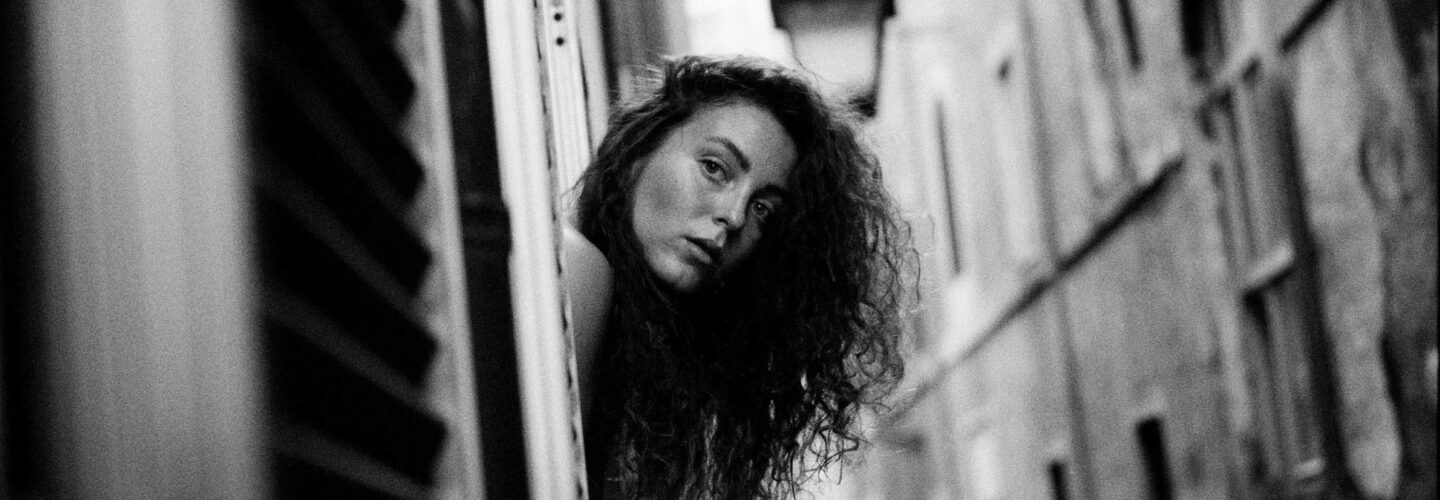
The production designer’s role is a unique alchemy, transforming script pages into tangible, breathing worlds. It is a discipline of silent storytelling, where every texture, colour, and prop must feel authentically lived-in, serving the narrative without uttering a word. A professional who understands this craft with an intuitive perspective, and whose work has featured on DN for many years across a wide range of projects from shorts to music videos to features, is Julija Fricsone-Gavriss. A production designer whose award-winning and multifaceted repertoire and profound dedication to narrative have established her as a formidable force in crafting unique spaces. From the quintessential, sun-drenched haze of a London summer in Sasha Nathwani’s Last Swim to the poignant, culturally layered confines of a cross-continental bus in Andzej Gavriss’ (her frequent collaborator and husband) Foreign Root, Fricsone-Gavriss approaches each project with a storyteller’s heart and an artist’s eye. She doesn’t merely dress sets; she imbues them with soul, treating every location—whether found or built from scratch—as a vital extension of the characters who inhabit it. Her process is one of deep immersion, beginning with early spiritual and conceptual alignment with the director and mapped out in richly detailed PD boards that serve as a narrative blueprint for the entire production. In an industry where time is a luxury, she champions the painstaking art of looking far beyond the surface, remaining steadfast in her knowledge that the lived-in texture of a space is what ultimately suspends our disbelief. Continuing DN’s Industry Insights conversations, we sat down with Fricsone-Gavriss to explore her journey from a collaborative film school with her husband in Latvia to a globetrotting career, delving into her philosophy of space, her draw to stories which resonate far beyond their genres and formats, and how she builds worlds audiences don’t simply see but feel.
[The following interview is also available to watch at the end of this article.]
Julija, welcome back! We have seen so much of your production design on the pages of DN through your collaborations with Andzej, but this is our first time talking to you directly. Please introduce yourself before we dig into your work.
I’m from Latvia, which is where I met my husband, Andzej—who’s also a director and longtime collaborator—I got into the industry because of him. We started building sets together, trying to build our own kind of film school, and I learned about everything from producing to lighting to cinematography, but production design specifically stuck with me. Latvia started to feel small and suffocating in the sense that we wanted to grow bigger and try so many new things, so we moved out and started travelling. Wherever we were shooting, we would end up staying for a while, which is how we gained international experience. I started working with other people, my reel grew, and my range expanded from music videos and commercials to short films and proof of concepts, and now feature films as well.
A fascination for storytelling and layering all those different details that you might discover watching the work for the fifth, sixth, or tenth time… that’s something I really love.
At this point, I’ve worked on almost all continents and in so many countries and I feel comfortable working everywhere. This industry opened up in a way I wasn’t expecting—you can find friends and like-minded people no matter where you go. Sometimes when feeling lonely and isolated, you suddenly arrive in a completely new place and find people who share the same values and understand the struggles.
Apart from all of the amazing work you do with your husband, what in a script really draws you in?
I’m a storyteller and I love films. No matter what kind of project I’m doing—short form, long form, commercial—I always think about every set and space as a character itself. I start to think about the details and analyse what this space tells us from the perspective of storytelling and being a character on its own. What drives me is curiosity and always creating something new. No matter how many kitchens or living rooms or spaces I do, they’re always different because they’re an extension of different personalities. A fascination for storytelling and layering all those different details that you might discover watching the work for the fifth, sixth, or tenth time… that’s something I really love.
Your role very intrinsically sits between all of the other HODs and across so many departments. How do you balance that?
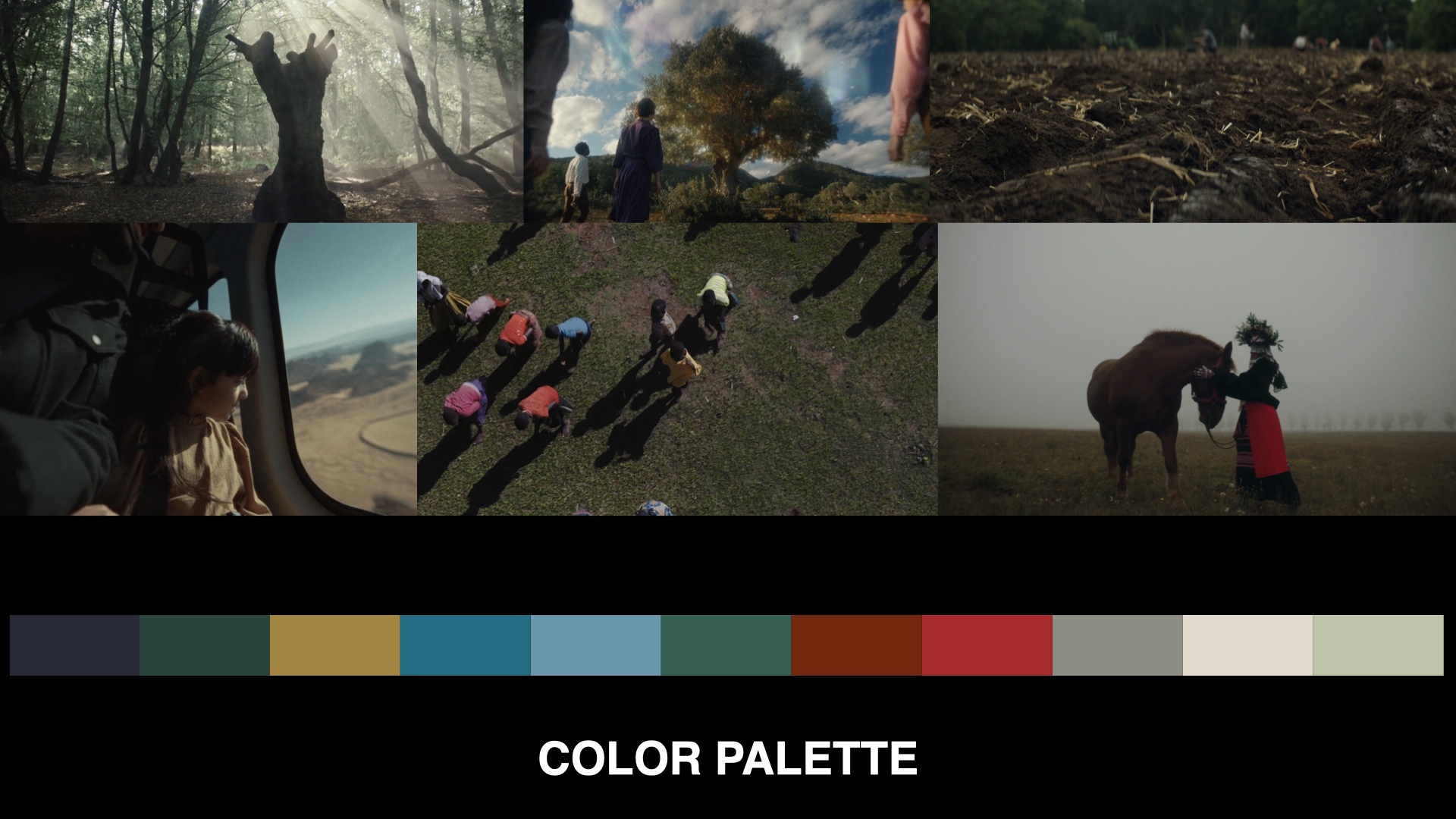
I like to get involved at the very early stages when the location hasn’t even been confirmed and I really like to talk to the director. Then whenever the scouting starts, I get involved at the base because this is what I’ll be working with. When it’s a set built in a studio, that’s completely different because I develop everything from the ground up and can control everything. But with location scouting, there’s a base that we need to respect, no matter what we want to do with it, how we want to transform it. Whether we want to just dress the space or build extensions or change it architecturally, I still need to respect the space and what it gives me as a base. This is when the color palette plays a big role, because the DOP is going to come on set and point the camera in every direction, and everything we see in frame is brought by me. It’s production design.
I get super nerdy and very involved at the early stages with colors and textures, just to make sure that no matter how we frame, on which lens, what the character is wearing—because I also work closely with the costume department—this is what you’re going to see, and that’s going to be the design of the whole production. I take my job super seriously to the point that no matter what it is—even if it’s a one-minute film or a narrative commercial—I still pour my whole heart and soul into every project because I truly enjoy what I’m doing.
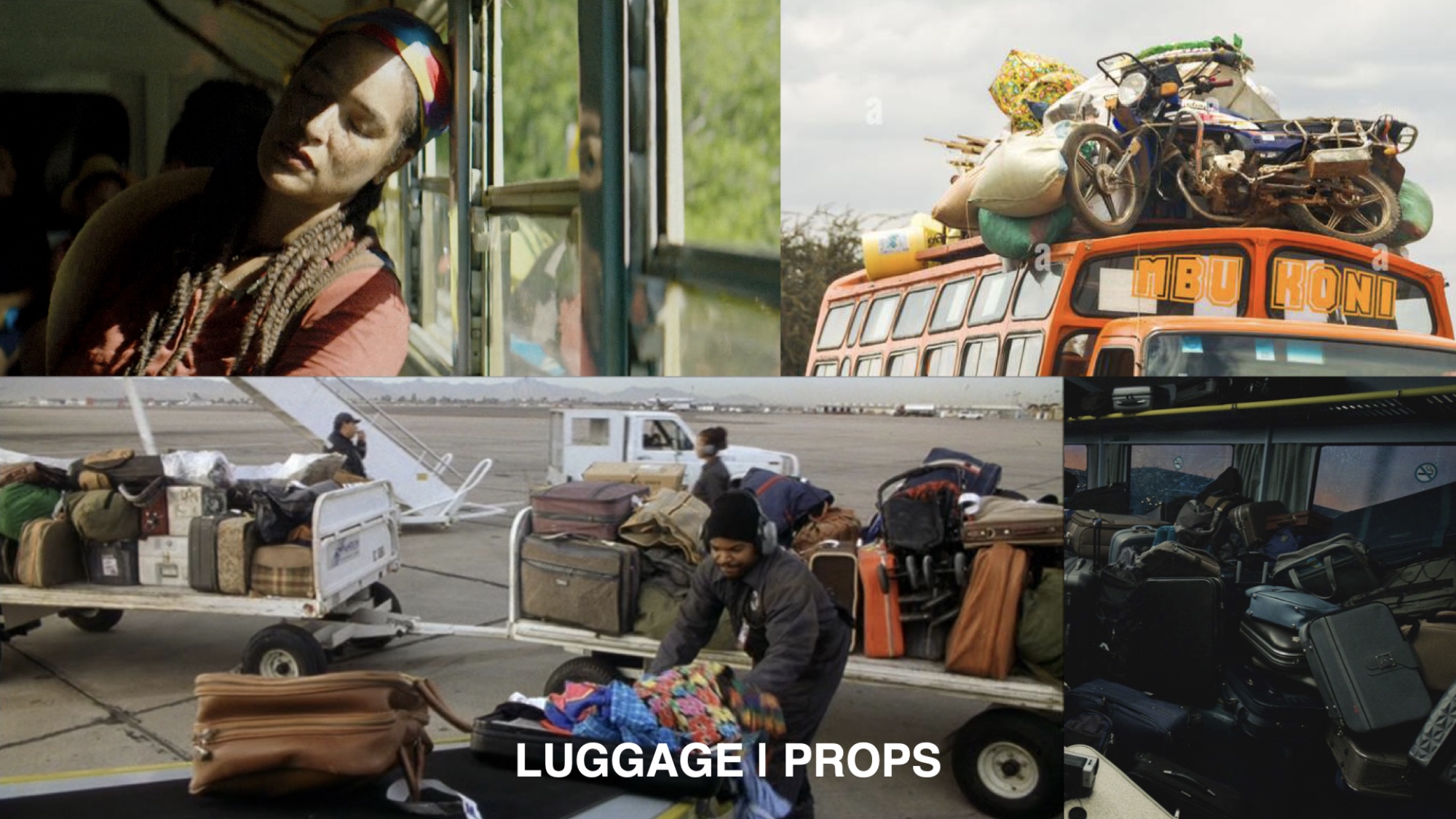
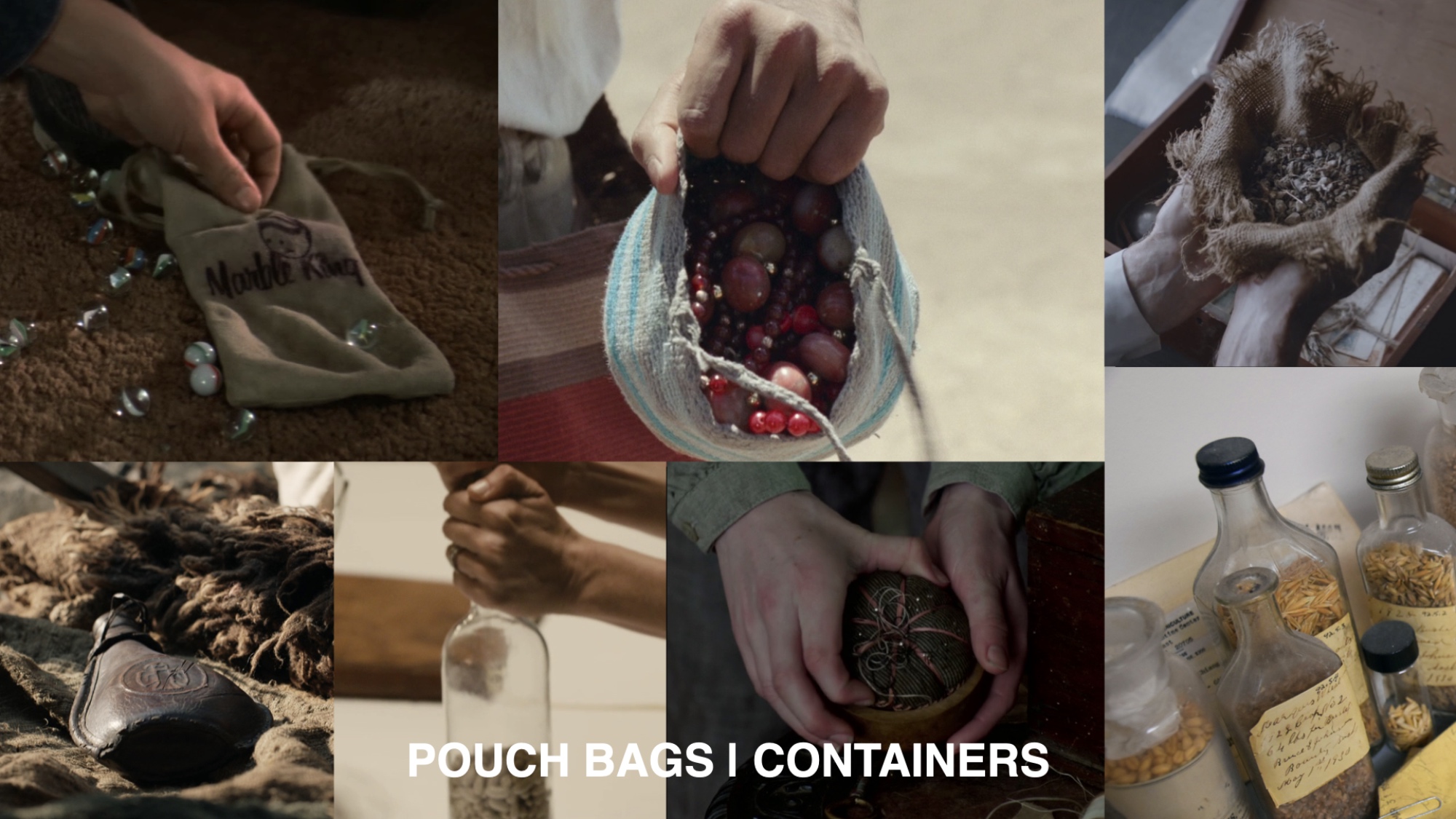
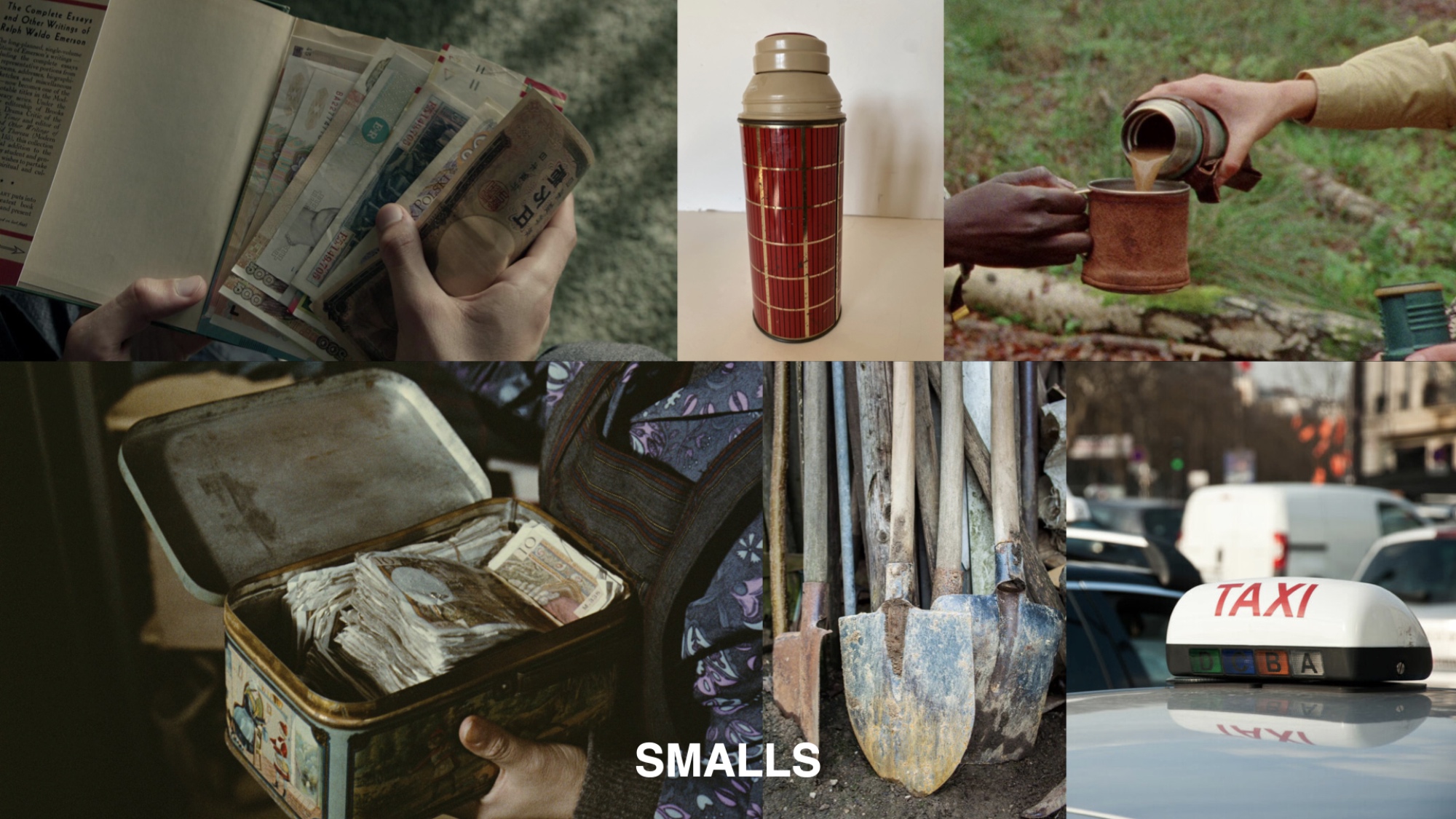
I like to talk to everyone about the light, textures and colors, and present my vision. I build detailed PD boards where I bring all the references, moods and detailed descriptions of props. That helps everyone to understand how the space will look, and it also helps my department because they need to be briefed very strictly. It needs to be curated and very well thought through.
What are you looking to get out of those early conversations with the director?
I’m always looking for backstory behind the characters to bounce off ideas and develop further. It’s also always good to see how we can connect and explore why the director is doing this certain film. It’s more about connection on a spiritual level.
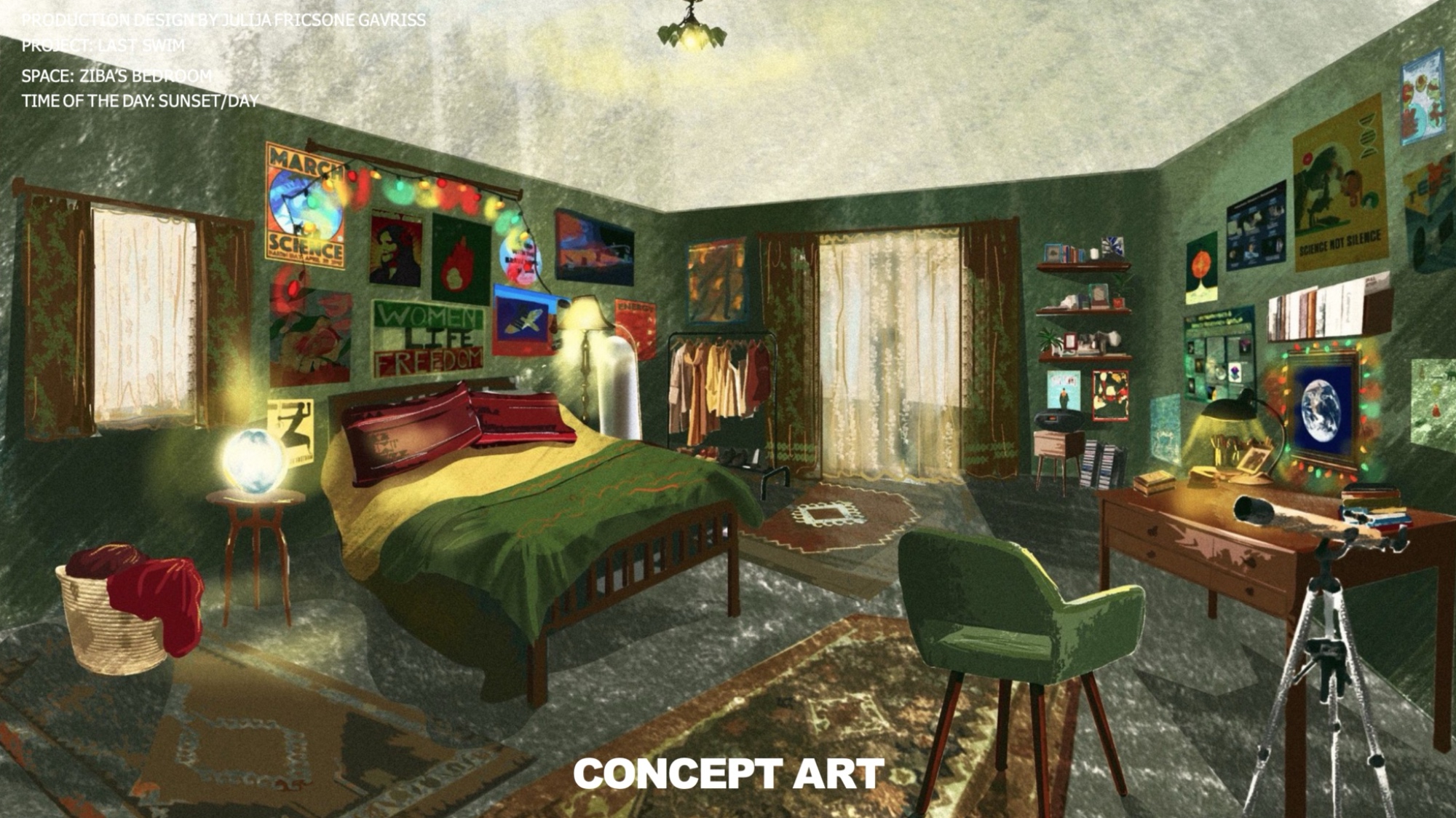
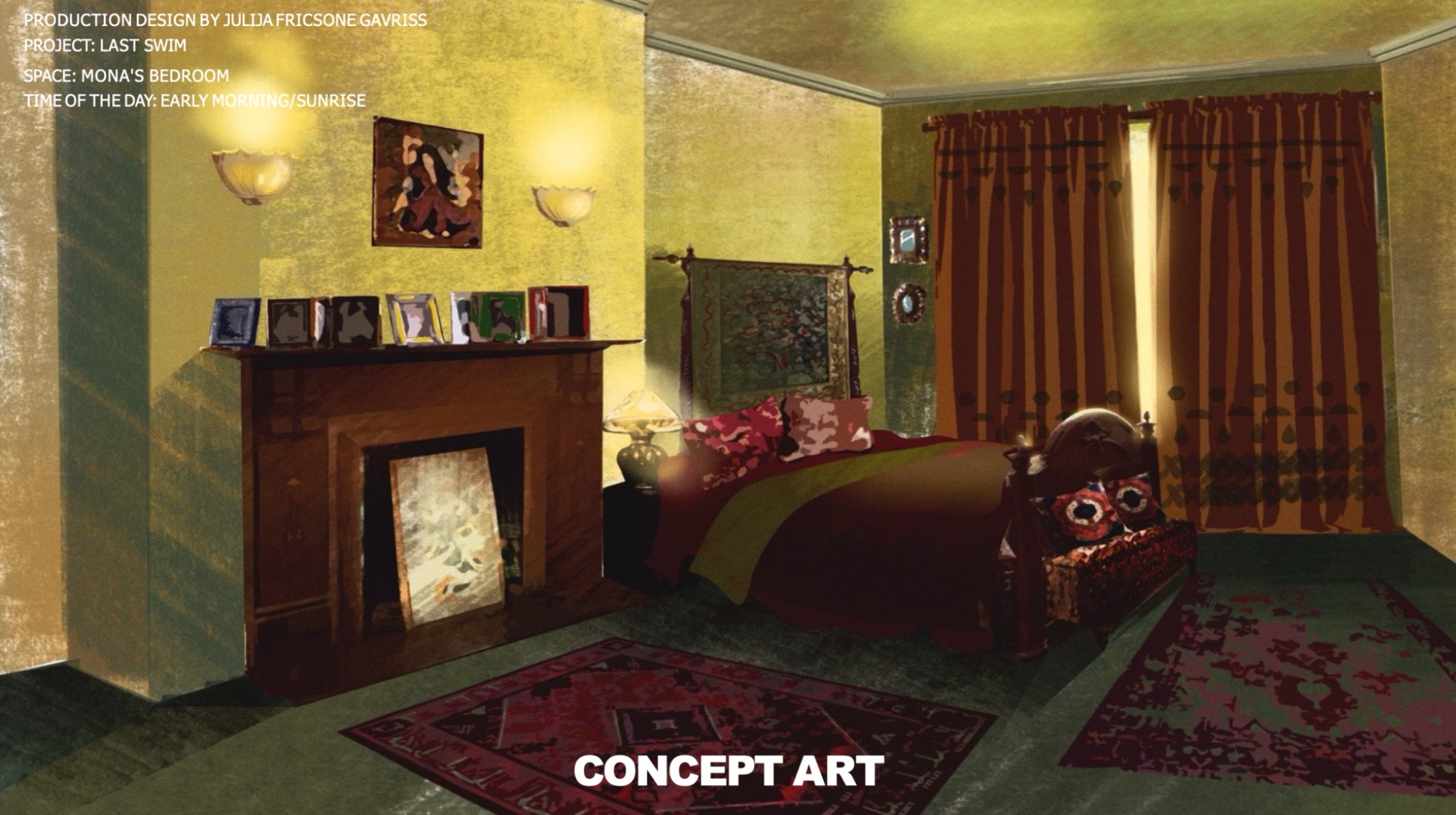
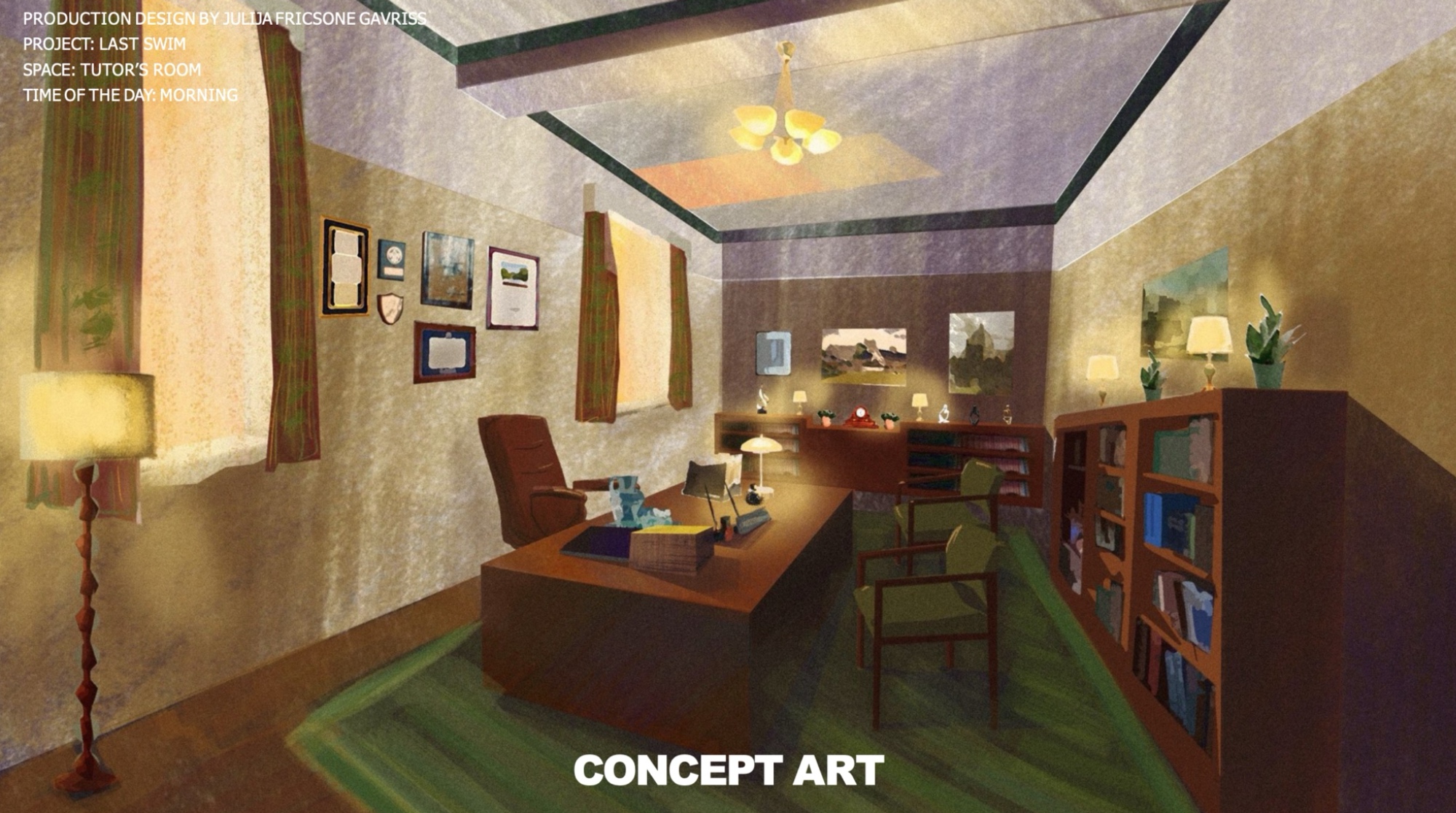
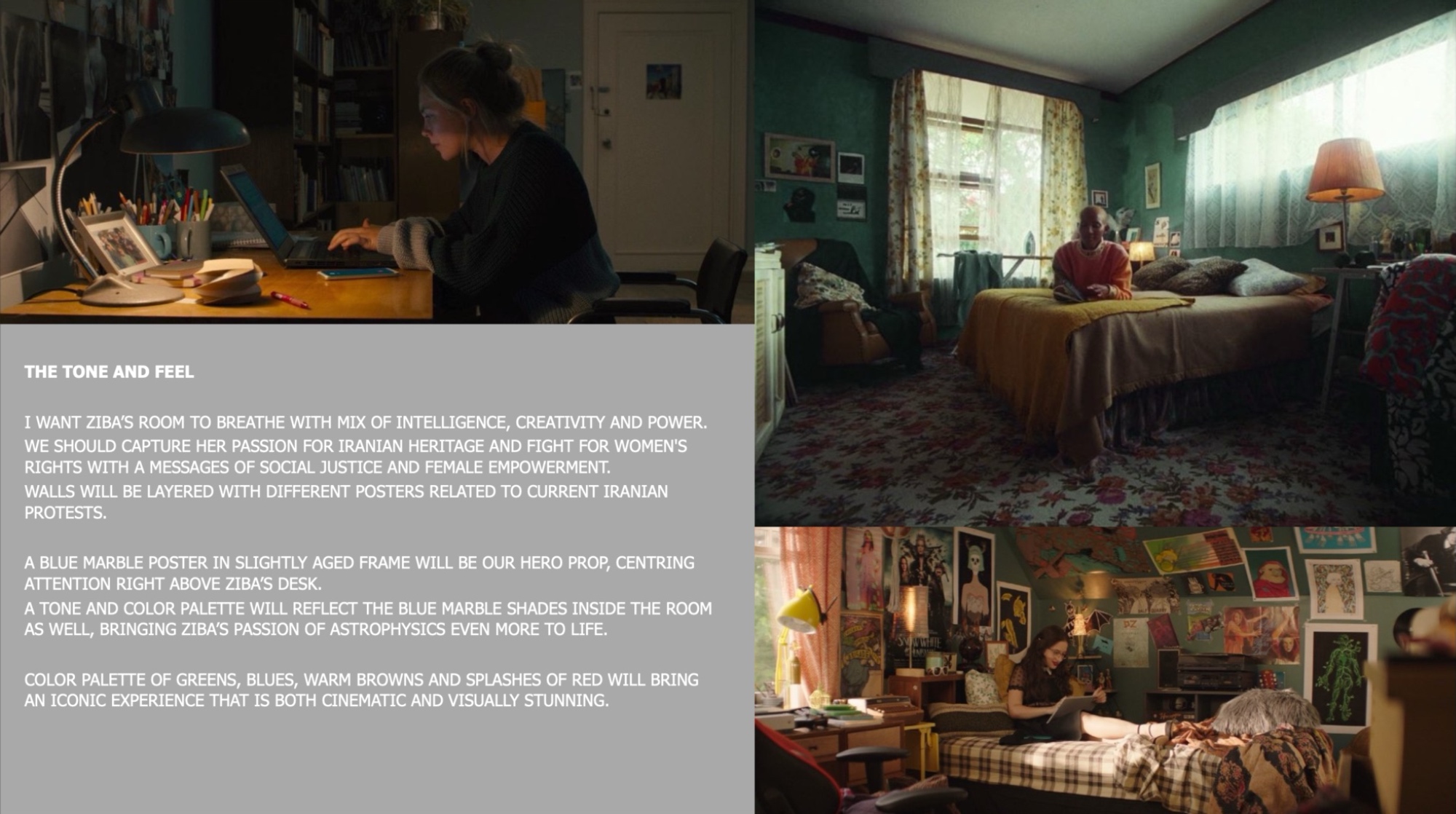
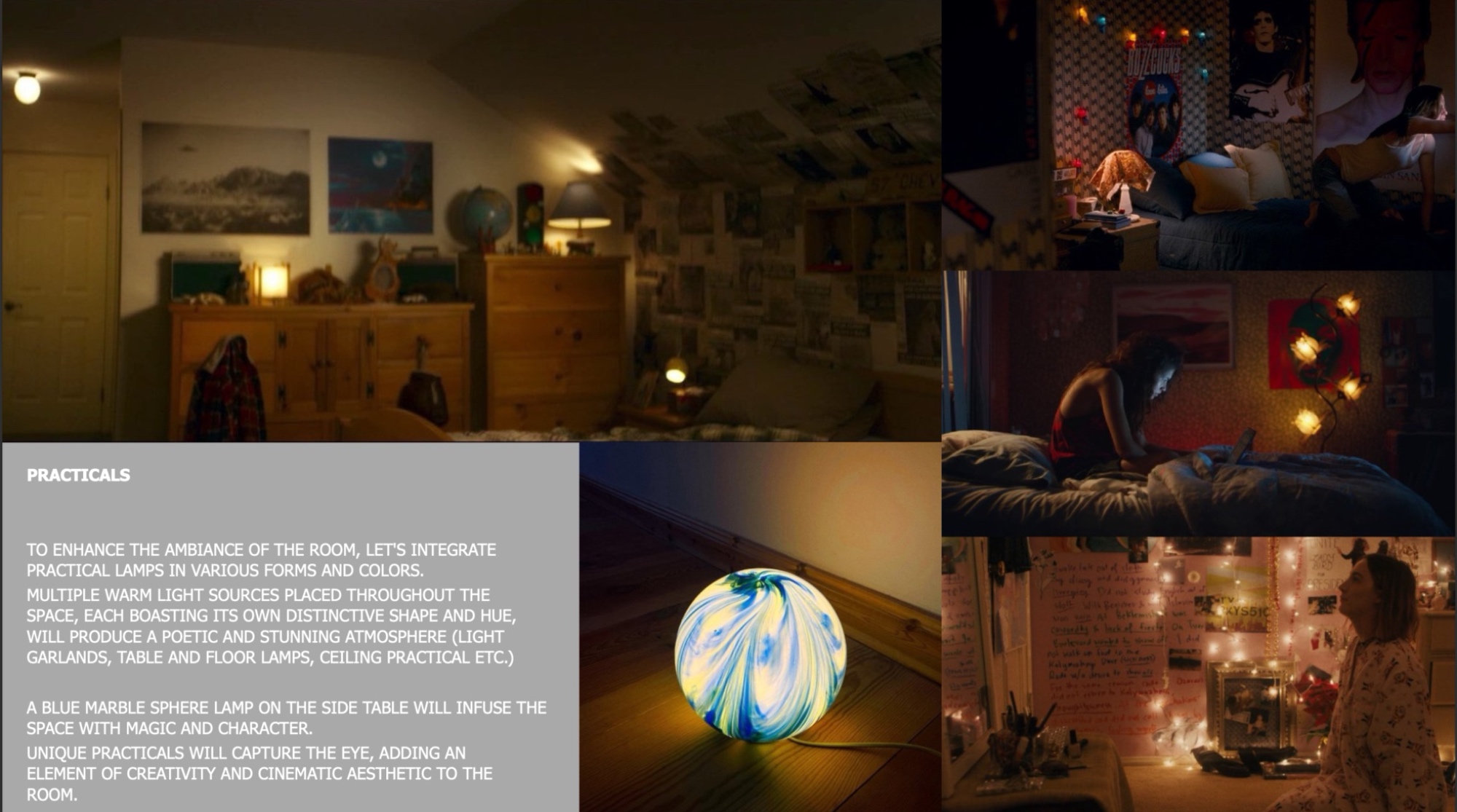
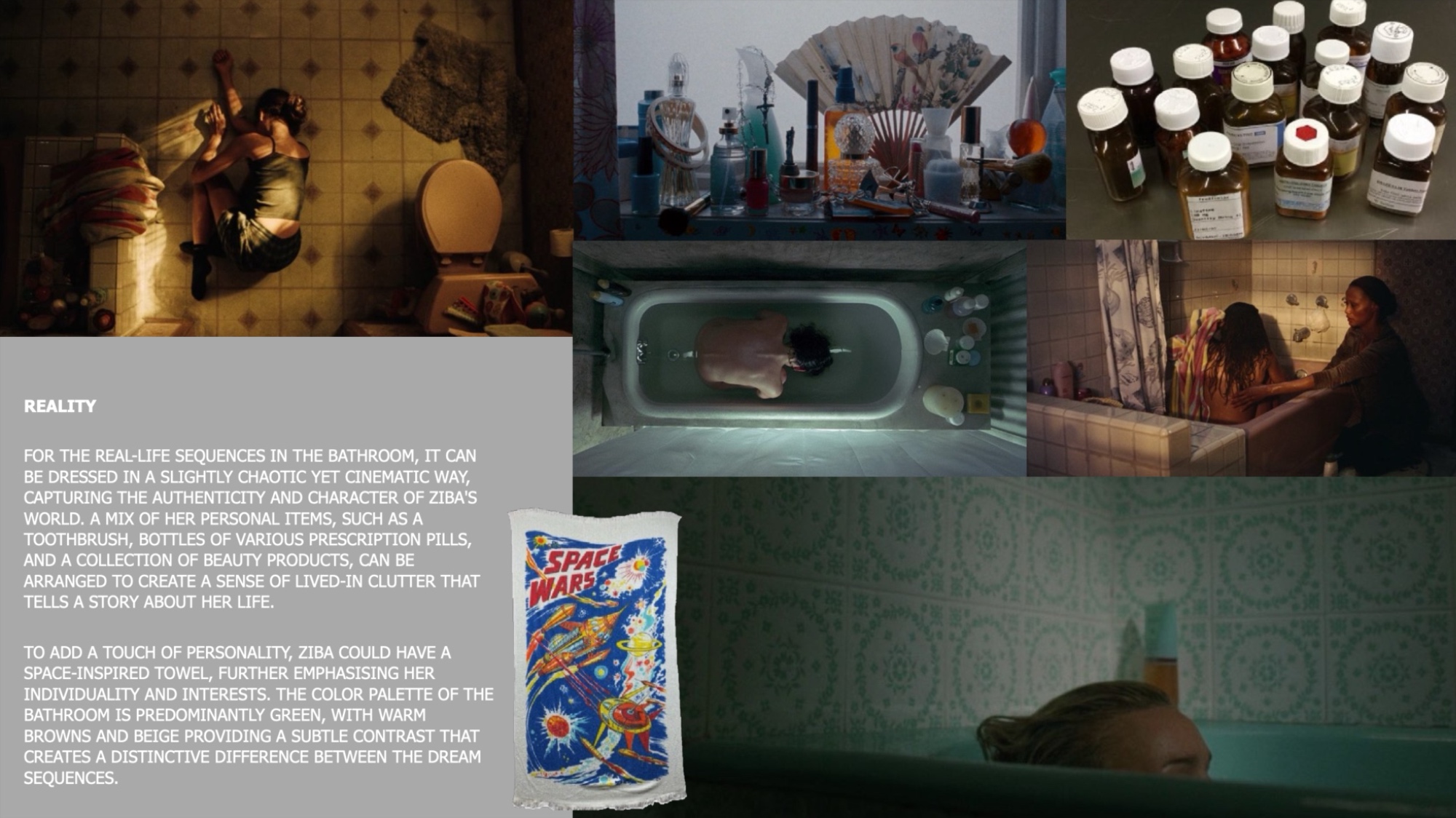
I saw some of your incredible PD boards on your website. Can you go into more detail about approaching each project, because there is so much in them?
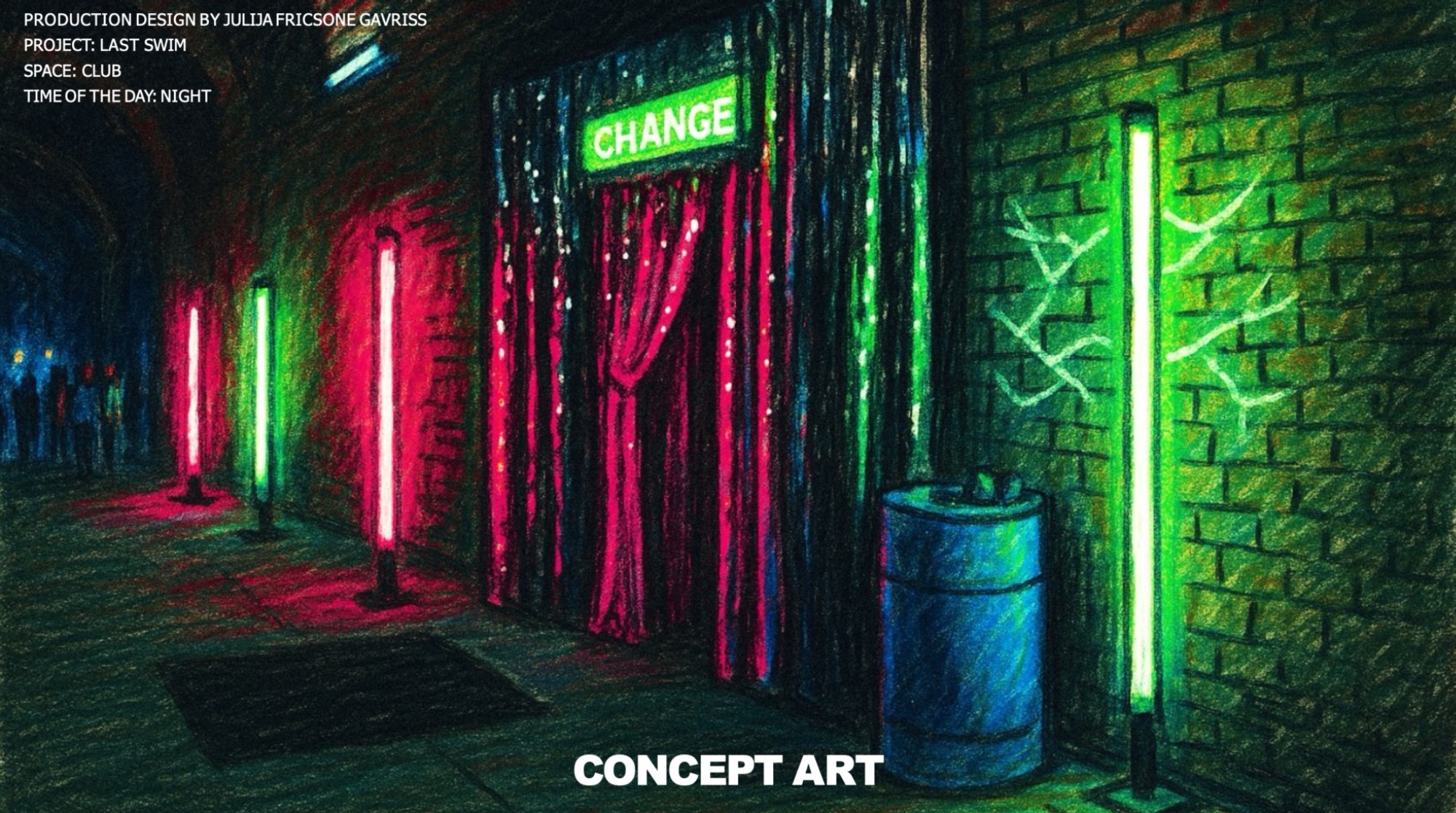
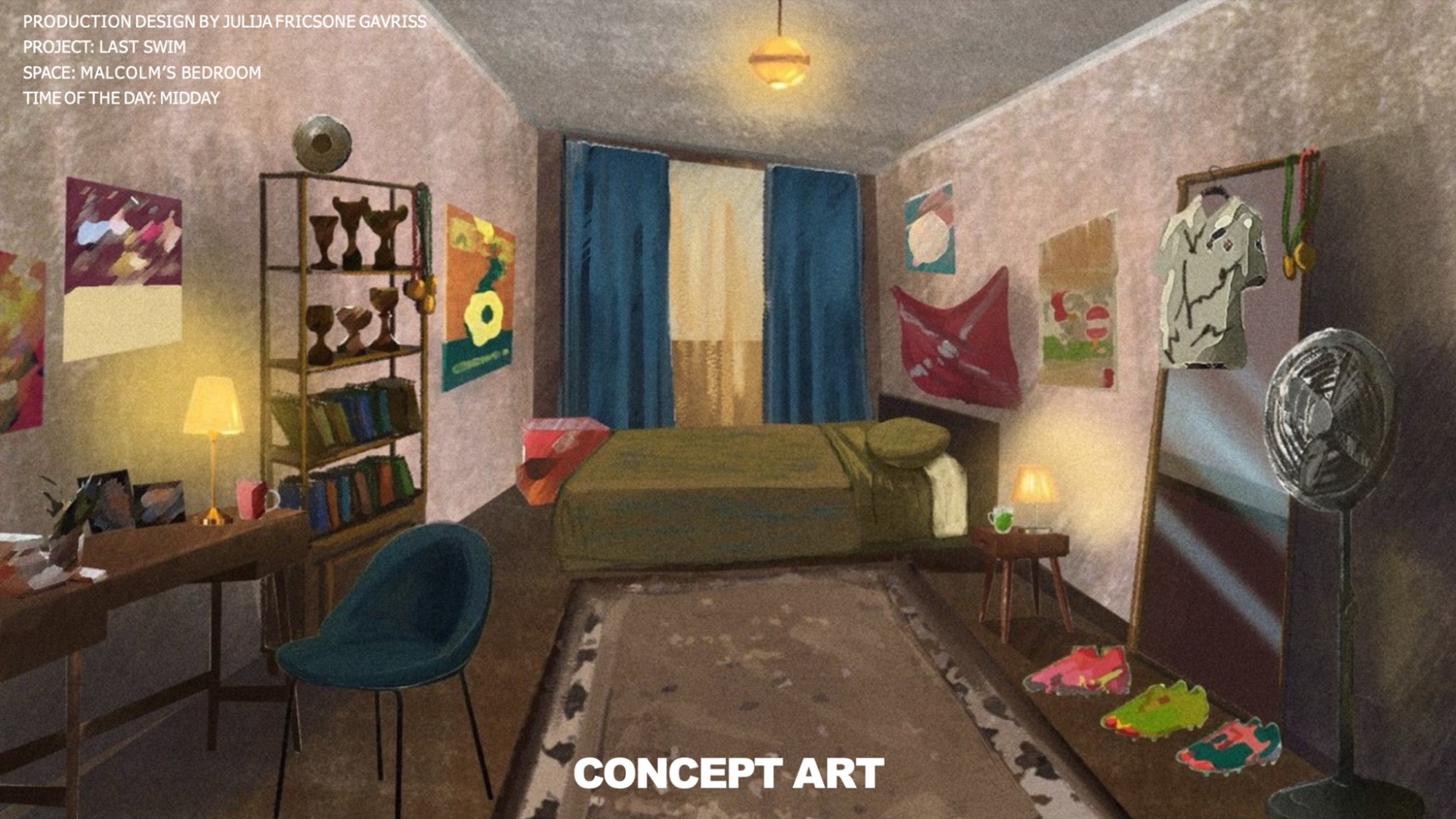
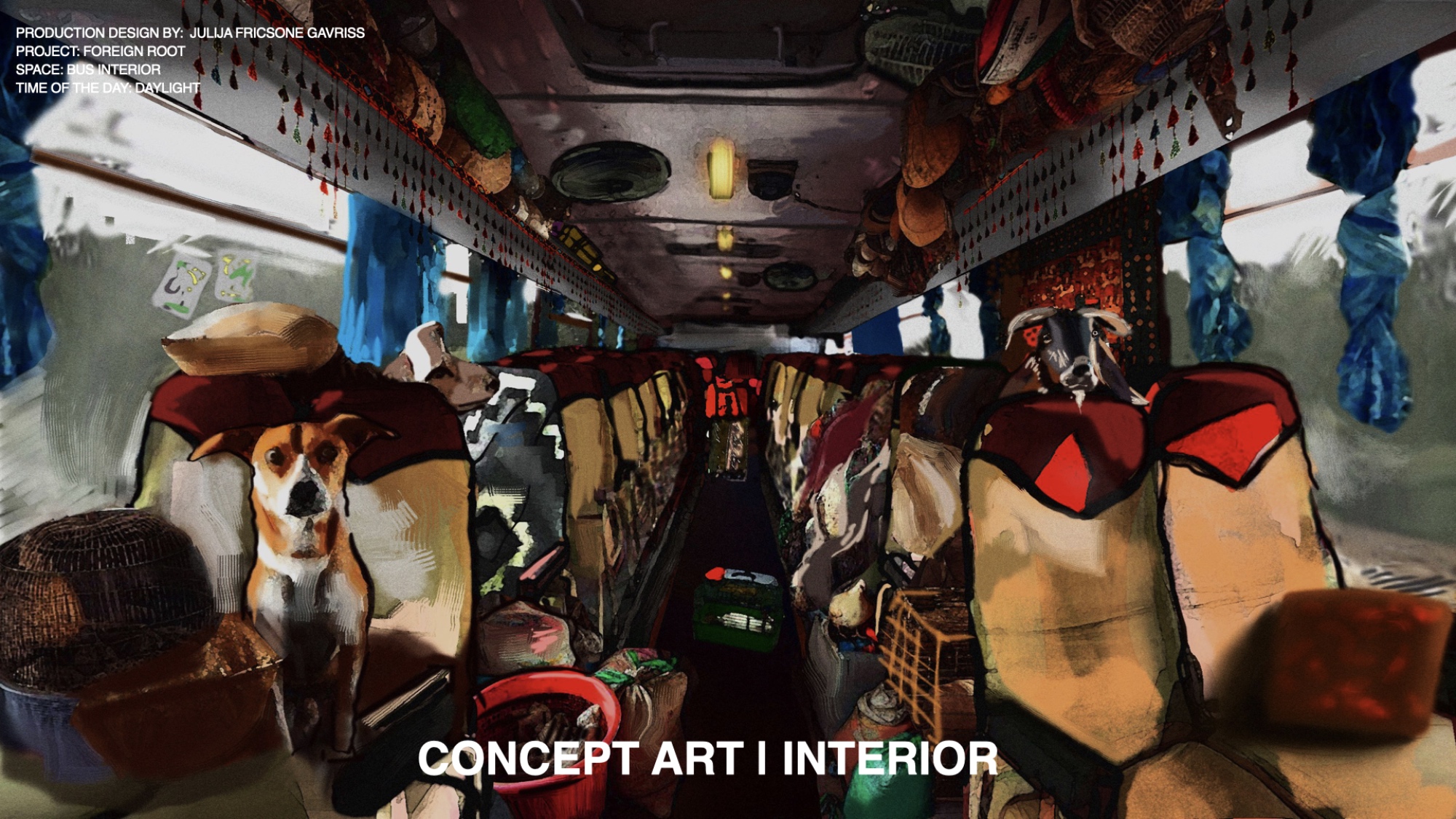
If it needs to be designed from the ground up, then I definitely start thinking about the architectural geometry of the space and what it needs to give us in terms of the script. In a real space, it’s about the character. I think about populating and making it alive, real and authentic. Then from there I go into details, into colors and the palette. When I’m done with my concept arts and sketches, I start building a deck with moods and references—it’s easier for me to first envision the space and then find appropriate references and moods to build it together.
I stick very closely to the developed PD board and sketches, but sometimes you find something unique and beautiful, something you wouldn’t even have thought about.
Then the most fun part comes afterwards, when you travel to these beautiful countries and cities. Most of the time, I stick very closely to the developed PD board and sketches, but sometimes you find something unique and beautiful, something you wouldn’t even have thought about, then it’s so exciting to find a place to feature and integrate that. You need to let it be a bit fluid and have room for improvisation.
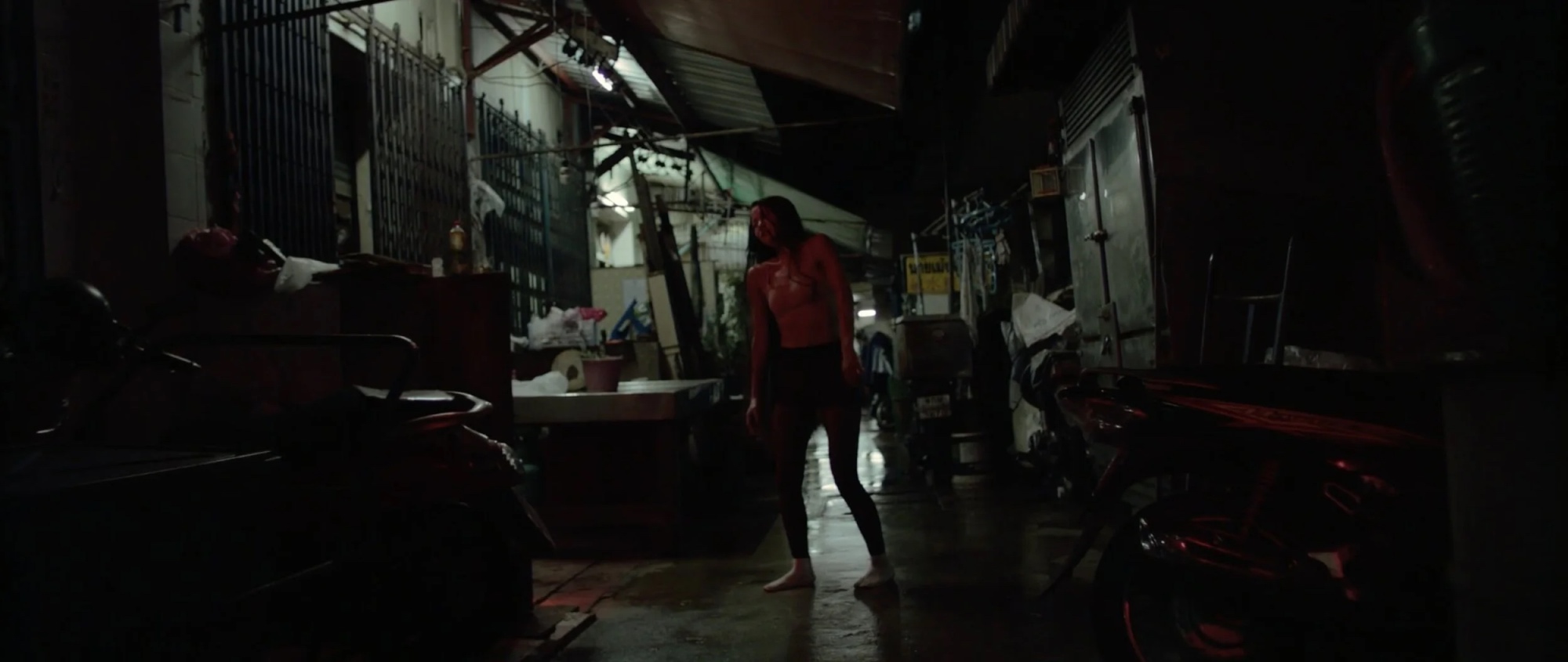
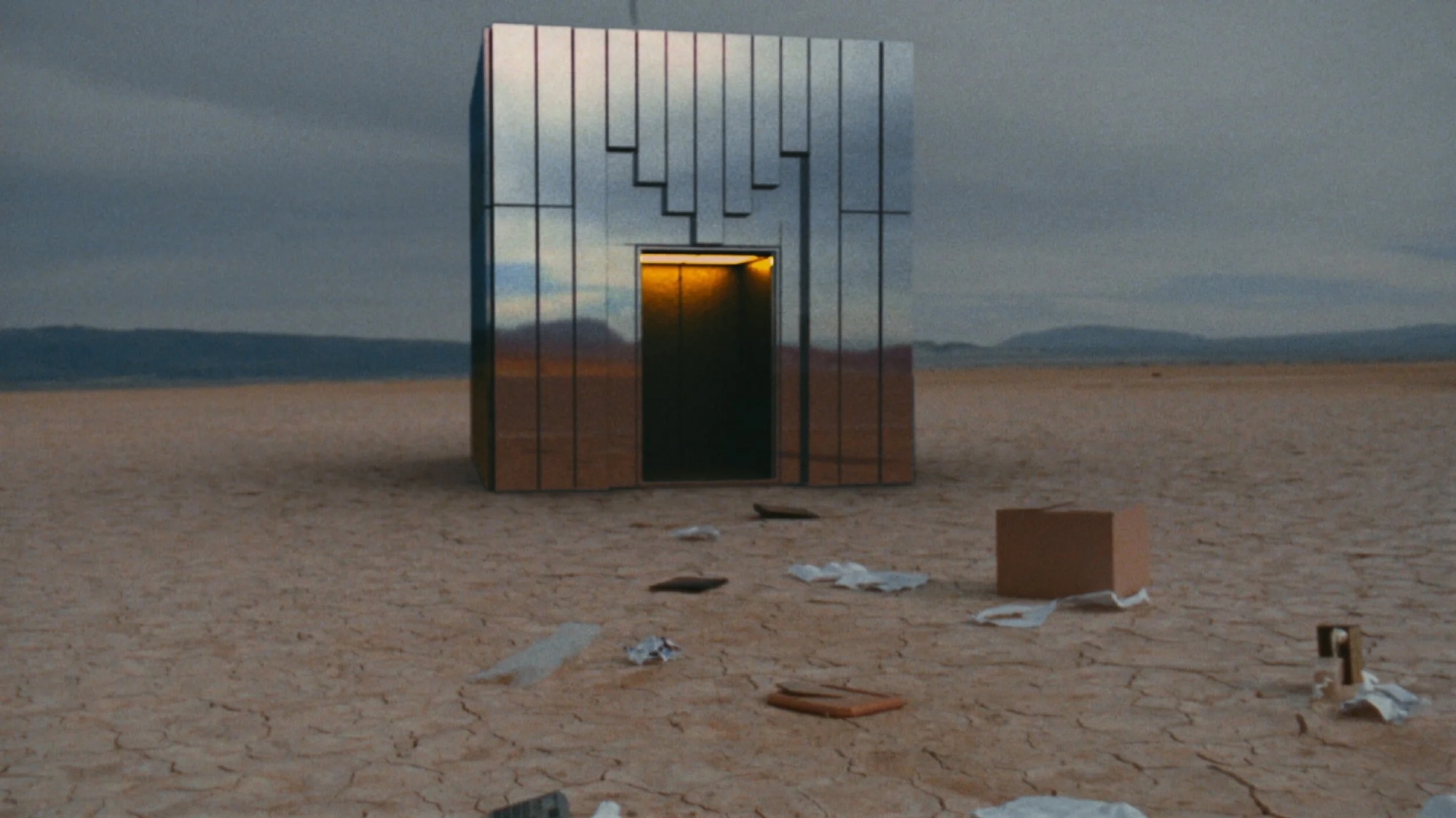
When working on a set, how do you feel between adapting an existing location vs something you need to build from scratch?
With the set that is on site, where I’m redecorating, redressing and bringing these layers, I don’t really have to worry as much about bringing textures. The base usually has a very good lived-in texture itself. But when you build stuff from the ground up, you really need to think about ageing and patinating everything and making it as real and as authentic as possible. Of course, there are different styles and sometimes you’re hired to make a set that is very stylized and feels very clean and specific. But when talking about the realism and authenticity of spaces, when you’re building, you need to spend a lot of time and thought on the process of how to age everything that you just freshly built to look like it’s 25 years old.
When you go into an apartment, you look at the doors and they have these particular brush strokes, and you can feel that 30 or 40 families have repainted those doors, they look lived in.
From my personal observation, not a lot of people put a lot of thought into that because it takes a lot of time and effort. Sometimes you’re on a schedule and you have a certain amount of time to build, but you then need to have at least a few days to properly age it. I was just on a project in Warsaw, and we spent literally two days just ageing windows and doors to make them look like they had layers of paint. When you go into an apartment, you look at the doors and they have these particular brush strokes, and you can feel that 30 or 40 families have repainted those doors, they look lived in. When you build a set, you don’t have the luxury of time to spend making these spaces lived in, but I really like to spend that time and pay attention to details, because that’s when it gets really real.
Most Popular
I’m looking at the windows in my flat and they certainly have that look. How do you achieve it so efficiently?
I hire scenic painters. They’re usually the ones who are very well trained in bringing textures and ageing things. On my last project, we were ageing everything, the whole set, and I had hundreds of references for different scratches and stains for the floor. You can have the scratches that would naturally appear from opening the door when the door is too tight, or a cigarette leaves burn marks. There are so many ways to really explore how to age the set you’re building, the sky is the limit.
I’d now love to discuss a specific film you’ve worked on recently, Sasha Nathwani’s feature Last Swim. I caught it last year at the London Film Festival and fell in love with it. Rewatching some of the key scenes today, I found myself instantly transported back to its quintessential British summer feel. How did you come on board and work with Sasha on that?
Sasha reached out to me directly. I think I was recommended by someone to him and that he saw a talk I did at a festival in Berlin, breaking down my PD board and concept art and details, and he mentioned he was really fascinated by how much thought I put into my boards. We jumped on a call, and I read his script. I’m a very slow reader, and sometimes I need an eternity to finish, but that script was such an easy read for me, and I really enjoyed it. I always wanted to do a coming-of-age drama. I fell in love with the script, with the idea, and with the characters. It was so interesting that it was set in London, and I was the only one from the crew who wasn’t from London. I’m quite familiar with the city, and used to live there. But I had quite a fresh perspective on everything and I was so fascinated with the spaces, characters and stories.
It was also a very important bold color choice to keep inserting in different spaces because it also symbolizes anger and love.
We spoke very early on about the colors and their specific meanings. Zeba, the main character, is Iranian, and her house, where she lived with her mother, was very specific and was supposed to be characterized as a of British-Iranian mix. We spoke about the significance of green, red and white to Persian culture. I always knew that the space would be very green, which I juxtaposed with red which symbolises bravery for Persians. It was also a very important bold color choice to keep inserting in different spaces because it also symbolizes anger and love. That’s why I brought red into the space where Malcolm was living, in his council house, because that scene was so intense, his fight with his mom. That space felt very red, screaming in anger as well.
In general, when we were outside, I couldn’t do much to the streets or nature but we always tried to add splashes of color with props. Natalie Caroline Wilkins, the costume designer and I spoke about bringing it through the wardrobe as well. Then, the scene at the lake where they’re sitting and having conversations, I put poppy flowers into the grass, so there’s a splash of red color.

I am a huge fan of a coming-of-age drama. What drew you in?
I think it’s always interesting how we mature and celebrate birthdays and turn into adults, but we have all our previous lives in us. Even now, I’m thirty-four years old, and I still have the 12-year-old and 14-year-old and 18-year-old versions inside of me. I think it’s so interesting to work with teenagers and remember how dramatic certain situations or feelings might be, and how strongly we felt at that age. It felt very interesting and exciting, almost like reliving your own teenagehood again. I also wanted to work on a project in a big city because I grew up in a very small town, and I always wanted to break free and be surrounded by these big opportunities.
There’s something so special about summer in London and in the UK, because we don’t have much sun, but when we do, everyone in the country is out, and we embrace it. There’s definitely a different feel in the air and Last Swim captures that so perfectly.
I remember having a conversation with Sasha from the very beginning and he was telling everyone that he didn’t want this to be a grey British film. He wanted it to be exciting and colorful and joyful, and it needed to feel like the best day of summer that you get in London when everything is perfect, you’re out, and the weather is amazing. That’s exactly how we wanted to portray it.
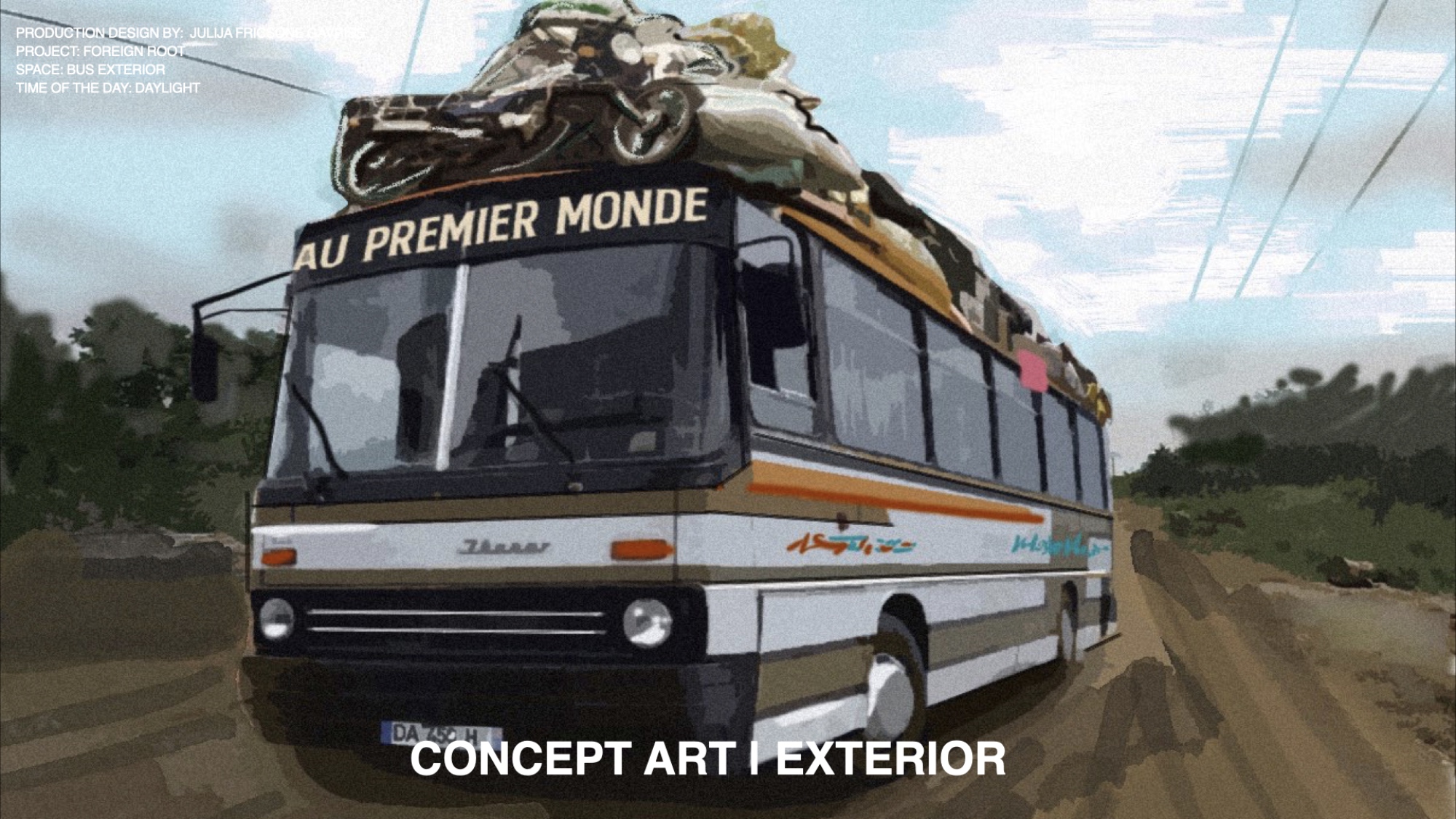
Next, I’d love to dig into one of your short films. Foreign Root, an ode to migration, love and the universal concept of home. The bus they are on becomes this central base for everybody, and you’ve got so many people from so many different backgrounds with so much of that detail. How did you approach this project
When Andzej, the director and writer of this film, was 18, he went from Latvia to the UK on a bus. He spent fifty-something hours on that bus, and that’s when he decided to write this short film, based on that idea and that feeling of taking whatever he had close to his heart and going to another country to make money. At that point, he wanted to make money to buy his first professional camera to start shooting. He told me he saw so many people leaving their homes because there was a crisis or lack of work in Europe back then. This bus became the character itself, a representation of all these people blended in that space.
That’s how we came up with the bus itself as a character and how it evolved and developed into something beautiful.
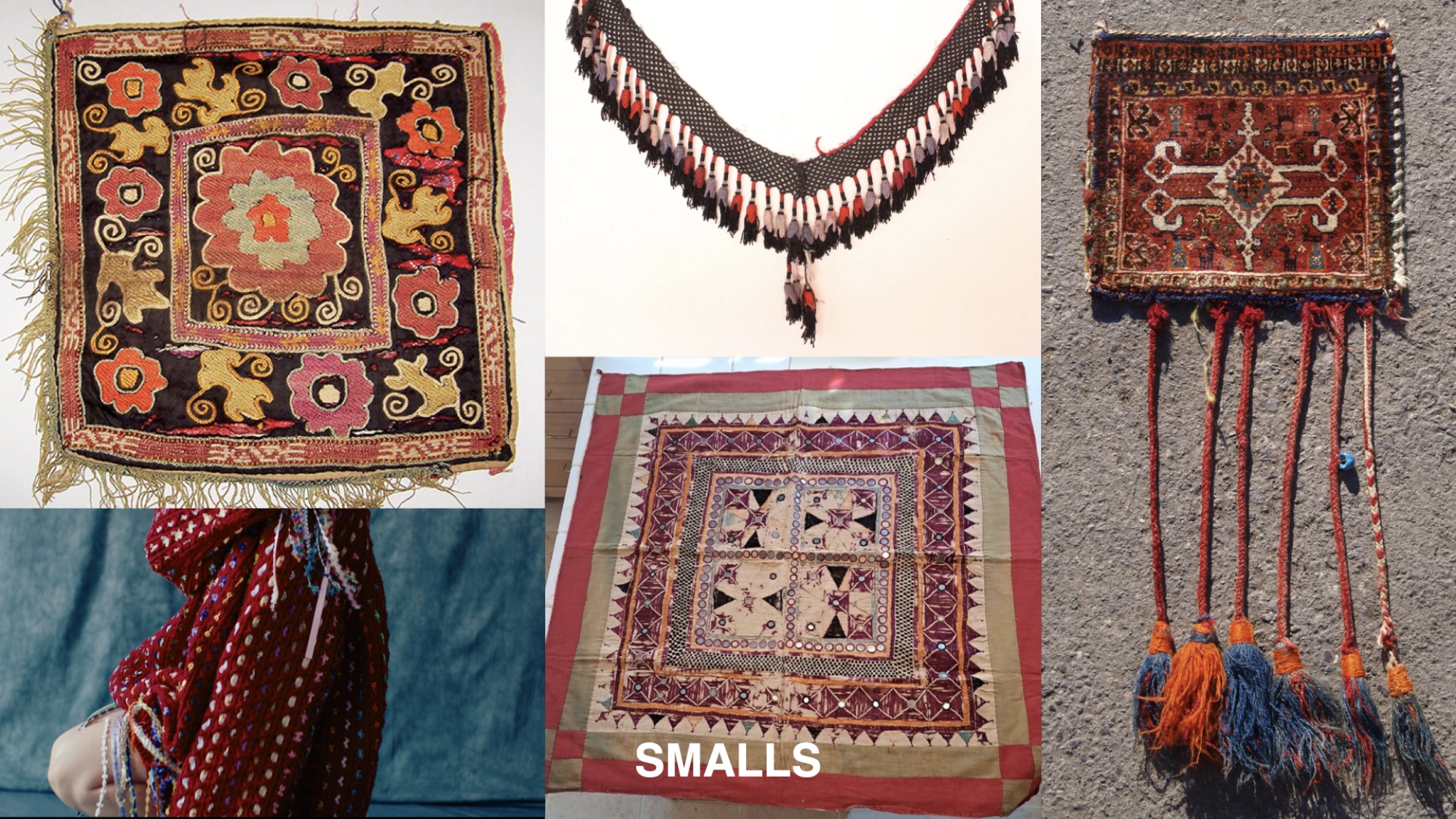
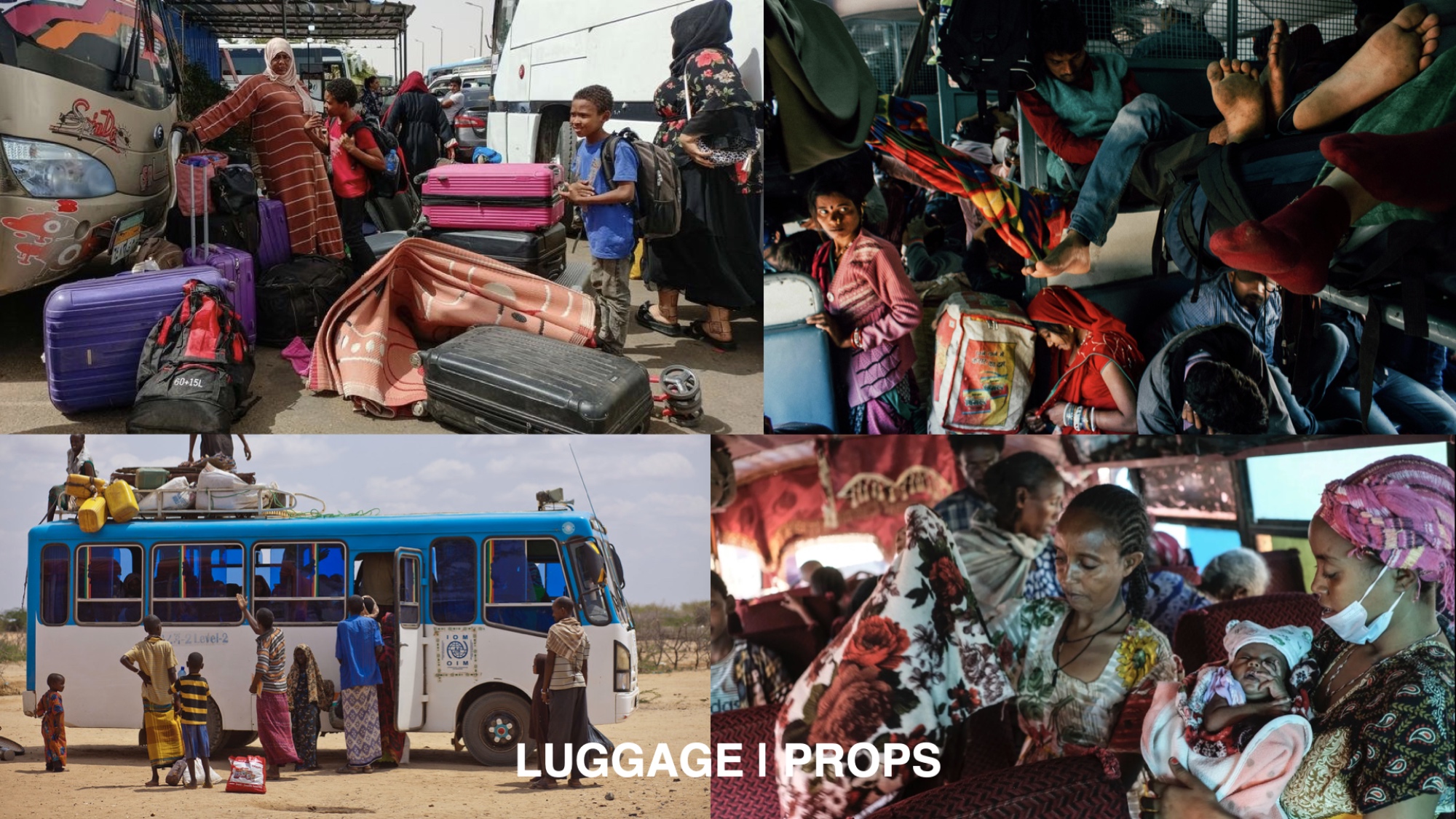
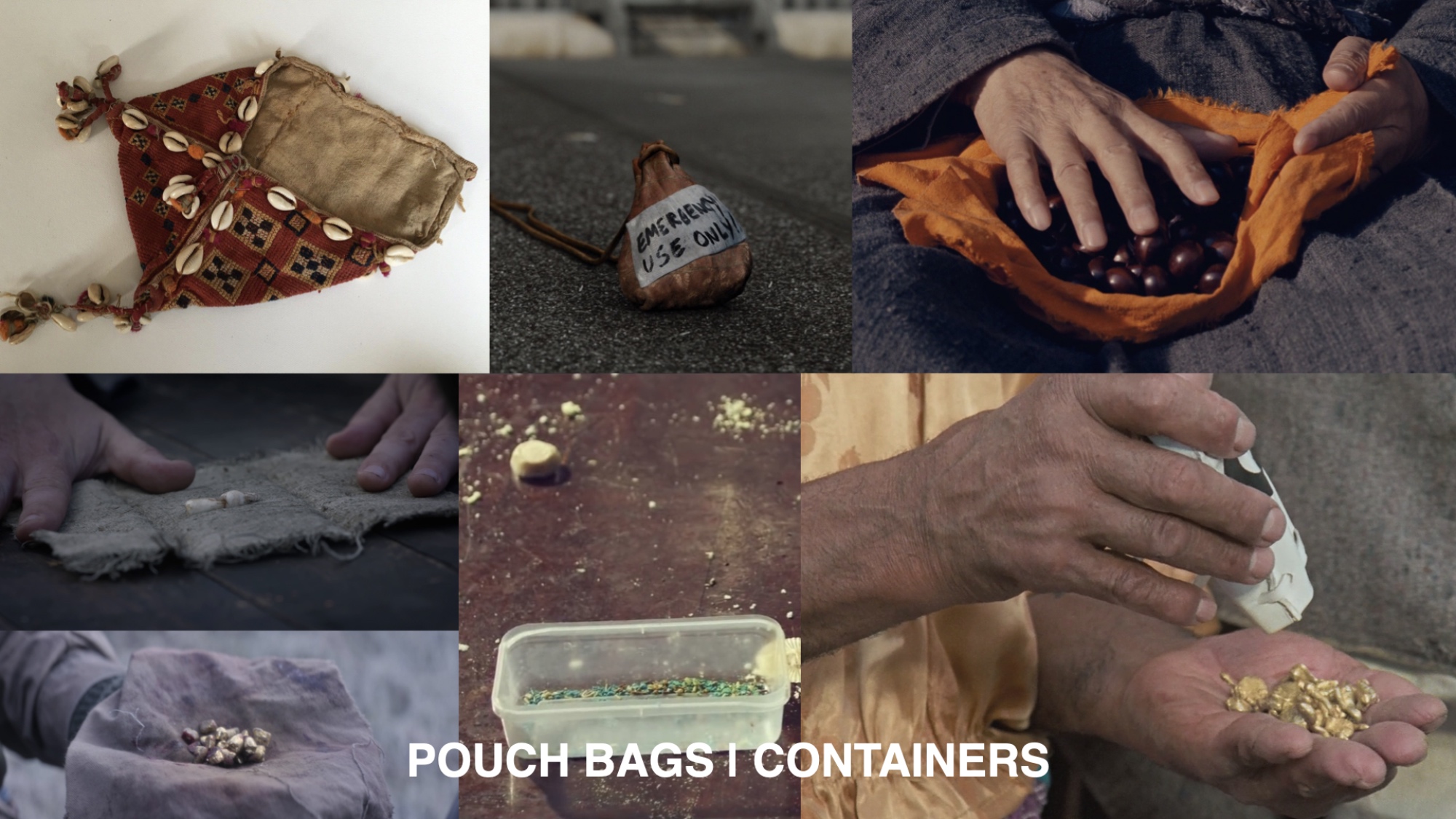
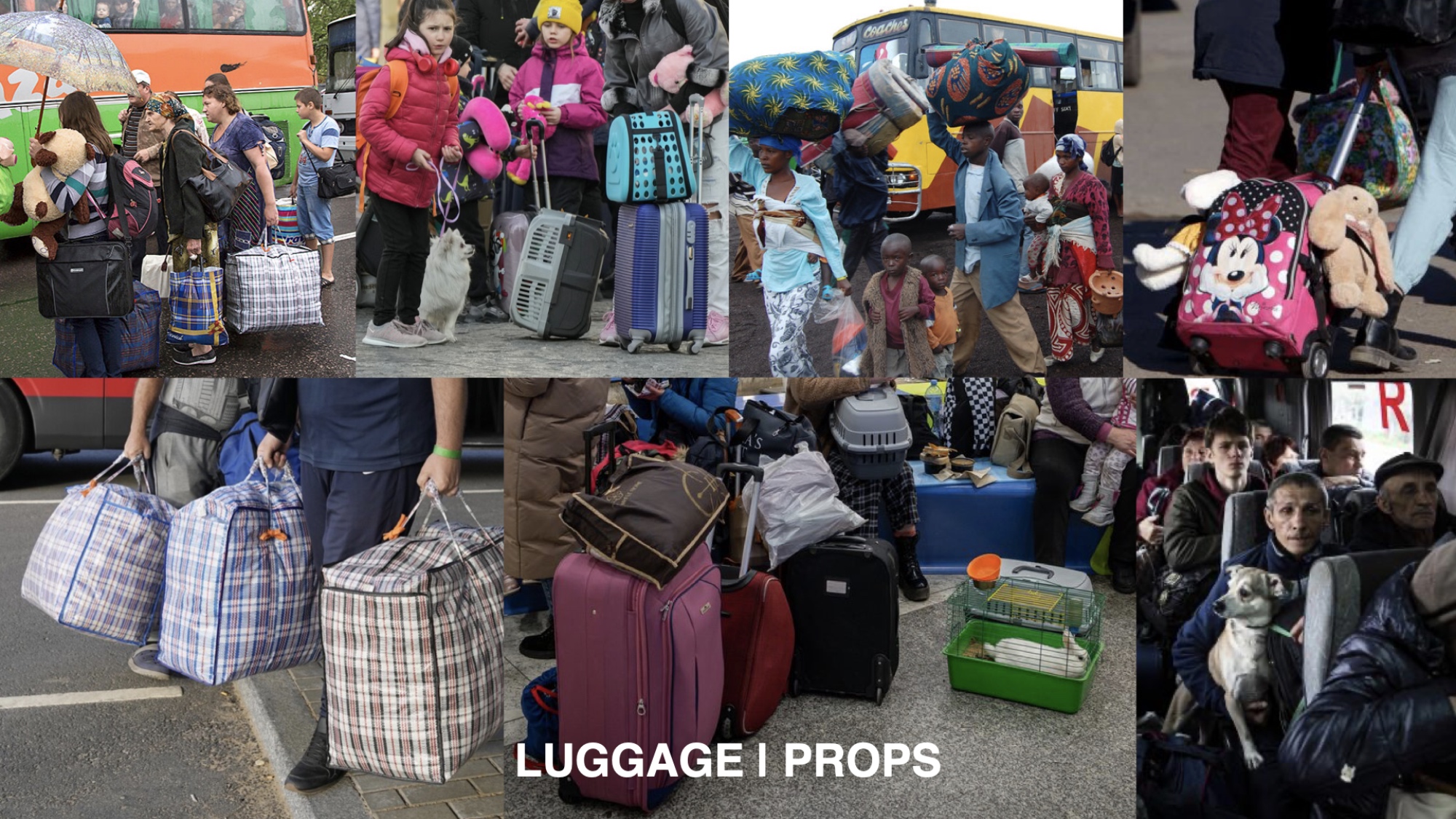
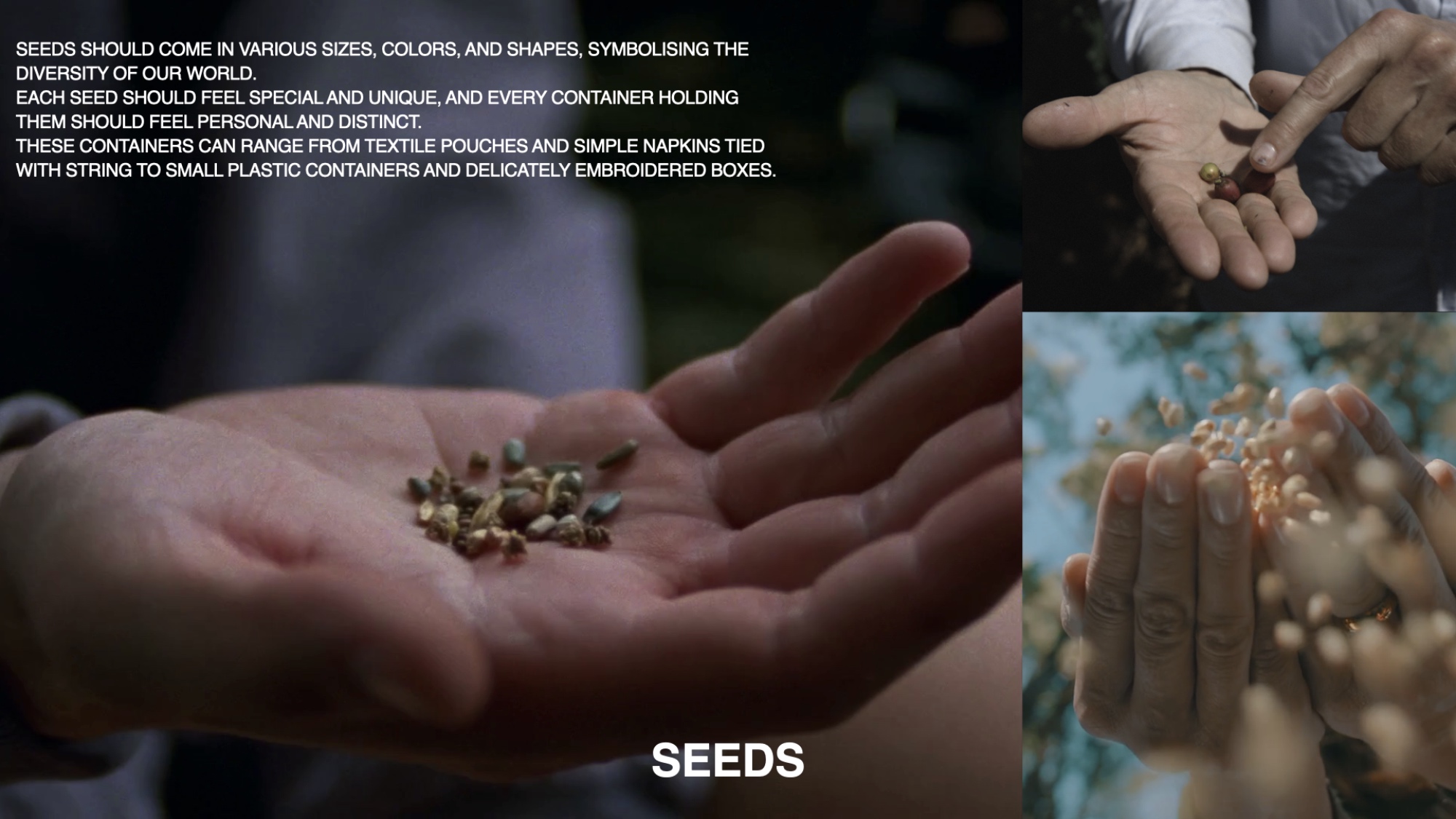
We wanted it to look a bit exaggerated and very symbolic in the sense that you’re mixing different cultures, and we really wanted it to feel like people are united. It’s heartbreaking, but it’s also joyful in the way that they’re kind to each other, and they support each other. That’s how we came up with the bus itself as a character and how it evolved and developed into something beautiful, a character itself, a space itself. It was quite exciting. We were shooting in Georgia and local members of the department would bring all these beautiful Georgian textiles and carpets and small things, which developed it into something really beautiful.
We’ve spoken about your background, a feature film, shorts, branded and music videos – I know you’ve covered so many forms of filmmaking. Do you have a preferred world to work in?
I prefer to work on narrative, no matter if it is short or long form, because I really enjoy storytelling, and I need to help actors do their job within the space that they’re acting in. But I like my job, I really enjoy the process and I always have something that I’m having fun with. No matter how quick the project is, or if it’s long or whatever kind of project we’re doing, I truly always find things that bring me joy and that are fascinating for me. There’s always something new that I discover in every project. It doesn’t matter what I do, I always do it with all my heart.
It’s a beautiful thing getting together with so many people and working for so many months, so it does need to feel special.
Finally, what are you working on next? What are you excited about?
I’ve read quite a few feature film scripts this year, and I’m currently in conversation about two potential films. I’m trying to lock into something that I would really resonate with because I had such a joyful experience working with Sasha, and I really want the next one to feel close to my heart. It’s a beautiful thing getting together with so many people and working for so many months, so it does need to feel special.
I also finally started doing pottery. I’m trying to get into all kinds of things and I really like the feeling of learning new things and new crafts. Earlier this year I had a few down days between projects and I started knitting. My grandma was a very good knitter, and I never learned anything from her but now I’ve started. It’s very peaceful and grounding, I have a feeling that my grandma was right about everything after all, that this is the best thing that you can do—sit in nature, knit and look at the horizon and at the cows or horses running. It’s very nice.