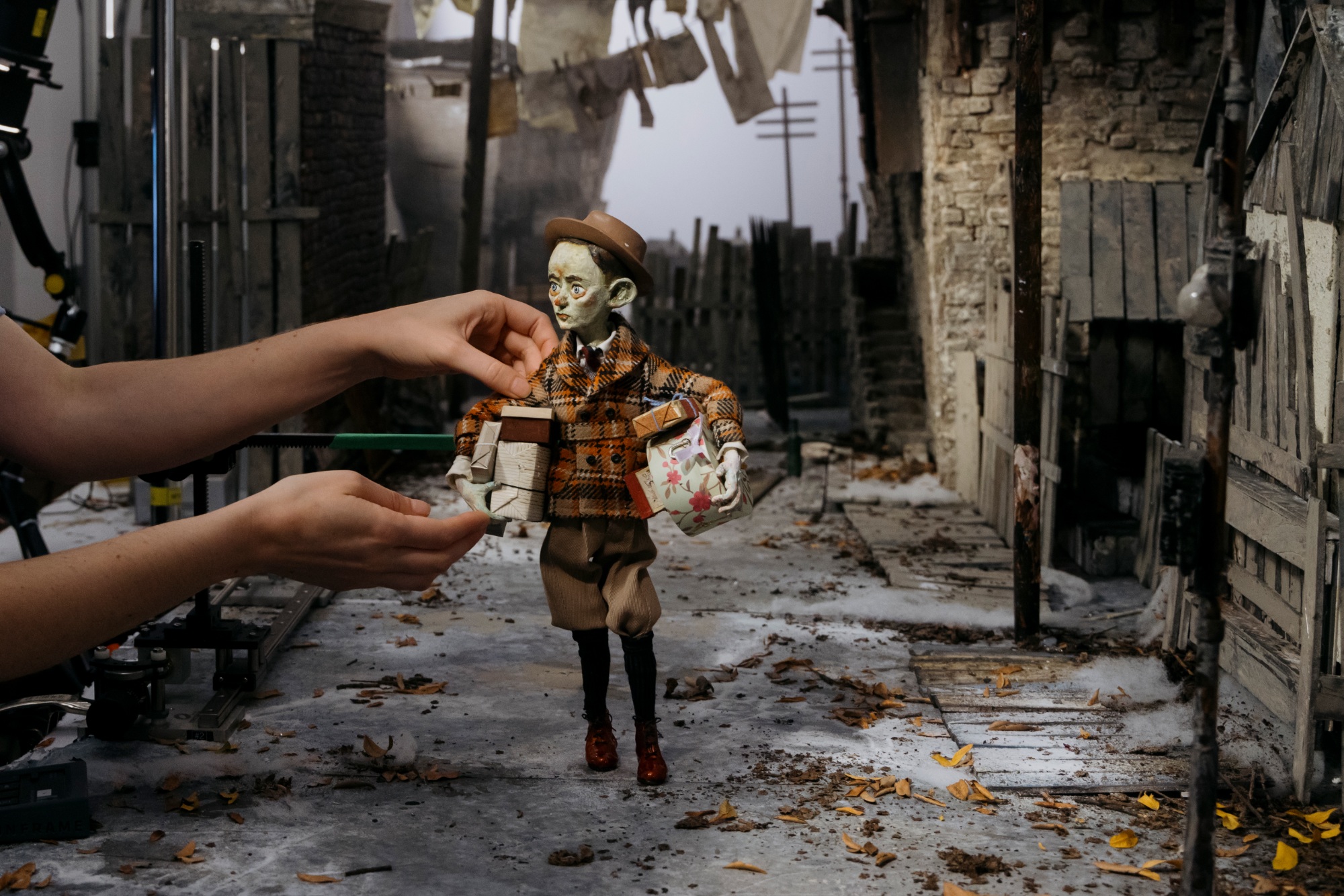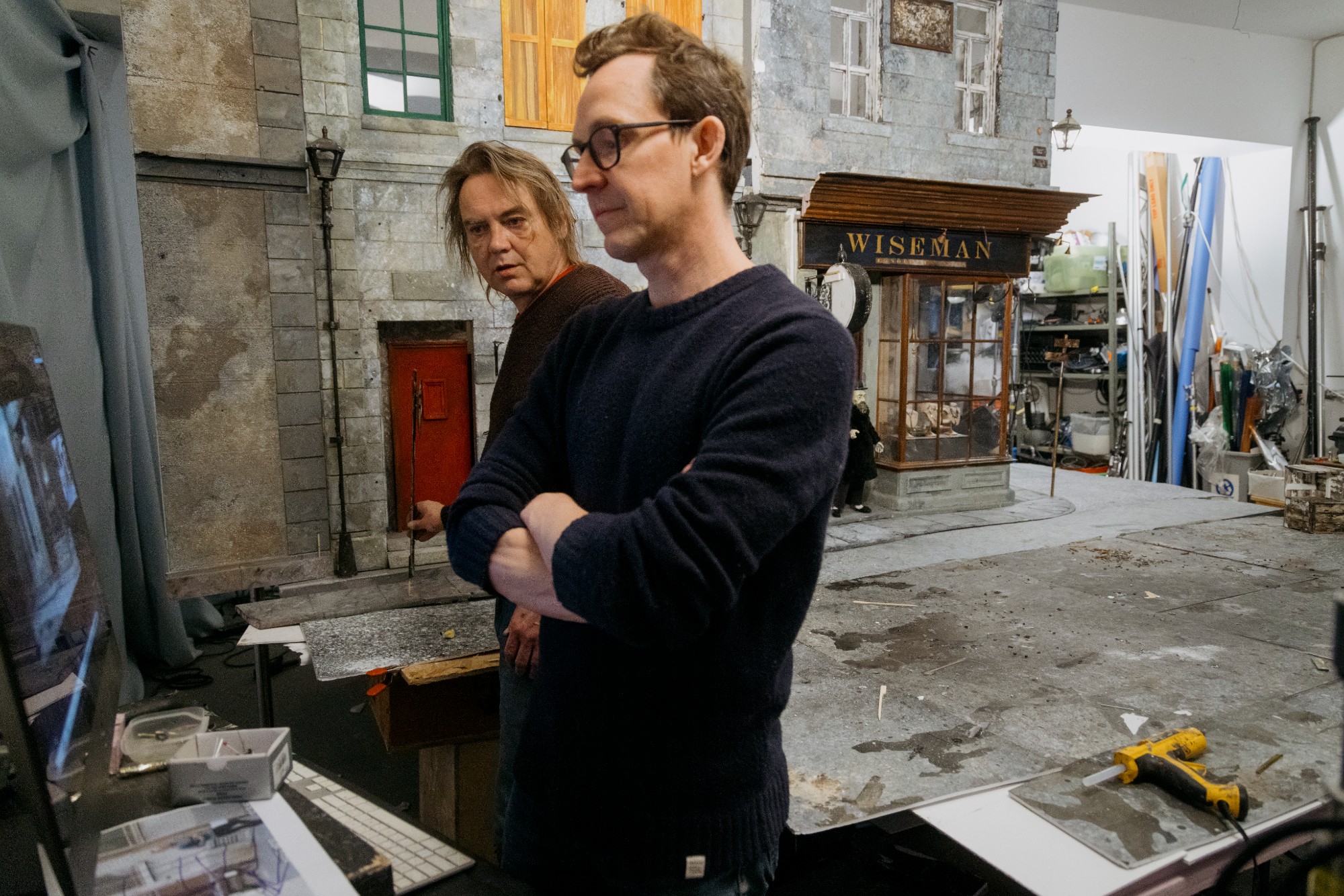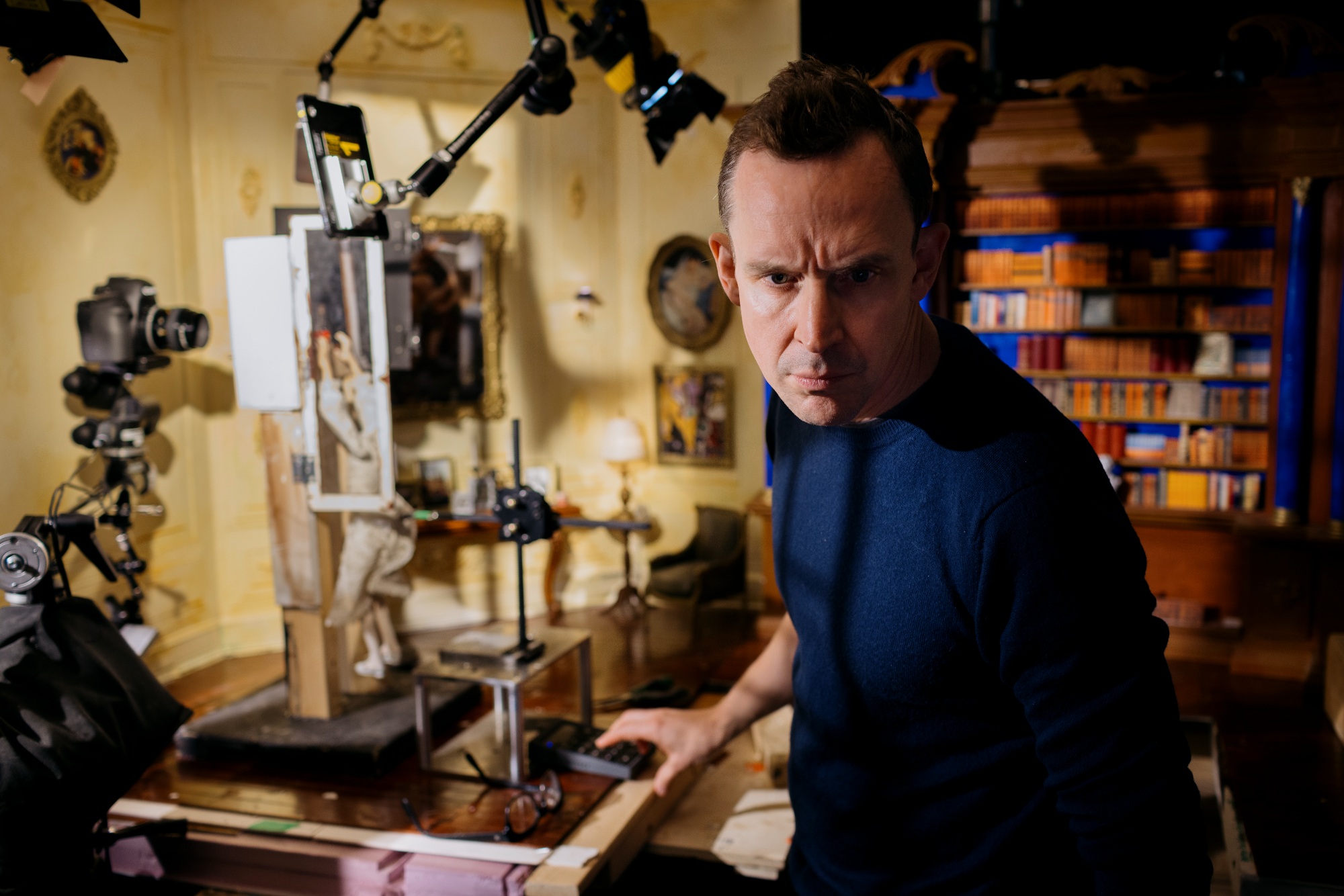
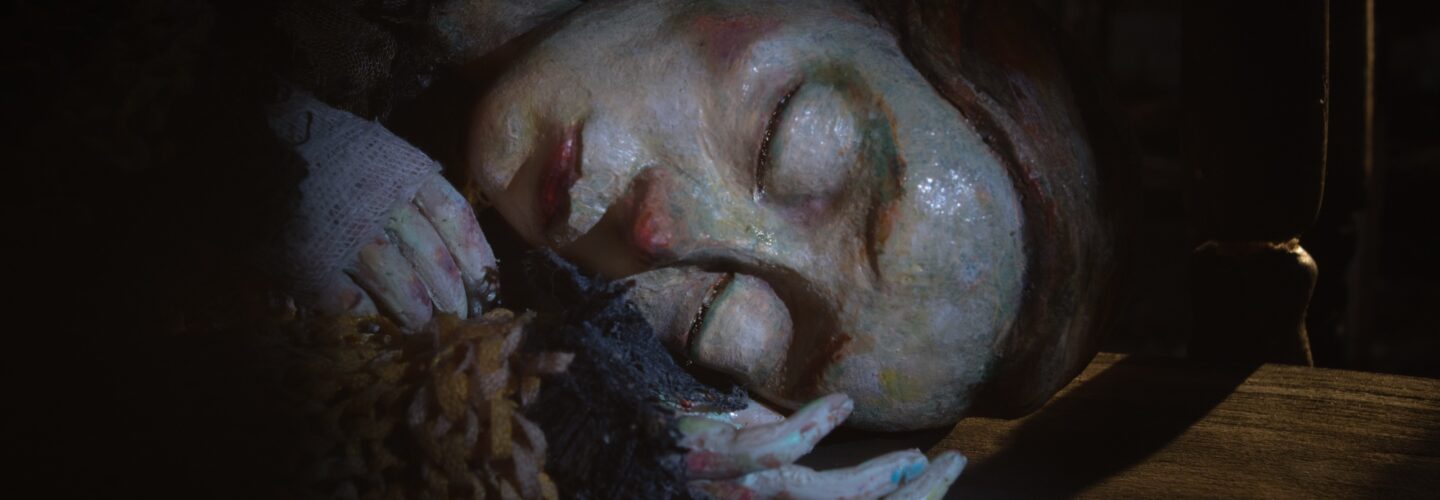
Making it through to ultimately be selected as one of the five nominees in contention for the Best Animated Short Film Oscar is a momentous achievement many filmmakers dream of but few achieve. To do so twice isn’t just impressive, it’s an enviously rare distinction. Nevertheless, that’s exactly what Clyde Henry Productions directors Maciek Szczerbowski and Chris Lavis have pulled off for the 2026 Academy Awards with their darkly atmospheric fable The Girl Who Cried Pearls. First nominated for their seminal short Madame Tutli-Putli back in 2007, a film which to this day is a fervent favourite of stop motion film fans, the directing duo have this time earned their place at next month’s award ceremony with a story of a boy “caught between love and greed”. Despite its 19th-century setting, The Girl Who Cried Pearls purposely speaks to the rot and cynicism of our modern times, rewarding multiple viewings for its post-modern twist and layered narrative to be fully grasped.
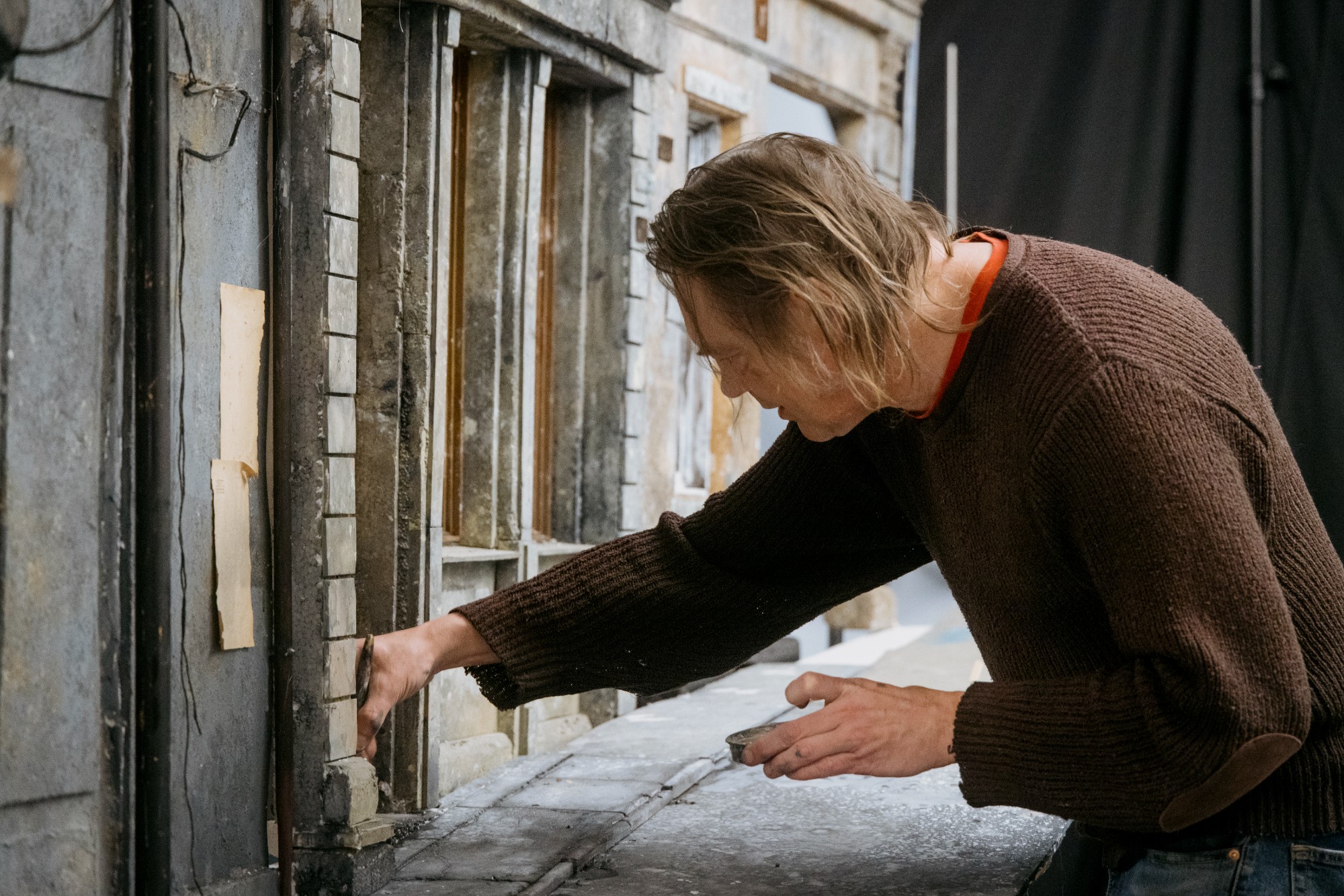
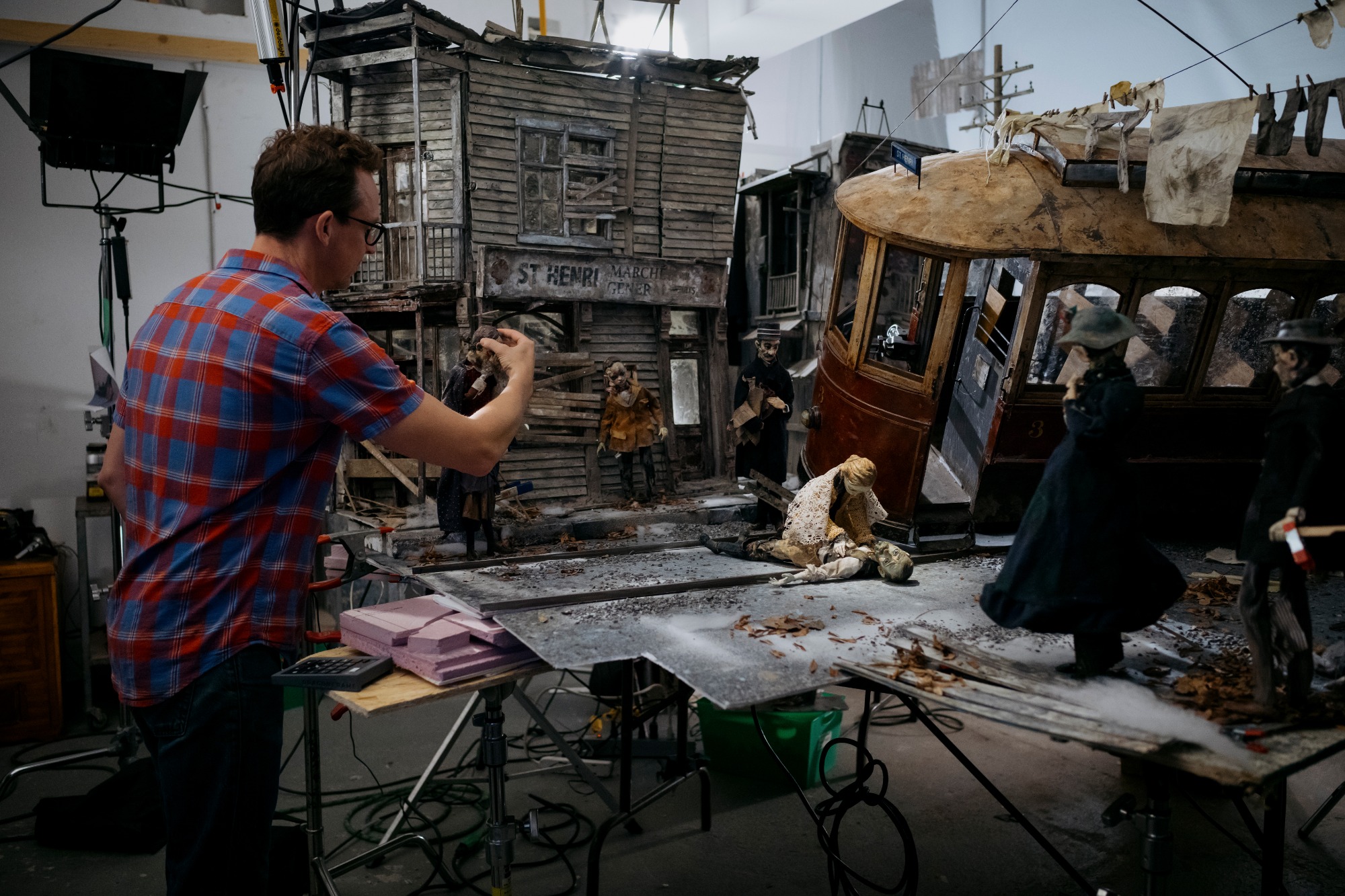
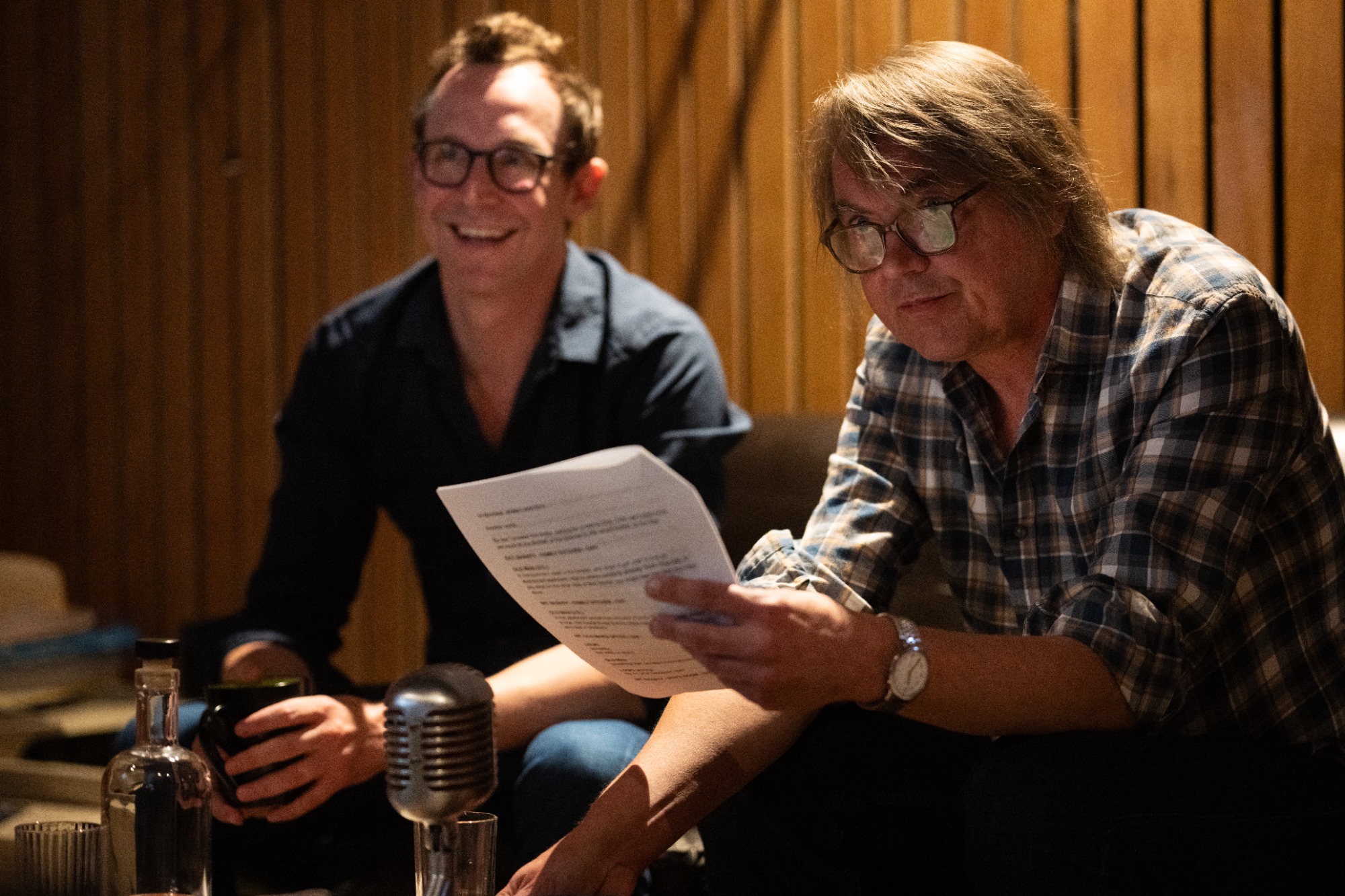
Likewise, the intricately rich production set design and use of props is not only tangible tactile—achieved through applying layers of Montreal mud the pair brought into their studio—but could easily have you scanning the cluttered shelves of the pawn shop scenes for hours to fully take it all in. Eagle-eyed viewers will even be rewarded with the inclusion of items from the duo’s previous work. Kicking off our 2026 Oscar shorts nominees interview series, Chris and Maciek join us from their Montreal studio to discuss why the film failed in the first edit, the unmatched naturalism and creativity of working with live actors instead of storyboards, and the art of finding beauty in decay.
One of the horrors of making movies is you forget every goddamn time how to make a movie. It’s like you start fresh. You watch movies. You think you might have a little something now. You don’t!


Most Popular