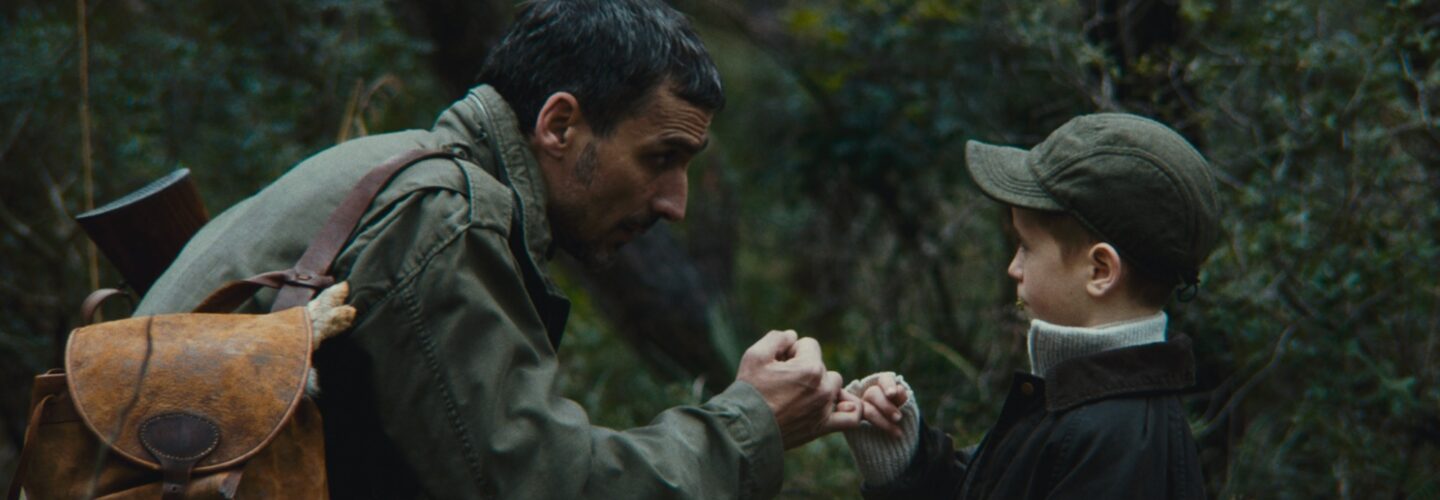
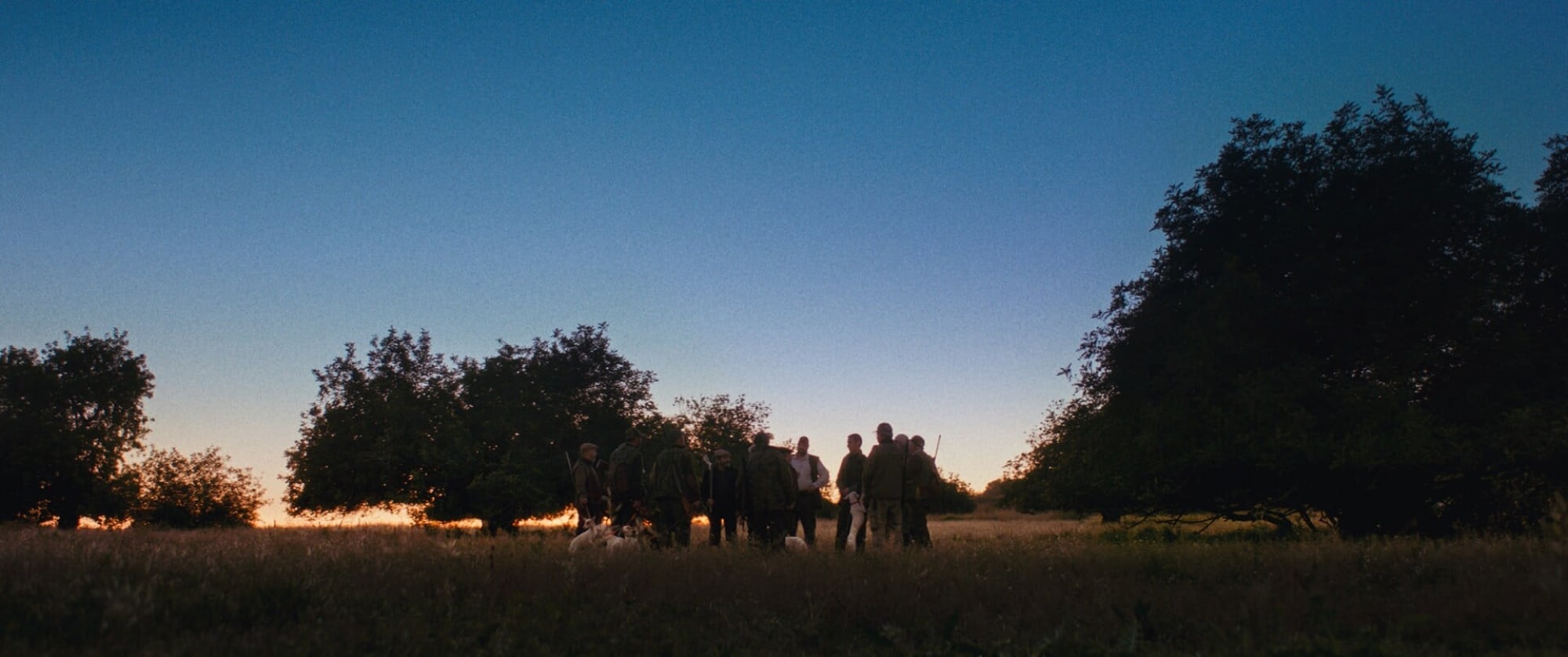
The rites of passage that mark our transition into adulthood vary considerably depending on where in the world we grow up and the cultures we’re surrounded by. However, most of us will have experienced some moment in childhood when we’re given a glimpse into the adult world. For some, it might be attending a sporting event with a parent, while for others it could be a religious or more symbolic ritual. For the young protagonist, Miguelito, in Lucas Parra’s evocative short film, Ser un Hombre (Be a Man), that experience comes in the form of a hunting trip with his father.
Of course, hunting carries its own symbolism, and Parra uses this formative experience not only to explore a child’s first exposure to adult life, but also to examine what he describes as the “tension between modernity and tradition, and, above all, the nuances of masculinity”. With its layered themes, impressive ensemble cast and striking production, Ser un Hombre offers plenty to unpack. So, we invited writer/director Parra to join us on Directors Notes to discuss the personal memories behind the film, his approach to bringing its world to life, and the complexities of the masculinity it explores.
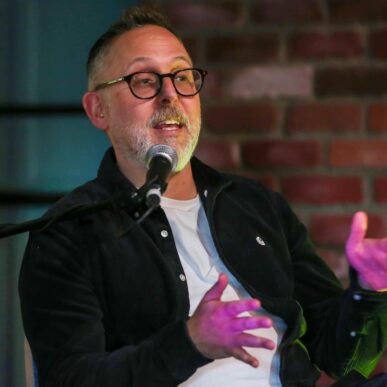
Welcome to Directors Notes, Lucas. Before we jump into Ser un Hombre, I wanted to start by talking about your filmmaking career so far. Looking through your IMDb, you’ve made a remarkable number of short films over the past eight years. What motivates such a prolific output and how would you describe your approach to filmmaking?
I decided to dedicate myself to filmmaking at a very young age – I was only 11 years old. Since then, I’ve directed numerous short films and currently have several feature projects in development. Short films afford me immense artistic freedom to experiment with different genres and characters. It’s a compelling format in its own right, operating under a completely different logic than feature films.
After returning from that trip, I remember going back to school as a subtly changed boy.
Be a Man centres on a young boy, Miguelito, as he joins his father and his friends on his first hunting trip, with the film very much presented from his perspective. What was it about this particular story and Miguelito’s impressionable point of view that you wanted to explore?
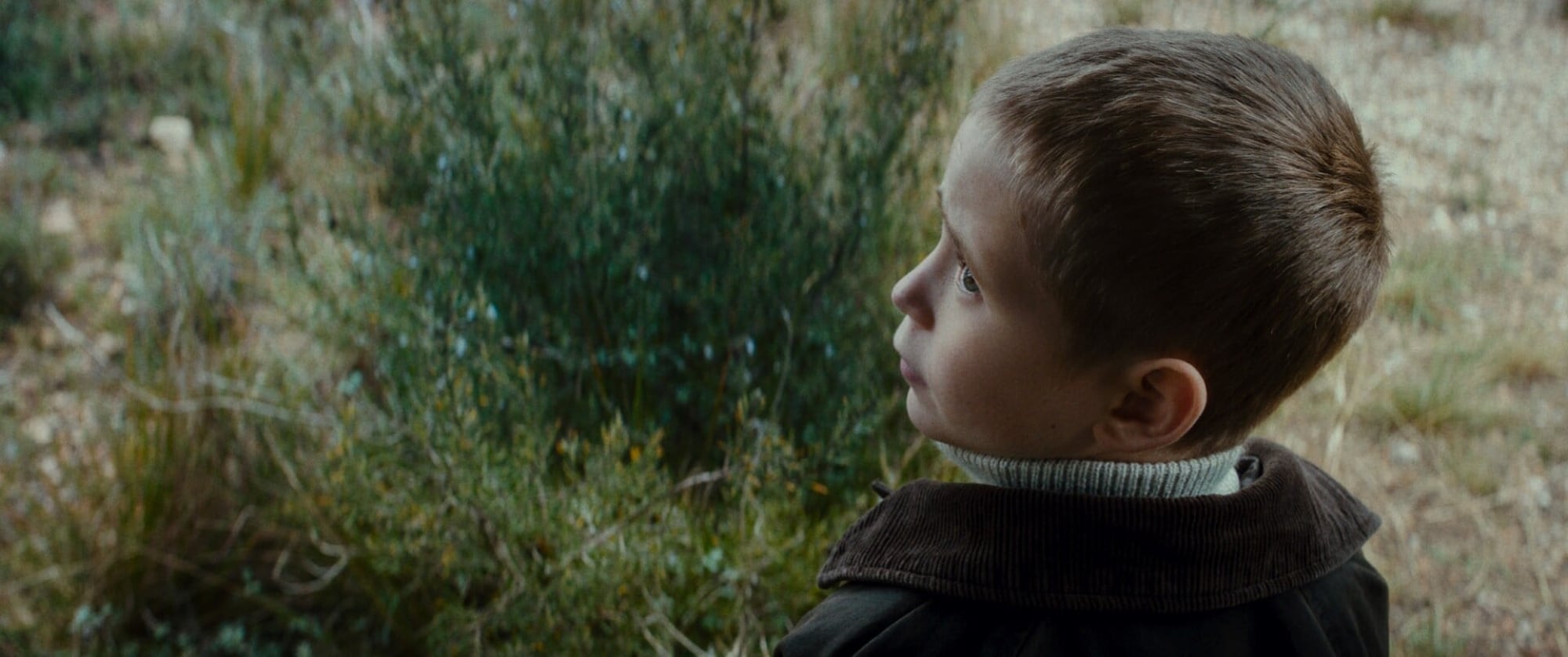
Since the story is based on my own childhood – Miguelito is effectively me – I wanted to capture my very first hunting trip and the deep impact it had on me. It felt like a rite of passage into manhood, a pivotal moment of transition in a child’s life. After returning from that trip, I remember going back to school as a subtly changed boy.
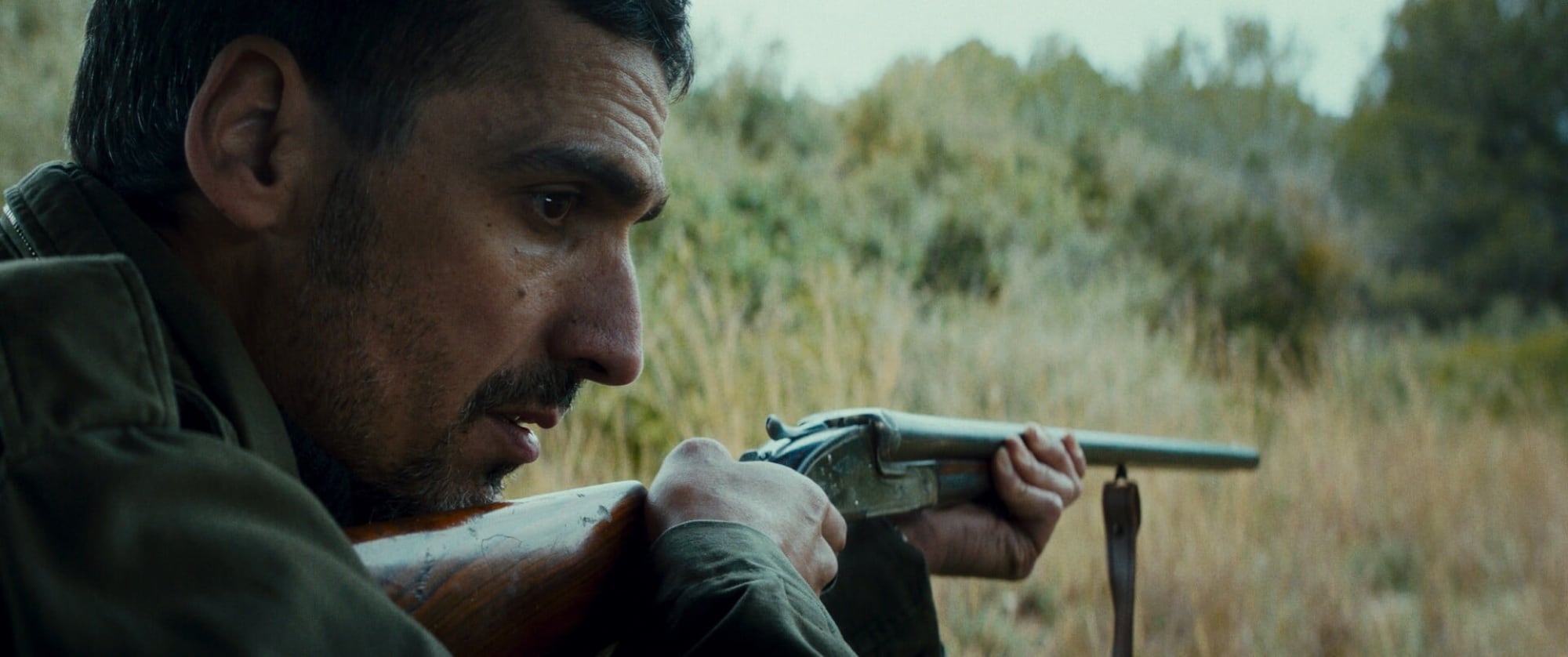
Hunting is also a recurring theme in your work, with your 2019 short Cazadores also focusing on a hunter. What is it about hunting – both as a practice and as a cultural tradition – that keeps drawing you back to it as a filmmaker?
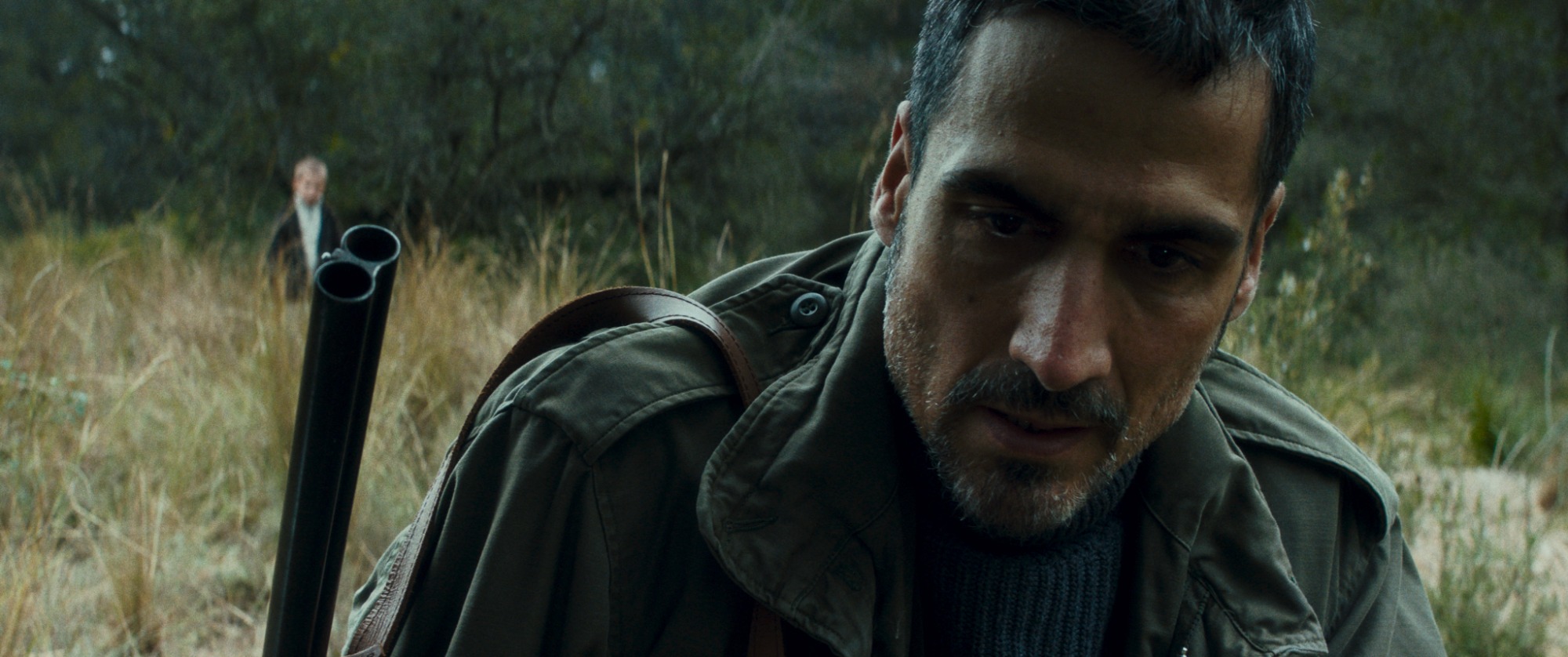
Hunting offers a fascinating dramatic backdrop. You have inherent danger, masculinity, camaraderie, and underlying violence – making it fertile ground for escalating narrative conflict. It serves as an ideal arena for a thriller, allowing me to explore themes like father-son relationships, the tension between modernity and tradition, and, above all, the nuances of masculinity.
I believe that universality lies within the specific.
The film explores some universal ideas around masculinity, childhood and the pressures placed on young boys, while also feeling deeply rooted in Spanish culture. How conscious were you of that balance between telling a culturally specific story and creating something that audiences from very different backgrounds could connect with?
One of the most rewarding aspects of taking this film on the festival circuit has been hearing from audiences in countries like Egypt, Mexico, Iran, Denmark, and the US, who related deeply to the story. They saw their own childhood experiences reflected in this young boy. Even though the backdrop is explicitly rural Spain, I believe that universality lies within the specific. At some point in our lives, I think we have all been Miguelito.
Miguelito is experiencing this world for the first time and there’s an interesting tension between what he observes and what he understands. How did you approach depicting his developing understanding of masculinity and what it means, in this particular environment, to “be a man”?
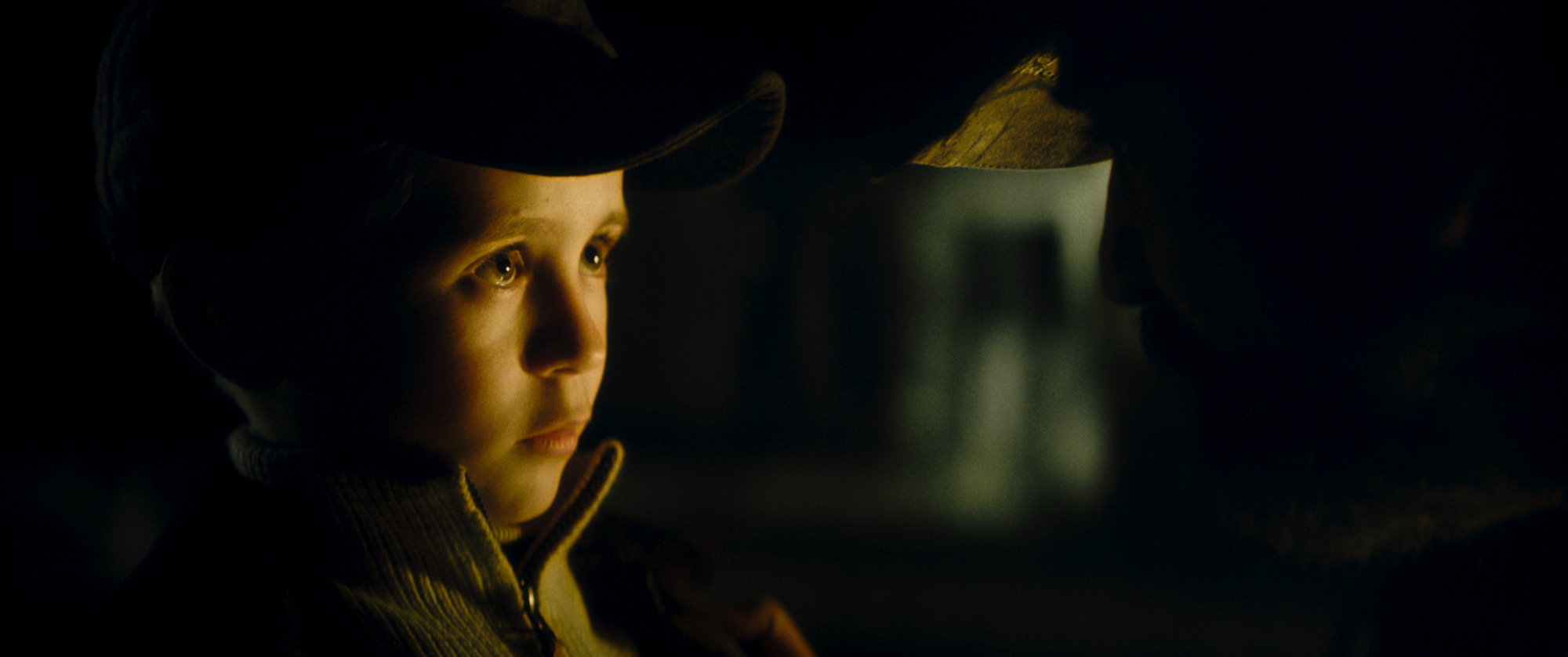
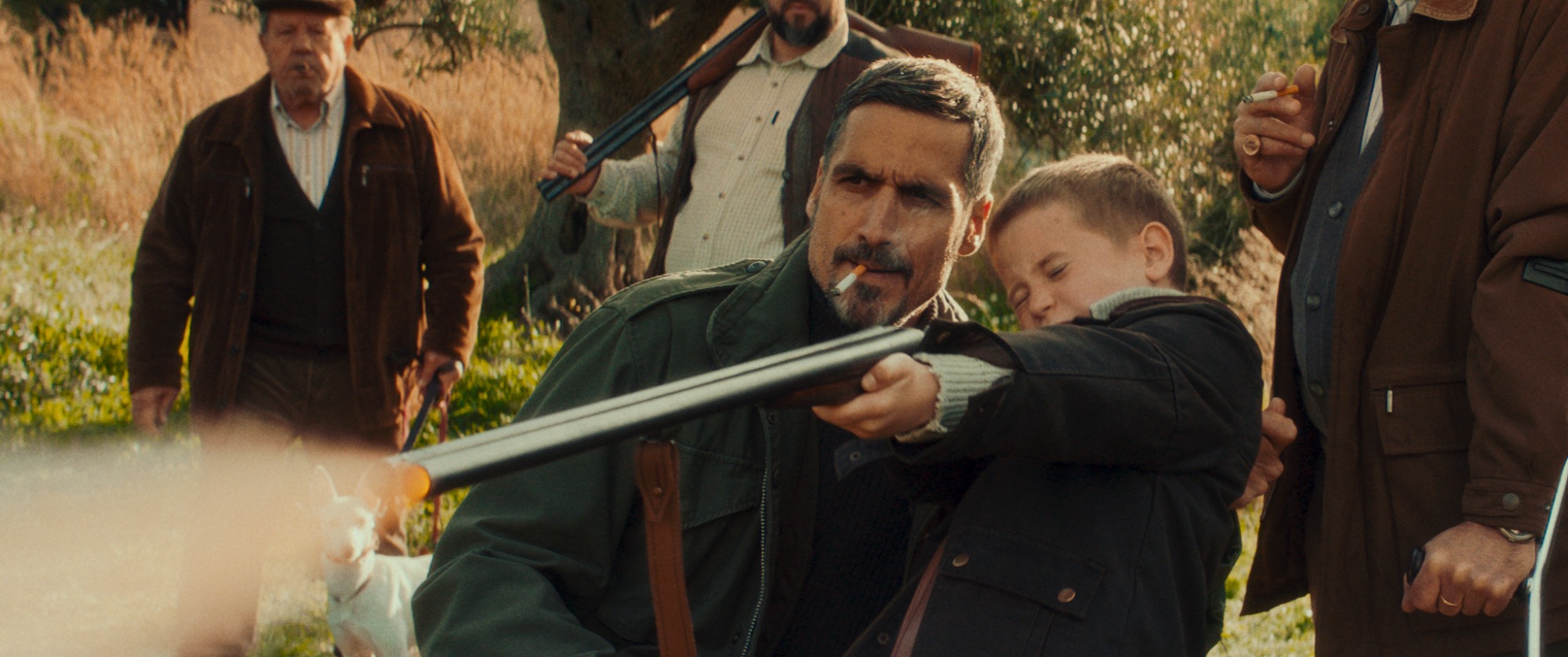
Casting Miguelito required a very specific approach. We needed a child who could observe rather than act – for most of the film, he is a passive observer, so we focused on creating a rich, deeply authentic environment of real-life hunters so that his curious gaze would feel genuinely real. Drawing from my own memories at age seven, I sought to capture visceral details – like a man stepping straight into the campfire to warm himself, chewing on a plant to slake my thirst, having a glass of wine, or smoking my first cigarette.
Most Popular
Wherever we found real hunters, that’s where we stayed.
There are some really impressive performances throughout the film, particularly among the older members of the hunting party. How did you approach casting Ser un Hombre and were there particular qualities or personalities you were looking for in those actors?
Only the lead characters were played by professional actors; the rest of the cast were non-actors – real hunters, friends of my father, and members of local flamenco clubs – who brought genuine authenticity to that world. My father (who plays the hunter stepping into the fire) was instrumental in creating a relaxed atmosphere on set where everyone could loosen up and forget about the camera. Casting was a fun process that ran parallel to location scouting: wherever we found real hunters, that’s where we stayed.
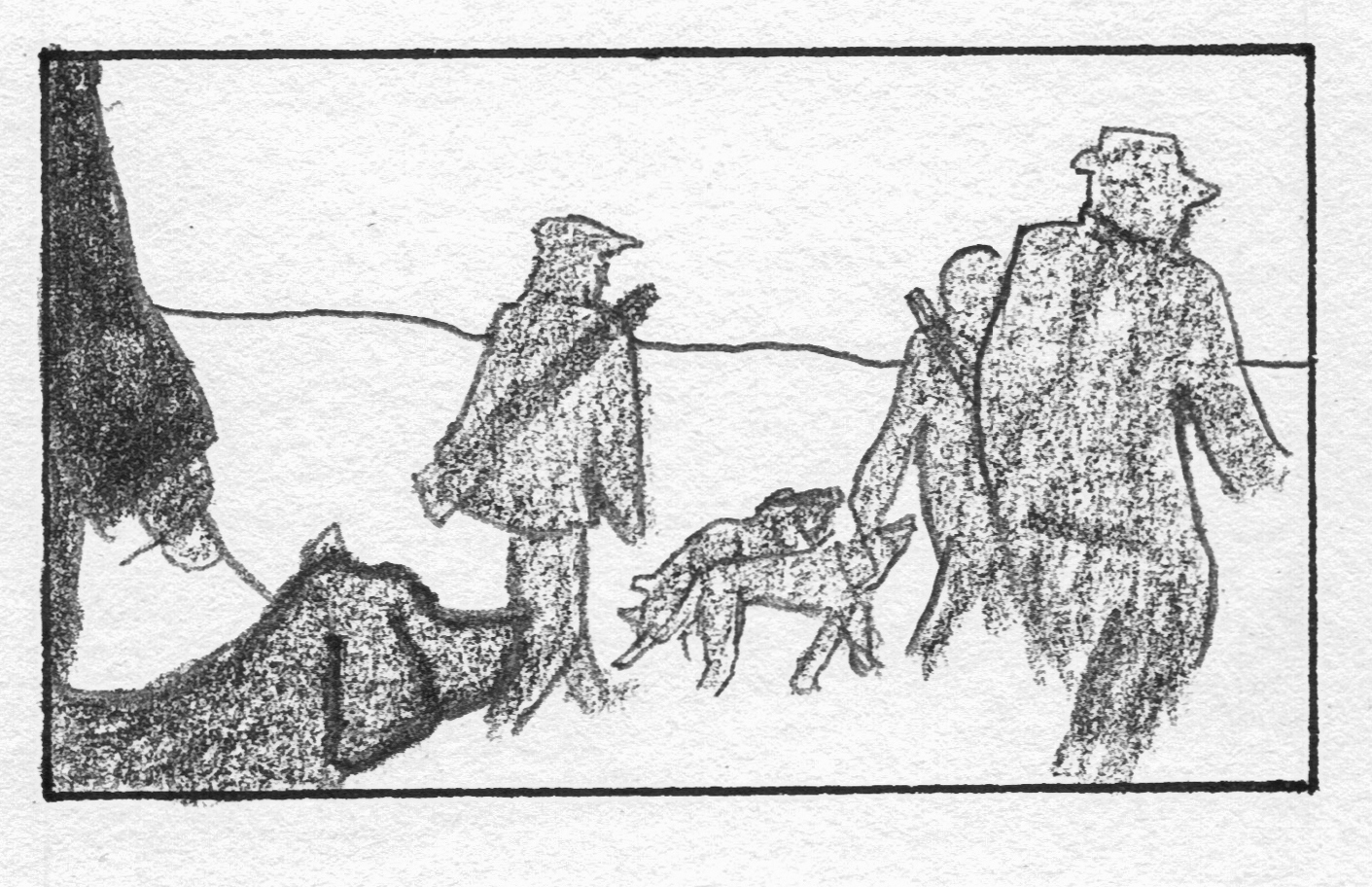
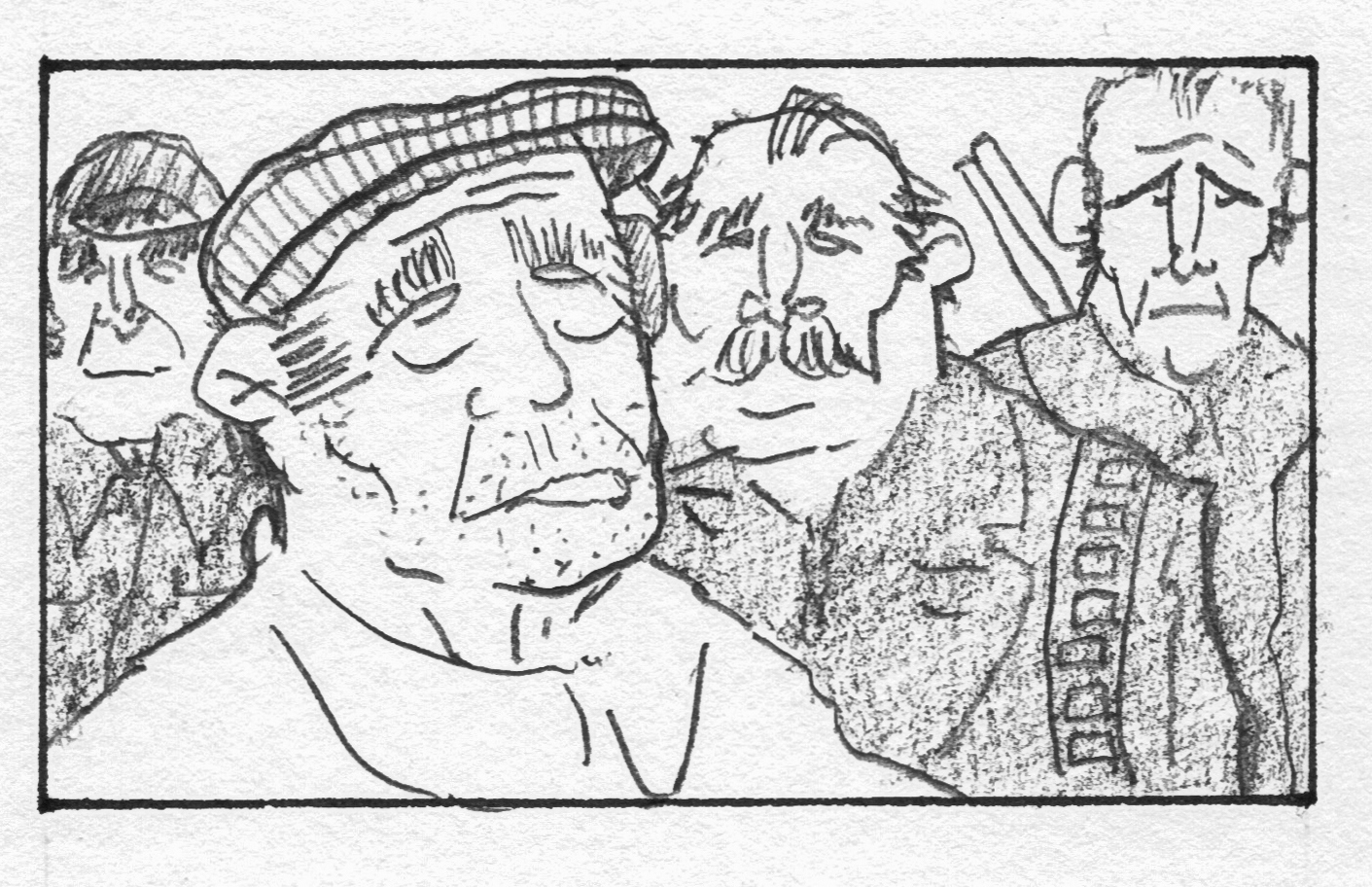
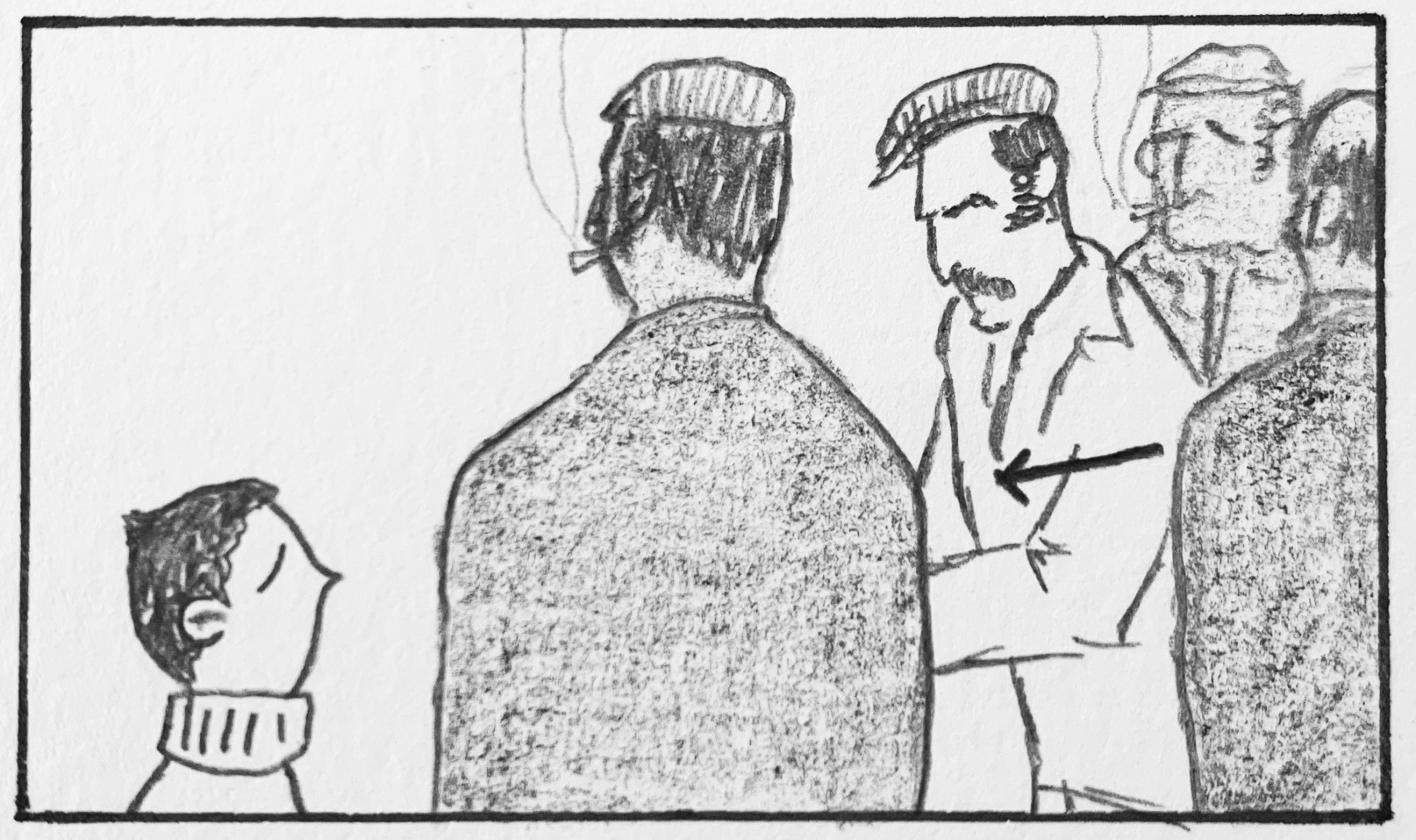
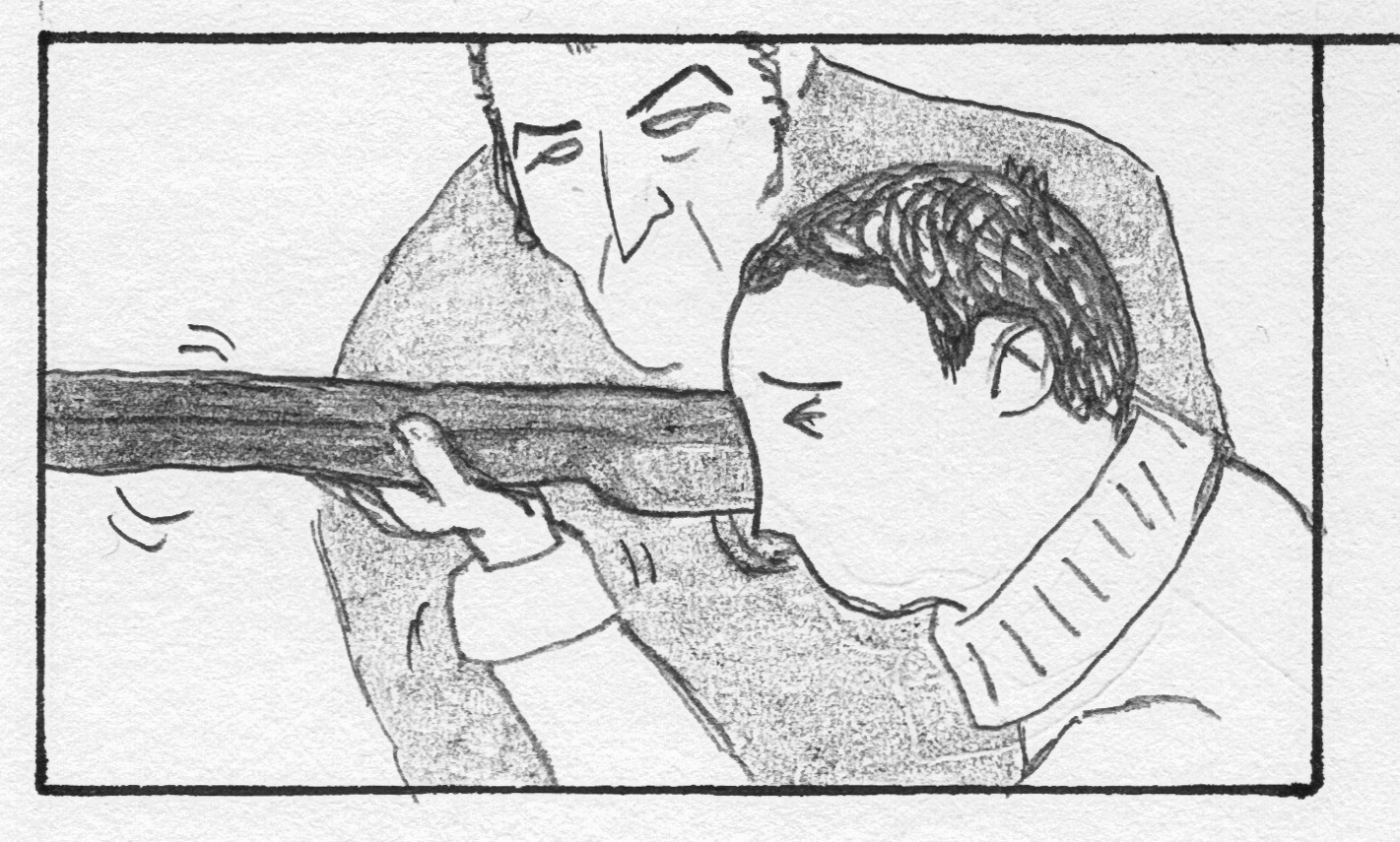
There’s a very grounded, naturalistic quality to the photography, which helps make the hunting trip feel observed rather than staged. How did you work with your cinematographer to establish the visual language of the film? And could you tell us a little about your camera and lens setup and why you chose that particular combination?
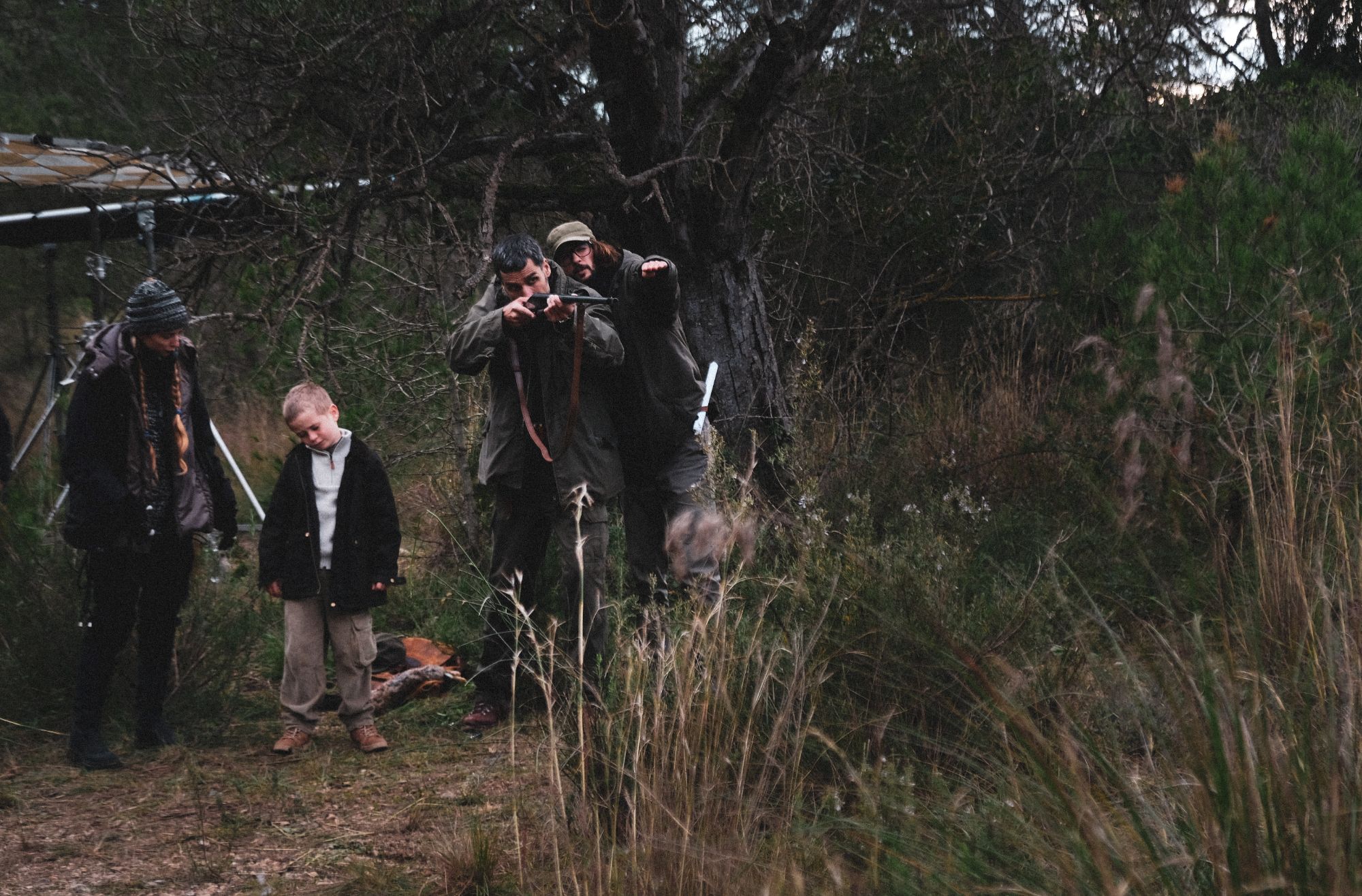
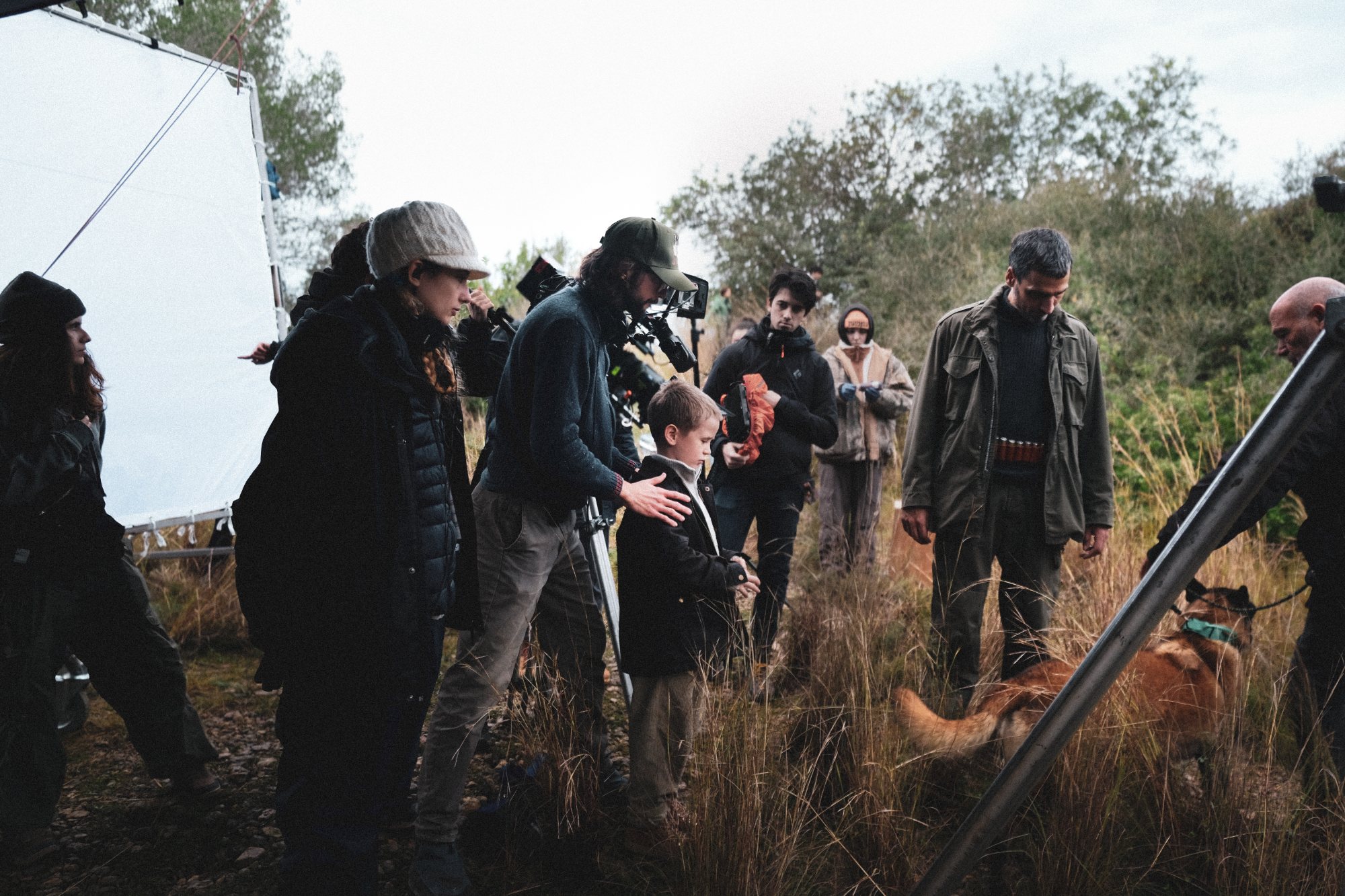
I worked closely with my DP, Dani Benejam – who shoots all my projects – to establish a tense, observational visual language inspired by 70s cinema that gradually closes in on the characters. Even though it’s a naturalistic coming-of-age short, it’s ultimately a story about tradition and hunting. That’s why we opted for a classic, dynamic approach using zooms, subtle traveling shots, and precise actor blocking rather than the handheld camera work that has become so common lately and might seem like the obvious choice for a story like this.
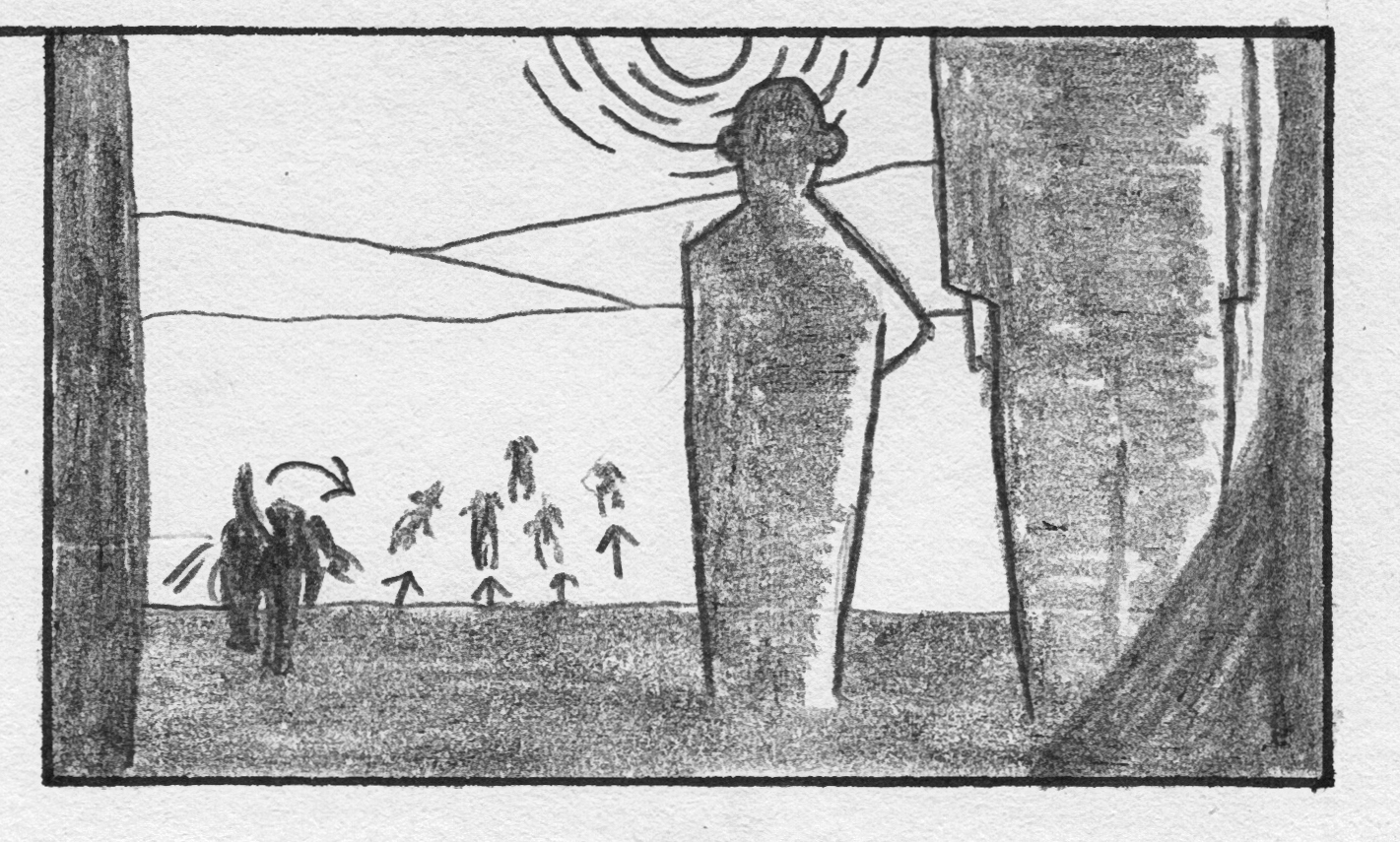
During storyboarding, we challenged every shot and cut anything that felt too staged or forced, prioritizing simplicity and restraint. For lighting, instead of adding artificial sources, we built from reality – simply shaping and subtracting natural light. We shot on the ARRI Alexa Mini with a 1970s Cooke Varotal zoom lens, which allowed us to observe the action naturally from a distance without imposing the camera.
It was also crucial for us to achieve these effects practically on set rather than relying on VFX.
Authenticity also feels particularly important when depicting the hunting experience. What lengths did you go to in order to recreate the reality of this environment and make the experience feel truthful?
We spent a lot of time figuring out how to depict the violence of the hunt authentically. Most hunting films feel contrived if you have any real-world familiarity with the environment. I believe a director must either have firsthand experience or conduct thorough research into how a hunt unfolds and how an animal dies to portray it credibly, avoiding cinematic clichés. We relied on simple, precise filmmaking techniques to create the illusion of real violence toward animals without actually harming any. It was also crucial for us to achieve these effects practically on set rather than relying on VFX.
There’s a lovely rhythm to the edit, which helps the film feel natural and unforced without ever losing the audience’s attention. How much of that rhythm emerged organically in the edit and were there any particularly difficult decisions you had to make in shaping the final film?
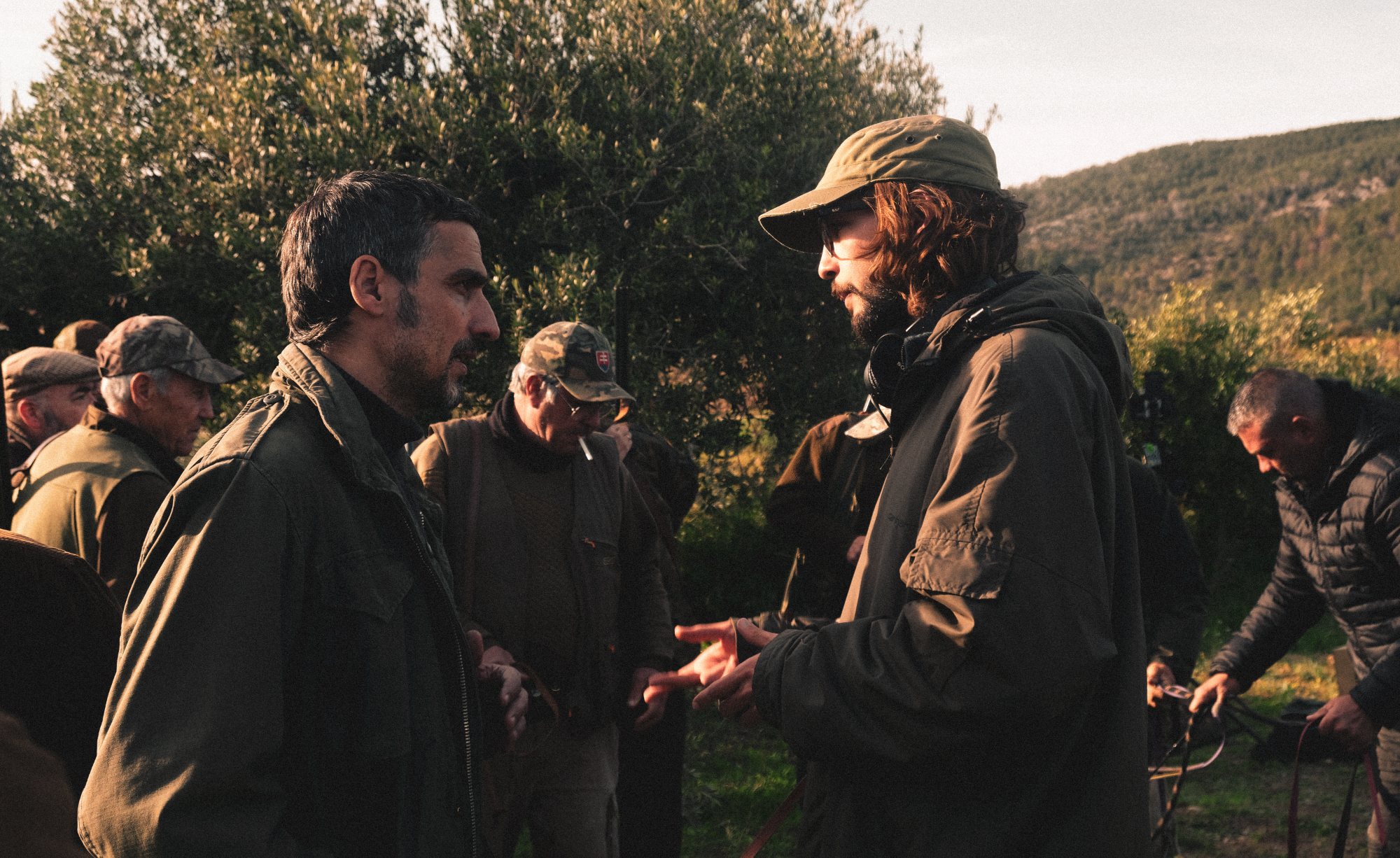
My creative process relies heavily on meticulous pre-production – extensive location scouting, storyboarding, shooting scenes on my phone on-location, and rough-cutting on my computer, combined with minimal actor rehearsals. Because the camera movement is thoroughly mapped out beforehand, I can focus entirely on directing the cast on set. As a result, the final edit closely resembles the original storyboard structure, though our editor brought fantastic fresh ideas – such as expanding the hunting montage sequence showing multiple rabbits, which was originally much shorter.
It’s a complex culture that shouldn’t be blindly demonized nor idealized.
The film is ultimately about a boy being introduced to a particular idea of manhood. Did making Ser un Hombre change or deepen your own thinking about masculinity, hunting or the traditions you were exploring?
Every project is a learning experience – through the writing, shooting, and editing phases. Much of that growth comes from the people you meet along the way; I had the opportunity to speak with many different hunters and hear a wide range of perspectives. I’ve come to realize that this world and traditional views on masculinity contain both positive and negative aspects. It’s a complex culture that shouldn’t be blindly demonized nor idealized.
Lucas, thanks so much for joining us today. It’s been a pleasure to delve into your work. Before we wrap up, do you have any new projects on the horizon that you can tell us about?
I have several projects currently in development. First is Brucólacos with Filmax, a horror story set in 19th-century Spanish mines. We are also developing La Cuadrilla, alongside Sumendi and La Claqueta, which centers on a taxi driver who becomes a thief. Then there’s Working Woman, inspired by my mother when she was 17 years old, and I’m also writing a new hunting thriller. While all of these stem from personal and family anecdotes, each explores very different genres and themes. Hopefully, I’ll be shooting whichever one moves forward first next year.
And finally, a question we ask all our interviewees: what’s one short film by another filmmaker that you’d recommend to our audience and what is it about the film that makes it worth seeking out?
One short film that truly blew me away this year was Europe, an Iranian short by Mojtaba Pourabdollah. It features incredible casting, breathtaking cinematography, and a beautifully raw story centered on children.