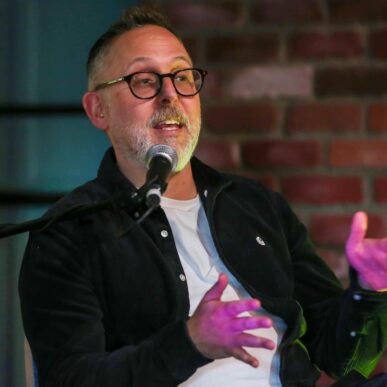
One of the things that has consistently motivated my involvement with Directors Notes is the DIY ethos that underpins almost everything we do. As a small team, we’re often required to wear many different hats and while the lack of funding or opportunities could easily have brought our work to a halt at various points over the past 20 years, we’ve continued through a shared passion for independent filmmaking and the people who make it possible. These are qualities I recognise in many of the filmmakers featured on our site, perhaps none more so than today’s returning director, Jared Hogan.
A writer-director whose work I’ve followed closely since discovering it in 2019, Hogan’s filmmaking offered an immediate reminder of what first drew me to short films. Bold, unapologetic and distinctive, his work has consistently embraced risk, but always with a clear creative purpose. When Hogan last joined us on Directors Notes, in 2019, it was with his unsettling short Pray for the Children. So, when his latest film, Dogbite, recently landed in our submissions queue, it was encouraging to see those defining qualities still present, now accompanied by a greater sense of maturity. With his feature Jackrabbit currently on the festival circuit, Hogan joins us to discuss where Dogbite sits within his evolving body of work and how the short’s stripped-back production proved formative in the development of his feature.
Hi Jared, welcome back to Directors Notes. I know you’re currently in the midst of releasing your debut feature, Jackrabbit, so I was a little surprised when you reached out with this new short for us to check out. How does Dogbite fit into the timeline of making Jackrabbit and are the two films connected in any way?
Hey Rob. First, it’s always a pleasure to catch up with you. You’ve been such a support for me and my films throughout the years. Trying to tell stories at any level is really hard, so having support of any kind goes such a long way. So, thank you to Directors Notes for always being a place that champions independent voices and filmmakers.
As for Dogbite, yeah. It was a film that was born out of an abundance of frustration. Leading up to it, I’d finished a script that I’d been grinding on for nearly three years. By the way, I’d wager to say a script that is taking you three years to write is perhaps beyond fixing, but that’s another conversation for another time. Whatever the case, I had also recently signed with a Film & TV manager and gone on the ‘water bottle tour’ as they call it. I’d met with a lot of great people. I had a handful I was really excited to send the script to when it was finished.
I came to that moment when I felt it was finally time to send it out. I clicked send and anxiously waited for my life to change. It did not. To be fair, I’m not sure the script was really ready to share. But I just wanted to go make my first feature-length film so badly. And I thought I’d finally gone about it the ‘right’ way. This was my third or fourth feature script I’d written. I’m living in LA. I have representation. I had all the meetings and still, no one was like – “Yes, Jared, Go make your movie now”. It felt horrible. Our lives as filmmakers are almost entirely rejection, so that wasn’t new. But I thought I was about to cross over, and I didn’t. And that hurt.
No script. No money. No locations. I just wanted to go make something. With no expectation of what it would be or how it would serve my career.
After feeling bad for myself for a few weeks, I decided I wanted to try and funnel the frustrated energy into making something, instead of just being mad. But I wanted to lay down some ground rules. I wanted to remove parts of the equation that always seemed to get in the way. No script. No money. No locations. I just wanted to go make something. With no expectation of what it would be or how it would serve my career or anything like that. Just creating with my friends as some sort of salve for the frustration I was feeling.
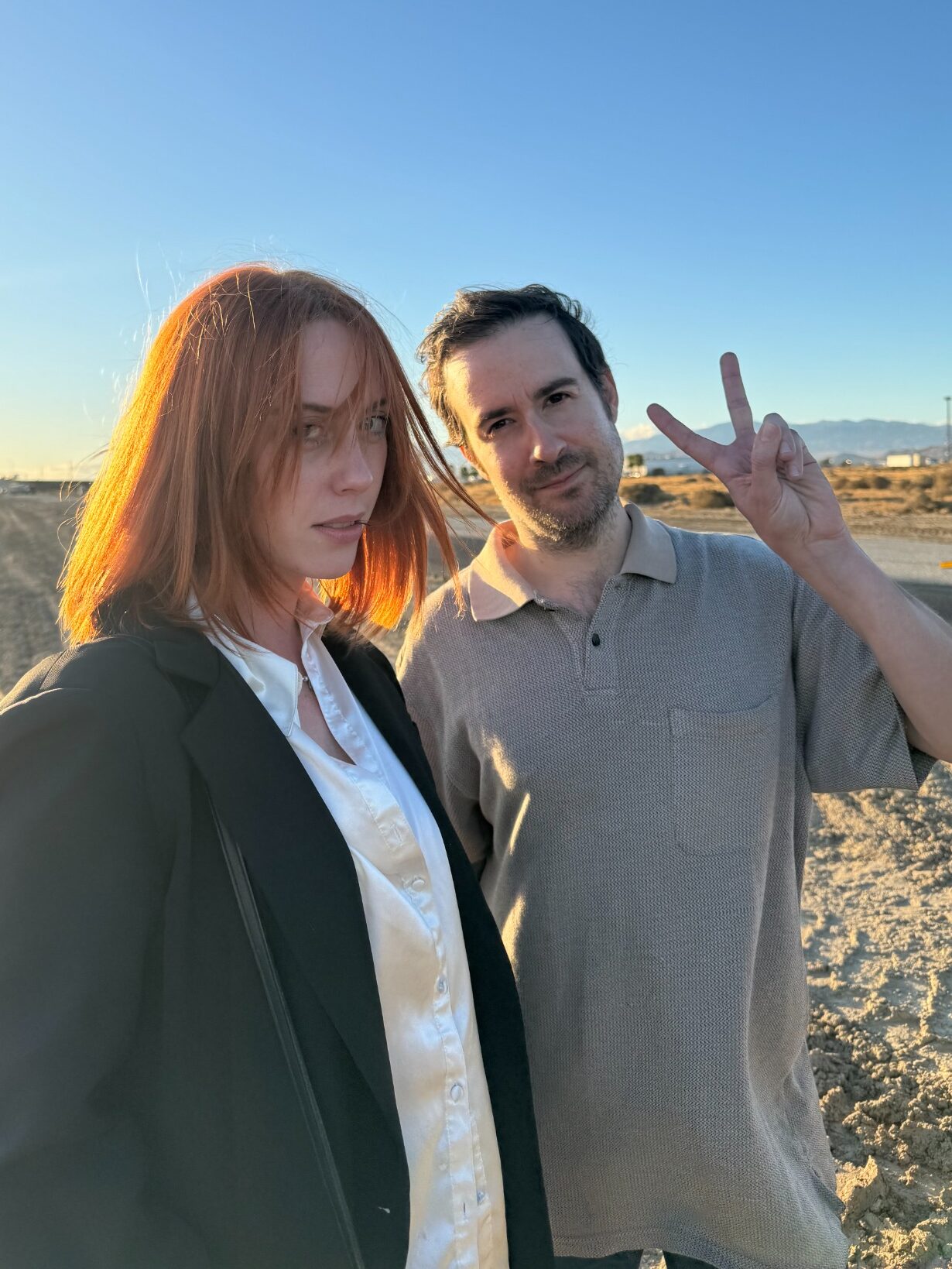
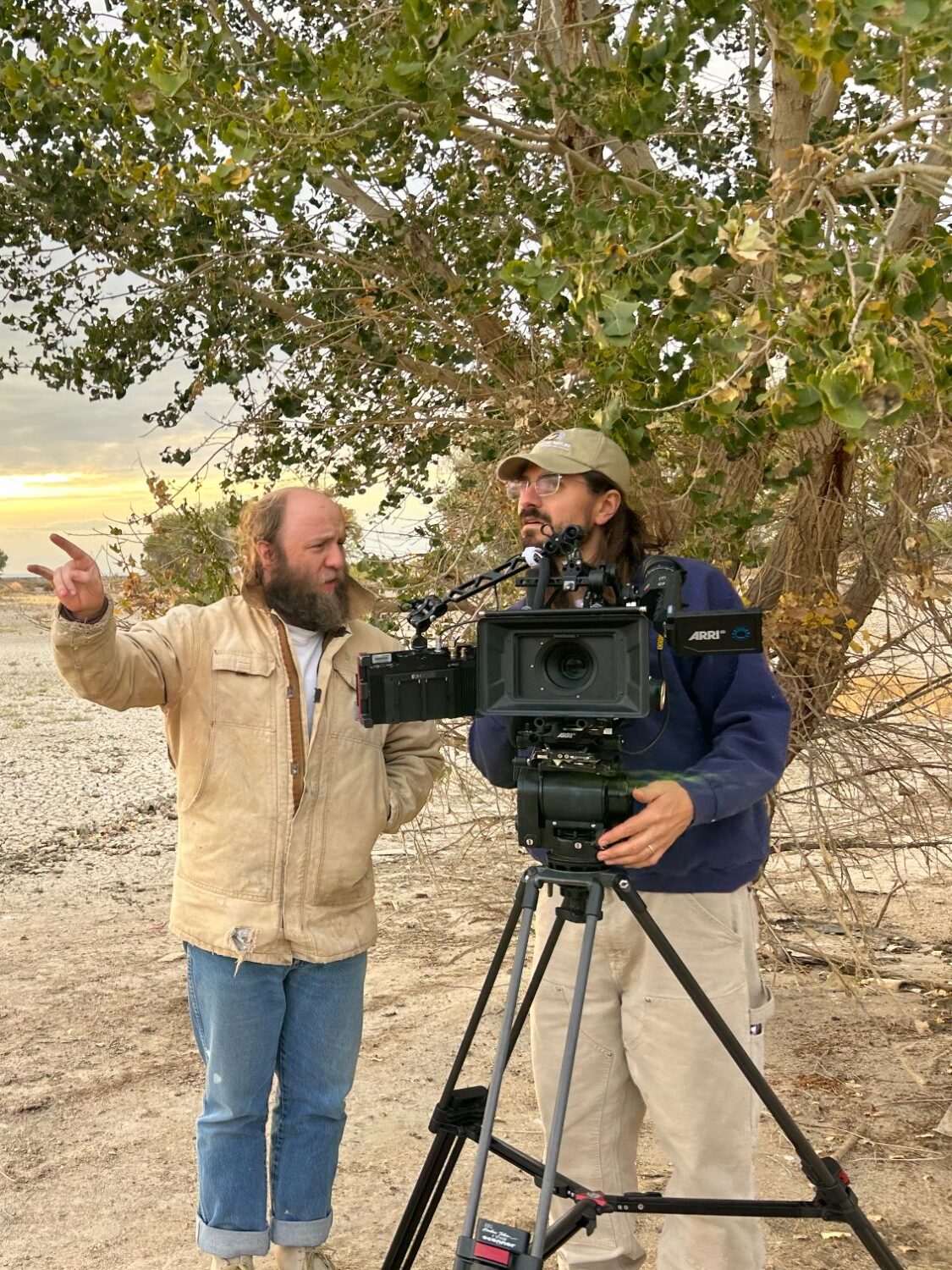
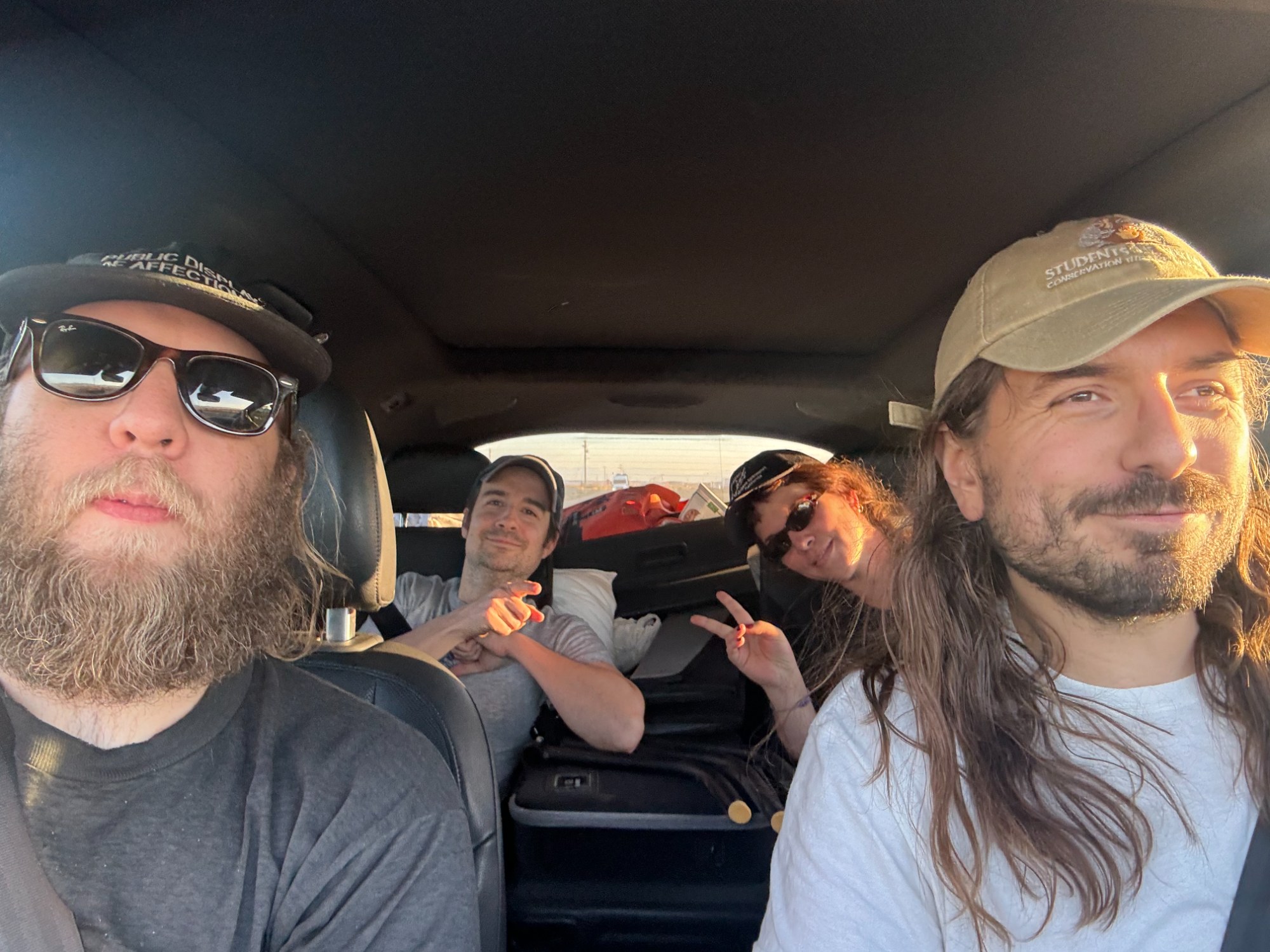
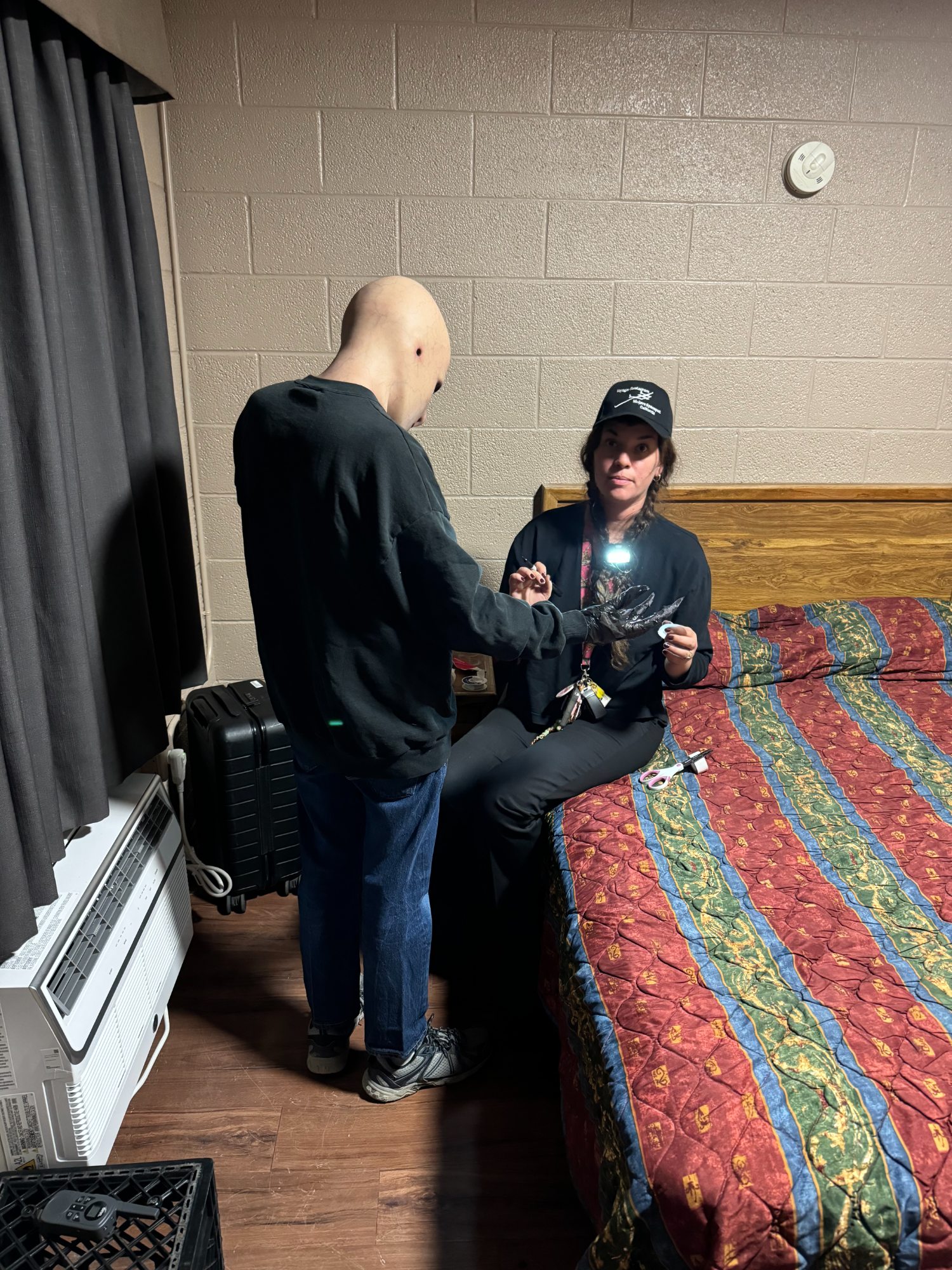
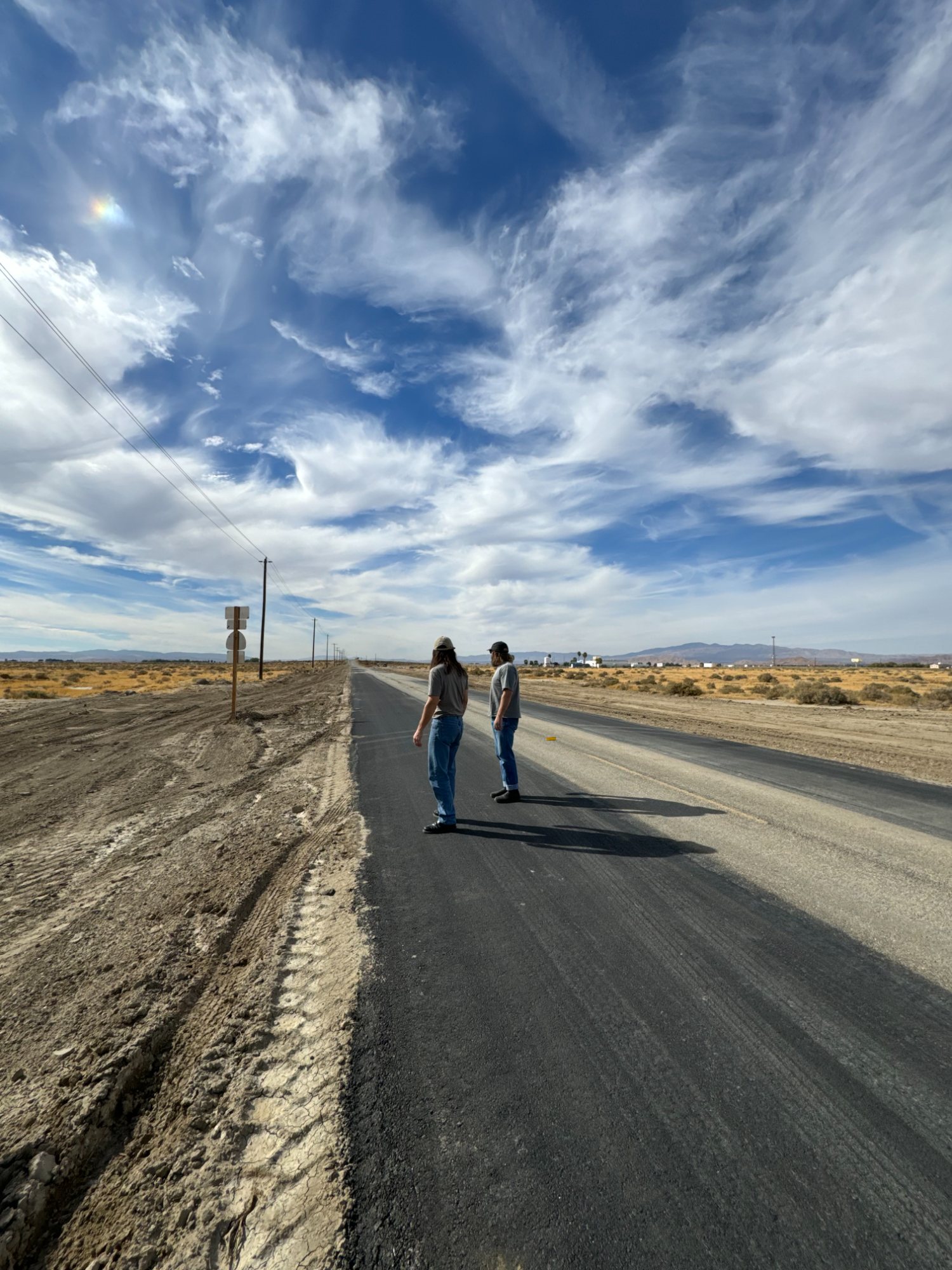
So I called up my friend Corey Waters and asked him if he wanted to go do whatever this was with me. He said yes and also brought out his amazing wife, Ines, to join the very small team. Then I called my friend and actor/filmmaker Frank Mosley (The Event). Frank had reached out a year or so before after seeing a short film I’d written and directed called How To Make A Ghost. We went for coffee and immediately knew we were cut from the same cloth. We circled some dates on the calendar and headed out together.

When we last spoke on DN, about your short Pray for the Children, we discussed your interest in exploring the idea of our “darkest thoughts transcending into the physical world” and those themes seem to be present here again. What is it about exploring the darker sides of the human mind that continues to draw you in as a filmmaker?
I’ve been in therapy most of this year and this is one of the questions I’ve actively been exploring. I grew up as a pastor’s kid in the South. Fear was so central to my experience growing up – fear of death, the apocalypse, hell – and I think the experience of growing into an adult and being able to engage with that fear and the darker sides of our existence through film has been incredibly healing for me.
Most Popular
Coming from a world where everything was presented to me as certain and binary, being able to explore the vastness in between has brought me so much relief. Seeing how the complexities of our lives expose the arrogant certainty at the center of the world I was raised in – it’s uninstalled so much fear that I’d been handed. And part of that is seeing how much more complex and fluid the transition from right and wrong, good and evil really is. It’s a long crossfade and trying to define or articulate where each begins and ends is never the goal, but a constant fascination for me to explore.
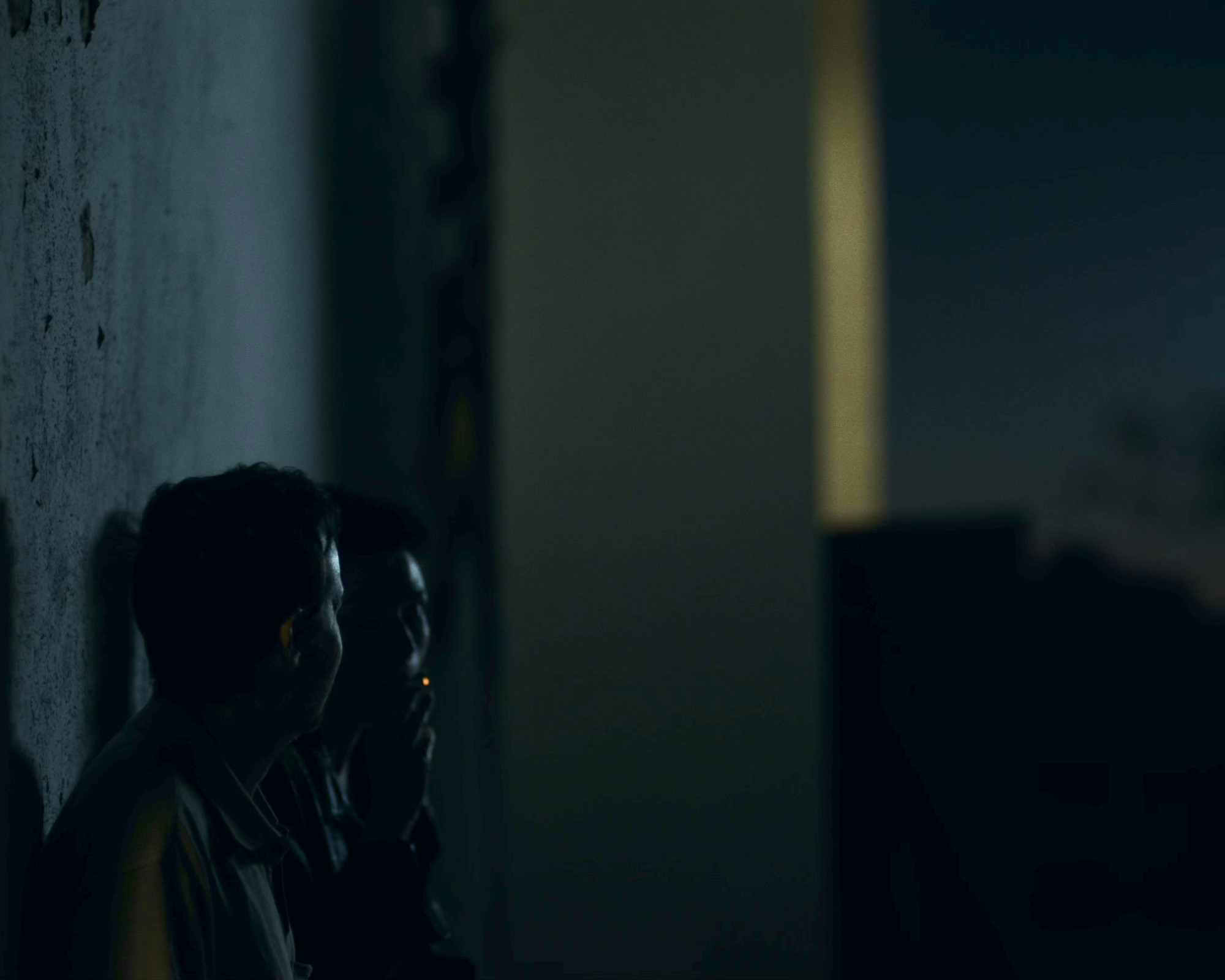
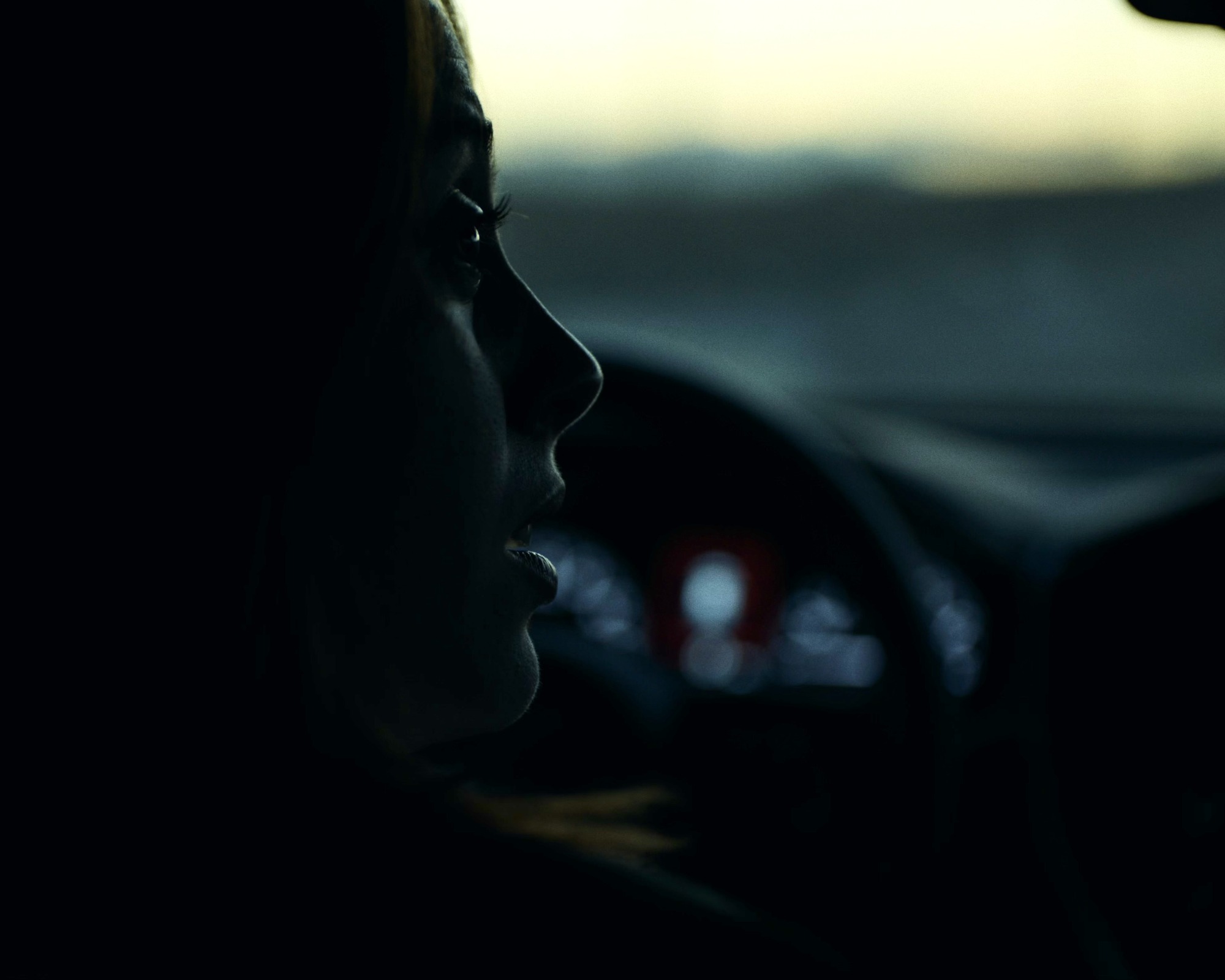
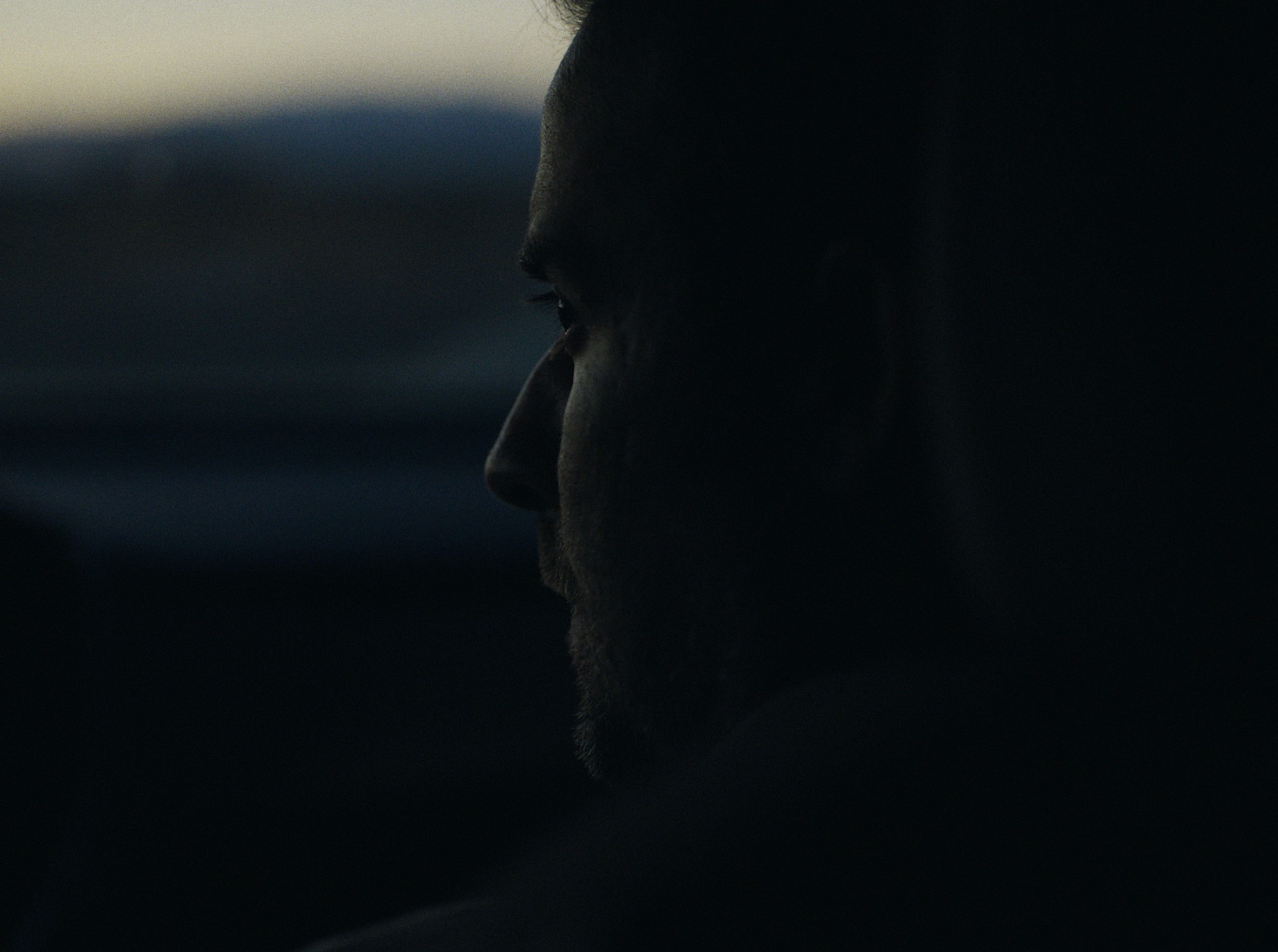
There’s a real looseness to the storytelling in Dogbite, with this feeling of unpredictability flowing through it that really keeps you gripped. With that in mind, I wanted to ask about the writing process. How much of the story was already in place when you started shooting and how much emerged through improvisation and collaboration on set?
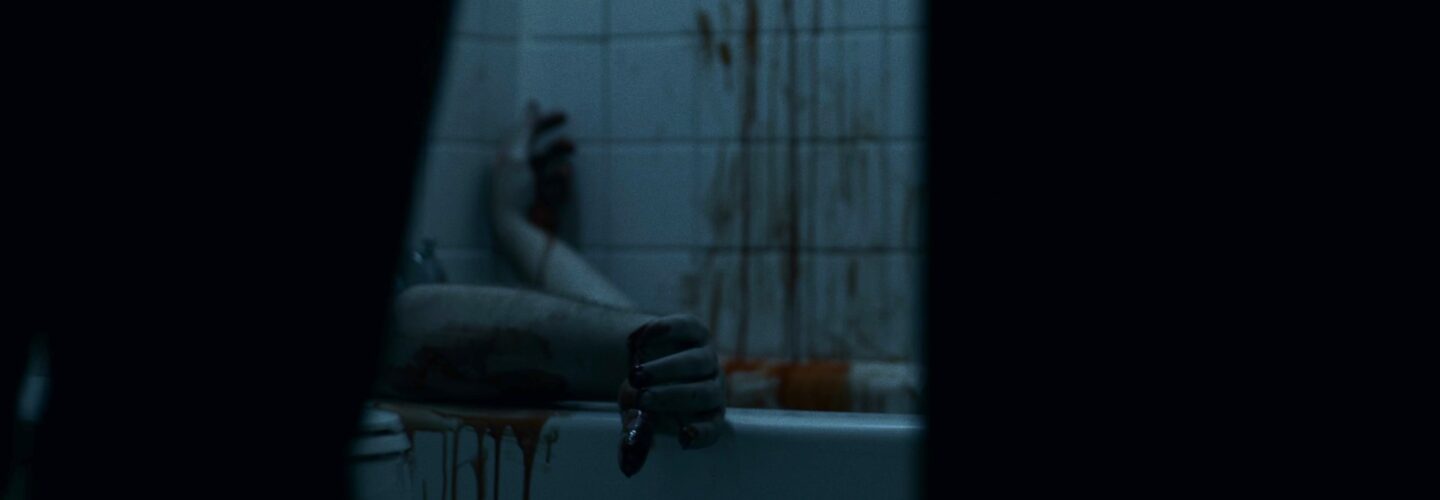
Like I explained earlier, by design there was little to no forethought. Definitely not a script or anything really written at all. But there was one idea I did have going in that served as some sort of starting point. At the time, I’d been getting these spam calls. Incessantly. Every time, they’d leave these bizarre voicemails. No voices. Just clicks and hums. I got them every day for almost a month. For whatever reason, I couldn’t help but imagine there was some message hidden within it. Someone trying to tell me something through some kind of code or hypnosis tactic. One of those voicemails is actually the sounds in the teaser. So, that’s where we began: What if there was a character getting these cryptic phone calls telling him what to do? Beyond that, we were making it up entirely as we went.
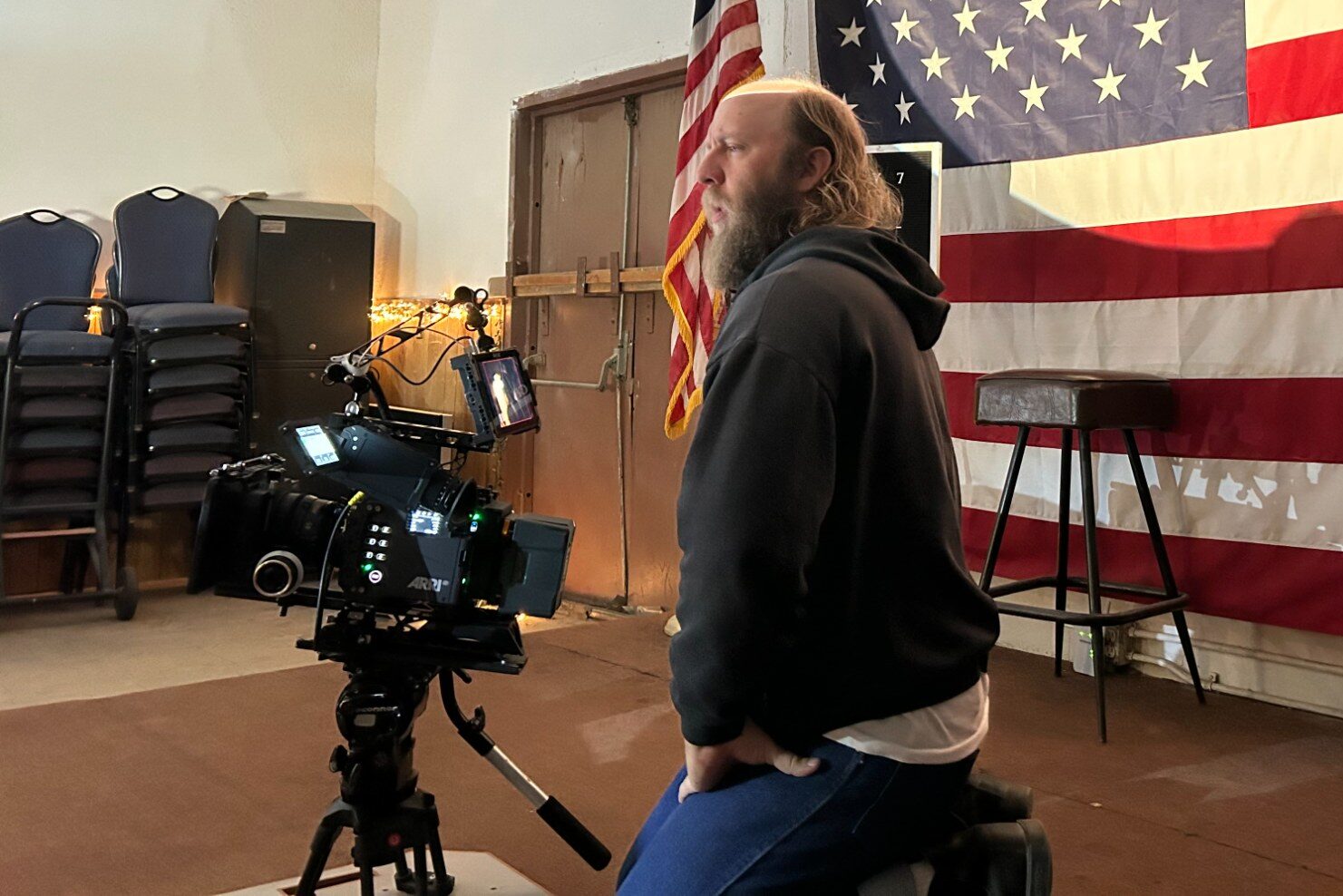
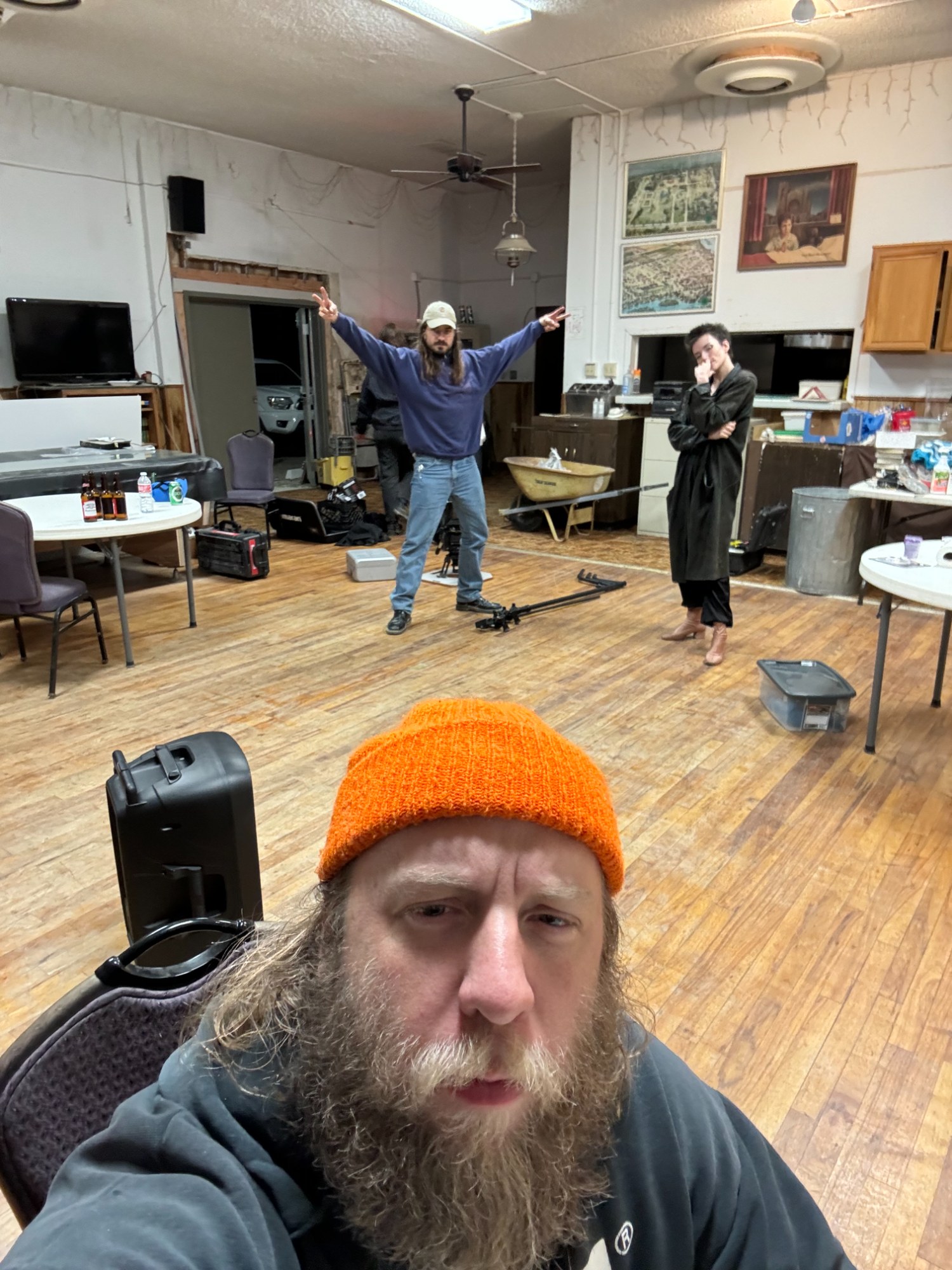
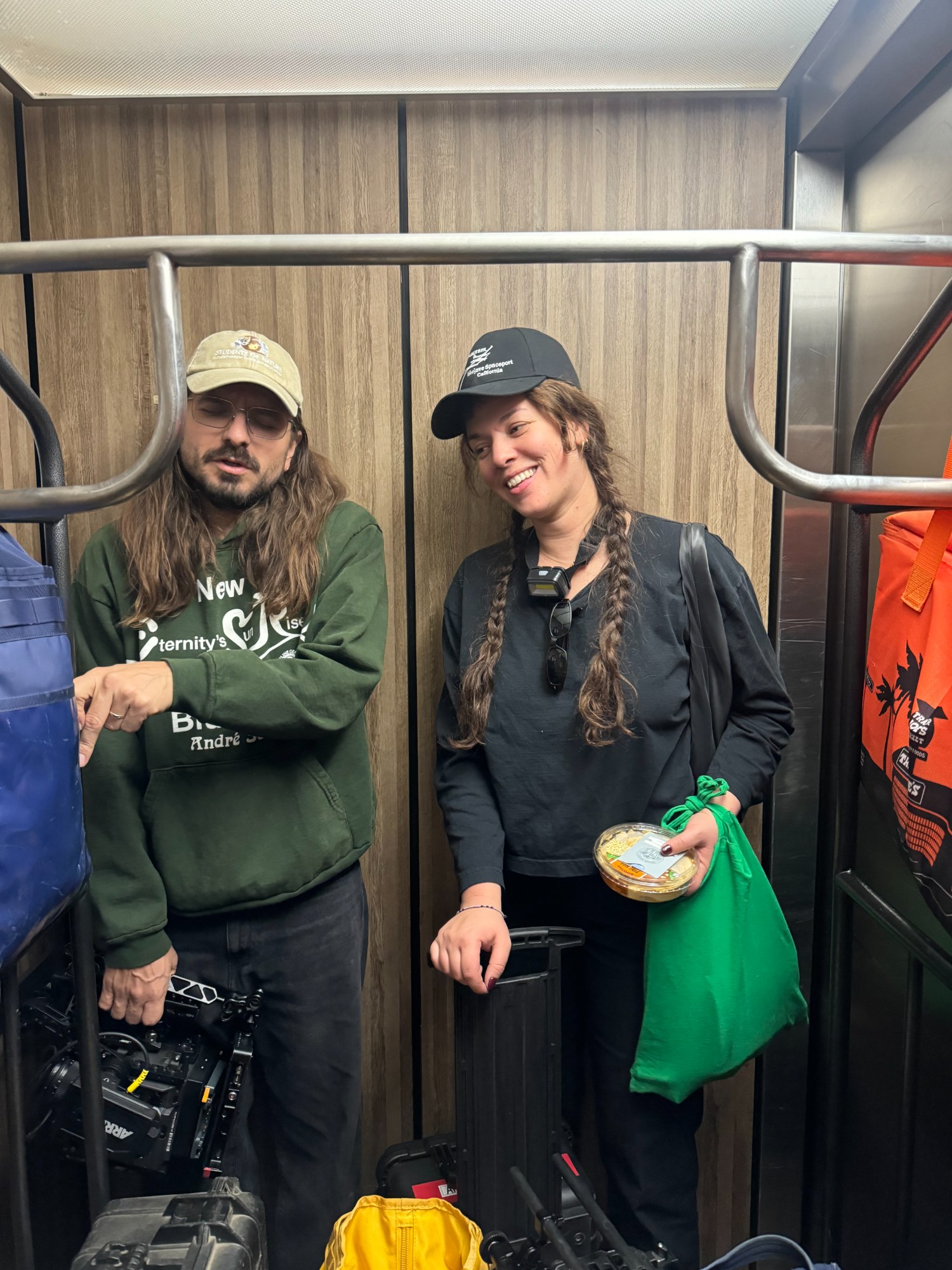
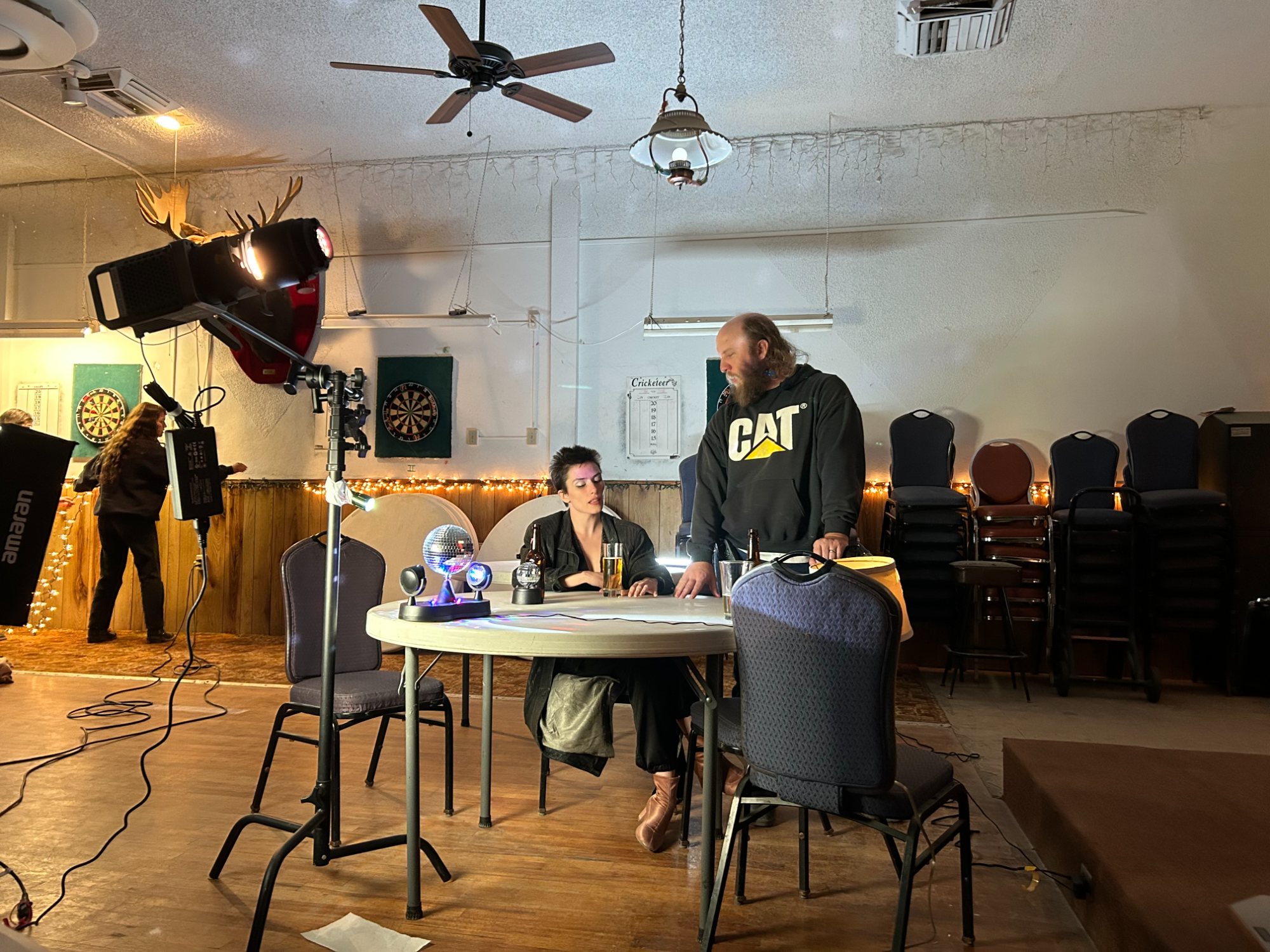
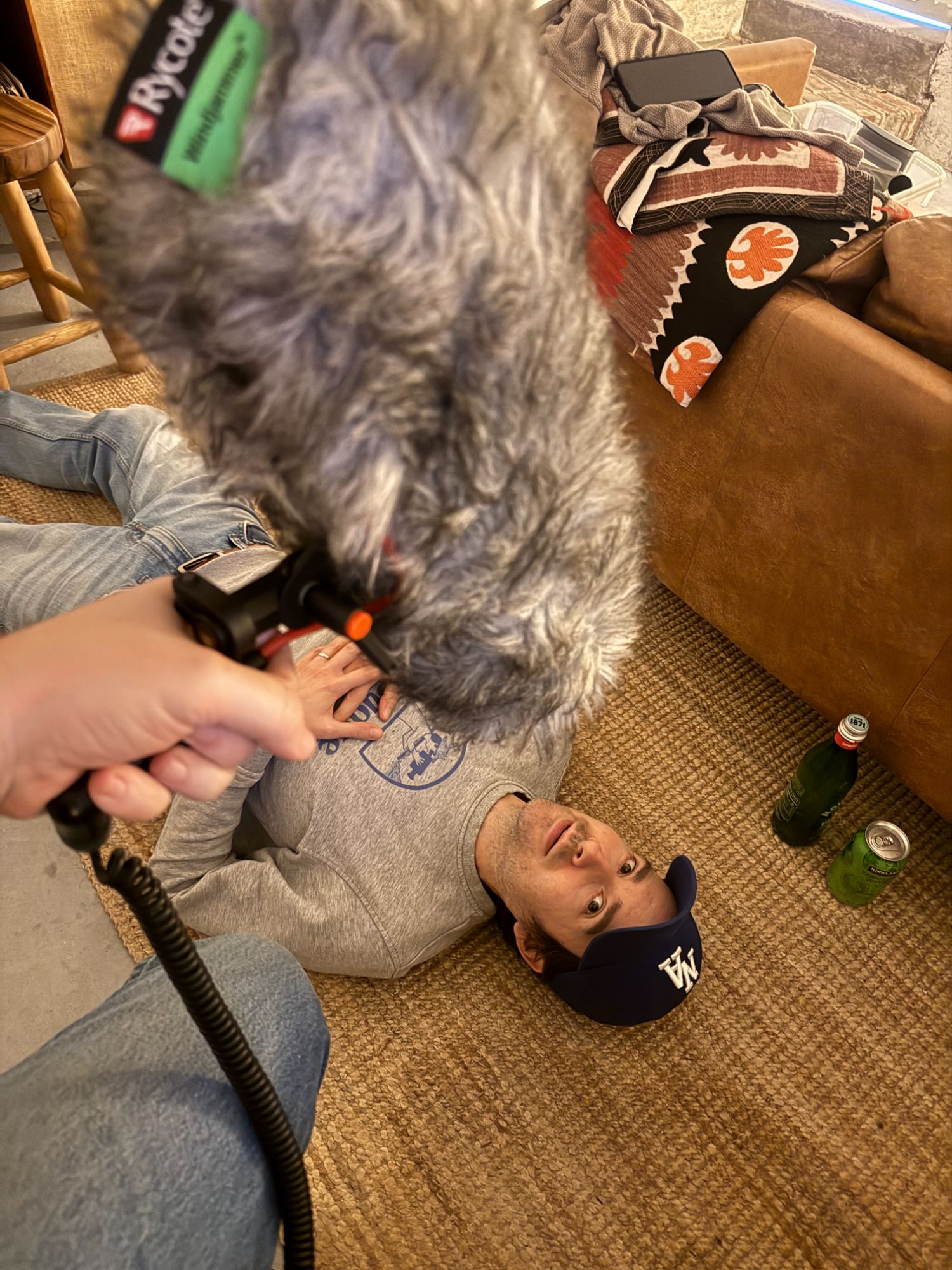
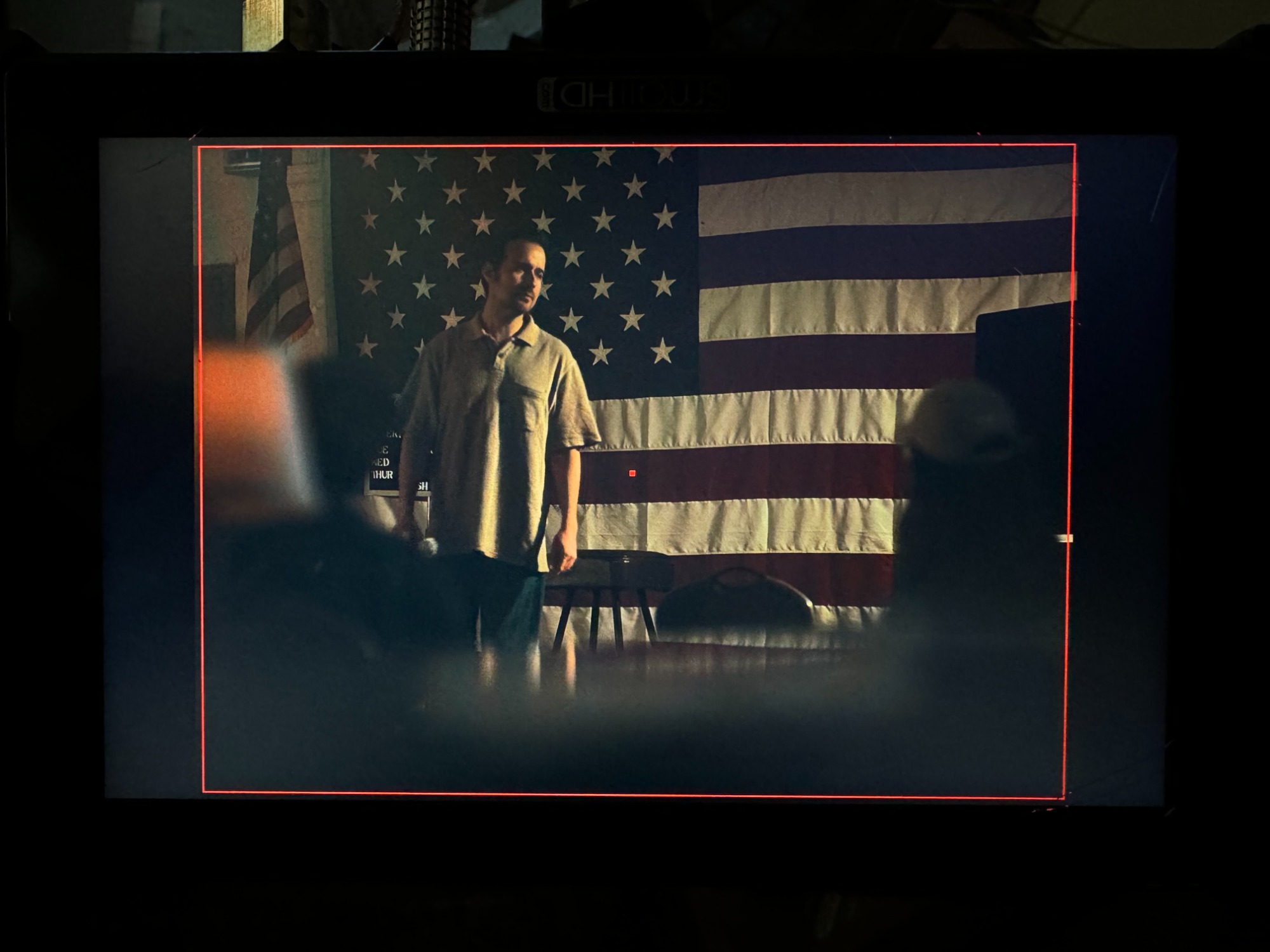
Talking of the shoot and looking at the credits, it seems like Dogbite was a real bare-bones production – you’re directing and producing, Corey C. Waters is producing and shooting and Matt Yocum is handling sound. What was the appeal of working with such a small crew and how did that setup shape your approach to the visual language of the film?
An obsession of mine, regardless of the size of the team or resources, is how much can we say with the absolute least. I’m speaking more to visual economy here. But of course in a situation like this, we’re talking about money too, or lack thereof. This has been the beat I’ve marched to forever. It’s how I came up – mostly from limitation. I remember shooting with the Canon 5D early on and realizing – if you run around with this thing, it looks like shit. But if you let this camera sit on a tripod… it can do anything. So, that plus not really knowing how to write early on and working with primarily non-actors or bad actors growing up, I found I liked communicating a lot more with the camera than with badly written and/or performed dialogue.
It was as stripped down as physically possible, and I think their talent is so evident.
It was one of those things you fall into and serves as this formative limitation. But then you read something like Bresson’s Notes on the Cinematographer and his actors-as-models approach and all of a sudden you have vocabulary from a master that you can use to validate your shortcomings as a director. That’s the visual language I feel most drawn to and excited by.
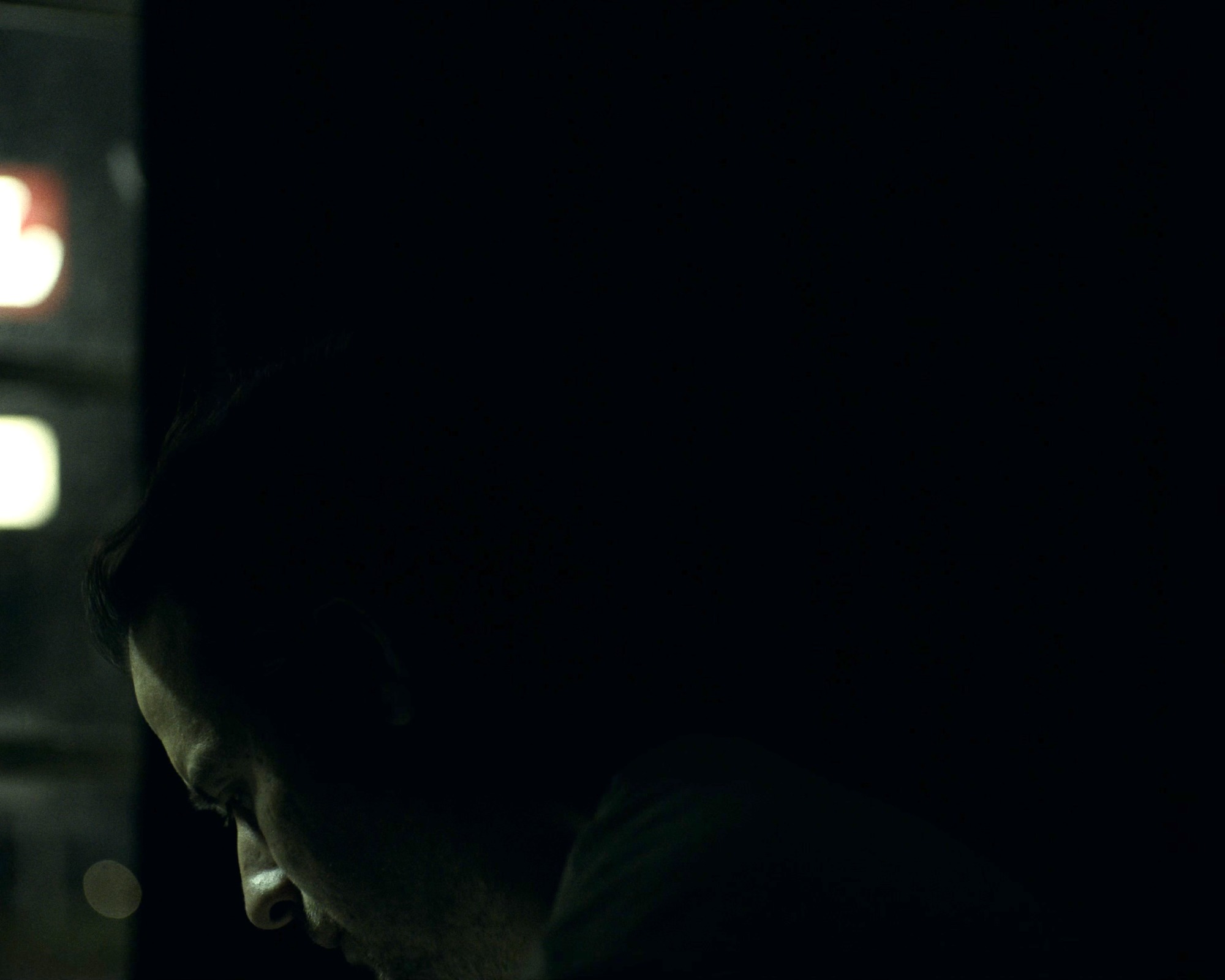
But here I’m surrounded by some of the most talented people in the world, so this approach takes on a whole new life. Corey finding the right light. Composing the frame together. Setting the camera down and letting something unfold when Frank is in the frame all of a sudden becomes much more compelling. Then handing these moments over to someone like Matt Yocum (The Last of Us, Widow’s Bay), who can truly transport the film into another realm. Same for Jacob McKee, my long-time colorist. It really allowed these master craftspeople to shine in a way that wasn’t gummed up by an overly complex process. It was as stripped down as physically possible, and I think their talent is so evident.
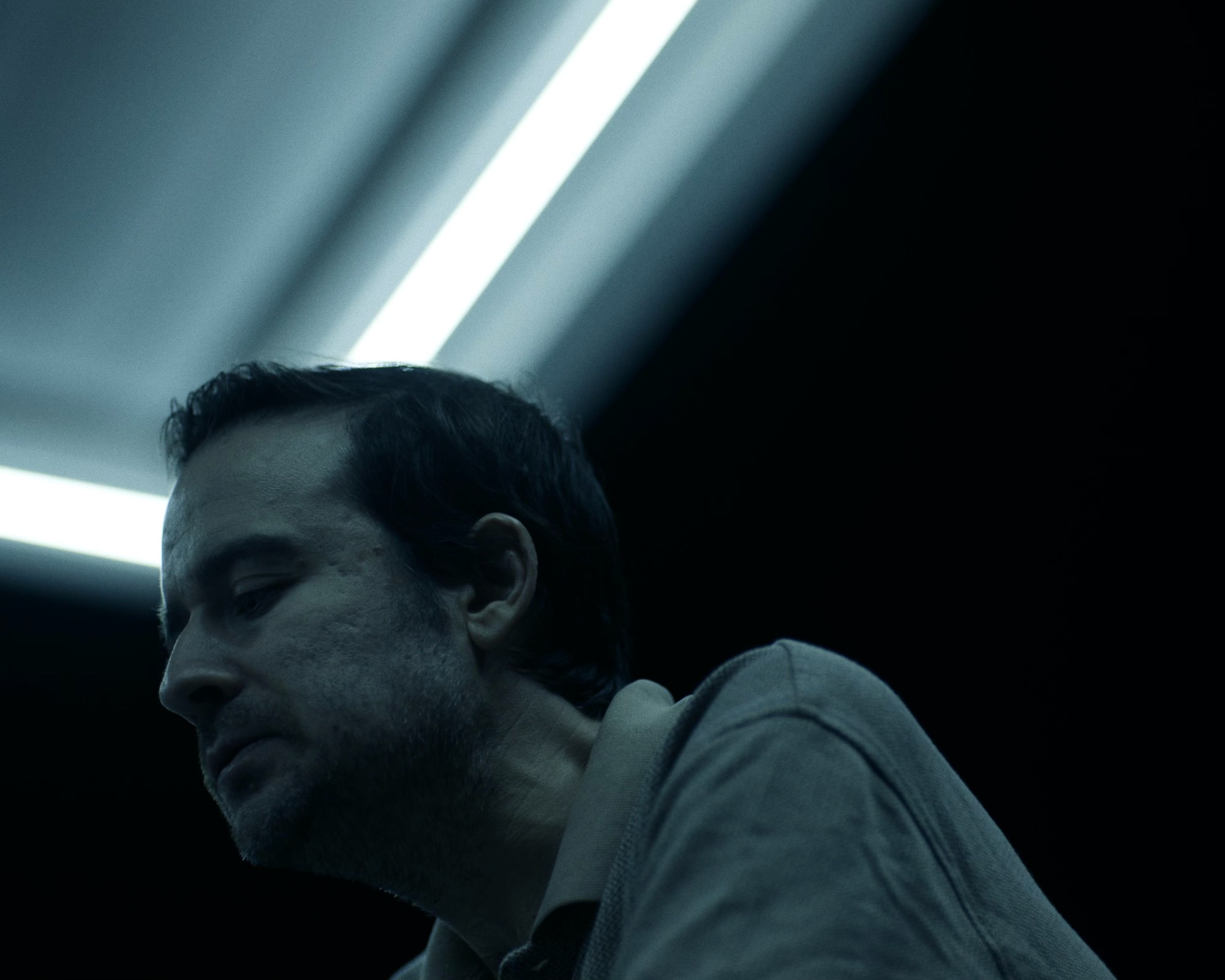
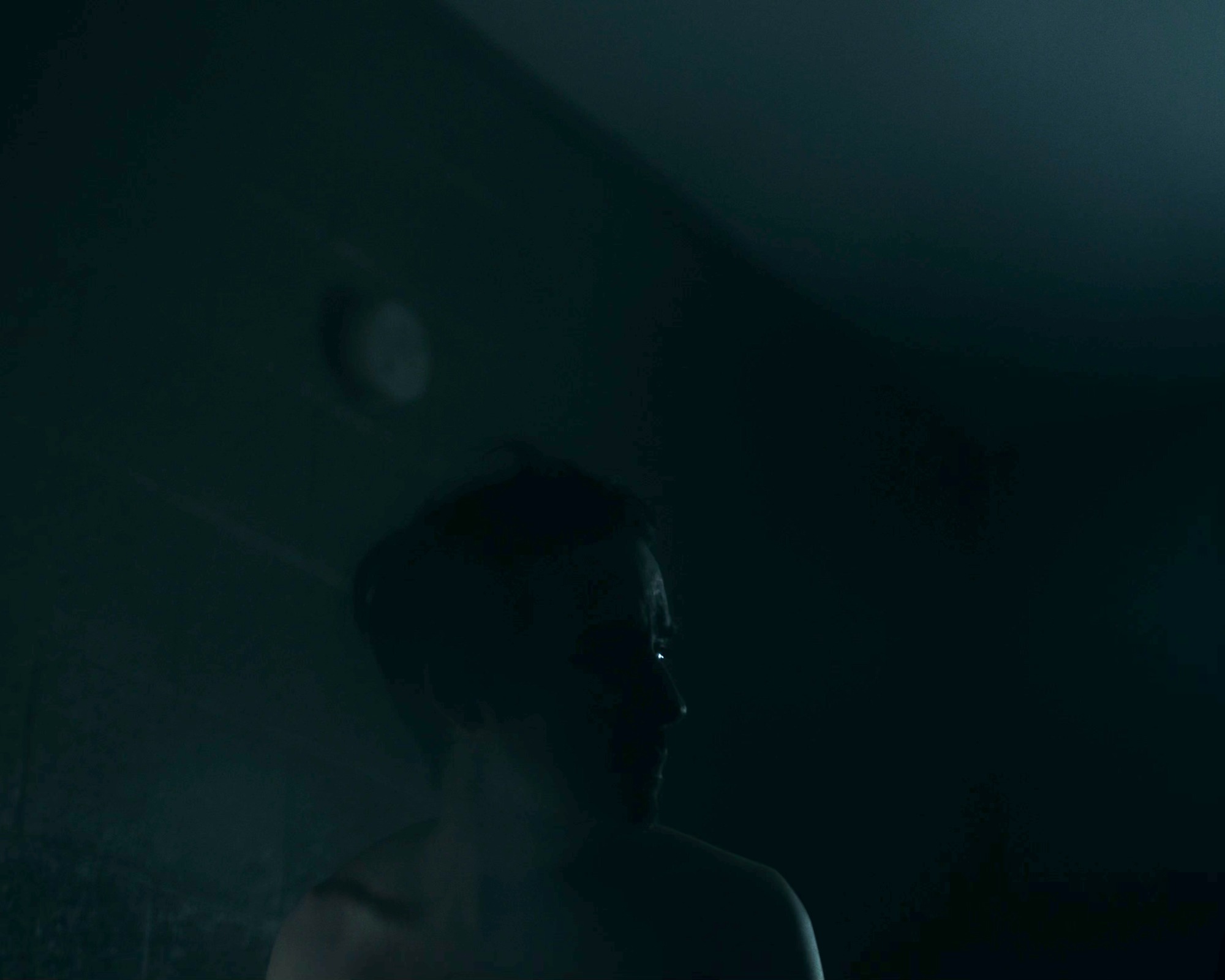
Frank Mosley also seems to have been particularly important to the project, both as an actor and as someone willing to embrace your approach to filmmaking. What was it about Frank that made you feel he was the right person to bring into the production and how did you work together to develop his character in Dogbite?
Frank’s a filmmaker himself, in addition to being an incredibly gifted actor. We just understood each other almost immediately when we first met over coffee. Like so much of my work – and this film – it was just instinct. Frank has also become this compass for me. When other people might tell me to take it easy or soften an edge, he’s a consistent voice encouraging me to be me and to follow my instincts. And I love Frank. He’s one of my closest friends. So we were just excited to go shoot something with zero expectations of where it might lead.
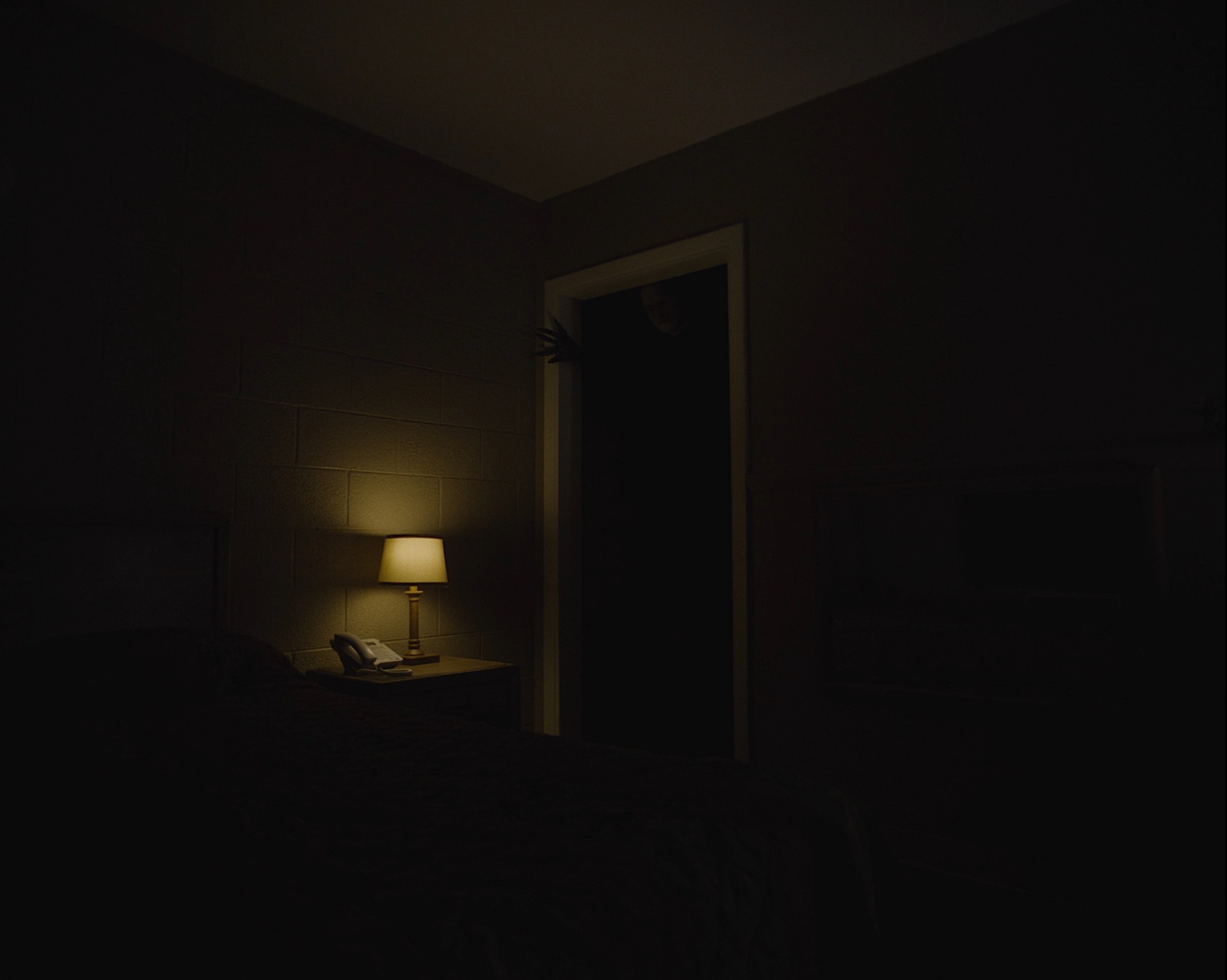
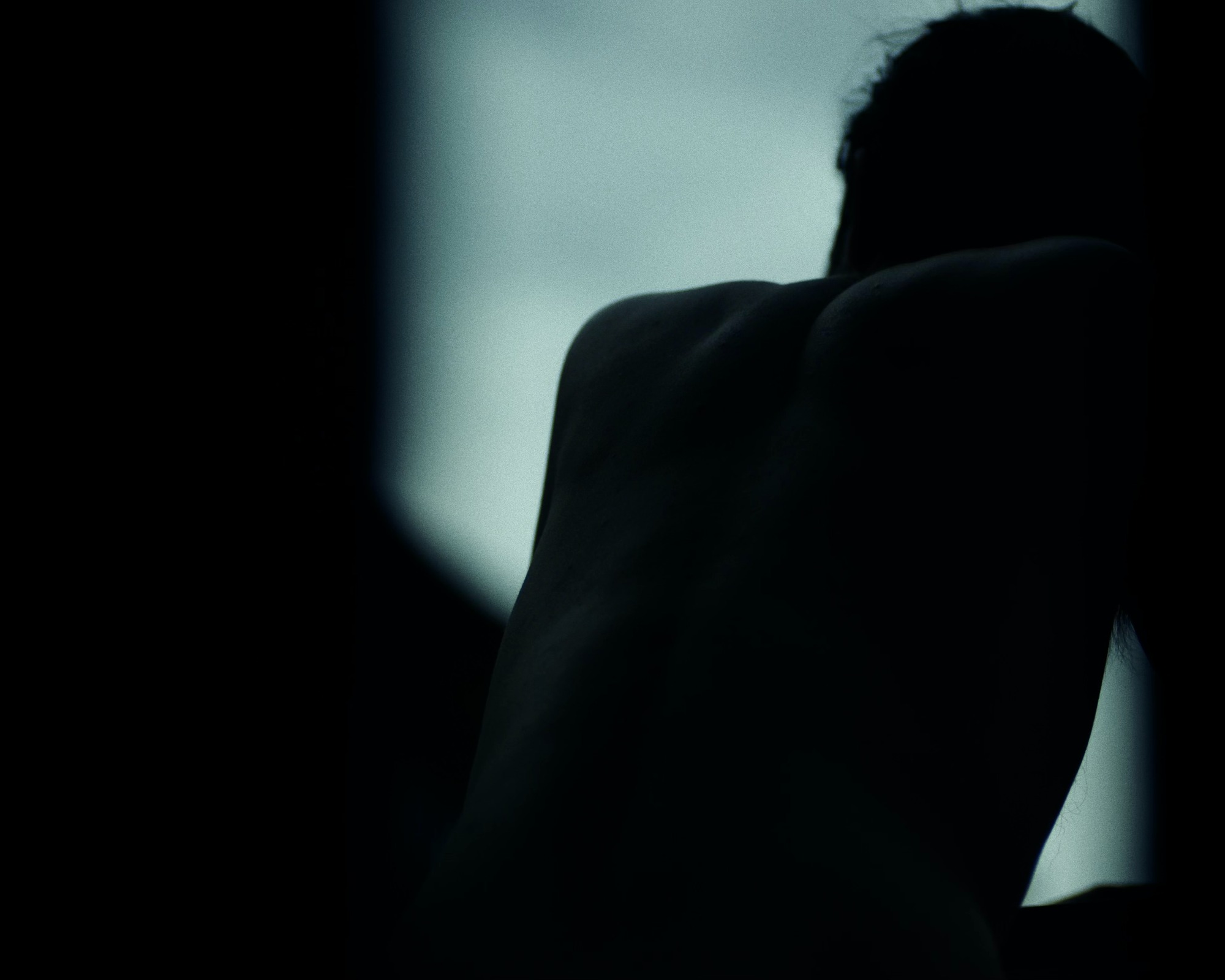
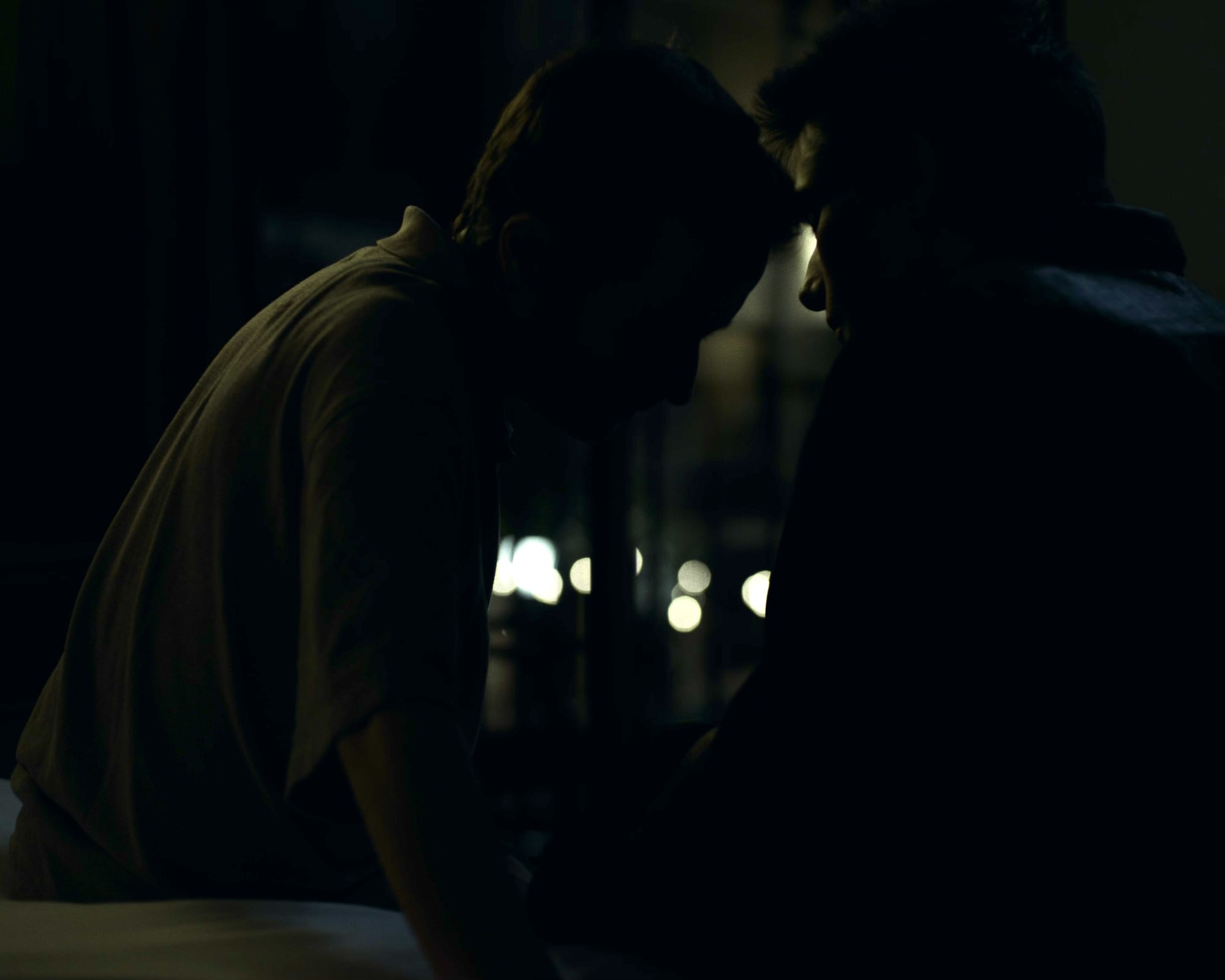
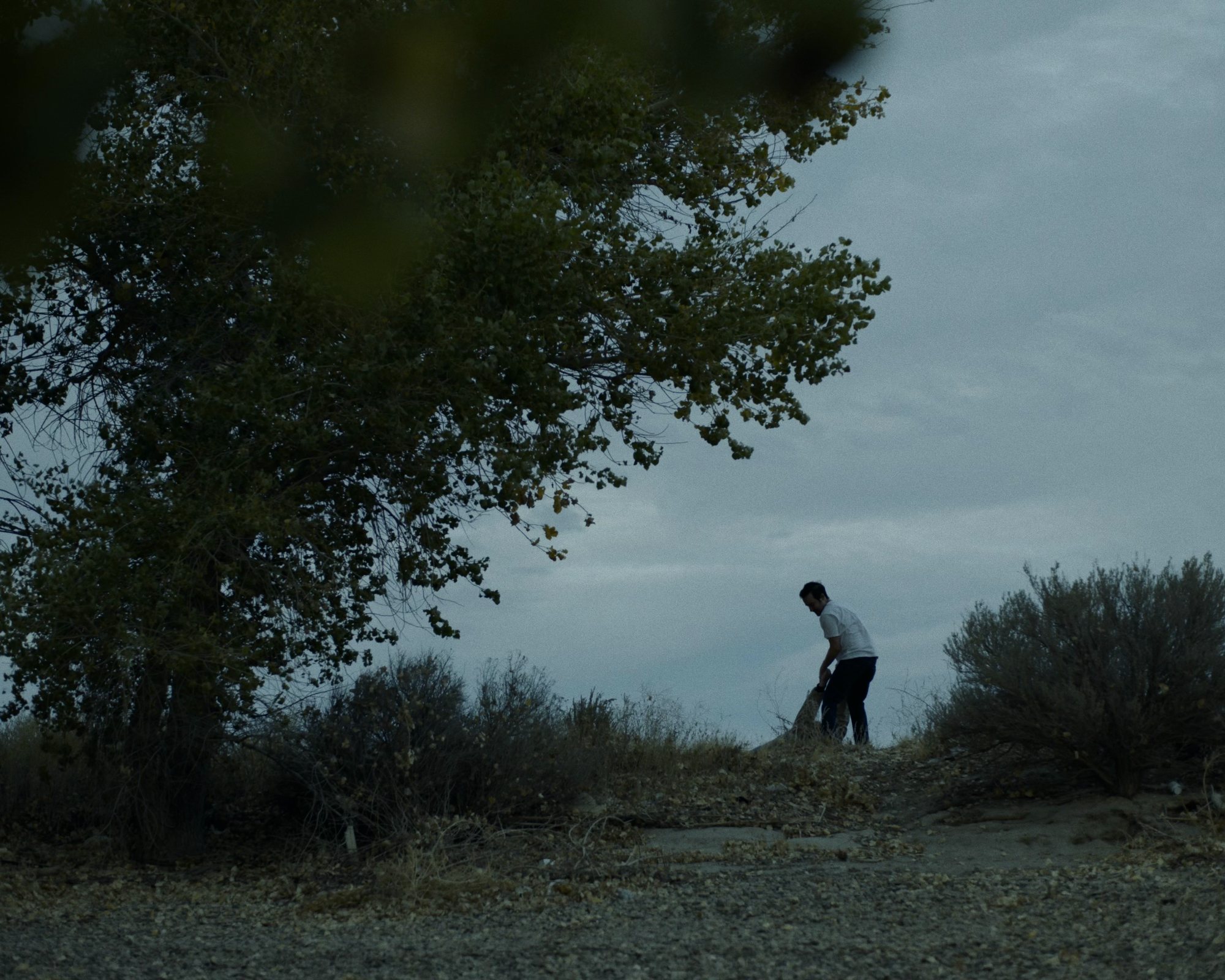
Returning to the aesthetic for a minute, there’s a sense of restraint running through into the visual language of the film. You rely heavily on locked-off shots and long takes, which I felt were crucial not only in conveying the isolation of your central character, but in placing us inside his headspace. Can you talk us through your decision-making in terms of the visual language of Dogbite and what you wanted that stillness to achieve?
I like framing things and seeing what happens. Creating this space for actors to play and the environment around them to unfold. We didn’t pay for a trained dog to wander into the shot while Frank was eating his ice cream cone. That was a wild street dog. It just happened. It was magical. That’s the stuff that makes experiences like this so beautiful. Being open and receptive to what comes.
So much of what we are asked to do in this line of work is to imagine and pre-visualize every moment, every frame. Some people work like that, and I respect it and applaud that approach. But so much of the magic for me lies in aggressively defending patience throughout the process. Time seems to play a big part in my films. Curiosity as a virtue. Allowing myself to be surprised – anticipating it. Whether that’s a dog walking into frame or watching Frank do his karaoke rendition of Steal My Sunshine for the first time.

Could you also tell us a little about the camera and lenses you used to shoot the film, and why you settled on that particular setup? What attracted you to the aspect ratio you chose for Dogbite?
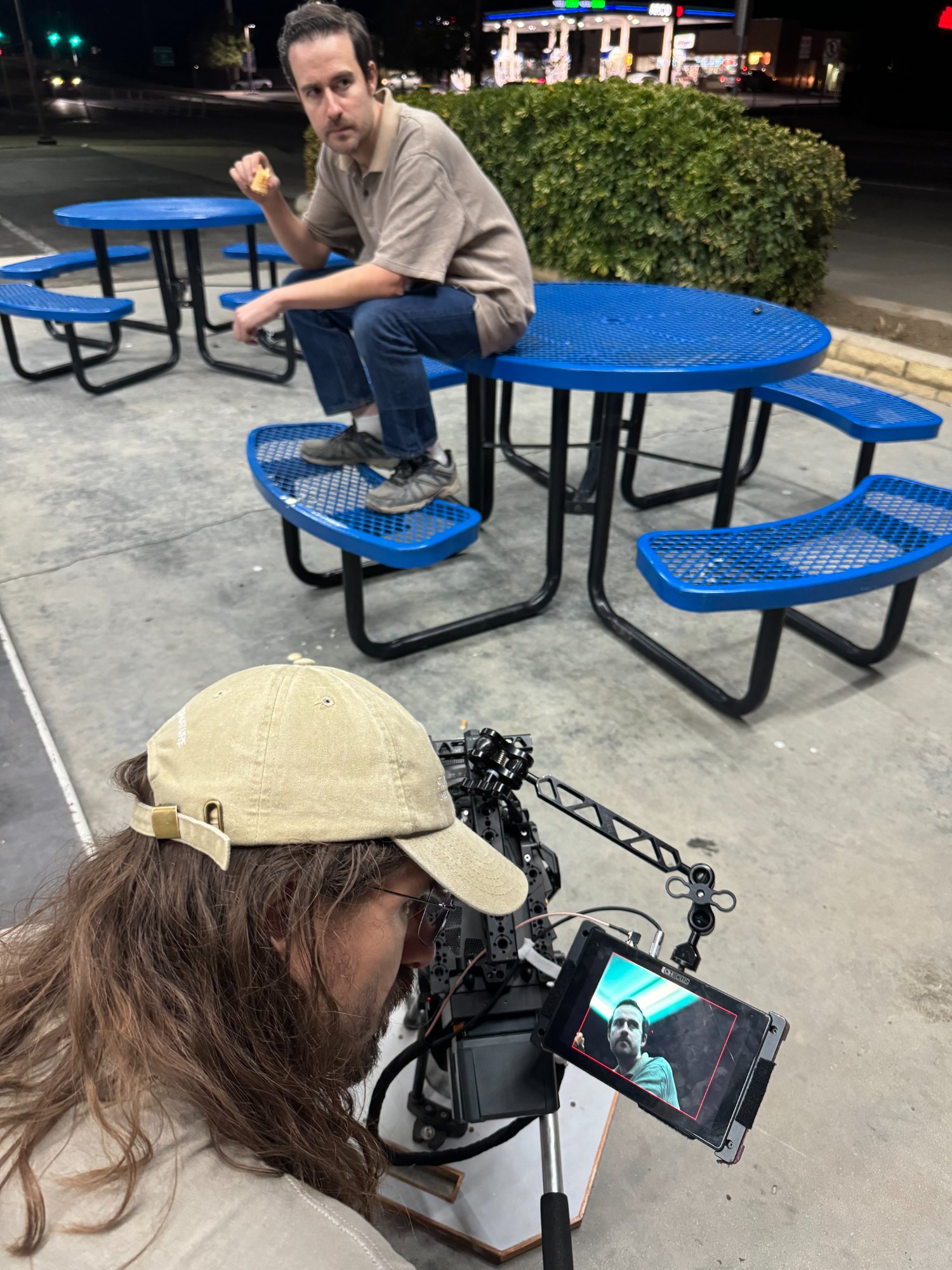
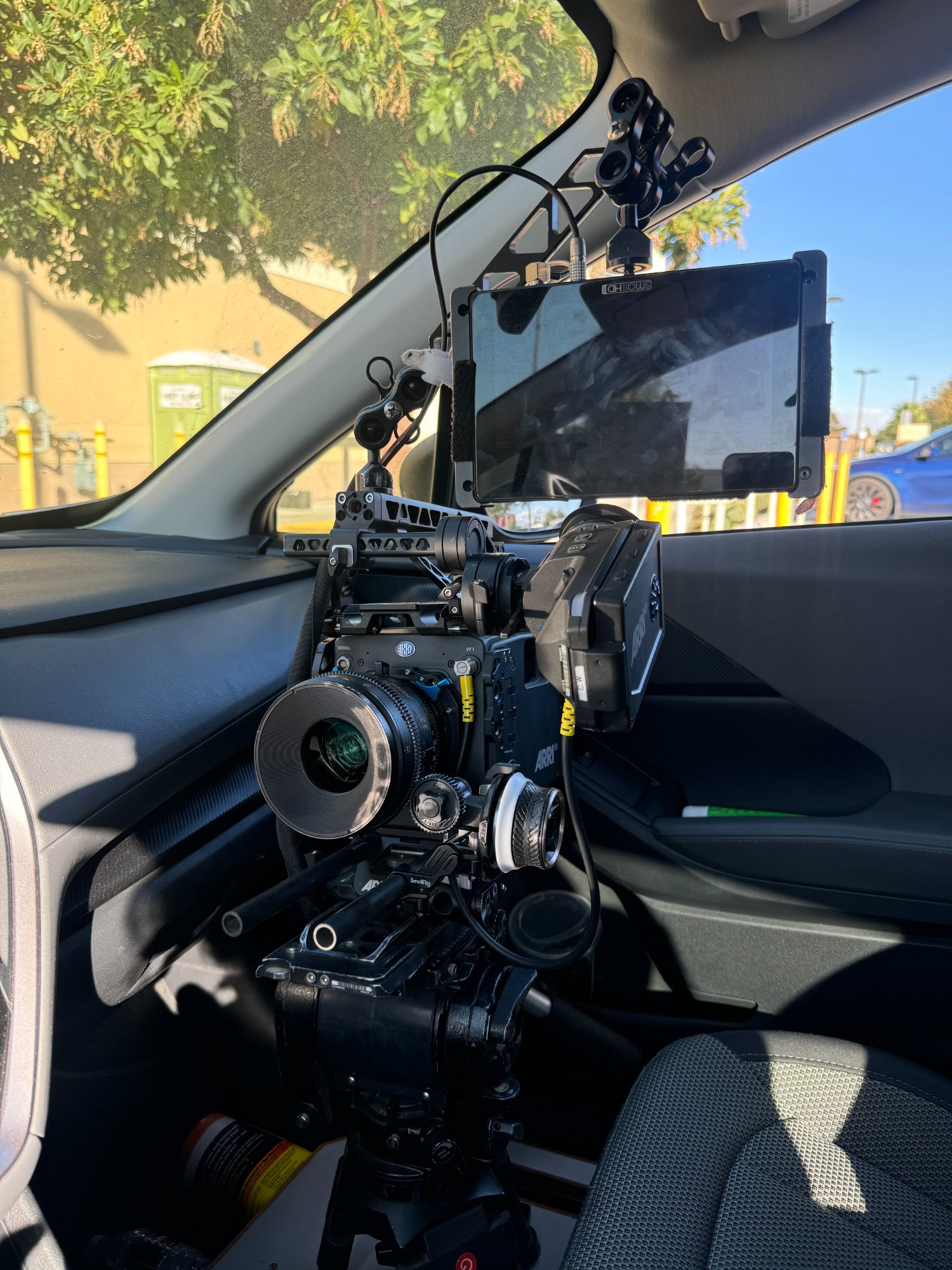
The goal was to get out there and shoot. So we used whatever Corey had access to. At the end of the day, it was his Alexa, a set of primes and sound equipment I borrowed from my friend and sound designer Christian Stropko.
At 25 minutes, Dogbite is on the long side for a narrative short. I know you’ve already mentioned that you weren’t making this short with thoughts of furthering your career and it was more of an instinctual creative process. However, I’m wondering if there were any discussions around the length of the film and how that would impact it getting seen?
There was zero expectation of what would come out of this experience. For us, it was much more about making something together that was ours. We got into this rhythm of shooting later in the day and deep into the night. We were all staying in a small hotel. So I’d wake up the next morning and work through the footage in my room. Corey, Ines and Frank would come over to my room around noon and I’d show them what I’d put together.
It was never really a consideration to make it anything other than what it became. I’m fully aware this film is the prototype of what to make if you don’t want to get programmed at a festival.
It was so exciting to see this weird story begin to emerge. And then we’d sit there together and talk about what we should shoot next. It’s hard not to be outcome-oriented in what we do, but I think with this being on the tail of so much frustration, we just wanted this to be something we loved making together. We want people to see it and enjoy it. Of course. But it was never really a consideration to make it anything other than what it became. I’m fully aware this film is the prototype of what to make if you don’t want to get programmed at a festival. But we love this bizarre little film that was birthed out of this beautiful experience.
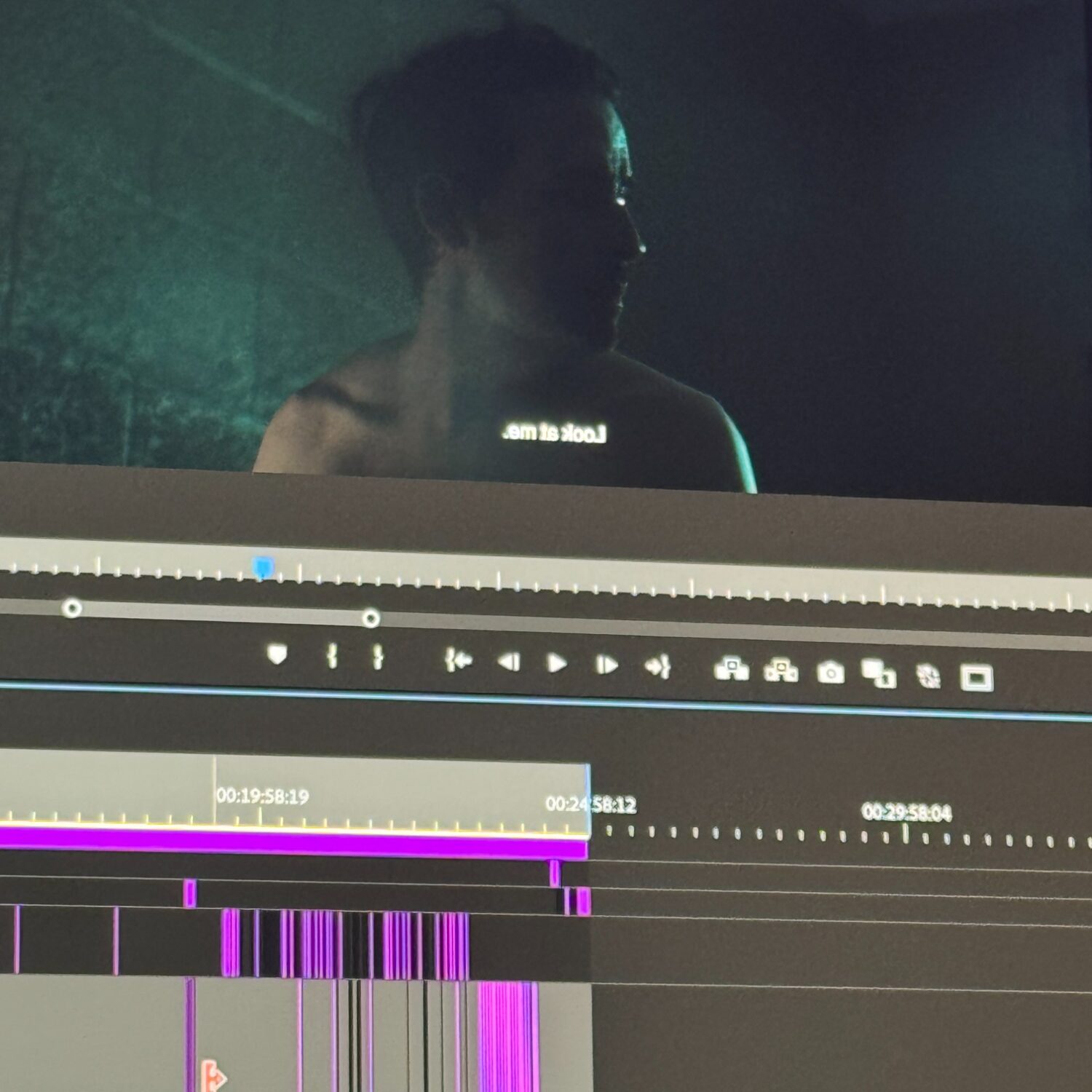
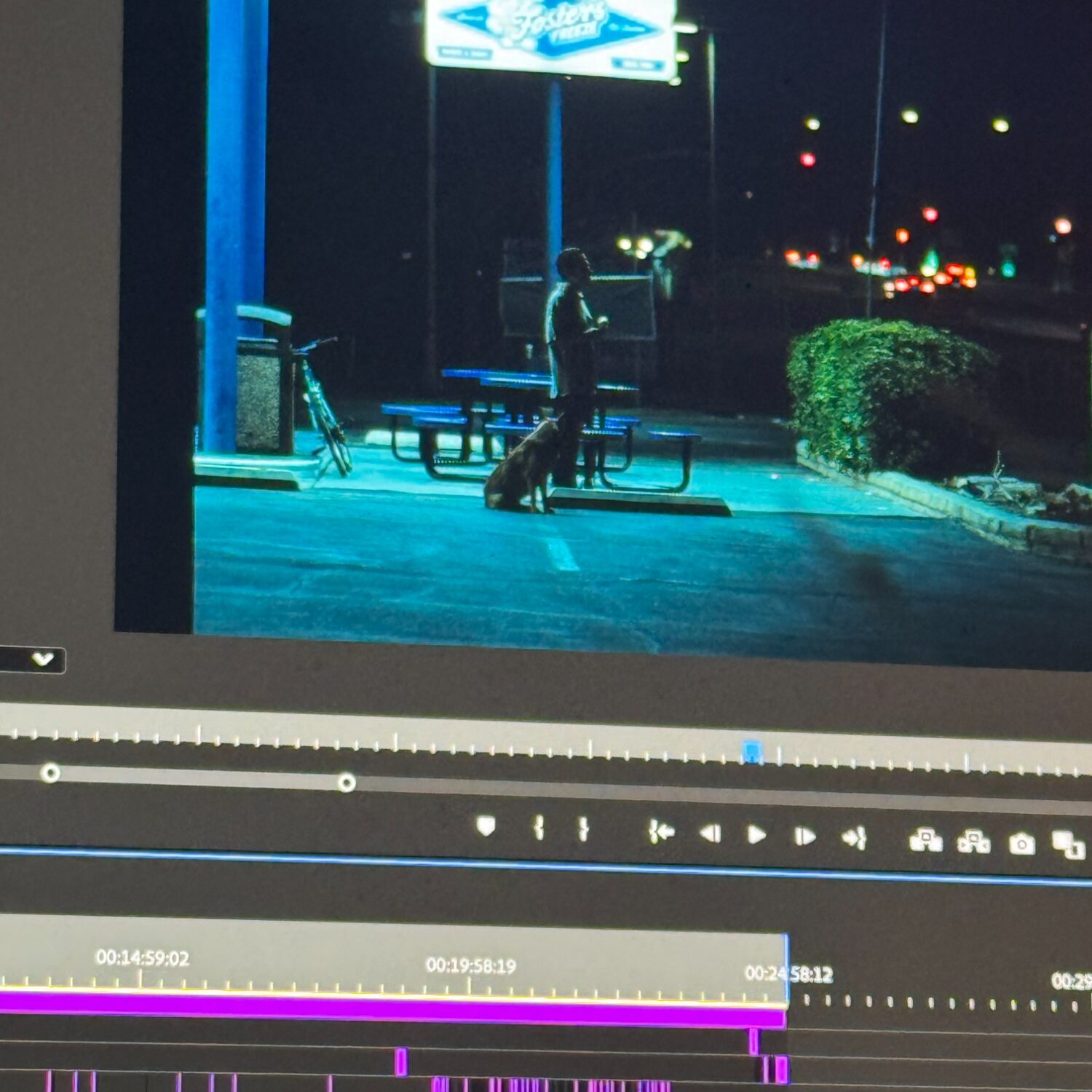
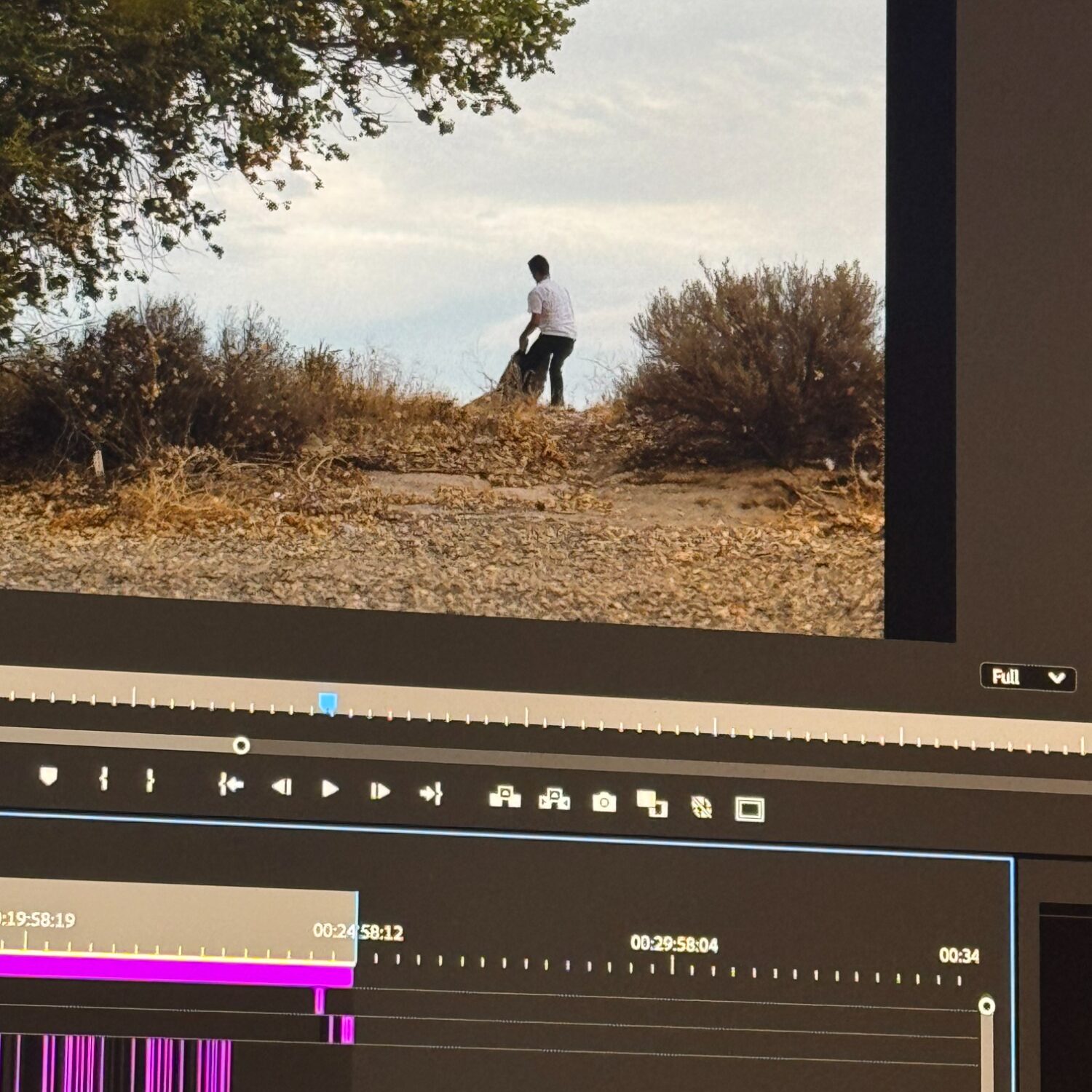
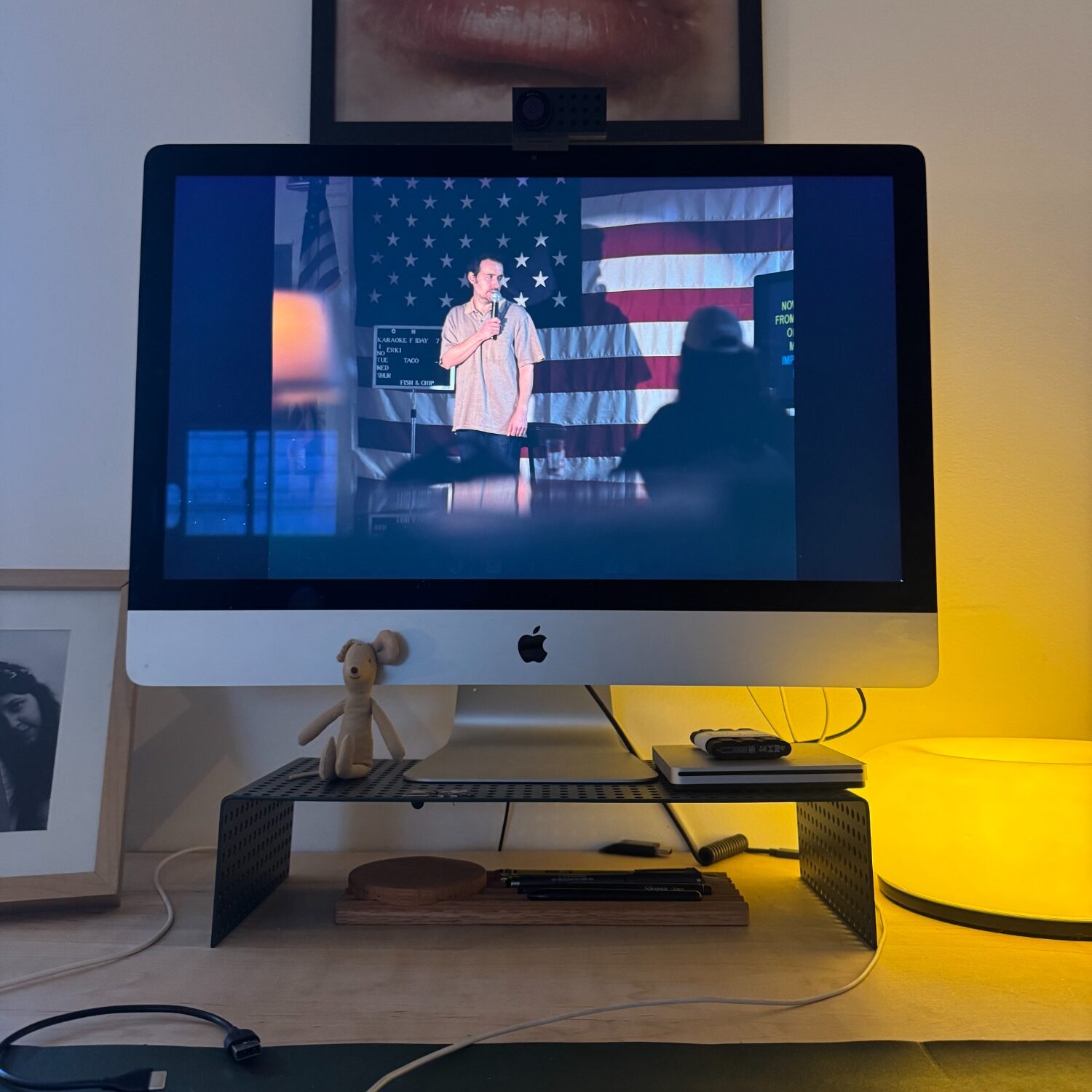
Can you talk us through that editing process? How did you approach the cut to maintain the audience’s engagement across that runtime? And do you tend to seek external perspectives during the editing process to help you judge whether the film is working?
Whether I’m writing or directing or editing – there’s really one thing I’m after. One thing I am acutely attuned to: does this excite me? I am helplessly, irreversibly a slave to it. Sometimes that voice weaves and overlaps with what an audience wants or expects, but often it does not. Regardless, that really does serve as my true north. I’m of course aware of how someone might feel or react to a scene or a sound or a transition. But those considerations are all subject to the same filter: is it exciting to me?
We mentioned your feature, Jackrabbit, at the start of this interview and I want to return to it as we wrap up. Did the experience of making Dogbite change your understanding of what was required to make a feature? And did making this short influence your approach to making the feature?
I remember sitting at Starbucks the morning of our last shoot day on Dogbite. In addition to Frank, I’d invited some other really talented actor/filmmaker friends to come out for a day to play some small part in the film. Sophia Dunn-Walker and Hannah Alline both agreed, knowing full well no one knew what in the world their part was going to be. So on the last day, it was me, Frank, Corey and Hannah sitting over coffee, about to go shoot, and I had this realization. We’d come out here together for 4 days or so to shoot this film for absolutely nothing. Why couldn’t we come out for 8 days or 12 days and make a feature? In that moment, there was genuinely this sort of agreement that we would. And 10 months later that same team had wrapped production on my first feature film called Jackrabbit. Hannah as producer, Corey behind the camera and Frank in front of it.
I feel so lucky to have found people who are as equally delusional and driven as I am.
Somehow, being able to channel our collective frustration and turn it into this experience is ironically what led to getting my first feature film made. I think it’s bullshit when people with profoundly successful careers tell young filmmakers to grab their phone and go make a movie. Like it’s so easy. But I do feel there is maybe something within that sentiment that is more helpful. It’s not the oversimplifying or flattening of the difficulty we all face in trying to go tell our stories. That helps no one. But I do think something lies within that inherent fork in the road we face when we are brutally presented with rejection and the ensuing frustration: action or inaction. I’m not trying to be rah-rah. To me, it’s the truth. And so much of that decision is contingent on the community of artists you find yourself in. I feel so lucky to have found people who are as equally delusional and driven as I am. And Dogbite only exists because of my friends. Corey, Ines, Frank, Sophia and Hannah.
Jared, thanks so much for joining us to talk about Dogbite. It’s always a pleasure to discuss your filmmaking. Before we wrap up, is there anything else you’d like to share about Jackrabbit, or any other projects you have coming up?
Jackrabbit premiered at the truly incredible Oldenburg International Film Festival in Germany in September. It’s also just been programmed to play at the prestigious Thessaloniki International Film Festival in Greece in November. It’s continuing to spread and find its audience and people who truly connect with it.
We’re excited to see where it premieres as it heads to the States soon. You can follow its festival journey and beyond HERE. And much of the same team is also in development on a new film we are gearing up for and looking to shoot fall of 2027. We’re hoping to keep the momentum rolling and continue to make films together.
And finally, a question we ask all our interviewees – and one I’m particularly interested to hear your answer to: what’s one short film by another filmmaker that you’d recommend to the Directors Notes audience and what is it about that film that makes it worth watching?
It’s so easy to want to cram a feature film’s worth of ideas into a short film. But I always love when I come across a short that does so much with so little and keeps its aims focused on what can make the format so special. I think Caleb Wild is one of the most exciting young directors working right now and his short film When I Wake isn’t screaming at you to pay attention. Instead, it simply exists as a moment in time that holds so much humanity within it. A rich subtext where both the frame and the phone serve to limit our view of the larger life of this unnamed character as he balances the immediacy of both life and work. I find it profound in its simplicity and how it alludes to a larger world we can’t help but project onto our own experiences and the balance we all try to strike.