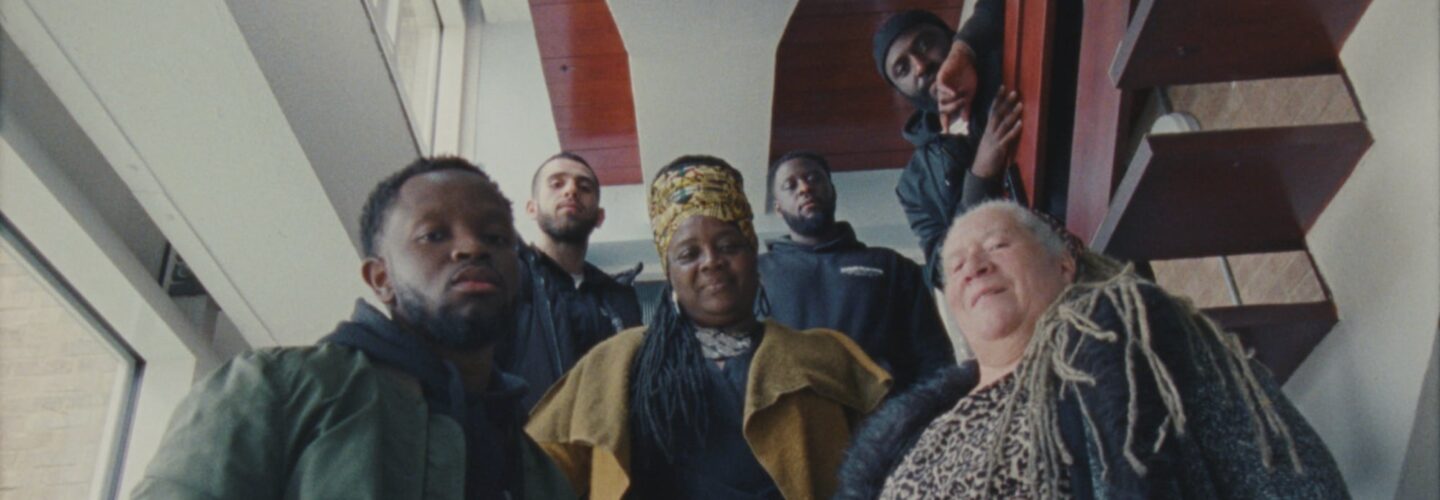
It’s no secret that gatekeepers have always existed when it comes to art being published, exhibited, or distributed in any fashion. With that comes a bottleneck, a chokehold, controlled inexorably by those supposedly ‘in the know’ as to what kind of art is worthy/profitable enough to celebrate. In Western culture, this has predominantly been a gate opened and closed by well-to-do white hands, and even when works of other cultures have made it through, those same hands have often left fingerprints where they have prodded and poked that work into something they see fit – all for the privilege of making it through at all. André Anderson, the creator of a series of works collected from a group of fellow creators living on his council estate, sought to circumvent all of that by taking matters into his own hands. Filmmaker Abdou Cisse—who last joined us with his BIFA winning, BAFTA nominated comedy short Festival of Slaps—captures both the magic that can be found when creativity is published at its source, as well as contributing to that magic with his stunning documentary Authors of the Estate. Both the project and the film documenting it evidence how essential it is that these works see the light of day, the power to be derived from telling your own stories, especially when it’s not just a select few who get to write them, and the community that can be found/rekindled in sharing the narratives which reflect their lives.
You were originally invited to capture the photography of the project. How did that involvement move from photography into this documentary?
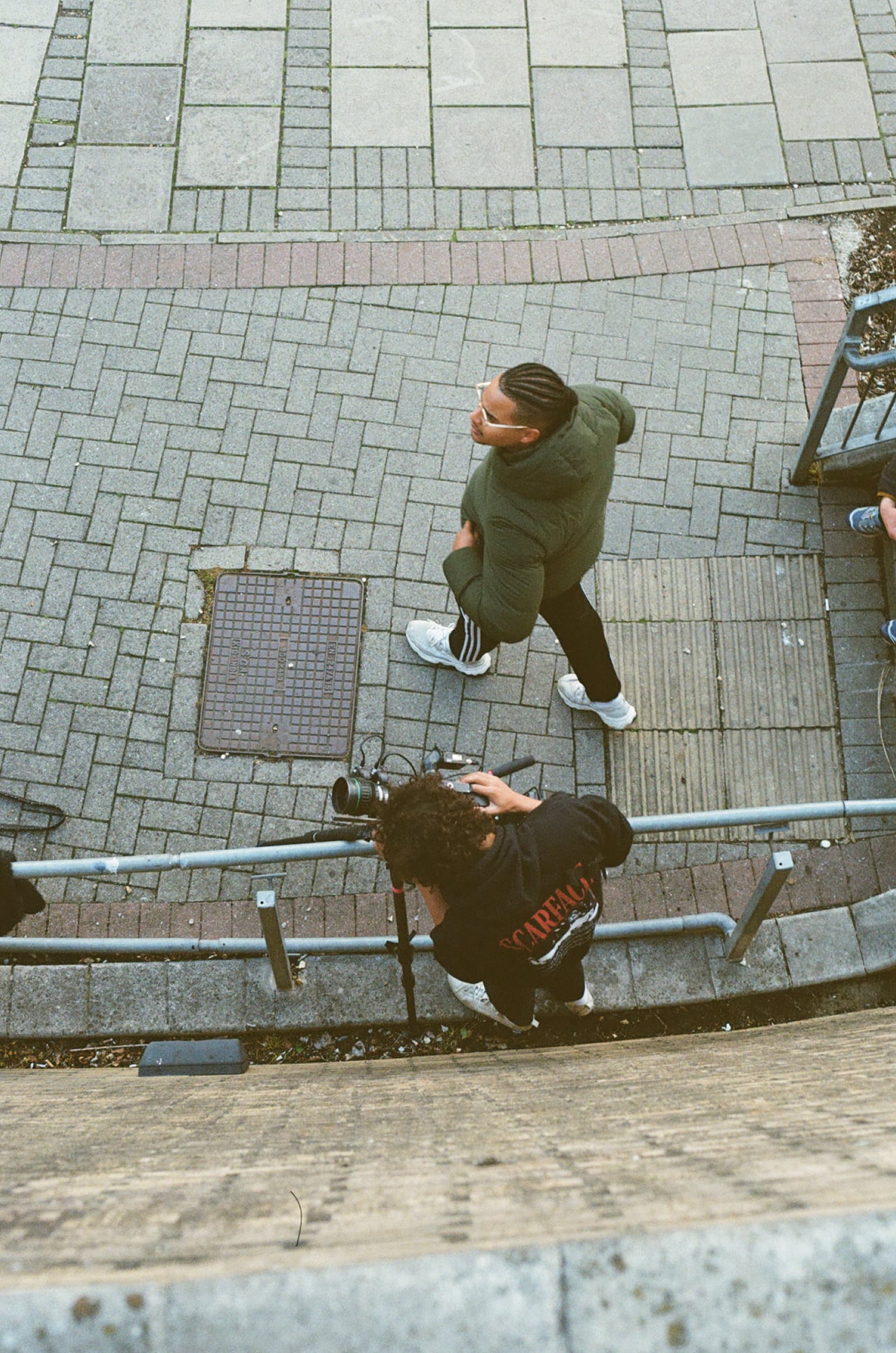
In 2019 I was originally brought in to photograph the authors for the second book, where at that point the project existed purely as a publishing platform. André Anderson (the Creator of Authors of the Estate) wanted volume 2 to be more intimate – but regal – and he loved my photography, so I was just parachuted in with the freedom to be creative.
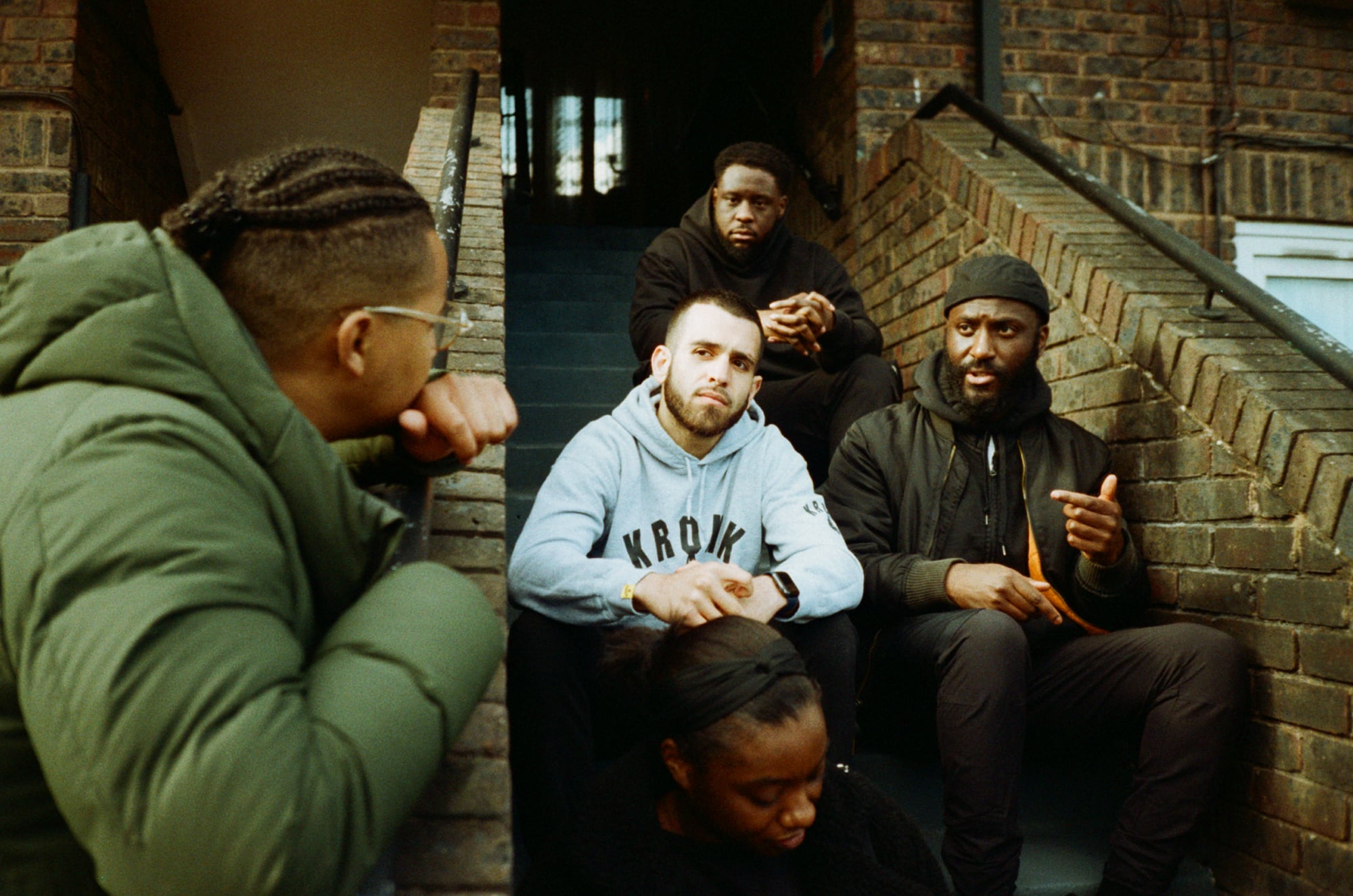
Being on their estate and meeting everyone gave me access to more than just images. I was witnessing how the book itself was bringing people together. I arrived at the end of the writing process and assumed everyone already felt like a family, only to realise that many of them had barely spoken before this project. It was the dream of turning a council house into a publishing house that bonded them. That really floored me.
If these stories were going to be told on screen, they needed to be told with care, intimacy, and most of all, with audacity.
Growing up on an estate myself, the work quickly became personal. I’m from South East LDN, so I had no business being in NW LDN. But the more time I spent there with André, getting to know Nabil Al-Kinani (Producer and one of the Authors of the second book) and the wider community, the clearer it became that this needed to live beyond still images. Photography captured fragments, but film could hold the voices, emotions, experiences and truth.
Moving into directing and producing the documentary felt like both an ambition and a personal responsibility. If these stories were going to be told on screen, they needed to be told with care, intimacy, and most of all, with audacity. Beyond a celebration of the project, the film became a way of showing what André and Nabil had built, so others could follow and reclaim their voices too.
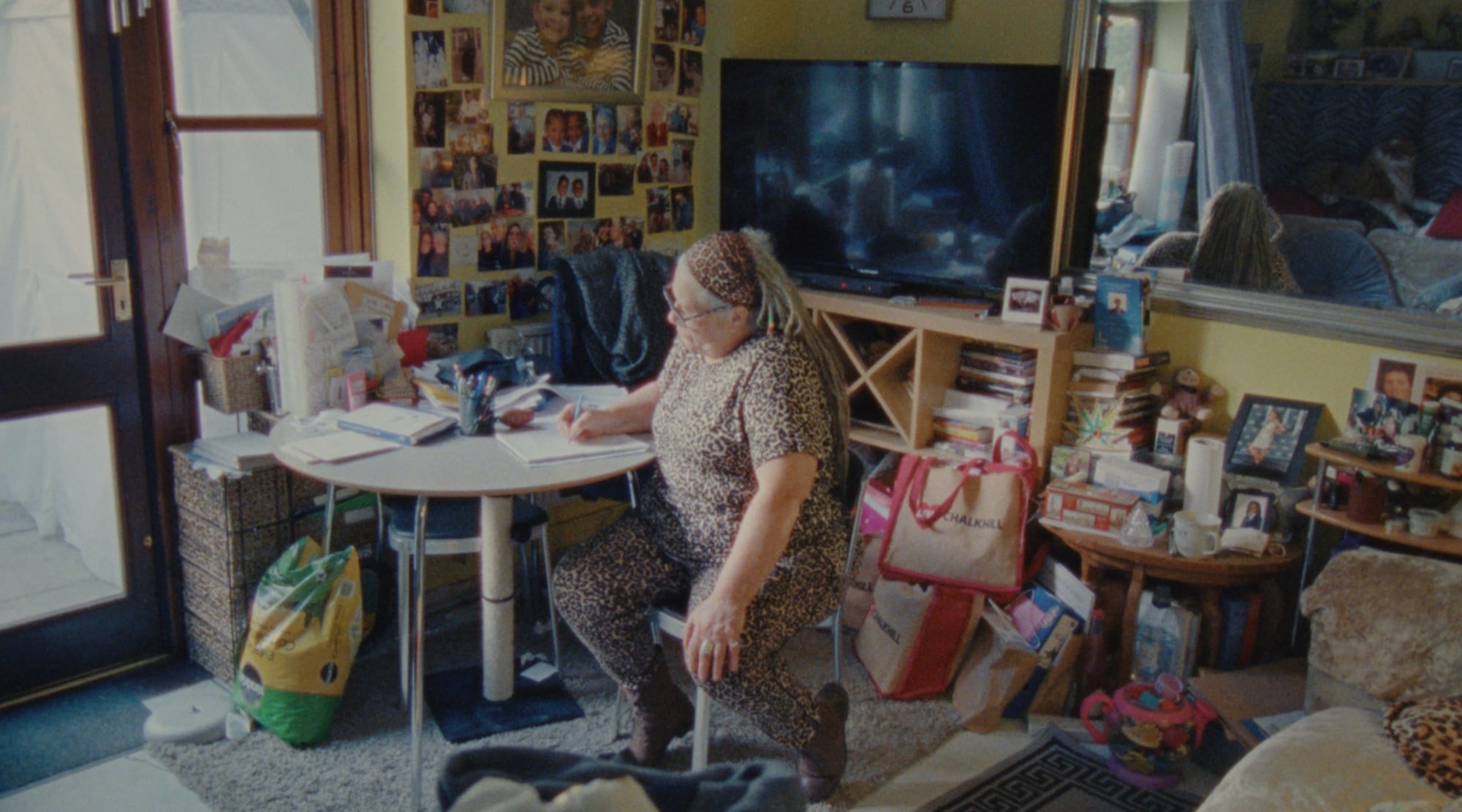
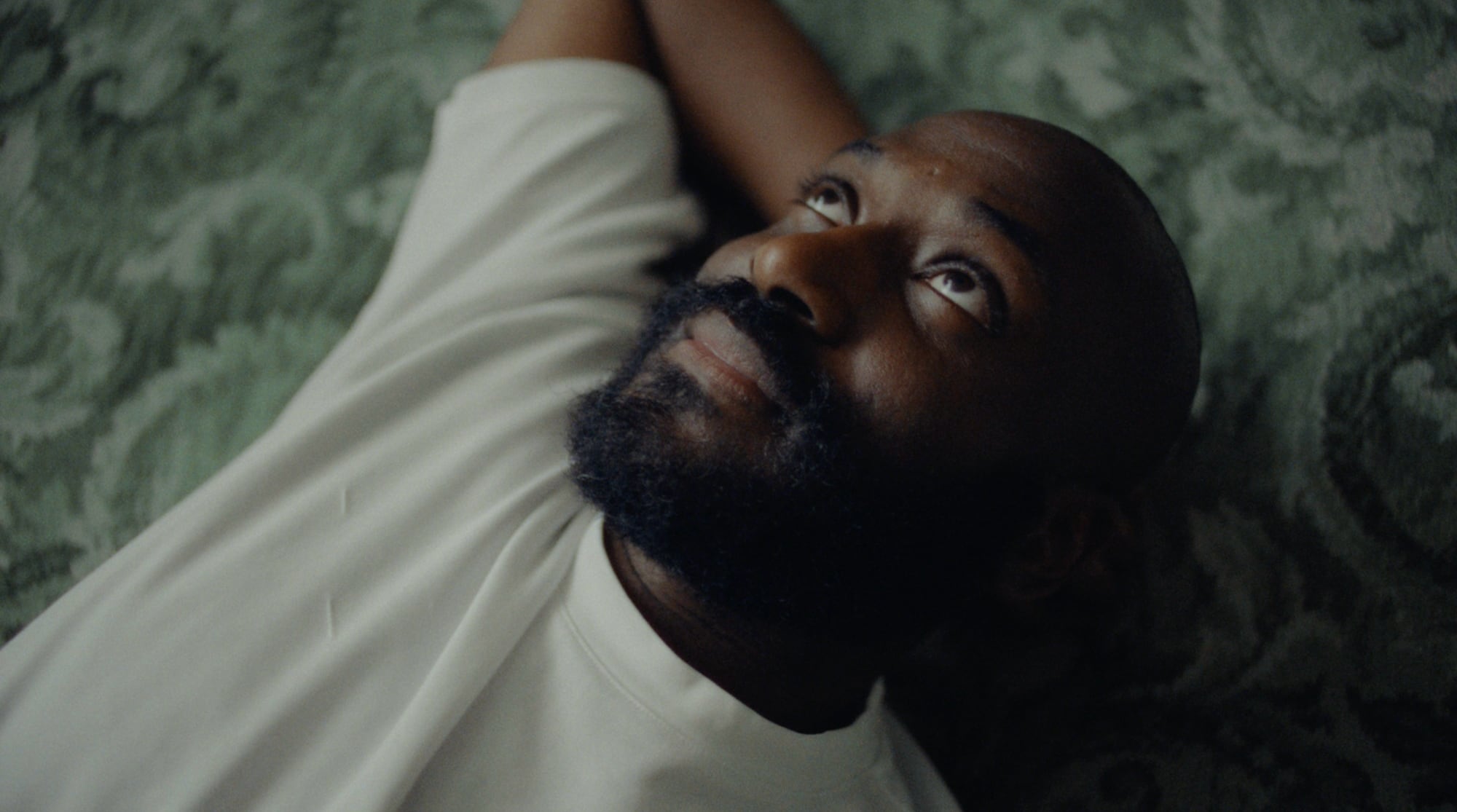
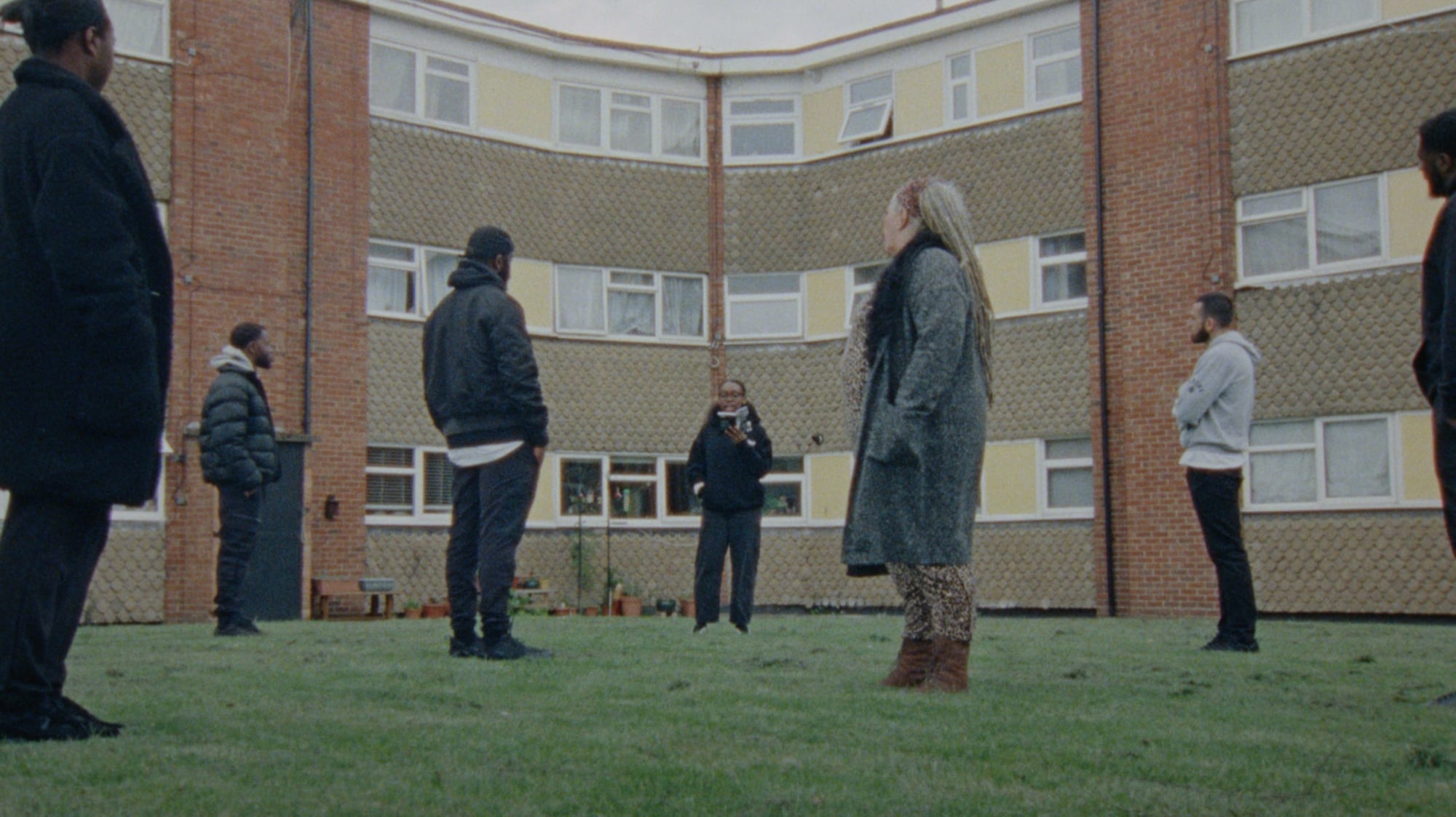
You first began filming the estate back in 2021 on 16mm with Henry Gill. Can you tell us about your early explorations of this story back then and the lessons learned that would subsequently lead you to tell it another way?
The biggest lesson was learning to leave space for discovery and truly respect the process of the format we were working in. When we first filmed on 16mm with Henry Gill, we were driven by the same idea that shaped the books; to flip how estates and the people within them are usually portrayed. Through their writing, these authors were reclaiming language and narrative, transforming the image of the estate resident from a tabloid trope into one rooted in resilience, joy, and self-definition. At that stage, the film was about immortalising that image, that extraordinary things are often being made in the most ordinary spaces. It was my first time shooting on film, and the footage was undeniably beautiful and emotionally alive. But it didn’t work yet as a documentary. We’d captured a mood, not the full story.
Most Popular
That initial shoot became the most important lesson of the project. I was still really early in my career and hadn’t yet learned that documentary storytelling isn’t something you impose but it’s something you uncover. We realised the heart of the film wasn’t in the imagery, but in the conversations. It lay in the intentions behind the books, and in why writing about lived experience mattered so deeply. So, much like André and Nabil’s approach to making the second book, we stripped everything back. No cameras. No performance. Just honest conversations. André, in particular, has a rare ability to draw out people’s hidden wisdom, and he led me in that phase, helping shape the narrative and the questions. The honesty and heart that emerged reshaped the entire project and gave us a foundation we could finally build the visuals from.
I was still really early in my career and hadn’t yet learned that documentary storytelling isn’t something you impose but it’s something you uncover.
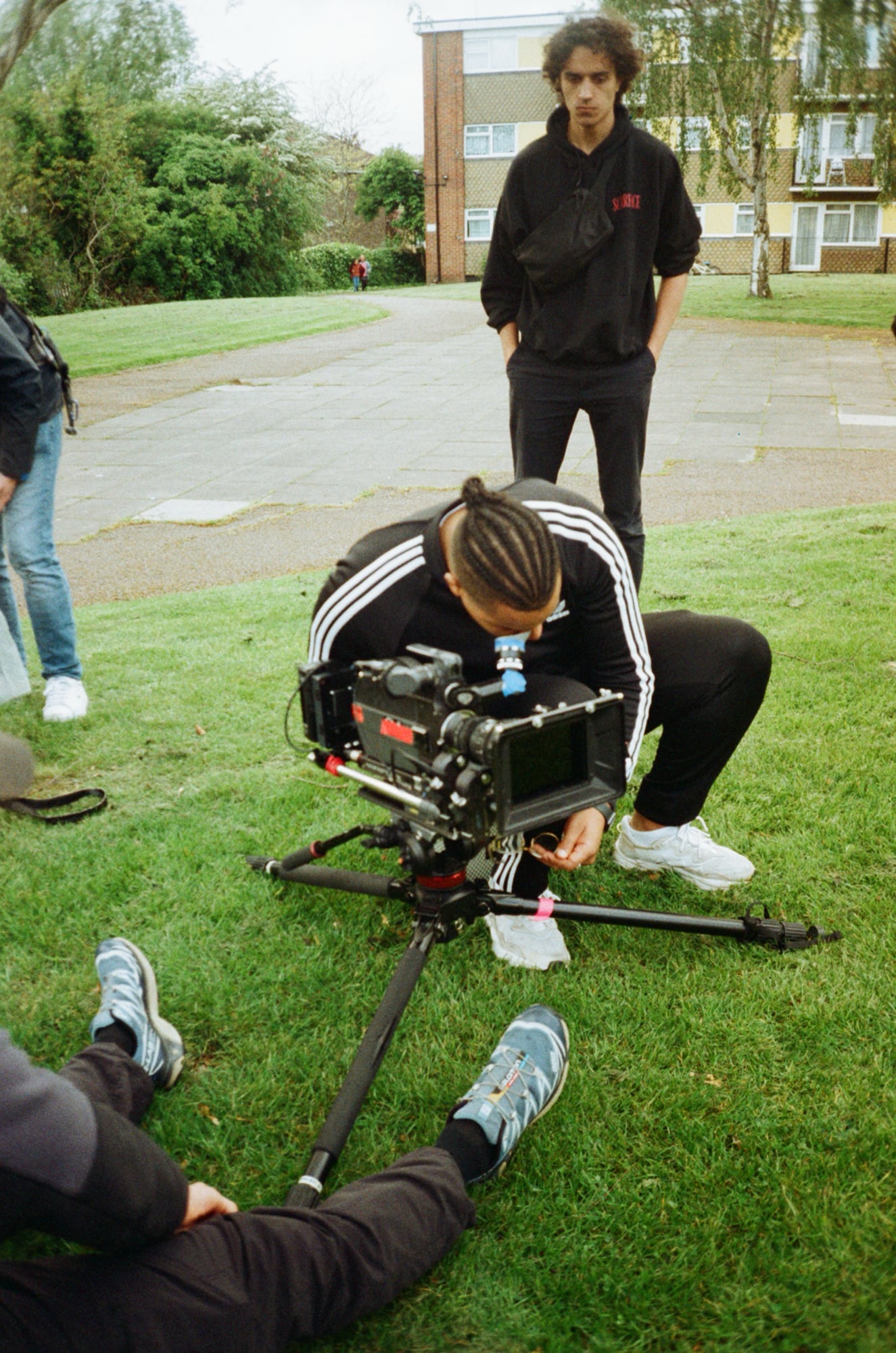
In what ways did this inform your subsequent filming digitally on the ARRI 35 with vintage Panasonic primes and cinematographer Jack Hunter?
By the time we returned to filming digitally with Jack Hunter in 2024, I had clarity not just visually, but as a storyteller. I knew the film had to be character-led and rooted in the specific point of view we felt from each estate in the interviews. We weren’t chasing beauty for its own sake anymore; everything had to serve the unapologetic voices and the process of making the books.
Now equipped with an AV script, the visuals were designed to bring key ideas from the interviews to life. That’s where the slow motion and VFX to create moments of magic realism came in. Not as decoration, but as extensions of what was being said. My Co-Producer, George Telfer, said that to do this properly, we needed the freedom and flexibility of digital. Shooting on the ARRI 35 with vintage Panasonic primes gave us cinematic scale, but with a softness and imperfection that still felt real, and allowed the footage to sit comfortably alongside the earlier 16mm material.
Rather than fighting inconsistency, we leaned into it. Looking back, every format from 16mm, stills, archive, iPhone footage, etc., feels like they each represented a different chapter of the journey, much like the books themselves. That approach mirrored the handmade, communal nature of the project and reinforced the idea that imperfection can carry emotional truth. The camera became less about spectacle and more about presence.
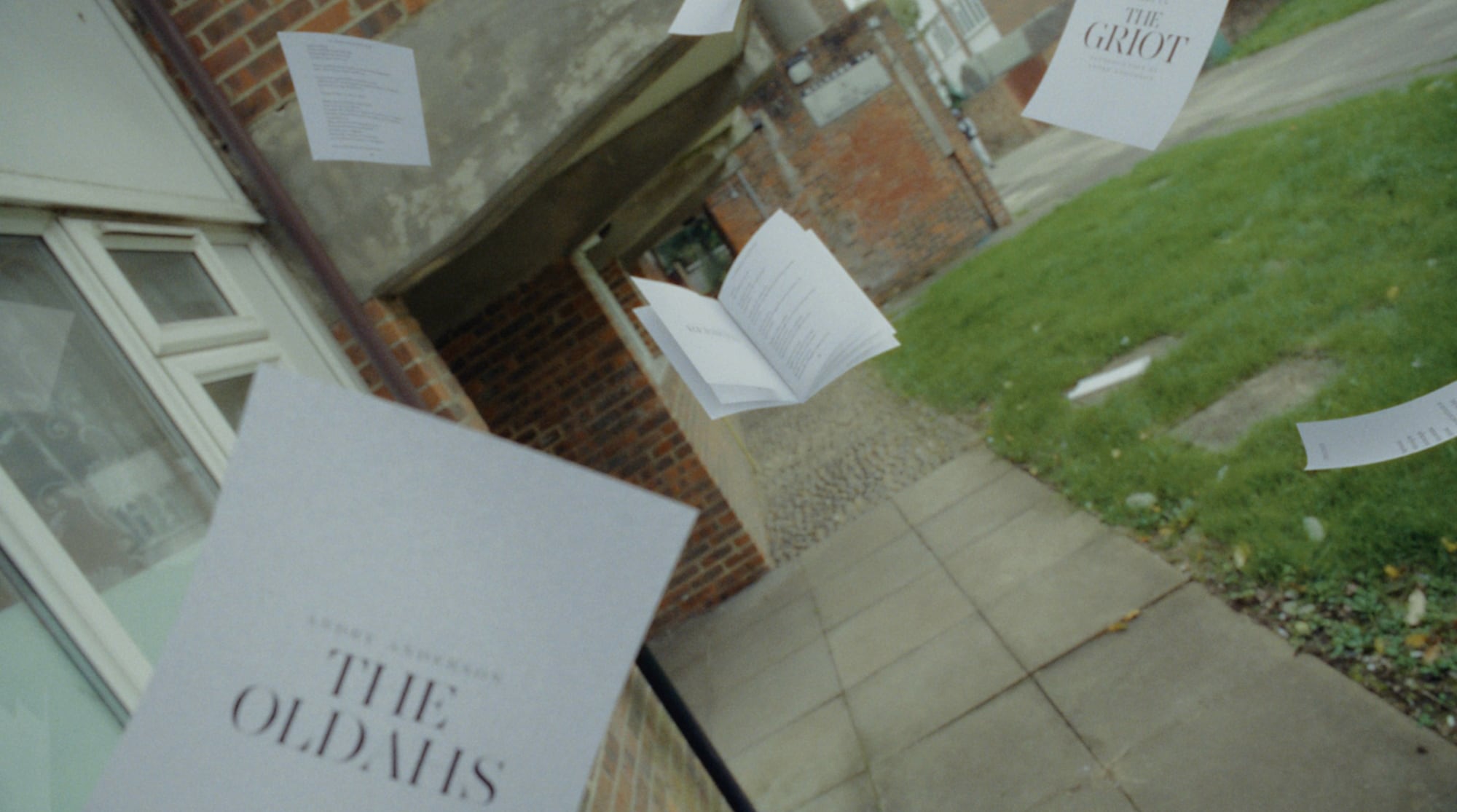
The imagery of the floating books and pages throughout the estate creates a wonderful sense of magical realism. Can you tell us how this concept came to be and the process of capturing these sequences in both production and post-production?
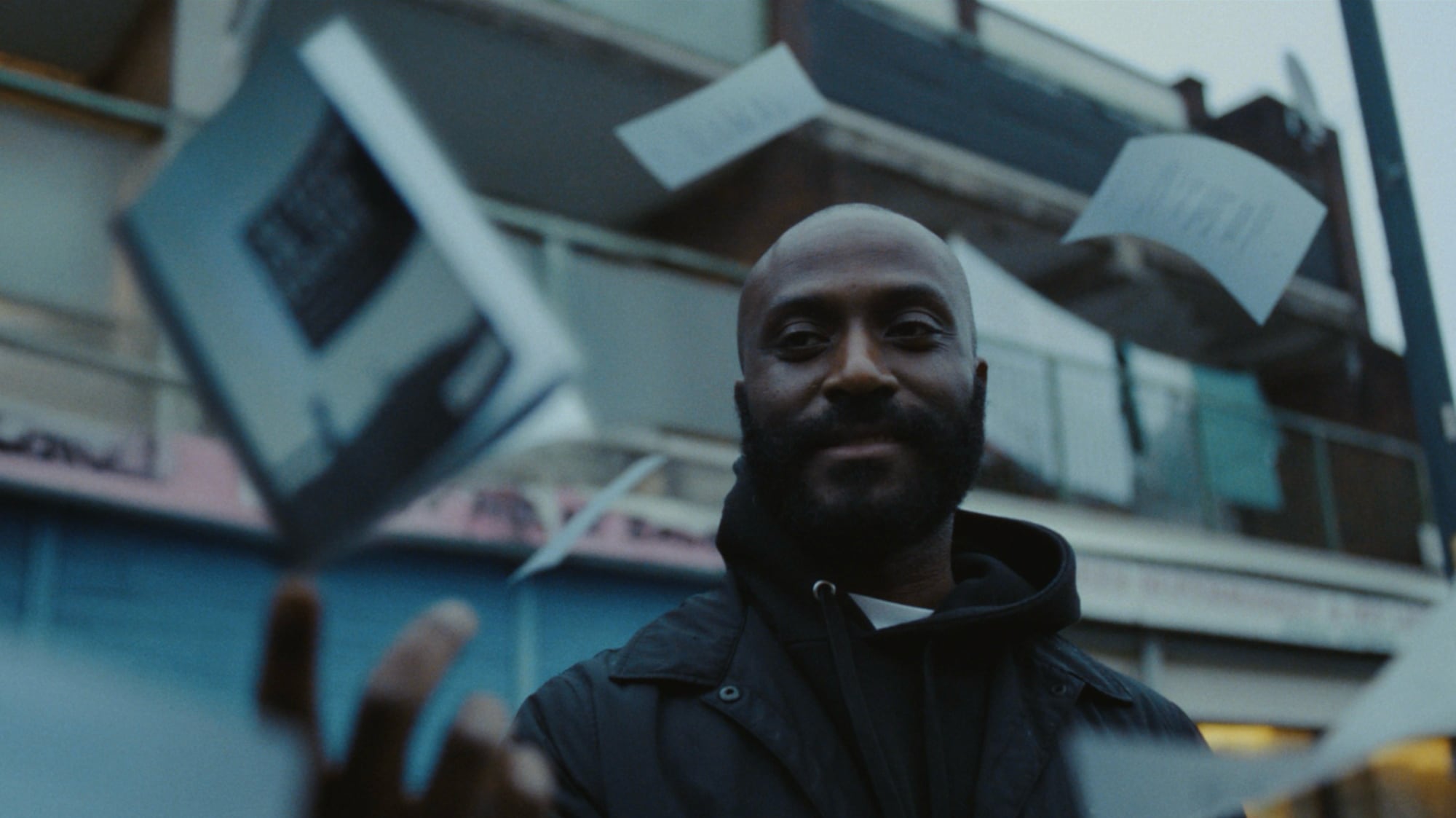
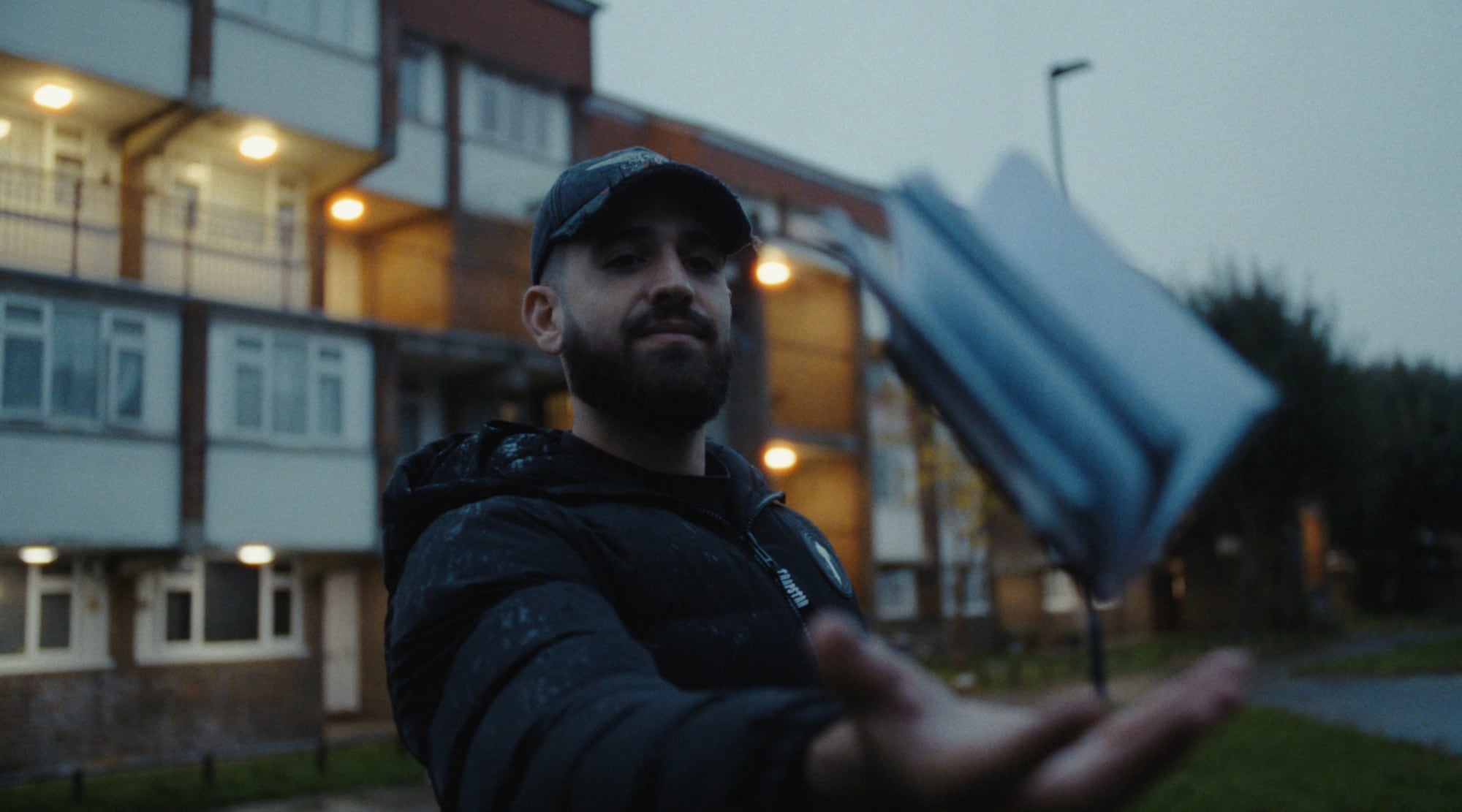
From the beginning, we knew the film couldn’t live in a traditional documentary language. The book challenges the narratives surrounding Estates, which are so often framed through statistics, lack, or deficit, and we wanted to do the opposite. By showing the magic that already exists within them. During the interviews, André says, “People like us, creating literature is borderline science fiction”, and with that one line a whole new creative world opened up. The idea of the floating books and pages then came from the sense that talent and stories are everywhere on the estate, around every corner, stairwell, house or balcony. That these stories should physically occupy the spaces they’re usually excluded from. It was also about visualising André’s ambition in a way you could ‘feel’, not just see. Practically, those moments were created through a mix of production design, in-camera effects, and VFX in post. But conceptually, they were always grounded. The magic came from lived experience, from treating imagination as something that already exists within the estate, rather than something we had to import onto it.
The idea of the floating books and pages then came from the sense that talent and stories are everywhere on the estate, around every corner, stairwell, house or balcony.
Speaking with so many creators all doing many different things, were there any whose work particularly struck a chord in you? If so, what made it resonate?
I would say what struck me most wasn’t one individual, but the collective. Seeing people who step into authorship was incredibly moving. Many of the contributors weren’t calling themselves writers before this. Watching that shift from invisibility to self-definition resonated deeply with me, especially as someone who grew up dyslexic and rarely saw myself reflected in cultural narratives of ‘authorship’. Their work wasn’t trying to impress; it was trying to be honest. That honesty stayed with me throughout the edit and shaped how carefully we treated every voice.
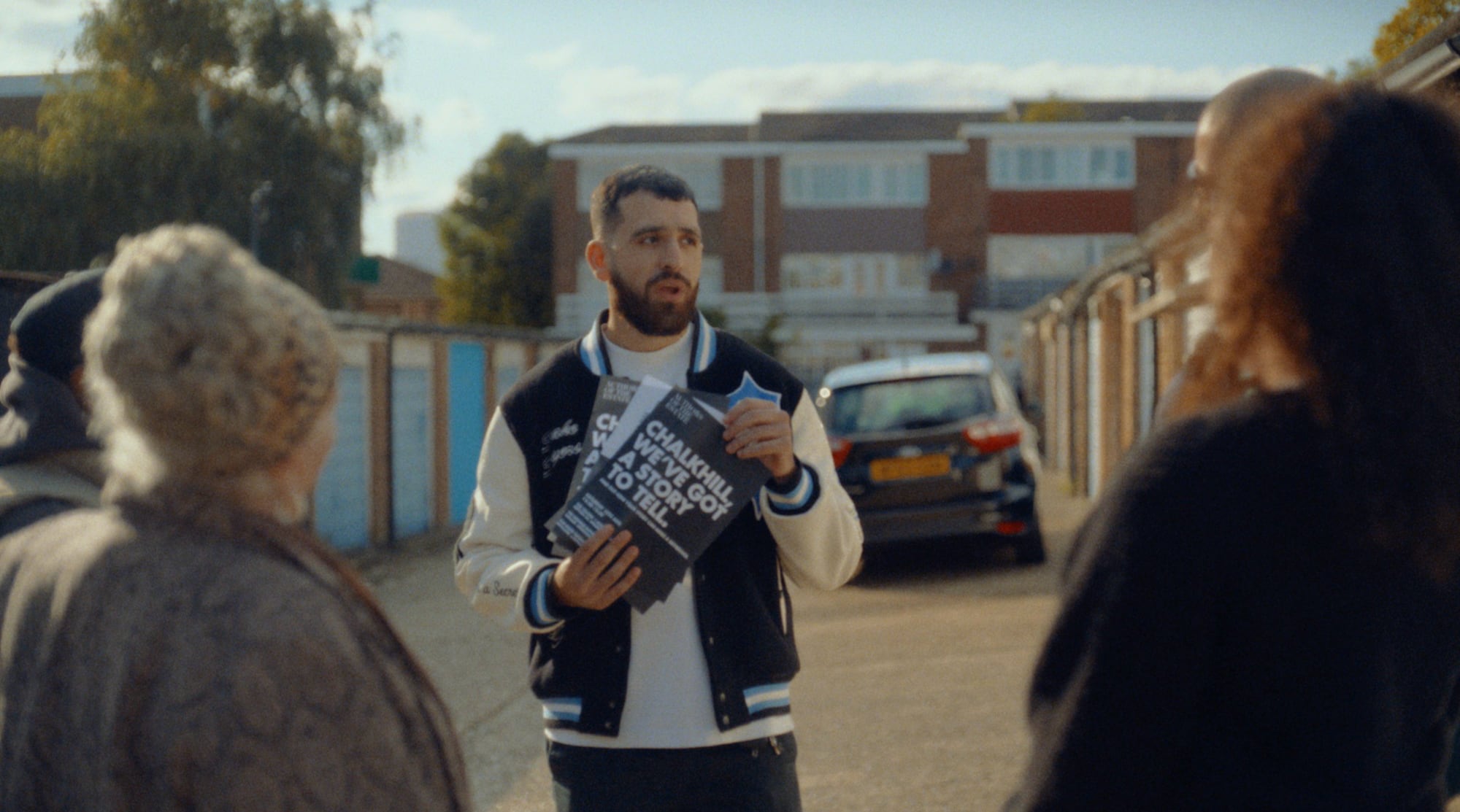
Having so much material to work with, what was the process like of honing the narrative into the finished film with editor Marnie Hollande?
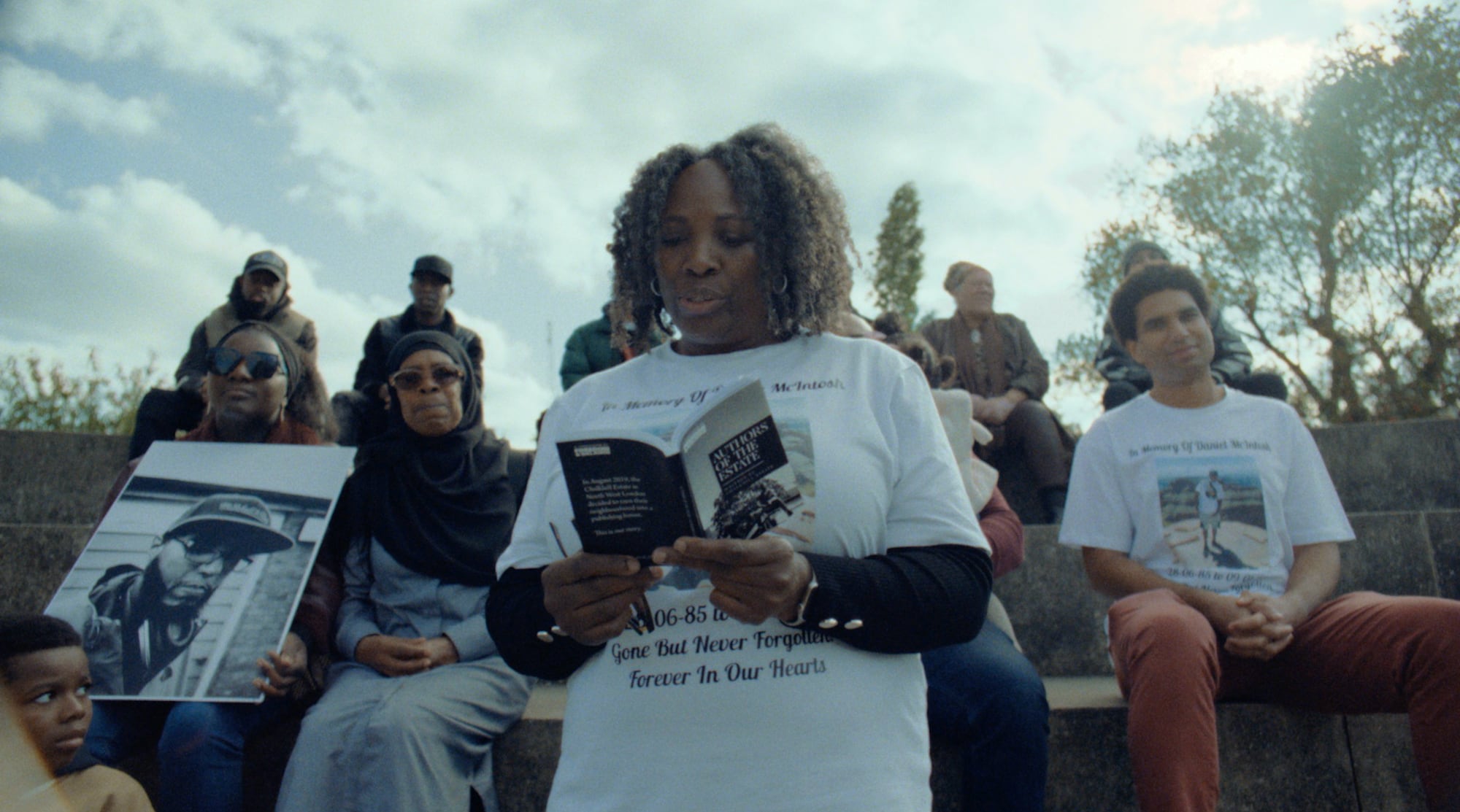
Working with Marnie Hollande was transformative. A battle but a healthy one, she would say lol. For a long time, we had fragments of beautiful moments, powerful conversations and an audio-visual script. But Marnie really helped us shift our focus back, refined the architecture of the film, and gave us confidence to centre it around just two core characters while allowing everything else to orbit naturally.
I really pushed for an unconventional, rapid style of music videos to keep things expressive, Marnie had to be the adult in the room, bringing the elegance and rigour of the story. As a result, we really found this incredible space where you feel the journey and magic unfolding. We treated audio as the foundation and still image as emotional amplifiers. Together with André and Nabil, we shaped something that felt like a beautiful tapestry of big themes into a cohesive story (thank you George for putting up with us lol).
This one came with responsibility to my people, not platforms. It wasn’t about visibility or career momentum; it was about service
I know you were working on multiple projects throughout the production of this one. What was that process like for you and what creative outlet did this provide compared to your other work?
To be honest… It was hard. At times, I felt I couldn’t give my all to this project and I often felt the pressure of having to prioritise other work over it. I was in the middle of changing careers, being on TV productions, juggling timelines, budgets, and intense pressure, so the time I was able to invest in the film felt sporadic at times. But every time I came back to Authors of the Estate, it felt more urgent than anything else I was making. It grounded me. When I finally gave it the time it deserved, it reminded me why I started telling stories in the first place. Other projects came with infrastructure, expectations, and a sense of scale. This one came with responsibility to my people, not platforms. It wasn’t about visibility or career momentum; it was about service. Creatively, it gave me permission to slow down, to really listen, and to make art rooted in something closer to home.
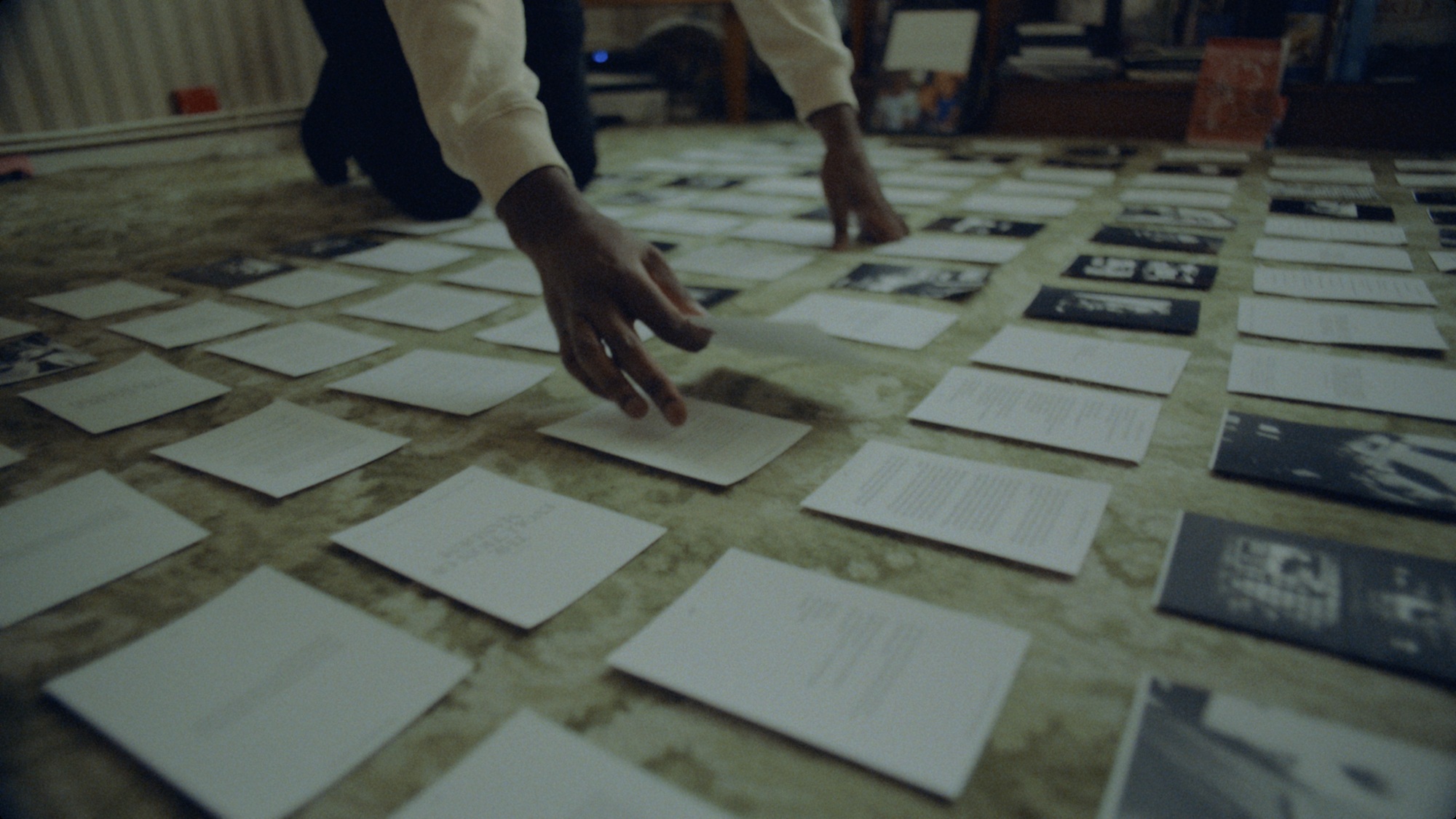
When all those featured in the documentary finally got to see it, what was their reaction and how did it feel for you to present the film to them?
Everyone was blown away! People didn’t really know what to expect or how we were going to pull it off, but I don’t think anyone imagined their stories would be seen on the big screen in Leicester Square, let alone be that cinematic. This was a fully independent project. There was no major broadcaster attached, nothing fancy backing it, and on paper we probably had no business going that hard. But we did it because we deserved to. That care and ambition were intentional. It’s safe to say St Raph’s and Chalkhill had never been seen like this before. Beyond the praise though, the most meaningful reactions were the quiet ones. Moments of recognition. Real tears. Gratitude. From the authors, their family, the community and beyond. That meant everything to us.
Watching them recognise their own power on screen, that was the real premiere.
For me, it felt like completing a promise, as a producer to see the film through, as a director to protect the vision, but most of all as a friend. I’d grown close to André and Nabil through this process, they are like brothers to me. Personally, in the process of delivery, the film was more than about showing the community to the world; it was about giving something back to the people who trusted me with my way of telling their stories. Watching them recognise their own power on screen, that was the real premiere.
You already have a thriving career in film and TV in addition to this documentary – what’s next for you?
Boi! Right now, my focus is very much on the present. I want to sit with this film, take it into schools, take it into communities, and let it do what it’s meant to do. I see Authors of the Estate as the opening chapter of a much larger story yet to be written, not a finished statement. There’s real potential for it to evolve into a platform that can be adapted by other estates, other places, and other communities reclaiming their voices. The process of making this has changed how I think about authorship and access, about who gets to create and who gets to be seen as an artist. Whatever comes next, whether it’s TV, film, or something less easily defined. I just want it to carry the same intention as Authors of the Estate: working with inspiring people, reclaiming narrative, resisting reduction, and creating work that doesn’t have to fit neatly into a box.