
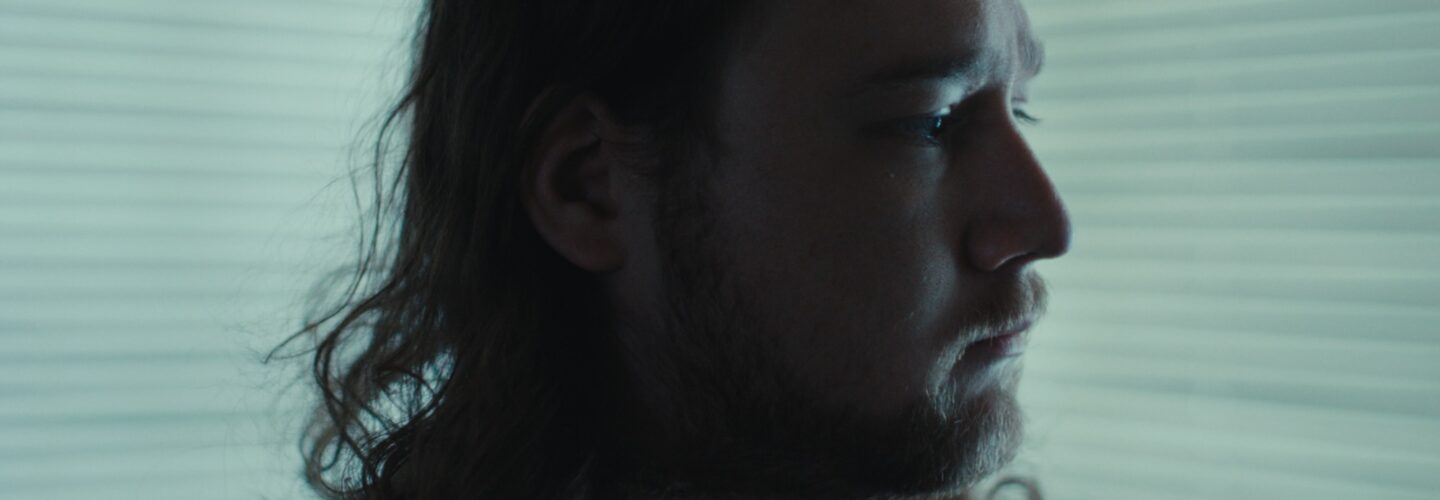
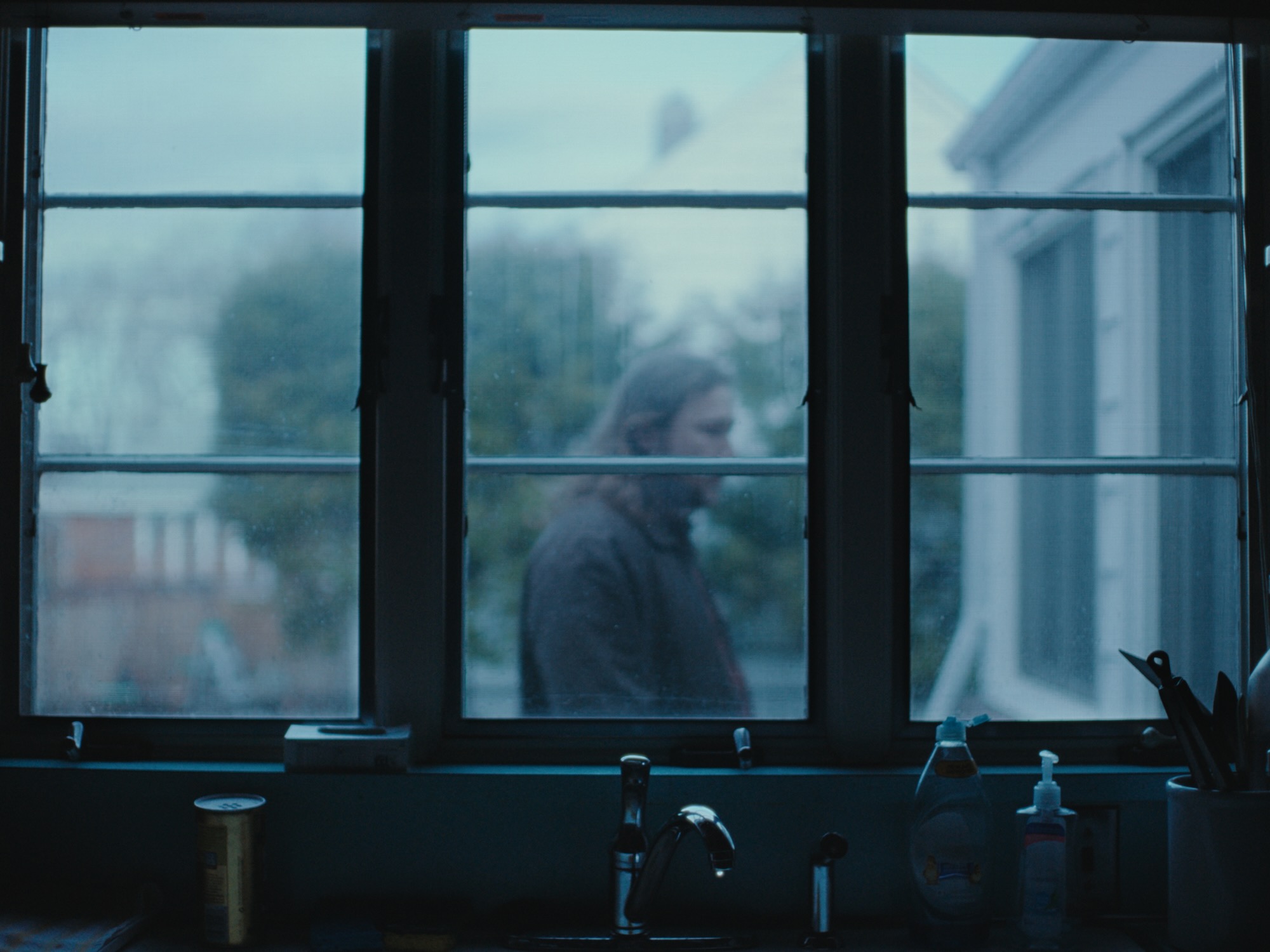
Few themes permeate through cinema like grief. The universal, disorientating feeling of loss is precisely what Taryn Ward is confronting in his delicate short NEST, which follows the bereaved Miles as he encounters a stranger while sorting through his late brother’s house in the fallout of his death. Adopting a hypnotic, unhurried pace, the narrative resembles a ghost story, with the absence of Miles’ brother felt in every moonlit frame. Restrained, subtle performances from both Zach Zamsky and Sheila Ball embody the isolation of loss, two wandering souls tentatively seeking connection and consolation in their empty worlds. Underscored by a solemn silence, which amplifies every footstep and creak throughout the desolate house, Ward’s enveloping depiction of liminal grief will haunt audiences long past the short’s brief runtime. Sharing his short with us on DN, the Ward joins us to discuss directing long takes, drawing from personal experiences, and the visual choices that so poignantly capture the isolation of grief.
NEST feels so intimate and specific. Where did the inspiration for such a subtle narrative come from?
I began writing the story for NEST following my brother’s unexpected death a few years ago. I spent a lot of time alone in his house cleaning it out, and I was affected by the disorienting experience of both my brother’s absence and the jarring emptiness of his home. Each day, I would arrive to remove more and more, and as his presence would recede, I understood less and less. I think I was drawn to relocating those feelings somewhere tangible as a catharsis.
Did drawing from such a personal experience bring any challenges, or perhaps surprises?
Overall, it was meaningful for me to reclaim my own grief and place it into a creative context with like-minded filmmakers, many of which are now close friends of mine because of this collaboration. Although it was a sensitive subject matter, the energy on set was lighthearted and lively. Our producer Jeff Kardesch was the committed force behind this project, both in its production and in its comradery. I’m very thankful for that, though I still had to smoke him in Guitar Hero after we wrapped.


The film primarily consists of long takes, exposing Zach Zamsky’s poignant performance.
I’ve always been interested in embracing a slower, observational pace, even if the material is comedic. Obviously, in this case it isn’t, but that slowness felt all the more appropriate for outlining an expression driven by loss. Everything is shot on sticks and plays out in fairly long takes, until that rule is broken with our Steadicam move through the hallway. Zach Zamsky and Sheila Ball are arresting performers, and I felt confident about letting the camera hang around with them.
Most Popular
Following that, when we first meet Katarina, we only hear her voice. How did you approach directing Sheila Ball’s performance knowing the camera would sometimes refrain from showing her face?
Thank you for noticing that. Yeah, Michael Faller (DP) and I felt it was important to introduce Katarina with a sense of anonymity, as that sensibility would continue to play a role in her character throughout the film. Obscuring her presence was intended to underscore both the uncertainty of her nature and the conflicting emotions Miles felt towards her. In the end, Miles longs for whatever it is that Katarina is or isn’t, and this is when her photographic coverage becomes clearer. Sheila and I had plenty of conversations about this arc when building it in rehearsals, but her own intuitions as a performer became instrumental in this approach.


I have to ask about the immersive sound design. Not only does it capture the space, but it places us in the head of Miles.
Because it’s such a gradual and quiet story, I think every little creak in that home was of value. Seeing Miles gently rummage through the empty space and hearing every soft detail emerge from that silence really spoke to a character shrouded in loneliness. Our amazing sound designer, Michael Odmark, uncovered all sorts of opportunities with this concept and his fastidious hand in the work was paramount. I think Michael crafted a sensitivity and somberness that feels relaxing on the ears, and vitalizes whatever simplicity it is that we’re taking in with the eyes.
Seeing Miles gently rummage through the empty space and hearing every soft detail emerge from that silence really spoke to a character shrouded in loneliness.
The house feels emotionally haunted by the now-gone presence of its prior inhabitant.
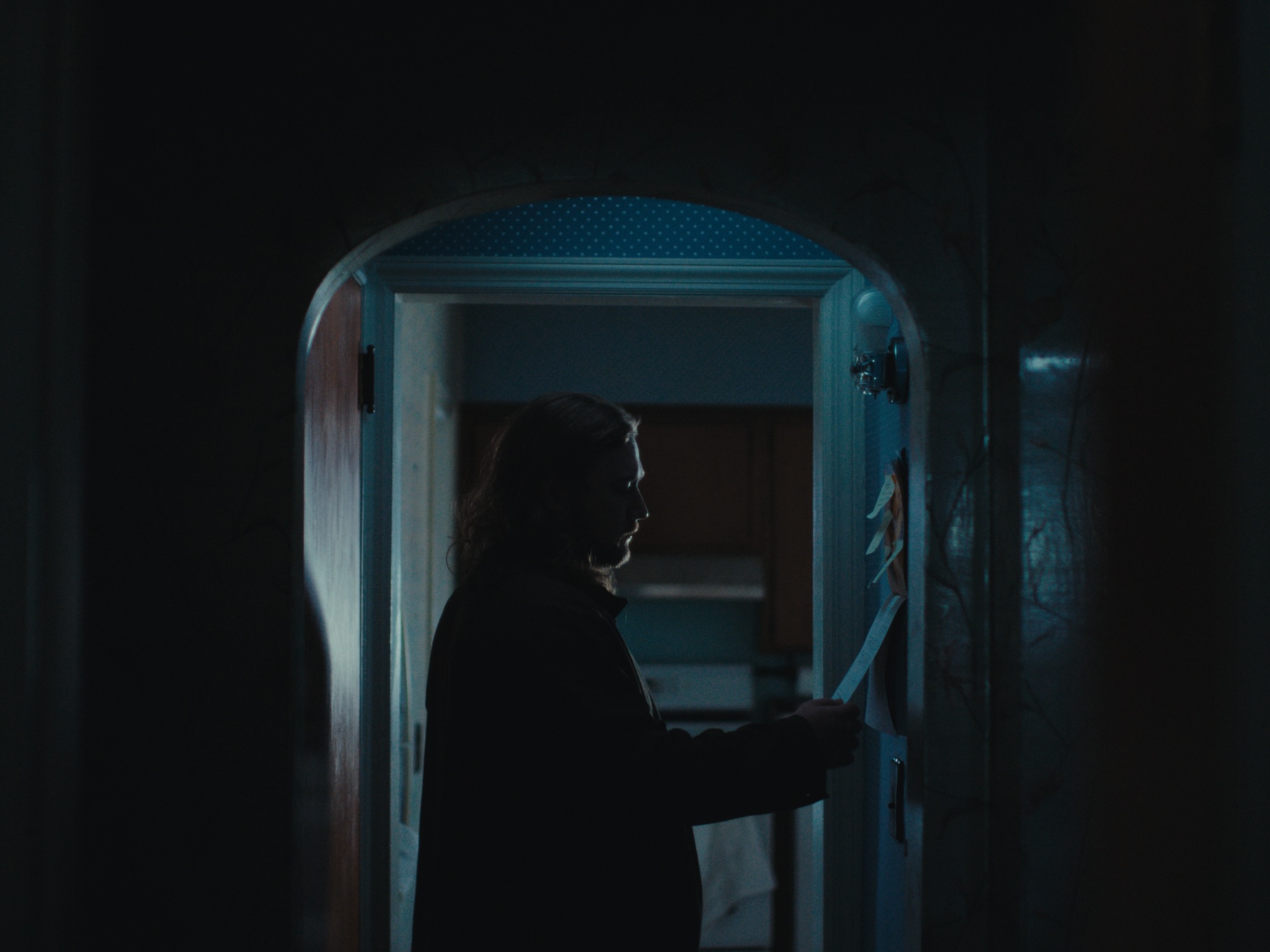
Yeah, I hope so, as I tried to shape the whole film like a short ghost story, even if that architecture was indirect. At its core, grief is visibly upsetting, and that’s obvious. But what’s more interesting to me is the way it persists, sleepwalking around, awaiting. That’s why it’s unbearable. Things left behind become a ghost ship for those having to make sense of it all; the footprint transforms and lives on in an unfortunate sense. I aimed to map this despair onto the setting and the way the characters moved throughout it. Miles proceeds with caution, searching for answers only because he’s supposed to, but actually finding them could be unacceptable. It isn’t until we meet Katarina that we start to understand what the questions even are, and why he might distrust them. That’s how I imagined it, at least.
I found the 4:3 aspect ratio captivating, suited well to the empty corridors of the house. What drew you to this choice of aspect ratio?
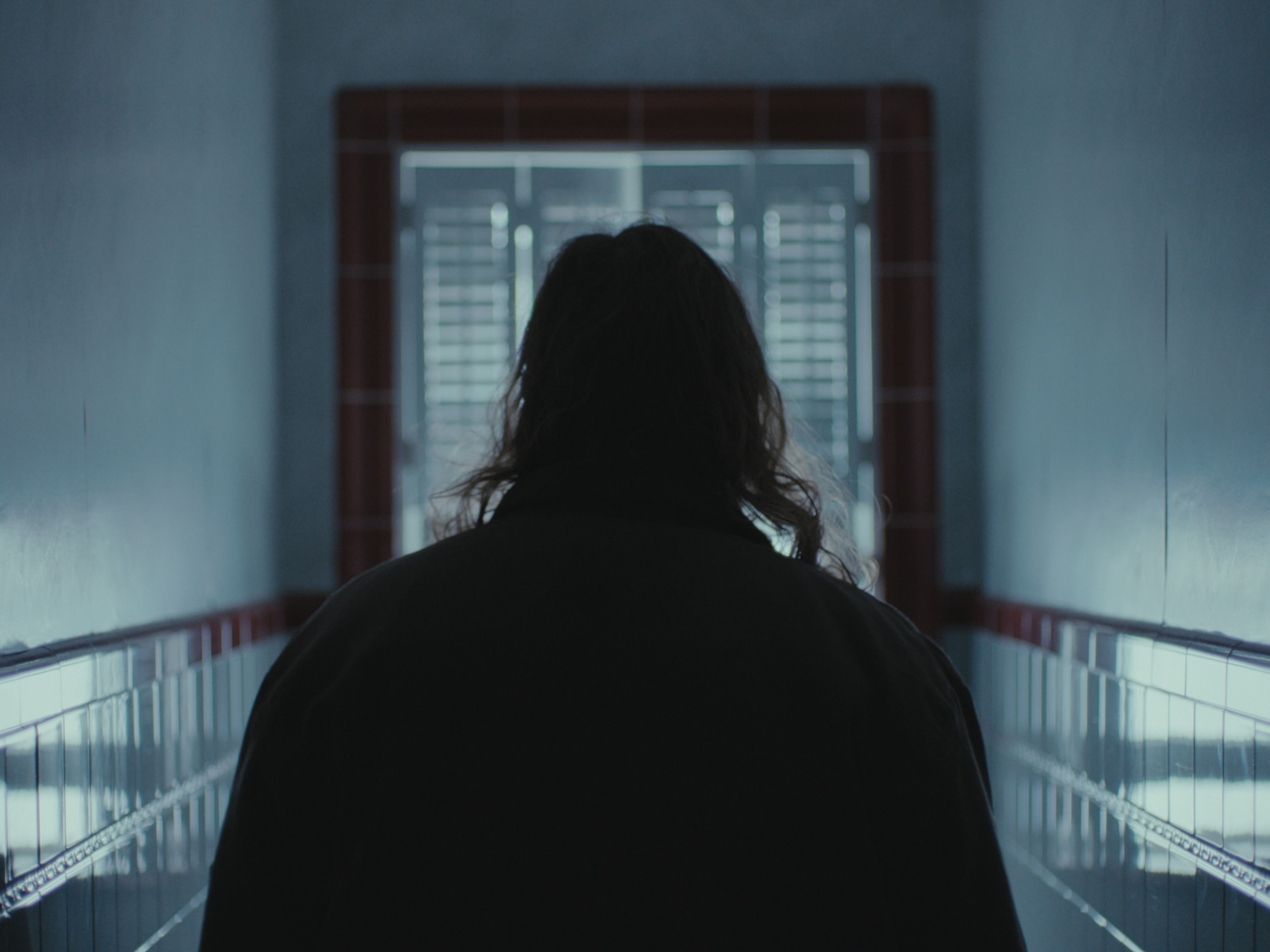
Yeah, exactly. In a lot of ways, the film is about the house as much as it is the characters, and we felt strongly about using a 4:3 ratio to really compact that space together. We drew parallels between the walls of the ratio to the walls of the home and because there’s something impending around every corner, I think the contained aspect ratio heightens that tension. Boxed in with the characters themselves, the viewer is backed up against four walls alongside their desperation.
The film’s pacing feels in line with the tone and style of slow cinema. Could you share the artistic reference points behind NEST?
A notable reference to the work is Birth (2004), though I don’t think that really qualifies as ‘slow cinema’. There is, however, a certain slowness and meditative energy in its grammar that was pertinent to the way we developed NEST. I think that movie is a profound expression on grief, and our opening shot pays clear reference to it (in one long establishing take, Miles jogs through the neighborhood before sunrise, akin to the opening of Birth.) This moment sets the sedated pace for the remainder of our story, and is later bookended by the same frame, void of Miles. It felt like an important cyclical ending for a relatively futile character.
In a lot of ways, the film is about the house as much as it is the characters, and we felt strongly about using a 4:3 ratio to really compact that space together.
Likewise, we’re asking all our filmmakers this year to share their favourite short film with our readers.
2002 (Year of the Horse) by Mathias Nordli Eriksen and Matias Rygh is an excellent one. It’s so difficult to craft compelling characters within the limits of a short duration, but these filmmakers found a way into the wilderness. Lovely performances and the production design is mesmerizing. I want that Helmet shirt the girl is wearing.
How do you feel now that NEST is out in the world?
I’m thankful we made this project, but I haven’t thought too much about it since. Some people have reached out and responded positively to the work, to which I am quite grateful for. Sharing anything personal in a screening amongst friends is always special, too.
And finally, what’s next for you creatively?
I am currently developing a feature with many of the same collaborators from this project.