
A director whose films have been featured on DN for nearly a decade, we are delighted to welcome back Andrew De Zen with Holocene, a music film that could not be more tragically relevant for our time. The short follows a young couple grappling with the dilemma of whether to bring a baby into our declining world. A casual look at the news on any given day shows why more and more people are having similar quandaries when faced with climate change, a never-ending cost of living crisis, and war. With resources dwindling for many would-be parents, it’s easy to see why it’s both too expensive to start a family and the worry of the world in which that family would have to thrive/survive. De Zen talks to us about exploring those themes through the music of Alaskan Tapes in their latest collaboration, blending visual effects with stunning cinematography, conveying intense emotion with sparse dialogue and in a short space of time, and working with his actors to achieve it.
Thematically speaking, the dilemma of whether to bring a child into a declining world couldn’t be timelier – or weightier. Where did the inspiration come to explore that narrative backdrop with this song?
It actually came quite a while ago, back in 2019 when the UN released their findings in an article about a change in global temperatures from 1 degree to 2 degrees, and just how catastrophic that small jump would be for the planet and all of us. I can vividly remember going on a midnight run that night and having an internal conversation with some future child or grandchild, and having to apologize for the world we had passed down to them.
You’ve said previously that you deeply love merging something more surreal or conceptual, often mysterious, with a raw emotional energy. Where did this love come from and how did you want to express it in Holocene?
Honestly, I think it comes from an early exposure to animated Disney films and anime, Saturday morning cartoons, comics, all of that kind of material. It’s only been recently where I’ve really allowed myself to just mash together the things I deeply care for. Geekiness and all. Holocene is simply a statement I wanted to make on the topic of bringing children into today’s climate.
We’ve featured your previous collaboration with Alaskan Tapes, Of Woods and Seas, here on Directors Notes. What’s the creative process between you and them to come up with a visual story to match the music?
Alaskan Tapes is one musician, Brady Kendall, and the two of us go back quite a bit at this point. It’s all very nonchalant. I just admired his music. We ended up clicking right away on the things we like to make, want to make, and what we like to say. It’s pure creative freedom and has been one of the most creatively rewarding relationships I’ve had. Sometimes Brady will have a seed of an idea and we bounce around on a topic for a bit, but most of the time there’s just something I want to make and we kind of go, “Okay cool, let’s do it”.
It’s pure creative freedom and has been one of the most creatively rewarding relationships I’ve had.
It is a rare kind of privilege to have this sustained level of trust with a collaborator like him. It’s also another beautiful, rare thing to have the trust of such talented collaborators in producers Shelby Manton/Boldly and Adam Maruniak, who went into the trenches with me. Cole Graham’s cinematography here is some of my favourite of his work. And the subtle details of Chemistry’s work in the obvious and not-so-obvious was something to marvel at as we finished this film. I’m grateful to everyone who worked on this!
Most Popular

We went through quite a few references in prep, to be very intentional with a shifting camera from static frames to subtle handheld.
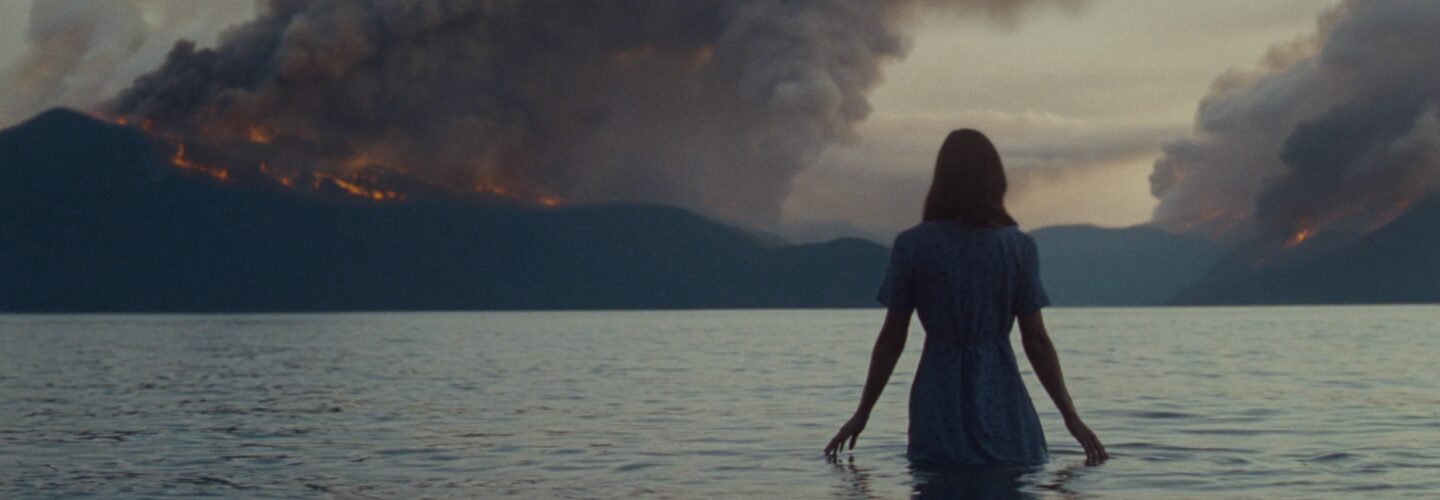
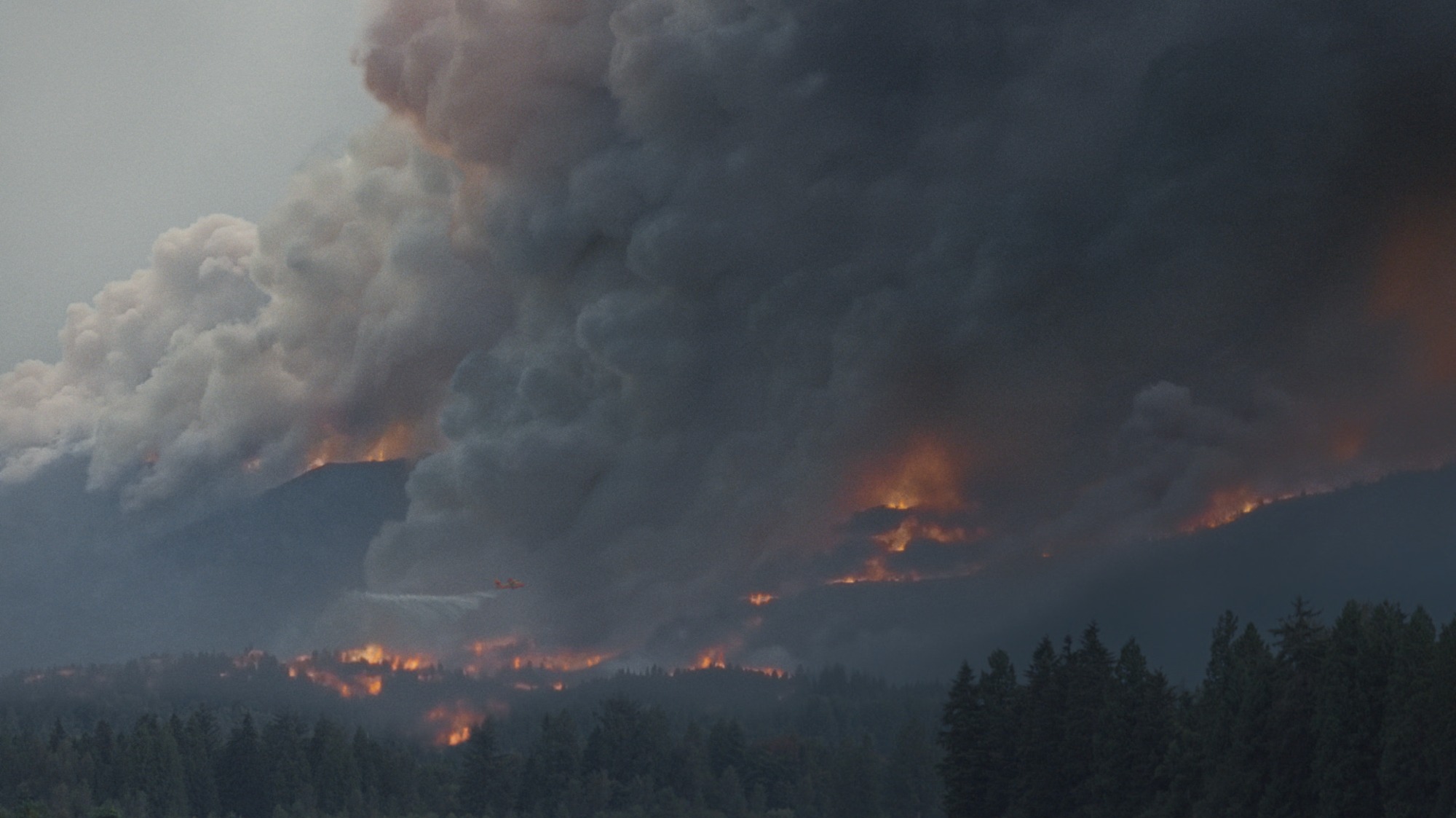
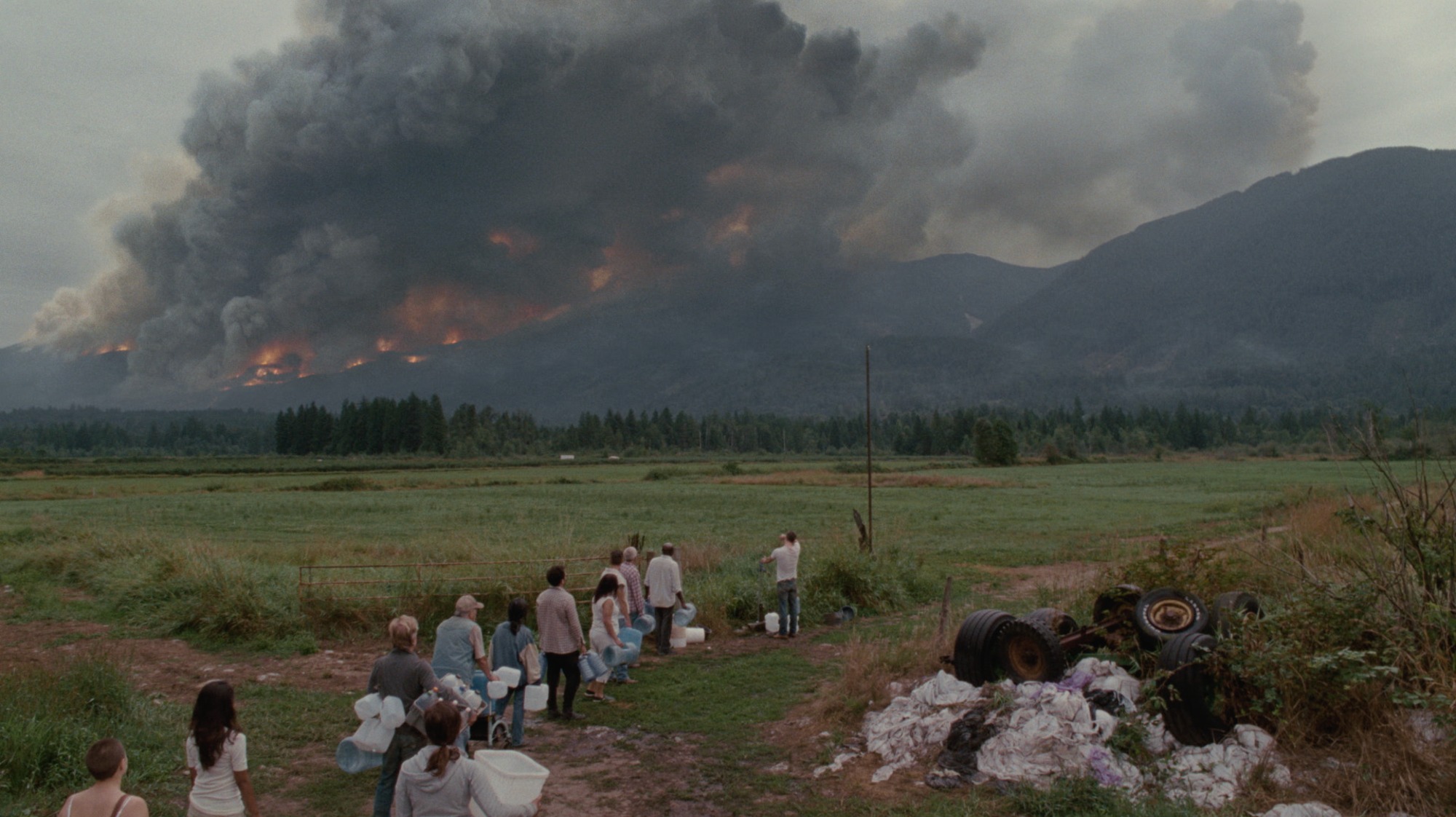
The film boasts some truly spectacular visuals, not least of all the fire-ravaged hills playing backdrop to the would-be parents whose lives are similarly ablaze. How did you go about capturing those sequences with VFX and Cole’s cinematography?
Those VFX sequences are mostly pretty easy marriages between live action and simulations done by the wonderful team at Chemistry. It was mostly good location scouting for large, natural, vertical backdrops that Cole could then lens beautifully and do what he does best.
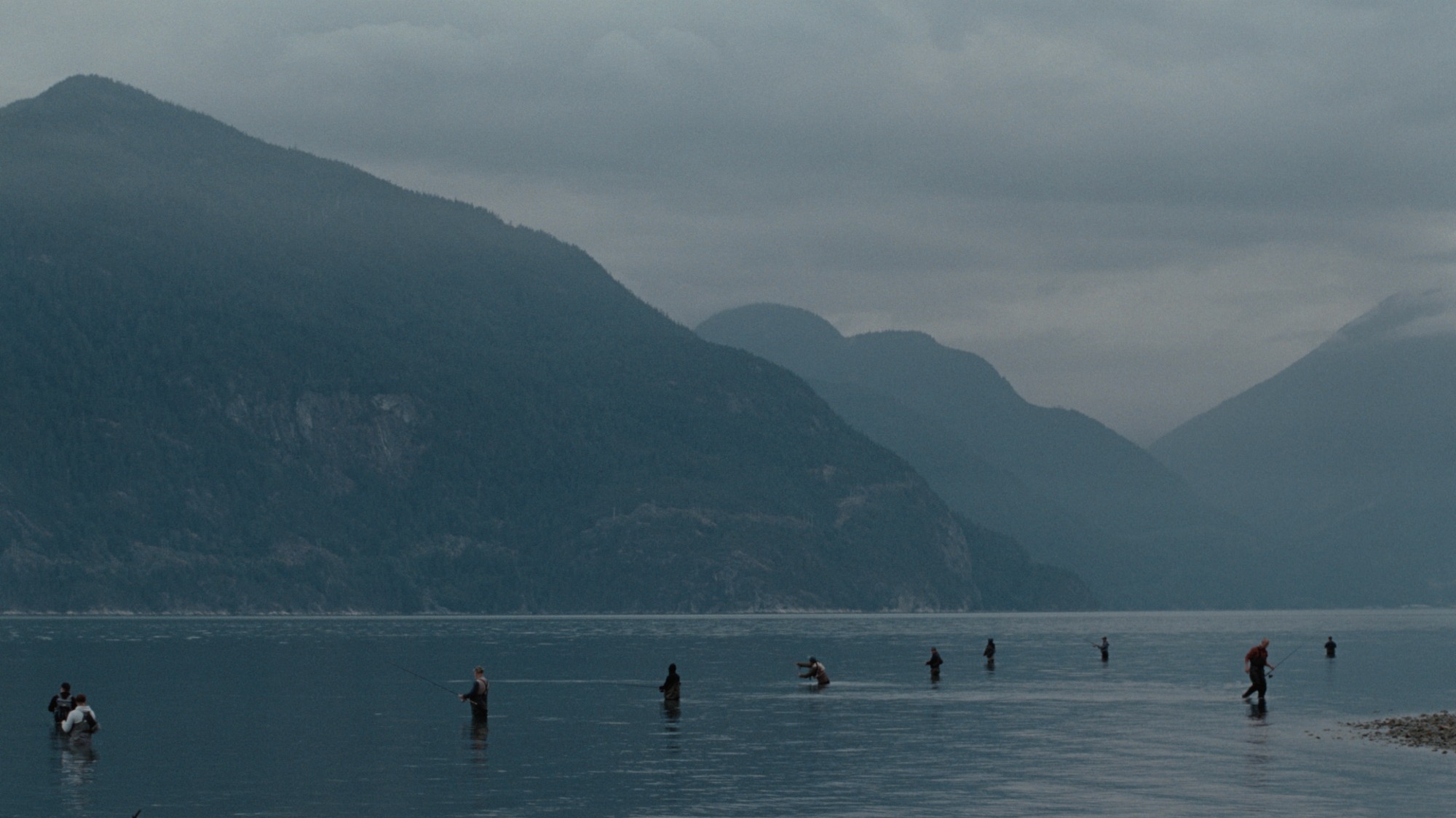
Cole is quite the rockstar behind the camera, and it’s easy to lean on him when we’re mapping out a scene, its mood, visual tone, and lighting. We went through quite a few references in prep to be very intentional with a shifting camera from static frames to subtle handheld. A key reference was a film called Beanpole. I like shifting through movements and visual language like that. Cole gets that kind of filmmaking and the way he was able to capture such natural lighting is one of the things he’s so damn skilled at. And of course, we both love film so that was an easy choice.
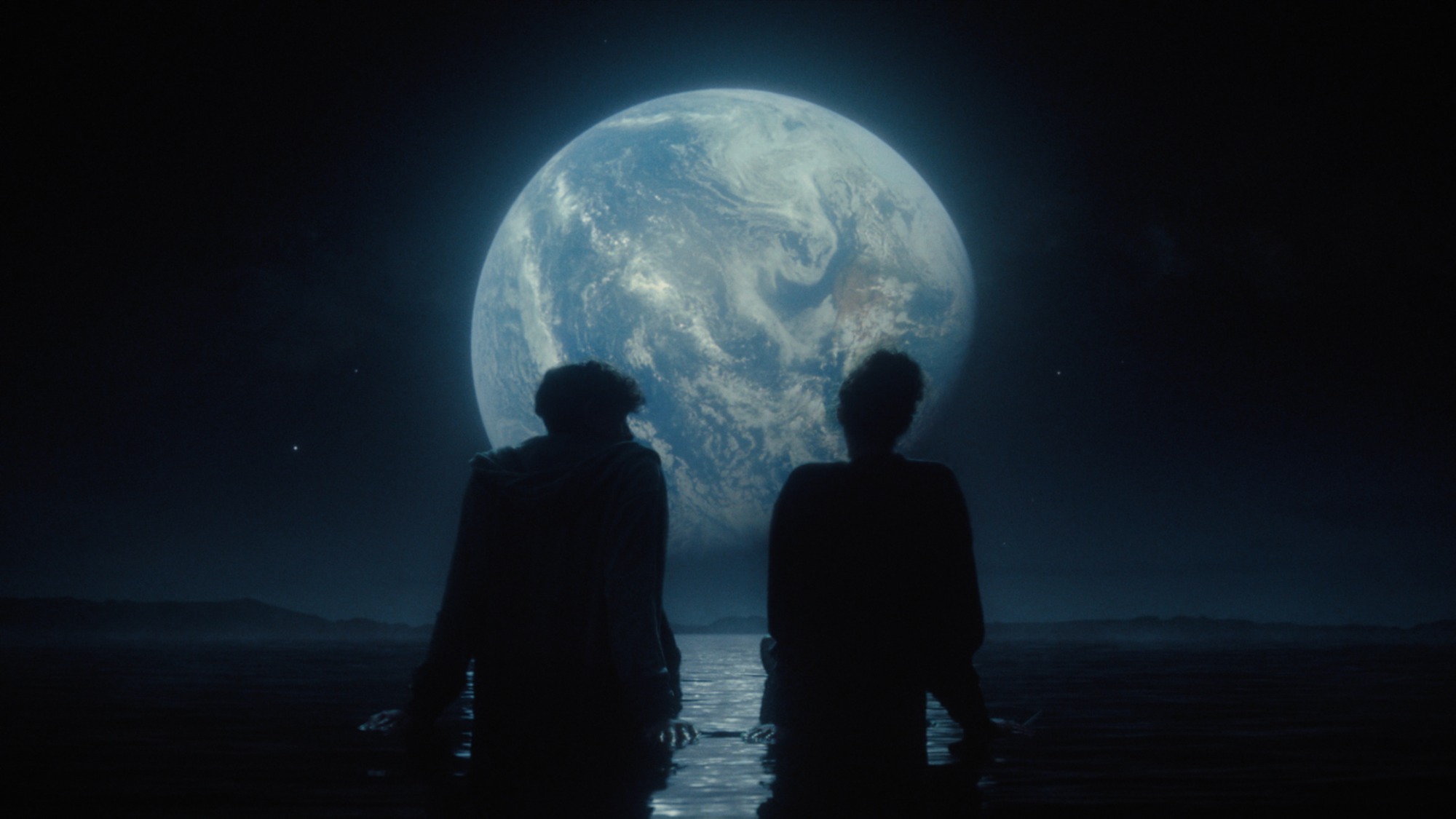
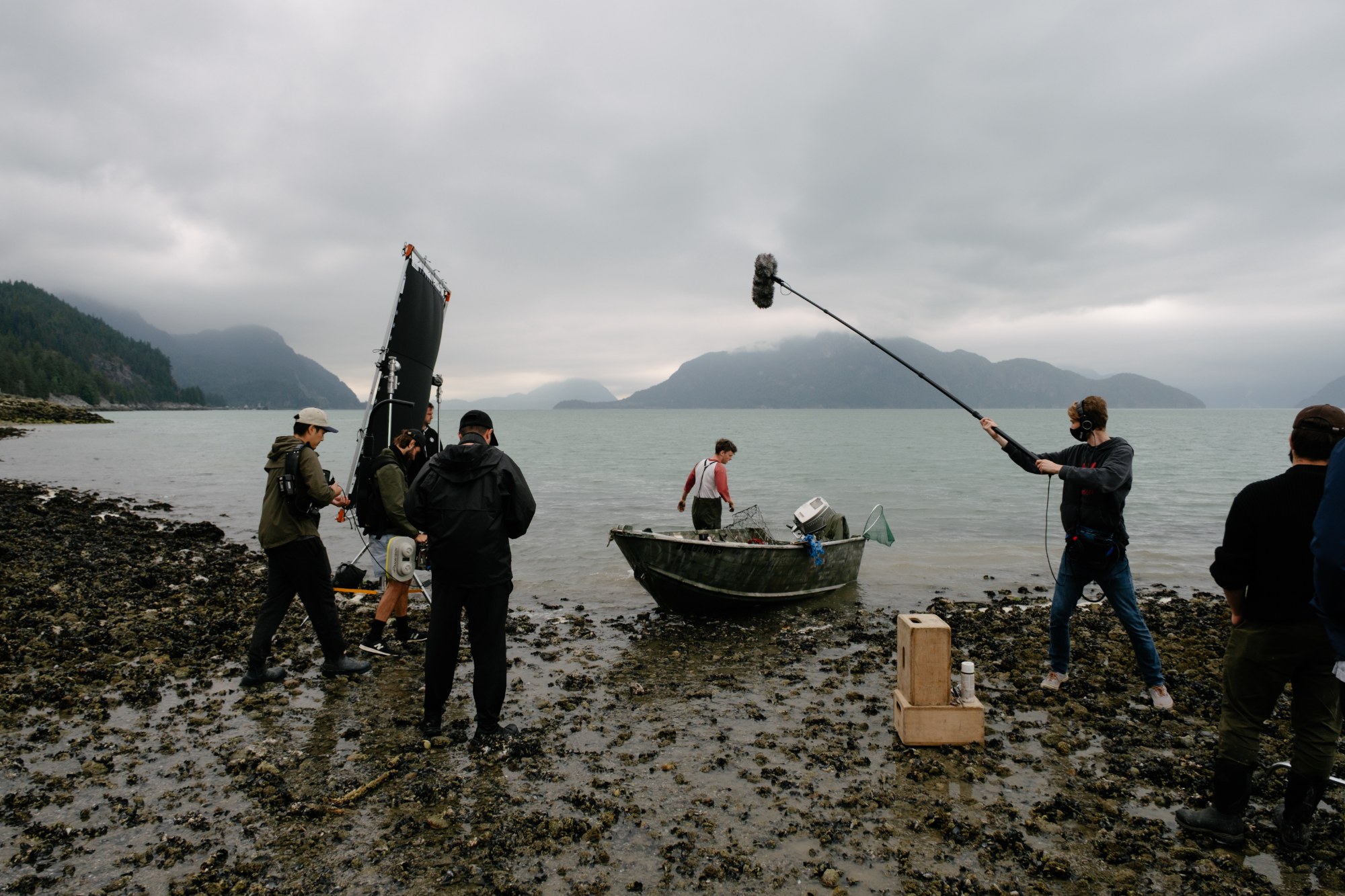
The real work that we had to plan quite deeply were the shots with the kids framed against the earth while sitting in the ocean. I worked with my favourite concept artist, Andree Wallin, to create the mood of that scene with a key piece of art that I could give to all the teams and execute.


Then there are the central performances evoking the emotion of the piece. With dialogue so sparse, how do you work with your actors to impart their characters and place in this story?
Well firstly, what Holocene was originally shot as was something quite different. It was going to be a longer film, more narrative, with much more dialogue. We shot it back in 2021 but it required so much heavy VFX work and some elements from production turned out differently than I had originally imagined. I walked away from the film for some years, knowing at some point, I’d have the courage to come back to it.
I find most of the time with actors most of what I need to focus on is clarity, what the emotion should be, intention of the scene and moment, and then get the hell out of the way.
So, all being said, how I work with actors is always the same process. Try making everyone comfortable, using the script as a base, and always wanting to give some freedom to be loose and explore what the best version of the thing in front of us looks like. Sometimes it’s more precise because I’m a visual person, most of the time I know exactly what the camera needs to be doing and that can dictate the blocking, staging, and everything else.
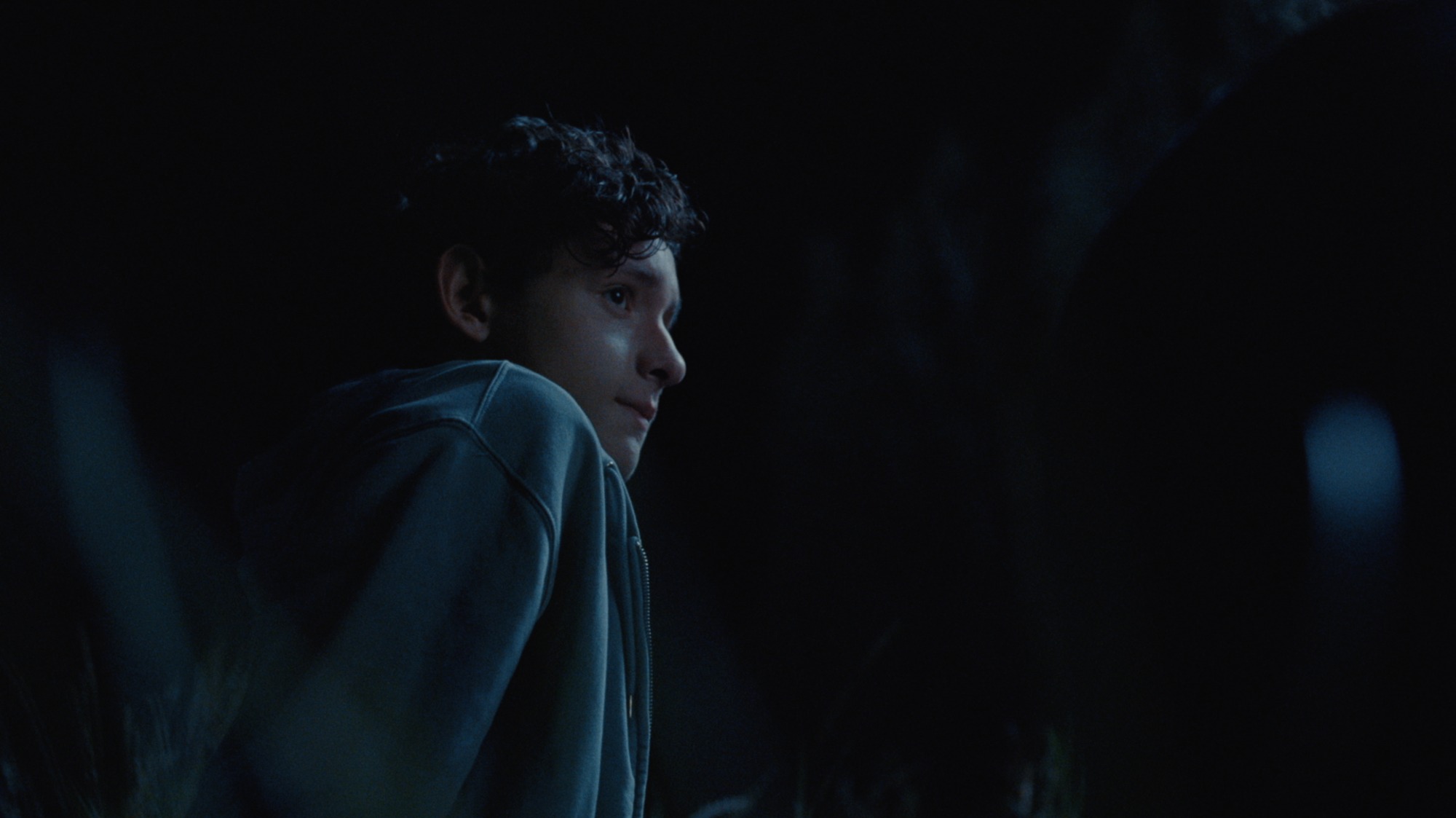
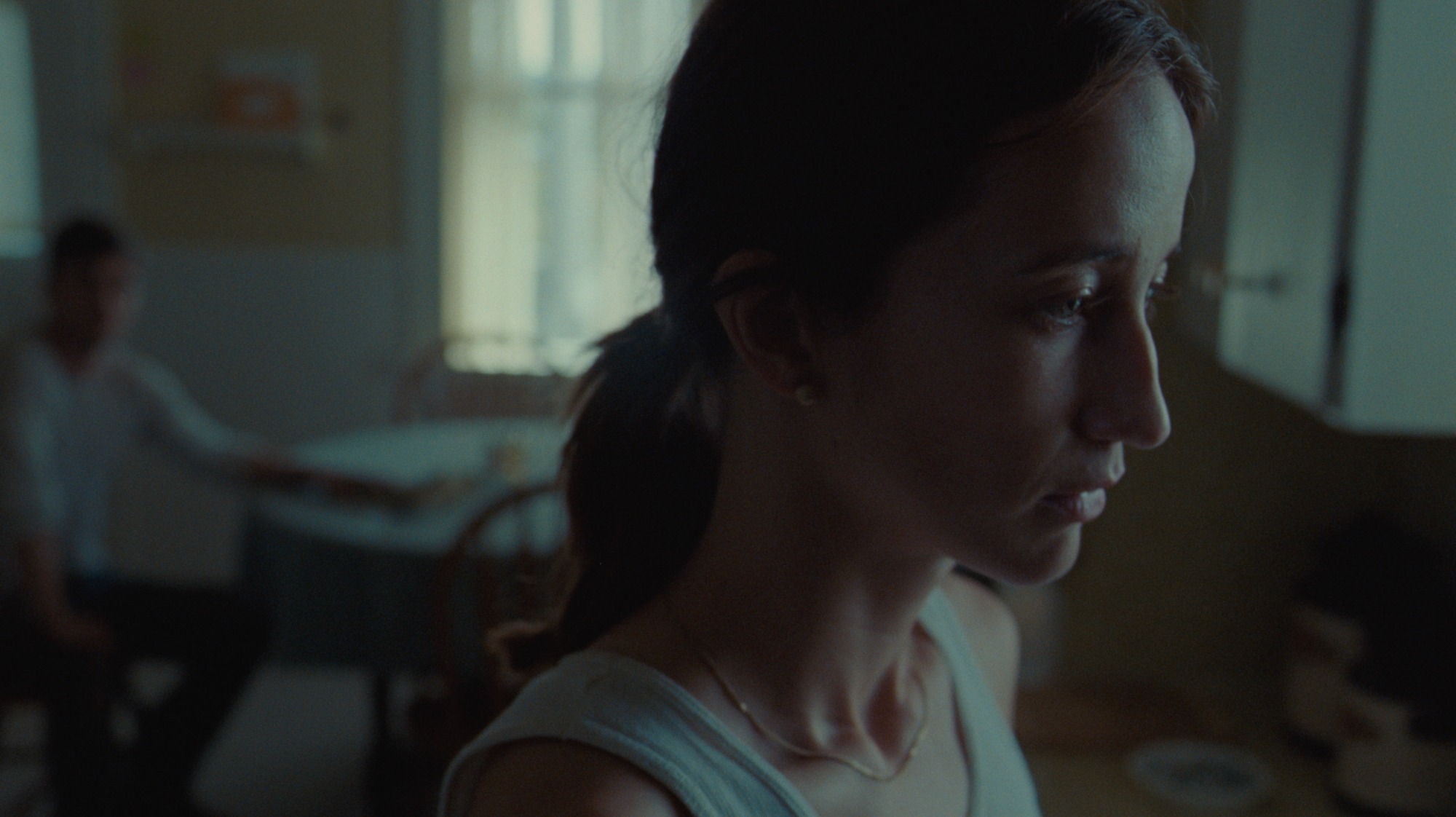
We cast in Vancouver with our casting director Kathleen Mayrs. That’s how we found both our lovely leads, Thomas Nicholson and India Shaw-Smith, along with our whole cast. Pretty early on in prep I wanted to make sure both Thomas and India had some time to get to know each other given their relationship in the film. I find most of the time with actors most of what I need to focus on is clarity, what the emotion should be, intention of the scene and moment, and then get the hell out of the way.


Much like Of Woods and Seas, there is an expansive storyline in Holocene in relation to the runtime. How much of that is planned in the writing and how much of that is found/crafted in post-production?
Brady’s music, and one of the many reasons I’m so drawn to it, is that the emotions, rhythm, and pacing all add to this sense of atmosphere and mystery. It can conjure up deep waves of feelings inside you, while also being vague and kind of amorphous. Leaving your ideas a bit shapeless. I really like that.
With our work together I want to create something that has answers if you’re willing to engage with it. Those are my favourite types of films overall. It’s not passive. You’ve got to work a little bit to have some answer to a question it might be asking. I don’t know, that’s how I think of it. I also allow a bit of room for me and Michael, my editor, to continue shaping and finding and rewriting in the edit.
What we shot in 2021, that longer film, was something I had originally conceived as a music video. I wrestled with it, going back and forth between how narrative vs how musical its flow should be, so the fact that it fit so well with Brady’s music wasn’t surprising at all. In fact, the making of this film, through its failures and successes, was one of the biggest learning lessons I’ve experienced. Trust your gut. Trust your intuition.


The final shot of the film is as spectacular as it is haunting. What are you hoping audiences will feel at this point and what message do you want them to take away?
For me, I just want to be making things that can leave a person with a feeling, or to have it stay with them, get under the skin, make them consider it a bit longer than they were expecting. There’s no real ‘message’. It’s like the two characters in the film, they go their separate ways based on whatever they feel is right, whatever they believe in. I think I just wanted to make something around the fact that, for some reason, many reasons, more and more people are choosing not to have children. And I wanted to explore that a little in Holocene.
With our work together I want to create something that has answers if you’re willing to engage with it. Those are my favourite types of films overall.
I can’t let you go without asking you about the fish… How did you go about shooting that?
Oh man. That fucking fish. Look, I’m hopelessly naïve pretty much day to day, in general. How we were going to shoot this fish ended up being quite a heated topic for all of us. Do you do it for real? Do you ‘actually’ let a fish gasp helplessly on screen? Is that torturing an animal? If we ‘did’ do that… do we then choose to eat it? Would that help? I mean, we catch and kill and eat fish all the time. Right. Well, these questions are what we spent a lot, a lot a lot, of time considering.
Sometimes you just want to make sure something on screen is going to look good on screen and my process is to choose the path of least resistance. Usually. I probably sound like an asshole haha. In the end, we bought a frozen fish, recently caught, and pumped air into it, then let VFX work their magic. Is that even worse? Who knows?

With Holocene now released for the world to see, what project can we expect to see next from you?
There’s been one main film project I’ve been working on financing and getting together that would be a short film to feature. I’m incredibly excited about it. It’s very much in line with this kind of filmmaking, merging the real with something more surreal and conceptual. With loads of VFX, photoreal Godzilla like creatures, a young girl on a road trip kind of adventure, yeah, I ‘really’ hope we get to make it.
And finally, what short film have you seen by another filmmaker that you would recommend to the DN community and why?
It’s not a short, just an honest to God great music video that I became quite obsessed about. Go watch the BIRDS video for Turnstile. It’s direction, editing, sincere take on raw punky energy on screen. Love everything about it. Then, hey, fuck it, go watch One Day This Kid from Alex Farah, have a good cry, and make sure to call your mom or dad or whoever after watching .