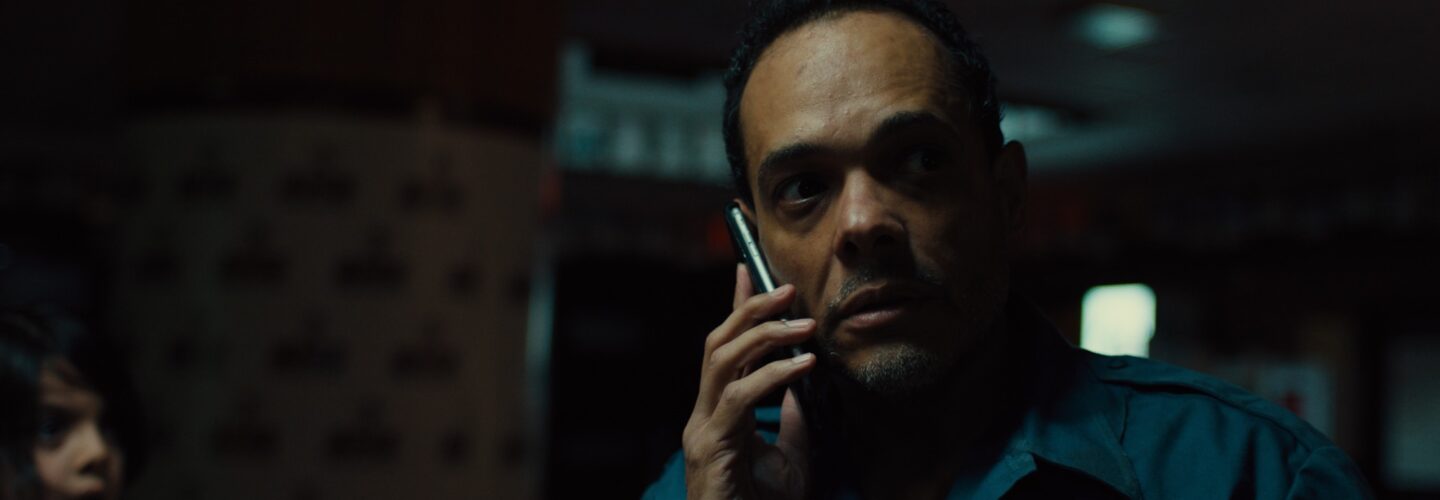
With the arrival of the world’s first trillionaire, the inequality of wealth and privilege in our capitalist society has never been starker. With the rich getting unapologetically richer at the expense of their perceived lessers, their arrogance and elitism are being extended down their family lines as they pass generational wealth onto their children. Trapped by Oscar-nominated filmmaker brothers Sam and David Cutler-Kreutz—who have previously featured on our pages with the Oscar-nominated A Lien and their Clermont-Ferrand premiering debut Flounder—pits a struggling but hardworking janitor against a group of bratty, private school teenagers as they attempt to carry out a senior prank. It’s a tense drama about quiet dignity, restraint in the face of smug provocation, and an emphatic message that money can’t buy class. Sam & David talk to us about the inspiration for Trapped based on their own experiences, how lead actor Javier Molina “jumped off the screen”, the diligent work done in sound design, and the cute way in which they celebrated their SXSW screening by dishing out mementoes from the film.
Welcome back to Directors Notes! Trapped is a gripping commentary on class, privilege, and inequality in the United States. What drew you to this topic and what connected that to the concept of the sea of rattraps?
We’re the children of teachers, so the prep school dynamics were a kitchen table issue for us growing up. I think in general as artists, we’re trying to soak up and respond to the zeitgeist all around us, and we’ve sparked many conversations with each other about income inequality and the widening gap between have and have-nots that exists in the US.
As we developed the story we realised we had a very interesting and not well documented angle into the inner workings of a prep school – a place where many students will go on to large corporations or government and have a significant hand in shaping our world. It felt like the initial incubator for these students was a fascinating place to dig into and to try and really understand and unearth the structures of power and attitudes that shape these students.
The concept of the ‘senior prank’, as it’s often called, was what drew us in initially – the idea that the prank is accepted and often condoned by school administrations made us wonder who is really getting pranked and who actually bears the cost of this theoretically harmless fun. The rat traps ended up as kind of a fun visual and rhetorical metaphor for the entire situation.
The unpredictability of a rattrap, namely what might set it off, perfectly parallels Javier Molina’s character. What was the genesis of this character and was it always your intention to leave the audience wondering when he might snap?
The film came from a line in one of our notebooks, “a man in the dark, what does he find?” so we were searching for a character from the very beginning. I think the initial question we posed to ourselves was, “What happens when a janitor runs across a group of seniors who are setting up the senior prank in the middle of the night?” The setup seemed ripe for conflict and tension while also opening up some interesting thematic avenues. We built the rest of the film off of this premise.
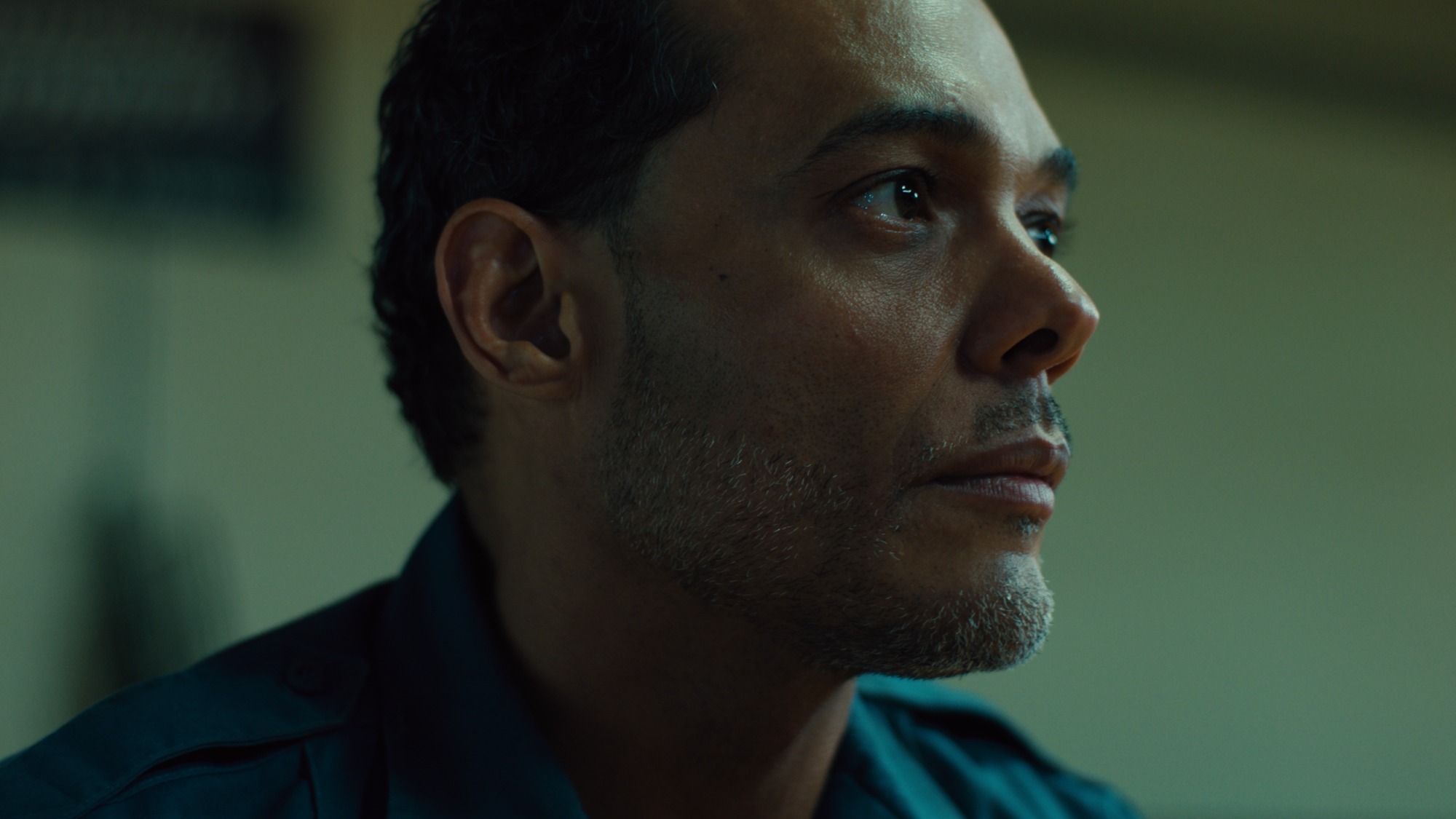
Javier Molina is pitch-perfect as put-upon janitor Joaquin just trying to get through his shift. What was the casting process to find him and what was your collaborative process when making the film?
We went two directions in our casting process for Trapped. We worked with Matthew Glasner to help us find Javier Molina, and we did all the other casting ourselves. It felt like such a gift getting to work with Matthew, he has such a fantastic eye for talent and is so thoughtful in his approach to casting (which can be such a challenging component of making a film).
Javier immediately jumped off the screen first in look and then as we dug into his previous roles, we were instantly attracted to his subtle intensity. He is truly an actor’s actor (he literally serves as the creative director at the Actors Studio in NYC), he’s such a good listener in every scene, he’s picking up on everything and really holds true to the adage ‘acting is reacting’. Working with him to find the history and psychology of Joaquin was such a rewarding part of the process and I’m so thankful he was on our team.
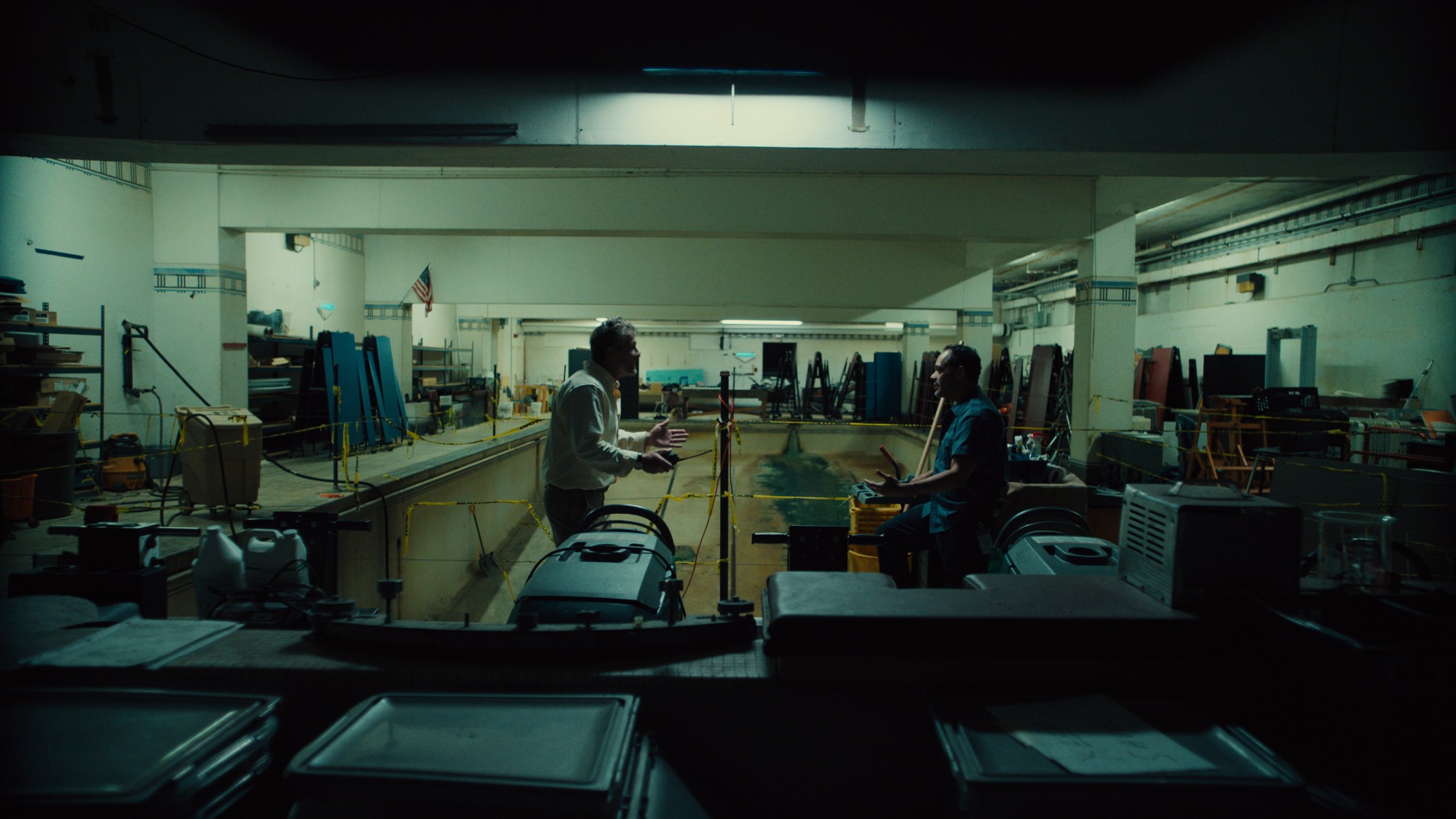
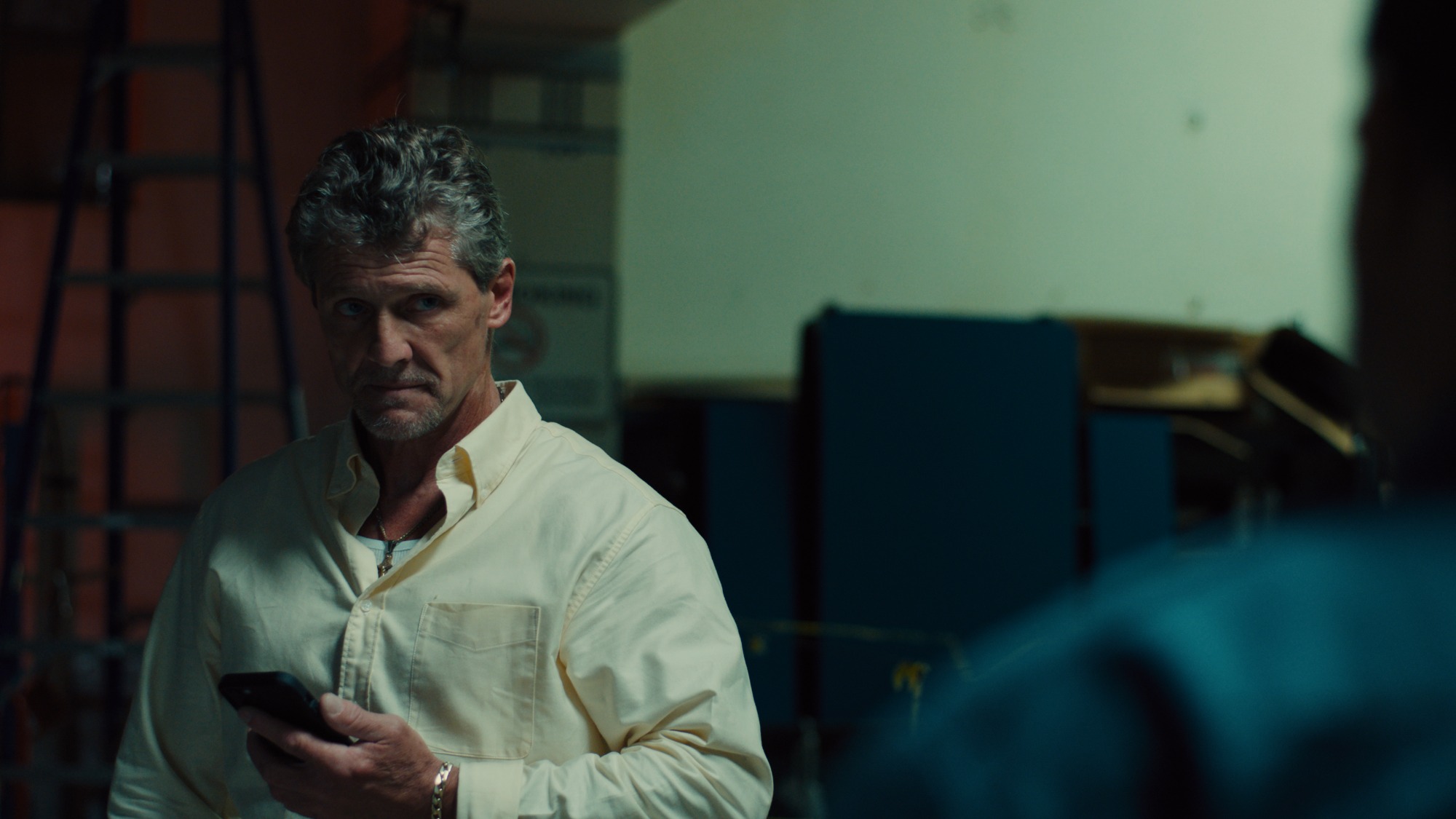
With a film boasting the same excruciating tension as Uncut Gems, it seems fitting Trapped stars Keith William Richards from that very film. What was it like working with him and Javier together on set?
We had seen Keith in Uncut Gems and knew he would be perfect for our film if we could convince him to come join us, and thankfully he did, bringing so much talent and colour to the piece. They are lovely opposites in some way, Keith is such a big, excitable personality and Javier is so focused and intense that they really played off of each other well. We tried so many variations and bits of improv during their scenes together and they both really held their own, going well off the script.
Most Popular
The young cast all support the film perfectly. The privileged brats especially are very easy to dislike, which is a testament to their performances. How did you find working with young performers, especially Joaquin’s son?
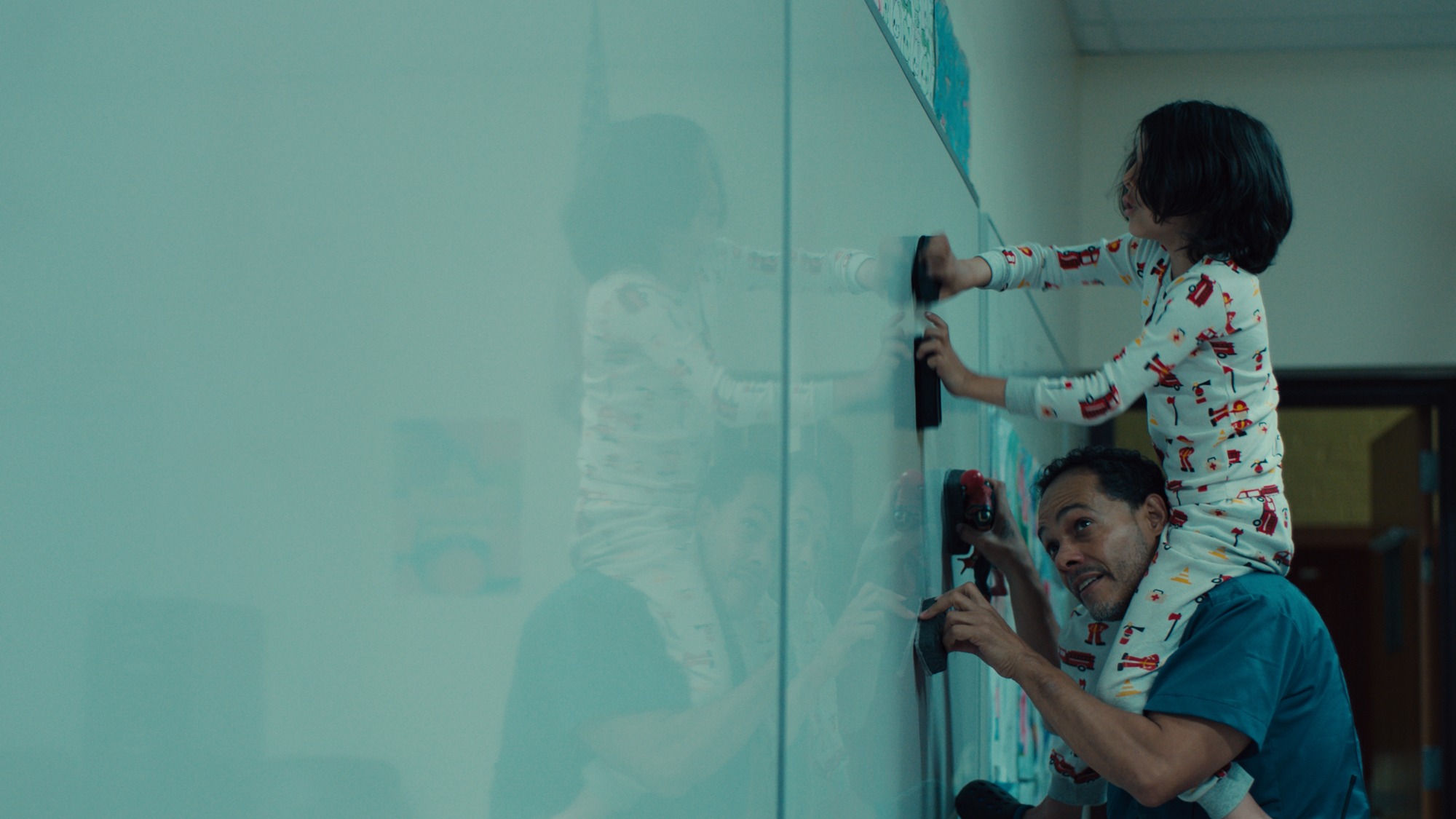
Working with kids isn’t always the easiest, but Kamron Ali Toosi (the son) was so forced and calm, he was such a blast to have on set. Javier was also instrumental in helping us direct Kamron. As a director, the other adult actors on set are your key tools when working with kids, because they are actually in the scene and can almost be you by proxy. Javier did an incredible job of both focusing on his own performance while also helping to guide Kamron through his marks as well.
Some might say the real stars of the short are the rattraps. You’ve helpfully put together a BTS video about the assembling of these traps, but can you tell us what it was like shooting with them, especially in terms of set up and scheduling?
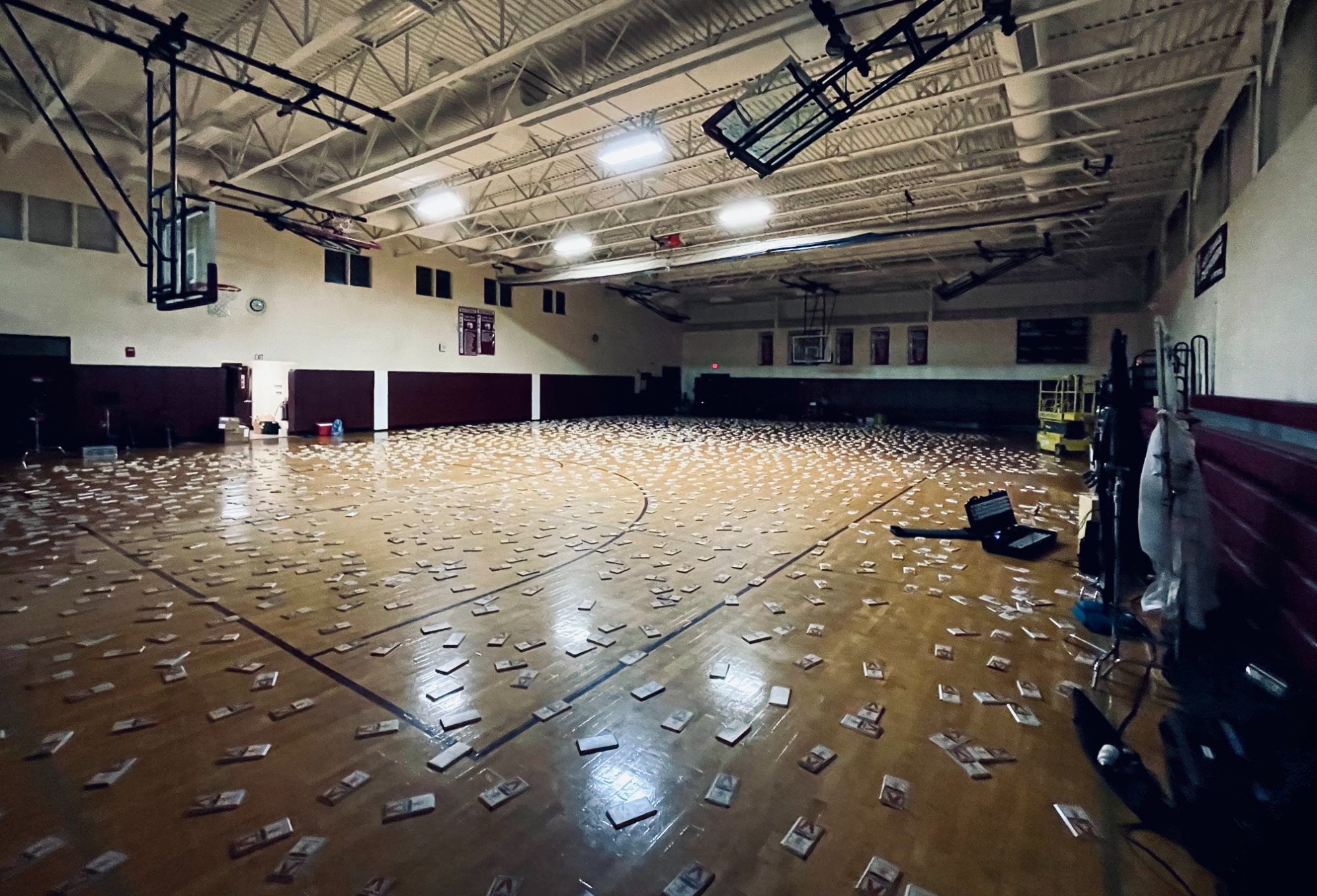
Figuring out the rat traps was the most challenging component of the film. We spent months ahead of filming doing camera tests to figure out the depth of field for viewing objects in the background – basically, at what point can you stop placing rat traps on the ground and instead place something else. Then we spent weeks trying to figure out what that something else would be.
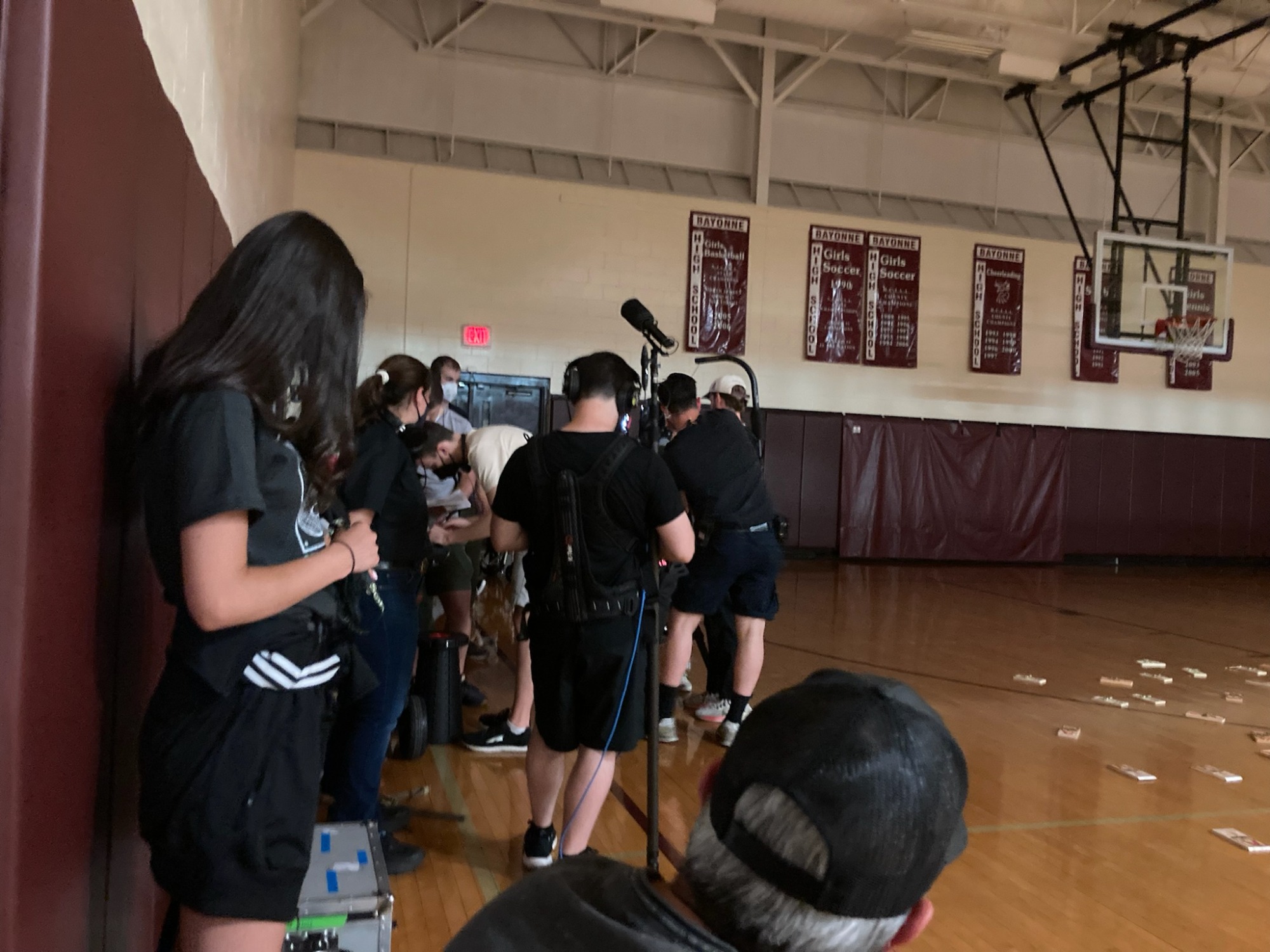
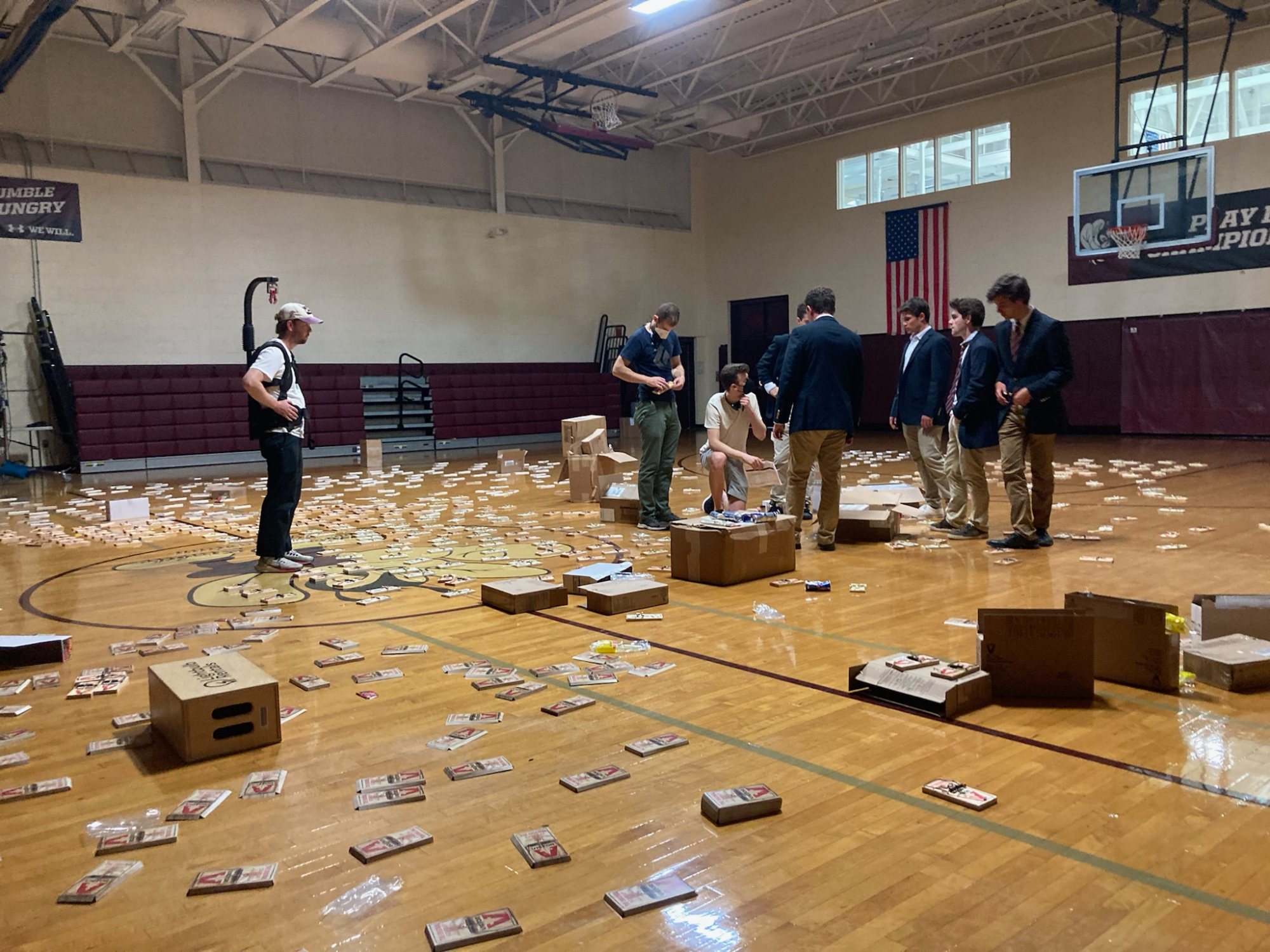
At some point in filming, every single person, from actors to PAs to producers were on their hands and knees placing fake rat traps (and real ones).
We didn’t have the budget to just buy rat traps to cover the gym (nor the moving capacity – that many rat traps would have weighed over a ton), so we instead had the image of a rat trap, and the wood sides, custom printed and die cut onto thick paper. We then folded the papers into little paper boxes that looked from all sides like rat traps. At some point in filming, every single person, from actors to PAs to producers were on their hands and knees placing fake rat traps (and real ones) for some of the wide shots.
We sort of scheduled the gym scenes in stages, because the time of day was the same all the way through and the light was controlled, really the only factor was how full of rat traps was it. So, we started with the scene that had the least, and then we slowly built it up in waves, ¼ full, ½ full, ¾ full, then fully covered. We’d shoot out each part then bring in all hands to help get us to the next break point.
Capturing the scope of the rattraps scene was a task in itself in terms of execution, but how clear were you in your vision for the cinematography of the entire film from the beginning and how did you work with your cinematographer to achieve it?
We spent quite a bit of time with Gabriel Crawford Connelly, our DP, talking about how best to show off the traps, while also trying to hide the fake traps. We’d often work with longer lenses for the close ups where there were traps in the background, 50mm or 75mm – as close to wide open as possible, so we could blur out the background, then on our wides we’d try and go as wide as possible to try and make everything feel small and uniform so you couldn’t see where the fake traps started. Getting height was helpful for the wides to really show off the scope of the trap setup.
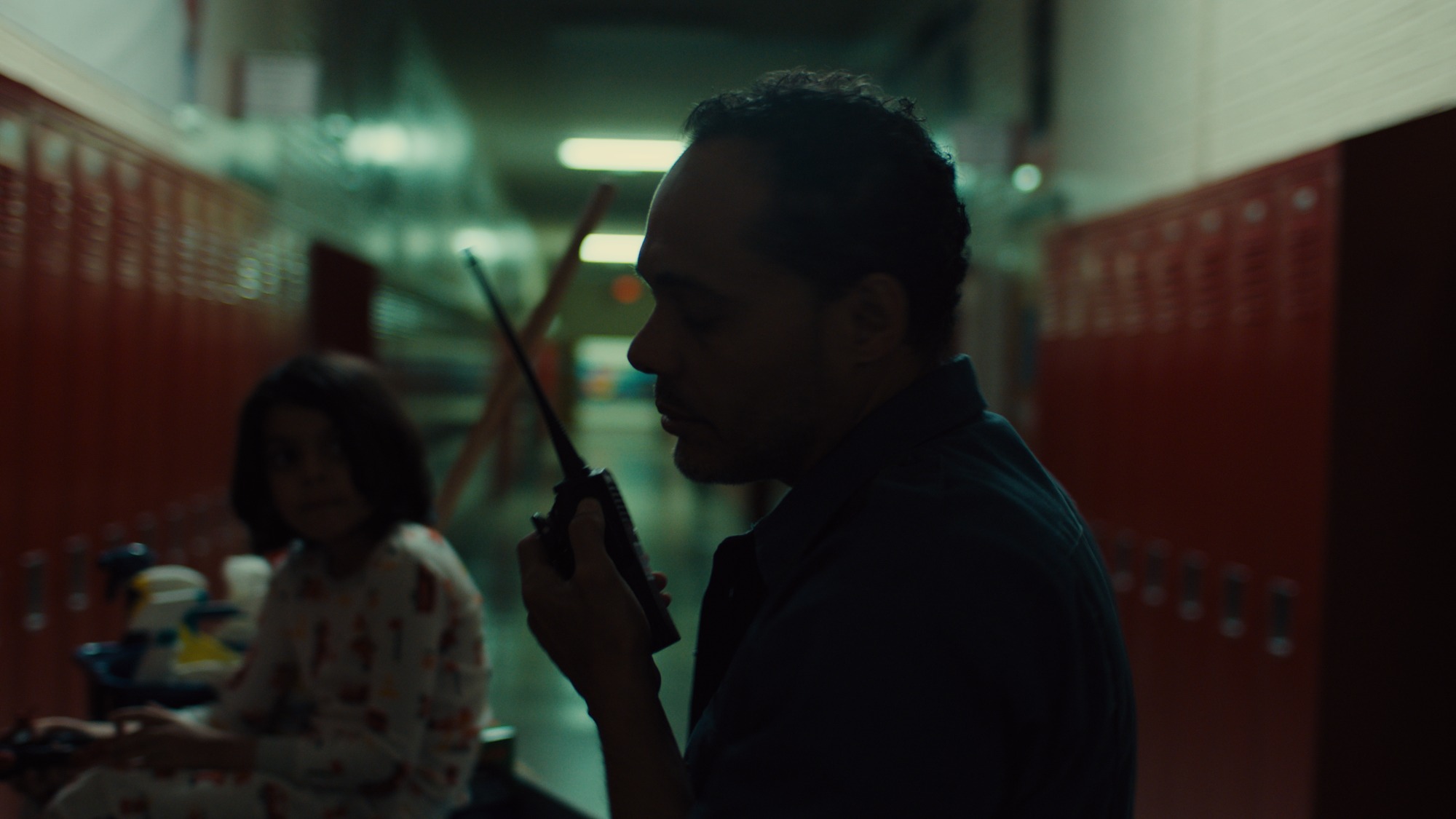
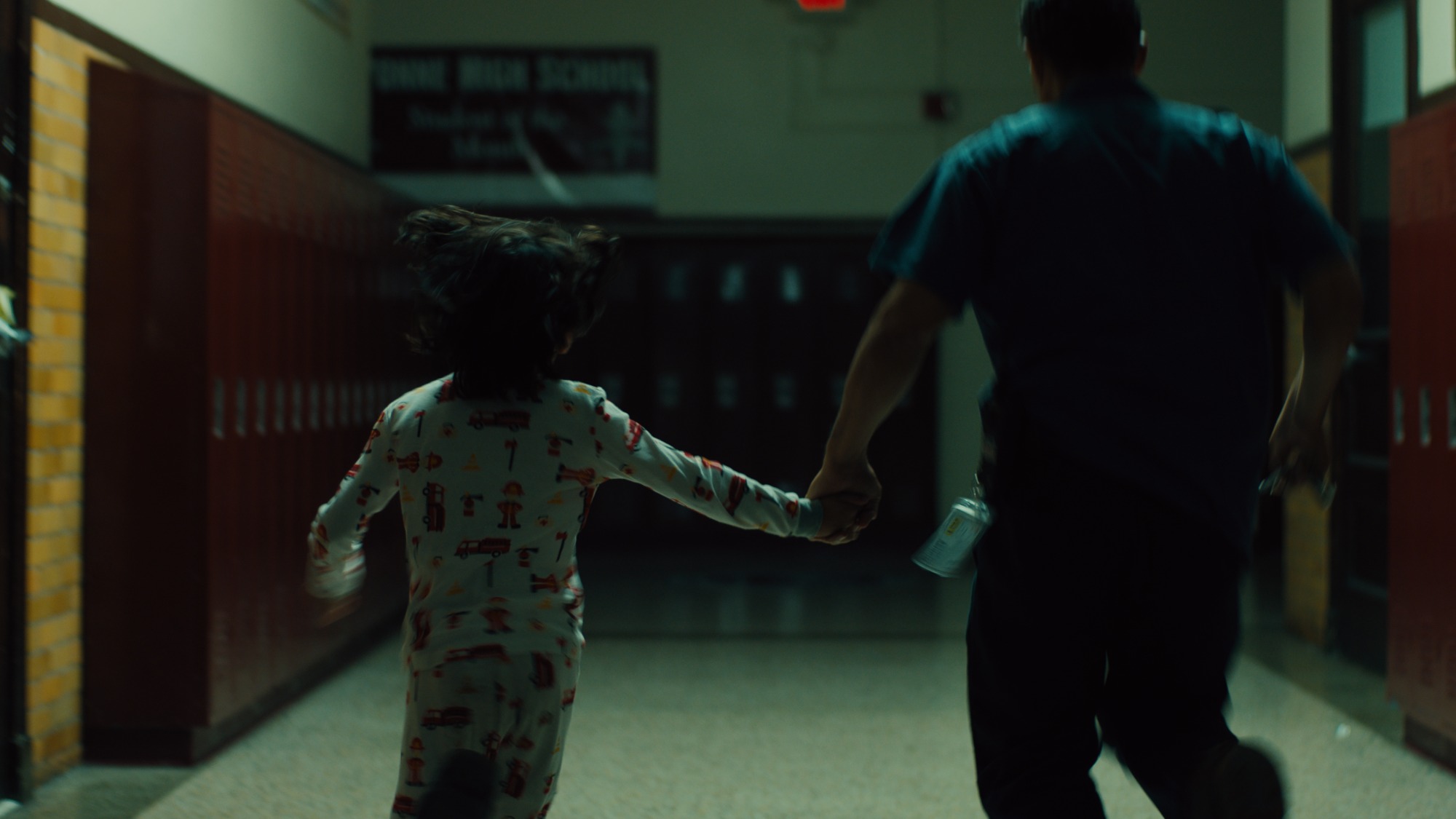
We really wanted to embrace the kind of horror film aesthetic, if you’ve ever spent time in a school after hours you know how spooky it can be.
Like any short we tried hard to embrace the locations as much as possible when it came to lighting. We had a very small lighting package on set, mostly to just replace and augment the natural light that was already in the spaces. Much of the work for the look of the film came in the finding of the main school location which took about 6 months. We really wanted to embrace the kind of horror film aesthetic, if you’ve ever spent time in a school after hours you know how spooky it can be. We tried to make pockets of light and shadow that Joaquin could move through while going about his daily routine. We were always trying to sort of suggest that something might be just around the corner.
Gabe did a masterful job working with such limited tools and we worked hard together to try and simplify coverage and find the lighting scenarios that looked best.
There are ebbs and flows in the pacing of the edit, which naturally occur when increasing/decreasing the tension. Was this all carefully planned from the start or were sequences found during post-production?
I mean, the pacing of the film is generally found in the edit, though I do think the script was quite tight/dense from a plot perspective so we had a lot of moments to jam into a 15min runtime. The hardest part was just making sure we had enough time to shoot it all, and then in the edit, trying to scrap together the moments that got messed up on the day for one reason or another.
The trap setup montage in particular was quite under-shot/covered during shooting, so you’ll find us re-using the same shots over and over, but reversed, or flipped, or cropped, really any way we could just to get enough variation to make it work. There are some scenes as well that we had a ton of coverage or lines – the apology for instance, where we cut down almost all the lines and just moved into a series of silent looks. You never know what’s going to work best in the edit, so being willing to throw away your favourite shots or moments is key if they’re not working.
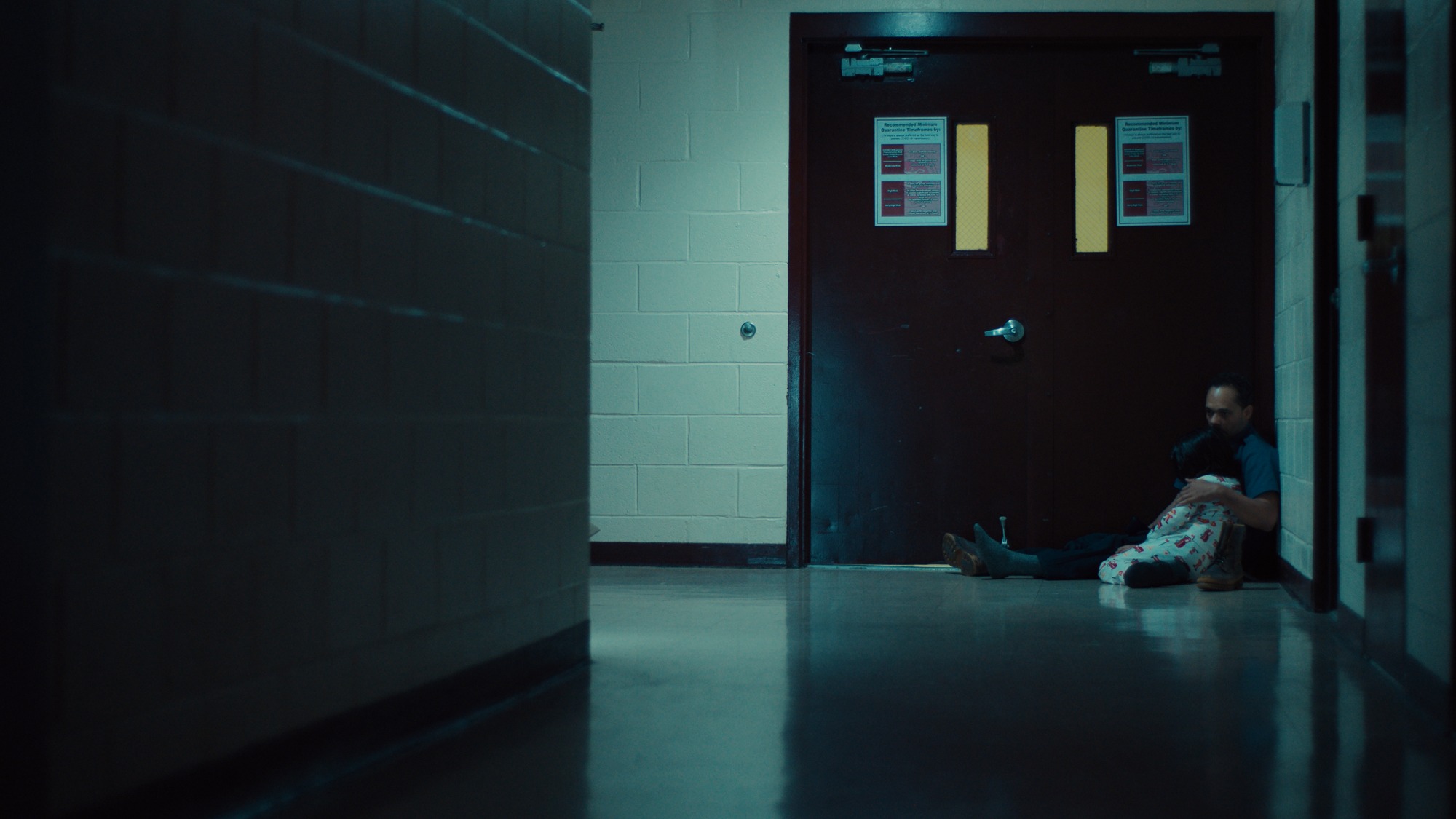
The use of sound and sparseness of music in the film helps ramp the tension up throughout, especially in the darkness of the gym when Joaquin and his son are locked inside – I was waiting for the boy to scream after setting off a trap or twelve!
We got incredibly lucky that we did our sound mix during the writers’ strike and most post production was shut down. Our incredible sound mixer Trevor Gates whose work, most notably on Jordan Peele’s films, really caught our attention, happened to be available during the 4-month period we were trying to do the sound design. We spent so long with him trying to build the soundscape for the film, tweaking everything. Finding the right hallway noises, the right fluorescent light buzz, the right clocks ticking, all the little bits and pieces that make the space really come alive, as well as dialling all the reverb across the tapestry of hallways and gyms and classrooms.
We were really hoping to try and make the traps feel dangerous, like they could take your finger off in an instant, so we completely replaced all the ‘snap’ sounds with our own custom sound.
We spent so much time trying to understand how the rat trap ‘snap’ should sound, the actual trap ‘snap’ has quite a lot of attack and not a ton of reverb, almost like a tight snare drum hit or a gunshot. We were really hoping to try and make the traps feel dangerous, like they could take your finger off in an instant, so we completely replaced all the ‘snap’ sounds with our own custom sound. It was a blend of stuff, gunshot, bullwhip, large paper cutter (the kind in the office with the big blade), scissors, and then making sure it had a good bass so that when they went off, you really jumped out of your seat in the theatre. I think it works because I’ve watched quite a few audiences levitate on that first ‘snap’.
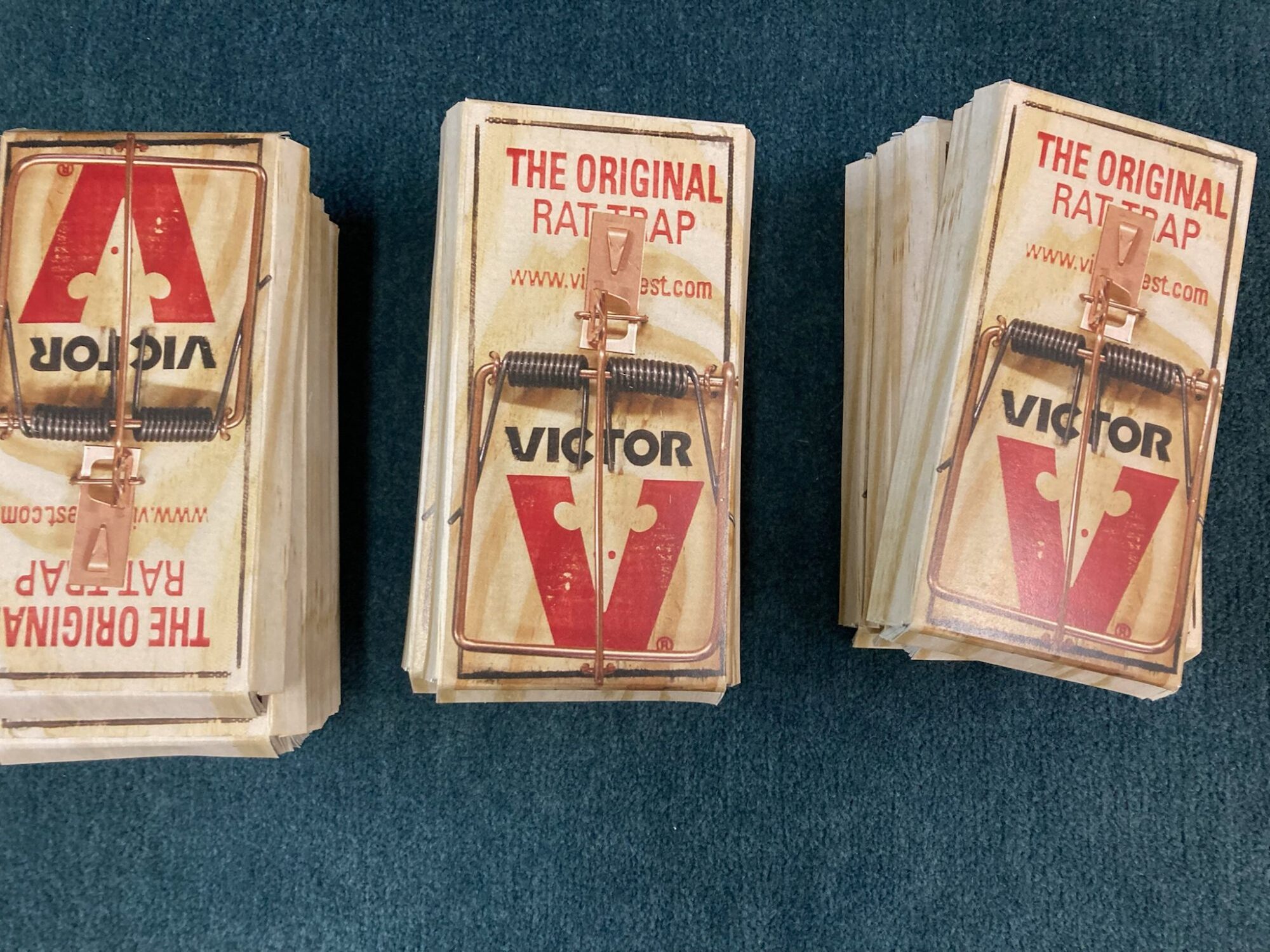
The film screened at the brilliant SXSW, where you had the chance to dish out some real rattraps from the film. What has been the festival audience reaction to Trapped?
It’s been really fantastic seeing people’s responses to Trapped. When you make a film, it can be like creating a little roller coaster for the audience, so getting to see viewers watch the film and ‘ride the rollercoaster’ has been such a delight. When we started writing Trapped, we really had no concept that it would become the rich film that it turned into, and so it feels like such a wonderful example of the process (hard work, editing, working with amazing talent) gone right.
Is there a short film by another filmmaker that you would recommend to the Directors Notes community?
Check out Vox Humana by Don Josephus Raphael Eblahan. Don’s a good friend who we met initially at Clermont-Ferrand, where both of our previous films played together. His film is magical, mystical, and completely alien to our filmmaking sensibilities. In 1000 years we could never make a film like his and I think that’s what draws us to it.
And finally, now that Trapped has been set free into the world, what’s next for you?
We’re hard at work on our debut feature. If you’re interested in it, feel free to drop us a line!