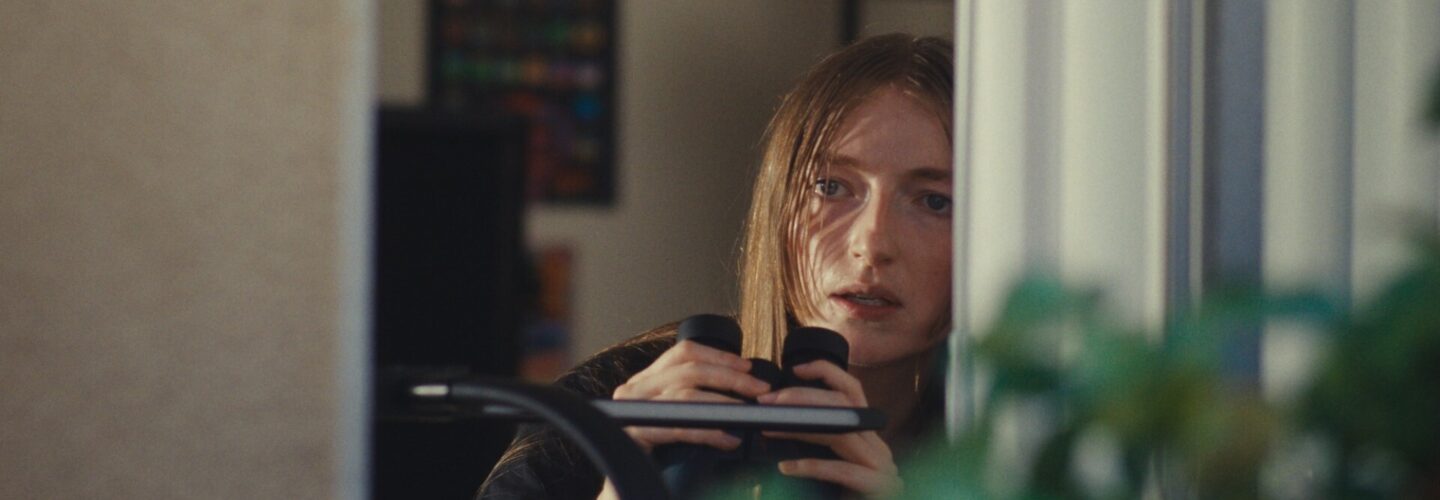
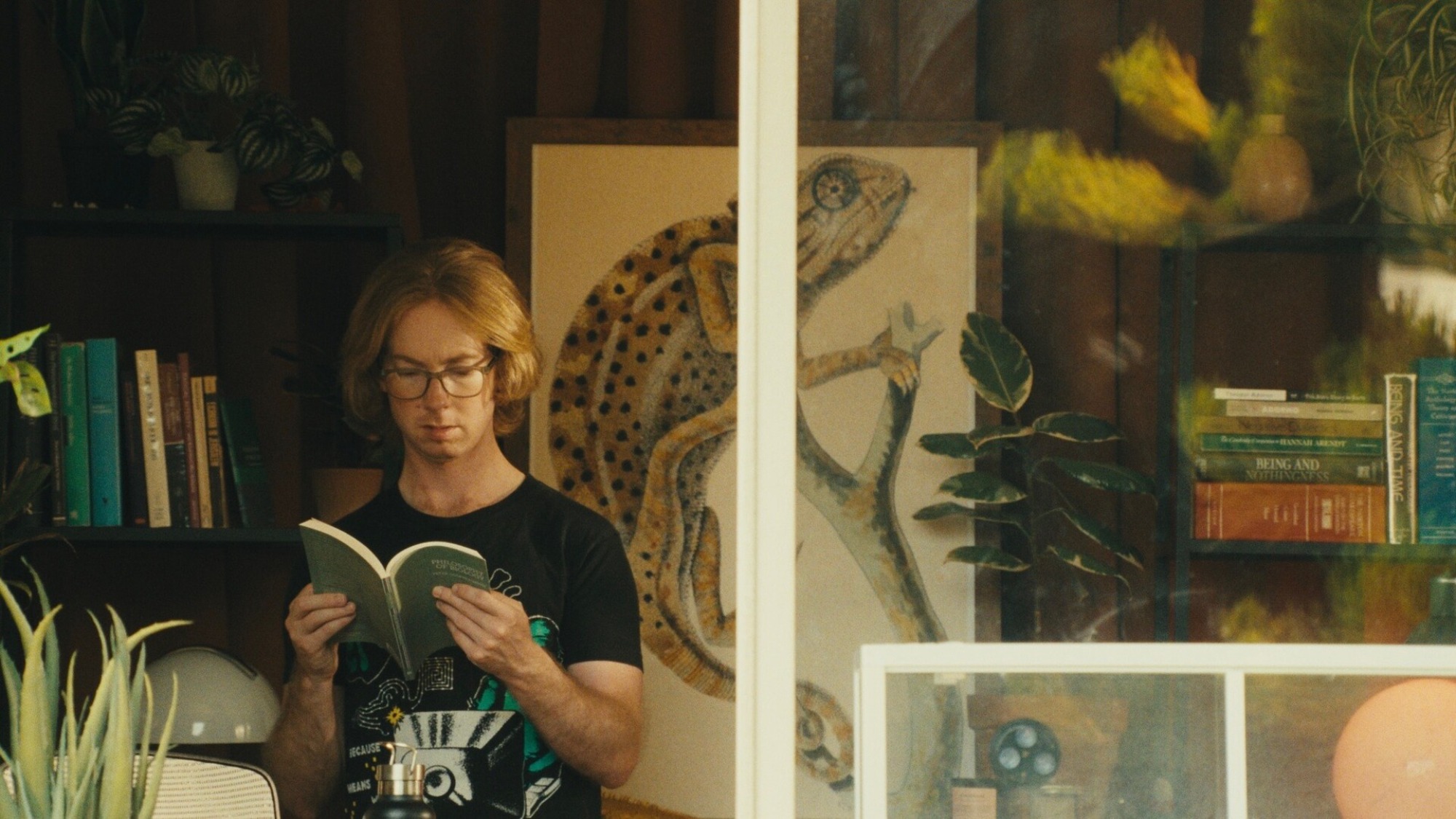
Some feelings resist easy description—the particular ache of being perpetually connected yet entirely unseen, the slippage between who we perform online and who we really are. Marissa Goldman demonstrates a gift for catching exactly that kind of weird, hard-to-name sensation and making it concrete on screen. A multi-hyphenate filmmaker, comedian and animator, she works form-first, storyboarding, moodboarding and shot-listing obsessively, then building much of the film’s surreal imagery with her own hands, all in pursuit of getting the picture in her head to materialise, frame for frame, in front of ours. In Max Distance, that obsessiveness is trained on the voyeuristic loneliness of online dating: a programmer marooned in endless video meetings grows fixated on the stranger across the courtyard, and Goldman literalises the spying through a dizzying, mirror-laced visual language. What could feel cold or clinical instead lands wry, tender and a little squirm-inducing, thanks in no small part to a beautifully calibrated, against-type turn from comedian Anna Seregina. Watch Max Distance below, after which we speak with Goldman about chasing magic on set, casting for anti-chemistry and engineering a key mirror sequence.
I know the film’s genesis was walking around LA and looking into windows — a very analogue, physical impulse that then collided with a very lonely world and the digital dating scene. How did those two things start to speak to each other in your mind?
That is a great question. It can be so hard to dig back into my brain and remember these things. While I would love to give a genius Werner Herzog response, the reality is I was on dating apps, most likely, and, like, not happy about it. When one isn’t happy, they do wistful things like gaze out of the window.
If AI takes over the world, I simply hope we never lose the act of longingly gazing out the window. It’s so chic. I guess my film made it not chic, though. But the impulse for it came from the imagery of looking out the window, but it eventually became a literalization of the voyeuristic tendencies of online existence. I didn’t aim to find a metaphor; it sort of fell into place from me being a wistful, chic, window-staring single woman, if that makes sense. And that sort of putrefied into the female incel version of Rear Window.
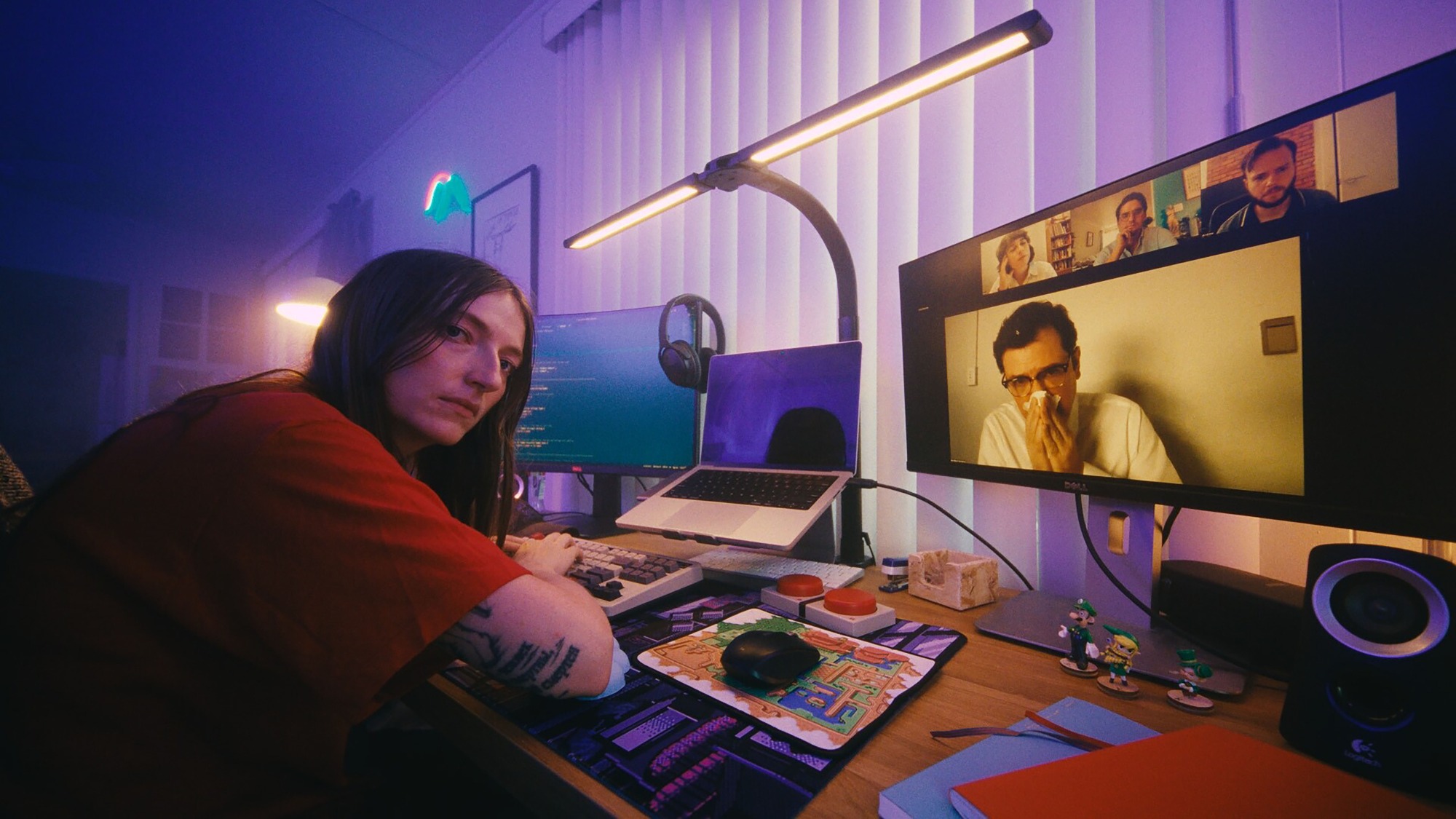
You write comedy and dialogue with clear relish. How much does casting shape the writing for you?
That’s so kind! Casting influenced it a ton. Once we cast, I adjusted the characters in the writing. I pushed their idiosyncrasies in ways I knew the actors would thrive. Now the characters are in a place where I could not imagine anyone else playing them. To be honest, I didn’t audition any of the leads. I only did a chemistry read to make sure they vibed, but went into it knowing they would. They read the lines and the producers, and I were like “Yeah, ok great, we’re done, sorry for making you come out, basically we knew you had it…”.
If AI takes over the world, I simply hope we never lose the act of longingly gazing out the window. It’s so chic. I guess my film made it not chic, though.
I have got to know all these great comedians since I have been involved in the comedy scene for years, and I am lucky to be friends with them! I met Anna Seregina and David Brown when they were in NYC (where I used to live), when they were doing shows there, and then Jon Daly in LA. I always just loved their comedy, and when I had roles that fit them, I was so excited to work with them all.
Anna plays a really serious part in this, and I was only familiar with her comedy, but I had a really strong feeling she would fit this part. I remember having a phone call with her explaining, “This role is not heavily comedic, and you have to cry”, and she was just so ready for it, and really made the character come alive. The only audition we did was for the role of Jenna, which was funny since I ended up really cutting the role down. We cast Sydney Battle, who is a fantastic actor, and she ended up having very few lines, which I felt bad about, but it made me excited to work with her in the future.
Most Popular
You talk about wanting to perfect the film in your head before you get on set, but then directing is the process of getting it out of your head. What’s the gap between the film in your imagination and the film on the day?
Right, so as much as you plan, there will always be a gap. The love of filmmaking to me really comes from seeing something come alive, and the closer it is to my initial picture in my mind, the more satisfying it is. I am not the biggest ‘happy accident’ person, but I will embrace those as they come up. For example, when we needed to use the film set in the mirror scene. Unavoidably, there will always be moments like that. I cannot help but wish it were the exact initial film in my head, and I want to find ways of getting closer and closer to that, but with that, there is a risk of things feeling a bit too sterile and dead.
I tend to focus on performance and less mechanical camera movements to bring a sense of life back in. But everything else I want is pretty planned out. There’s a chance I will adjust that through my career, but that’s how I like to approach it now. Some filmmakers, like Hitchcock or Kubrick, are very strict in their planning, while others, like Cassavetes, find real magic in the unplanned. I tend to think the latter is rarer to be good at, but that’s another conversation!
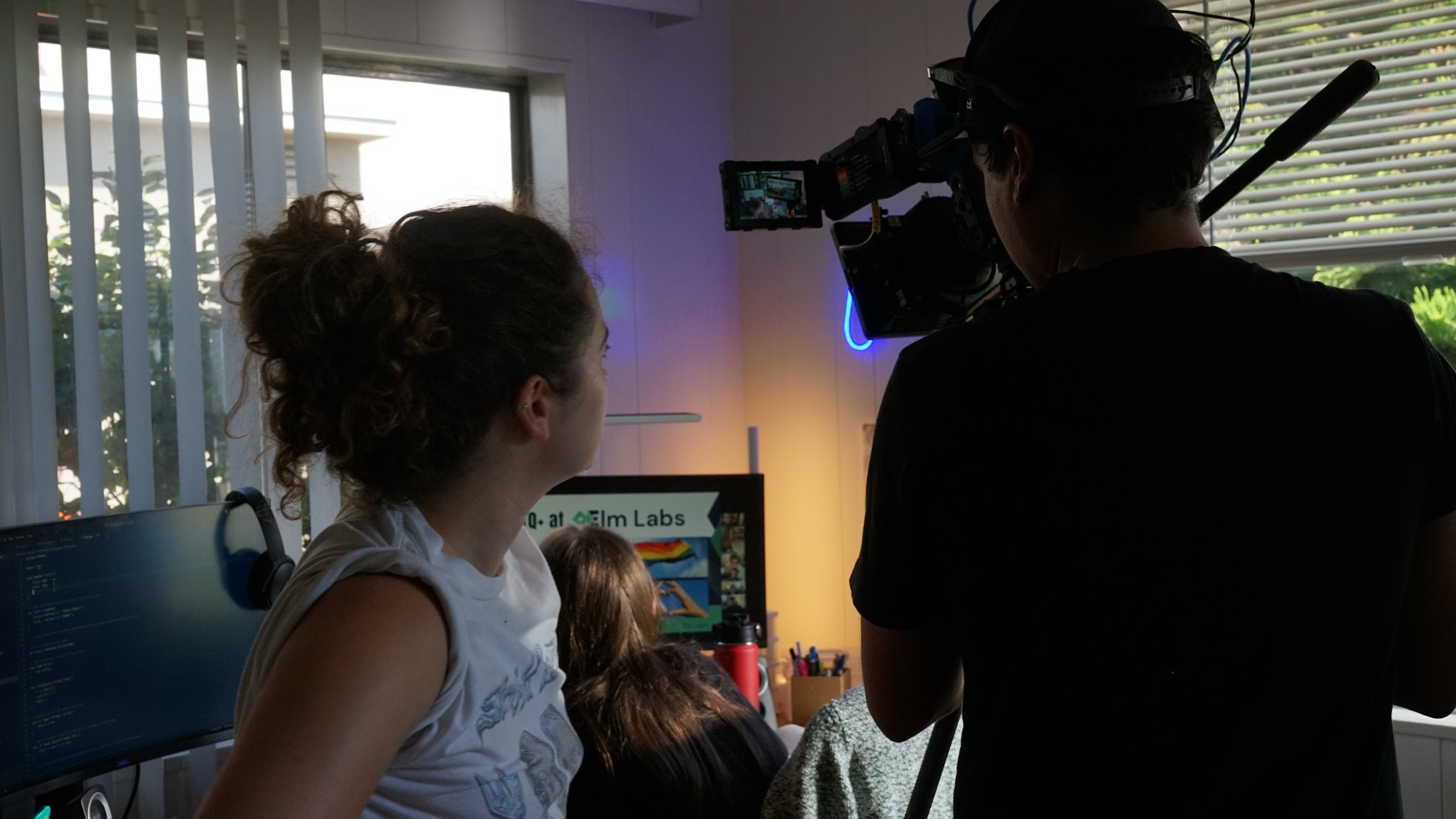
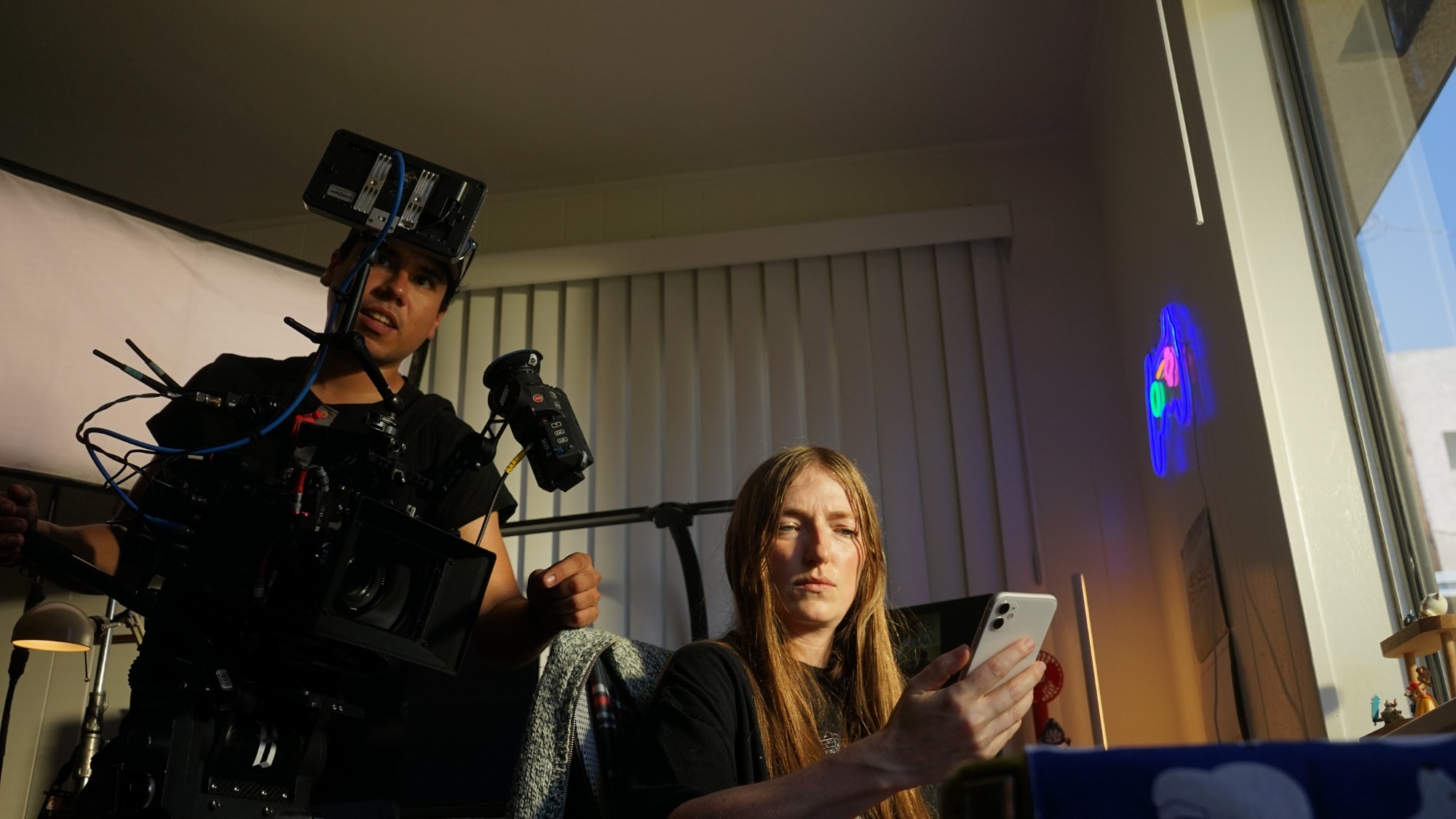
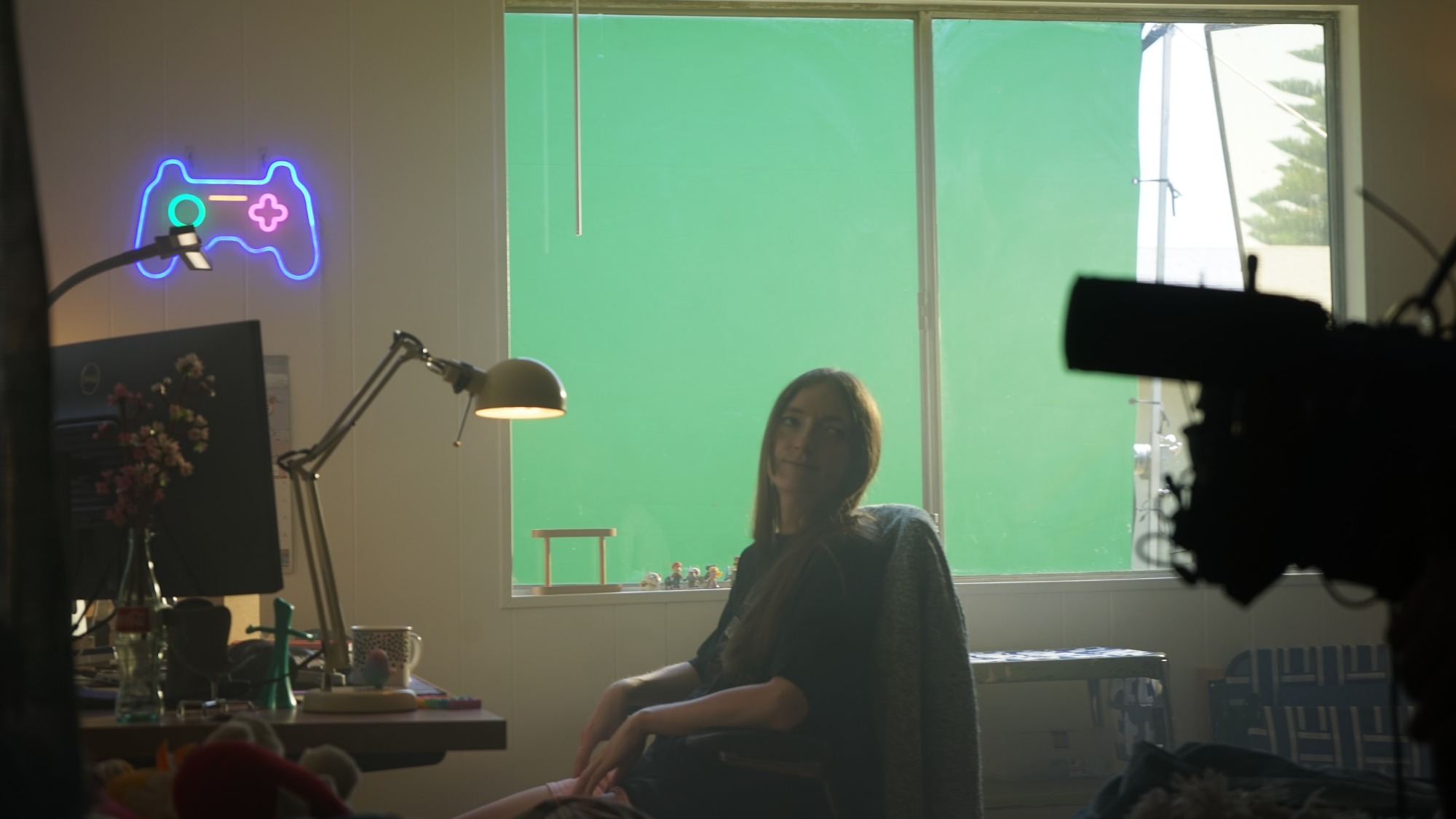
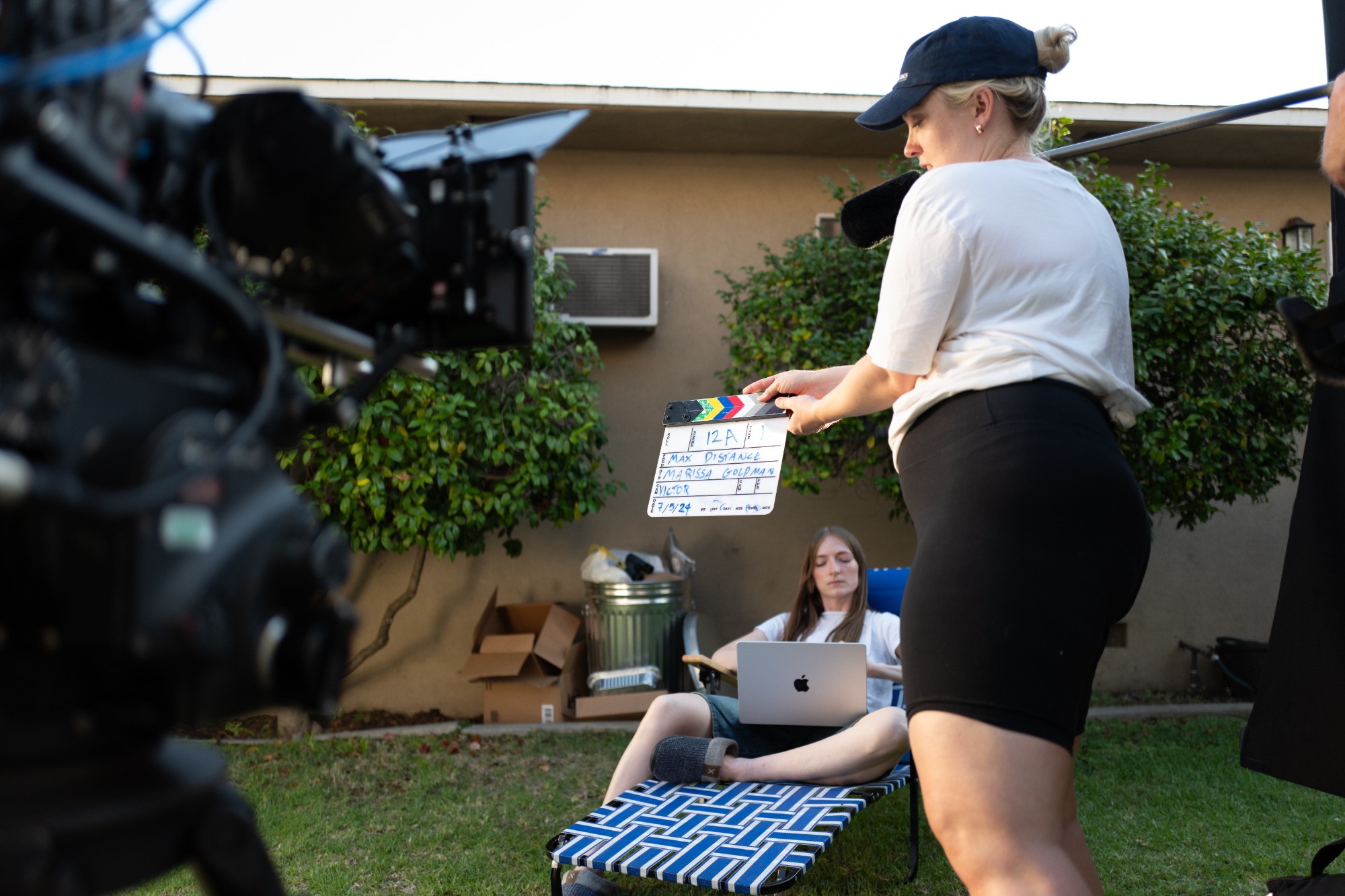
With surreal stuff, it can really be a challenge to get people to understand the imagery.
How do you bridge the gap between something that’s fully formed in your mind and a set of people who need to build it?
I come from a fine art background, so I know how to draw, which is one of the most useful tools as a filmmaker. If I have a really complex composition or idea, I can just put it on paper. I know After Effects, so I can do pre-vis myself. I want to do more of that, since I had a bit of trouble getting the effects to make sense to other people while making Max Distance. I’m learning how to get better at this. With surreal stuff, it can really be a challenge to get people to understand the imagery. I think in the future I need to create more animatic-type things, but for now, I rely heavily on storyboarding and mood boards. I give so much input to department heads and have a lot of conversations to make sure we really share a vision by the time we’re on set.
Acting uses a completely different language from the more technical parts, and since my background is less in that area, it’s one of my main focuses right now. I am trying to learn more about working with actors. As of now, before I direct something important to me, I literally reread the classic Judith Weston, Directing Actors, and the day before, I go through Action: The Actor’s Thesaurus. It helps that I have performance experience, but the director is doing the inverse of performing. An actor must be incredibly present and alive. And a director must find the best way to incite that, which includes really scrutinizing, in a way that is certainly not present.
In a perfect world, I have primed the other departments and can focus on acting on the day, even though I try to have notes beforehand. Communicating as a director is a whole art in itself. I am always finding ways to be a better and better communicator. I keep returning to the word ‘magic’ but I think filmmakers must embrace that idea, especially today when it’s so hard. You are making something out of nothing, and the closer you can get to constructing more and more specific minutiae in front of your eyes, the more it feels like witchcraft. That’s the obsession at the end of the day. I think you can spend a lifetime perfecting it and finding new, exciting ways to do it.

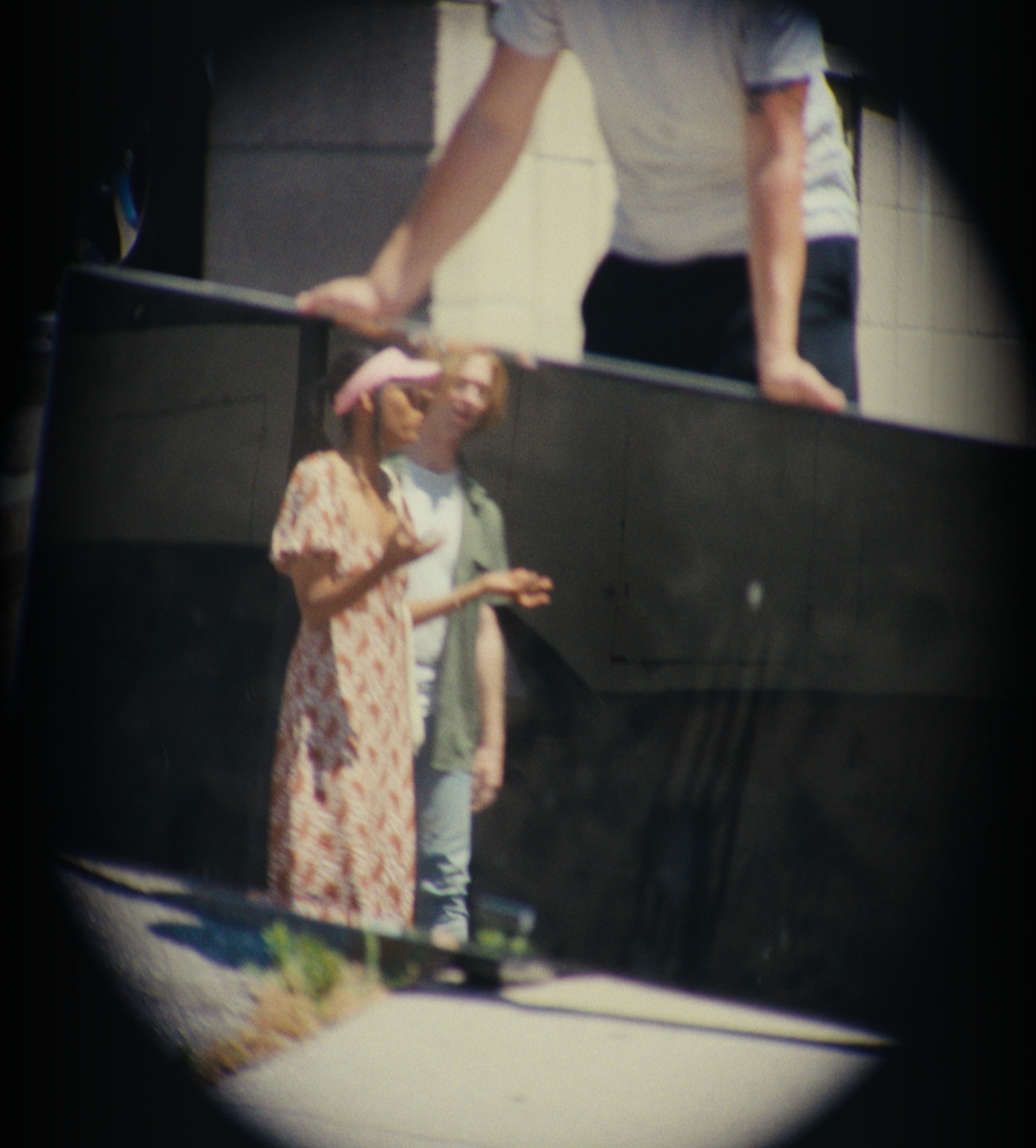
I couldn’t stop watching the sequence where you use mirrors to enhance the stalking. Please tell me how you planned and achieved this!
You can see not much has changed from the page. I sketched out each shot — even though I have a BFA, I just used stick figures, but it helped communicate the look. This bit was pretty high-concept, so we did an iPhone test shoot. We didn’t have all the props at the time, so we did it with one mirror, and found a great window reflection while doing it, which we used instead of the Jehovah’s Witness mirror. I realised in doing the test shot that we needed either an insane zoom or bigger mirrors — I’d envisioned it with a woman and a tiny little makeup mirror, which would be impossible to shoot from 20 feet away. One day, I’ll get the longest Zoom imaginable and do more insane high-concept visuals. The one last-minute addition was the film set, since we didn’t have the original mirror for that part, but it ended up being great.
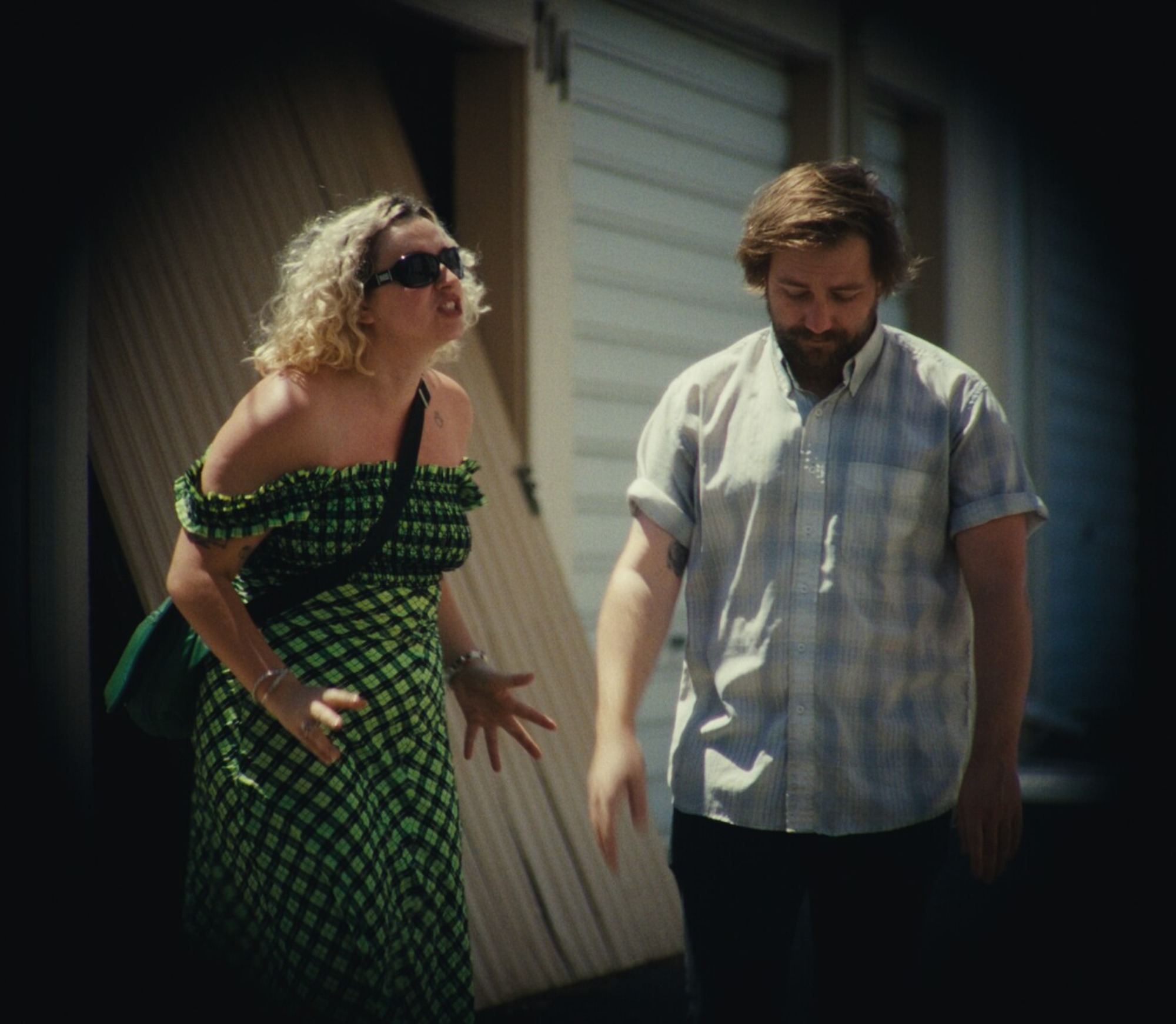
Their first meeting is cute, cringe, kitsch, and literally packed full of so much! Tell me about packing it all in.
David and Anna are just so fantastic, and I owe so much to them for this scene. I really played to their strengths in this. This scene was the one we could rehearse, so we had time to play and find the perfect blend of anti-chemistry. I didn’t do a lot of improv in general since the schedule was packed tight, but there are moments of it that made it in. With 2 geniuses such as them, it had to slip in. Mostly, we did it Mike Leigh style, and I let them improvise in the rehearsal, and we used that later, which was a great method. So, really, they both added so much to this scene.
I wanted to choose someone with whom we could empathize with to a degree, someone doing something objectively gross, but is also sort of acting out everyone’s grimiest impulses.
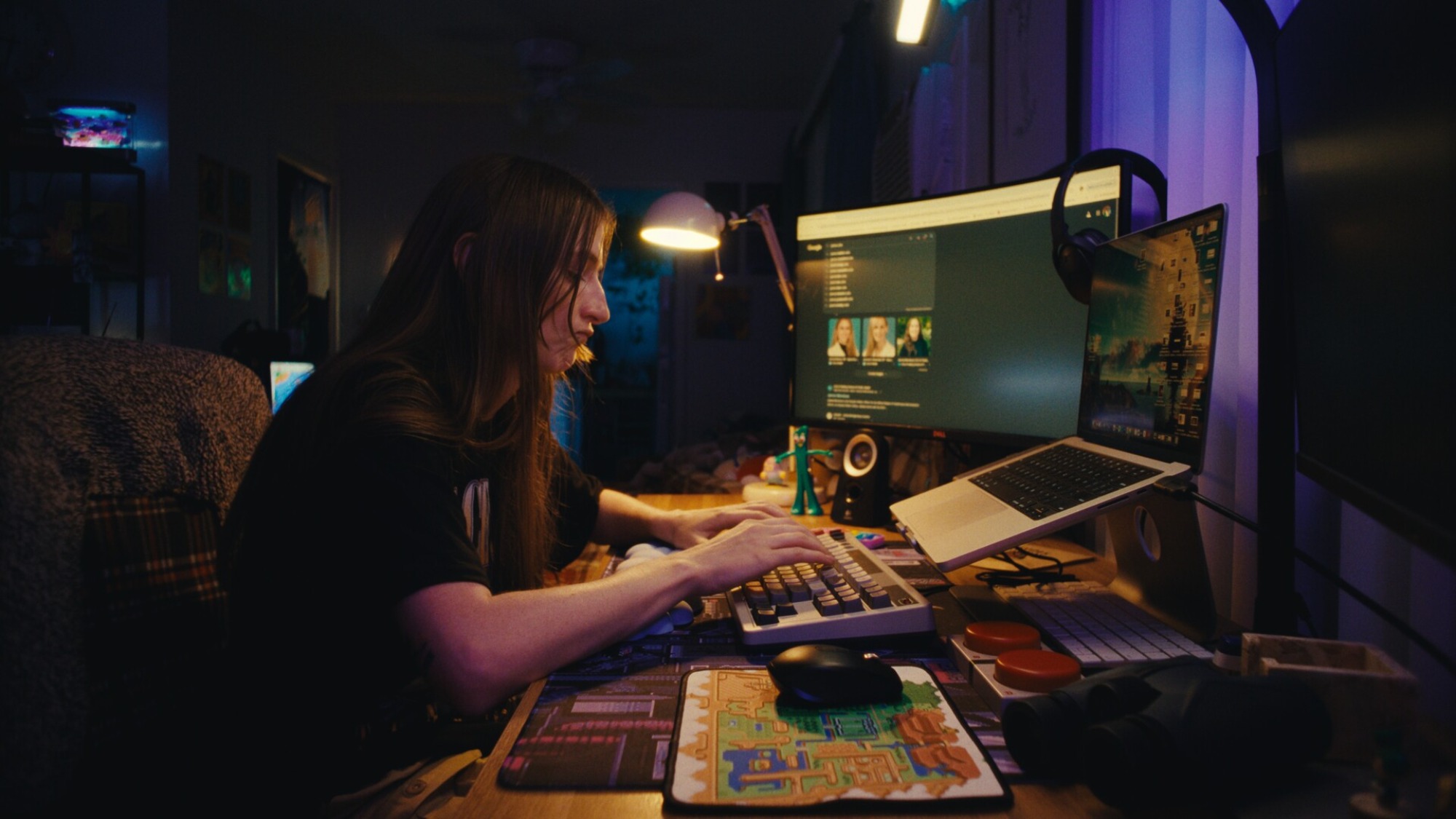
I thought Erica’s little descent into madness was perfectly done. How did you keep it quirky and not threatening?
Thank you! A big part of that I owe to Anna’s amazing performance. I wanted to choose someone with whom we could empathize with to a degree, someone doing something objectively gross, but is also sort of acting out everyone’s grimiest impulses. In her audition, she immediately added a real nuance to the character, as you could see the pain in her eyes. I think a big part of it is that the character is pretty tragic and heartbreaking, and Anna really imbues it with that while doing so little. She’s really got so much range and just killed this role.
We LOVE to dig into our filmmakers’ recommendations. What are your favourite short films?
I loved a lot of the shorts that were at SXSW and felt honoured to premiere alongside them. I absolutely loved Retirement Plan, WassupKaylee, and Nervous Energy.
We saw you in Ryan Schnackenberg’s The Screener and are now thrilled to have you on our pages as a director. What is next in your fabulous multi-hyphenate career?
Thank you! I don’t act so much, although I love it. I don’t spend time auditioning but I do get cast in friends’ films sometimes. There was a time when I considered pursuing it more, but I care a lot more about writing and directing, and I am fully focused on that now. I have a few feature scripts in the works and really hope to make one this next year. So if you are reading and happen to have 1 million dollars or even say, 2 million dollars, feel free to DM me…………. If it’s 3 million, that’s no problem.