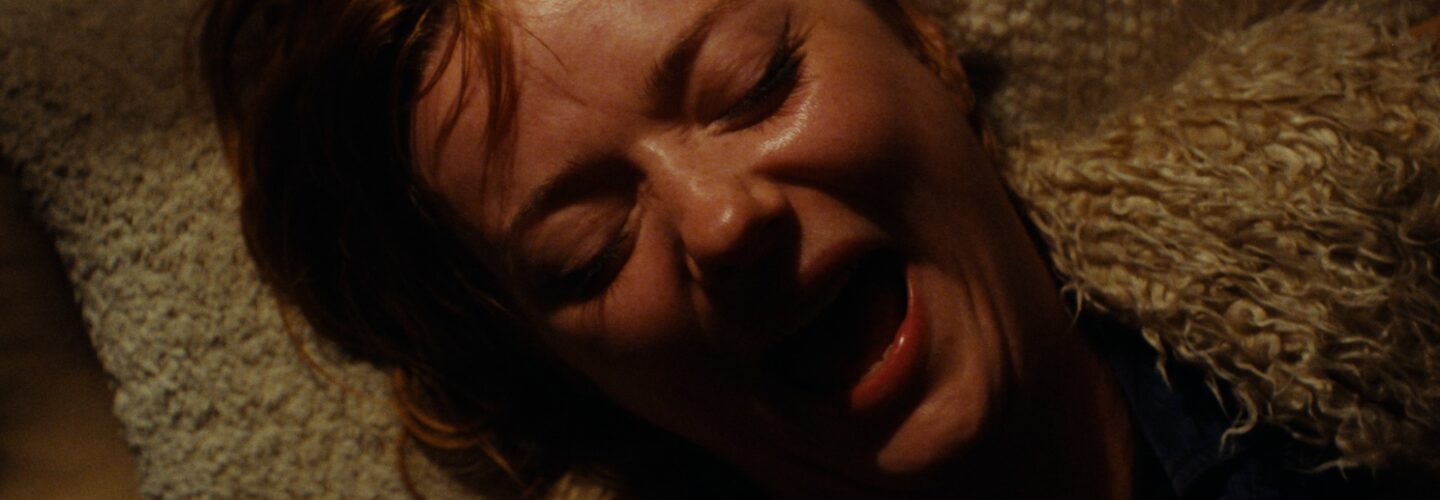
In LA-based filmmaker Kiyan Ahmadi’s second short film, Pierre the Great, we follow Omar as he takes in his injured uncle Pierre in an attempt to help quickly disrupt the dynamic between him and his girlfriend Lindsey, turning an already cramped living situation into a chaotic night where small tensions begin to spiral. What more could go wrong? Where does the line between being a good host and trying to protect one’s mental sanity start blurring?
The self-taught director drew on his own experiences and anxieties when developing Pierre the Great’s characters, shot in just three days. Very much taken with how the film explores masculinity, communication, and the strange ways people behave when pushed beyond their comfort zones, we speak to Ahmadi about finding humour in discomfort, allowing the film to take shape through the filmmaking process, and learning when to let go in the edit.
Hi Kiyan! Welcome to the Directors Notes community. Your film began as a much simpler story about a woman realising that her boyfriend was an opportunist, before becoming something much more personal and rooted in family dynamics. Do you think films are inevitably telling something about the people who make them?
I have a superstitious belief that, depending on the film, the characters you write are a version of you. Not you exactly, but pulled from you — and I think there’s a risk that writing them out means you’re manifesting that, running the risk of sharing a similar fate to the people you’ve written. As I steered away from the boyfriend being an opportunist toward someone lacking backbone, I was pulling from myself. At the time, I had difficulty speaking up for myself, and I was worried how that would manifest in my relationships with people. I was afraid of becoming a pushover, and I was working that out while writing this, which made it more personal. Looking back at the character afterwards, I realized I didn’t resemble him as much as I thought—which was liberating. I still hold onto this belief that you can unlock a path for yourself to become your characters, or share their fate, almost like speaking it into existence. I’m not a superstitious person at all, but it’s something I do believe, however ridiculous it sounds.
Pierre the Great seems to sit in an interesting space between discomfort, humour and tenderness. How did you find the right tonal balance between those elements? Was humour something you used to make the uncomfortable moments more bearable, or do you see comedy and discomfort as naturally existing alongside one another?
I never really approached it as consciously balancing three tones. I reckon when you’re writing characters that are clashing, the humour naturally emerges from the conflict and the way these people communicate, or attempt to communicate with each other. Rather than trying to manufacture a balance, I trusted that if the characters were honest and well written, and the actors had a sense of timing, a funny moment was bound to surface on its own — the funniest films, to me, are rarely ones that set out to be comedies, but ones that stumble upon humour through character. Discomfort is naturally tied into that. It’s funny that something is only funny once we’re removed from it — rarely is anything actually funny when you’re experiencing the discomfort firsthand, in real time.
The two weren’t something I balanced against each other so much as something that came from the same place. Tenderness was the one I had to work for. That was something I was striving for towards the end of the script, and it was genuinely difficult to find where it lived in the story and place it correctly, which was something I was hoping shone through the chaos.
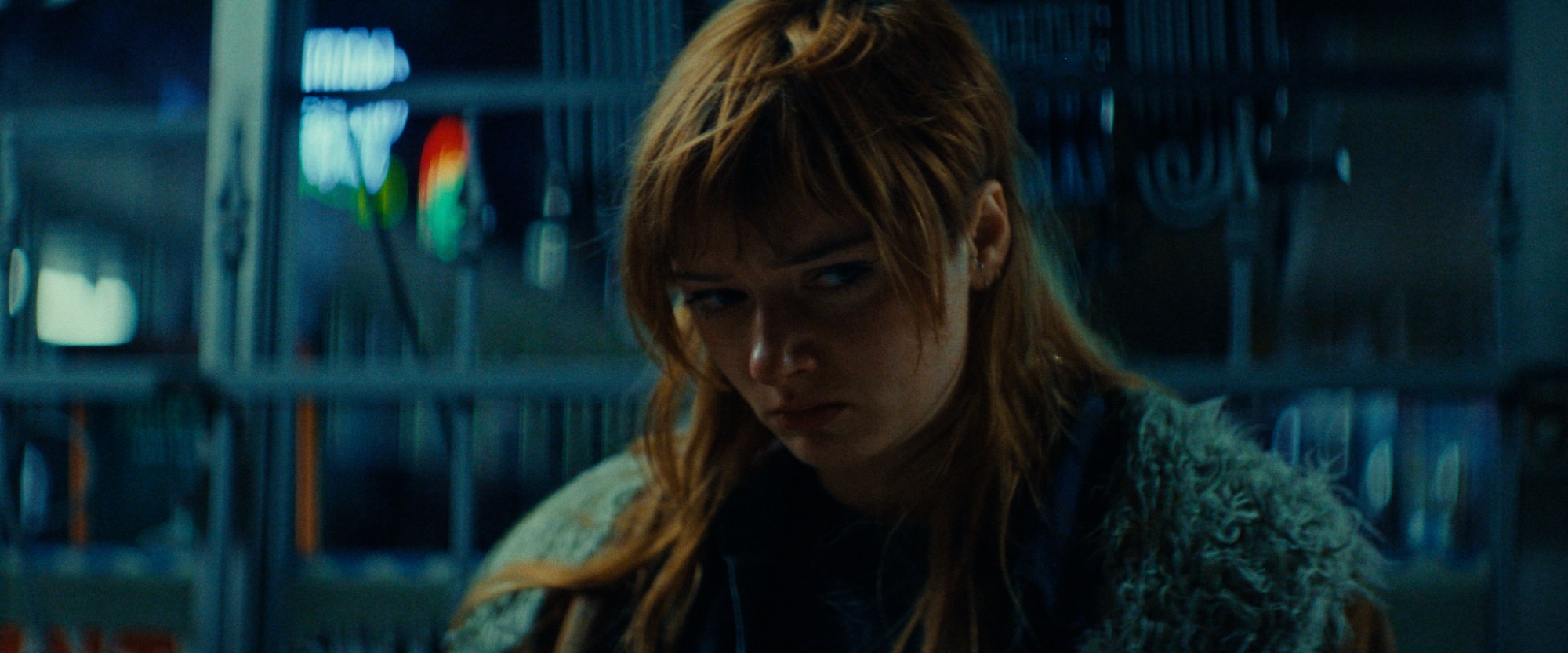
I still hold onto this belief that you can unlock a path for yourself to become your characters, or share their fate, almost like speaking it into existence. I’m not a superstitious person at all, but it’s something I do believe, however ridiculous it sounds.
You say you’re interested in films that feel ‘discovered’ rather than completely structured from the beginning. It reminds me of Michelangelo’s idea that sculpting was, in a sense, about revealing the figure that was already hidden within the stone. Do you then think filmmaking can work in a similar way—where the story or characters already contain something that you’re trying to uncover through the process?
Yeah, one hundred per cent. I don’t think, for me at least, a film is really worth making if you know the answers. Art in general is exciting to me because of discovery. Otherwise, you’re simply executing a blueprint, which, in a way, you are. A script is a blueprint in a way. But I find the process of writing to be in itself a discovery. You start with a blank page. If you really wanted to reach, you could say it’s like a giant rectangular piece of blank marble. You have to sit, listen to yourself, and trust that you’ll find your way to something hopefully interesting. I don’t think I would be interested in making films if I had all the answers.
During production, I would say it’s the same process, if you allow it to be, where the idea you had of a scene—how it’ll play out, how it will feel, what beat you’re gonna hit, what moment someone will cry, what moment someone will scream and shout—all those things have the potential to be subverted. And I think more often than not, when it is subverted, you’re left with something you didn’t anticipate, which can be more interesting and revealing about the characters or the story, etc. For me, a film that feels discovered is a film that remains curious.
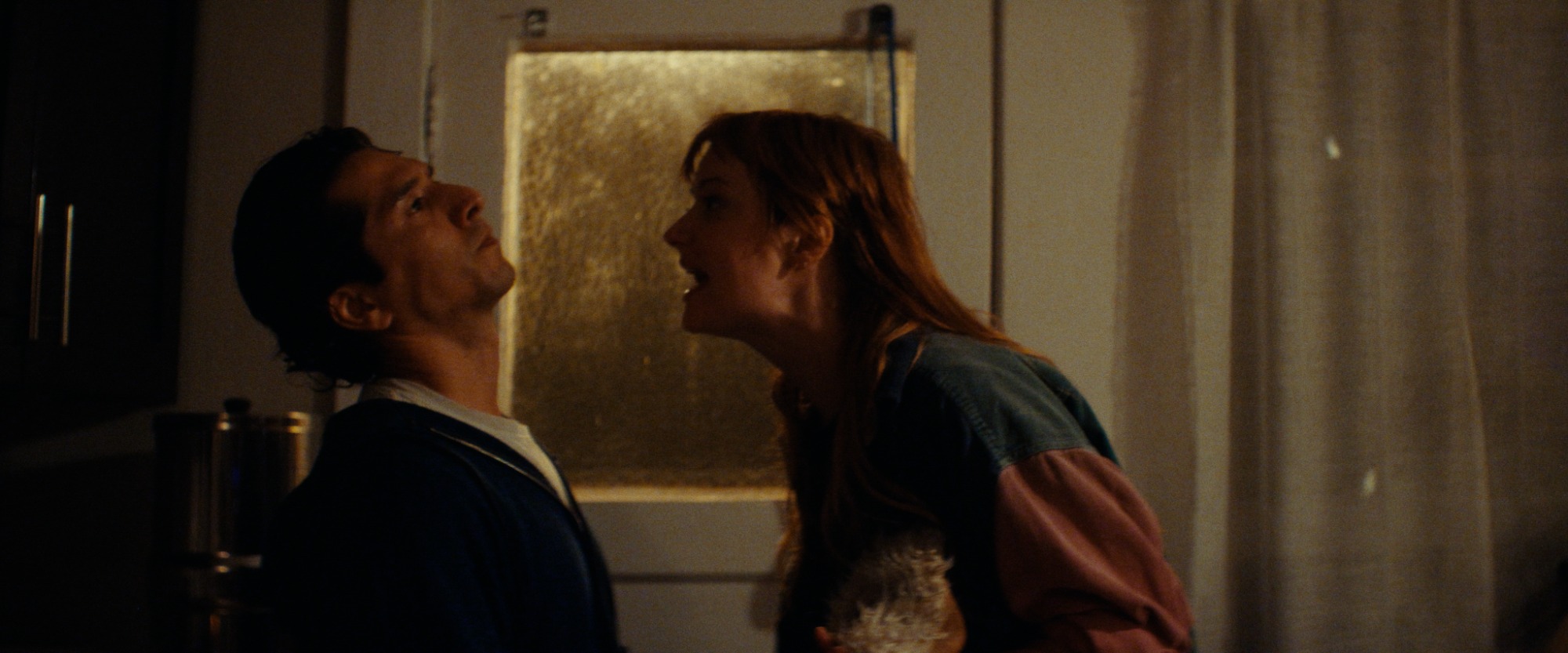
During the shoot, you were very open to letting scenes become something different from what you had originally imagined. What does that openness look like practically on set? How do you know when an unexpected interpretation from an actor or someone from the crew is something actually worth following?
Openness on a set walks a fine line. If you’re too much of an open valve, you end up wasting time or losing the plot a bit. It’s also directly tied to the crew and cast you’ve chosen. The people you choose to be a part of your project are directly tied to your level of openness: knowing whether an actor or crew member’s suggestions or ideas are worth following is instinctual. It has to serve the story and/or the characters. If you know your script well enough, it gives you the freedom and ability to make those judgment calls.
For me, a film that feels discovered is a film that remains curious.
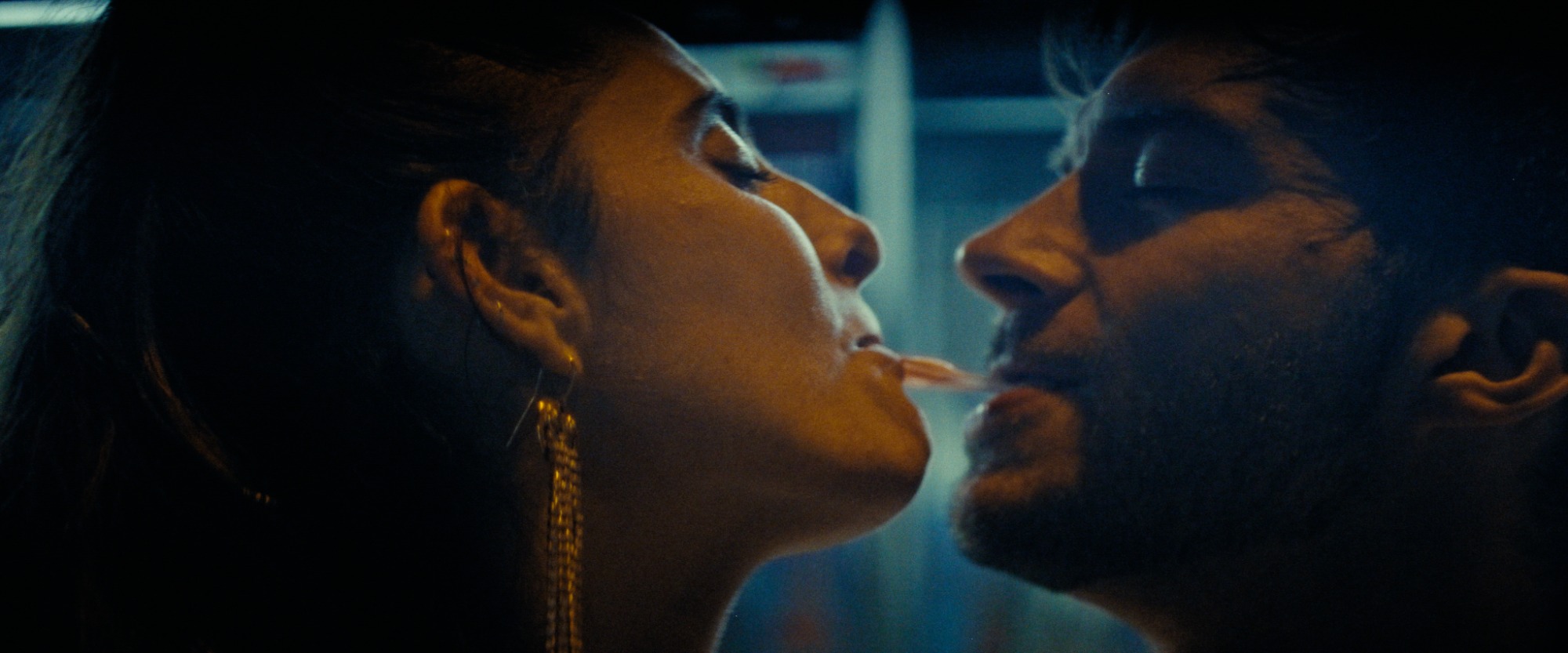
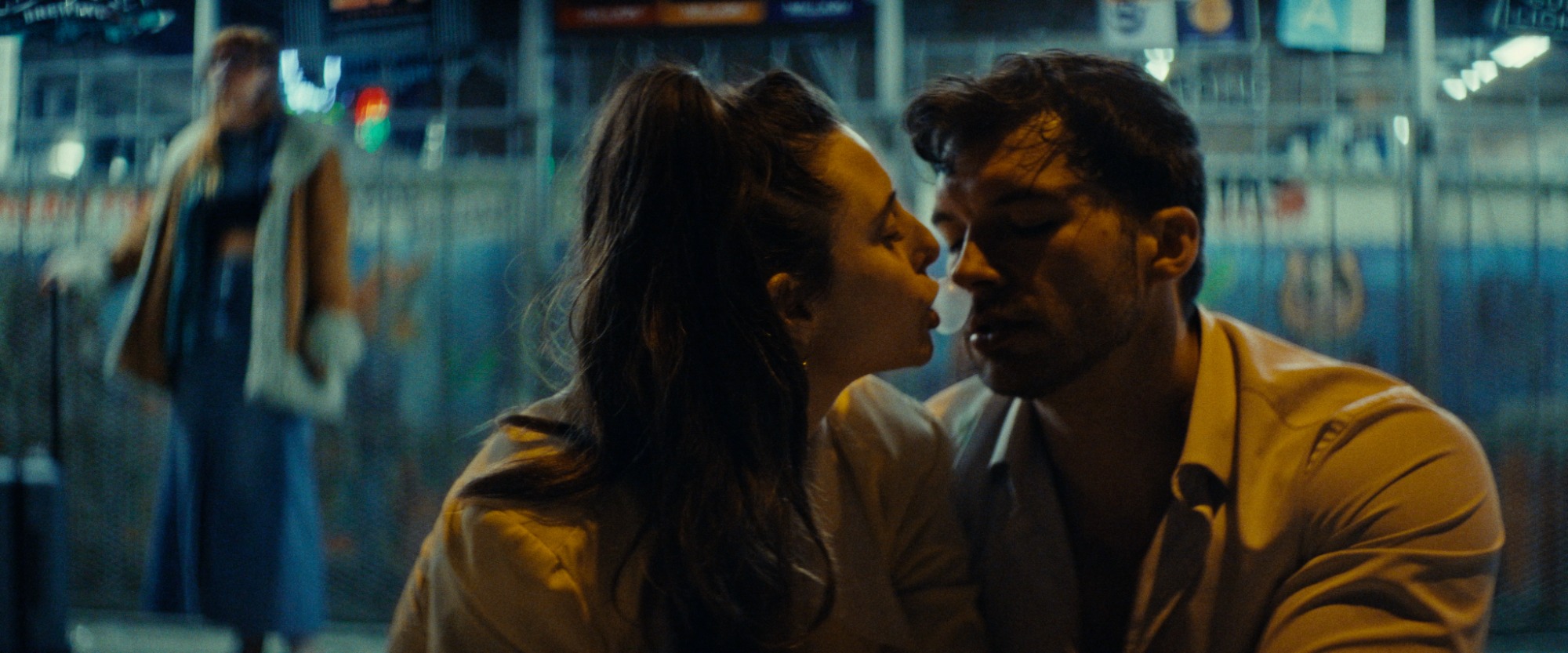
I believe a good example of this is the bus stop scene. The two actors, Kate Adams and Adam Hagenbuch, who play the couple being very cloying with each other, decided to start sharing a piece of gum. That wasn’t in the script, and I think it was my job to create the environment for them to be comfortable enough to bring that to the scene. I felt that it added a lot to their characters.
Most Popular
The film was shot in just three days and you ultimately cut almost everything you shot on the third day. What did that experience teach you about the importance of editing when it comes to the final result?
It taught me to exercise restraint in the editing room. I found myself often really attached to certain moments, and wanting to include them in the cut because I thought they were funny or interesting, but that’s actually what kills a film. You never want your own satisfaction to get in the way of a good film. Restraint in editing proves a level of maturity. I think you can usually tell when a filmmaker is really impressed by themselves and includes everything they thought was brilliant in their final cut. As a filmmaker myself, we’re all guilty of that.
As a self-taught filmmaker making only your second short, there’s something interesting about the very instinctive way you describe your process—writing from experience, allowing actors to play, and discovering the film through editing. Has being self-taught given you a particular freedom in the way you approach filmmaking?
I believe it did. I don’t want to bash on film school graduates to say that they are more limited: lots of very talented, interesting, and inventive people come out of film school. I can say for myself: I don’t do well in classrooms. I tend to thrive when I’m told to go figure things out myself, or I stumble on things independently.
I think you can usually tell when a filmmaker is really impressed by themselves and includes everything they thought was brilliant in their final cut. As a filmmaker myself, we’re all guilty of that.
The cramped environment seems particularly important because it allows small interactions and personality clashes to become heightened. How did the physical space you were in influence the blocking, performances, and visual language of the film? Did the house itself dictate any of your visual decisions?
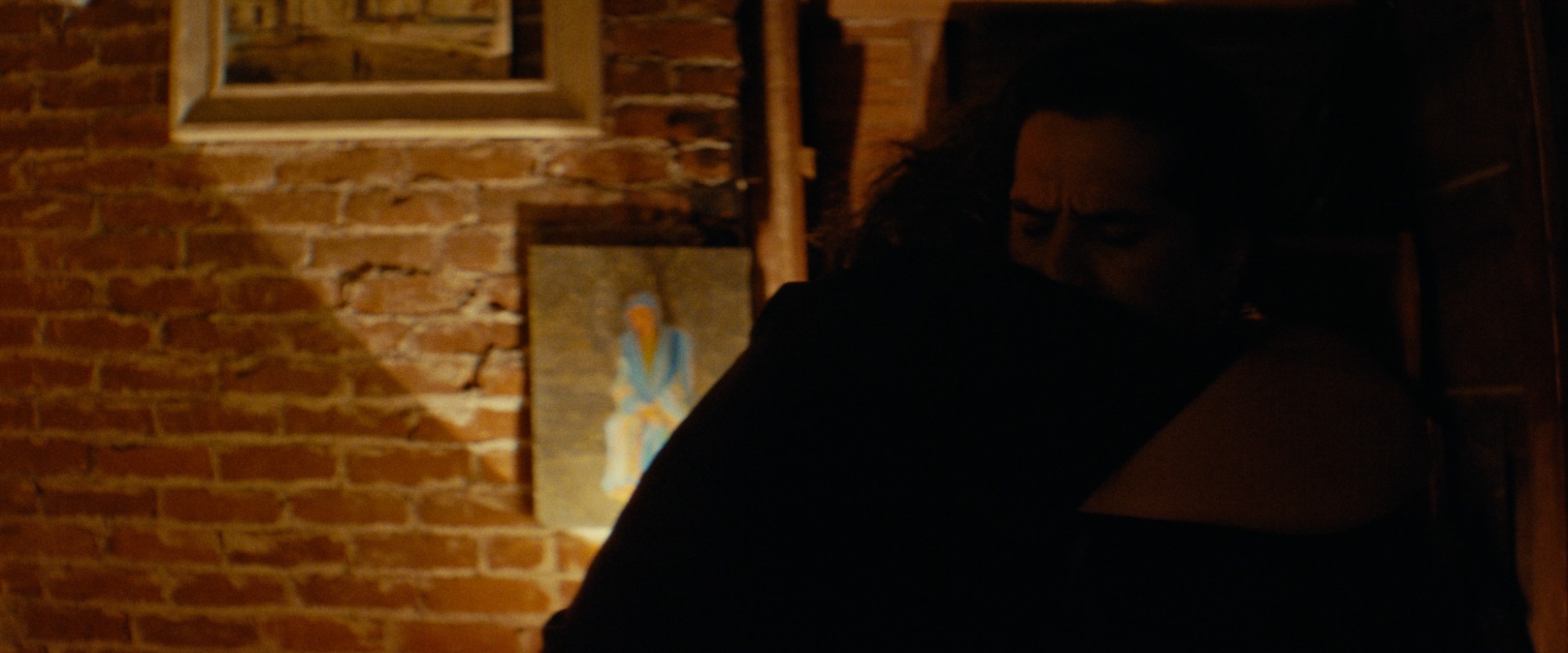
This was the camera our cinematographer, editor and colorist Robby Piantanida already owned, so we had a choice of some different lenses he had and I thought the Lomo anamorphics had a really strange quality to them. Lomo lenses are old soviet lenses, and they tend to be pretty soft on the skin. I had seen some test footage Robby had shot with them, and I instantly fell in love. We did have some second thoughts as it’s hard to go wide on Anamorphics, especially older ones such as the Lomos. The widest in the set was 35mm, so it was either going to be a strength or a weakness, and I decided that being tighter on the subjects was going to make it more interesting visually. In my opinion, the anamorphics contribute to the claustrophobia by being widescreen enough for a sense of scope, but tight enough to feel like you’re trapped.
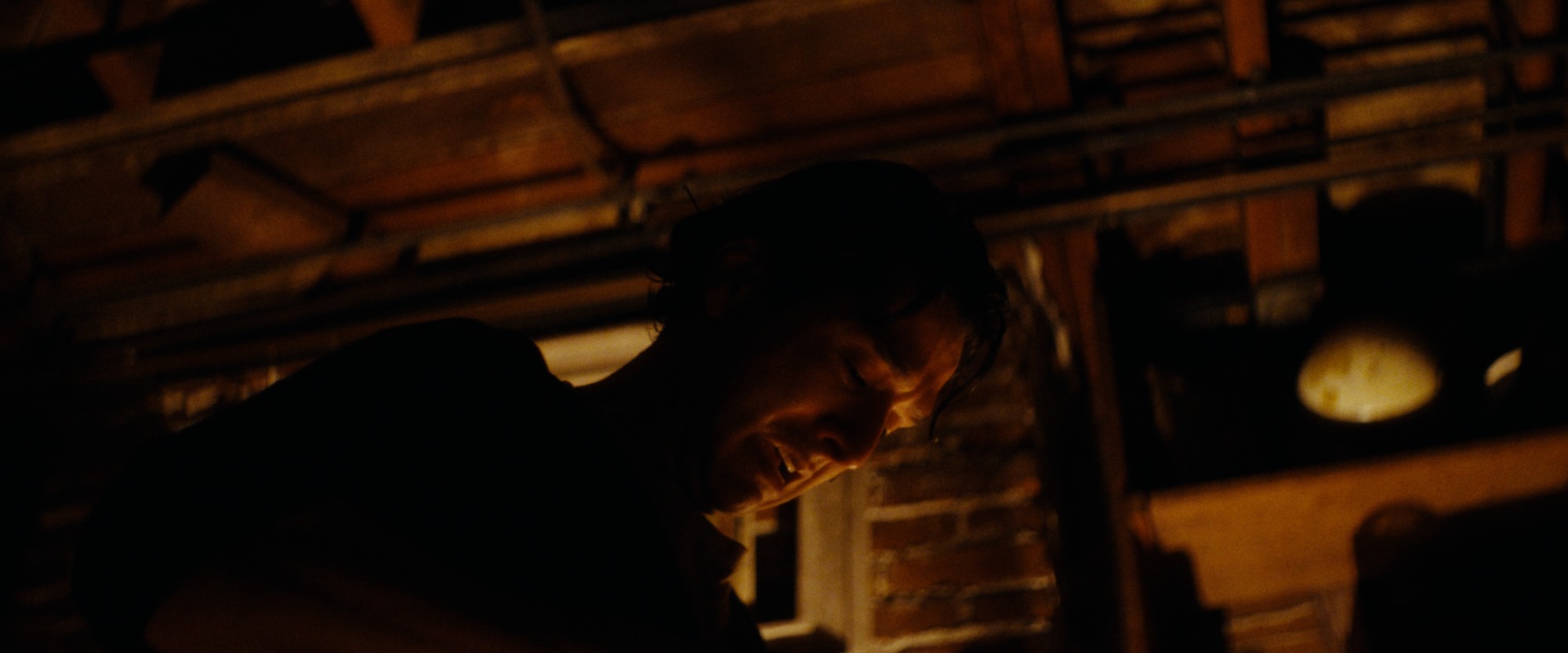
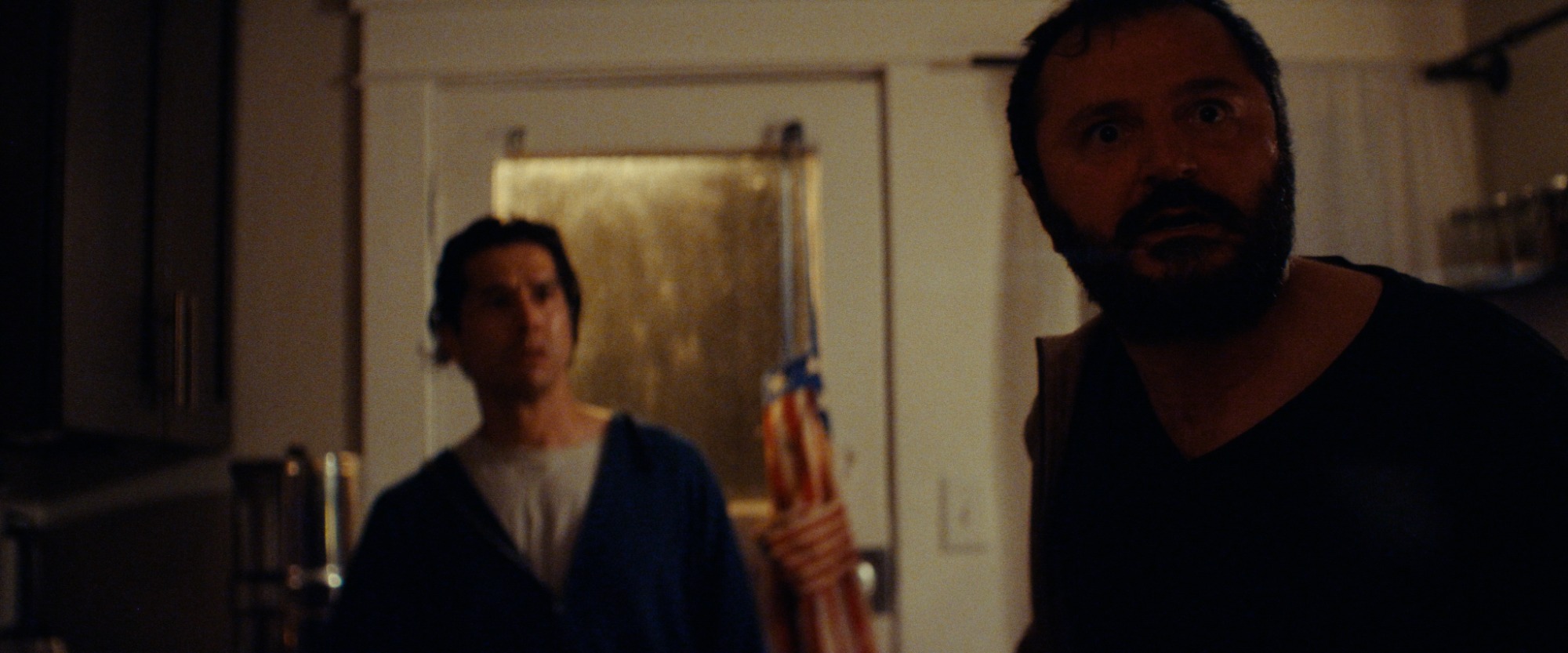
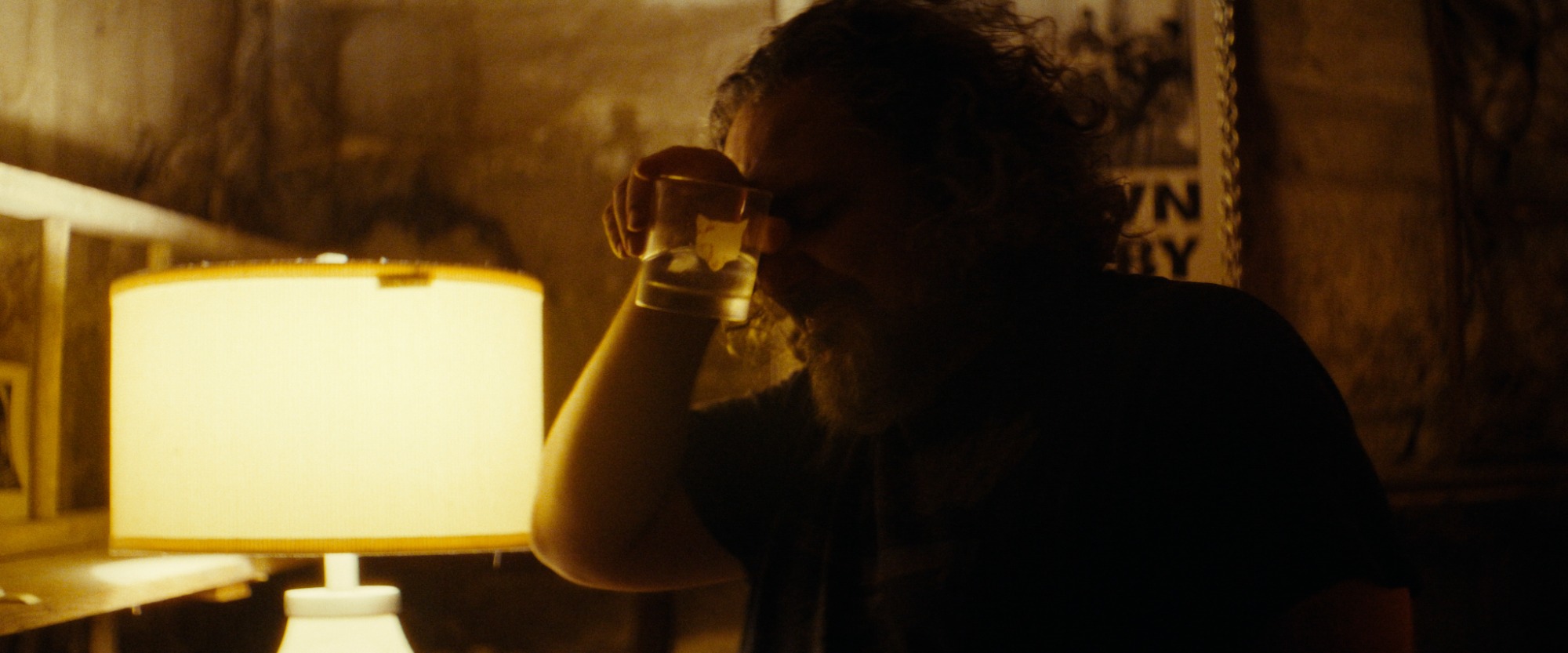
We often had to work around the space, which informed the blocking. Since the space was small and the lenses were shooting long, we were limited in how much we could include in the frame, so there was a lot of compromise and pivoting involved in how characters were blocked.
What is currently on your table that we can look forward to?
I have a couple of things I’m working on right now. I have two other short films written and am currently trying to build funding for, and a feature I’m working on as well at the moment.
And finally, what’s your favourite short film of all time? What does it mean to you and why is it so important?
That’s hard. I don’t think I have a favorite. I will mention one that I saw recently from a friend, Play Gun by Noah Kentis—who actually shot the polaroids that are featured in the beginning of the film. It is a fantastic short. I’m pretty sure it’s on YouTube for anyone interested in watching. Very funny, short and simple.