
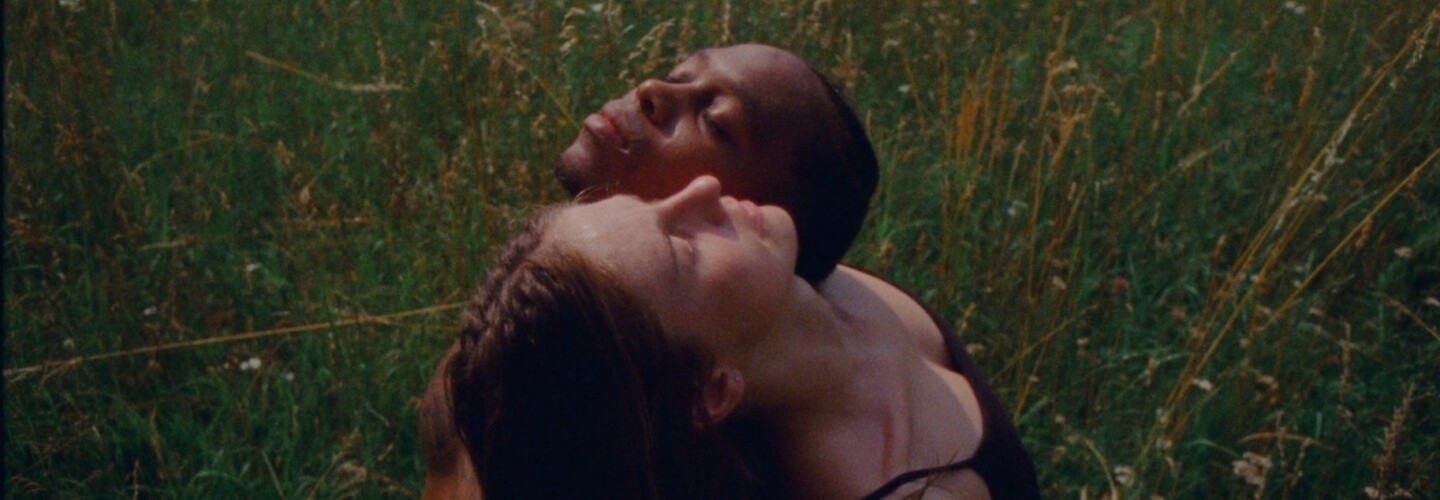

Dance has a unique ability to express emotive experiences through movement, achieving something neither image nor word can. Nowhere is this idea clearer than in Moncalvo, the latest work from Jacob Jonas The Company’s extraordinary—and much beloved here at DN—ongoing Films.Dance project, directed by Tanu Muiño and Nikita Kuzmenko, who also serves as the film’s cinematographer. Crafted in response to parallel personal events: Jacob Jonas’ battle with stage four cancer, and Muiño and Kuzmenko’s processing of Russia’s invasion of Ukraine, the short delves into emotional embodiment and resilience. Performed against the picturesque backdrop of Orsolina28, an international art centre in Italy, and set to a propulsive score, nine dancers channel raw emotion into tightly choreographed sequences, shifting between aggression and passion, finding synchronicity in shared motion. Meanwhile, an expressive visual style utilises dynamic handheld camera movements to capture the intense physicality of the dancers’ emotional shifts, weaving between and around its subjects. Moncalvo is not only a testament to the healing potential of dance, but also a reminder of art’s ability to transform suffering into something deeply communal, enduring and above all, human. Director/Cinematographer Nikita Kuzmenko joins Directors Notes to discuss Moncalvo’s spontaneous conception, unpack his grounded approach to 16mm cinematography and reveal how a motorcycle store inspired the short’s striking costume design.
How did this breathtaking collaboration between you, Tanu and Jacob Jonas The Company come about, and how did the concept of the short evolve?
This project was shot back in Summer 2023 in the beautiful residency of Orsolina28, Italy, Asti region. Jacob Jonas The Company was teaching for their summer intensive and in residence for a new creation. Tanu and I were invited there as guests, without any purpose to film anything. But when we got there and started observing concepts that Jacob was working on, we immediately felt that this should be photographed. 2023 was a very difficult year for Jacob Jonas, who was diagnosed with stage four cancer, and for both Tanu and I—because of the full Russian invasion of Ukraine. All these events were very hard to process, and the trip to Orsolina was kind of a relief time. But when we got there and saw what Jacob was creating with his company, we felt that this is exactly how our personal world feels right now. And then, in around two or three days, we started filming.
Being honest, we never had a complete idea of what it would become in the end, that’s why maybe it took so long to finish this film in post-production. But while filming, I think a very strong energy was created with a lot of passion for both dance and film. Lots was discovered during the process of filming. Jacob has many beautifully choreographed pieces that he developed at Orsolina 28, so when we were planning the shoot, we scouted locations and basically put each piece in a different location. And while filming we always came up with other ideas that could help to tell that certain scene.
This is such an expressive piece. Could you tell us more about the themes that inspired the film’s sense of movement?
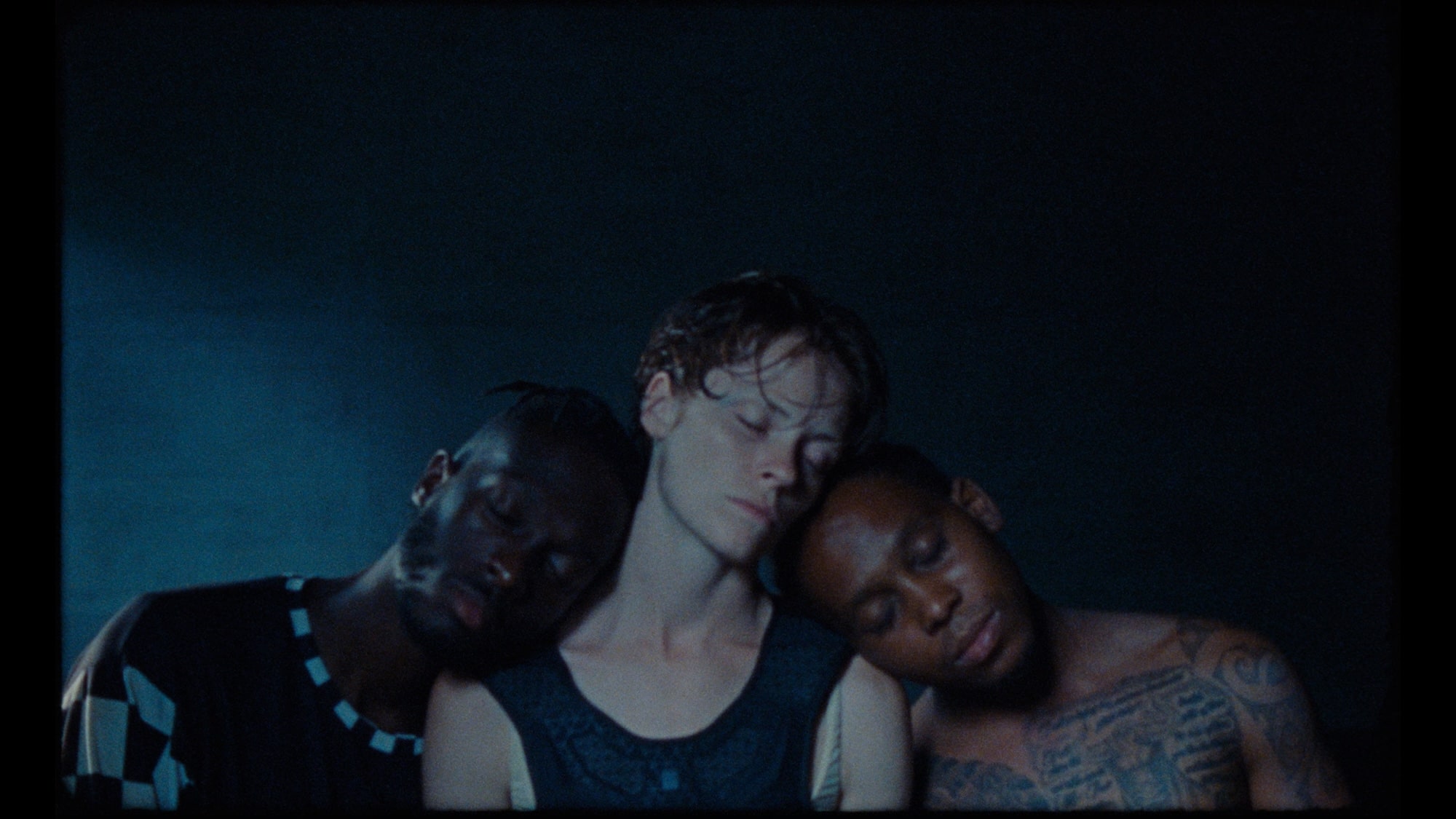
This film came at a time when conflict was taking over and breaking down the systems that were being protected. Visitors intruding into spaces and thoughts harmful to self and others. A response to war, to illness, and to survival. Some of the themes include enduring through love and pain, peace and suffering. And how these dualities can coexist.
Most Popular
The camera doesn’t just observe, it feels like a dancer itself. How did you design the camera movement in relation to the choreography?
Usually, my workflow on designing camera movement with choreography is very simple, I just observe rhythm and pace and then immediately feel, okay, this is how I want to move here. So most of the time it’s intuition for me. But I have to say Jacob and Tanu had a very strong sense of camera understanding when filming dance, that’s why they always contribute their ideas when we’re filming, and they can suggest their own vision, and I am always happy to try that. And I think this is the beauty of this kind of collaboration—when you trust each other and respect the ideas of your collaborators. Of course, my previous experience with dance helps a lot. I’ve been fortunate to spend a lot of time with dancers and my camera, so I felt very comfortable doing this, and it’s true I really want my camera to be part of the dance energy always, without being disconnected from the actual movement flow of the dancers.
I think this is the beauty of this kind of collaboration—when you trust each other and respect the ideas of your collaborators.
Much of the camerawork is frantic and intense. What equipment did you use to capture such quick imagery?
We shot this film on 16mm film with a handheld camera and tripod. Nothing more. Most of the time I do a couple rehearsals without rolling film to understand how we want the shots to look, and then after a couple rehearsals, we start rolling. Sometimes I use an Easyrig to get a more floating camera feel in close-ups. In this project I discovered how film beautifully captures intense movement because of the shutter speed and motion blur that film gives. It’s something about smoothness in movement when shooting on film, which is truly magical compared to digital. Also, I need to say the final act was shot with three long 7-minute takes. All in one—no cut, just full power energy and camera observation. We only changed to a longer lens in the last take, and I think this contributes a lot to the overall energy of the film. We shot longer takes to make sure dancers could have time for the internal experience and be fully into an inner state.
Moncalvo begins with a striking use of slow shutter speeds and motion blur. What inspired that aesthetic choice, and how did it connect to the story you were telling?
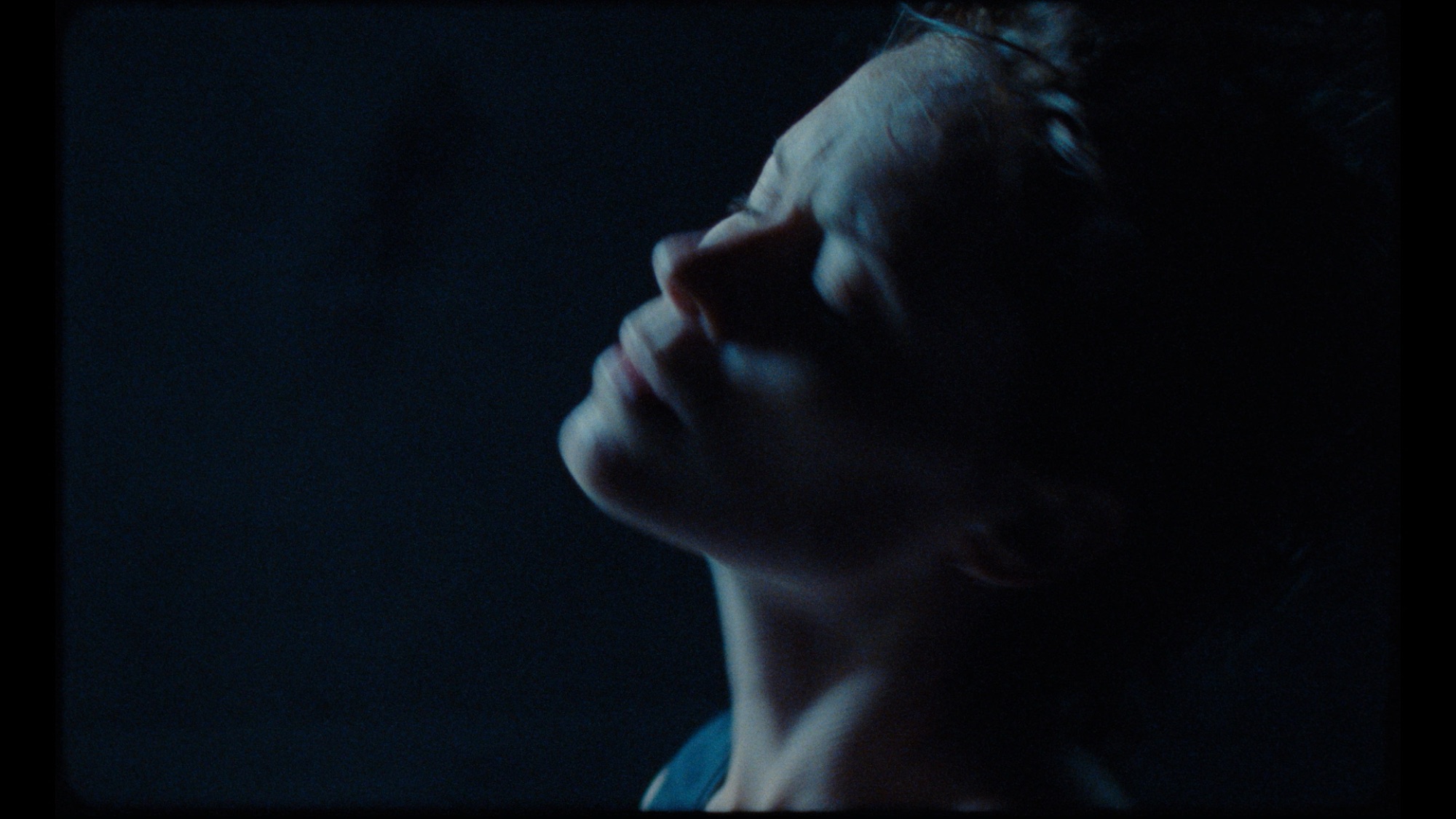
I think that shot really speaks about the whole topic of the film. Because all the horrible events that inspired this film felt exactly like that shot—it’s intense, dynamic, it’s blurred, frozen in time. Sometimes certain things are disappearing from your memory—exactly like missing frames in that shot—and then back again to reality which is harsh.
It took us a long time to learn our footage and to explore a lot how we wanted to build the structure of the film.
I feel much of the aesthetic and character of the short originates in the costume design. How did you develop the film’s fashion sense?
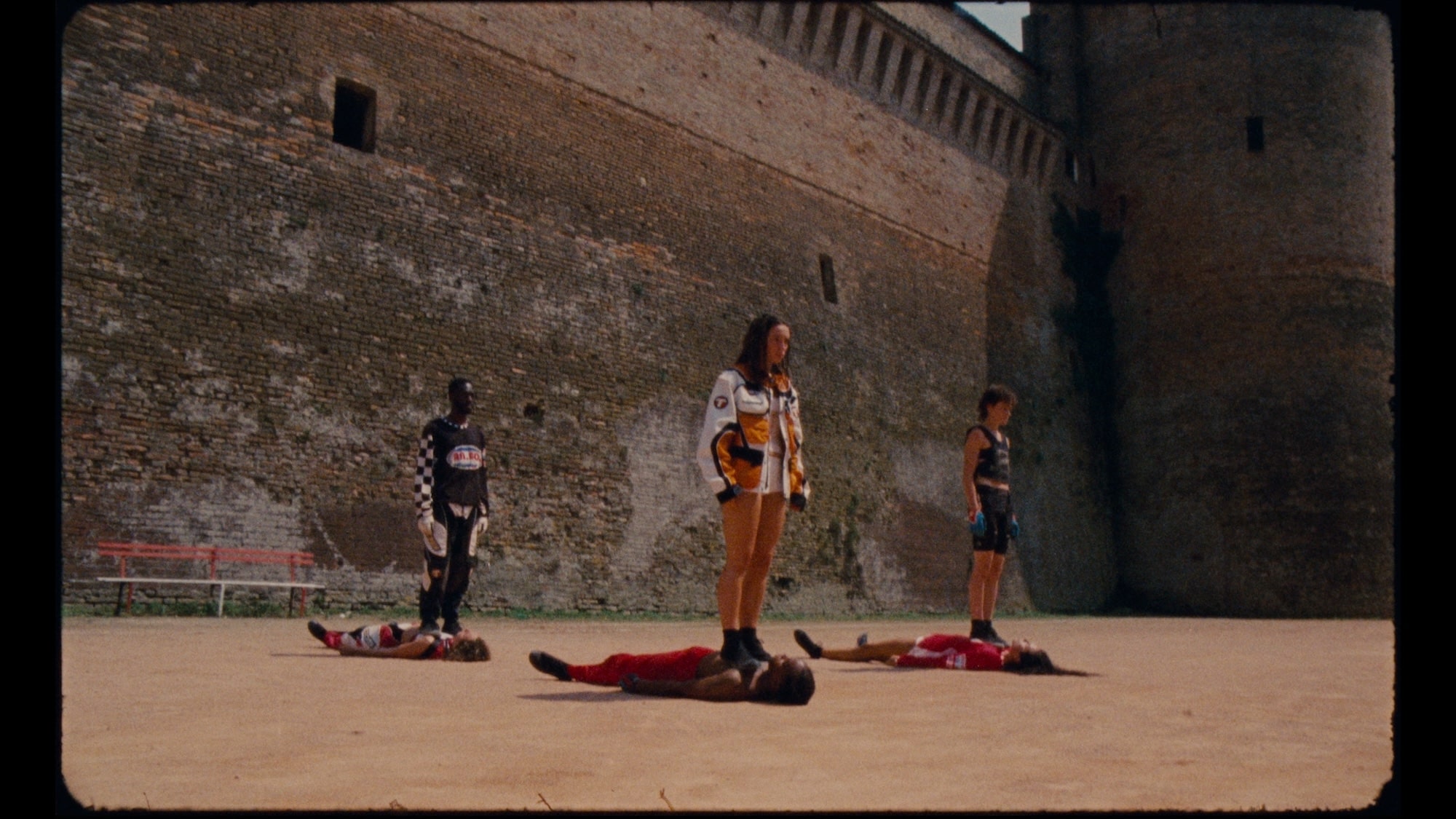
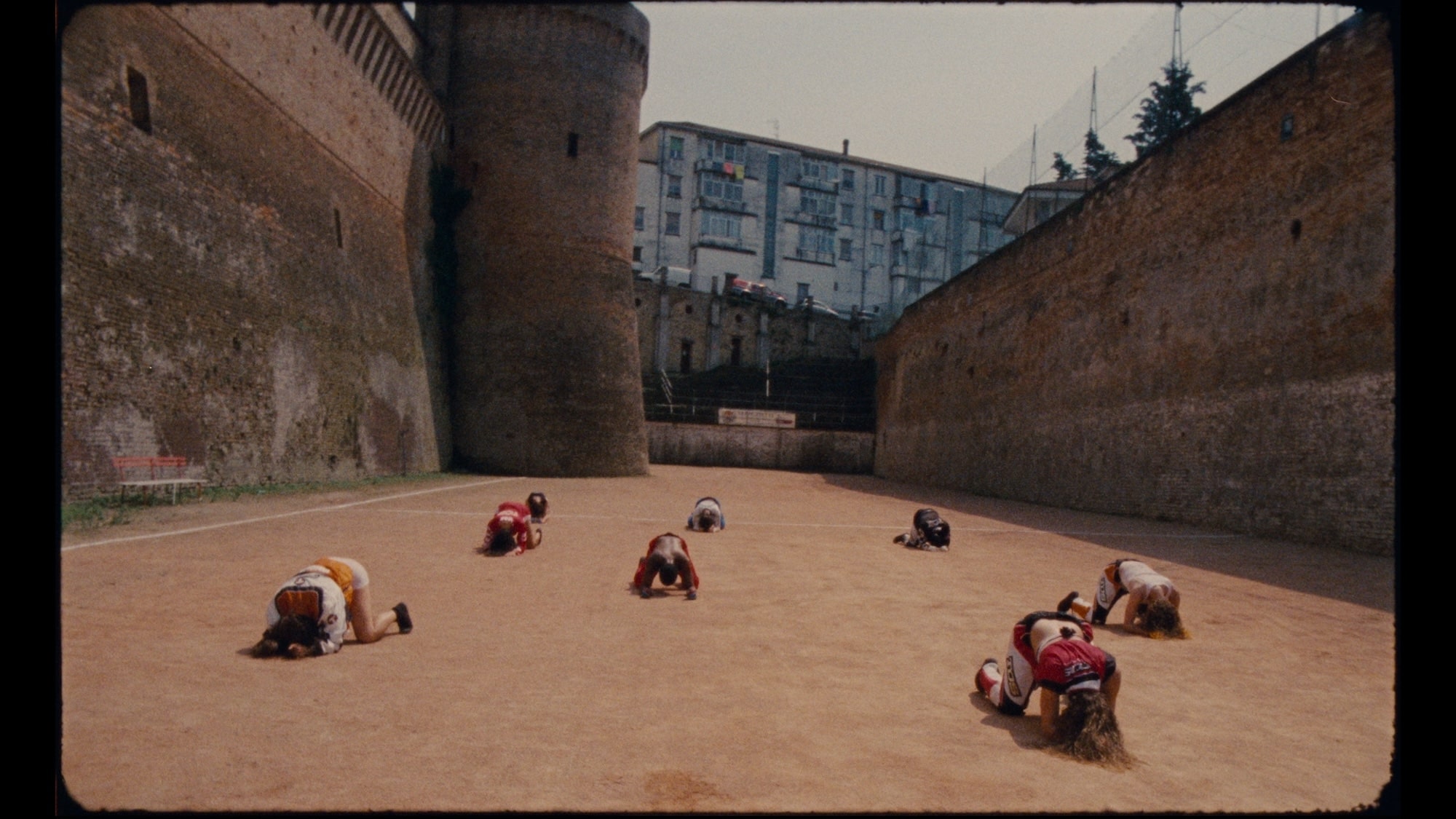
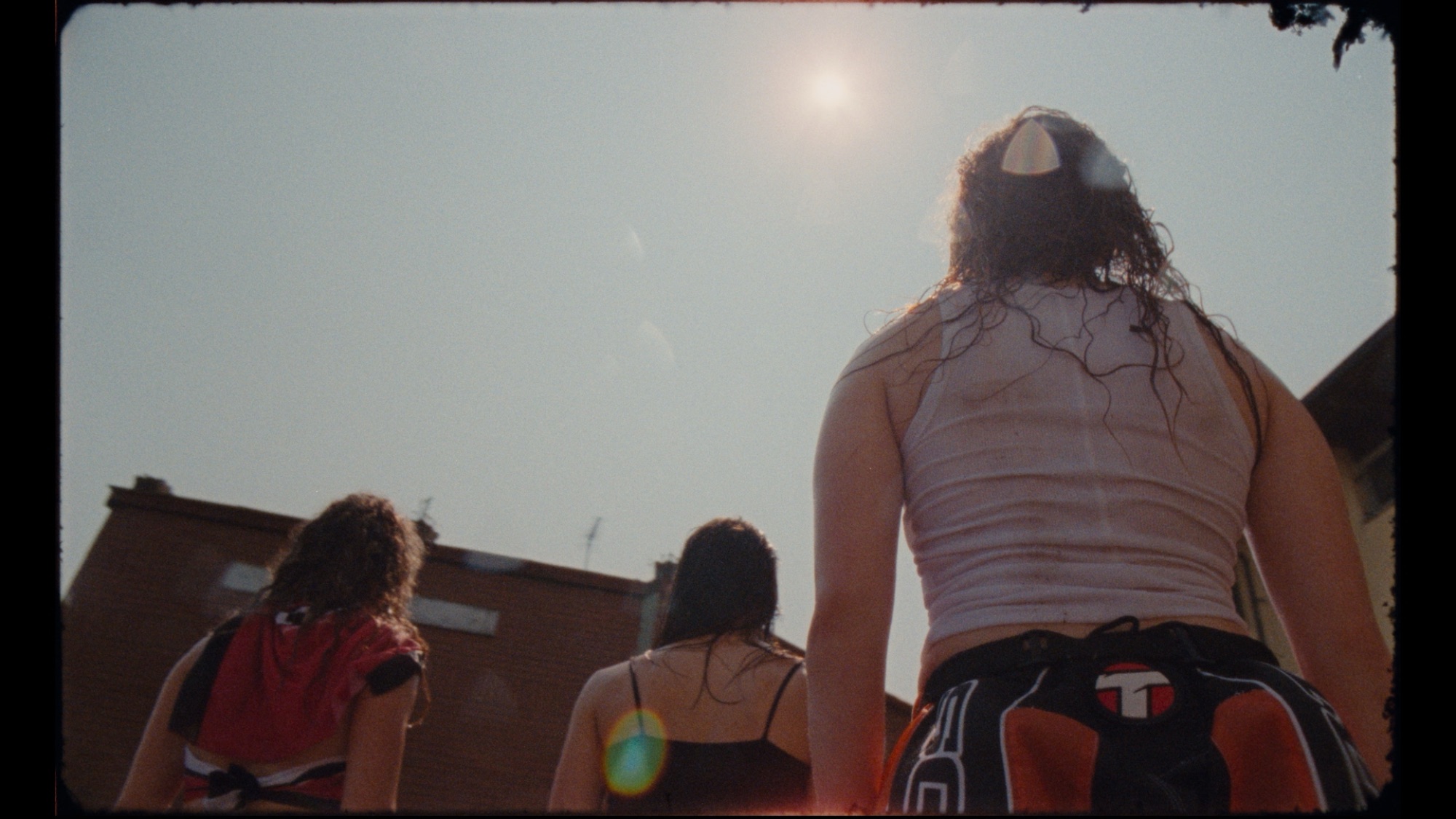
Originally we had a couple of ideas involving our friends—designers who we thought would be great to collaborate with—but because of lack of time, we had to find a solution on the ground in Moncalvo. And during one of the prep days, Tanu visited a motorbike shop in the city where she came up with the idea to style dancers in those modern motorbike costumes with saturated colors, old Italian T-shirts with renowned graphics, and armor for motorbikers. Which I think contributes a lot to the core of the film, where all this feels like a rally and intense sport, and just looks so cool in the picture.
How much did music shape the production? Was the choreography set to the soundtrack, or was the score created in post to accompany the choreography?
After we finished shooting, we did complete attempts to edit the film with different music and tried to find a general approach to music, to find the exact pace and rhythm for different parts of footage. It took us a long time to learn our footage and to explore a lot how we wanted to build the structure of the film. After that, we did a couple sessions in LA with Moses Sumney and Steve Hackman. We were fortunate to work with them since they are very talented and empathic artists and they could feel very deeply what we were trying to achieve in the music for this film. But while creating the music, we already knew the editing structure we wanted to build and that we would like to create three chapters and an epilogue. This helped us to shape the music as well in the final rounds of discussions. I would say this was a ping pong process—where I edit and then felt—okay, this is a place where my footage can evolve in this direction so let’s do music accents here or there. It’s incredible to create like this and shape the film as much as you can.
One of the film’s most poignant images draws a contrast between passionate intimacy and harsh aggression. How did this contrast contribute to the film’s thematic core?
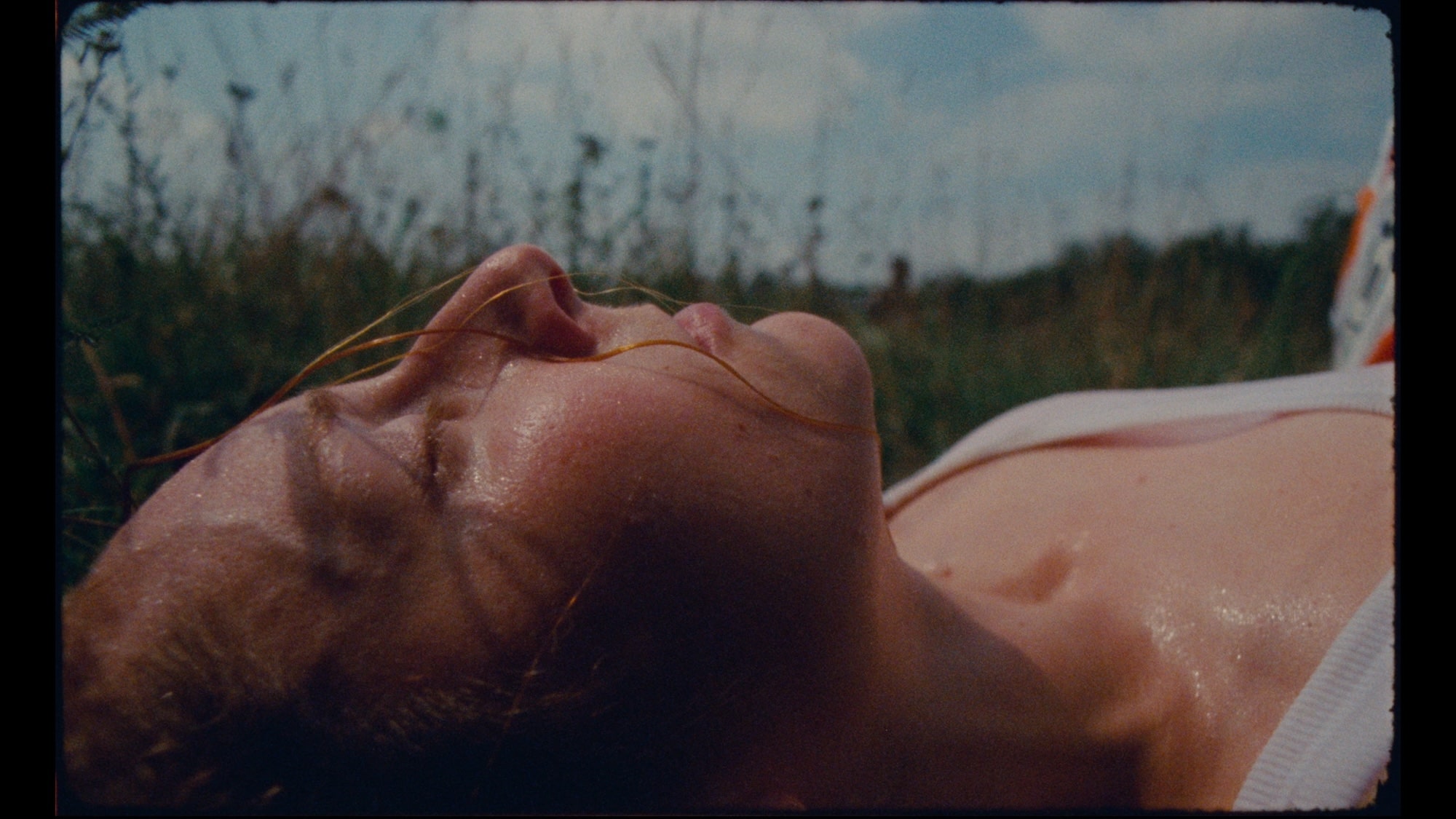
I think all the events that inspired this film have this kind of feeling—intimacy or privacy, and harsh aggression, or I would say tough feelings, which can destroy you. It’s all about the duality of the inner world of us when it comes to these kind of circumstances, and this is something we were trying to portray in the film. I think this was one of the main topics and core of the film. So building that in all layers was very important at all stages—music, camera and performance, editing. While filming performances—all cast behaved naturally—we never shaped this direction too much while shooting. And that’s what I really like on screen—that dancers are not acting in a classical way—you just observe real people—and how they behave—look at each other, kiss, or simply look in the camera, or just rest inbetween. And naturally while filming this you can feel a certain emotion that is in front of you and how she or he feels, and then you adapt your camera/emotion to that scene.
It’s all about the duality of the inner world of us when it comes to these kind of circumstances, and this is something we were trying to portray in the film.
Similarly, there’s a sharp contrast between stillness and explosive movement, both in the choreography and the editing. How did you approach rhythm and pace in the edit?
Editing this film was a really amazing process. It took us almost a year and a half to lock the edit. I am very grateful to Mykyta Bereg, who is my Ukrainian friend and a really talented editor who was with me all this time and helped me finish the film. We spent many hours in the beginning trying to find a structure, as I said before, but also we learned our footage and put pieces together as a puzzle. We experimented a lot by mixing and trying to find different cuts and similarities. The most important purpose was to build an invisible connection between all the footage, kind of a flow which drives you forward to watch. Since the footage originally had these stillness and explosiveness moments for both camera and performance—we thought it was important to find the right mix of these emotions on screen and to emphasize this by editing fast cuts or just staying on one shot for longer and letting it be more continuous, no cuts.
I think what really helped us to make this edit and shape it was time. Sometimes, after a two-week break, we came into the room with Mykyta and found new ideas or saw that certain things just simply weren’t working. We worked precisely on every frame to find the right timing, pace, and flow of the film. This was one of the best editing processes I’ve ever had in my life, being co-director for this project.
Can you talk more about the location of Orsolina28? What drew you to this location, and what did it lend to your vision?
Orsolina28 is a truly special place located in Italy’s Asti region in the city of Moncalvo, and that’s where the original title of the film comes from. Orsolina28 is a dance residency where lots of exceptional choreographers and artists from around the world, like Jacob Jonas, are coming to share their experience and technique with students who are also gathering from all around the globe. When being there, the creative energy just evolves so much. This is a very high-energy place where all the infrastructure and people around it are built to create art. And I think this was the biggest contribution to this film—intense creative atmosphere, friendly people around, incredible weather, and the city of Moncalvo and its aged history, which I think contribute a lot to the overall texture of this film.
Moncalvo features a number of different setups. Was this ambitious scope difficult to balance and what challenges did you face during shooting?
It was a comparably quite easy shoot for us in terms of production—we were there with the smallest crew ever—Tanu, Jacob, me, our camera assistant Archil Siradze, and an incredible cast who I think had more challenges than us as a production team, since the weather was quite hot (around 34 degrees during shooting days), so being in this high intense physical energy and emotional state was really difficult for them. Especially our lead actor, Layne Willis, who gave all her heart and energy to this film and delivered an absolutely stunning performance as actor and dancer! I am very grateful to her and the rest of the talented dancers who were there with us. Also, there were a lot of mosquitoes during the night scenes, which were driving us crazy because it was almost impossible to concentrate (haha!).
What can we expect from you next?
We are looking for a new topic and developing a couple of ideas now for the next films. It always takes time to find it and to develop, but I cannot wait to start working on the next production. We are fully energised and motivated to do that.