
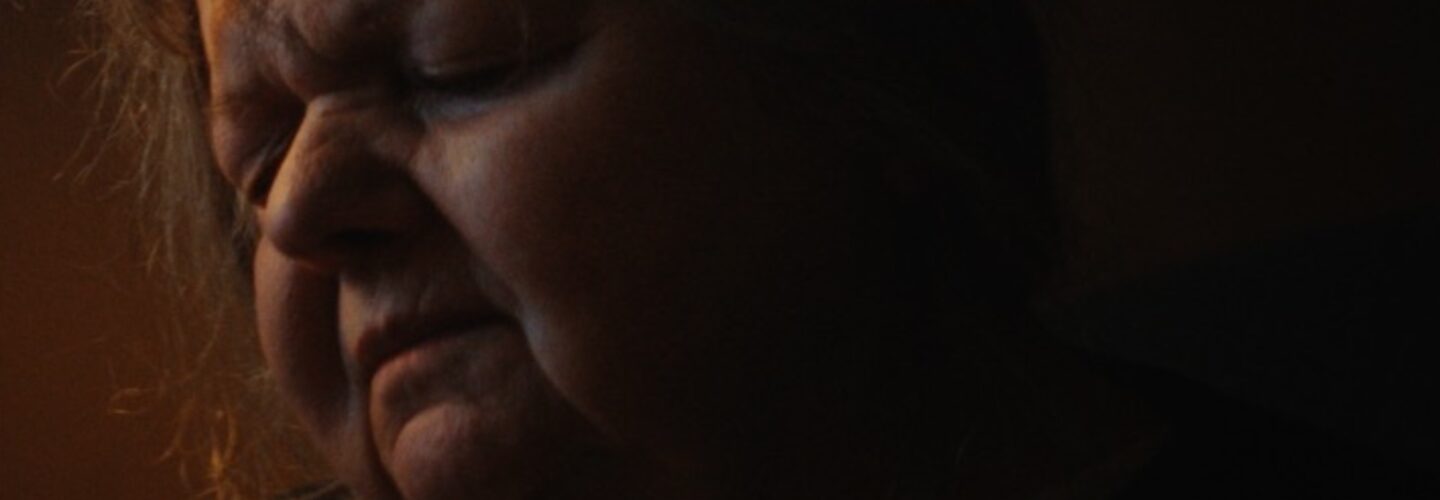
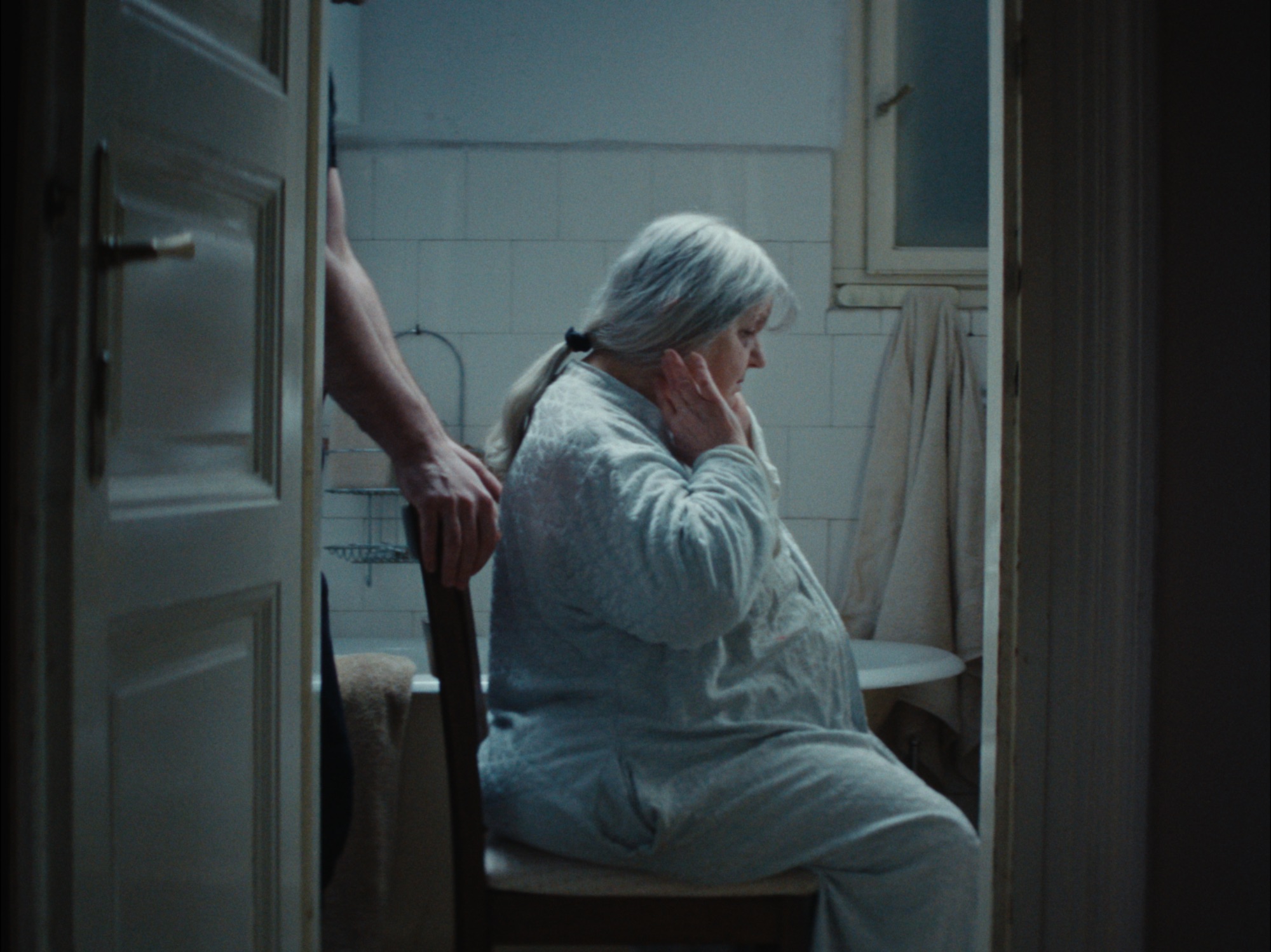
There’s a particular magic that happens when a filmmaker is pushed to their absolute limit, and for writer/director Joshua Elias Palmer, that moment was a two-week intensive under the formidable gaze of Hungarian auteur Béla Tarr. An experience that pulled him back from the brink of leaving filmmaking altogether and directly yielded his profoundly moving short film, Coda, an achingly poignant piece of empathetic cinema. The film absorbs you in its profound quietude, using the stark, tactile routine of caregiving—washing, feeding, enduring silence—to articulate a universe of unspoken emotion and sacrifice. It is a testament to the idea that the most resonant stories are often told not through dialogue, but through the weight of a small, caring touch and the texture of light in a still room. As the film premieres on DN, in our conversation, we delve into the creative alchemy of this intensive, how a pivotal shift in Palmer’s approach fundamentally reshaped the film’s heart and how the collaborative choice to anchor the frame on a single, powerful face defined its entire sombre and beautiful aesthetic.
I’m so intrigued by the Béla Tarr intensive and how the film emerged from your time there.
Funnily enough, I saw the advertisement for the intensive on Twitter. It was a total shot in the dark. I had fallen in love with The Turin Horse in college and so I had to take the chance. I submitted a very early cut of my first short I shot in NYC and a letter of interest. After, I was applying to jobs outside of the film industry. I was in a bad place creatively and wanted to get out of freelance life. Then I was home on Christmas holiday and woke up in the middle of the night, instinctively opened my email, and there the acceptance was. It was absolutely surreal. It wasn’t the first time I’ve been pulled back into filmmaking while looking for paths out. If it wasn’t for that email, who knows where I might be now.
Béla has been doing small intensives and masterclasses over the years. This one in particular was hosted by Freeszfe Egyesület, an organization founded to promote freedom of expression after Viktor Orbán expelled the teachers and students from the national film school in Hungary. At this one, there were 12 directors from all over the world. Each director had two weeks to make a new short film and were partnered with a Hungarian assistant to help.
It was as if the five years of my filmmaking experience all manifested during those two weeks.
We all had the theme ‘knife’ beforehand and were supposed to come in with a film idea related to that theme. Knife for me, connected with ideas of sacrifice. Eventually, I landed on the idea of self-sacrifice, especially how far we go for loved ones, even if it destroys oneself. Ultimately, I landed on a film about caretaking—the physical manifestation of the core idea. We all met with Béla to review the ideas. He accepted the ideas of half of us, but for the other half, myself included, it was back to the drawing board to rewrite. Once he accepted your concept it was off to the races. It’s all a bit of a blur to me, but I believe I had something like four days to prepare the film for shooting, one day to shoot it, and about 72 hours to edit and finish the film. It was as if the five years of my filmmaking experience all manifested during those two weeks.
Most Popular
How did you distil such an abstract prompt into the routine of washing, feeding, and enduring silence? Was there a specific image or memory that anchored it?
While knife always led me to sacrifice, my first idea that I prepared before the workshop was this sort of Romeo and Juliet fable. I told Béla the idea and he said to rewrite it. He said the idea was too much of a parable and rather the film should be physical and visible, then dismissed me downstairs to the coffee shop below the University to rewrite.
I searched and stumbled through ideas and conversations with my fellow filmmakers in the workshop and eventually landed on the idea of a son cooking dinner for his sick mother. Once I had the image for that scene, it grew organically into a more comprehensive look at caretaking. My grandfather had also passed recently at that time, which lingered as I realized a story about the end of life.
After many frustrating years of taking the architect approach and failing to do my best work, learning this idea was like a lightbulb going off in my head.
As such a formative experience for you as a filmmaker, what changed for you?
I was inspired by an article by Brian Eno I came across called Composers as Gardeners. Eno said, “An architect is someone who carries a full picture of the work before it is made,” whereas a gardener is “someone who plants seeds and waits to see exactly what will come up.” After many frustrating years of taking the architect approach and failing to do my best work, learning this idea was like a lightbulb going off in my head. In the case of cinema, the seeds might be your dramatic scenario, your actors, your crew, your locations, etc. In the case of Coda, casting Judit Pogány in the lead role was the moment I started to surrender control.
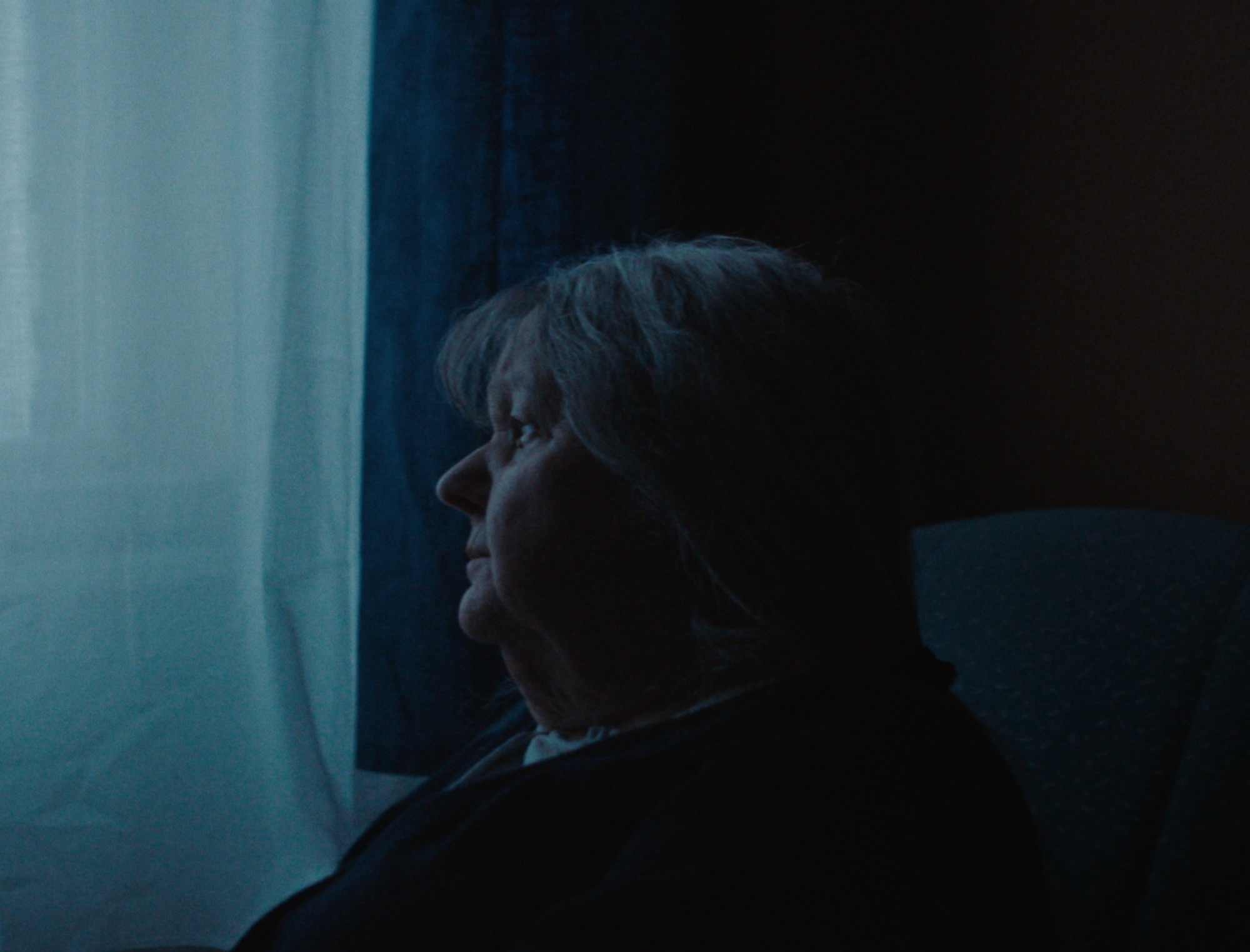
The film started off with the son as the main character. It was that way up until I saw a picture of Judit. I knew she could carry the weight of the subject matter. The decision to cast her led to discoveries both in the visual approach and in how sound would function. Rather than a shared frame with the son, the camera would remain on her face 95% of the time. From that, it was implied that we’d mainly be hearing him just offscreen. A seed bore a plant with many leaves.
I now want to delve into the cinematography and choices made to carry the tone and look of the film.
I trusted cinematographer Marcell Lobenwein so intuitively with the subject matter after our initial discussions that I left it to him. This was one of the steps of moving from architect to gardener – trusting those on my team fully.
Marcell Lobenwein: We shot 1.3x anamorphic with the sides cropped. I tend to gravitate towards more photographic aspect ratios, and find it quite hard to frame faces and people in a 2.35 image in a way that I like. So this was a way to achieve an otherworldly feel with the strong characteristics of an anamorphic lens, without limiting us in our framing.
Coda carries an almost tactile image. How did you use light—or its absence—to mirror the caregiver’s emotional exhaustion?
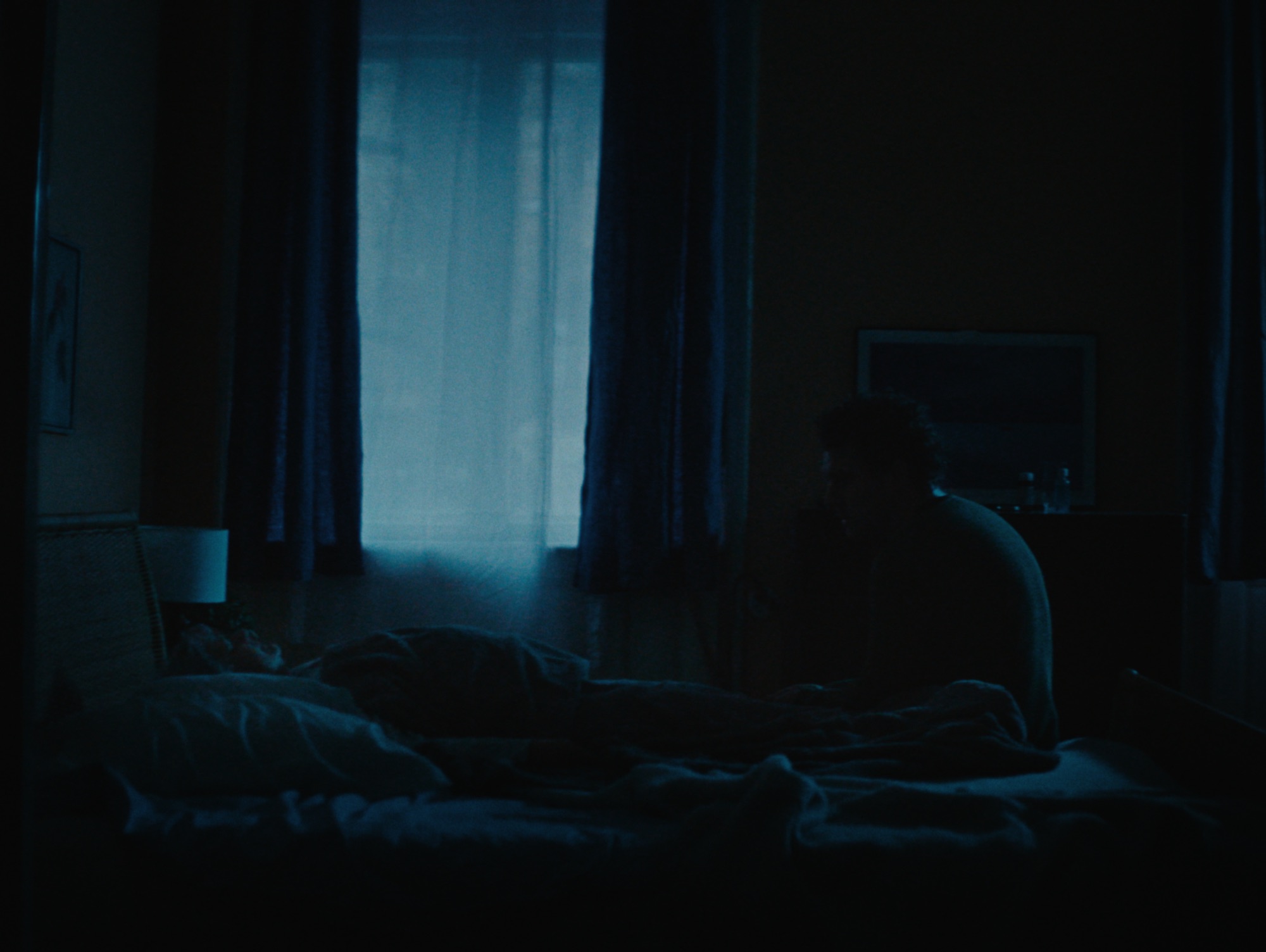
ML: All the lighting in the film is intended to mimic natural light with a slightly elevated feel. The goal was to create an atmosphere that was strongly rooted in reality, but shied away from documentary. This apartment was the whole world for our main character, so we wanted to create the feeling that the light in each room has its own character, repeating day after day in the same way.
Joshua, was there any significant tonal adjustment in the colouring and post-processing?
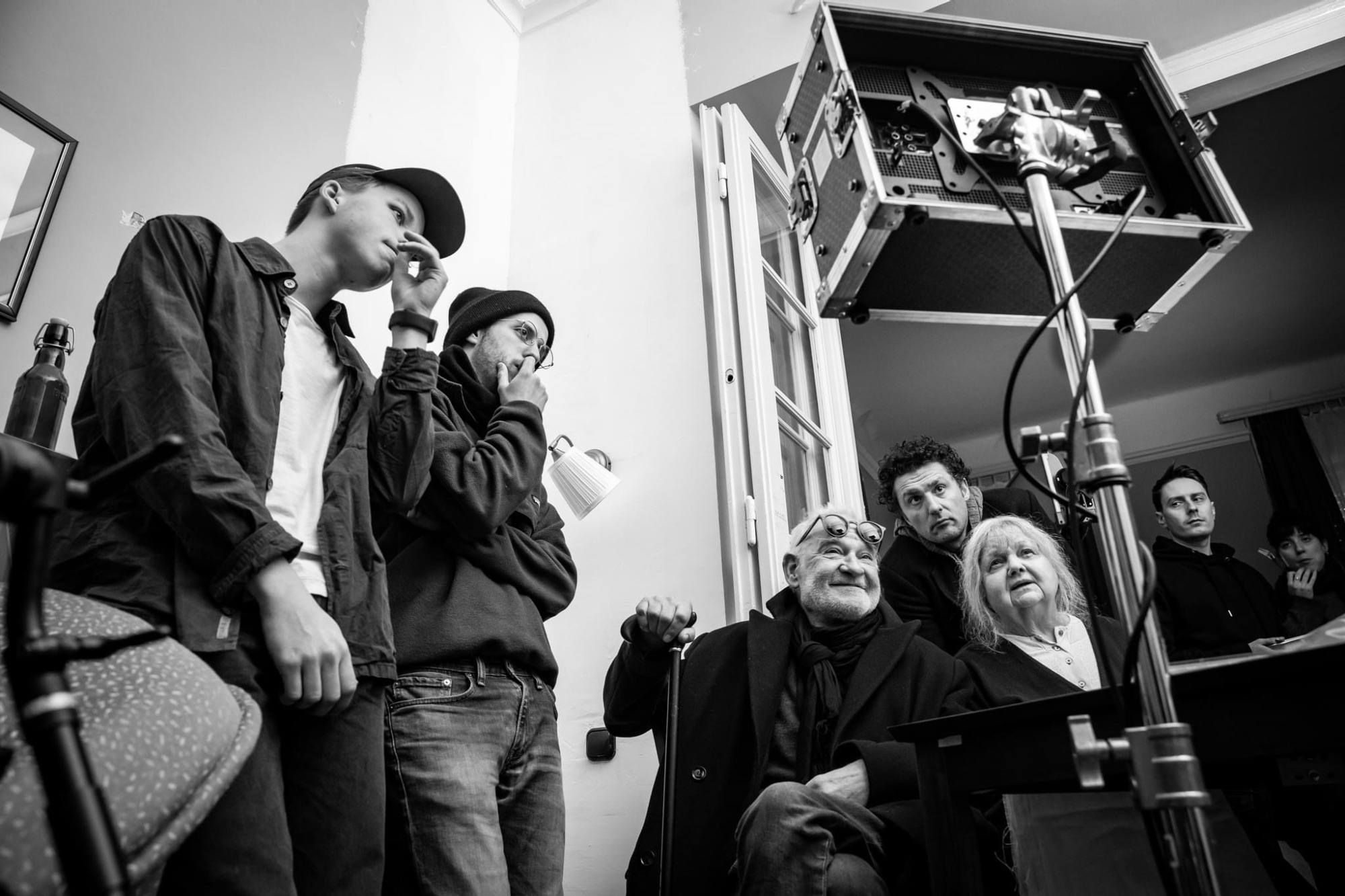
I had the privilege to work with Máté Ternyik, who recently colored Brady Corbet’s The Brutalist. Working with Máté was my first time with a pro-colorist in a full color studio. It was surreal to see him work and how much he transformed and aligned the footage. The thing that really caught my eye was how he manipulated light. These were some of the final tweaks to the footage, but there were many instances where Máté removed or added light to portions of the frame that I felt built on the themes of the film.
It was surreal to see him work and how much he transformed and aligned the footage.
Tarr’s influence is palpable, but where do you see yourself diverging from his style? Is there a moment in the film that’s unmistakably yours?
I can’t speak for Béla, but I do think we have different views of how story is used as a cinema tool. I distinctly remember Béla saying during one of the workshop lectures that for him, cinema was the faces, the sounds, the image, time passing. I believe the same, but I’ve also become much more interested in dramaturgy, literature, and writing, and that has begun to bleed into my work.
The moment that is my own is when the mother listens to Chopin. It adds a lightness to the film that I found was important to juxtapose with the weight that comes at the end of life and the tension between family members.
I can only imagine all of the learning and skills you are now itching to use. What’s next?
I am in post-production on my debut feature, which is an intimate drama about a group of friends who go on a trip in the wake of their friend’s suicide. Marcell came from Stockholm to Cape Cod to shoot the film alongside Co-DP Jordan Beard! We’re still looking for finishing funds if there’s anyone out there who really connected with Coda and wants to see more.
I mainly make my living as a producer, and it’s been busy on that front. I’m producing my fourth feature film of the year in September. It’s a comedy, which is new for me! Most recently, I wrapped on a NYC romantic comedy called Worldbuilding starring Ethan Cutkosky. It’s a really fun movie that follows a video game designer who is caught between romances as well as his virtual world and the desire to connect with those in his life.