
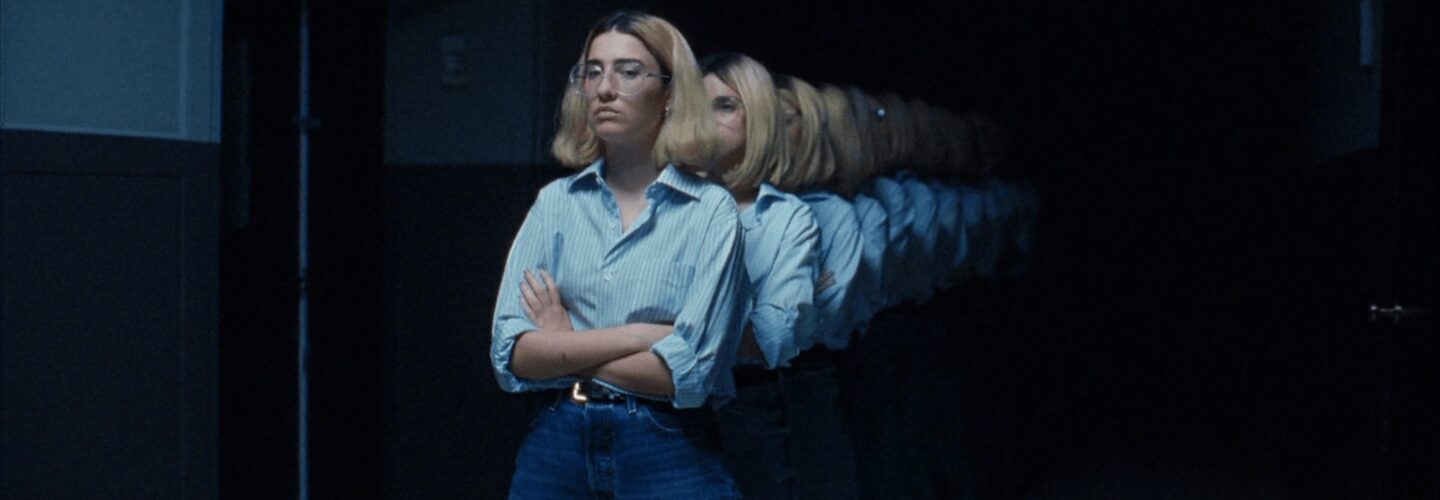
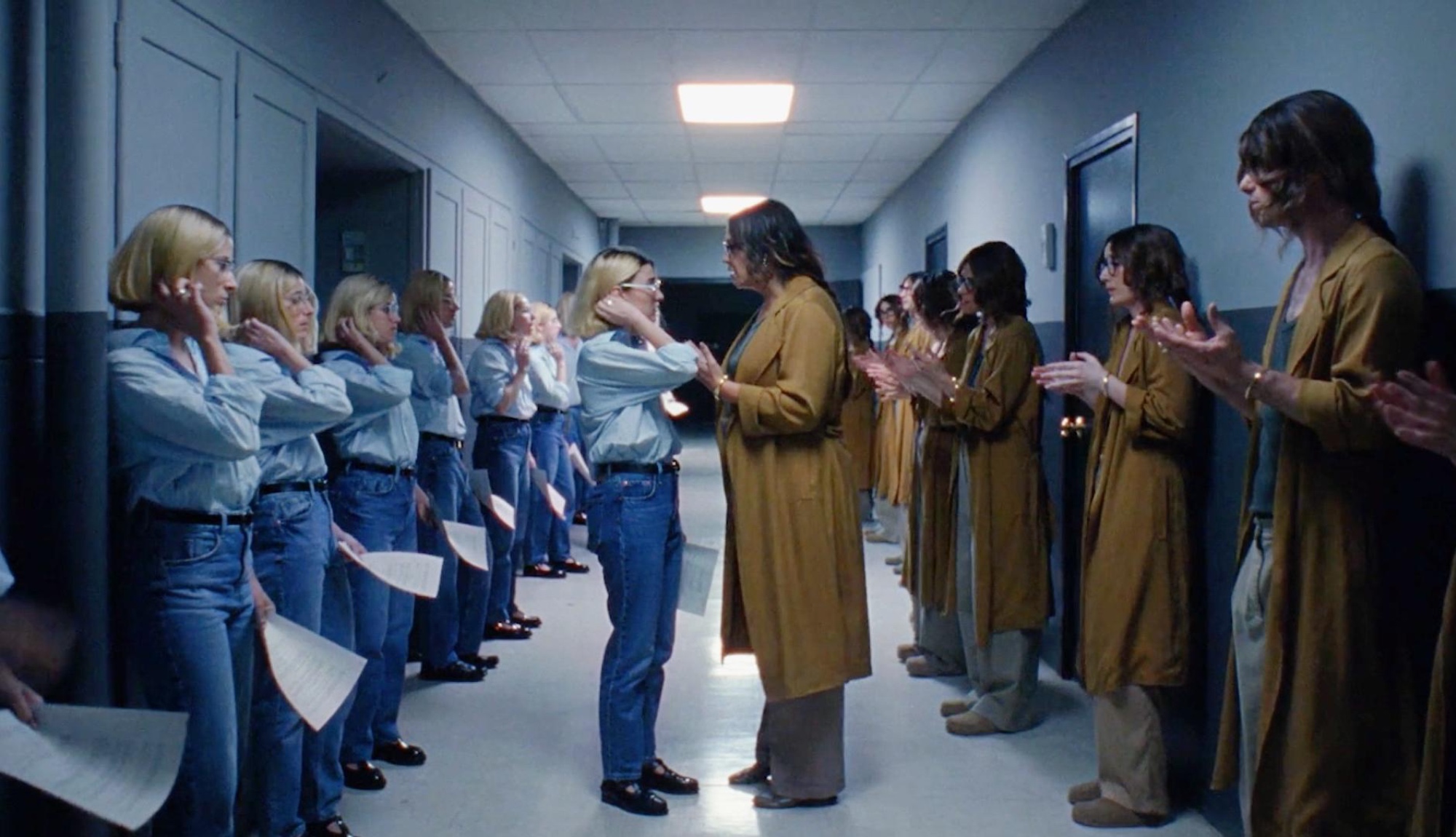
When tasked with celebrating Spanish filmmaking talent for a governmental trade body, most directors would play it safe—a glossy montage of beautiful cinematography and accomplished performances. Lope Serrano went the other way entirely. His short film The Cause of The Accident That Started The Fire turned what could have been an undoubtedly beautiful but perhaps all too foreseeable piece of propaganda into something far more honest and enthralling: a meditation on creative paralysis disguised as a celebration of creativity itself. Co-founder of acclaimed production company CANADA, Serrano brought his outfit’s full resources to bear, crafting a film that resonated not through technical prowess alone—although it does that in spades—but through its willingness to expose the unglamorous truth behind the glamorous facade. What emerges is a portrait of creative terror made tangible. By making his protagonist’s fear both neurotic and real, Serrano achieves something rare—a commissioned film that transcends its brief entirely. As the film hits the pages of DN, we speak to Serrano about using the intense rhythmic energy of Manuel de Falla’s Ritual Fire Dance as the structural blueprint for the entire edit, why he printed the track’s wavelength on the wall before writing a single word of script, and how collaboration became his salvation when the meta-narrative threatened to collapse into solipsism.
The film operates as a nested narrative—what drew you to that reflexive structure?
The central theme of the commission was to create a very visual piece that celebrated national creativity. The client was ICEX (Instituto de Comercio Exterior), a governmental body dedicated to promoting Spanish trade and culture. The danger with a commission like this was falling into propaganda or exaggeration. My first instinct was to try to speak about something that felt true to me.
You can celebrate creativity by doing something creative, exuberant, and fun, while also speaking about things that are not necessarily so pleasant: the insecurity present in any creative process, self-loathing, vanity, solemnity, and ultimately, the fear of making a fool of yourself when expressing something. I tried to talk about things I know, I suppose, and to do it in the lightest and most entertaining way possible—so that the celebration of creativity would lie in the piece itself rather than in its message.
What was it about the process of creative struggle that felt more honest than showcasing the finished work or the triumph?
Well, I think I tried not to choose one over the other. I believe the narrative presents the crisis but also offers a solution—you could call it the finished work or the triumph. In any case, I truly believe that creating is always a complex, ambivalent, very dual process. If artistic expression resides, let’s say, in expressing your truth, in being honest, in saying things the way you feel and think them with the intention of being understandable—then there is inevitably a phase of introspection, doubt, fear, and pain. It’s not a mortal pain, but it can be deep and very neurotic. So the task was not to forget this premise – to write from within that conflict.
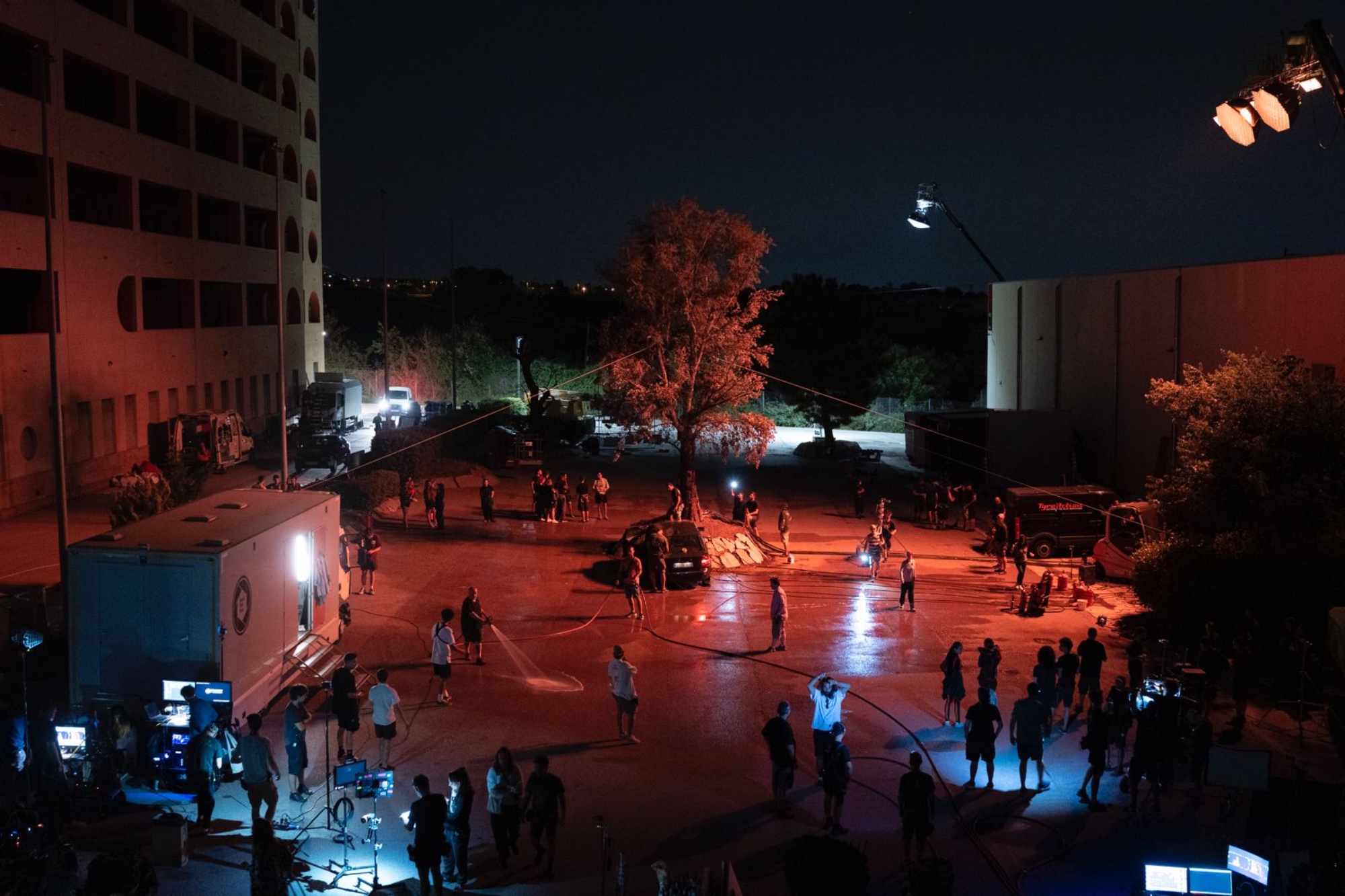
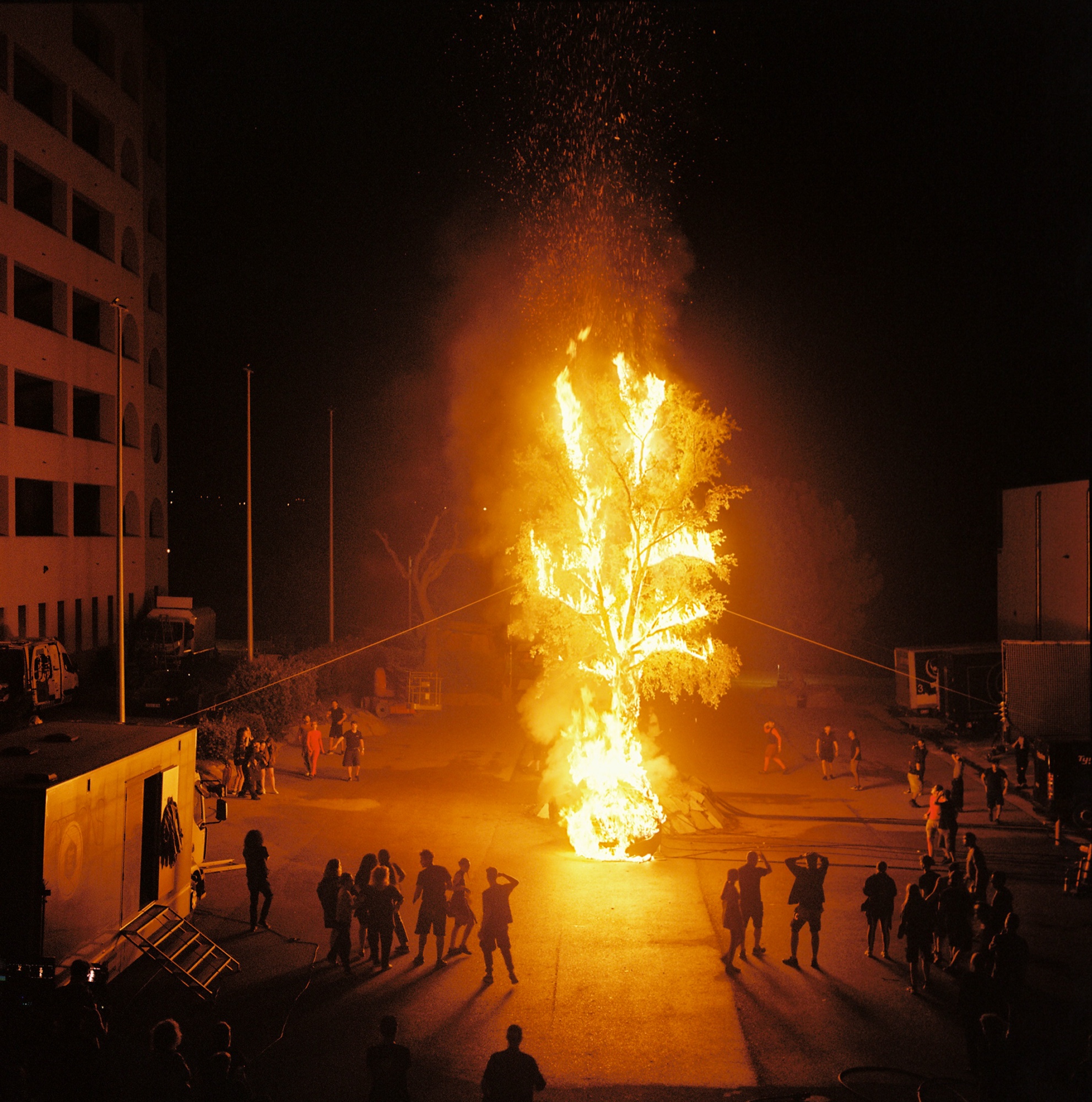
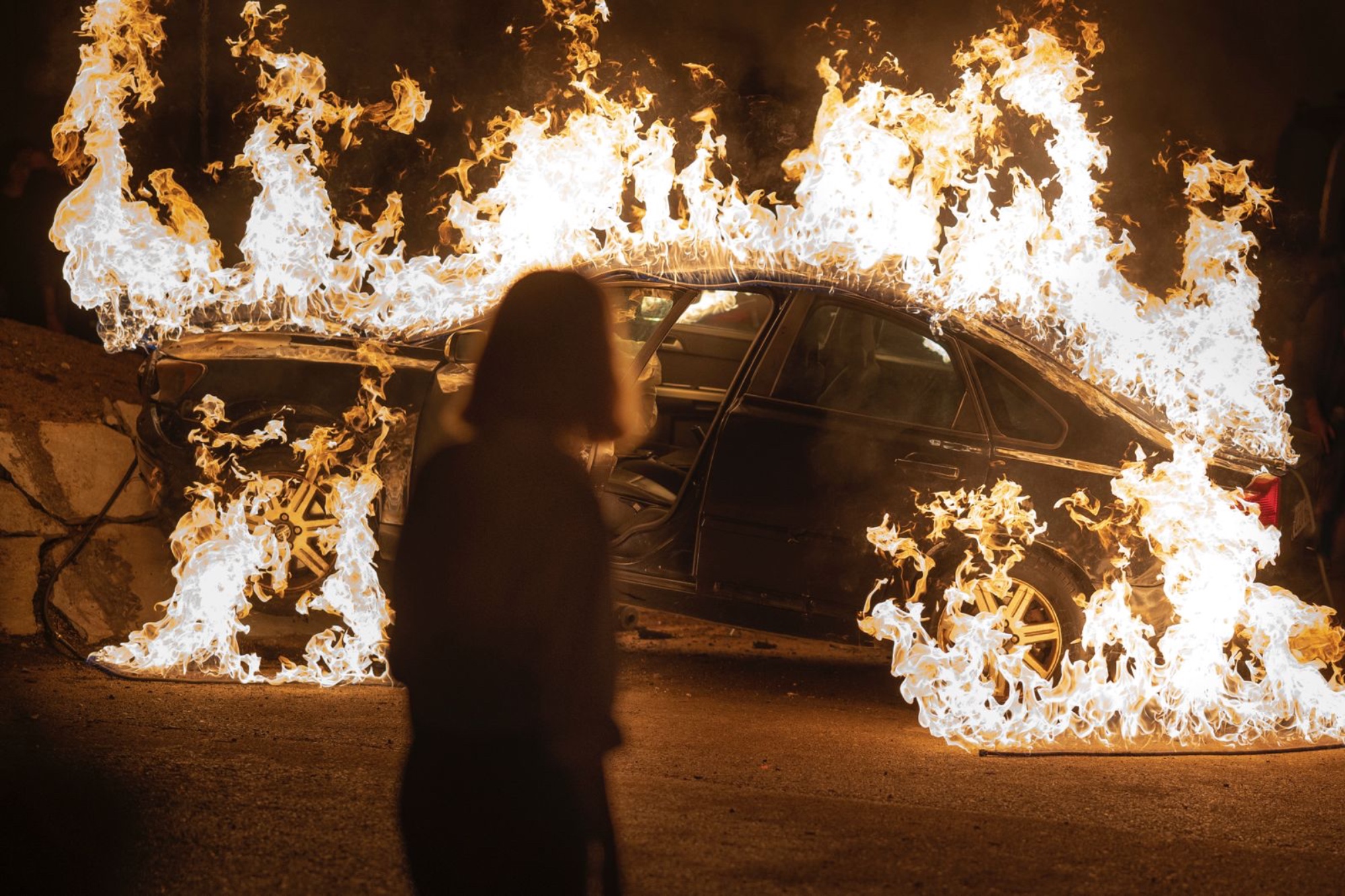
Fire was a fitting image, a fitting idea. It’s inexplicable and poetic, but also real and implacable – it elevates the human soul but can also destroy it.
Did you see the branded origin as a limitation you had to overcome, or as a productive constraint that actually generated the meta-narrative concept? Would this film exist in this form if it weren’t commissioned as promotional material?
When it comes to commissioned work, I believe the more specific the theme and context, the better I feel responding to it. Infinity is overwhelming. In retrospect, given that I am someone more inclined toward digression and essay than straightforward storytelling, it was inevitable that I would fall into meta-language and use my own experience as narrative material. The risk was falling into solipsism or unfunny stupidity—which, once again, is precisely what happens to the protagonist… As you can see, it was impossible for me to escape myself, unfortunately.
Most Popular
The pace is relentless—we’re moving between reality, fantasy, and alternative scenarios at speed. How did you calibrate the rhythm to ensure audiences could follow the thread while still feeling the protagonist’s fractured creative state?
Good question—the answer isn’t brief. The truth is that although everything may sound very clear when I’m asked about creative processes, things usually emerge quite instinctively. The first spark, quite literally in this case, is more a sensation than a reflection. I thought that, to speak about the antagonistic duality of the creative process (it’s liberating in the end but makes you a prisoner of your deepest insecurities during it), fire was a fitting image, a fitting idea. It’s inexplicable and poetic, but also real and implacable – it elevates the human soul but can also destroy it. And it’s very present in Spanish popular culture, especially in the Mediterranean area.
So fire was the first image that attracted me. I immediately recalled Manuel de Falla’s Ritual Fire Dance, a very idiosyncratic work from the Spanish repertoire. And somehow, I blindly committed to it and focused on working with that four-minute instrumental piece as my guide. That commitment was restrictive but useful. Since it had to be a visual piece, I approached it almost as if it were a music video. We printed the track’s wavelength and hung it on the wall like a timeline, and we began imagining sequences and placing them on Post-its as though we were already editing.
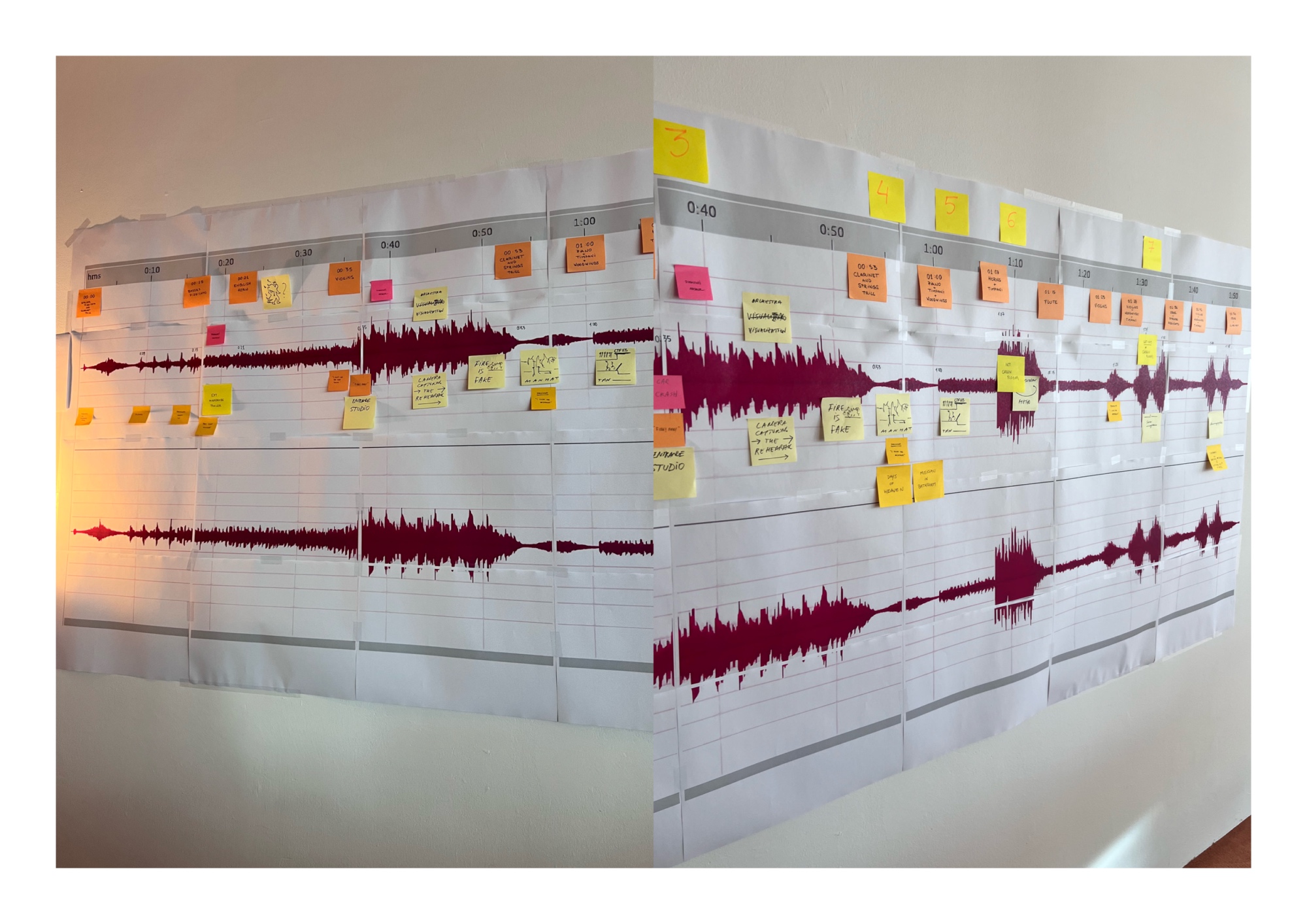
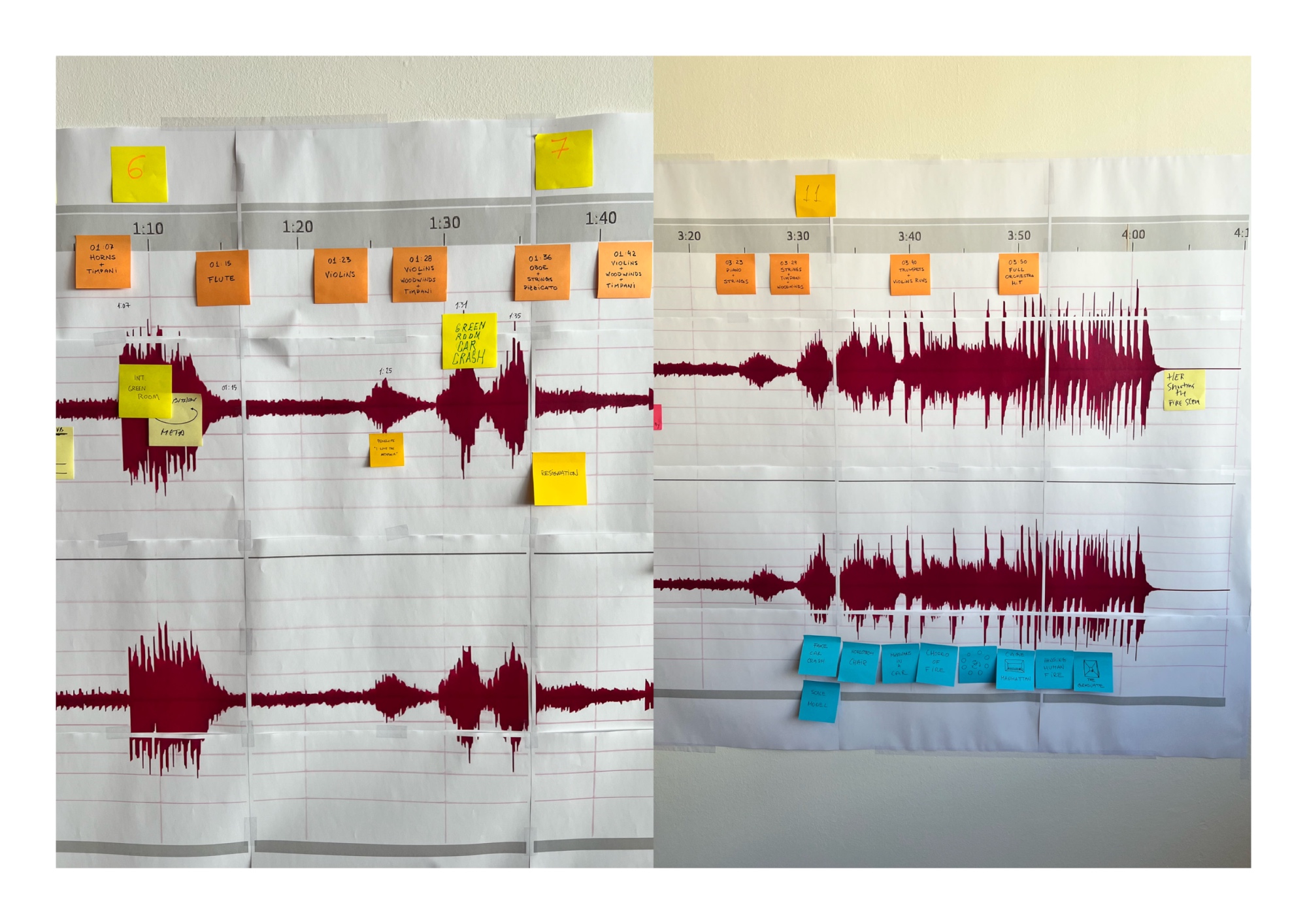
I like when the writing process takes craft, temporal rhythm, music, and editing into account. For me, editing is not just a culminating phase—it’s part of the genesis. I love editing; it is cinema’s true distinctive attribute: image, performance, music, colour, space, writing… all of that existed before cinema. Editing is cinema’s genuine contribution to the world of art.
So yes—sorry for the long, digressive answer (I warned you)—but from the beginning we were aware of the difficulty that so much information in so little time might pose, because that concern was present from the outset. Whether it was going to work or not was already part of the creative fears we were exploring…
The Cause of The Accident That Started The Fire seems to interrogate what it means to be talented in an industry that simultaneously celebrates and suffocates creativity. How did you want audiences to feel about your protagonist by the end?
Definitely empathetic. The challenge was ensuring that her neuroses didn’t feel too ridiculous—that the privileged fear of the creator (because, in truth, it’s a fear one chooses) felt endearing by the end of the story. To make a character with a very subjective, somewhat neurotic problem relatable, you need to create unequivocal, objective external conditions. If the writer with no ideas never leaves her house and everything is internal symbolic anguish, empathy doesn’t happen—the character becomes unlikeable, spoiled. But if the problem is real and concrete, the spectator offers their complicity, because we are all frustrated by the same things. So the goal was to externalise and make endearing the existential anguish of creation: What am I doing? Will this make sense? Am I a fraud? Am I an idiot?
To make a character with a very subjective, somewhat neurotic problem relatable, you need to create unequivocal, objective external conditions.
These questions on their own aren’t enough without a real, tangible problem—not just neurosis. And the real problem is that she is on a film set where things won’t wait—there’s suffocating pressure from time, money, and an entire crew waiting for her instructions, while she doesn’t know her characters’ motivations, doesn’t know why the car crashes, doesn’t know the cause of the accident she’s filming. Everything is grand and spectacular, but deep down she doesn’t know what she’s saying. That’s why the title is so explicit—we wanted the problem (and the solution) to be specific and real.
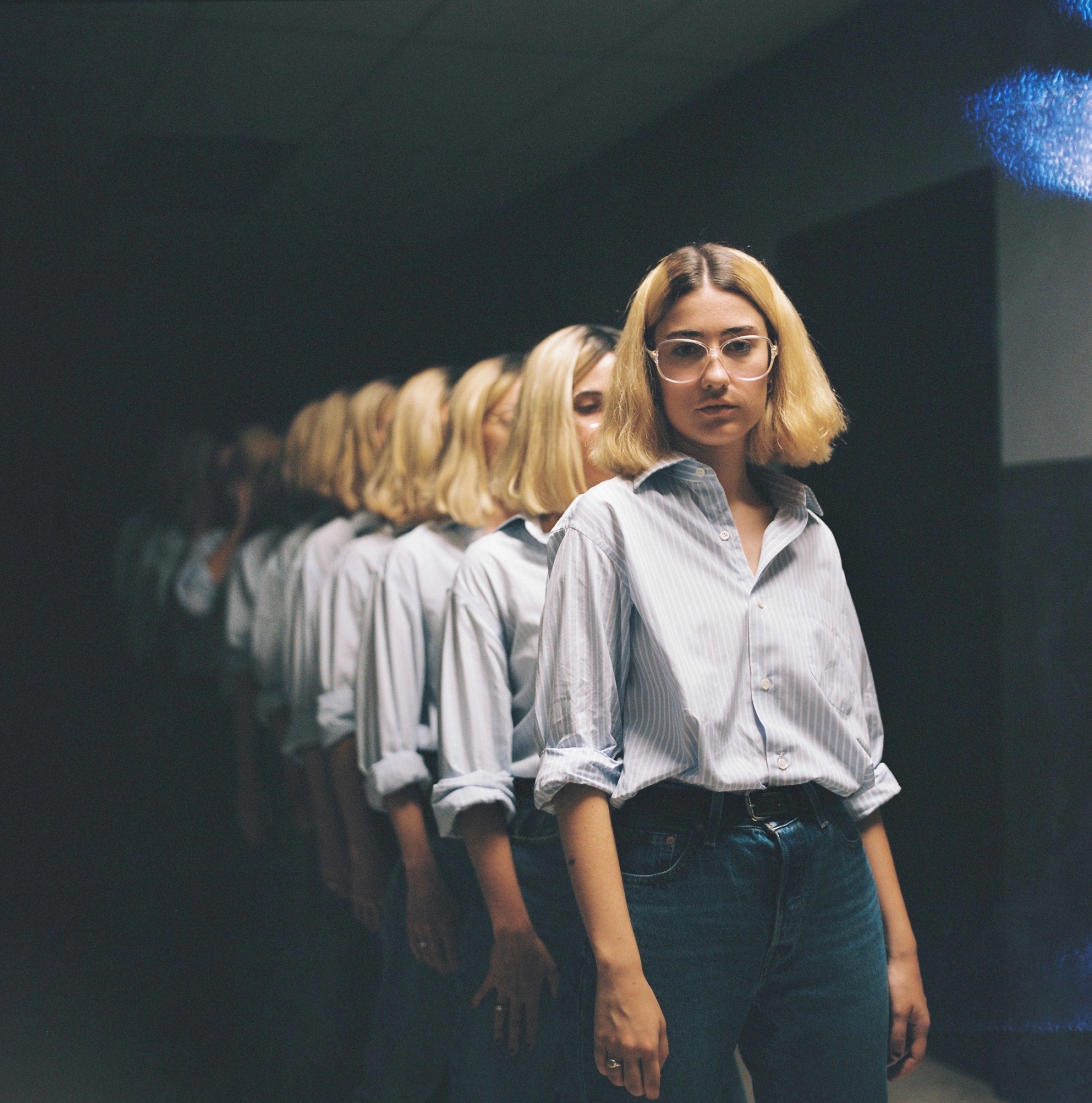
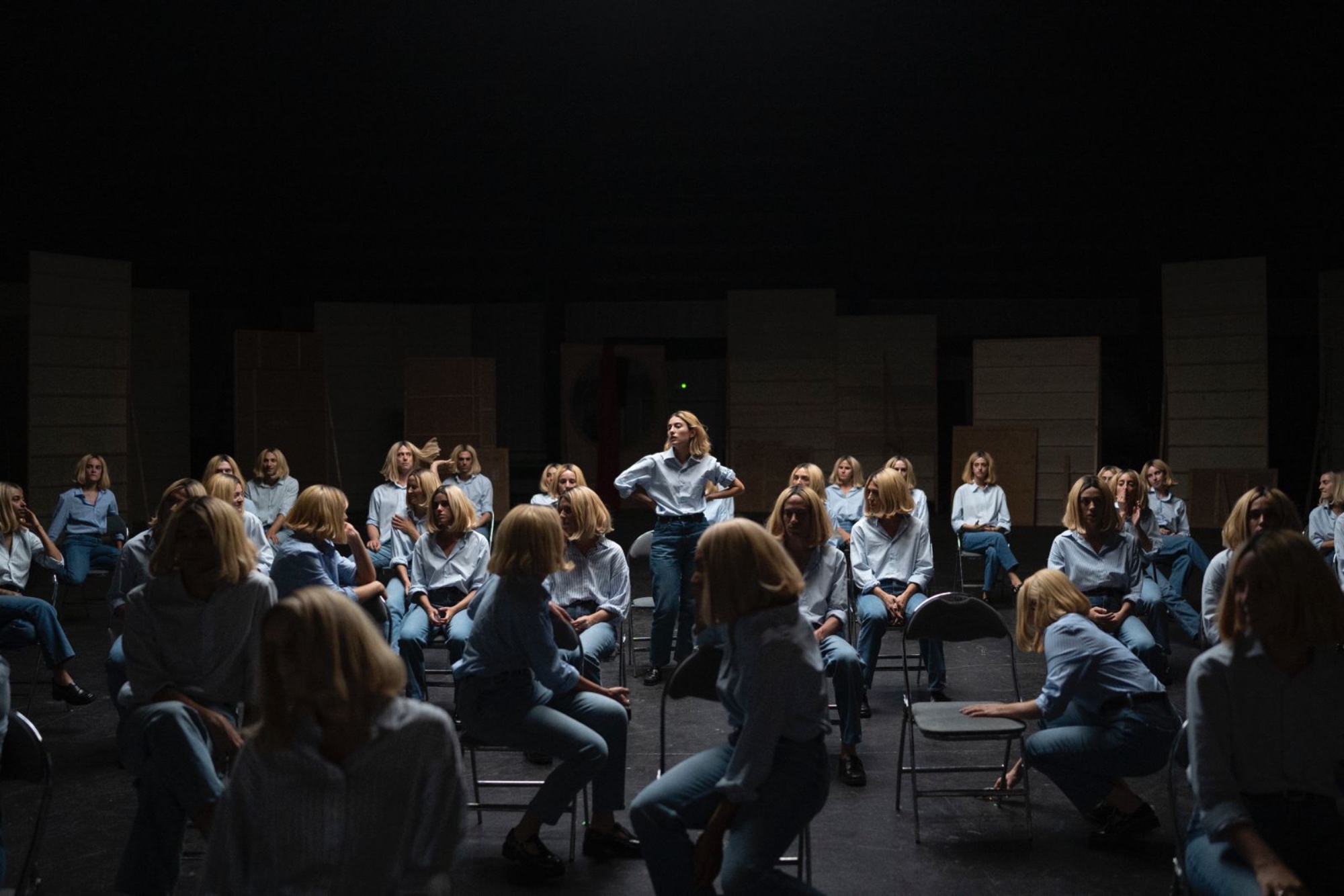
This structure of multiple scenarios, fast pace, and different departments on display is logistically ambitious for any film, let alone one meant to promote an industry’s talent pool. How did you manage the production to ensure you had the time and resources to do justice to each department?
The budget encouraged ambition. We had to embrace the challenge of doing something exuberant and slightly overwhelming, because that is also the nature of what we do: romantic, idealistic, unnecessary in practical terms, yet magnetic and seductive… like a great bonfire around which people dance and celebrate the night and life!
There was also a guild requirement in the commission. A mission to represent the richness and variety of disciplines involved in audiovisual production. So we had to play hard. The team, from production to every creative department (script, actors, art, cinematography, choreography, music, editing, VFX, animation…), worked extraordinarily. I couldn’t be prouder of what they achieved. It was one of the most memorable experiences of my career, especially the writing process, which became somewhat introspective. Santi Ruffa and Davis Silis, the co-writers of the script, were accomplices in this unexpected confessional exercise; I believe they also discovered something personal in the process of writing.
For me, a DP should be someone who makes things easy when you’re clear about them and who takes the lead when they think they are clear.
The cinematography must have been a beast to coordinate—different lighting schemes, camera movements, and visual languages for each scenario. How did you and your DP approach this as there is a very clear overall language?
Daniel Fernández Abelló is one of the best DPs in Spain, and we are also very close friends. We talk about work and films when we’re not working together, and about our own lives when we are. Being with him on a project like this makes me feel complete. It was his idea, for example, to bring Berta Prieto onto the project as the lead. The best idea of all, Berta had to be Berta! Dani approaches projects as a sensitive human being, not just as an artistic technician. Talking with him about what you want and how you want it doesn’t require many words, he understands and feels it intuitively.
Of course, there’s also precise, step-by-step work—from lighting to set design, from framing to sequence planning, from references to scout—not everything is emotional complexity. In that respect, Dani accompanied and guided me in equal measure. For me, a DP should be someone who makes things easy when you’re clear about them and who takes the lead when they think they are clear. Dani is exactly that.
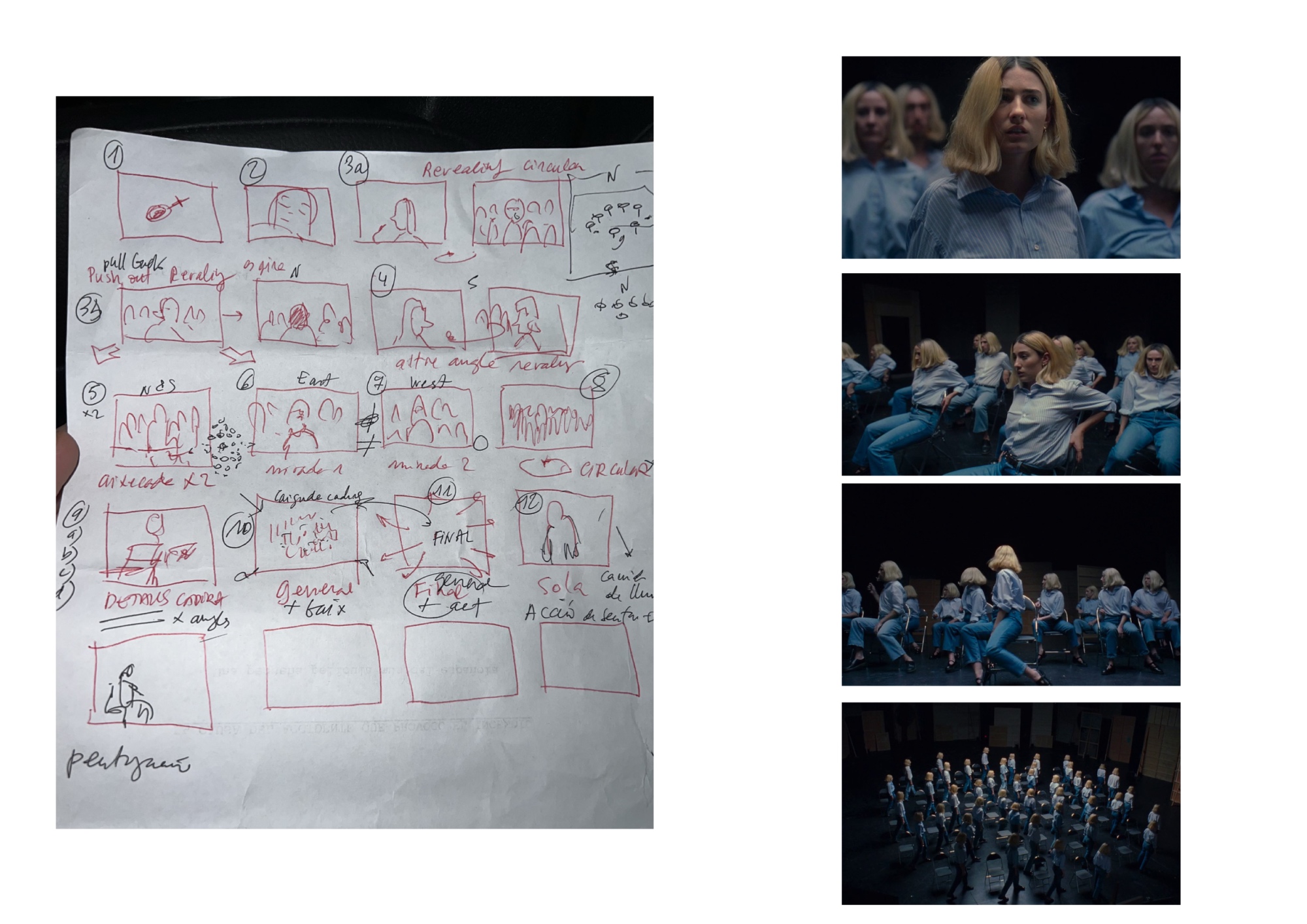
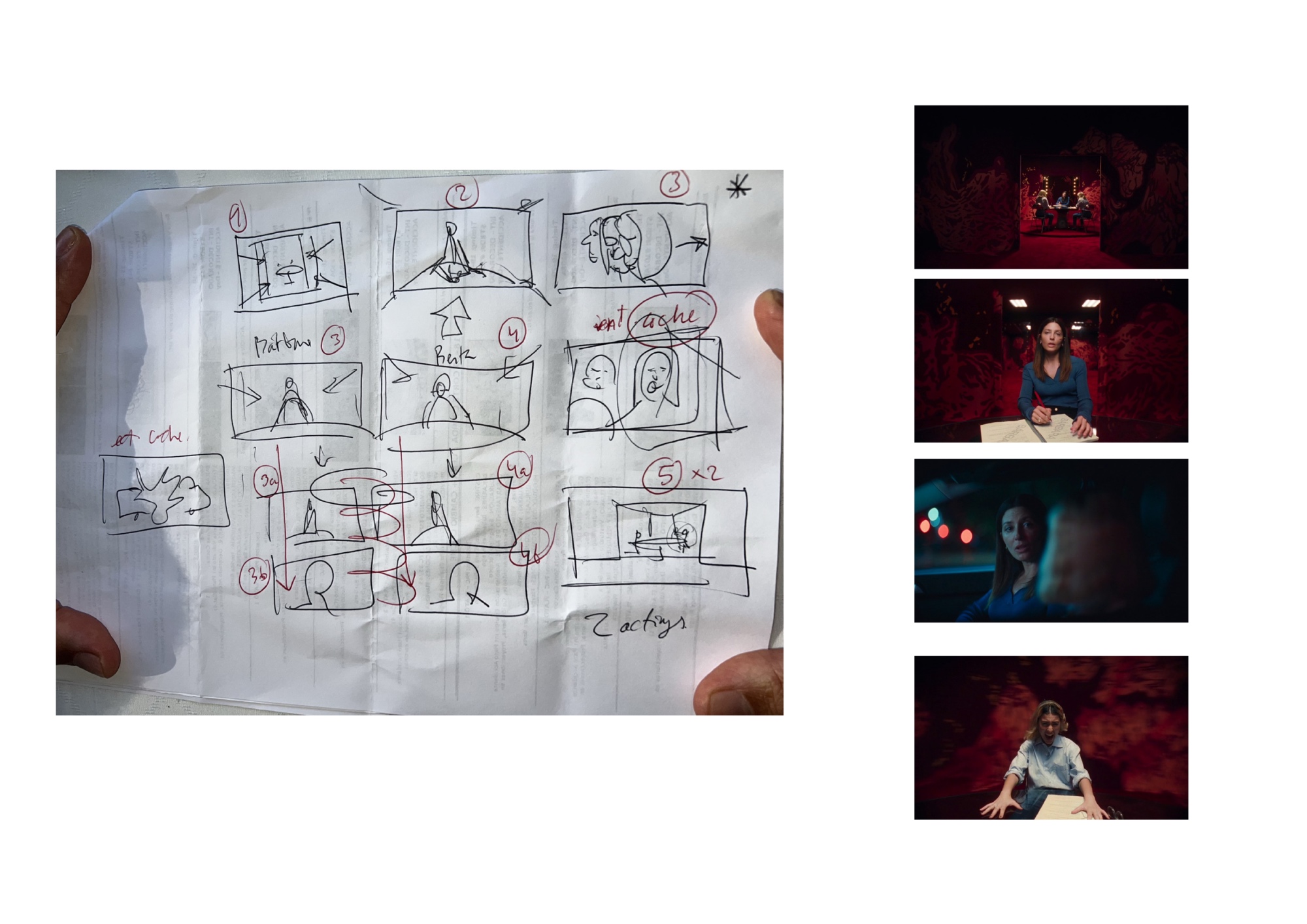
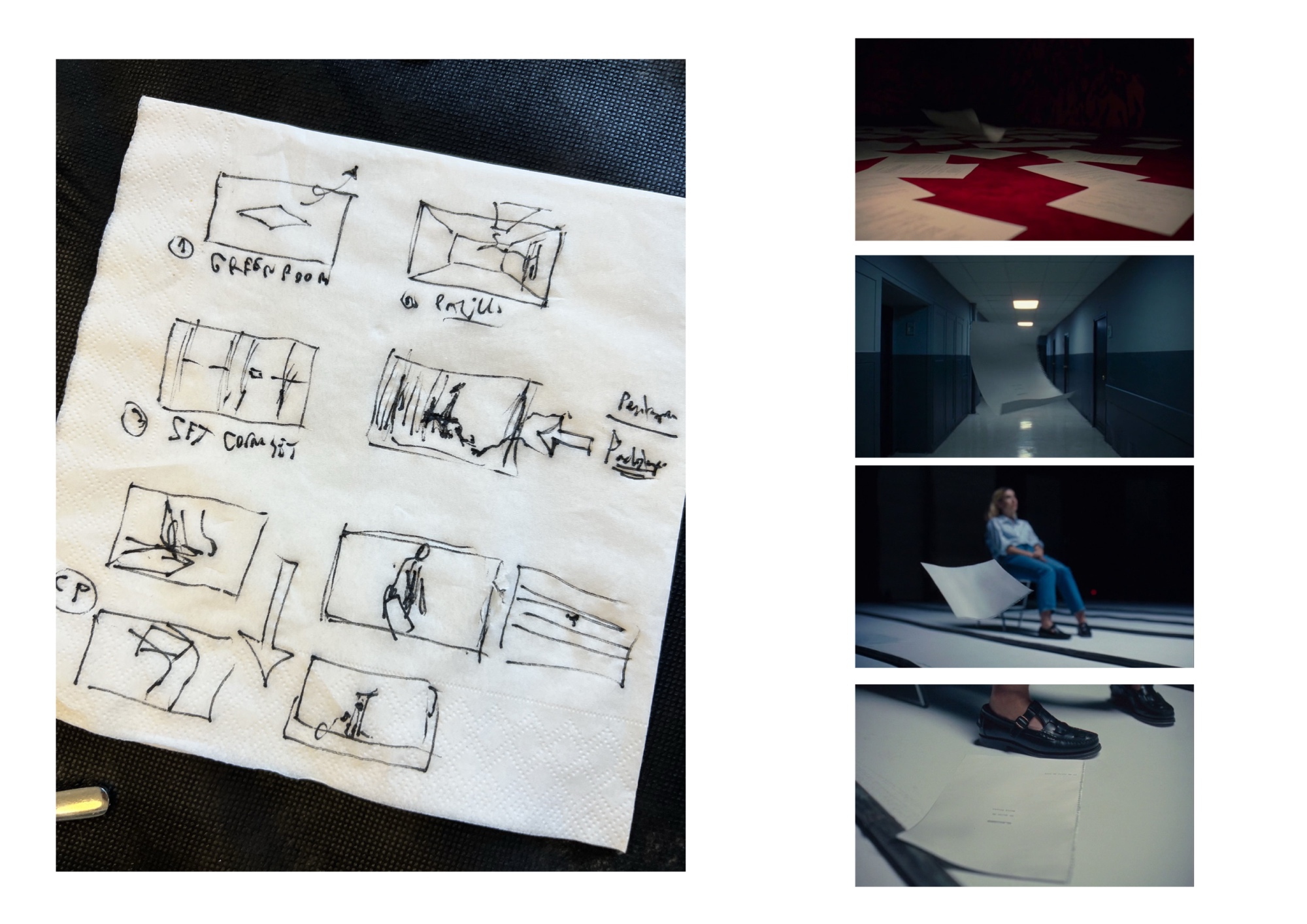
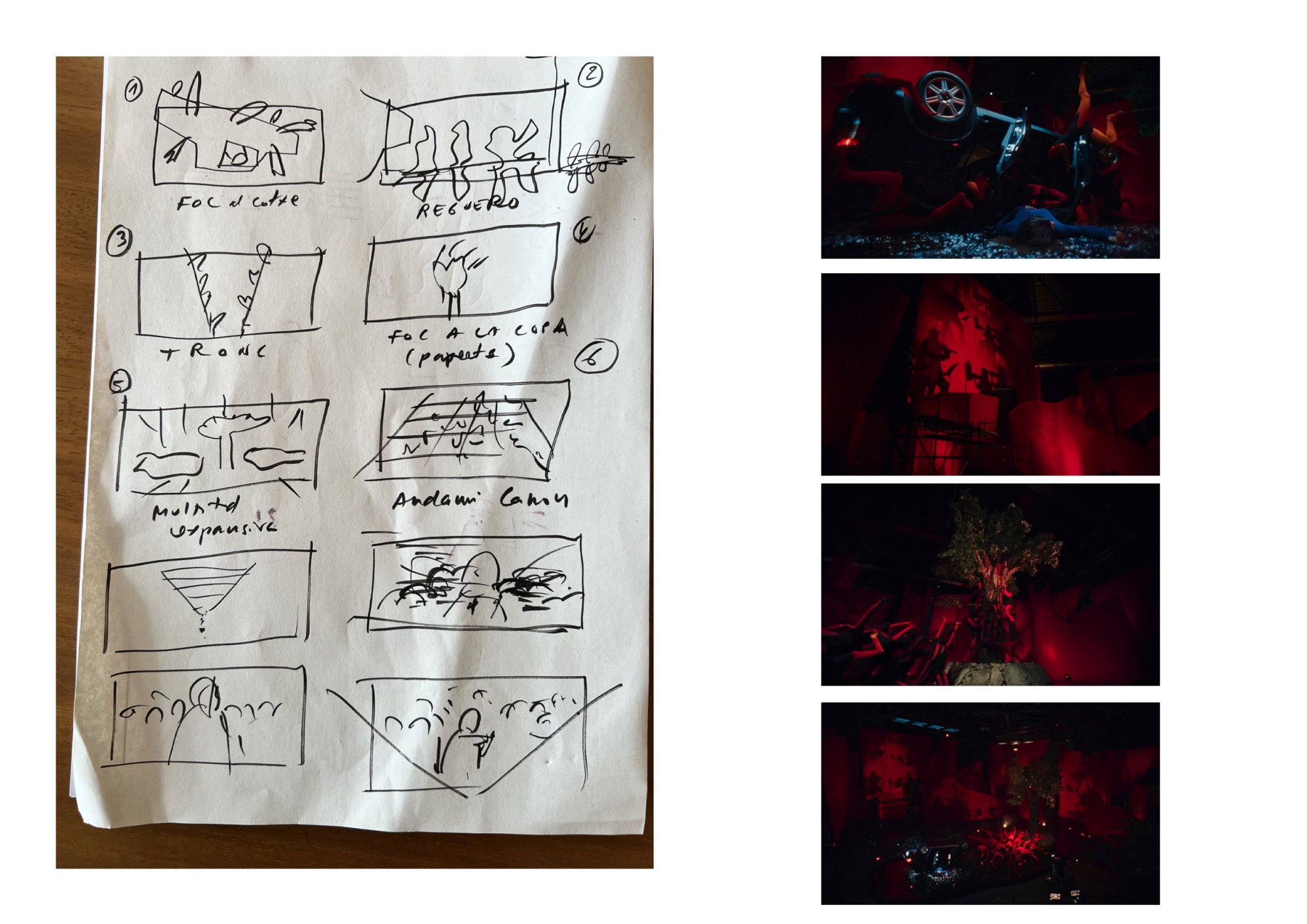
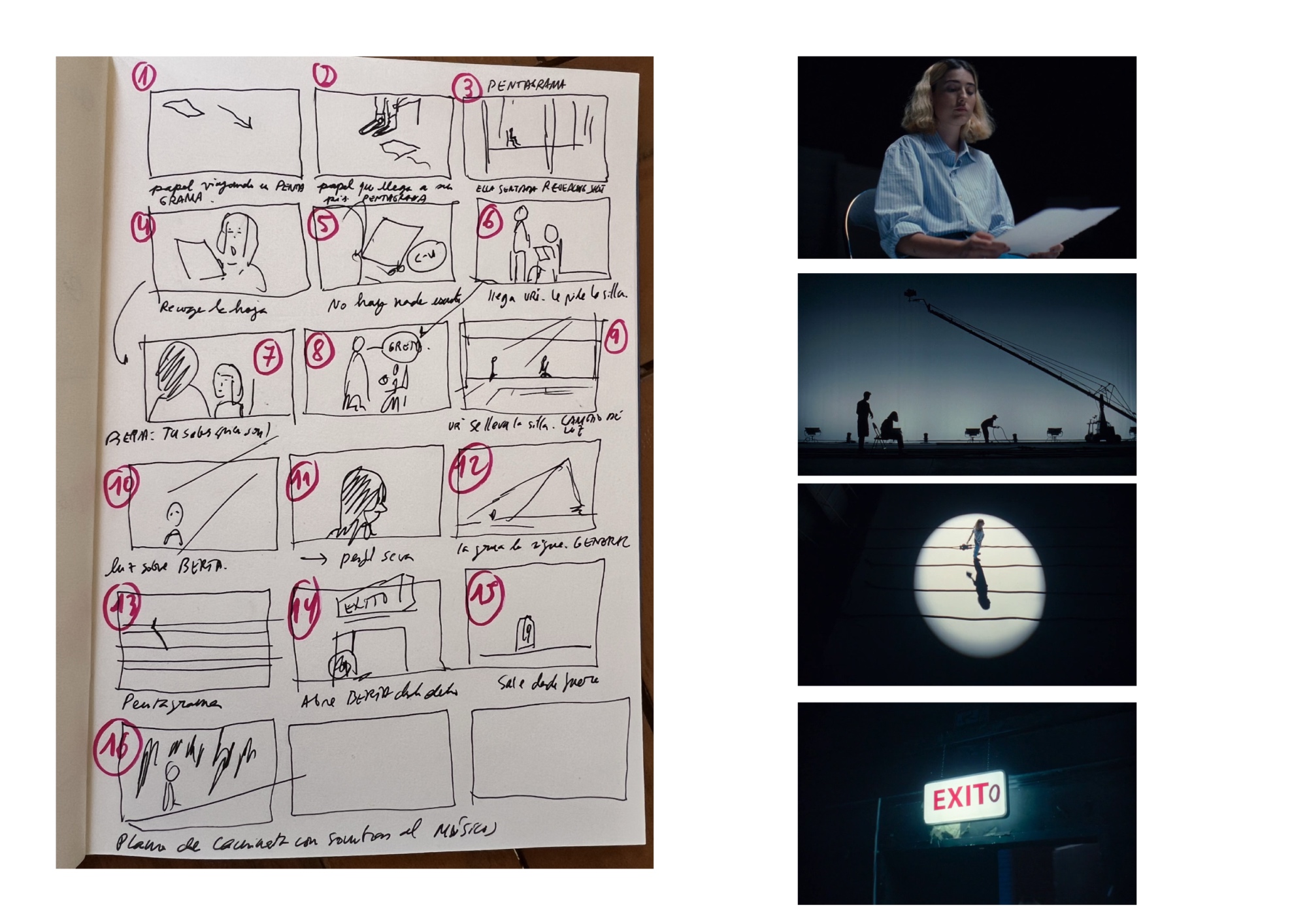
The edit must have been where all these moving parts came together. How did you approach the assembly of all these concurrent threads?
As I explained earlier, in my opinion editing begins in the writing stage. In this case, even more so given the circumstances. I was aware that the rhythm imposed by the music could compromise dialogue and the comprehension of the conflict. So I quickly realised that the piece should have an introductory segment before the music starts, flowing calmly and establishing the conflict.
With Carlos Font Clos, my editor, editing is usually the emotional and technical high point of the project. There are so many fast solutions that can be found in the editing suite—in contrast to the raw and exhausting work of fitting reality into a shooting schedule—that one feels the immediate, almost childlike gratification: painting and seeing an image, moulding clay and having a form, playing a guitar and hearing a sound…
However, editing is also a crossroads, a place from which you can see the abyss. Things don’t always come together quickly, and frustration with oneself or regret over missed shots can be unhealthy. Carlos understands all of this and is a master both emotionally, for his temperament and encouragement, and technically, for his order and clarity of vision.