

For the second year running, DN spent time immersed in the offerings of Clermont-Ferrand International Short Film Festival, the 48th edition of the world’s largest and most singularly focused celebration of short filmmaking. Unlike festivals chasing premiere status or restricting selections by arbitrary rules, Clermont’s programming philosophy is refreshingly liberating: the best films, regardless of where they’ve screened before. The result is one of the most diverse programmes anywhere on the circuit. With competitions consisting of 144 titles spread across International, National and Lab strands, plus thematic showcases including a Southeast Asian Panorama and African Perspectives, audiences have a vast choice of 600 films across all sections. Each programme feels unequivocally individual—crafted experimental works pushing boundaries sit alongside crowd-pleasers in the main competitions, documentaries interrogating the world’s urgent questions share space with animations bursting with colour and invention.
The 2026 programme featured a wealth of DN alum films, including Victor Nauwynck’s The Bull, which played as part of the two screening programmes from guest film school London Film School, whose students attended the Short Film Market to pitch projects and absorb the industry’s inner workings. Watching emerging filmmakers navigate the bustling market halls—meeting distributors, attending masterclasses and forging connections—reinforced why Clermont-Ferrand remains essential: it’s not just a festival but an ecosystem nurturing short film at every level. Also playing were BIFA-nominated shorts Flock and Meat Puppet, with Luís Hindman’s BIFA-winning MAGID / ZAFAR screening alongside BAFTA-nominated running mate Nostalgie from Kathryn Ferguson. After much deliberation and hours of delectable viewing, here are our favourite discoveries.
A Shot At Art – Ilke Paddenburg
A Shot at Art came highly recommended by several festival attendees, and I can’t remember a more satisfying ending to a film in recent memory. In her meta-esque short, Ilke Paddenburg shines a spotlight on two women who, because of their age or lifestyles, might otherwise go unnoticed—and through a bizarre but terrifyingly relatable narrative I have no intention of spoiling, A Shot At Art delivers a musically accompanied crescendo that had me literally pumping my fist into the air. This is truly a breath of fresh air in a world where we all too often take ourselves far too seriously, and most importantly, it reminded me—fuck the patriarchy!
Au Bain Des Dames (If You Don’t Like It, Look Away) – Margaux Fournier
I bumped into Margaux Fournier at the festival, and as soon as she described her gorgeous documentary short Au Bain Des Dames, it shot straight onto my watchlist. Under the blazing Marseilles sun, a group of women gather daily to put the world to rights. They swap dating disasters, cackle over dirty jokes, and flirt with passing gentlemen—proving age is gloriously irrelevant. Fournier’s intimate camerawork, experimental flourishes and obvious connection to these ladies grant us entry into this joyful inner circle, where ageing is revealed not as something to fear but to embrace.
Winter in March – Natalia Mirzoyan
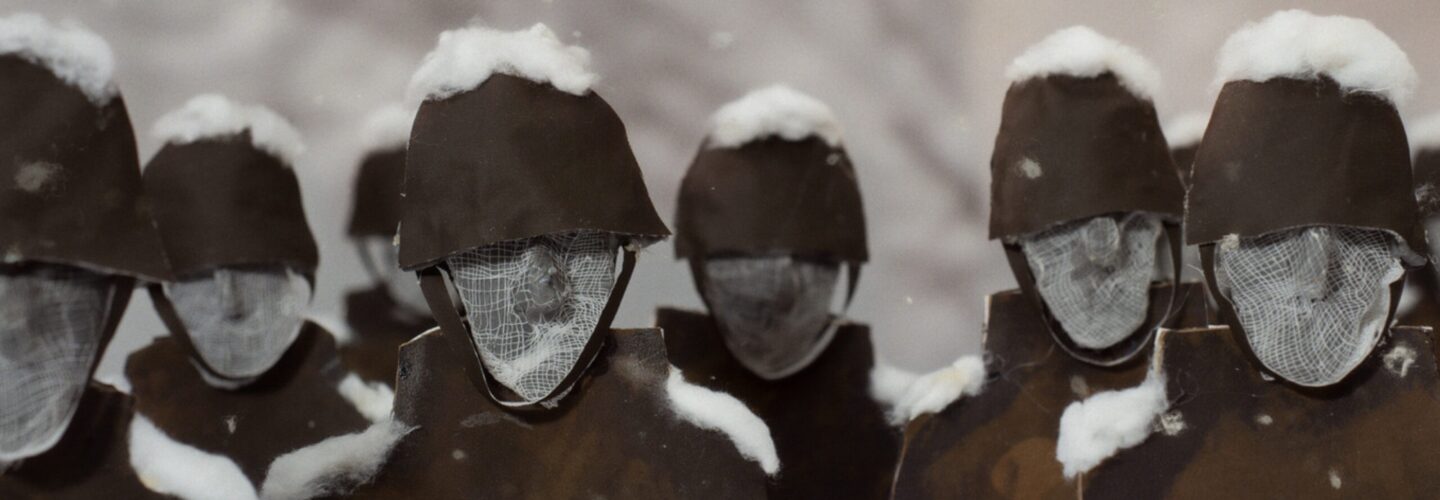
Natalia Mirzoyan’s Winter in March transforms the trauma of displacement into tactile poetry. Following a young Russian couple’s flight to Georgia after the 2022 invasion of Ukraine, the stop-motion puppet animation uses rough fabric, cardboard, and embroidery to craft a world that feels both handmade and hauntingly fragile. The deliberately awkward, trembling movements of Mirzoyan’s textile figures mirror the unravelling of lives torn from home. Every stitch and thread carries weight here—the coarse textures and their accompanying sounds embodying the friction of borders crossed, the fraying edges of identity left behind. Winter is March is a heartbreaking but splendid example of deeply personal filmmaking rendered in felt and fear.
Most Popular
No Mean City – Ross McClean
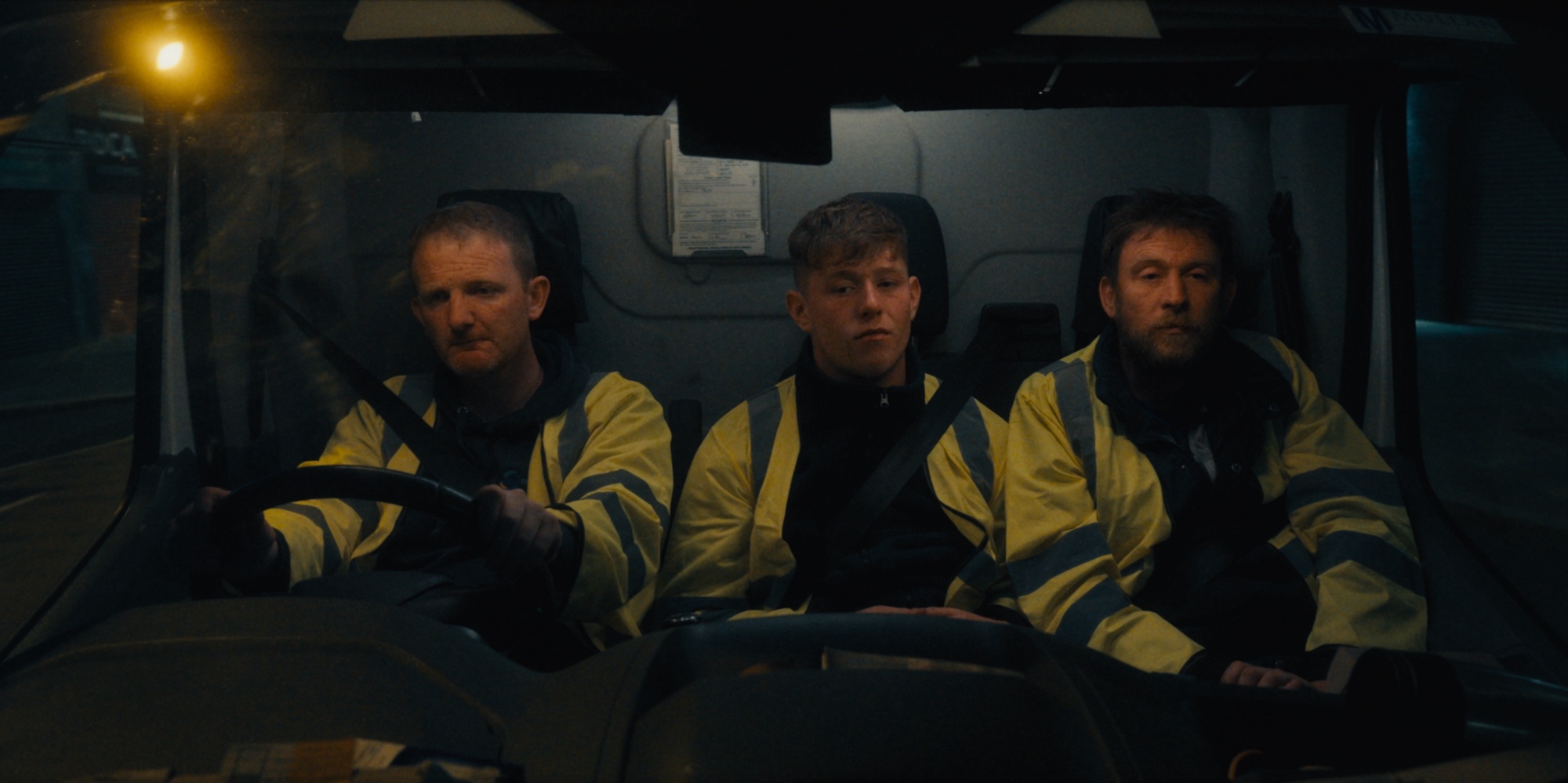
I was astounded by the profound poetry in Ross McClean’s No Mean City. Two workmen and their apprentice traverse Belfast by night, methodically replacing sodium streetlights with LEDs—warm amber pools extinguished one by one, giving way to clinical white glare. I was blown away by the exquisite cinematography, capturing both the quiet intimacy of the van cab and the gentle conversations between the men and the near-biblical eruption of an 11th Night Bonfire, whose cultural significance in the city sat silently against a skyline already dotted with cold LEDs. A meditation on progress, memory and what we surrender to it.
Sento – Noemie Nakai
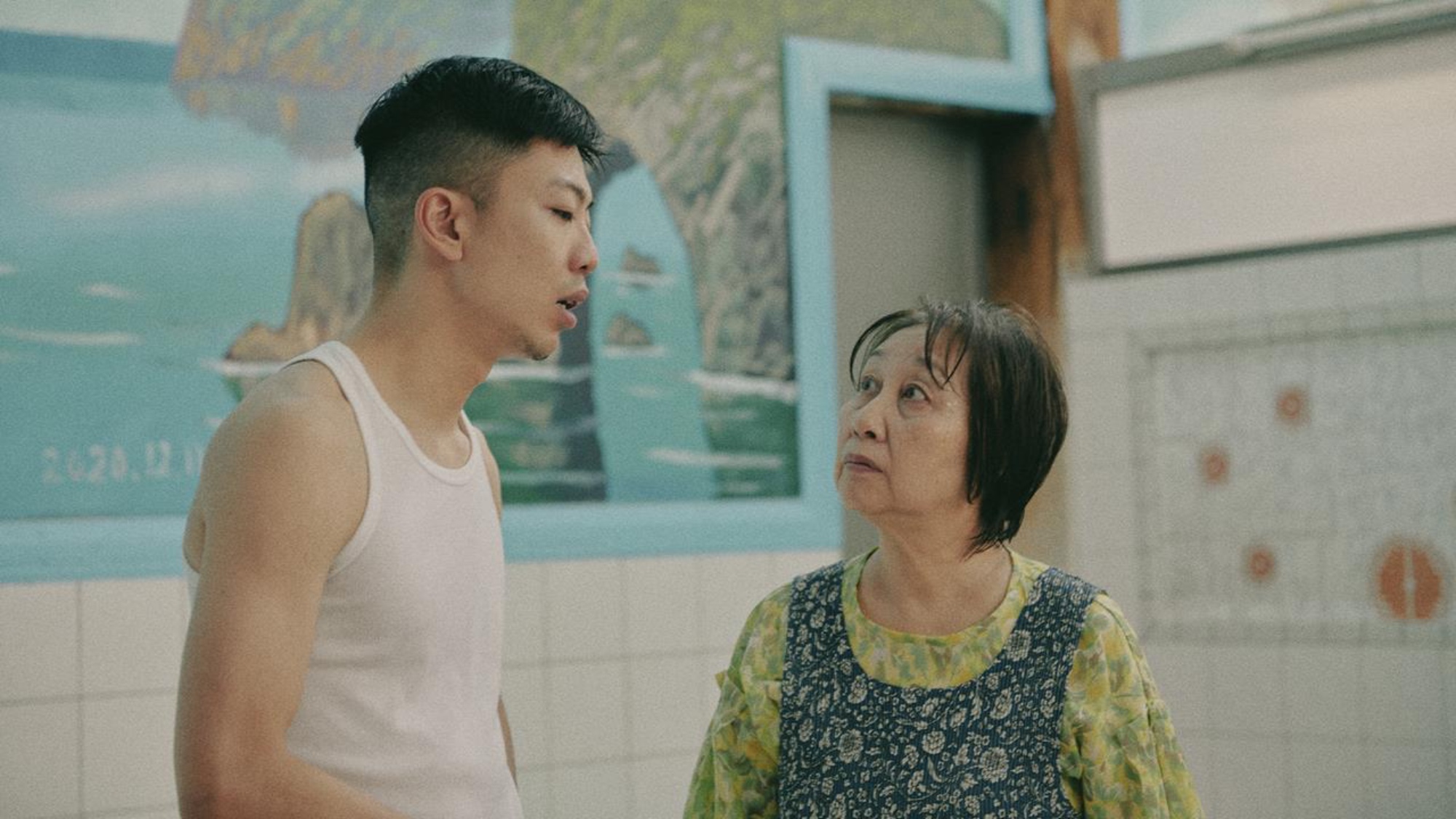
In Noemie Nakai’s tender Sento, the rhythm of a life is measured in a simple conversation. For four decades, Chieko has been the quiet guardian of her local bathhouse, her care for its worn tiles a silent language of devotion. Nakai’s camera, patient and graceful, honours this ritual. The film’s quiet but profound miracle occurring when Chieko finds a young man lingering past closing—not as an intruder, but as a kindred solitary soul. In that hushed, scared space, without grand speeches, a connection flickers. It’s a fleeting, perfect moment where two people, anchored by their own quiet loneliness, simply see each other. A beautiful, heartfelt reminder that understanding can be found at the most unlikely of times.
Norheimsund – Ana Alpizar
Ana Alpizar’s Norheimsund is an achingly tender, yet brutally clear-eyed study of hope and transactional desire. A story far too common and recognised, a young Cuban woman sees an older Norwegian man as her lifeline out of poverty and hopes harboured and whispered over with her mother suddenly crack with the revelation that she is not the only young woman in his digital orbit. Alpizar films this connection with intimate sensitivity, never judging her protagonist’s yearning but poignantly exposing the global politics where vulnerability becomes a currency and escape a cruelly dangled commodity.

Sousou’s TikTok – Sondos Shabayek
Shot natively in vertical format, Sondos Shabayek’s SouSou’s TikTok transforms the familiar scroll into something deeply unsettling. A Cairo housewife’s bubbly livestream—hawking bridal creams and lingerie in secret from her husband—fractures the moment he enters off-screen. What begins as performative salesmanship curdles into a portrait of domestic coercion, the phone screen becoming both escape hatch and trap. Shabayek’s formal choice isn’t a gimmick but a necessity, implicating us as passive viewers in the horror unfolding between the hearts and comments.
Strangers in the Same Shirt – Anthon Chase Johnson
I often find myself drawn to studies of family and siblinghood and found myself lost in Anthon Chase Johnson’s Strangers in the Same Shirt. Cutting through the performative warmth of a wedding to find something genuinely tender, estranged siblings Matt and Haley circle each other warily at their father’s third marriage—related by blood, connected by nothing. Johnson takes his time, letting awkwardness breathe and defences slowly lower, until an unexpected moment of solidarity emerges from the forced family choreography. It’s a quietly devastating reminder that kinship isn’t inherited, it’s built.
Erogenesis – Xandra Popescu
What happens when five scientists hold humanity’s survival in their hands and simply… don’t feel like it? Xandra Popescu’s Erogenesis is gloriously strange—a post-apocalyptic fable where queer researchers develop technology to save the species, then table the discussion indefinitely in favour of studying pleasure instead. Popescu manages an impressive equilibrium between taking herself very seriously and having a lot of fun, landing somewhere between B-movie mad science and feminist theory seminar. The end of the world has never felt so languid, so playful, so defiantly unconcerned with its own stakes.
Balconada – Iva Tokmakchieva
Animation’s capacity for pure, unfiltered joy is on full display in Iva Tokmakchieva’s Balconada. Five neighbours occupy their own private worlds on a sweltering summer day—an uninspired flautist, an overworked mother, a distracted griller, a shy florist, a headphone-wearing teenager—until a sudden rainstorm breaks the spell. Tokmakchieva orchestrates a moment of collective magic as music becomes connective tissue between strangers. This is where I find animation at its most generous: small worlds, big feelings, pure delight.
You can find more unmissable DN film festival favourites in our Best of Fest collections.