When we think about low-budget independent filmmaking, our first instinct might be to imagine grounded, realistic narratives set within recognisable worlds. However, after years of speaking to the filmmakers who make these films, we’ve learnt that it’s often those working with the greatest restrictions who have the biggest imaginations, finding ways to create worlds that far exceed the resources available to them. Craig Bingham’s FARANOOKA is a perfect example. Set in a world where darkness reigns, until a child’s introduction brings with it the first light this universe has known, it’s an ambitious piece of world-building that feels considerably larger than the production behind it. With Bingham using these limitations as a creative opportunity rather than a constraint, the result is a short that feels less like a complete world than an intriguing glimpse into a much larger one.
With that in mind, we invited DN alum Bingham to join us to discuss his plans for expanding the world of FARANOOKA, the importance of light within its visual and narrative universe and why he believes “restraint breeds creativity”.
Hi Craig – we’re excited to talk to you today about your truly striking short film, FARANOOKA and I wanted to start right at the beginning. The film opens on a black screen with eight simple lines of text introducing us to the universe of the short. Given how visually explosive the film becomes, what made you choose such a restrained form of exposition to introduce this world?
Initially, I wanted to throw the audience straight into a story that felt charged with emotion, without giving them any context. I liked the idea that you had to find your feet in this world and work out what was happening for yourself. But after finishing the film, my producer, James Baines, and I felt the story needed a little more context to bring the audience into the space. There’s a history to FARANOOKA and I wanted to give the audience just enough of that history to understand that what they’re watching is part of something much bigger. For me, the opening text is a way of doing that without slowing the film down. It gives you the mythology, but then we can let the visuals and the performance take over.
It’s clear from this opening that sound plays an important role in the world-building of FARANOOKA. We hear our hero before we see him, while the film’s evil presence is often communicated through sound rather than image. How early in the film’s conception did you decide to put such a strong emphasis on sound and how did you work with Hugo Ellingham to develop its sound design?
I always knew that sound would play an important part in the film, especially given that you never actually see the creature Angbor is hunting. Looking back, I never expected the project to become quite as experimental as it did, but as soon as I got into the edit, it was clear that the sound, the silence and the otherworldly chants were essential to bringing the audience into the space. So we decided to really lean in and create a bed that felt jarring and unpredictable.
It gives you the mythology, but then we can let the visuals and the performance take over.
It took weeks and countless days of Hugo and me experimenting and playing with different sounds to find something that felt raw and immersive. It was not easy. We wanted the sound to throw you into this world without forcing a particular emotion. It needed to create a sense of unease. This for me, was the hardest thing to execute. Hugo went above and beyond, completely leaning into the madness of the world we were creating to bring it to life. There was a lot of experimentation, a lot of things that didn’t work, but that process was really important to find something that felt unsettling and immersive.
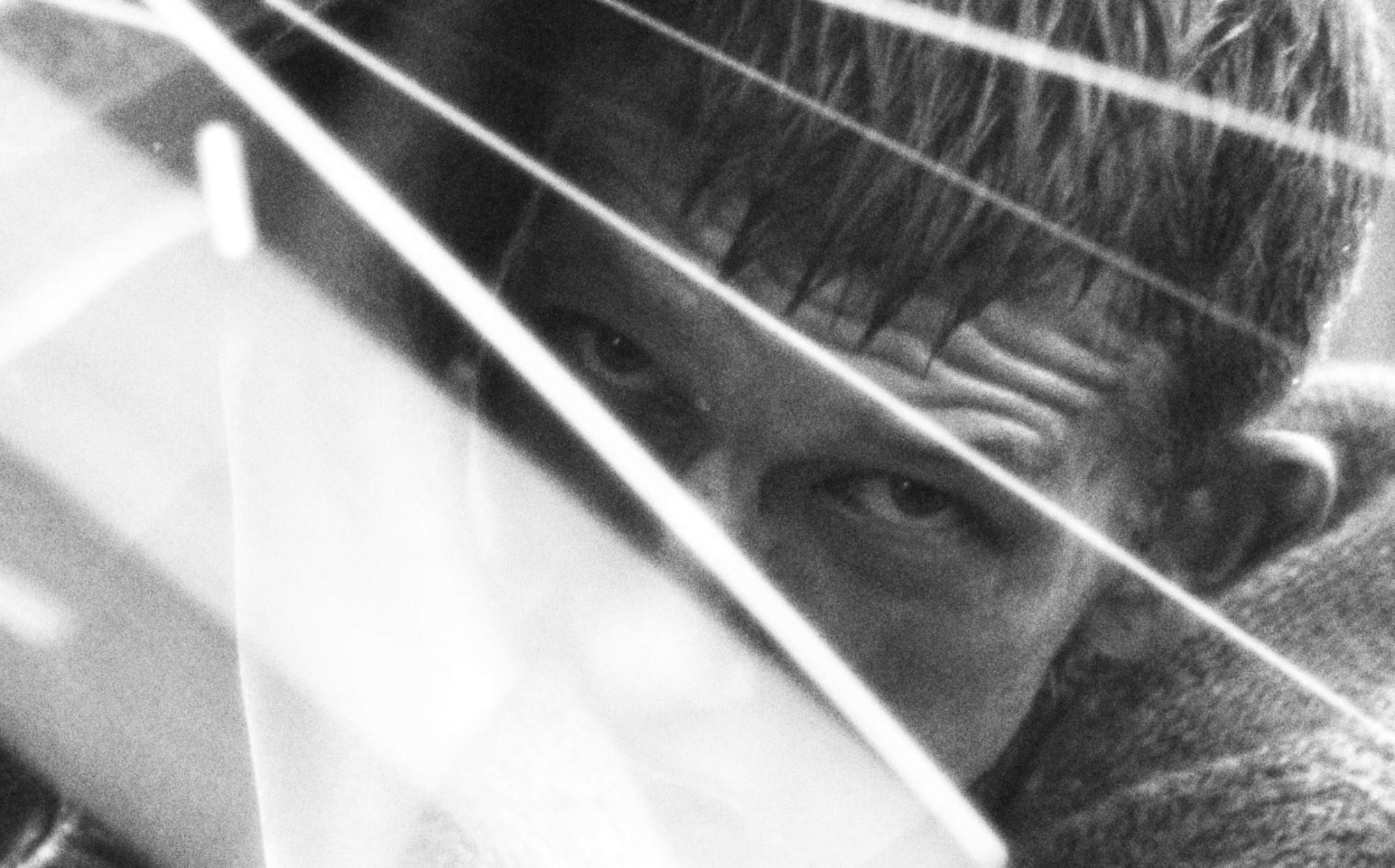
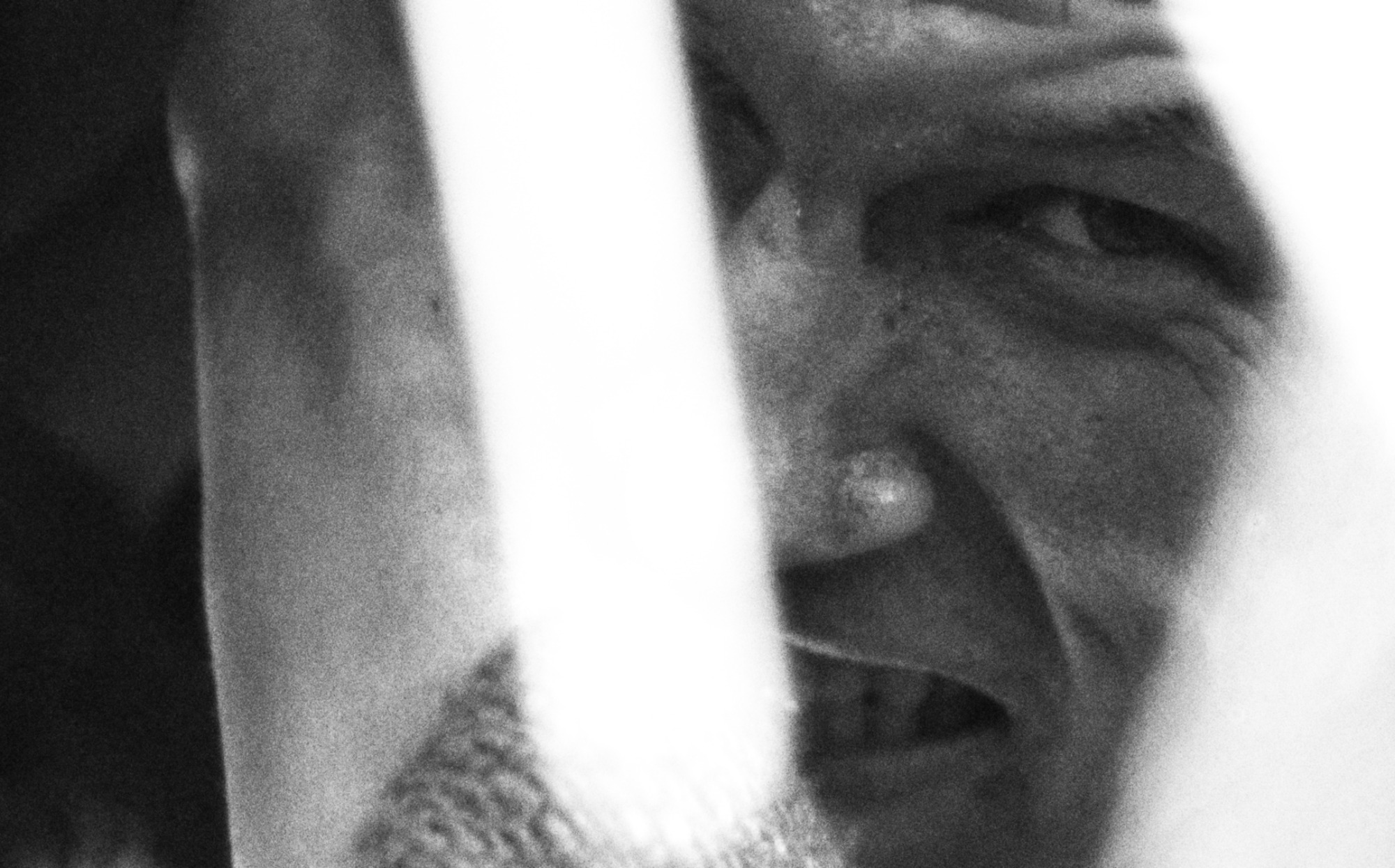
As we’re immersed in your universe, one of the first things we see is a blinding white light and throughout the film light plays an important role in establishing its world. What drew you to light as such a central element of the film’s visual language and mythology?
The story of FARANOOKA is set in a shrouded land – a land covered in darkness. Only now, with the arrival of FARANOOKA, is the land beginning to experience the true beauty of light. It’s a story inspired by Dante’s Inferno, travelling into the deepest depths of hell before emerging on the other side, into the light. Our lead must descend into darkness in order to find the light – something I think we can all relate to in some way. So light became more than just a visual element; it became part of the mythology of the world and a symbol of hope and love.
As a filmmaker, I’m drawn to simplicity. I’m also a realist and I was very aware of what we wanted to create and how we could achieve it. I try to only imagine things that I genuinely feel are achievable for me as a filmmaker. Light felt like a simple but powerful cinematic device.
Most Popular
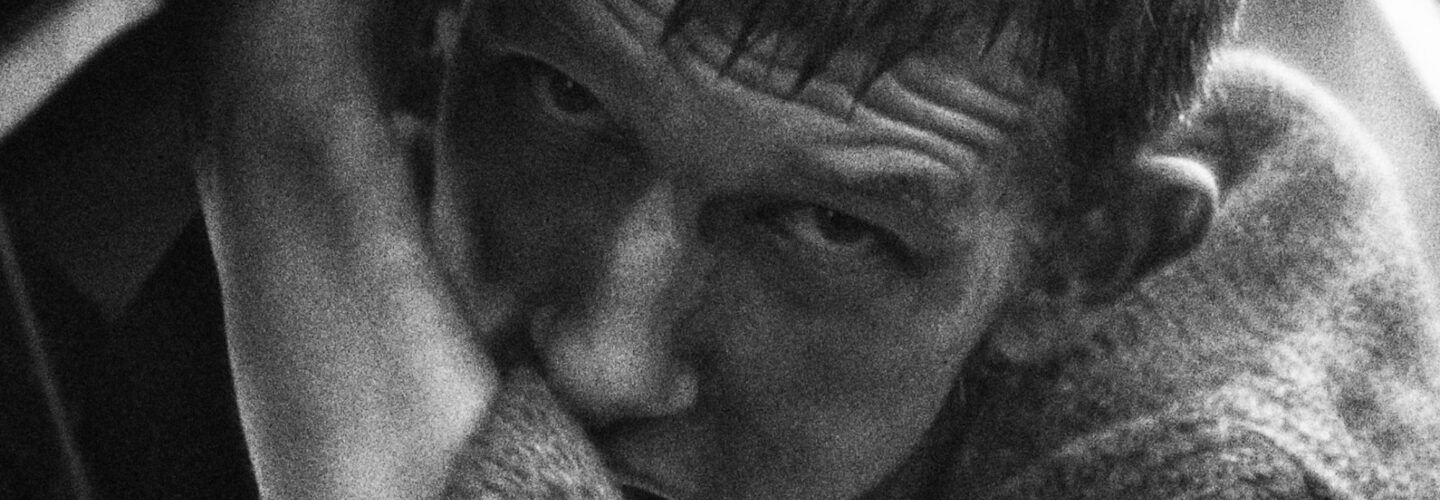
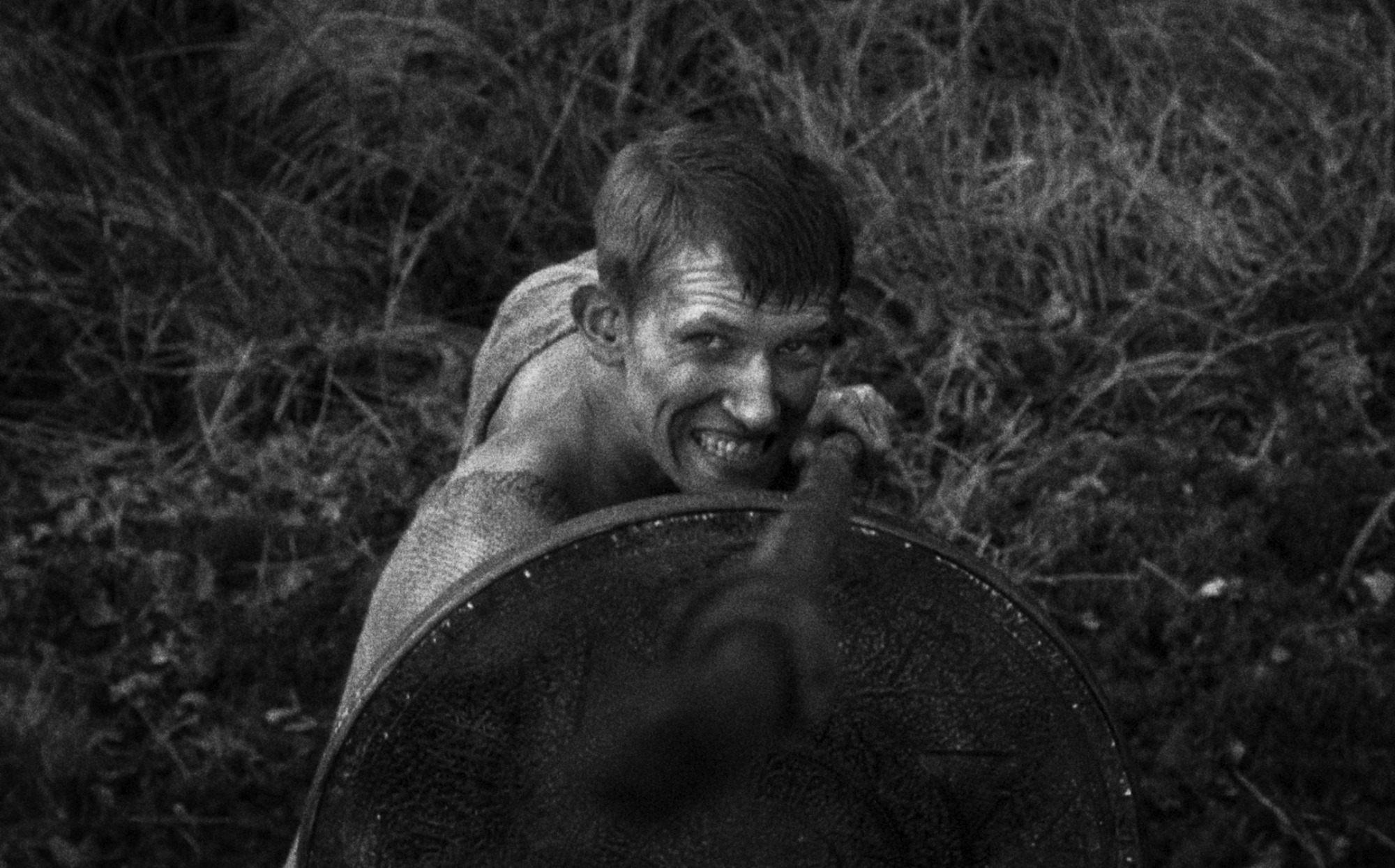
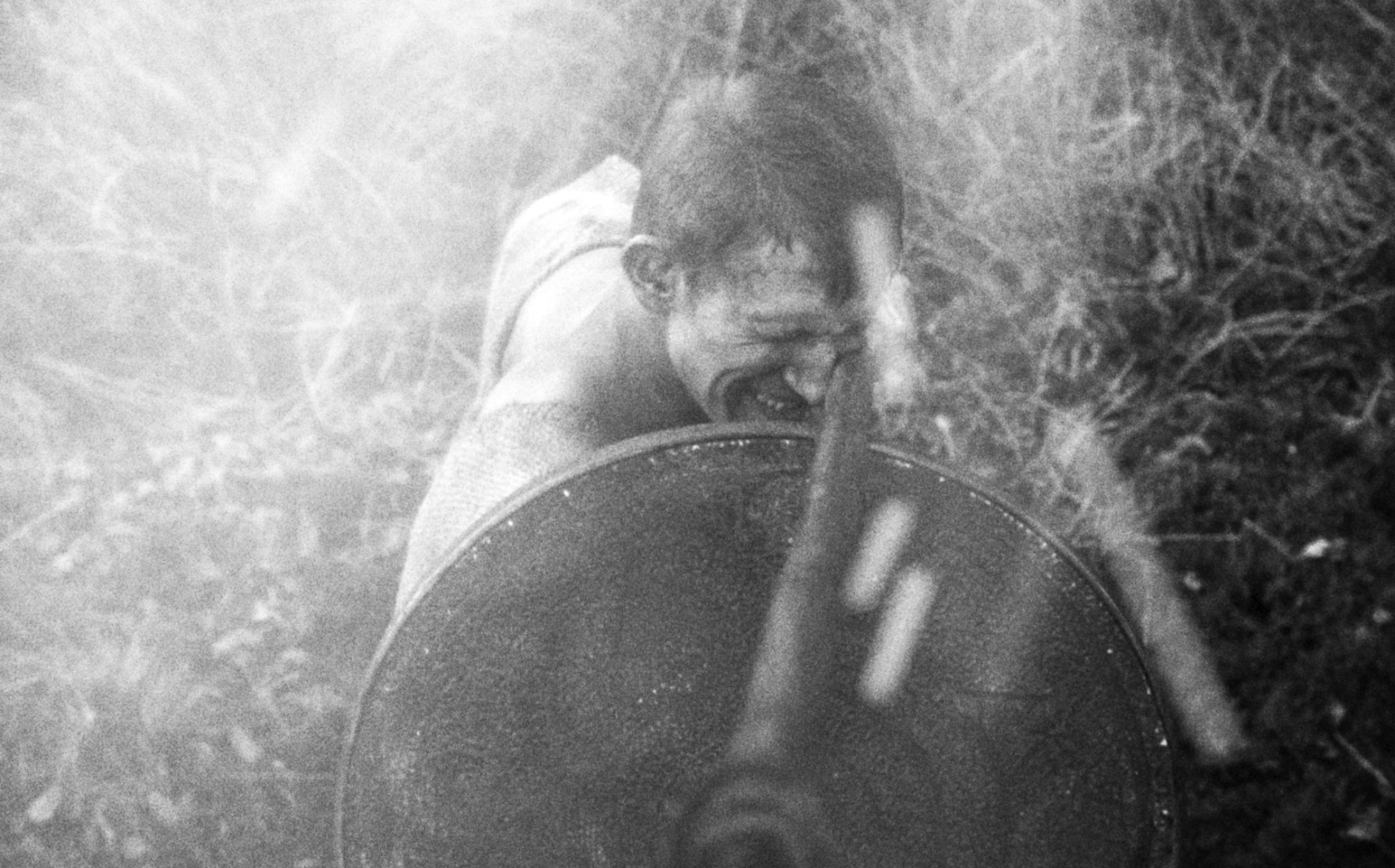
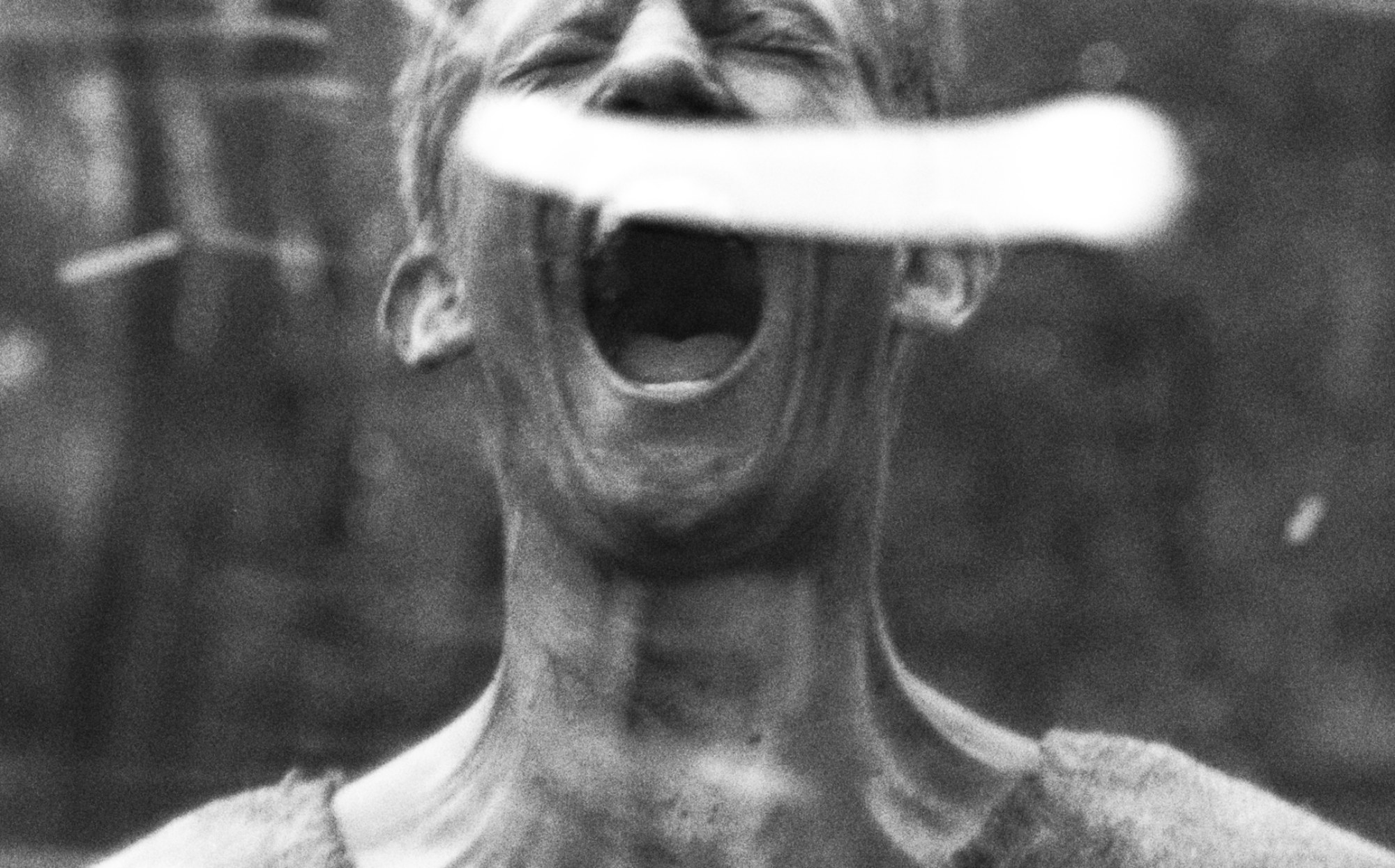
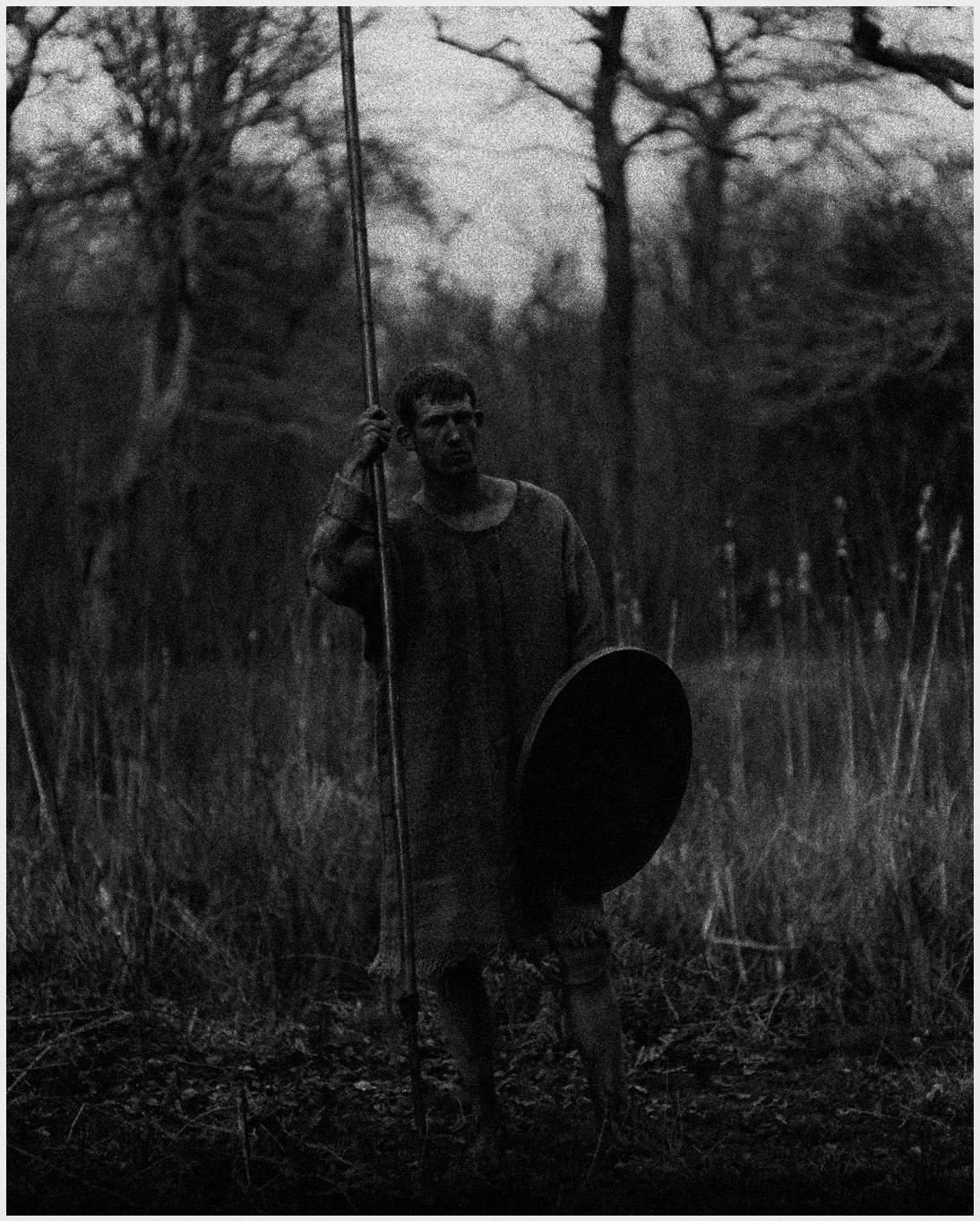
After we’re almost assaulted by that bright light, we’re confronted with a shot of your hunter hero, Angbor, screaming directly at the camera with his shield and spear raised. Bringing him to life is a captivating, physical performance from Connor Newall (28 Days Later). How did you work with him to get into the headspace of Angbor and make this complex universe feel tangible through his performance?
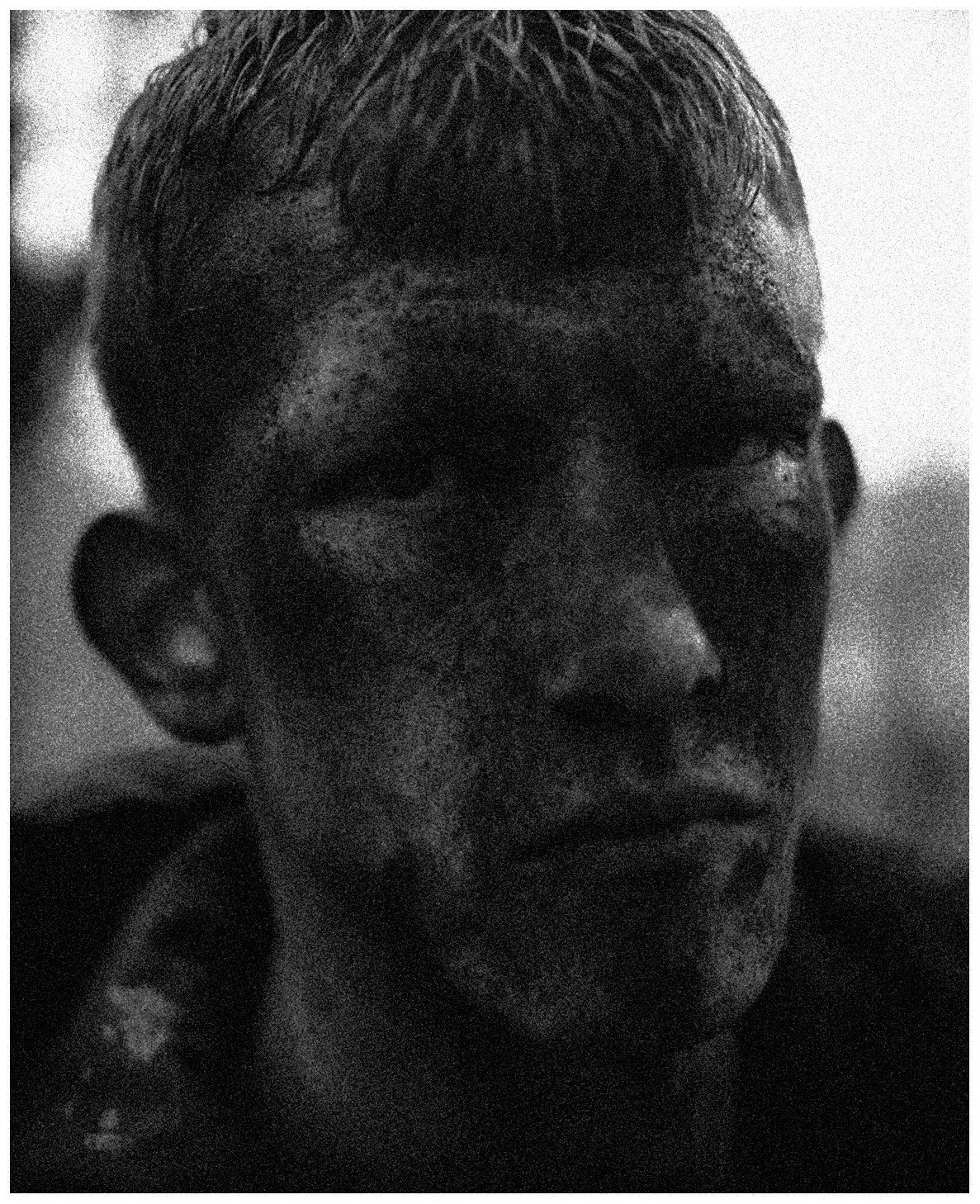
Conor Newall is a vulnerable actor. On his audition tape I saw a deep-rooted rage in his performance, it gave me goosebumps and I really wanted to explore that. It sounds strange, but at times being on set felt like a bit of an acid trip. I was shouting in the woods just as much as he was, trying to make him feel the space and react to the world we were creating. I think we all became completely immersed in the story.
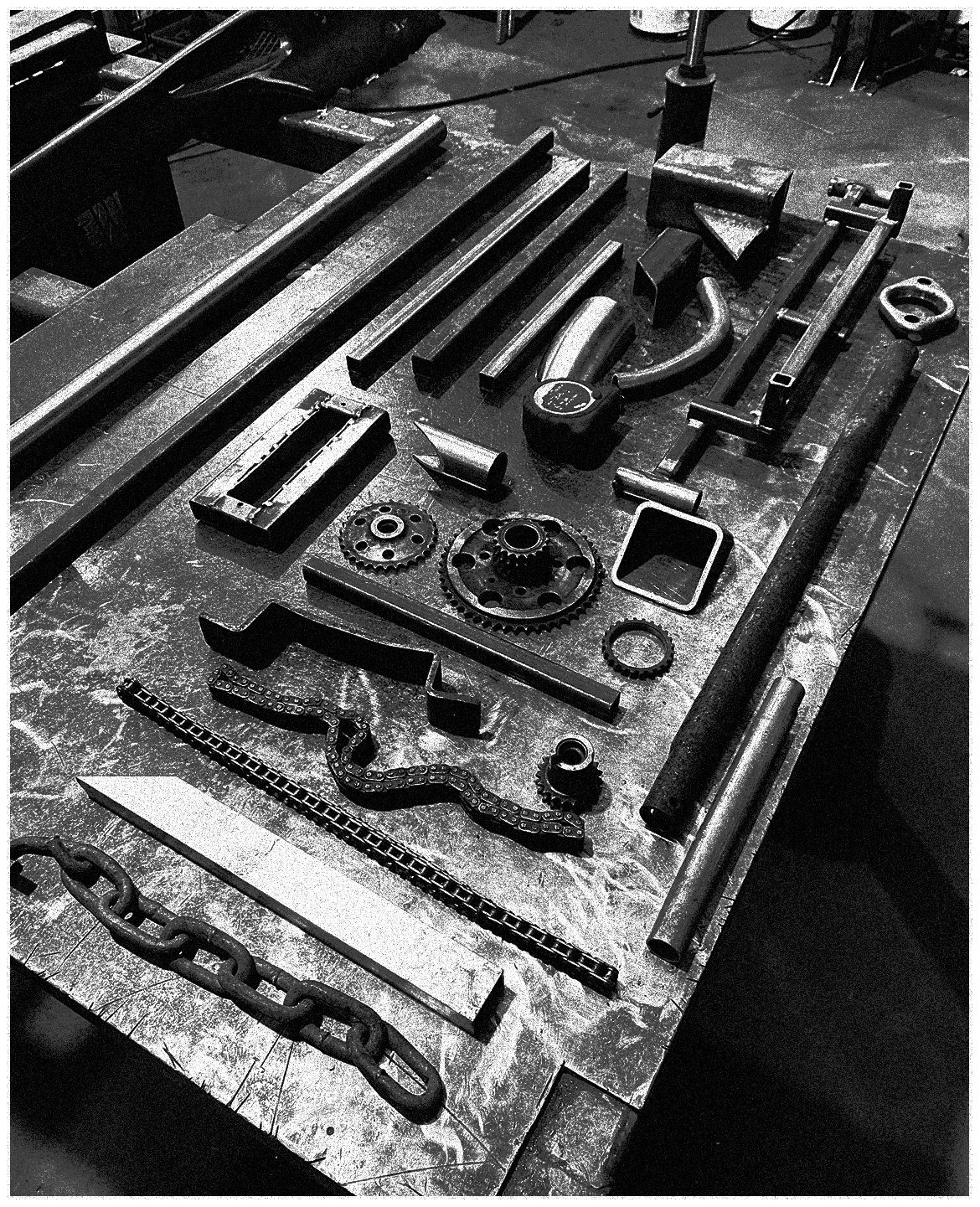
The light you see passing over his shield in the final scene is actually hot shards of metal from an angle grinder. It was real, and it felt dangerous and you can see that on his face. There was a real sense of danger in that moment, and I think that helped make the performance feel as raw as it does. With every take, I asked more of Conor, and every time he gave it to me. He completely laid himself bare and I’m all about that – don’t hold back.
Light felt like a simple but powerful cinematic device.
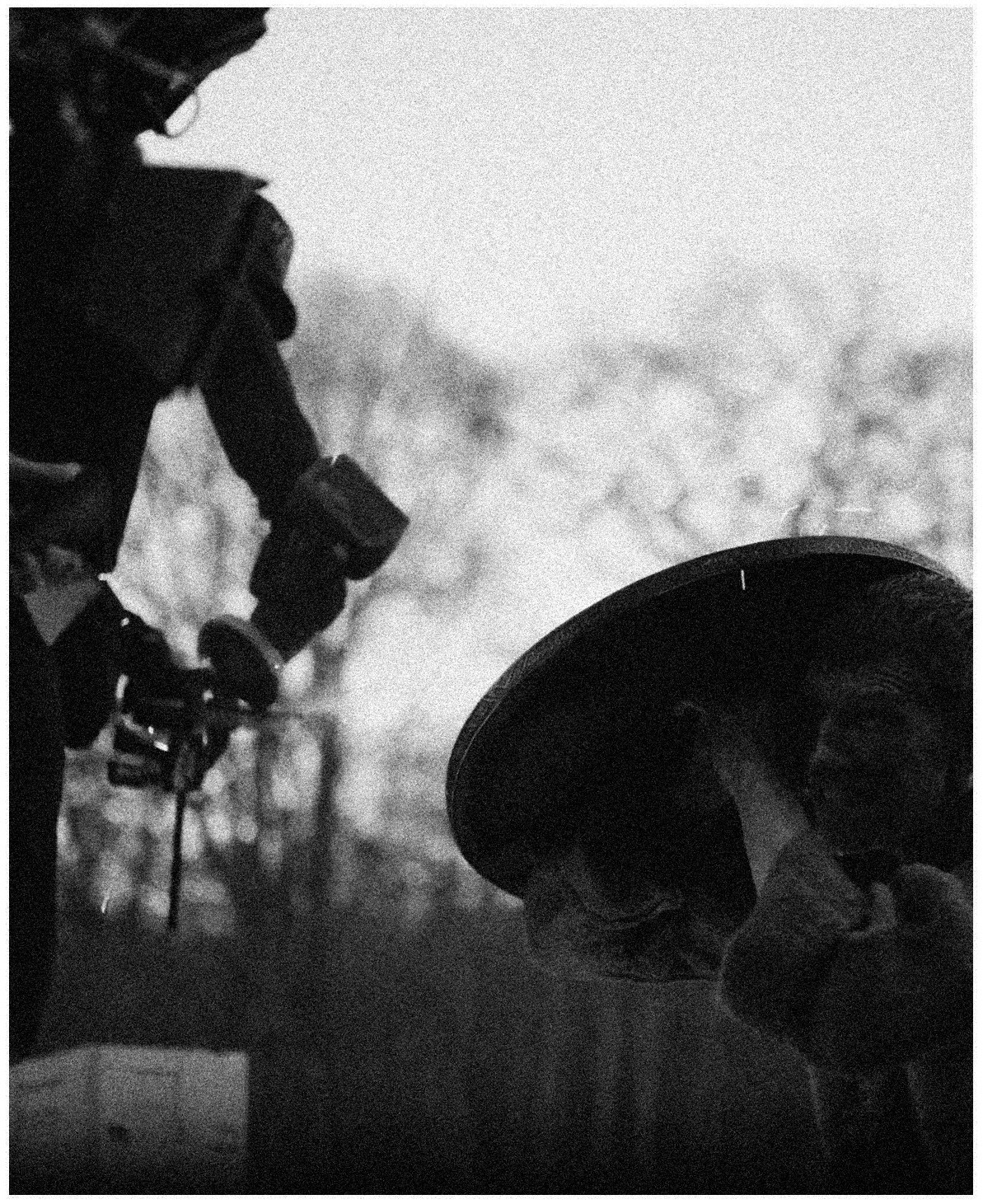
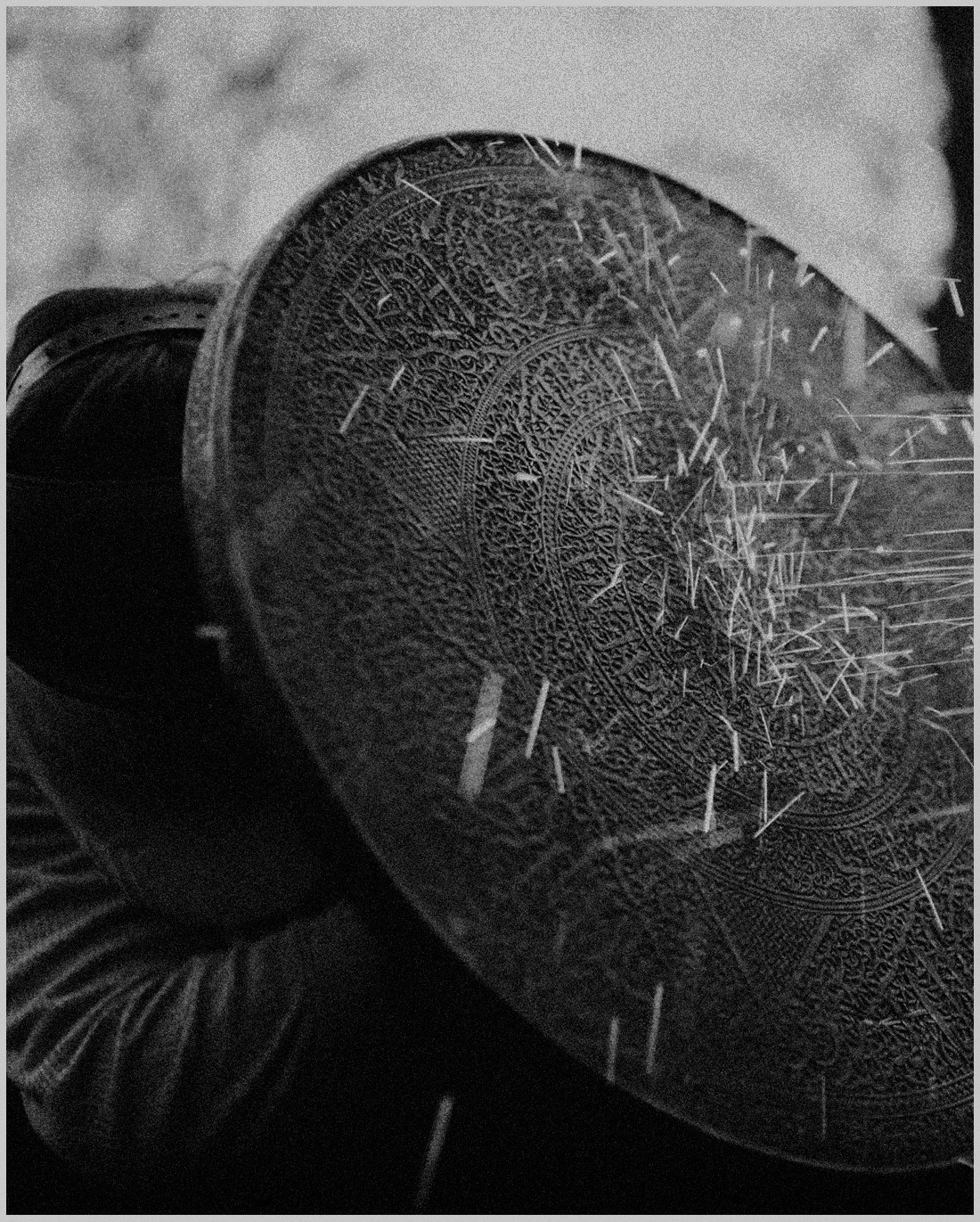
Another thing that immediately strikes you in these opening shots is the stark black and white photography. Rather than feeling like a stylistic gimmick, it gives the film a sense of timelessness and adds to the feeling that we’re witnessing a fragment of a much larger mythology. How did you work with DoPs Joey Knox and Adric Watson to establish the film’s visual language and what ultimately led you to black and white?
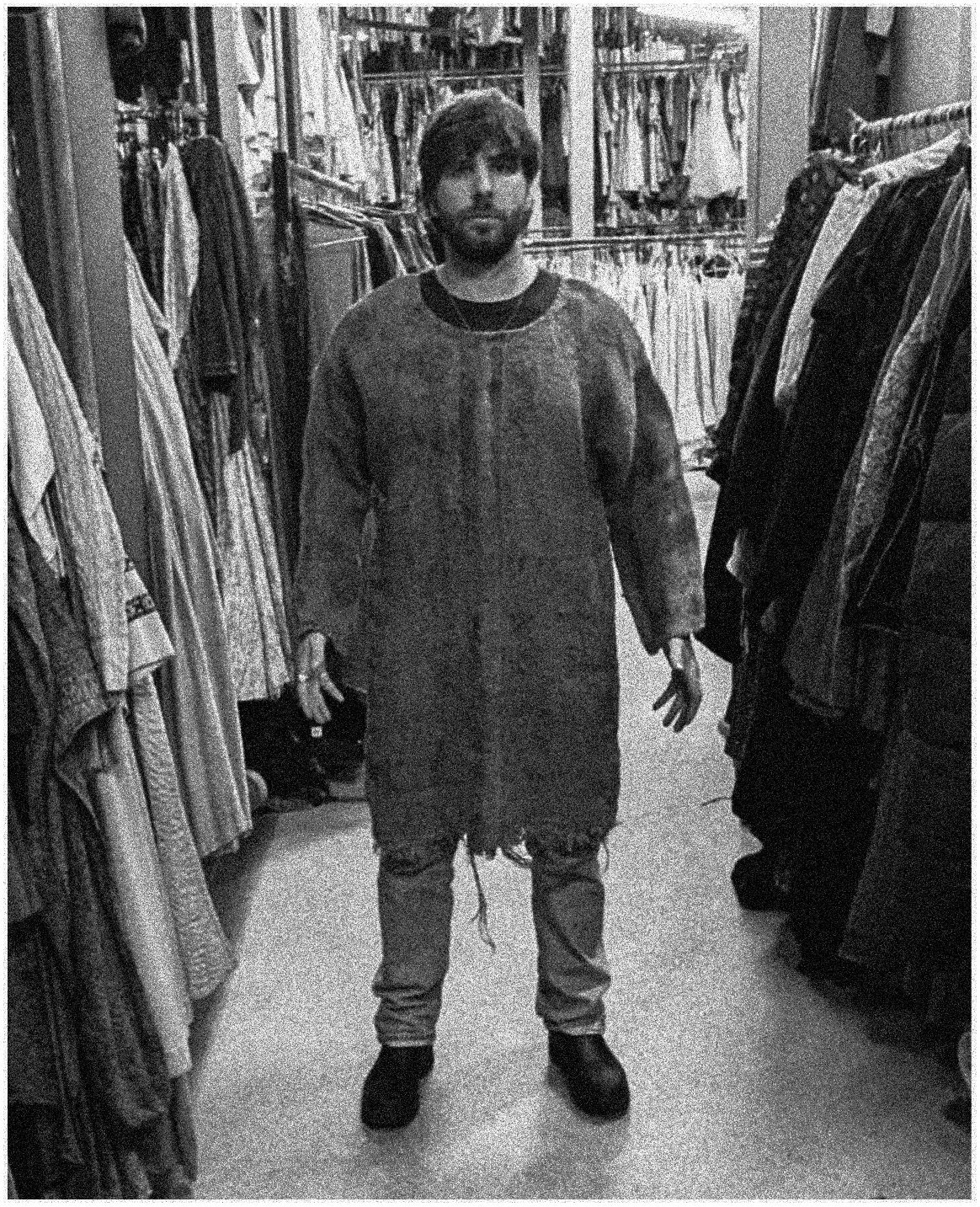
From the get-go, we always imagined FARANOOKA having a metallic edge. We didn’t want the film to feel overly stylised or polished; it needed to feel real, with a raw, gritty quality. Joey and Adric are both incredible DoPs. They both have a raw style and approach to photography, and they can tap into the most intimate scenes just as easily as the most explosive. Our visual approach to storytelling is very much in sync. The references we drew from were films such as The Seventh Seal (1957), Stalker (1979) and The Silver Globe (1988). They all explore a supernatural presence, but they also have this gritty, real kind of DNA embedded within them. That was something I really wanted to bring into FARANOOKA.
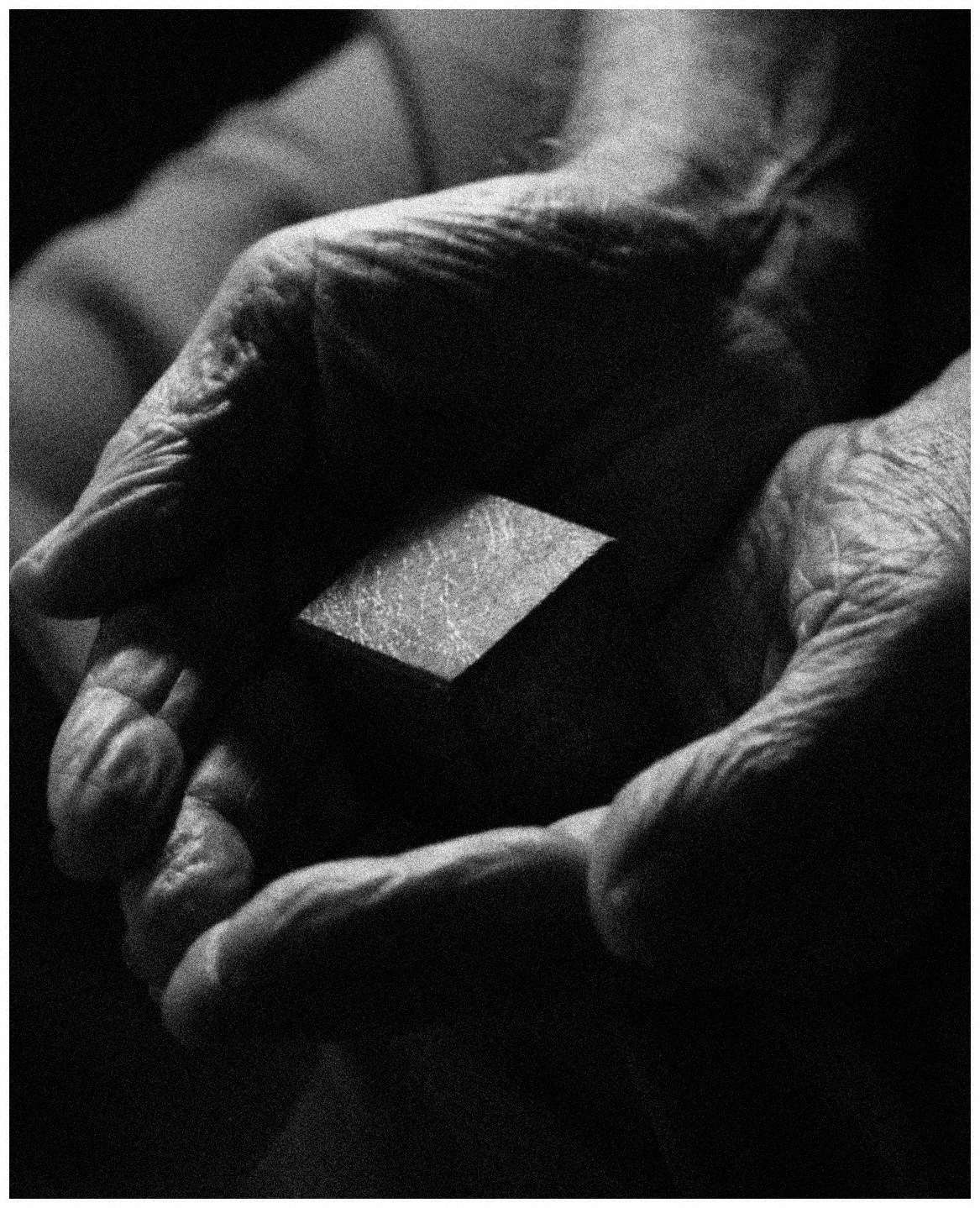
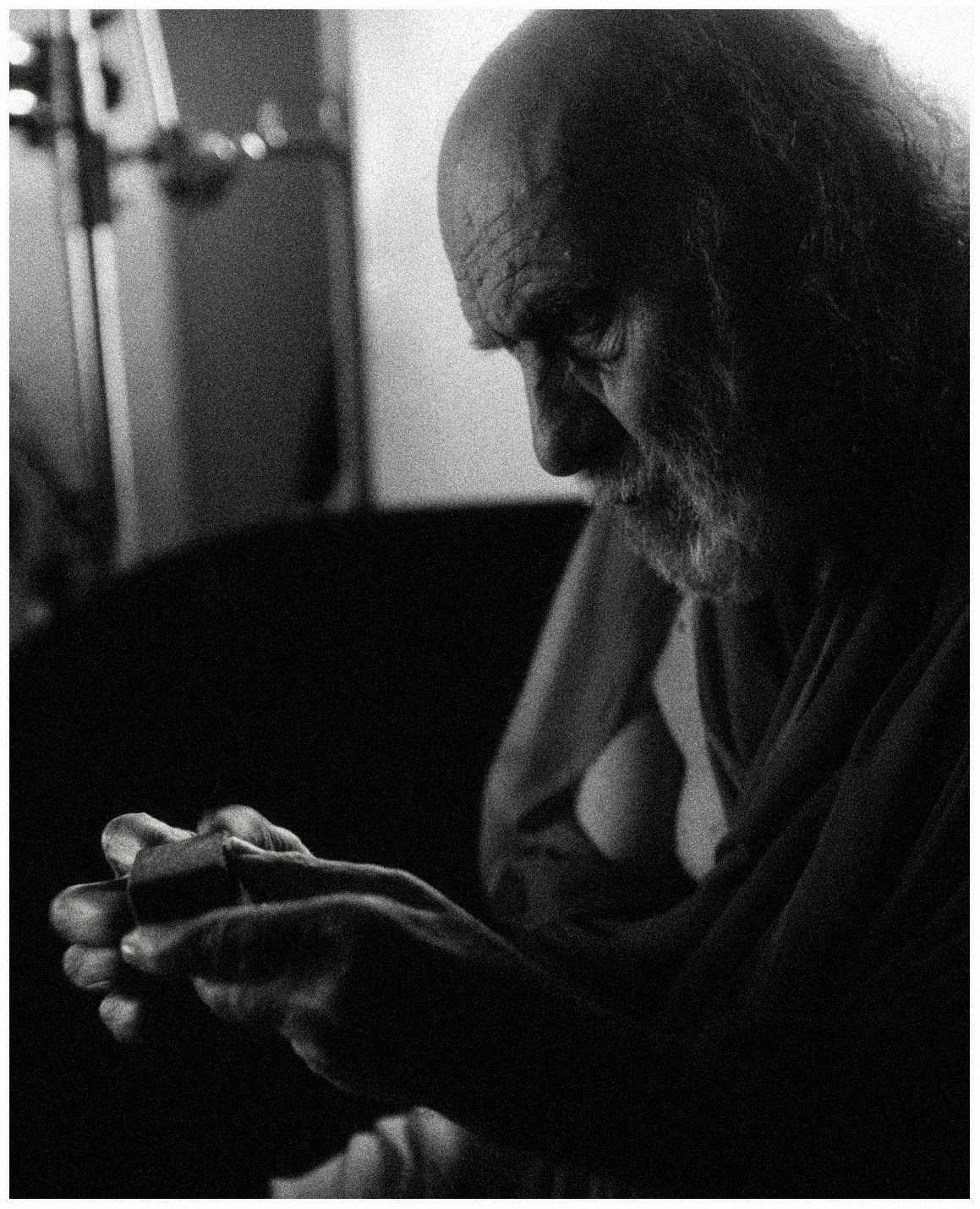
Adric shot the intimate, dark studio scenes with actor Robert Goodman, while Joey shot all of the outdoor sequences – both using the ARRI Alexa 35 in Super 16 mode with Zeiss MK3 Super Speeds. We kept the lighting to a minimum. All the outdoor scenes were shot using natural daylight, alongside the light and sparks from the angle grinder on set. We talked about the film feeling like a rusty blade – rough, raw and worn. And I think Joey and Adric really captured that.
Then, in the grade, Toby Tomkins really brought that chrome-like quality to life, leaning into our references. For me, it was about finding that balance between something feeling metallic but also something that felt dirty. I always like to keep things stripped back and let the cast and performances do the heavy lifting. With FARANOOKA, we doubled down on that.
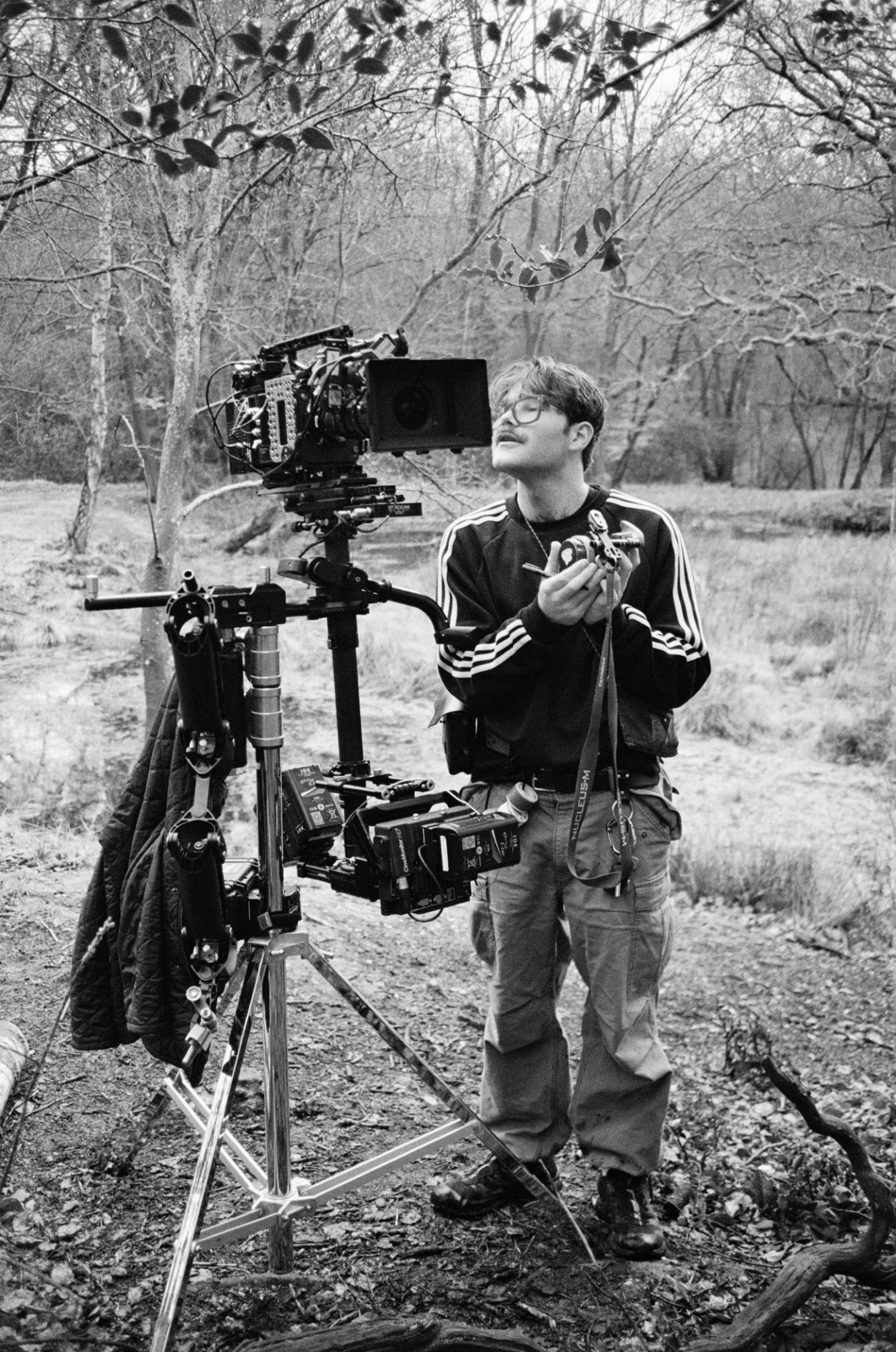
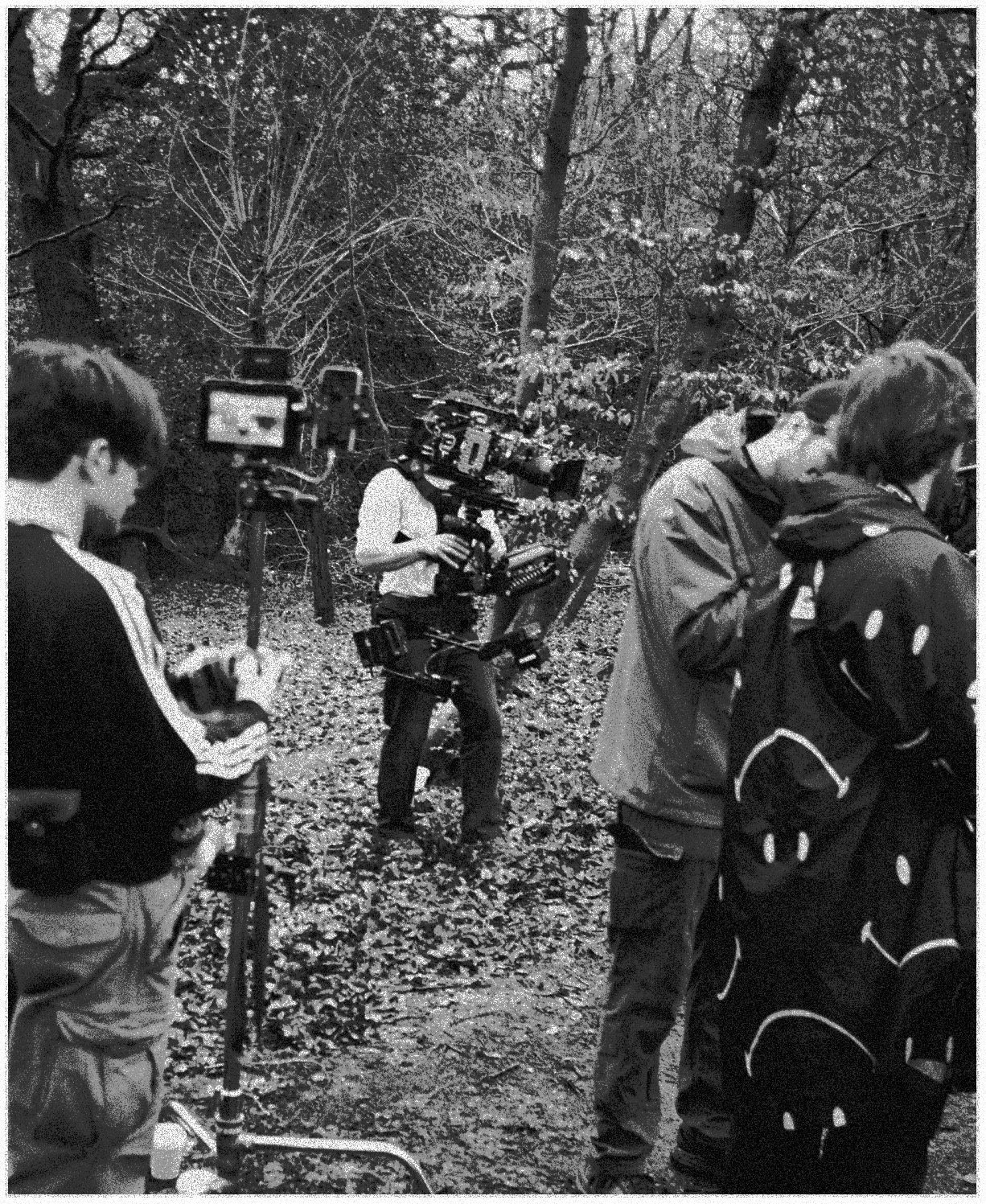
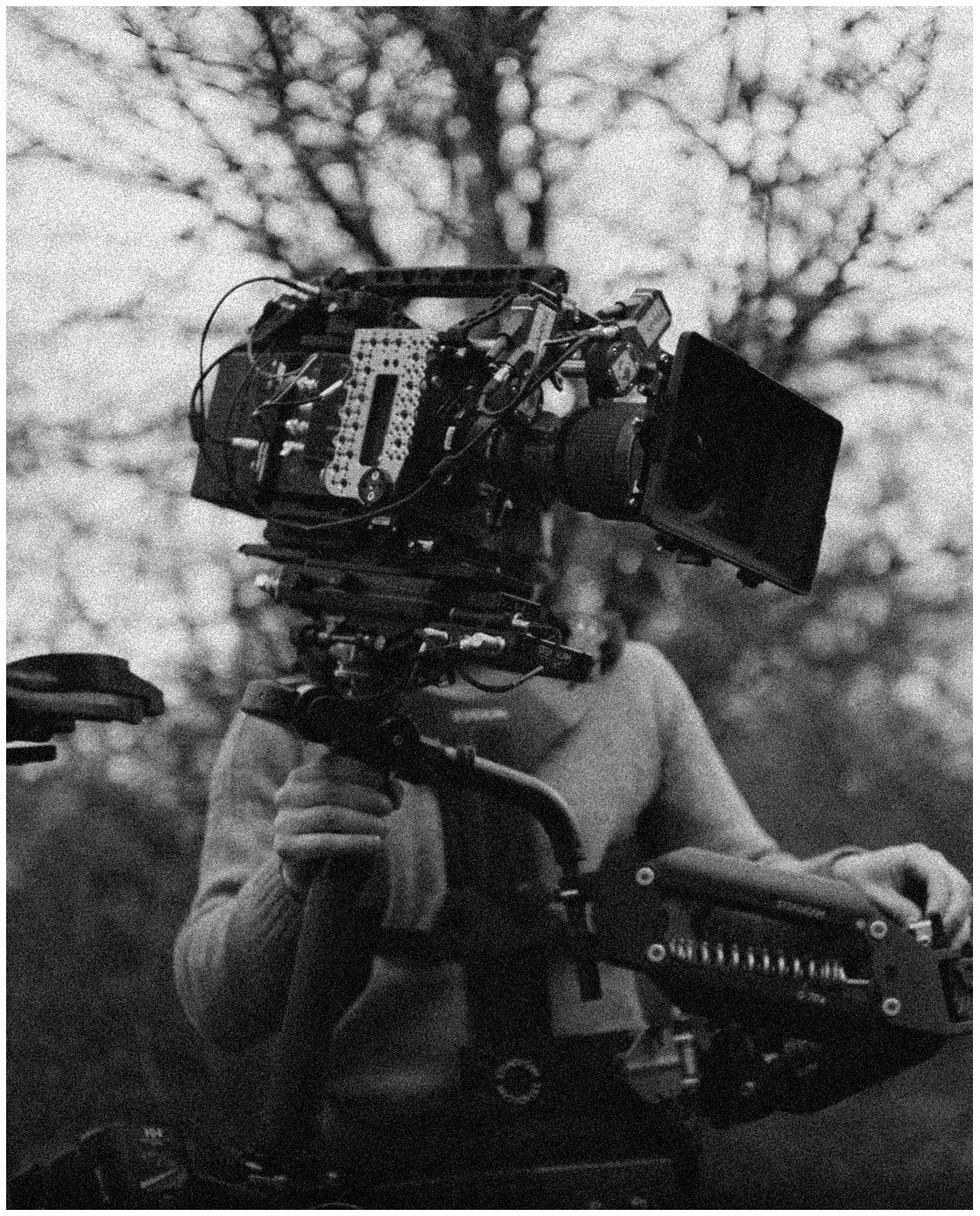
One of the things I particularly admired when discussing FARANOOKA with the Directors Notes team was how effectively the film builds such an impressive universe without showing us everything. We’re often given close-ups of characters’ faces, while the larger battles and threats happen just beyond the frame. How much of that restraint was an aesthetic decision and how much was shaped by the practical realities of making the film? Did you ever consider showing more or was withholding that information always part of your vision?
I’m a big believer that restraint breeds creativity. All of my favourite films show less and I’ve always been drawn to that. Yes, from a practical point of view, we had a very limited budget, but that was never the reason I was forcing myself to work this way. It was a creative choice. My previous film, IRONSTONE, is about two men entering a pit, knowing that only one of them is going to get out. It taps into violence and what I learned from making that film is that you don’t necessarily have to see the violence to feel it. Sometimes the emotion on someone’s face can tell the story with so much more depth.
I think it’s important to make the audience work. I’ve always tried to lean into that. I want the audience to fill in the gaps themselves, to imagine what they’re not being shown. For me, that’s when cinema gets exciting.
That sense of withholding also makes the world feel considerably larger than what we see on screen. From your director’s statement, I know the short is “part of a much bigger story”. How much of FARANOOKA represents a glimpse into a larger mythology that you’ve already developed and where would you like to take that story next?
I want to take the story into a much larger world. The short is really just a glimpse into a much bigger mythology. I want to explore the birth of this dark land, its people, where this darkness came from and what happened after Angbor lifted his shield into the blaze. There’s a much bigger world sitting behind what we see in these few minutes.
I want the audience to fill in the gaps themselves, to imagine what they’re not being shown. For me, that’s when cinema gets exciting.
The feature would allow me to explore that world and the relationship between Angbor and Faranooka in much more depth. This isn’t a classic hero’s journey. It isn’t even clear whether Faranooka is Angbor’s to save. As an audience member, you naturally root for our protagonist, but as this story unfolds, it becomes clear that saving Faranooka might not necessarily be the right decision – it might actually be a selfish one. That’s something I want the feature to explore in a much deeper way, tapping into themes that feel very relevant to the world we live in today. At what cost do we keep pushing until we lose the thing we love the most?
Given the scale of the world you’ve created, what would expanding FARANOOKA look like for you? Are there particular characters, locations or elements of this mythology that you’re especially keen to explore in future?
There are characters and stories within this world that we’ve only hinted at. The larger story would explore the history of the land, what it looked like before Faranooka arrived, and how her arrival changed the community that lived there. Angbor’s relationship with Faranooka is also at the heart of the larger story. I can already see how I’d like to approach that.
I want every new location and character to tell us something about the mythology and push the story forward.
Visually, I’d love to take the world beyond the woods and into the wider landscape. I want to see the places that have been shaped by this darkness. But I’d still want to retain the grounded, tactile, raw quality of the short. I don’t want to make the world bigger simply for the sake of scale. I want every new location and character to tell us something about the mythology and push the story forward. For me, the exciting thing is that the short only opens the door. There’s a much bigger world on the other side of it and I’d love the opportunity to step through.
Before we wrap up, are there any other projects on the horizon you’re excited about that you can share with us?
I’ve just wrapped a small film with Tetsuro Shimaguchi, the samurai artist who choreographed the fight sequences in Quentin Tarantino’s Kill Bill films. It’s called Practicing How to Die, and it reflects on Tetsuro’s relationship with his cultural heritage of the samurai. Revisiting his childhood, he confronts the idea of the glorious death he once imagined but will never receive. Instead, he transforms that longing into performance, repeatedly enacting death on stages around the world. The film pays tribute to Tetsuro’s work as a choreographer on Kill Bill, drawing heavily on the visual language and legacy of Japanese cinema, but with my own fingerprint on it. It’s been a really special project to make and an opportunity for me to explore the space between documentary, narrative and performance.
Finally, this is a question we ask all our featured filmmakers: what’s one short film by another filmmaker that you’d recommend to our audience, and why?
I’d recommend watching Other Life by Tom and Theo Tennant. It’s a documentary that follows two best friends investigating UFO sightings across South Wales. It’s a really beautiful film with a genuine human touch, whilst still tapping into the supernatural. I absolutely loved it. Watched it several times now.