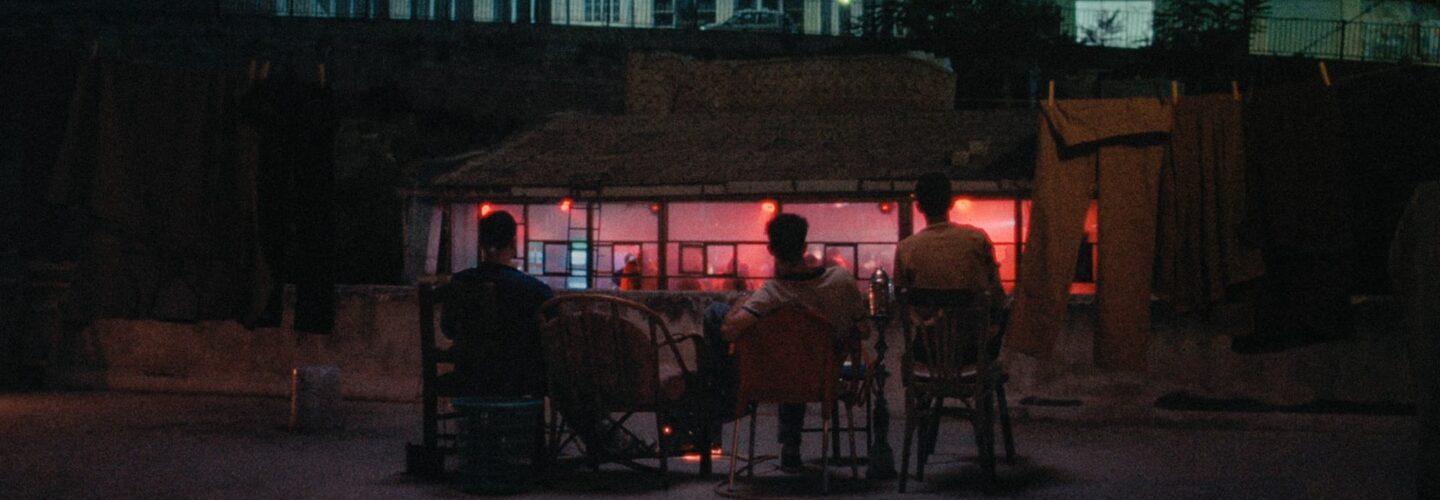
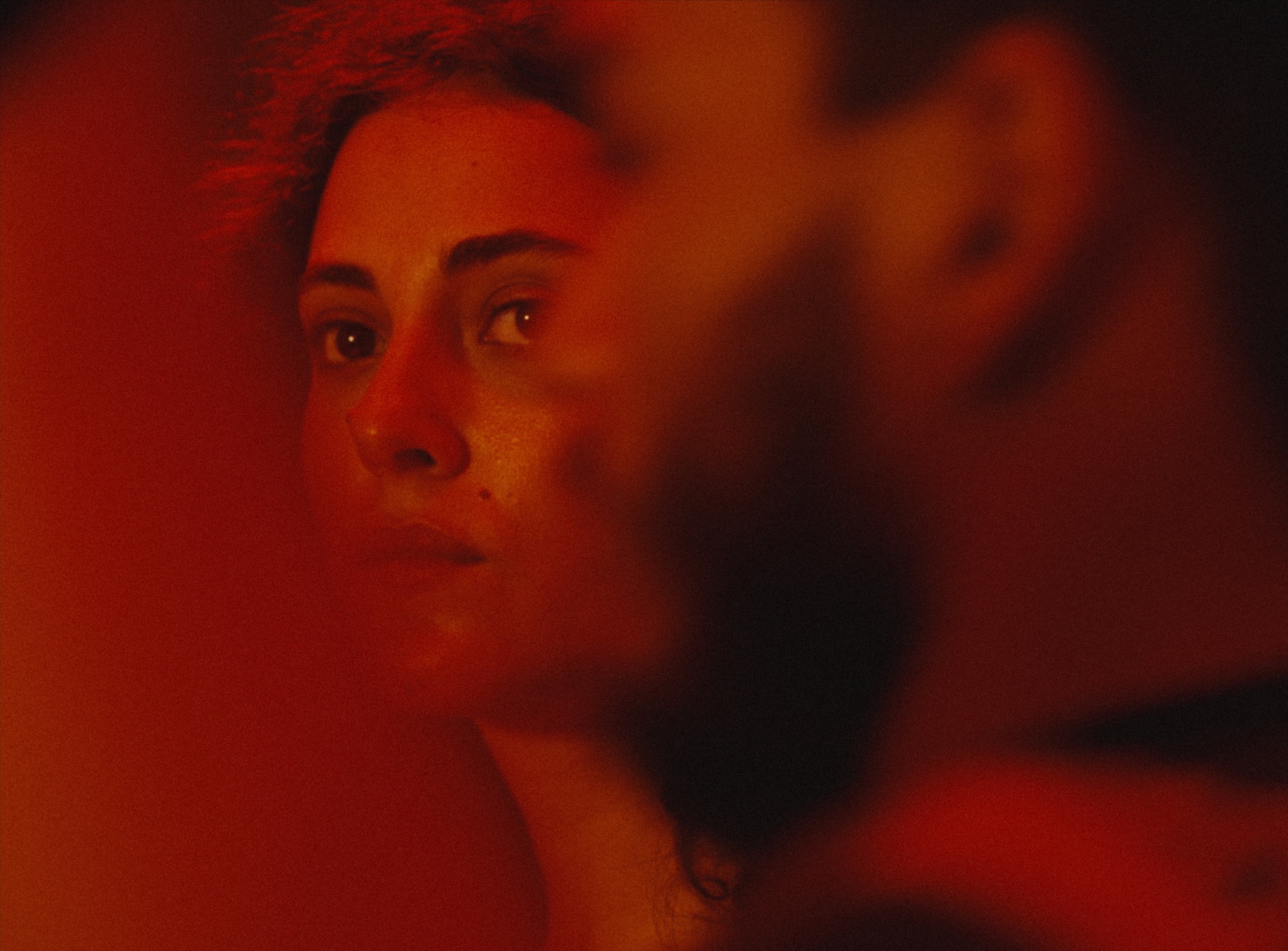
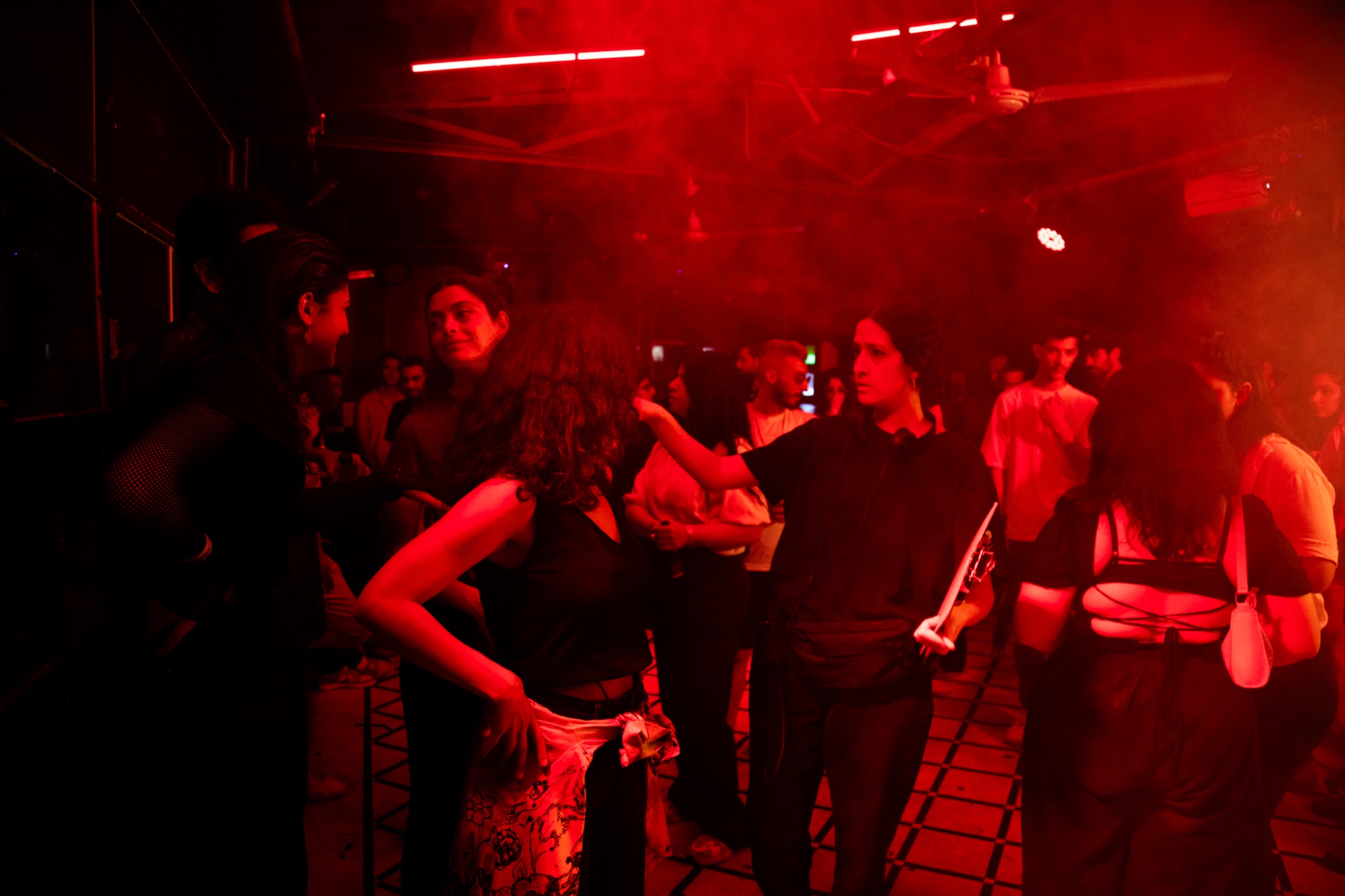
Set in a dusty, twilight atmosphere, Yassmina Karajah’s acclaimed short film Ambush (كمين)—which was selected for TIFF, BIFF and SXSW London—unfolds over the course of a single night in downtown Amman, weaving together two parallel narratives that gradually converge. A pop-up techno club takes over the streets, flooding a conservative neighbourhood with heavy bass and unfamiliar faces. On one side, we follow Hasan, who works at a coffee shop and spends his evenings watching the party from his family’s rooftop, nursing an unrequited love and anticipating a long-overdue encounter. Across the street, Jana arrives at the party newly sober, navigating the unfamiliar terrain of connection without alcohol.
Inspired by a real night when Karajah found herself watching a group of young men watching the dancers from across the street, Ambush is as much about the act of looking as it is about its two leads. It is also a homecoming: her first film shot in Amman, and a love letter to a city she refuses to romanticise. Speaking to DN, the writer/director shares the origins of the project, the creative bounty which results from mixing actors and non-actors, and how a city can shape the plot and characters of a short film.
The film began with the image of two buildings facing each other across the street, with people watching and being watched. How did that single image develop into the two parallel perspectives of Hasan and Jana? What was the process of the character building like?
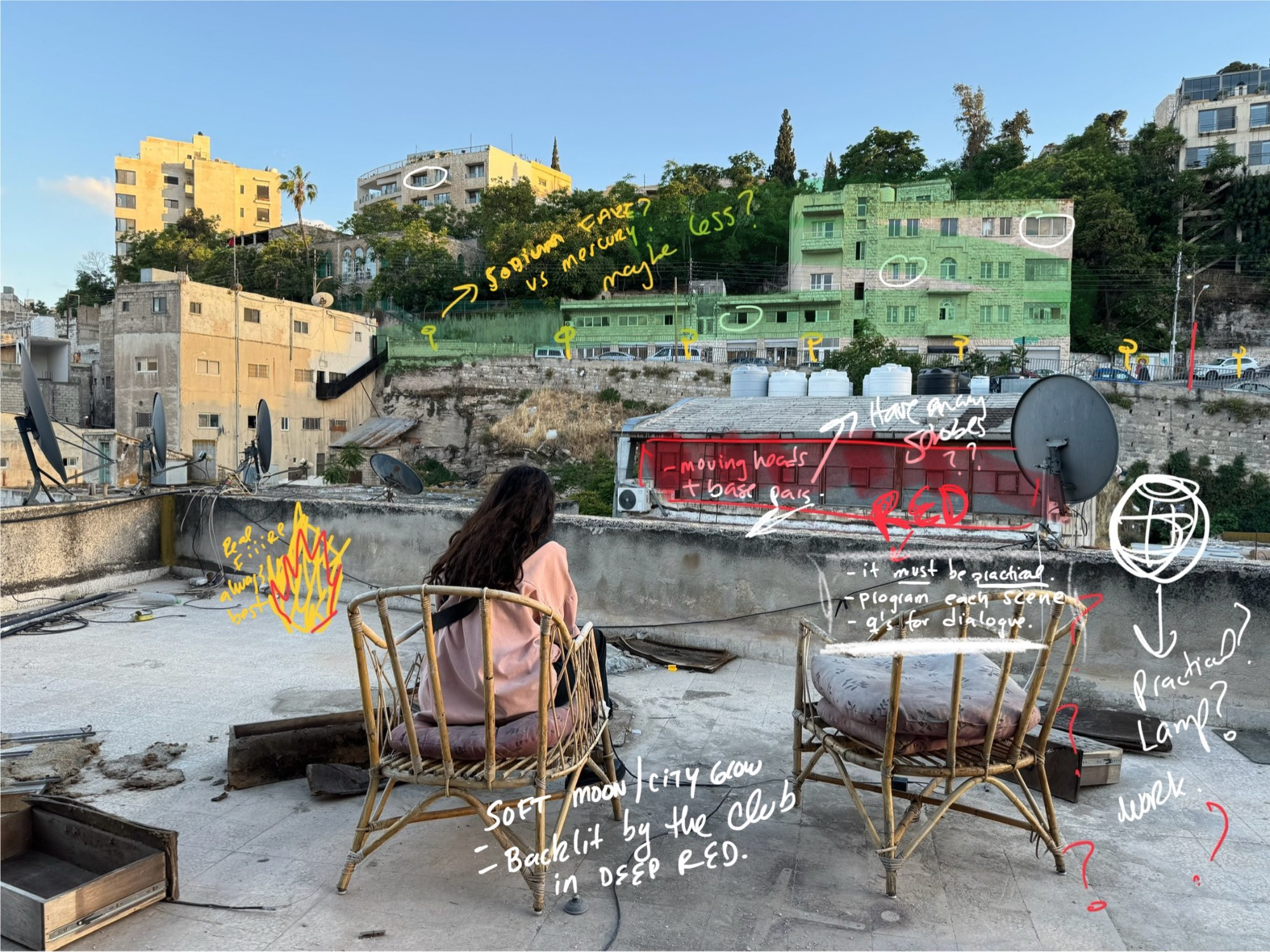
The inspiration for Ambush came from a real night in Amman right before COVID, when techno pop ups were starting to take place in older, more conservative parts of the city. This club specifically was happening in downtown Amman, which is an area I consider both conservative and touristic, and somehow holds many different parts of Ammani society within it. I went to that club, which was taking place on the top floor of an old restaurant, surrounded by large glass windows reflecting the city. While I was on the dance floor, I noticed across the street a group of young men watching from a rundown building that had been turned into a hotel, with this awkward ROLEX sign still on top of it. At that moment, it felt like one part of the city was watching another. And I was part of that image, watching them watching us. Suddenly the whole film was there, or at least the tension of it was.
Of course, there is nuance and crossover between these social worlds, but symbolically the club held something of West Amman and the building opposite something of East Amman. Class was very much present, but I became interested in the watching itself, the curiosity, voyeurism and pleasure of looking into another world. From there, the characters of Jana and Hasan began to take shape. I wanted to explore Jana as a functional addict, newly sober and entering a space that might tempt her back into old habits while triggering issues around intimacy. With Hasan, I was drawn to his tenderness, this young caretaker trying to make ends meet and looking after others while carrying an unrequited love. I wanted them to remain strangers, but to mirror each other’s loneliness.
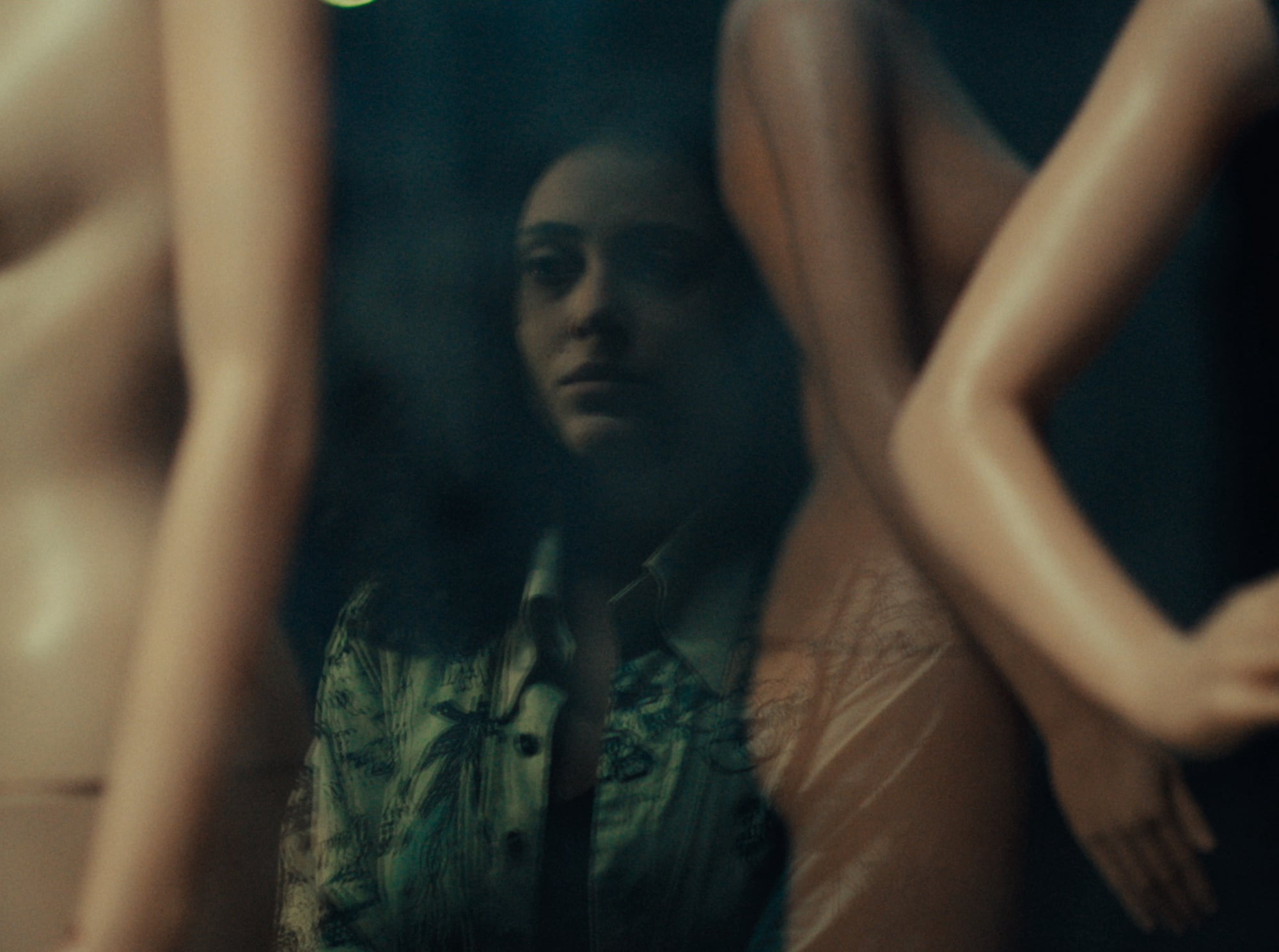
To me, Amman can be a city of desire and disappointment. You can deeply belong somewhere while also feeling conflicted about it, and I think most of us have this push and pull connection to our homes.
You call Ambush a love letter to your hometown. You see it as a film that both celebrates and grieves the city that shaped you and, at times, failed you. How did your personal relationship with Amman influence the way you approached the short? How do cities shape and “fail” people?
This film feels like a homecoming because it’s the first film I’ve shot in my city after years of making films abroad. I had always wanted to make something about Amman, but making a film about a city can become very abstract. That night at the club gave me a way in. I didn’t want Amman to simply be a backdrop. I wanted it to feel like a third character that gives Hasan and Jana context, rhythm and feeling. It’s a love letter in the sense that I wanted to archive my city as I see it, particularly through its youth. I had also become tired of seeing stories from the Arab world framed primarily through how we are seen rather than how we see ourselves. There was a lot of love and care in how we approached the city, but it wasn’t an idealistic or nostalgic love. I think you can love a city without romanticising it. To me, Amman can be a city of desire and disappointment. You can deeply belong somewhere while also feeling conflicted about it, and I think most of us have this push and pull connection to our homes.
Most Popular
There is a strong documentary sensibility to the film, despite it being fiction. You worked closely with first time actors and allowed them to shape the emotional reality of their characters. What did your rehearsal process look like? What do you think inexperienced actors can bring to the table to change the course of the film completely?
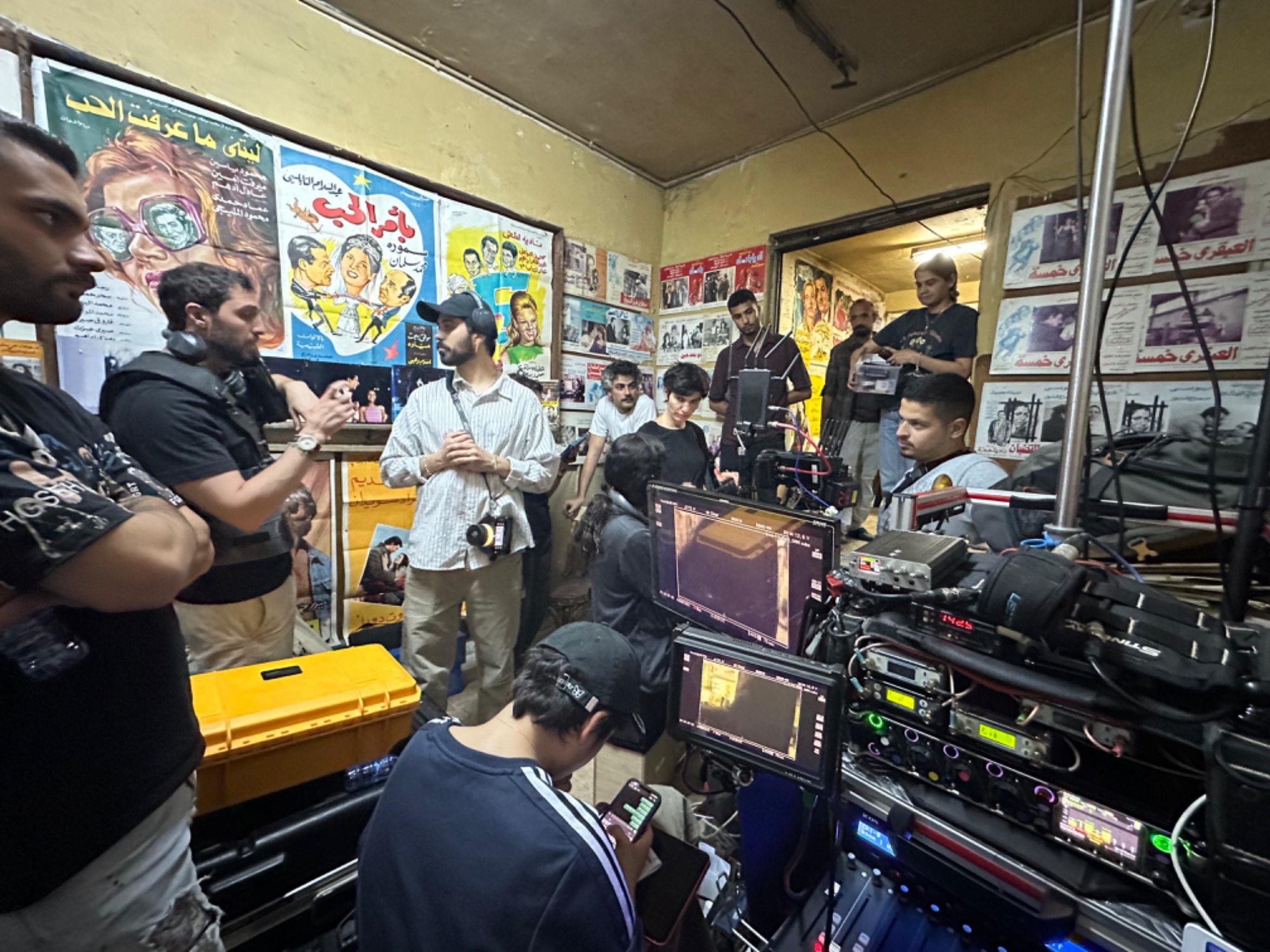
I always imagined Ambush as a co-creative process, in the same vein as how my previous shorts were made. I usually come in with a script that is quite locked, but then work with actors and non-actors to bring their lived experiences into the fiction. Over the weeks before the shoot, the cast were involved in acting workshops where we would fine tune moments, bits of dialogue and sometimes certain beats so that the script became more specific to them. I was much closer to Jana’s world than Hasan’s, so I wanted the boys to bring their own perspective rather than perform my idea of that world. After that, the process becomes much more traditional.
We rehearsed for almost a month, going over the scenes so many times that they became almost like choreography. Especially with a non-actor, I find that once a scene becomes second nature, they can stop thinking about performing and actually lose themselves inside it. I think what an inexperienced actor brings to the table, if as a director you’re able to establish trust with them, is their mannerisms and themselves without anything performative. They operate from a place of instinct, and that anonymity and specificity of their presence can shift the tone of the story and take it somewhere that feels much more honest. I especially like the collaboration that happens between first time actors and professional actors. They challenge each other in ways that I feel bring the best of both worlds.
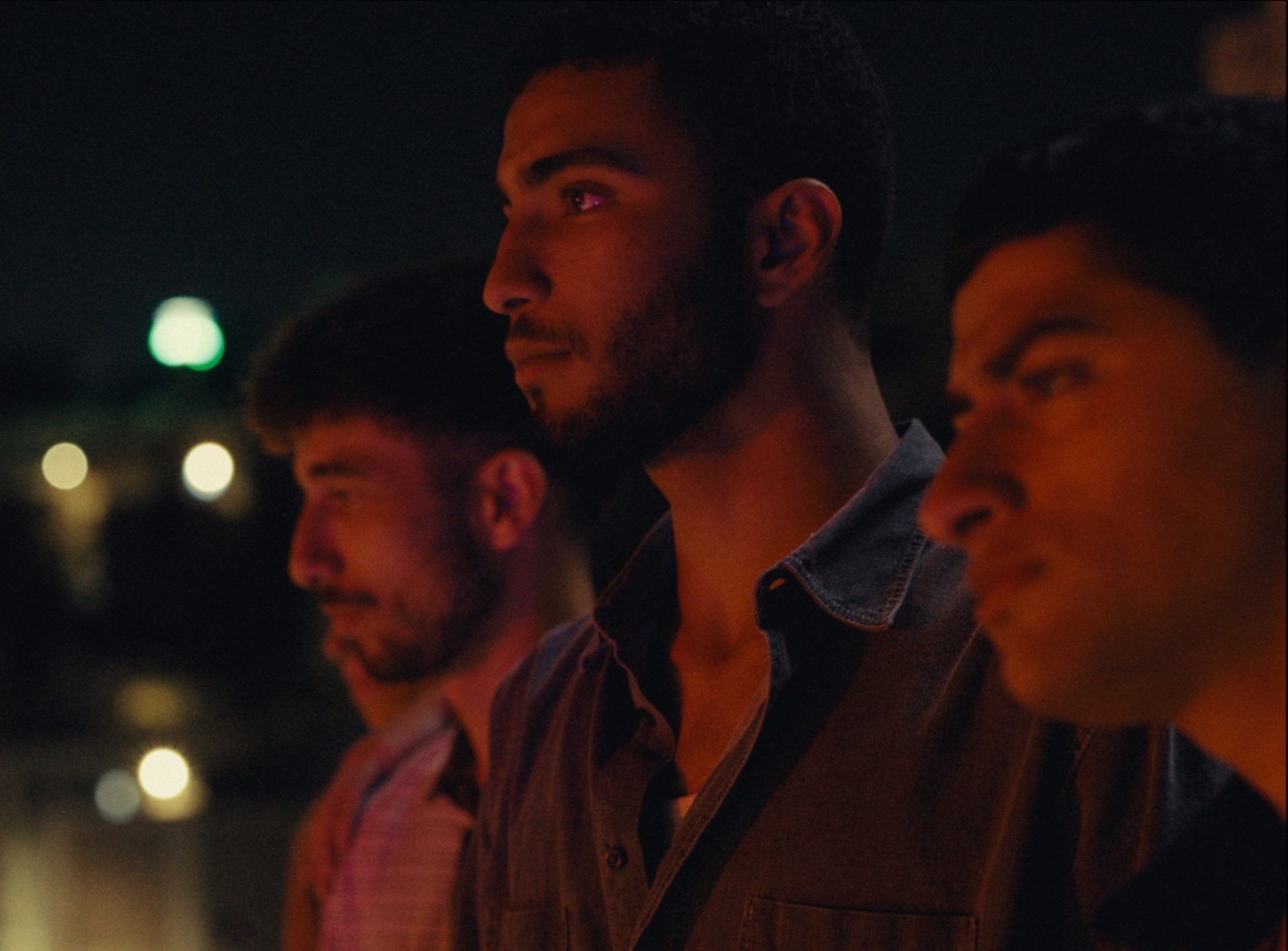
Our intention was to be immersive visually, but not alienating, and to find the balance between social realism, reflecting the feeling of the streets, and something more poetic and emotional, almost larger than life.
What was your technical approach to keep that documentary sensibility? What lenses did you use? And what was your collaboration with cinematographer Farhad Ghaderi like?
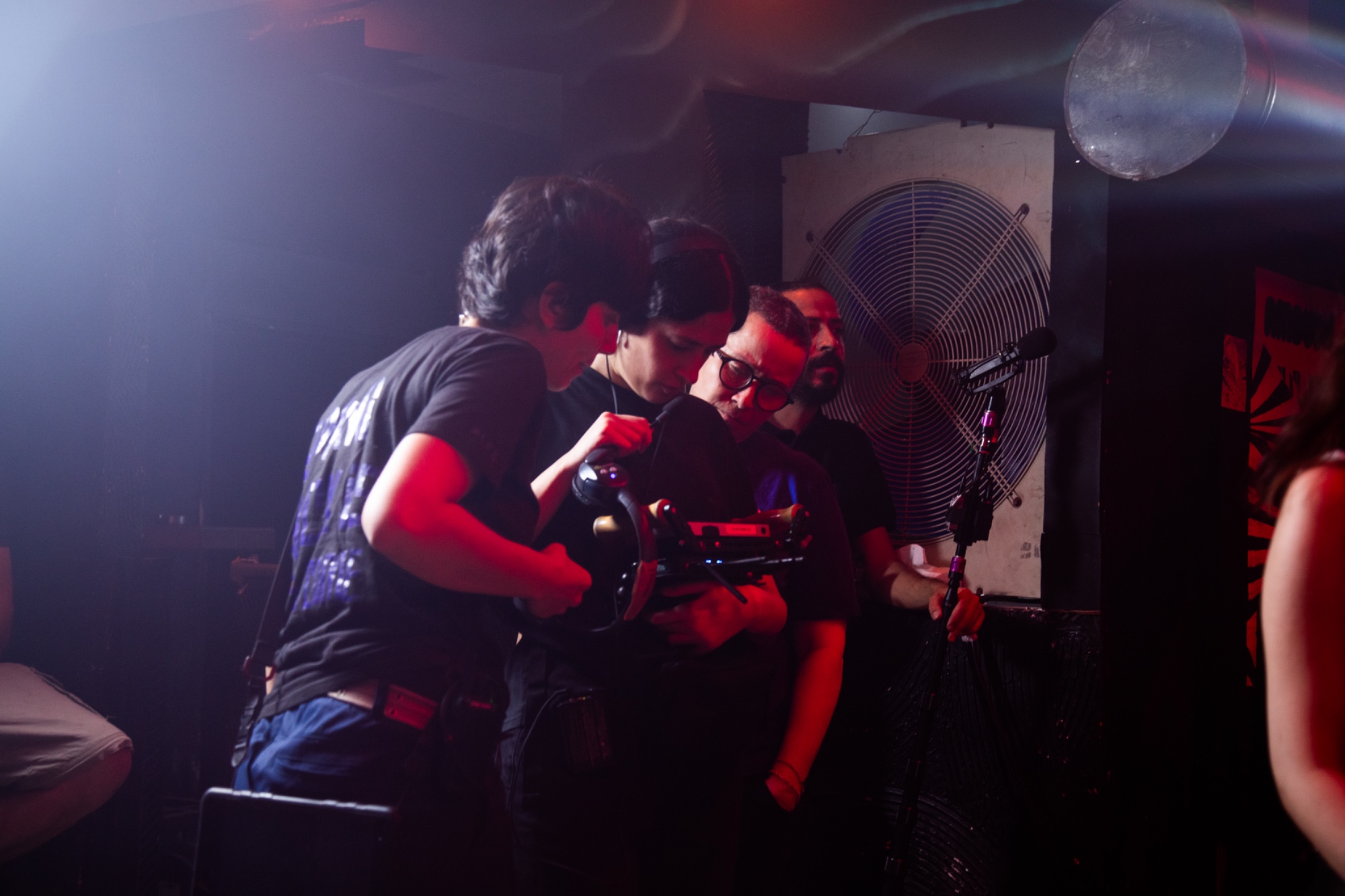
Visually, I wouldn’t really call our approach documentary like. The actors’ process being non-actors is one thing, but our approach to creating the visuals was meticulously planned and required a lot of talented technicians and artists on set. Farhad and I spent years talking about this film, so he was there through all the highs and lows of getting it off the ground. By the time we shot, we had a very specific language between us. Our intention was to be immersive visually, but not alienating, and to find the balance between social realism, reflecting the feeling of the streets, and something more poetic and emotional, almost larger than life.
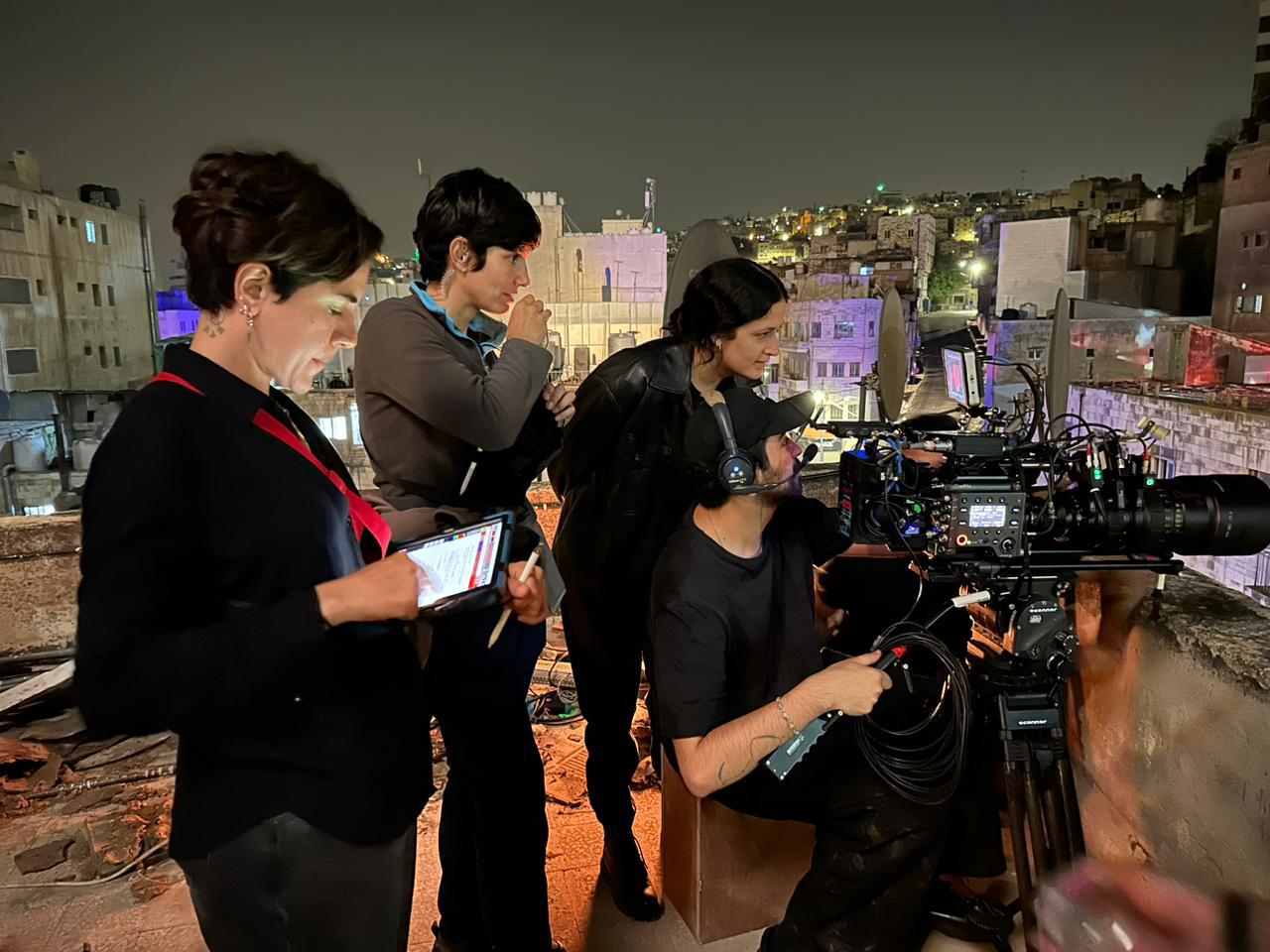
We shot on Canon FDs, and for the longer voyeuristic work we used the Angénieux Optimo 12x, 24 to 290mm. The long lenses were important because so much of the film is about looking across buildings, into windows, at lives you are not part of. That distance gave us the feeling of observing something we perhaps shouldn’t be seeing. With Hasan and Jana, we would move into extreme close ups and much more intimate framing to get closer to what was happening inside them. We were always trying to find that balance between being observational and far away when needed, and then physically very close to the actors when we wanted to feel that intimacy. We used a set of Canon FD primes, old stills lenses that had been rehoused. They were really the only lenses with the kind of character we were looking for that we could find in the area.
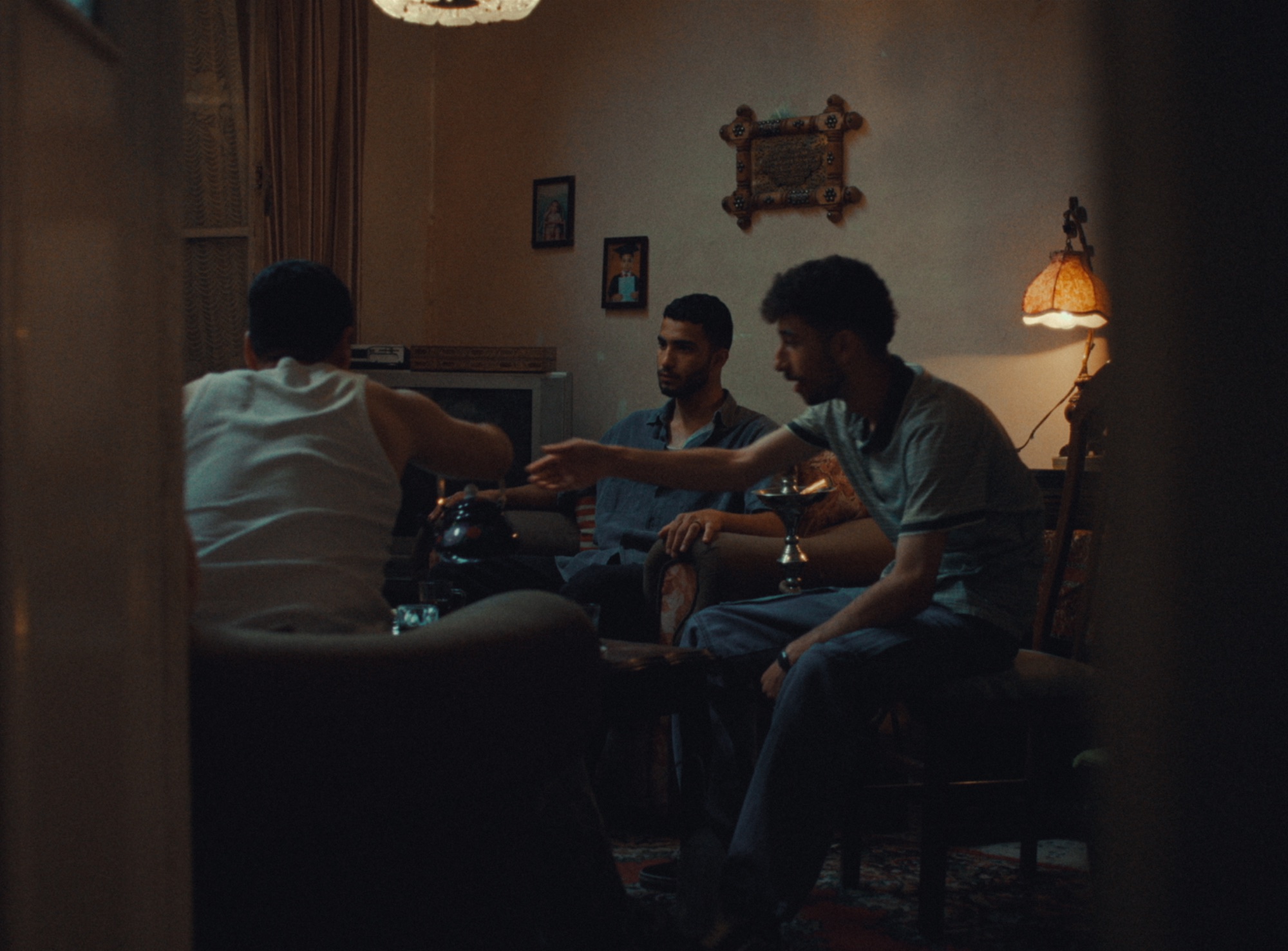
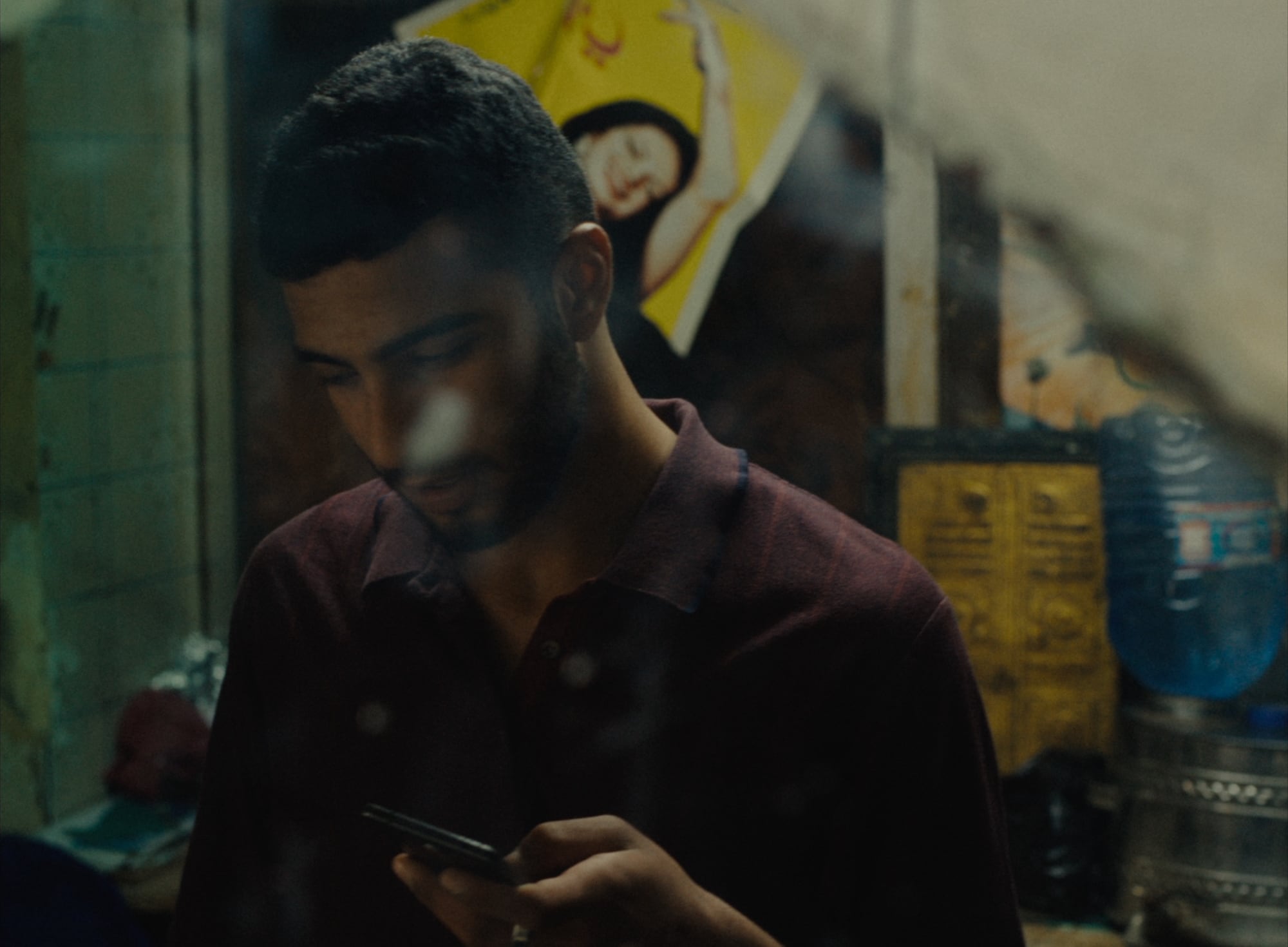
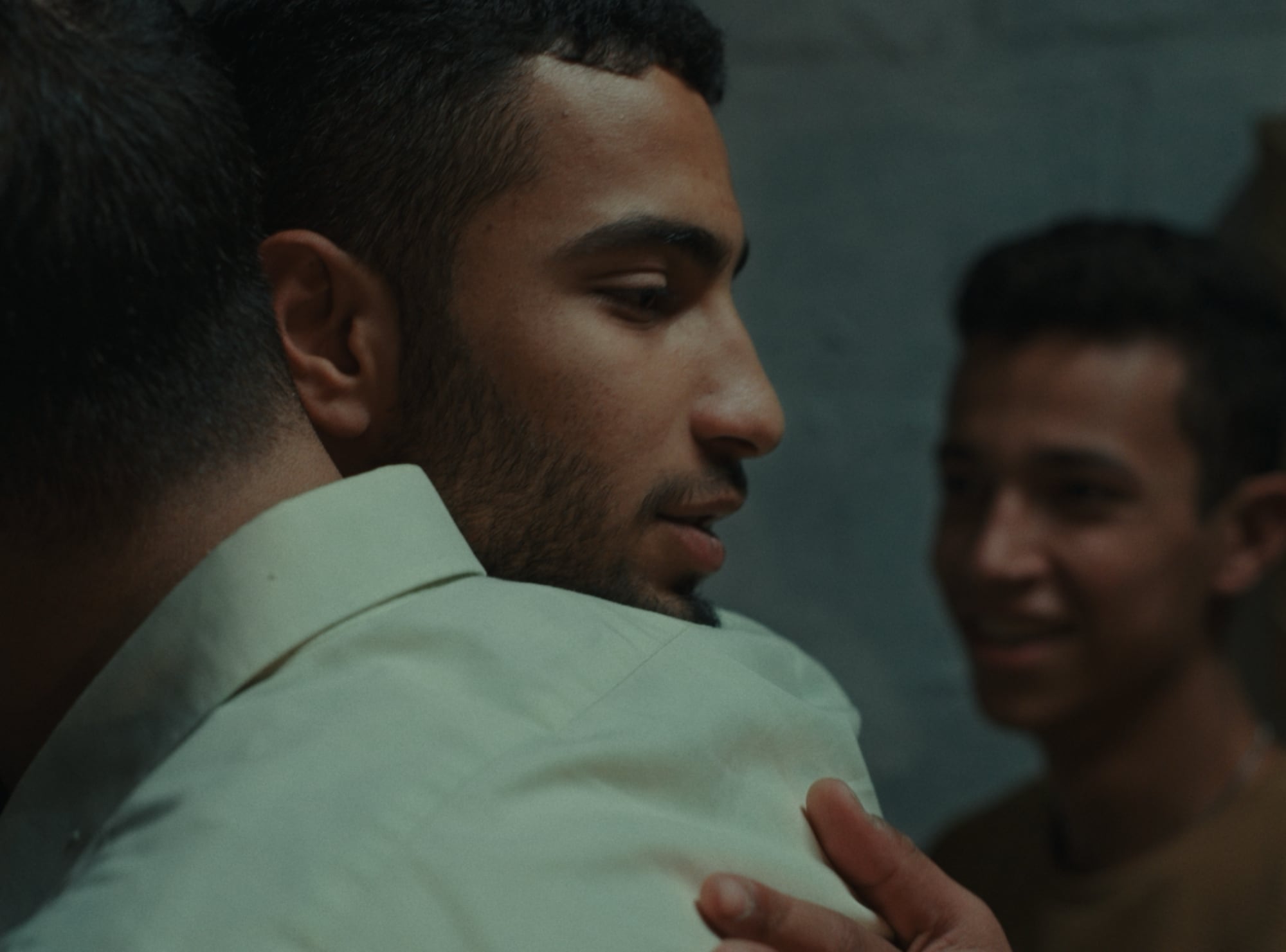
You say: “The longer we observe someone, the more aware we become of everything we can’t know.” There’s something very powerful about that idea running through Ambush, where the closer we get to Hasan and Jana, the less certain we become that we truly understand them. Was ambiguity something you were consciously building into the film, or did it emerge naturally through the process of making it?
It was always on the page, and honestly, I didn’t engineer it very consciously. I wrote Ambush almost in one go during lockdown, and it’s probably the least edited script I’ve worked on. I think the ambiguity comes naturally from watching, which is at the heart of the film for me. We watch other people from within our own worlds and project fantasies, judgments and desires onto them. Even outside filmmaking, I believe people are inherently unknowable. Not in a negative sense, but because we are so complex that the need to completely define someone can become quite controlling. You could spend a lifetime with someone and still discover something about them that surprises you. I find that beautiful.
The visual, editorial and sonic language of the project all seem to reinforce its themes of observation, distance and what remains unseen. How much of that relationship between image, rhythm and sound was already present in your thinking during the shoot, and how much emerged later in post production through your collaboration with editor Abdallah Sada, sound designer Janis Ahnert and sound mixer Isra Banuelos?
A lot of it was there from the beginning. We had been trying to shoot in these locations for a couple of years, which gave us time to become very specific about the visual and sonic world before we finally filmed. But the film really found another life in post. Abdallah our editor deeply understood the intentions of the short and was very willing to take risks and try things. Together we worked on finding a rhythm that allowed Hasan and Jana’s internal arcs to sit alongside the more impressionistic experience of the city. Janis had spent time in Amman before, so he came to the sound with a real memory of the city. We spoke about wanting the sound to almost exist as a film of its own, something you could listen to without the image and still feel the movement of the city, the distance between people and the private spaces they retreat into. Isra worked closely with us on the contrast between those inner and outer worlds, and on how the mix could bring us closer to a character without necessarily explaining what they were feeling.
Even outside filmmaking, I believe people are inherently unknowable. You could spend a lifetime with someone and still discover something about them that surprises you. I find that beautiful.
You speak about the impossibility of ever fully knowing another person, and about filmmaking as a process of staying with your characters long enough for your own assumptions about them to begin to fall away. How do you reconcile that desire to resist explaining or defining a person with the fact that filmmaking is, inevitably, an act of interpretation? Ultimately, directorial choices shape what an audience is allowed to see, understand and believe about those characters.
Yes, filmmaking is an act of interpretation. Every decision about where you put the camera, when you cut, or what you choose to withhold is already an interpretation. What I resist is the idea that interpretation has to become definition. A director also decides how much space an audience is given to interpret a character. We even open the film with a line that reflects this: “I might be a villain in someone’s story and a hero in another.” That contradiction is what interests me. Ultimately, I want an audience to feel with these characters even if they don’t necessarily completely understand them. Someone can move you deeply and still remain partly unknowable to you. To me, that is much closer to how we actually experience other people.
Lingering with the camera gives those moments weight. It allows the characters to exist for a while outside the demands of the story, rather than always moving them towards the next thing that needs to happen.
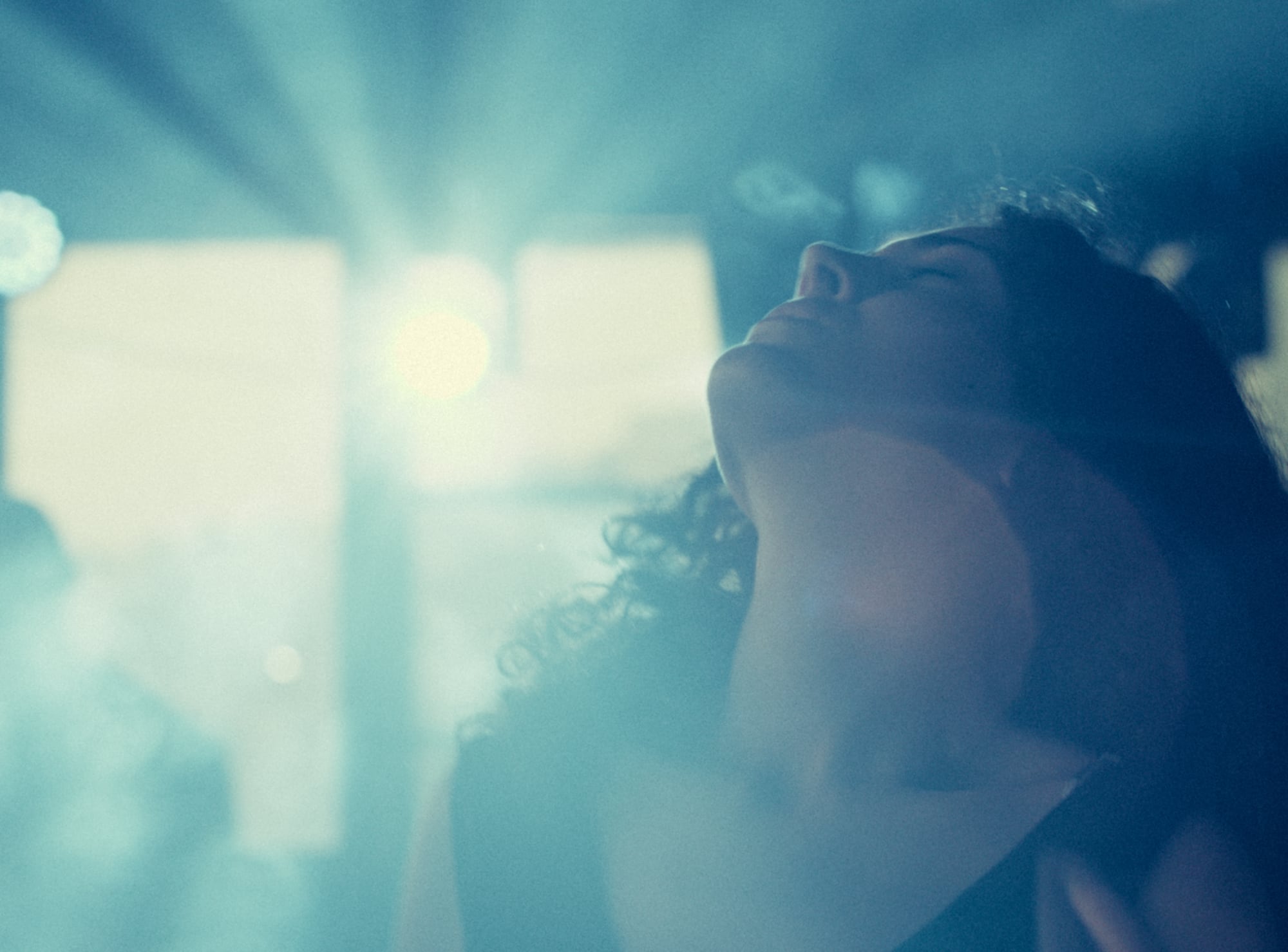
One of my favourite things about the film is the care for details. Why were those small, fleeting gestures of pleasure, like lighting up a cigarette, so important to you in telling this story, particularly in the context of characters whose lives are marked by hardship? Why is lingering with the camera important in those cases?
I didn’t want to lose the fragments of desire in these spaces just because the characters were struggling. That was also part of how I experienced the city. A person’s life is never only their hardship. Those small things carry a lot of the bittersweet feeling I wanted to capture in Ambush. I was interested in how Hasan and Jana experience their surroundings, so those details became part of the storytelling, not just something around it. Lingering with the camera gives those moments weight. It allows the characters to exist for a while outside the demands of the story, rather than always moving them towards the next thing that needs to happen.
What are your current and upcoming projects?
Most of my attention is going into developing my first feature, which is also set in Amman. I have a few short form projects on the horizon as well, which I’m excited about!
And before we leave you, can you share with us your favourite short and tell us why it matters to you?
One short I always return to is Wasp by Andrea Arnold. I love how specific and lived-in the world feels, how the tension comes from that pull between desire and duty. I love it. The main character is flawed, but you feel so close to her. It reminds me how much a look or the details of a place can convey, and how those small moments can make the whole world of a film feel alive.