
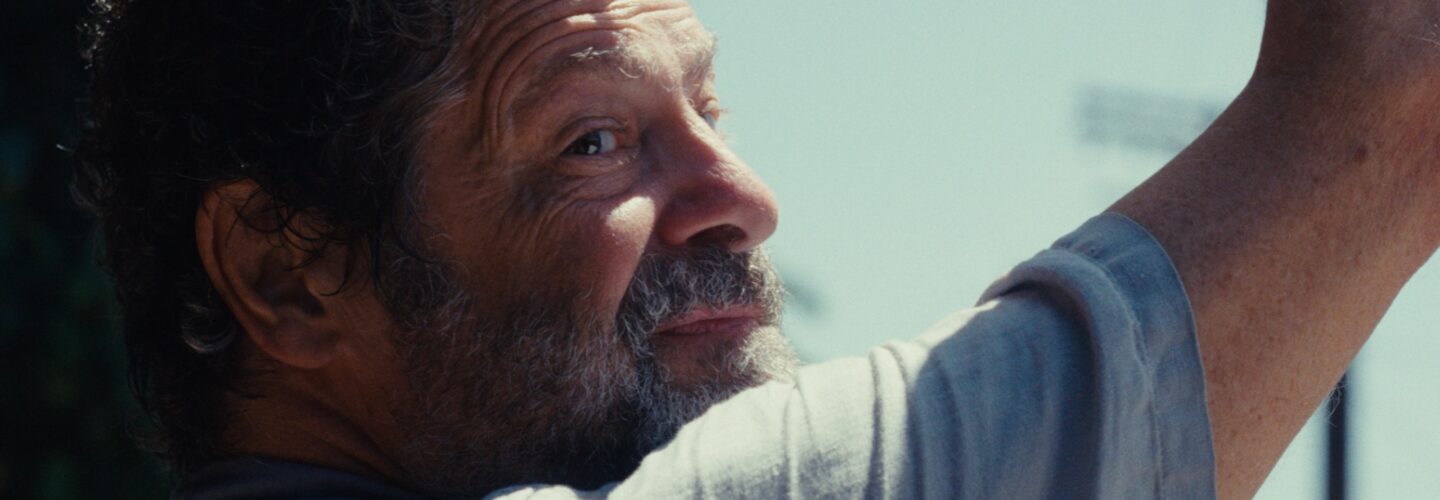

There’s a peculiar tragedy in how the smallest, most ridiculous conflicts can unravel even the strongest of relationships—a truth that filmmakers Dexter Demme and Jack Depp exploit with dark humour in their short film Tug of War. The duo craft a razor-sharp comedy that disguises a piercing emotional core beneath its absurd premise. Two married couples, locked in a tense standoff over an awkward relic of a wild night. What begins as a farcical dispute morphs into something far more revealing—a battle of wounded pride, fragile masculinity, and the unspoken cracks in each marriage. Demme and Depp’s filmmaking lies in the collision of the ridiculous and the profound, their approach being less about traditional script mechanics than it is about tone and the simmering tension of human pettiness. The directors’ intuitive, actor-driven process lends the film its authenticity; the humour never veers into mockery because the performances treat the stakes as devastatingly real. So much of Tug of War comes through the subtext: The item in question is a symbol of control, of sexual inadequacy, of the things couples cling to when they’ve run out of ways to communicate. Demme and Depp understand that the most telling marital conflicts aren’t about grand betrayals but about the absurd, unspoken skirmishes that accumulate over time. As Tug of War makes its premiere, we speak with the filmmakers about their love for human absurdity, the challenge of balancing comedy with emotional weight, and how a single, ridiculous object can expose the fragile foundations of love.
Dare I ask where this particular battle of wills came from?
The development of the initial concept, in terms of a script/story that we wanted to tell, is more so the mood and style of the world/theme we wanted to explore. We have always been very interested in the intimacy of people and the problems/obstacles that only they could understand, problems that to others seem small and meaningless. Most times, an intimate subject between a couple or close friends or even somebody alone, seems, to the outside world, unimportant and even ridiculous at times, but to those who are involved, it’s very serious and nothing else in the world matters. And that’s the world we have always been interested in exploring; the ridiculousness of mankind, taking itself so seriously no matter how absurd the situation is.
In regards to Tug of War, we are not delving into the life story/relationship of a long-standing couple and their quick decline into what we assume will be a divorce. We are talking about a moment in life, a blip of ten minutes in their years and years of marriage to understand who they are when a situation occurs, we are talking about an intimate subject between them, something that represents their relationship and how thin it is holding together. Not showing the decline through big problems but showing that the little moments are what sometimes go over our heads and drive us crazy, and in the end, add up to what drives us toward a decision. The film is not about ‘I’m going to divorce you’, it’s about ‘If we don’t get this item back, what else do we have left to stand on?’


It’s more so a battle of honor between these two desperate couples and this object is something that represents their desperation.
So, looking at the small moments and the absurdity of human nature, how did you settle on a post-swinging fight for a double-ended dildo?
For one, a double-ended dildo fight is funny. But more than that, it never really mattered what they were fighting over, it’s more so a battle of honor between these two desperate couples, and this object is something that represents their desperation. And as time goes by more meaning gets brought into it, for example, the dildo represents a specific problem in their relationship, and these two men fighting over it represents a battle over their manhood almost literally.
Most Popular
How does prioritising the mood of the world and theme affect your shot listing process? Do you work more intuitively during production?
In all of our projects we tend to talk about the mood and style to form the script around it properly. What are we trying to say, what do we want to see, how to get the message across, etc. Once we answer these questions we develop the script and begin breaking it down into a shot list. During production we tend to stick to the script pretty tightly, even though we keep room for improv and last minute ideas. We’re not very strict on anything, we’re more intuitive on set and use the shot list and script more as a guide.
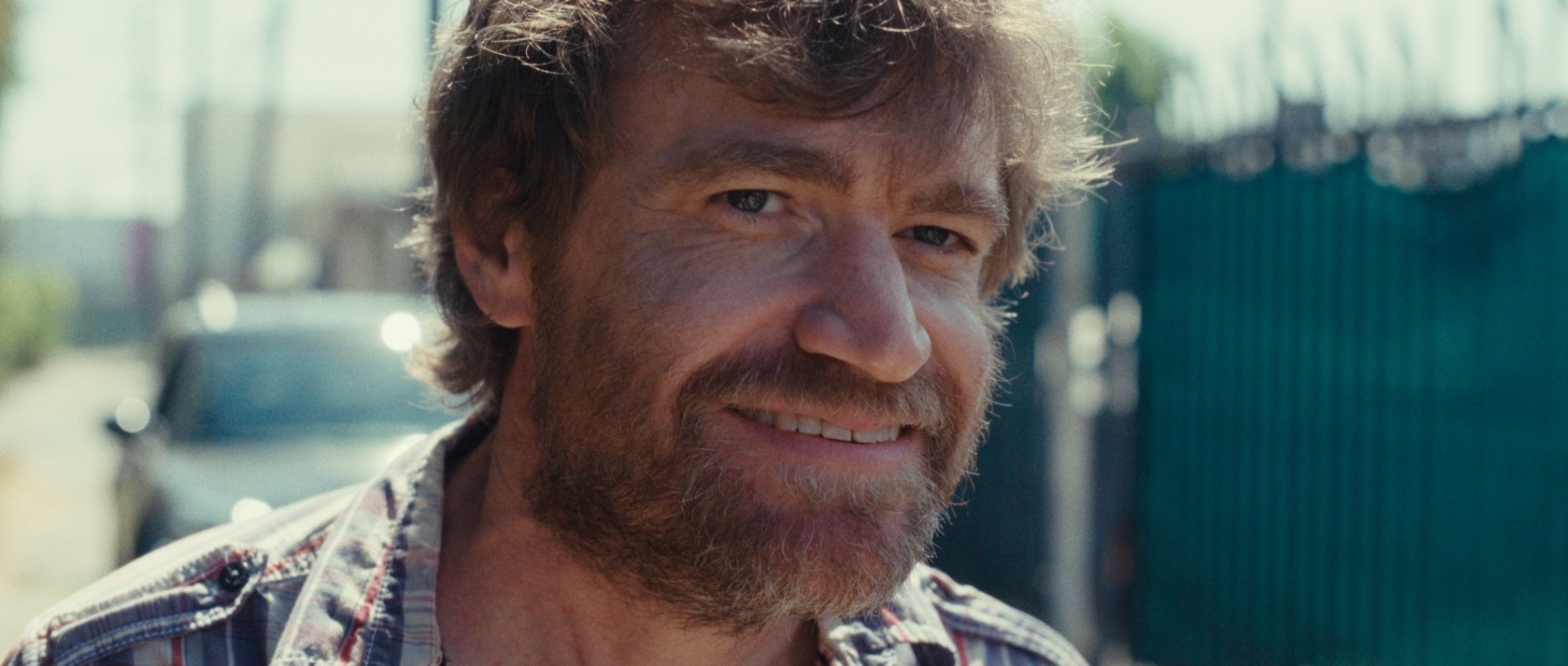

Everything relies on us believing these four characters and I DO! How did you find your cast and how much backstory did you give them?
We tend to work more with friends and friends of friends, obviously prioritizing who is best for the role, but it allows us to have fun while also telling the story the way we imagined it. A lot of times were surprised. Sometimes something on paper is just funny, and then when you shoot it there’s another level of heart and emotion that the actors bring and that’s always great to be surprised by. In terms of backstory, we mainly focused on what happened the night before this stand-off, in vague terms obviously to let the actor bring their view as well, we like to hear their perspective before we tell them ours, but we’ll give them an idea of who they are, what they are like, how they react, in terms of what happened the night before.
Yes, this is a real problem, yes it’s funny, but there is a lot at stake.
When exploring the ridiculousness of mankind, how do you direct actors to find the balance between genuine emotional investment and inherent absurdity without falling into mockery?
When you take a ridiculous subject, it’s all about how those involved deal with it. So with a subject like this, we wanted the actors and ourselves to take the subject seriously. Yes, this is a real problem, yes it’s funny, but there is a lot at stake. The answer is sort of in the question, the absurdity is there but if you never mention it and deal with the circumstances around it that’s how you evade mockery. At least we think so.
It’s a simple set up but you cover a lot. How did you block and organise your shoot knowing what you wanted to capture?
This is a Mexican stand-off, so we wanted to stick to this typical western/handoff where both parties stand their ground and speak their mind. Within the three days, we had a lot of time to properly block the movements/intentions of the characters and stay pretty minimal because the story is simple. When scheduling out each day we decided to break the script into three segments due to lighting continuity but also so we could spend a few hours at the top of the day to properly figure out the flow and movements of the characters.
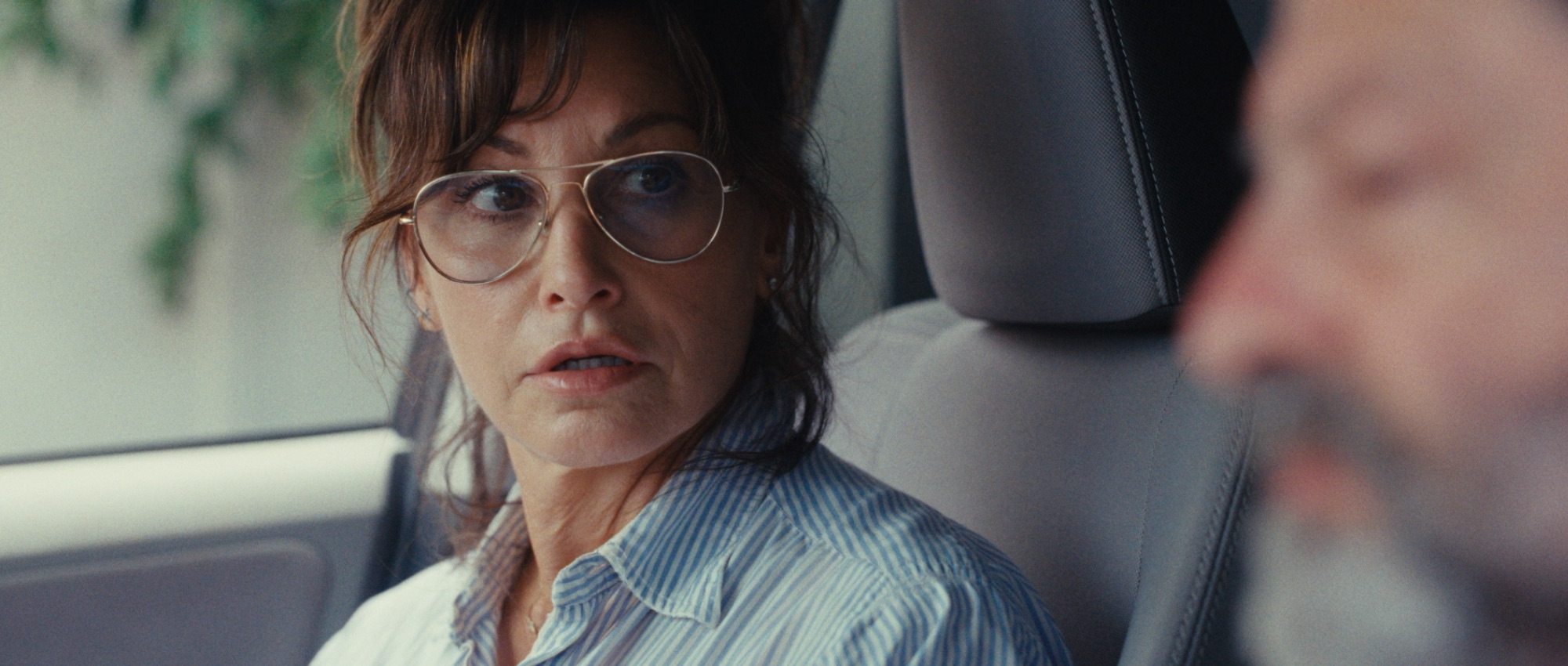
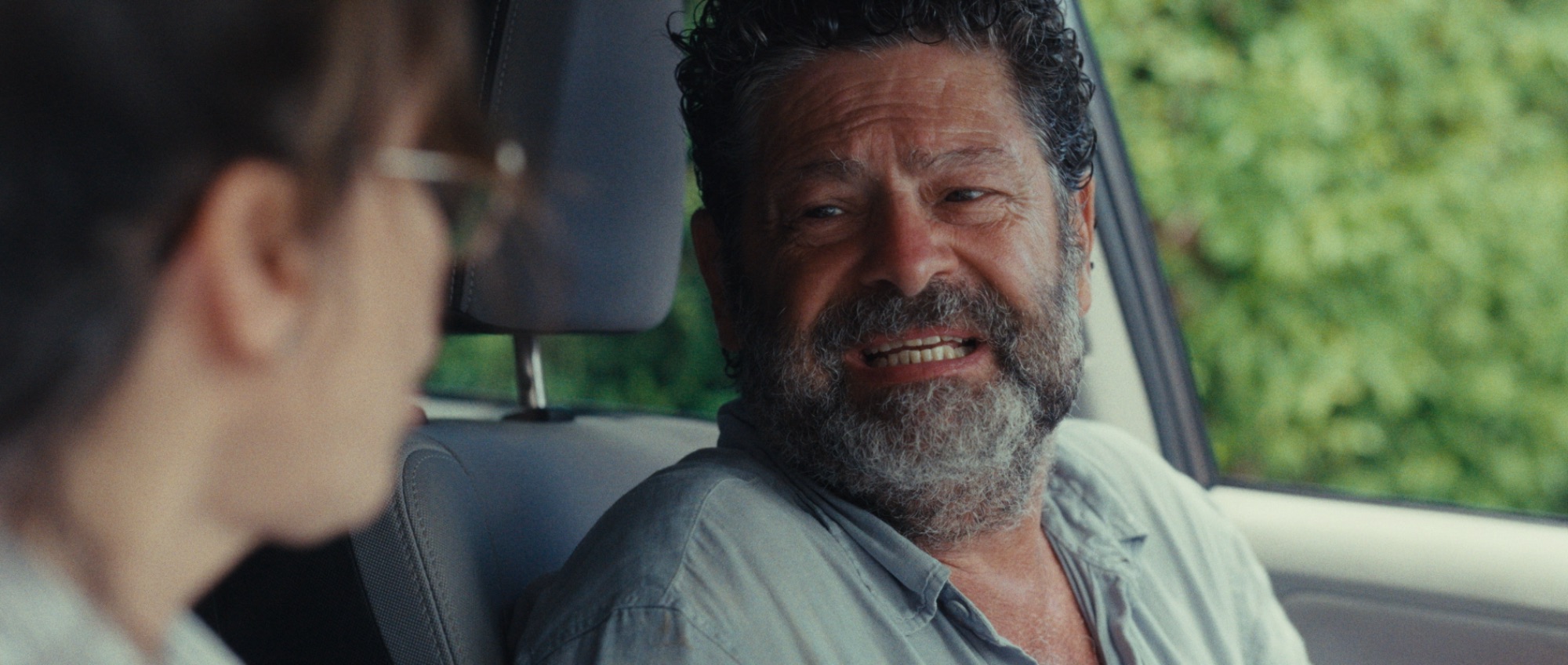
It was really during the shoot that we realized it was more than just fighting over a dildo which came through the actors’ performances.
Looking back, what moments during production surprised you about how the themes were manifesting through the performance and visual storytelling?
In all of our projects, we’re always surprised by the layers of meaning and subtext that emerge. As we mentioned earlier, this story is funny on the surface, but there’s a lot of emotional depth underneath. It was really during the shoot that we realized it was more than just fighting over a dildo, which came through the actors’ performances. That’s the amazing thing about filmmaking: you come in seeing it one way, and someone else brings a totally different perspective. Whether or not that deeper meaning was intentional, it’s amazing how something so simple can grow into something so much more.
What’s next for you both?
Since this is our third short film, currently we are writing our first feature and hope to start prep/shooting in the near future.