


In the competitive and fast-paced landscape of branded content, capturing a fleeting moment of audience attention is the ultimate prize, and the most successful pieces are often those that transcend mere advertisement and captivate in their own right. Director Alyosha’s fashion film Rave Or Freeze for jewellery brand Posié achieves this with remarkable precision—weaving a conceptually rich, historical narrative with a focus on sensorially engaging the audience. The film draws a line from the hedonistic, transformative court balls of Empress Elizabeth Petrovna to the liberating pulse of a modern rave, positing both as spaces of ritualistic release. This bold fusion is not just a stylistic flourish; it’s the foundational logic for a campaign that is as intellectually compelling as it is visually stunning. Playful and calculated choreography between frozen, sculptural poses and uninhibited dance is mirrored by the camera, which transitions from static, painterly frames to a frenetic, participatory energy serving a higher purpose: showcasing the jewellery. In the stillness, intricate diamond pieces are the clear, captivating focal point against a minimalist set. In the motion, they gain a life of their own, catching light in unpredictable ways, their sway and refraction a tiny, dazzling rave upon the body itself. Alyosha doesn’t just present a collection; he crafts an immersive experience where the value of the jewellery is intrinsically linked to a feeling of audacious freedom and refined rebellion. As Rave Or Freeze flaunts onto DN and we speak to Alyosha about how the film’s unique premise came to be, the meticulous design of the choreography to make the jewellery shine and the dissonance in the sound design that mirrors the film’s core theme of past-meets-present liberation.
Where did this bold fusion of court balls and raves originate?
The jewellery brand Posié and its new collection Bouquets are inspired by the era of Empress Elizabeth Petrovna—by the precious floral compositions of Posier that adorned the corsages of the Empress’s ball gowns, by the lavish court balls, the ultimate expression of the daughter of Peter the Great’s hedonism, and by the garden and park art of the gallant age.
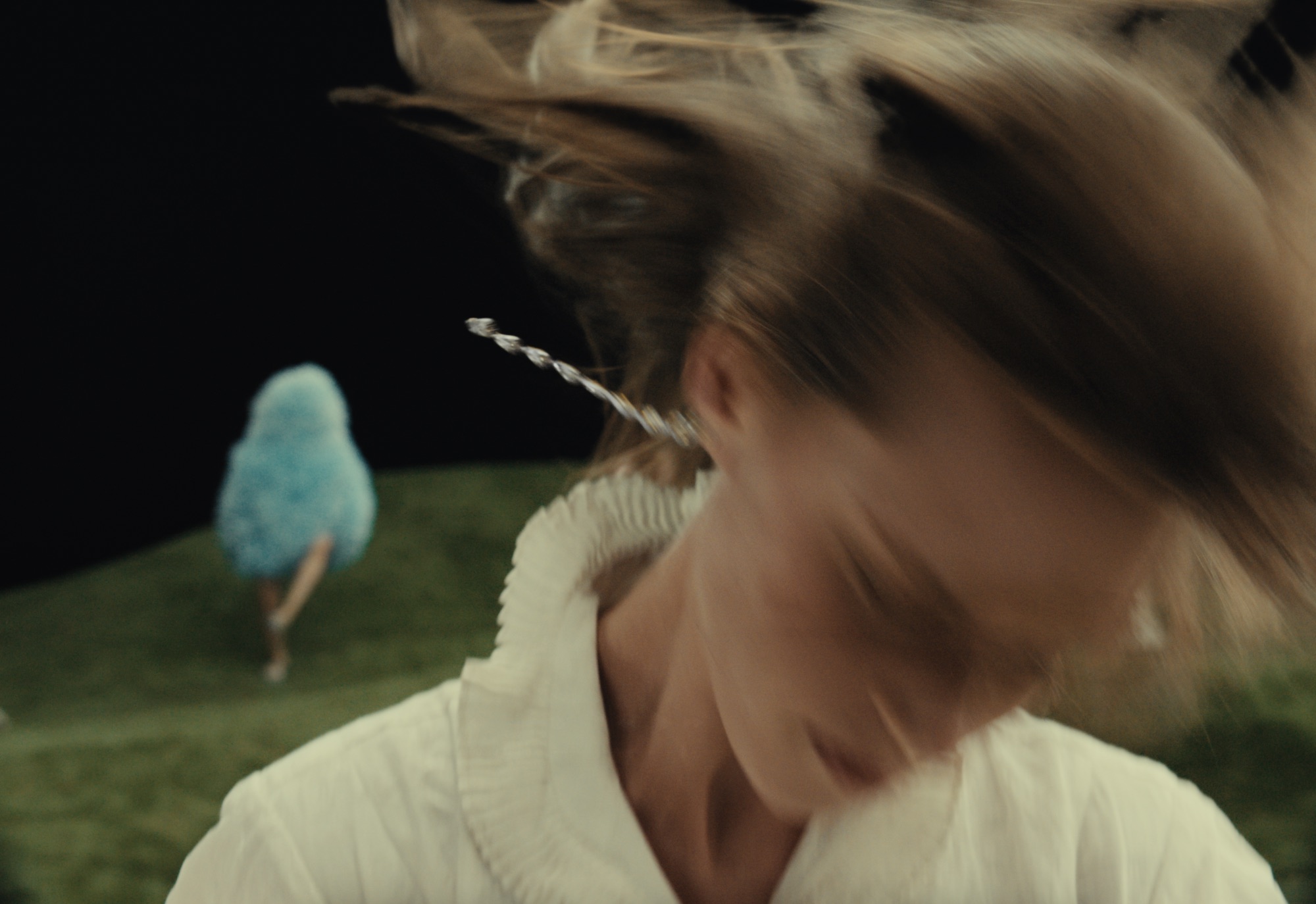
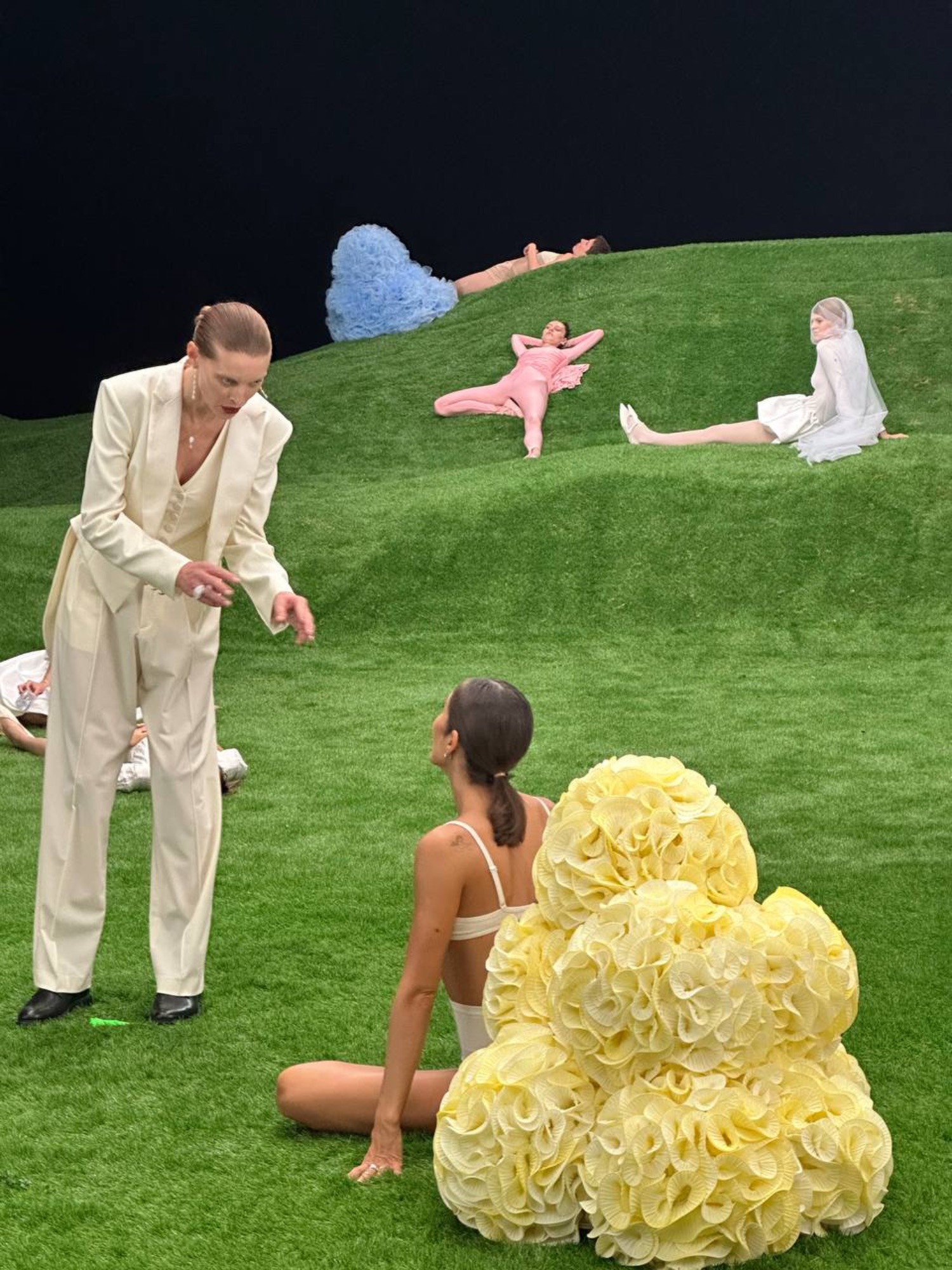
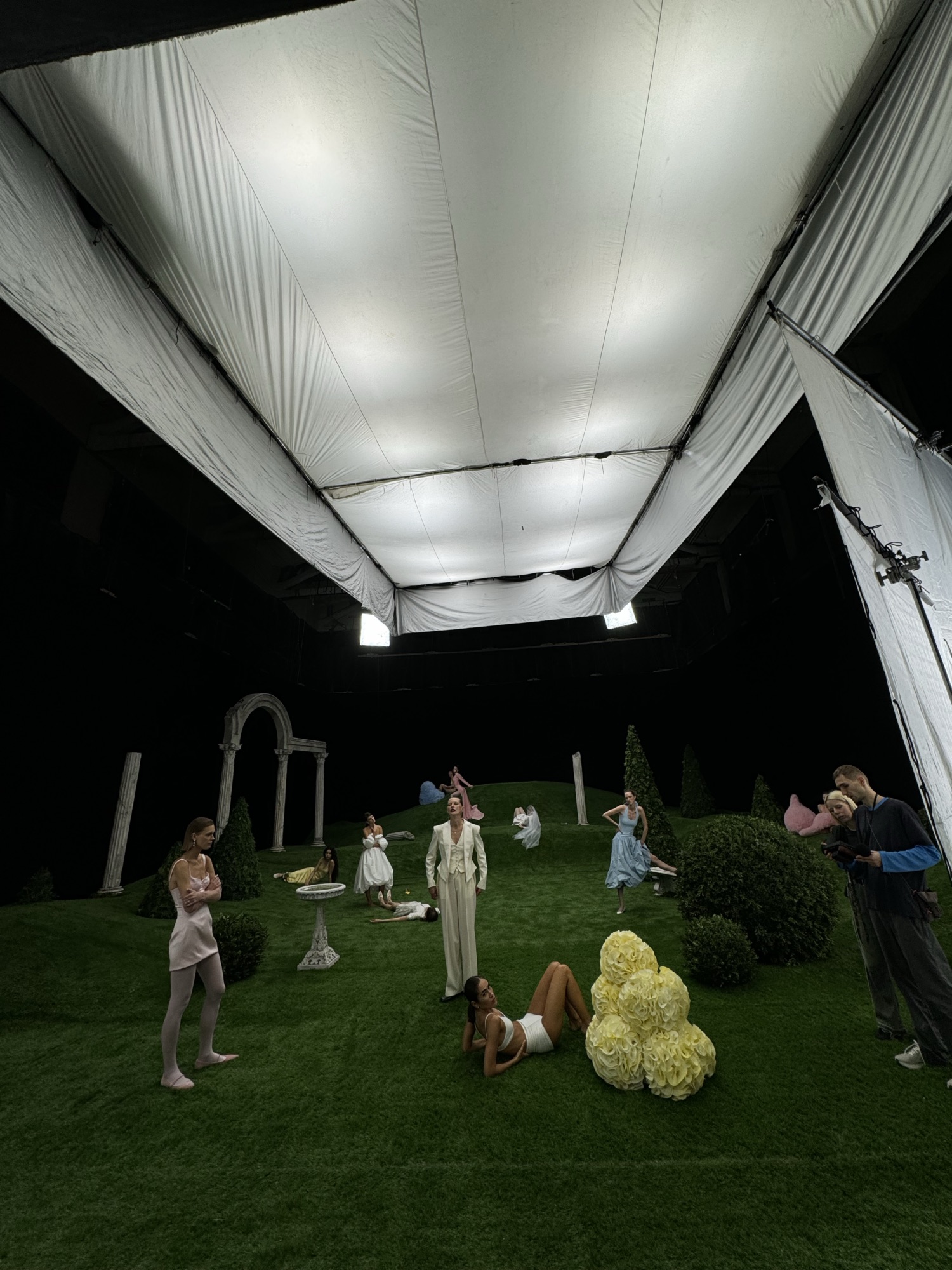
At the Empress Elizabeth’s Balls of Metamorphoses in the 18th century, the court celebrated with gatherings so daring that they inspired us to make the campaign just as bold—filled with liberation, music, and play. Building on this, I proposed a new interpretation of these courtly amusements: to imagine our ladies playing a children’s game—statues. The models freeze in unusual poses, and the moment the music starts, they let go completely, moving with total freedom to rave beats bursting from a music box. The result is a model rave on a meadow: ten top models in fine jewellery unleash their innermost energy without restraint.
Can you talk about the thought process behind the choreography and the frozen poses?
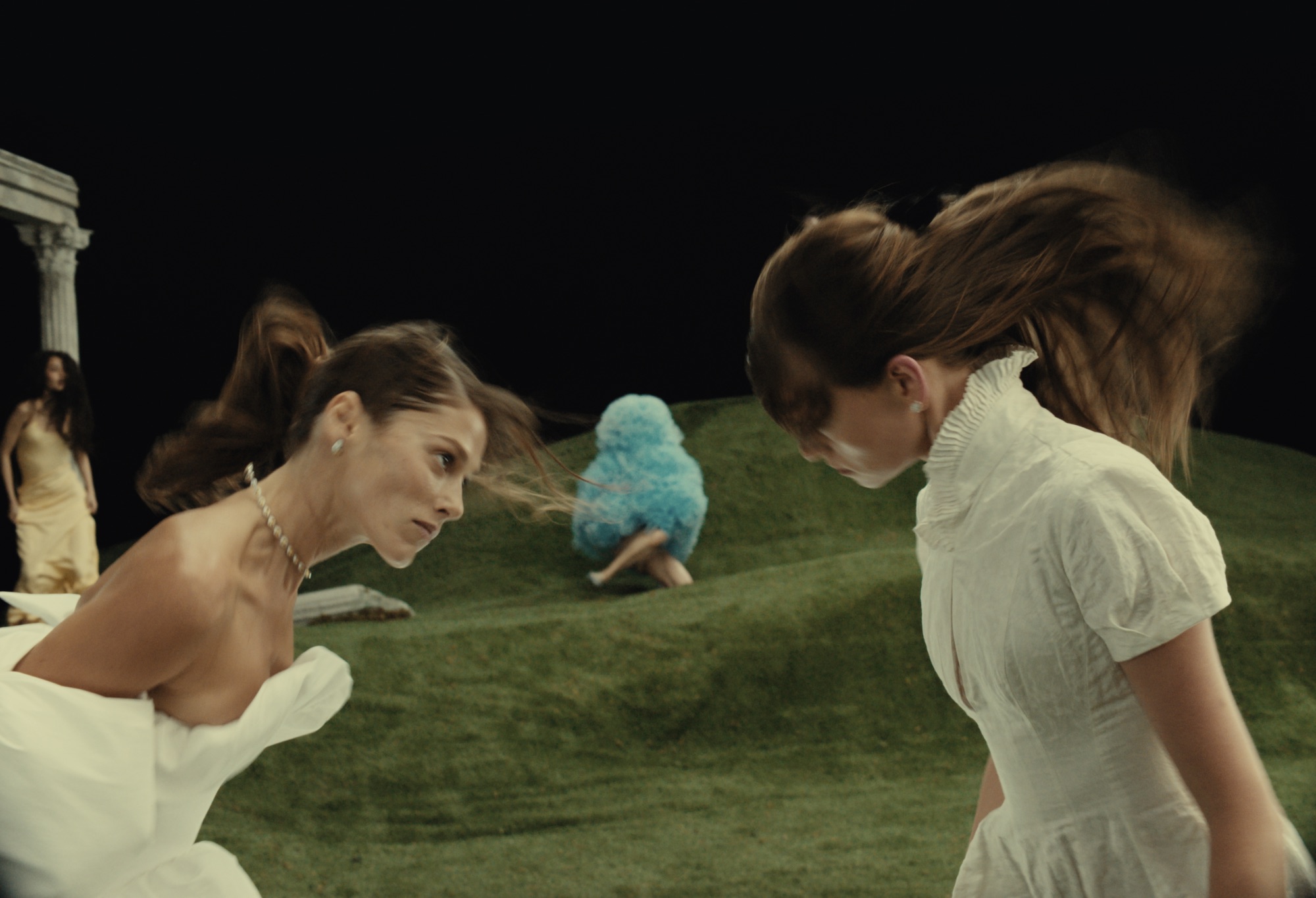
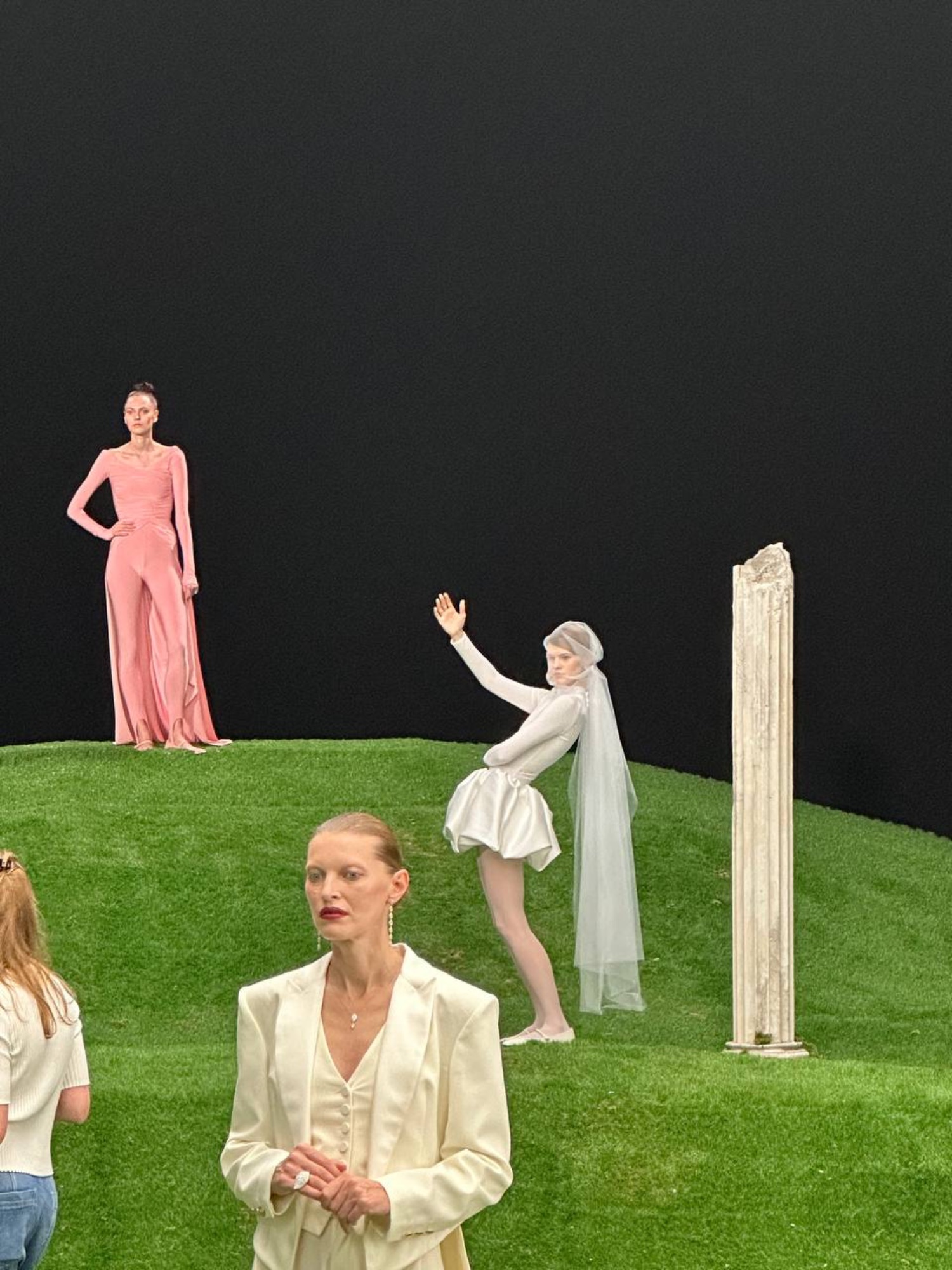
Regarding the frozen poses of our characters—together with the choreographer, we created striking and curious shapes that would make the viewer want to rewatch the film again and again. We drew inspiration from fashion poses, from childhood playfulness and games, every pose of each heroine had its own meaning, which made each of them unique. For example, the two girls in white dresses always interact with one another. At the beginning, they stand in identical poses; later, they mirror each other, one standing while the other lies in the same shape on the grass.
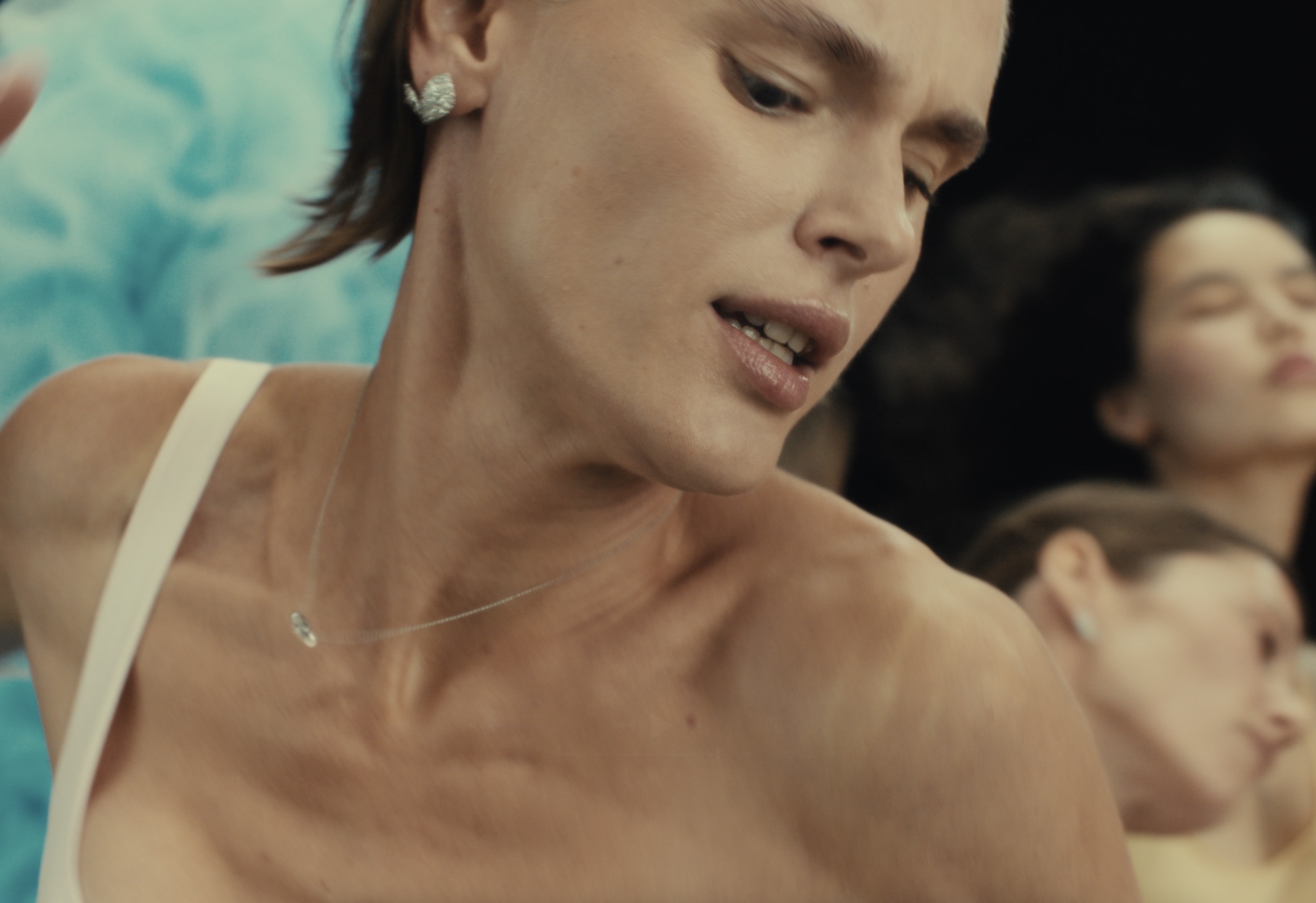
Naturally, the most important focus was on the close-ups, where the jewellery becomes the highlight. My favourite moment is when, in a close-up, the girl freezes but her earring continues to sway slightly from the inertia of her previous movement — this gives an accent and a beautiful refraction of light on the diamond.
Most Popular
The set design feels both natural and abstract. What was the conceptual reasoning behind that striking visual choice?
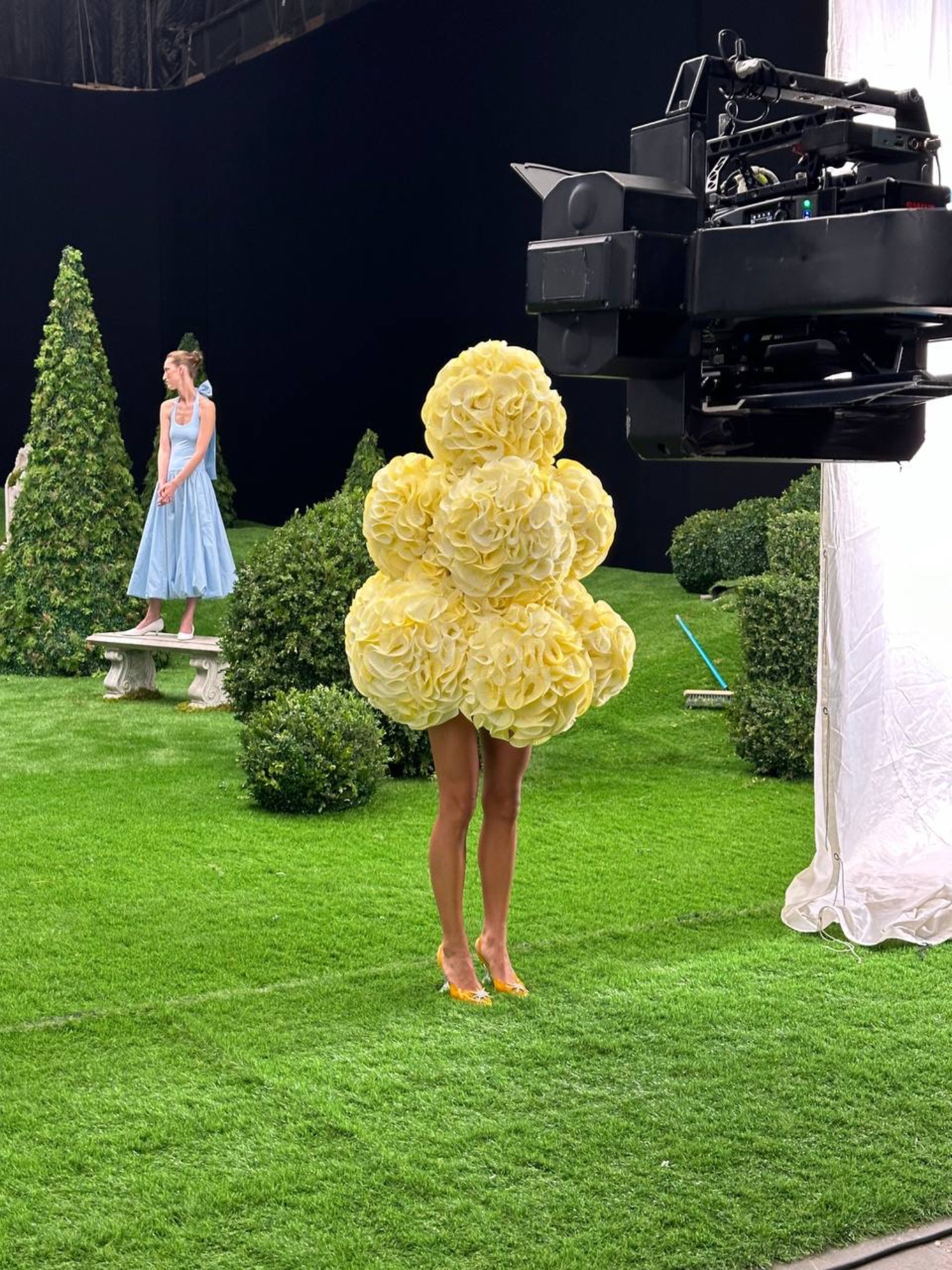
I approached the set design with complete freedom and suggested the idea of not shooting in a regular park, but instead recreating only fragments of it—grass, hills, and pieces of architectural structures. The entire upper part of the set was completely black. This was not merely a visual flourish, but a conceptually grounded decision: in wide shots, the diamond jewellery immediately stands out and captures attention.
The dynamic was essential, as in that movement the jewellery gained a new, unpredictable plasticity and light refraction.
It is also worth noting a key element—the music box from which the rave emerged. This is a mechanical music box with a disc, a type of antique music box. The device works like this: instead of the usual pin cylinder, it uses a perforated metal disc. When the disc is turned (wound with a handle on the side), the pins on the disc strike the teeth of a metal comb inside, producing a melody.

The camera work brilliantly mirrors the narrative, shifting from static to frenetic. How did you develop this philosophy with your cinematographer?
With the DOP Andrey Krauzov, we developed a clear philosophy for how the camera would work within the concept and storyline of the film. When the ladies are frozen in their poses, the camera remains static. But when the music starts, the camera enters the same kind of frenzy, behaving as uninhibitedly as the characters on screen.
We first shot all the static, frozen frames. Once all the poses were done, we moved to the rave scenes. There, the goal was total liberation; we weren’t afraid to fall or to push our physical expression to the limit. The dynamic was essential, as in that movement the jewellery gained a new, unpredictable plasticity and light refraction.
The sound design is the film’s engine, creating a thrilling dissonance. How did you approach integrating the sound with the visual narrative?
For me, sound is always the driving force and the heart of directing. I always begin with it and give it a conceptual meaning. In this case, there’s a resonance between the visual and musical aesthetics, the connection of past and present, and it’s precisely this dissonance that creates that thrilling feeling while watching. The viewer could hardly anticipate that when the music box starts playing, a rave frenzy would erupt.
You never get quite enough time to take it all in, because I intentionally stop the scene at its most intense moment.
The structure of the edit follows the rule of the children’s game statues, rave then freeze. Each time, we move closer and closer to the leading figure, leaving the viewer space to imagine what might happen next if the music played again, what would unfold. You never get quite enough time to take it all in, because I intentionally stop the scene at its most intense moment, leaving an aftertaste and a desire for more.

Where does a project like this lead you? What are you exploring next in the world of fashion film?
I continue moving toward fashion film, seeking not just new forms of visual storytelling but meaningful and idea-driven narratives within the genre. I’ve always been drawn to storytelling that lies at the intersection of sound and image, allowing the viewer to experience an emotional connection at the very moment of watching.