Returning to DN’s pages after first being featured this time last year with her interrogatory body horror Tight, filmmaker Jessica Barr once again presents a brilliantly crafted, female-centric narrative with Private Moments. This time, the multi-hyphenate filmmaker explores the delicate balance between personal trauma and artistic expression. Through an intimate portrayal of a woman grappling with the aftermath of an abortion, Barr not only confronts the complexities of her subject’s experience but also pushes back against the expectation that women’s stories must always centre on trauma. Set within the charged environment of an acting class, the film masterfully blurs the lines between authentic human relationships and the drive to harness intimacy in the name of art. In our interview about her premiering short, Barr reflects on this project as the final one in which she will directly channel her own life experiences, signalling a purposeful shift away from creating work generated from the often cited “write what you know” maxim. Private Moments challenges viewers to untangle complex personal and power dynamics while also implicating them in the act of watching, forcing a reflection on their own role in consuming such nuanced, emotionally charged interactions.
You open with a powerful, intimate moment. Since this closely reflects your own experience with abortion, how did you transform such a painful and deeply personal subject matter into your protagonist’s emotional journey on screen?
As a woman who’s been navigating the festival circuit for a while, I’ve noticed a clear pattern: women are often pigeonholed into telling stories rooted in trauma—abortion, sexual assault, violation. So many opportunities and grants prioritize these narratives, as if trauma is the primary lens through which our identities are defined. The same can be said for any marginalized group. And while there’s nothing wrong with telling these kinds of stories, I worry that it’s become limiting.
Five years ago, abortion was rarely depicted on screen. Now, it’s become a common theme at film festivals. When I had an abortion, my first instinct was that I never wanted to make anything about it—it felt too painful, physically and mentally. But as time passed, and I sat with all my complicated thoughts around the experience, I realized it was, in a way, the perfect trauma to examine—or even to interrogate—through my work. Jamie’s character embodies that pressure filmmakers often feel to expose their shame or victimhood, while Noelle’s character, or in a meta sense me, pushes back against it.
That aspect of abortion—the uncertainty, the emotional contradictions, the physical aftermath—is rarely explored.
When I had my abortion at home, I remember the waiting period—those weeks of not knowing if it had worked. When Noelle bleeds for the first time after her abortion, she feels relief that it worked, but that relief quickly turns into anxiety: Did she bleed too much? Is this normal? That aspect of abortion—the uncertainty, the emotional contradictions, the physical aftermath—is rarely explored. Many viewers have assumed Noelle is just getting her period for the first time. I wanted to capture that tension: the feeling of being relieved yet also confused and sad. There’s a quiet, complicated nuance in that moment that felt worth examining.
Most Popular
Why did you choose this particular setting for the film?
I produce everything I direct, so I tend to write with a scarcity mindset, shaping stories around what’s realistically available to me. Luckily, I am close to an acting teacher, and she allowed me to shoot in her studio. The controlled environment of an acting class, with an active audience present throughout each acting exercise, heightens the tension between performance and vulnerability. It allows the viewer to experience a sense of shame and complicity, forcing them to reckon with their own role in the act of watching and consuming someone else’s personal narrative for their pleasure.
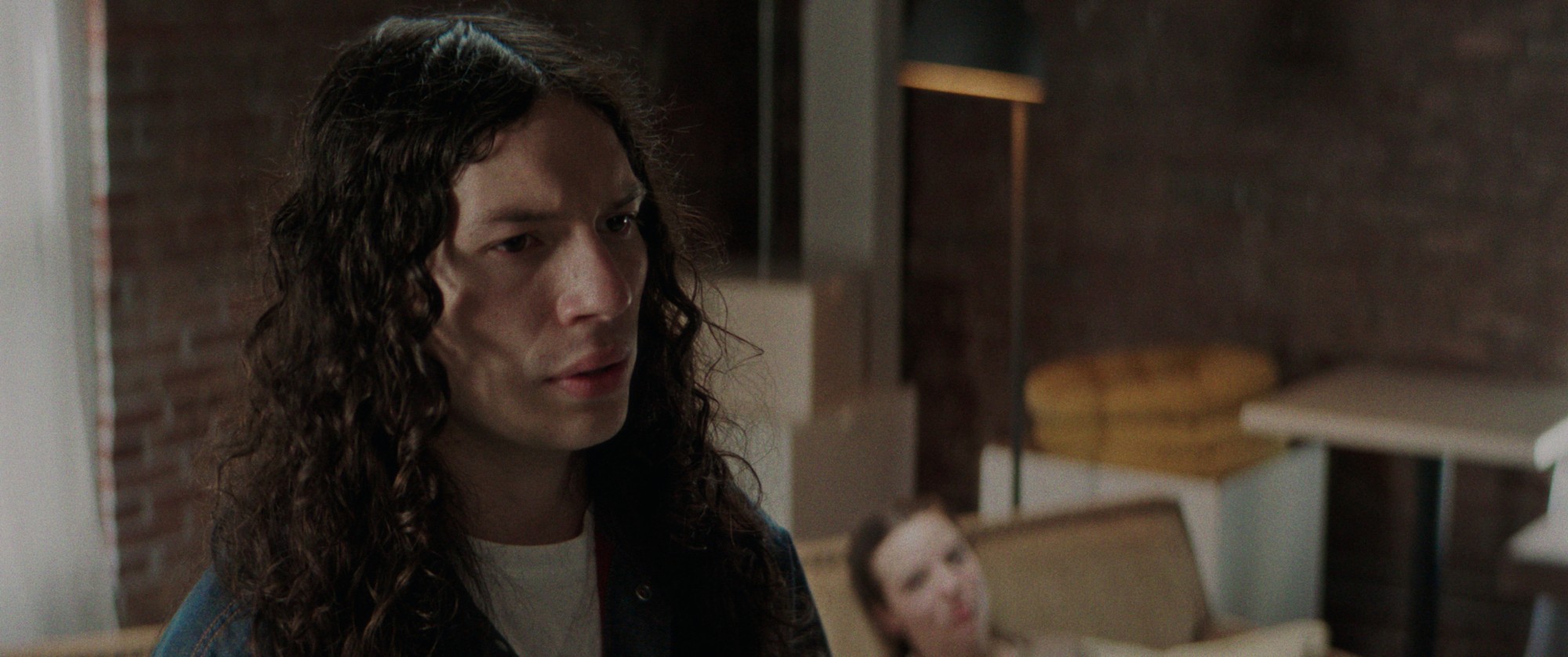

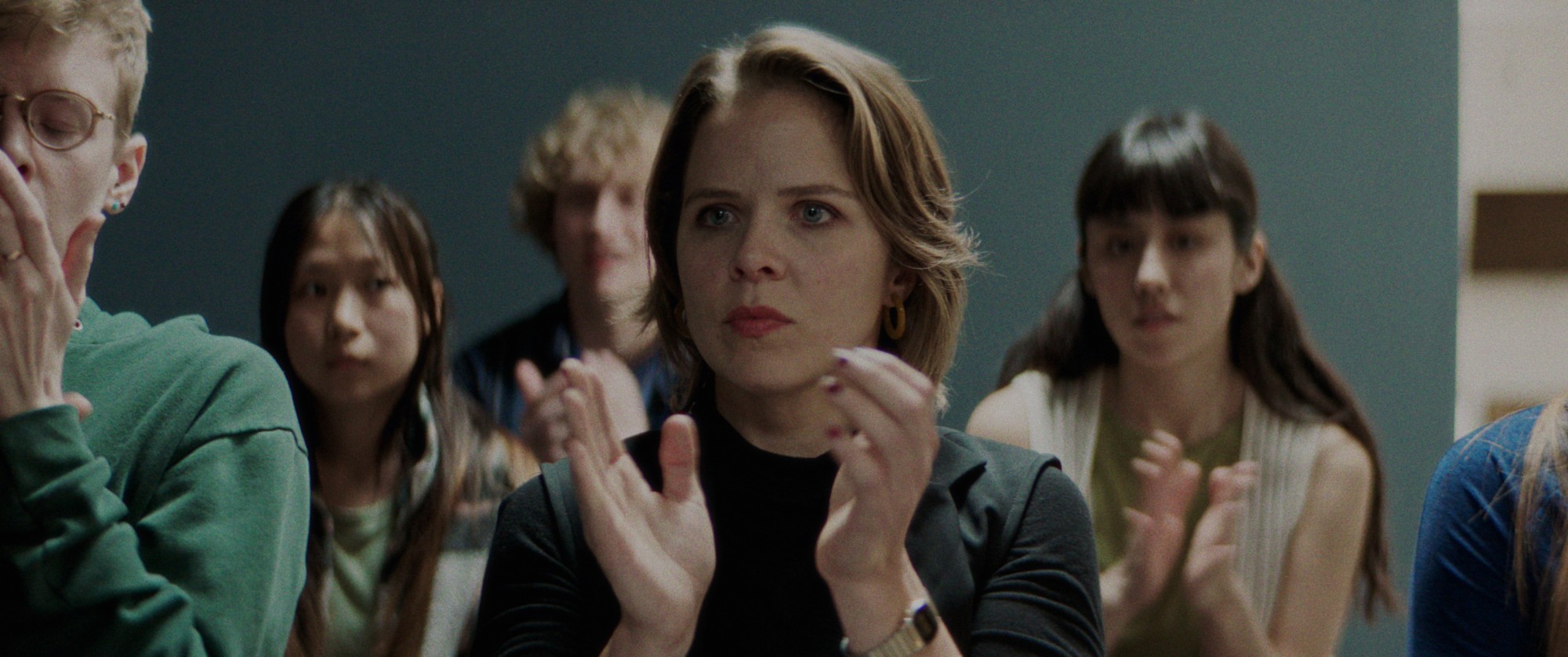
With her controlling and authoritative presence, the acting teacher steers the exercises toward intimate relational dynamics, deliberately pushing the female students into challenging territory.
I wanted the audience to form their own opinions about the teacher’s practice. I was interested in creating a grey area between what we know and what we think we know. Crafting that dynamic came down to the dialogue—choosing what to reveal, what to withhold, and what to leave to the audience’s imagination.
It allows the viewer to experience a sense of shame and complicity, forcing them to reckon with their own role in the act of watching and consuming someone else’s personal narrative for their pleasure.
Private Moments reminded me of a reflection by writer Melissa Febos in her book Body Work, where she explores the painful aspects of using the lives of those close to us as material for art. How did you approach this delicate issue in your artistic process, especially regarding the other people involved?
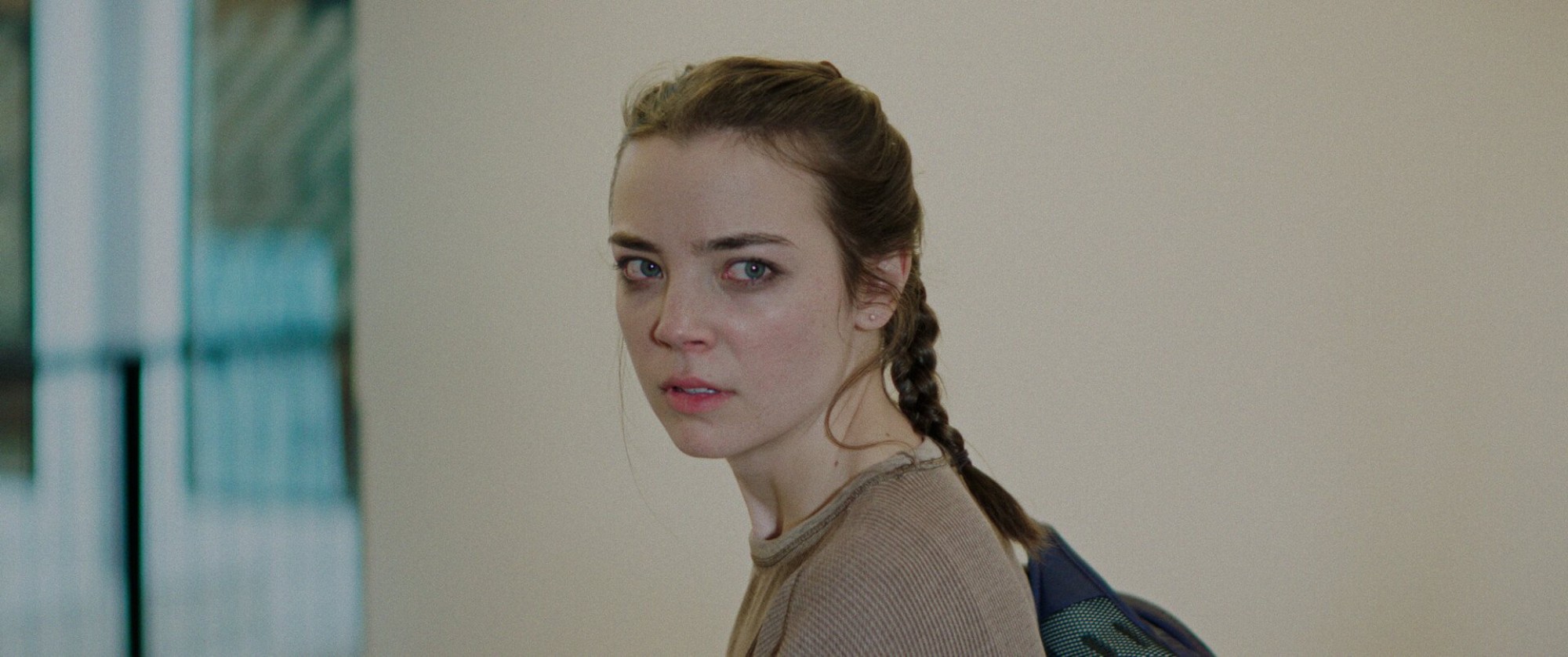
My focus was on building the characters’ backstories: Does Lee have a crush on Noelle? Did they hook up? Was Lee the one who got her pregnant? What does the teacher know about any of this, or is the exercise simply a coincidence? Collaborating with the actors Lea Zawada, Eddie Wollrabe and Kailey Rhodes to flesh out these personal dynamics and universal truths was crucial in developing the tension the story required.
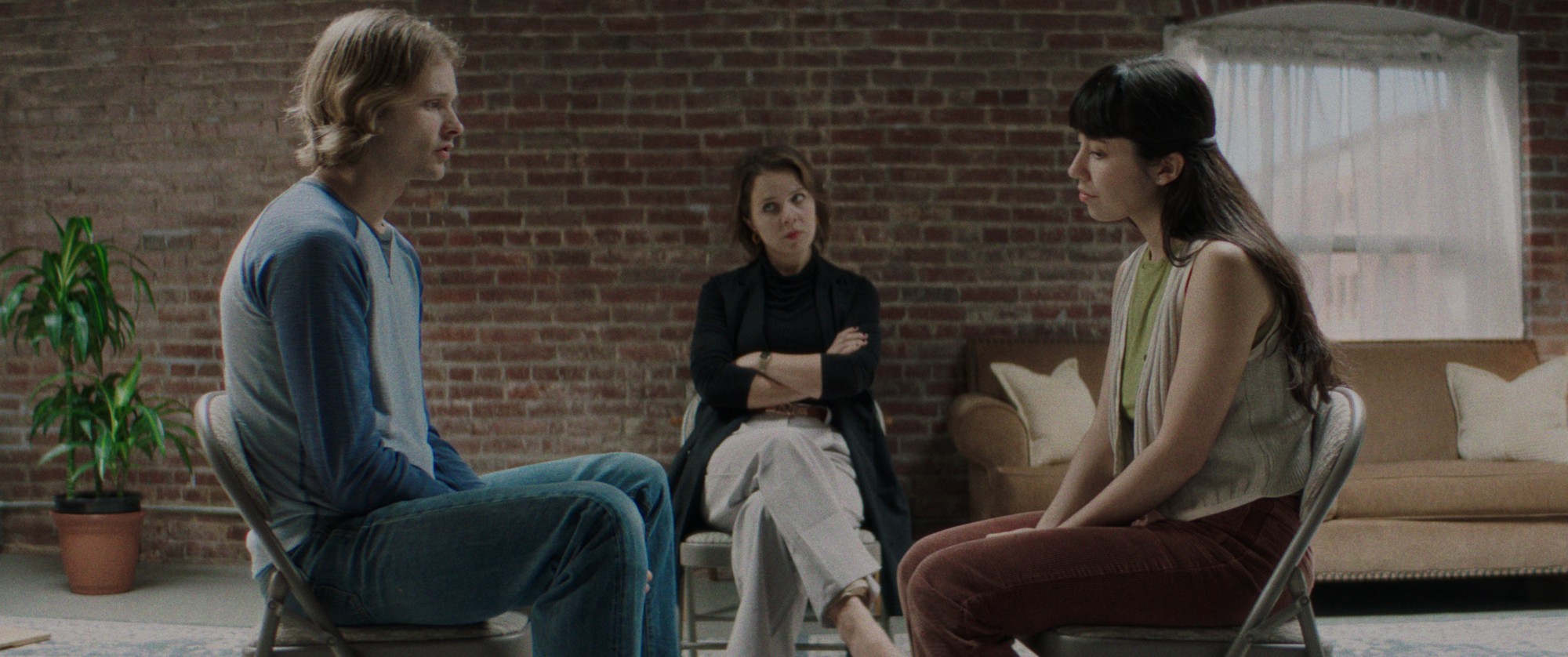
What was your experience working with the actors like? Did you find a shared understanding or common ground when it came to exploring emotionally charged or traumatic material?
I cast all of my films myself. I try to find people who already have the essence of the characters I’ve written and then build from there. With this one, I had Eddie and Lea improvise the acting exercise scenes in their own words, and then I rewrote the dialogue so it felt more natural to them.
It was also the first time I’d ever asked an actor to do more than three takes. I had to figure out how much I was comfortable pushing Lea. I started out as an actress, and I’ve had to do a lot of emotionally heavy work before, so I know what that feels like. I’m really protective of my actors—I just want them to feel safe. Before we shot those tougher moments, I asked Lea what kind of environment helps her when she has to go to hard emotional places. By asking this question, I could better prepare my crew for the environment that we needed to create for the actors to get their best performance.
I started out as an actress, and I’ve had to do a lot of emotionally heavy work before, so I know what that feels like.
Born out of a film fund challenge, the project came with tight constraints—a limited budget, a short shoot, and a single location. What possibilities did those limitations open up for you creatively, and how did they shape the way you approached the story and its realisation?
Even though we’re in the same room for almost the entire film, we wanted the space to feel dynamic. We explored that through our lenses and framing, and shooting for the edit was really crucial to making it work. Developing a strong shot list and visual language within such a contained setting was actually really fun.

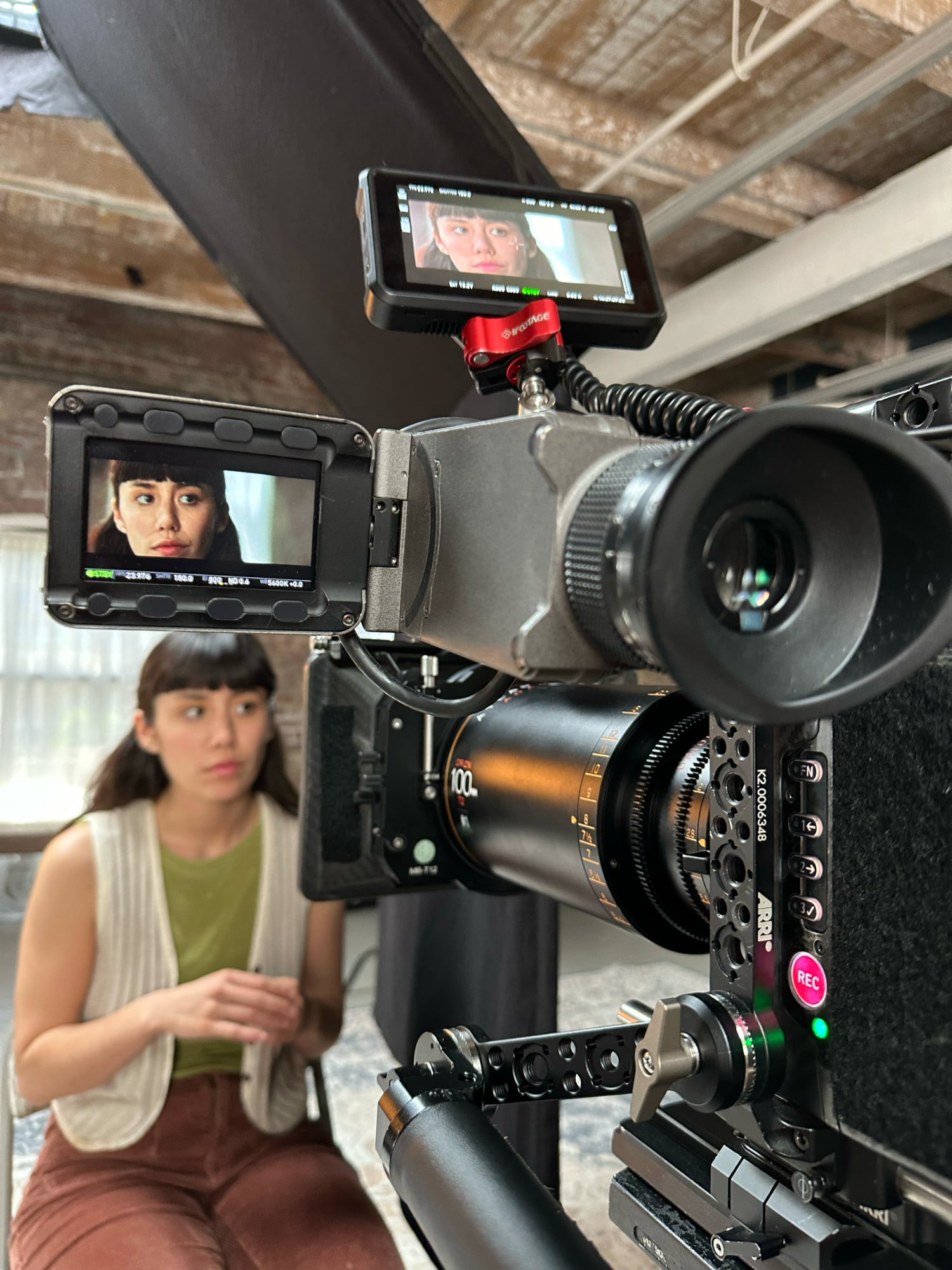
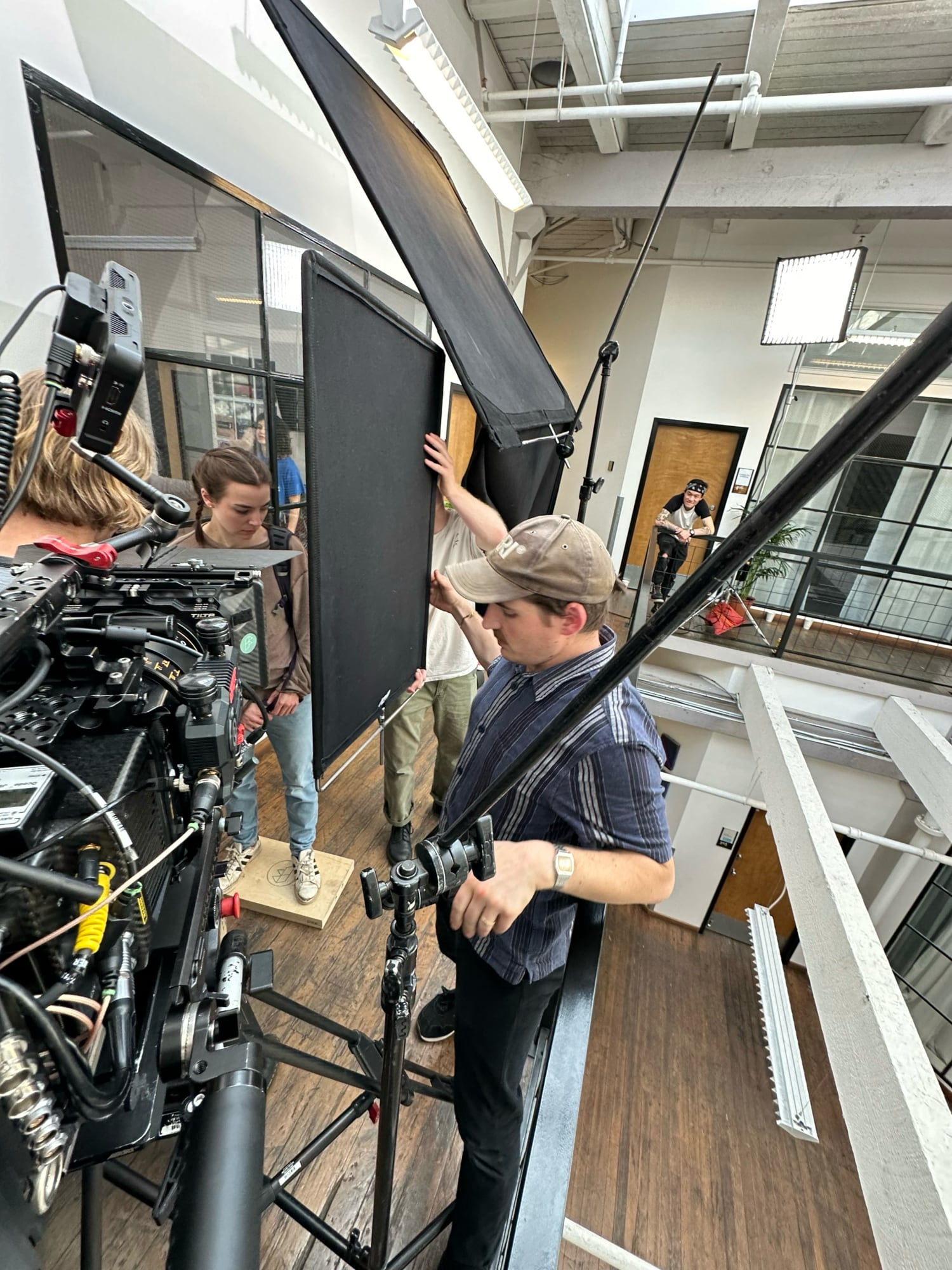

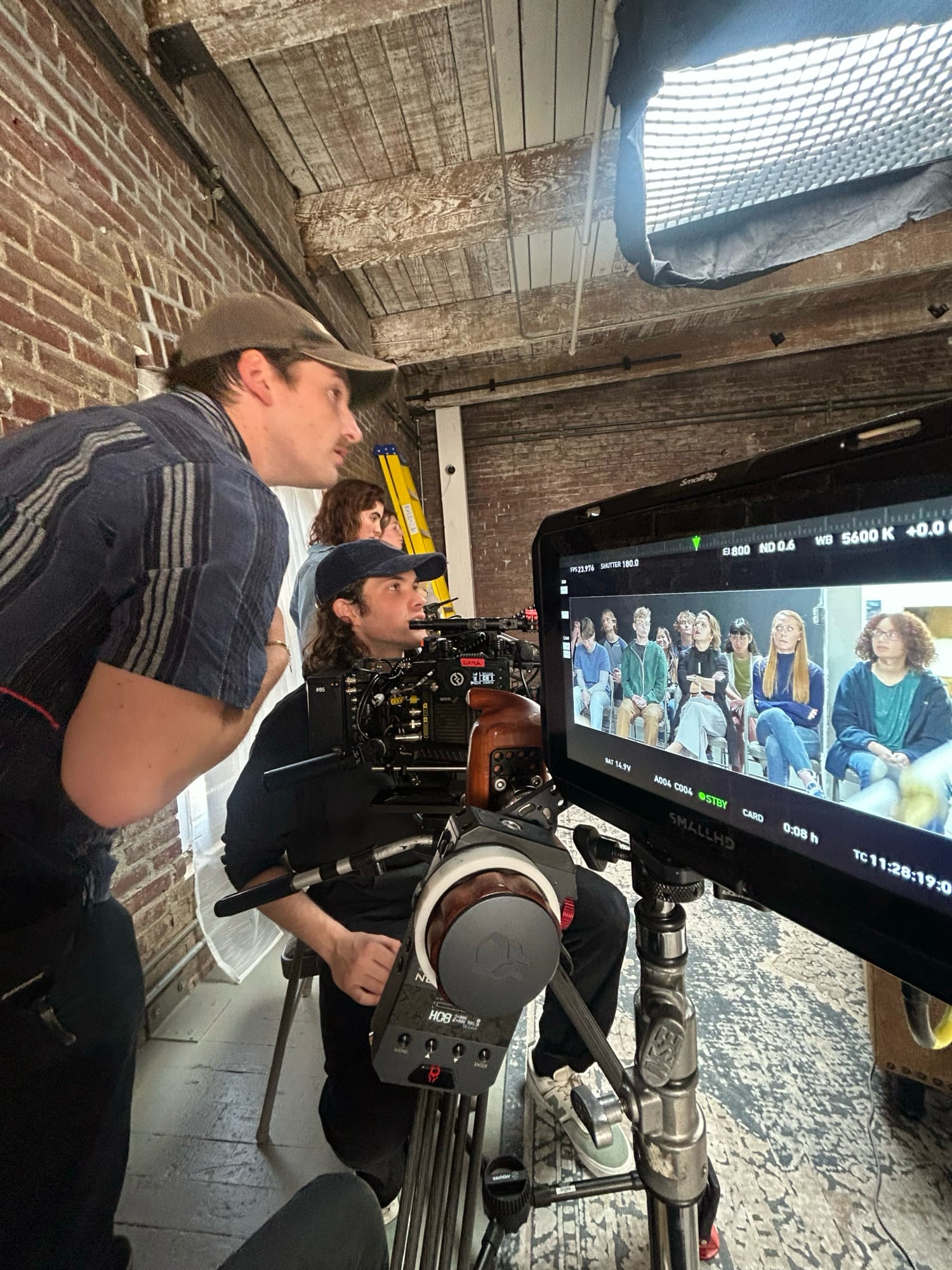
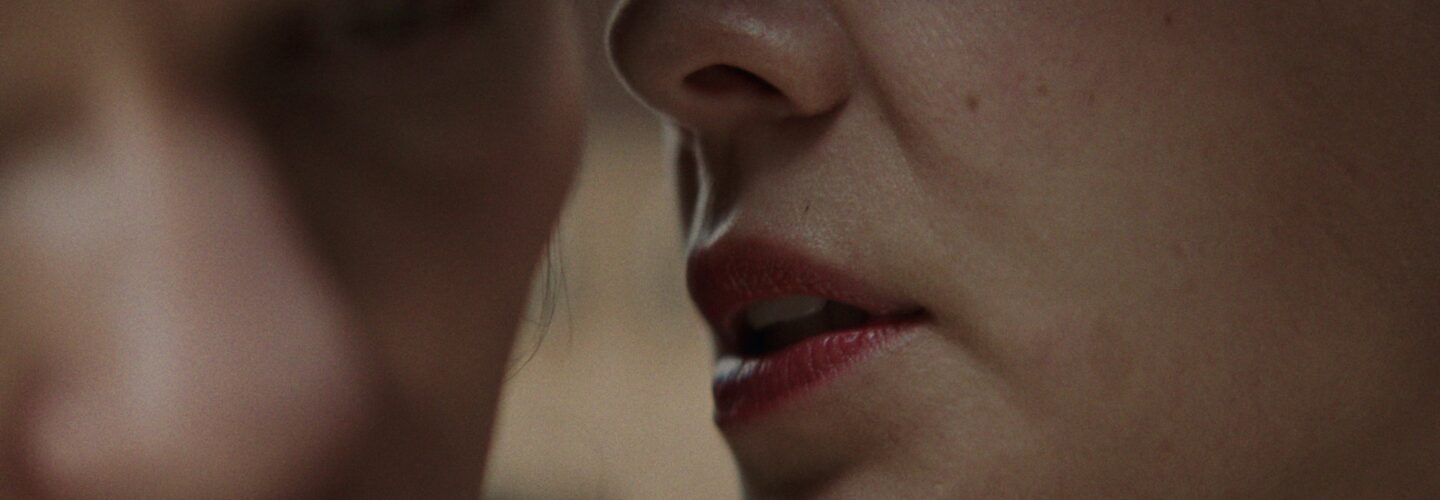
There’s a strong focus in the film’s cinematography on faces and expressions—an intimacy that feels both visual and emotional.
I asked my DP, Greyfaen Eastland, to speak on this, and I loved what he had to say:
“The choice to shoot on mostly tight lenses was a decision made to align us with our main character Noelle’s feeling of being trapped, isolated and alienated in her circumstance. The movie is about manipulating emotion to get a result, at whatever the cost. With this, it felt only right to play out much of the coverage in close-ups and extreme close-ups to capture every nuance, detail, and micro-expression in the characters’ faces. Being able to see these expressions with such intimacy added a whole new dimension of subtext to every scene, which was amazing to see in the edit. Shooting on anamorphic lenses allowed us to keep a wider field of view to capture the class and the space at certain times, while maintaining the compression of normal lenses—furthering that feeling of claustrophobia.”
I’d love to know why you chose to end the film with a sense of relief or freedom.
I wanted to end on a hopeful note. Even though letting go of a tool you’ve relied on your entire artistic life can be frightening, there are countless other ways to find inspiration beyond yourself and the communities of people you know. I envisioned a light cast over my lead actress, Lea—a visual symbol of possibility, as if a new door is literally waiting for her. Eddie, my lead actor, is showing her this other way.
It’s been incredibly freeing to let go of the idea that “writing what you know” makes for the best stories.
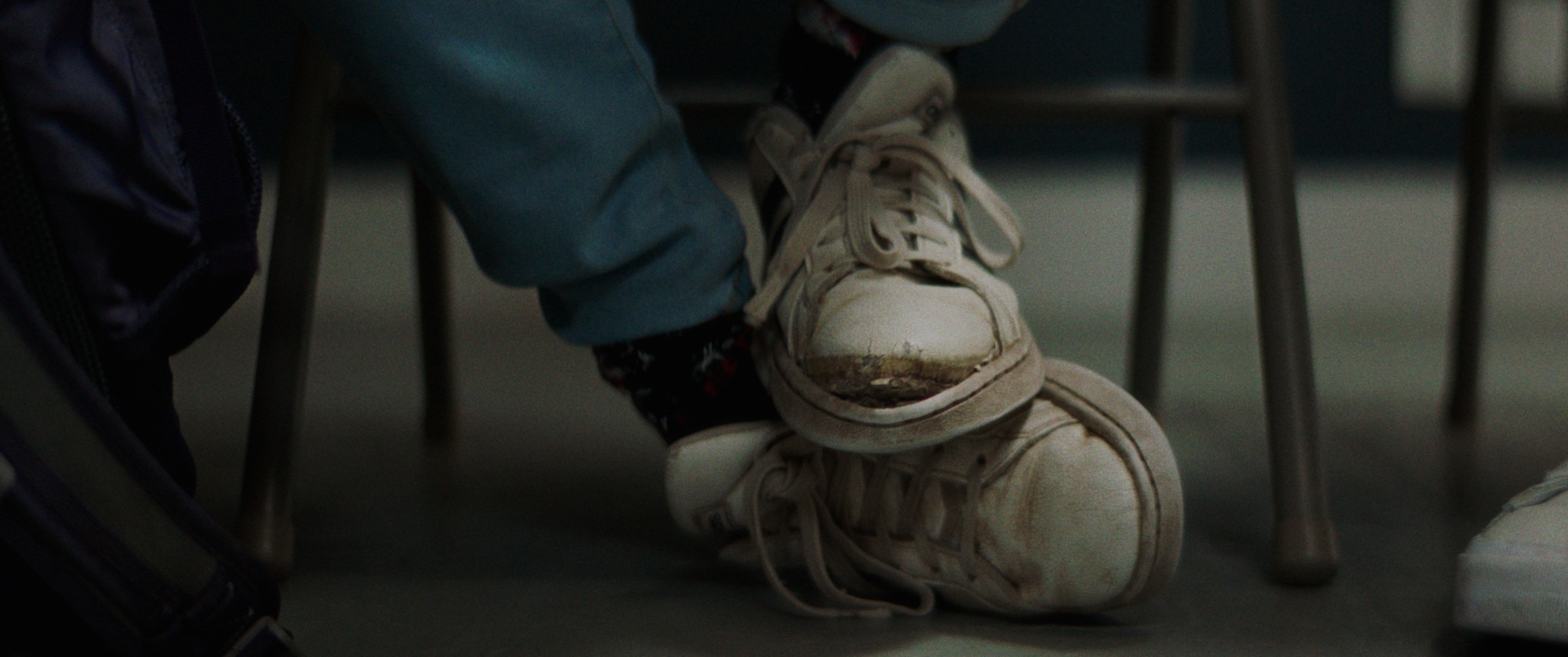
Private Moments engages deeply with the question of using personal trauma as artistic material—and the fact that doing so can be painful, both for ourselves and for those connected to the experience. How did telling this story reshape the way you think about that dynamic for your own experience?
In many ways, this short marked the end of that practice for me. Since making it, everything I’ve written has been entirely imagined—and it’s been incredibly freeing to let go of the idea that “writing what you know” makes for the best stories. For a long time, I was afraid to invent new worlds; I didn’t feel confident enough to take that leap. I also thought that this meant writing about the horrible things that you have gone through, versus a heartfelt encounter with a stranger. This film allowed me to release that narrative and find freedom in creating from imagination rather than experience.
And finally, what paths are you currently exploring?
I think I’m more focused now on what I want to say as an artist, rather than on what I think people want me to say. I wrote and directed a feature this summer called The Plan that encapsulates that sentiment, and I hope to premiere it somewhere soon.