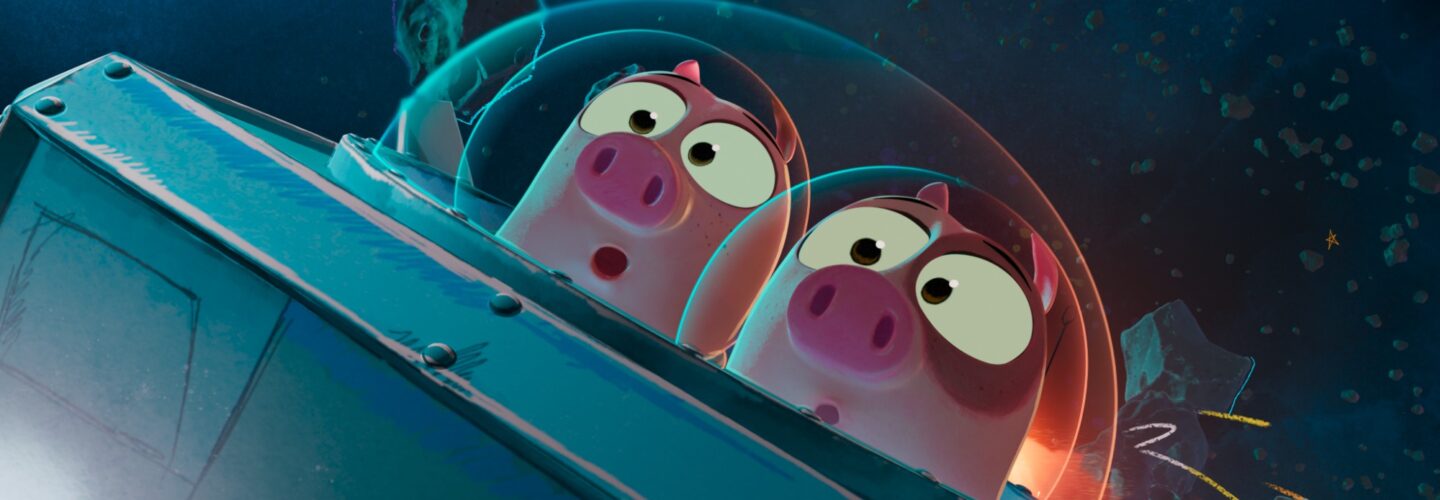
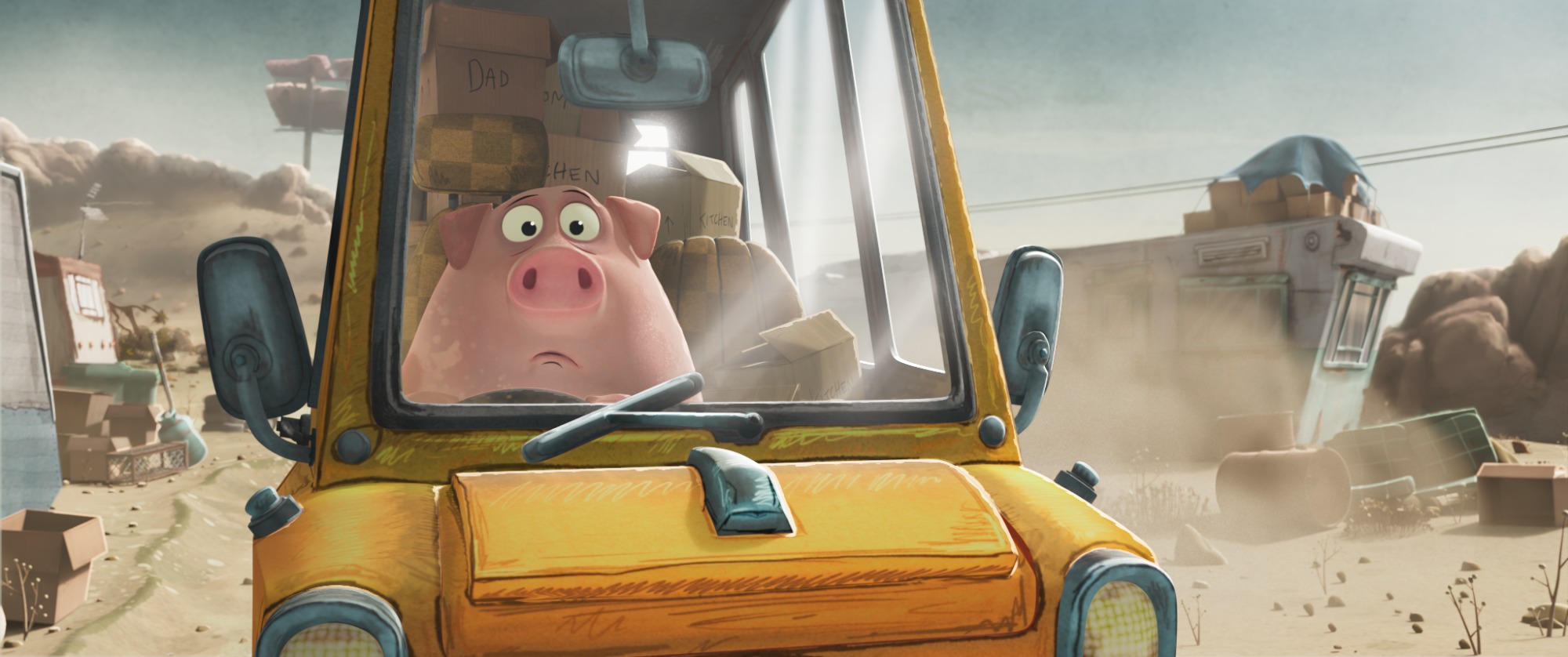
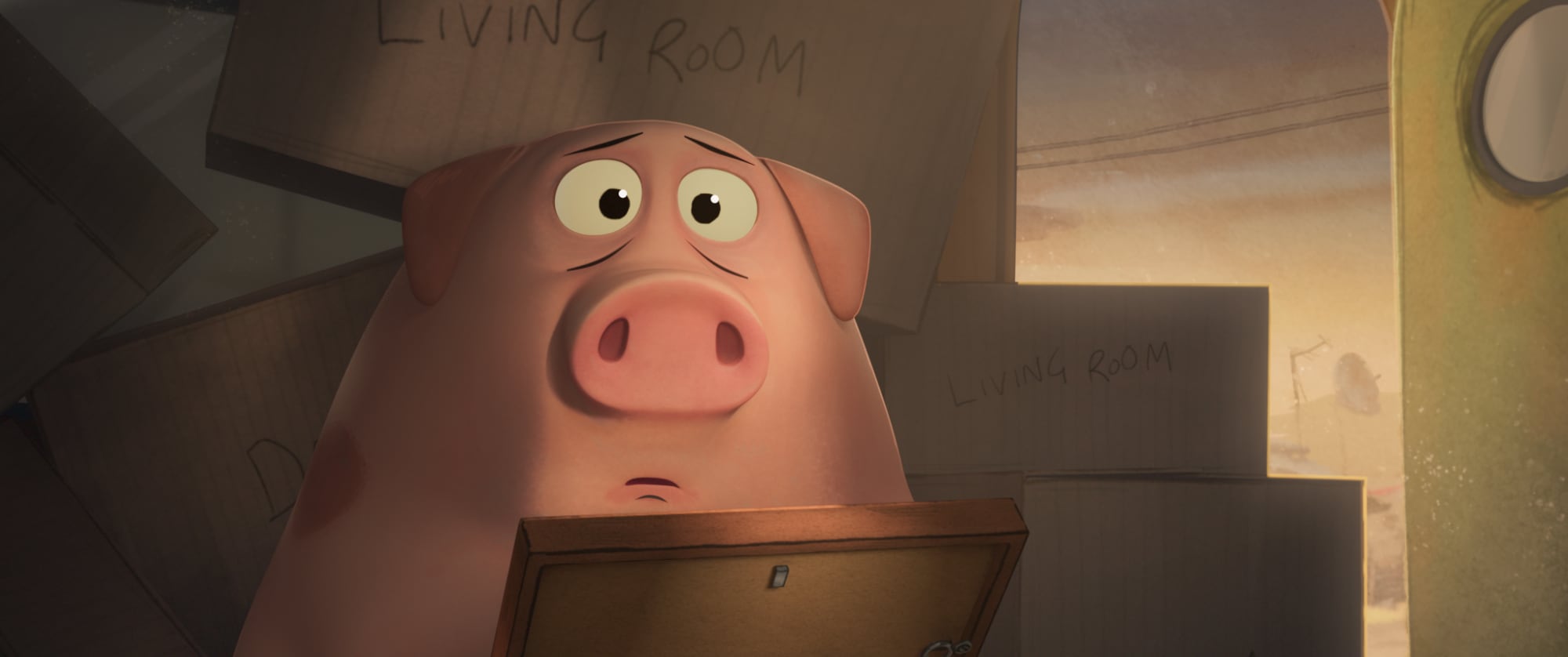
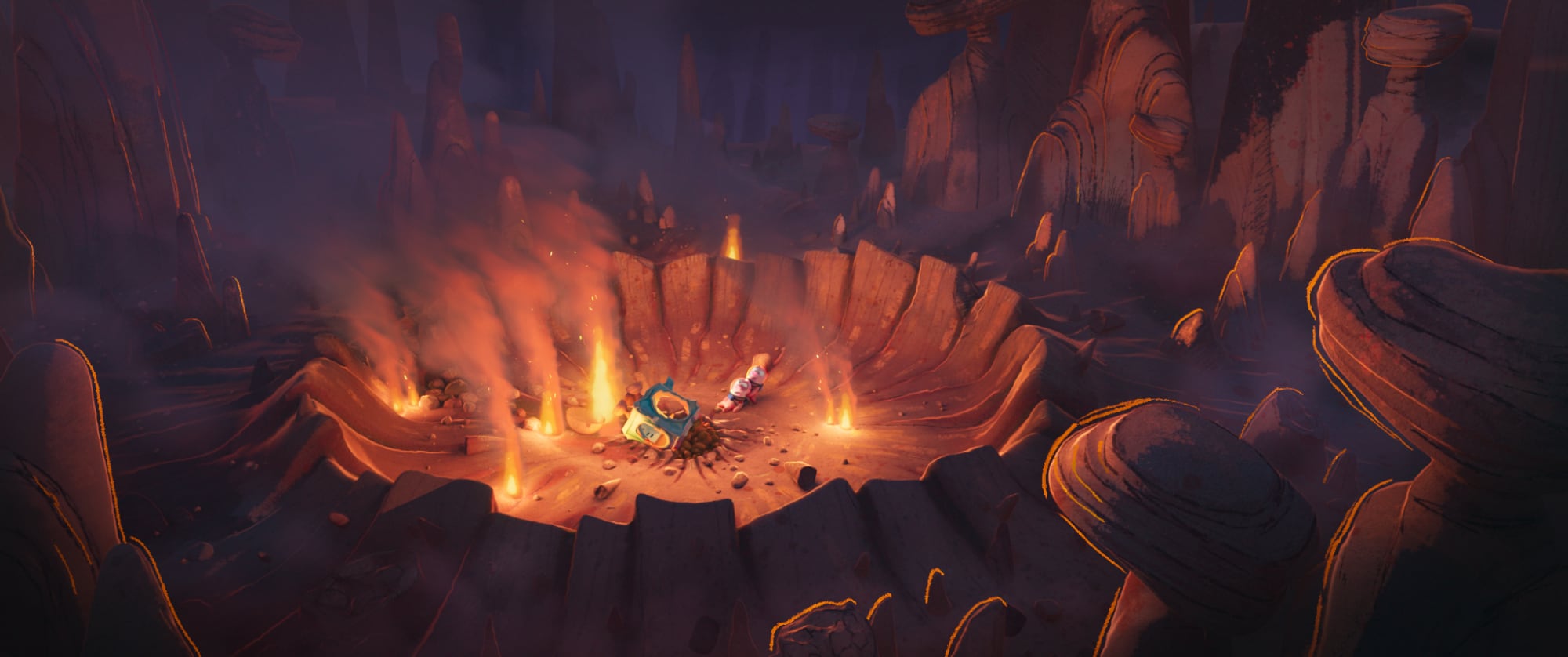
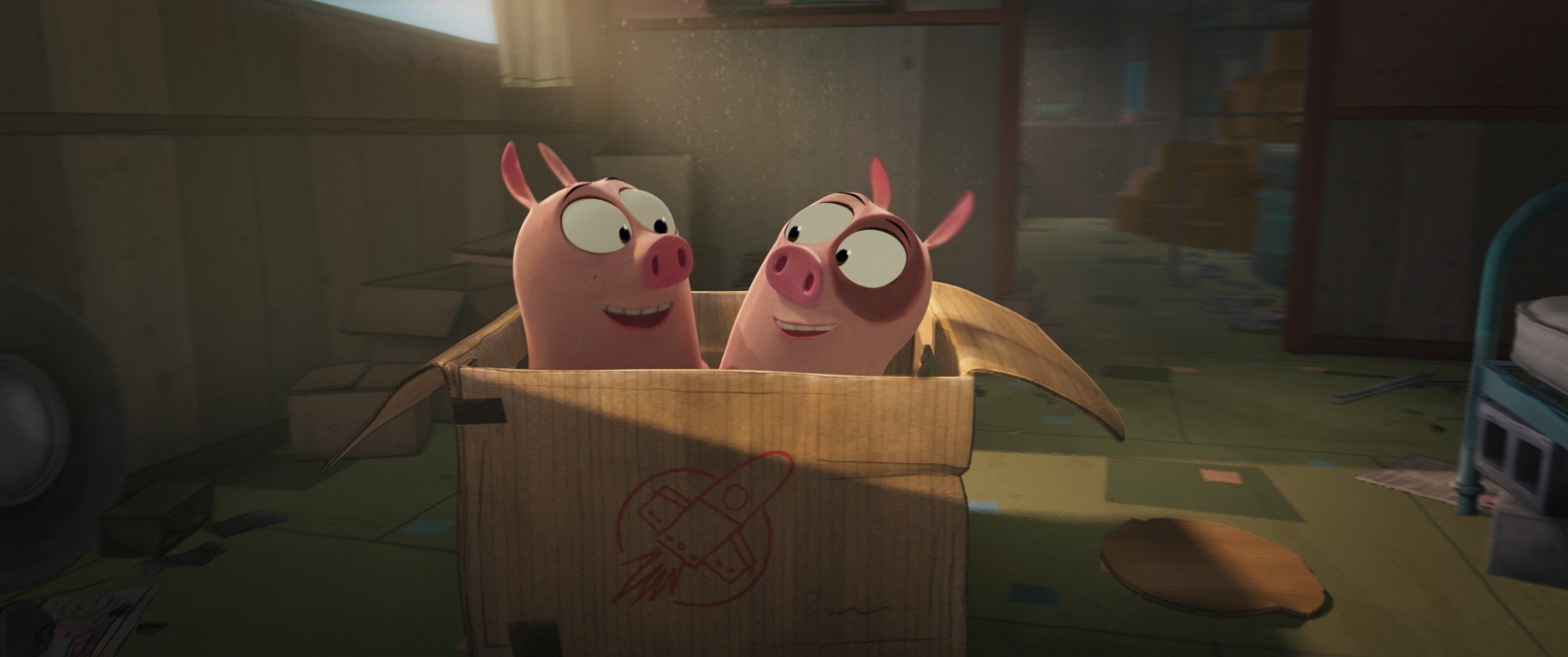
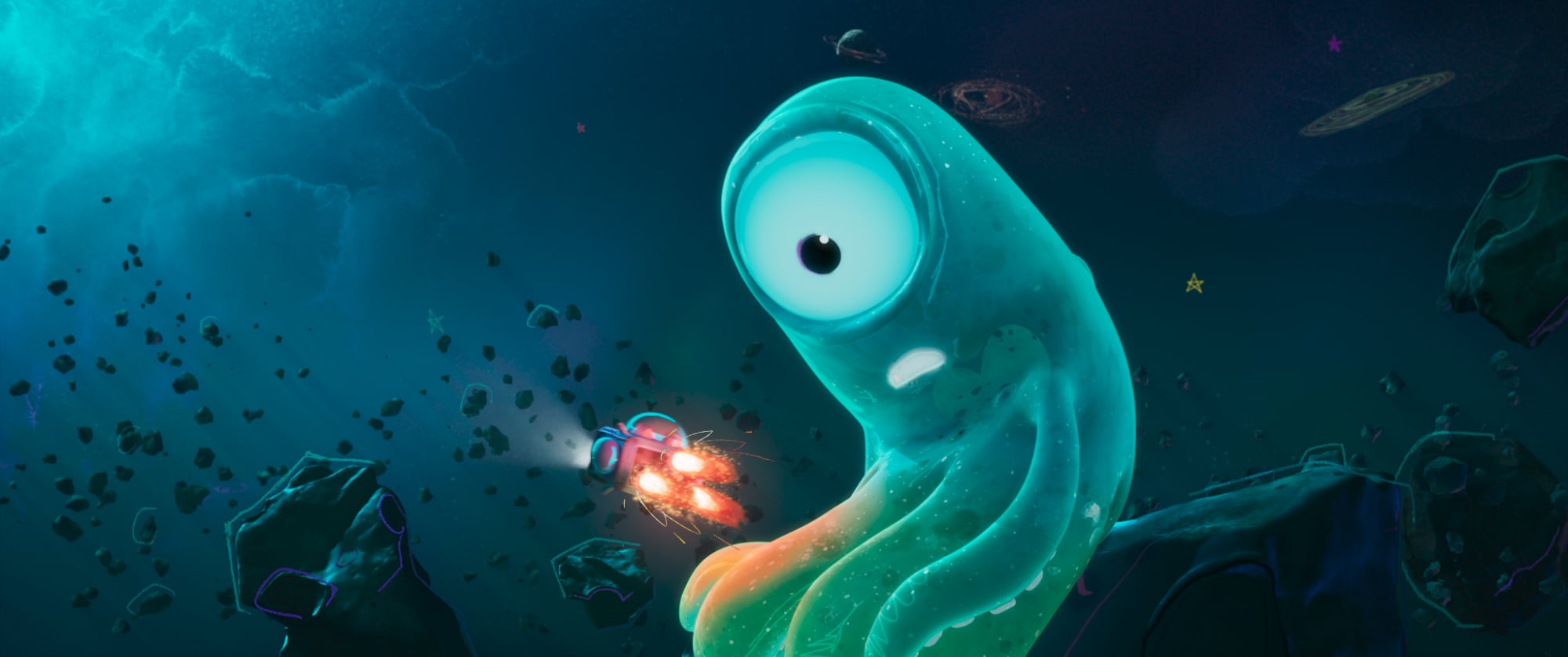
I didn’t need much to keep me occupied as a child. A collection of matchboxes, a garden which felt my own private wilderness, and some rather unfortunate woodlice kept me absorbed for hours. Watching J.P. Vine’s BAFTA-nominated animation Cardboard from Locksmith Animation catapulted me right back there—cross-legged in the mud, utterly engrossed, completely free. An idea that had been percolating in Vine’s mind, along with a penchant for doodling pigs, evolved into his utterly absorbing short film, which has captured the minds of both adults and children—no mean feat. A single dad pig arrives at a dusty trailer park with his piglets in tow—where he sees failure, his children see a launchpad. A cardboard box becomes a spacecraft, and suddenly we’re tumbling through an intergalactic adventure rendered in watercolour bleeds and ink splatters that feel lifted straight from a child’s sketchbook.
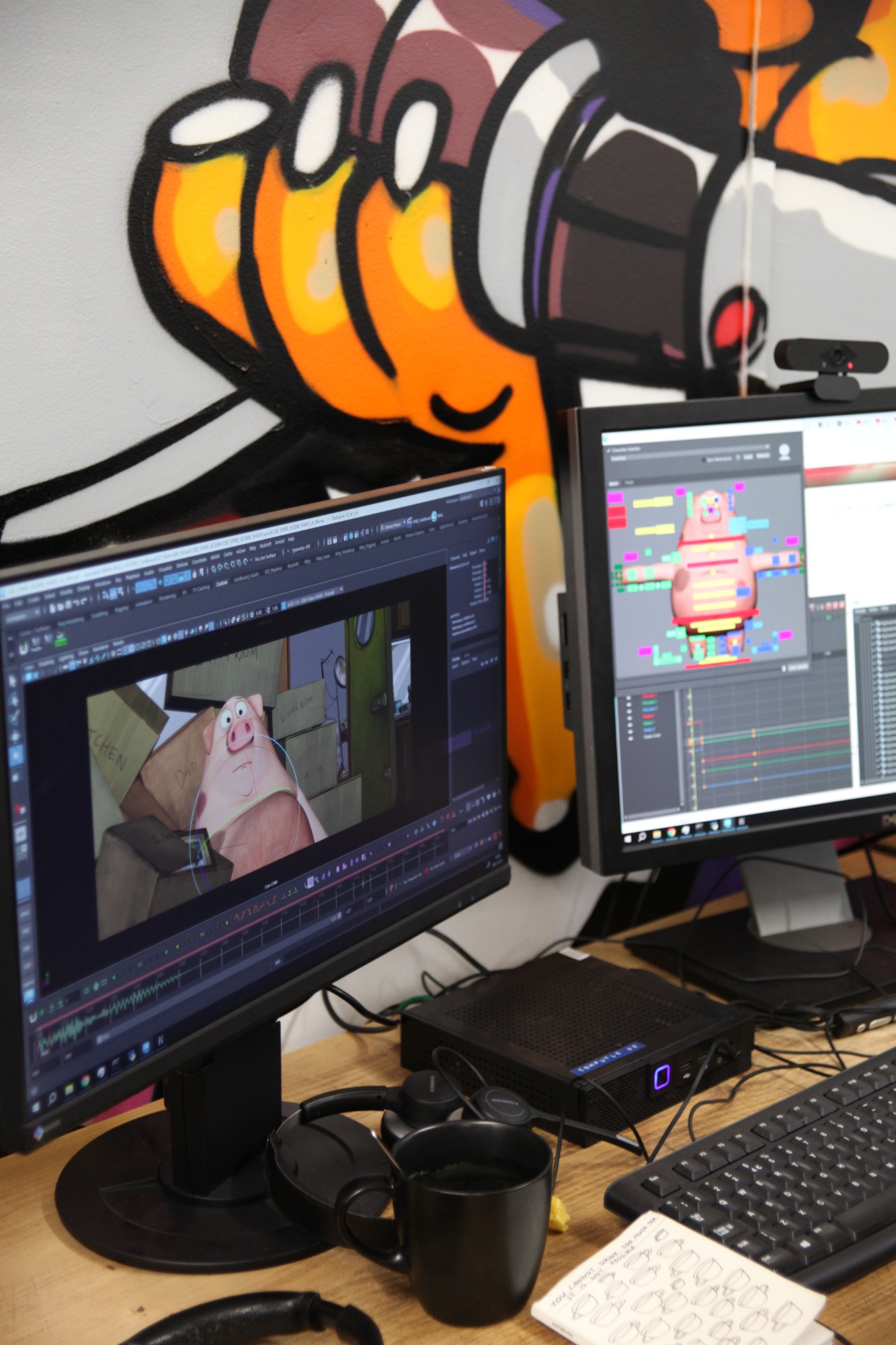
Vine and his team pursued his vision of the film, removing the tell-tale smoothness of CG work, building within a traditional pipeline, then layering hand-painted textures, irregular lines, and deliberately papery, splattery visuals until the polish gave way to warmth. Even the glow of torchlight bleeds like wet pigment on paper. The dialogue-free approach, honed during Vine’s formative years at Aardman working on Shaun the Sheep, allows the intercutting between Dad’s muted, weight-bearing reality and the children’s saturated cosmic playground to function almost musically with visual and sonic rhythms doing the emotional heavy lifting. Cardboard is a film made by people who clearly remember what it felt like to play and who understand that children don’t need much to conjure everything. The short is currently available to watch for a limited time on Locksmith Animation’s YouTube channel alongside a brilliant selection of making-of videos that are well worth digging into. This marks the final instalment of our 2026 BAFTA-nominees interview series (so now’s the time to catch up with any you’ve missed before Sunday’s ceremony), where Vine discusses the autobiographical roots that anchor the story of Cardboard, the craft of building two distinct visual worlds within a single aesthetic, and why working rough-to-fine unlocked creative freedom for the entire team.
A cardboard box is the most basic prop and I wanted it to be as basic as possible, but cinematically as big as possible, because what’s going on in their heads is massive.


Most Popular