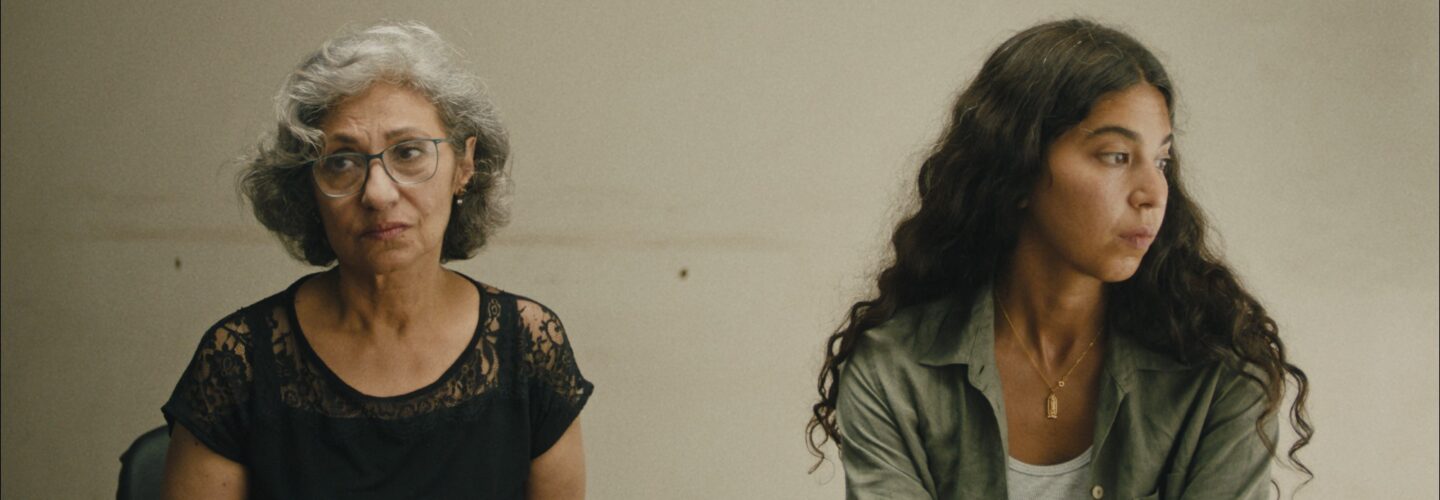
A family house on the verge of passing to new owners and a mango tree in its garden are not just places or mere presences, but key protagonists in Randa Ali’s short Mango. Driving the film’s emotional core is Nadia, who revisits the family house for the last time, navigating the fragile space between the fading physicality of the house and the deep, unspoken grief rising to the surface. Ali delicately brings the focus to the emotional landscapes that arise in places once familiar—spaces long woven into the fabric of our affections and memories—and the suppressed emotions that emerge in the face of loss. With subtlety and quiet intimacy, Ali explores the intricate bonds between roots, memory, affection, and loss, capturing the delicate tension between our alive past and the passing of time with its inevitable changes.
For today’s premiere of Mango, the writer/director reflects on her creative journey with the film, drawing inspiration from the radical transformations sweeping through Cairo and the disappearing mango trees—emblematic of the hot Egyptian summers of her past. She delves into the significance of place, the haunting themes of memory, loss, and the subtly profound sense of lost sweetness, while also highlighting the nuanced, intimate performance of lead actor Mona El-Husseini. Following its festival journey, which began at the Clermont-Ferrand Film Festival, Mango now arrives on Directors Notes with Ali sharing her delicate exploration of the meaning and mourning of returning to a family house for the last time.
In Mango, the story revolves around a house—inherited and on the verge of passing to new owners—located in Cairo, your city, where you spent your formative years. How did the initial spark for this project come about?
You know, I don’t know if there was one spark for Mango, rather an accumulation of circumstances and events. But if I can nail it down to one thing, it would be the aggressive changes/constructions that were happening in Cairo in the period that I left around 2019. Each time I returned to the city that I grew up in something changed, even the roads I knew like the back of my hand. It was a constant stage of growing disorientation. The moment that really hit me was on one of my visits where I drove near the Maspero triangle, not far from Tahrir Square, and saw the whole neighborhood flattened to the ground. It shook me, not just because of the peculiarness of the sight, but it emphasizes a sense of defeat that many of my generation have felt. It was in this neighborhood that I experienced my formative years—I worked as a journalist in a newsroom on the edges of the neighborhood in post-revolution Cairo, and where I also covered the resilience of the residents who refused to be uprooted from their land in favor of the privatization of the area for years. For me, architecture is a witness and there was this realization that we are constantly living in a place that is changing by force, erasing traces of history, and is threatening our ability to preserve memories but also that it was not unique to our generation and that it was something carried from one generation to the other; this burden of defeat and erasure of memory.
As the film opens with the demolition of the Maspero Triangle quartier, I found it striking that the process of finding the location mirrored the story of the film itself. Can you share more about the location scouting process and the artistic concept that guided your choice for the house as a central character in Mango?
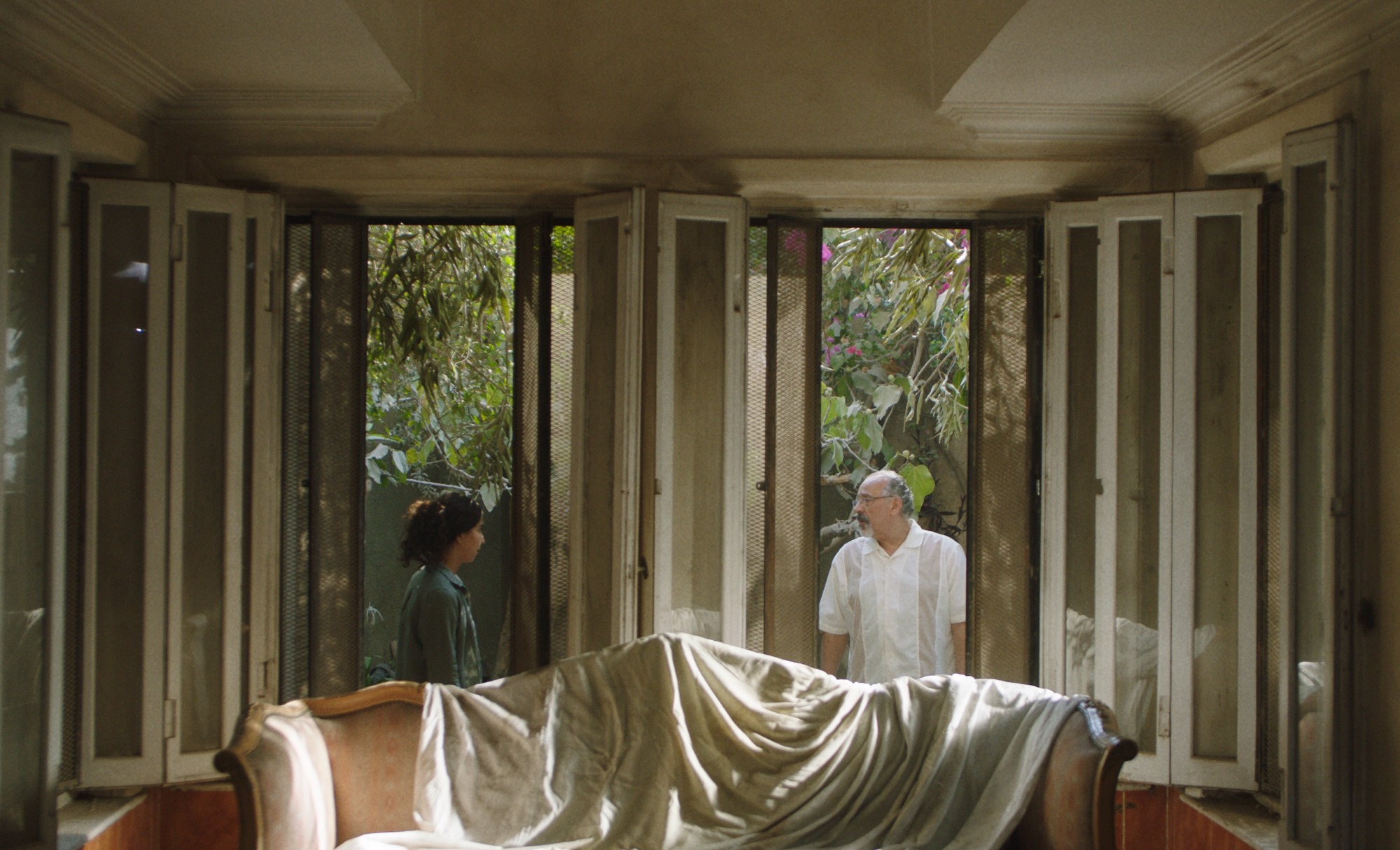
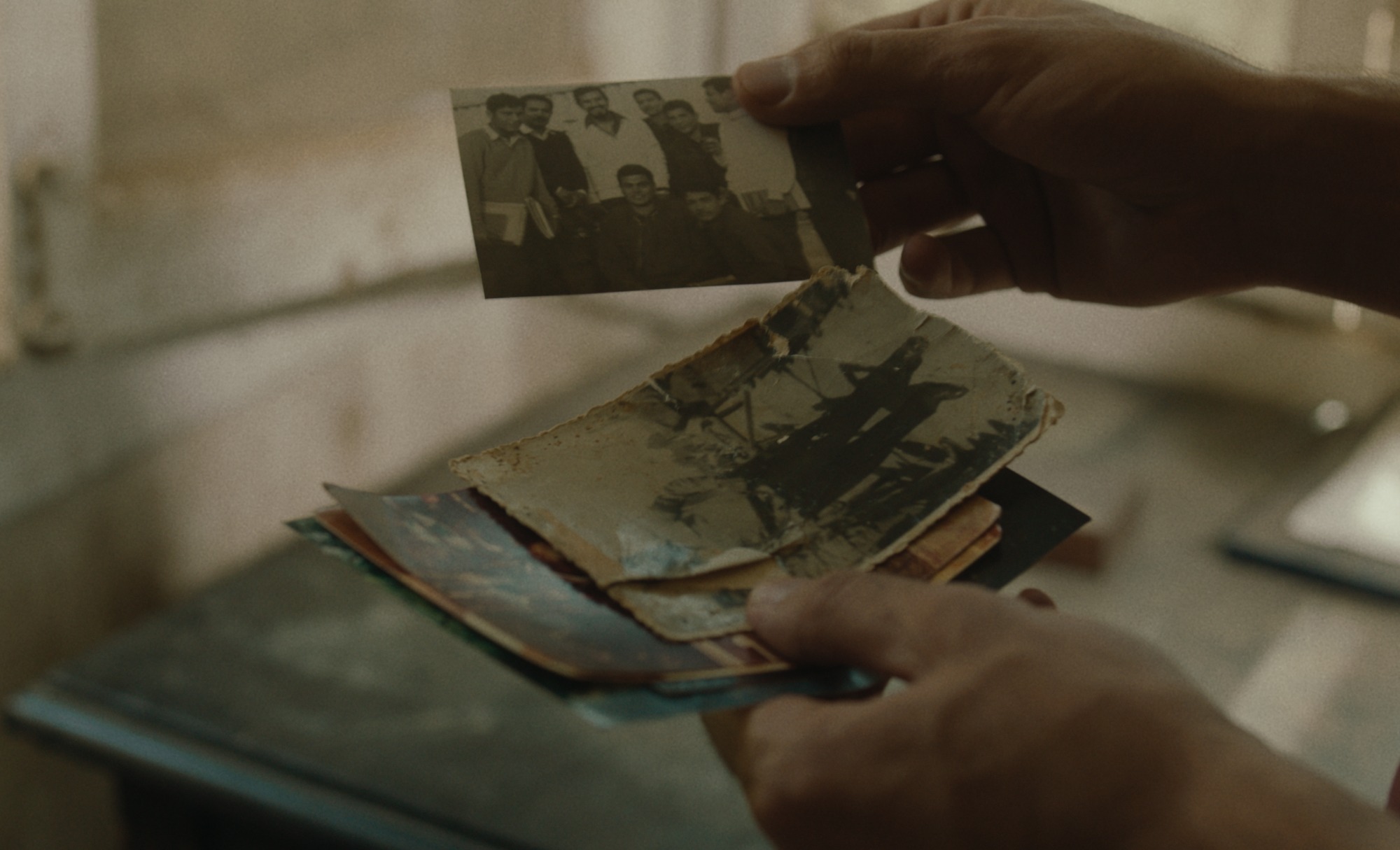
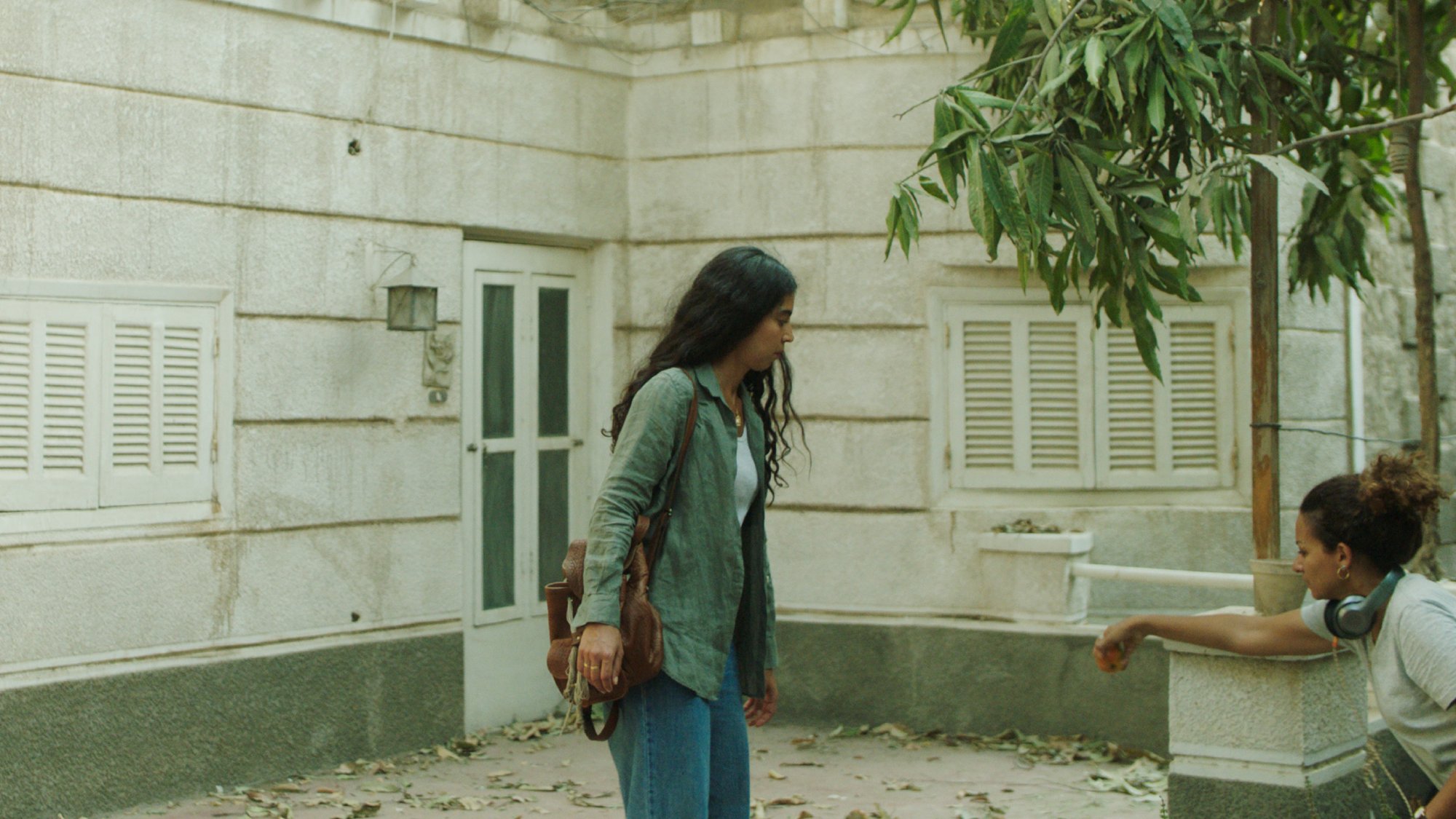
I knew that the house needed to be a witness of the unspoken history of the place and of the characters. It was more like casting than scouting, and I found the perfect house. The house belonged to a family friend and it was one of a few remaining houses built by those who fought for state-owned industrial projects in the 1960s, most of which have since faded with the rise in aggressive privatization. The house, now vacant of all residents but full of memories—many of which are carried by a resilient mango and mulberry tree—felt like an embodiment of the story I wanted to tell. In July 2022, 2 weeks before shooting the film, the house was lost due to disputes between the owners and the government, which is hoping to demolish the houses and turn them into shopping complexes. More important than our disappointment was the grief of the heirs over the fear of losing the space that held their entire childhood memories.
I knew that the house needed to be a witness of the unspoken history of the place and of the characters. It was more like casting than scouting, and I found the perfect house.
We spent the following weeks obsessively looking for houses and that search mirrored the story of the film. Every house was on the verge of demolition or abandonment because the owners had migrated. Finally, we found a house that was really very different from the original house I wrote – one that I’d never consider if I was not desperate – but when I spoke to the owner who now lives in the Netherlands and she sobbed over the phone as she began to tell me about her lost childhood, and how this house is the only remaining memory of the very short time she lived with her parents I decided it was the one. Aesthetically, it was quite far from the world of my film but it had the pain and unspoken grief at the heart of the story.
In 2024, while passing through Cairo on my way to Clermont-Ferrand for our premiere, my producer sent me a photo of rubble. It was of the house we filmed Mango in—it was flattened to the ground to make space for a new bridge connecting to the highway.
Considering the house as a character, I was wondering if you had any cinematic references in mind for this. Were there specific films or directors that influenced your approach to portraying the place, and more specifically, the house, in Mango?
You know, I really think the main reference was the first house we lost. When I am making a film, I like to take a lot of photographs and through them I start to find the appropriate language for the film. That and, of course, tons of conversation with my cinematographer, Gionatan Tecle. But looking back, I think many of the references we were looking at and thinking of cinematographically included Pawel Pawlikowski, Tarkovskij, and Antonioni.
Most Popular
It seems that there is something quiet, almost unspoken, about your main character Nadia. How did you approach writing her, and how did you work with actress Mona El-Husseini to bring out these qualities and nuances?
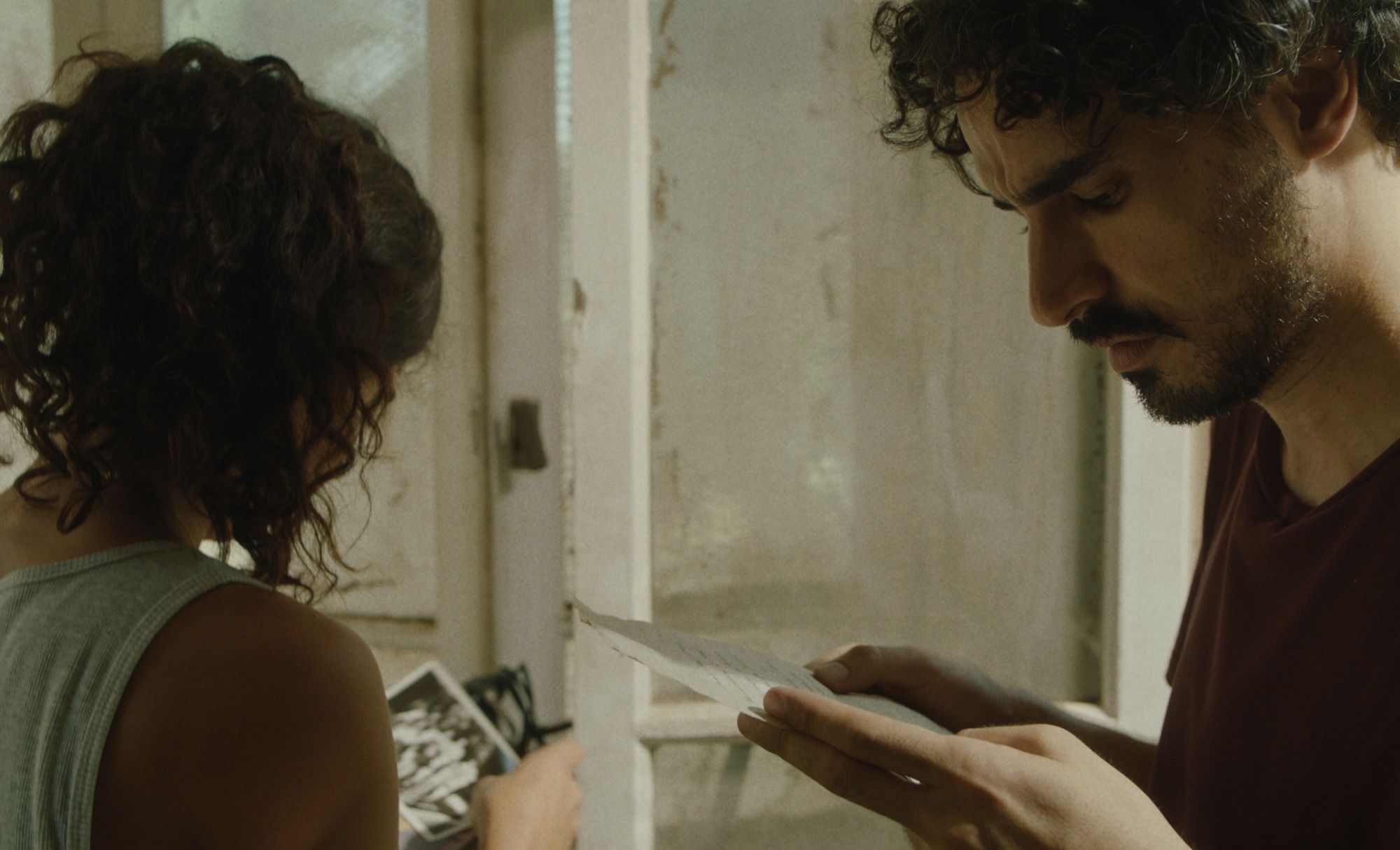
While writing, it was clear to me that this is a character who has lied to herself for a long time as a way to survive and suddenly she is forced to confront those suppressed emotions by the same person who caused her pain in the same place. Her silence for most of the film was almost an act of protest. This was my second experience working with Mona after doing a short dance film earlier that year, and it was her first experience as an actress. During rehearsal, Mona and I realized that we had both experienced a very recent episode of loss, and while it wasn’t similar to Nadia’s situation in the film, it was also quite messy and hard to process and grieve. Mona’s proximity to the emotional state of the character and experience as a dancer was really crucial in bringing Nadia to life. This is a character who refuses to speak, to express her heartbreak, but the body doesn’t lie and it was important to collaborate with someone who understands that relationship quite well.
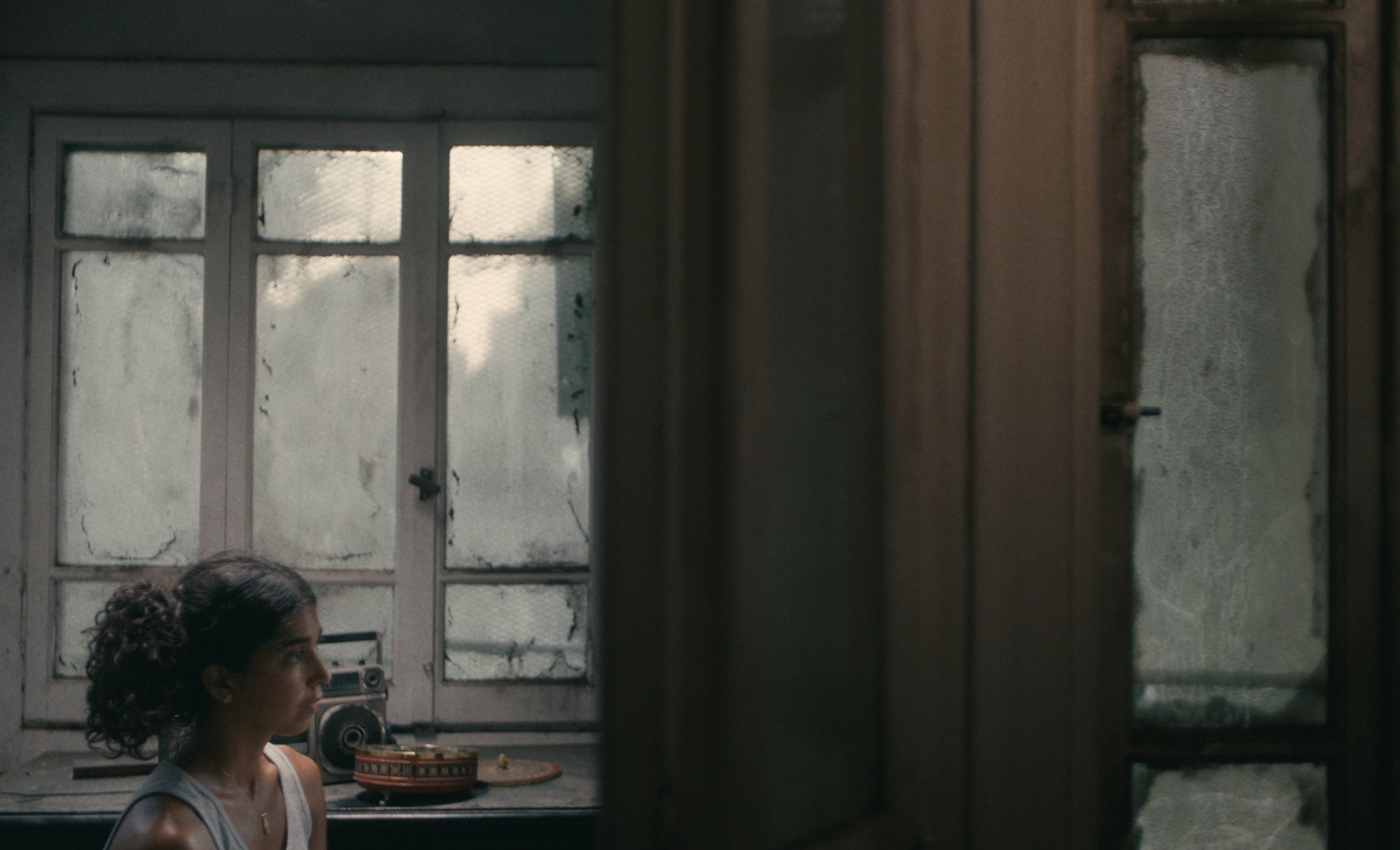
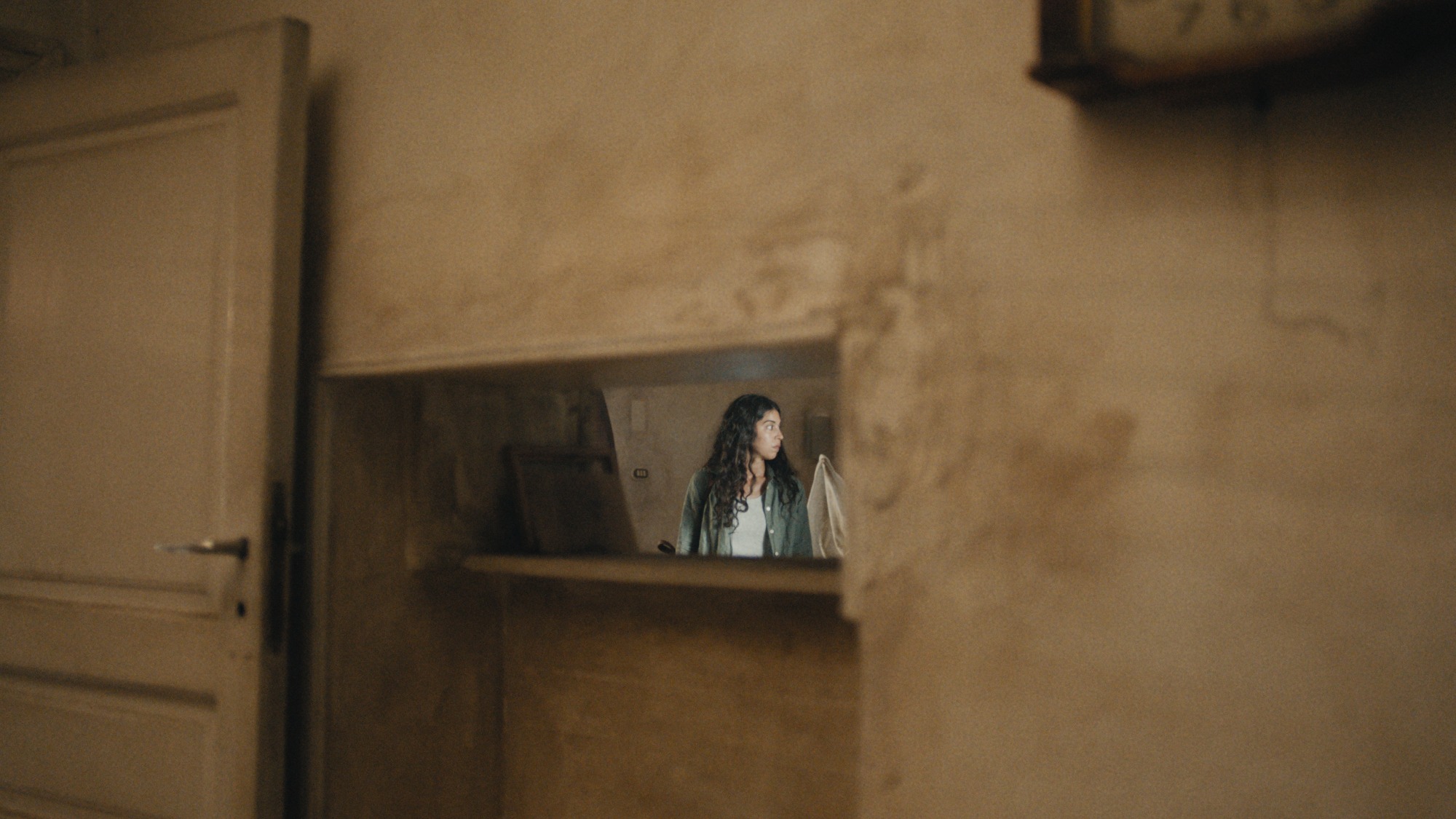
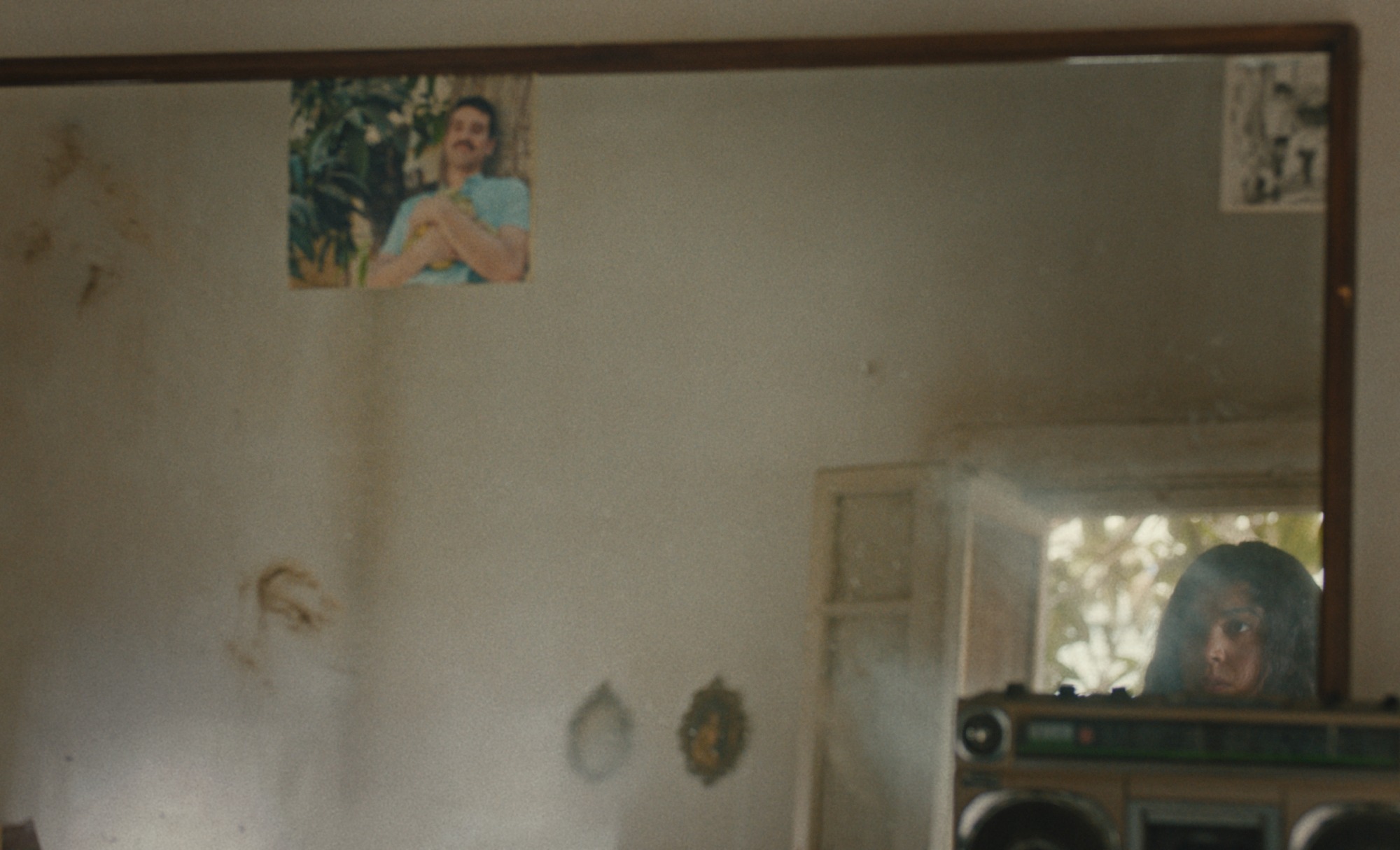
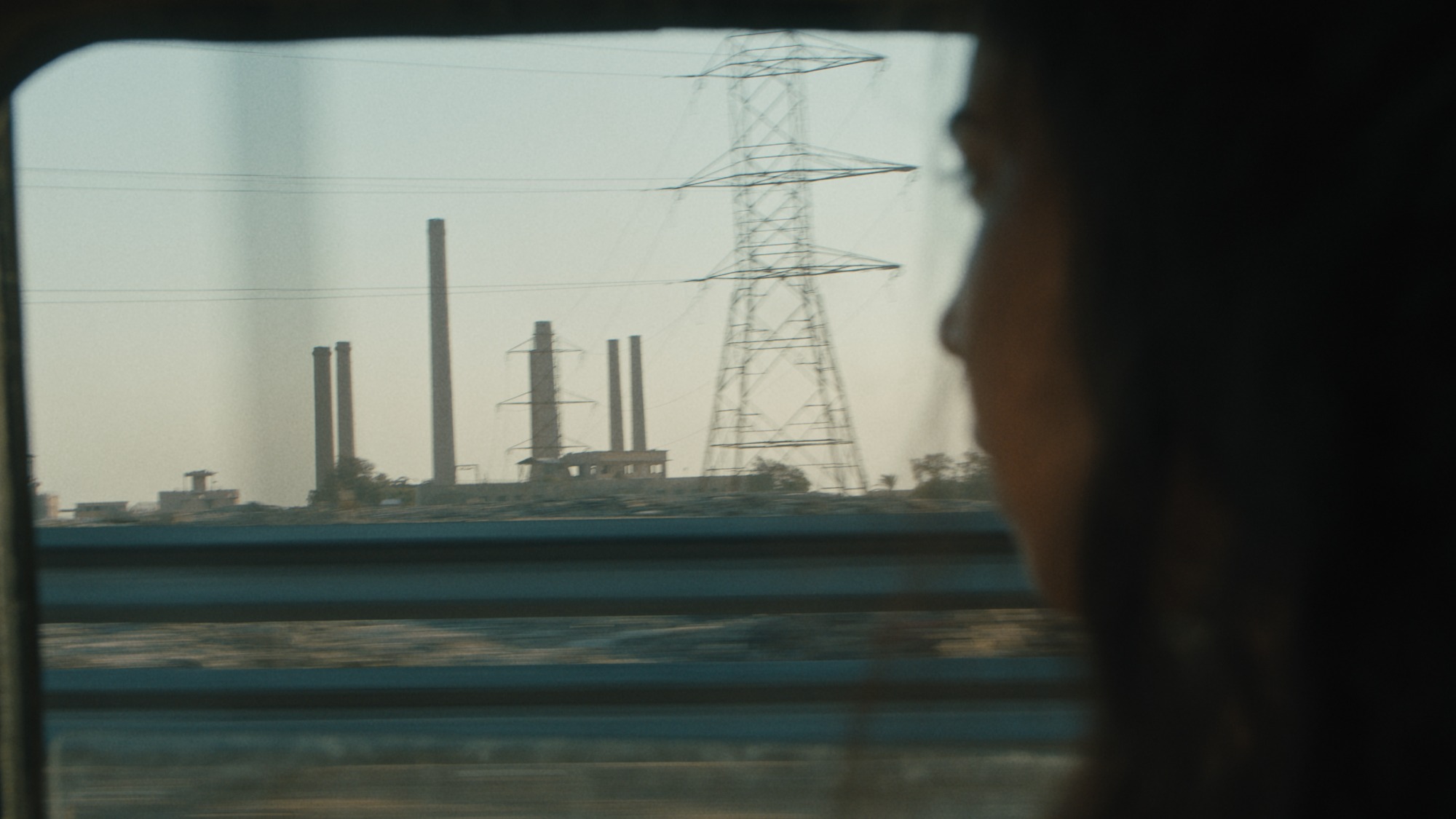
Visually, the protagonist and the place seem to be in constant communication. The way she is framed in the city, compared to the way she is framed in the house, is strikingly different. Can you tell us more about these visual choices, what they represent, and how you worked on them with your DoP?
In our conversations, DP Gionatan Tecle and I mostly focused on how the image can articulate the relationships of characters with the space, which I think is the core of the story. And for Nadia, our quietest character, her framing needed to speak the unspoken. For her, it was a constant state of wanting to disassociate, to flee the frame, yet she finds herself trapped in windows, mirrors and shadows of a life long lost. With Cairo, the relationship is different, there are no negotiations between the city and the people. Cairo always imposes itself, with both image and sound.
It was clear to me that this is a character that has lied to herself for a long time as a way to survive and suddenly she is forced to confront those suppressed emotions by the same person who caused her pain in the same place.
Mango explores the theme of intergenerational memory, with Nadia connecting to family places and objects, while the mango tree serves as a symbol passed down through generations. Can you tell us more about how you developed this theme in terms of narrative and affective symbols, like the mango tree, while also drawing from your personal story?
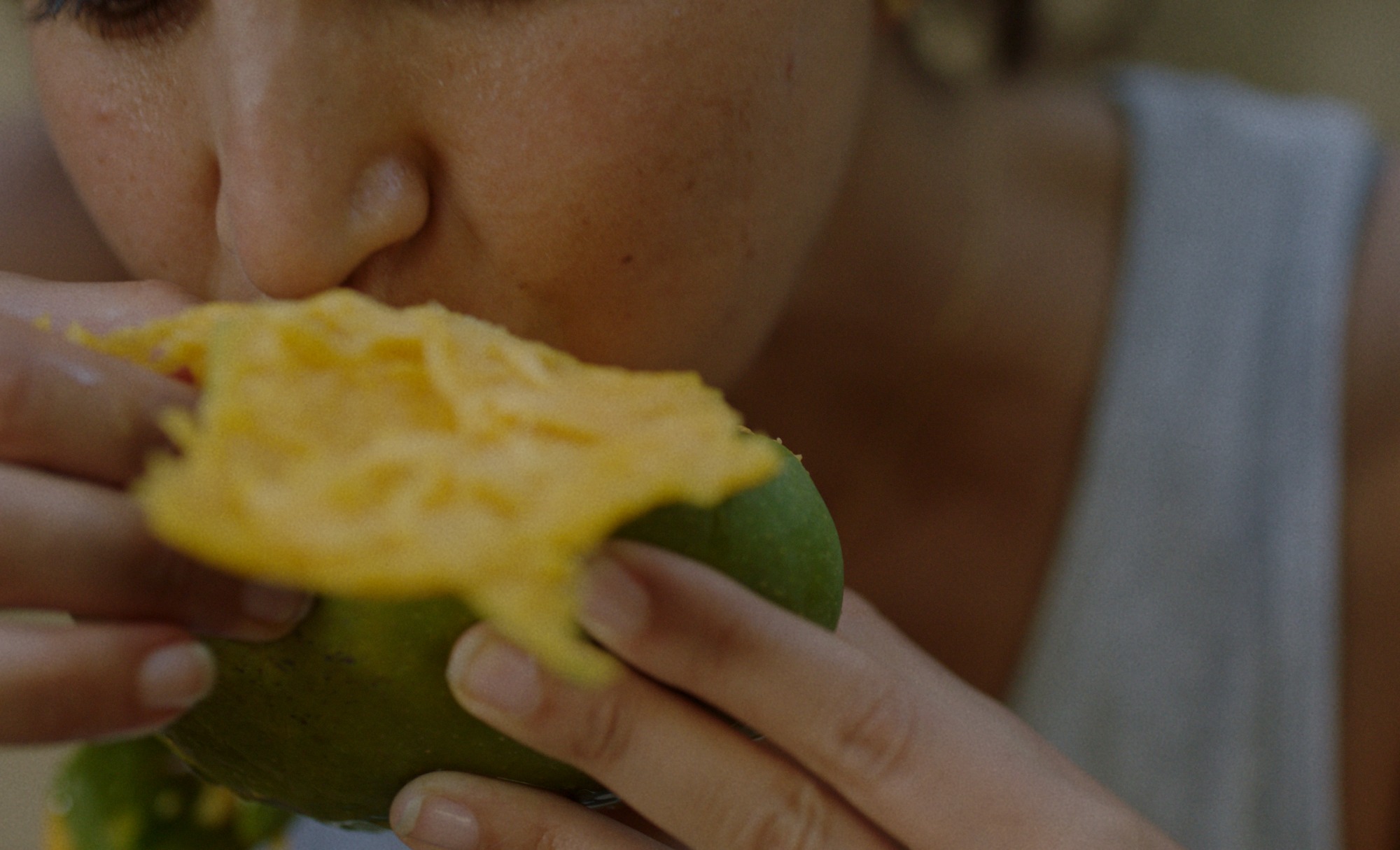
I don’t think I was consciously thinking, “Oh, let’s have the mango be a symbol of something”, it was an organic choice because of the news of what was happening to the mango harvest and how important they are to the summer. In very simple terms, she had sweet memories with her father that a mango tree was part of and he is gone, the tree is fading and she tastes the mango one last time before everything is gone, including the house, as one last desperate attempt to connect with something that is no longer there.
The mango tree seems to serve both as an affective symbol and a sign of change for Cairo in the film. Can you tell us more about why you chose to title the film simply Mango?
Like I mentioned earlier, mangos are a strong part of our summers. The craving and longing for it each year is quite visceral and then when this bitter question comes up in 2021, oh how long will this last? To me, this is how Nadia feels about her father and the few years she experienced him in her life, incredibly sweet but long, long gone. Also, Mango in Arabic is pronounced Manga but I decided to keep it Mango in Arabic as it felt to me like a nickname a child would give “Manga”.
You’ve mentioned that colour grading was deeply connected to conveying a sense of traces of time, memories, and the aftermath of loss in Mango. How did you approach this aspect? Can you tell us more about how you found the balance to capture this emotional and elusive landscape?
Yes, our goal was again to capture that loss of sweetness. This is not inherently a sad house or an overwhelming city, something has changed and we wanted to make sure that color was creating that layer that reflects that. Especially in the house, we intentionally degraded the image, as a way to trace time and the heaviness of memories in this house but also to feel that there existed a time where people laughed in this house, that there once was color, but without falling into the trap of nostalgia. This, of course, was only achieved by the work that our production designer Lamis Soliman did on set and the very nuanced treatment of color by colorist Nadia Khairat Gómez.
Sound design seems to be closely intertwined with the narrative, contrasting the city with the house once again. Did you work on location sound sampling to capture the authentic atmosphere, or was it more about building the soundscapes in post-production?
Both. We tried as much as we could to capture the sound of the atmosphere that we were in, but also a lot of research and additional sound recording was done in post to build an emotional soundscape that is still authentic to the world and not simply scouting from sound libraries.
Is there a short film which has had a lasting impact on you that you’d recommend to the DN community?
Definitely The Flowers Stand Silently Witnessing by Theo Panagopoulos. For me, it is cinema in its purest form and a reminder of both the beauty and violence of image making and archiving.
With Mango still fresh in our minds, can you tell us what you’re working on next?
I am still in the world of complicated father-daughter relationships driven by the social context they are in but this time it’s a coming-of-age story set in 2001 by the Egyptian Mediterranean. The film is written by Menna Taher, co-written and directed by me and produced by Norah El Khateeb from CATS films. We are currently in late development and the project has been supported by wonderful places such as Doha Film Institute, EAVE and Aflamuna.