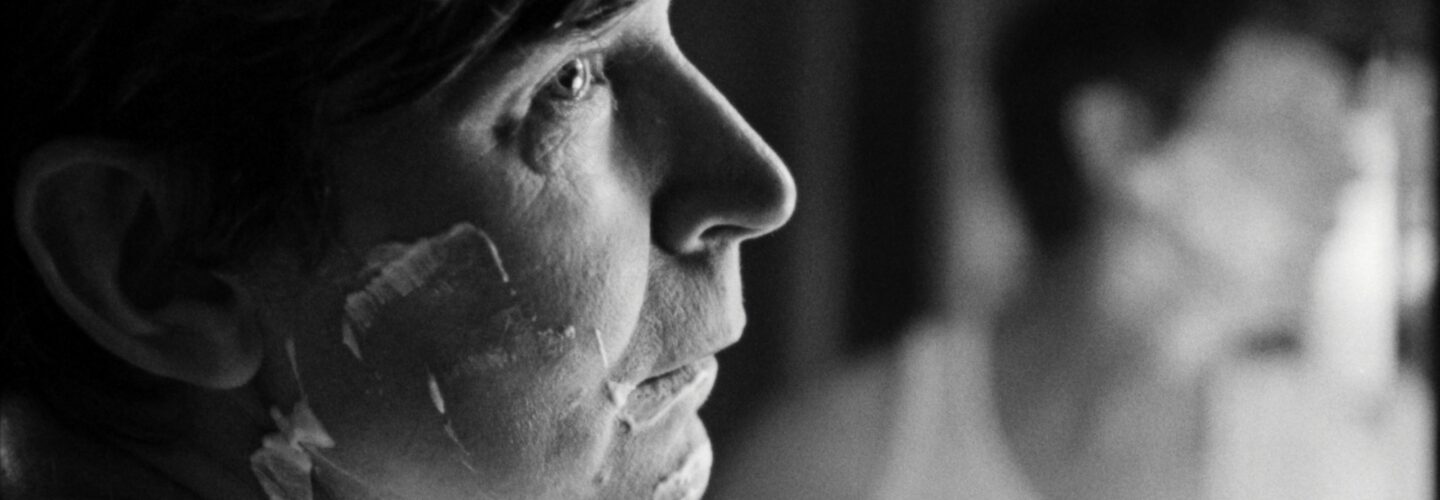
A short film, just three minutes long, shot in a haunting black and white style, serves as a starting point for a feature film—or as a mood piece, as described by the directors themselves. Yet, paradoxically, it feels incredibly complete in its own right, despite its very brief running time. That was the impression we had as soon as we laid eyes on Hauser. How is it possible that, with barely a hint of a plot and only a sketch of the main character, we find ourselves wanting to understand more, to discover more about the historical context and the social environment in which this story is set?
We spoke with writer/director duo Helena Ganjalyan and Bartosz Szpak to explore the deliberate sense of mystery surrounding ‘Hauser’ and, more broadly, the complex relationship between short and feature filmmaking. Their approach also raises questions relevant to filmmakers working within the constraints of the format: how can a brief, self-contained work become the foundation for a feature-length project while retaining the qualities that make it distinctive in its own form?
In your version of the story, Hauser is around 47 years old and has spent his entire life working in a small village in southern Poland. The setting of 1964 also moves the character quite far from the historical context in which the real Kaspar Hauser lived. What drew you to this particular time and place? What possibilities did relocating the character to this world open up for you, and what did you want to communicate with this cryptic story?
Bartosz Szpak: That particular process started actually with architecture. In our original concept for the feature, Hauser lives in a secluded mountain retreat. We started looking for a location that had preserved its original interiors from the 1950s or 1960s, an aesthetic that we found particularly inspiring and that felt naturally suited to B&W cinematography. Then we started looking for an interesting historical event or period that would serve as a distant backdrop for the narrative. With the short film, our main intention was to capture a particular atmosphere and tone, and to introduce the ambiguous presence of Hauser, portrayed by Dawid Żłobiński. It’s an intimate impression inspired by the figure and themes arising from the juxtaposition of his separate, particular individuality with the norms and patterns within which the rest of the community operates. For us, this tension transcends any particular historical setting. It speaks to something universal: the relationship between the individual and the external forces that seek to define them.
So, in that regard, our intention isn’t to adapt the original story, nor do we want to simply place it in the present day. We feel like a certain ‘distance’ from everyday reality paradoxically allows us to look at present-day problems or themes in a more focused way, with a distinct perspective, through a unique lens. This process of reinterpreting familiar themes through unfamiliar contexts is something that interests us deeply. It’s also where we hope to develop our own cinematic language.
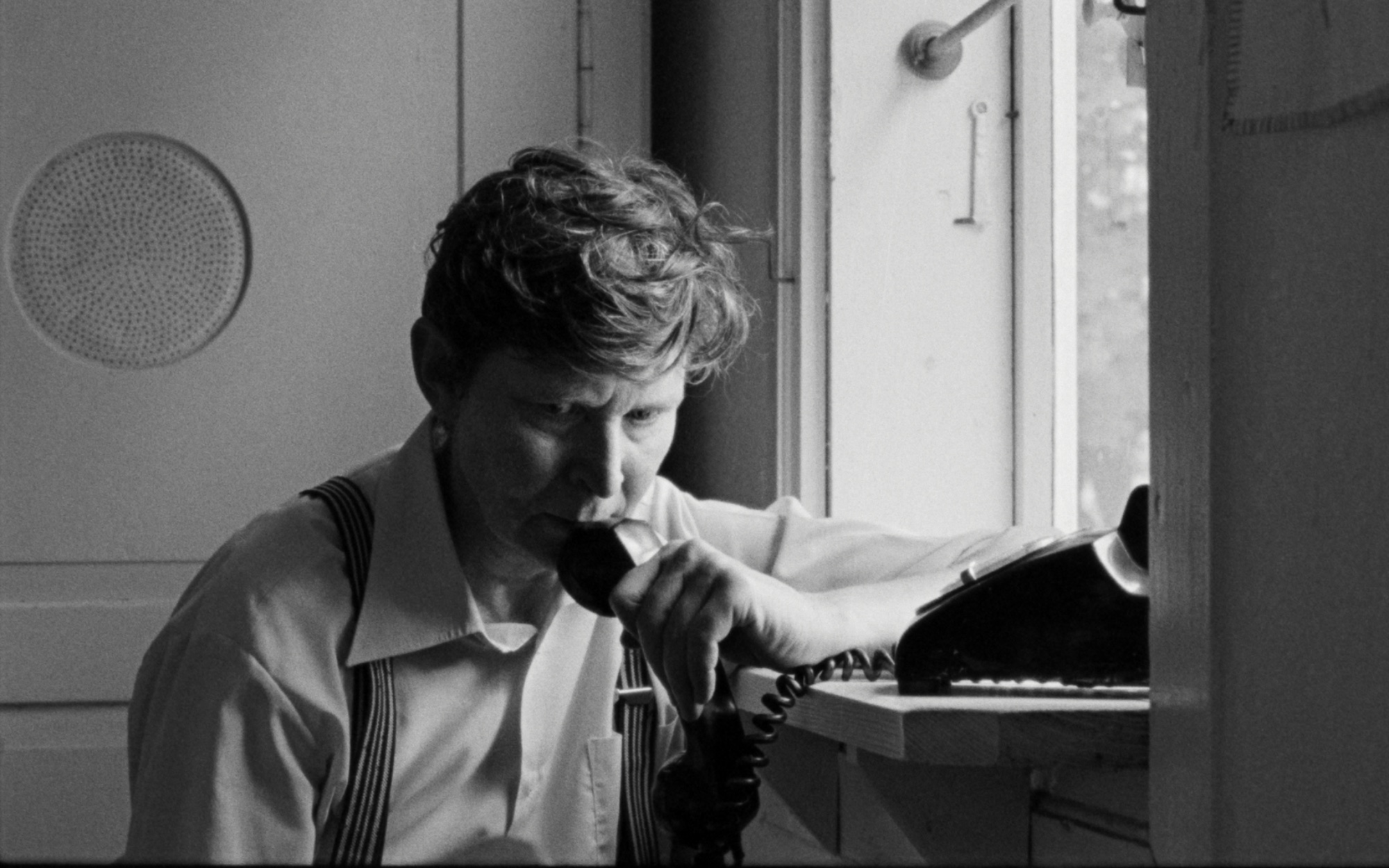
You describe Dawid Żłobiński’s presence and distinctive features as one of the starting points for the project, and his androgynous appearance seems central to the ambiguity of the character. You also emphasise that this is not intended as a literal queer interpretation, but rather an attempt to create someone who resists familiar social categories. How did Dawid influence your understanding of Hauser as the project developed? Did his physical presence inspire particular aspects of the character that you might not have arrived at through writing alone?
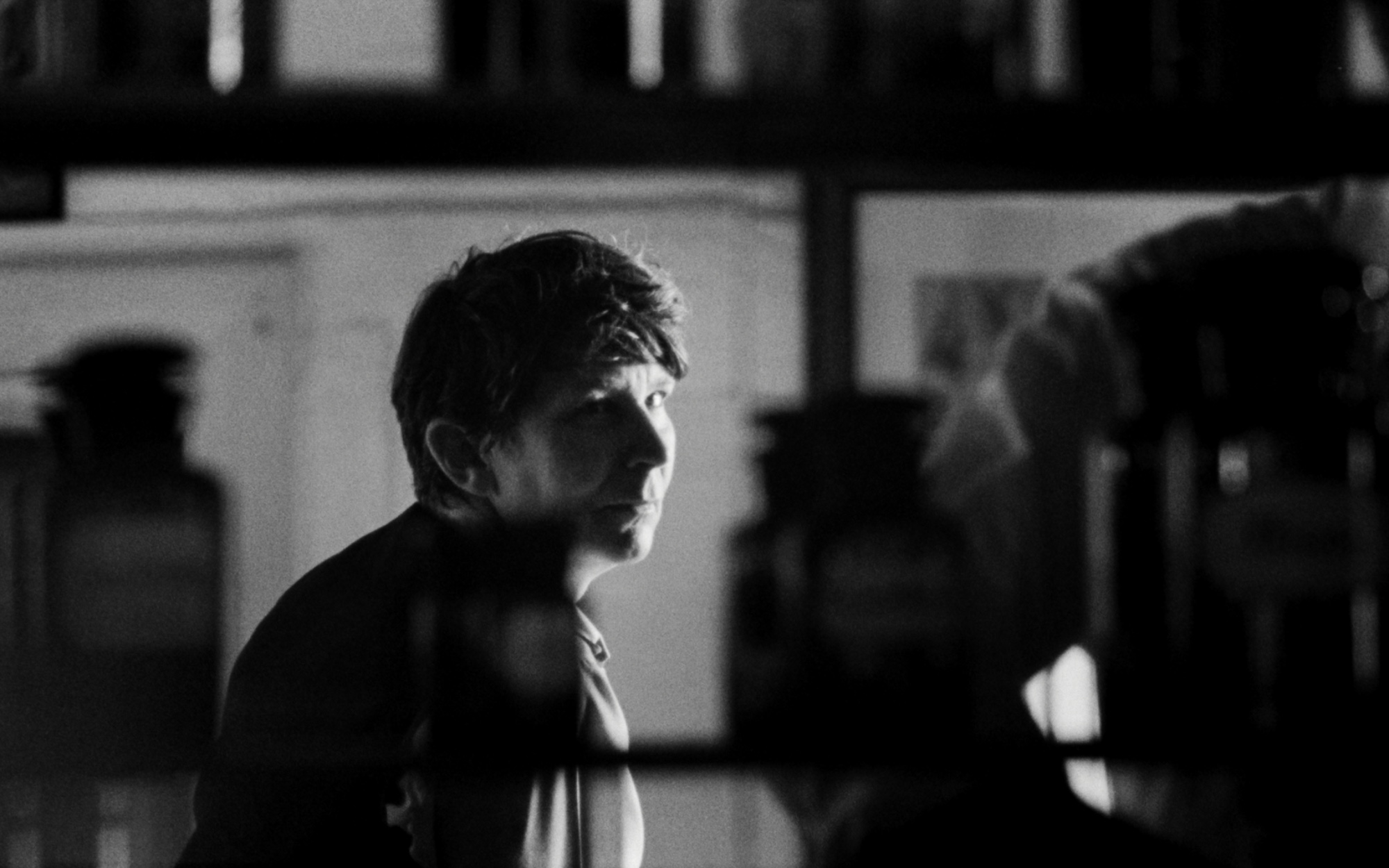
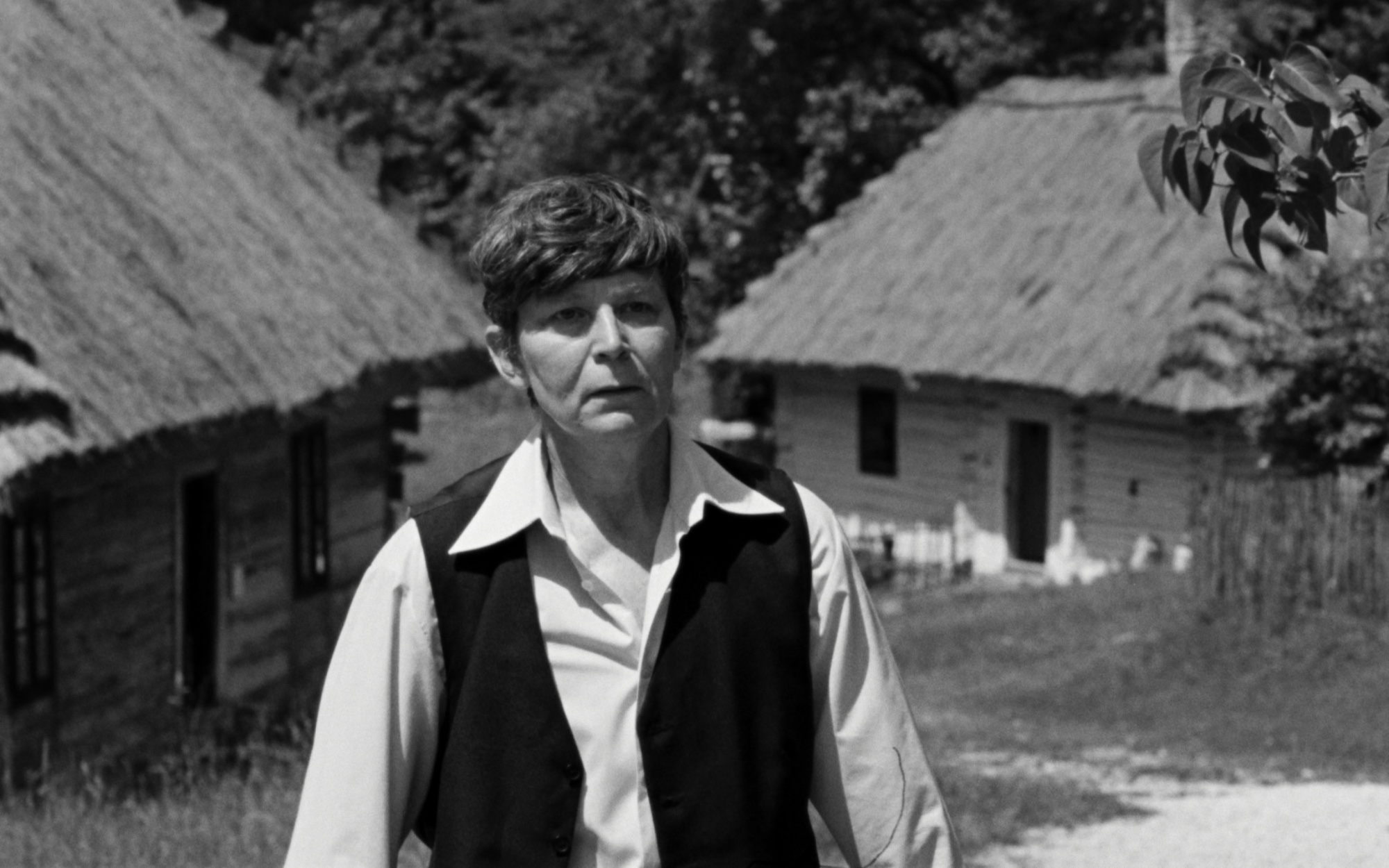
Helena Ganjalyan: Dawid has an extraordinary purity and ambiguity about him. When I first saw him on stage, somehow I didn’t feel as though I was watching an actor. Throughout the entire performance, I kept wondering: Who is this person? What is his story? There is something about his energy that completely defies categorisation. He has a mature face, yet the curiosity of a child. He embodies both masculine and feminine qualities, but neither seems to define him. This tension, or perhaps coexistence of apparent opposites, became essential to our understanding of Hauser.
I think what Dawid brings to the character is something that would have been very difficult to construct through writing alone. There is a mystery to his presence that doesn’t need to be explained or performed. And working with him on the mood film only confirmed our initial intuitions. It felt as though everything we had imagined about Hauser, but couldn’t quite put into words, naturally came to life through Dawid’s presence. So yes, what interests us is not a strictly queer interpretation of the character, but something I would describe as more fundamentally ‘humanistic’. Hauser is someone who makes us question not only who he is, but also why we feel such a strong need to define him in the first place.
Most Popular
Since the short began as a mood film for a feature-length project, I’m curious about what remains to be explored in a longer version. Would the feature follow Hauser more closely as he navigates society, or would you be interested in preserving the same ambiguity and focusing on the world’s reactions to him? How might a longer format allow you to develop the questions that the short introduces?
BS: The short film was primarily an attempt to capture a particular mood and atmosphere, to explore the visual language and musical approach, and to introduce Dawid as our main actor. The feature will naturally take a more narrative, dialogue-driven direction, but we want to preserve the enigmatic nature of our protagonist. The audience will be confronted with the same questions that the characters surrounding him are struggling to answer. What interests us most is the growing tension between Hauser and the world around him. We want to explore how the figure of the ‘Other’, an inscrutable stranger, becomes a target for people who are unable to confront their own fears, internal conflicts and frustrations. It is also a story about how easily truth can be manipulated and fear exploited to divide people and ultimately drive them towards violence.
Hauser’s detachment makes him something of a blank page, a surface onto which others project their anxieties and prejudices. In moments of crisis, his ambiguity becomes almost unbearable to those around him. They feel compelled to define him, to assign him an identity, and eventually to turn him into something they can either understand or fear. He, on the other hand, will be forced to confront the question of whether a person can truly be shaped without a past, without a name, and without a world that seeks to define them.
We want to explore how the figure of the ‘Other’, an inscrutable stranger, becomes a target for people who are unable to confront their own fears, internal conflicts and frustrations.
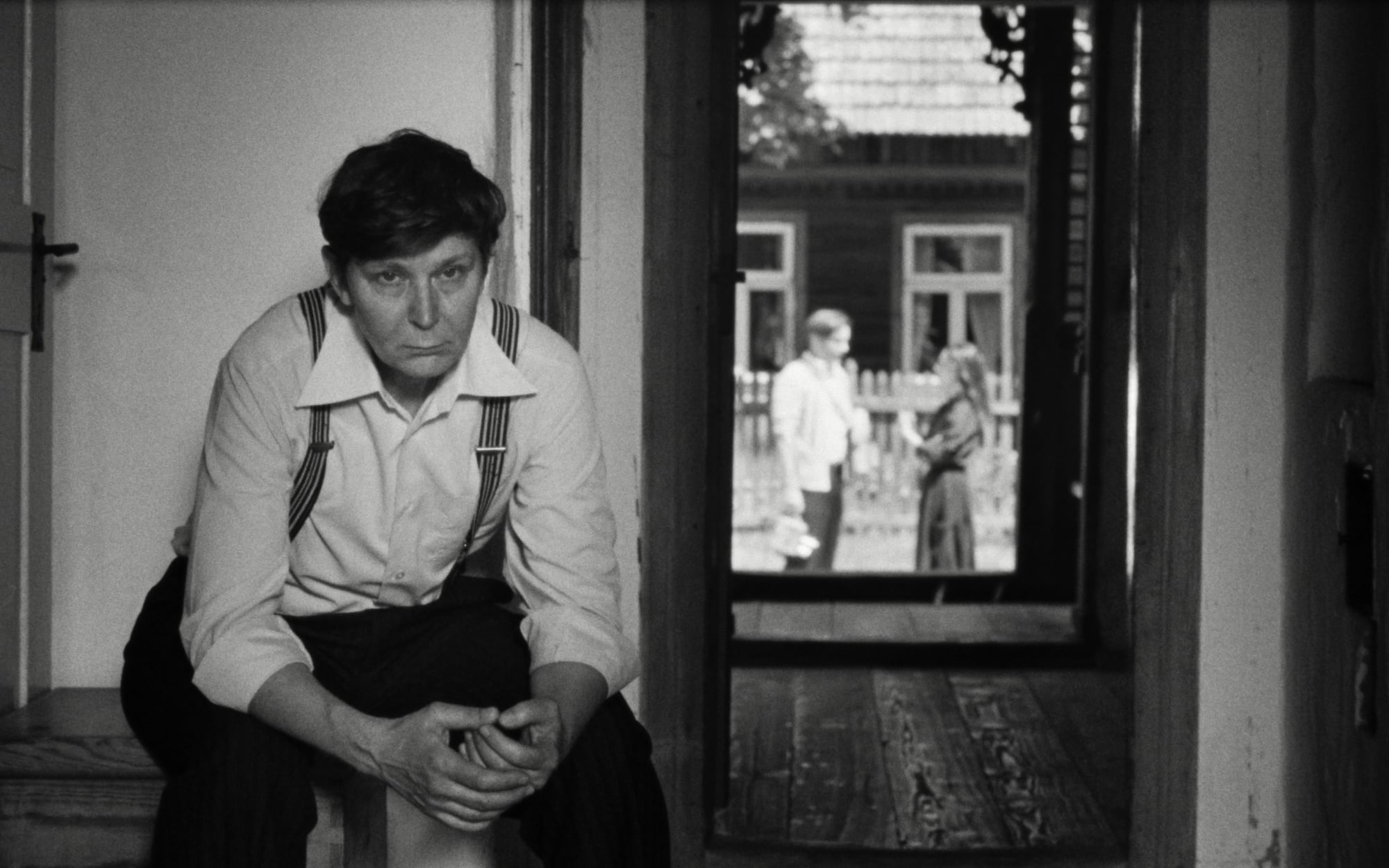
Speaking of this, you describe the film as an intimate impression or mood piece rather than a conventional narrative. The character seems to exist somewhere between the familiar and the alien, while his past remains almost entirely inaccessible to us. How did you approach the challenge of conveying so much about a character without relying on a conventional backstory or explicit exposition? Were there particular gestures, images, or situations that helped you define who Hauser is? How does that change in your feature?
HG: From the very beginning, we were aware of our production limitations and knew that we wouldn’t be able to build fully developed, dialogue-driven scenes. At the same time, we didn’t want the spoken words to feel overly poetic or literary. We were looking for a form in which just a few sentences could suggest a certain direction, without explaining too much. We decided to combine an opening quotation from a note, which offers a small glimpse into the beginning of Hauser’s story and establishes a sense of time passing, with a series of adjectives – words that we constantly use to define ourselves and others. Words that we try to fit ourselves into, even though they can never fully contain the complexity of a human being. In a way, this became the central idea behind the short: rather than telling the audience who Hauser is, we wanted to make them experience the difficulty of defining him. His presence, the images and the few words we hear all contribute to this sense of mystery.
You mention that the project came together quite quickly, with a minimal crew and only one day of shooting. You also made use of an ethnographic park, incorporating its existing architecture and interiors into the world of the film. How did working with these ready-made locations influence the visual and narrative development of the short?
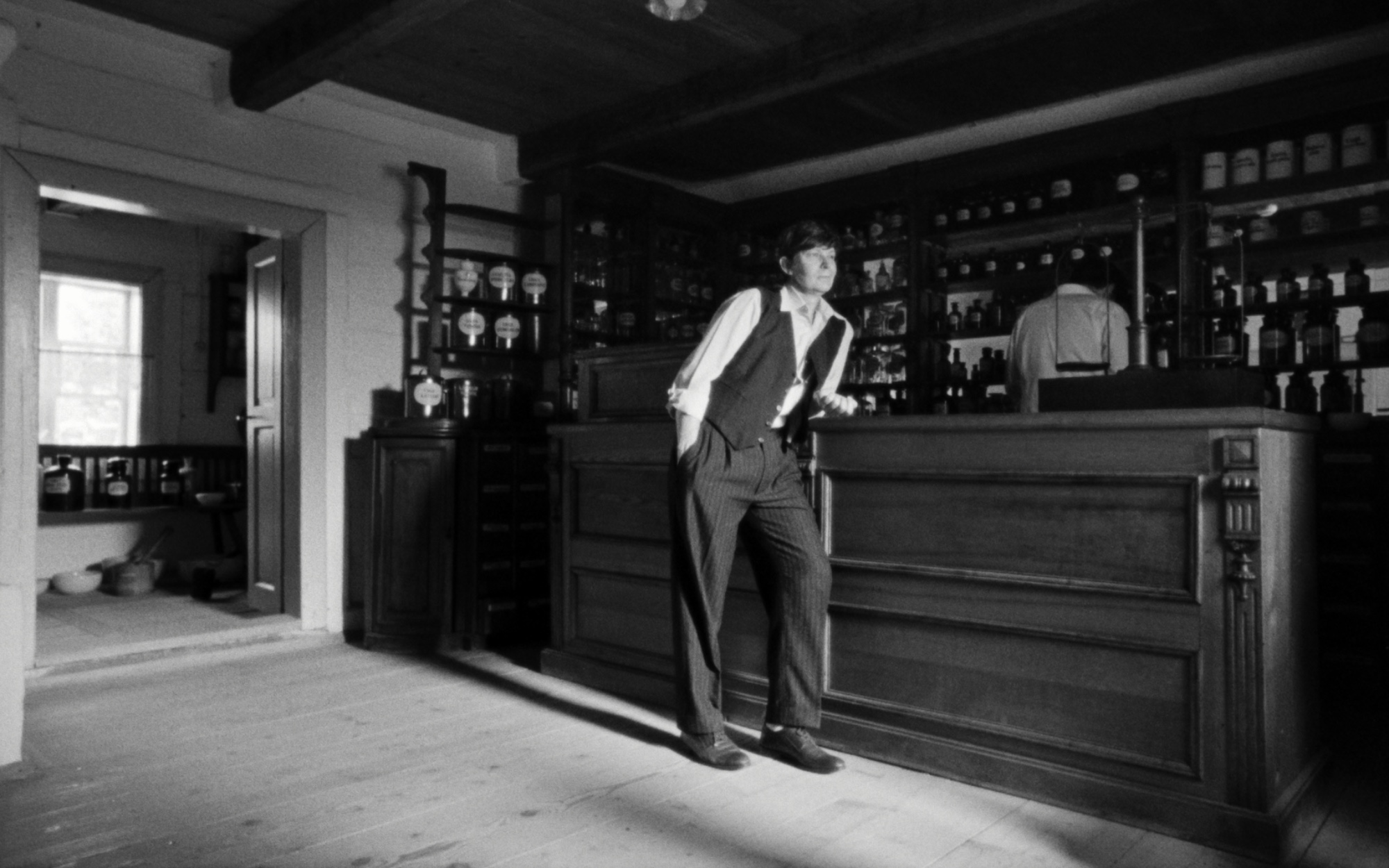
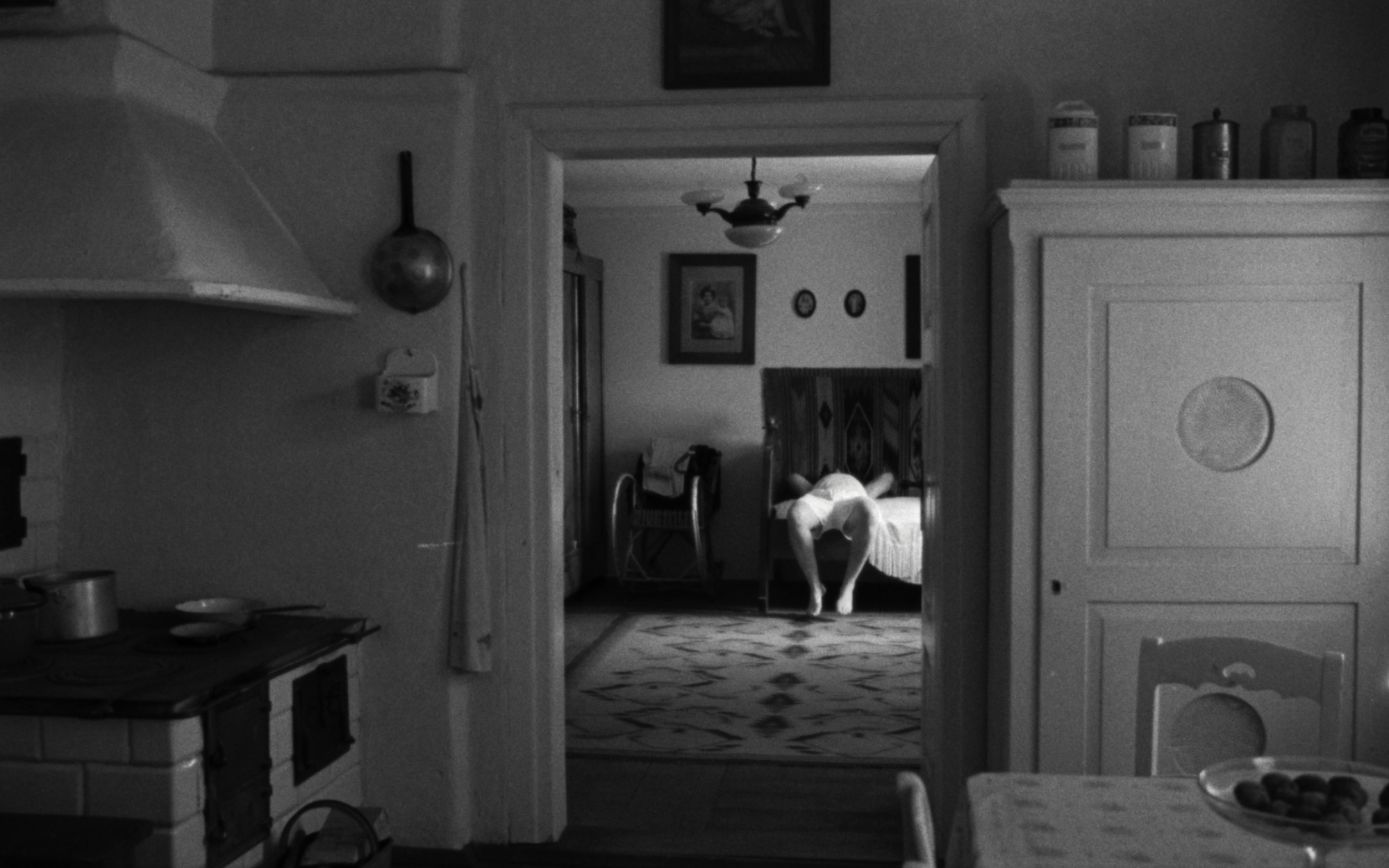
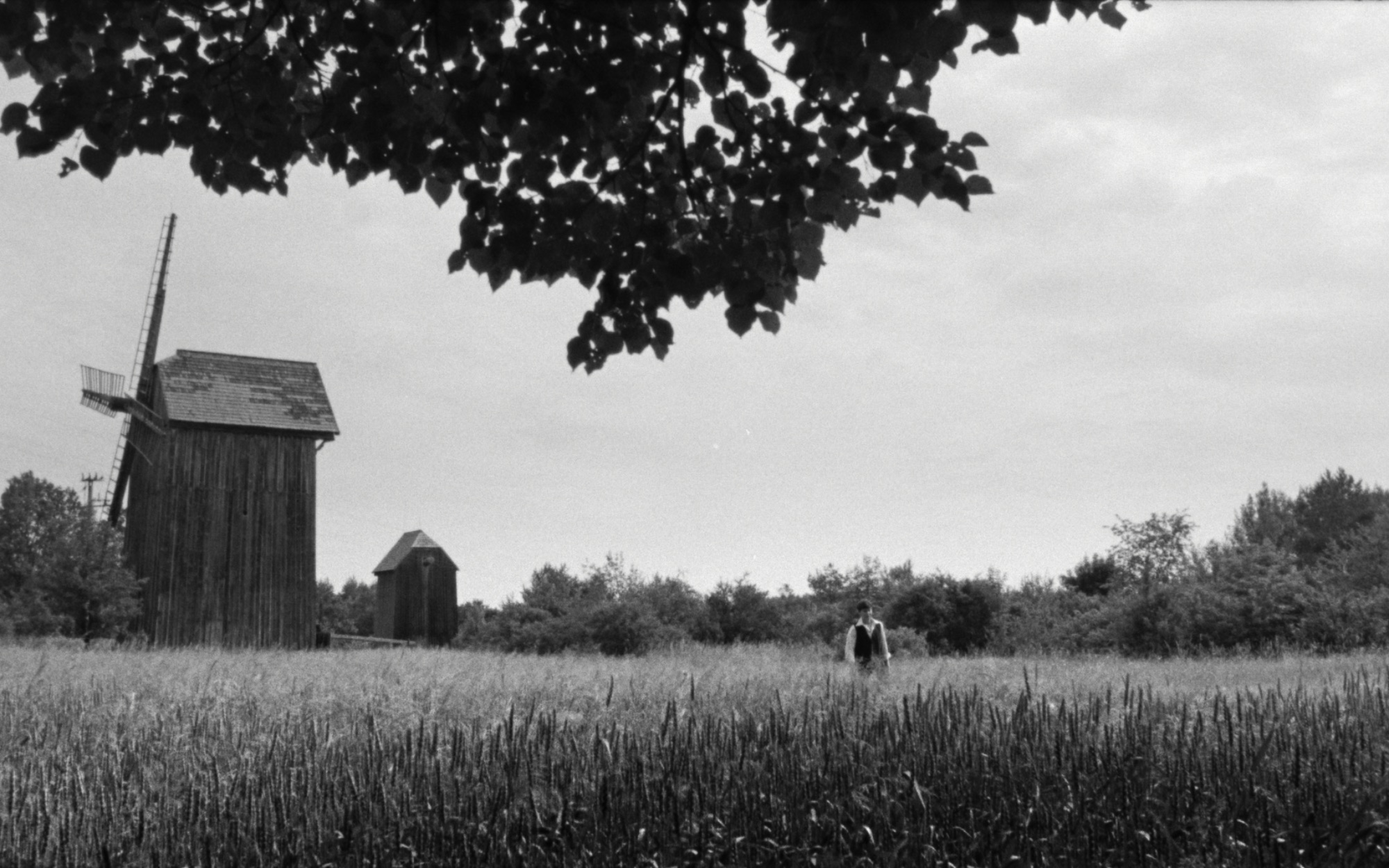
BS: We were on a tight budget and schedule, so in order to convey the time period we either had to rely on nature outdoor settings or a ready-made location like this. The Ethnographic Park in Kielce was kind enough to let us shoot not only on the exterior premises, but also in the interiors of their buildings. As those are filled with period props, furniture and equipment, they can easily become very rich and atmospheric set pieces – including unique settings like an old pharmacy or wooden windmills.
We spent time exploring the park, its cottages, houses and other structures, and gradually adapted our ideas for individual shots to the spaces we found most visually compelling or interesting for the story. Rather than trying to impose a preconceived visual concept onto the locations, we allowed the spaces themselves to influence some of our decisions. In that sense, the environment became an active part of shaping the film’s visual language.
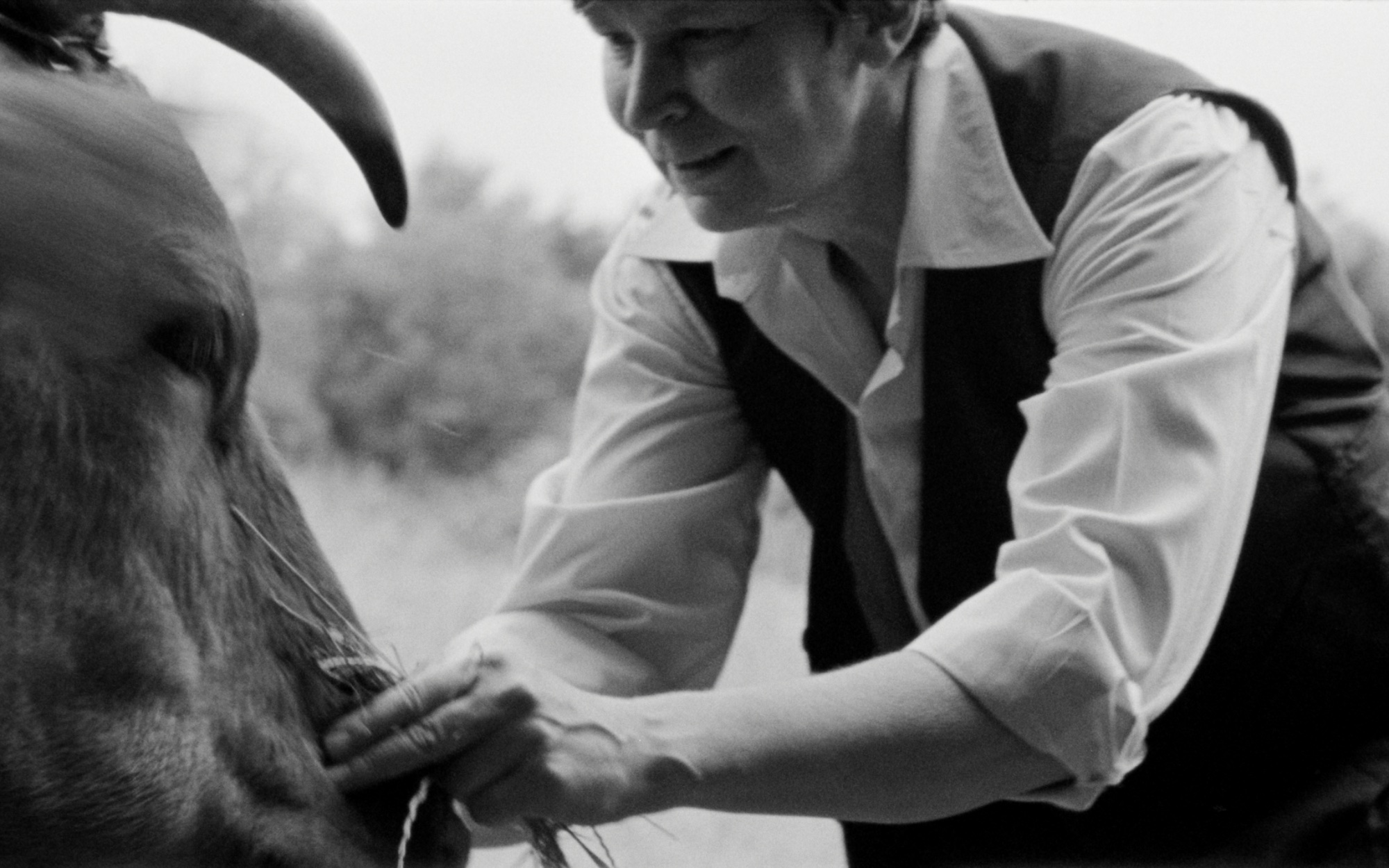
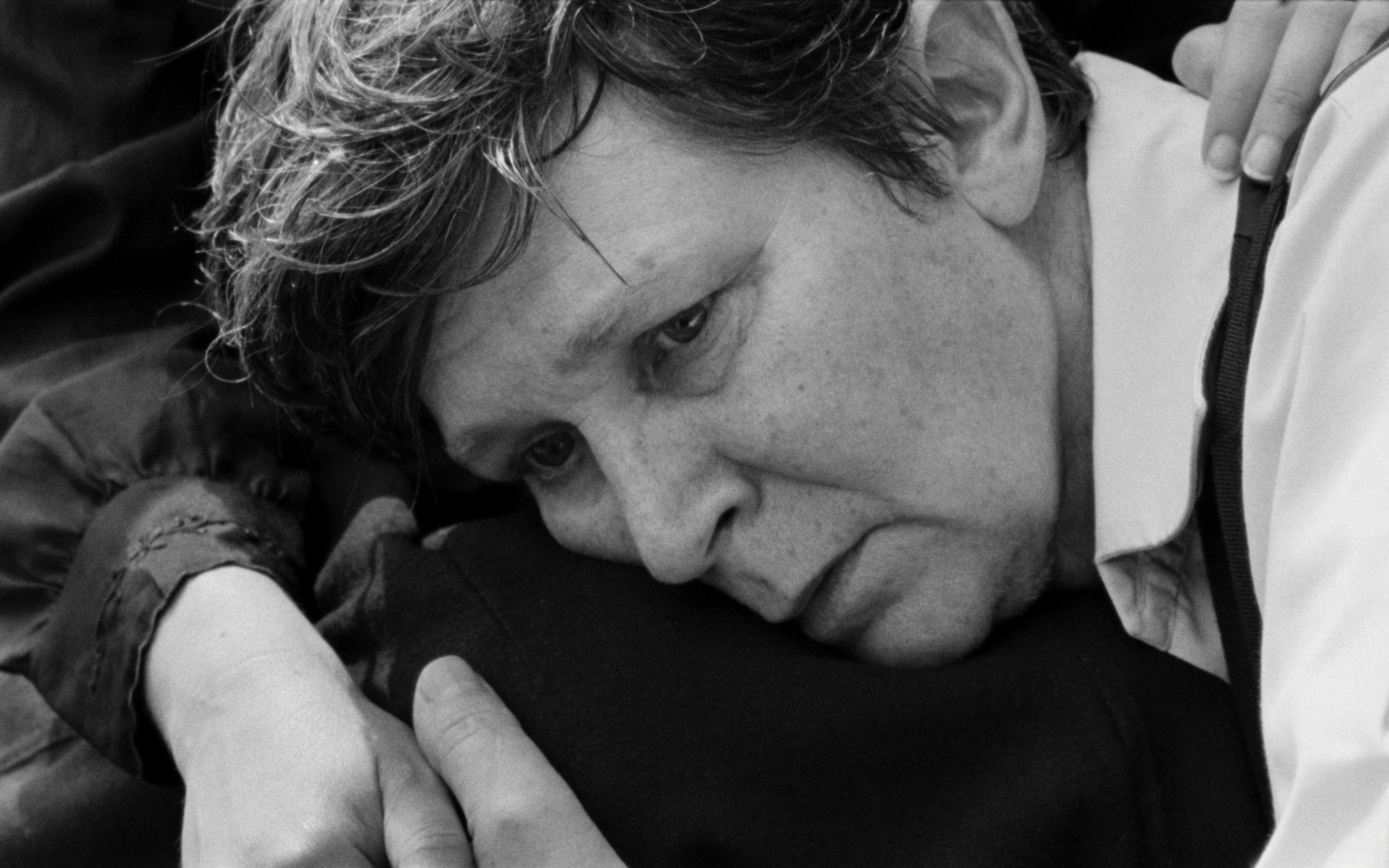
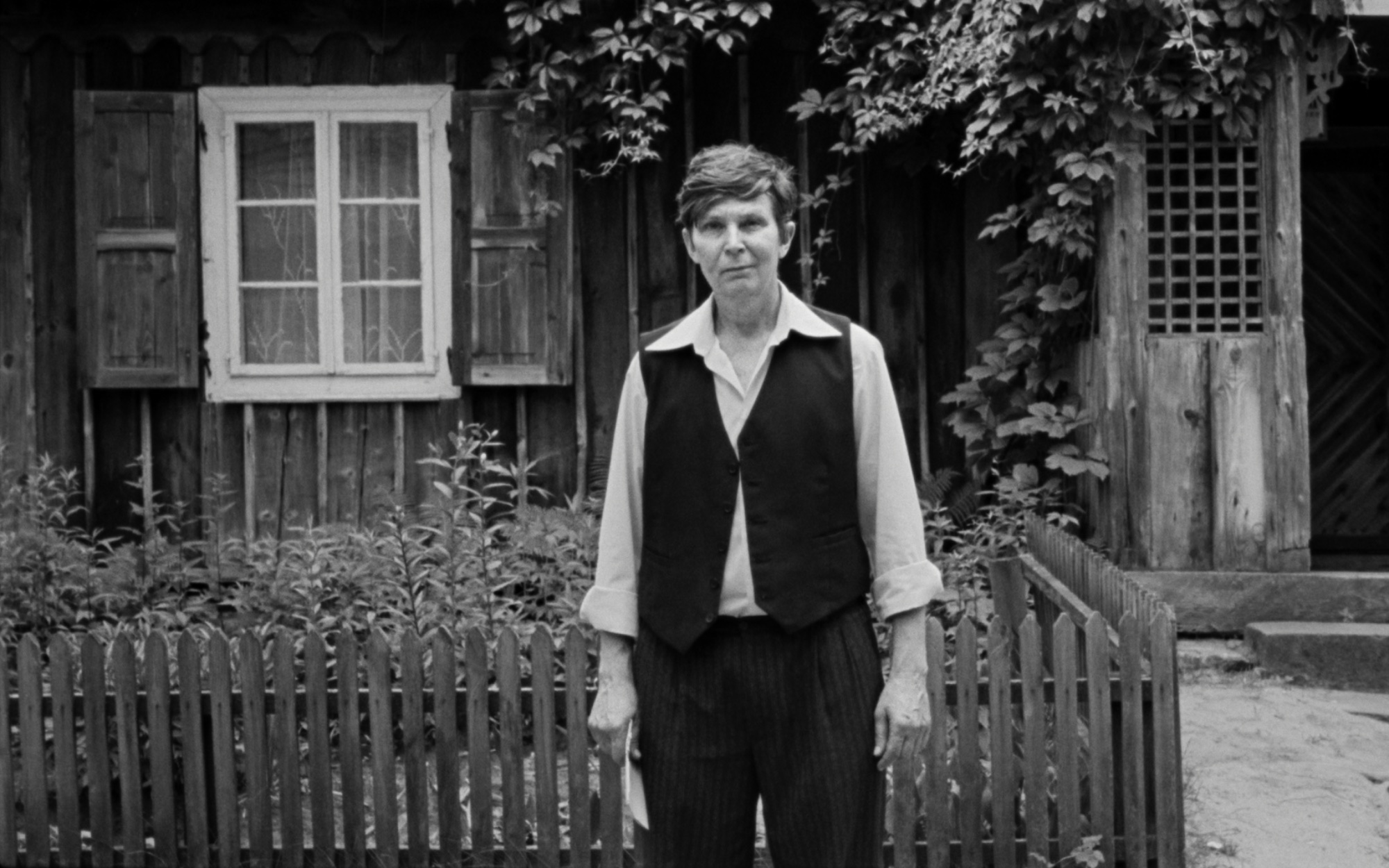
Black and white was both an aesthetic and a practical decision. We were curious to explore this particular palette, to work with different shades of grey, with light, shadow and contrast rather than colour.
You made a conscious decision to shoot on an Arriflex 416 with ARRI Ultra 16 lenses and Kodak Vision3 stock, later grading the footage to black and white. You also mention that shooting on analogue film was a way of achieving a rich, cinematic image while working with relatively minimal lighting and production design. What was it about the texture and organic qualities of 16mm that felt particularly appropriate for Hauser’s world? And why black and white?
HG: There is a certain poetry in everyday life that we wanted to capture. Naturalness, rawness, simplicity and purity are qualities that we associate both with Hauser himself and with the world we wanted to create. They also felt appropriate for the historical period in which the story takes place. The organic texture of 16mm, especially when working with natural light, seemed to bring all these elements together without making the image feel overly constructed or stylised.
Black and white was both an aesthetic and a practical decision. We were curious to explore this particular palette, to work with different shades of grey, with light, shadow and contrast rather than colour. But it also gave us a certain freedom in terms of production design. Existing colours behave very differently when translated into black and white. Some elements can be hidden or become less distracting, while others suddenly gain a new visual quality. In that sense, black and white allowed us to simplify the image and focus on what felt essential.
Your production approach seems to have involved a deliberate prioritisation of the image, even within a limited budget. You mention that film stock, processing, and post-production were among the largest expenses, but that these were precisely the elements you wanted to invest in. How did you decide where to concentrate your resources, and what compromises did that require elsewhere? Did working with such a minimal crew and limited lighting ultimately bring you closer to the visual language you had in mind?
BS: Shooting on film with a limited budget is, paradoxically, a decision that gives us a greater sense of certainty and confidence in the final image. The unique way in which film captures light and the distinct character it brings to the image prove to deliver in various weather scenarios. If on a budget, shooting on celluloid can significantly reduce the need for extensive lighting – our DOP Tomasz Woźniczka relied on natural conditions and small fixtures. What might seem like a limitation became an aesthetic choice, giving the cinematography a very natural, raw quality that was essential to the film.
Of course, it also requires a different kind of discipline. You become much more conscious of the amount of material you have and the number of takes you can afford. There is a certain intensity and concentration that comes with that. With a limited crew of just seven people, the whole process became quite intimate and had a different rhythm than a usual, full-blown set – which, combined with the park’s secluded atmosphere, gave us a peculiar type of focus.
When it comes to the editing, by Alan Zejer, with whom you have collaborated on Glorious Summer, what decisions were made to be consistent with your goals? And from a technical standpoint, which software was used?
HG: One of the most significant decisions was to remove an entire dialogue scene. It introduced a more conventional, character-driven narrative element, but during the editing process we realised that it disrupted the overall rhythm of the film. Ultimately, we felt that the film worked better without it, allowing the images and the atmosphere to carry more weight. From a technical standpoint, we edited the film in Avid.
With a limited crew of just seven people, the whole process became quite intimate and had a different rhythm than a usual, full-blown set.
Apart from the Hauser feature-length adaptation, what else are you working on?
We are currently working on our second feature film, Heavyland – a psychological drama that explores intergenerational trauma in a rather unconventional way, and the idea that our lives are deeply interconnected, often in ways we don’t fully recognise. We’re also developing our English-language debut, Two Peas, a dark comedy about twins separated at birth who reunite as adults, only to discover that their lives are almost identical. What begins as a curious coincidence gradually turns into an unsettling exploration of identity, determinism and the illusion of individuality.
Finally, I’d like to ask about the filmmakers and films that have shaped your approach to this kind of cinema. Is there a particular short film that has stayed with you over the years, and why?
HG: There are so many of them… but to mention some: Charlie Kaufman, Paul Thomas Anderson and Roy Andersson are definitely among the filmmakers who have influenced me. I’ve always been most drawn to directors who create their own distinctive cinematic language, challenge conventional ideas of dramaturgy and aren’t afraid to experiment with form, style and tone. I find that kind of creative freedom incredibly inspiring.
As for short films, I don’t think I have one particular favourite that has stayed with me over the years, but one that immediately comes to mind is Last Resort by my friend Bren Cukier. It’s a deeply intimate film, built around family archival footage and more recent recordings. There is something incredibly moving about its simplicity. To me, it’s a beautiful reminder that sometimes the most powerful stories emerge not from what we invent, but from the way we look at what is already there.