
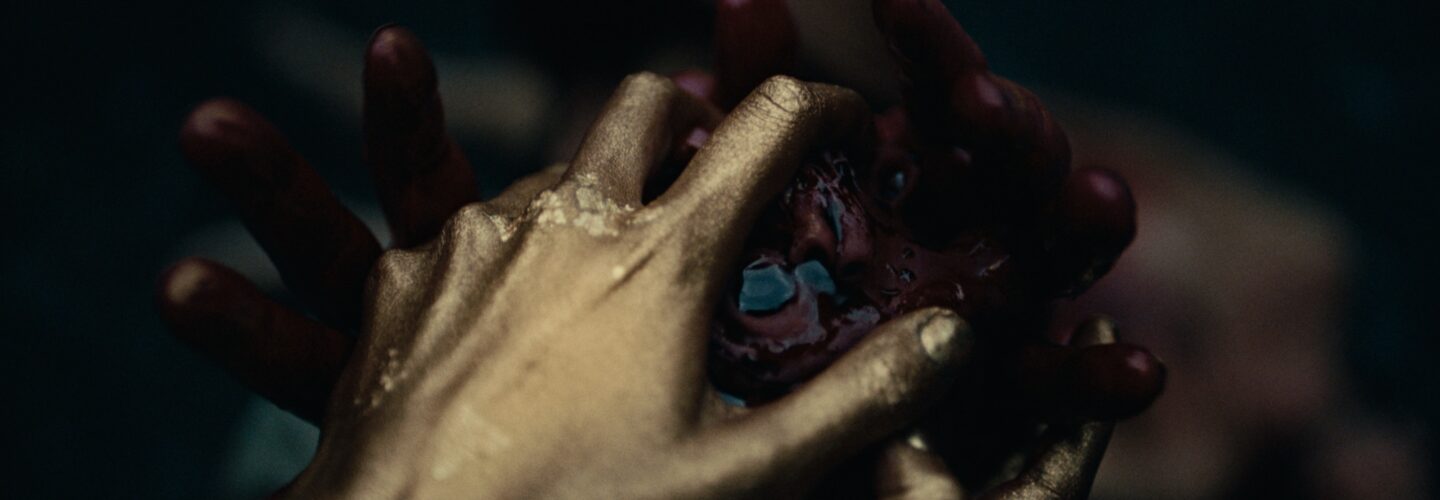
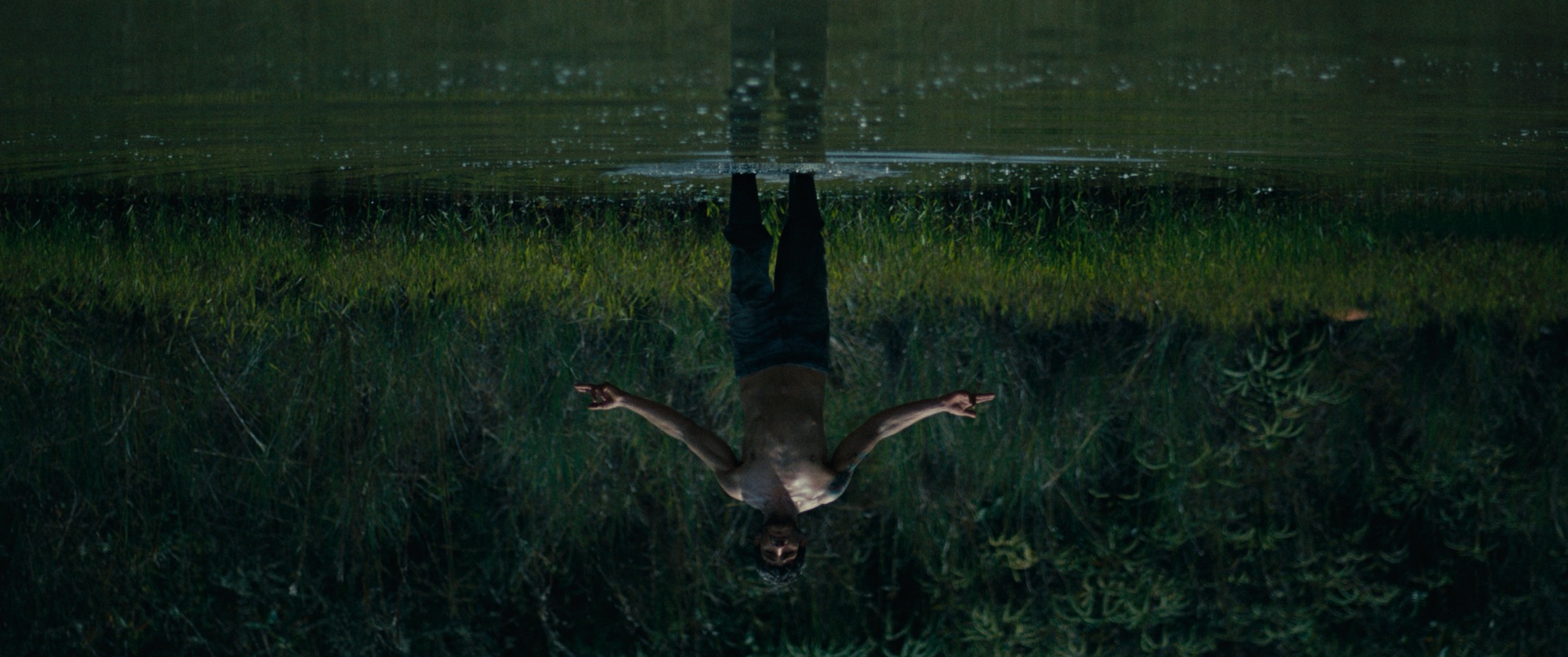
In his proof of concept short Cacique del Monte, writer/director Mateo Martinez conjures a world where the earth itself breathes—a place of weeping emeralds, whispering mountains, and greed that defiles the sacred. More than an exposé of Colombia’s violent emerald trade, the film is a sensory plunge into the porous edges of myth and reality rendered through a cinematic language both timeless and fiercely modern. Martinez channels Latin American magical realism not as escapism but as excavation, using the supernatural to unearth truths buried by conquest and capitalism. Here, the mystical is grounded in the tangible: emerald greens pulse with ancestral energy, sound design twists jungle murmurs into omens, and non-professional actors lend their lived scars to the story. In a landscape often flattened into narco dramas, Cacique del Monte is a film where magic is not ornament but memory, and every frame thrums with the weight of histories too long suppressed. As his film premieres on DN, Martinez unravels how he mirrored Muisca oral traditions in the film’s cyclical structure, why casting locals was an ethical imperative, and how forbidding reshoots became a moral act of artistic surrender.
This story could only have come from Colombia.
Cacique del Monte was born from a visceral fascination with Colombia’s reclusive emerald trade, a world both sacred and violent. The idea took root as I delved into the history of emeralds in our country, tracing their cultural significance back to pre-colonial times. Among the Muisca and Muzo peoples, emeralds were divine stones and symbols of devotion, imbued with spiritual weight and used in ritual offerings to gods of nature. According to Muzo legend, emeralds emerged from the tears of the mountain deity Fura, mourning her lover Tena. From their inception, these stones were stained by grief, and over the centuries, that sorrow mutated into greed, betrayal, and bloodshed. The Spanish conquest intensified this struggle, and today, the fight over control of emerald territory remains fierce. Just months after production, a powerful emerald czar I was set to meet was assassinated in Bogotá. This intersection of myth, history, and contemporary violence compelled me to develop the film as an allegory, a tale of sacred heritage corrupted by greed.
I imagine that, alongside casting, locations were key to the authenticity and mystery of the film.
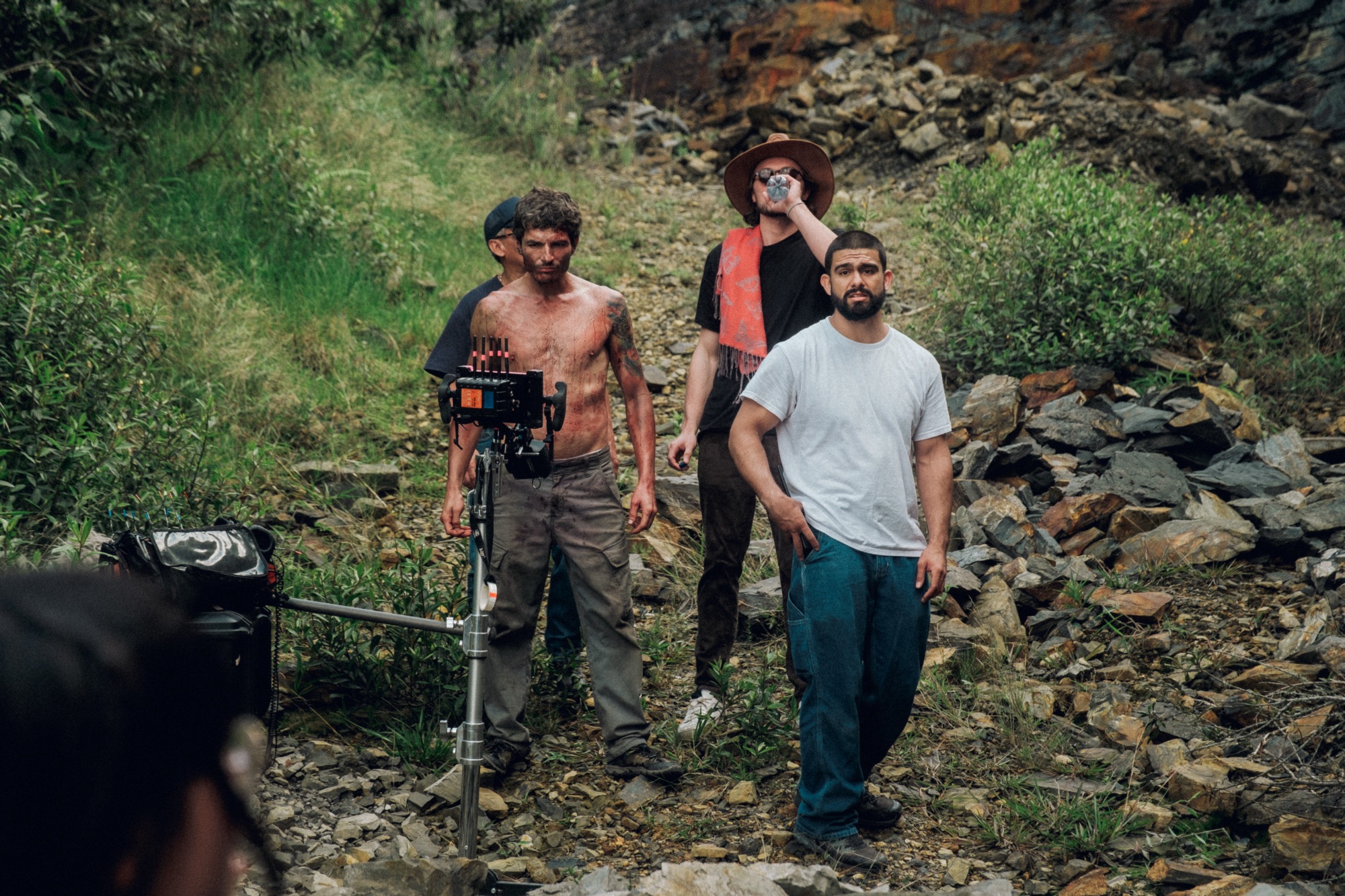
The film was shot entirely in emerald territory, including active mines and the rugged Andean jungle. Possible through our collaboration with Emerald Hotel Boutique. Our approach was rooted in authenticity: we mixed professional actors with locals who live within this ecosystem, capturing a hybrid realism that blurs fiction and reality. Our cast features Anderson Ballesteros (best known as El Chili in El Patrón del Mal), alongside Walther Luengas, Andrés Rojas, Betania Rojas, and Daniela Palma.
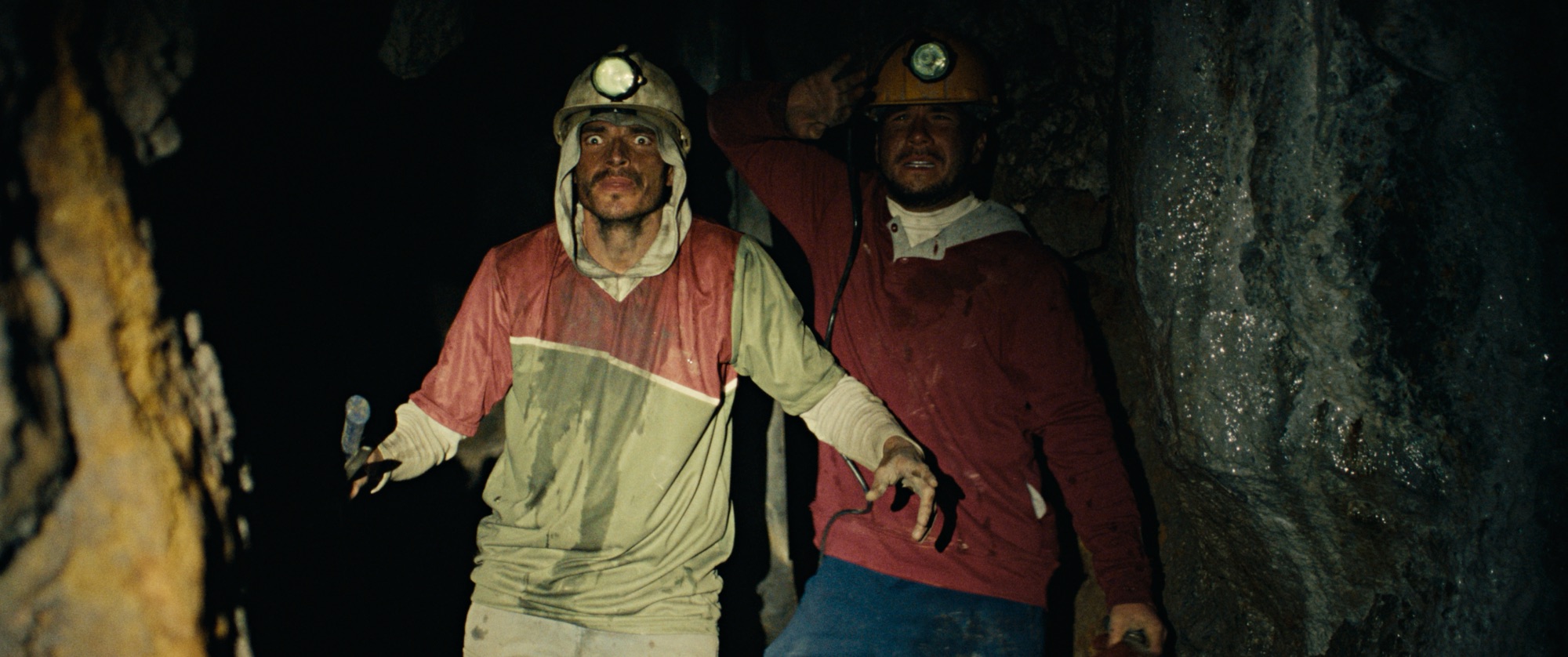
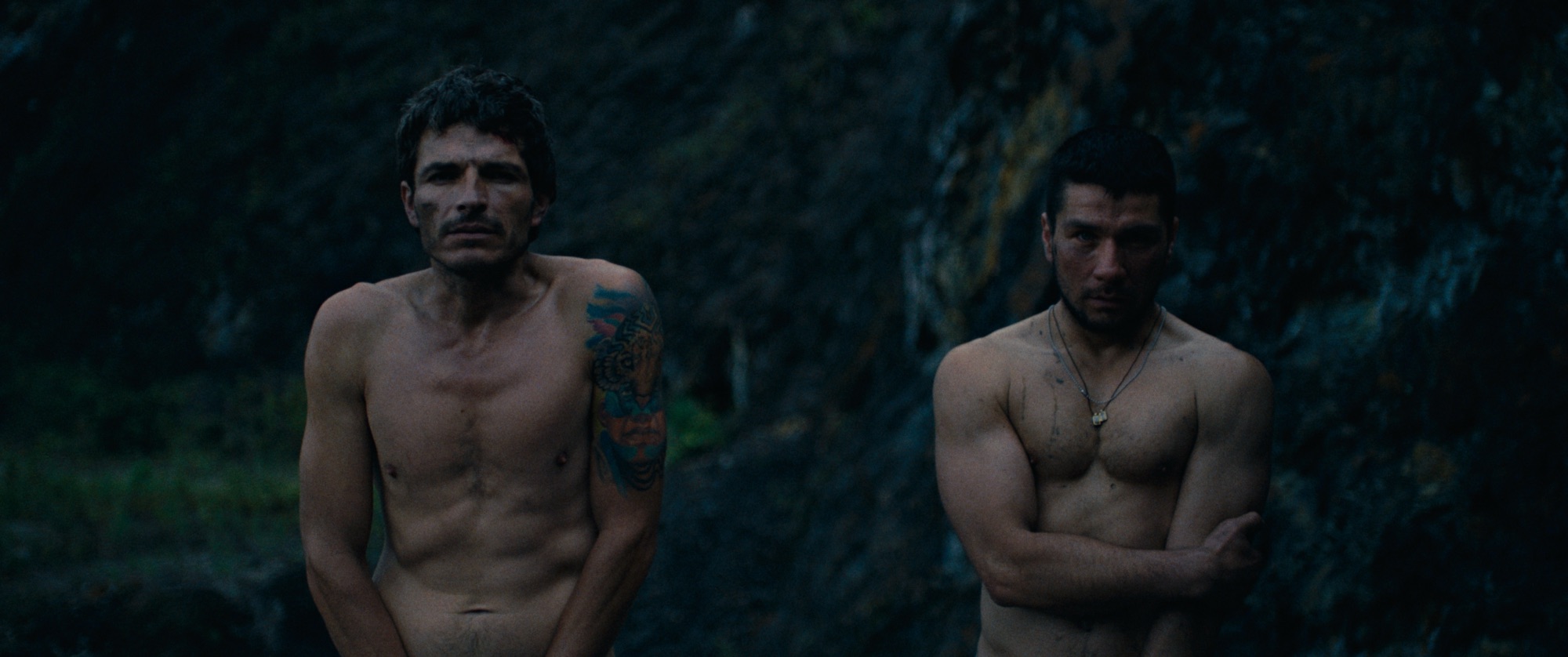
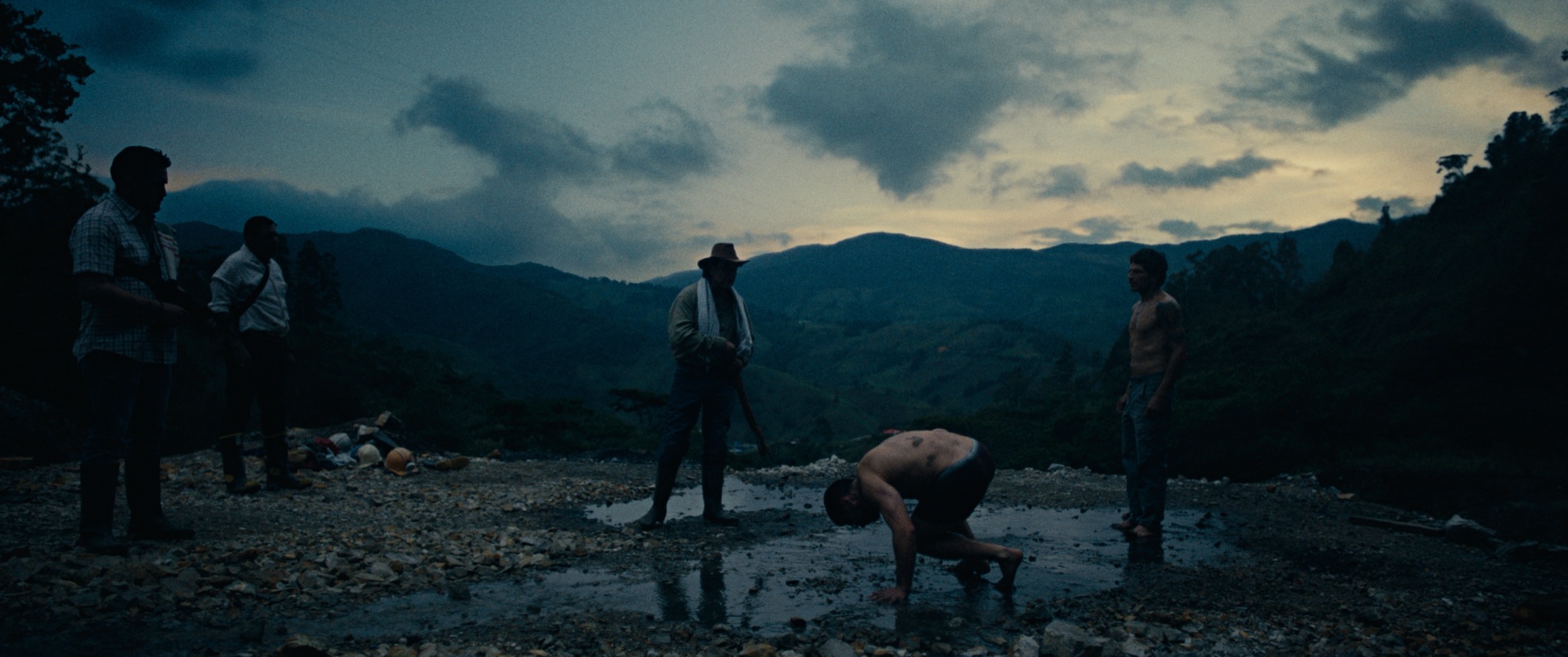
We listened to the region, to the people who live these stories, blending their voices into something that feels entirely Colombian.
Beyond legends, did you incorporate oral histories, local proverbs, or guaquero superstitions into the dialogue and/or plot structure?
Cacique del Monte is the culmination of tales, betrayals, guaquero superstitions and ancestral myths. Its narrative follows a cyclical structure inspired by Muisca oral traditions, beginning with the emerald’s extraction and ending with its return to the earth. The spiritual and mythological undertones are deeply rooted in indigenous beliefs, while the characters and plot reflect the real-life complexities of the emerald trade. We listened to the region, to the people who live these stories, blending their voices into something that feels entirely Colombian, past and present converging through the emerald as conduit.
Most Popular
How did you avoid the pitfall of reducing characters to stereotypes of greed to instead show the systemic forces that trap them?
Cinema allows us to investigate complex people in all their contradictions. To truly understand a character, we must explore their context, the systems, beliefs, and environments that shape them. Aníbal is no exception. He lies, steals, betrays, but these actions stem from something deeper: a life shaped by systemic poverty, distorted ideas of masculinity, and an unrelenting desire to succeed at all costs. He isn’t a villain. He’s human. His greed, like that of the emerald czar Chivo, is a reflection of a world where everything comes at a price. In confronting that price, Aníbal discovers the one thing he can’t sacrifice. That moment, I believe, is where his humanity shines.
The research behind this film was rooted in deep, immersive fieldwork. We spent months on the ground, interviewing guaqueros, town mayors, veterans of the emerald trade, and geologists, each offering distinct perspectives and lived histories that shaped our understanding of the region and its realities. We also spent weeks with the Muisca community to explore the ancestral power of emeralds, uncovering their cultural significance and spiritual resonance. Cacique del Monte is the result of weaving together these stories and insights. It is this mosaic of voices that grounds the film in authenticity.
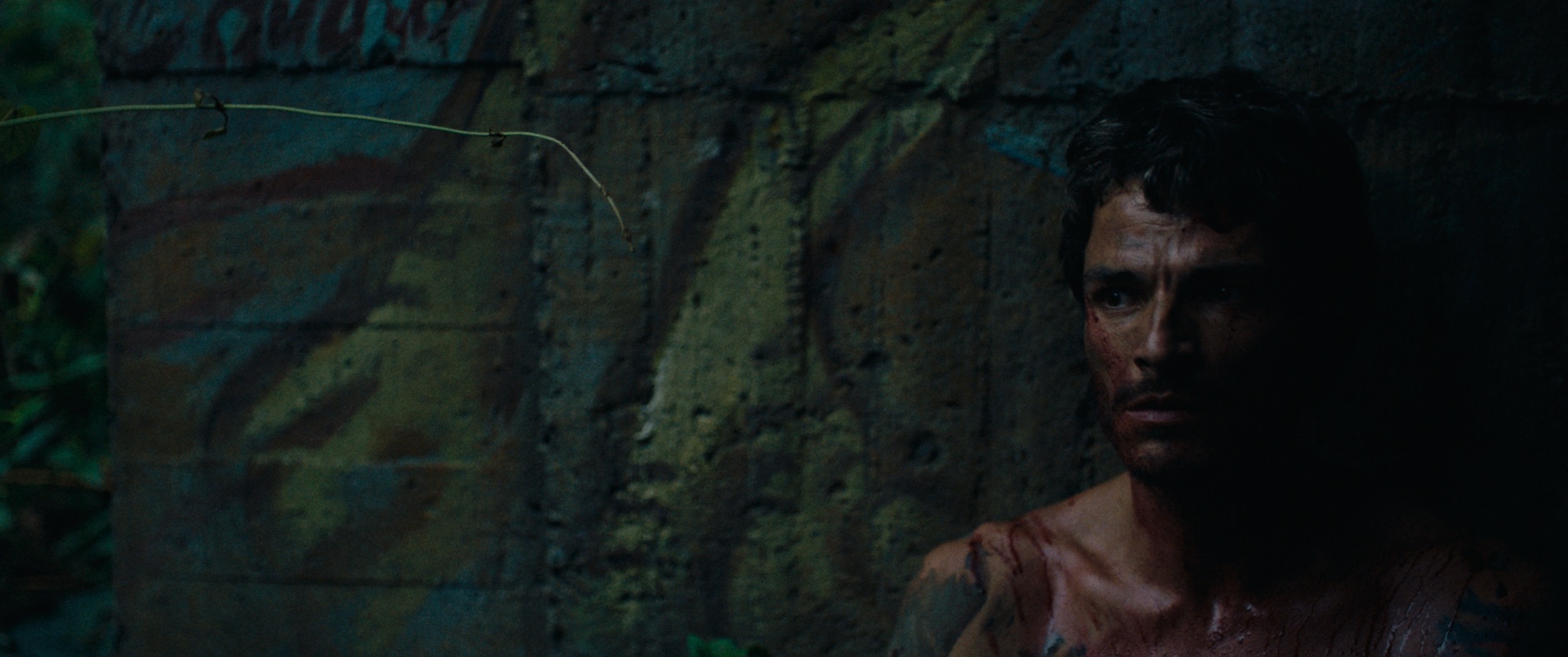
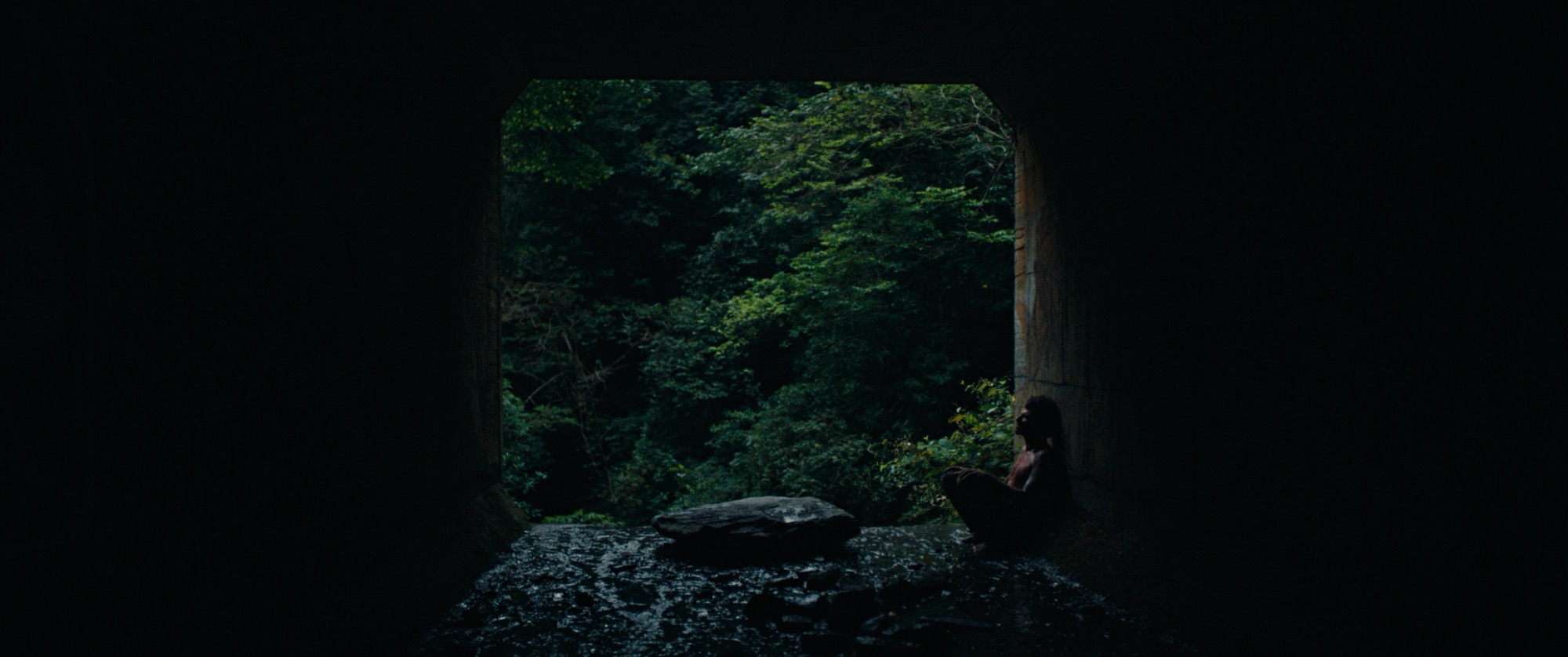
I love the injections of magical realism. What techniques did you use to reflect that rich cultural history of magic and life bleeding into each other?
Magical realism is a natural extension of how stories are told in Colombia. In Cacique del Monte, we gave nature its own agency, letting it breathe as a character in the film. Through dreamlike sequences and symbolic imagery, we allowed the mystical to emerge organically from the everyday. For us Colombians, magic is not separate from life, it pulses through it. Who are we to say what is real or imagined, when for our ancestors and our characters, they are one and the same? In Colombia, magic is truth.
Through dreamlike sequences and symbolic imagery, we allowed the mystical to emerge organically from the everyday.
Remote locations can make pickups impossible. What did you do to ensure you captured what was essential and how much did the editing process shape the film?
We approached production with the understanding that there would be no second chances. Every frame had to work in-camera. This demanded rigorous preparation, tight shot lists, rehearsed blocking, and a clear editorial vision from the start. I don’t believe in pickups; I believe in honoring what we captured and shaping the story from that.
Post-production became a space of discovery. Our editor, Case Avron, and I explored countless variations, guided by the material and an evocative soundscape, until the film revealed itself. It was a creative limitation that made the process deeply alive.


The colour is exquisite and the whole film is lush. Were certain hues exaggerated to heighten the allegory and what did you shoot on?
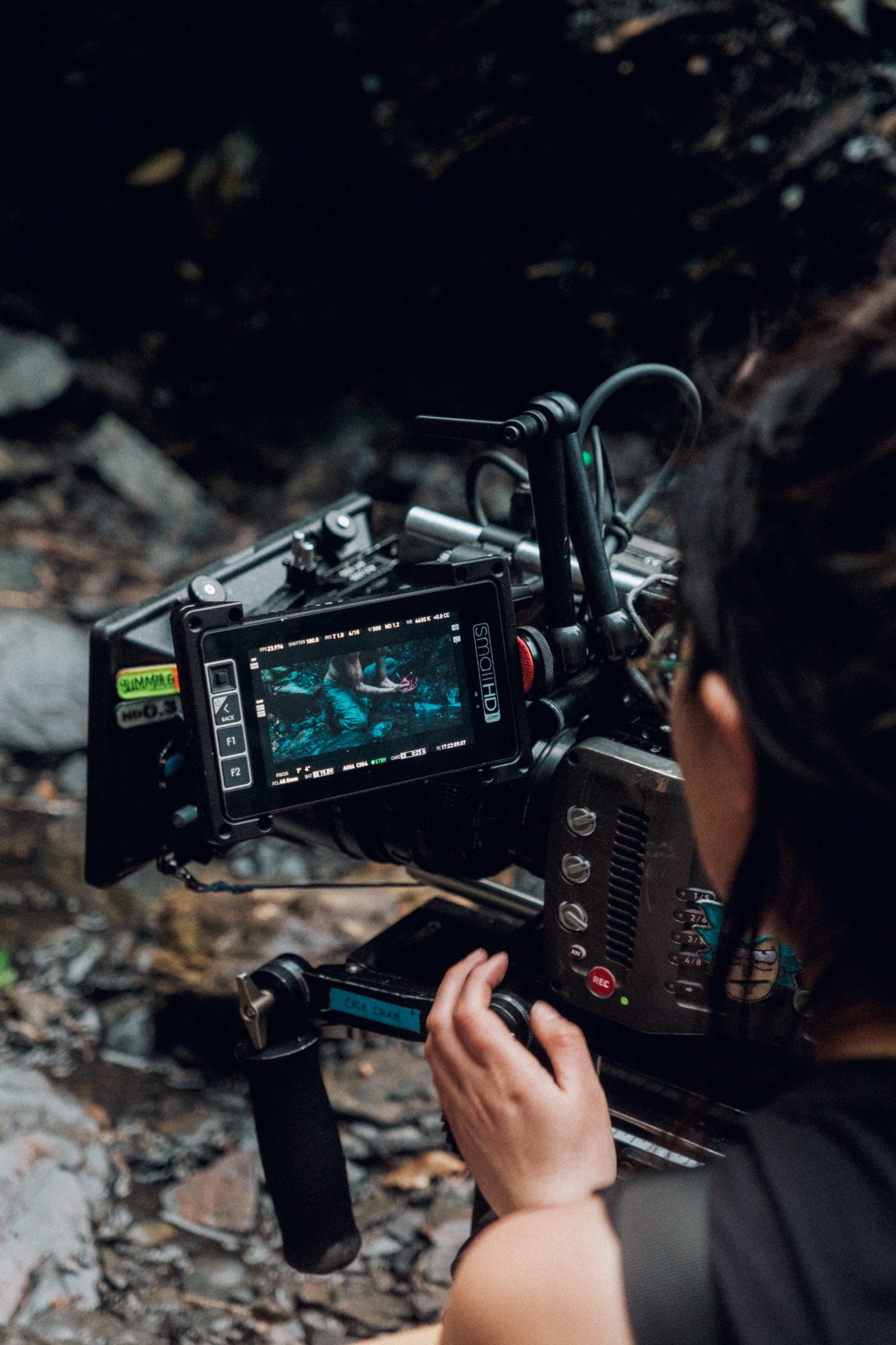
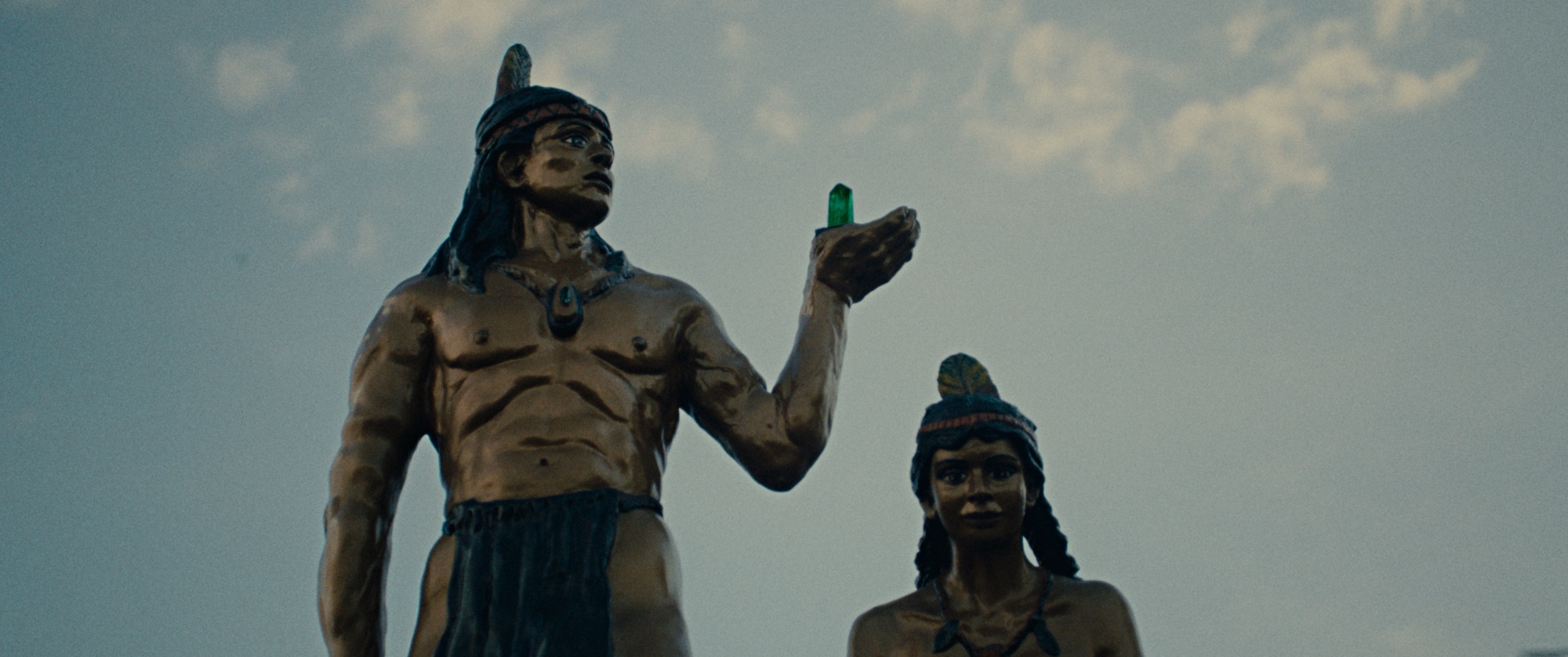
We utilized natural light, practical effects, and a wide format visual language to emphasize the visceral, immersive quality of the world. Our goal was to bring viewers deep into uncharted terrain, into the spiritual and physical landscapes of the emerald region. Color in Cacique del Monte utilizes its aesthetic as a symbol. The emerald green stands for nature’s power, its history, and the Muisca view of emeralds as sacred stones, the color of the mountains themselves. The red speaks of sacrifice, blood, and the human cost of desire.
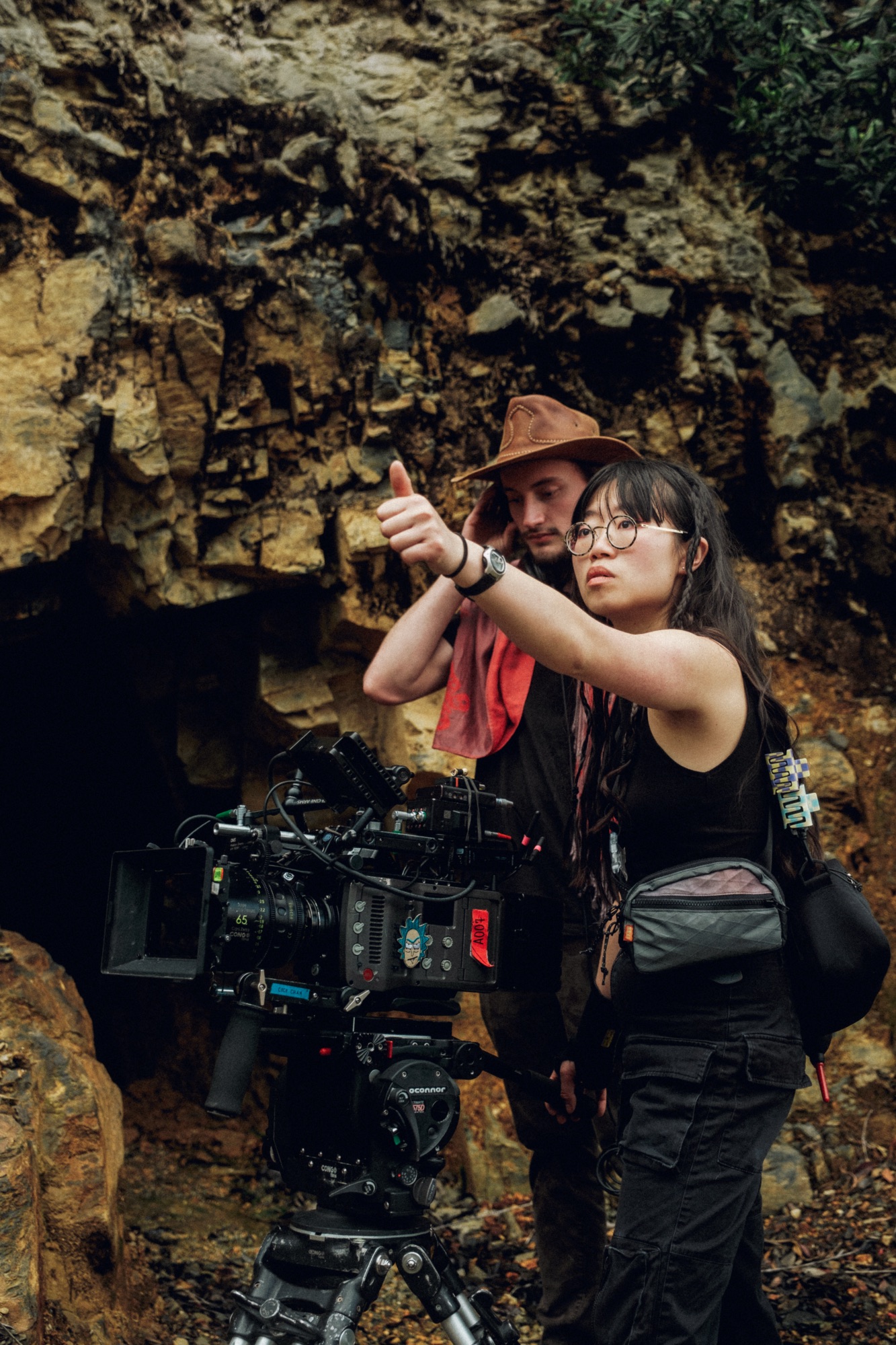
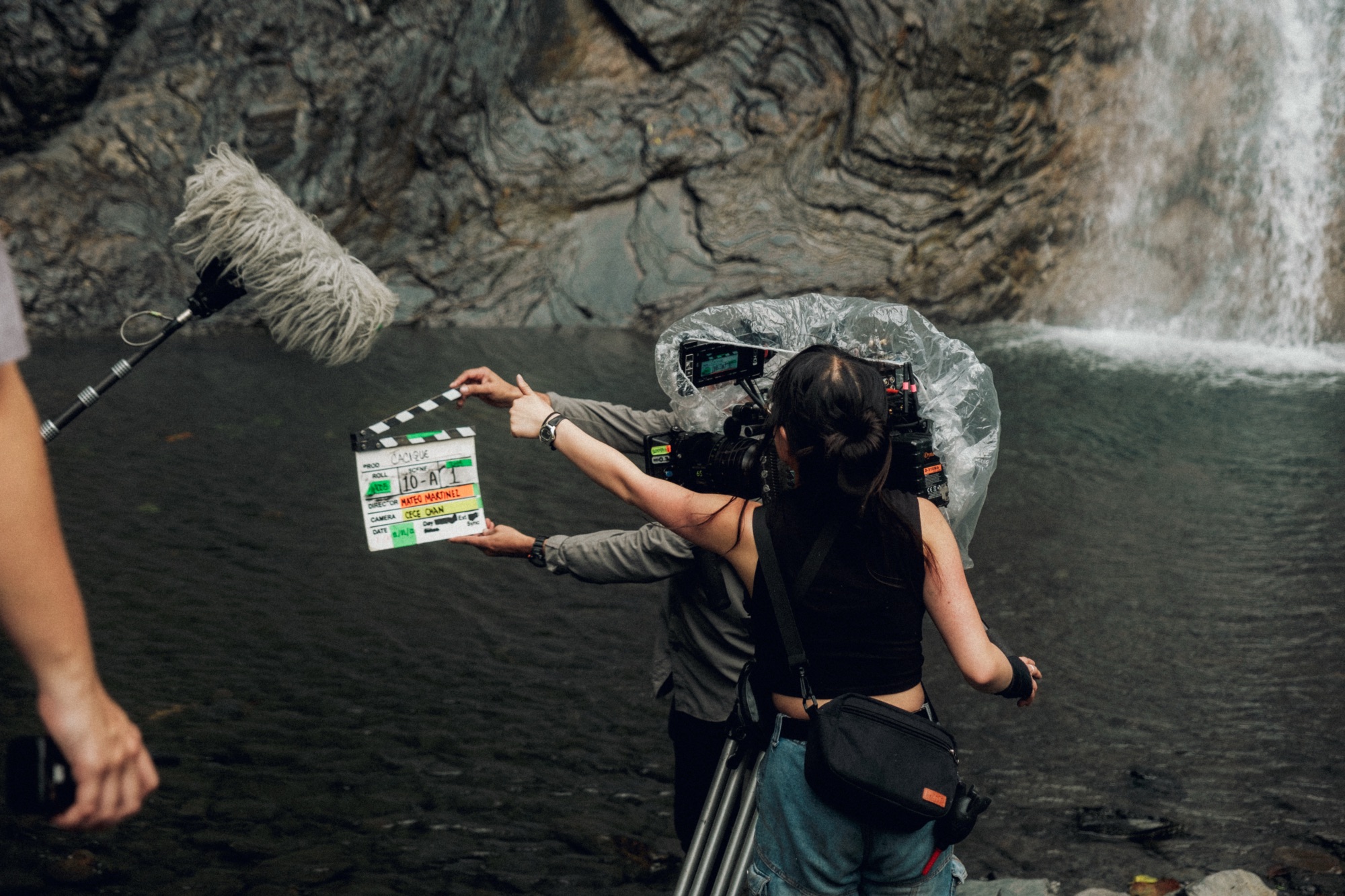
We shot on an ARRI Amira paired with Master Prime lenses and cinematographer Cece Chan captured these tones with stunning precision, grounding them in the lush reality of the region. Zack Chamlers’ color grade then heightened those hues, allowing the allegory to fully bloom on screen. Color became language, one that speaks to the soul of the film.
We took the raw textures of the land, wind, caves, insects, thunder and distorted them to reflect characters’ inner states as well as nature’s forceful presence.
I love your approach to the soundscape. Why was it so important to you to have the natural sounds alongside a more constructed score?
For me, making a film is a spiritual journey, where I fully immerse myself in the world I’m building. Sound plays a crucial role in that immersion. I was drawn to the idea of weaving together real, diegetic sounds from the ecosystem with a composed score. Complicating any one explanation, what’s natural and what’s imagined? Is there a difference? And if so, does it matter? The score is emotion filtered through environment. We took the raw textures of the land, wind, caves, insects, thunder and distorted them to reflect characters’ inner states as well as nature’s forceful presence. The result is a soundscape that feels mythic but still rooted in reality, echoing the mysticism of the story.
Cacique del Monte blends ambient realism with supernatural elements. Did you layer foley or solely work with location sourced sounds?
We primarily sourced our sounds on location. From there, Oscar-nominated Tristan Baylis crafted a sound design that brought the world to life with texture, grit, and atmosphere. His interpretation elevated the raw material, twisting natural elements just enough to evoke something magical. It was important that the supernatural never felt imposed, but rather emerged from within the environment itself, rooted in realism, yet resonating with myth.
As a Colombian filmmaker, did you grapple with romanticising the land’s beauty and history while exposing its violence? How did you navigate that tension?
My greatest desire is to contribute to a cinema that reflects the complexity of our cultural identity. I can’t shy away from our history of violence, it is a part of who we are, but it’s not all that we are. Cacique del Monte embraces that duality. We explore violence alongside poetry, trauma alongside beauty, seeking truth and catharsis in the contradictions. The emerald itself becomes an allegory: sacred, coveted, and soaked in both devotion and blood. An exploration of all of its facets. It mirrors Colombia, its ancestral richness, its mythic spirit, and its dangerous allure to try and possess it.
Colombia is a land shaped by mystery, conflict, and breathtaking beauty, yet I often feel the absence of a cinematic language that truly captures our essence. The dominance of the narco genre has flattened our identity into a single narrative, erasing the layers of our heritage. I grew up haunted by the stories whispered in the mountains, the spiritual echoes in our ecosystems. My mission is to give form to that unseen Colombia, complex, magical, and deeply human. Cacique del Monte is, at its core, a love letter to the land. It’s a mythic homage to a place where the sacred and the violent coexist, where history and legend blur. One cannot exist without the other, and neither should be portrayed without the other.
My greatest desire is to contribute to a cinema that reflects the complexity of our cultural identity. I can’t shy away from our history of violence, it is a part of who we are, but it’s not all that we are.
As a proof of concept for a feature, what unanswered questions or unresolved themes from the short will you expand upon and what else are you working on at the moment?
El Dorado is the feature-length evolution of Cacique del Monte, my dream project and personal magnum opus. While it expands the world and mythology introduced in the short, it ultimately unfolds into its own universe, with a distinct tone, narrative, and cast of characters. Blending the spiritual intensity of Aguirre, the Wrath of God with the descent-driven tension of Apocalypse Now, the film is a treasure hunt across the Colombian Andes during the height of the green wars. We follow Aníbal, a guaquero who steals a sacred emerald from a forbidden mine, unknowingly awakening a curse that binds him to the ancestral spirits of the mountain. Haunted by visions and hunted by Chivo, a feared emerald czar who believes the stones to be his divine inheritance, Aníbal is pulled into a perilous search for the legendary lost treasure of El Dorado. As rival factions close in, the quest becomes a spiritual reckoning marked by witches, betrayals, and the ghosts of Aníbal’s past. It’s a magical realism epic exploring legacy, sacrifice, and the moral weight of greed through intersecting characters and timelines. At its heart lies the ancestral relationship between land and sacrifice.
In parallel, I’m developing Sagrado Corazón, a psychological thriller set in the heart of Bogotá. It’s a noir story rooted in Catholic imagery and explores the corrosive grip of guilt and the inescapability of sin. It follows a man unraveling under the weight of his conscience, trying to outrun his own darkness. We’re currently in pre-production, with plans to shoot next year. Both projects are driven by a shared impulse: to portray the emotional and spiritual truths buried in Colombia’s soil, to reclaim our narrative, not through spectacle, but through stories that are mythic, intimate, and unapologetically ours.